
Coin Encyclopedia
Search and identify coins from around the world — with country, denomination, metal, mint, history, and how to tell them apart.
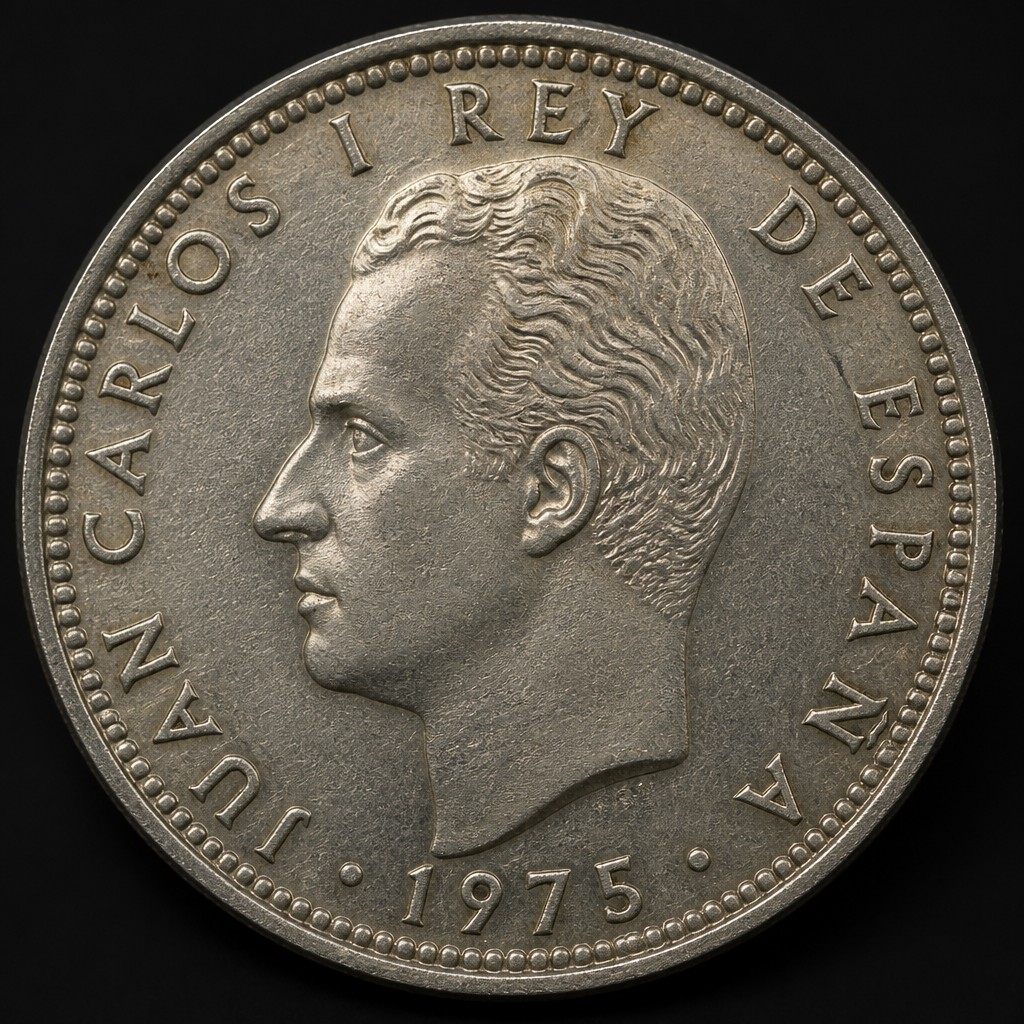
Spanish Peseta
The peseta was Spain's national currency for over 130 years, evolving from silver coinage under a provisional 19th-century government to copper-nickel coins used until the euro replaced it in 2002.
European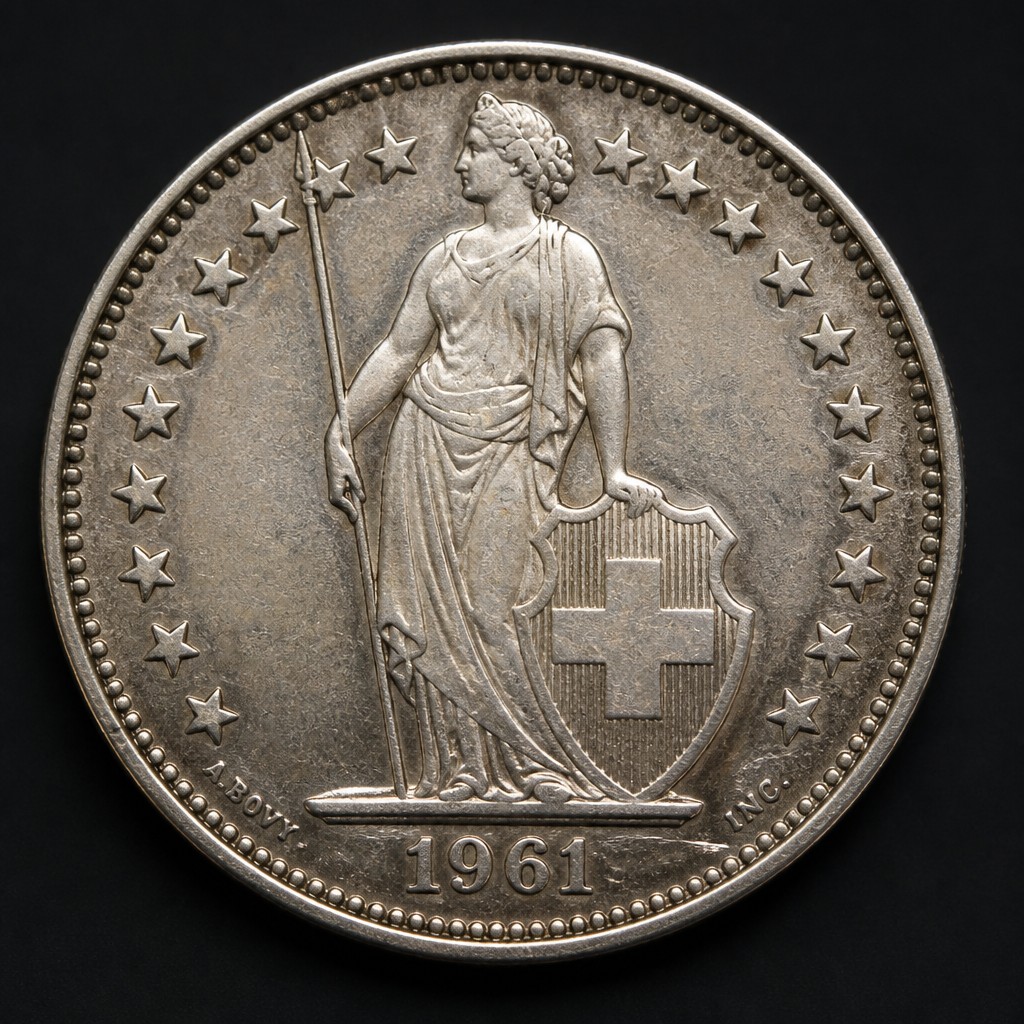
Swiss 5 Francs Silver
The Swiss 5 Francs was Switzerland's largest circulating silver coin for over a century, featuring the standing figure of Helvetia, and remains a favorite among collectors of European silver crowns.
European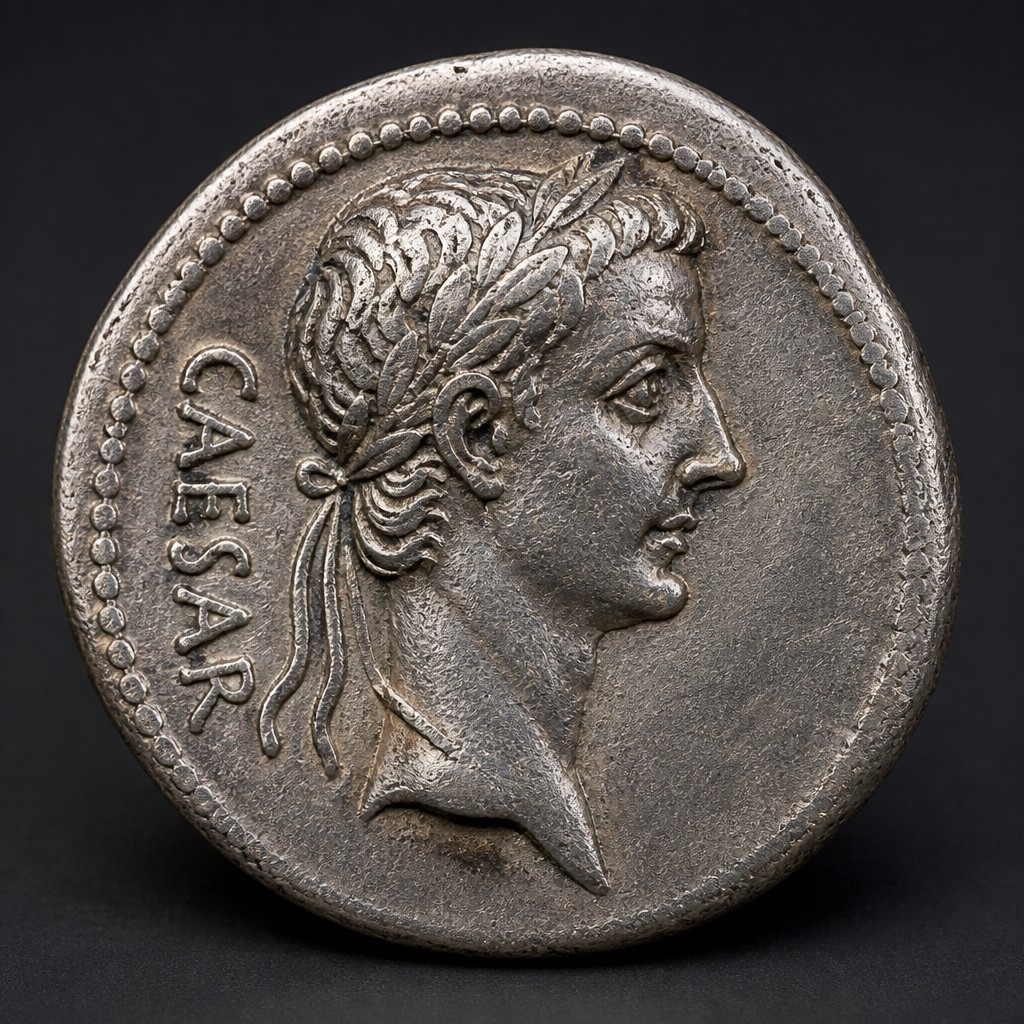
Julius Caesar Elephant Denarius
One of the most widely recognized ancient Roman coins, struck under Julius Caesar's authority and depicting an elephant trampling a serpent, likely a symbolic image tied to Caesar's political struggles.
Ancient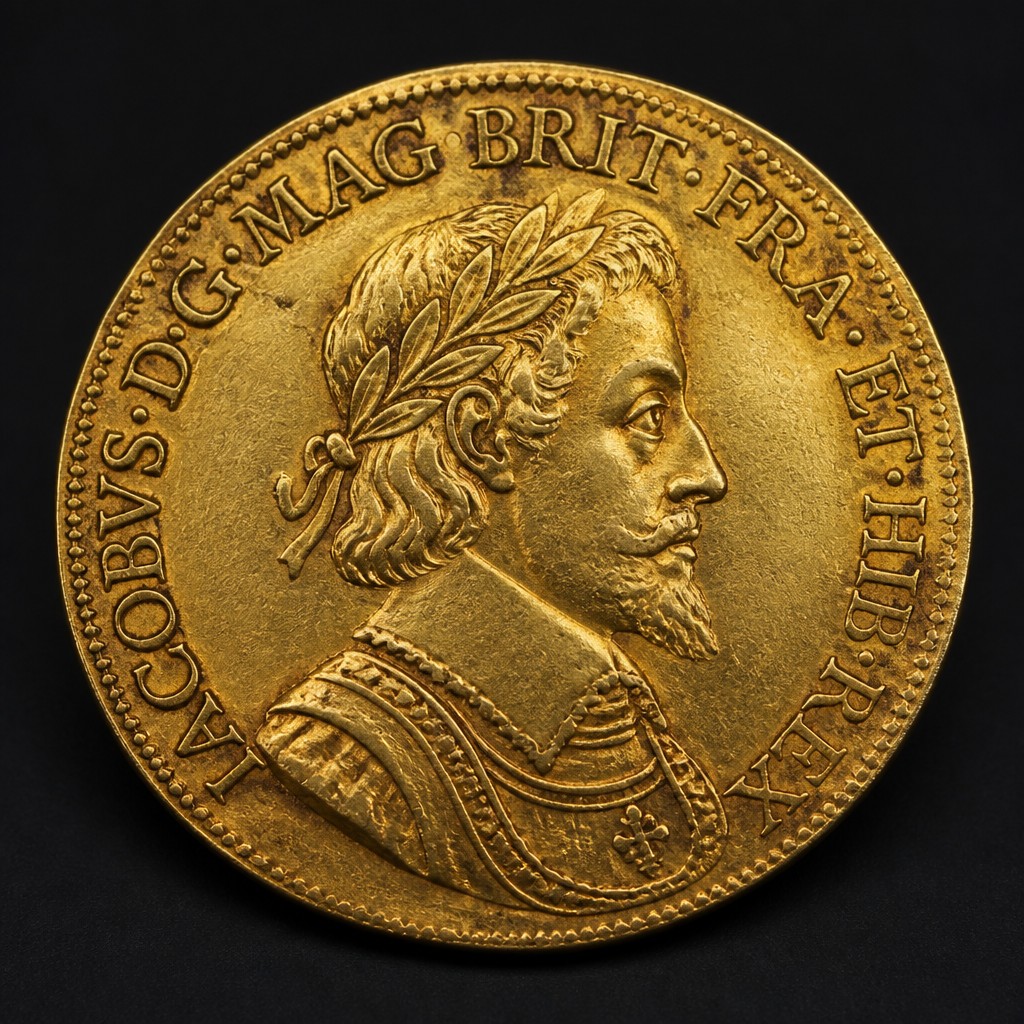
Laurel
A gold twenty-shilling coin issued from 1619, named for its laureate royal portrait styled after Roman emperors, replacing the earlier Unite as James I's principal gold denomination.
British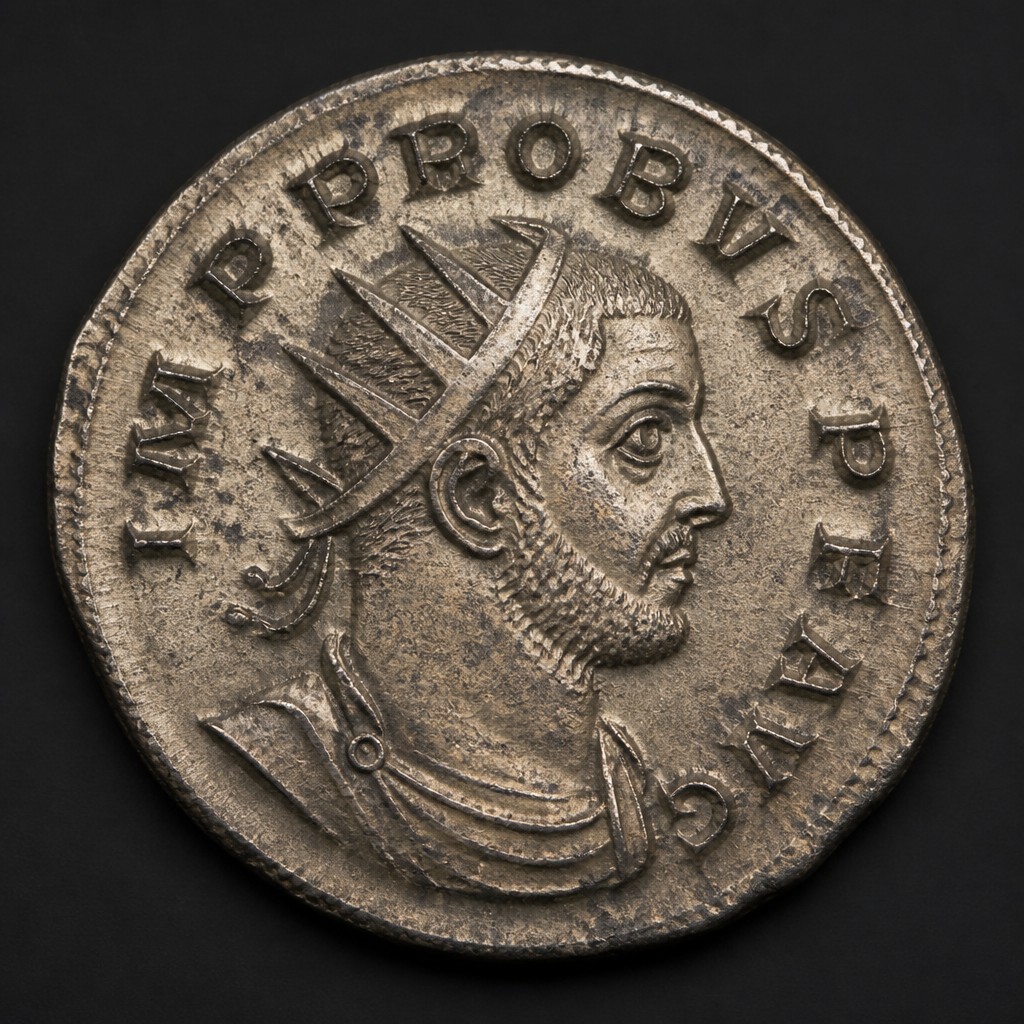
Probus Antoninianus
Radiate coin of Probus, a capable soldier-emperor who defended the frontiers against Germanic incursions and issued coinage noted for elaborate consular and military portrait styles.
Ancient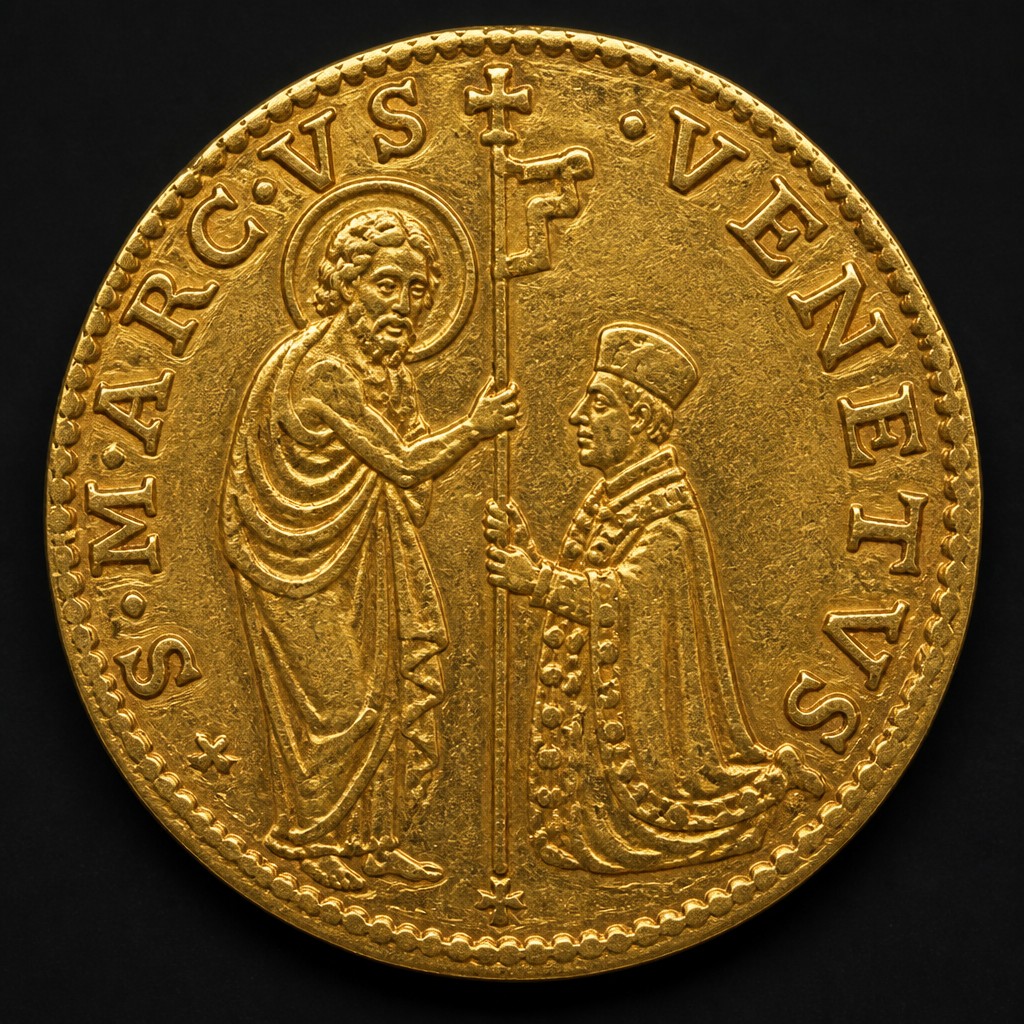
Venetian Ducat
Gold coin first struck by the Republic of Venice in 1284, prized for its remarkably consistent weight and purity, which made it a dominant trade coin across medieval and Renaissance Europe.
European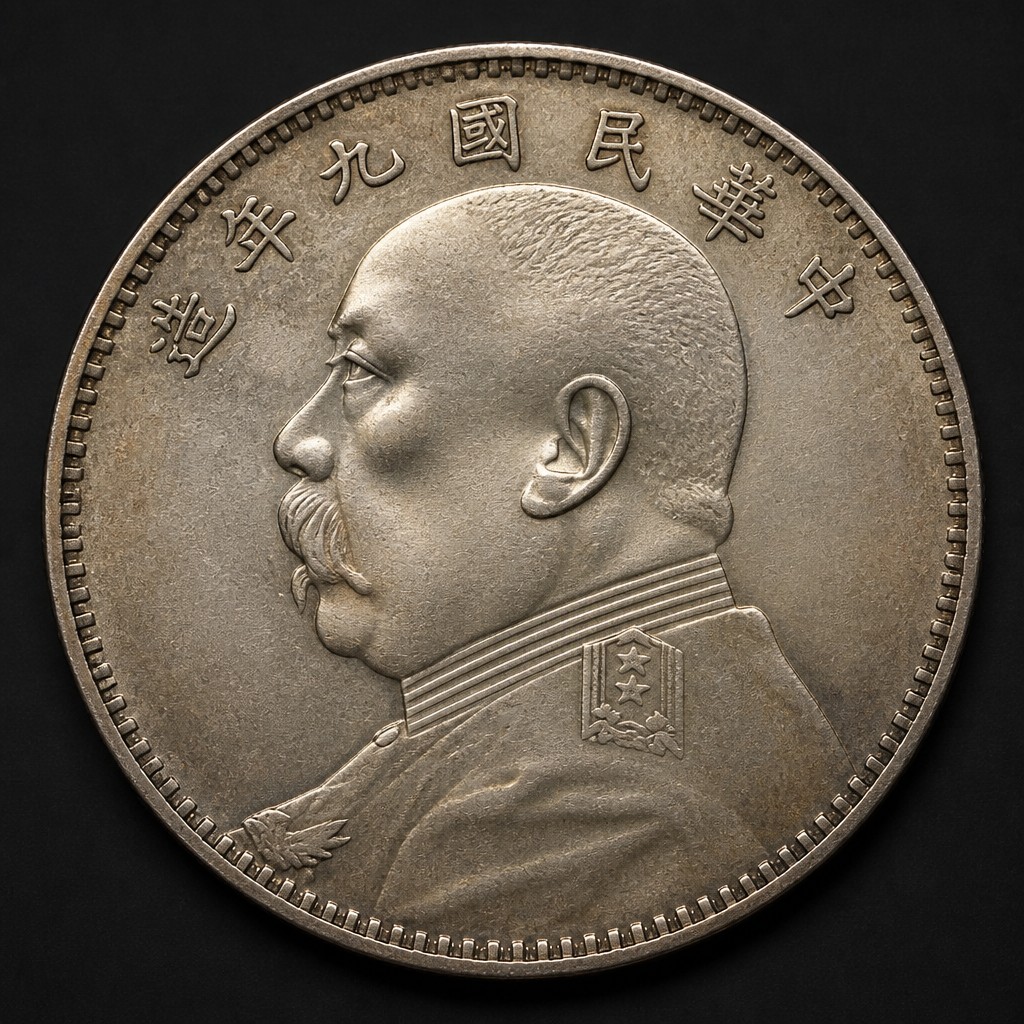
Yuan Shih-kai Dollar ("Fat Man Dollar")
A widely circulated Republic of China silver dollar bearing the portrait of President Yuan Shikai, nicknamed the "Fat Man Dollar" for his rounded features and became China's standard silver coin for years.
Asian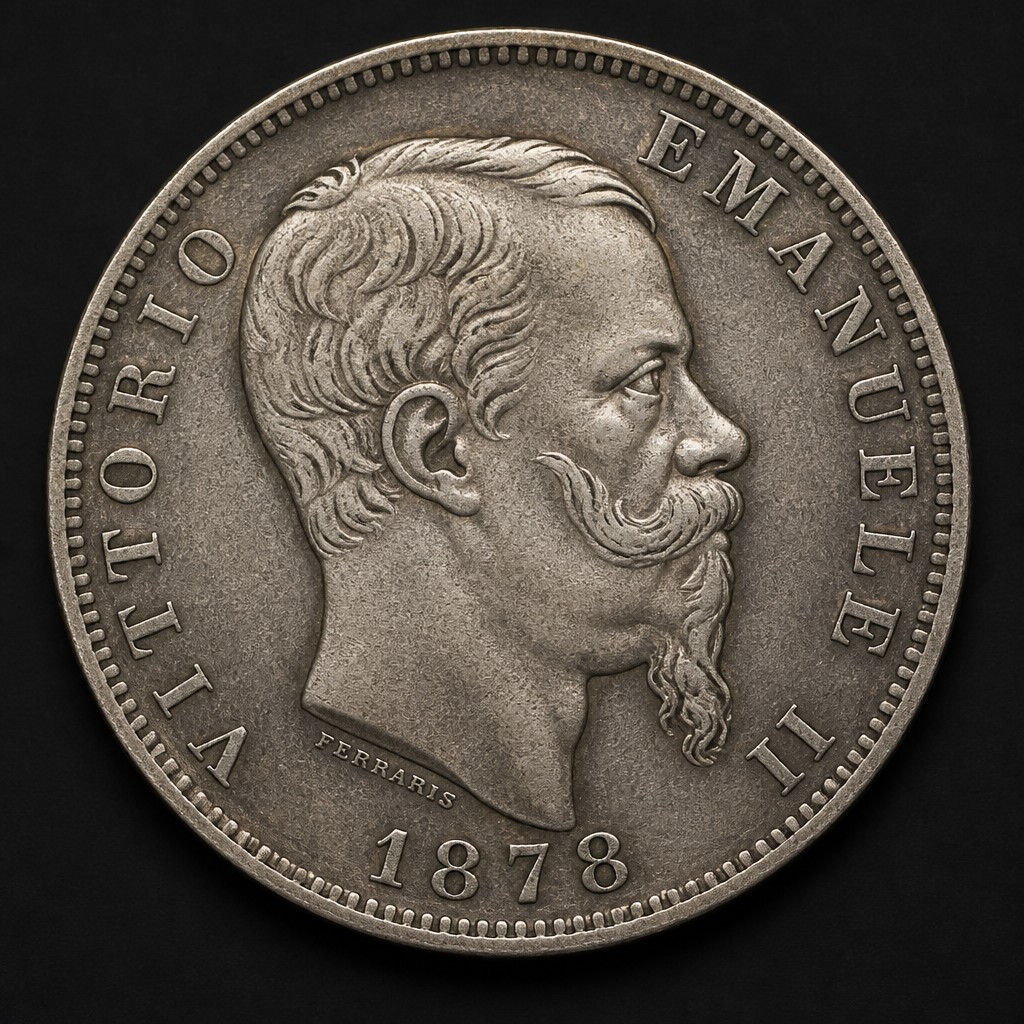
Italian 5 Lire
A large silver crown of the newly unified Kingdom of Italy, bearing the portrait of the reigning king and marking Italy's emergence as a single national currency after centuries of regional coinages.
European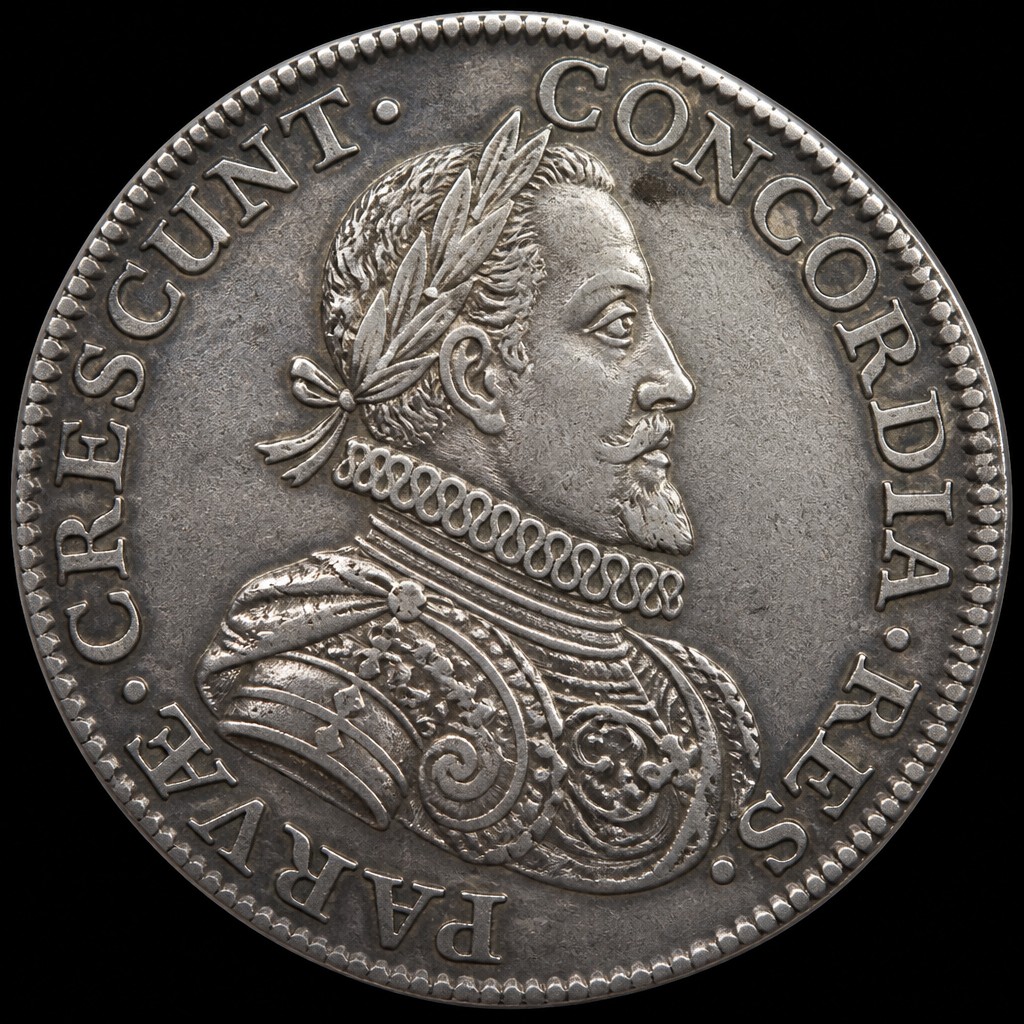
Netherlands Rijksdaalder
A historic large silver crown-sized coin of the Low Countries, the rijksdaalder became a trusted trade coin across Europe for centuries and lent its name to the modern Dutch 2½-guilder piece.
European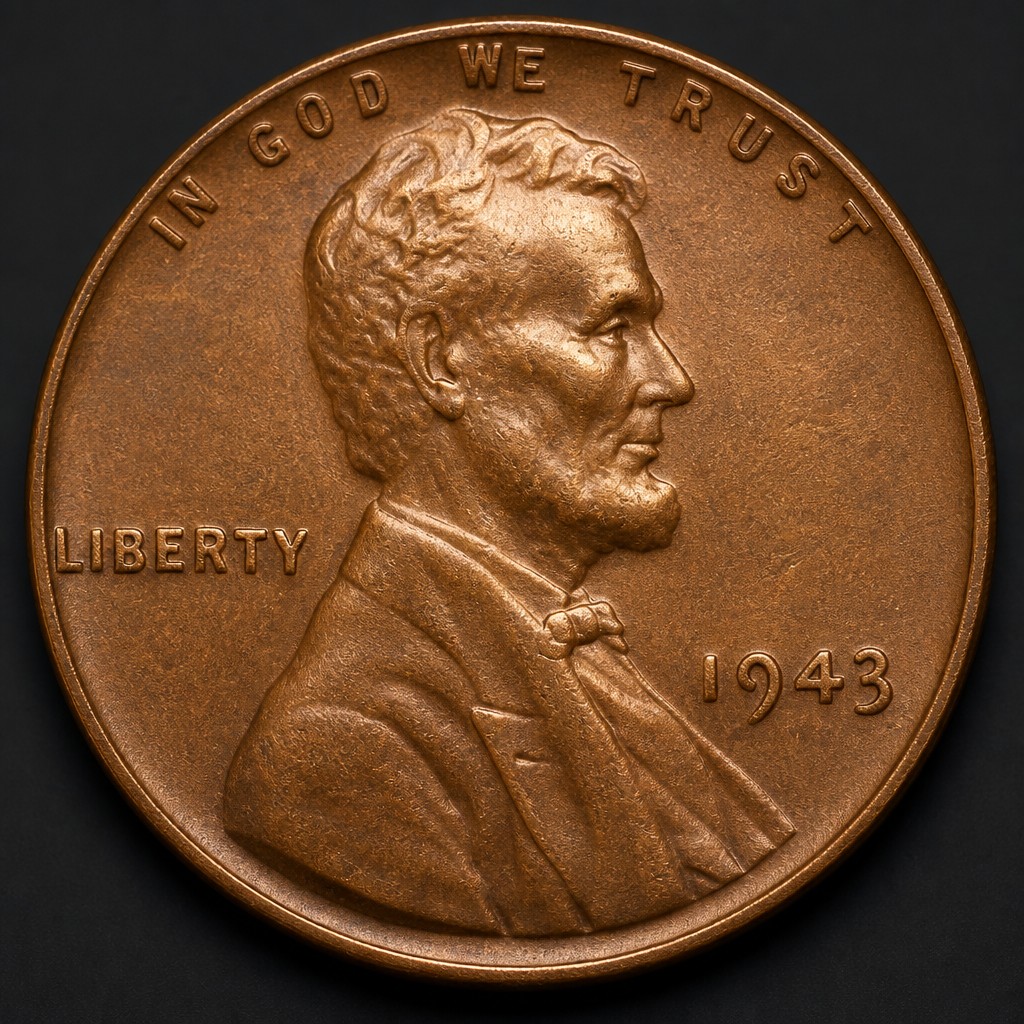
1943 Copper Lincoln Cent
An extremely rare mint error where a handful of 1943 cents were struck on leftover bronze planchets instead of the wartime steel used that year, making it one of the most famous US coin errors.
Errors & Varieties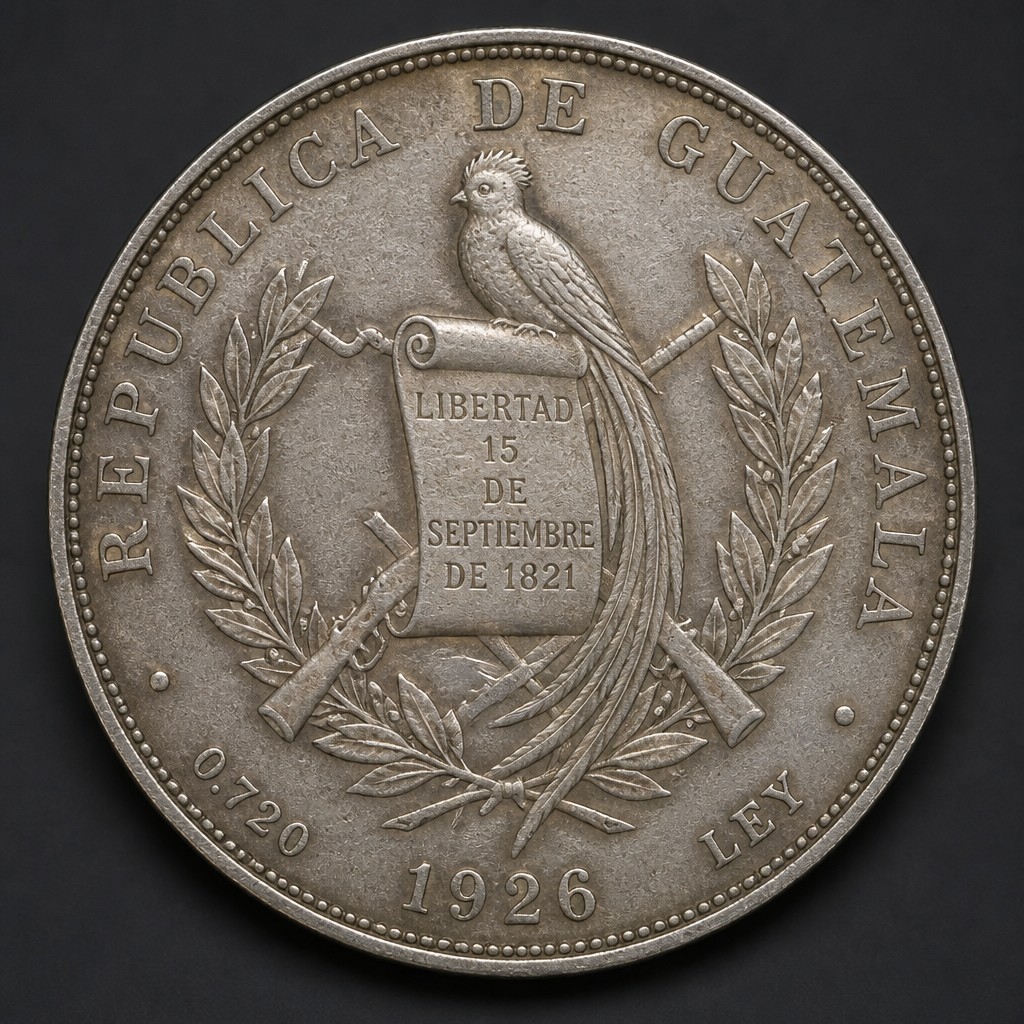
Guatemala Quetzal Silver
Guatemala's modern national currency unit, named after the resplendent quetzal bird, introduced in the 1920s with a substantial silver coin marking the country's monetary modernization.
Latin American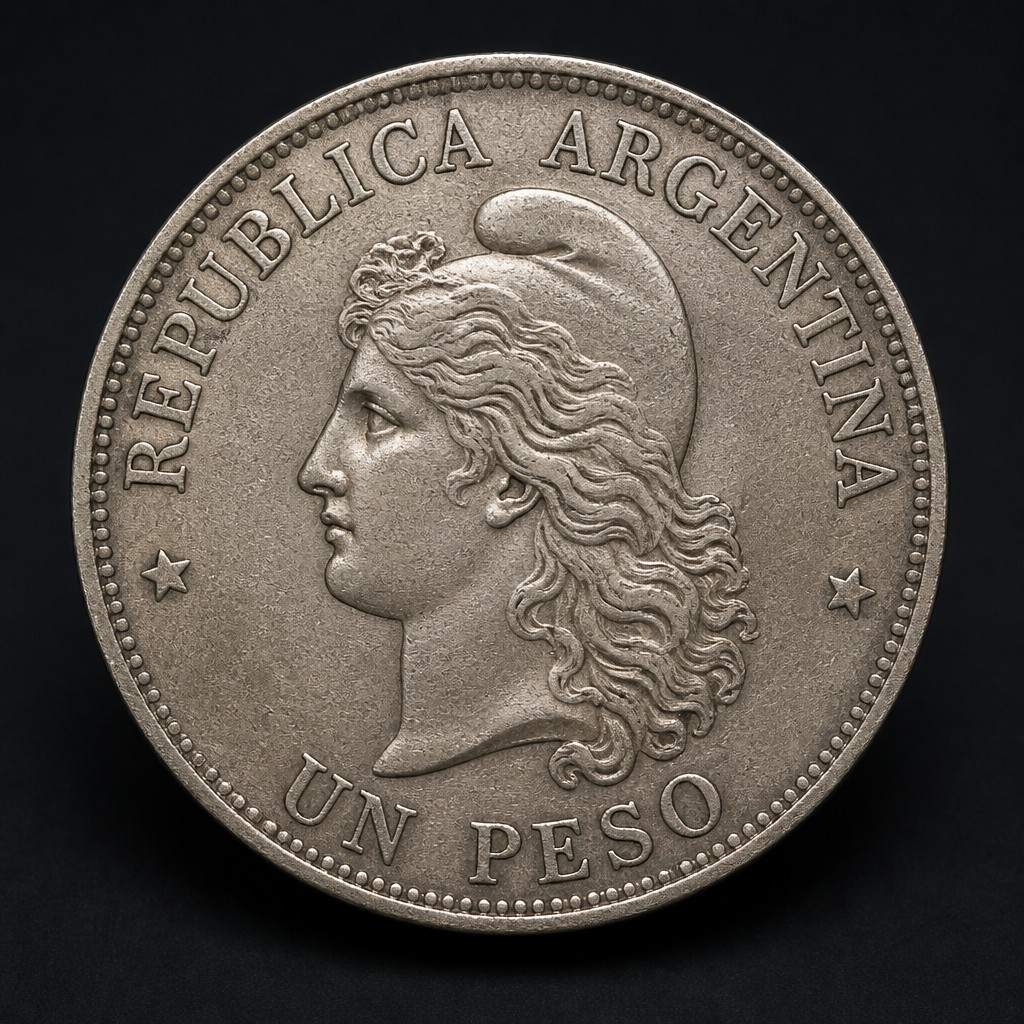
Argentine Peso Moneda Nacional (Patacón)
Argentina's long-standing peso moneda nacional coinage, informally nicknamed the patacón, formed the backbone of the country's currency from the 1880s well into the twentieth century.
Latin American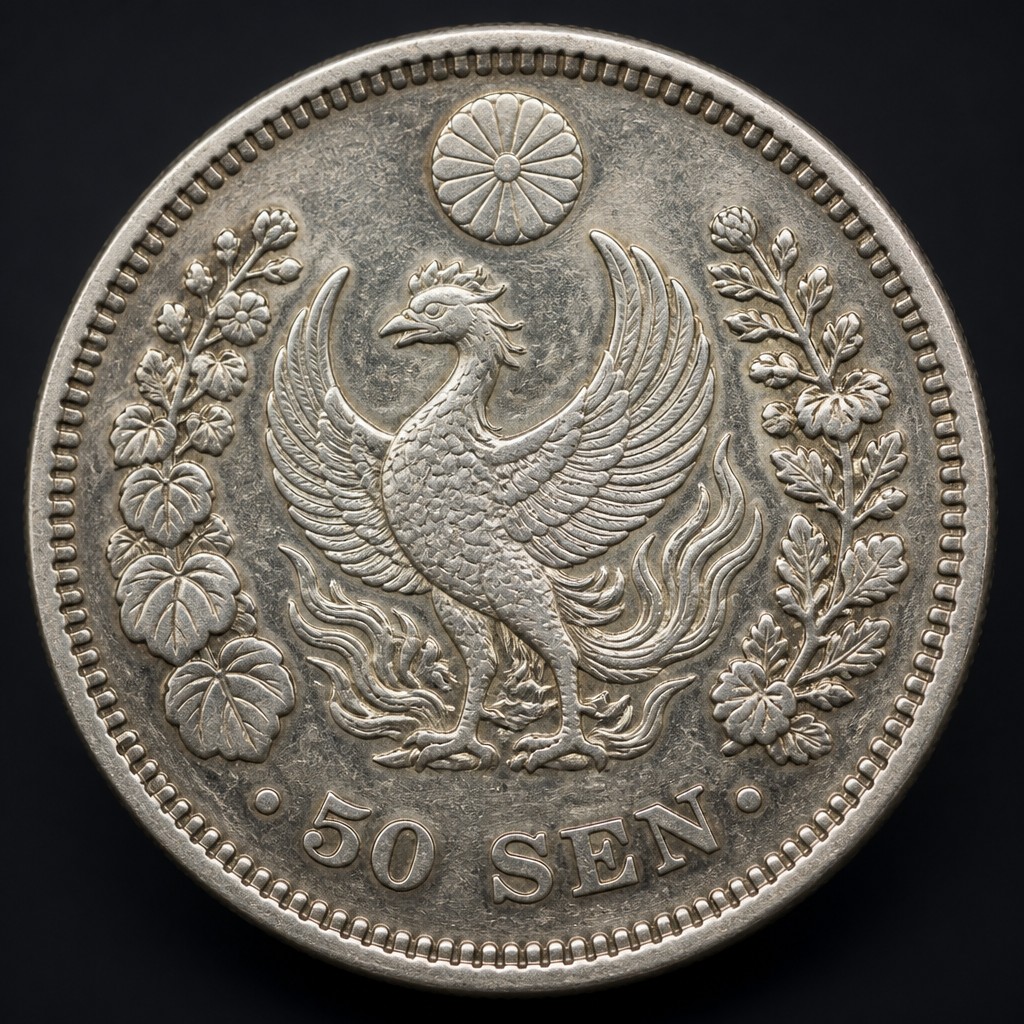
Japanese 50 Sen Silver (Meiji Phoenix)
An early Meiji-era Japanese silver coin featuring a coiled dragon on the obverse and a phoenix on the reverse, part of Japan's first modern decimal coinage system introduced after the Meiji Restoration.
Asian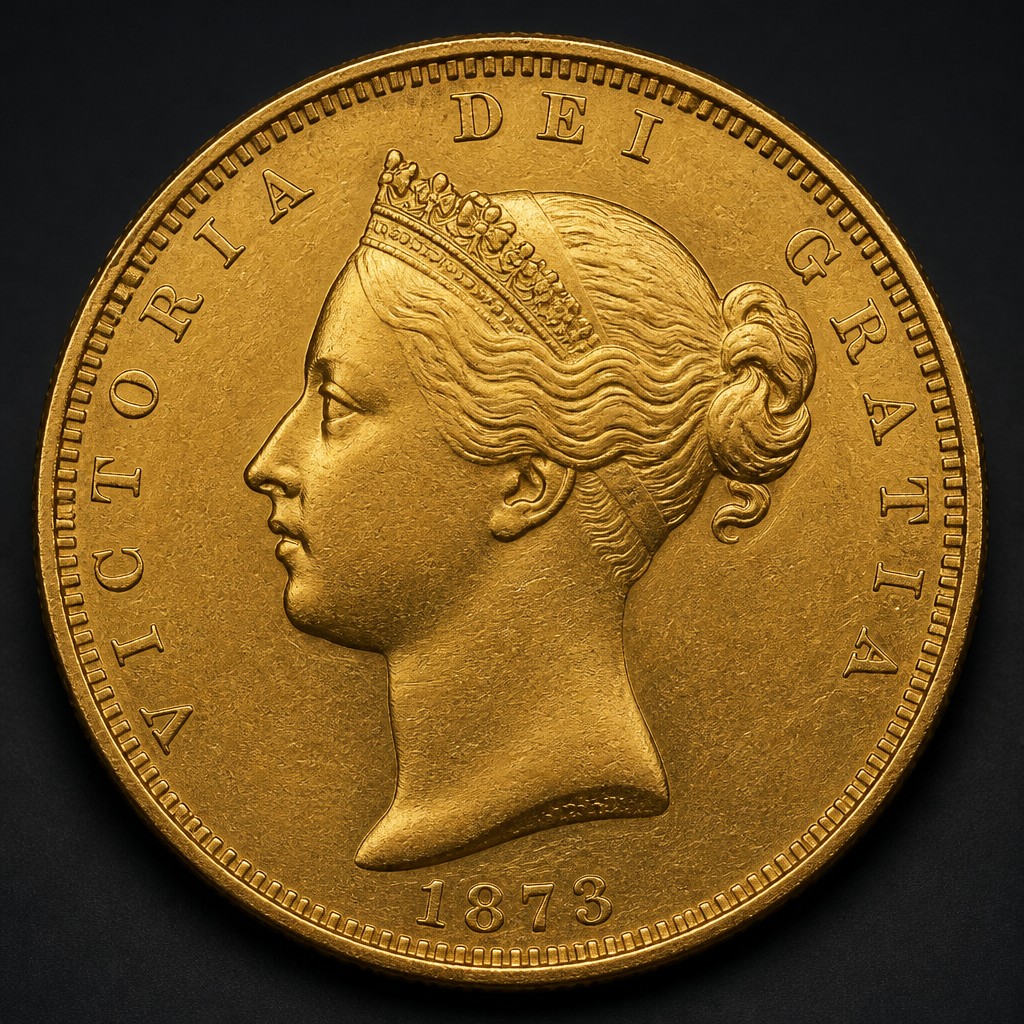
Gold Sovereign
Iconic British gold pound coin, revived in 1817 with Benedict Pistrucci's celebrated St George and the Dragon design, struck for centuries in London and branch mints worldwide.
British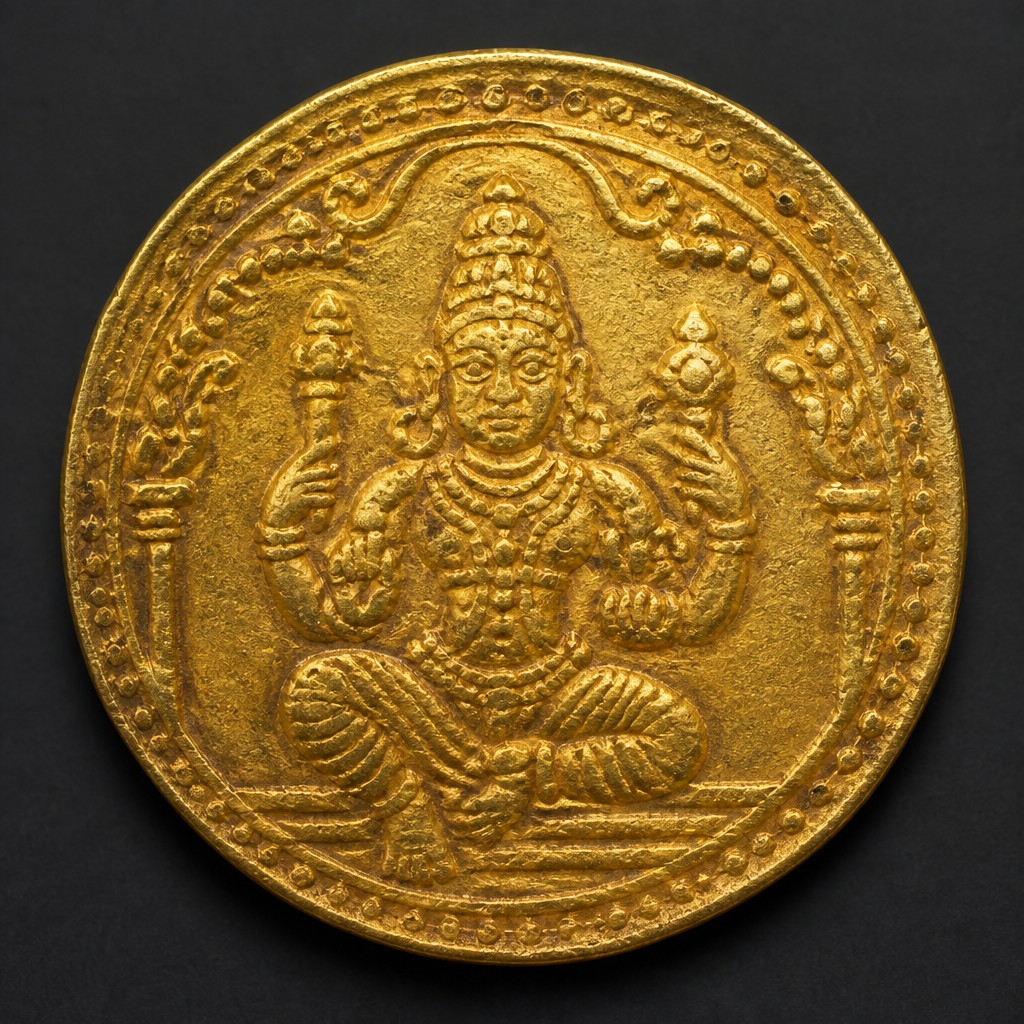
India Gold Pagoda (Madras Presidency)
Small gold coin traditionally used across South India, later adopted and standardized by the East India Company's Madras Presidency before being phased out for rupee-based currency.
Asian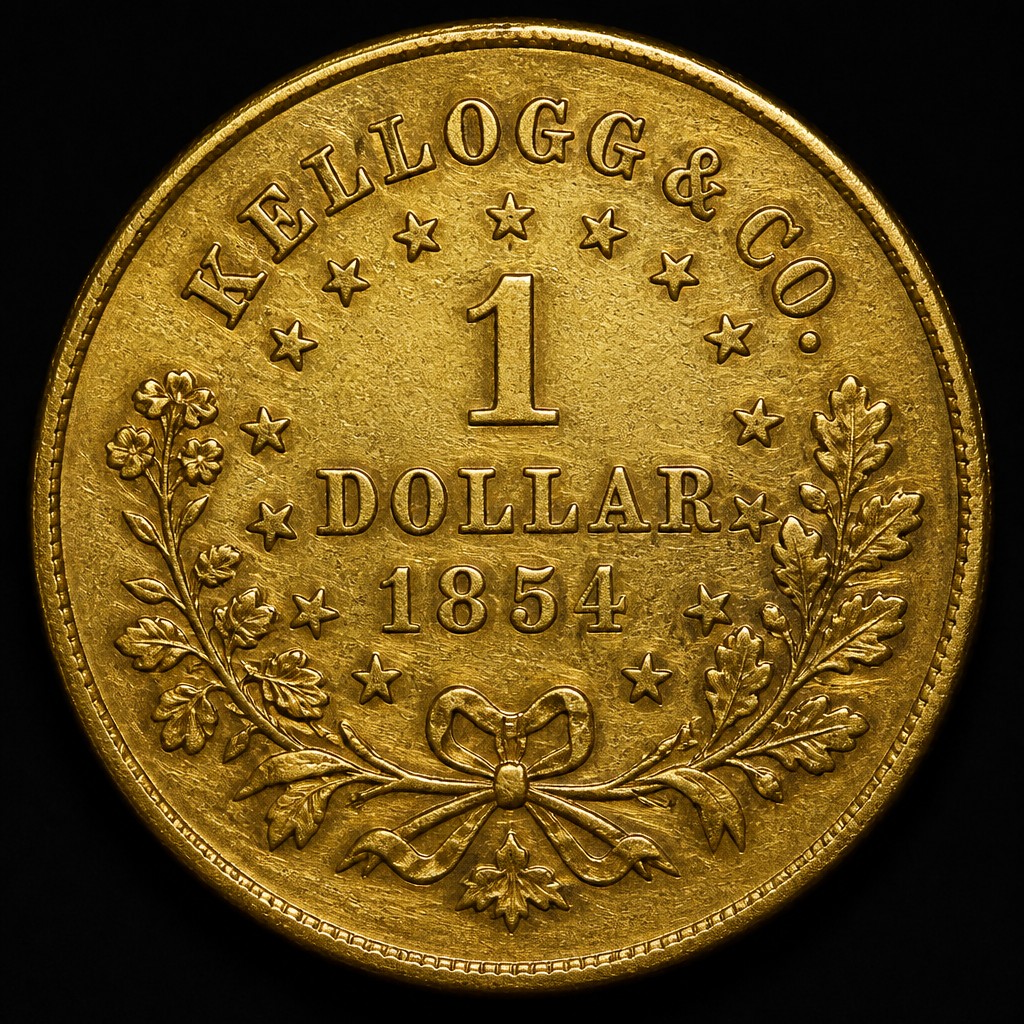
Kellogg & Co. Gold Piece
Private gold coinage struck by the San Francisco firm Kellogg & Co. during the California Gold Rush, including the famous octagonal fifty-dollar 'slug' of 1855, filling a shortage of circulating coin.
United States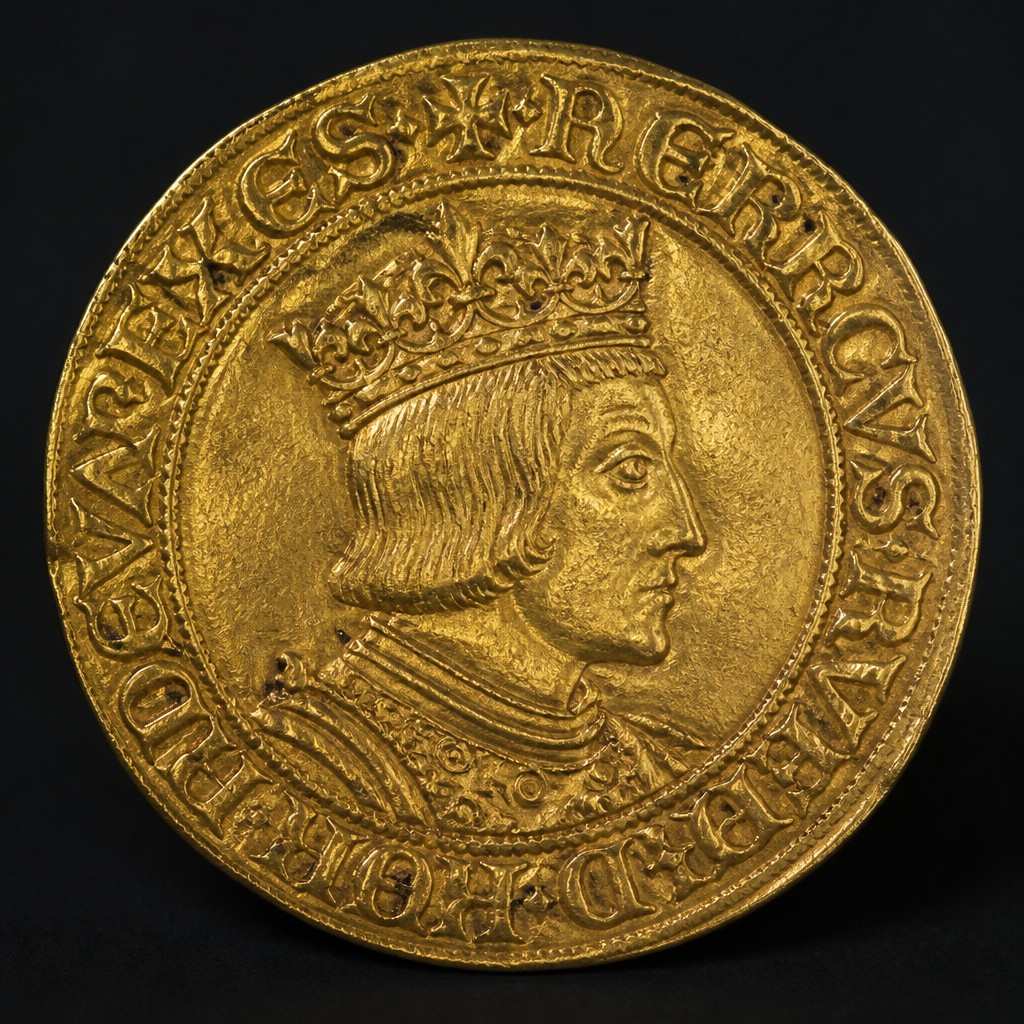
English Sovereign of Henry VII
The first English sovereign, introduced by Henry VII in 1489 as a large, prestigious gold coin showing the king enthroned in majesty, meant to project royal power after the Wars of the Roses.
British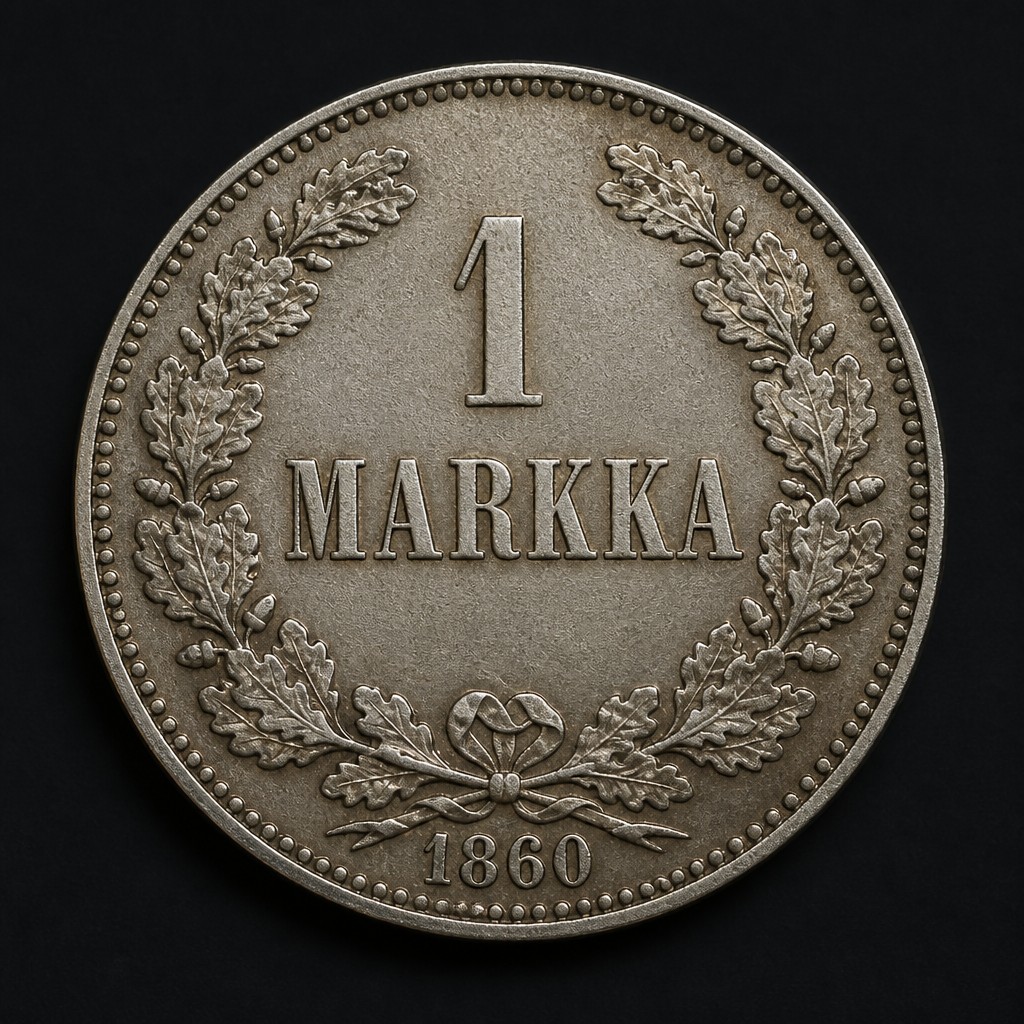
Finnish Markka
Finland's national currency from the era of Russian imperial rule until the adoption of the euro, issued in a range of coin denominations reflecting the country's changing political history.
European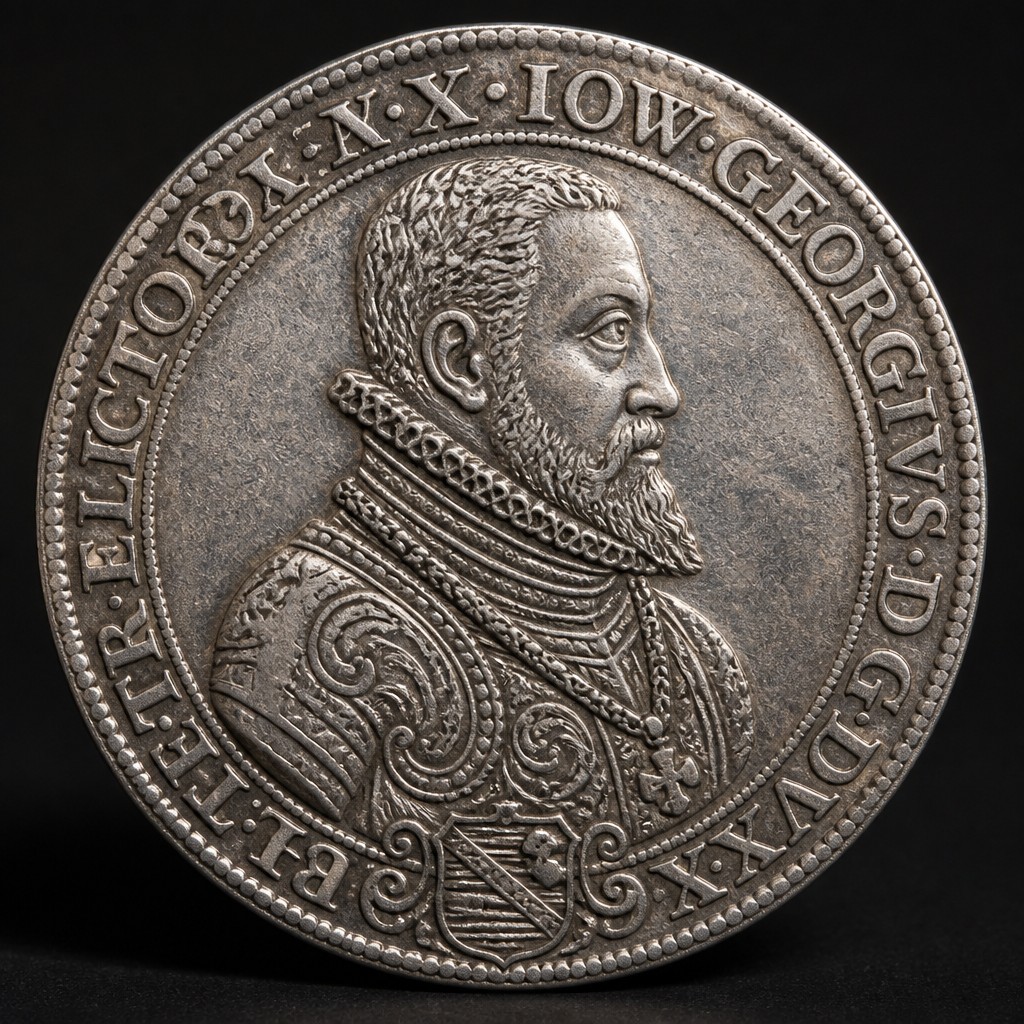
Saxony Thaler
Saxony was one of the earliest and most prolific issuers of thalers, with the electorate and later kingdom producing large silver coins from the 16th century until German unification.
European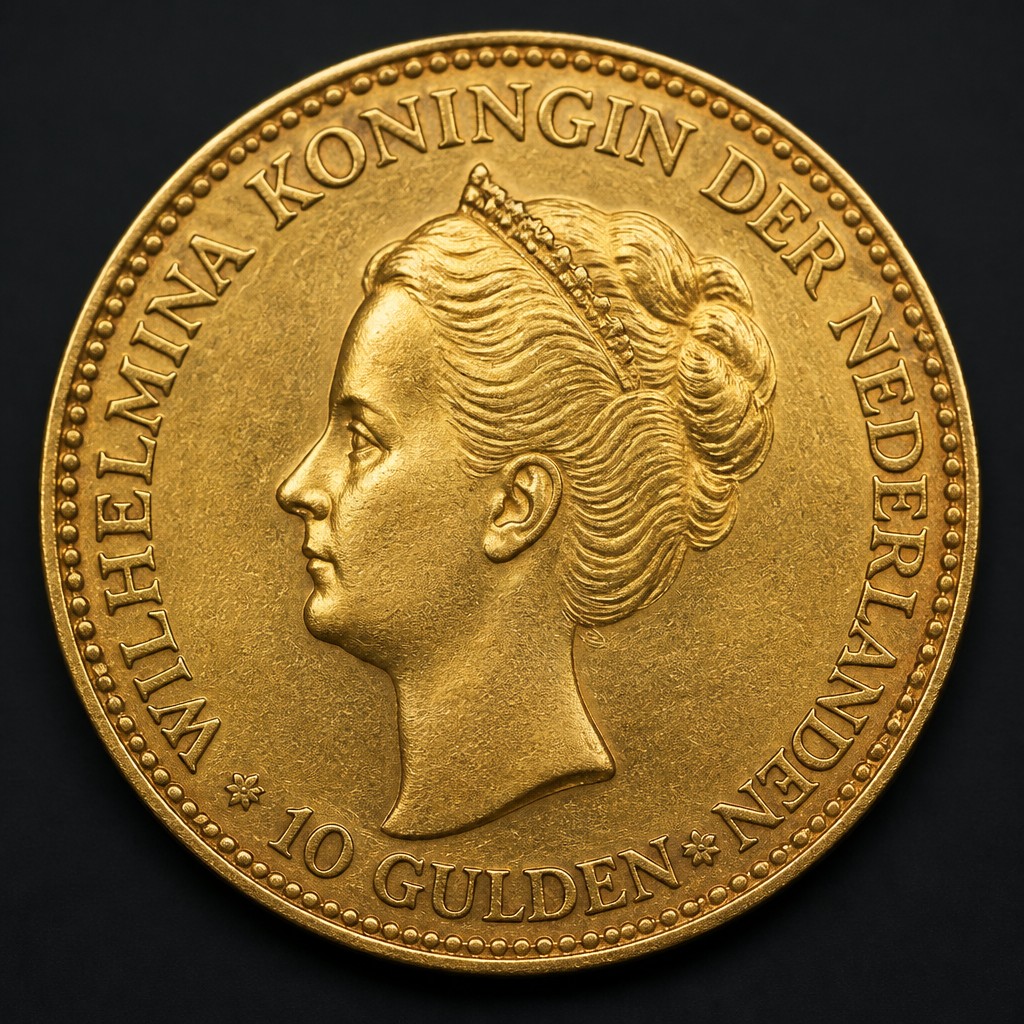
Netherlands 10 Gulden Gold (Wilhelmina)
The gold 10 Gulden coin featuring Queen Wilhelmina was the Netherlands' standard gold circulation and reserve coin in the early 20th century, later restruck as a recognized gold bullion piece.
European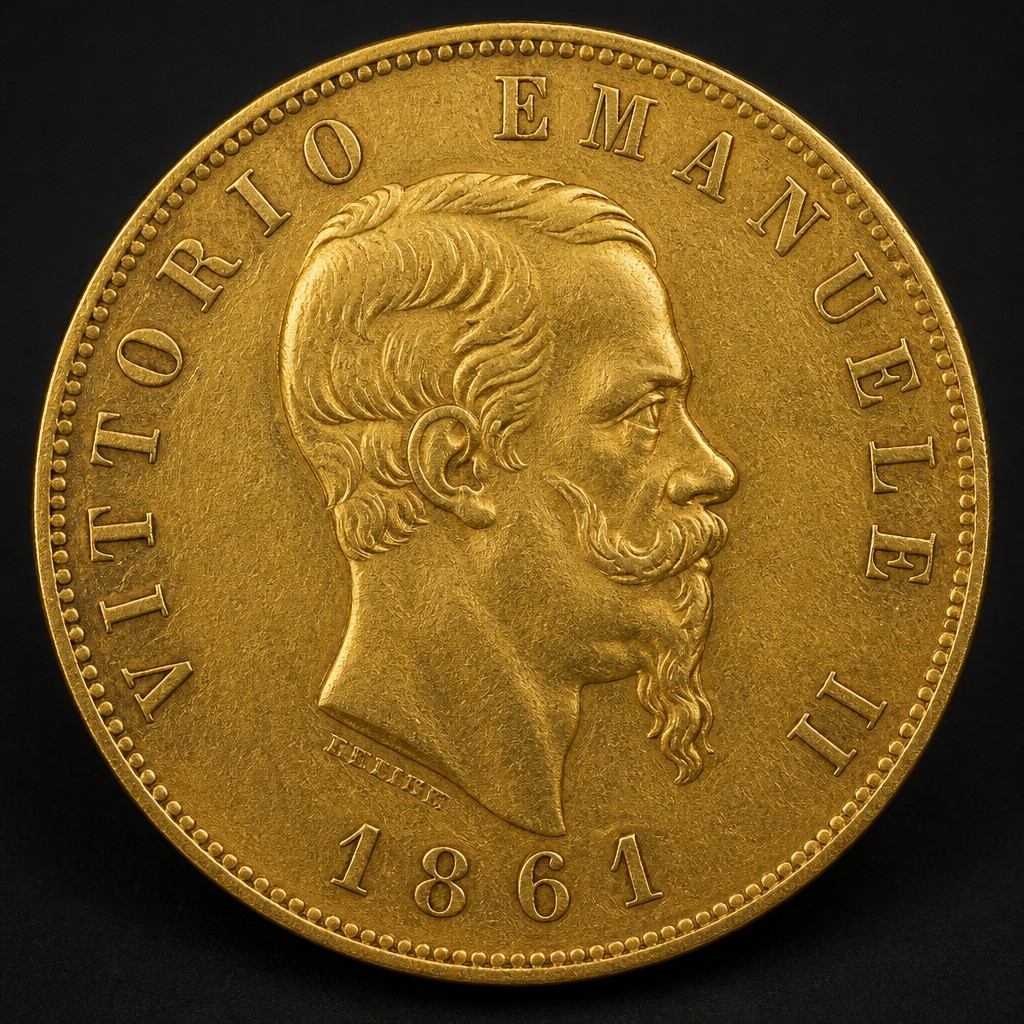
Italian 20 Lire Gold (Vittorio Emanuele)
The Kingdom of Italy's standard 20 lire gold coin, issued under kings including Vittorio Emanuele II, sharing the Latin Monetary Union's gold specifications with coins like the French Napoleon.
European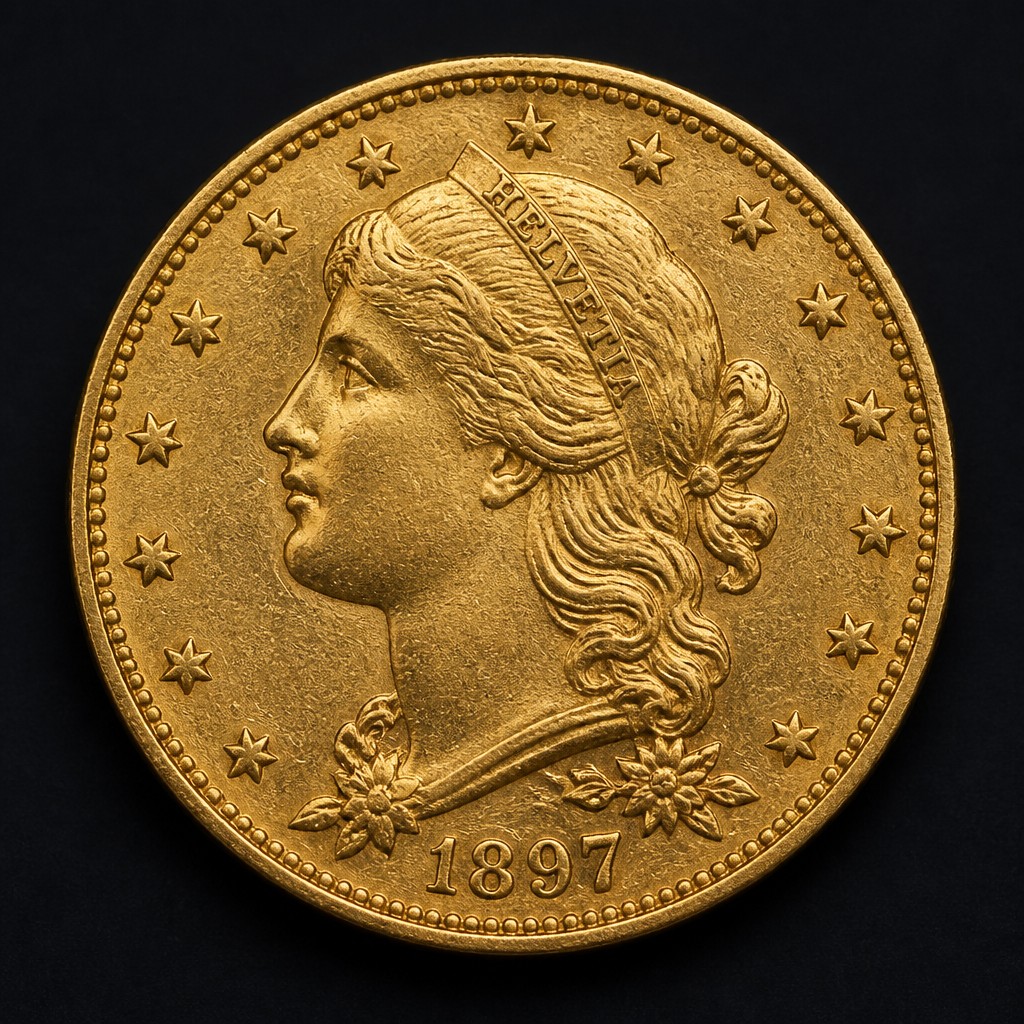
Swiss 20 Francs Gold Vreneli
Switzerland's beloved gold 20-franc coin, nicknamed "Vreneli" after the young woman on its obverse, prized worldwide as an approachable and historically rich gold bullion and collector coin.
European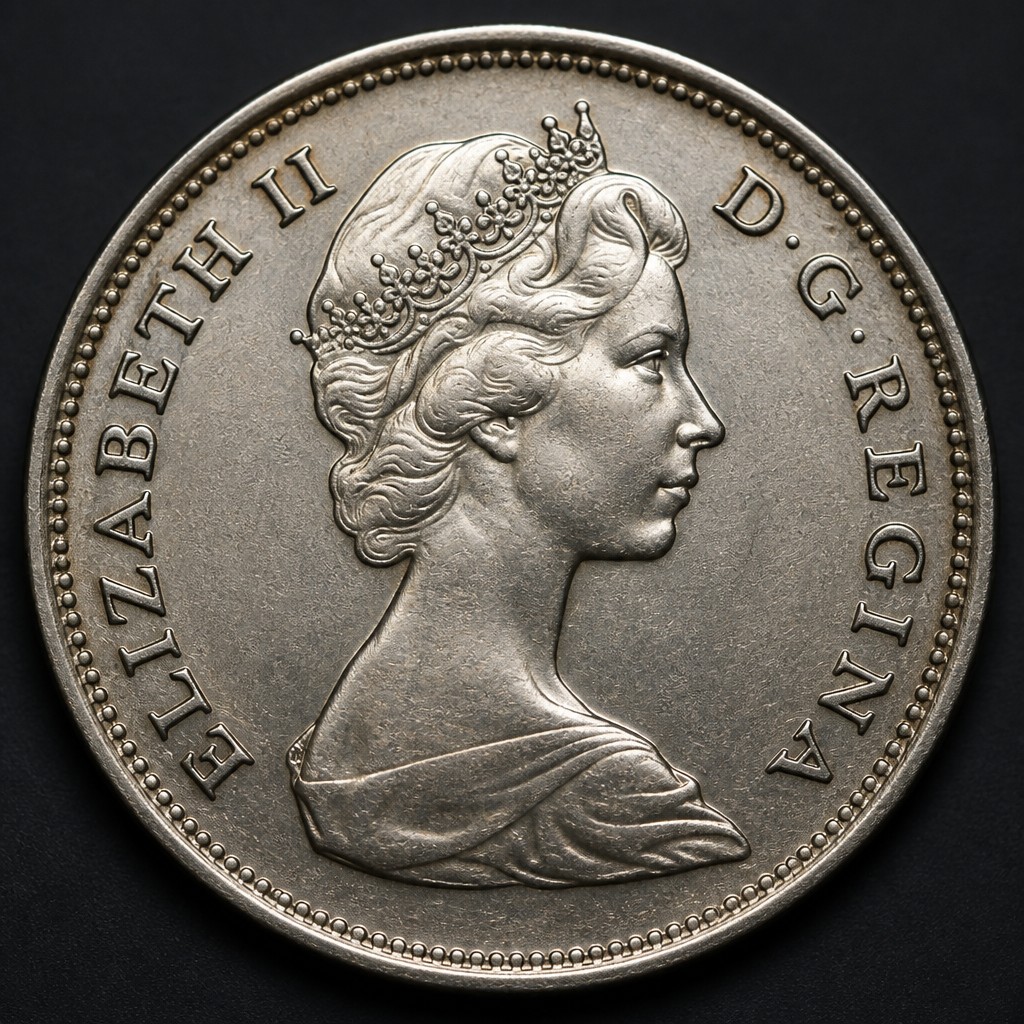
Beaver Five Cents (Elizabeth II)
The long-running Canadian five-cent coin under Queen Elizabeth II, continuing the classic beaver-on-a-rock design first introduced in 1922 across changing metal compositions.
Canadian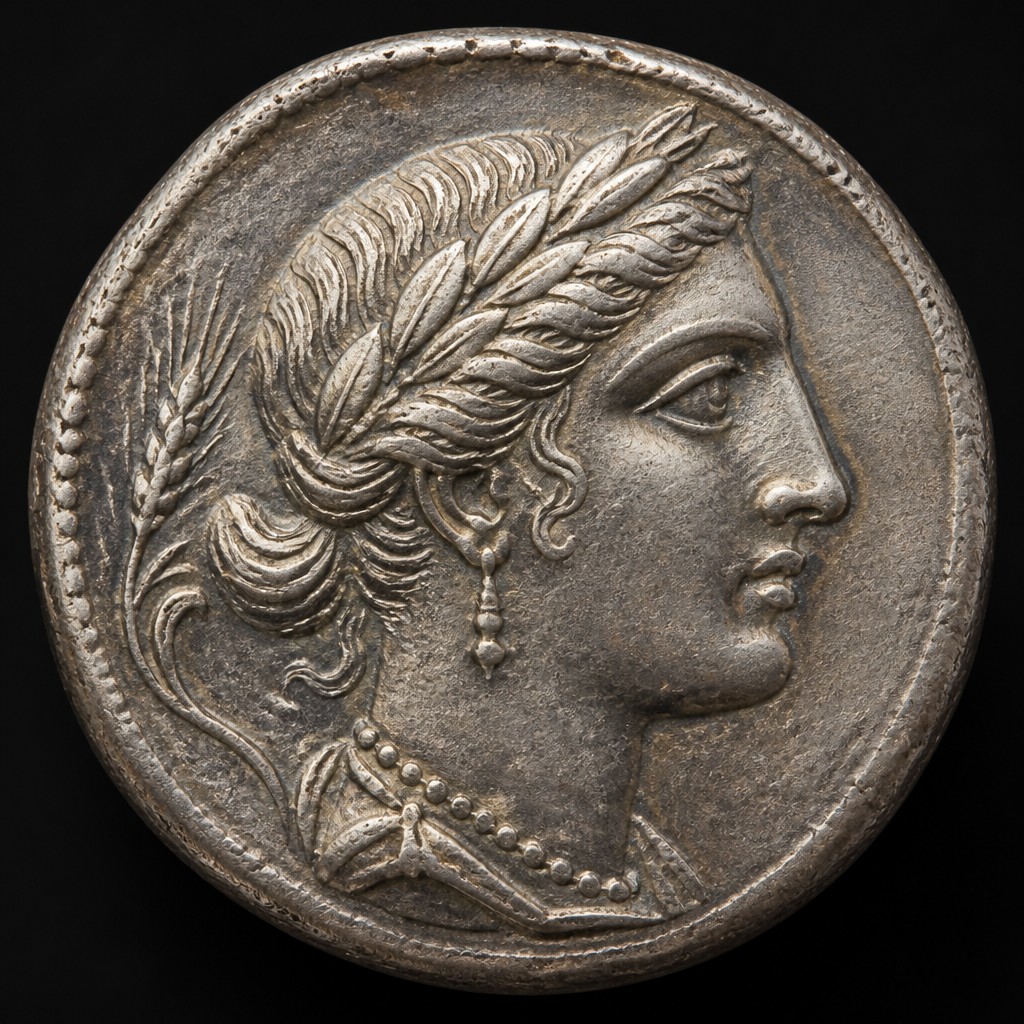
Panormus Siculo-Punic Tetradrachm
A silver tetradrachm struck at Panormus under Carthaginian control in Sicily, blending Greek artistic style with Punic legends, a hallmark of the distinctive Siculo-Punic coinage series.
Ancient