
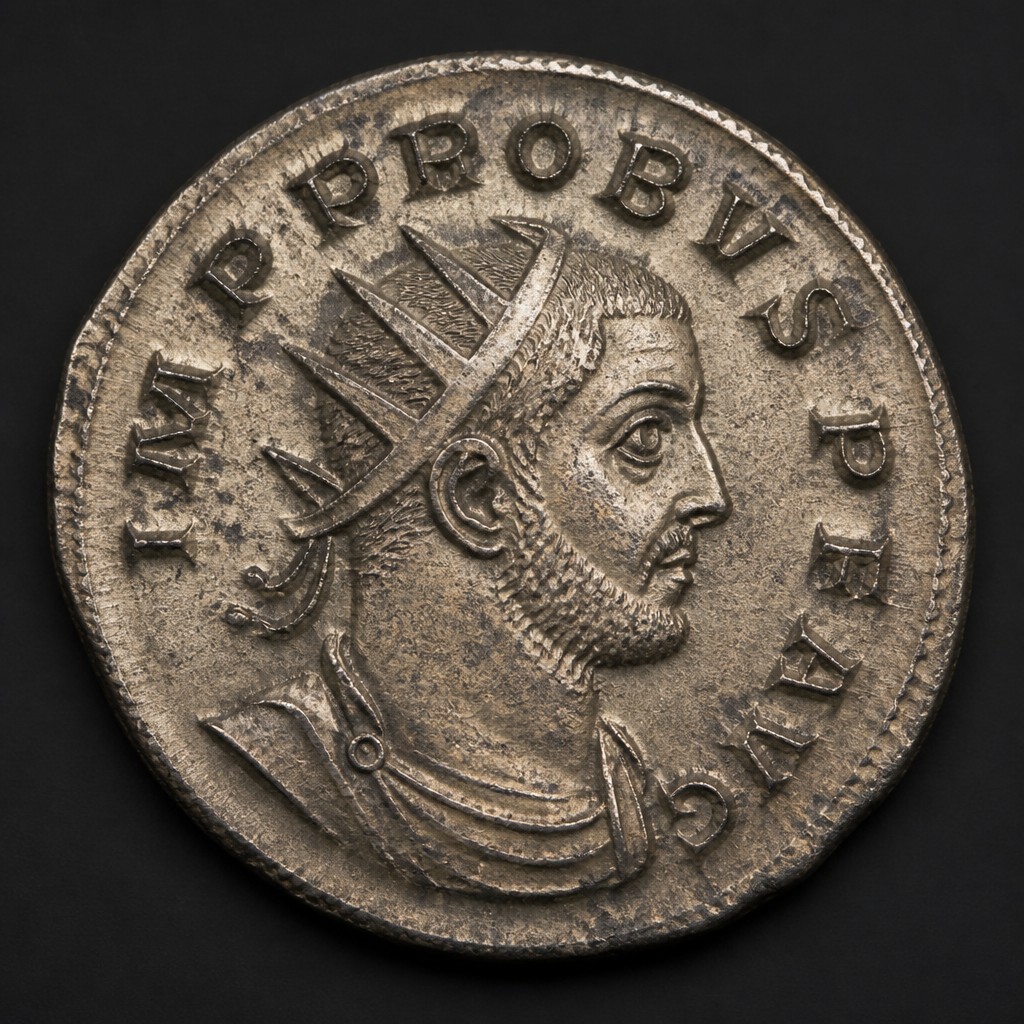
Probus Antoninianus
Radiate coin of Probus, a capable soldier-emperor who defended the frontiers against Germanic incursions and issued coinage noted for elaborate consular and military portrait styles.
- Country
- Ancient Rome
- Denomination
- Antoninianus
- Metal
- Debased Silver (Billon, silver-washed)
Got a coin like this?
Identify any coin from a photo, free.
Overview
Probus antoniniani are admired by collectors for their frequently elaborate and varied portrait styles, including depictions of the emperor holding a spear and shield or wearing consular robes, a level of artistic detail somewhat unusual for the mid-to-late third century. His reign, part of the broader recovery following the Crisis of the Third Century, produced coinage from a wide network of mints across the empire.
As one of a run of effective soldier-emperors following Aurelian, Probus's coins document Rome's continued efforts to stabilize its frontiers and its currency during this transitional period leading toward Diocletian's later reforms.
History & Background
Marcus Aurelius Probus rose through the military and was proclaimed emperor in 276 AD after the brief reign of Tacitus. He spent much of his reign campaigning successfully against Germanic tribes threatening the Rhine and Danube frontiers, as well as suppressing usurpers and securing the eastern provinces.
Probus is also credited by some ancient sources with promoting viticulture (grape cultivation) in Gaul and the Danube provinces, reflecting a reign that balanced military campaigning with efforts at economic development. Despite his successes, he was killed by mutinous soldiers in 282 AD, reportedly after assigning troops to drainage or agricultural work they resented, opening the way for the brief reign of Carus.
How to Identify
The obverse commonly shows a radiate, cuirassed bust of Probus, though distinctive variants exist showing him in elaborate consular dress or as a military figure holding a spear and shield, with legends such as IMP PROBVS AVG or PROBVS PF AVG.
Reverse types include Concordia Militum, Victoria, Providentia, Roma Aeterna, and Soli Invicto (referencing the sun god Sol, a favored deity of the era), often accompanied by mint marks in the exergue identifying the specific mint and officina (workshop) that struck the coin.
The coin measures roughly 20-23mm and typically shows a thin silver wash over a bronze core, consistent with post-Aurelian reform standards. Because mints across the empire struck Probus's coinage, collectors often study small stylistic and mint-mark differences to attribute specific examples to particular production centers such as Ticinum, Siscia, or Antioch.
Value & Collectibility
Probus antoniniani are generally plentiful and affordable, with typical circulated examples often found in the roughly $20 to $60 range. The more elaborate and artistically distinctive portrait types, such as those showing him in consular robes or military dress with spear and shield, are more actively sought by collectors and can command noticeably higher prices.
Well-preserved silvering, sharp strike, and clear mint marks all contribute positively to value, particularly for the visually striking specialty portrait varieties associated with his reign.
Frequently asked questions
Why are Probus coins known for varied portraits?
His mint engravers produced an unusually wide range of bust styles, including consular and military depictions, more elaborate than typical for the period.
What is Probus remembered for historically?
He is remembered for successful frontier campaigns against Germanic tribes and, in some accounts, for promoting vineyard cultivation in Gaul and along the Danube.
How did Probus die?
He was killed by his own mutinous soldiers in 282 AD, reportedly after assigning them to agricultural or drainage labor.
Are certain Probus mints more valuable than others?
Some mint attributions and portrait styles are scarcer or more artistically prized, which can affect collector demand and price.
Other coins you may enjoy
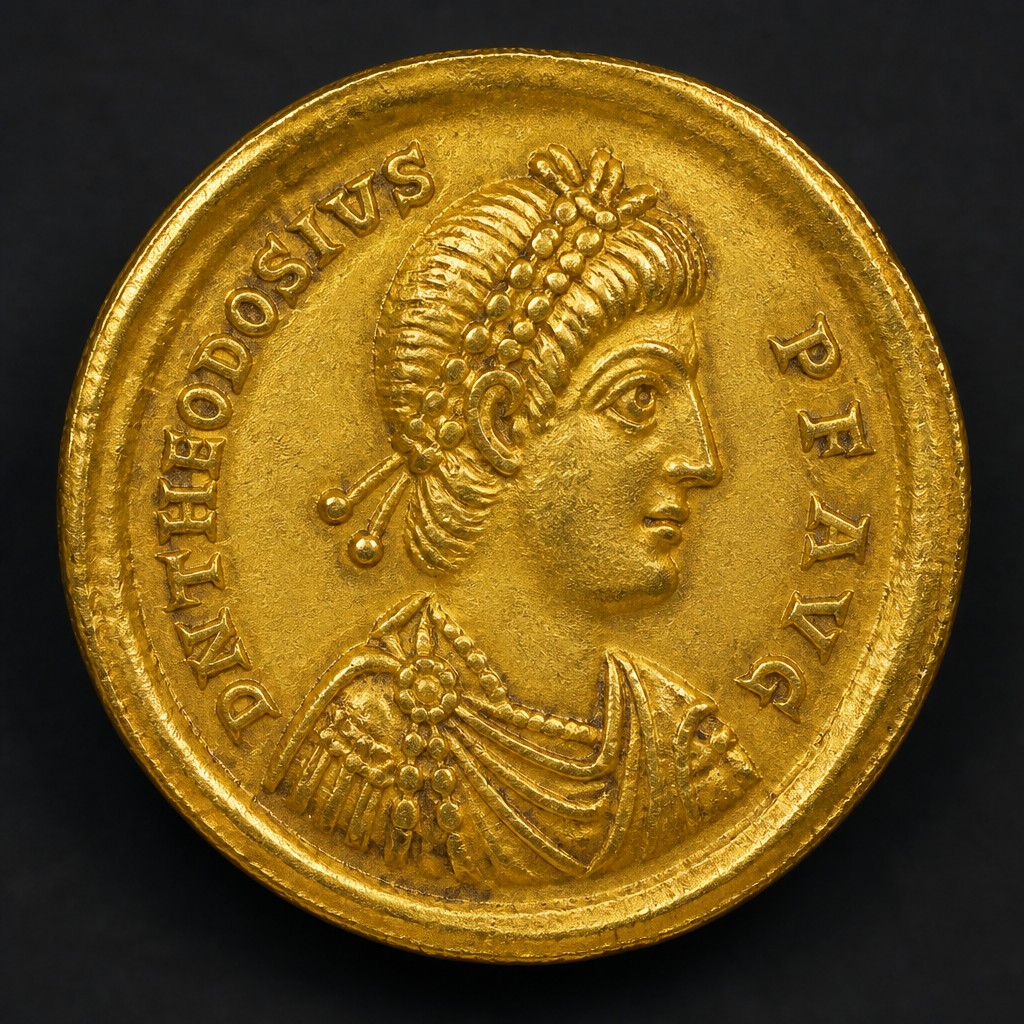
Theodosius I Solidus
379–395 AD
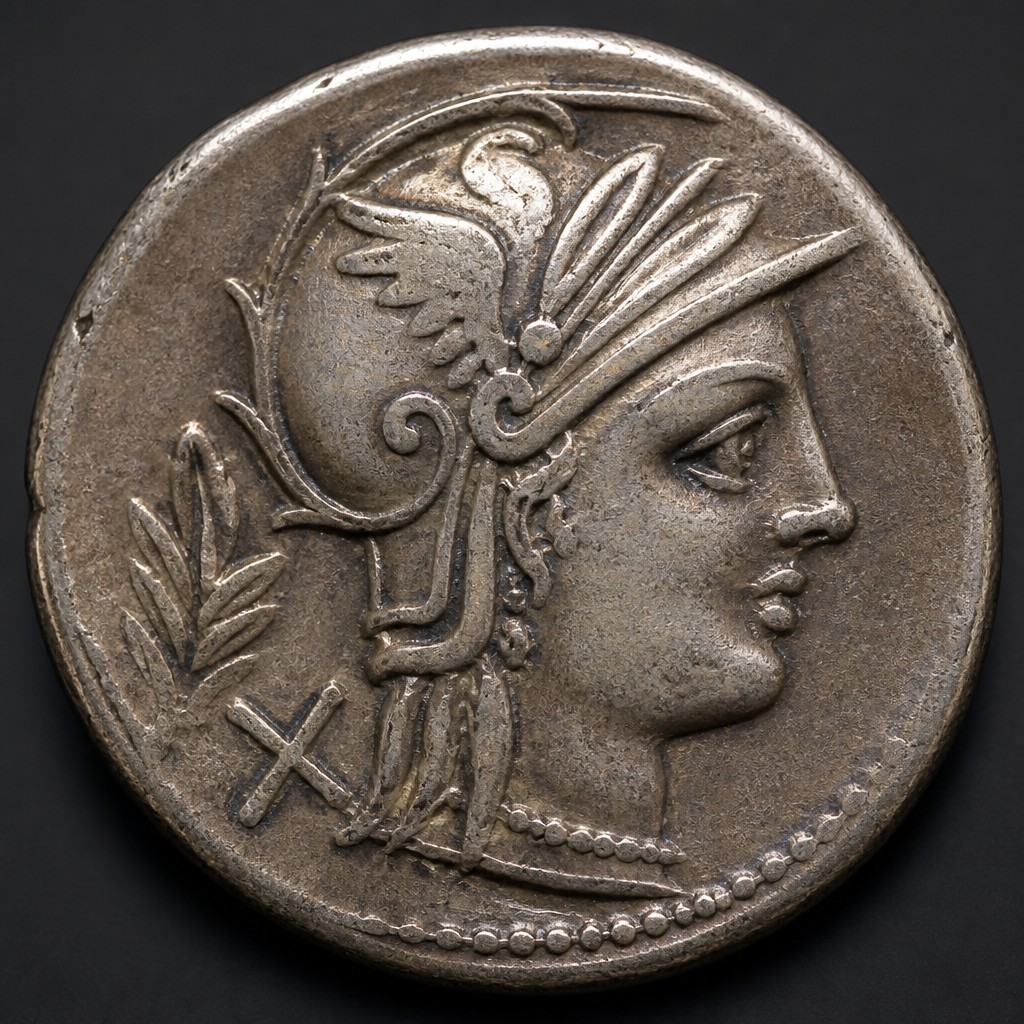
Republican Victoriatus
c. 211–170 BC
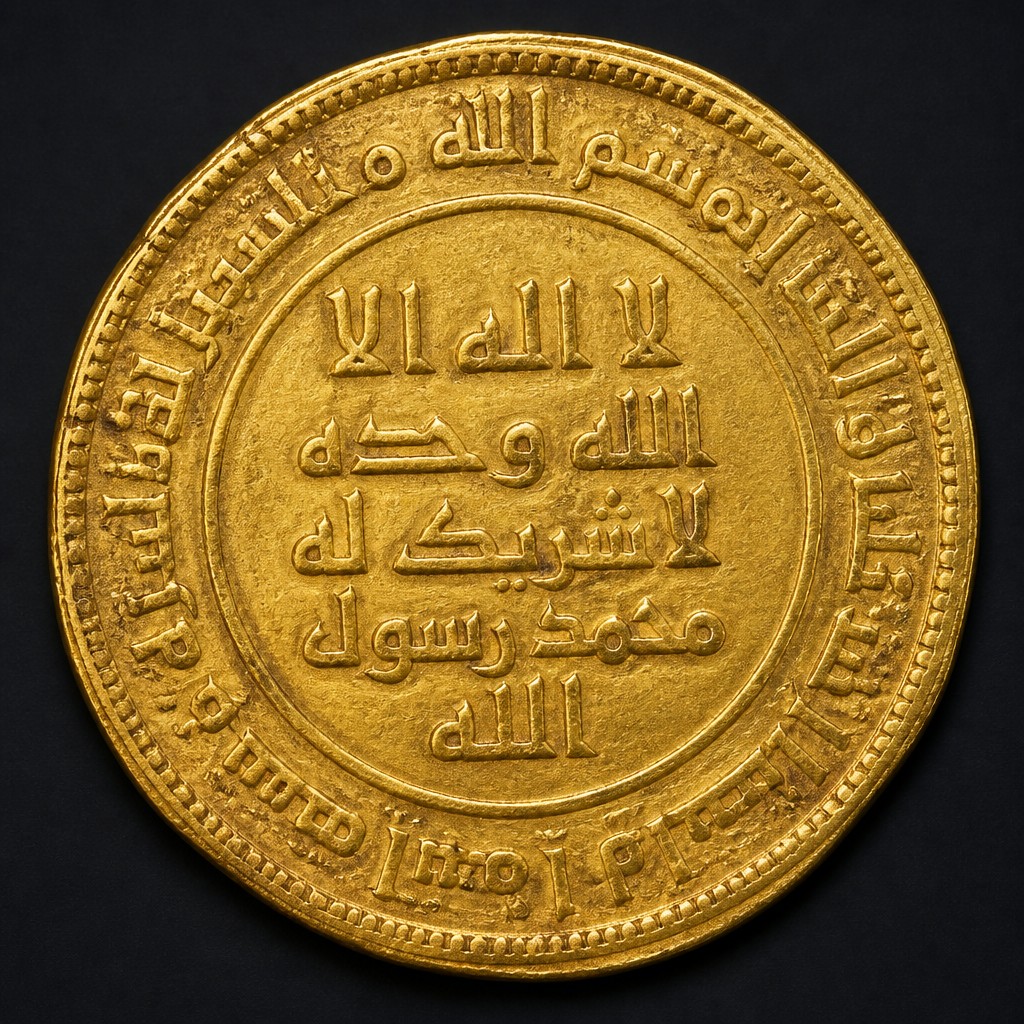
Islamic Gold Dinar (Umayyad)
c. 696–750 AD
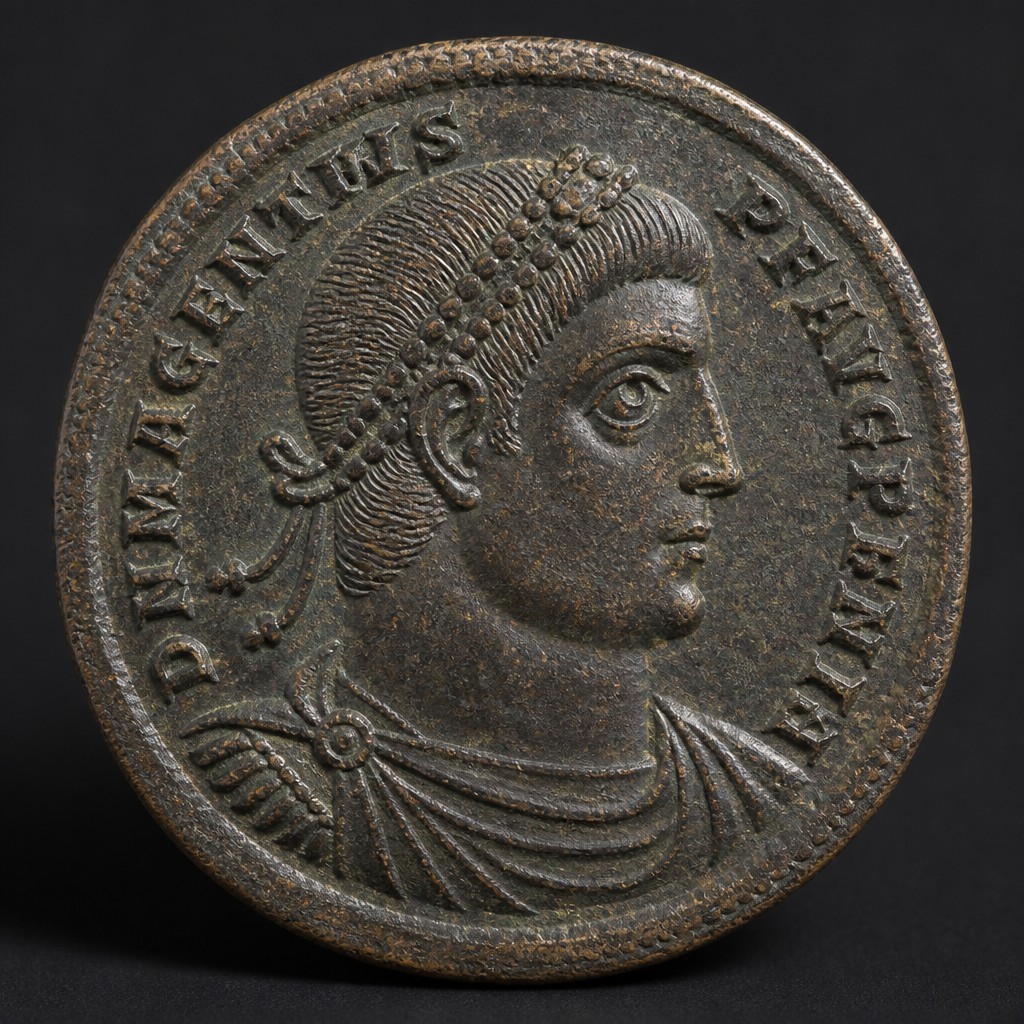
Magnentius Double Centenionalis
350–353 AD
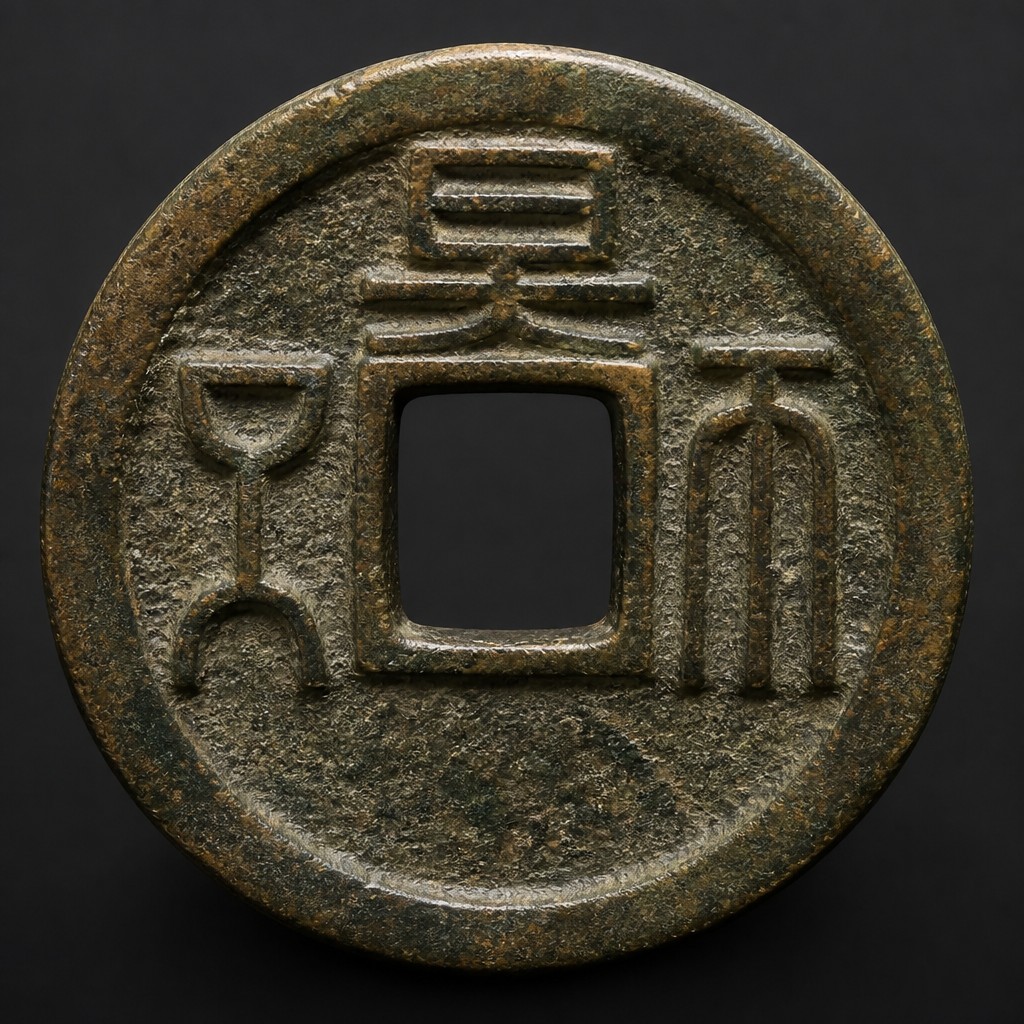
Chinese Wu Zhu Cash
118 BC – 618 AD
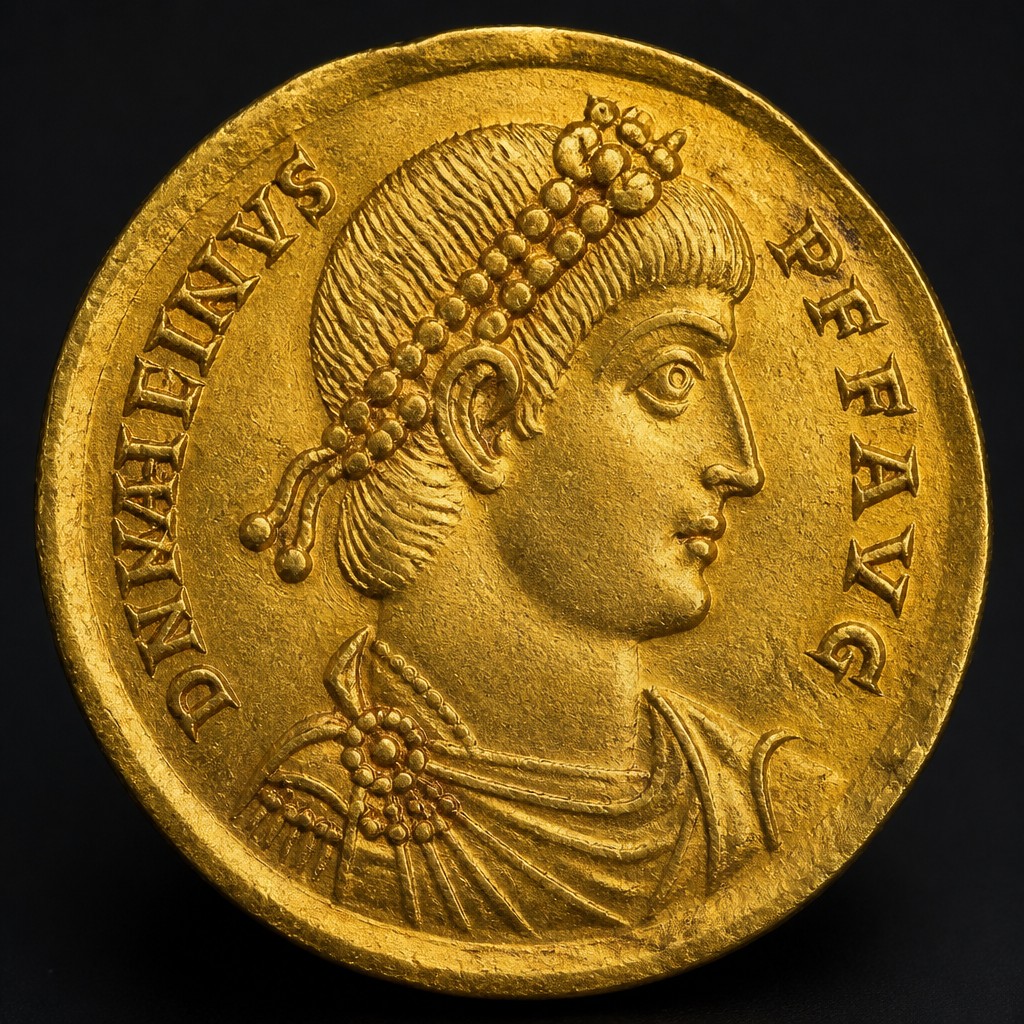
Valentinian I Solidus
364–375 AD
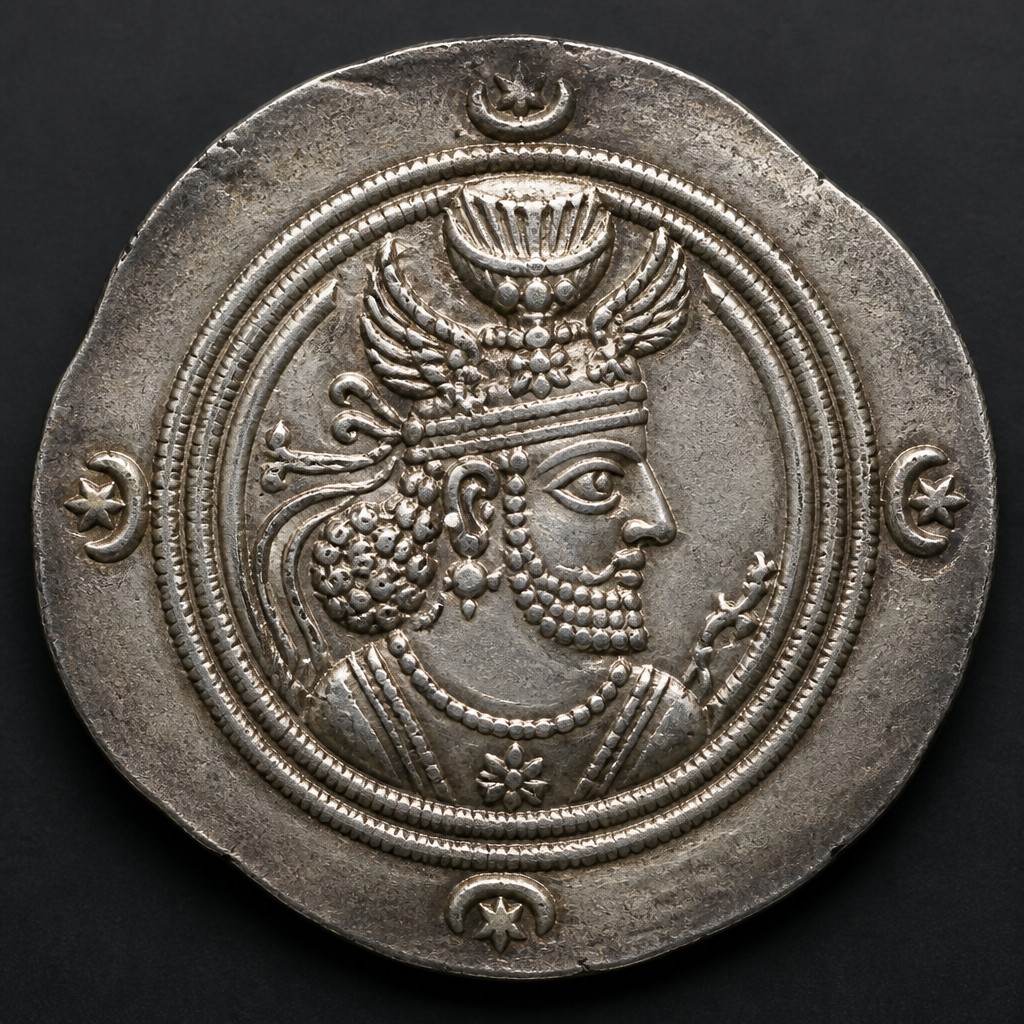
Sassanian Silver Drachm
c. 224–651 AD
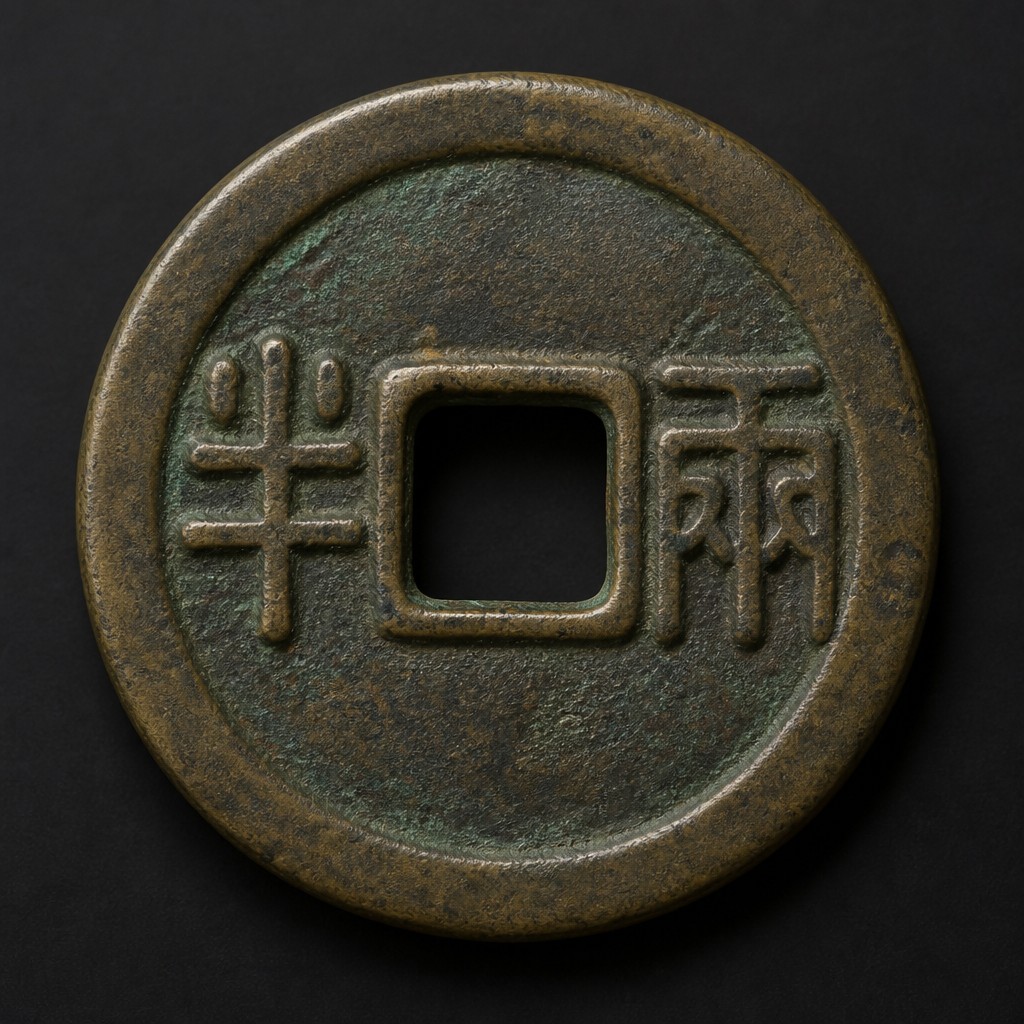
Chinese Ban Liang Cash
c. 221–118 BC
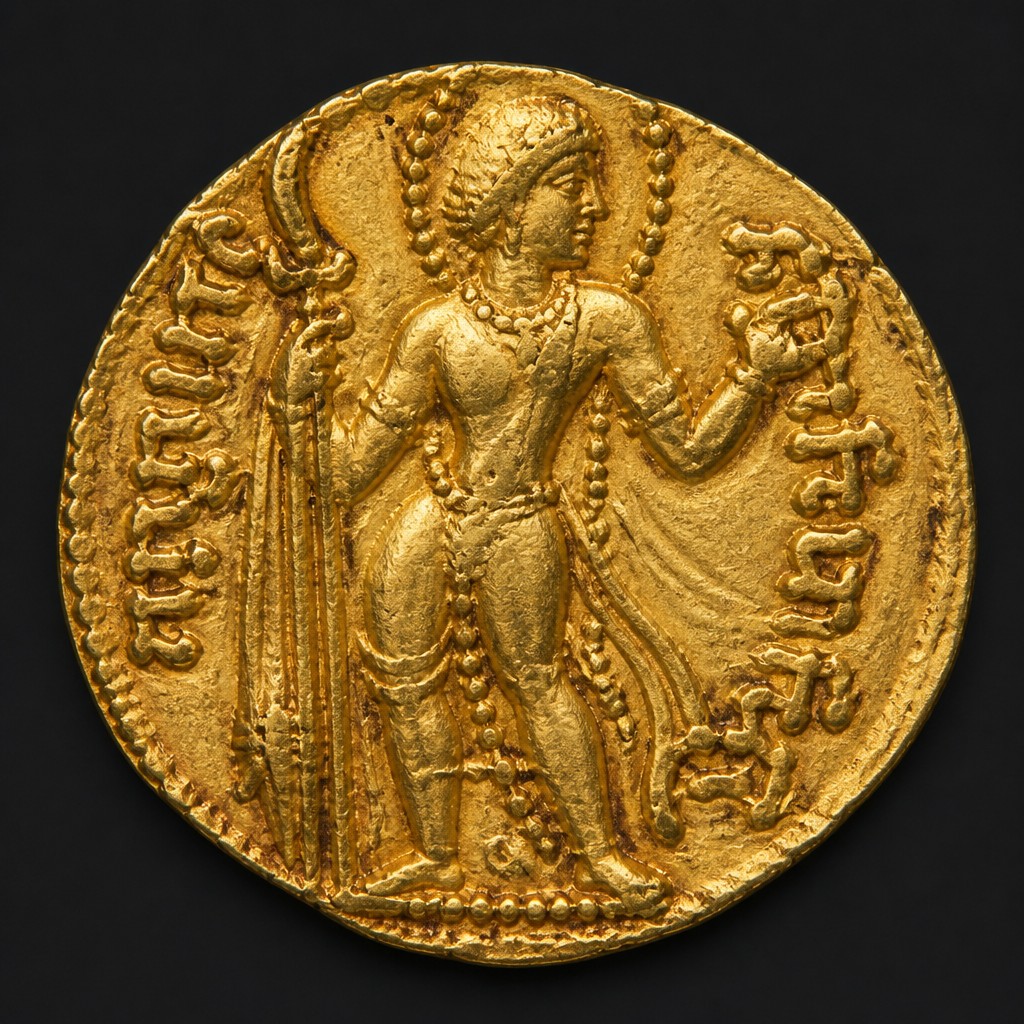
Gupta Empire Gold Dinar
c. 320–550 AD
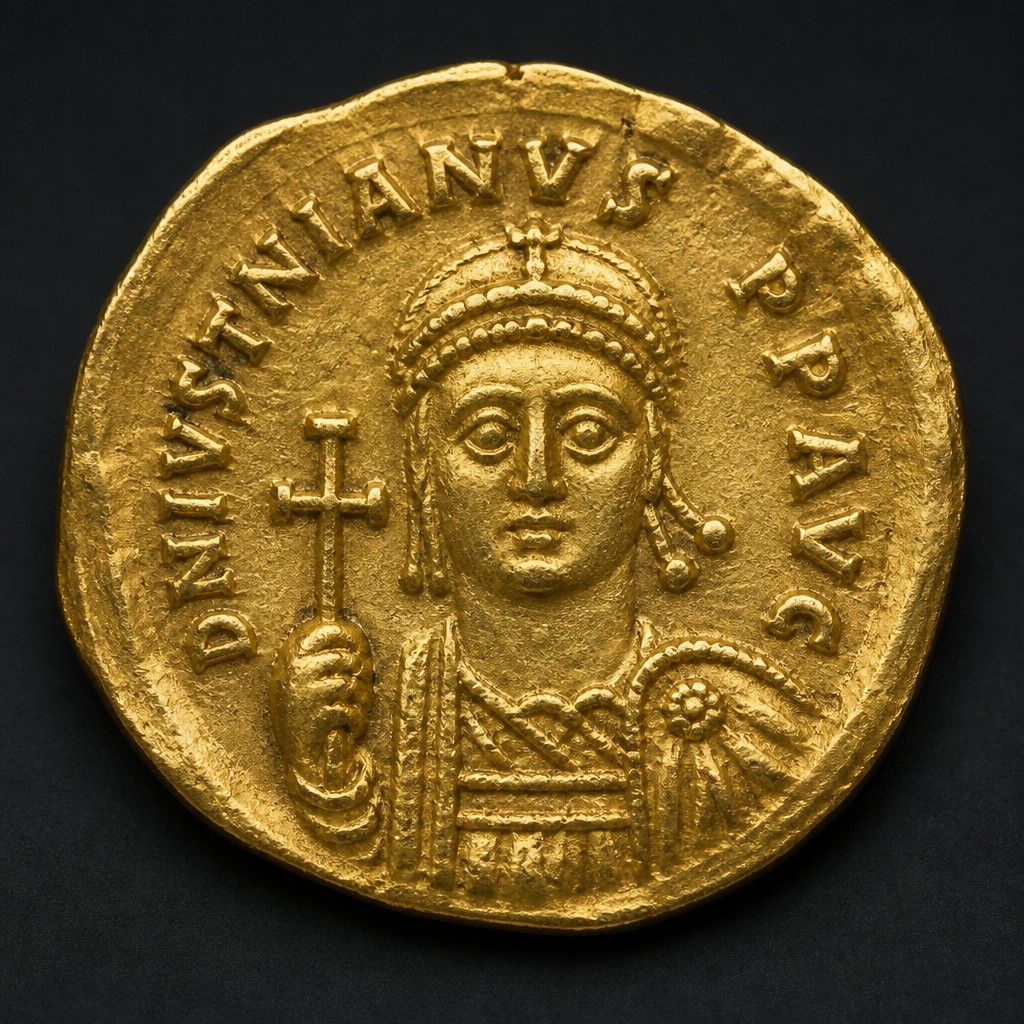
Byzantine Gold Tremissis
c. 4th–7th century AD
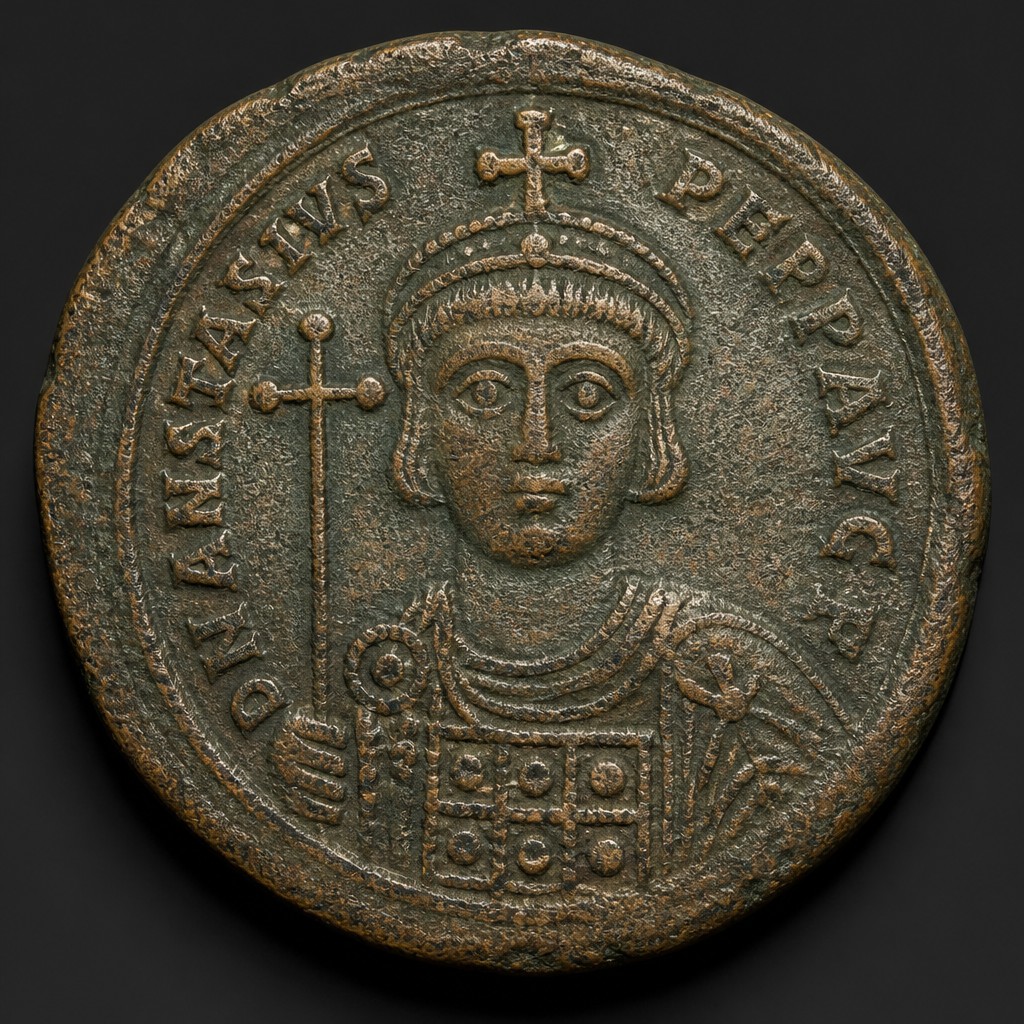
Byzantine Follis
498–c. 11th century AD
Celtic Gold Stater
c. 3rd century BC – 1st century AD