
Coin Encyclopedia
Search and identify coins from around the world — with country, denomination, metal, mint, history, and how to tell them apart.
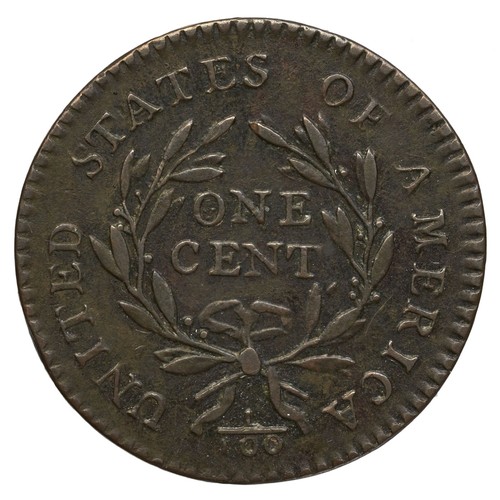
Liberty Cap Large Cent
An early U.S. copper cent (1793-1796) showing Liberty with a cap on a pole, flowing hair, and a wreath reverse.
Large Cent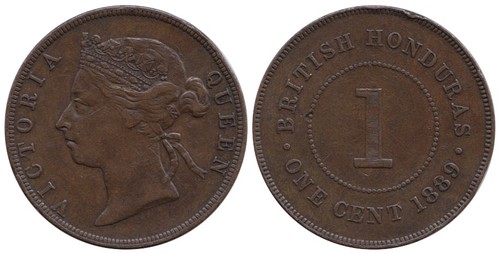
British Honduras One Cent
A colonial copper one cent of British Honduras under Queen Victoria, dated 1889, with the Queen's profile and the value and country name on the reverse.
Colonial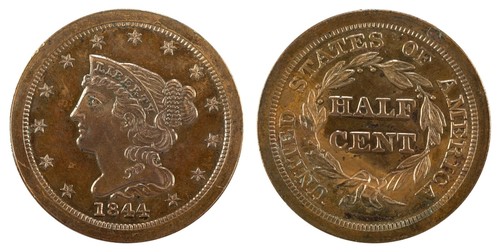
Braided Hair Half Cent
The final U.S. half cent design, a small copper coin showing Liberty with braided hair and a coronet, paired with a wreath reverse, struck 1840–1857.
Half Cent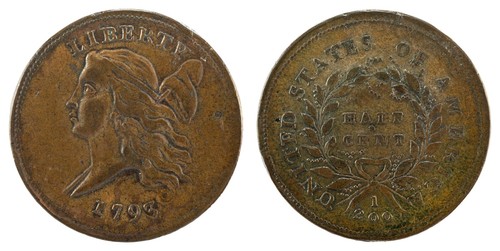
Liberty Cap Half Cent
The first U.S. half cent, struck only in 1793, showing Liberty in a cap facing left with a wreath reverse. A famous one-year copper key date.
Half Cent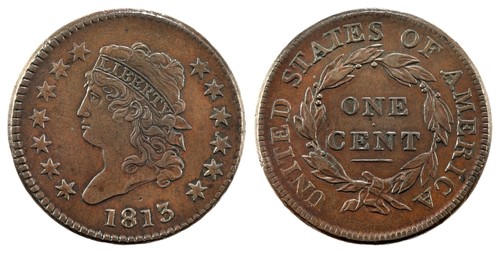
Classic Head Large Cent
A pure-copper U.S. large cent struck 1808–1814, showing John Reich's classical left-facing Liberty ringed by stars over a wreath reverse.
Large Cent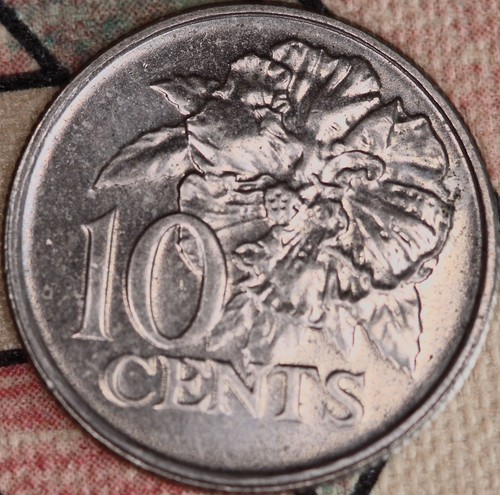
Trinidad and Tobago 10 Cents
A copper-nickel 10-cent coin of Trinidad and Tobago: the national coat of arms on the obverse and the denomination on the reverse.
Circulation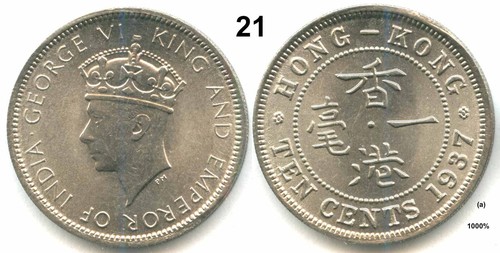
Hong Kong 10 Cents
A small silver 10-cent coin of British Hong Kong showing the crowned profile of King Edward VII, with 'HONG-KONG TEN CENTS' and Chinese characters on the reverse.
Circulation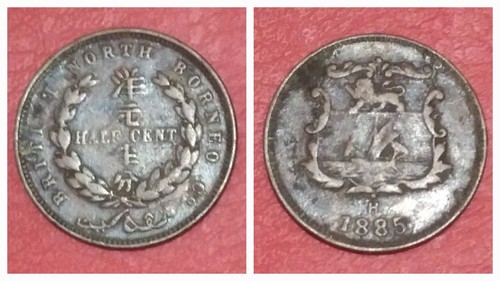
British North Borneo Half Cent
An 1885 copper half cent of British North Borneo: a bust in a laurel wreath on the obverse and the company arms with a heraldic supporter on the reverse.
Colonial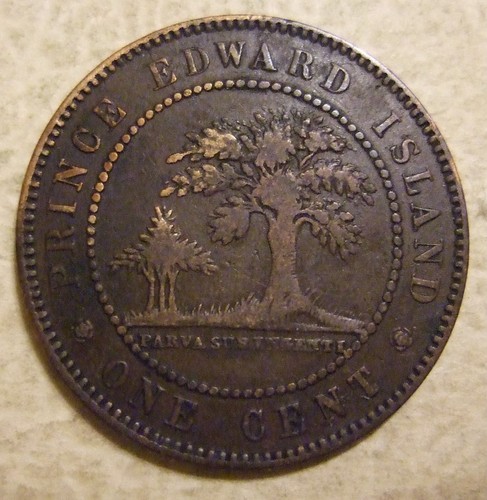
Prince Edward Island One Cent
Bronze one-cent coin struck in 1871 for the colony of Prince Edward Island, with Queen Victoria on the obverse and the island's name and date on the reverse.
Canadian & Provincial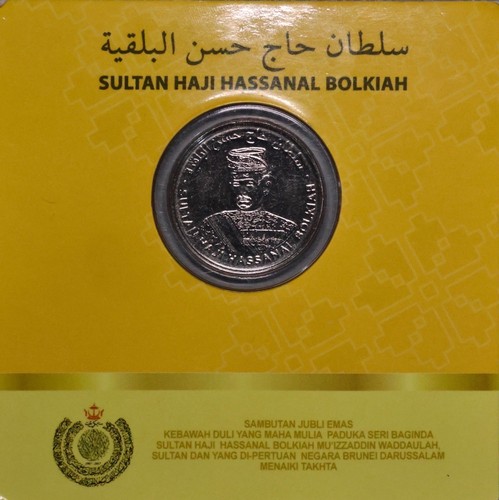
Brunei Golden Jubilee 50 Cents
A copper-nickel 50-cent coin from Brunei's 2017 Golden Jubilee, showing a palm-leaf design with Arabic text and a reverse with the value and a floral motif.
Southeast Asia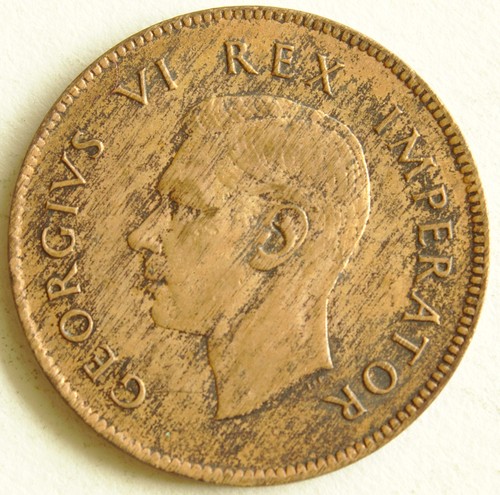
South Africa Farthing
The smallest bronze coin of the Union of South Africa, a quarter-penny with a crowned royal portrait and a South African bird reverse.
World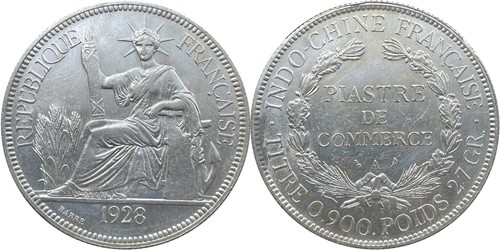
French Indochina Piastre
A 1928 silver piastre of French Indochina, its obverse showing seated Liberty with torch and laurel, its reverse reading UNION INDOCHINE FRANÇAISE in a floral wreath.
Southeast Asia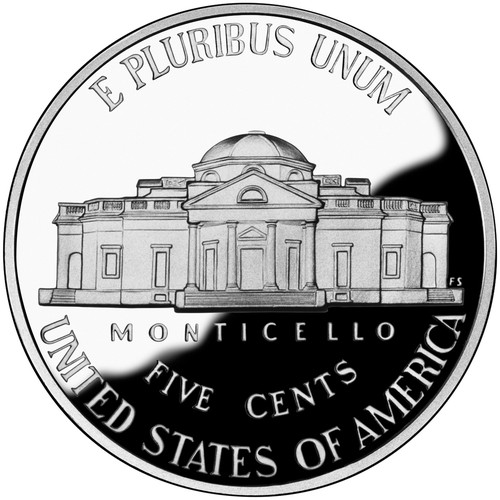
Jefferson Nickel
U.S. five-cent piece introduced in 1938, showing Thomas Jefferson on the obverse and his Monticello home on the reverse. 1942–1945 issues are 35% silver.
Nickel Five Cent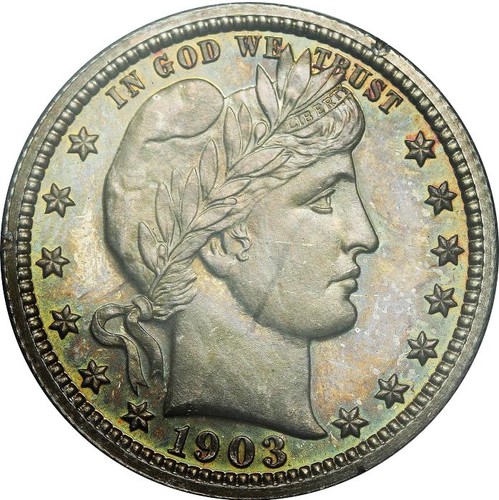
Barber Quarter
U.S. twenty-five-cent silver coin struck 1892–1916, with a left-facing Liberty head and a heraldic shield-eagle reverse.
Quarter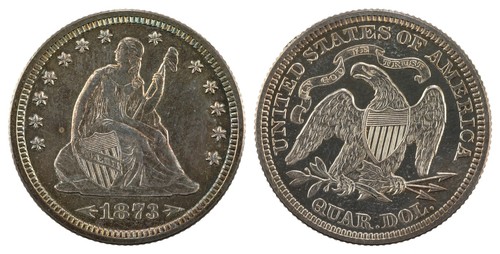
Seated Liberty Quarter
U.S. twenty-five-cent silver coin struck 1838–1891, showing Liberty seated with shield and staff on the obverse and a shield-breasted eagle on the reverse.
Quarter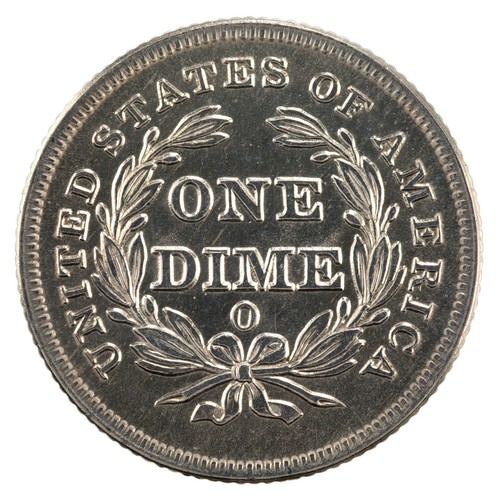
Seated Liberty Dime
A U.S. silver ten-cent coin showing Liberty seated with a pole and shield; the early No Stars type has a plain obverse and a laurel-wreath ONE DIME reverse.
Dime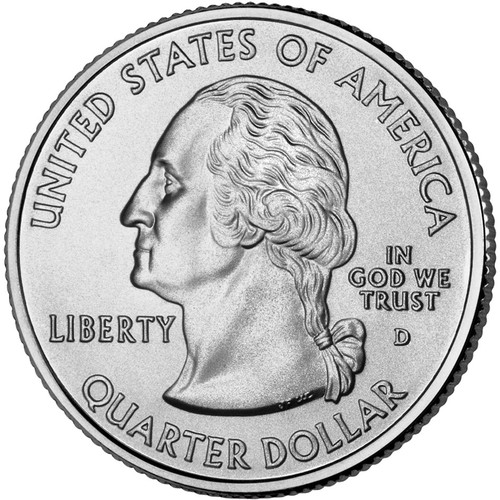
Washington Quarter
U.S. twenty-five-cent coin introduced in 1932, showing George Washington's profile and an eagle reverse; early issues struck in 90% silver.
Quarter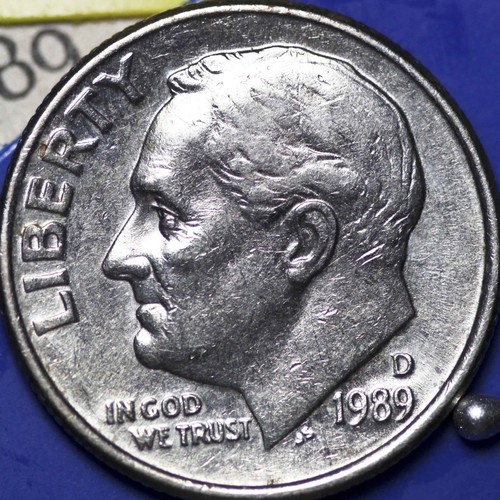
Roosevelt Dime
The circulating U.S. ten-cent coin honoring Franklin D. Roosevelt, shown here as a 1965 copper-nickel clad issue with a torch, olive, and oak reverse.
Dime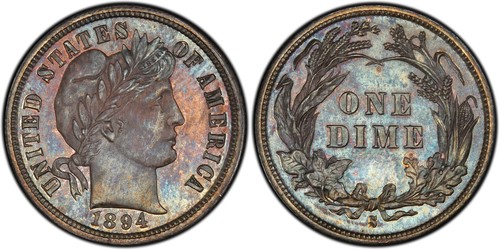
Barber Dime
U.S. ten-cent silver coin struck 1892–1916, showing a right-facing Liberty head and a wreath enclosing "ONE DIME" on the reverse.
Dime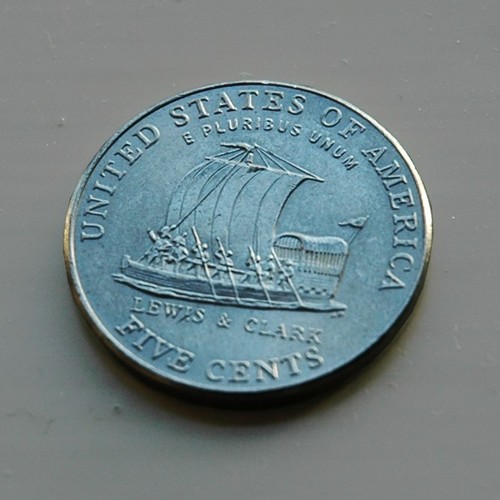
Westward Journey Nickel - Lewis and Clark Keelboat
A 2004 Jefferson five-cent piece from the Westward Journey series, its reverse showing the keelboat that carried the Lewis and Clark expedition upriver.
Nickel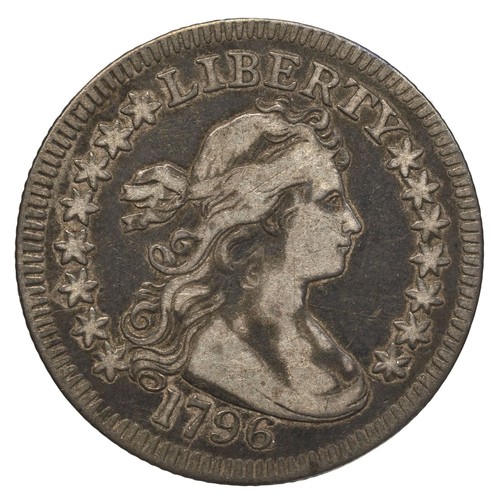
Draped Bust Quarter
The first United States quarter dollar, struck in silver with a draped Liberty and border stars on the obverse and an eagle reverse; the type began in 1796.
Quarter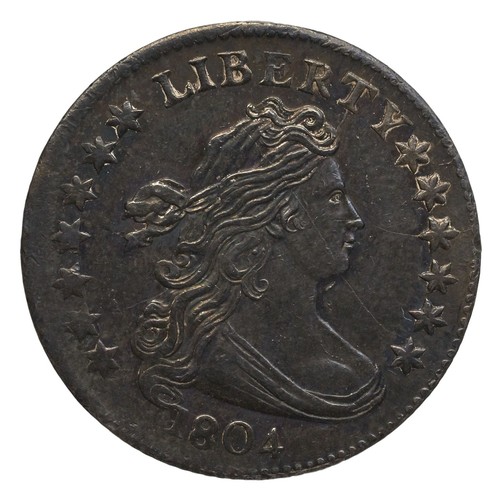
Draped Bust Dime
The first United States dime, struck in silver 1796–1807, with a draped Liberty and border stars on the obverse and an eagle on the reverse.
United States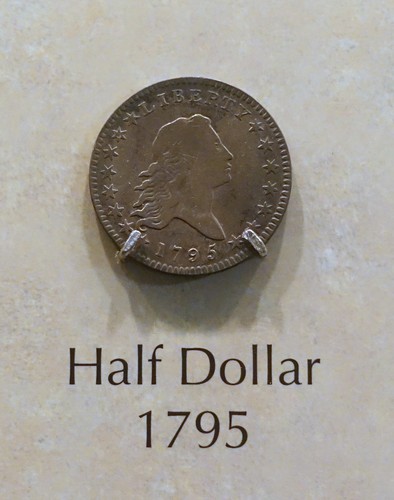
Flowing Hair Half Dollar
The first U.S. half dollar, struck 1794–1795 in silver, with a flowing-hair Liberty facing right and a small eagle within a wreath on the reverse.
Half Dollar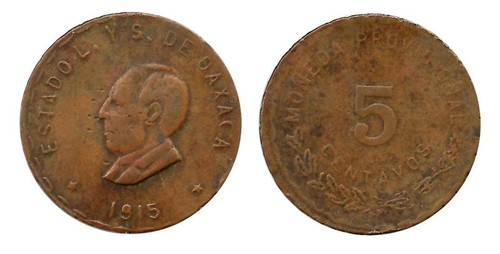
Oaxaca 5 Centavos
A copper 5-centavos struck by the sovereign State of Oaxaca during the Mexican Revolution, with a profile bust on the obverse and the numeral 5 in a wreath on the reverse.
Revolutionary