
Coin Encyclopedia
Search and identify coins from around the world — with country, denomination, metal, mint, history, and how to tell them apart.
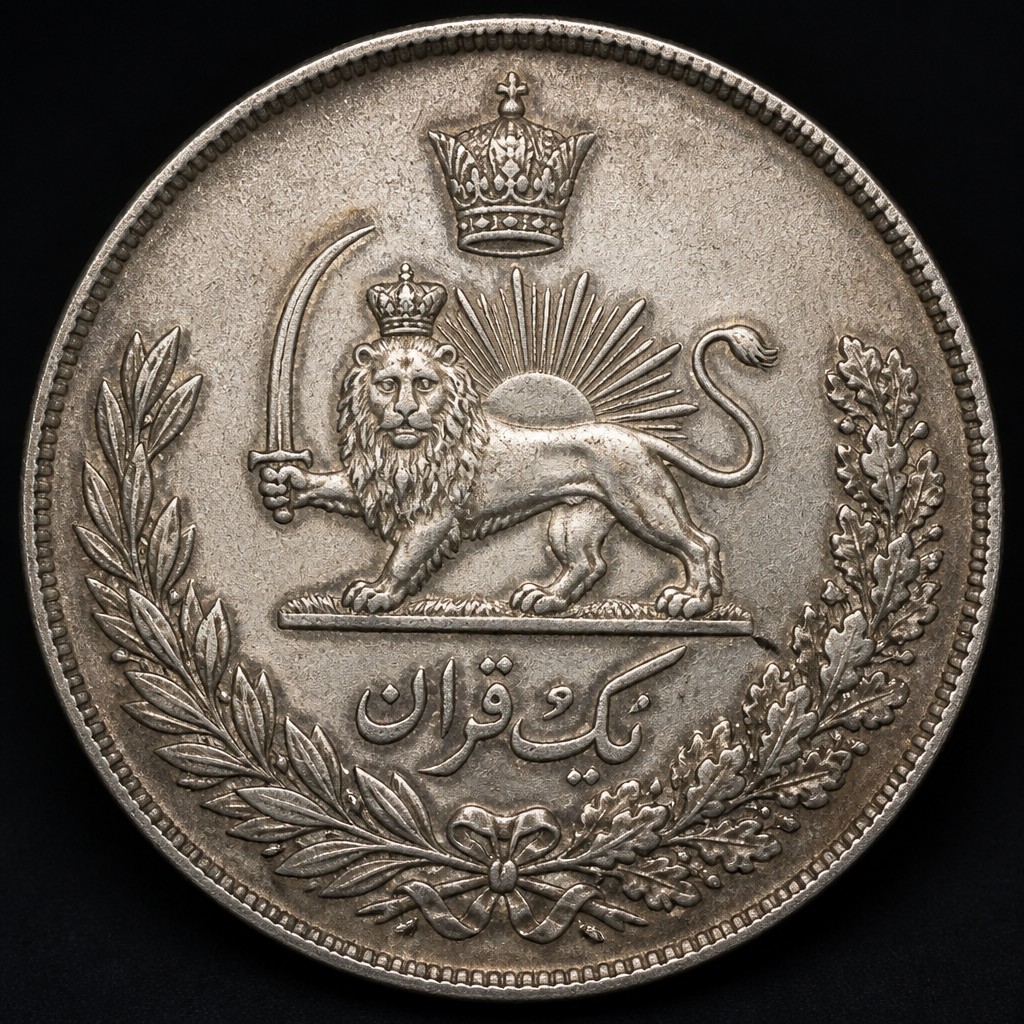
Persian Kran (Qajar silver)
The standard silver coin of Qajar Persia, worth one-tenth of a gold toman, widely struck under Naser al-Din Shah and later rulers and commonly seen with the lion-and-sun emblem.
Asian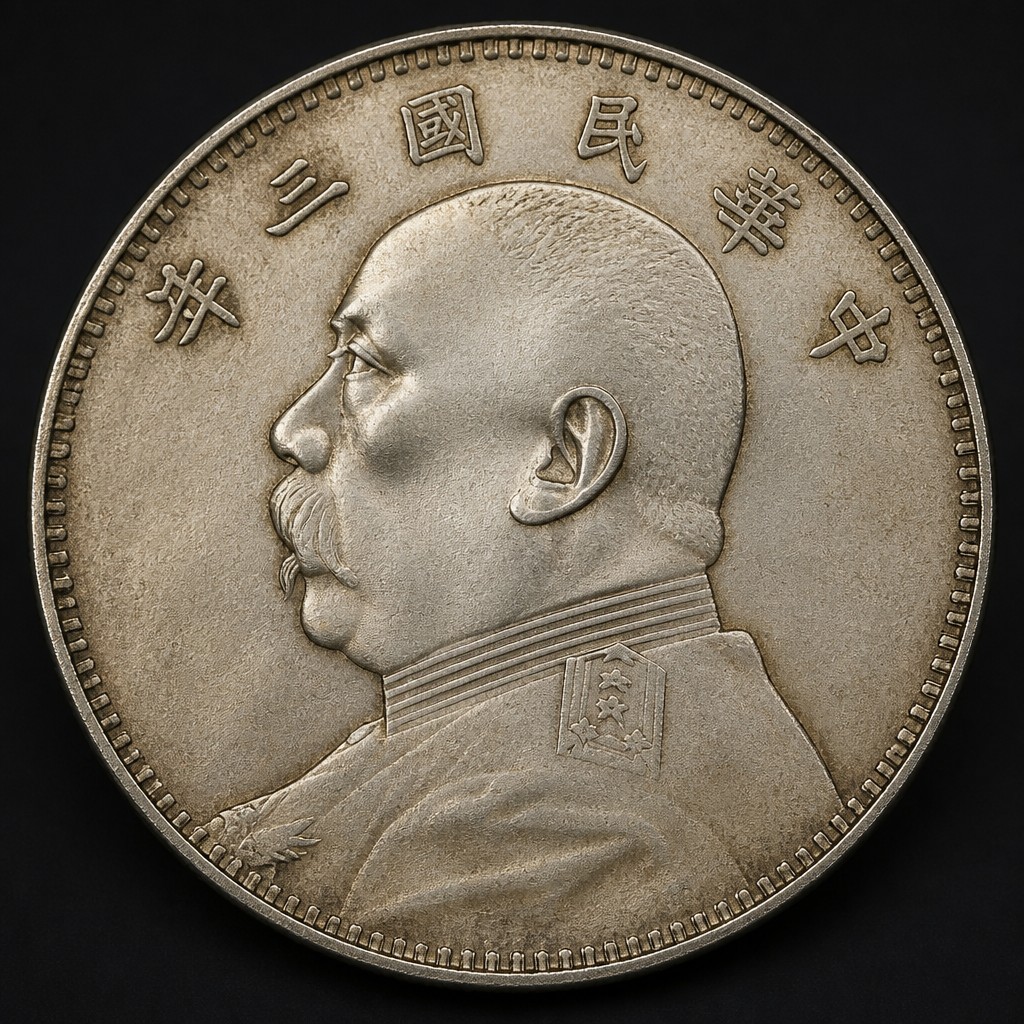
Yuan Shikai 'Fatman' Dollar (1914)
A widely produced Republic of China silver dollar bearing the portrait of President Yuan Shikai, nicknamed the fat man dollar for his portly likeness, one of the most common historic Chinese silver coins.
Asian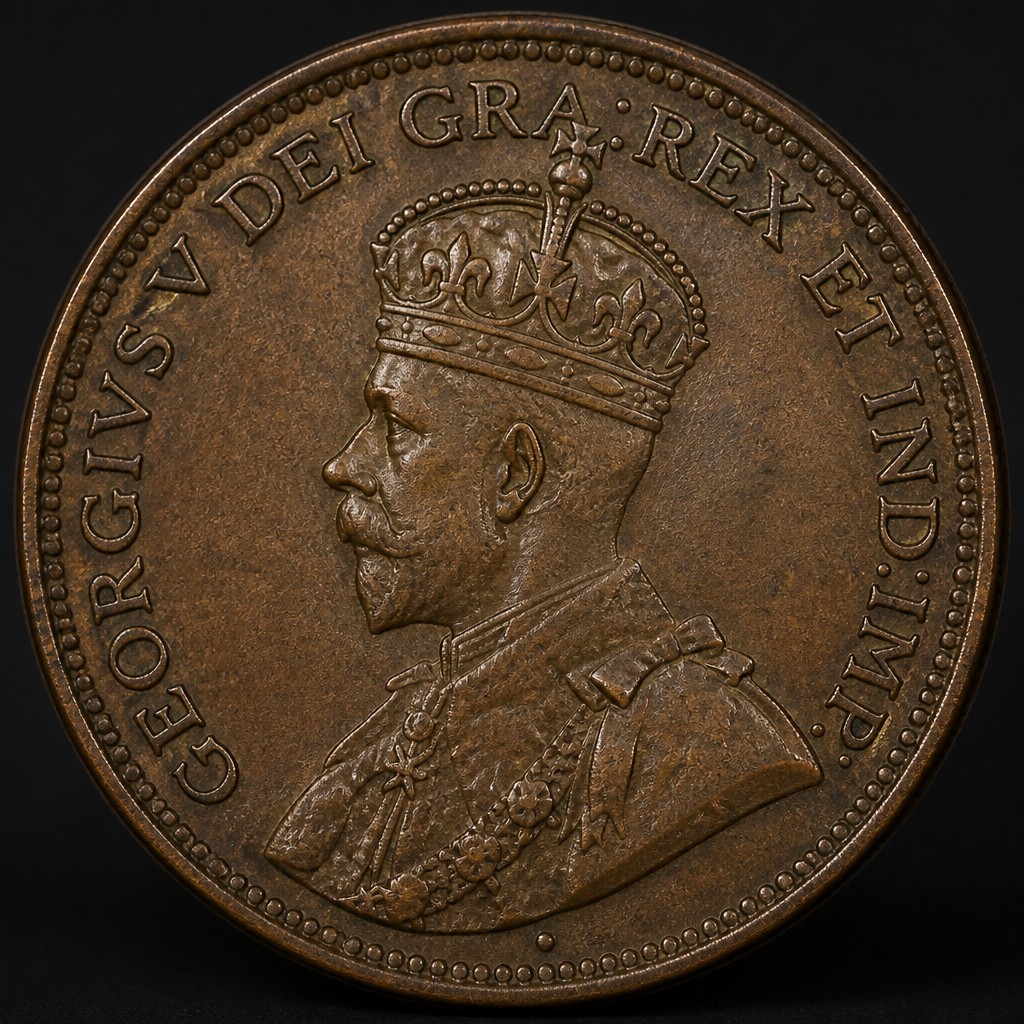
1936 Dot Cent
One of Canada's rarest coins: a 1936-dated cent quietly struck in 1937 with a tiny raised dot below the date after King Edward VIII's abdication delayed new George VI dies.
Canadian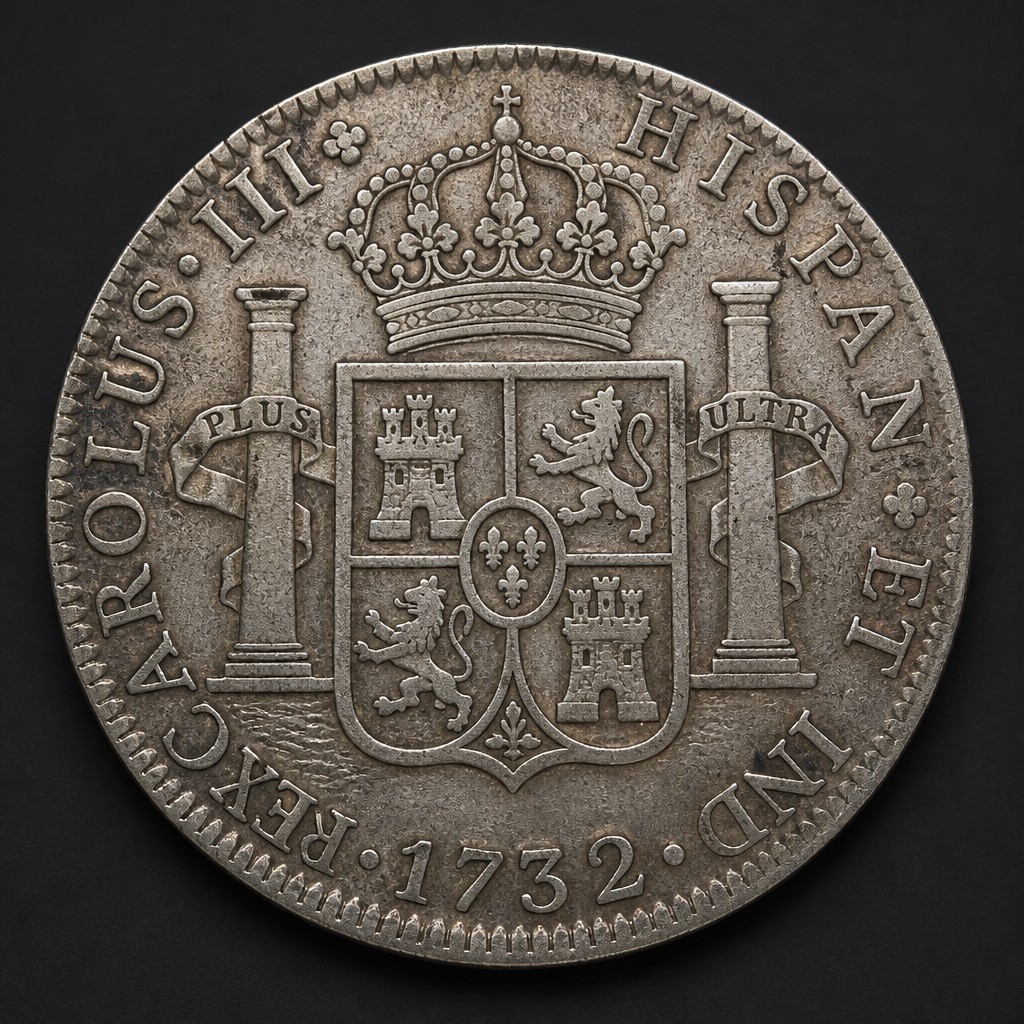
Mexican 8 Reales Pillar Dollar
Minted in colonial Mexico City from 1732 to the early 1770s, the pillar dollar's crowned globes and Pillars of Hercules design made it one of the most widely trusted silver trade coins in the world.
Latin American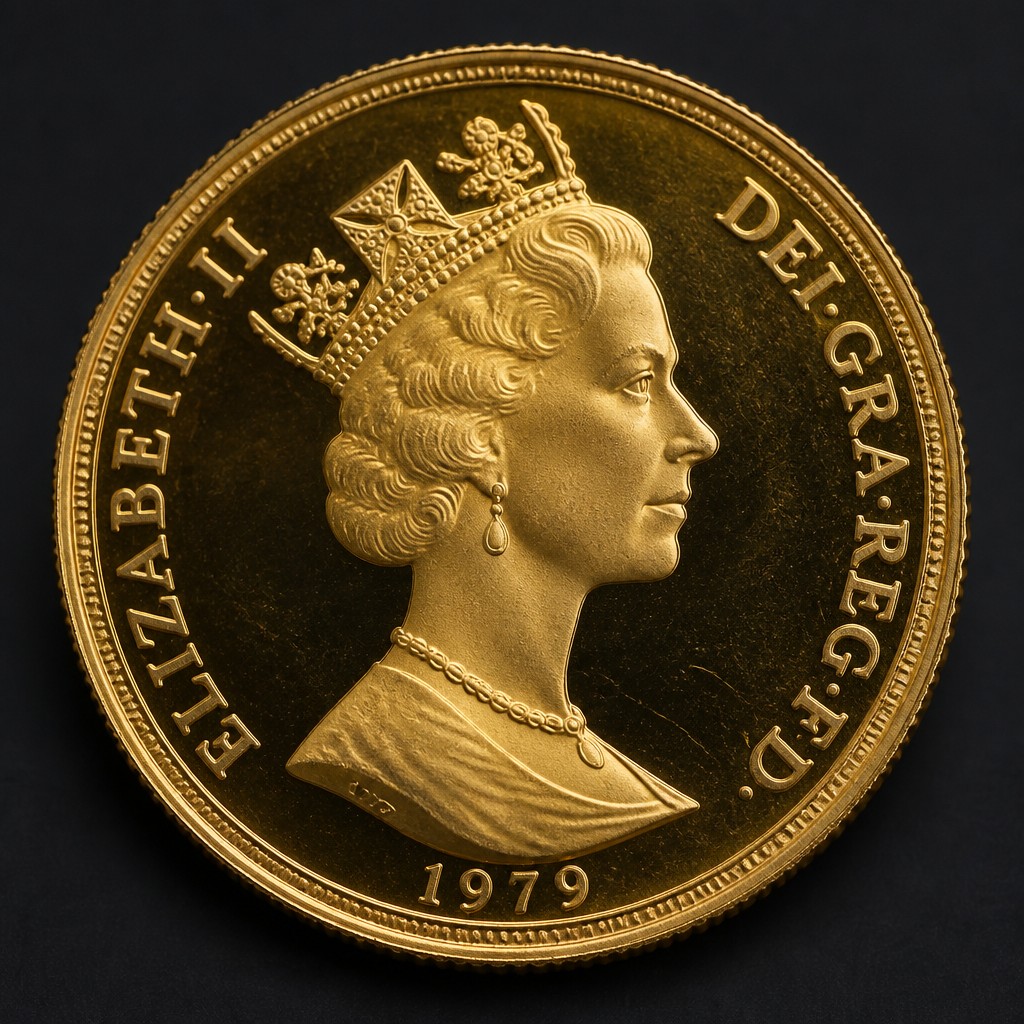
British Sovereign (modern proof)
Contemporary proof-quality gold sovereign struck by the Royal Mint, continuing Benedetto Pistrucci's St George and the dragon reverse design used since the early 19th century.
British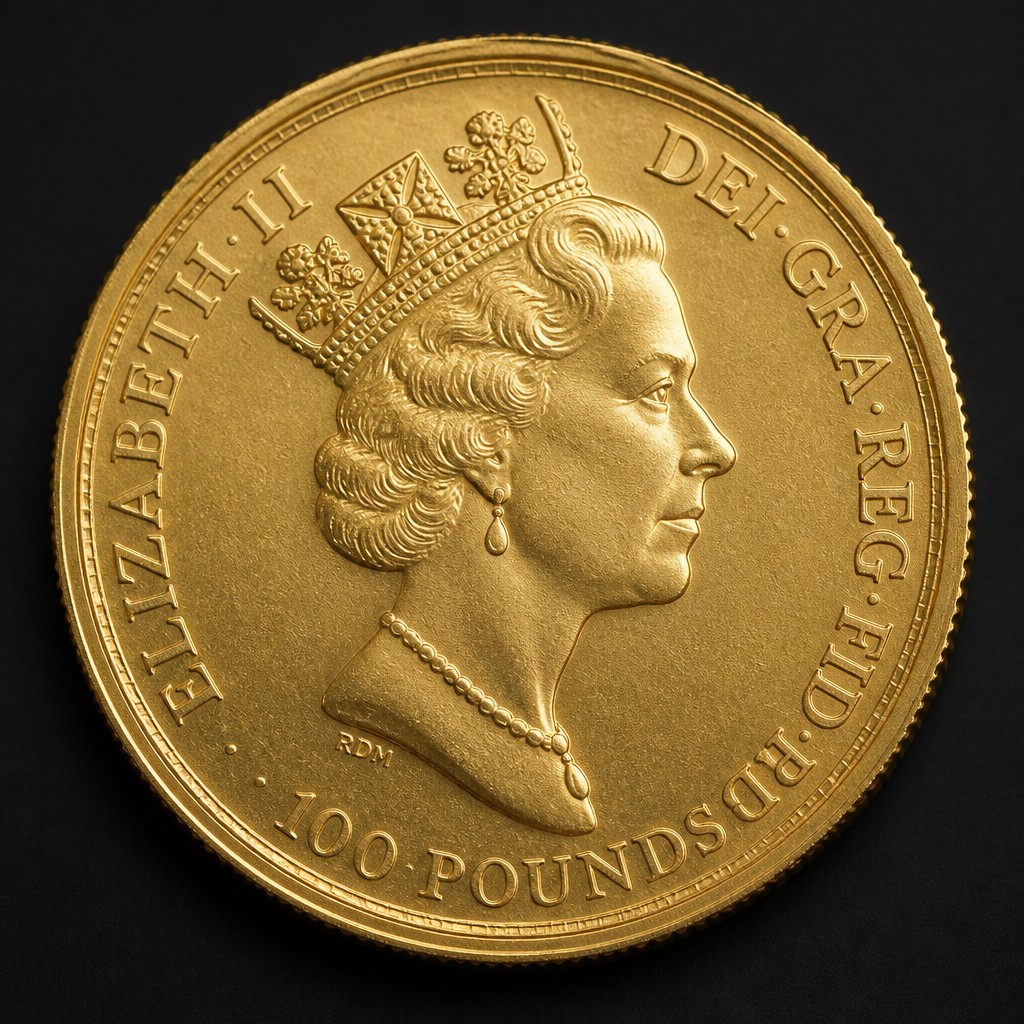
British Gold Britannia
The United Kingdom's flagship gold bullion coin, issued by the Royal Mint since 1987, featuring the classical figure of Britannia and enjoying capital gains tax exemption for UK residents as legal tender.
Bullion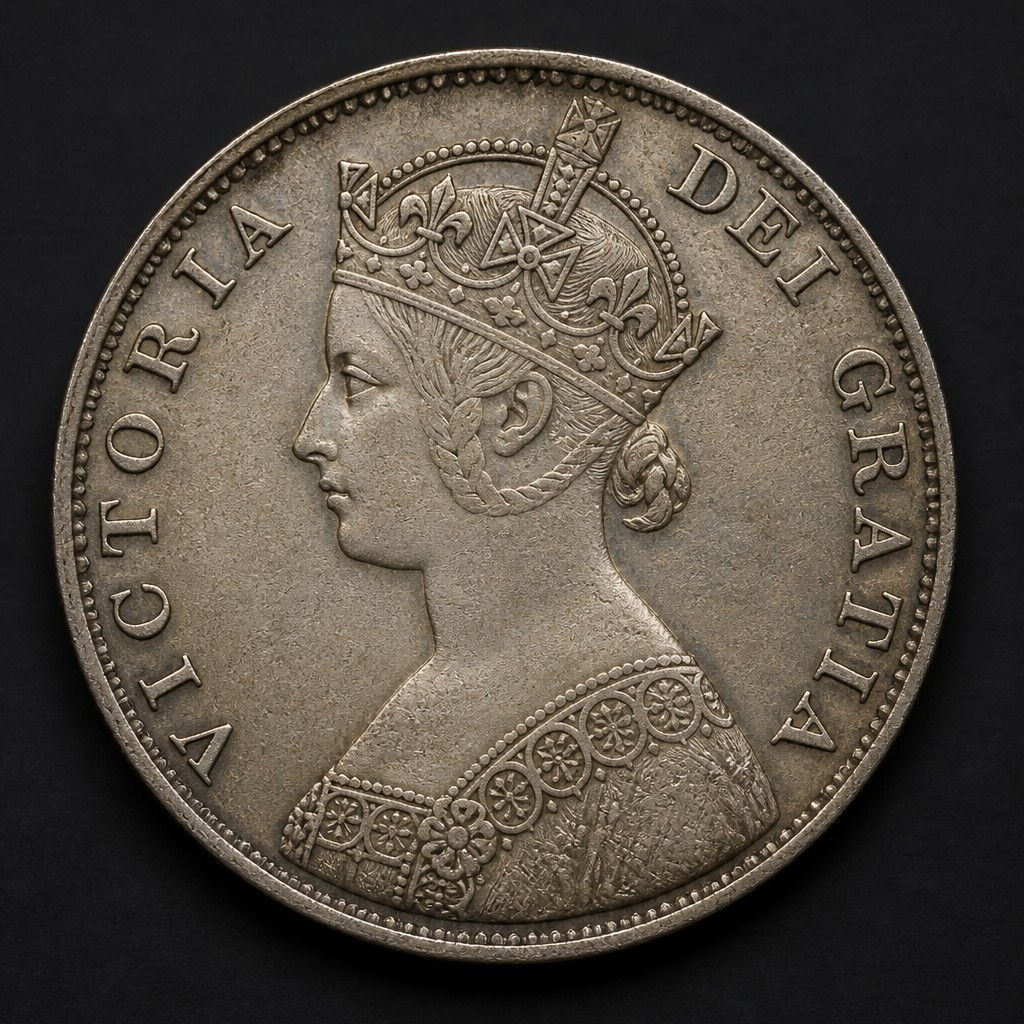
Groat (Fourpence)
A historic English silver coin worth four pence, first struck under Edward I in 1279 and periodically revived, later surviving mainly as a Maundy Money denomination.
British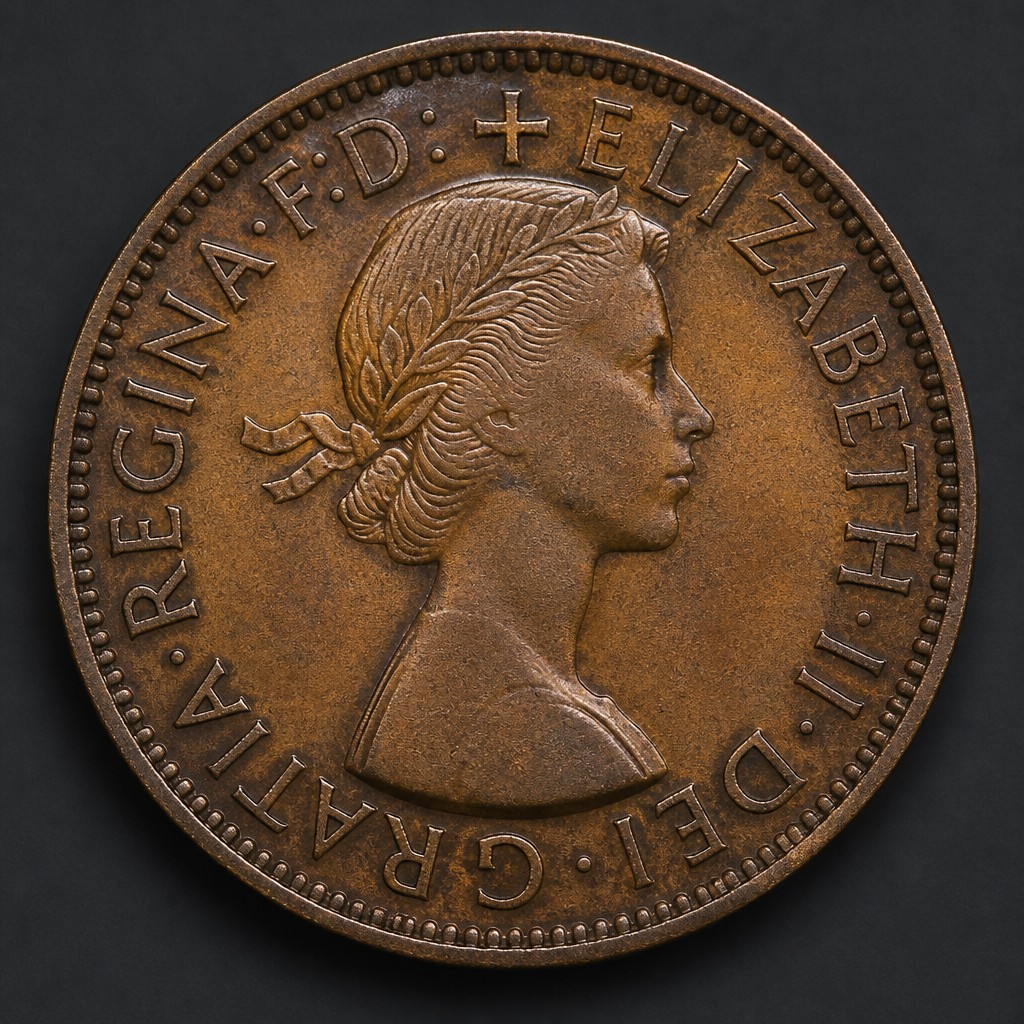
Farthing
The smallest-value British bronze coin, worth a quarter of a penny, fondly remembered for its charming wren reverse design used from 1937 until its withdrawal.
British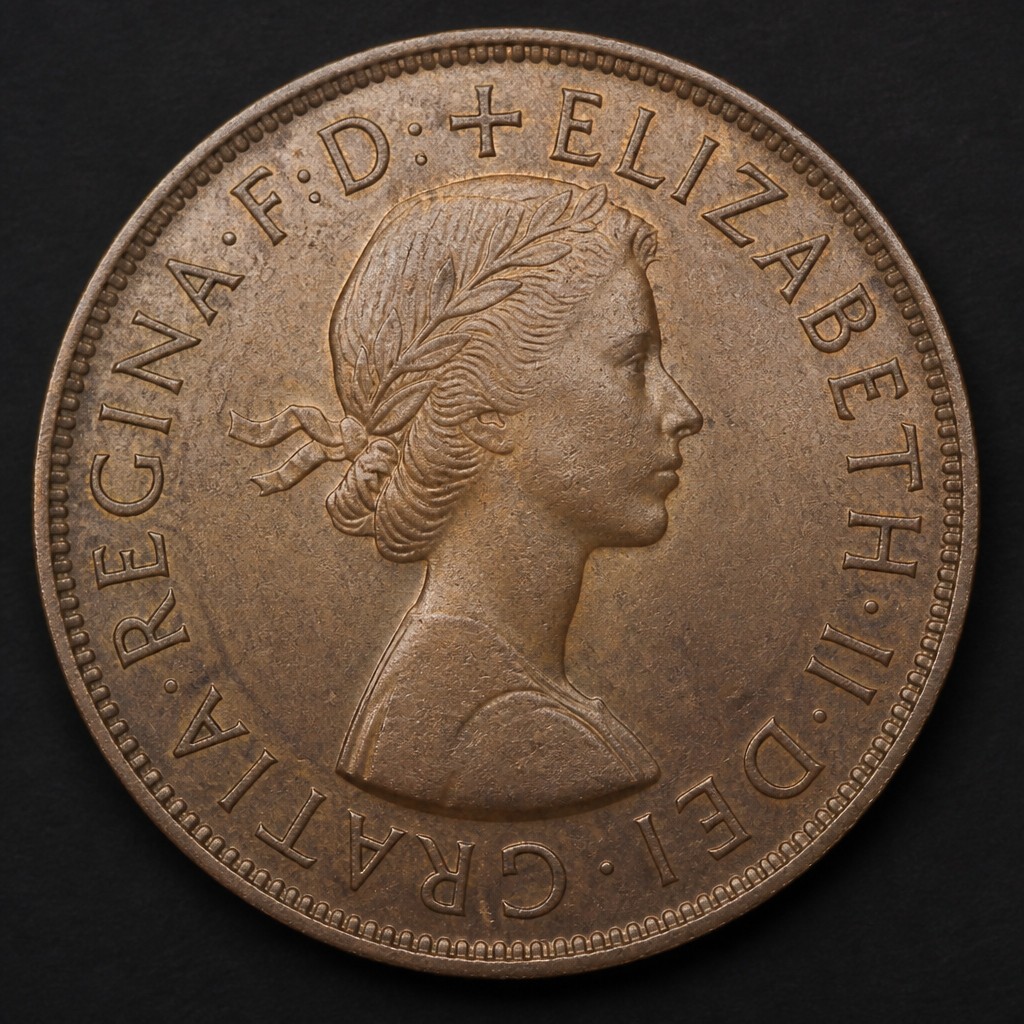
Halfpenny
A small British bronze coin worth half a penny, best known in its twentieth-century form featuring Sir Francis Drake's ship the Golden Hind on the reverse.
British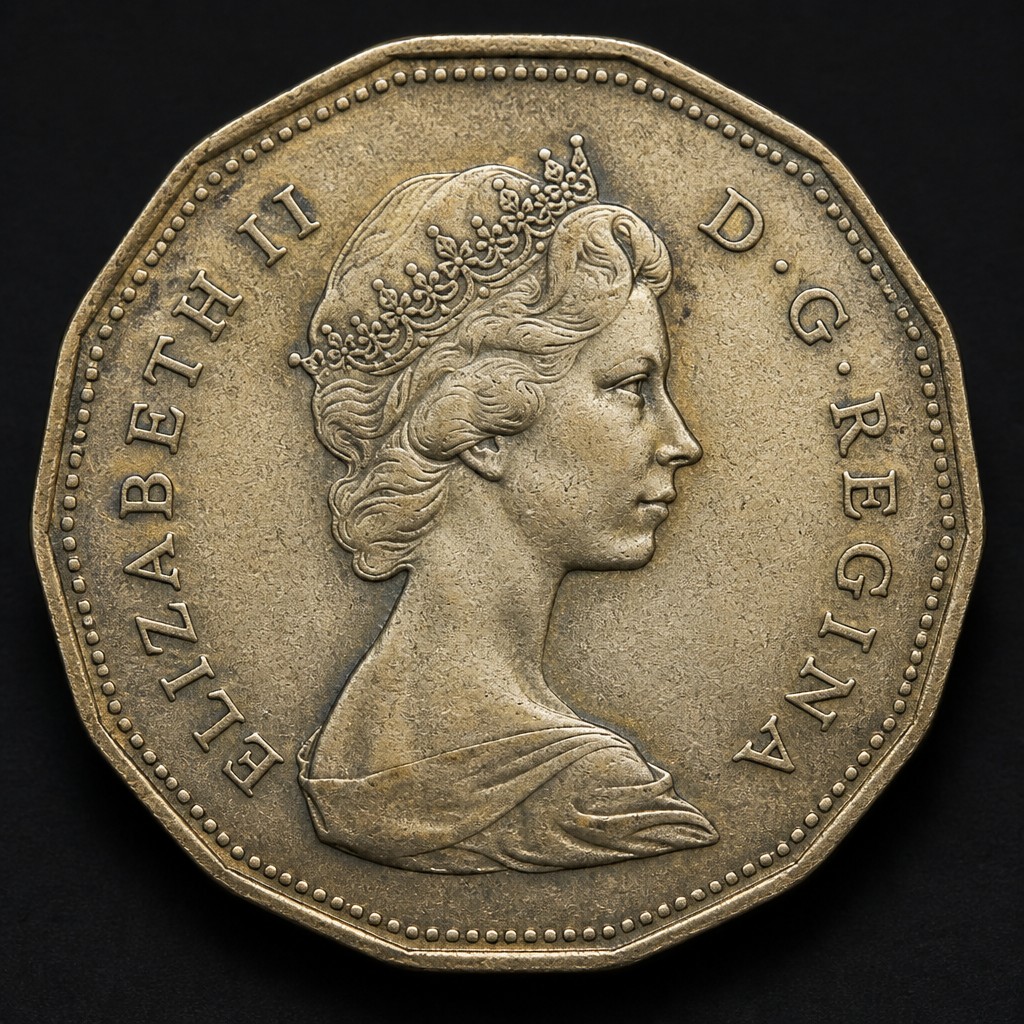
Threepence
A small British coin worth three pence, issued first as a tiny silver piece and later as the distinctive 12-sided brass 'threepenny bit' beloved for its unusual shape.
British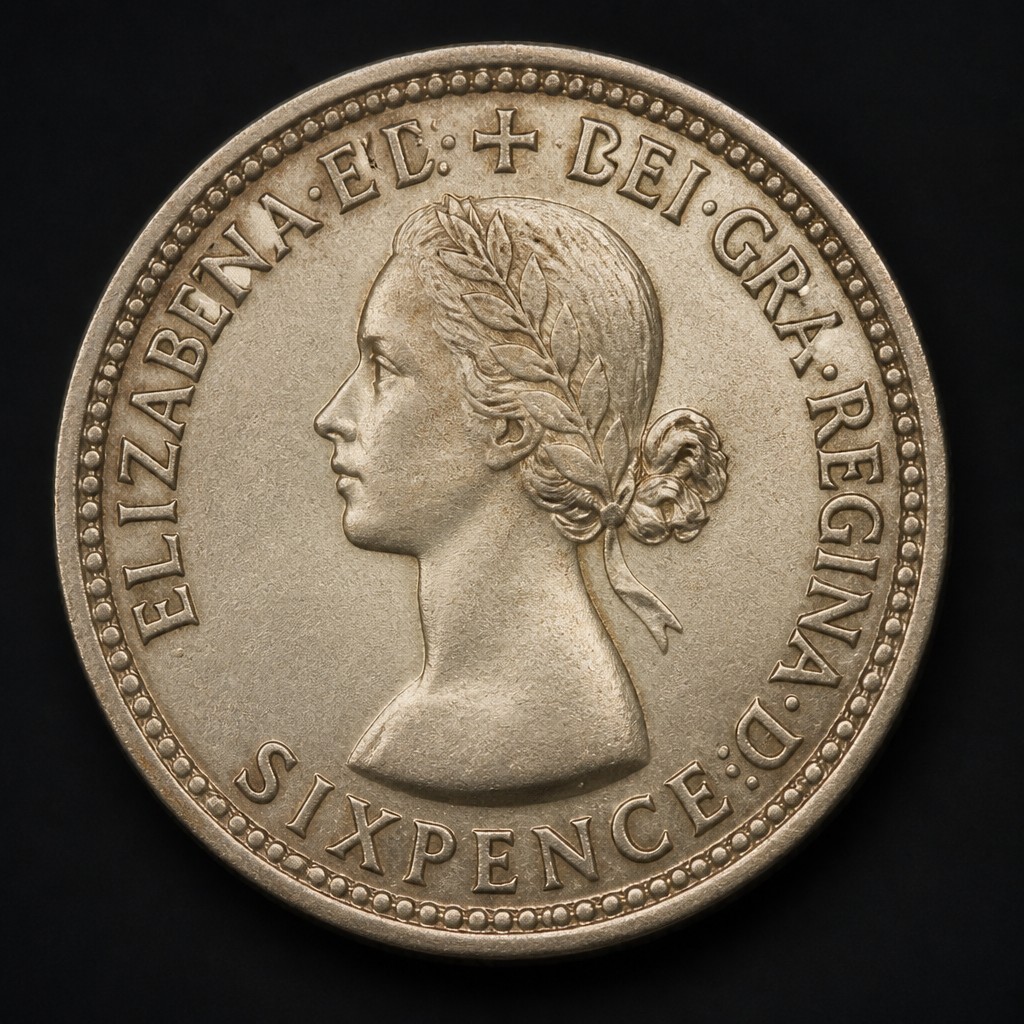
Sixpence
A small British silver coin worth half a shilling, affectionately nicknamed the 'tanner,' beloved for its traditional role tucked into Christmas puddings.
British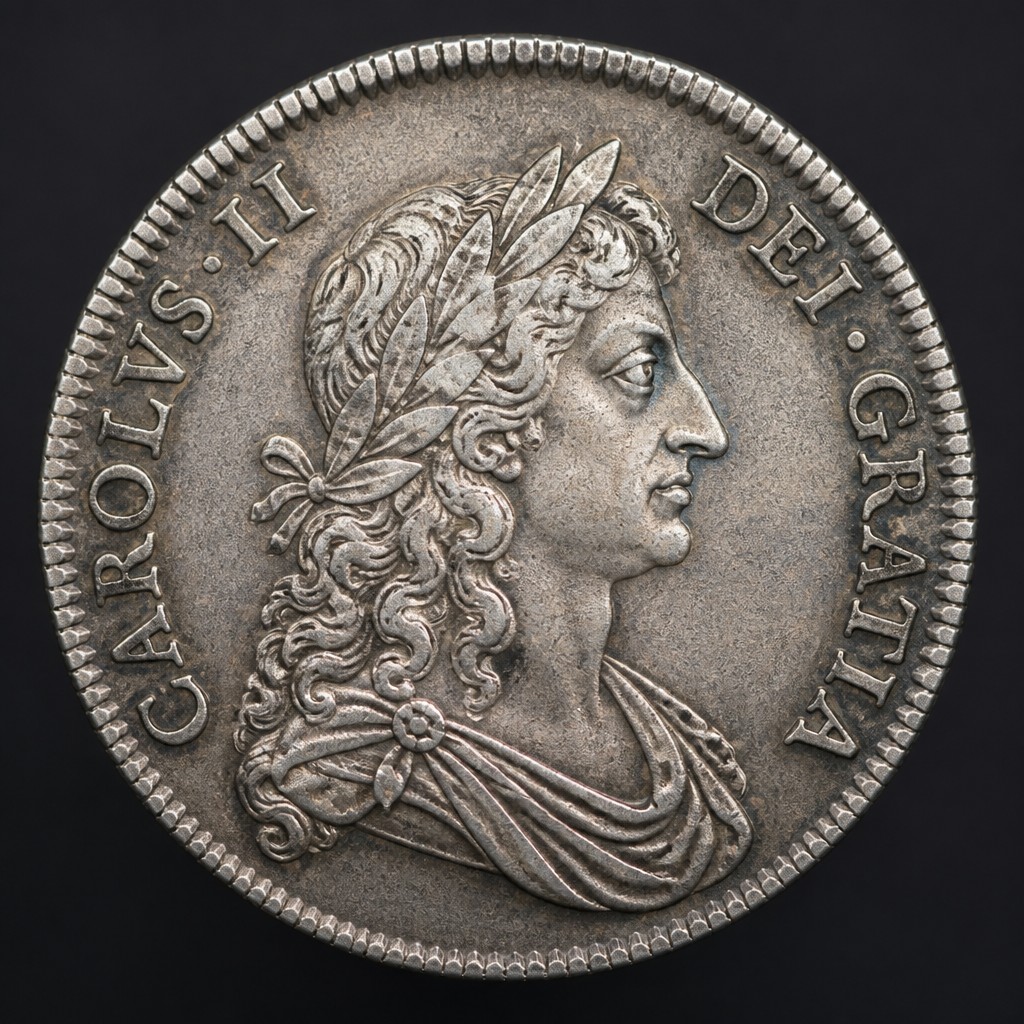
Maundy Threepence
The third denomination of the Royal Maundy set, a small silver threepence given out in the monarch's annual pre-Easter alms ceremony, distinct from Britain's separate everyday circulating threepence.
British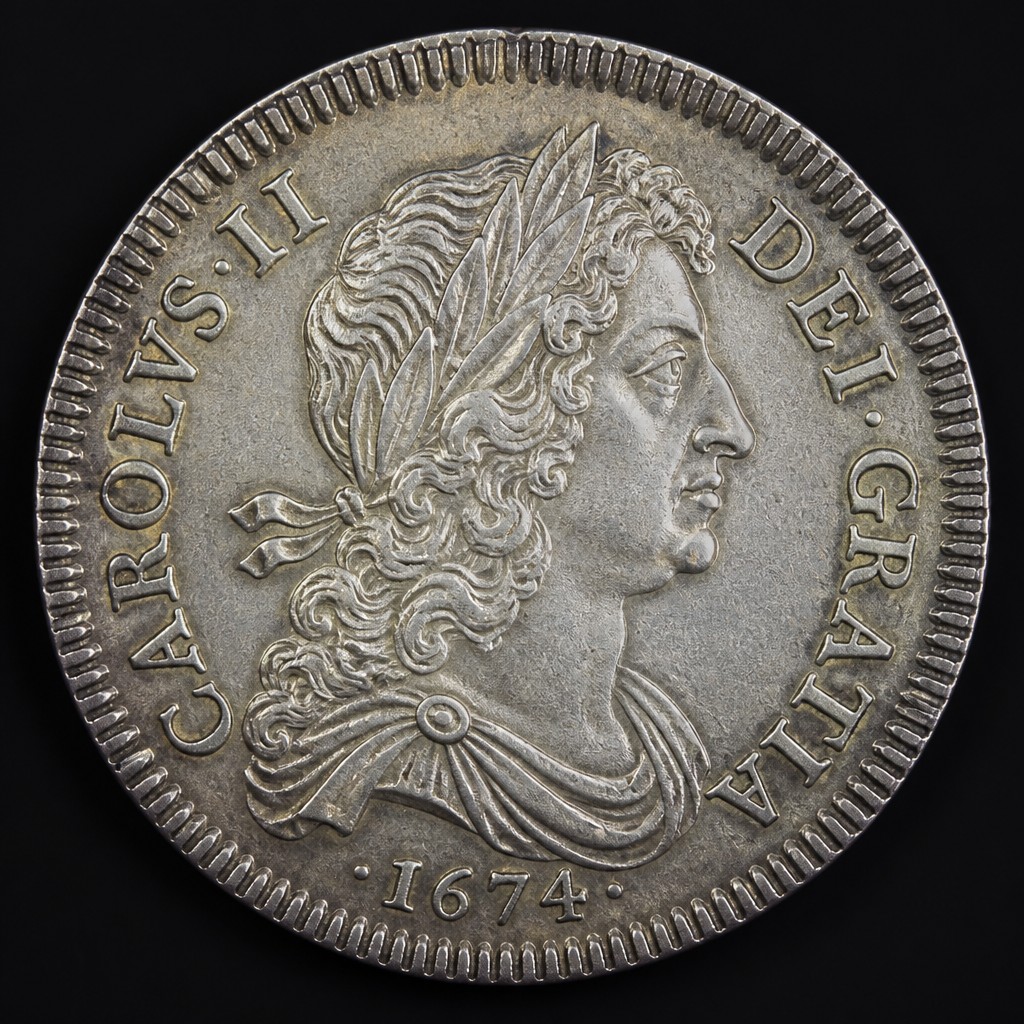
Maundy Fourpence
The largest of the four Royal Maundy coins, a small silver fourpence descended in value from the medieval groat, struck annually for the monarch's ceremonial Maundy Thursday alms distribution.
British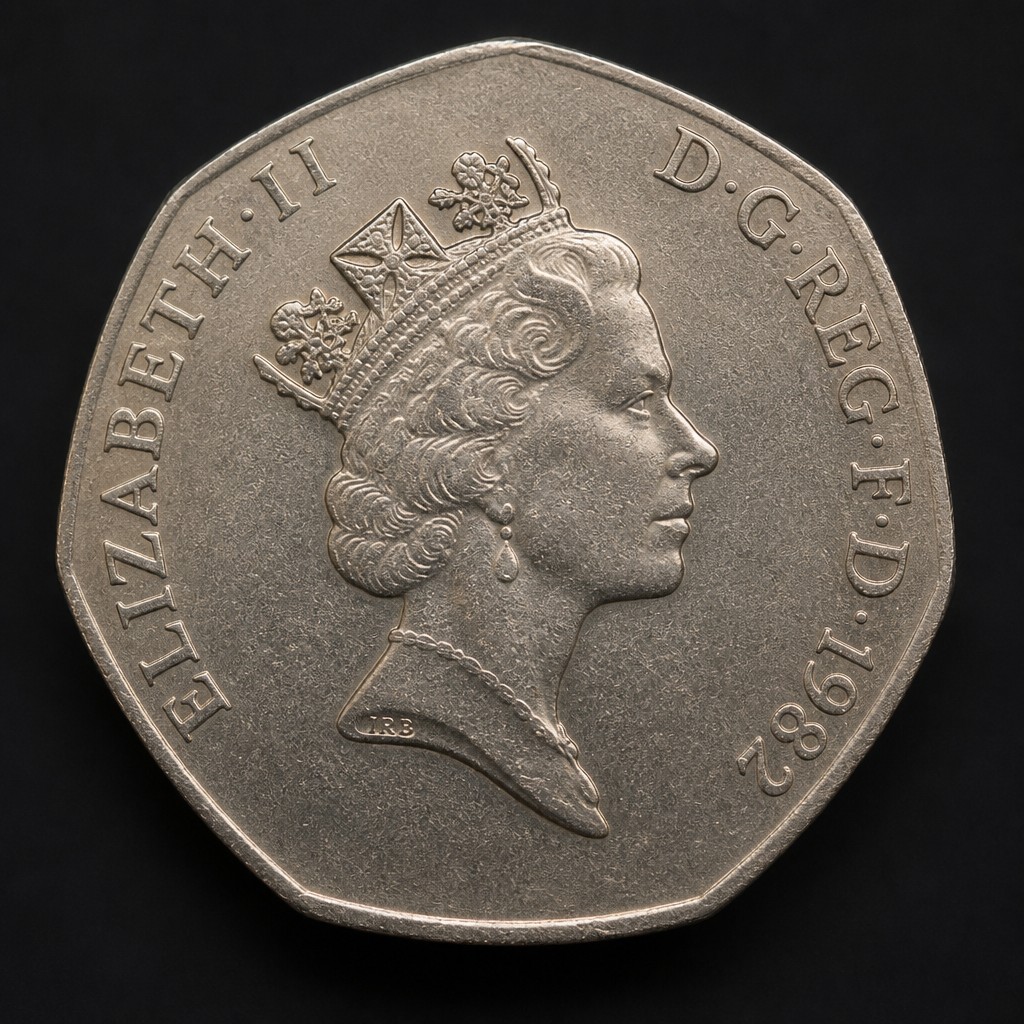
Twenty Pence
A seven-sided UK coin introduced in 1982 to fill a gap between the ten pence and fifty pence denominations.
British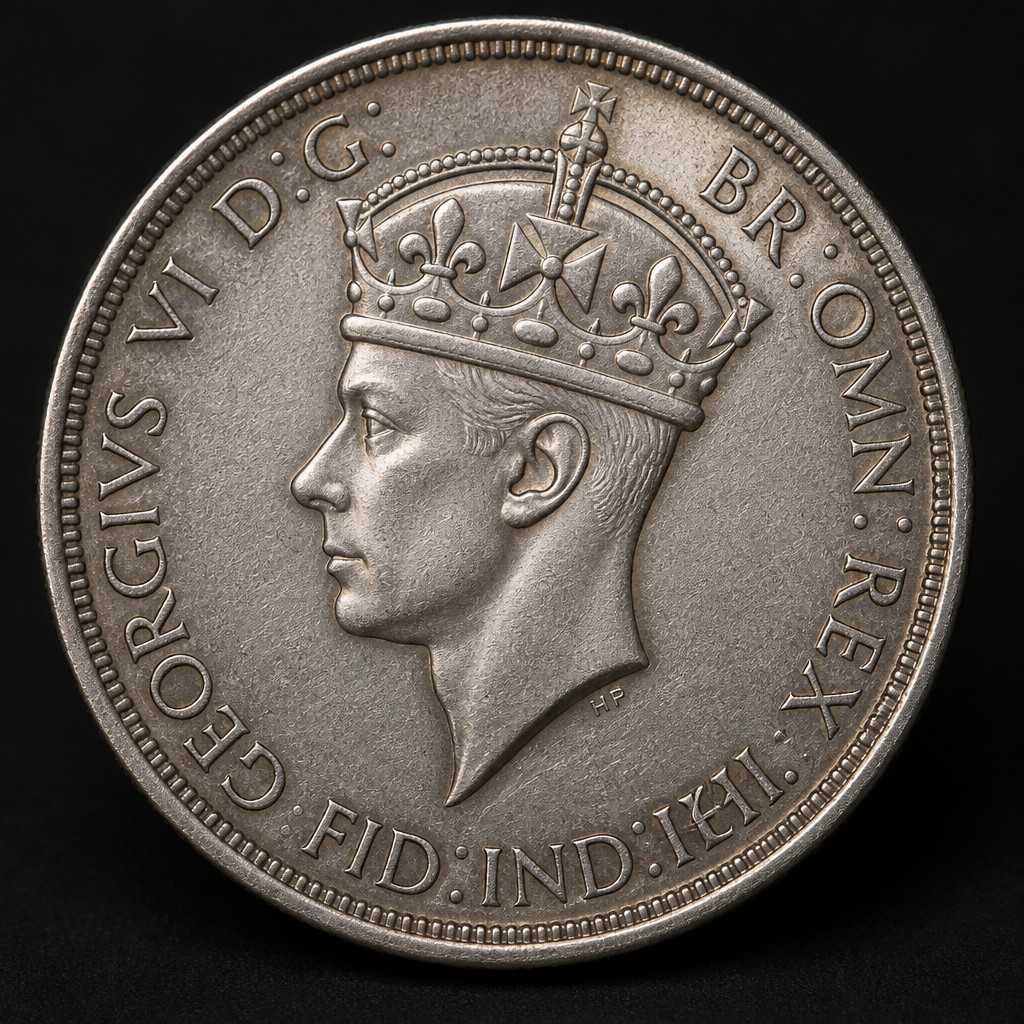
British Crown
Valued at five shillings, the British crown is a large silver (and later cupro-nickel) coin with a production history stretching from Tudor England to modern commemorative issues.
British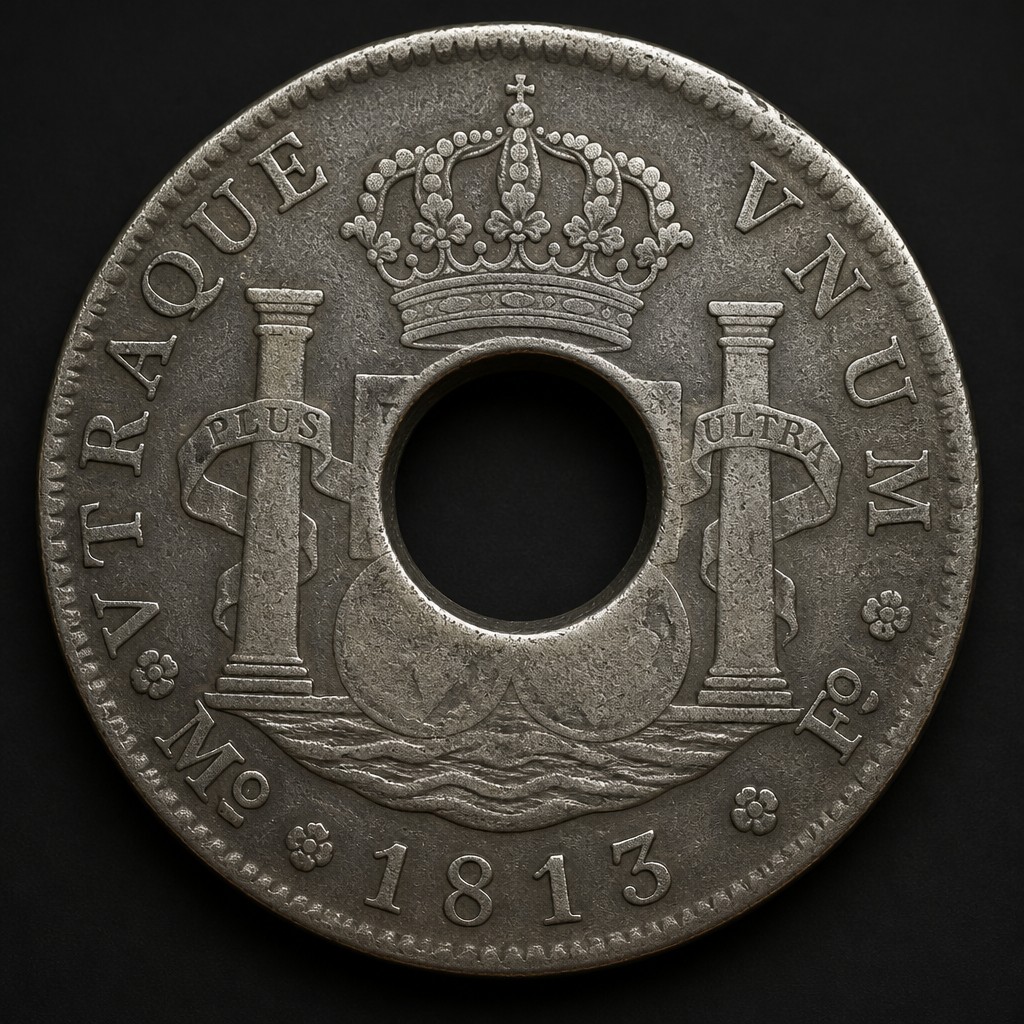
Australian Holey Dollar and Dump
In 1813, colonial authorities in New South Wales punched the centers out of Spanish silver dollars to create two coins from one, easing a severe coin shortage while preventing the silver from leaving the colony.
Africa & Oceania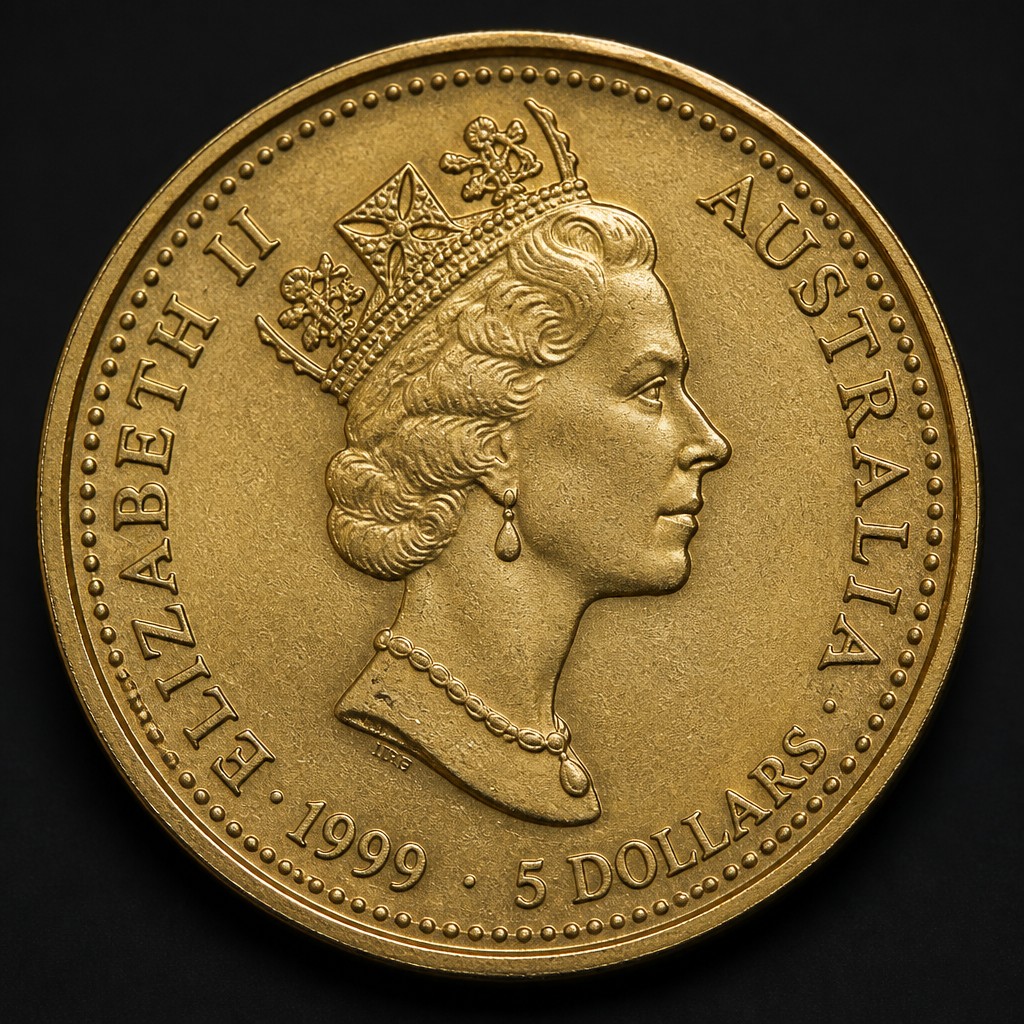
2000 Sydney Olympics Coin Series
The Royal Australian Mint issued one of the largest circulating commemorative coin programs ever produced for a single Olympics, featuring numerous $5 designs alongside premium silver and gold proof coins for the Sydney 2000 Games.
Commemorative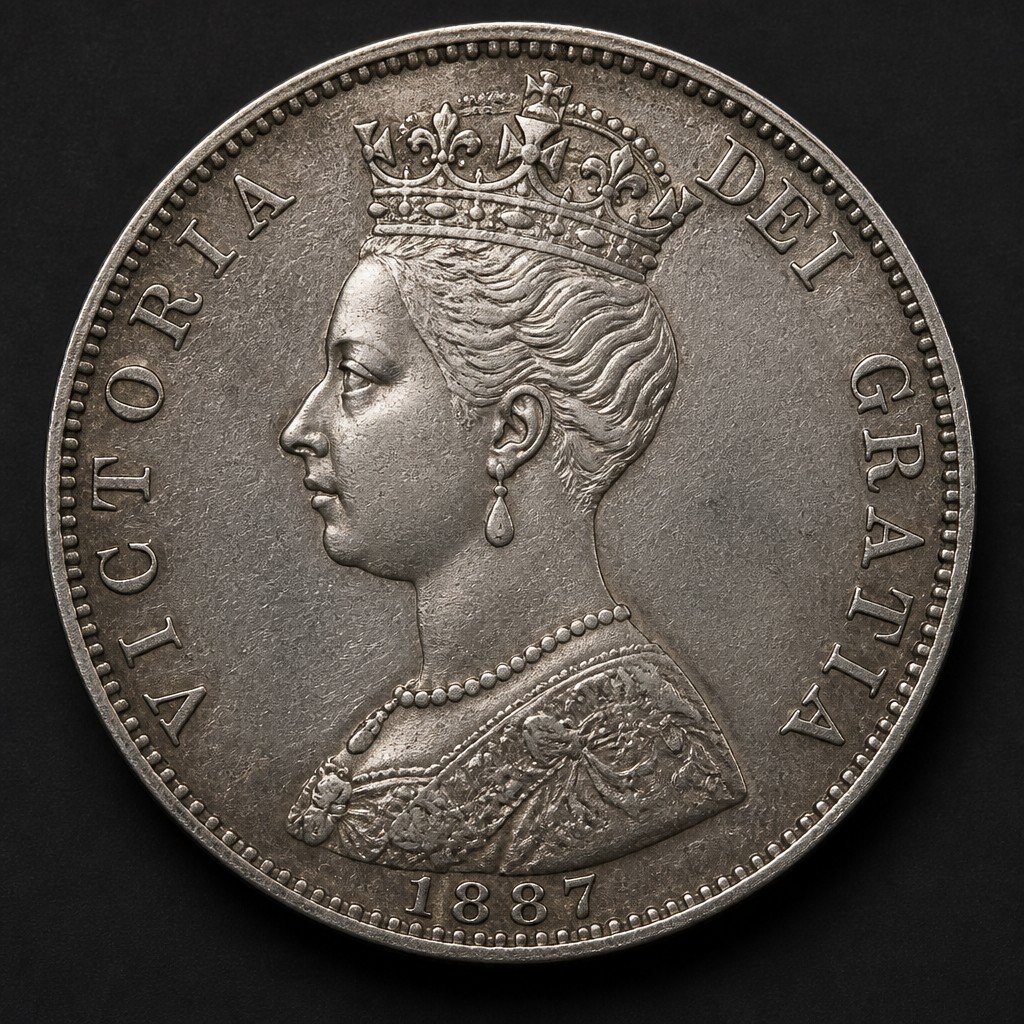
Crown
Large British coin traditionally worth five shillings, historically struck in silver and famed for elaborate designs, now issued mainly as a cupro-nickel commemorative.
British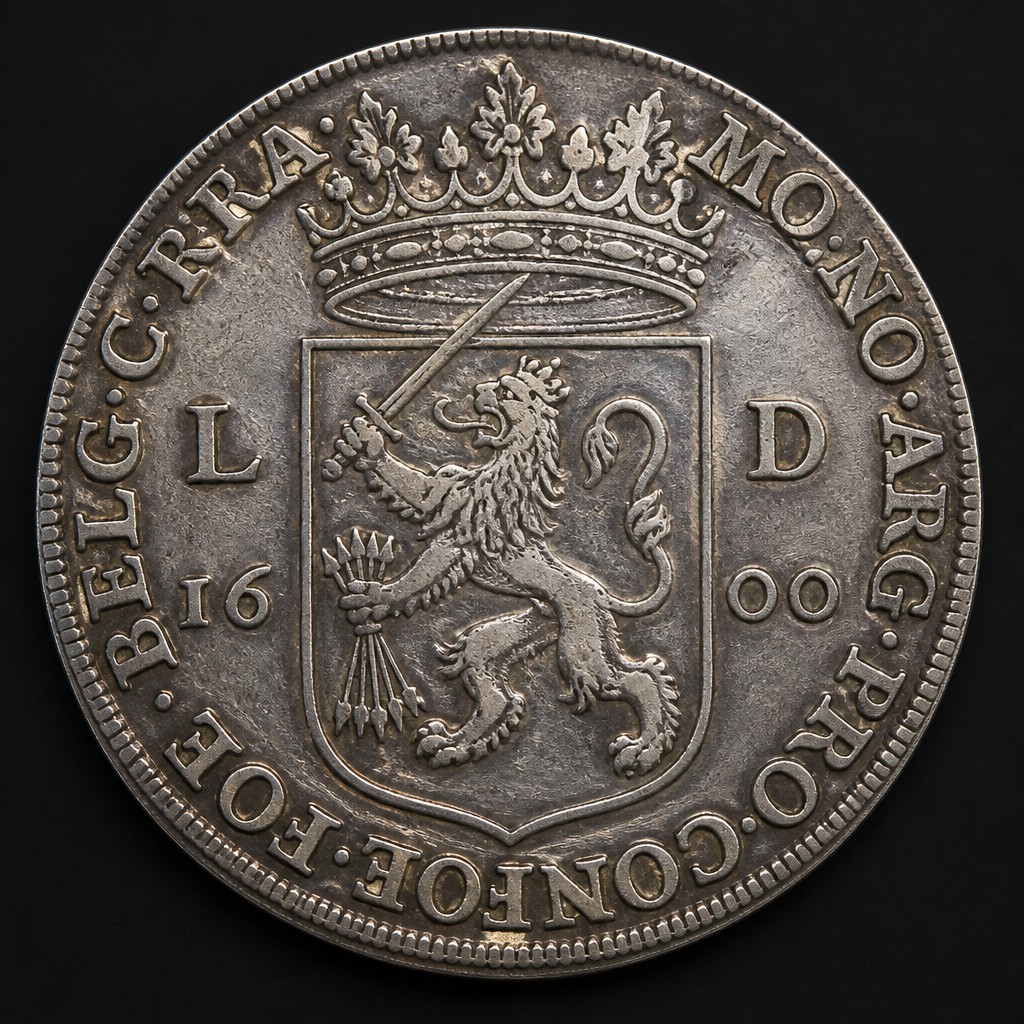
Netherlands Lion Daalder (Leeuwendaalder)
A large silver trade coin of the Dutch provinces showing a knight and a rampant lion, widely circulated in colonial North America and the Ottoman world as the prototype 'lion dollar.'
European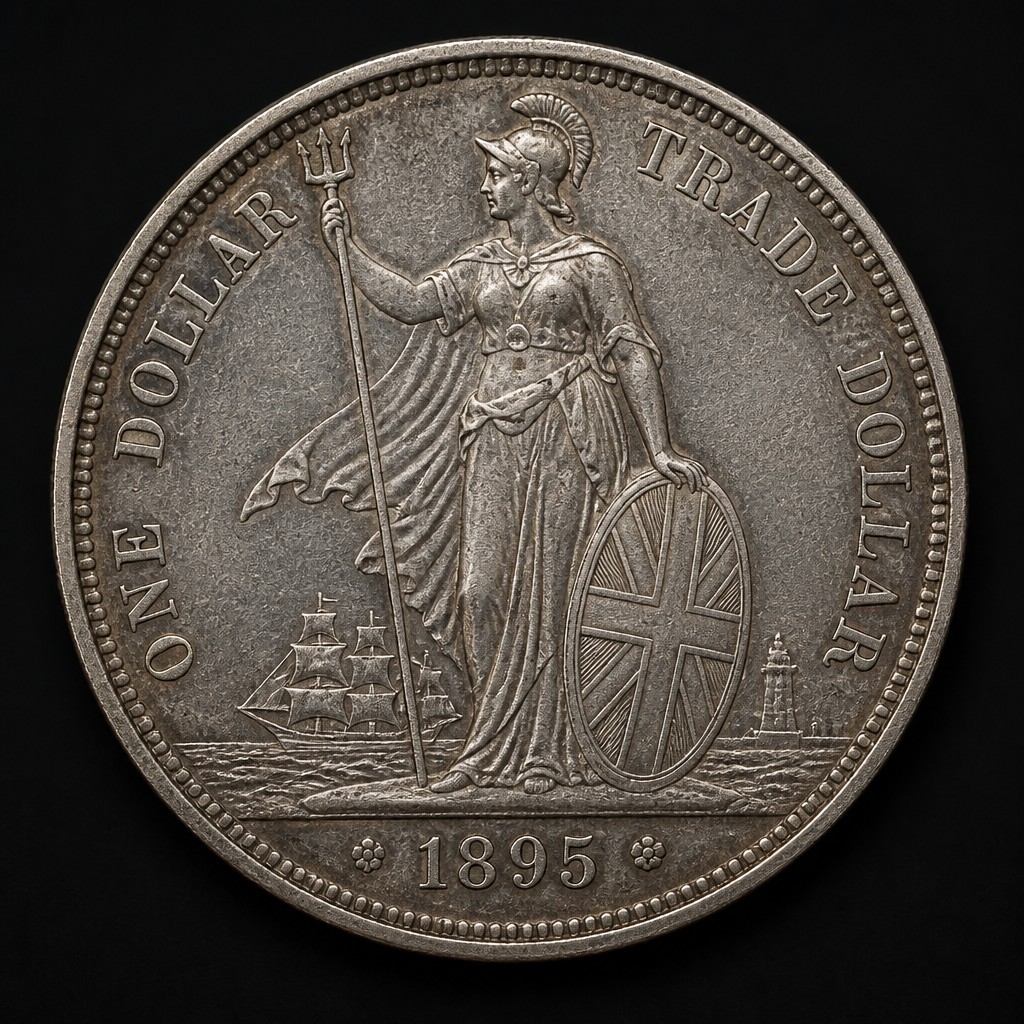
British Trade Dollar
A silver trade dollar struck by Britain to compete with the Mexican and Spanish dollars circulating across Hong Kong, China, and Southeast Asia.
Asian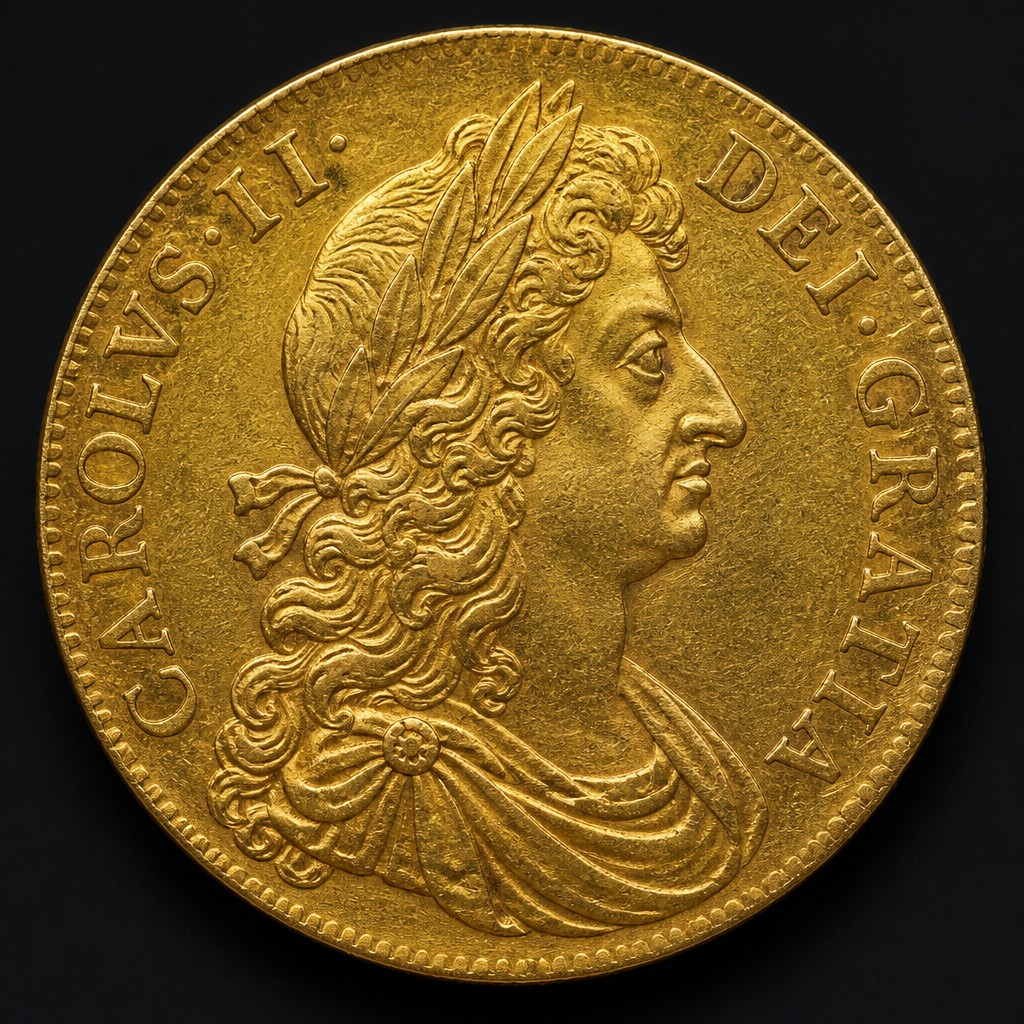
British Gold Guinea
Struck from 1663 to 1814 and named for the West African gold used in its earliest issues, the guinea was Britain's leading gold coin and gave its name to a unit of value still referenced today.
British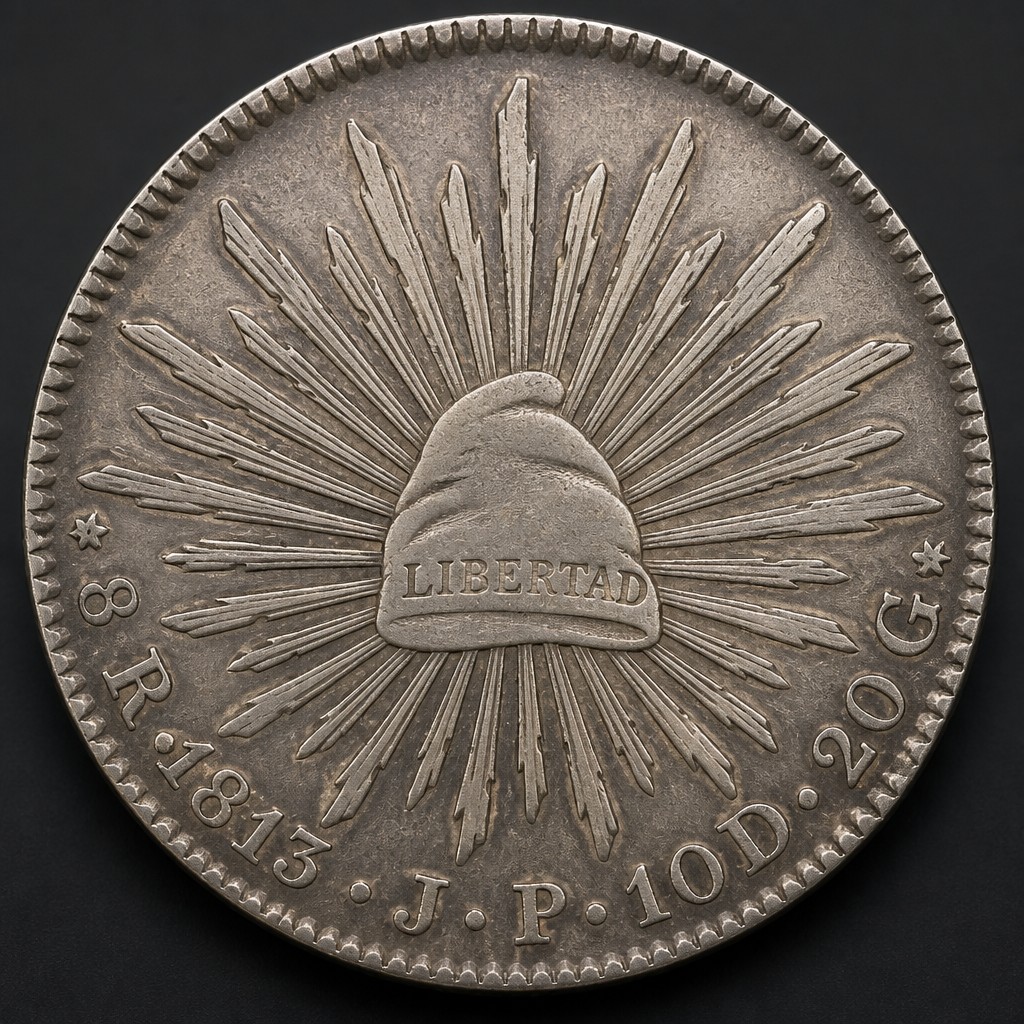
Argentina 8 Reales
Silver 8 reales struck after Argentina's 1810 independence movement, replacing the Spanish king's portrait with the revolutionary Sun of May and clasped hands design.
Latin American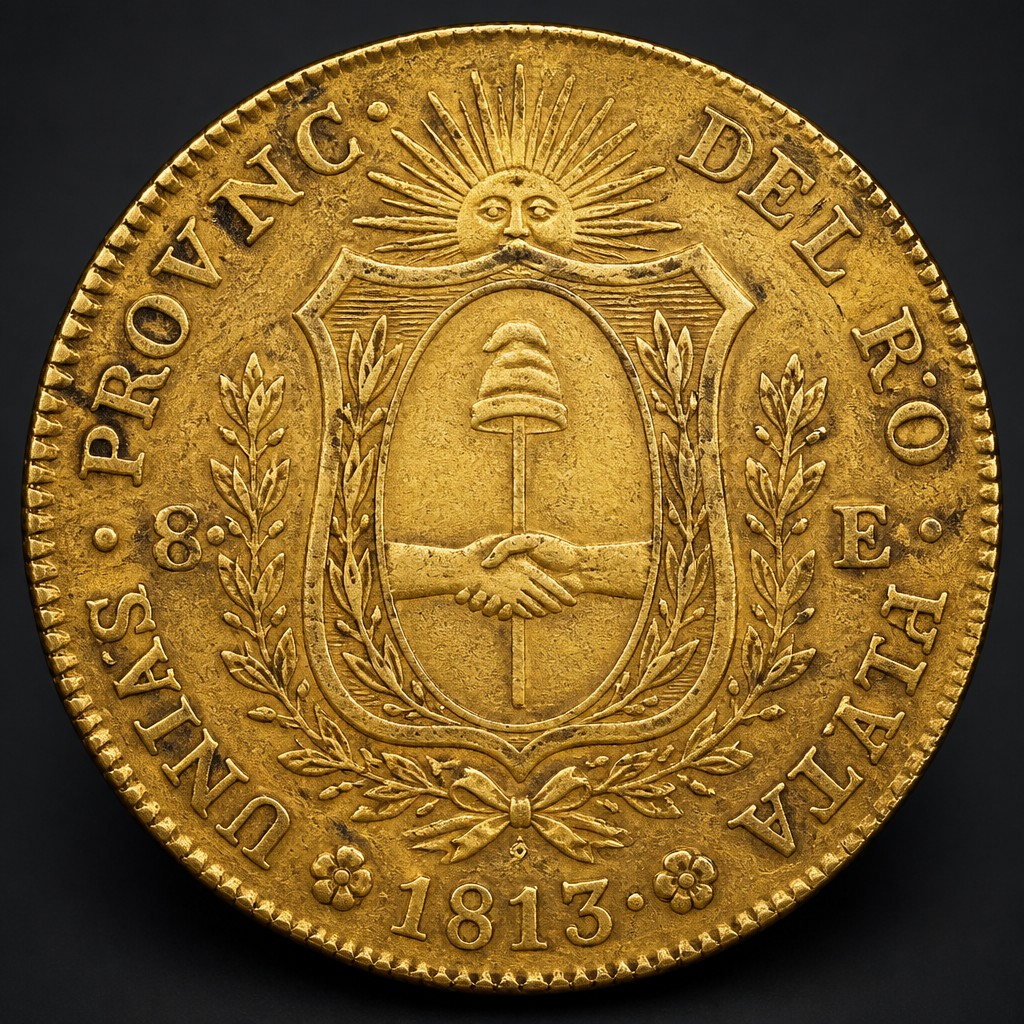
Argentine 8 Escudos Gold (1813)
An extremely rare gold coin from the earliest years of Argentine independence, struck briefly at Potosí under revolutionary authority and bearing the iconic Sun of May.
Latin American