
Coin Encyclopedia
Search and identify coins from around the world — with country, denomination, metal, mint, history, and how to tell them apart.
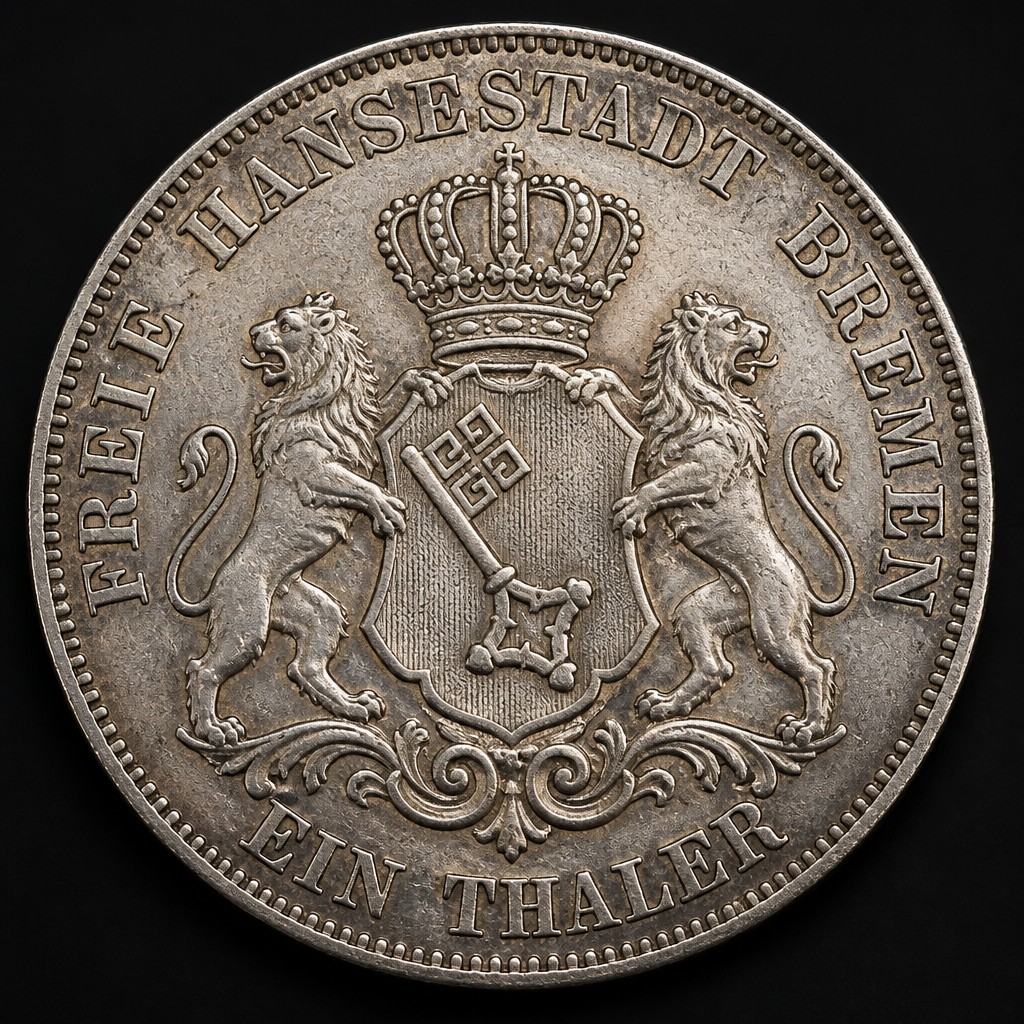
German Bremen Thaler
A silver thaler issued by the Free Hanseatic City of Bremen before German unification, featuring the city's heraldic key, part of the patchwork of pre-1871 German state and city coinages.
European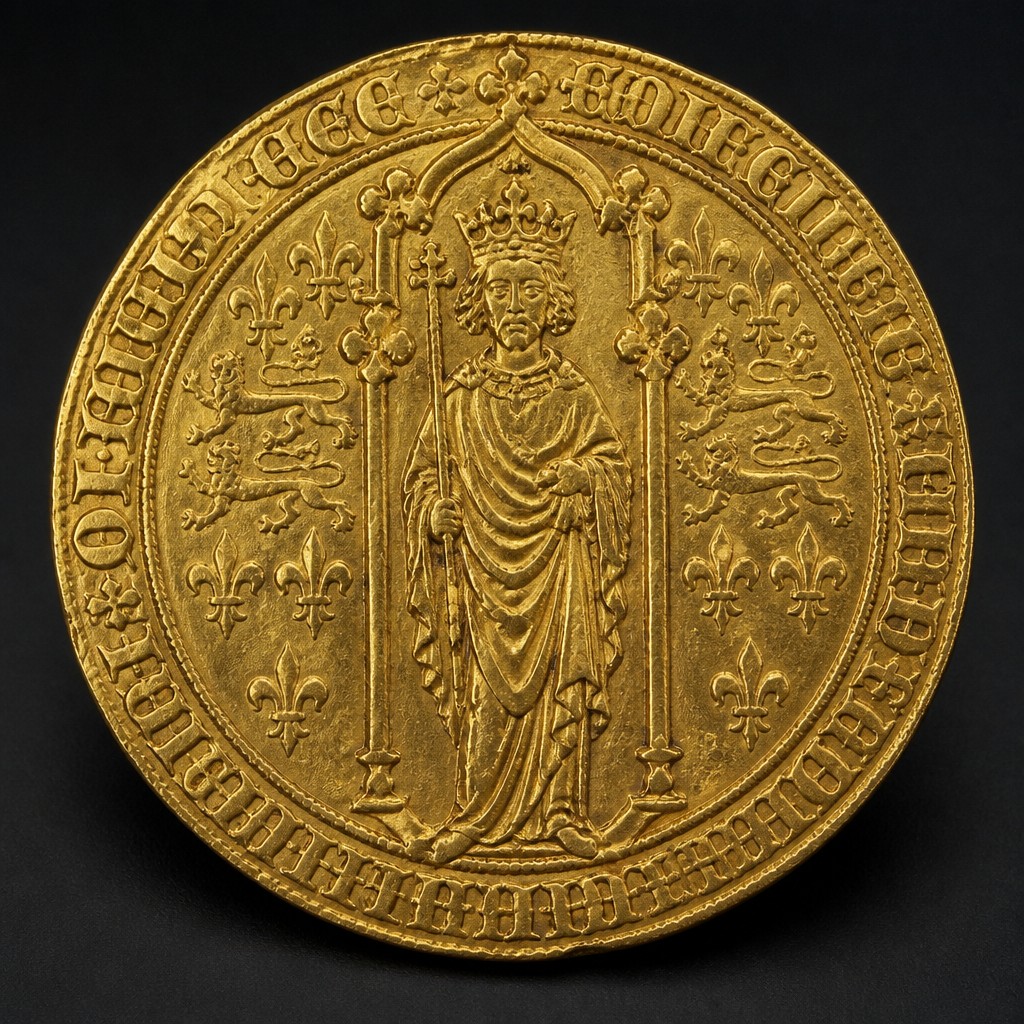
Gold Noble
England's first successful gold coin for general circulation, introduced in 1344 under Edward III, famous for its ship reverse commemorating English naval power.
British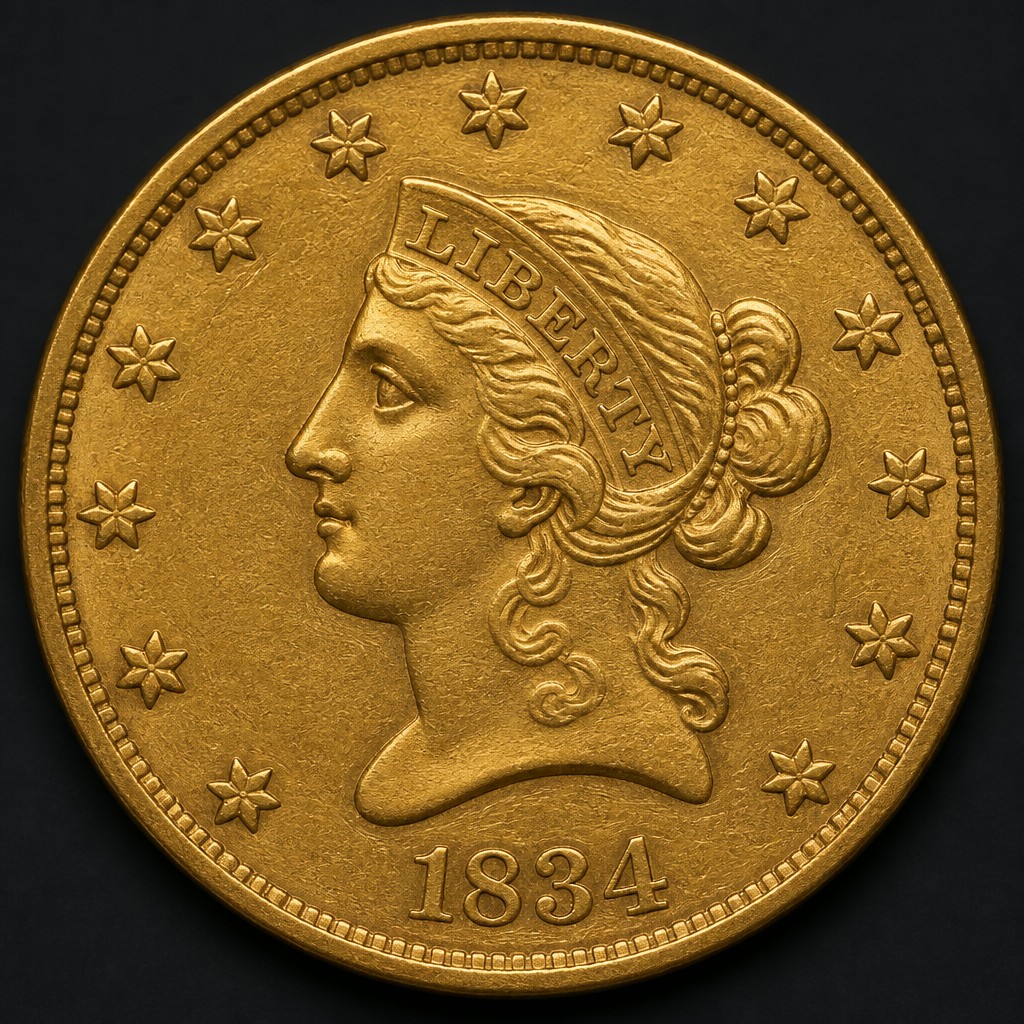
Classic Head Half Eagle ($5)
A short-lived early American gold five-dollar coin created after the Coinage Act of 1834 reduced gold coin weight to keep coins in circulation rather than being melted.
United States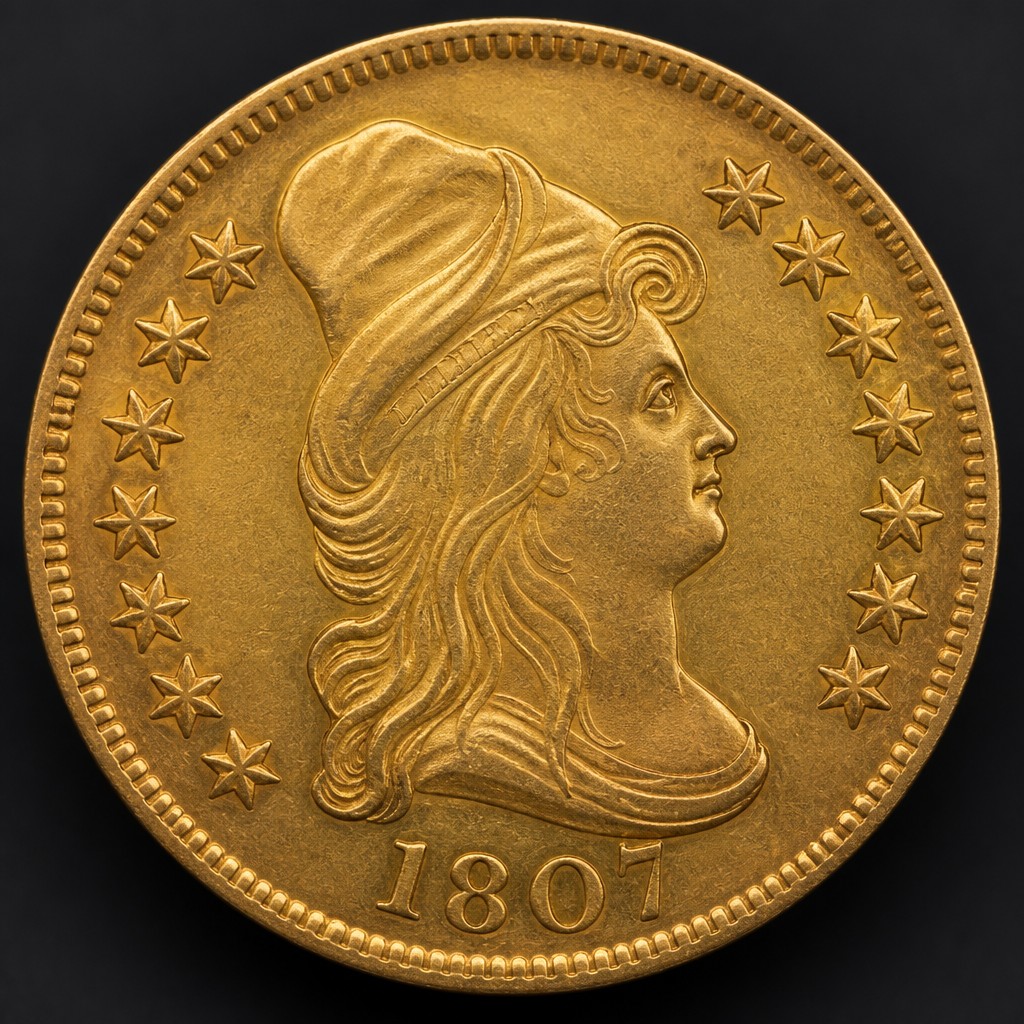
Capped Bust Right Half Eagle
America's first five-dollar gold coin, struck 1795-1807 with Liberty facing right under a soft cap, first paired with a small perched eagle reverse and later a bold heraldic eagle.
United States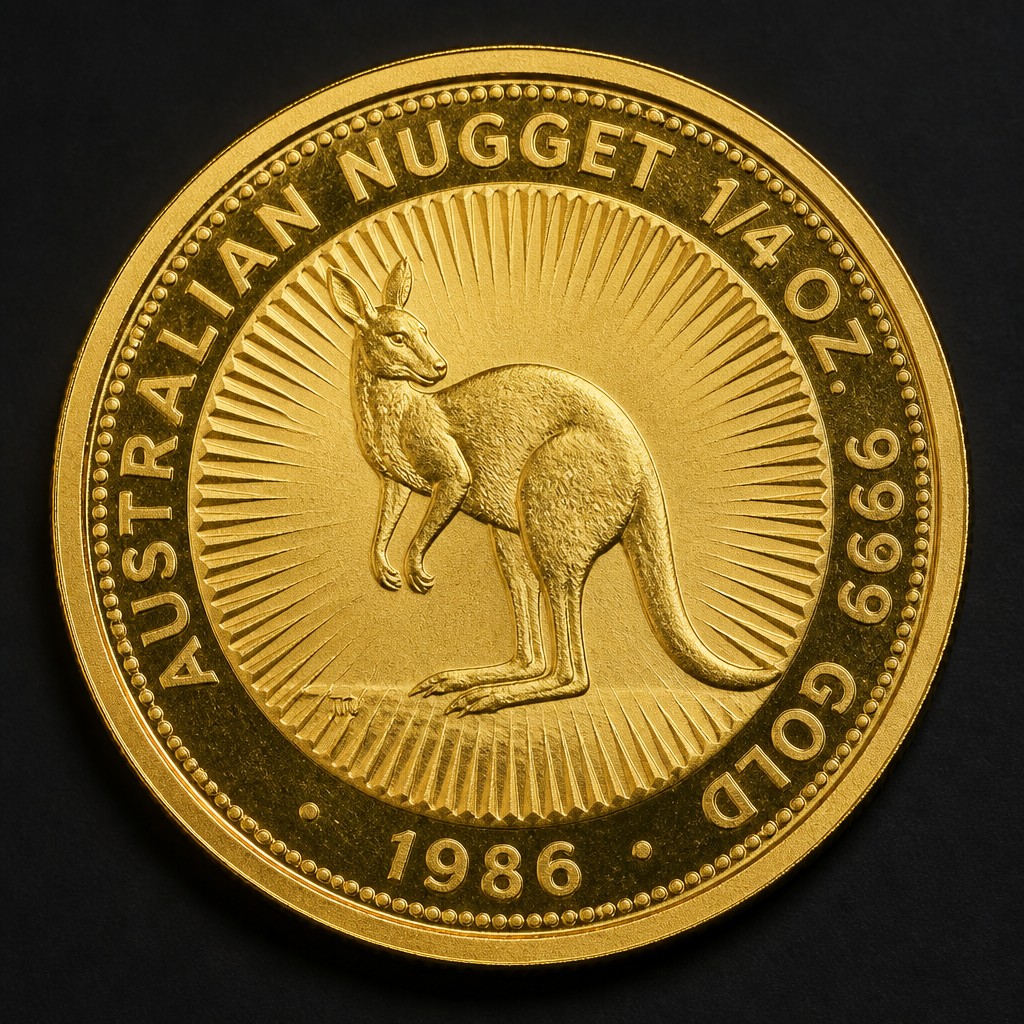
Australian Kangaroo Gold Nugget
Modern Australian gold bullion coin from the Perth Mint, launched in 1986 with changing nugget designs before adopting an annually updated kangaroo reverse.
Bullion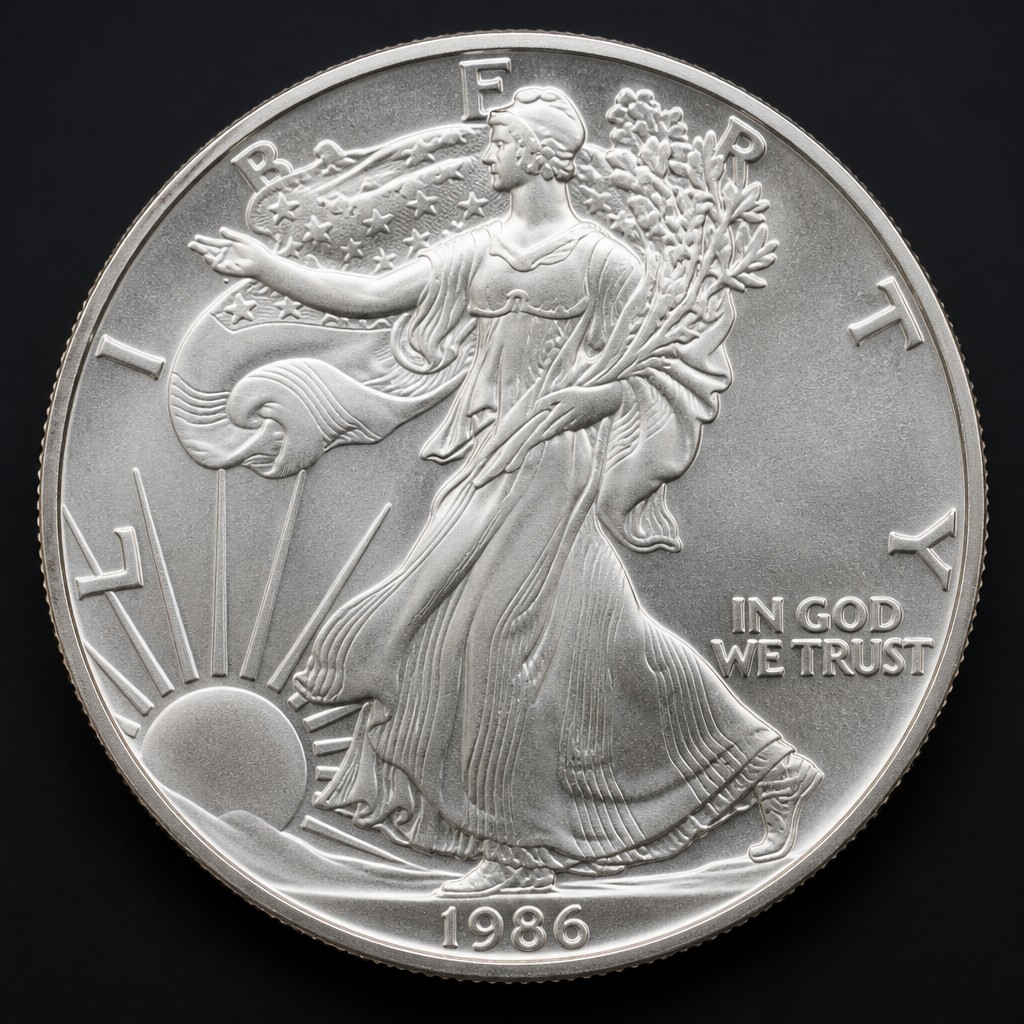
American Silver Eagle
The official one-ounce silver bullion coin of the United States, first struck in 1986, pairing Adolph Weinman's Walking Liberty design with a modern heraldic eagle.
Bullion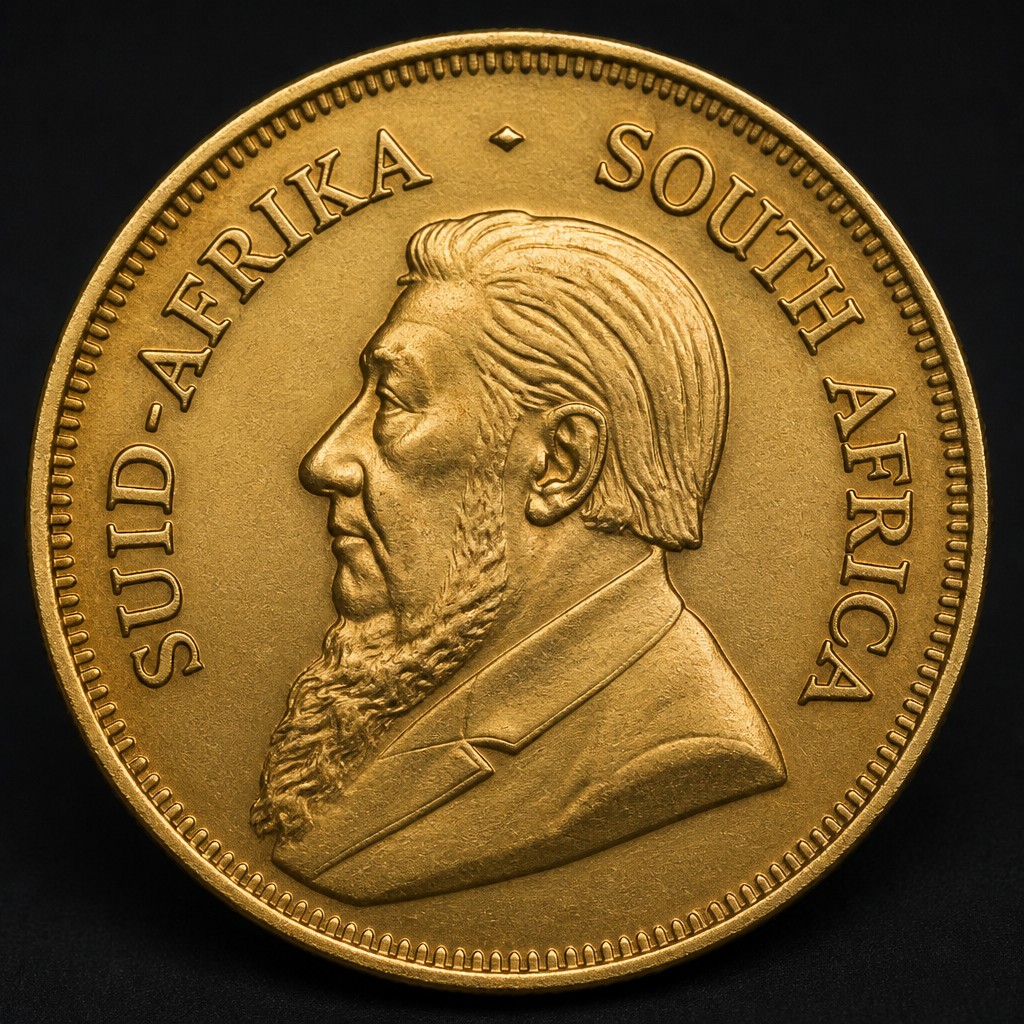
South African Krugerrand
The world's first modern gold bullion coin for private investment, introduced in 1967 featuring President Paul Kruger and a springbok antelope, sparking the global gold-coin bullion market.
Bullion
Groat (Fourpence)
A historic English silver coin worth four pence, first struck under Edward I in 1279 and periodically revived, later surviving mainly as a Maundy Money denomination.
British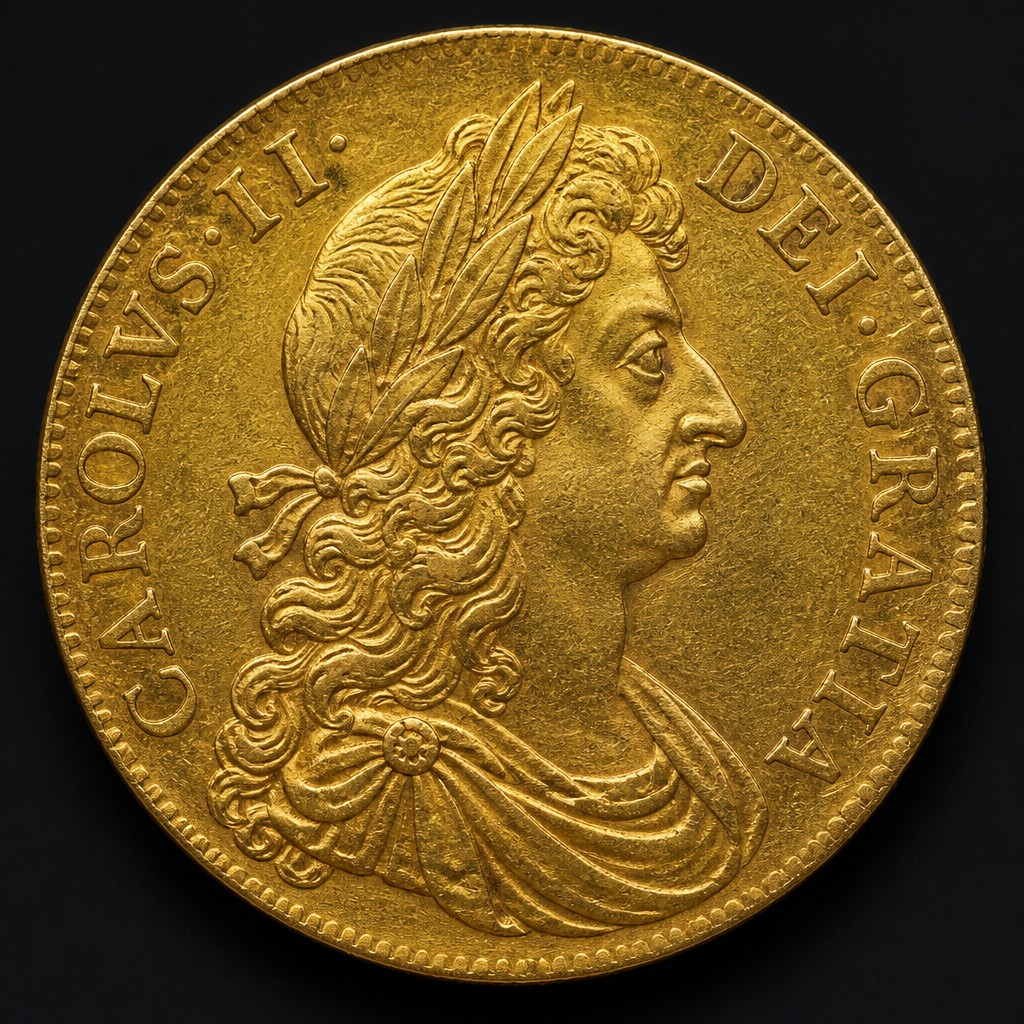
British Gold Guinea
Struck from 1663 to 1814 and named for the West African gold used in its earliest issues, the guinea was Britain's leading gold coin and gave its name to a unit of value still referenced today.
British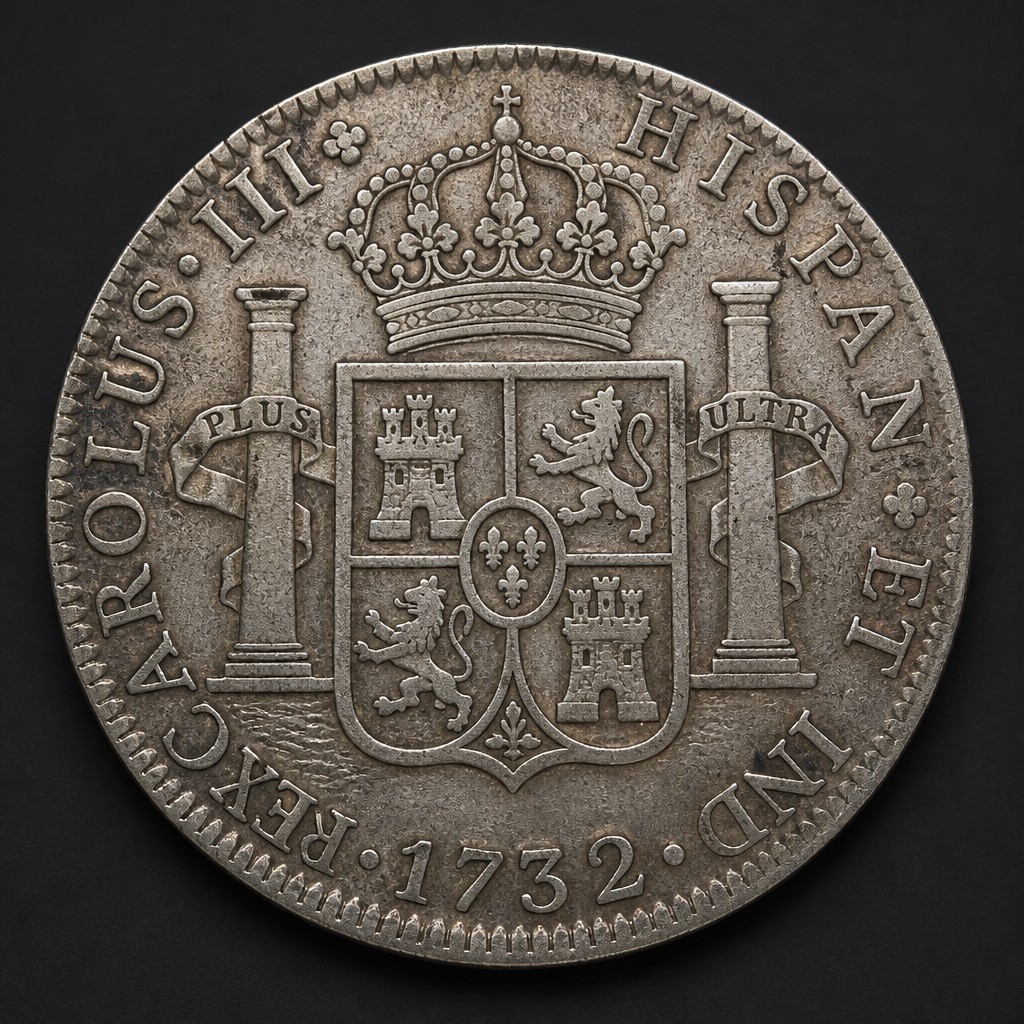
Mexican 8 Reales Pillar Dollar
Minted in colonial Mexico City from 1732 to the early 1770s, the pillar dollar's crowned globes and Pillars of Hercules design made it one of the most widely trusted silver trade coins in the world.
Latin American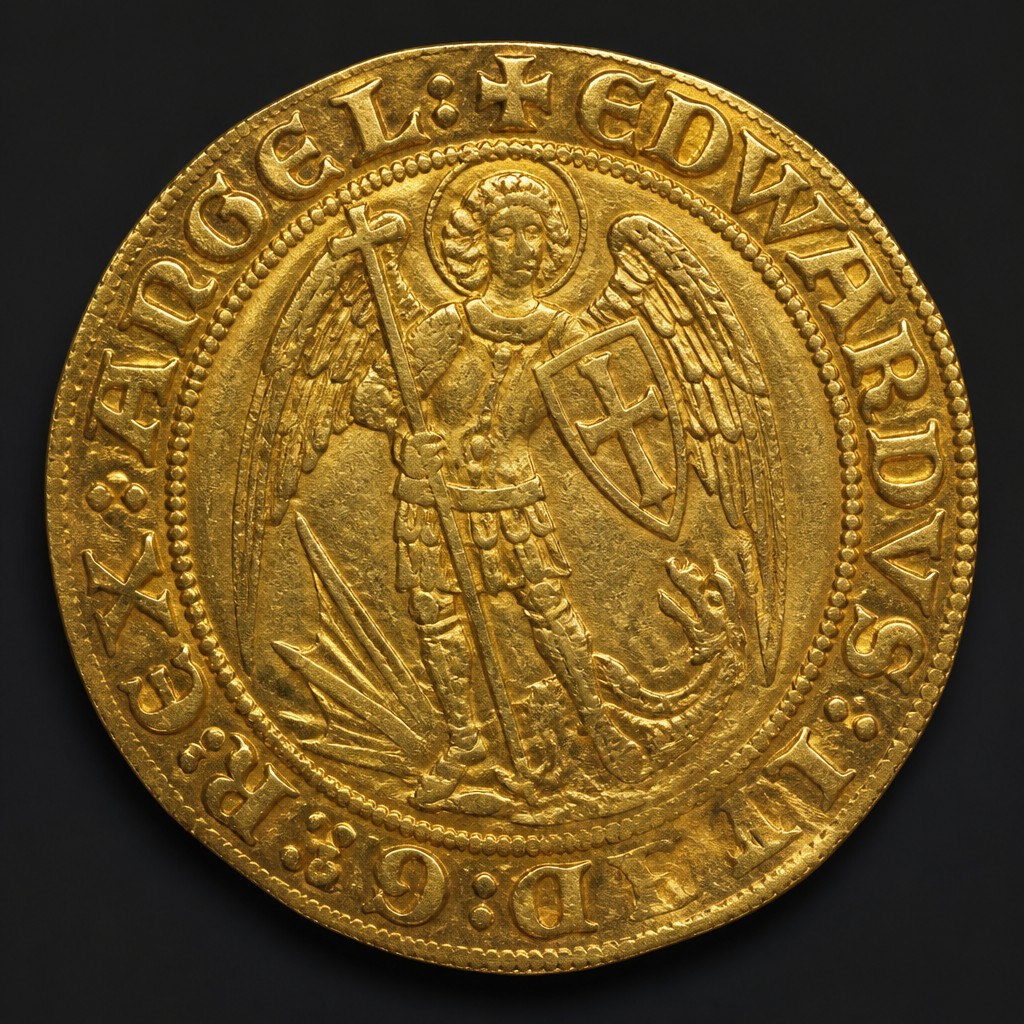
Angel
An English gold coin depicting the Archangel Michael slaying a dragon, introduced in 1465 and famously used as a ceremonial 'touch piece' in royal healing rituals.
British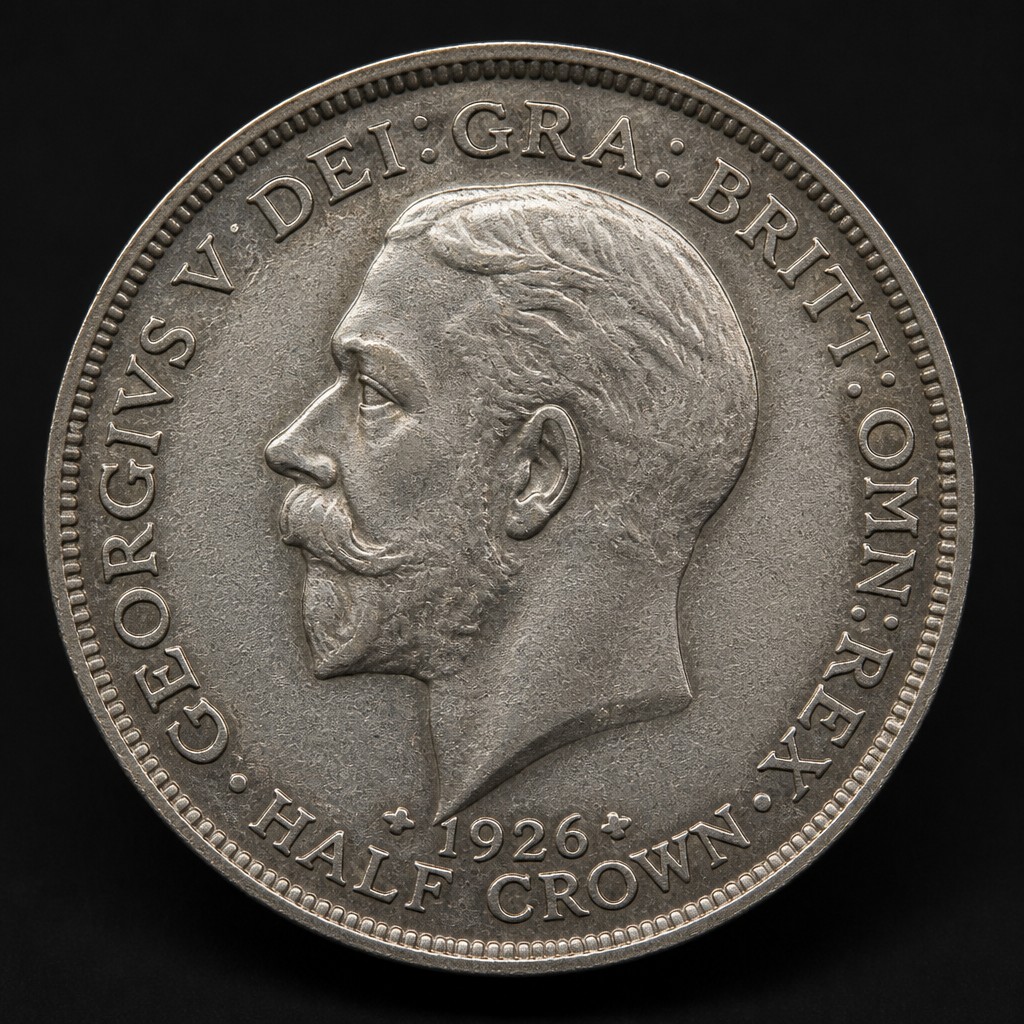
Half Crown
A long-lived British coin worth one-eighth of a pound, struck from the Tudor era until decimalisation in 1970, valued today mainly for its portraits and design variety.
British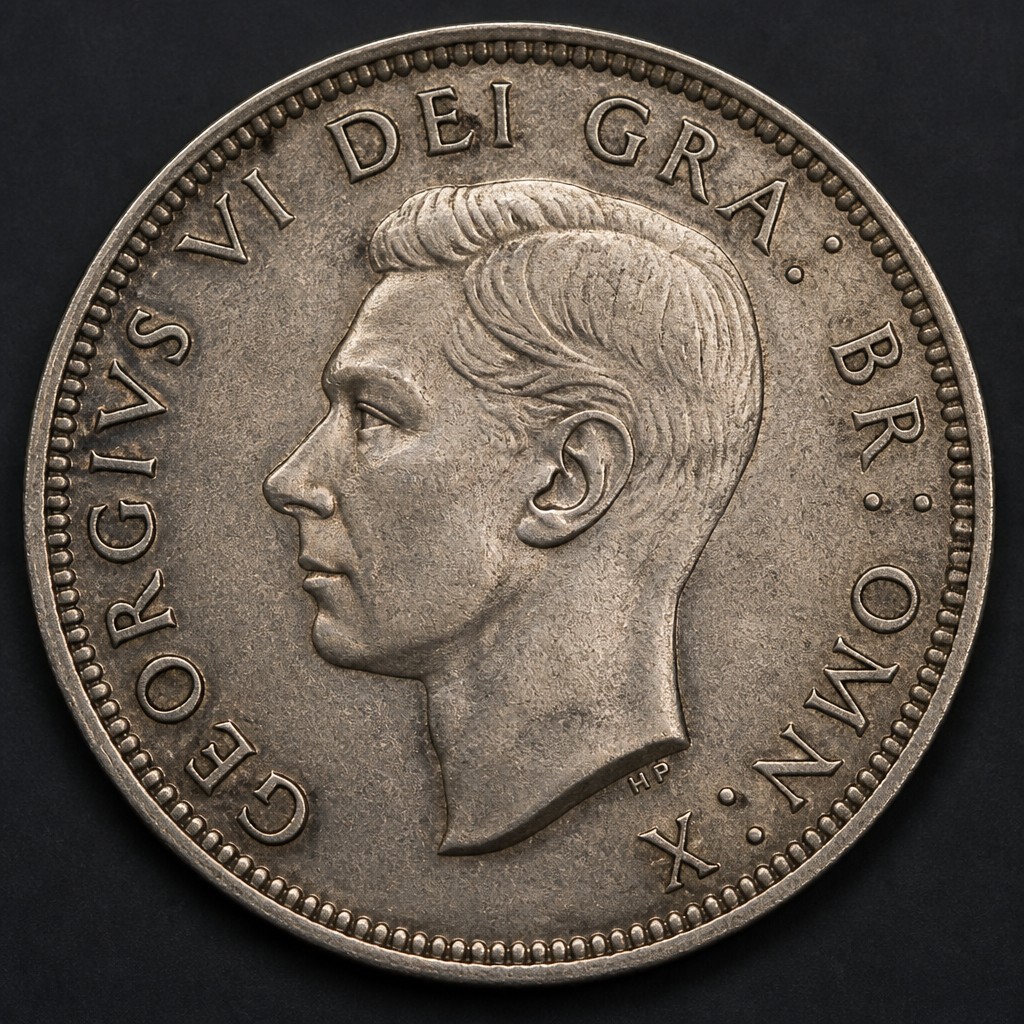
Florin (Two Shillings)
A British silver coin worth two shillings, notable for the controversial 1849 'Godless Florin' that omitted the customary religious motto, and for foreshadowing decimal coinage.
British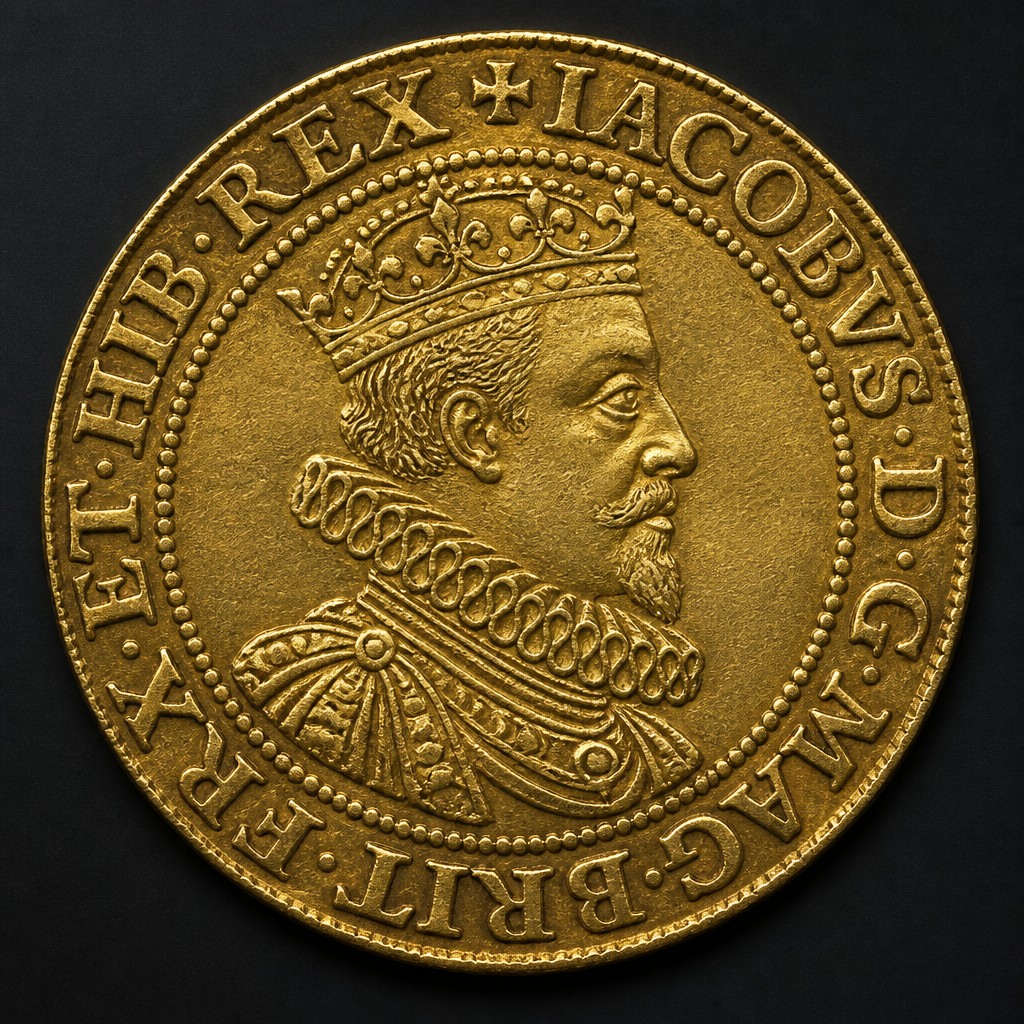
Unite
A gold twenty-shilling coin introduced by James I in 1604 to celebrate the union of the English and Scottish crowns, its name literally symbolizing the joining of the two kingdoms.
British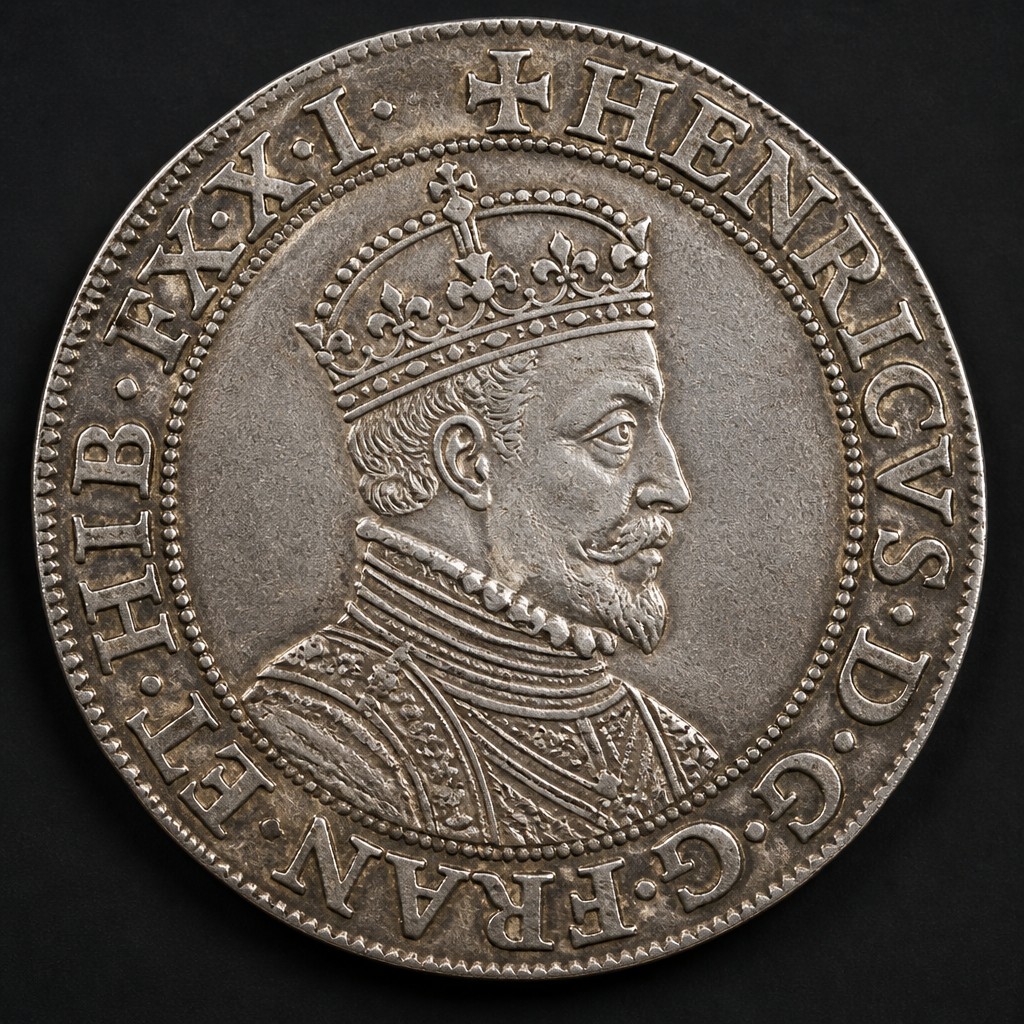
Testoon
The earliest English coin to carry a realistic royal portrait, introduced under Henry VII around 1487 as the forerunner of the shilling, later continued and debased under Henry VIII.
British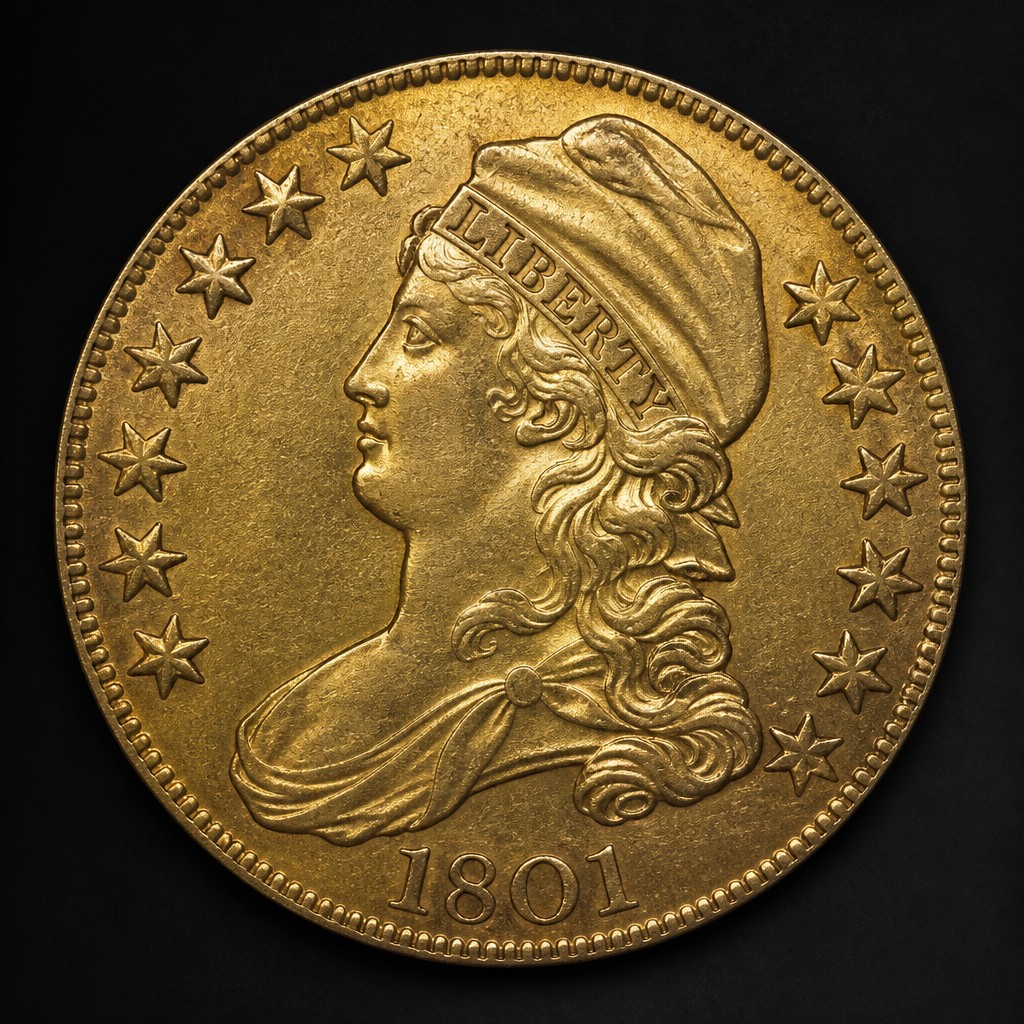
Turban Head Eagle
The first U.S. $10 gold coin, struck 1795-1804 and nicknamed 'Turban Head' for Liberty's cap-like headdress; the earliest examples pair her portrait with a small, spread-winged eagle.
United States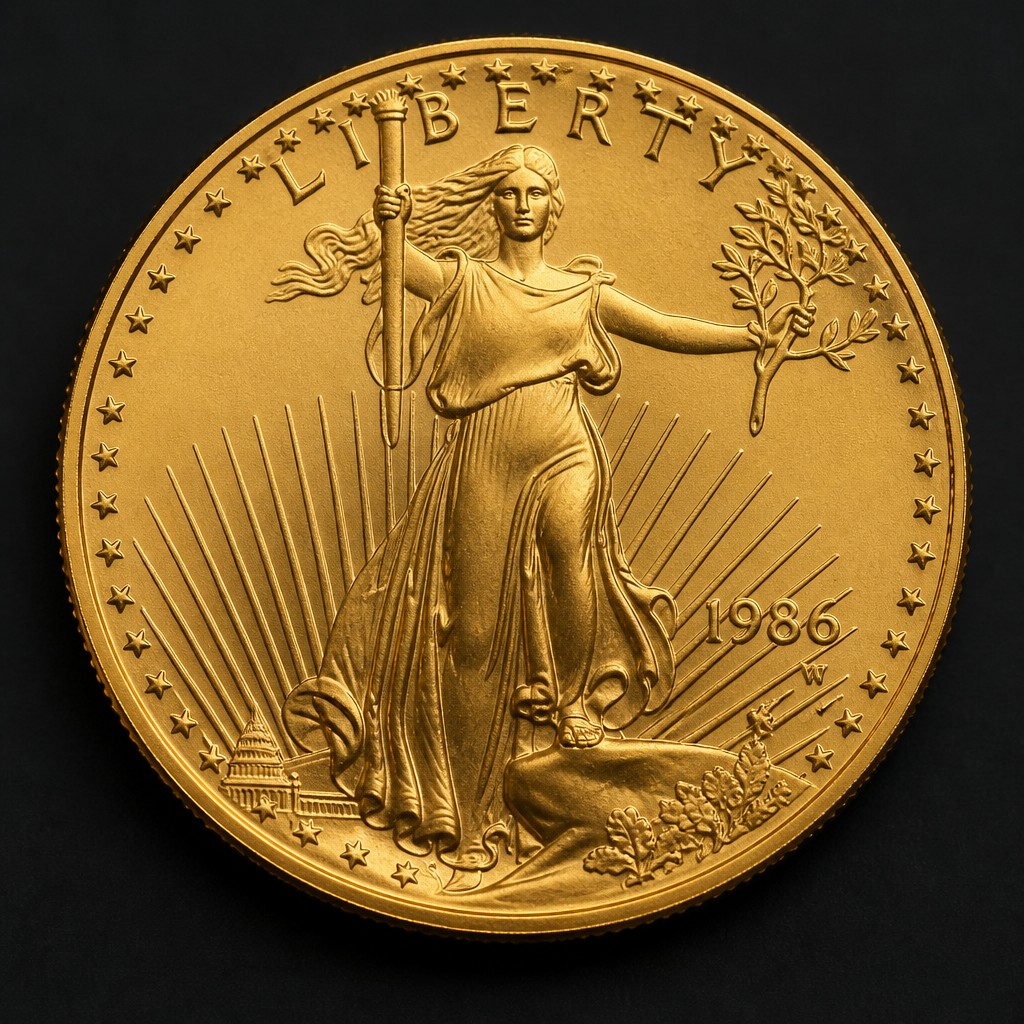
American Gold Eagle
The official U.S. gold bullion coin series since 1986, pairing Augustus Saint-Gaudens' famous Liberty design with a family-of-eagles reverse, issued in four sizes.
Bullion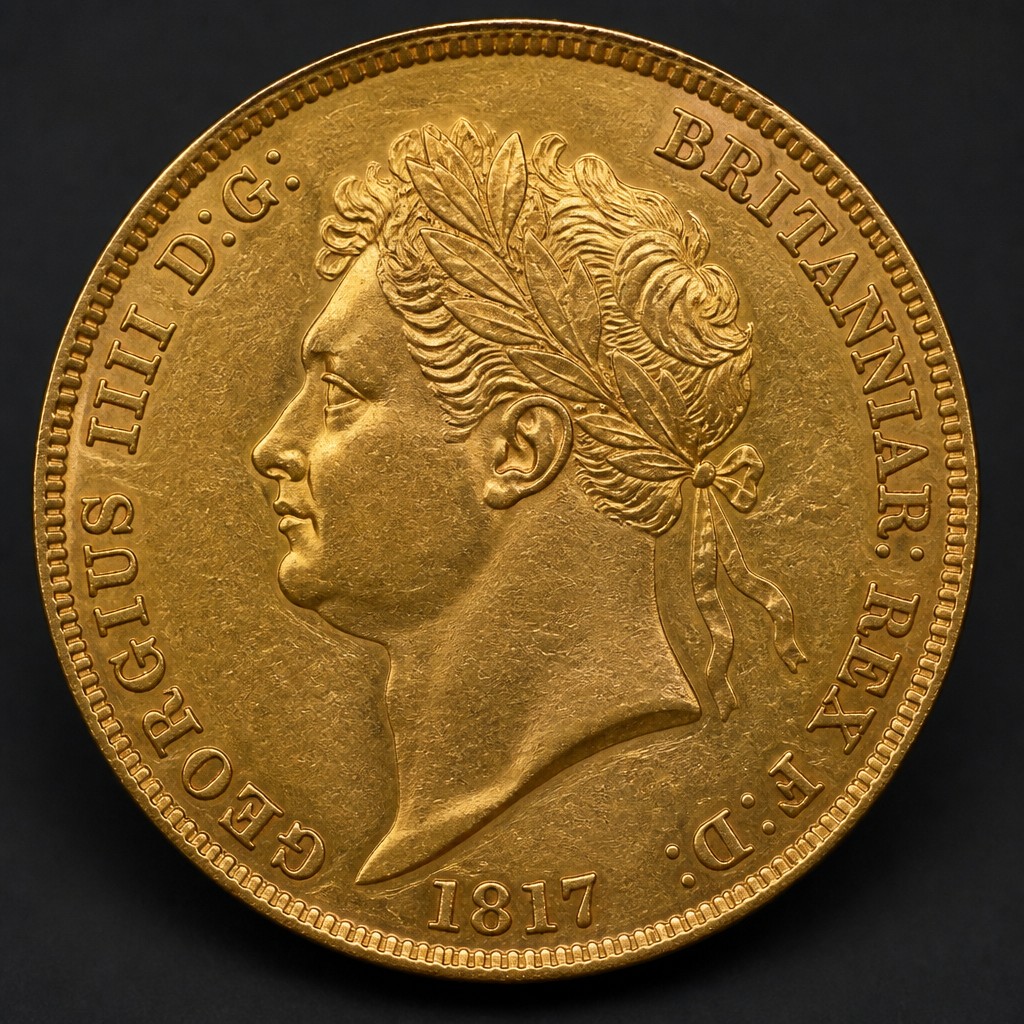
British Gold Sovereign
Historic British gold coin featuring Saint George slaying the dragon, minted since 1817 and still struck today as both a circulation-era relic and modern bullion/collector coin.
British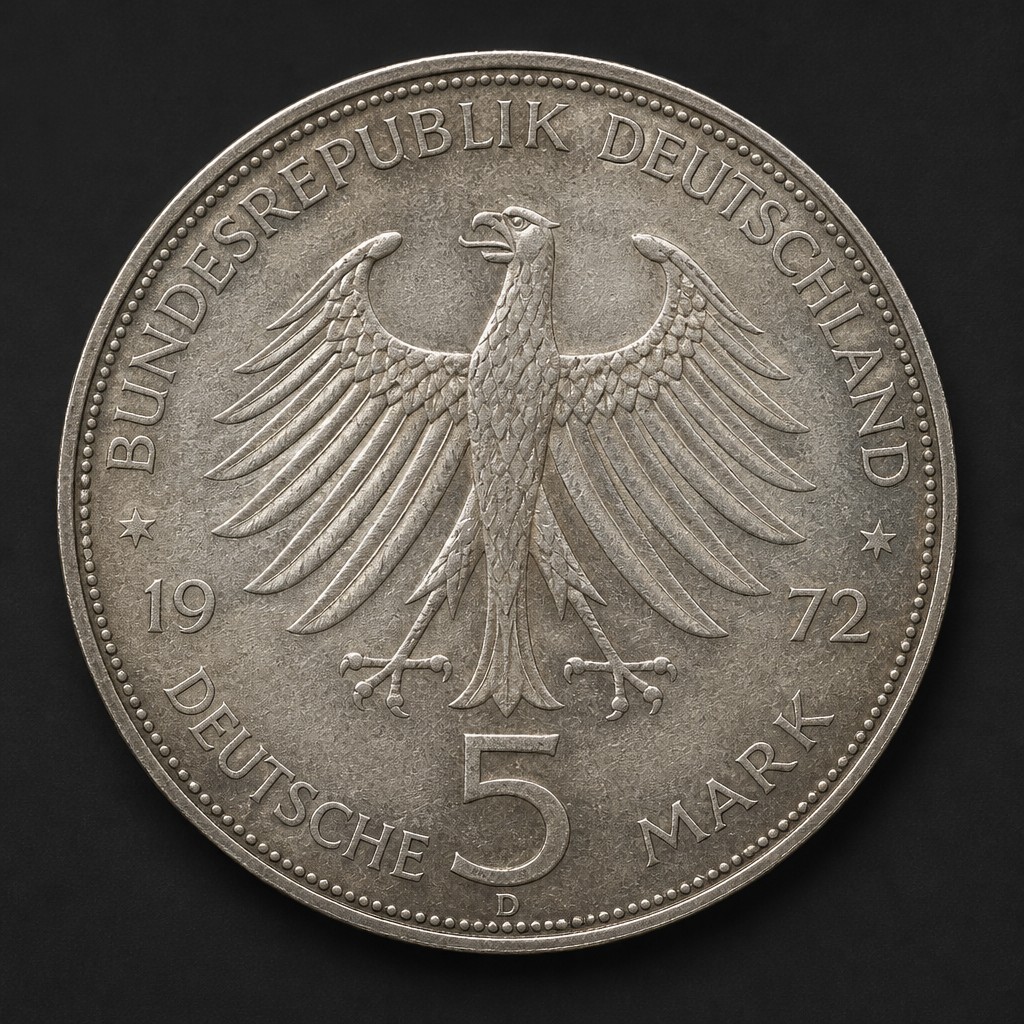
German 5 Deutsche Mark Commemoratives
West Germany issued special silver 5 Deutsche Mark coins from the 1950s through the mid-1980s to mark anniversaries, institutions, and notable Germans, alongside its regular circulating 5 DM coin.
Commemorative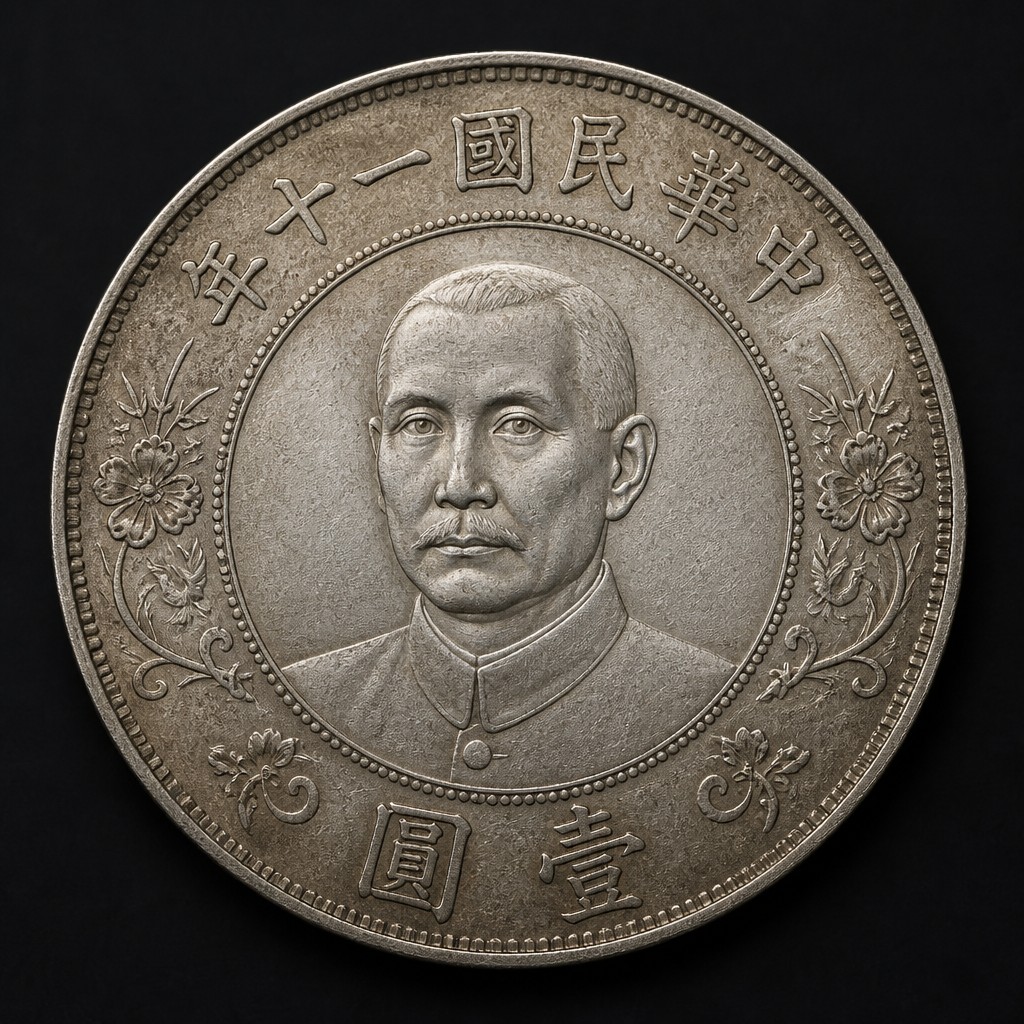
Sun Yat-sen Memorial Dollar (Junk Dollar)
A Republic of China silver dollar honoring founding father Sun Yat-sen, nicknamed the junk dollar for its reverse image of a traditional Chinese sailing ship, a widely collected 1930s Chinese coin.
Asian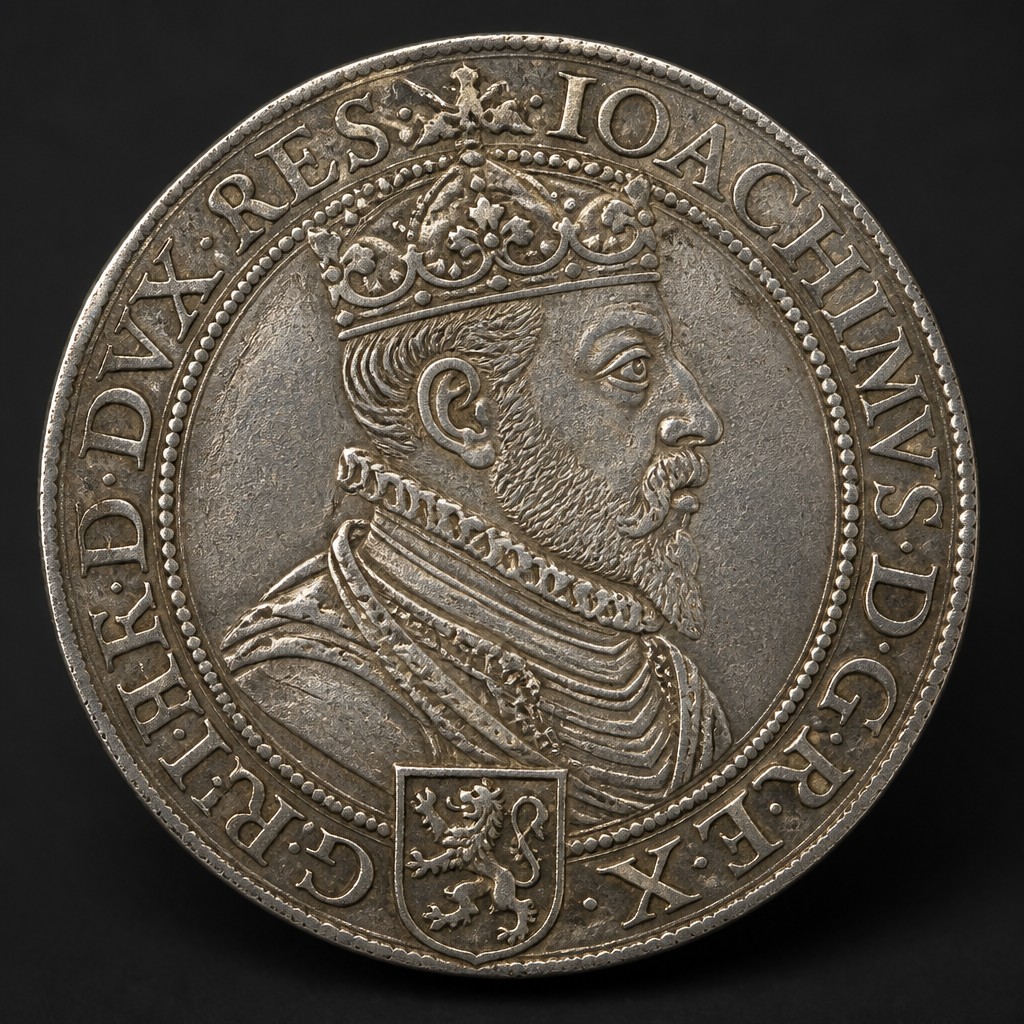
Joachimsthaler
Struck beginning in 1520 in the Bohemian silver-mining town of Joachimsthal, this large silver coin gave its name, shortened to 'thaler' and later 'dollar,' to countless currencies around the world.
European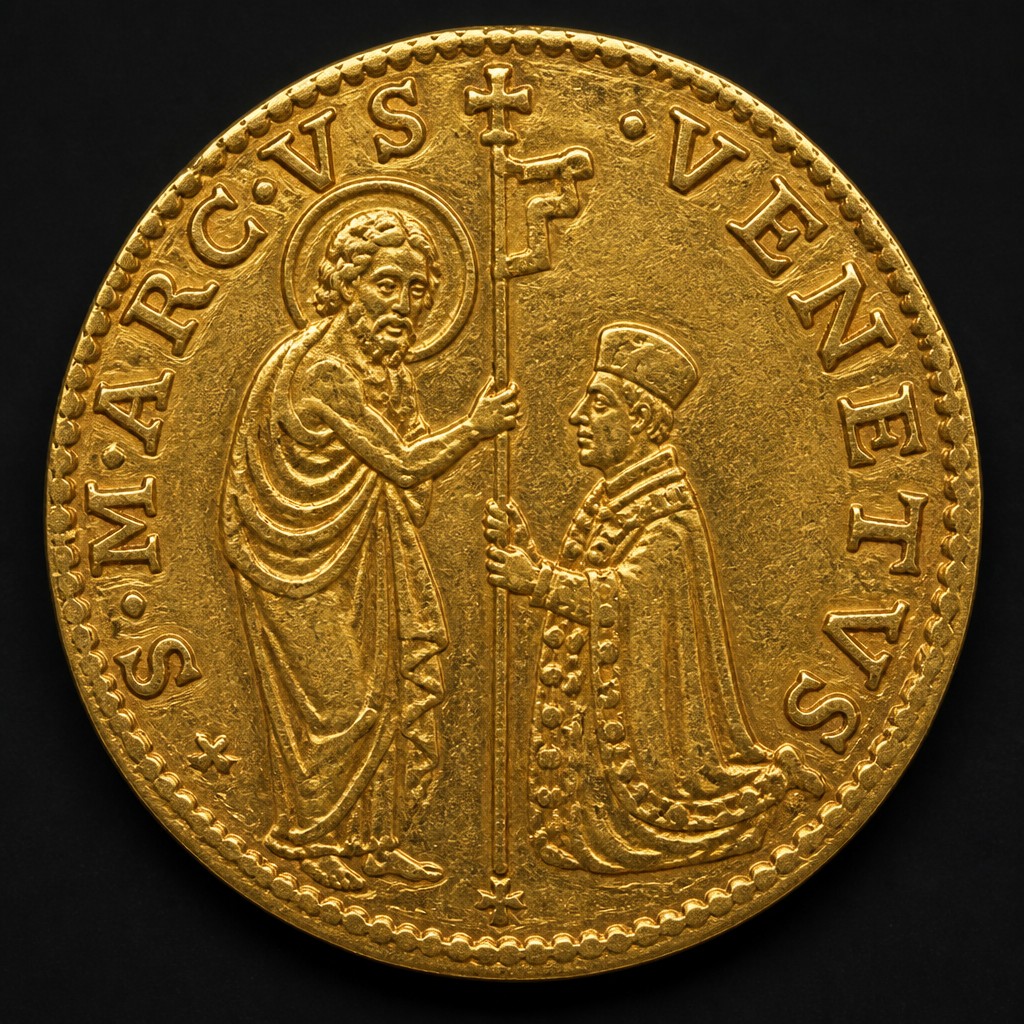
Venetian Ducat
Gold coin first struck by the Republic of Venice in 1284, prized for its remarkably consistent weight and purity, which made it a dominant trade coin across medieval and Renaissance Europe.
European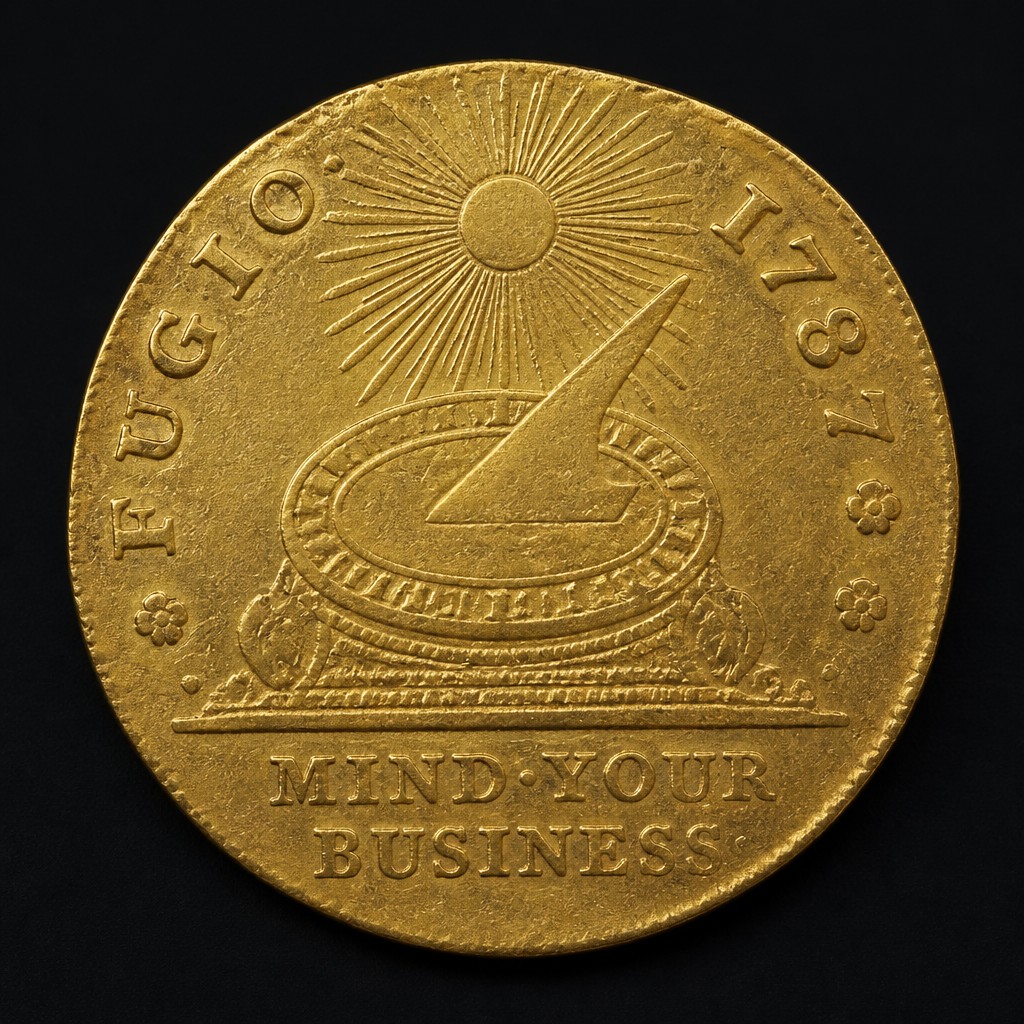
Brasher Doubloon
A famous privately struck gold coin made in 1787 by New York goldsmith Ephraim Brasher, a neighbor of George Washington, and one of the most valuable and celebrated coins in American numismatics.
United States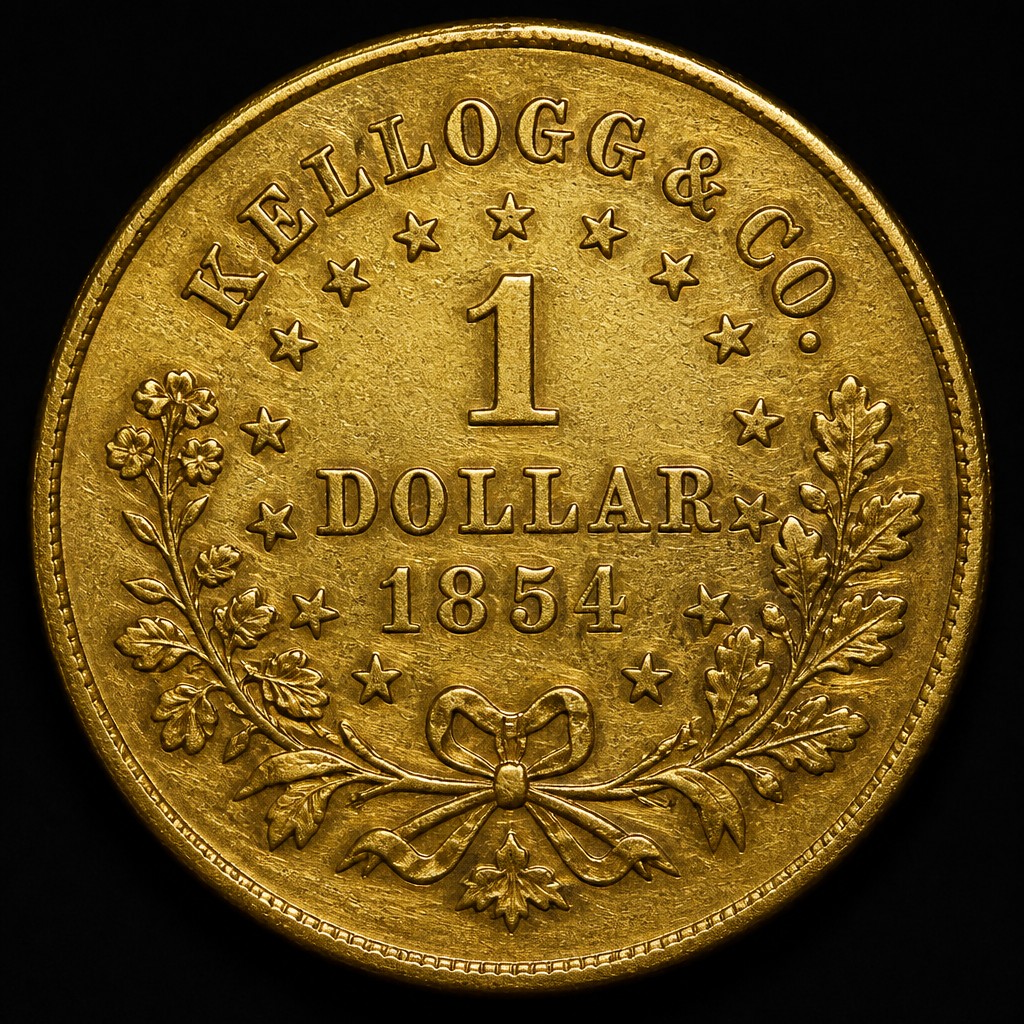
Kellogg & Co. Gold Piece
Private gold coinage struck by the San Francisco firm Kellogg & Co. during the California Gold Rush, including the famous octagonal fifty-dollar 'slug' of 1855, filling a shortage of circulating coin.
United States