
Coin Encyclopedia
Search and identify coins from around the world — with country, denomination, metal, mint, history, and how to tell them apart.
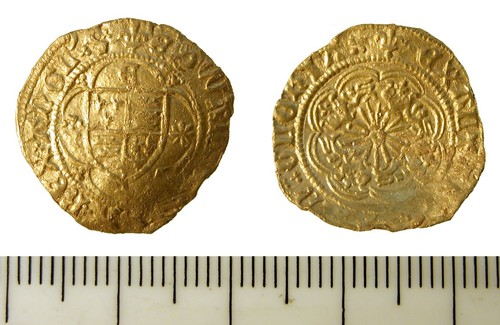
Edward IV Quarter Ryal
Small English medieval gold coin of Edward IV, bearing the crowned royal arms and an ornate radiate cross with a rose-on-sun at its center.
Medieval Coins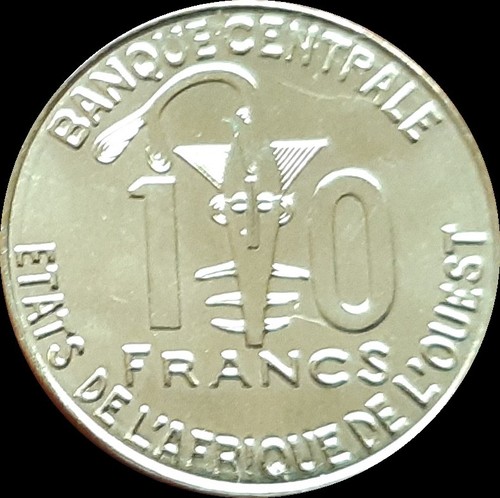
10 CFA Francs
A small modern circulation coin of the West African CFA franc zone, showing a stylized traditional emblem and the bold value 10.
World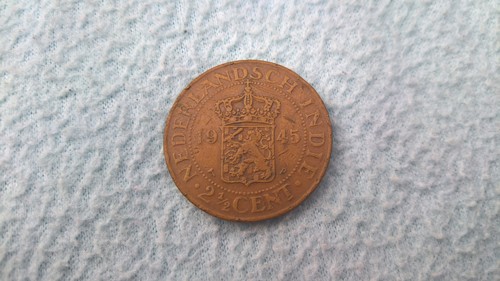
Netherlands East Indies 2 Cent
A wartime 1945 bronze 2-cent coin of the Dutch colony of the Netherlands East Indies, showing the crowned Netherlands shield and an ornate colonial reverse.
Southeast Asia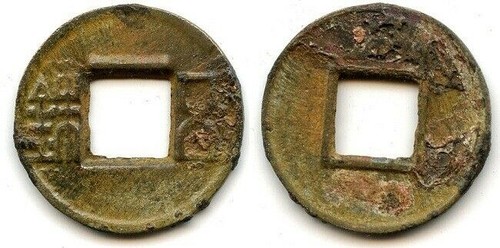
Wu Zhu Cash
A round Han-dynasty bronze cash coin with a central square hole and two seal-script characters, Wu Zhu, naming its weight of five zhu.
Cash Coin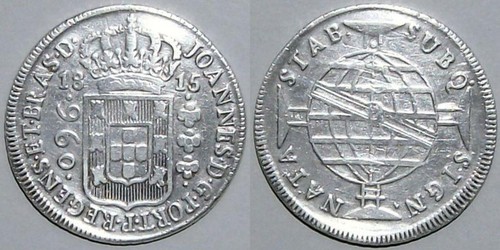
Patacao
A Portuguese silver coin known as the patacao, a larger member of the pataca family, carrying the royal coat of arms and a crowned heraldic shield.
Circulation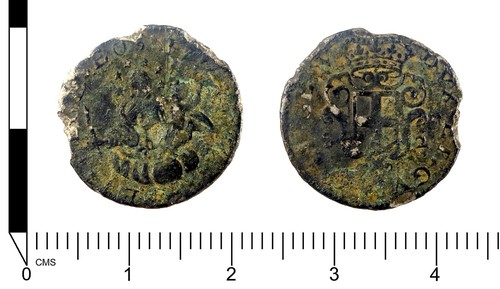
2 Soldi
A small base-metal coin of the Republic of Genoa worth two soldi, typically showing a heraldic lion and a fortified castle gateway.
Early Modern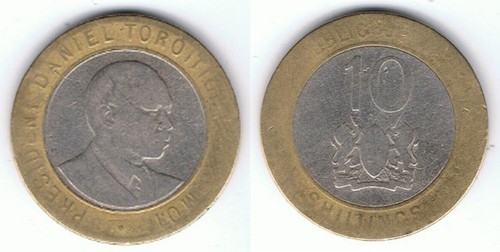
Kenya 10 Shillings
A modern bimetallic circulating coin of the Republic of Kenya bearing President Jomo Kenyatta on the obverse and the national coat of arms on the reverse.
World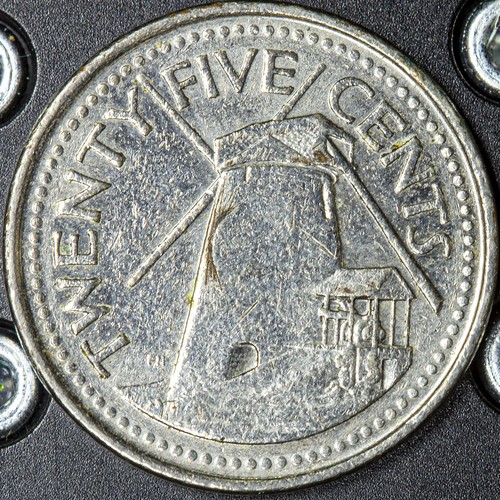
Barbados 25 Cents
A copper-nickel Caribbean circulation coin of Barbados; the 1998 example shows the national coat of arms on the obverse and the 25-cent value on the reverse.
Circulation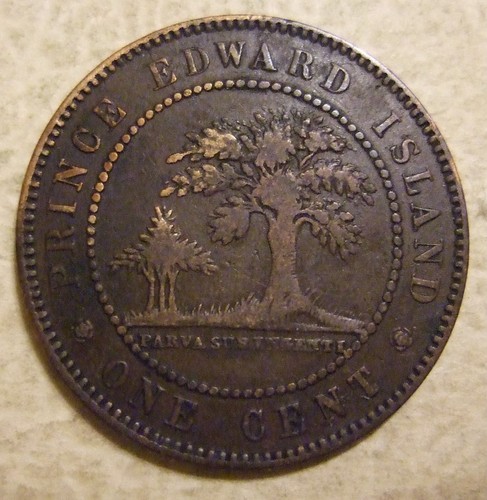
Prince Edward Island One Cent
Bronze one-cent coin struck in 1871 for the colony of Prince Edward Island, with Queen Victoria on the obverse and the island's name and date on the reverse.
Canadian & Provincial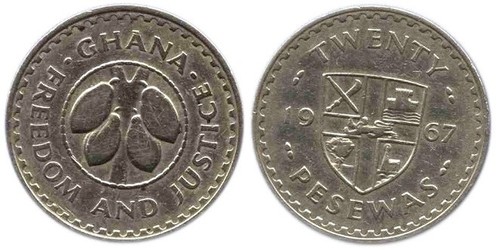
Ghana 20 Pesewas
A one-year 1967 Ghanaian coin bearing a national eagle and the motto FREEDOM AND JUSTICE, with the country's coat-of-arms shield on the reverse.
World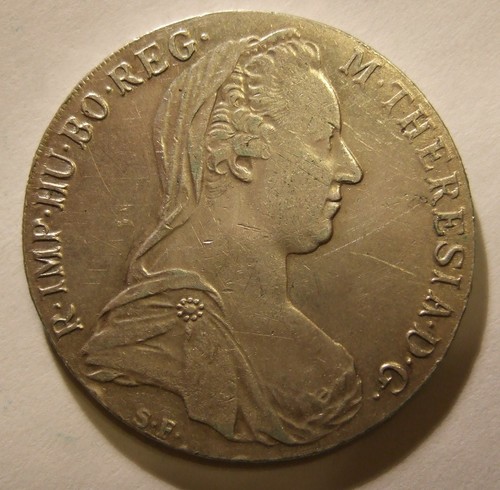
Maria Theresa Thaler
A large silver Austrian trade coin bearing the bust of Empress Maria Theresa, famously frozen at the date 1780 and restruck for centuries.
World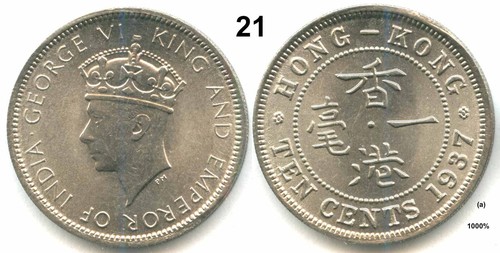
Hong Kong 10 Cents
A small silver 10-cent coin of British Hong Kong showing the crowned profile of King Edward VII, with 'HONG-KONG TEN CENTS' and Chinese characters on the reverse.
Circulation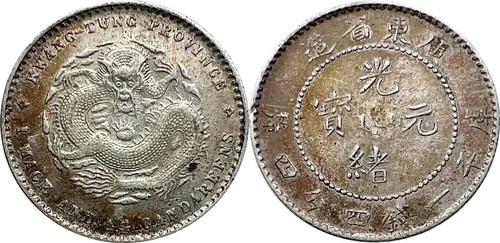
Guangdong 20 Cents
A silver 20-cent coin of Kwangtung (Guangdong) province, struck under the Guangxu Emperor with a coiled dragon on one side and Chinese legends on the other.
Circulation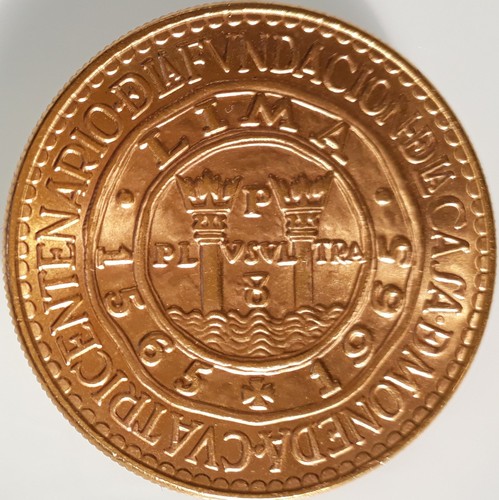
100 Soles de Oro
Peru's largest gold Sol de Oro—a heavy .900 gold coin of the Lima Mint. This reverse-only 1965 example shows a fortress emblem and CASA DE MONEDA DE LIMA.
Circulation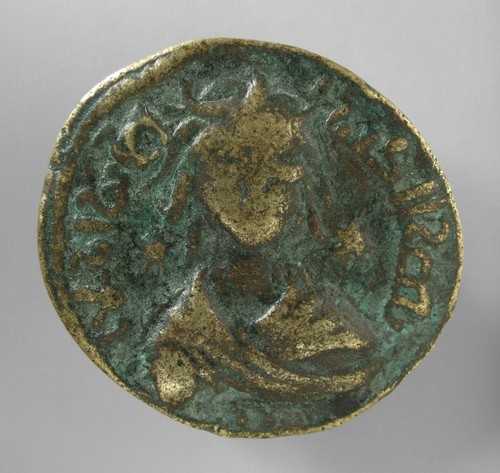
Artuqid Bronze Dirham
A 12th-century bronze coin of the Artuqid Turkmen dynasty, struck with Arabic inscriptions inside ornamental borders across eastern Anatolia.
Medieval Islamic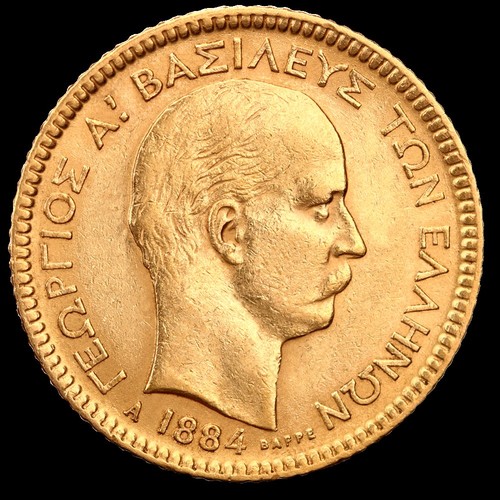
20 Drachmai
Greece's 1884 gold 20 Drachmai of King George I: a small Latin Monetary Union gold coin with the king's portrait and the crowned royal arms.
Modern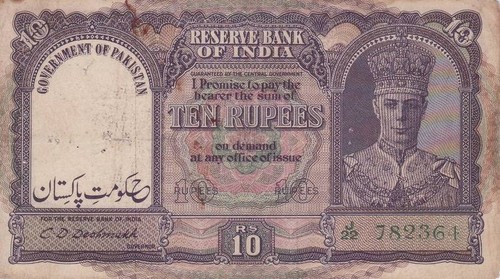
India 10 Rupees
A silver-era Indian coin carrying the profile of King George VI, struck during the final years of British India and the transition to the Republic.
Circulation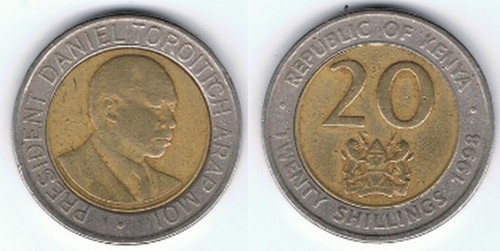
Kenya 20 Shillings
A modern bimetallic Kenyan circulation coin showing a president's portrait on the obverse and the national coat of arms on the reverse.
World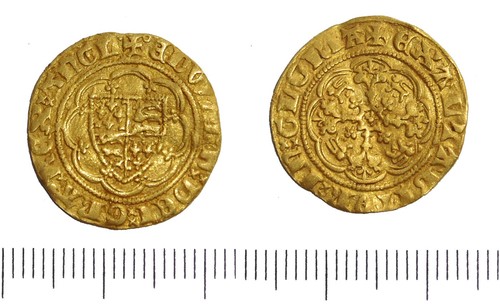
Edward III Quarter Noble
Small medieval English gold coin of Edward III, showing a crowned shield of arms on the obverse and an ornate floral cross design on the reverse.
Medieval Coins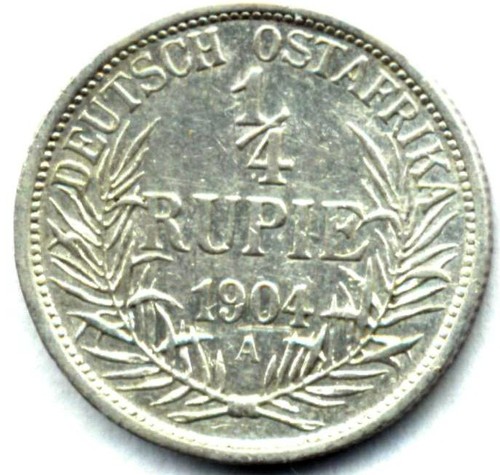
German East Africa 1/4 Rupie
A small colonial silver coin of German East Africa, inscribed DEUTSCH OSTAFRIKA and 1/4 RUPIE within a wreath, paired with the imperial eagle.
World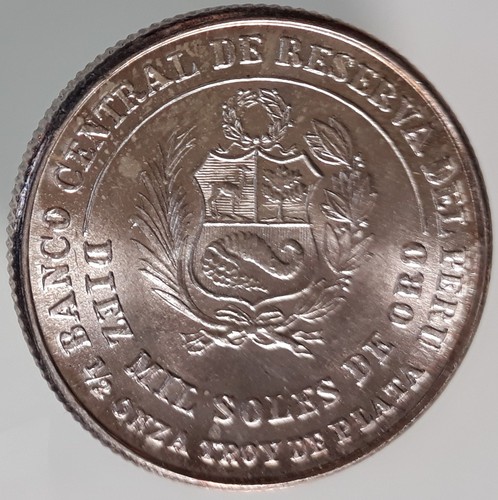
10,000 Soles de Oro
A large Peruvian silver coin of 10,000 soles de oro, its obverse bearing the national coat of arms with the vicuna, cinchona tree and cornucopia.
Circulation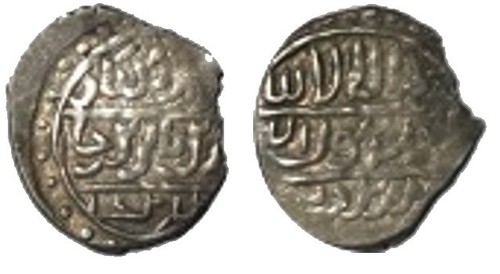
Akçe
The akçe was the tiny silver coin at the heart of the early Ottoman economy, struck with Arabic-script inscriptions and no portrait or figural imagery.
Medieval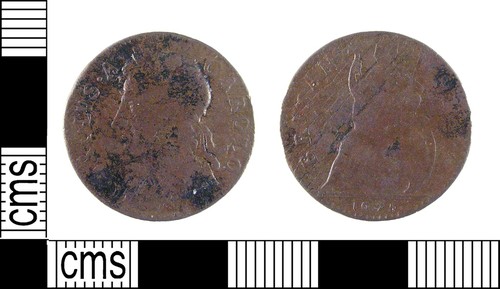
Charles II Halfpenny
A milled copper halfpenny of Charles II showing his laureate bust and a seated Britannia, part of the first regal copper coinage of England, dated 1675.
Milled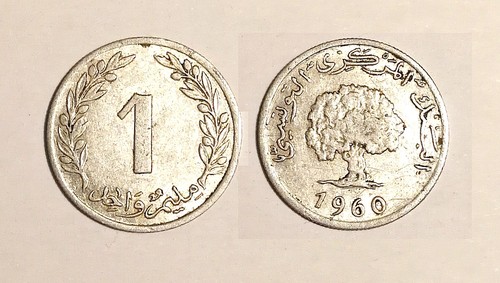
Tunisia 1 Millime
Tunisia's smallest post-independence coin, a tiny aluminum-bronze 1 millime of 1960 showing the value 1 framed by laurel and a numeral in profile.
World