
Coin Encyclopedia
Search and identify coins from around the world — with country, denomination, metal, mint, history, and how to tell them apart.
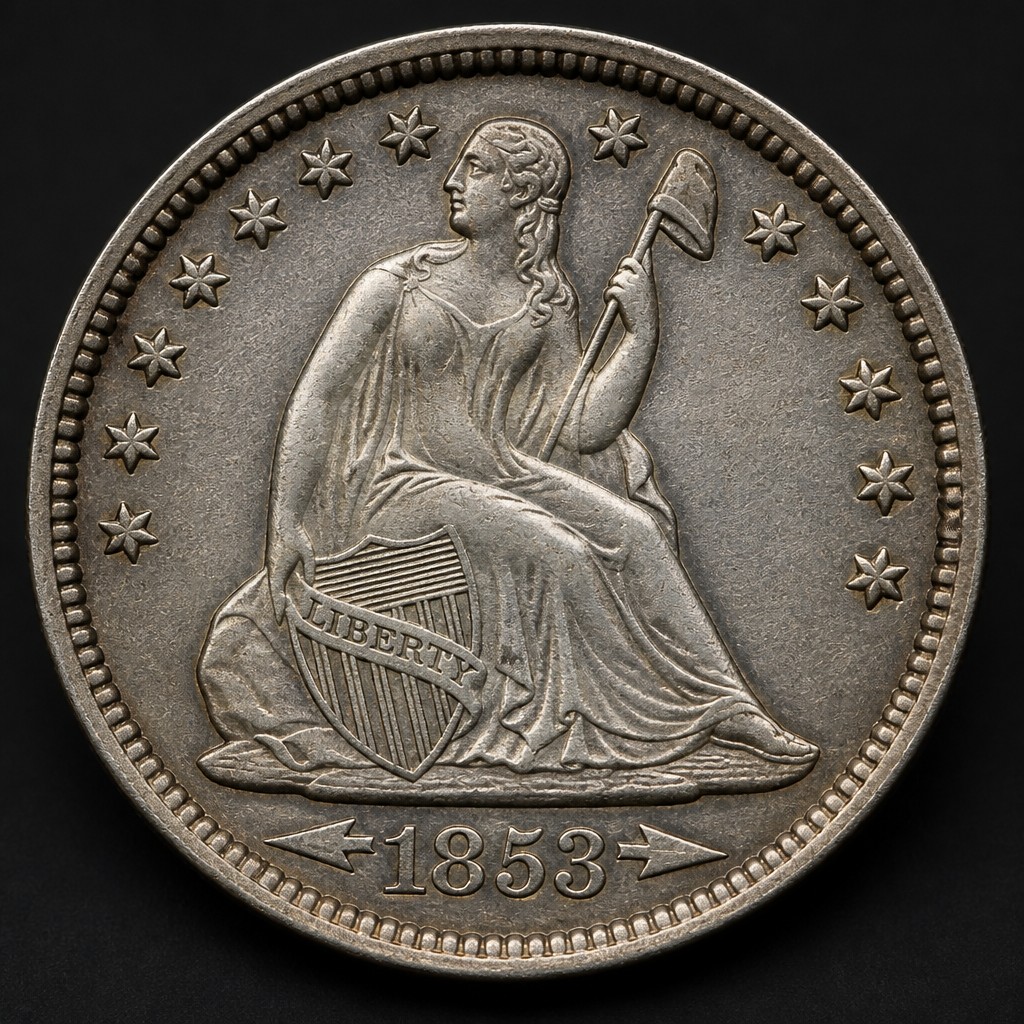
1853 Seated Liberty Quarter (Arrows and Rays)
A popular one-year Seated Liberty type marked by arrows at the date and rays around the eagle, signaling a reduction in the coin's silver weight mandated by the Coinage Act of 1853.
United States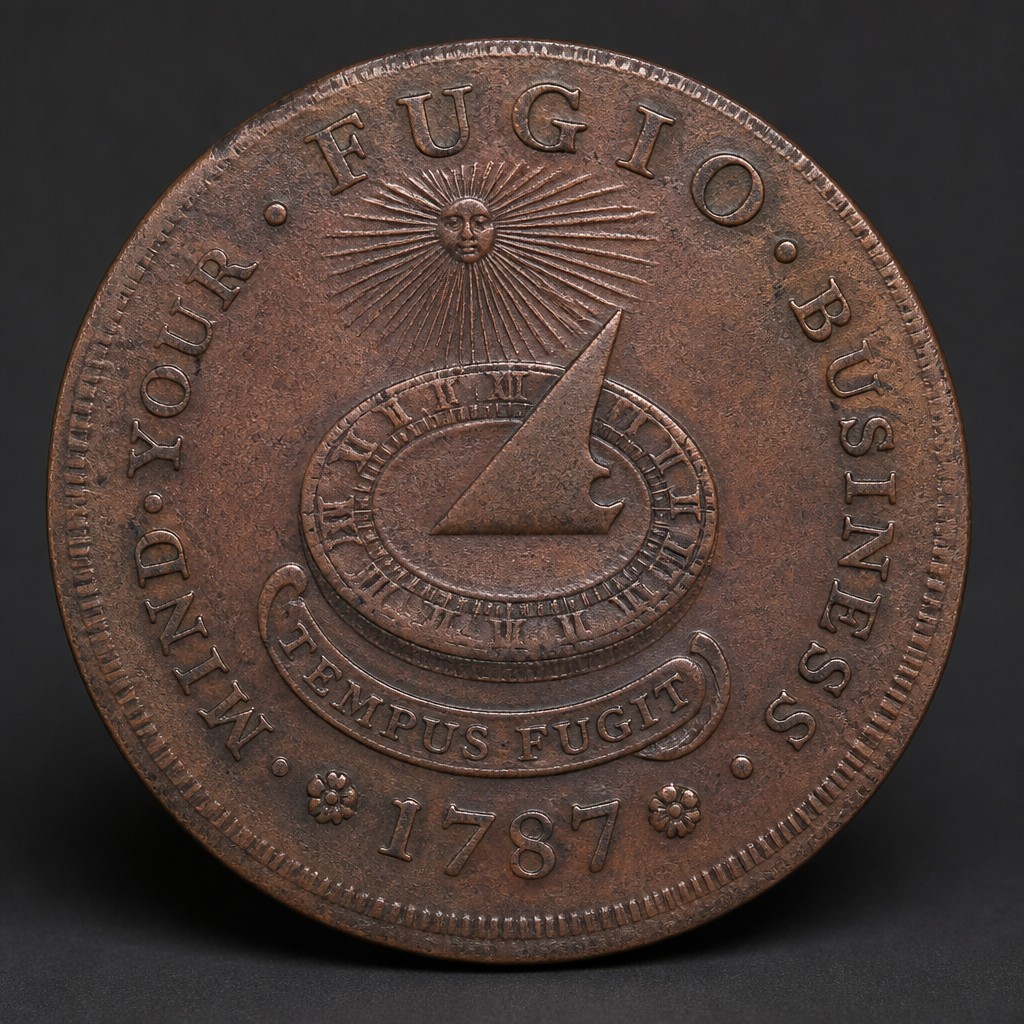
Fugio Cent
The first coin authorized by the United States government, featuring a sundial, the word 'Fugio,' and the motto 'Mind Your Business,' often linked to Benjamin Franklin.
United States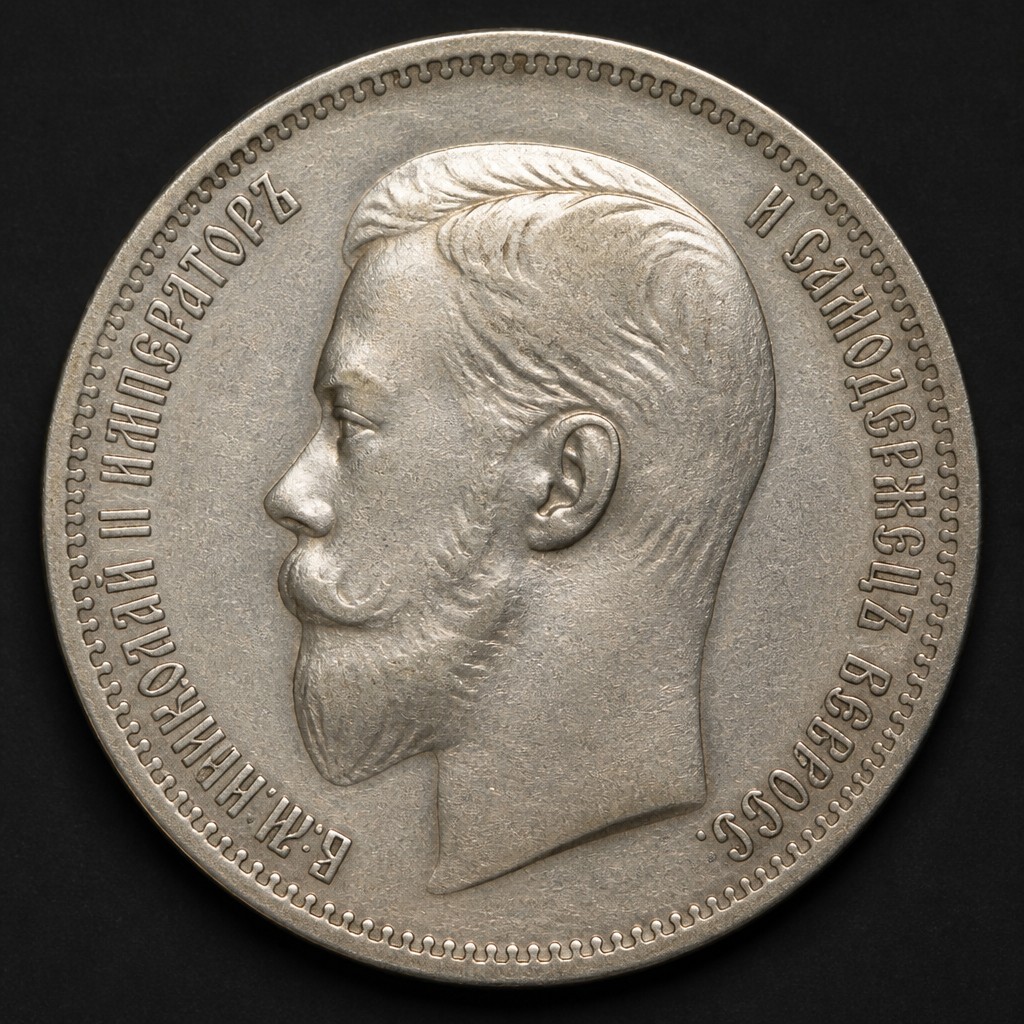
Russian Ruble (Imperial)
The principal silver coin of the Russian Empire, struck for over two centuries and bearing the portraits of successive tsars and the imperial double-headed eagle.
European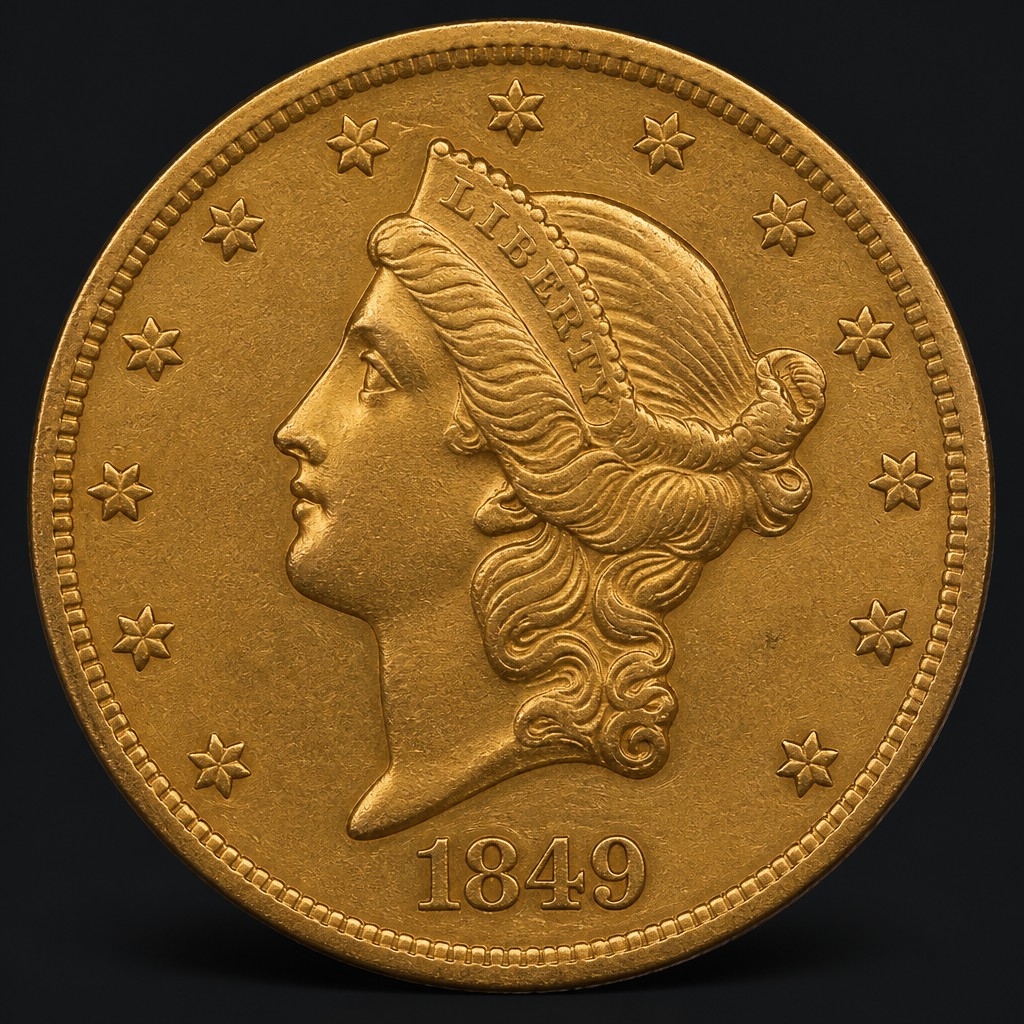
Liberty Head Double Eagle
A large gold twenty-dollar coin featuring Liberty's coronet-crowned head, struck for decades amid the California Gold Rush and westward mint expansion.
United States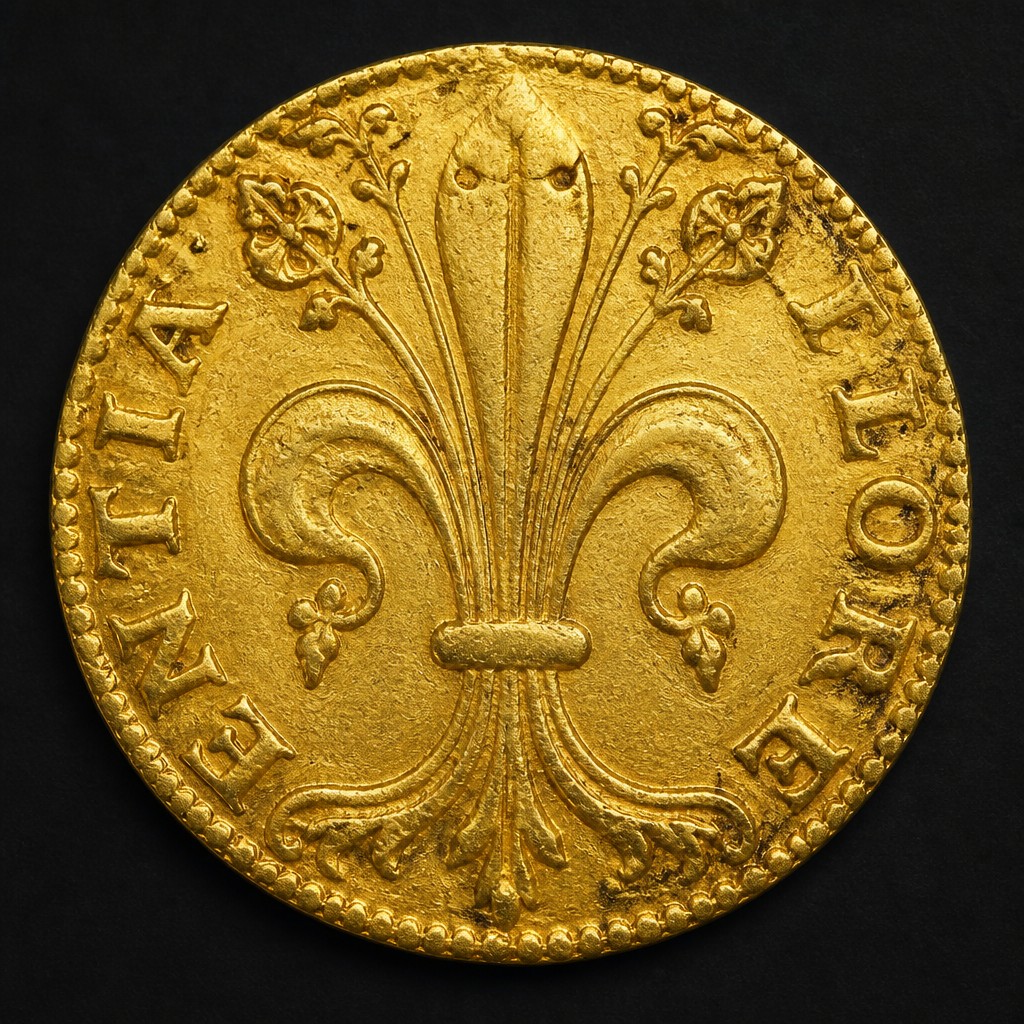
Florentine Florin
Introduced in 1252, the gold florin of Florence became medieval Europe's leading trade coin, its lily emblem and fixed gold standard copied by dozens of other mints.
European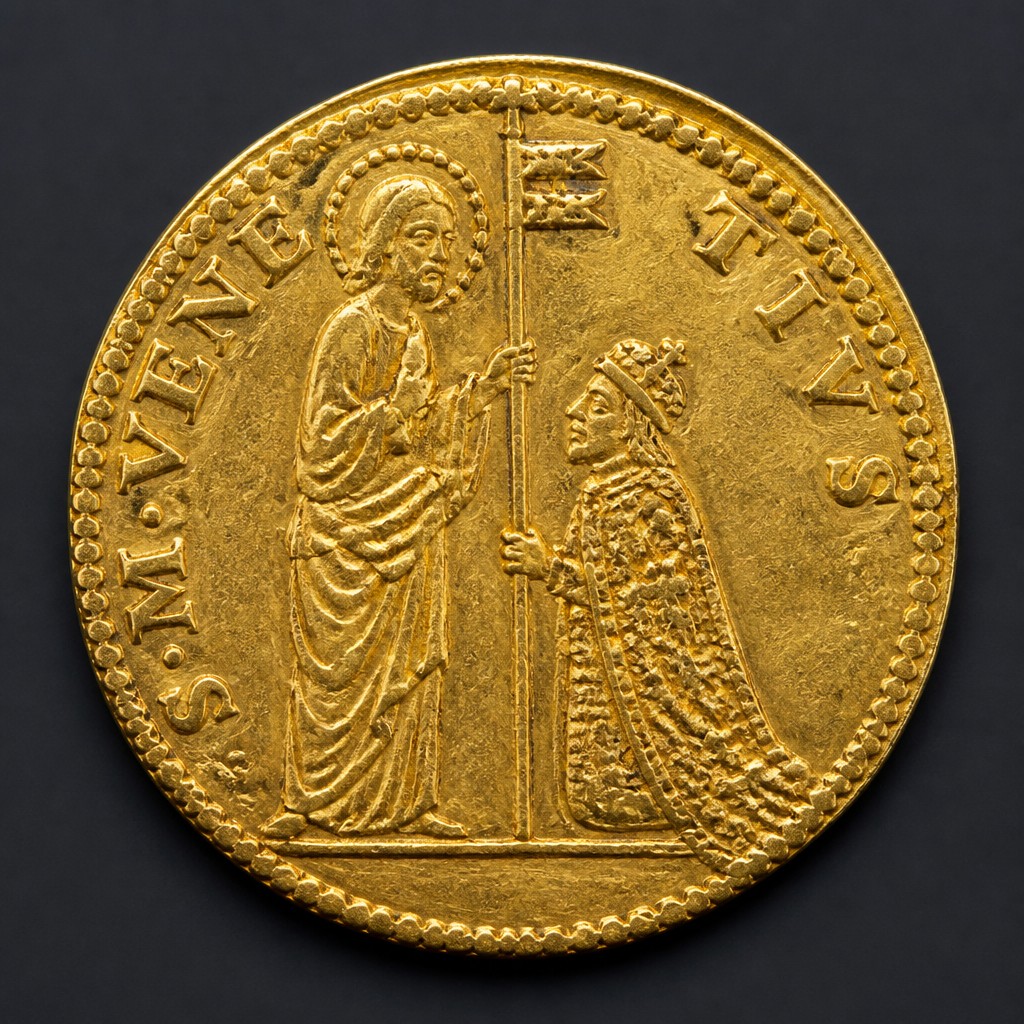
Venetian Gold Ducat
First struck in 1284, the Venetian gold ducat became medieval Europe's most trusted trade coin, prized for centuries for its unwavering weight and purity.
European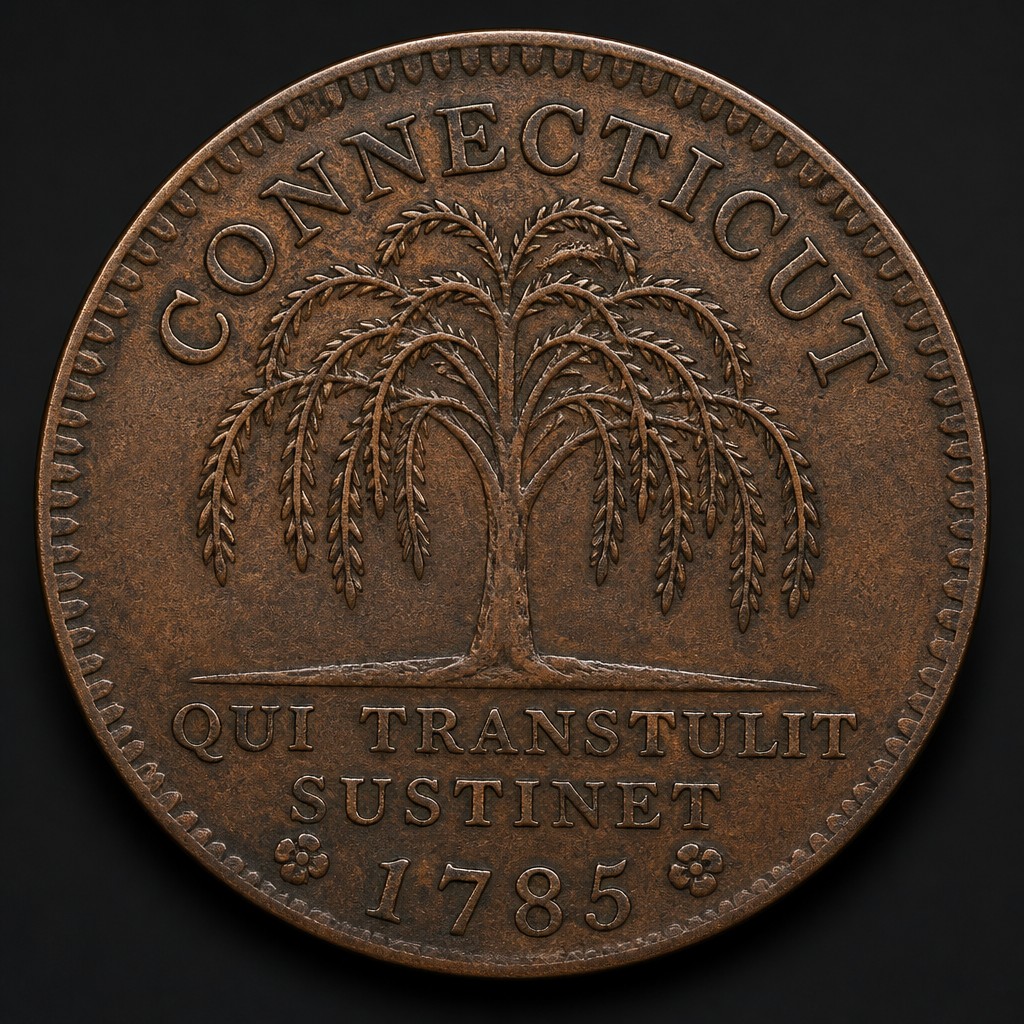
Connecticut Copper
State-authorized copper coinage struck for Connecticut in the mid-1780s, featuring a bust obverse and seated Liberty reverse across numerous die varieties.
United States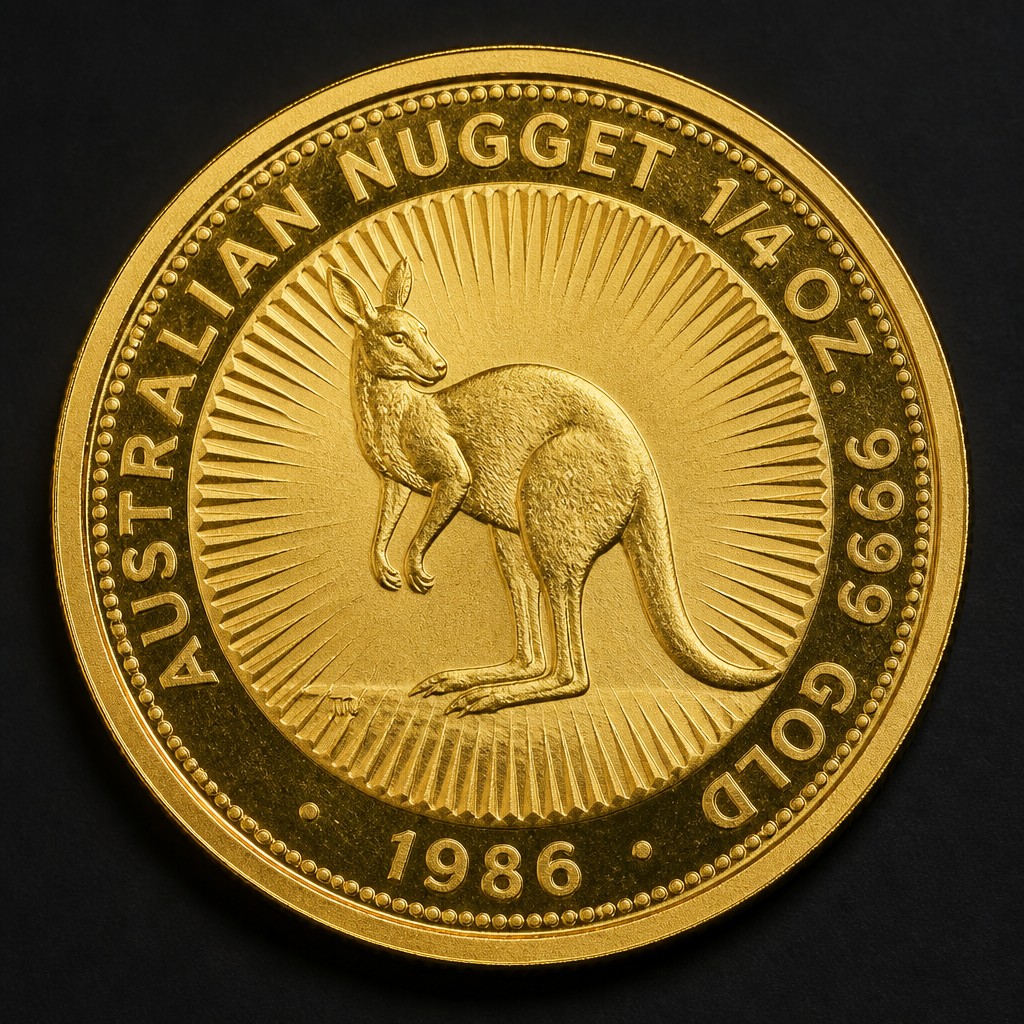
Australian Kangaroo Gold Nugget
Modern Australian gold bullion coin from the Perth Mint, launched in 1986 with changing nugget designs before adopting an annually updated kangaroo reverse.
Bullion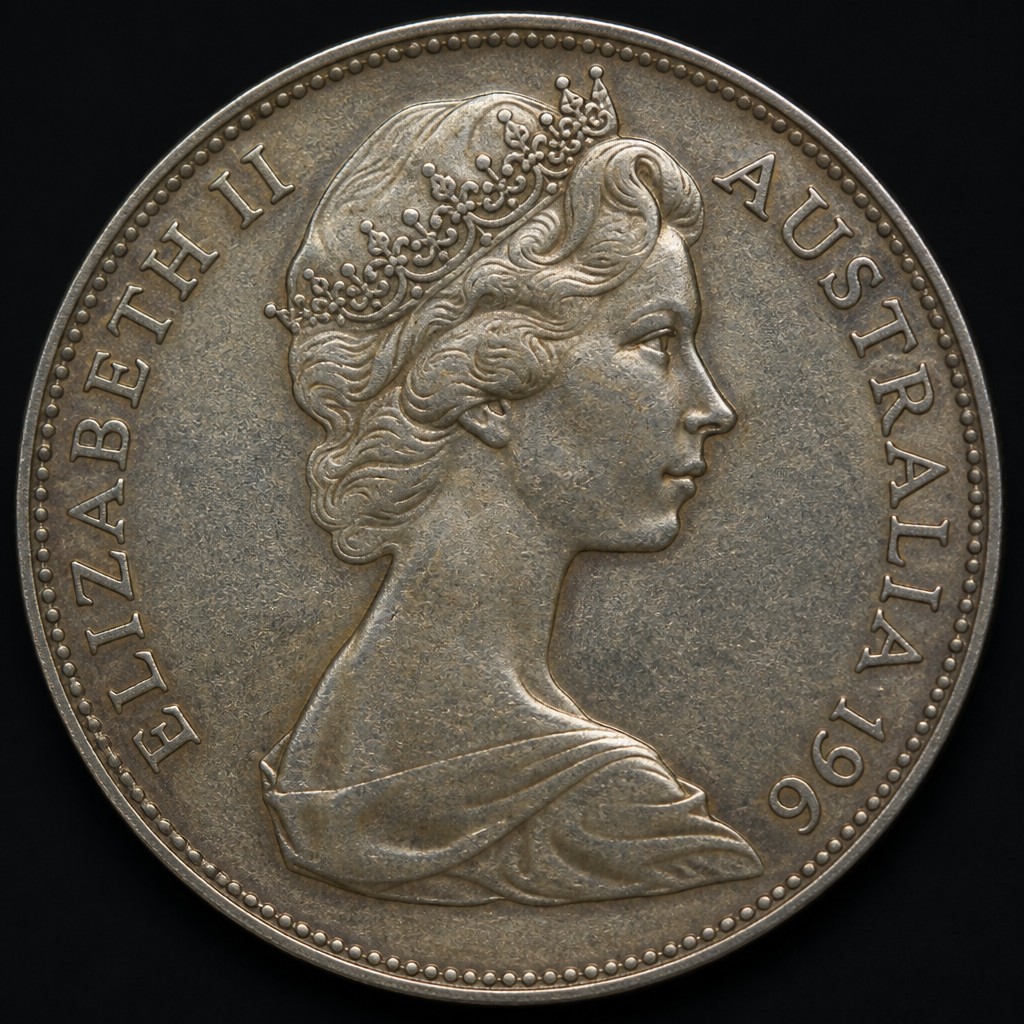
Australian 50 Cent (round 1966 silver)
Australia's original round 50-cent coin from the 1966 decimal changeover, struck in 80% silver and withdrawn the same year once its bullion value exceeded face value.
Africa & Oceania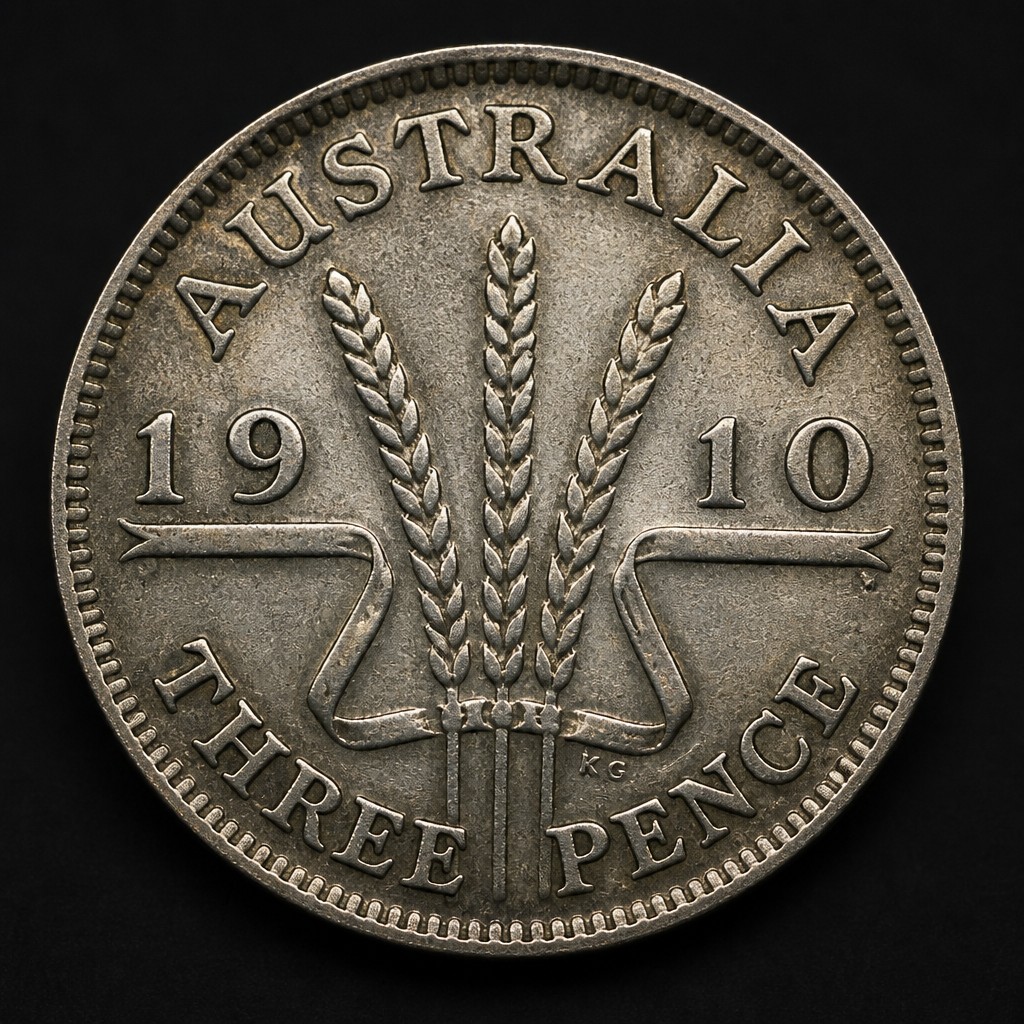
Australian Threepence (pre-decimal)
Small pre-decimal Australian silver coin worth three pence, popularly recognized for its bundled wheat-ear reverse design used across most of the 20th century.
Africa & Oceania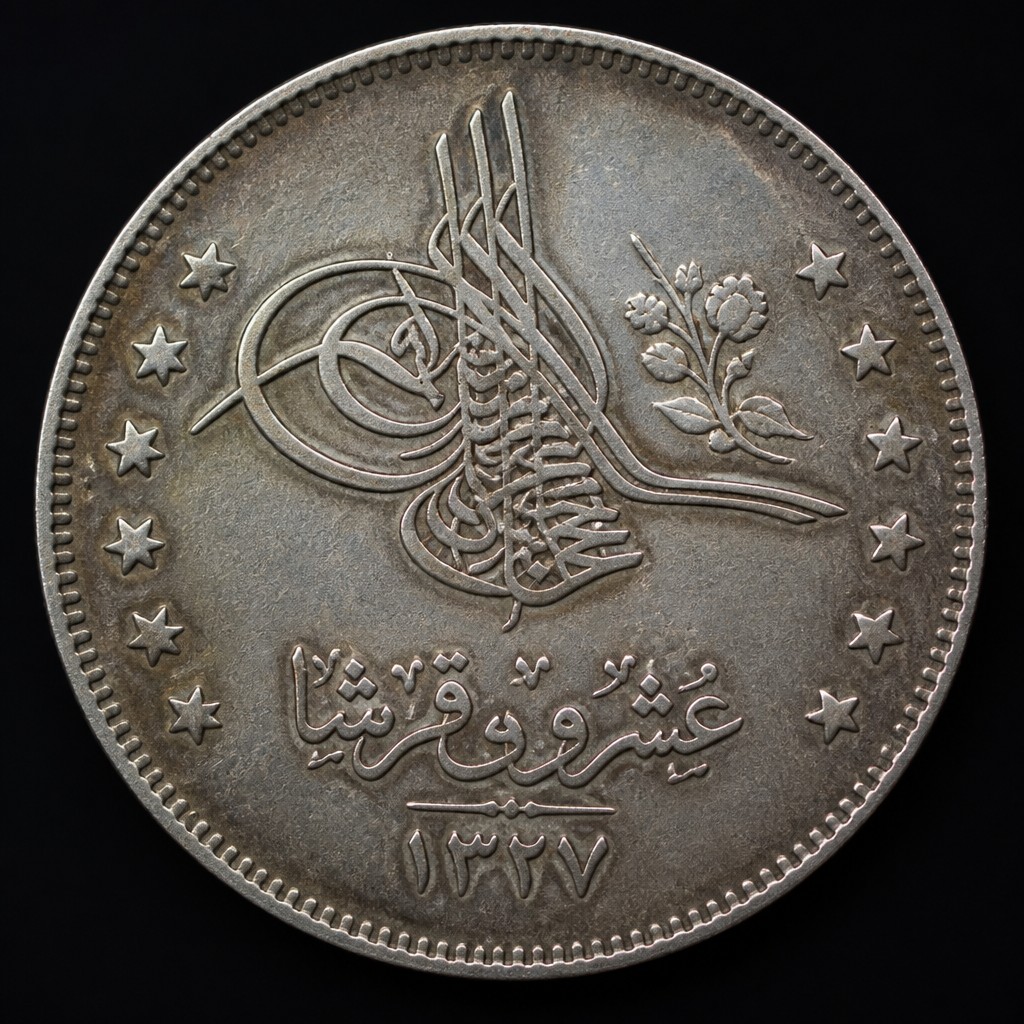
Ottoman 20 Kurus
Ottoman silver coin denominated in kuruş, bearing the sultan's ornate calligraphic tughra rather than a portrait, in keeping with Islamic artistic tradition.
World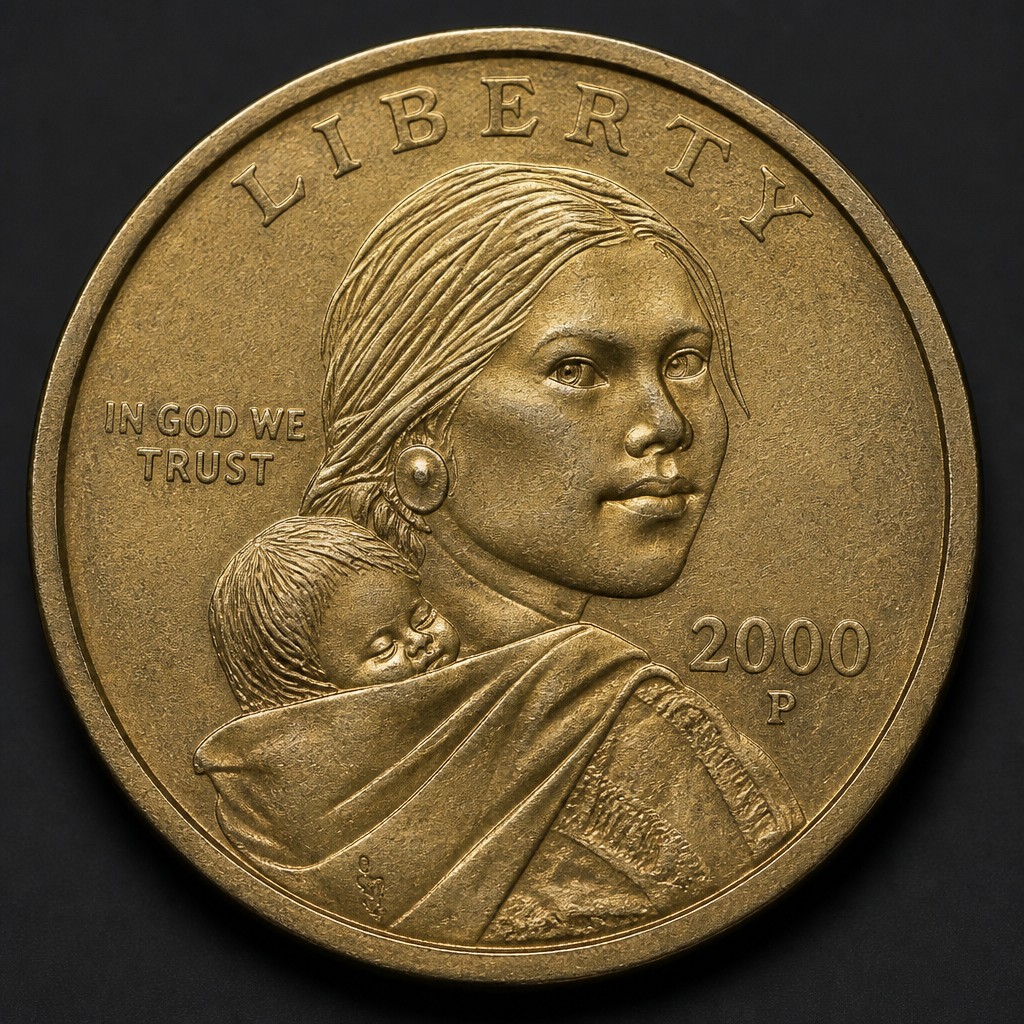
2000-P Sacagawea/Washington Quarter Mule
An extraordinarily rare mint error pairing the golden Sacagawea dollar obverse with a Washington quarter reverse die, one of the most famous modern mule errors in U.S. coinage.
Errors & Varieties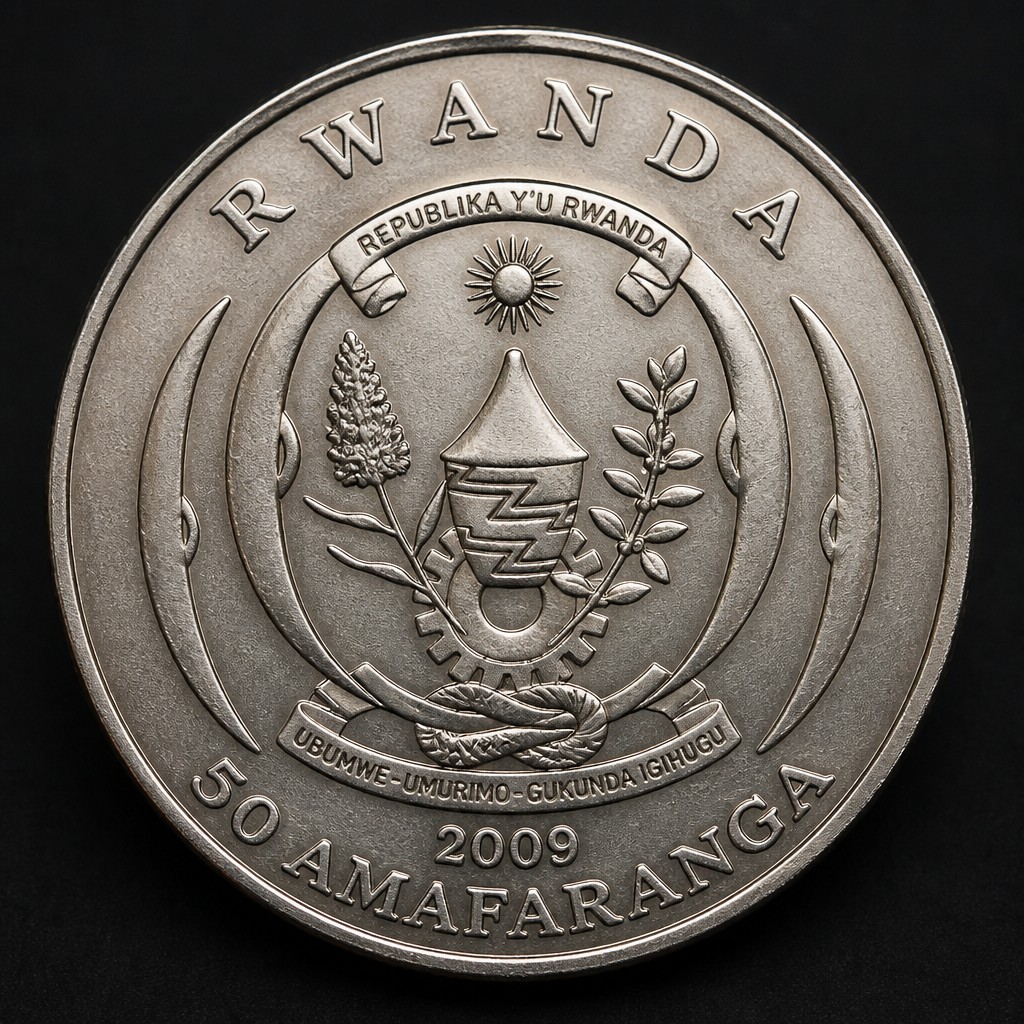
Rwandan Silver African Wildlife
A modern bullion coin series issued under Rwandan sovereignty depicting various African animals, minted in Germany and produced in different subseries by animal theme.
Africa & Oceania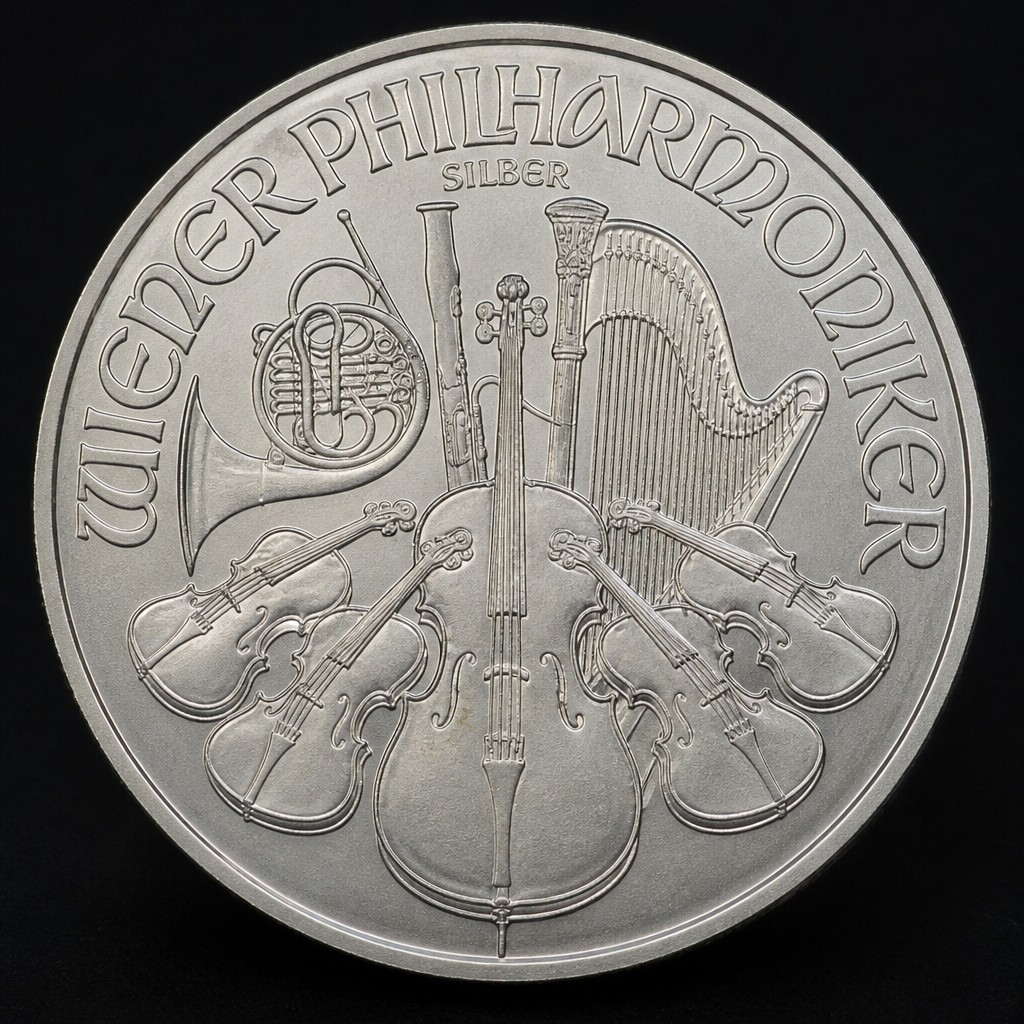
Austrian Silver Philharmonic
Austria's modern one-ounce silver bullion coin, launched in 2008 as a companion to the long-running gold Philharmonic, featuring the instruments of the Vienna Philharmonic Orchestra.
Bullion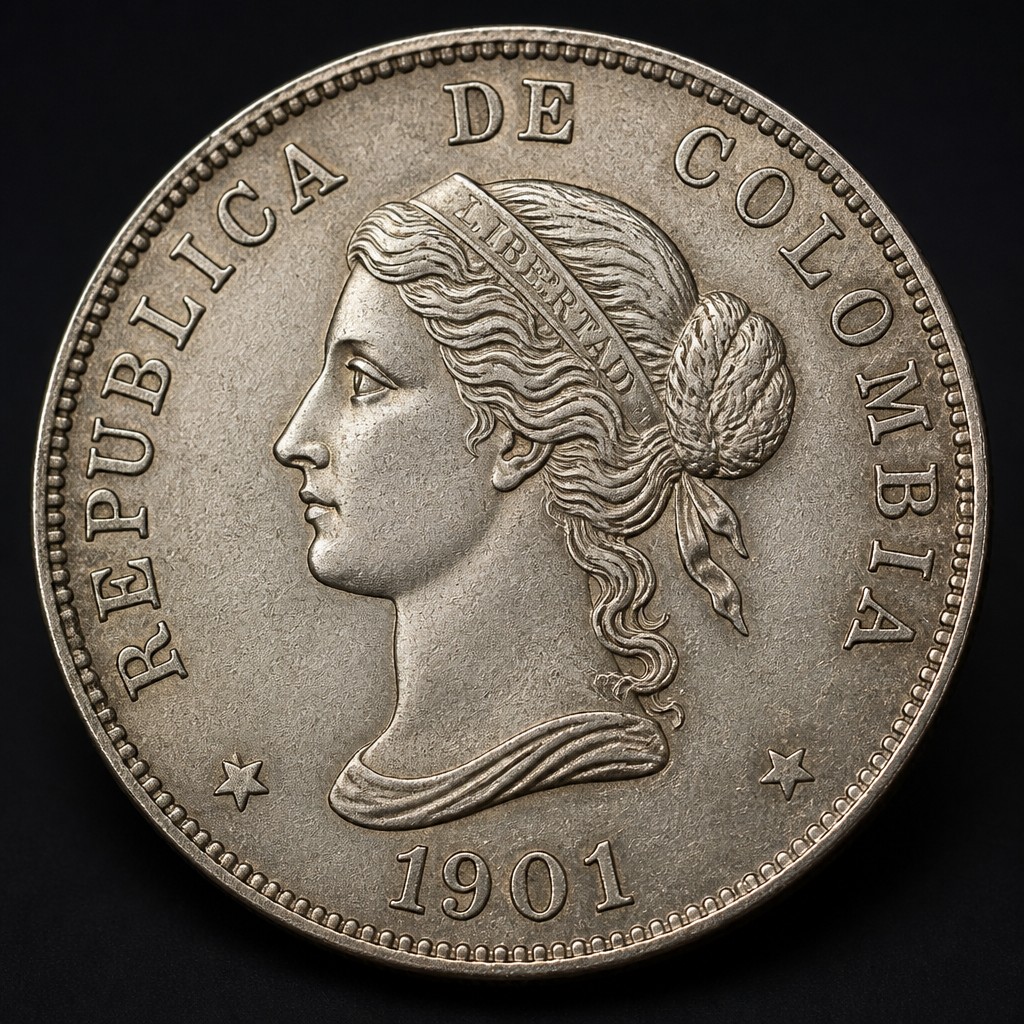
Colombian Peso Silver
Colombia's traditional silver dollar-sized coin, struck across different eras of the country's political evolution, from Nueva Granada through the modern Republic of Colombia.
Latin American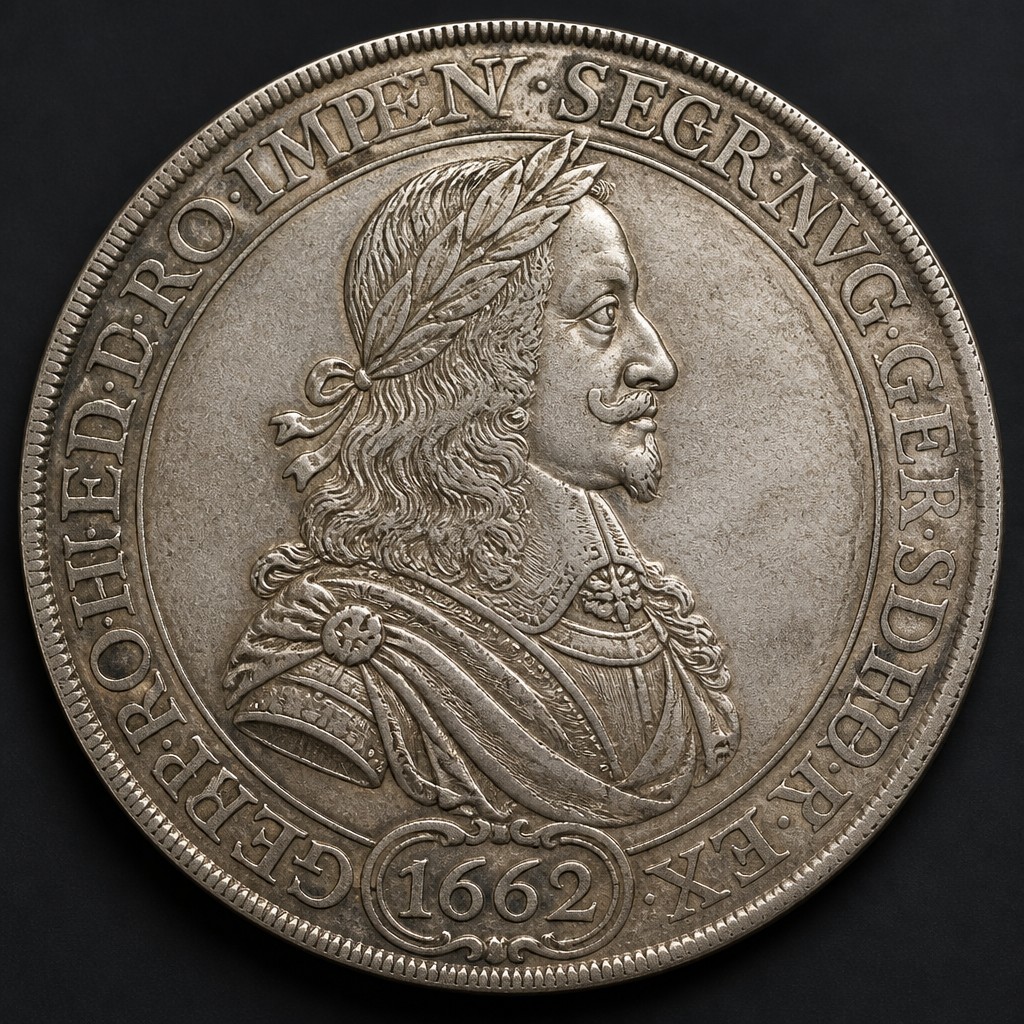
Reichsthaler
The standard large silver coin of the Holy Roman Empire and its constituent German states from the 16th century onward, whose name is the direct linguistic ancestor of the word 'dollar.'
European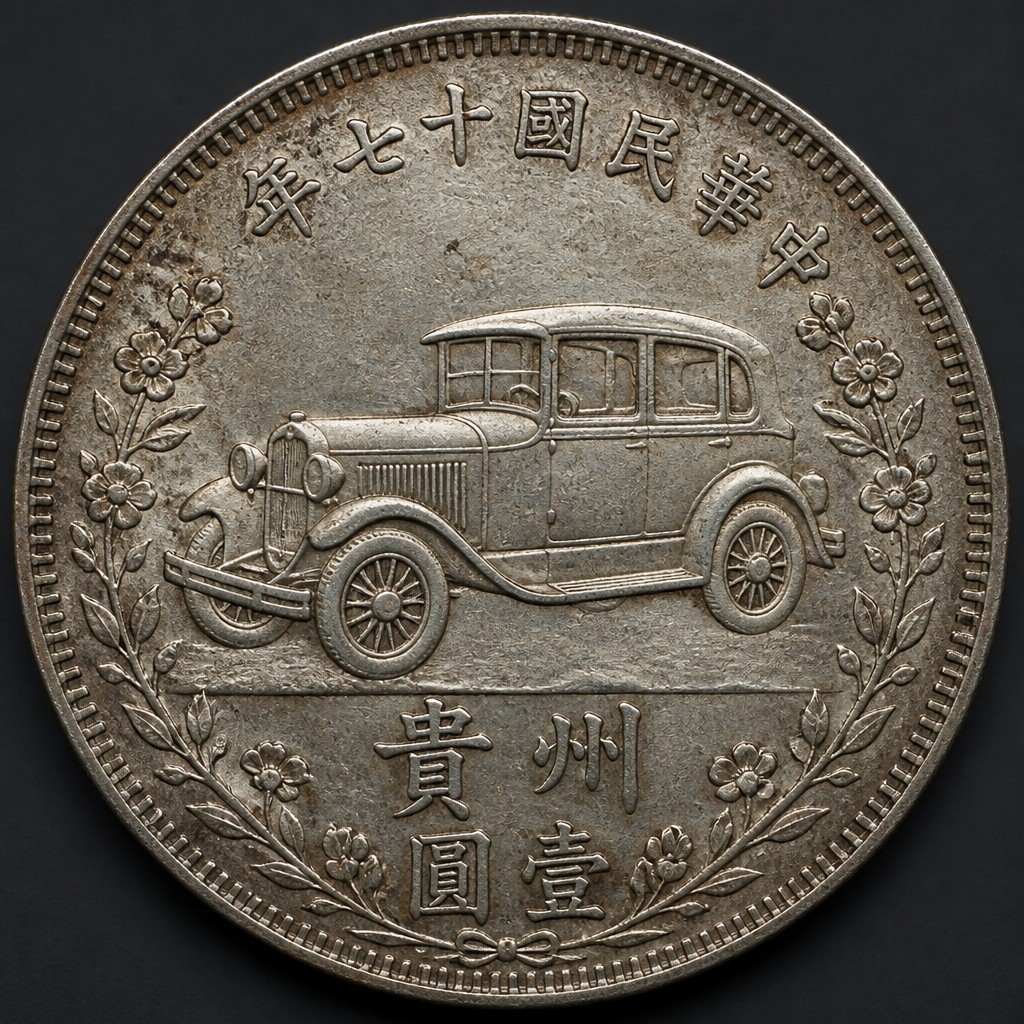
Chinese Auto Dollar (Kweichow, 1928)
Famous Chinese provincial silver dollar depicting an automobile, struck in Kweichow province in 1928 and celebrated by collectors as one of the most distinctive Chinese coin designs.
Asian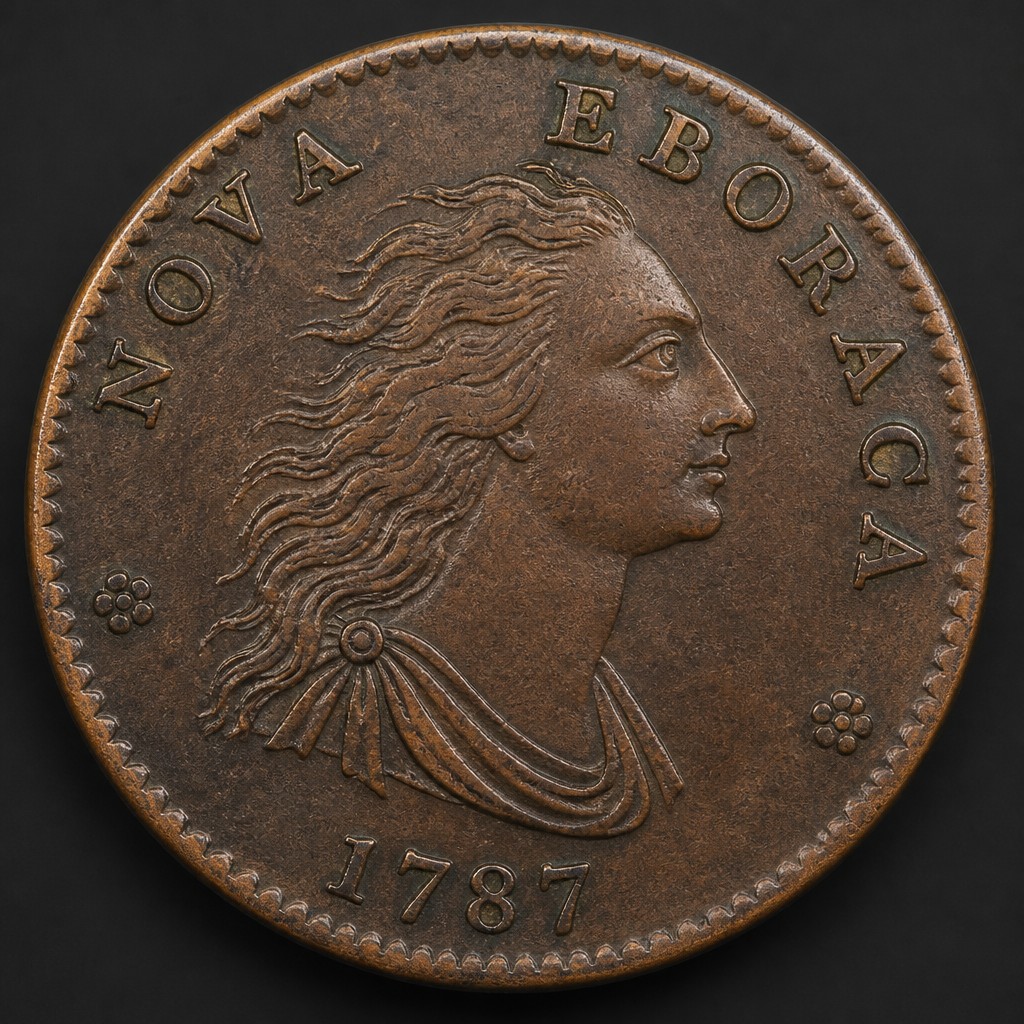
Nova Eborac Copper
A 1787-dated copper bearing the Latin name for New York, struck privately after the state failed to authorize its own copper coinage contract during the chaotic Confederation-era coin shortage.
United States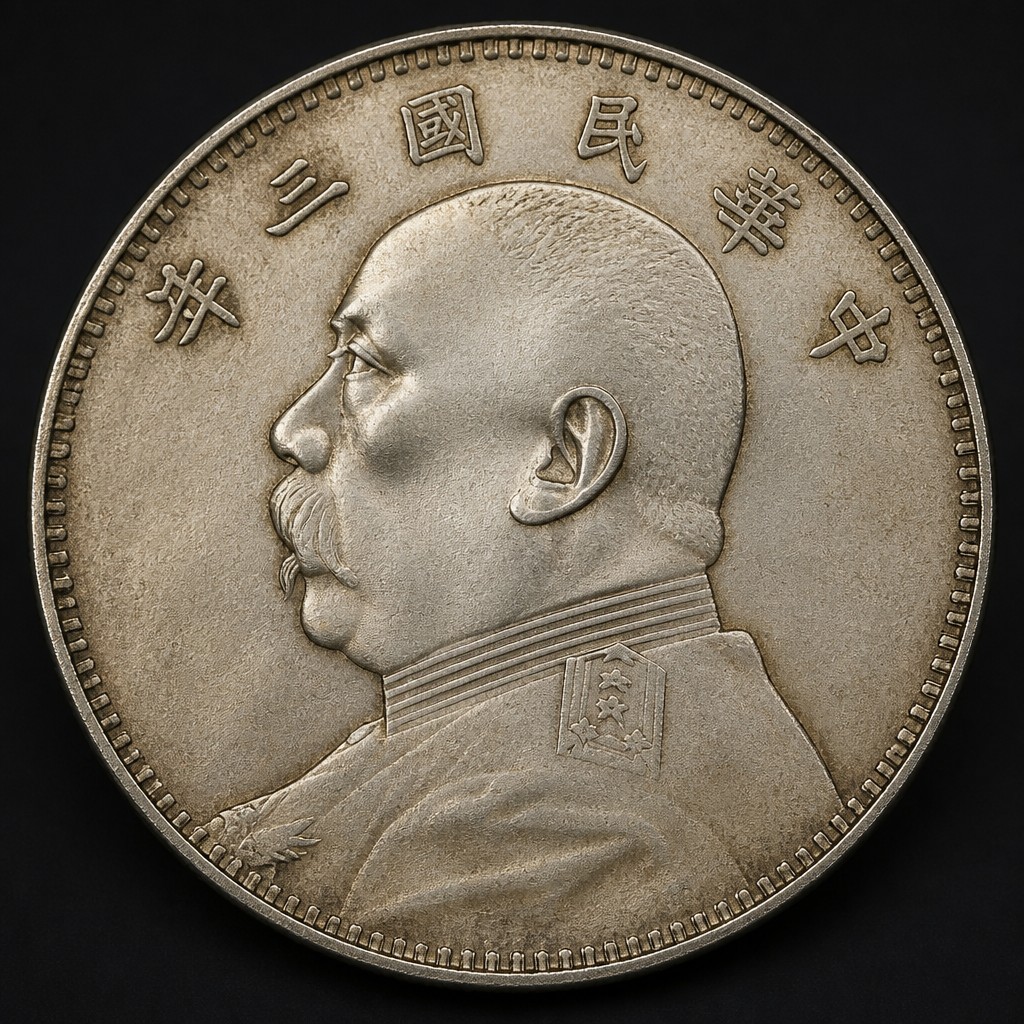
Yuan Shikai 'Fatman' Dollar (1914)
A widely produced Republic of China silver dollar bearing the portrait of President Yuan Shikai, nicknamed the fat man dollar for his portly likeness, one of the most common historic Chinese silver coins.
Asian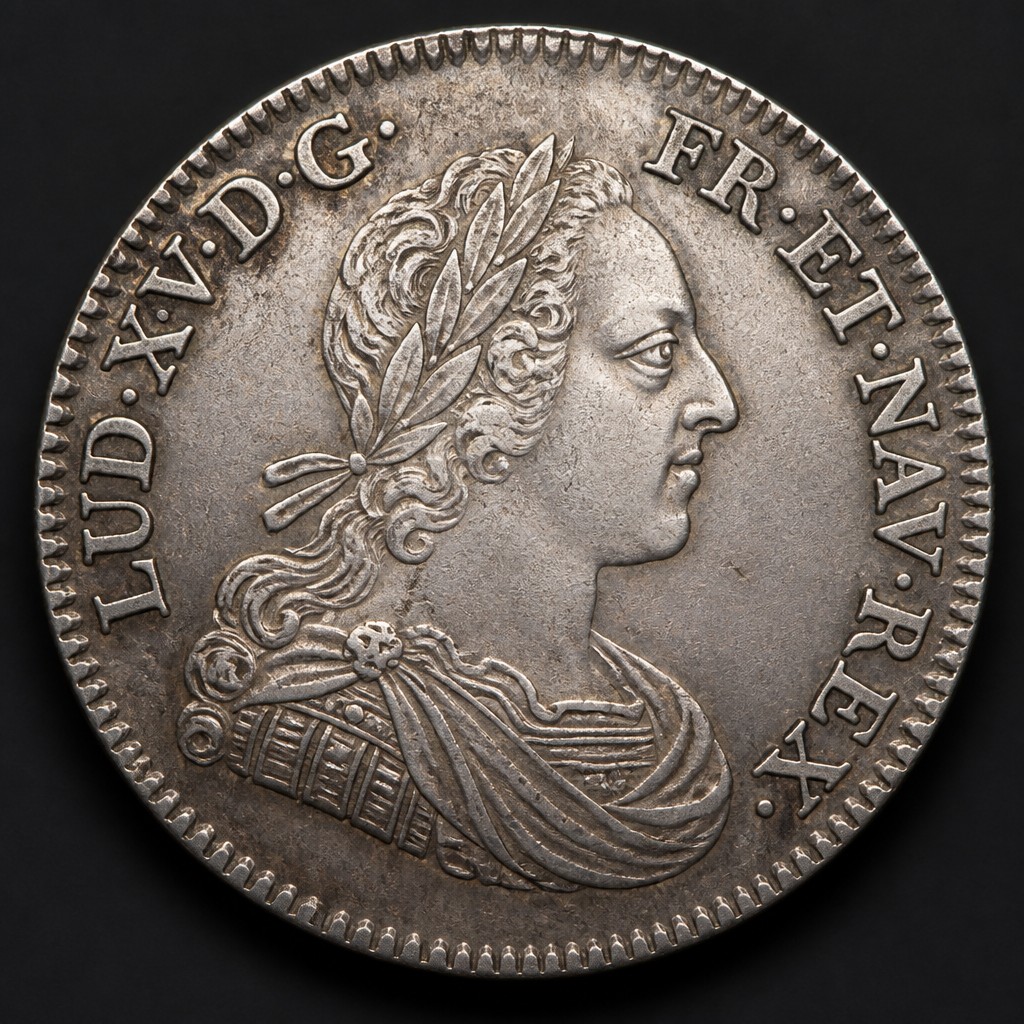
French Ecu (Louis d'Argent)
France's principal large silver coin of the pre-revolutionary era, bearing the reigning king's portrait, used as the standard silver crown-sized coin for over a century before decimalization.
European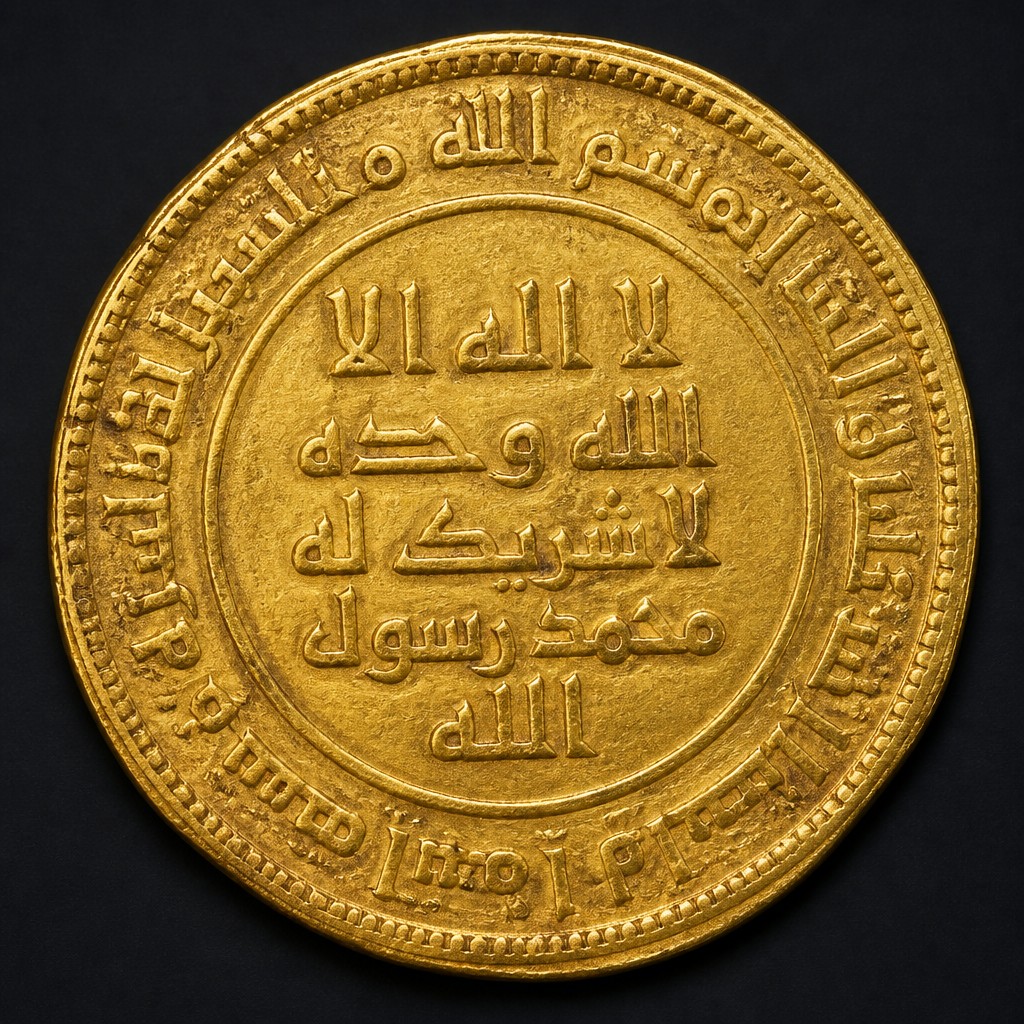
Islamic Gold Dinar (Umayyad)
The first purely epigraphic Islamic gold coin, introduced by Caliph Abd al-Malik around 696 AD, replacing figural Byzantine-style imagery with Quranic inscriptions.
Ancient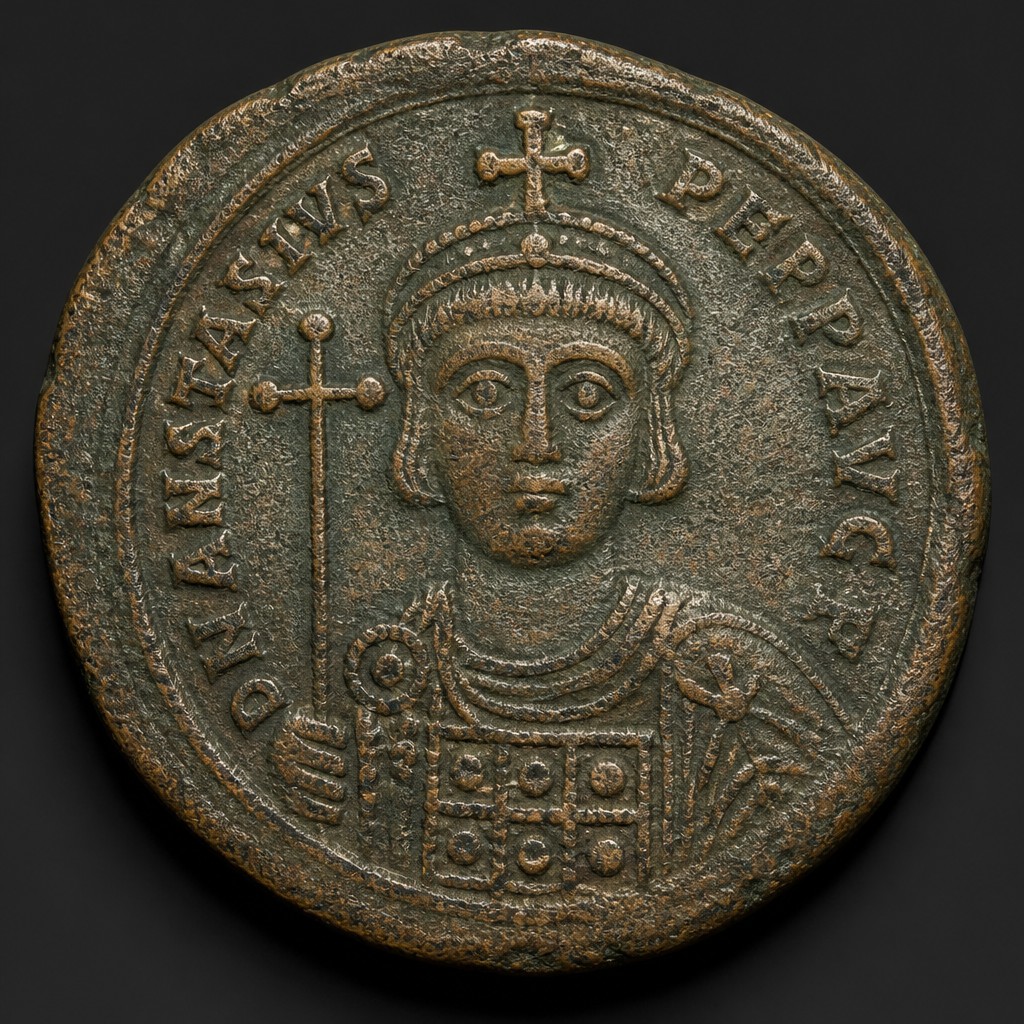
Byzantine Follis
The large bronze workhorse coin of everyday Byzantine commerce, reformed by Emperor Anastasius I in 498 AD with a prominent Greek numeral denoting its value of 40 nummi.
Ancient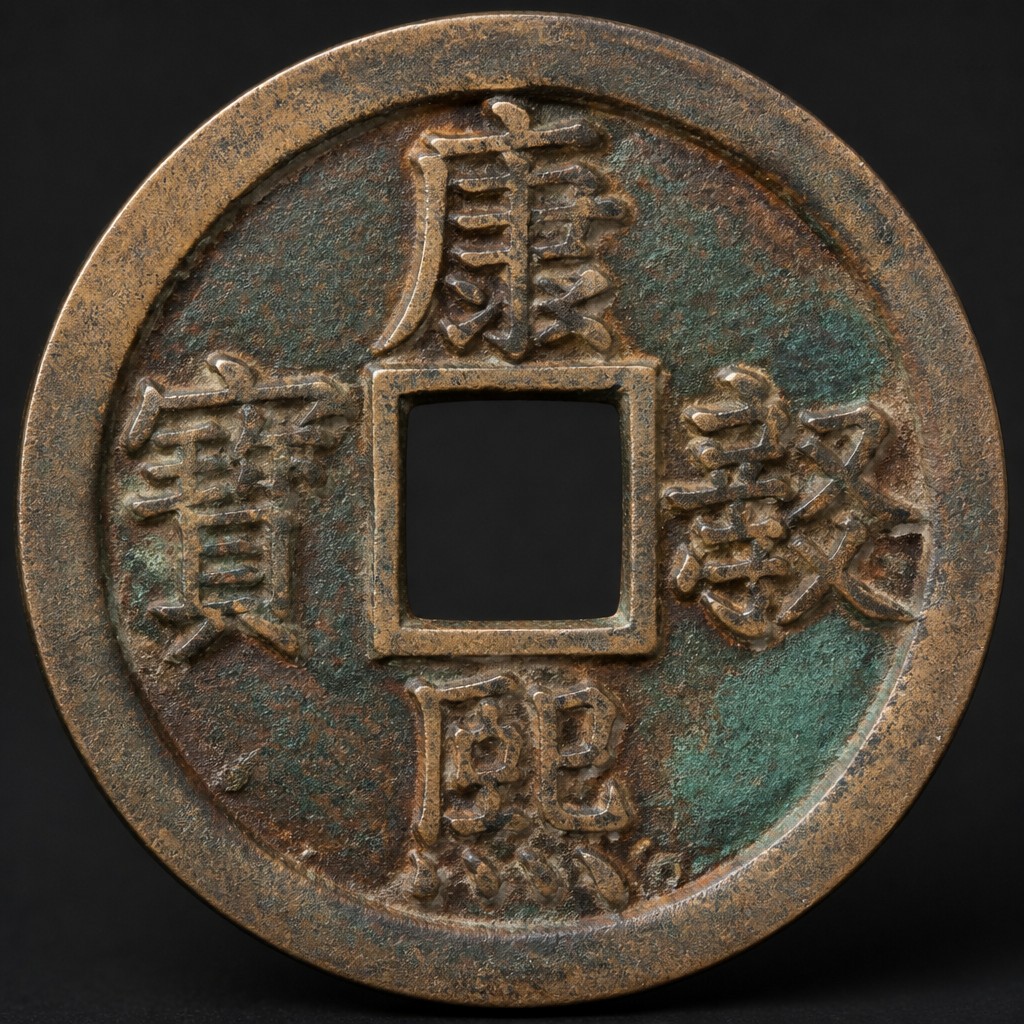
Chinese Tang Dynasty Cash
The influential bronze cash coin introduced in the Tang Dynasty, inscribed "Kai Yuan Tong Bao," that established the round-with-square-hole design copied for over a thousand years.
Asian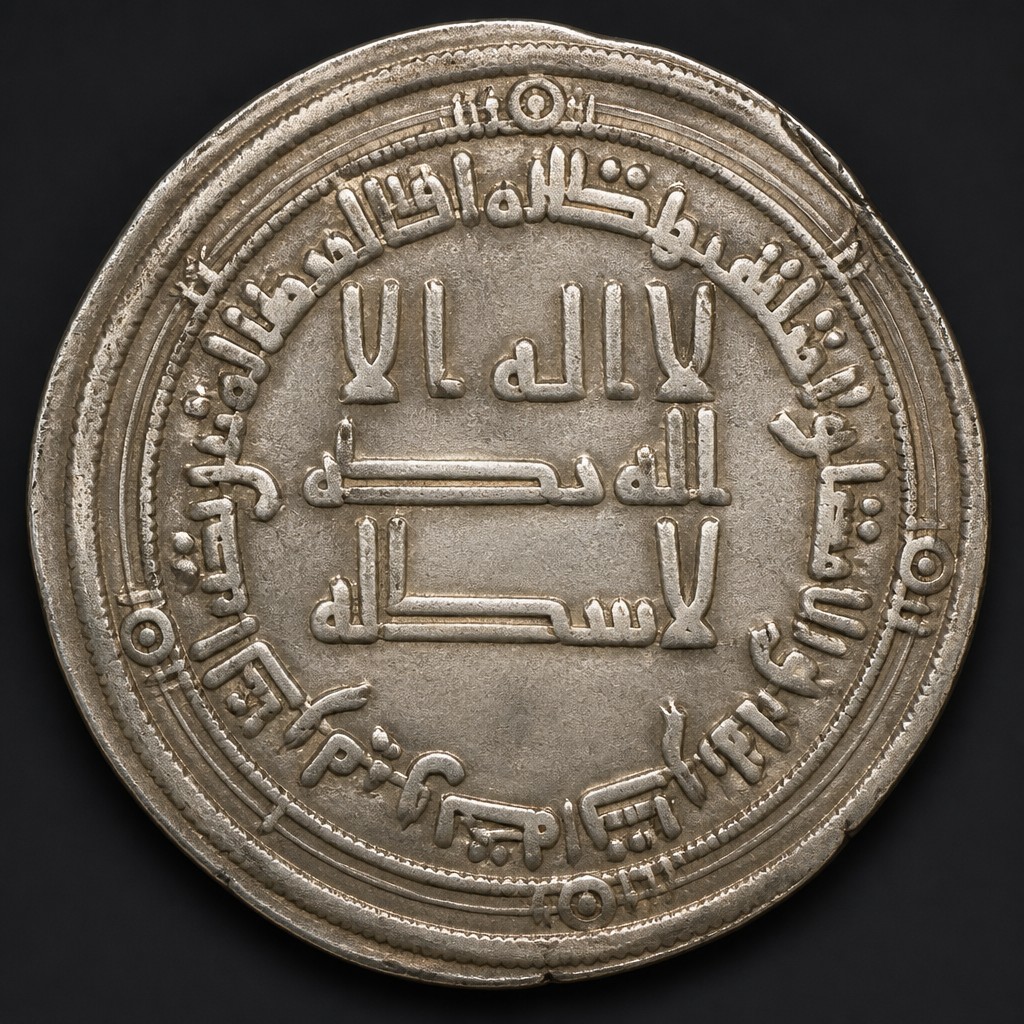
Umayyad Silver Dirham
A silver coin of the Umayyad Caliphate struck after Caliph Abd al-Malik's monetary reform, bearing only Arabic inscriptions and setting the template for centuries of Islamic coinage.
World