
Coin Encyclopedia
Search and identify coins from around the world — with country, denomination, metal, mint, history, and how to tell them apart.
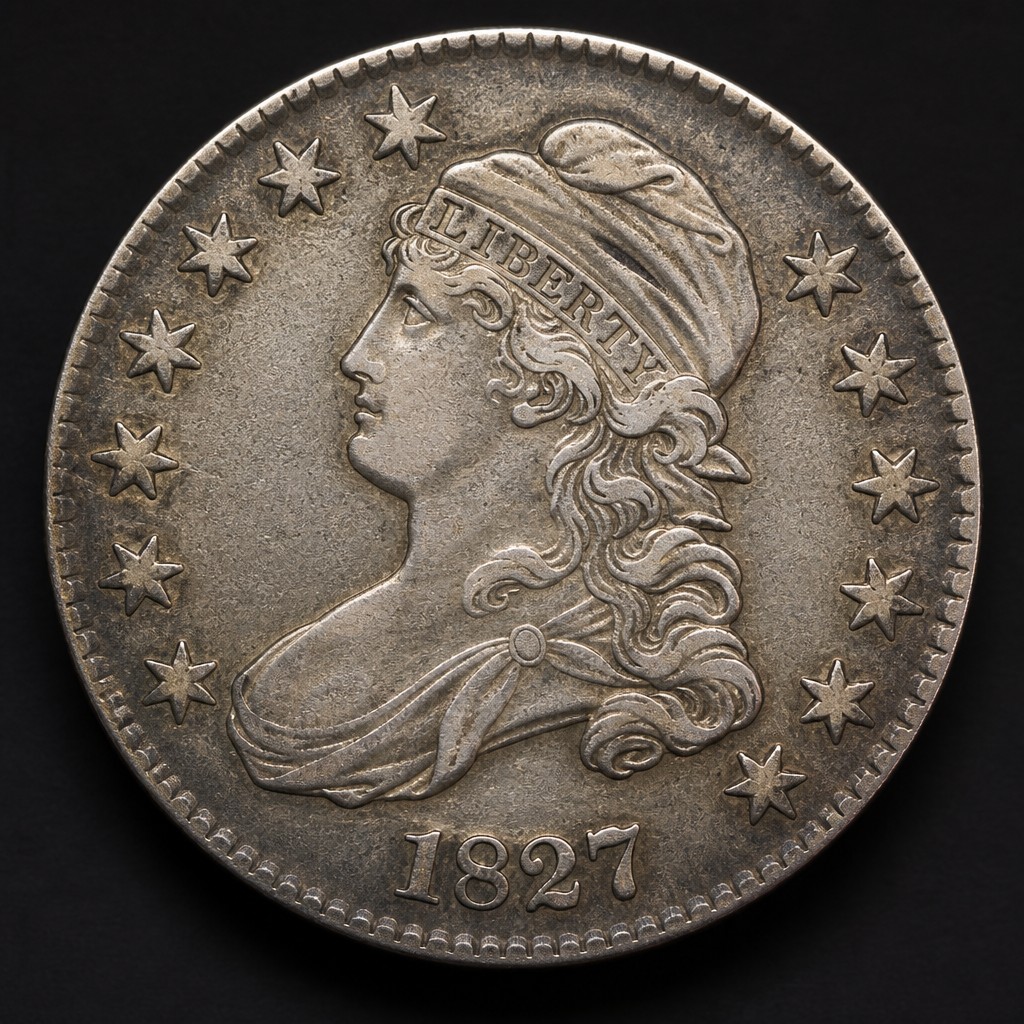
1827 Capped Bust Quarter
One of the most celebrated rarities in American numismatics, the 1827 quarter exists only as extremely rare proof-like Originals and later Restrikes rather than typical circulation coinage.
United States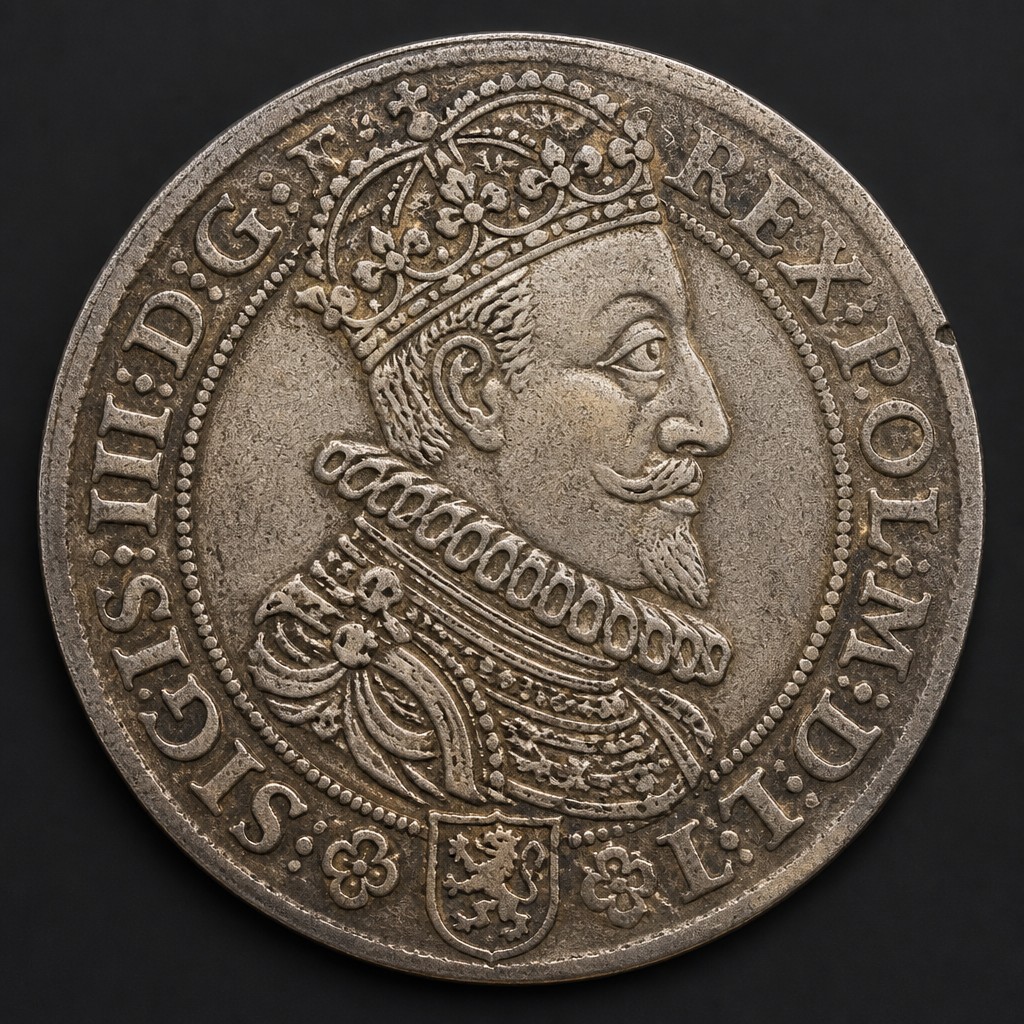
Polish-Lithuanian Thaler
The large silver trade coin of the Polish-Lithuanian Commonwealth, struck under successive kings from the 16th through 18th centuries, bearing royal portraits paired with the combined Polish eagle and Lithuanian Vytis arms.
European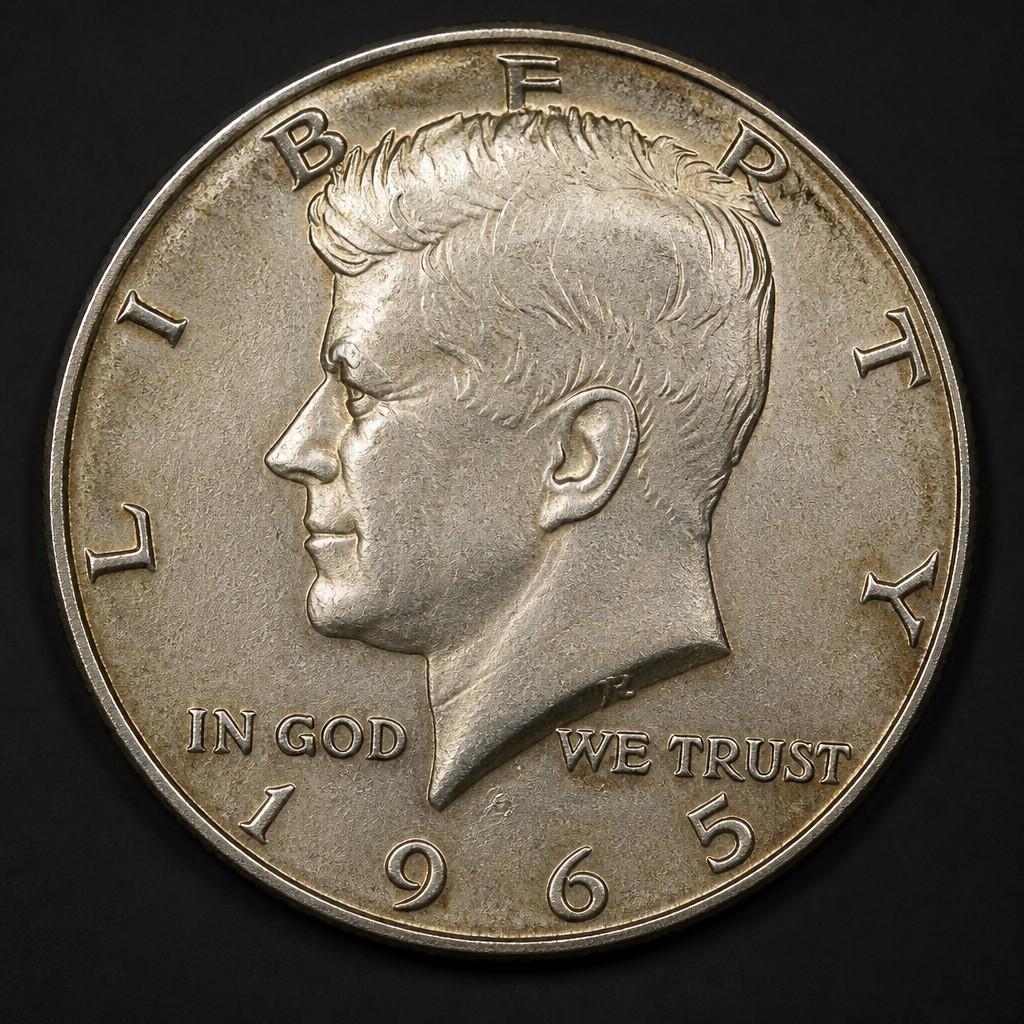
1965 Kennedy Half Dollar (40% silver)
A transitional Kennedy half dollar struck with reduced 40% silver content after the Coinage Act of 1965 eliminated silver from dimes and quarters, honoring the assassinated president.
United States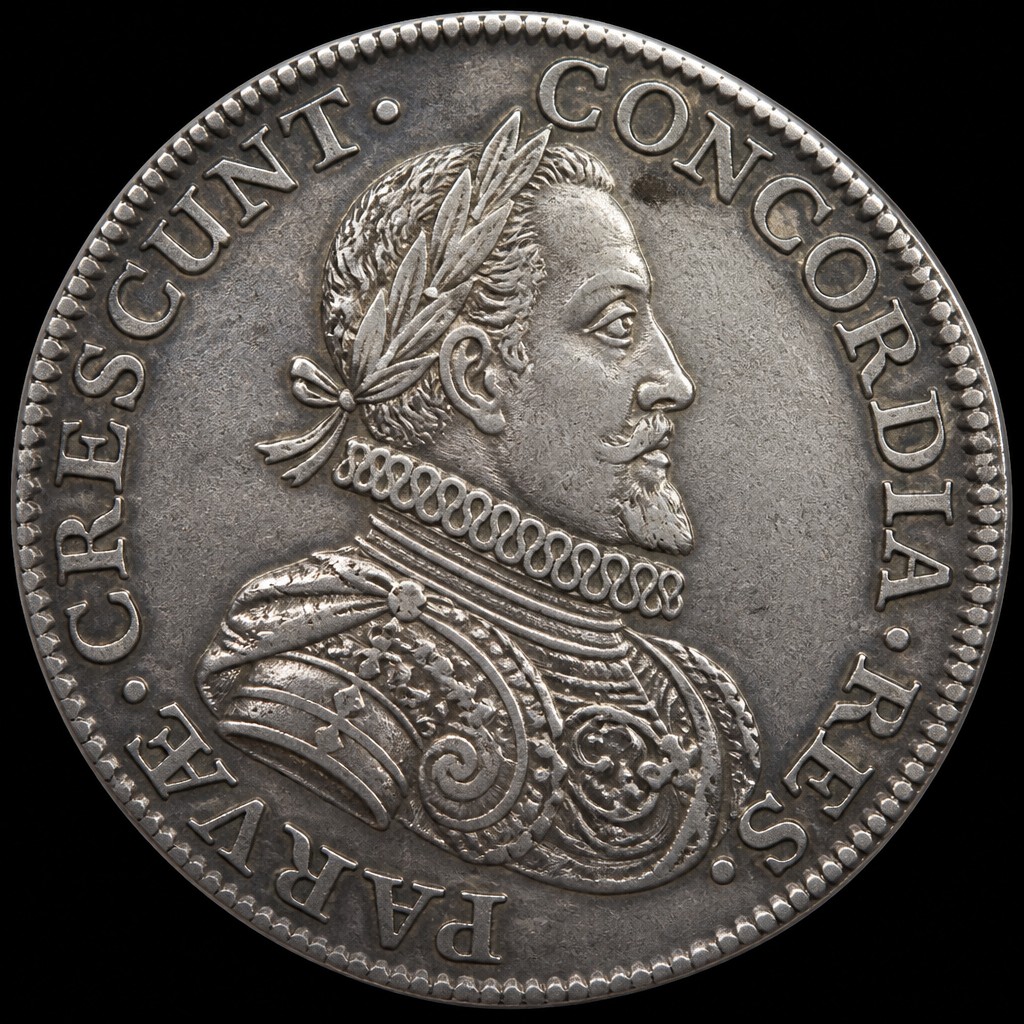
Netherlands Rijksdaalder
A historic large silver crown-sized coin of the Low Countries, the rijksdaalder became a trusted trade coin across Europe for centuries and lent its name to the modern Dutch 2½-guilder piece.
European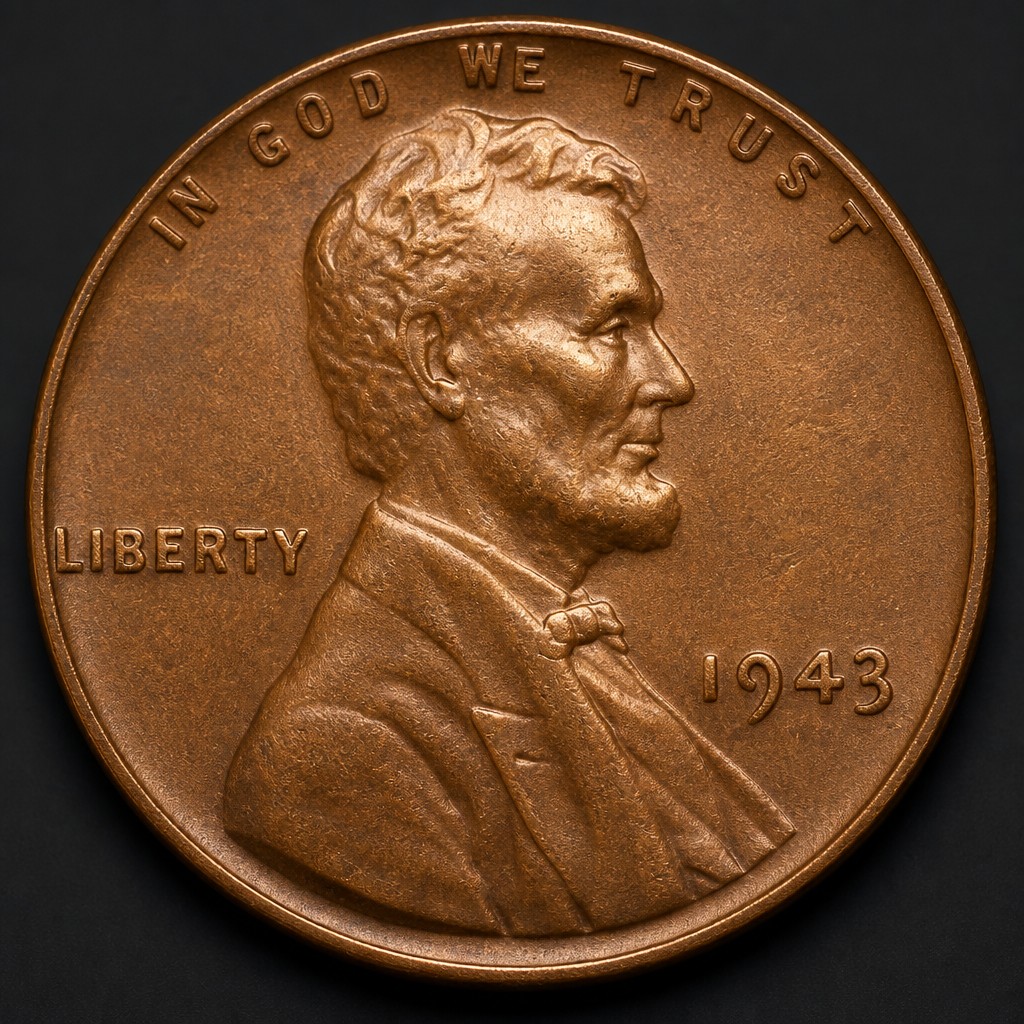
1943 Copper Lincoln Cent
An extremely rare mint error where a handful of 1943 cents were struck on leftover bronze planchets instead of the wartime steel used that year, making it one of the most famous US coin errors.
Errors & Varieties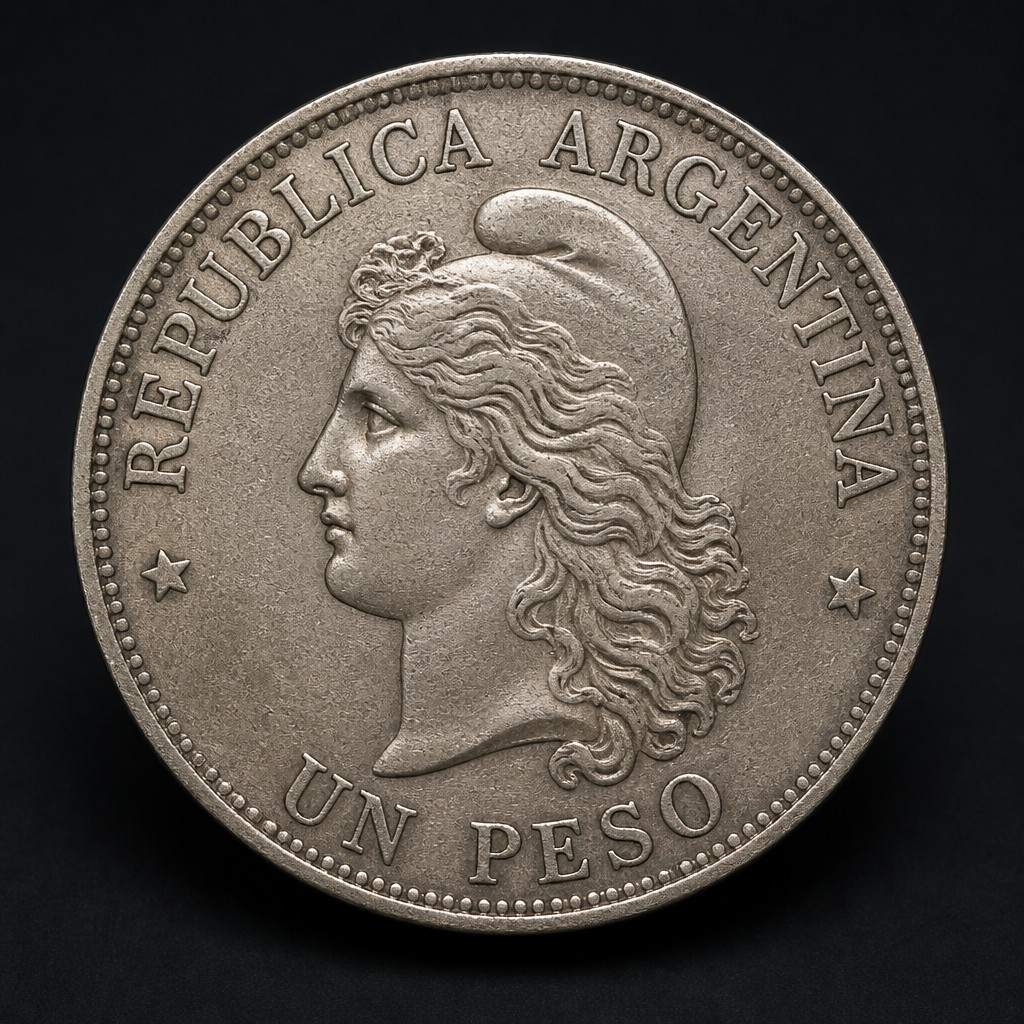
Argentine Peso Moneda Nacional (Patacón)
Argentina's long-standing peso moneda nacional coinage, informally nicknamed the patacón, formed the backbone of the country's currency from the 1880s well into the twentieth century.
Latin American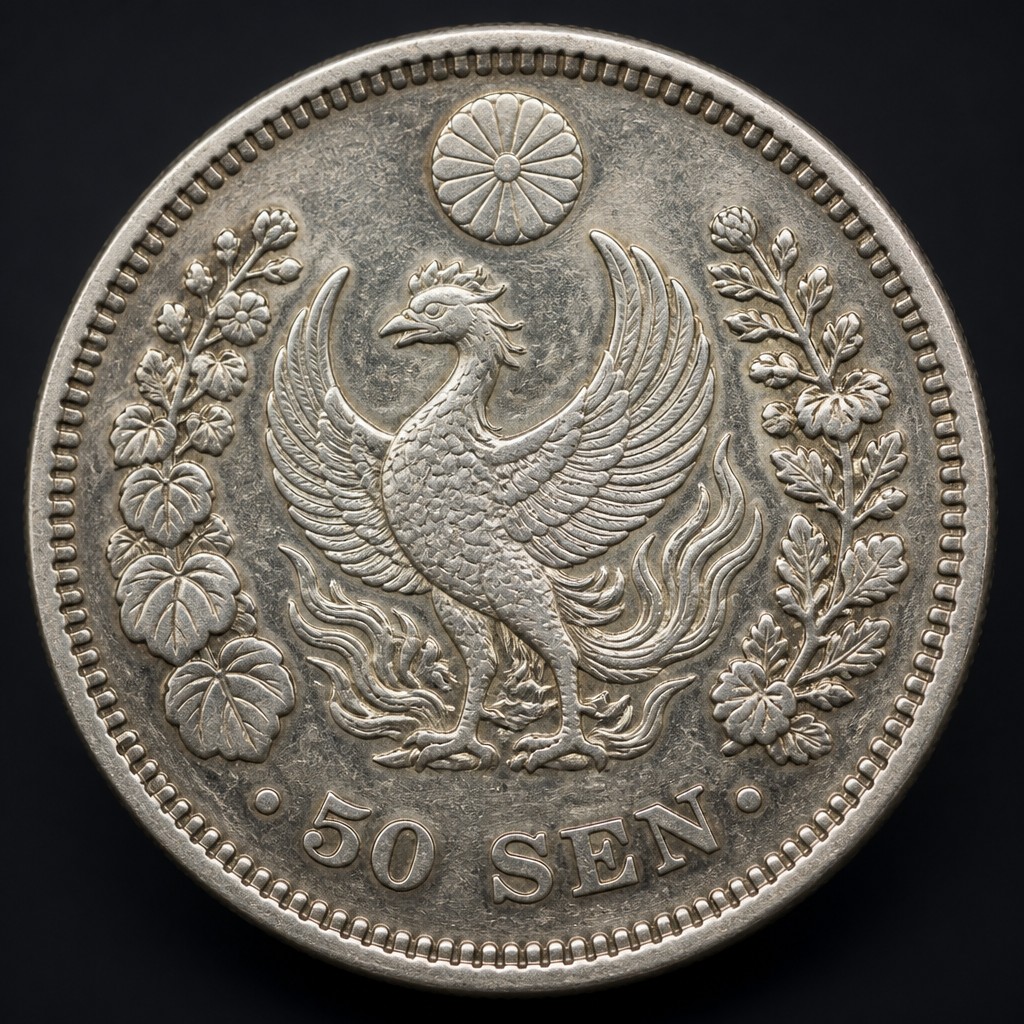
Japanese 50 Sen Silver (Meiji Phoenix)
An early Meiji-era Japanese silver coin featuring a coiled dragon on the obverse and a phoenix on the reverse, part of Japan's first modern decimal coinage system introduced after the Meiji Restoration.
Asian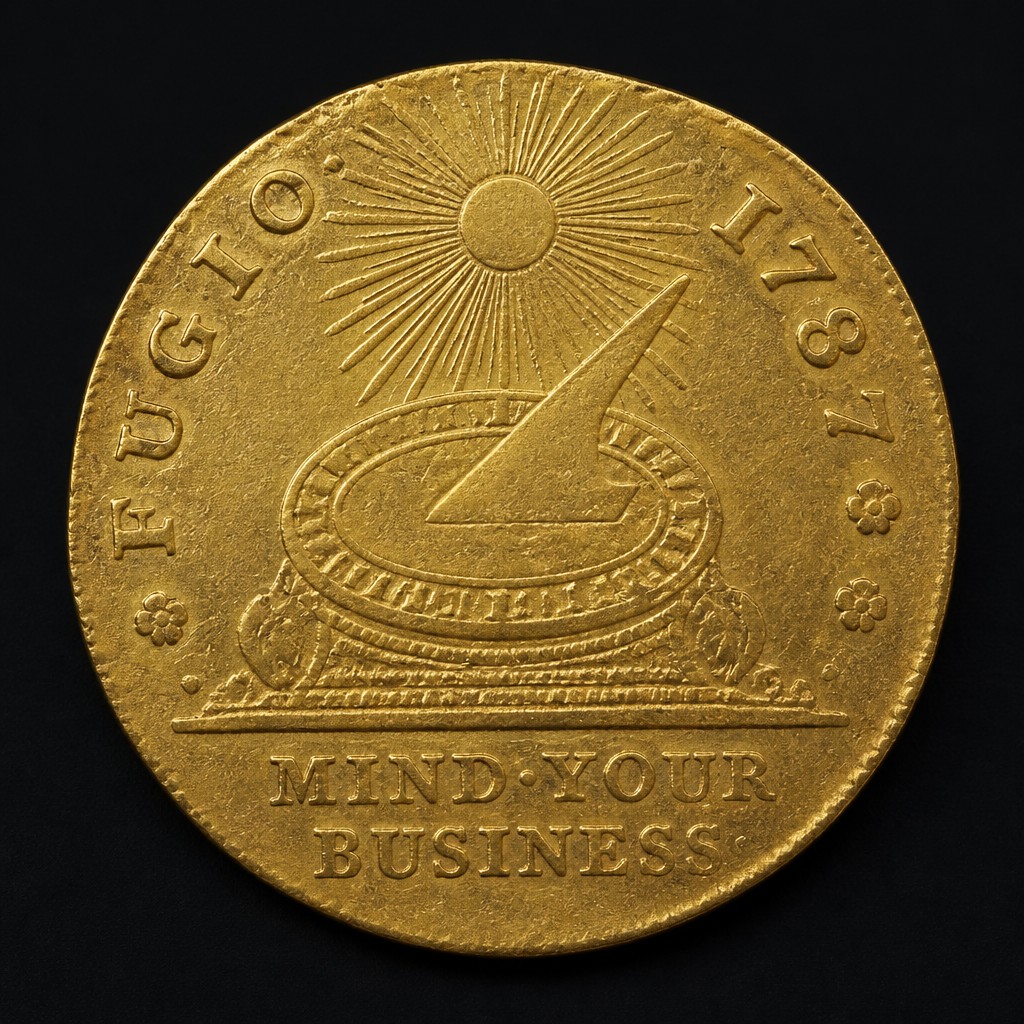
Brasher Doubloon
A famous privately struck gold coin made in 1787 by New York goldsmith Ephraim Brasher, a neighbor of George Washington, and one of the most valuable and celebrated coins in American numismatics.
United States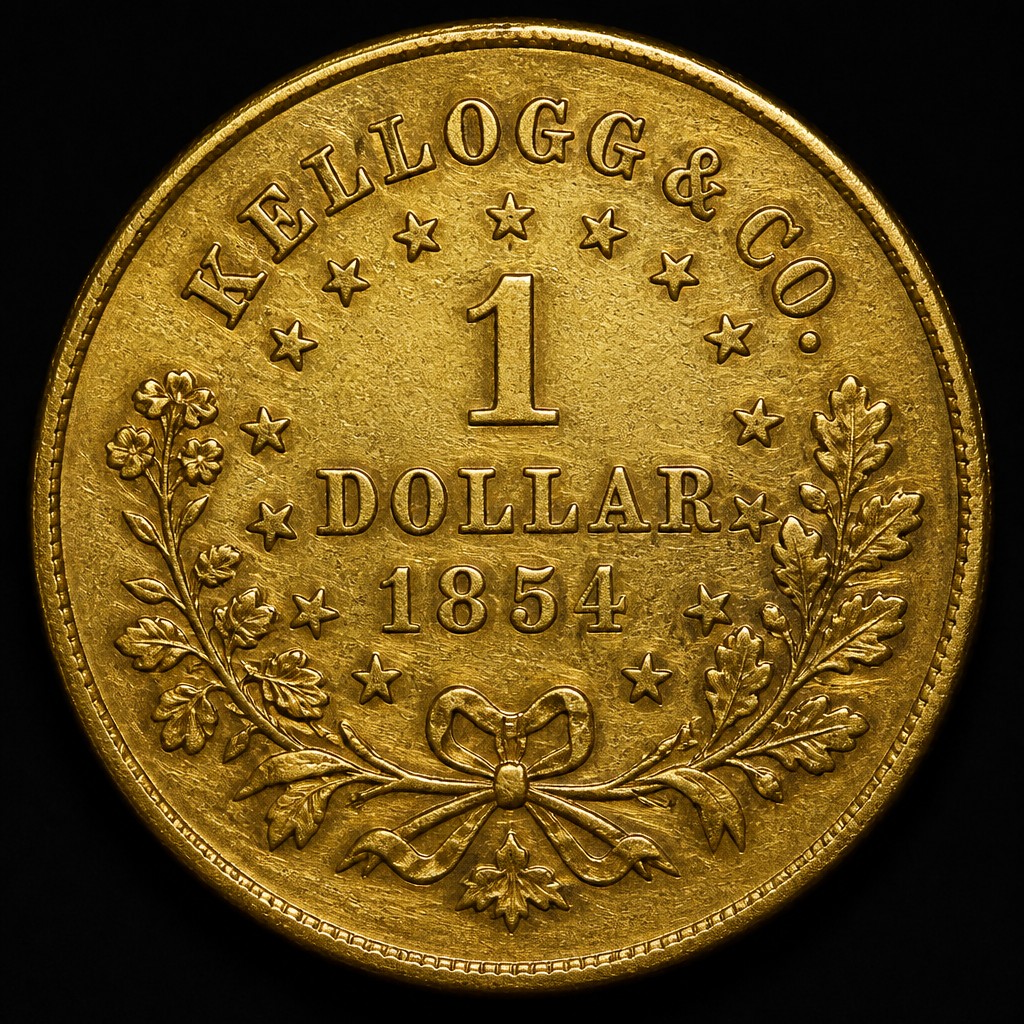
Kellogg & Co. Gold Piece
Private gold coinage struck by the San Francisco firm Kellogg & Co. during the California Gold Rush, including the famous octagonal fifty-dollar 'slug' of 1855, filling a shortage of circulating coin.
United States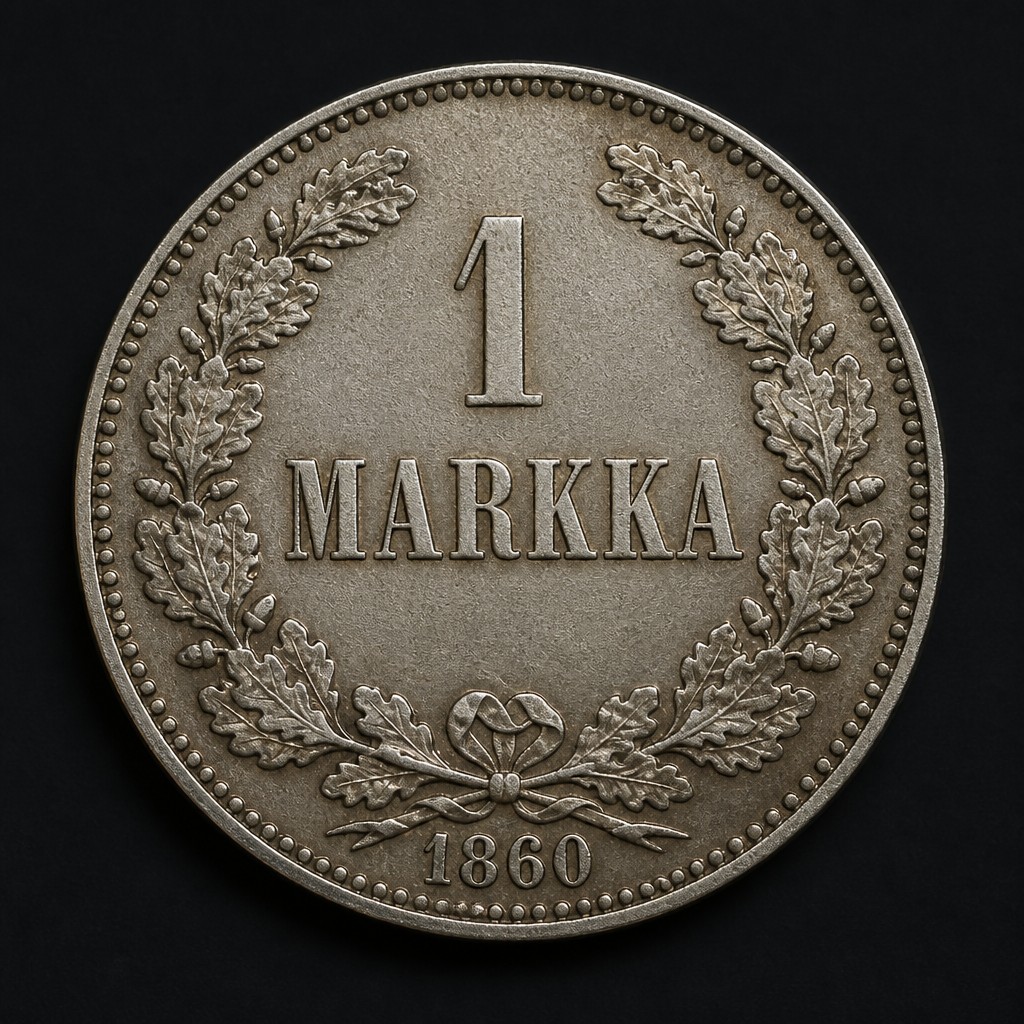
Finnish Markka
Finland's national currency from the era of Russian imperial rule until the adoption of the euro, issued in a range of coin denominations reflecting the country's changing political history.
European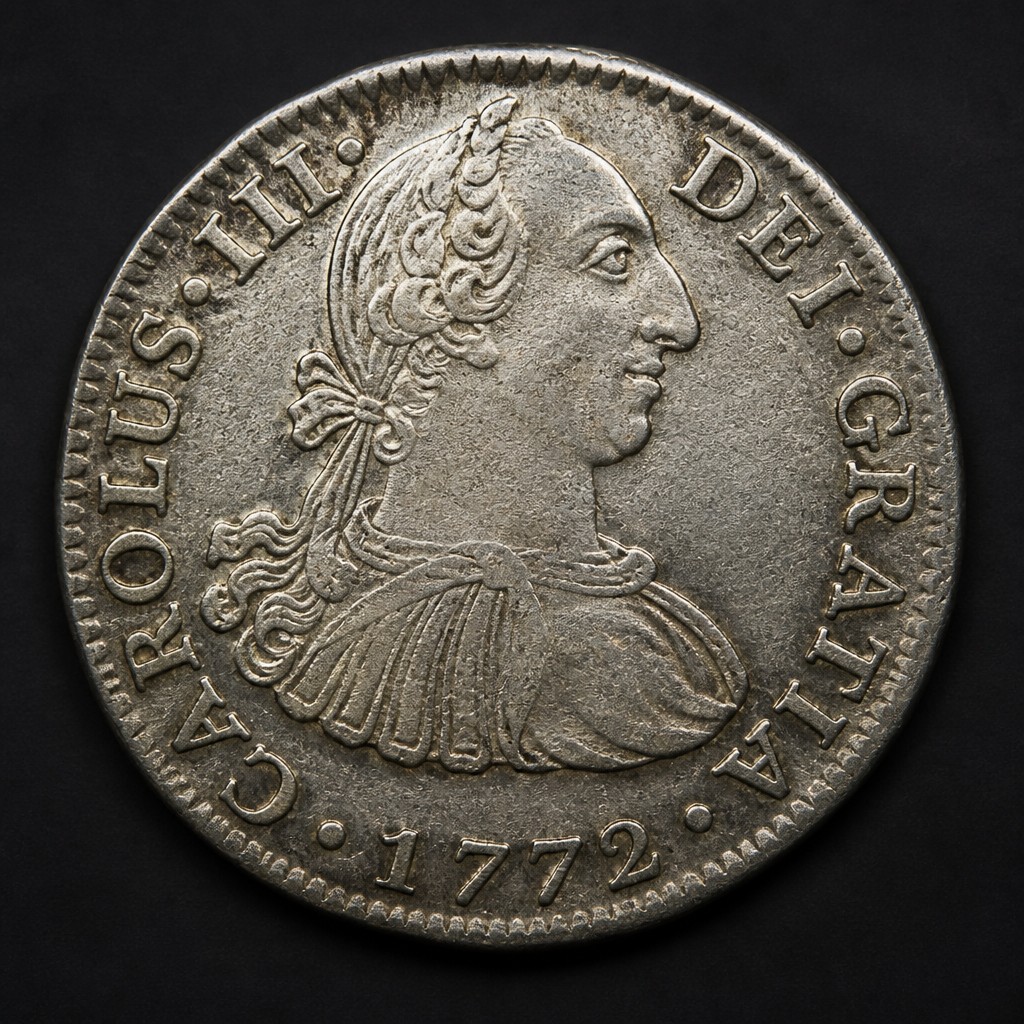
Spanish 2 Reales Pillar
The Pillar 2 Reales was a fractional Spanish colonial silver coin featuring the famous Pillars of Hercules design, struck at mints across Spanish America and widely used in international trade.
Latin American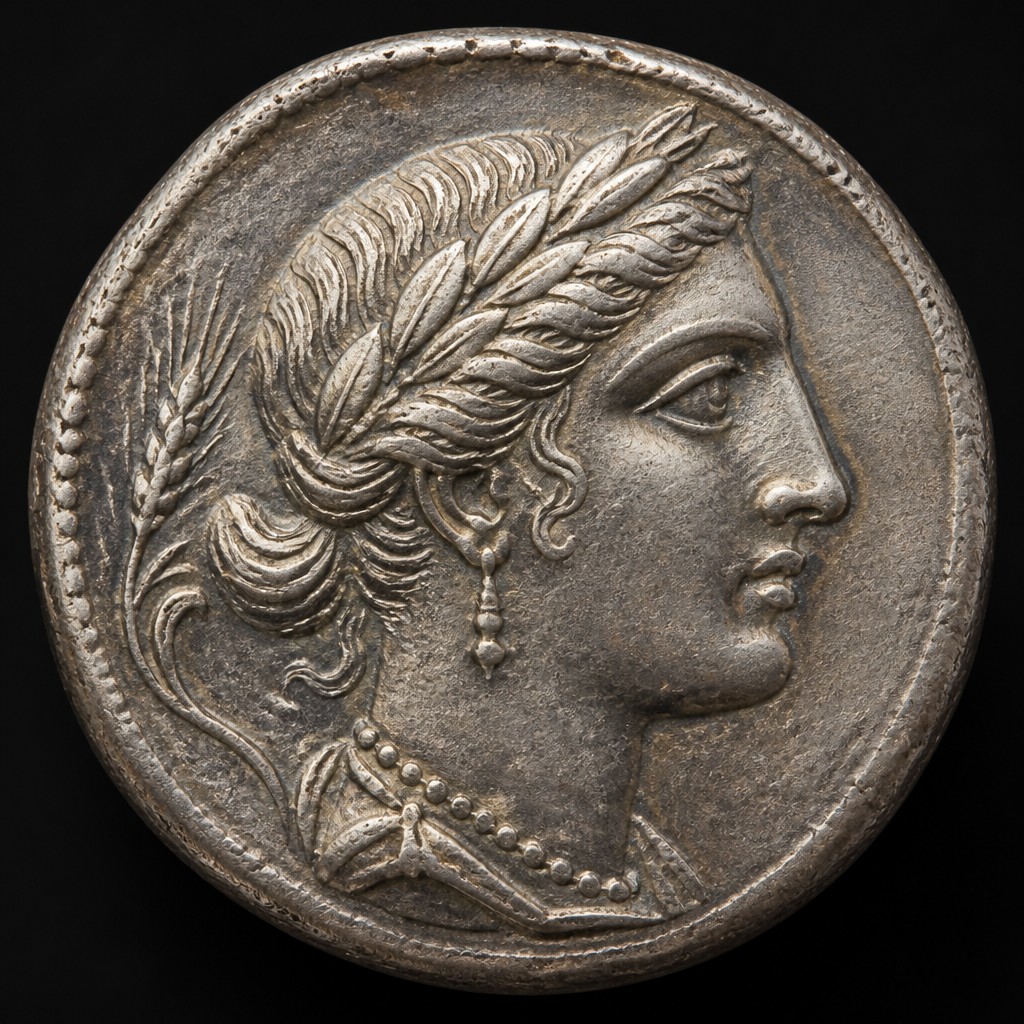
Panormus Siculo-Punic Tetradrachm
A silver tetradrachm struck at Panormus under Carthaginian control in Sicily, blending Greek artistic style with Punic legends, a hallmark of the distinctive Siculo-Punic coinage series.
Ancient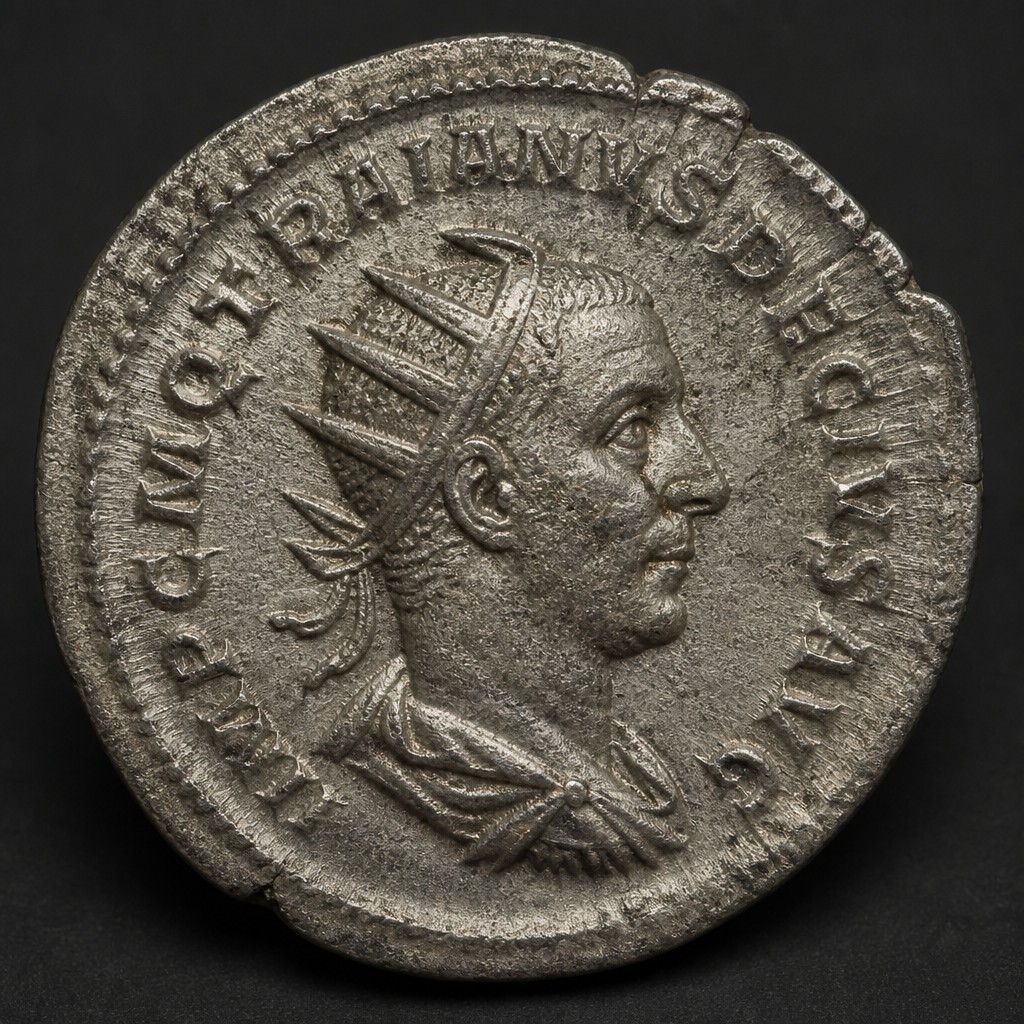
Trajan Decius Antoninianus
Radiate coin of Trajan Decius, remembered for his empire-wide persecution of Christians and his death in battle against the Goths, and for a famous series honoring deified past emperors.
Ancient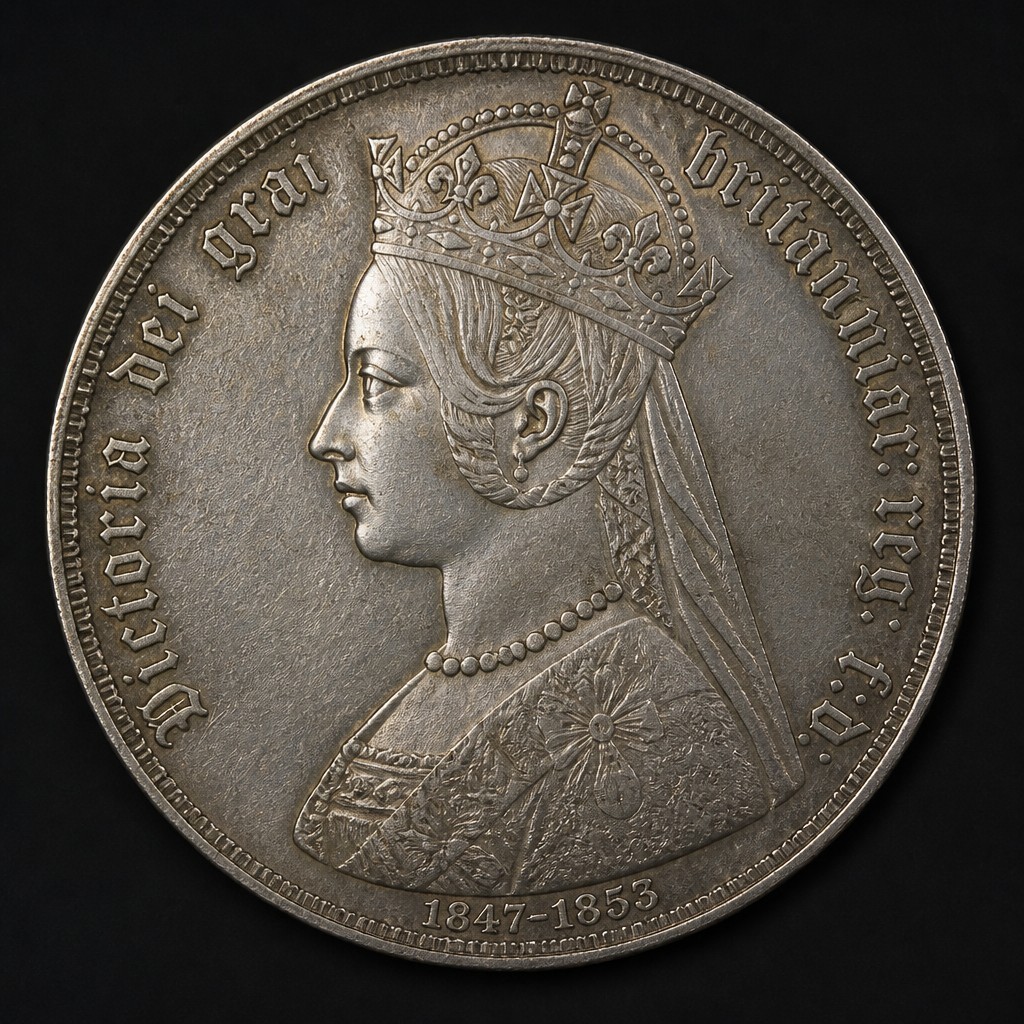
Gothic Crown
An ornate Victorian silver crown featuring a young Queen Victoria in Gothic-script lettering, widely admired as one of the most artistically accomplished coins in British history.
British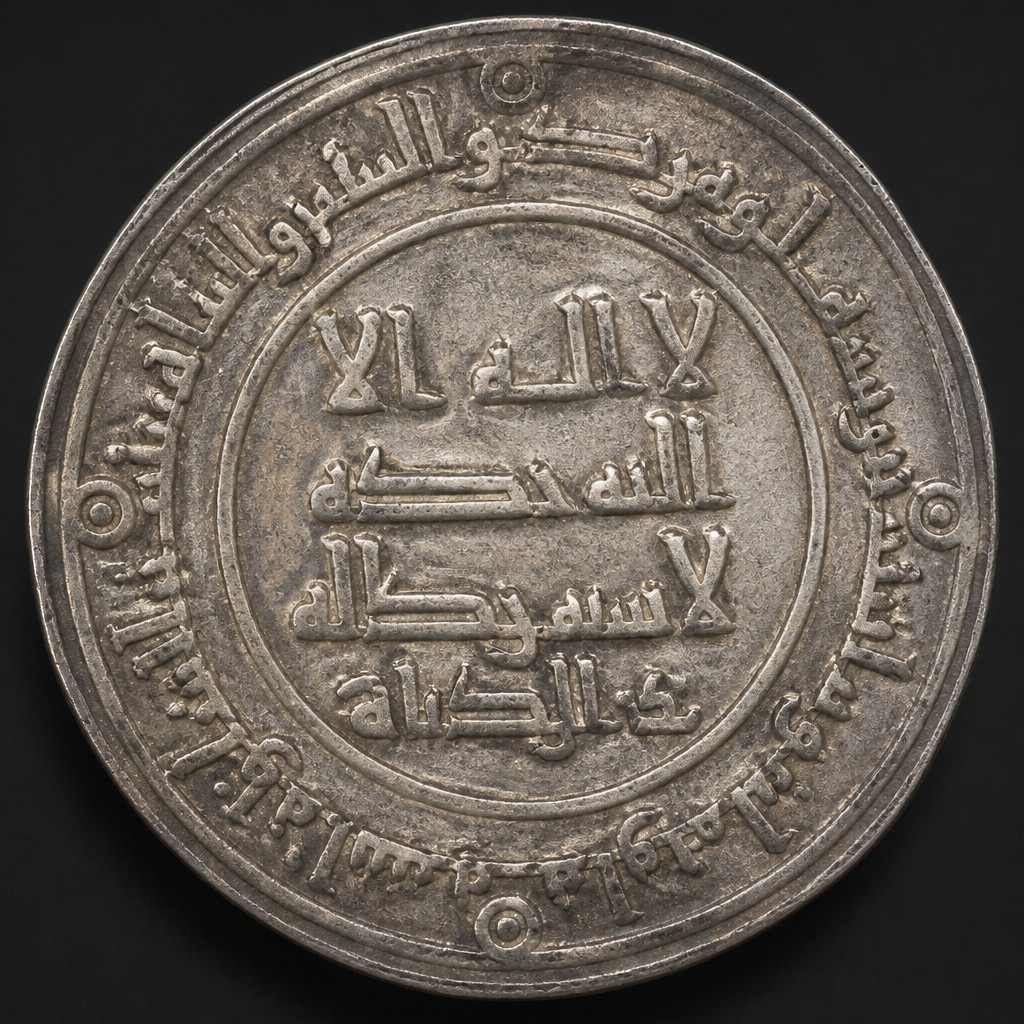
Islamic Silver Dirham (Abbasid)
The standard silver coin of the Abbasid Caliphate, continuing the text-only Kufic script tradition and widely used across a vast medieval trade network stretching from Europe to Central Asia.
Ancient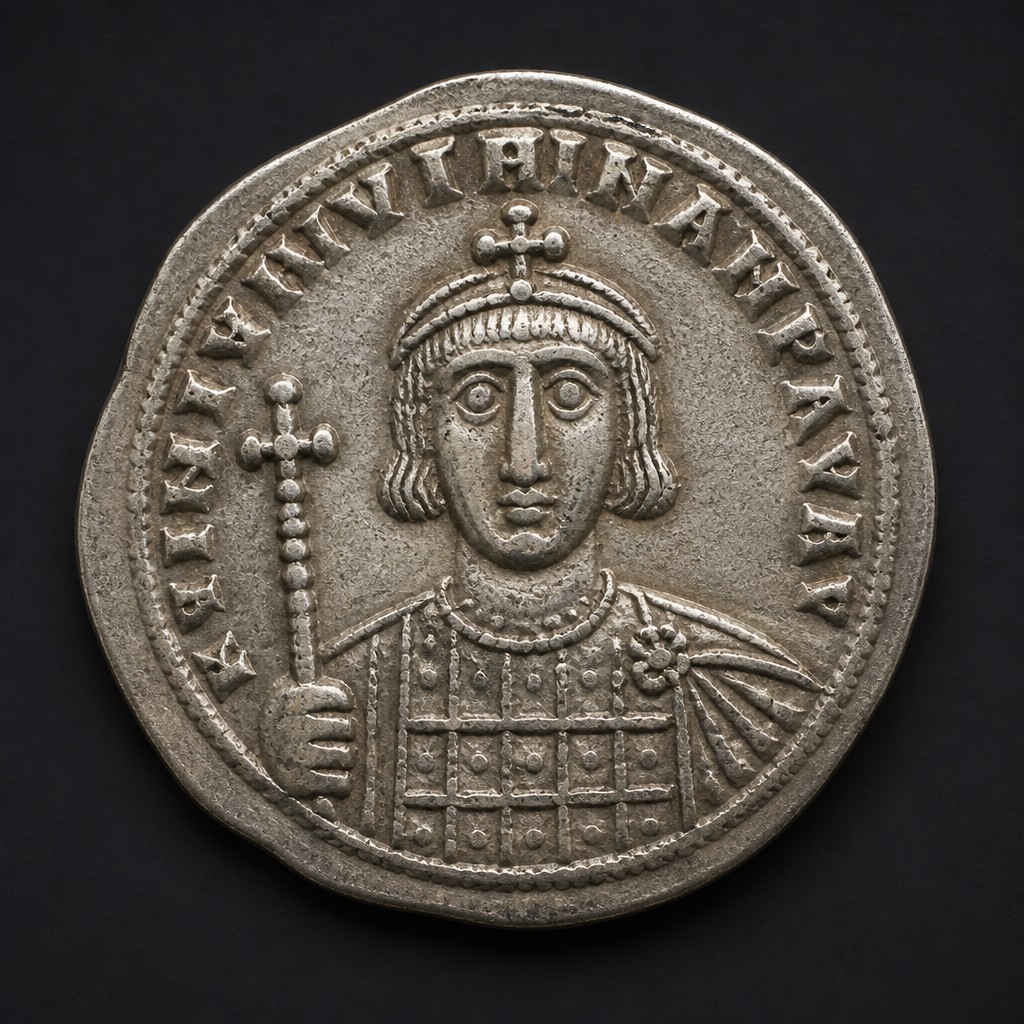
Byzantine Miliaresion
The main large silver coin of the middle Byzantine Empire, introduced in the 8th century and typically featuring a plain cross on steps, reflecting the era's Iconoclast religious tensions.
Ancient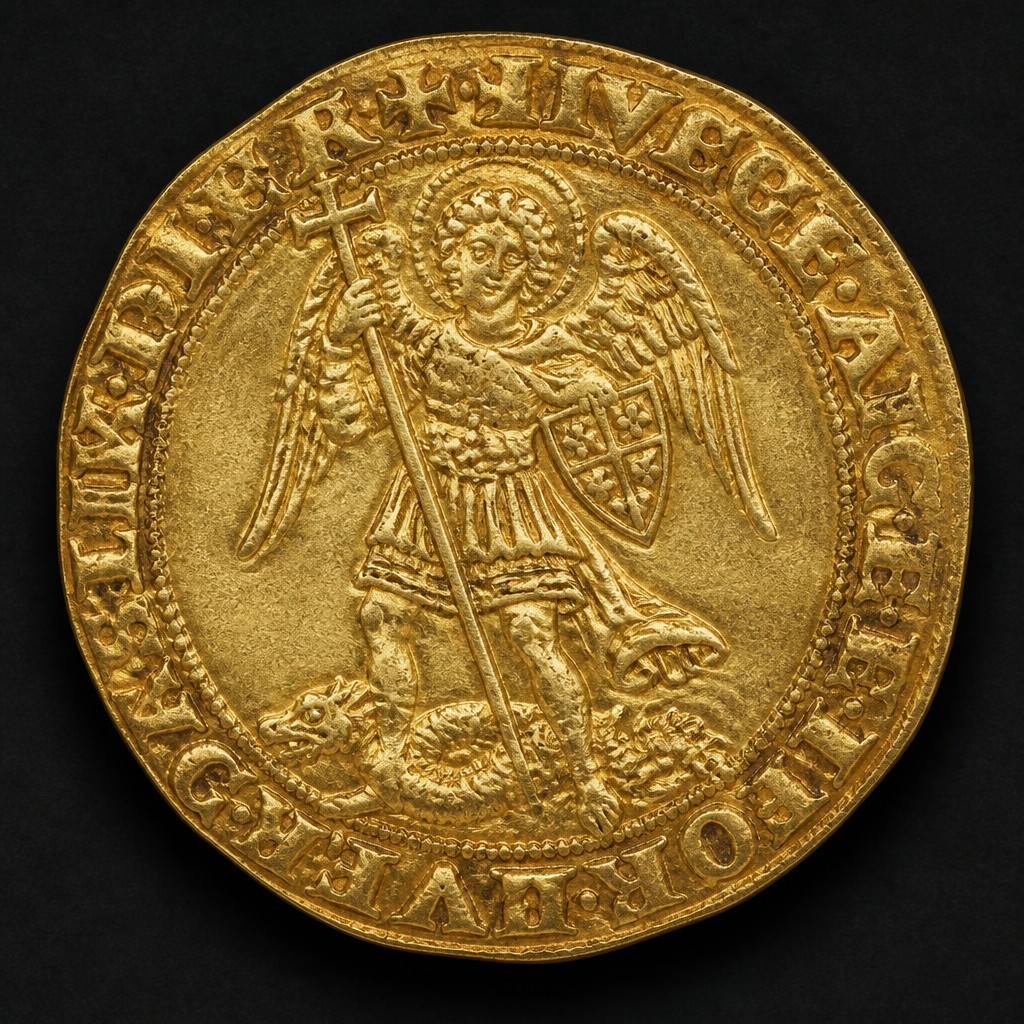
Half Angel (Angelet)
A small English gold coin worth half the value of the Angel, sharing its famous design of the Archangel Michael slaying a dragon, issued across several reigns from Edward IV to James I.
British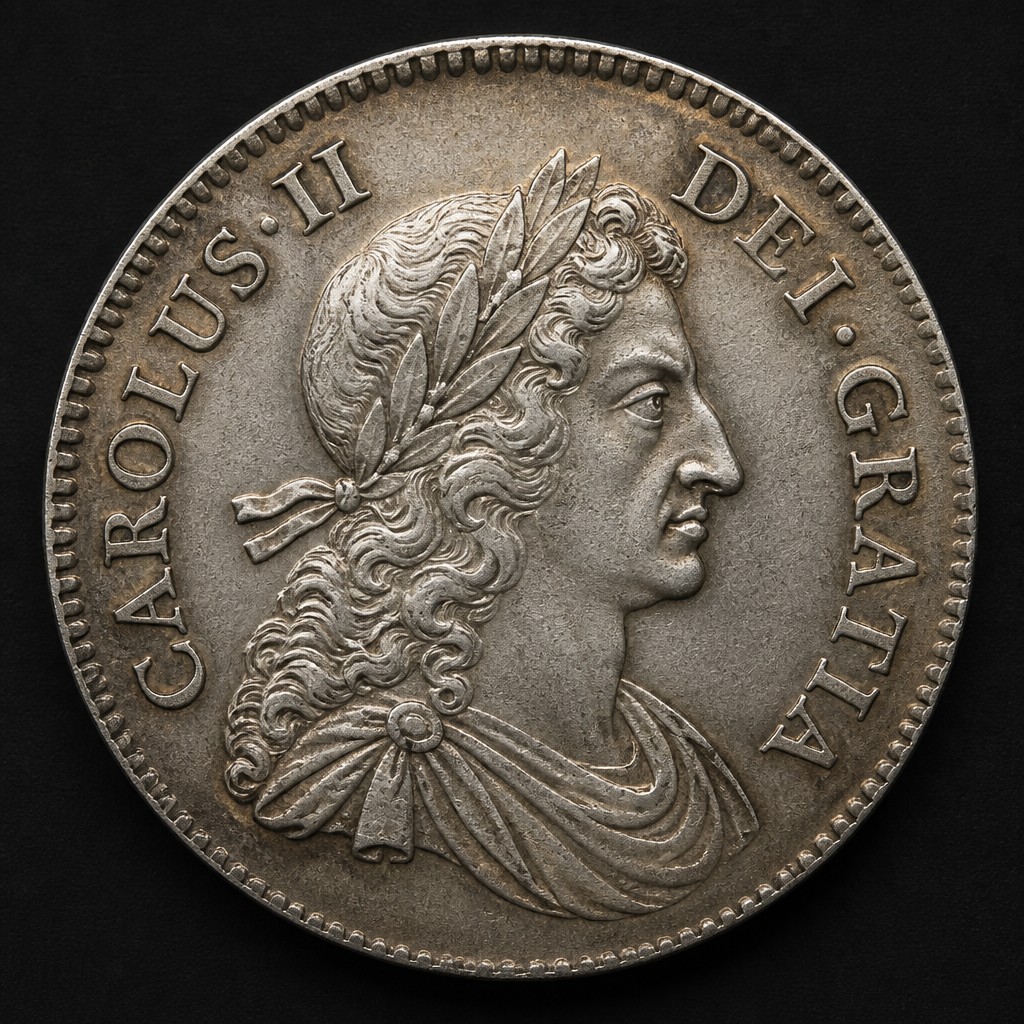
Maundy Penny
The smallest coin of the four-piece Royal Maundy set, a tiny silver penny given by the British monarch in an ancient Holy Thursday alms ceremony, minted every year in very limited numbers.
British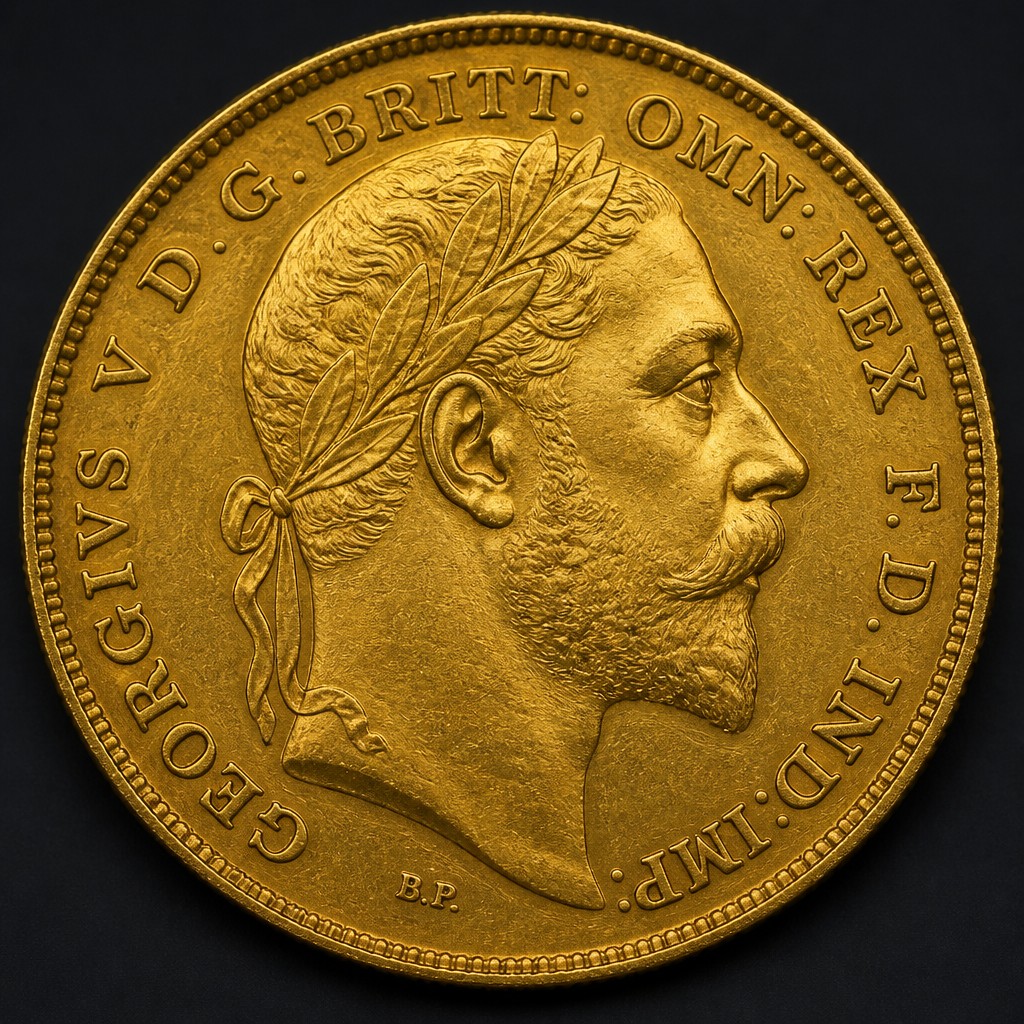
Two Pound Gold (Double Sovereign)
A gold coin worth two pounds sterling and roughly twice the weight of a sovereign, struck mainly for jubilees, coronations, and modern proof or bullion sets rather than daily circulation.
British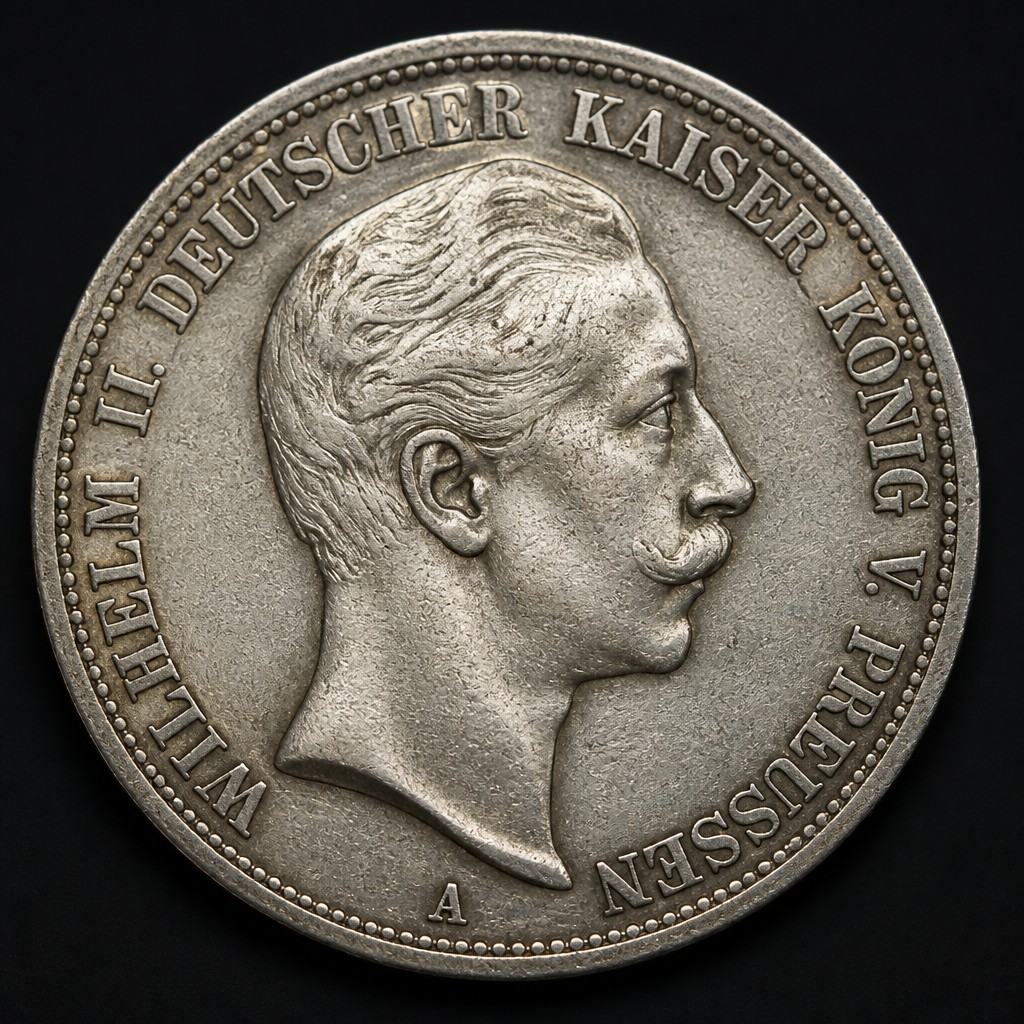
German 5 Mark Silver (Kaiserreich)
The 5 Mark was the largest circulating silver coin of the German Empire, issued by numerous constituent states and free cities, each with its own portrait or design under a common imperial system.
European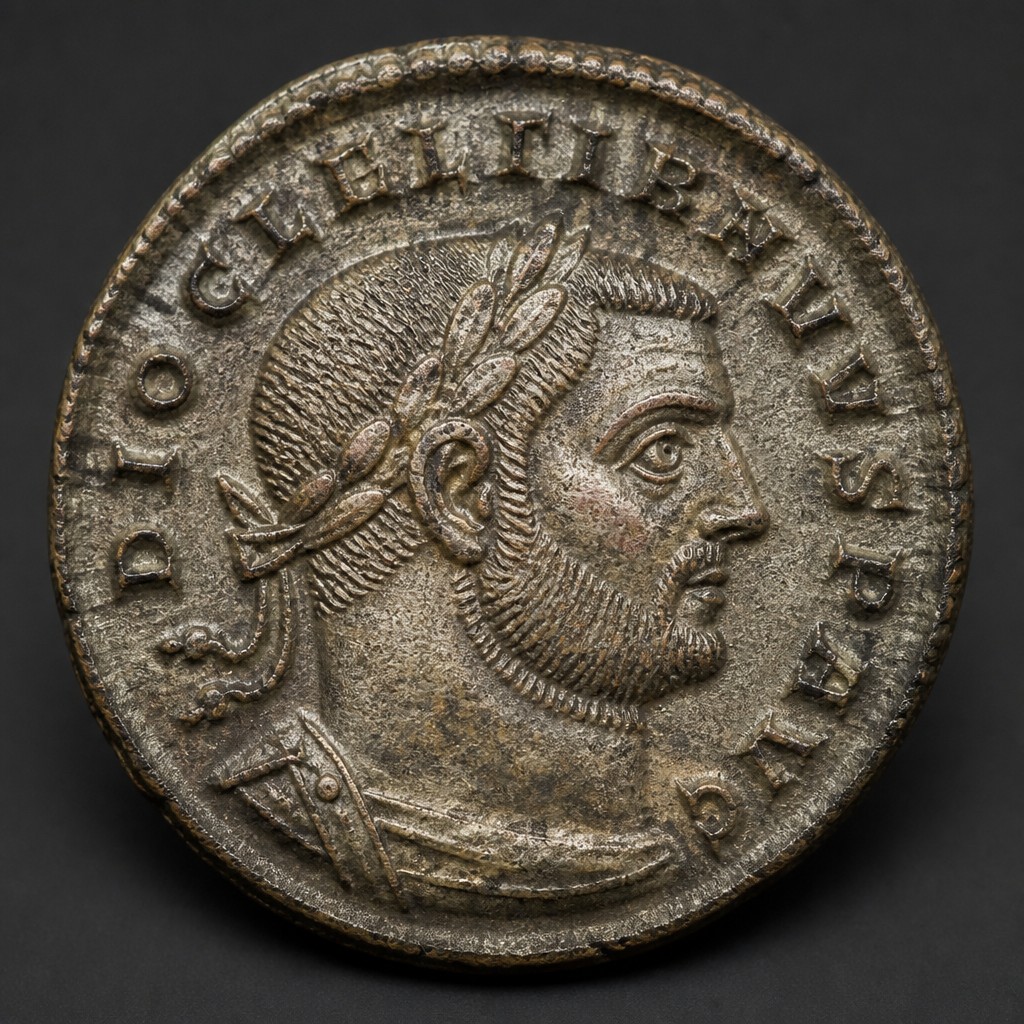
Diocletian Follis
Large bronze follis of Diocletian, whose sweeping reforms ended the Crisis of the Third Century, established the Tetrarchy, and introduced this new standardized coin denomination in 294 AD.
Ancient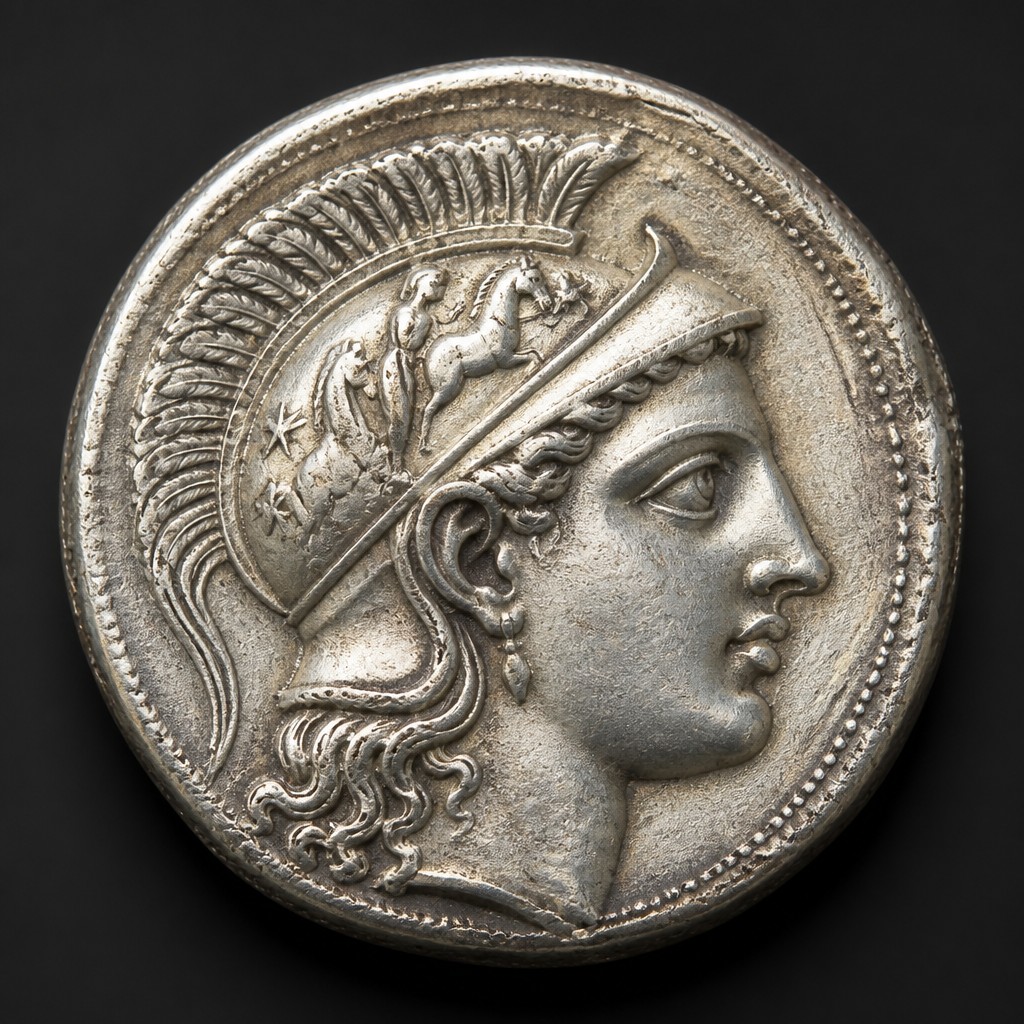
Syracuse Decadrachm
A large, exquisitely engraved silver coin from the Greek city of Syracuse, celebrated as one of the finest achievements of ancient Greek numismatic art, featuring the nymph Arethusa and a victorious chariot.
Ancient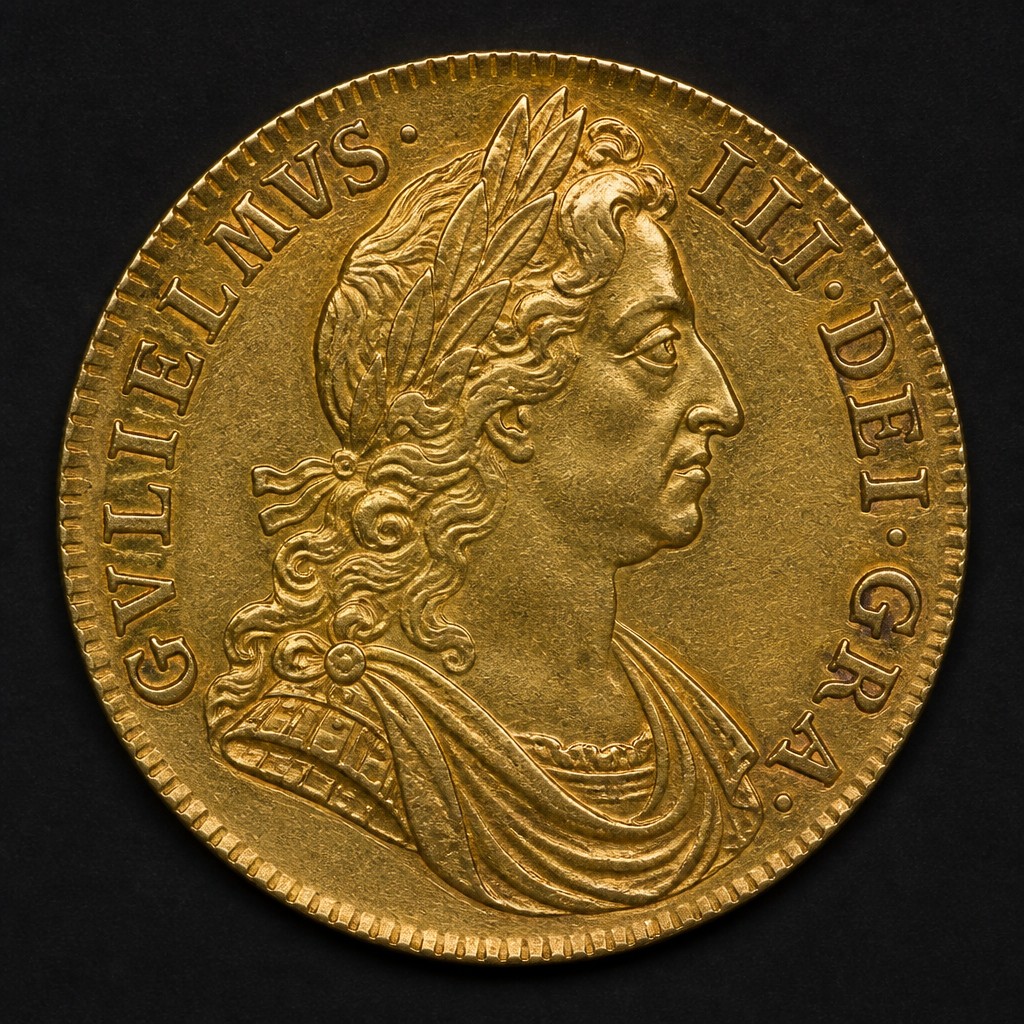
Five Guinea
The largest regularly issued gold denomination of the guinea coinage system, worth five guineas, struck from the reign of Charles II through George II for major transactions and presentation purposes.
British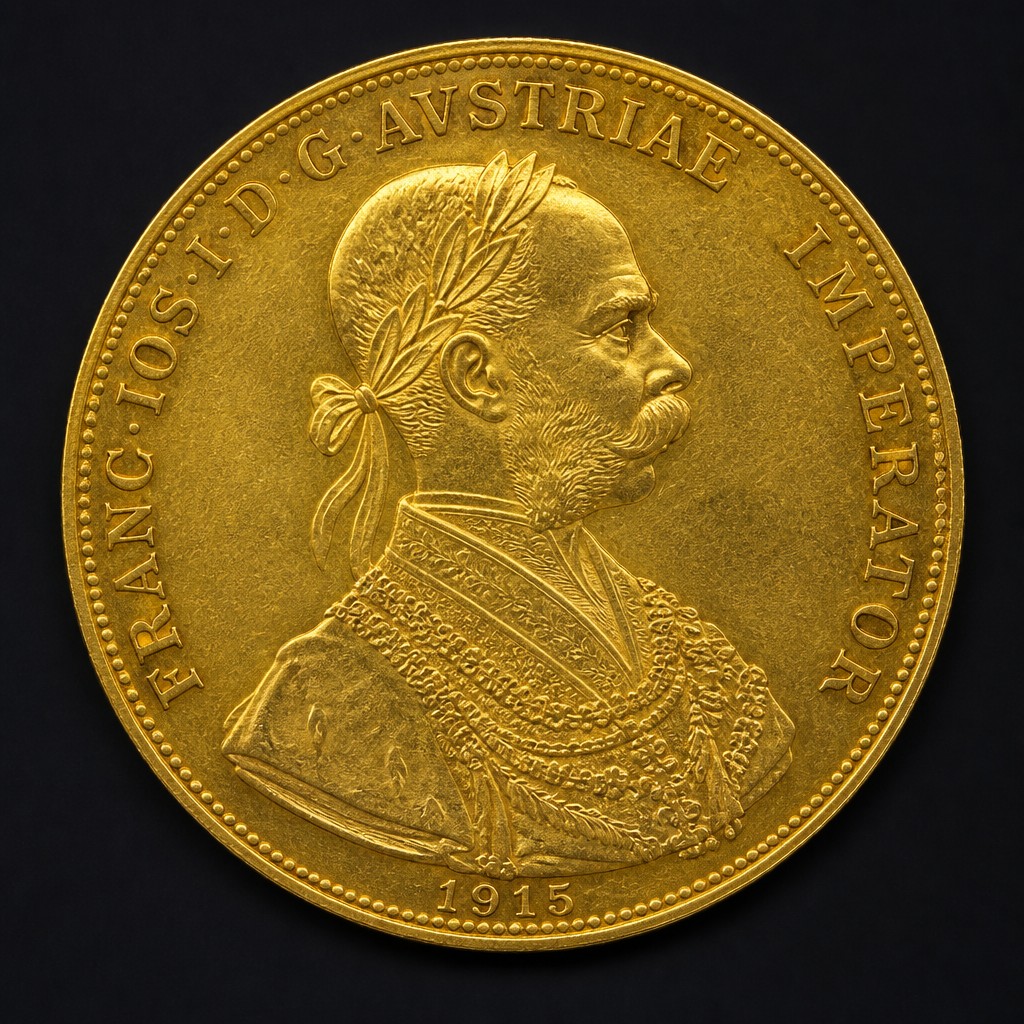
Austrian 4 Ducat Gold
The Austrian 4 Ducat is a large, high-purity gold coin historically used for trade and hoarding, best known today through the officially restruck 1915-dated pieces still produced for the bullion market.
European