
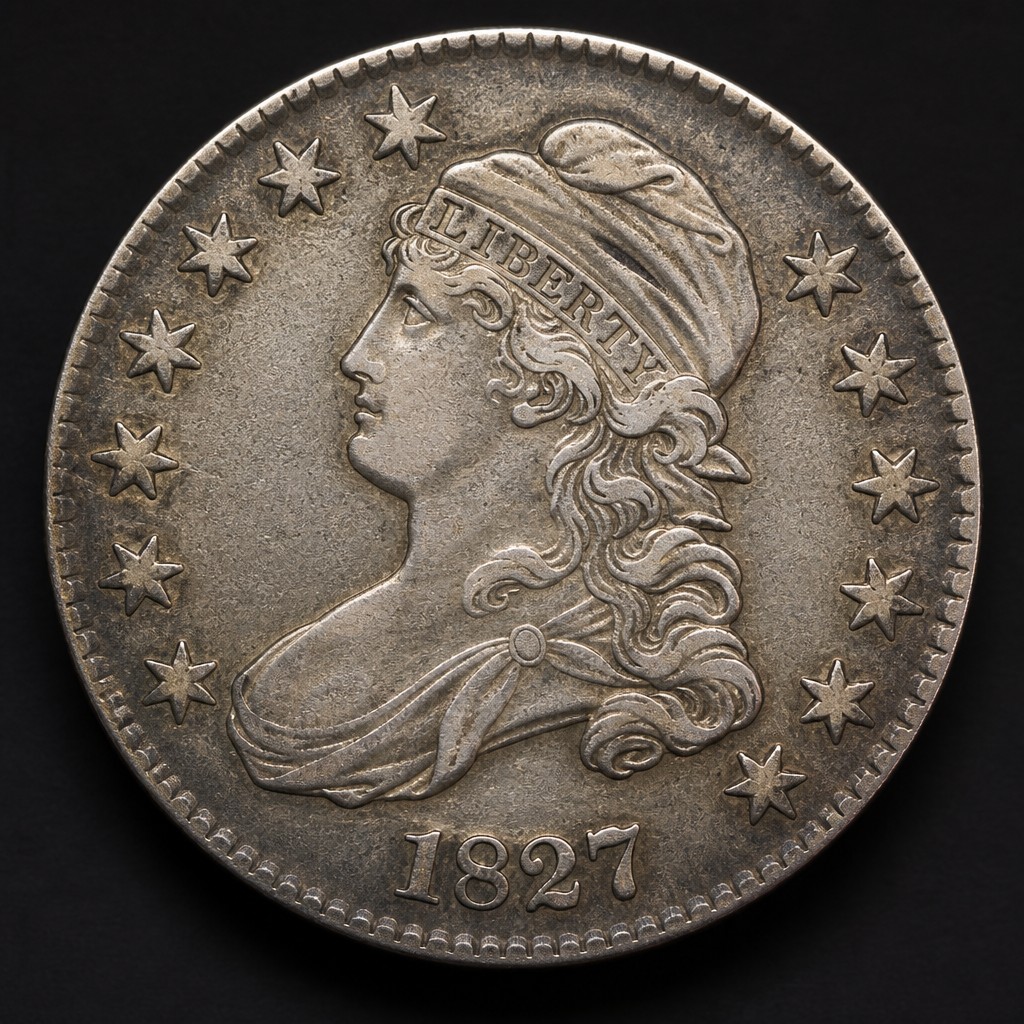
1827 Capped Bust Quarter
One of the most celebrated rarities in American numismatics, the 1827 quarter exists only as extremely rare proof-like Originals and later Restrikes rather than typical circulation coinage.
- Country
- United States
- Denomination
- Quarter Dollar
- Metal
- Silver (approx. 89.2% fine, pre-1837 standard)
Got a coin like this?
Identify any coin from a photo, free.
Overview
The 1827 quarter occupies a unique place among U.S. rarities: essentially no examples were struck for general circulation in the ordinary sense. Genuine "Originals," believed to have been produced in very limited numbers (possibly as presentation or special pieces), are extraordinarily rare and among the most valuable coins in the entire Capped Bust series.
Decades later, in the mid-1800s, Mint personnel are understood to have produced "Restrikes" of the date using a surviving reverse die paired with a different obverse, made for sale or trade to contemporary collectors rather than for circulation. While scarcer and more accessible than the true Originals, Restrikes are themselves rare and highly prized.
Because of this unusual production history, the 1827 quarter is often discussed as much for its numismatic mystery and lore as for its physical rarity, and it remains a trophy coin for advanced collectors of early American silver.
History & Background
Mint records for 1827 show no substantial regular-issue quarter production, and researchers generally agree that the small number of 1827-dated quarters known were struck under special circumstances rather than as ordinary commerce coinage, likely in very small numbers as presentation or pattern-like pieces.
In the 1850s and 1860s, a period when coin collecting was growing into an established hobby in the United States, it is believed that Mint employees created Restrikes of the 1827 quarter using an original reverse die combined with a different obverse die, to satisfy demand from collectors seeking to complete date sets. This practice, while unofficial by modern standards, was not uncommon at the Mint during that era.
The distinction between Original and Restrike is now well established among specialists, based on the shape of the numeral 2 in "25 C." on the reverse, and both varieties are treated as landmark rarities in standard references.
How to Identify
The general design follows the large-diameter Capped Bust quarter type: Liberty wearing a cap inscribed LIBERTY on the obverse with stars and the date below, and an eagle with shield, arrows, and olive branch on the reverse with "25 C." beneath.
The key diagnostic separating Original from Restrike is the shape of the base of the numeral "2" in "25 C." on the reverse: a curled base identifies the Original, while a squared or straight base identifies the Restrike. Both varieties typically show proof or proof-like characteristics, such as sharper details and more reflective fields than a typical circulation-strike Capped Bust quarter.
Given the extraordinary rarity and value of genuine 1827 quarters, any example should be authenticated by a major professional grading service, as the date's fame has made it a target for alterations and counterfeits.
Value & Collectibility
Genuine 1827 Original quarters are essentially unobtainable outside of major museum or advanced specialist collections, and when they do appear, they command prices among the highest of any United States quarter. Restrikes, while still extremely expensive, are somewhat less rare and occasionally surface at major public auctions, typically bringing prices well into the six figures depending on grade and eye appeal.
Because so few examples of either variety exist and demand from advanced collectors is intense, published price levels can vary significantly from sale to sale, and any transaction involving a suspected 1827 quarter warrants expert authentication.
Frequently asked questions
Was the 1827 quarter struck for circulation?
No meaningful circulation-strike production is documented; known examples are special Original strikes or later Restrikes made for collectors.
How do I tell an Original from a Restrike?
The base of the numeral 2 in "25 C." on the reverse is curled on Originals and square or straight on Restrikes.
Why were Restrikes made?
Mint personnel are believed to have produced them decades later, in the 1850s-1860s, to satisfy demand from early coin collectors seeking to complete date sets.
Is the 1827 quarter one of the rarest U.S. coins?
Among regular quarter dollar dates, yes; it is consistently ranked among the most celebrated rarities in the series.
Other coins you may enjoy
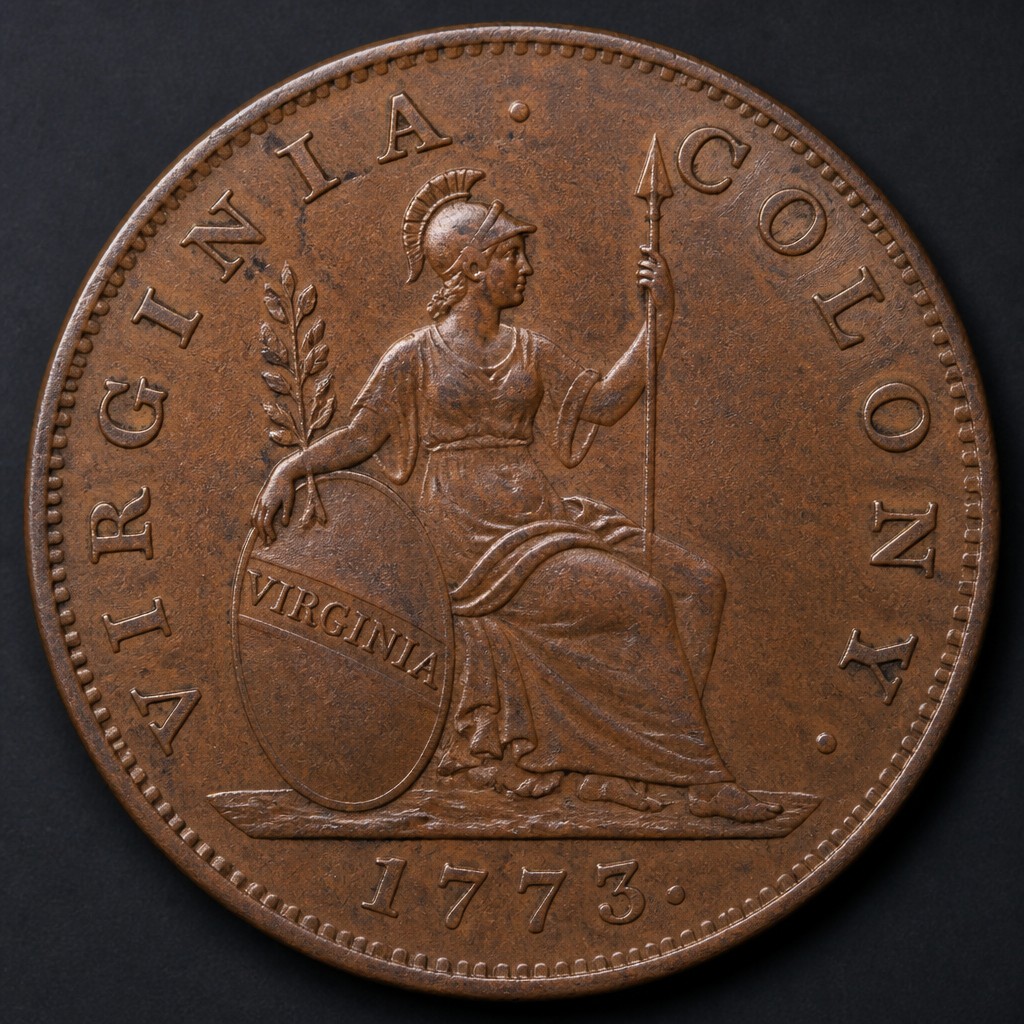
Virginia Halfpenny
1773
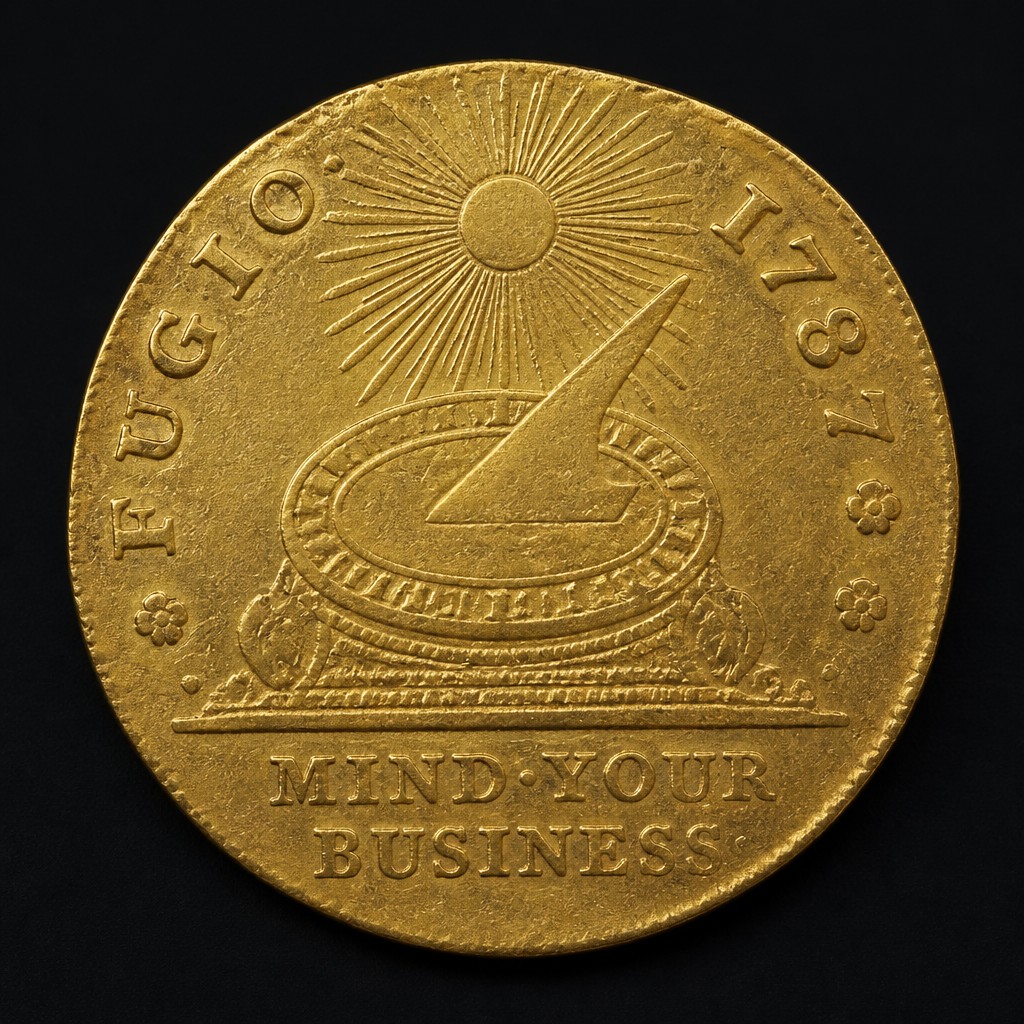
Brasher Doubloon
1787
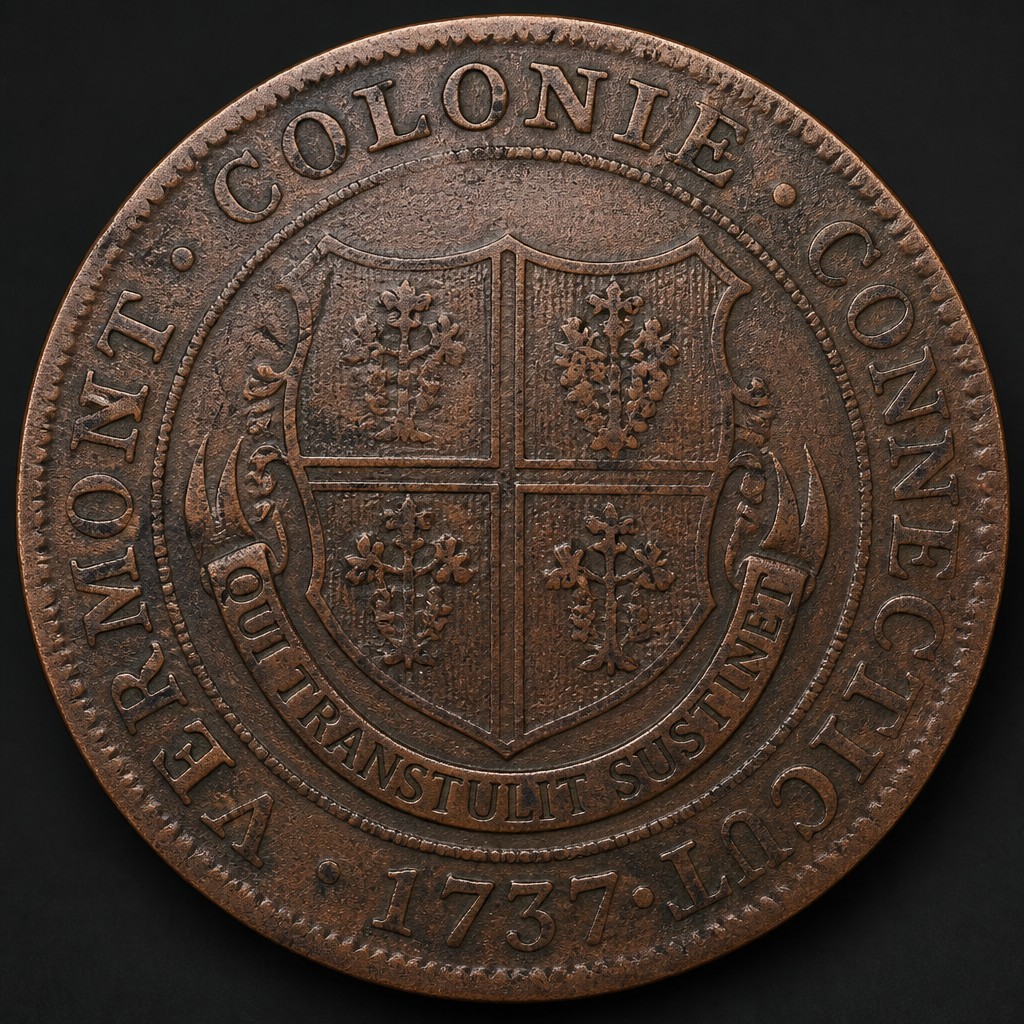
Higley Copper
1737–1739
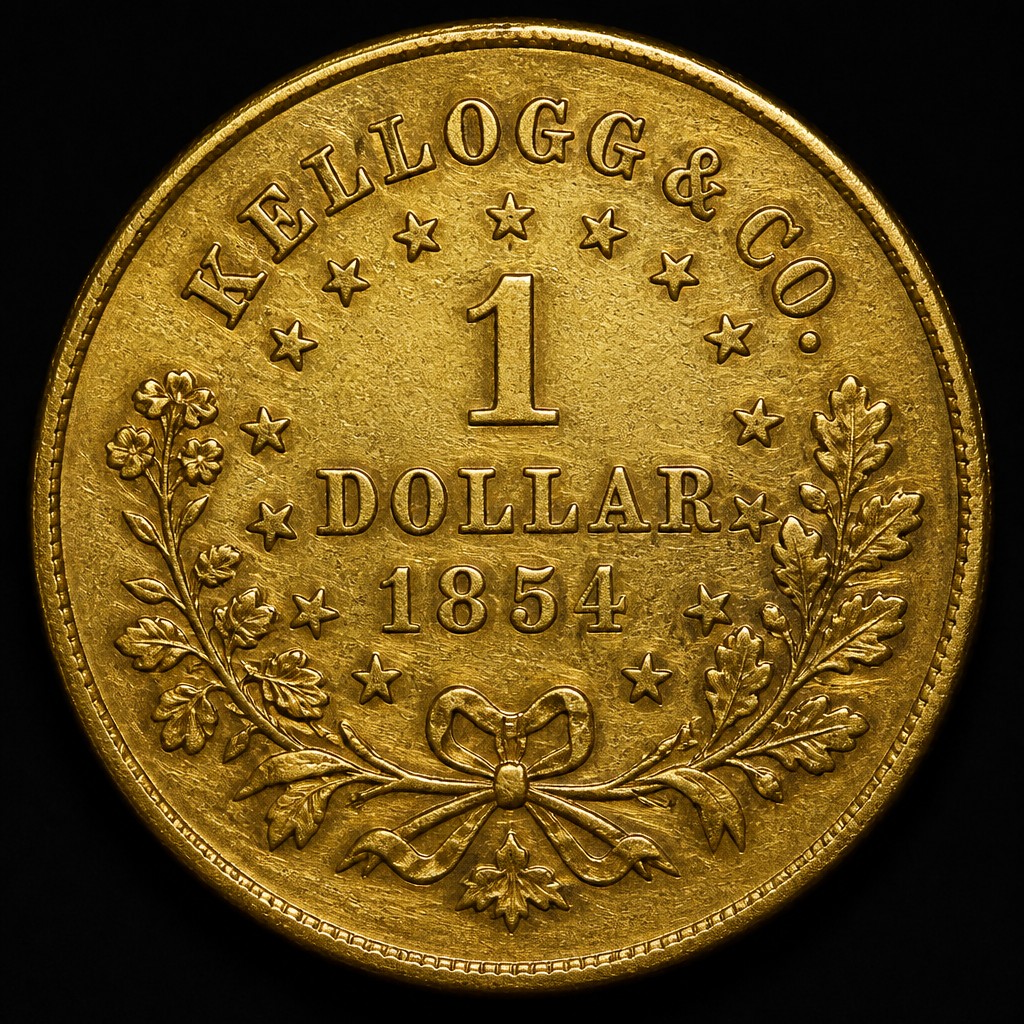
Kellogg & Co. Gold Piece
1854–1855
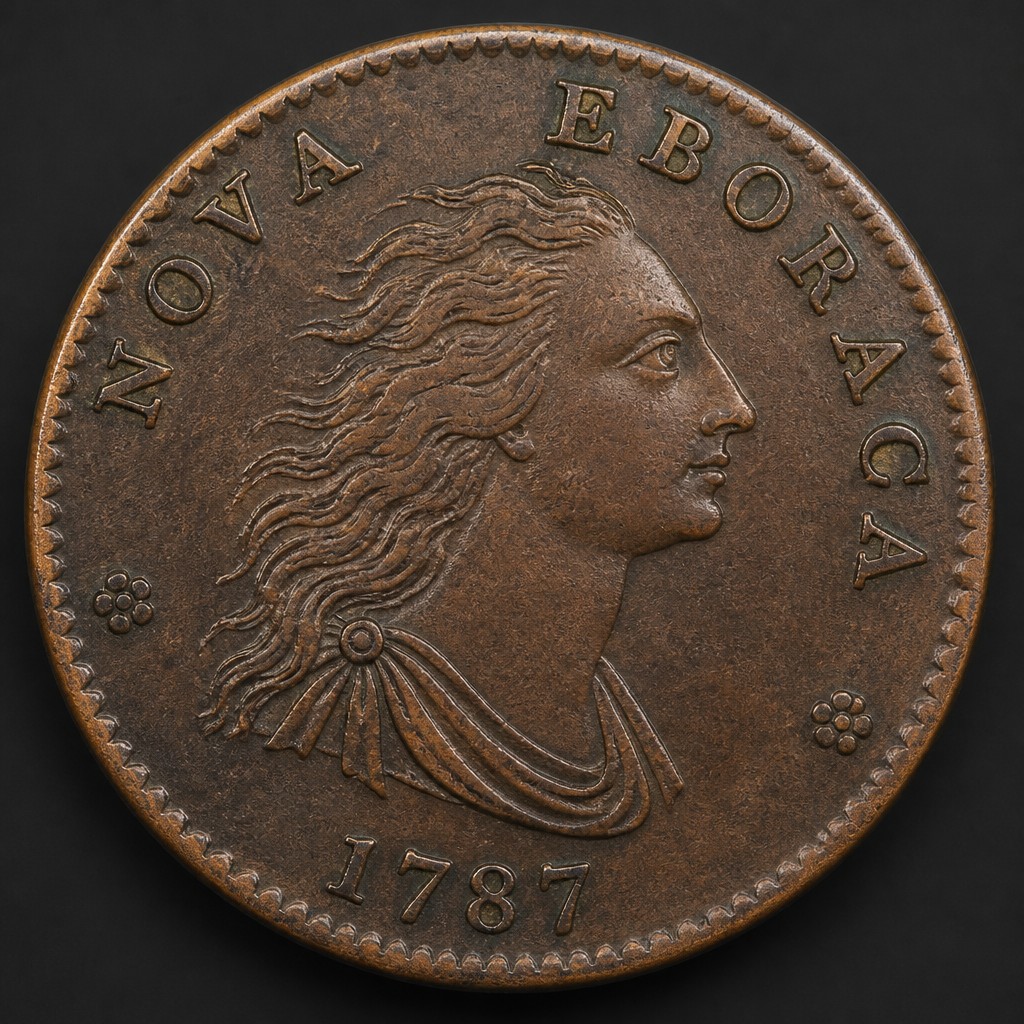
Nova Eborac Copper
1787
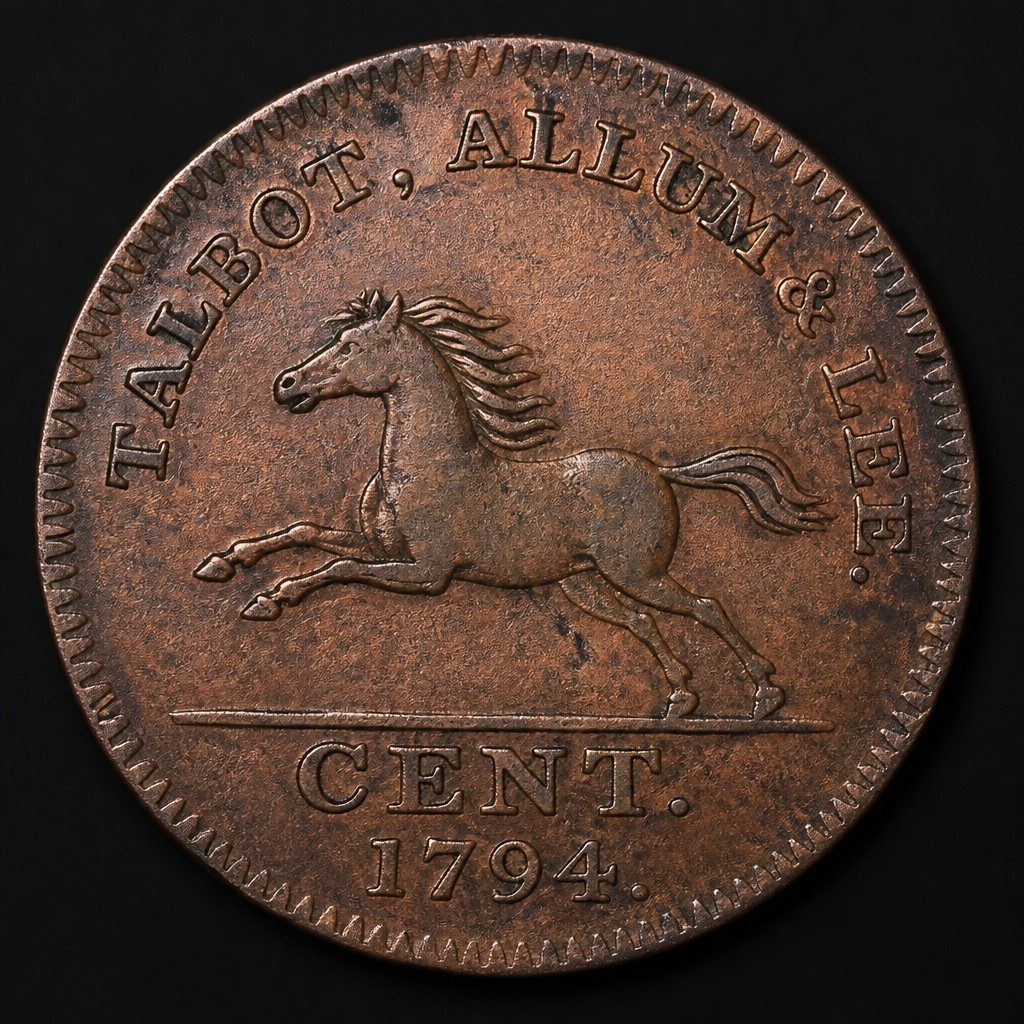
Talbot, Allum & Lee Cent
1794–1795
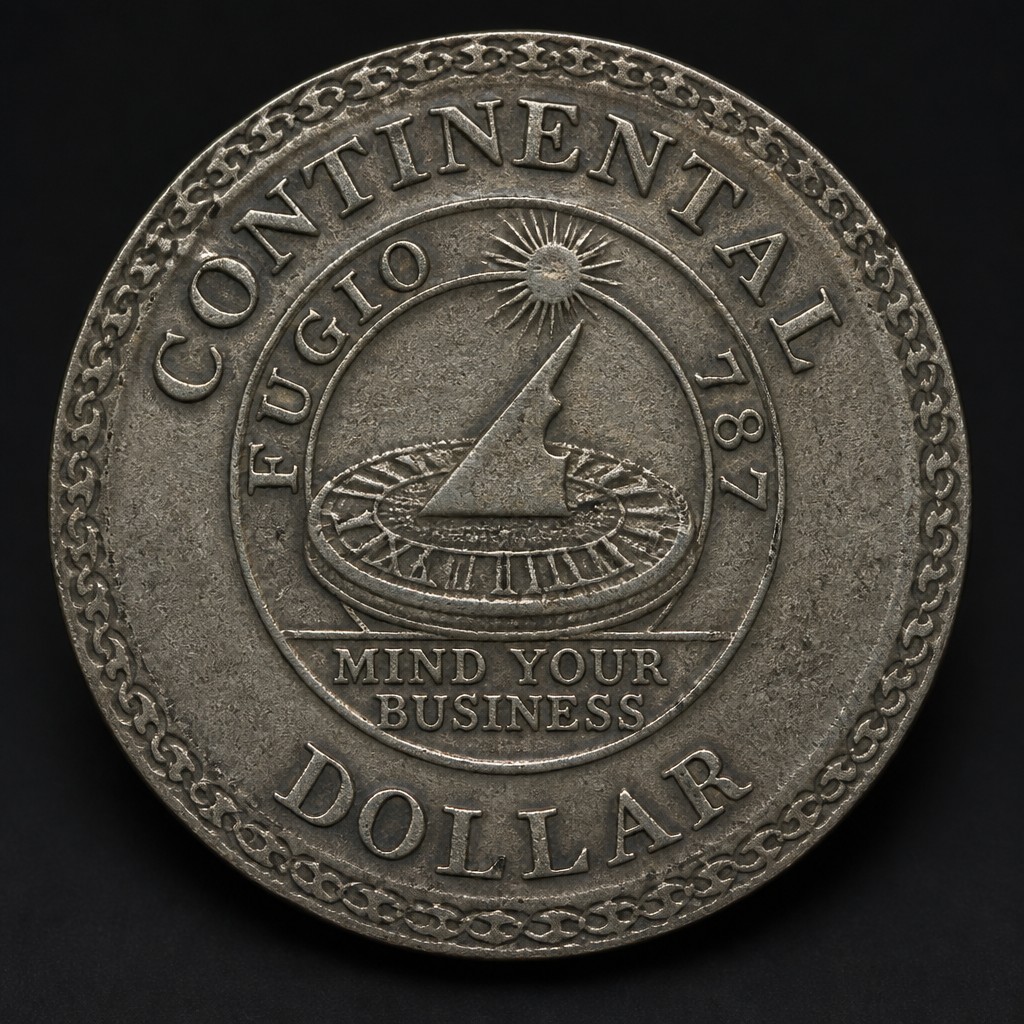
Continental Dollar
1776
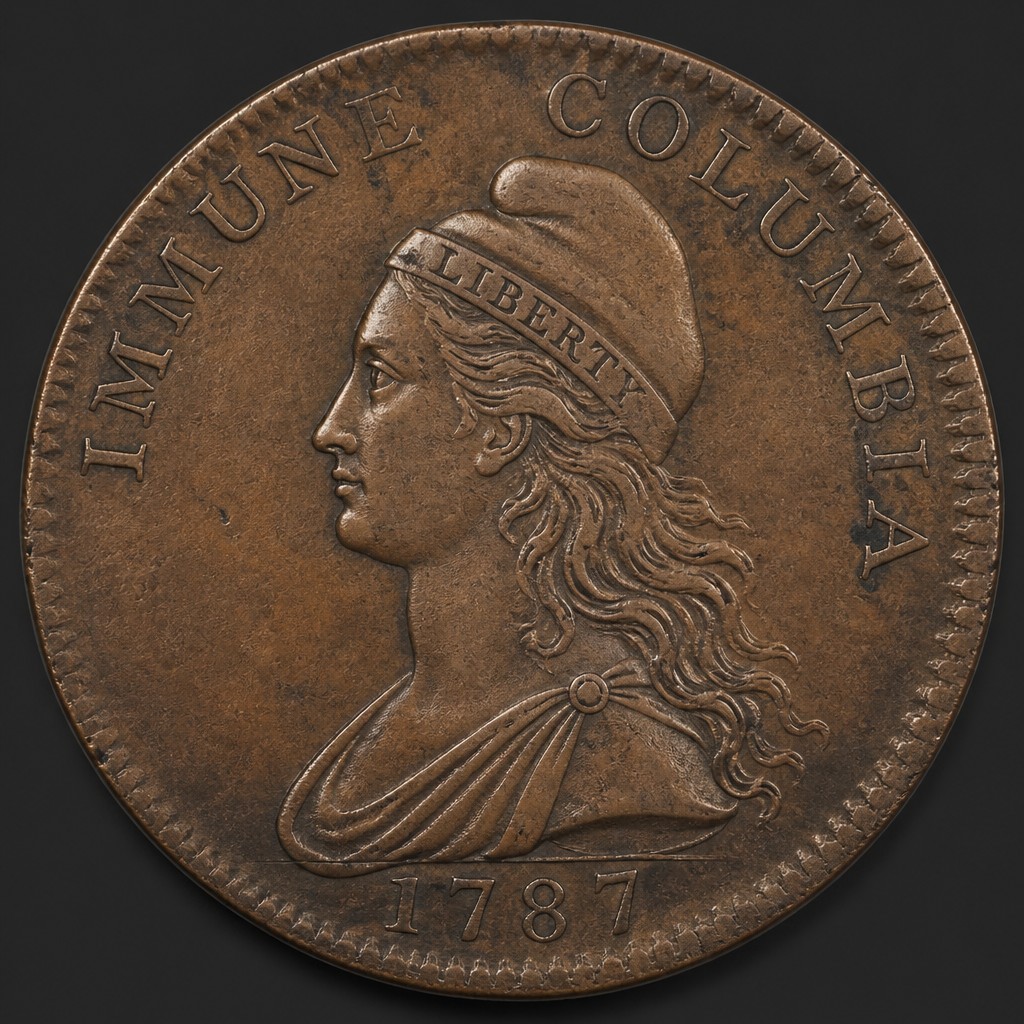
Immune Columbia Copper
circa 1785–1787
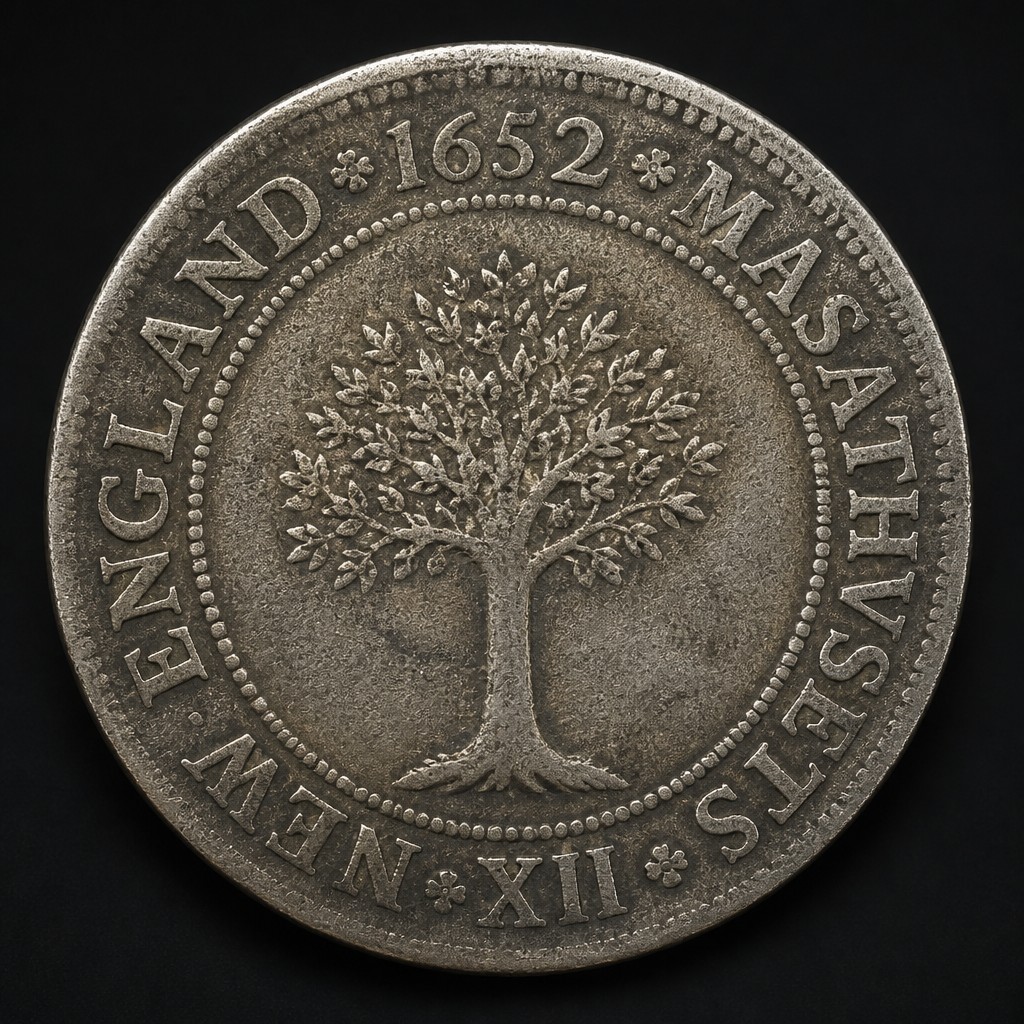
Massachusetts Oak Tree Shilling
Dated 1652, struck circa 1660–1667
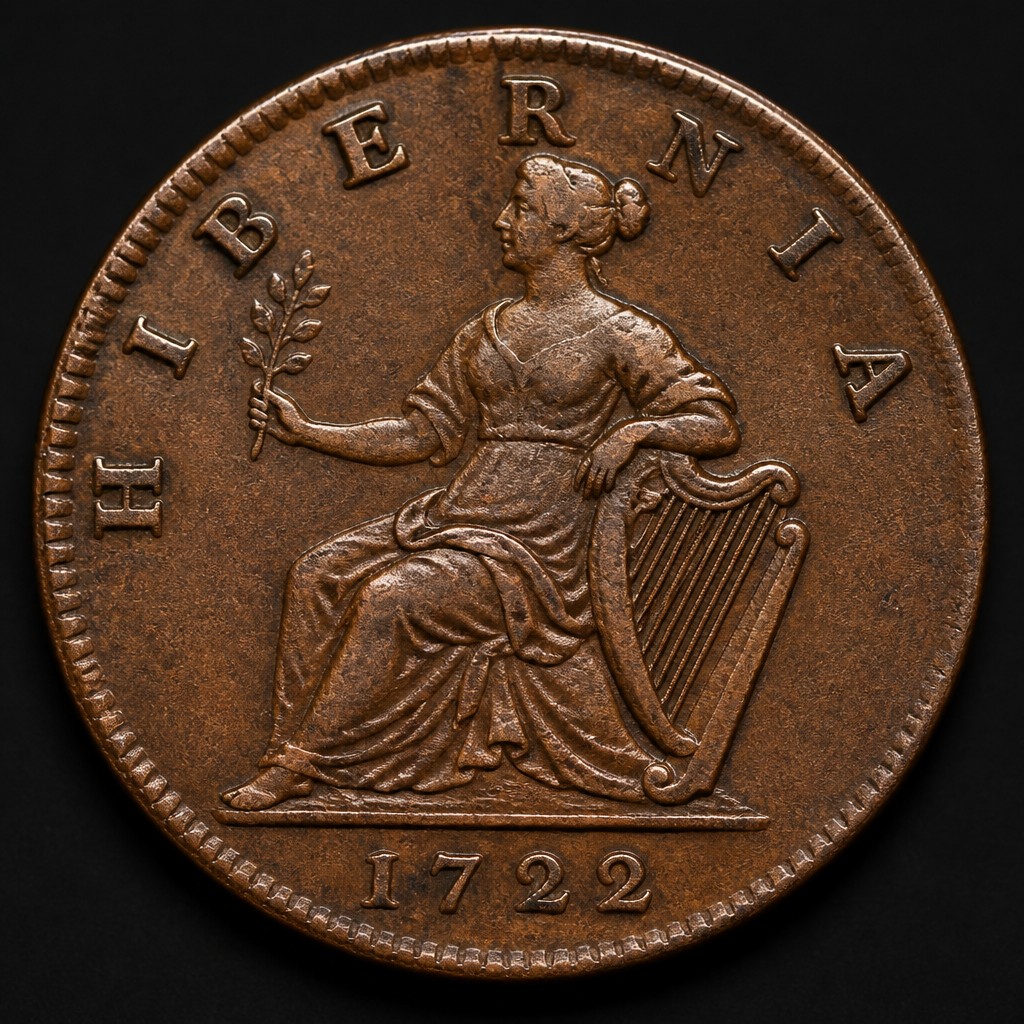
Wood's Hibernia Halfpenny
1722–1724
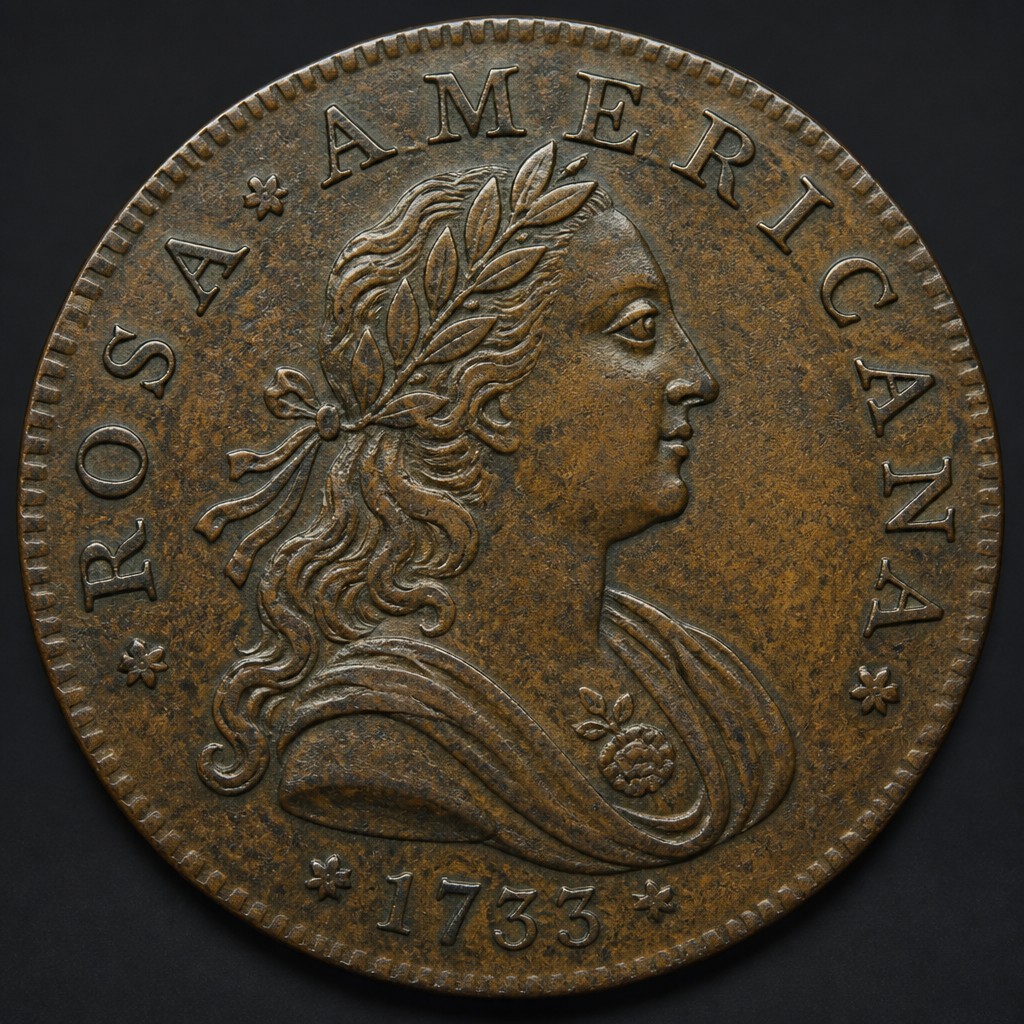
Rosa Americana Coinage
1722–1724 (with pattern issues dated 1733)
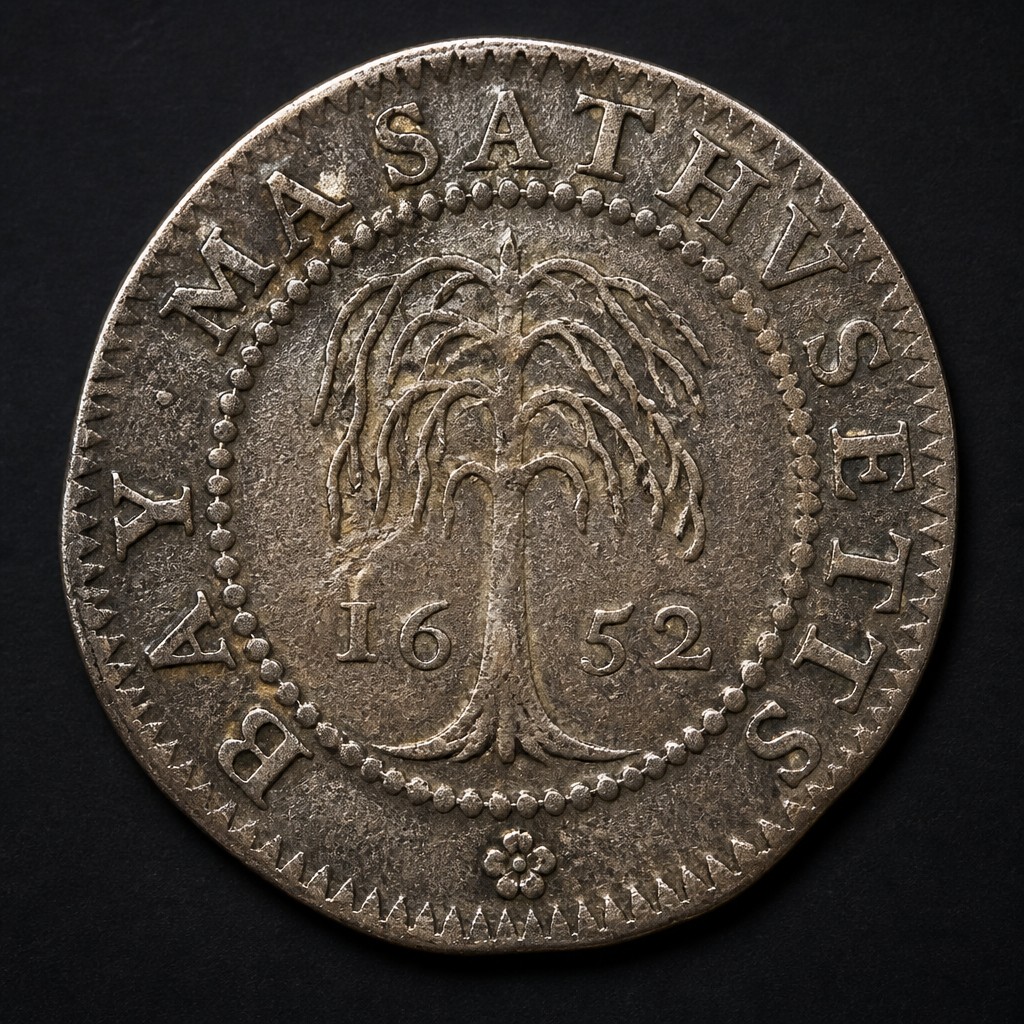
Massachusetts Willow Tree Shilling
Dated 1652, struck circa 1653–1660