
Coin Encyclopedia
Search and identify coins from around the world — with country, denomination, metal, mint, history, and how to tell them apart.
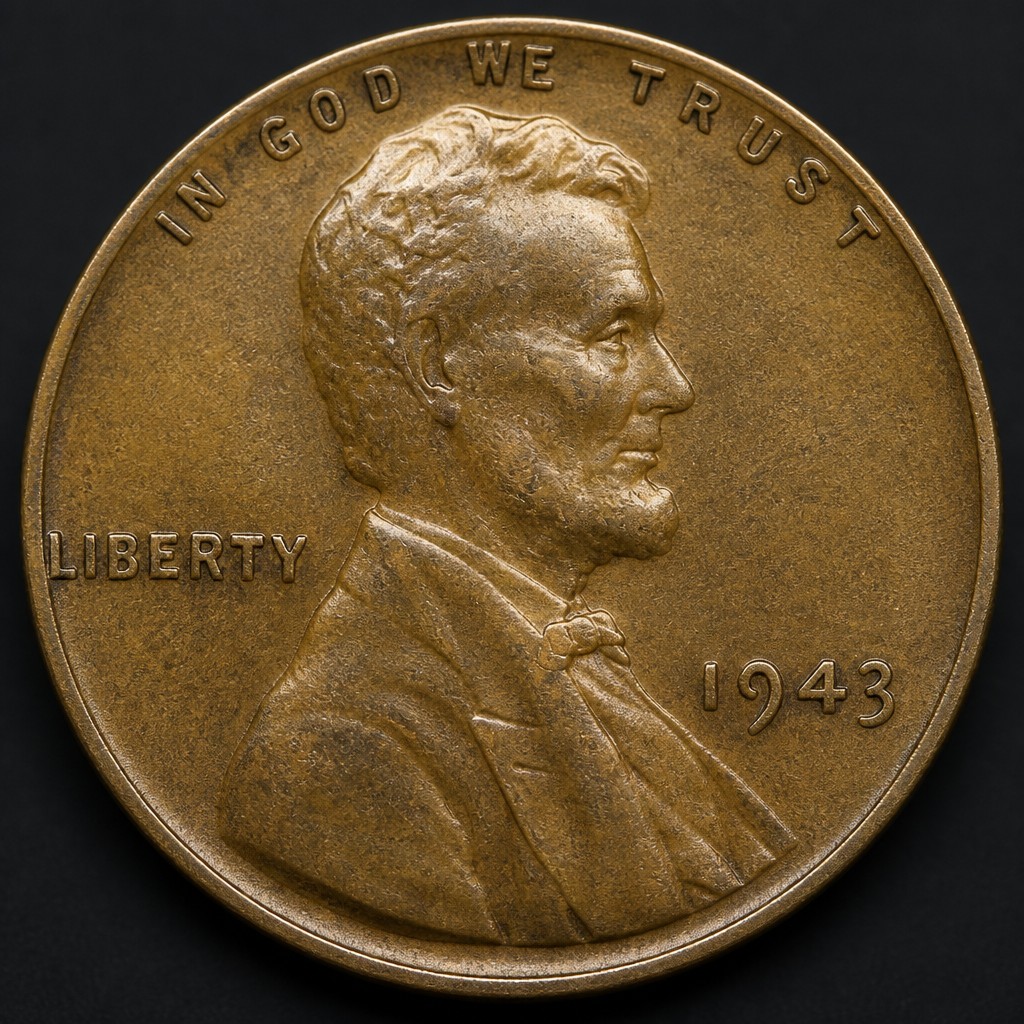
1943 Bronze Cent
An extremely rare Lincoln cent mistakenly struck in leftover bronze planchets in 1943, a year when cents were officially made of zinc-coated steel to save copper for World War II.
Errors & Varieties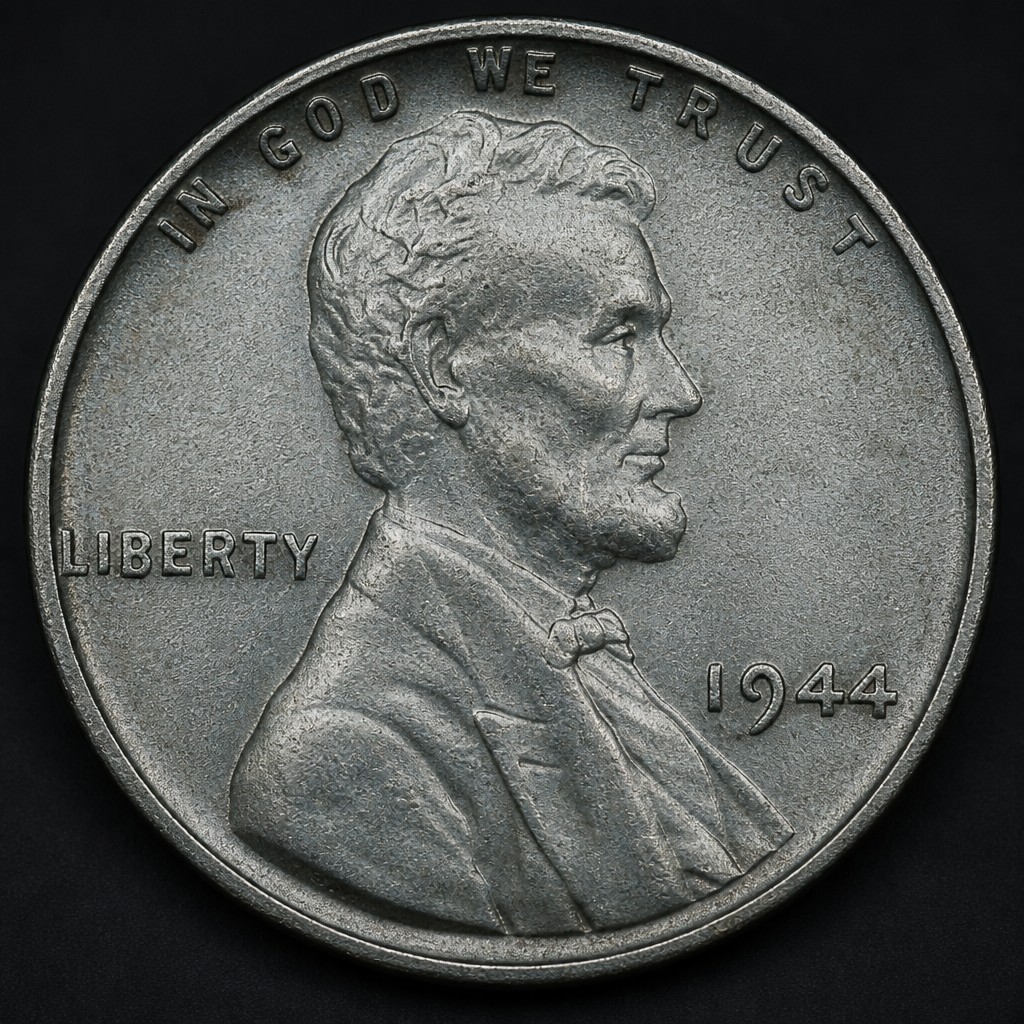
1944 Steel Cent
A rare Lincoln cent mistakenly struck on leftover steel planchets in 1944, the reverse counterpart to the famous 1943 bronze cent error.
Errors & Varieties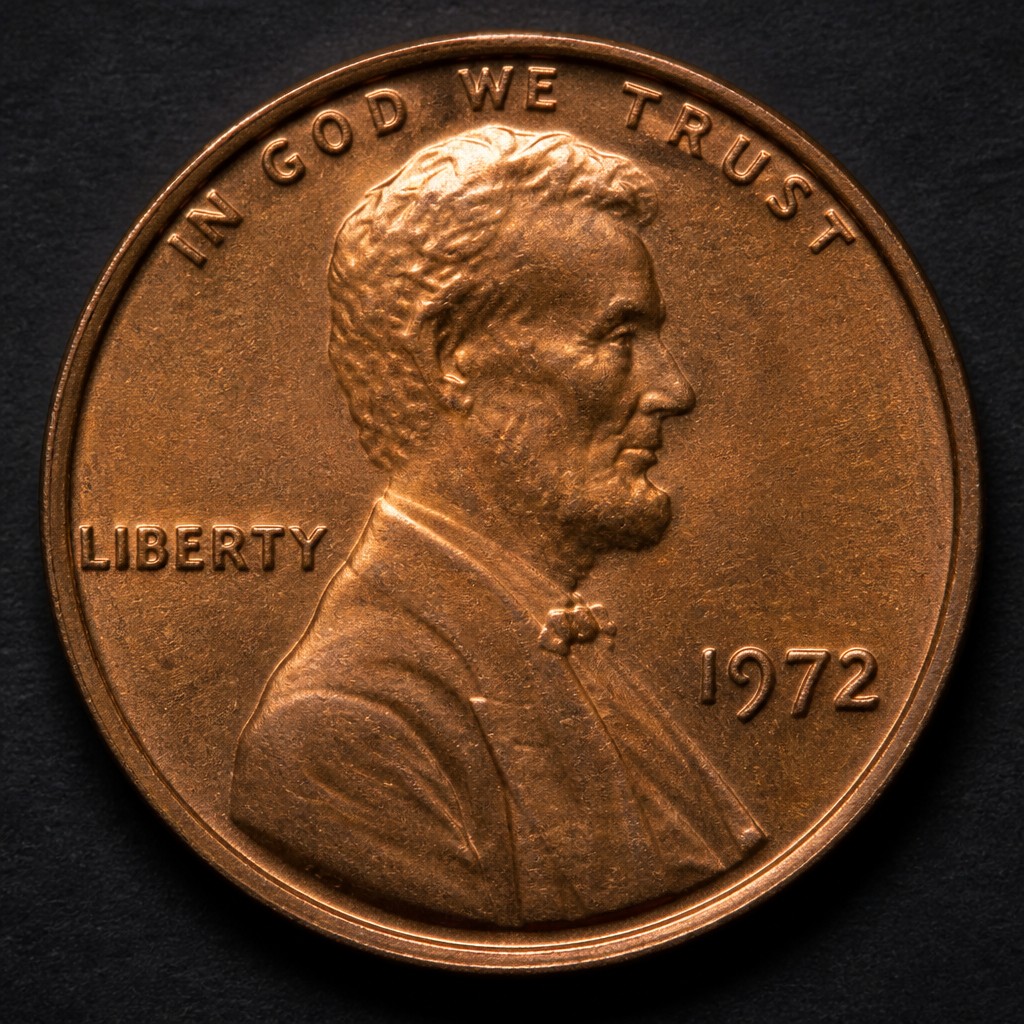
1972 Doubled Die Lincoln Cent
A famous Lincoln cent error showing strong doubling on the obverse date and lettering, caused by a misaligned die hub during production at the Philadelphia Mint.
Errors & Varieties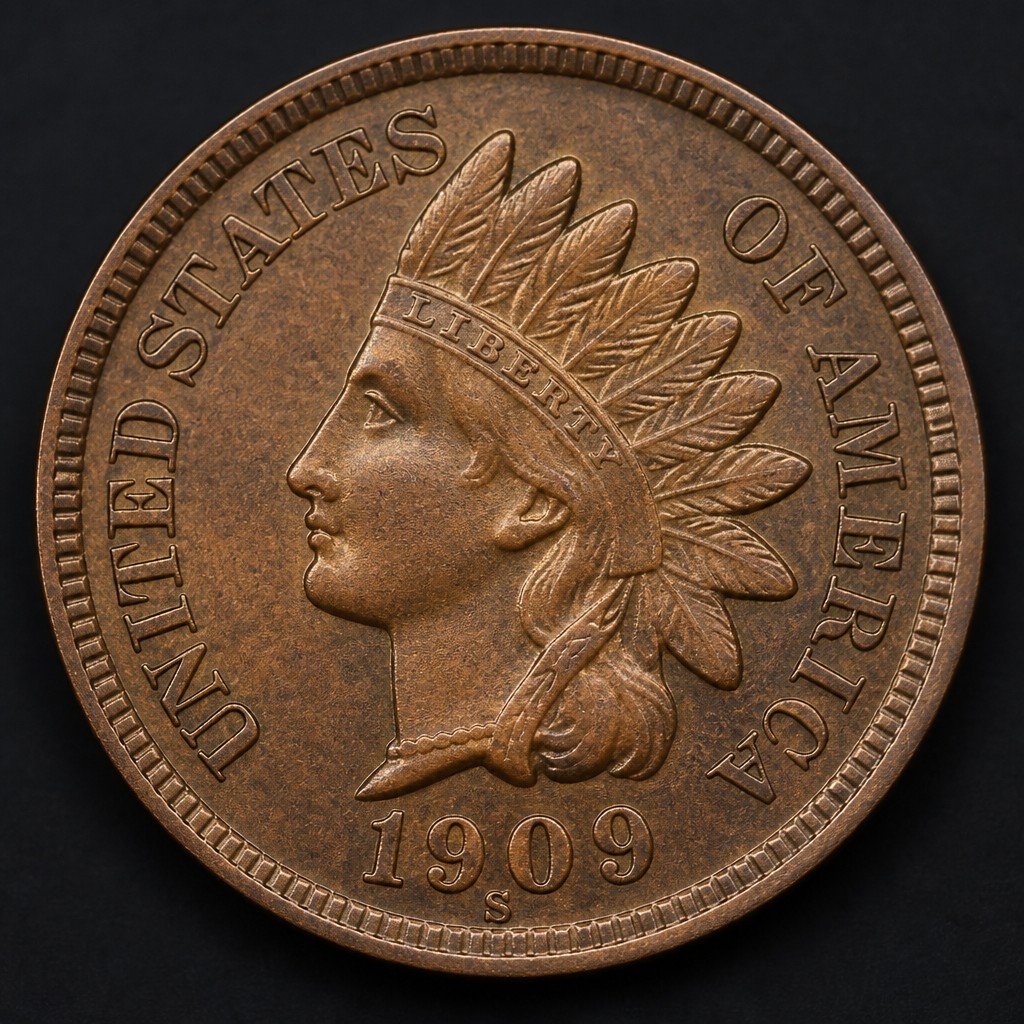
1909-S Indian Head Cent
The final and lowest-mintage Indian Head cent, struck at the San Francisco Mint in the series' last year before the Lincoln cent debuted.
United States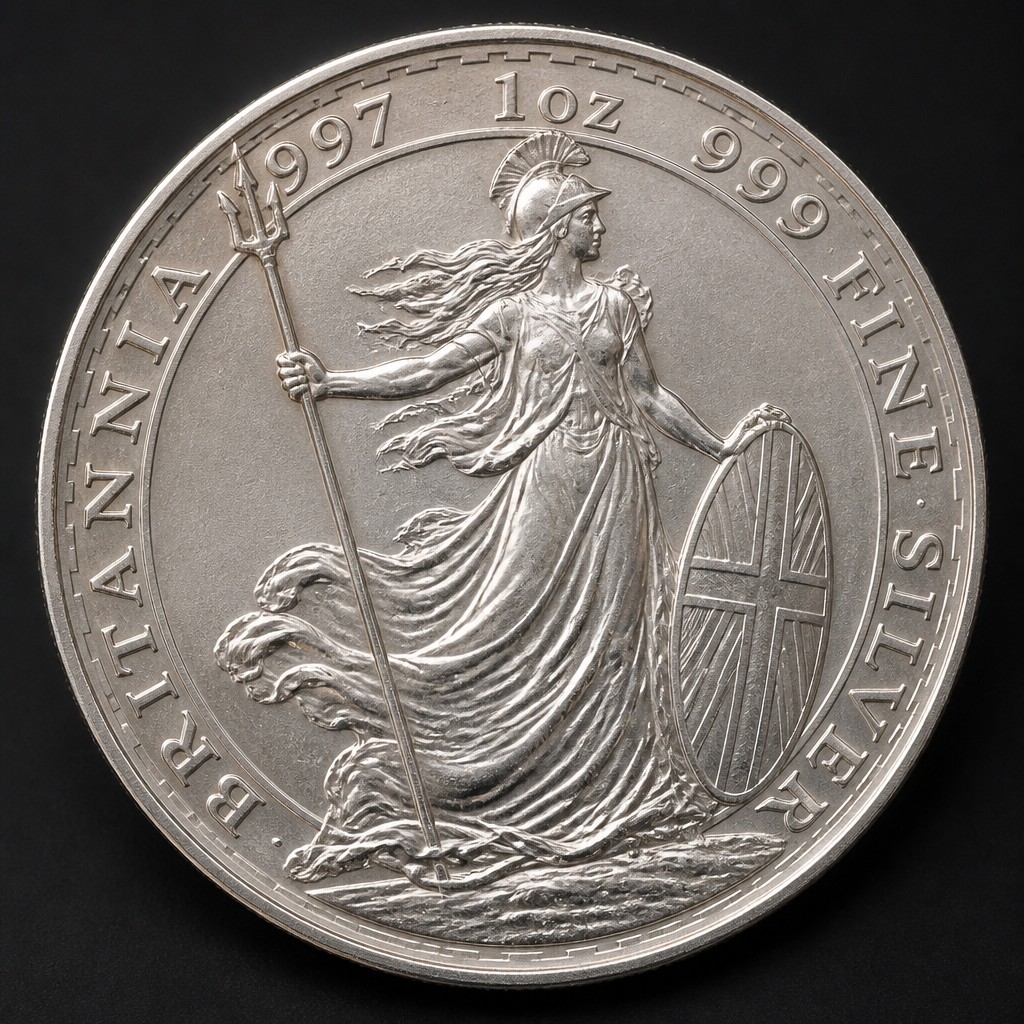
Britannia (Silver Bullion)
The Royal Mint's modern one-ounce silver bullion coin, featuring the classical figure of Britannia, popular with investors and design collectors worldwide.
Bullion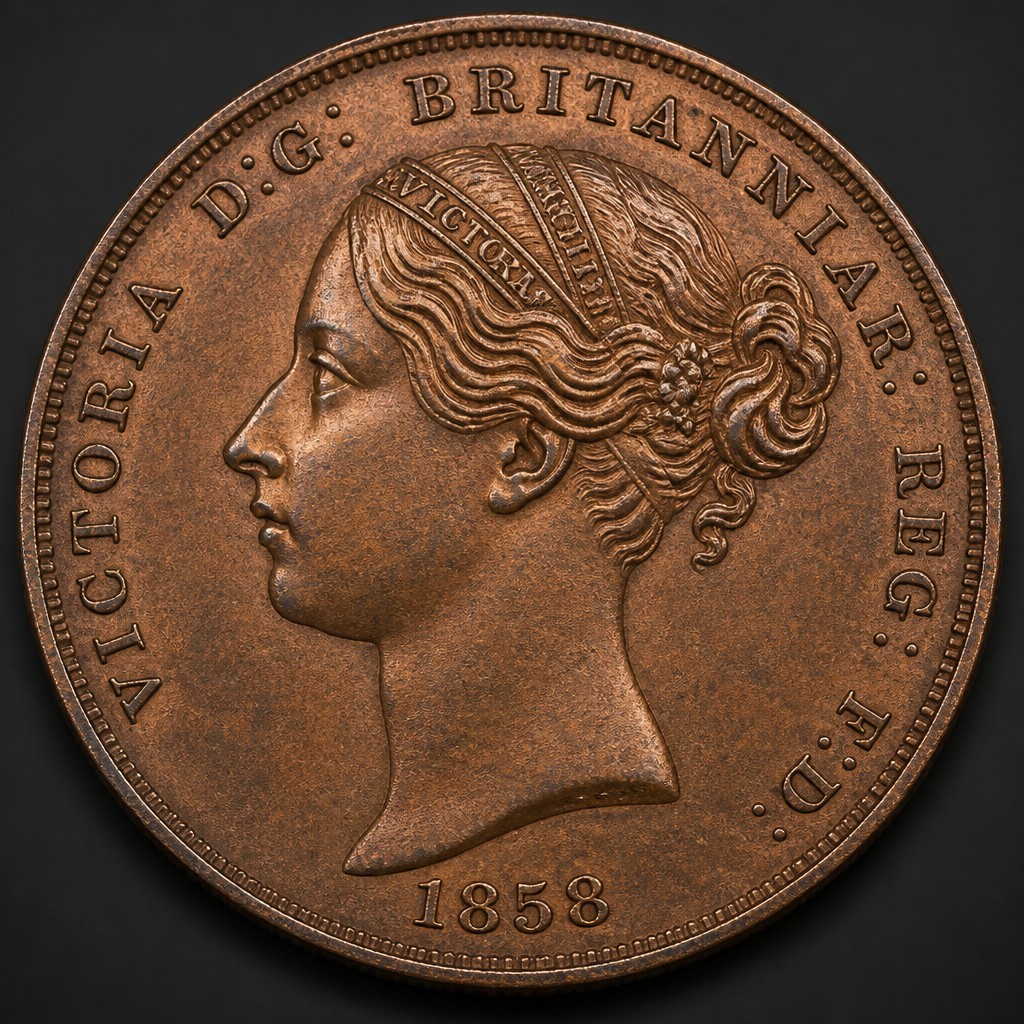
Quarter Farthing
The smallest fractional denomination in British coinage, worth one-sixteenth of a penny, struck primarily for use in colonial Ceylon during Victoria's reign.
British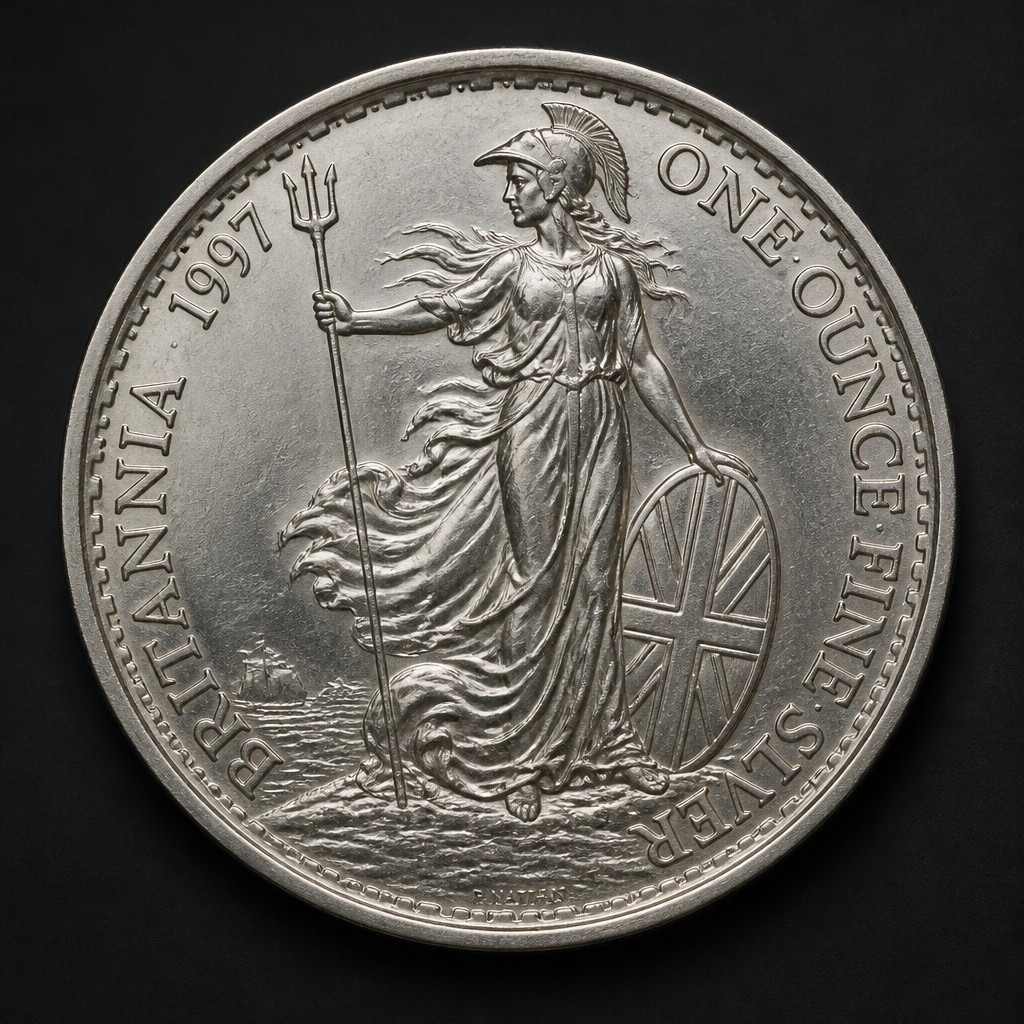
British Silver Britannia
The Royal Mint's one-ounce silver bullion coin, launched in 1997 as a silver companion to the Gold Britannia, featuring the same classical Britannia design.
Bullion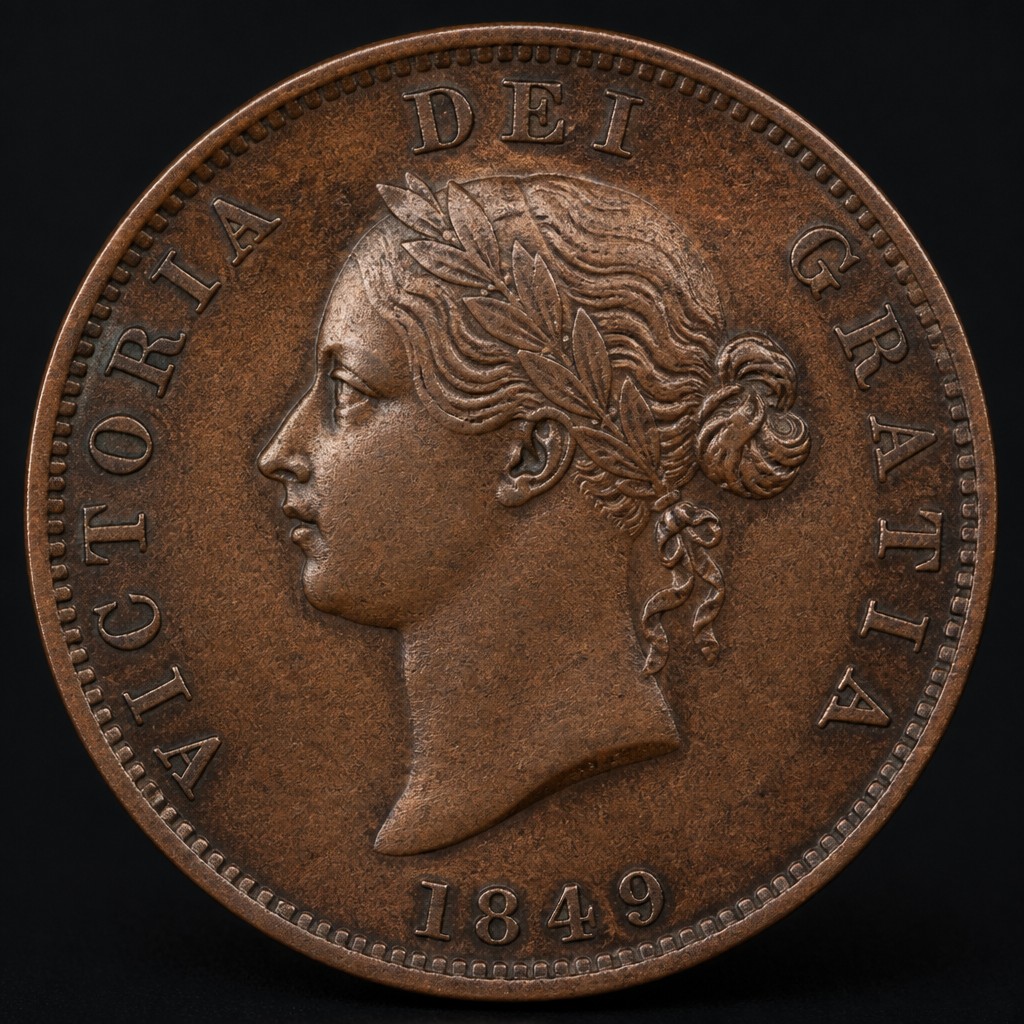
Half Farthing
A tiny copper coin worth one-eighth of a penny, struck mainly for use in colonial Ceylon during the reigns of George IV, William IV, and Victoria.
British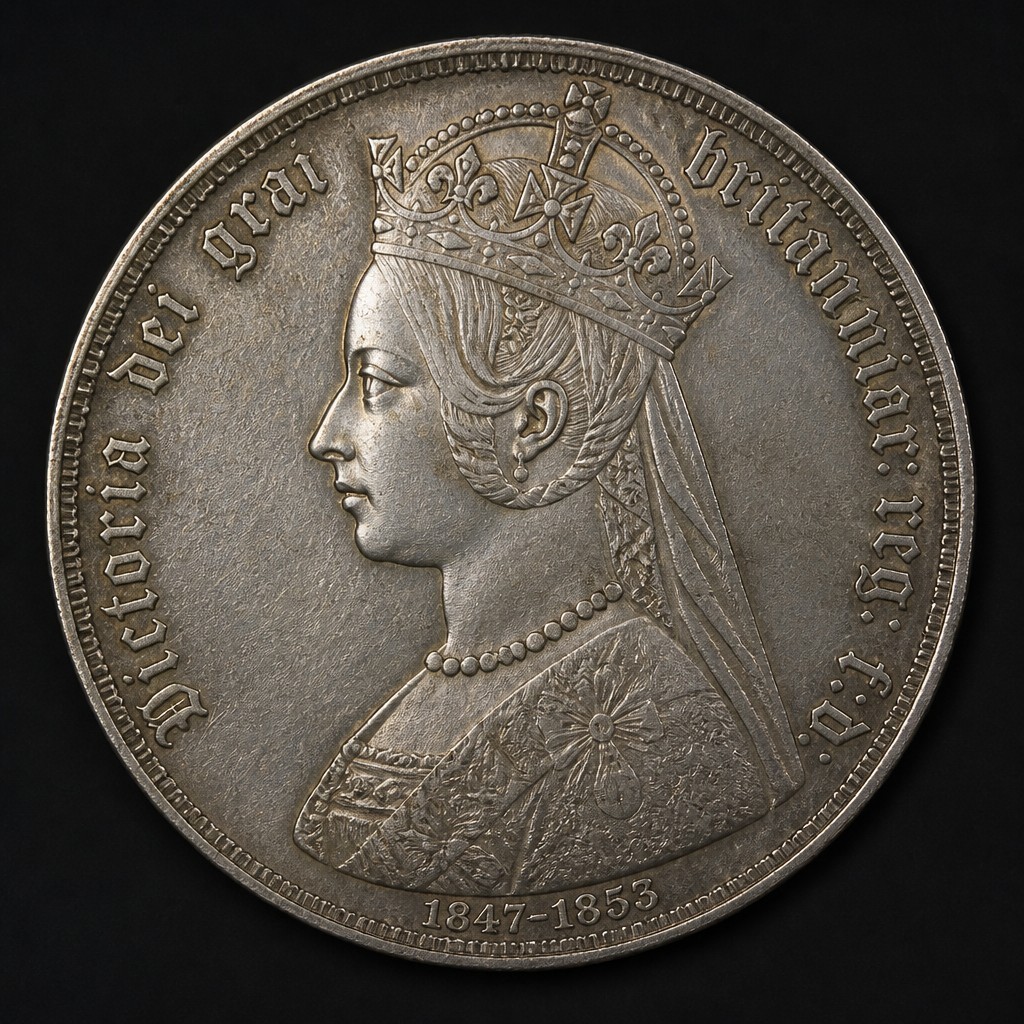
Gothic Crown
An ornate Victorian silver crown featuring a young Queen Victoria in Gothic-script lettering, widely admired as one of the most artistically accomplished coins in British history.
British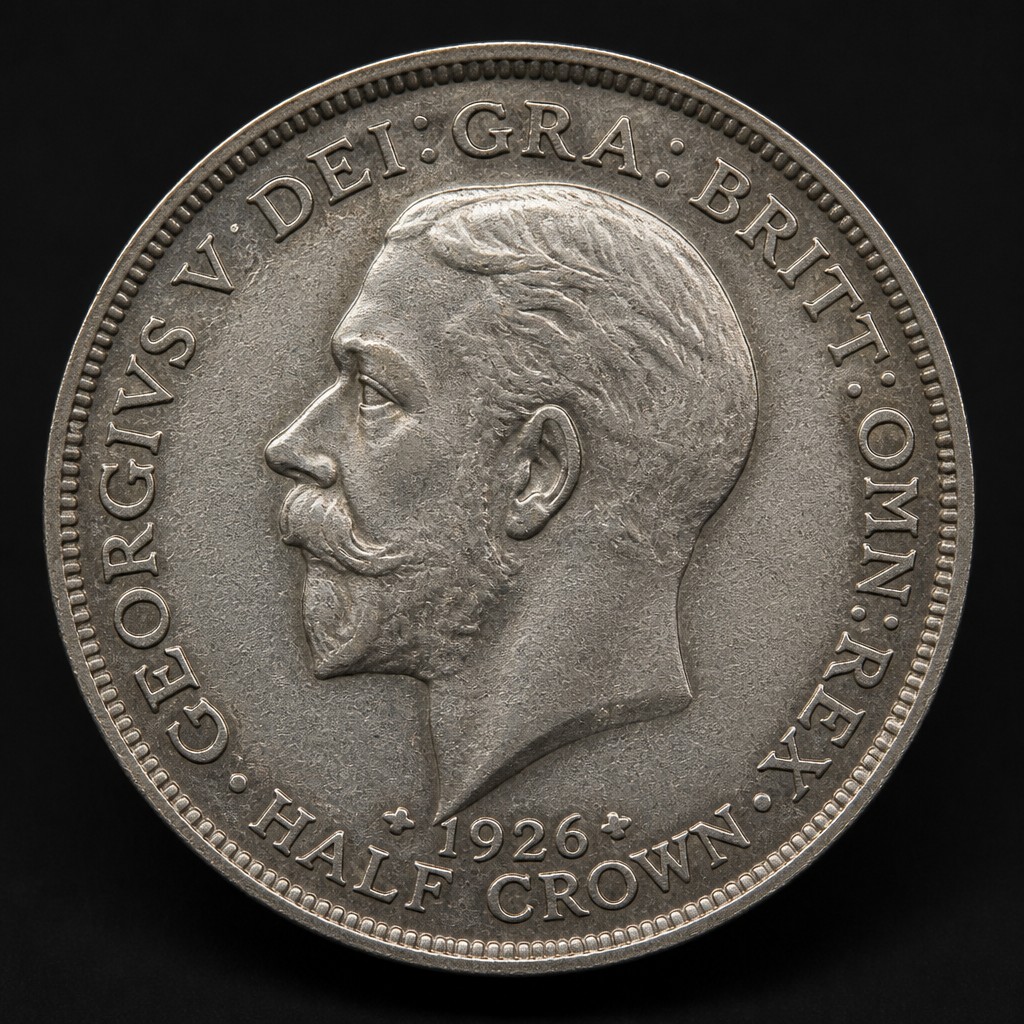
Half Crown
A long-lived British coin worth one-eighth of a pound, struck from the Tudor era until decimalisation in 1970, valued today mainly for its portraits and design variety.
British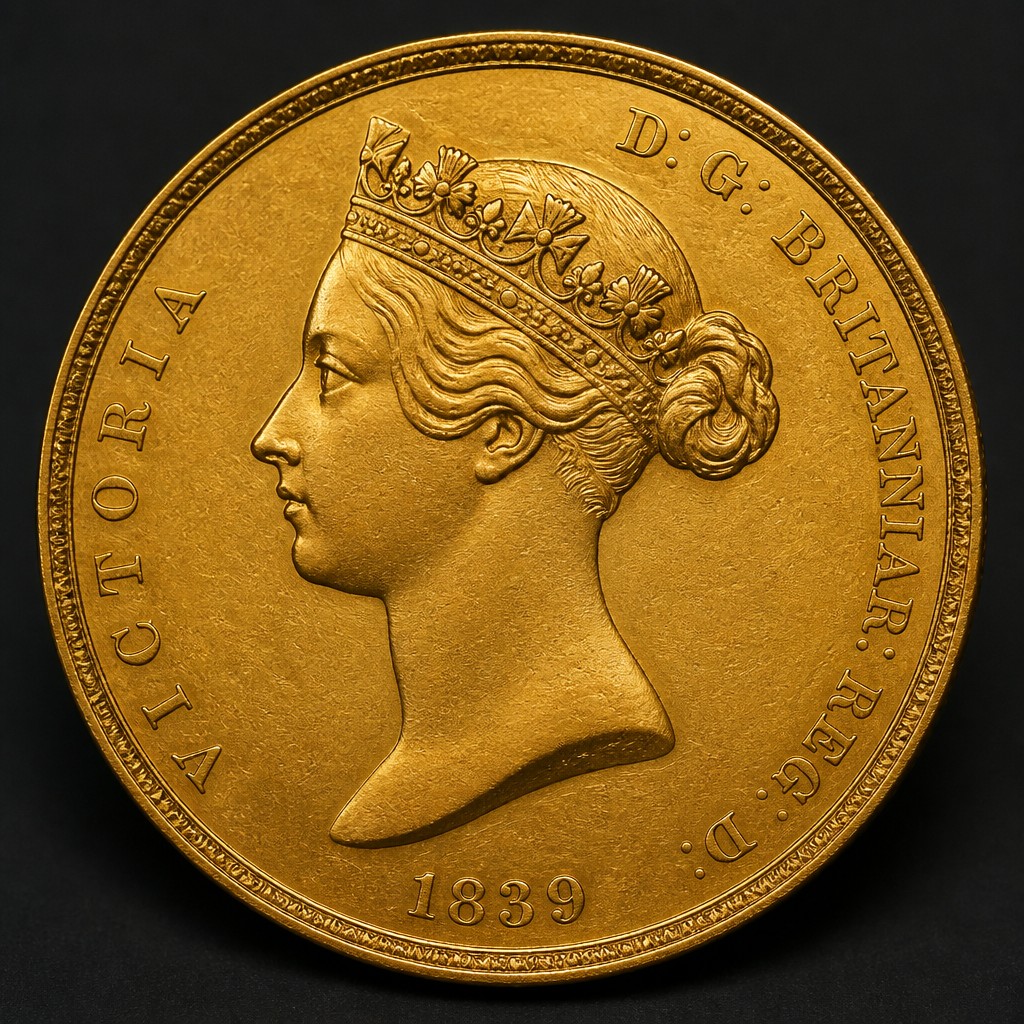
Una and the Lion Five Pound
A legendary 1839 gold proof depicting young Queen Victoria as Una leading a lion, widely considered one of the most beautiful coins ever struck and a benchmark of Victorian coin art.
British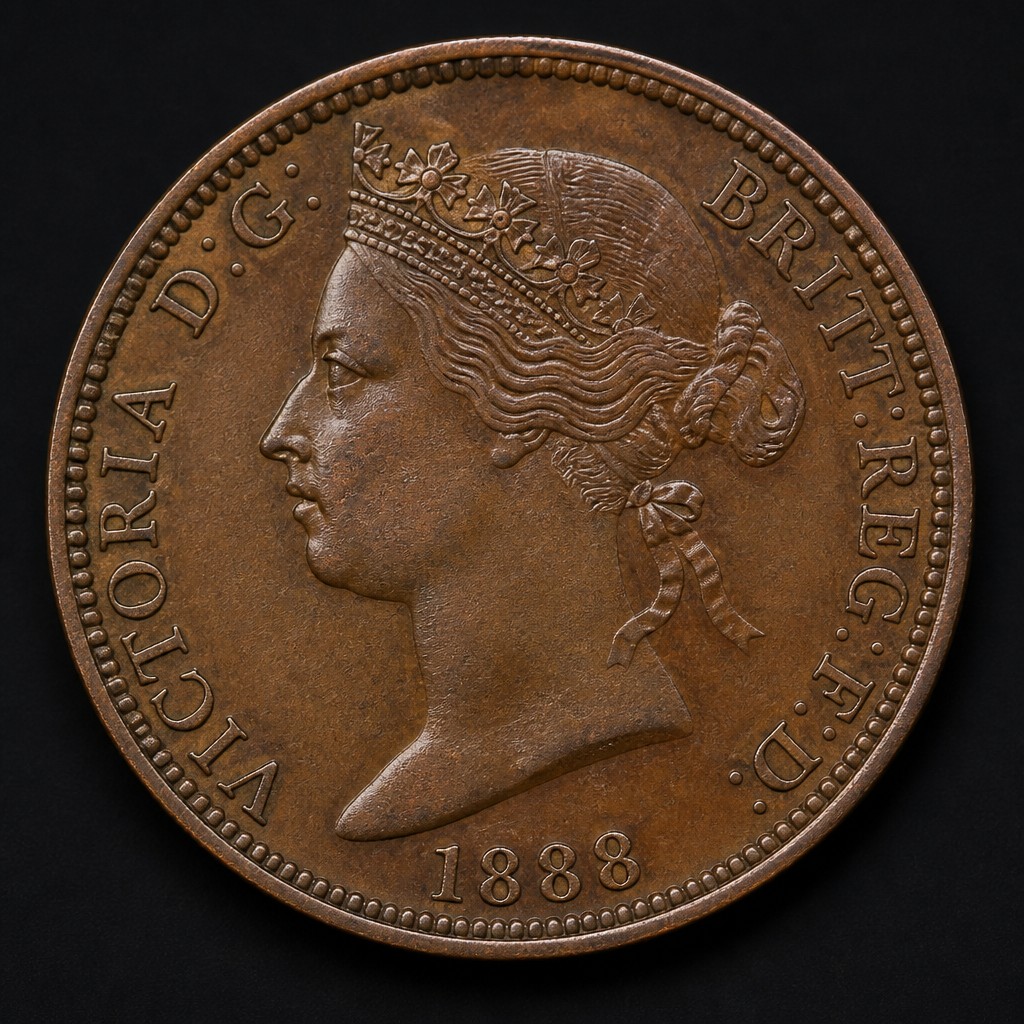
Third Farthing
An extremely small denomination worth one-twelfth of a penny, struck mainly to serve the currency needs of the British colony of Malta across the nineteenth and early twentieth centuries.
British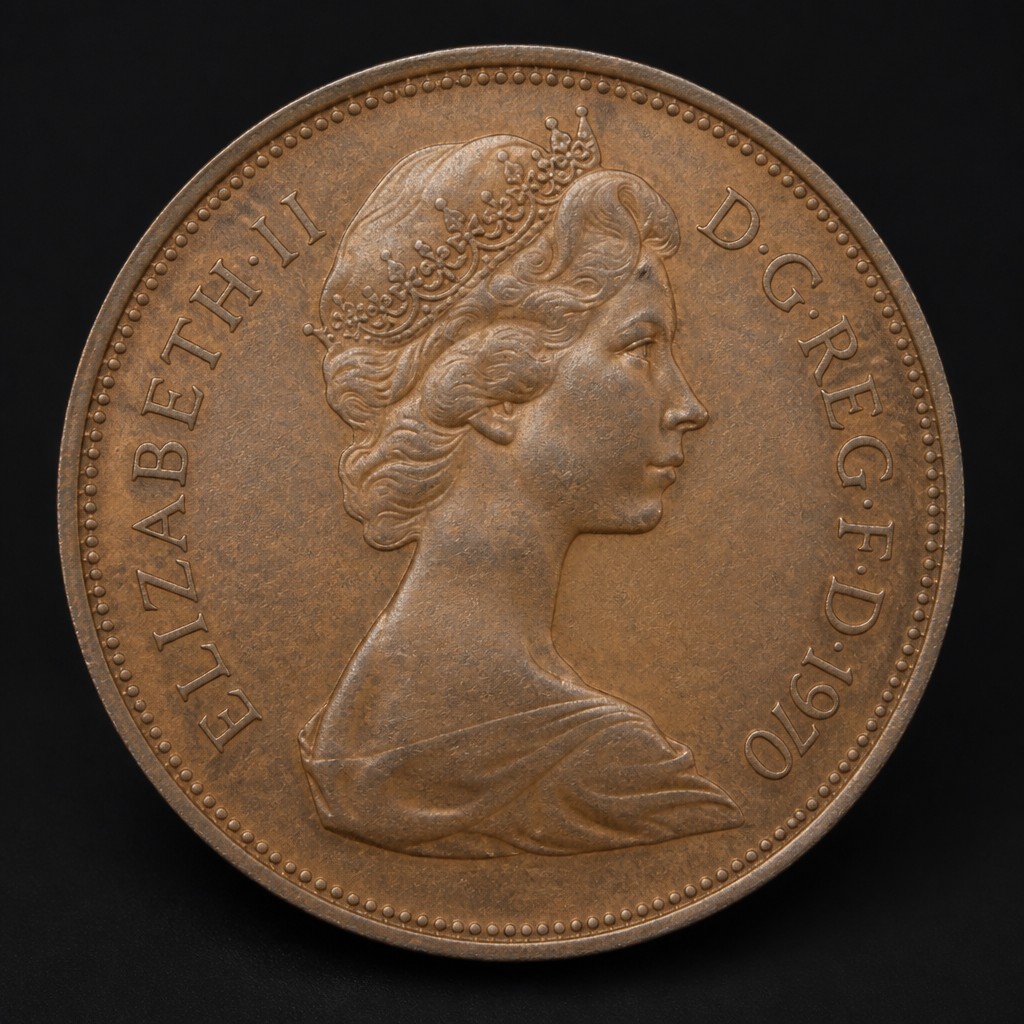
Penny
One of the oldest and most iconic British denominations, the pre-decimal penny is famous for its large bronze Britannia design and beloved key dates like the 1933 penny.
British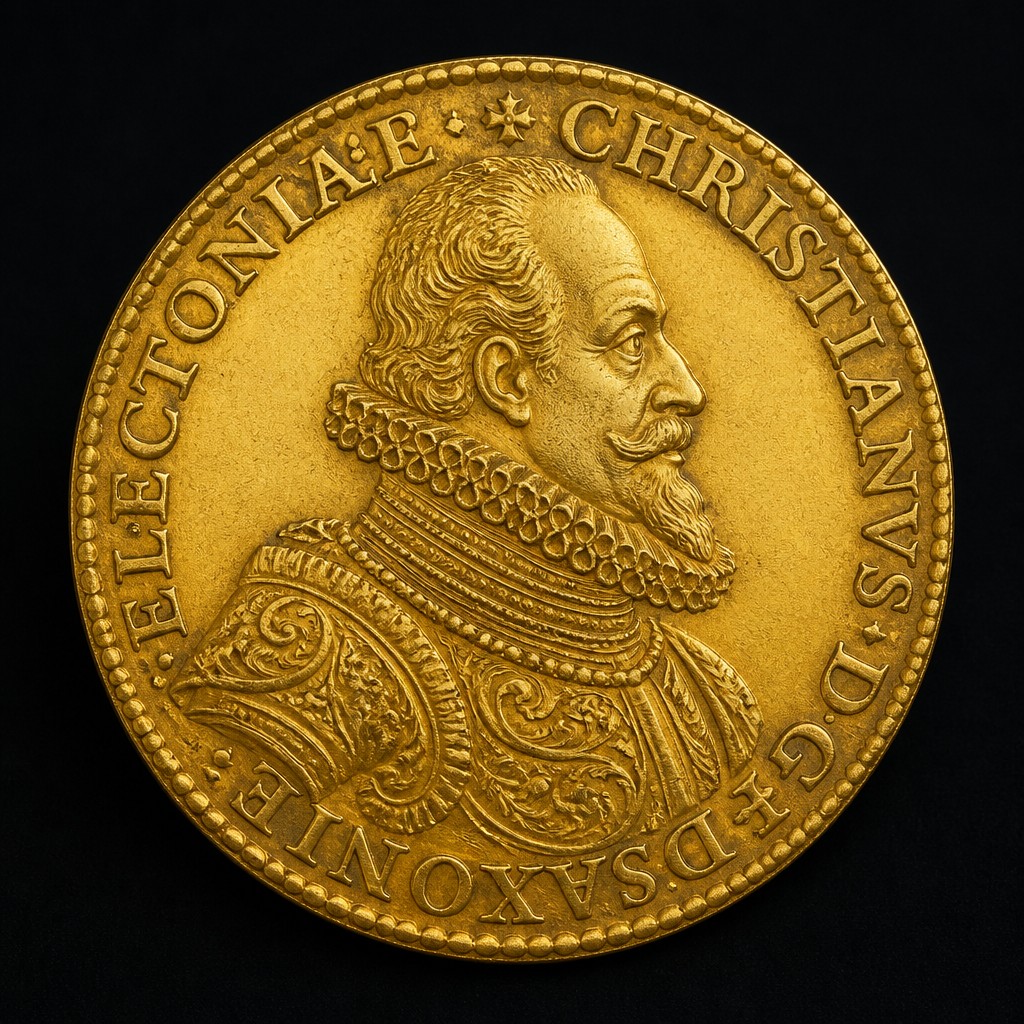
German Saxony Ducat
A high-purity gold trade coin struck for centuries by the rulers of Saxony, one of the most important German states before national unification.
European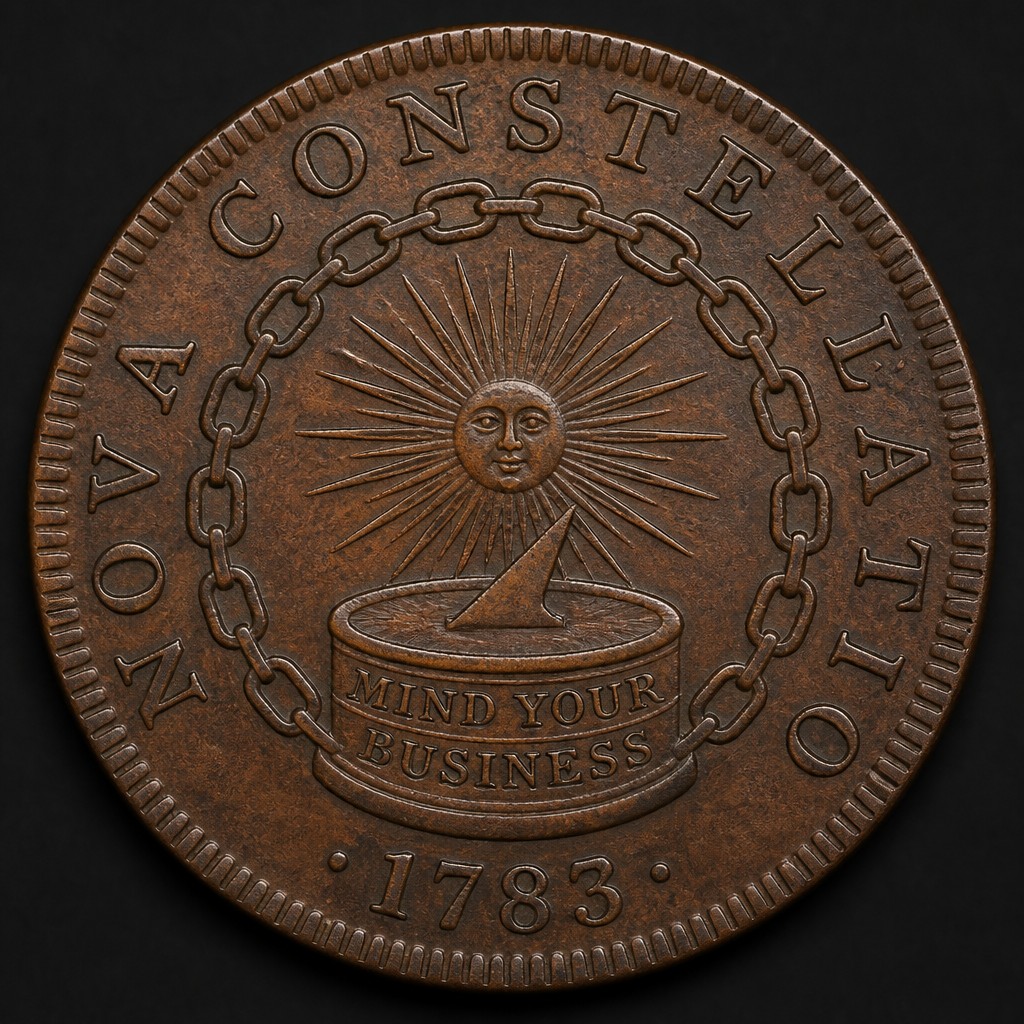
Nova Constellatio Copper
Distinctive early American copper coin featuring a radiant eye within a circle of stars, associated with Gouverneur Morris's proposed decimal coinage plans of the early 1780s.
United States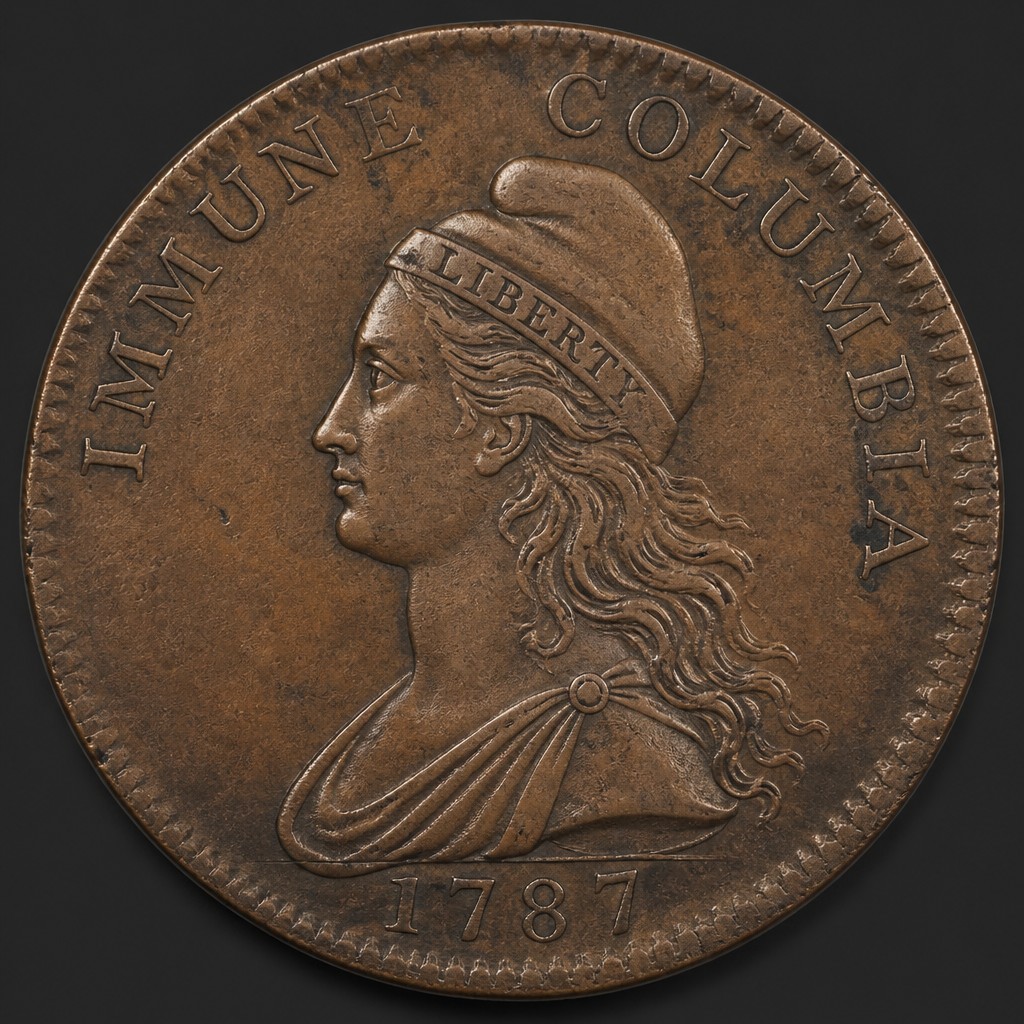
Immune Columbia Copper
An extremely rare Confederation-era copper carrying the Latin legend 'IMMUNIS COLUMBIA,' known for numerous unusual die combinations and mules with other early American and British designs.
United States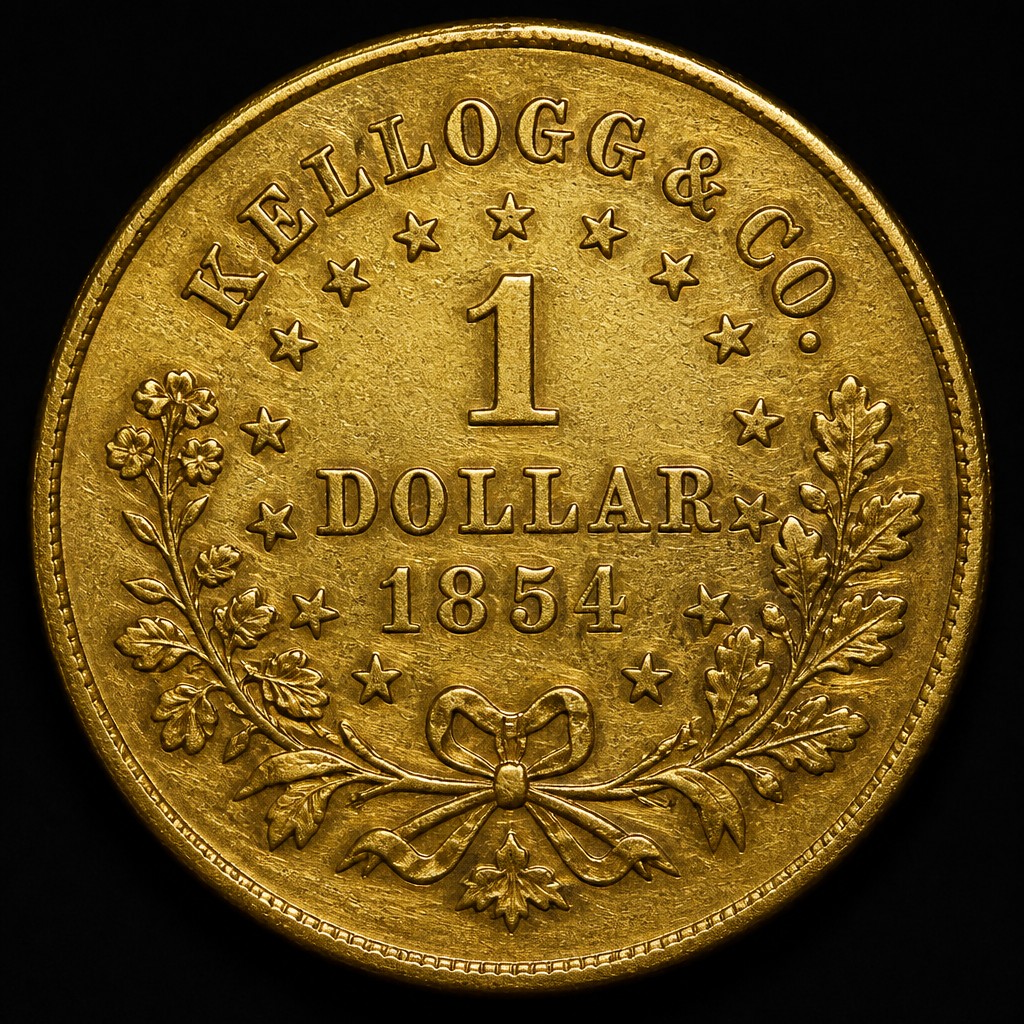
Kellogg & Co. Gold Piece
Private gold coinage struck by the San Francisco firm Kellogg & Co. during the California Gold Rush, including the famous octagonal fifty-dollar 'slug' of 1855, filling a shortage of circulating coin.
United States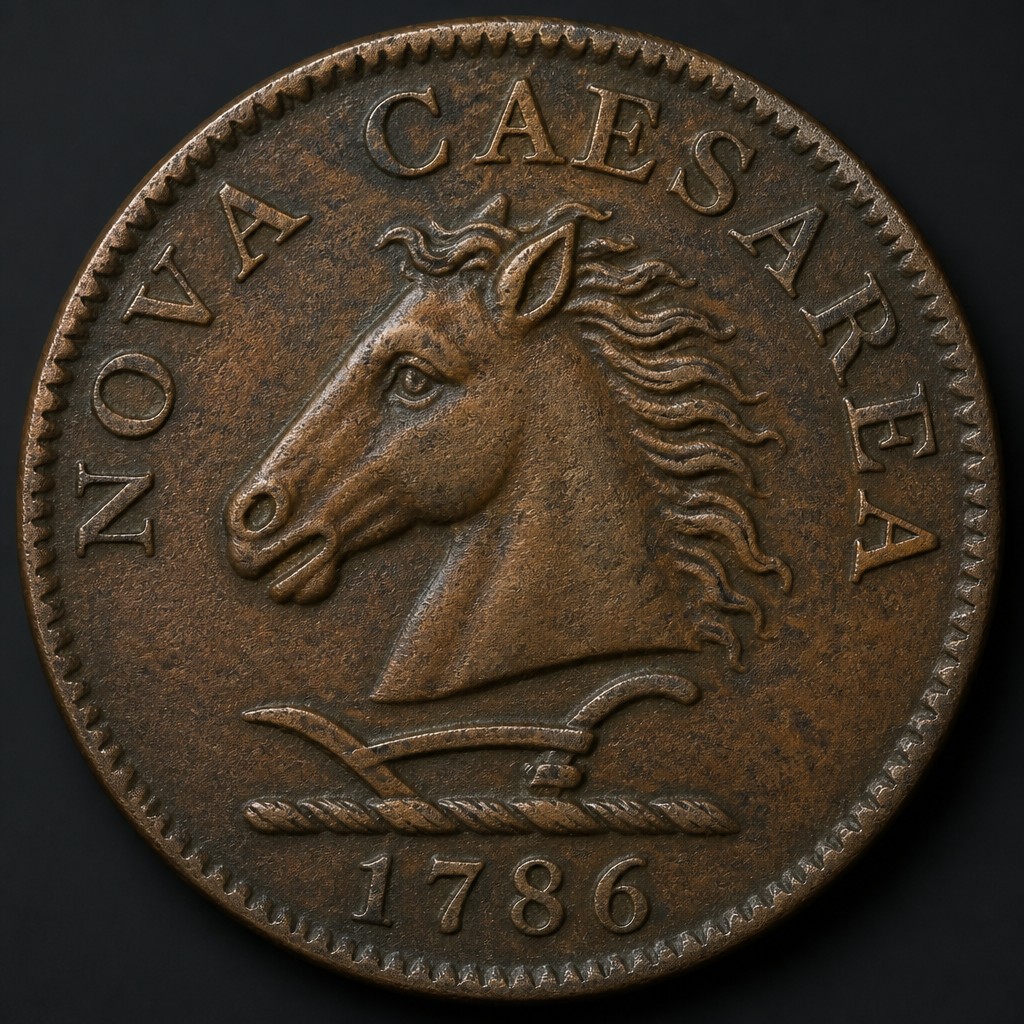
New Jersey Copper
State-authorized copper coinage struck for New Jersey in the late 1780s, famous for its horse-head-and-plow obverse and shield reverse design.
United States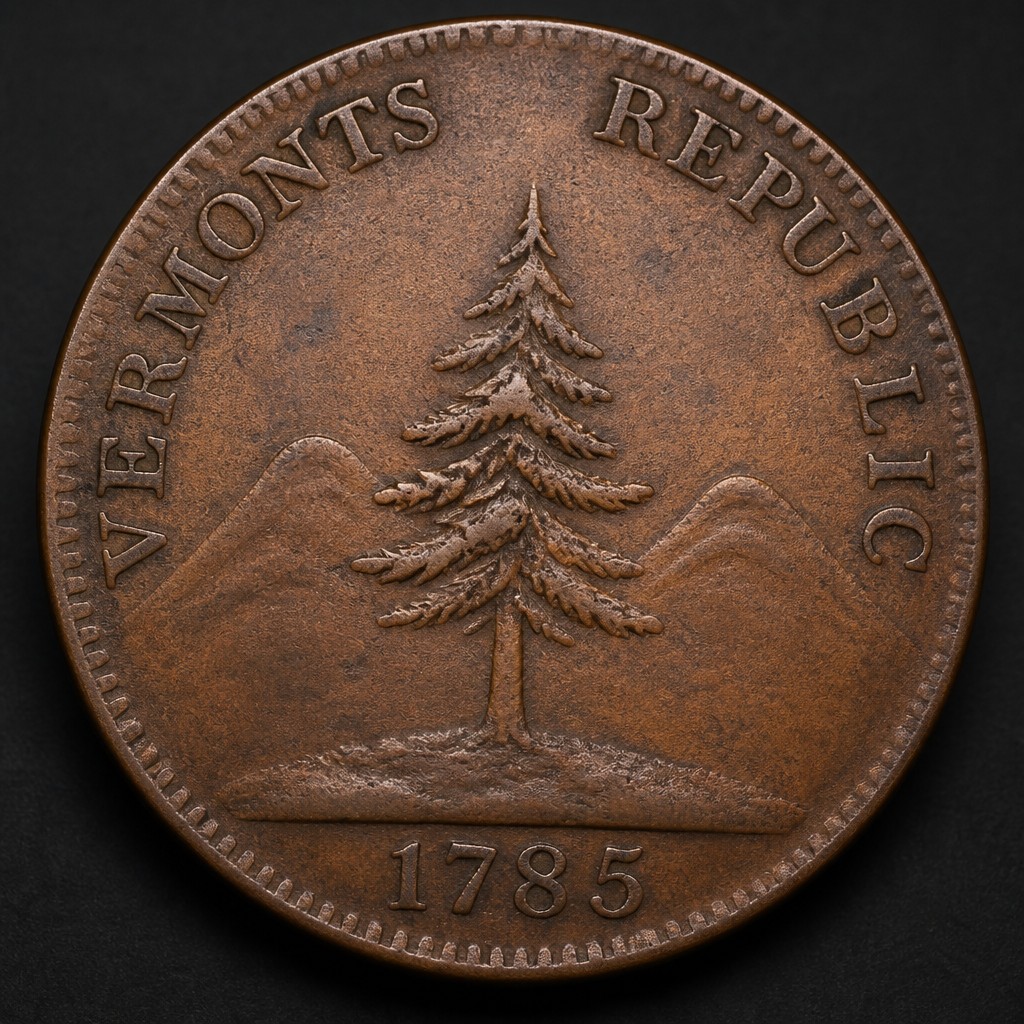
Vermont Copper
Copper coinage struck under authority of the independent Vermont Republic in the 1780s, featuring an early landscape design and later a Britannia-style type.
United States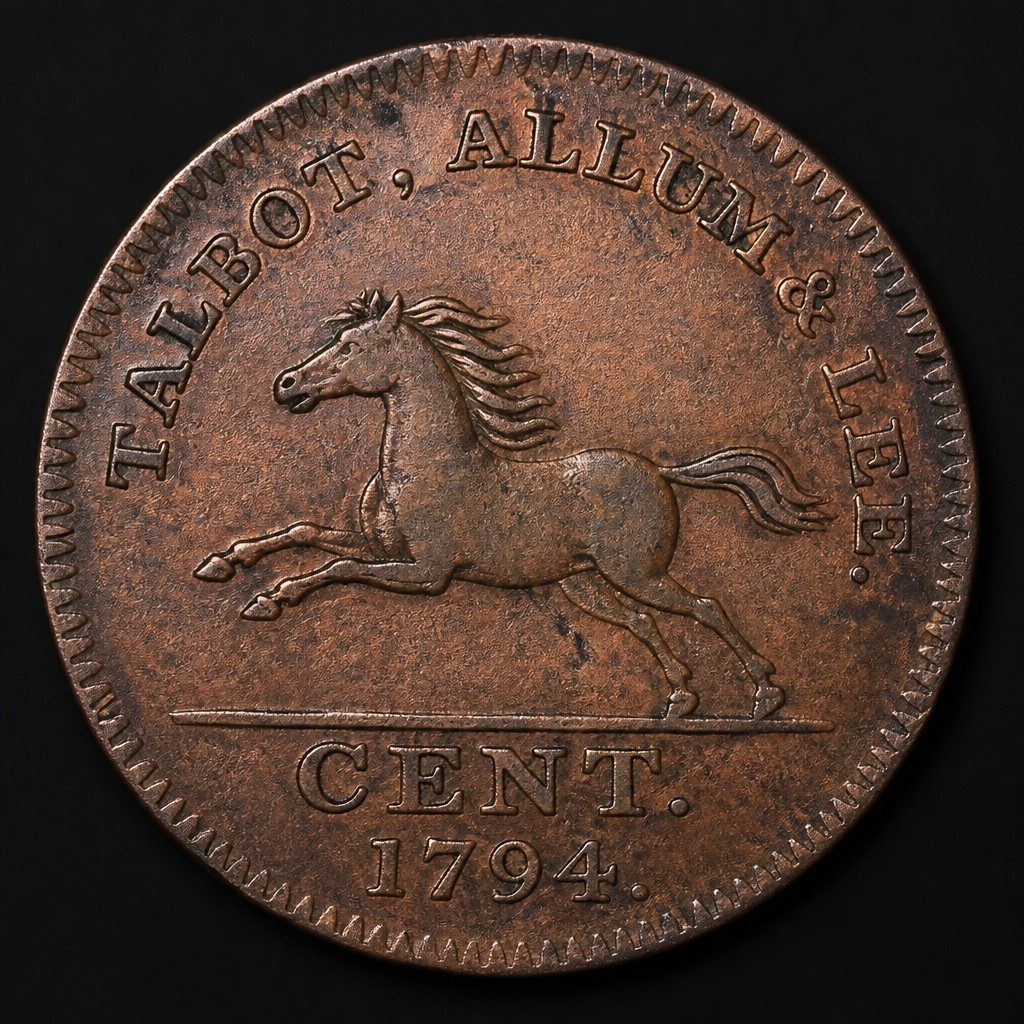
Talbot, Allum & Lee Cent
A merchant token issued by the New York trading firm Talbot, Allum & Lee to help ease the shortage of small change in the 1790s, featuring a sailing ship on the obverse.
United States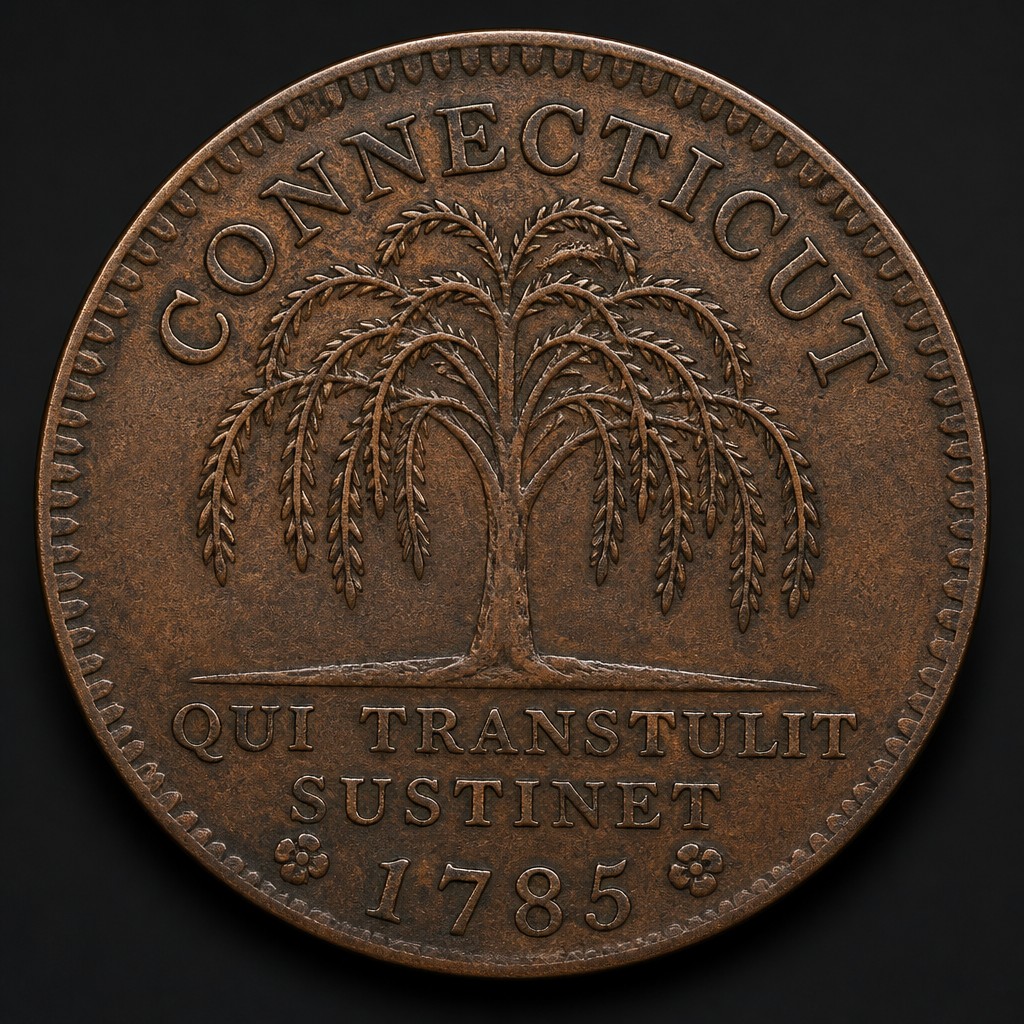
Connecticut Copper
State-authorized copper coinage struck for Connecticut in the mid-1780s, featuring a bust obverse and seated Liberty reverse across numerous die varieties.
United States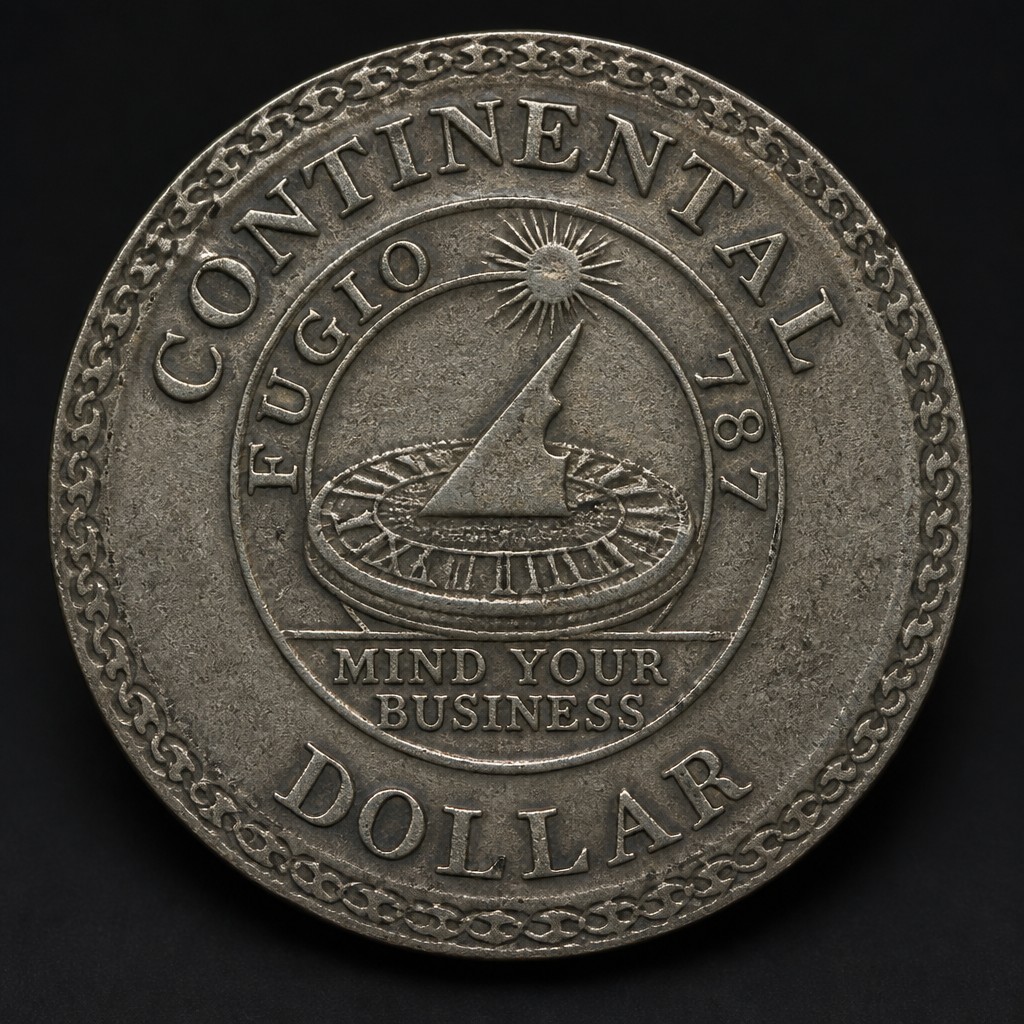
Continental Dollar
A large 1776-dated piece bearing a sundial, 'MIND YOUR BUSINESS,' and a thirteen-link chain, long debated as either an intended Continental Congress dollar or a contemporary satirical piece.
United States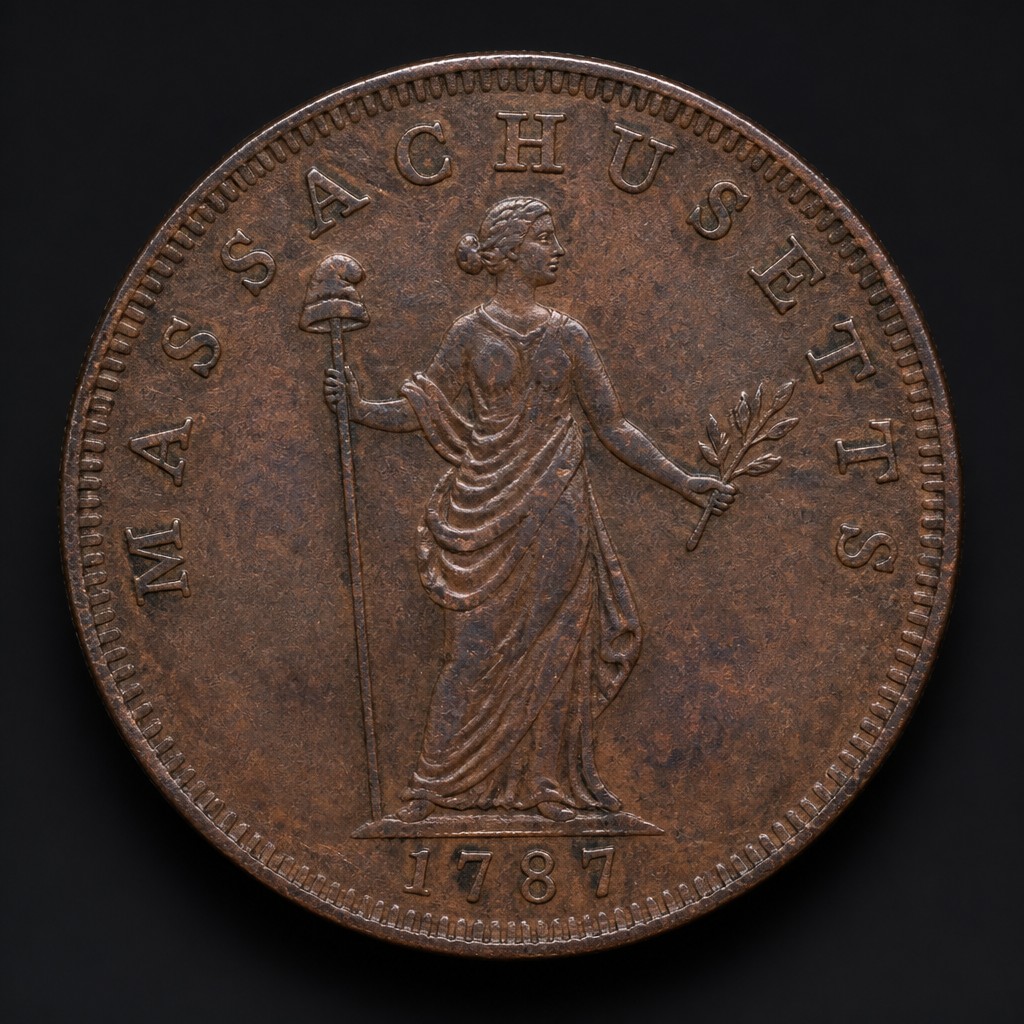
Massachusetts Cent (1787-1788)
State-issued copper coinage struck by the Commonwealth of Massachusetts in 1787 and 1788, notable as the first official U.S. coinage to use the denomination 'cent'.
United States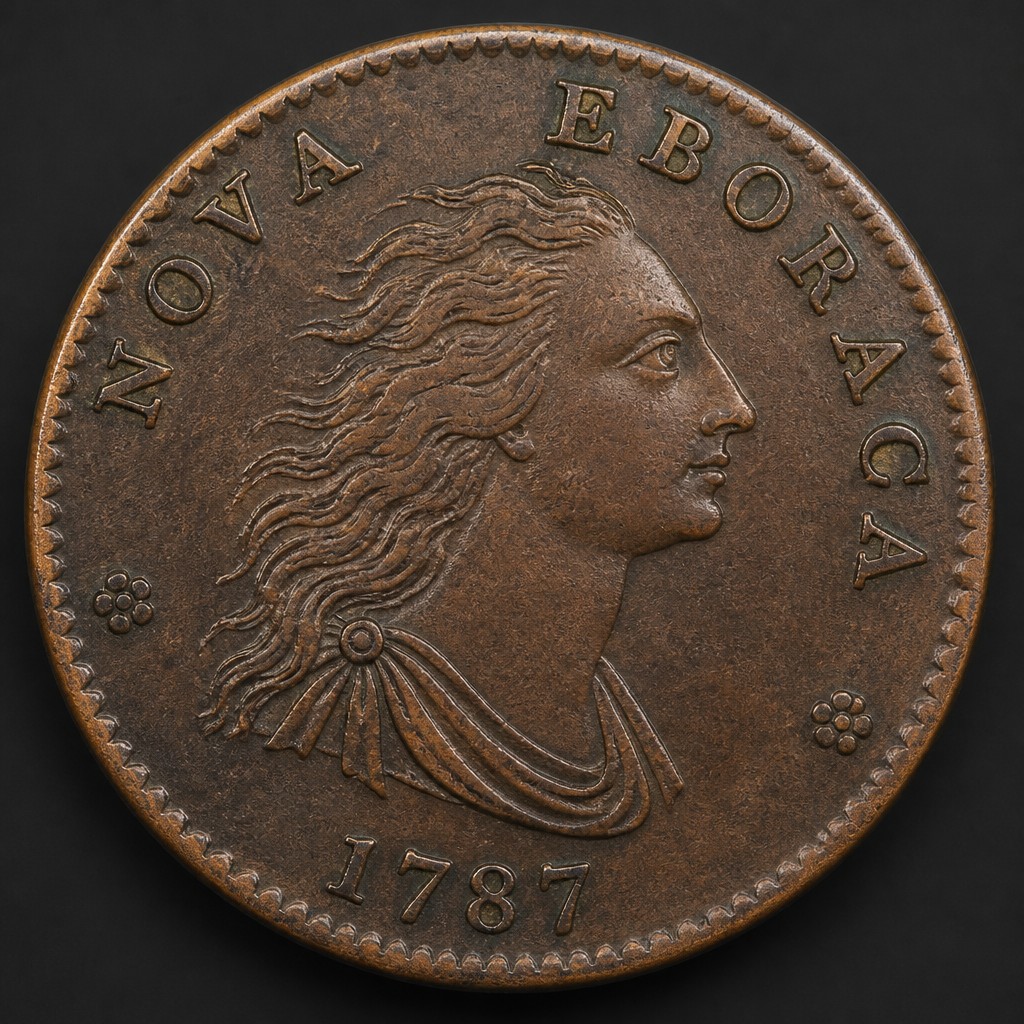
Nova Eborac Copper
A 1787-dated copper bearing the Latin name for New York, struck privately after the state failed to authorize its own copper coinage contract during the chaotic Confederation-era coin shortage.
United States