
Coin Encyclopedia
Search and identify coins from around the world — with country, denomination, metal, mint, history, and how to tell them apart.
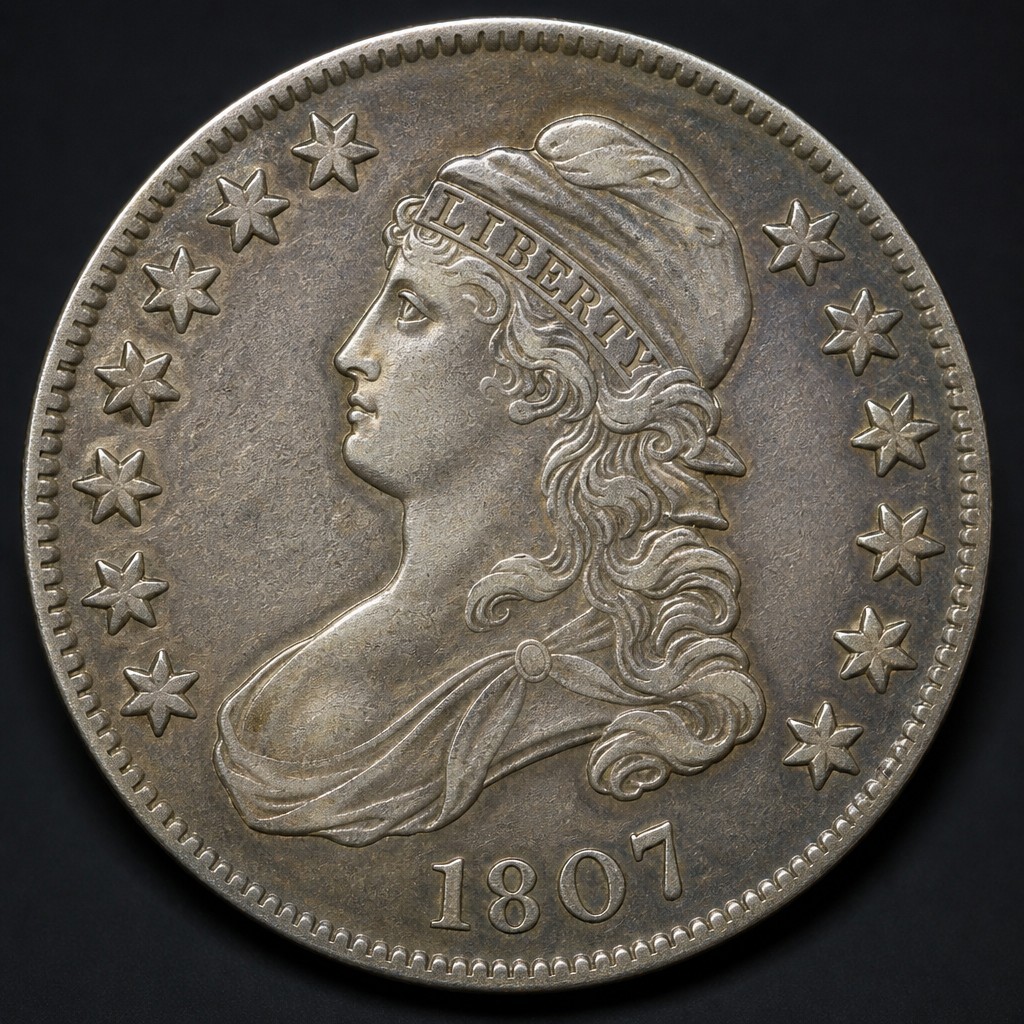
Capped Bust Half Dollar
A silver half dollar (1807-1839) designed by John Reich, showing Liberty in a cap and drapery, minted in large numbers and popular with type and variety collectors.
United States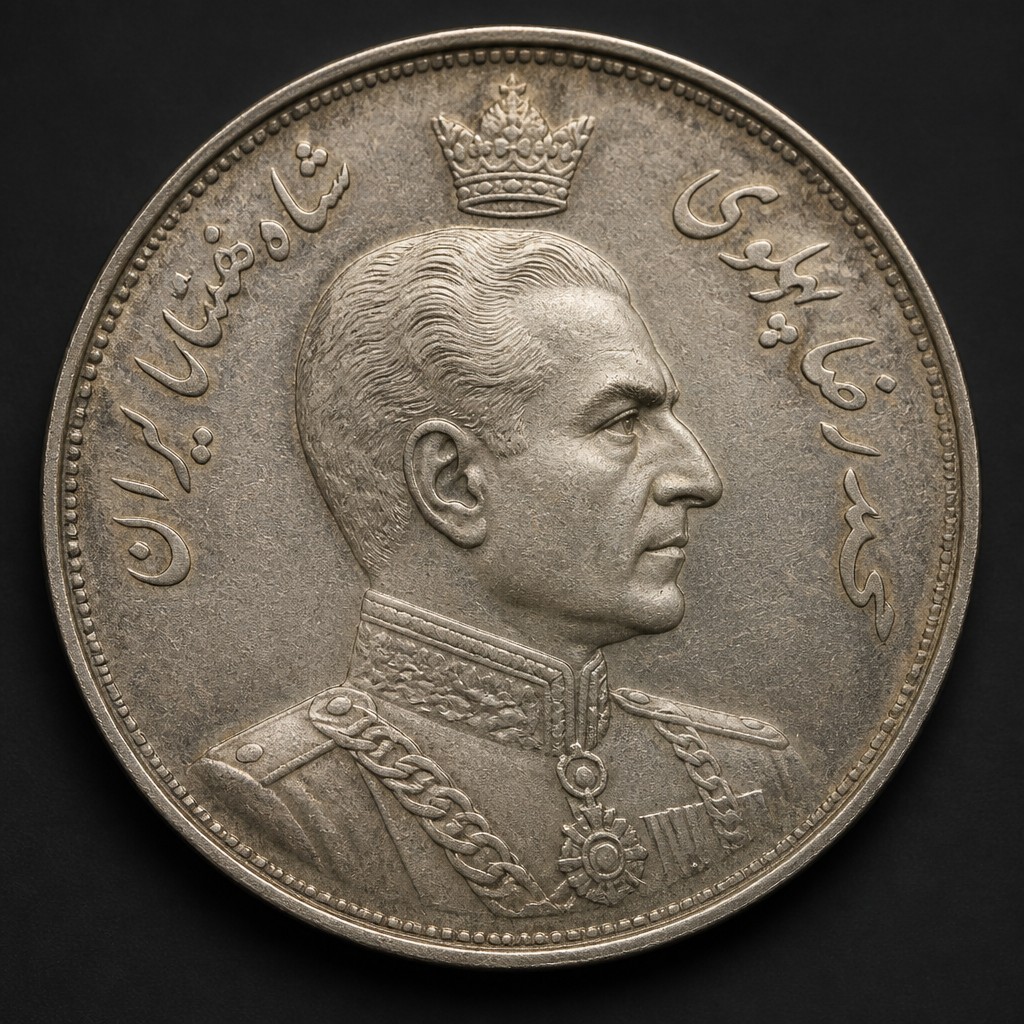
Iranian Rial
Iran's official currency unit since 1932, replacing the earlier qiran/kran, struck across the Pahlavi monarchy and the Islamic Republic in changing metals and designs.
Asian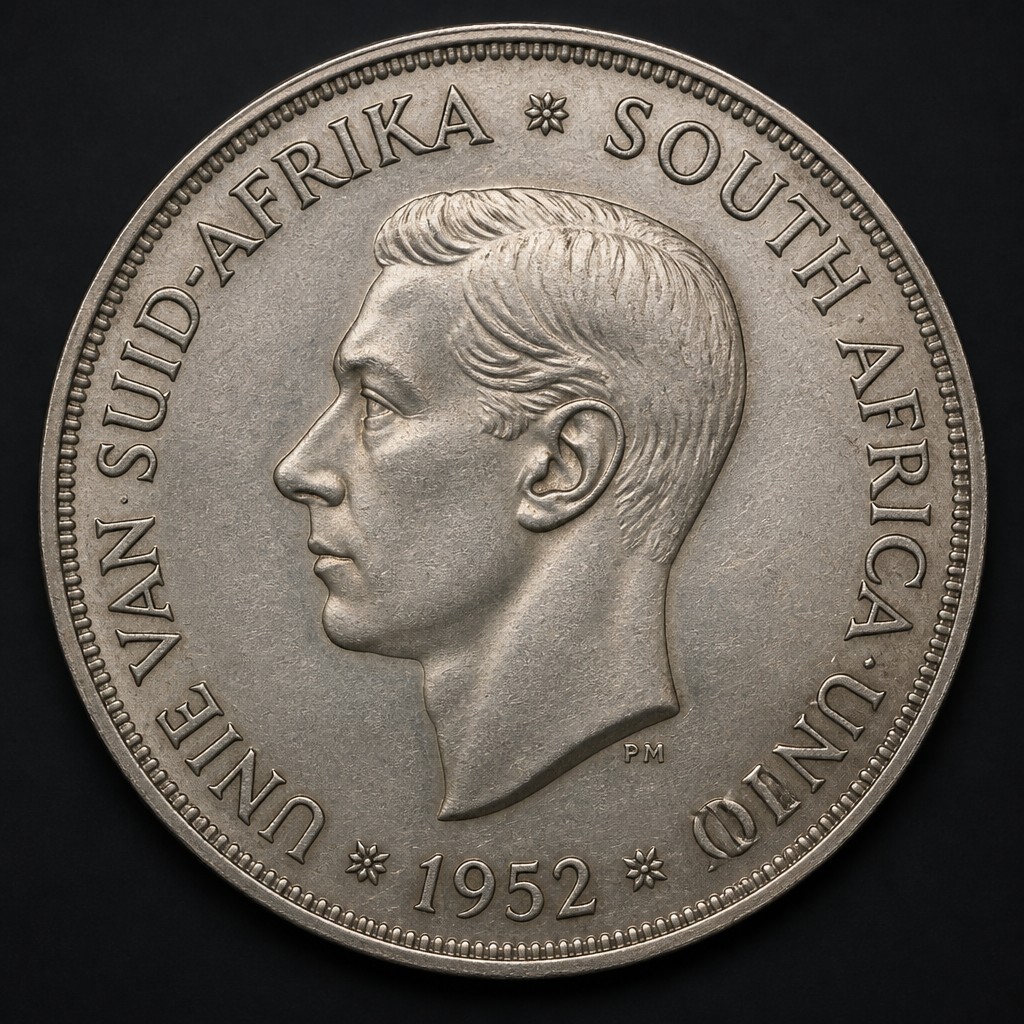
South African Union Silver Crown (5 Shillings)
Large silver crown of the Union of South Africa, struck periodically from the late 1940s, featuring a springbok reverse and occasional special commemorative designs.
Africa & Oceania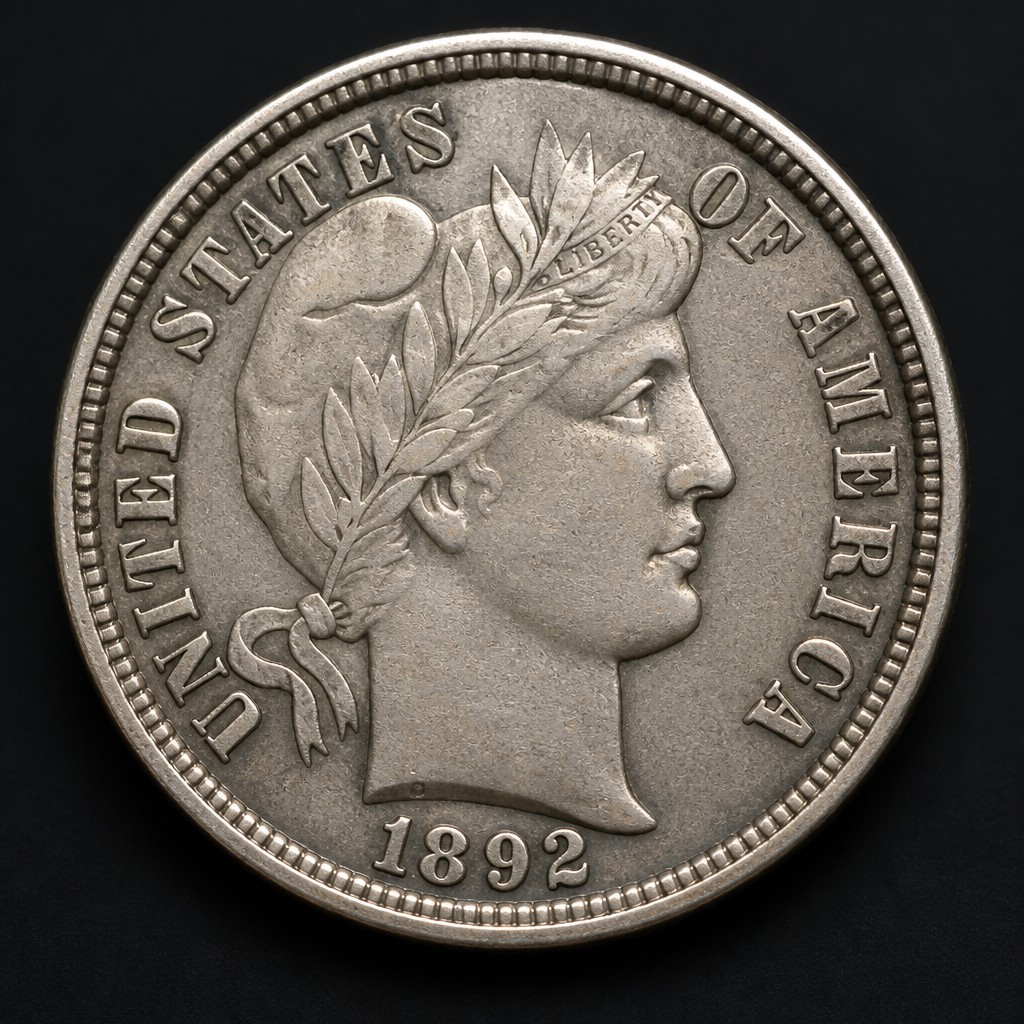
Barber Dime
A late-19th and early-20th century silver dime designed by Charles E. Barber, featuring a classical Liberty head, part of a matching set with the Barber quarter and half dollar.
United States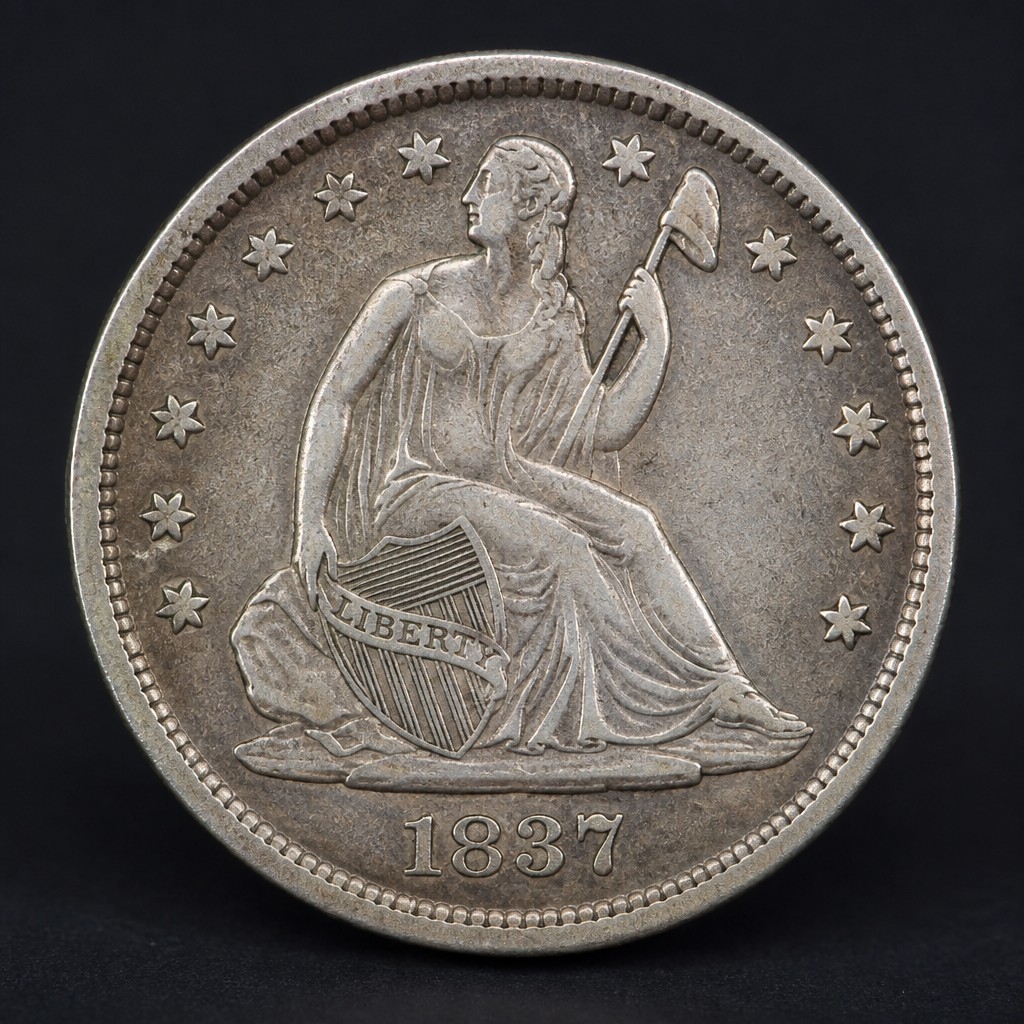
Seated Liberty Half Dime
The final United States half dime series, struck from 1837 to 1873, features Christian Gobrecht's seated Liberty design before the denomination was replaced by the copper-nickel Shield Nickel.
United States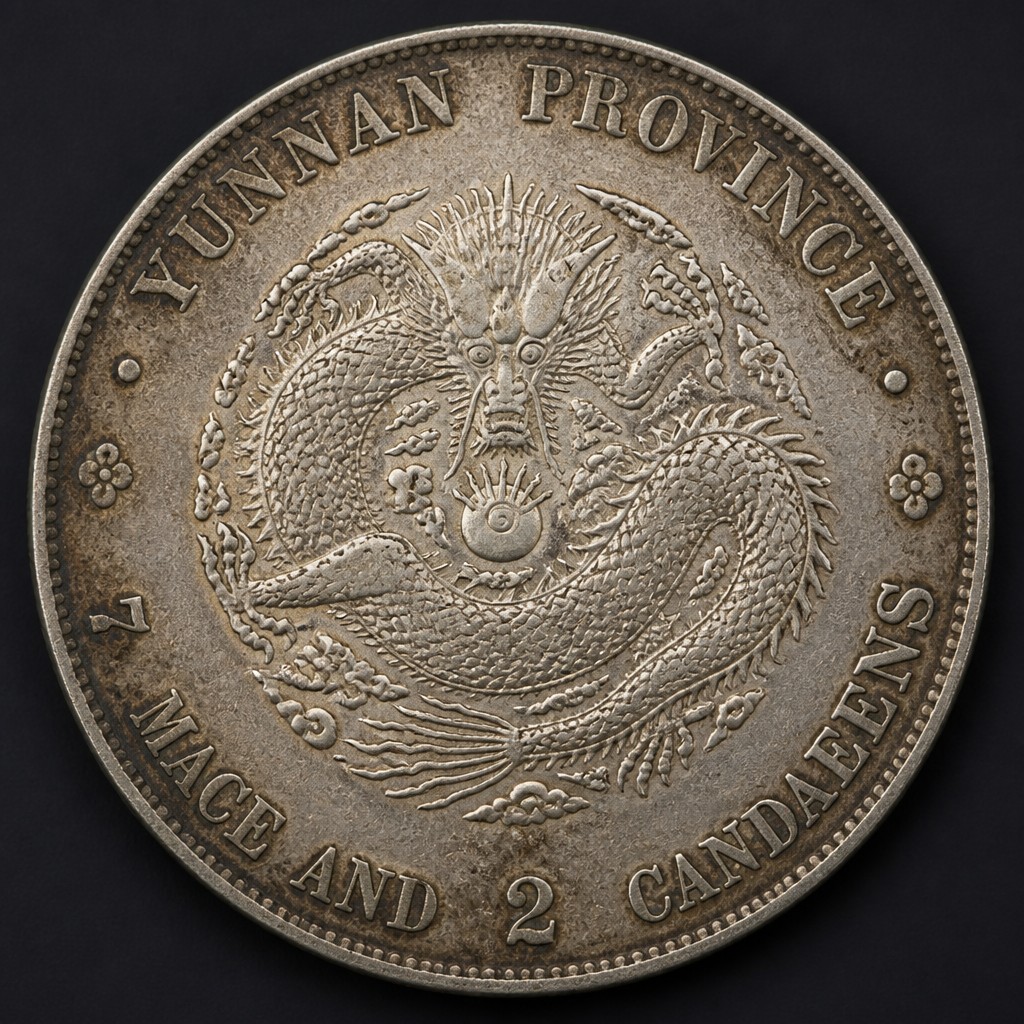
Chinese Yunnan Province Dragon Dollar
A silver dragon dollar struck by China's remote southwestern Yunnan province, notable for its distinctive coiled dragon design and unusually long production continuing well into the Republic era.
Asian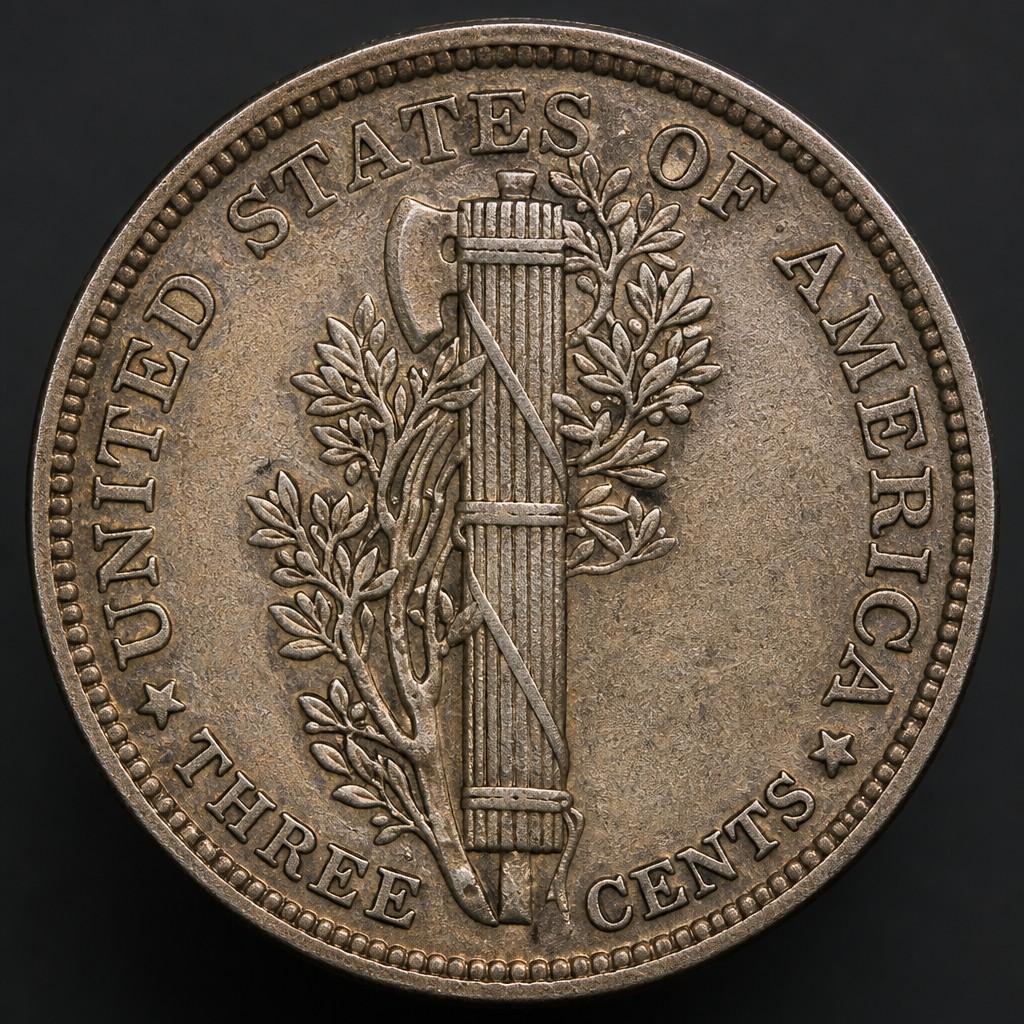
Fasces Three-Cent Nickel
A nickname sometimes applied to the copper-nickel Three-Cent Piece of 1865-1889, whose reverse wreath-and-numeral design is occasionally likened to classical fasces imagery from early pattern experiments.
United States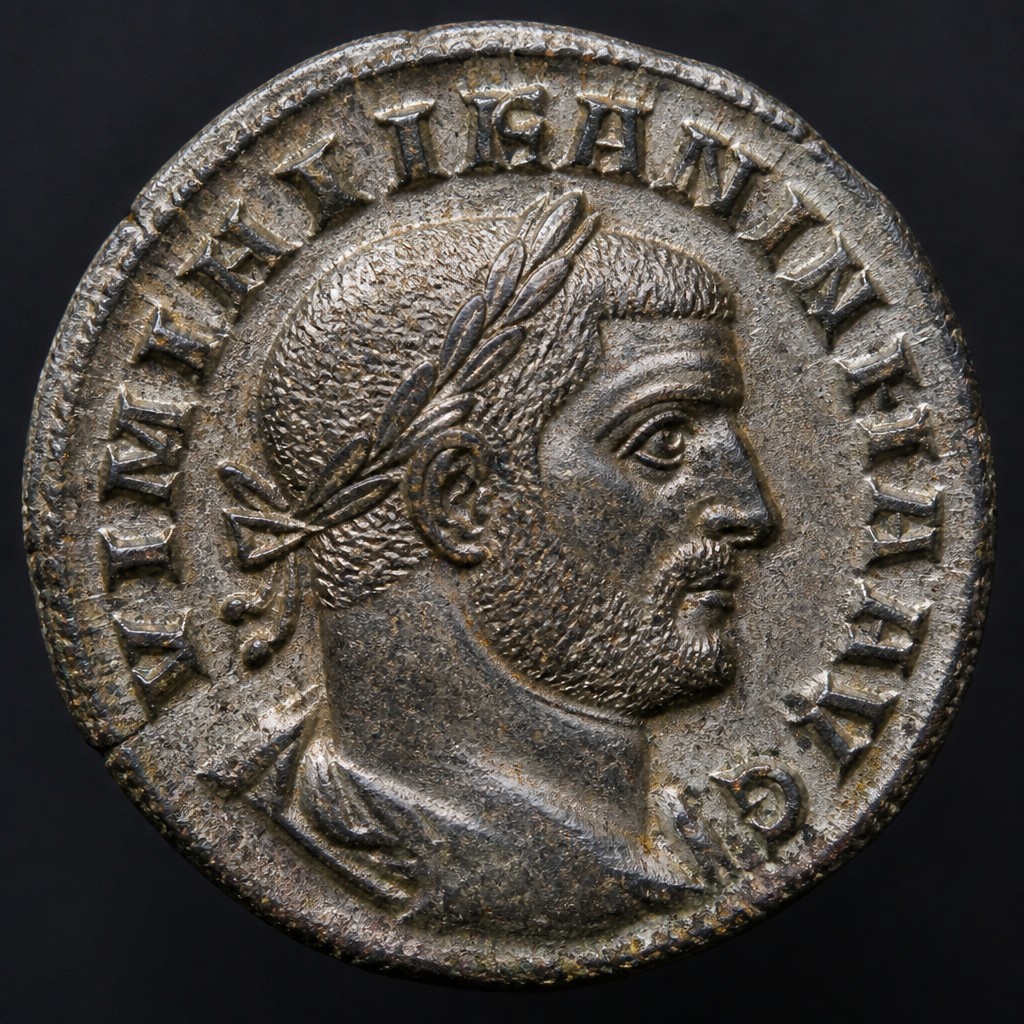
Maximian Follis
Large bronze follis of Maximian, co-Augustus with Diocletian who ruled the western half of the empire as part of the Tetrarchy and shared the same reformed coinage design.
Ancient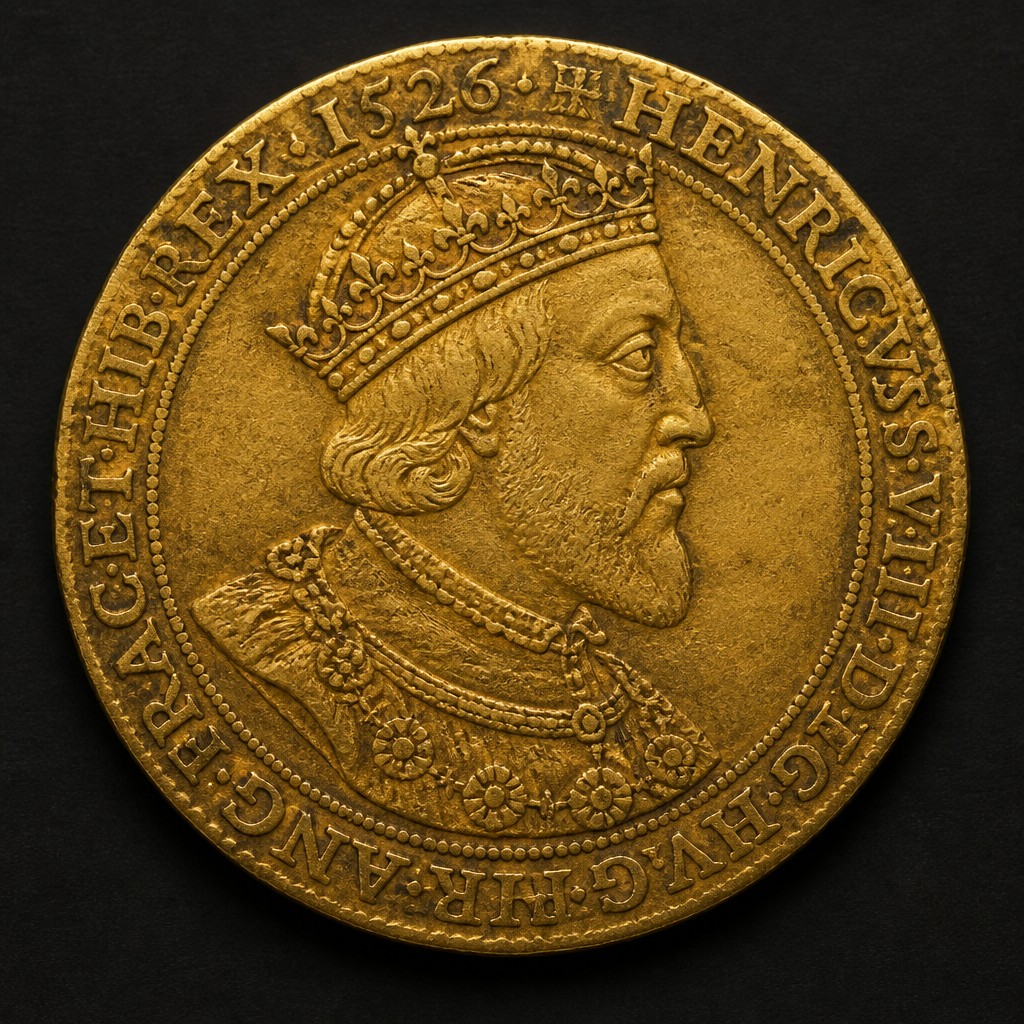
George Noble
A short-lived English gold coin of 1526 depicting St. George slaying the dragon, among the rarest coins of Henry VIII's reign.
British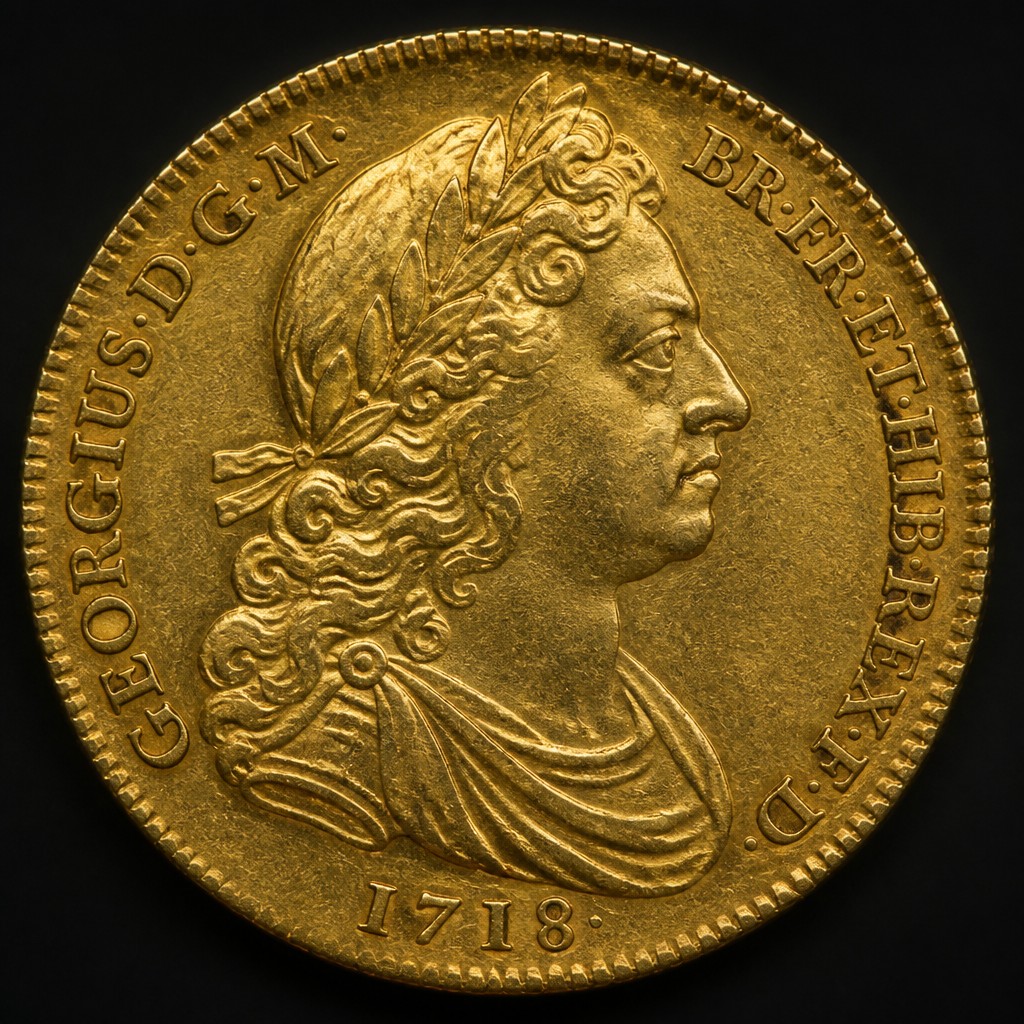
Quarter Guinea
A rarely issued small gold coin worth one-quarter of a guinea, struck only in 1718 under George I and again briefly in 1762 under George III.
British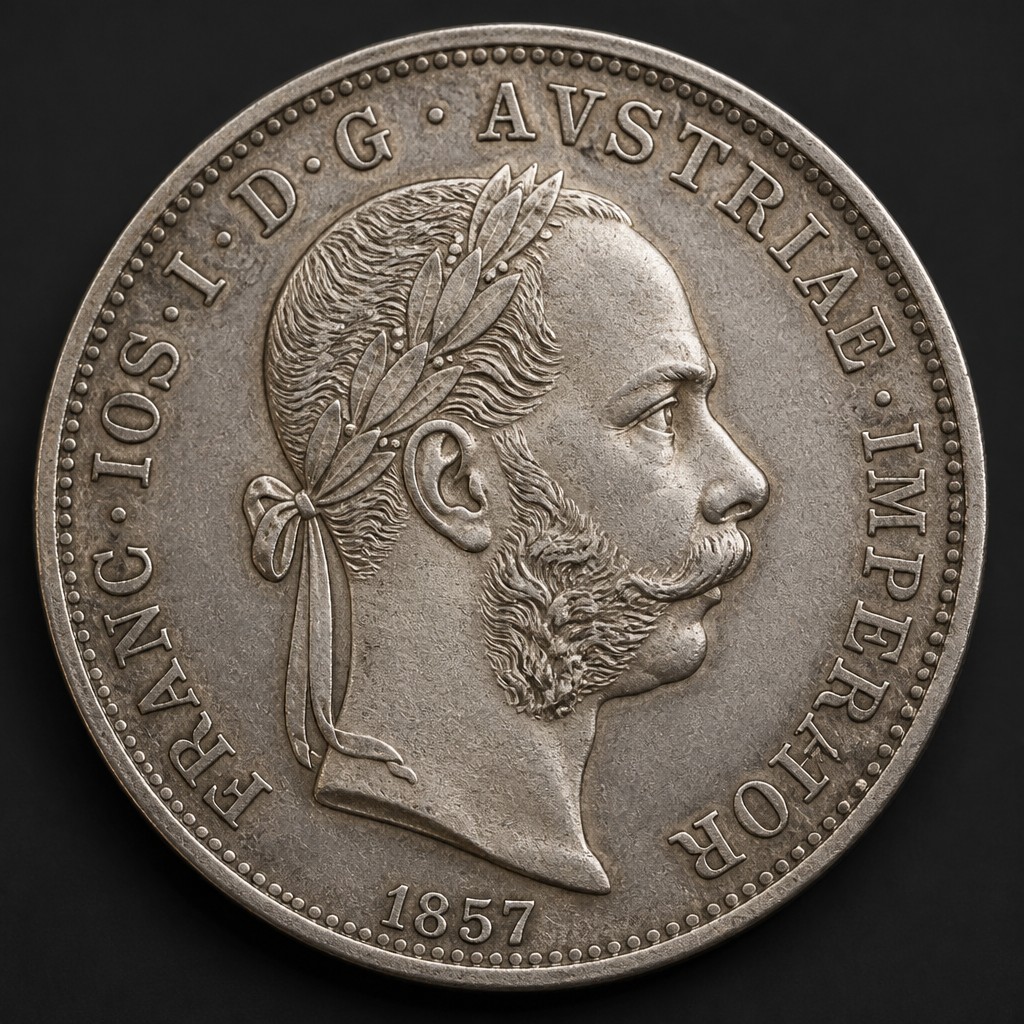
Austrian Florin (Gulden)
The main silver coin of Austria-Hungary in the second half of the 19th century, used until the krone replaced it in the 1892 monetary reform.
European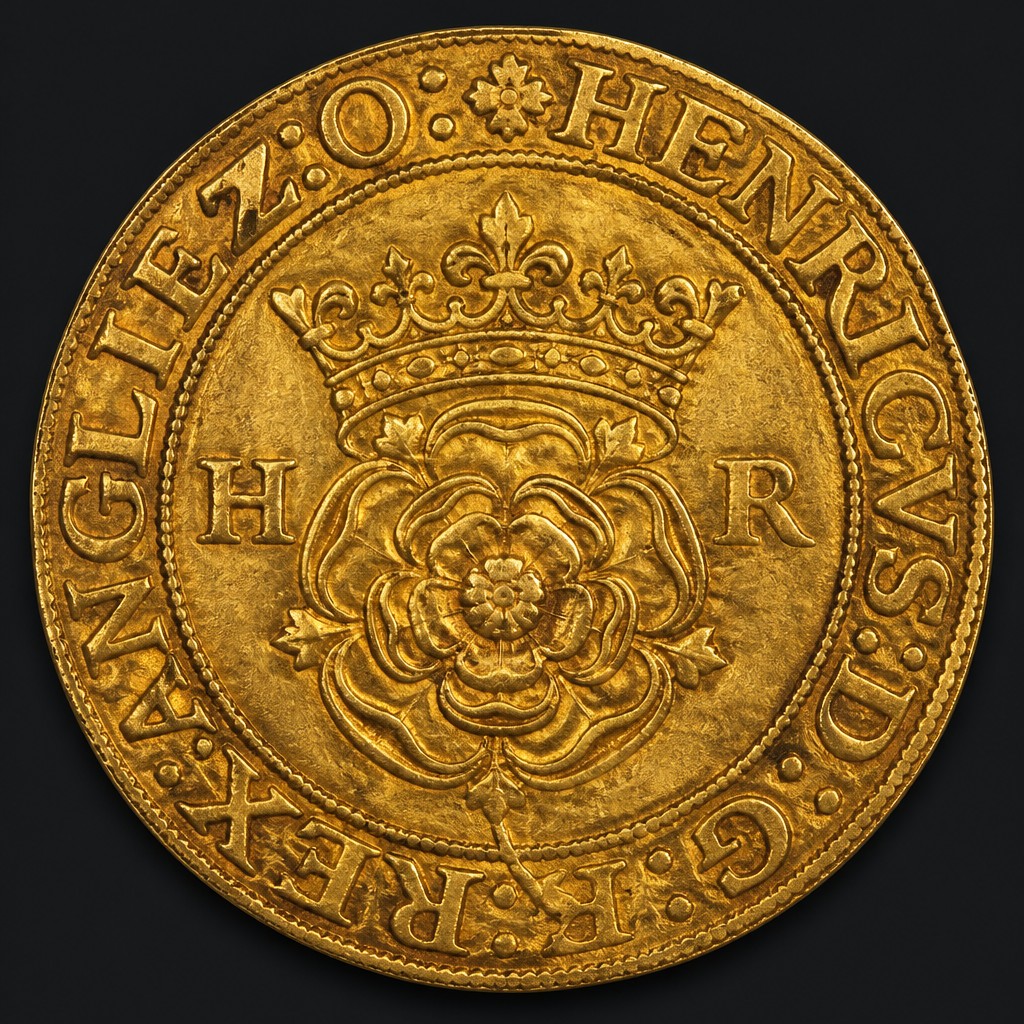
Crown of the Double Rose
A gold coin introduced by Henry VIII in 1526 as part of his coinage reform, named for the crowned Tudor double rose on its reverse.
British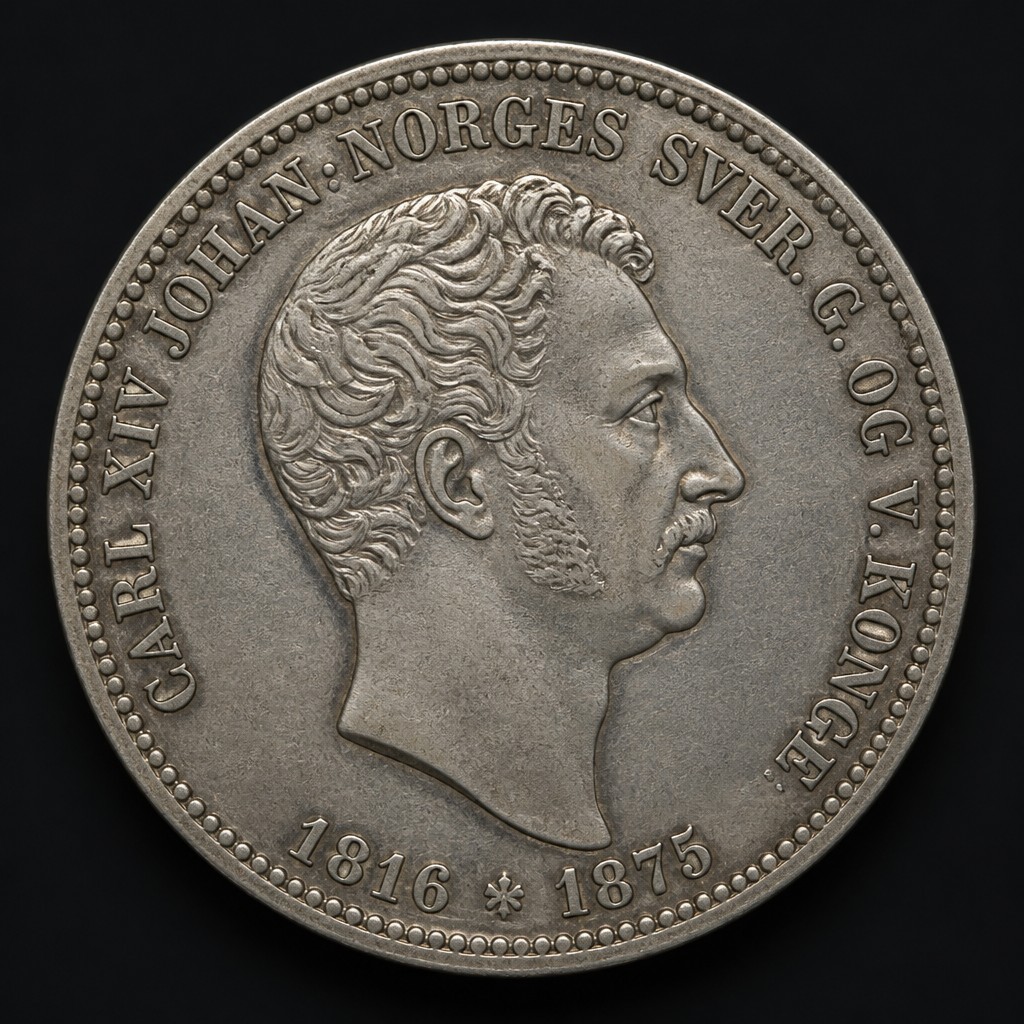
Norwegian Speciedaler
Norway's principal silver coin from the establishment of its independent currency in 1816 until the krone reform of the 1870s.
European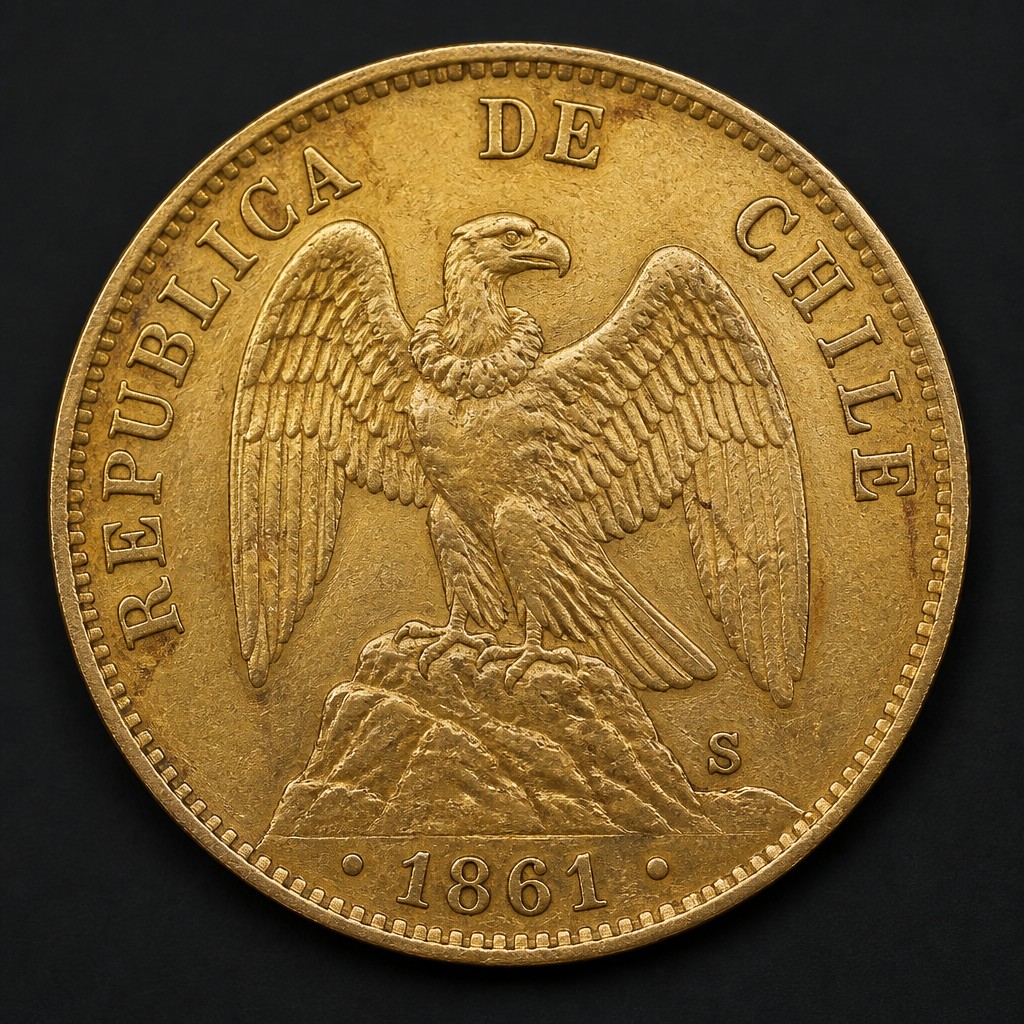
Chile Peso (Condor)
Chilean coinage featuring the Andean condor perched or in flight, first seen on 19th-century gold pesos and later on the everyday circulating peso coin.
Latin American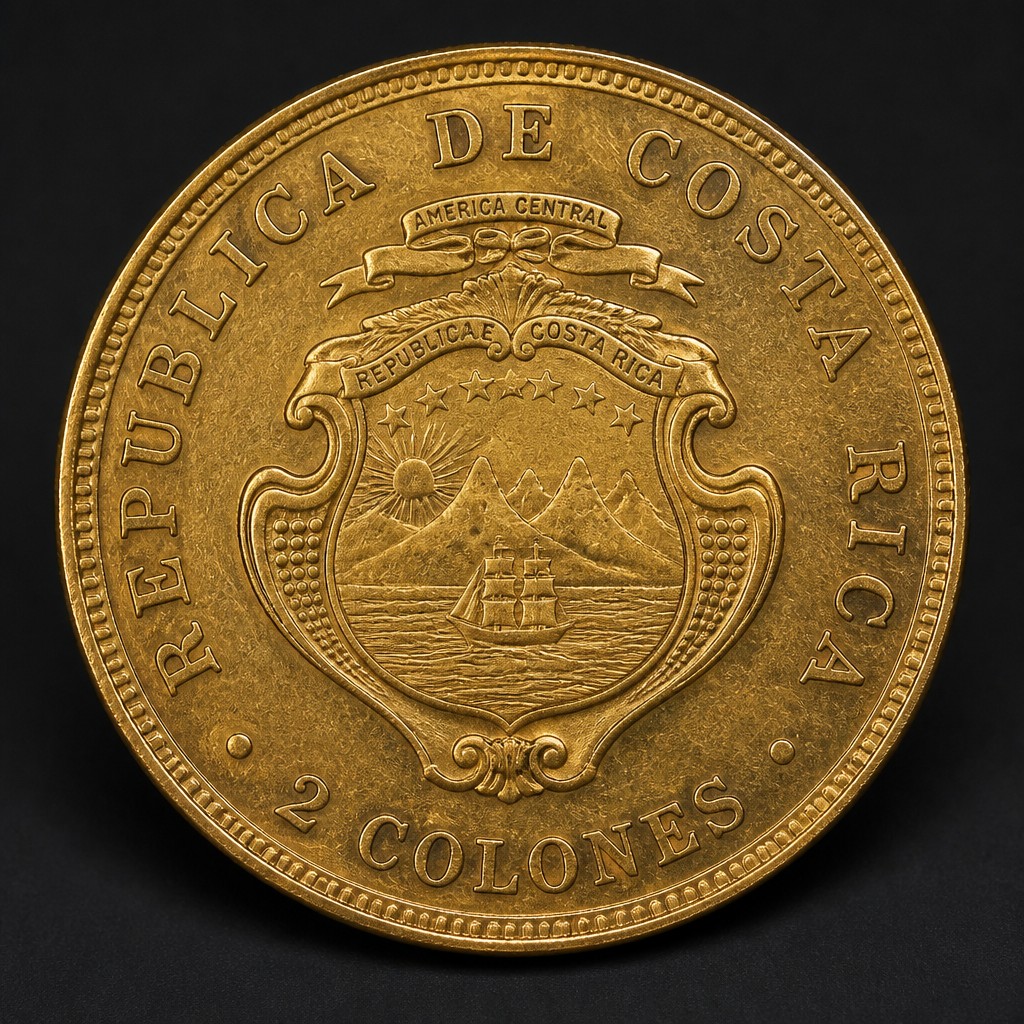
Costa Rica 2 Colones Gold
A small gold denomination from Costa Rica's early colon-era coinage, part of a family of gold coins (2, 5, 10, and 20 colones) struck around the turn of the twentieth century.
Latin American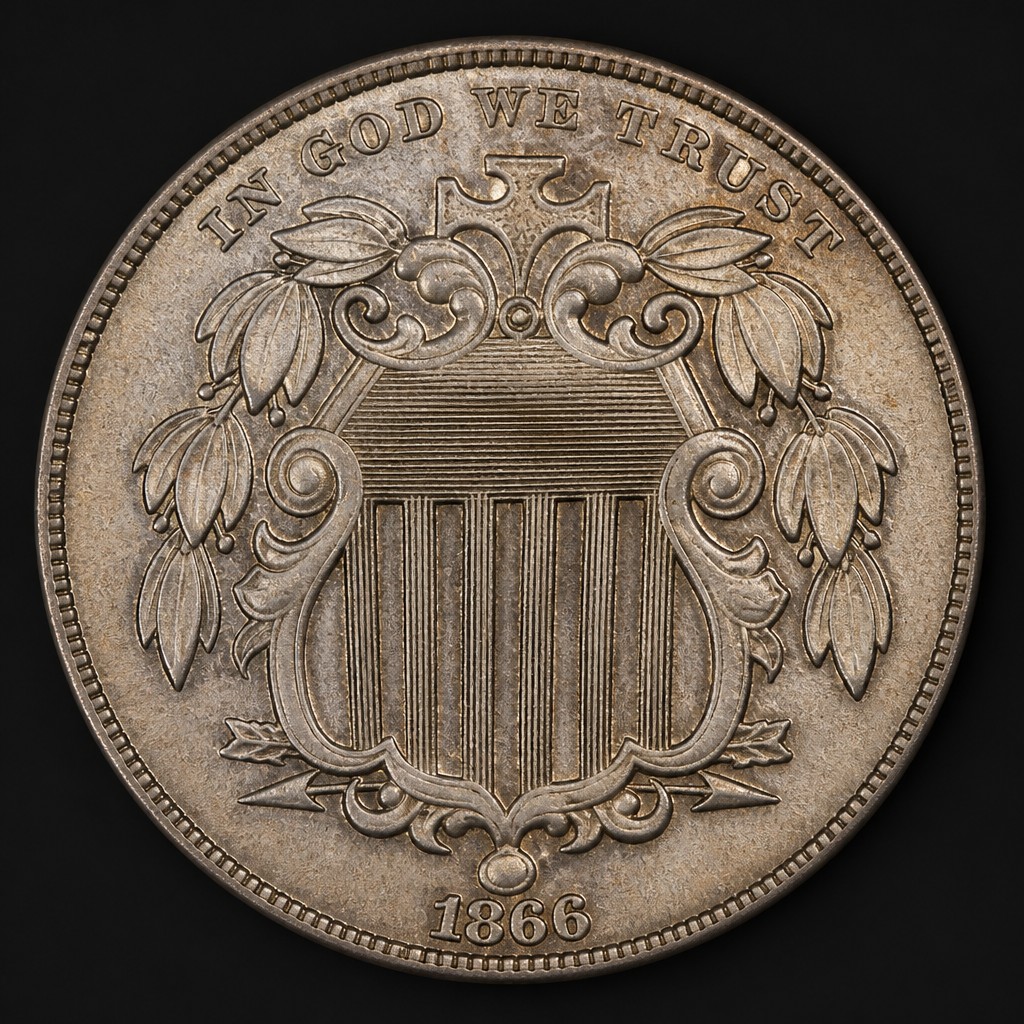
Shield Nickel
The first copper-nickel five-cent coin, the Shield Nickel features a national shield on the obverse and was issued from 1866 to 1883, including rare rays and proof-only dates.
United States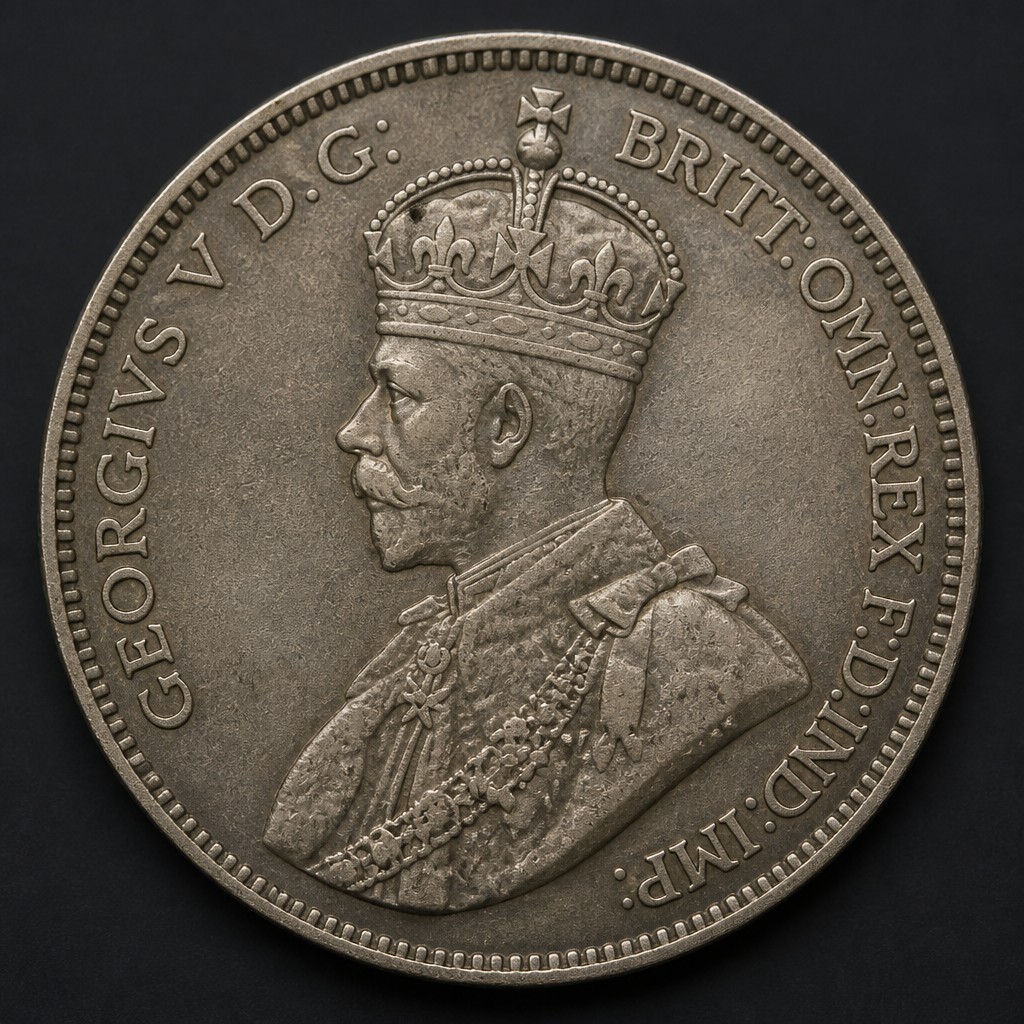
Australian Florin (pre-decimal)
Pre-decimal Australian silver florin worth two shillings, minted from 1910 until decimalization replaced it with the 20-cent coin in 1966.
Africa & Oceania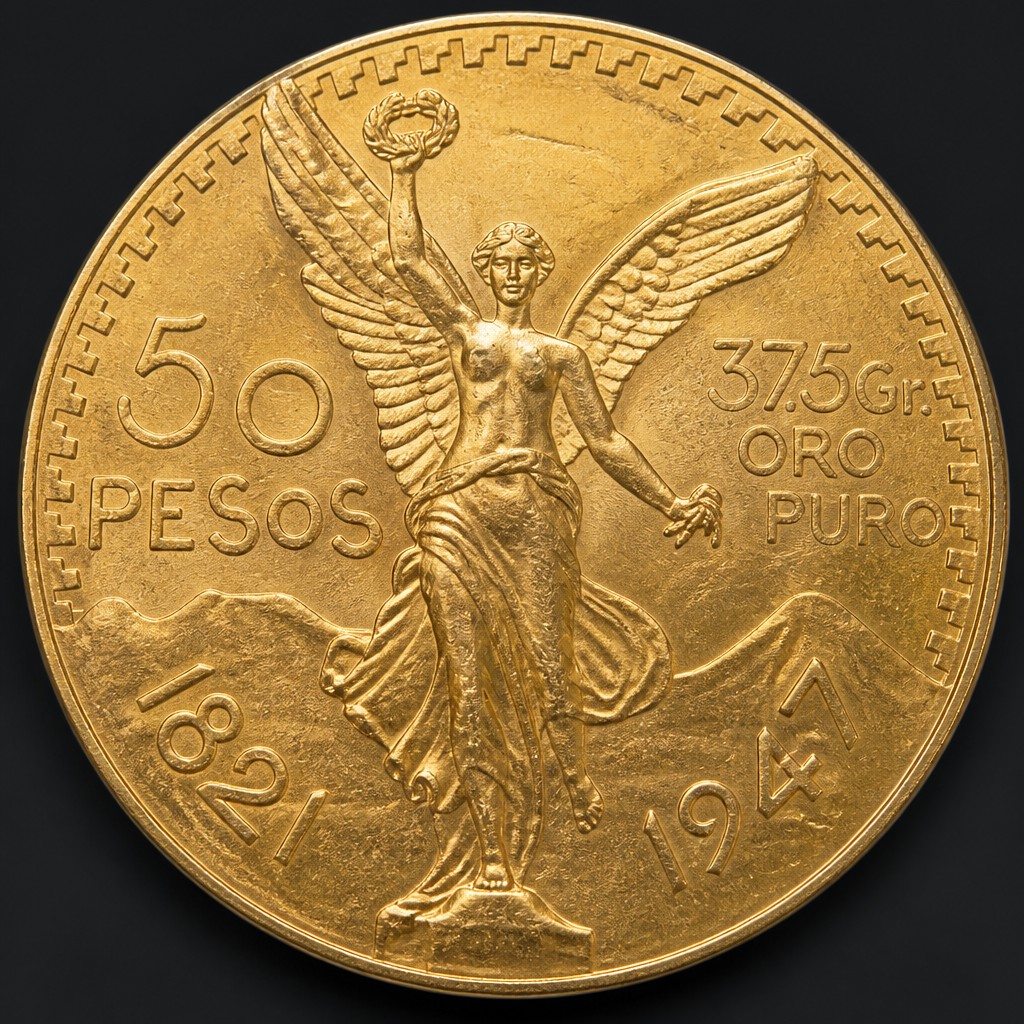
Mexican Gold Centenario (50 Pesos)
Mexico's iconic gold coin, first struck in 1921 to mark a century of independence, depicting the Angel of Independence and still produced today as bullion.
Bullion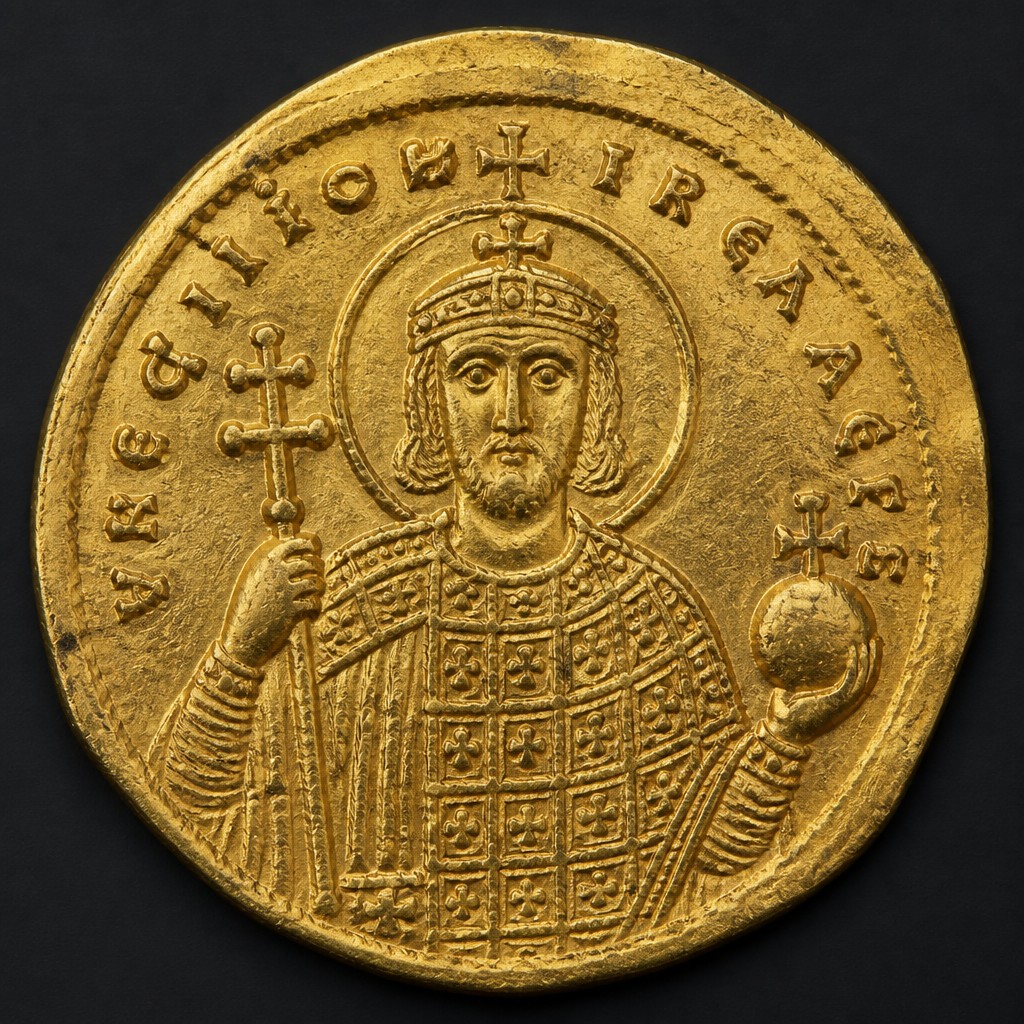
Byzantine Gold Histamenon Nomisma
A distinctive concave (cup-shaped) Byzantine gold coin introduced in the 10th century as the full-weight companion to the flat tetarteron nomisma.
Ancient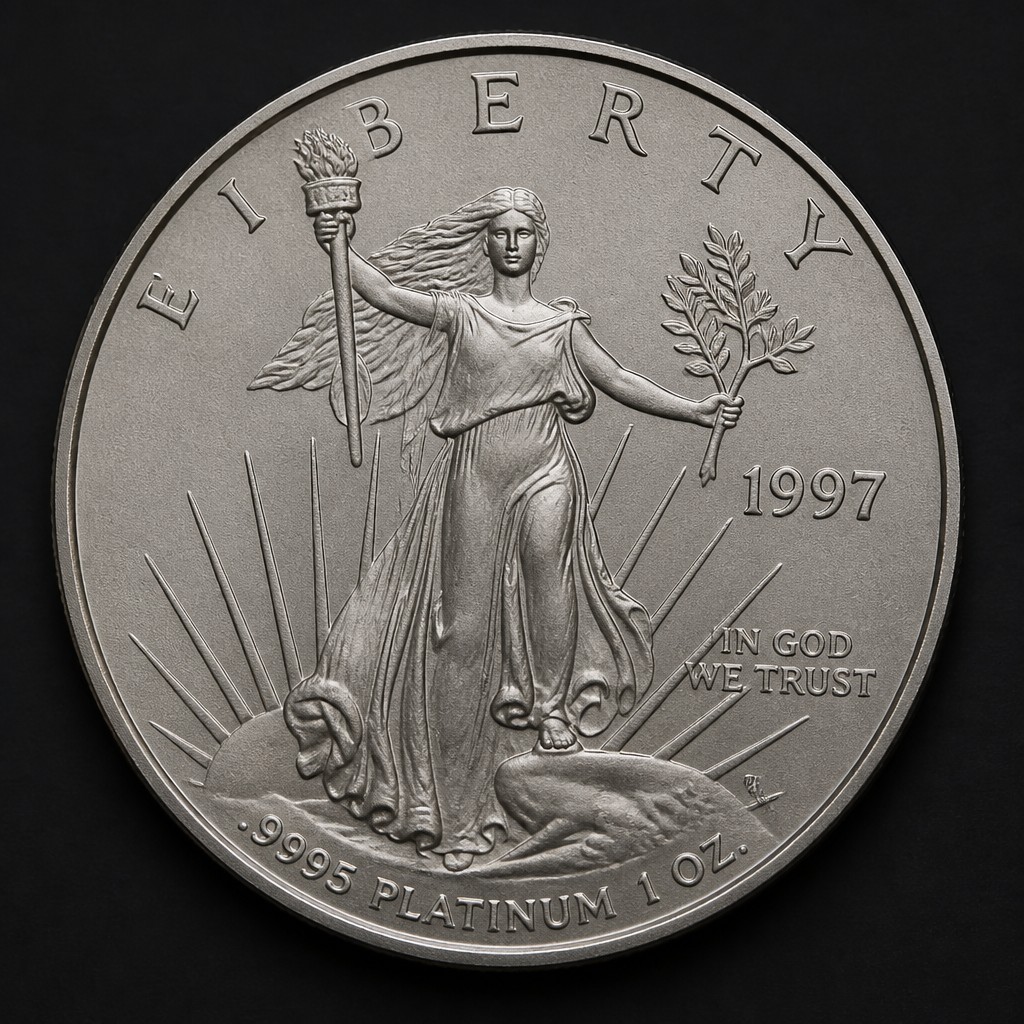
American Platinum Eagle
The United States Mint's official platinum bullion coin, issued since 1997 in four sizes, featuring the Statue of Liberty and a changing eagle reverse.
Bullion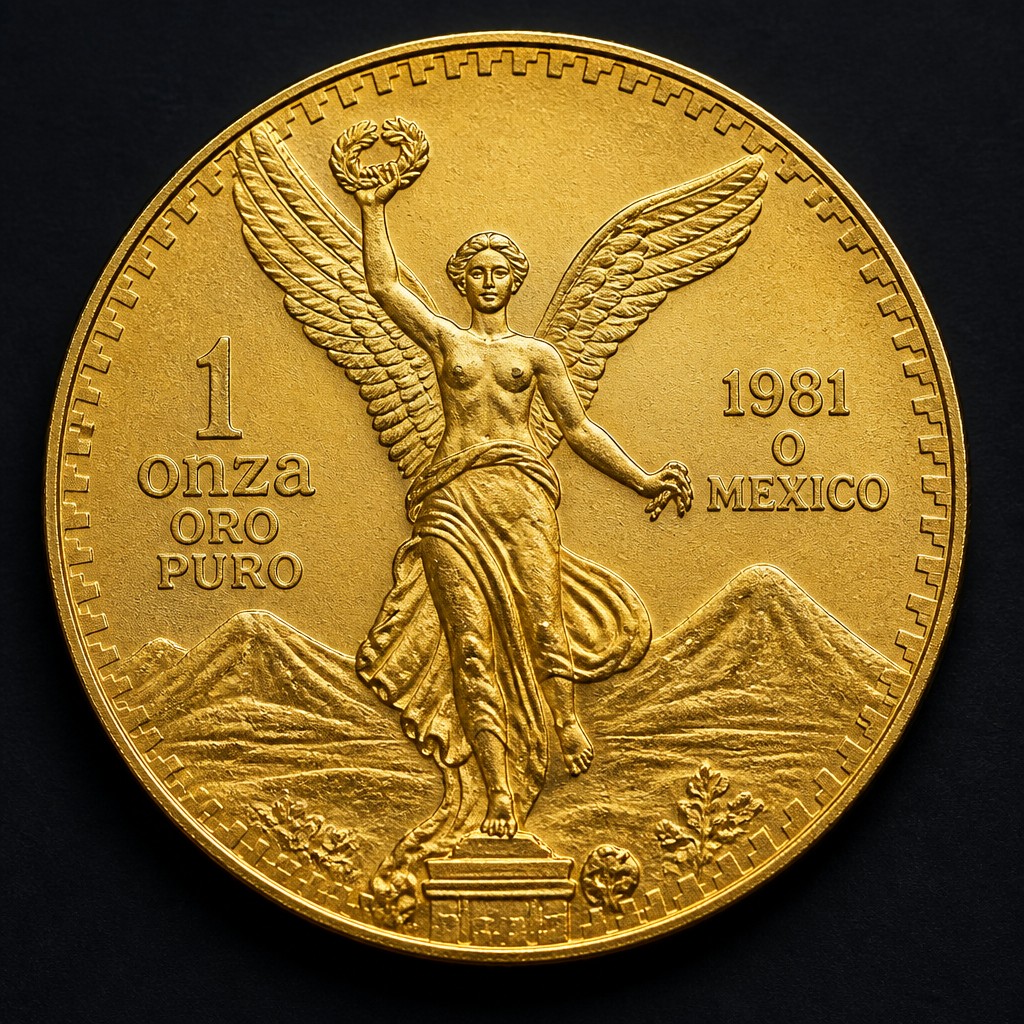
Mexican Gold Libertad
Mexico's premier gold bullion coin, featuring the iconic Angel of Independence, produced without a fixed monetary denomination since 1981.
Bullion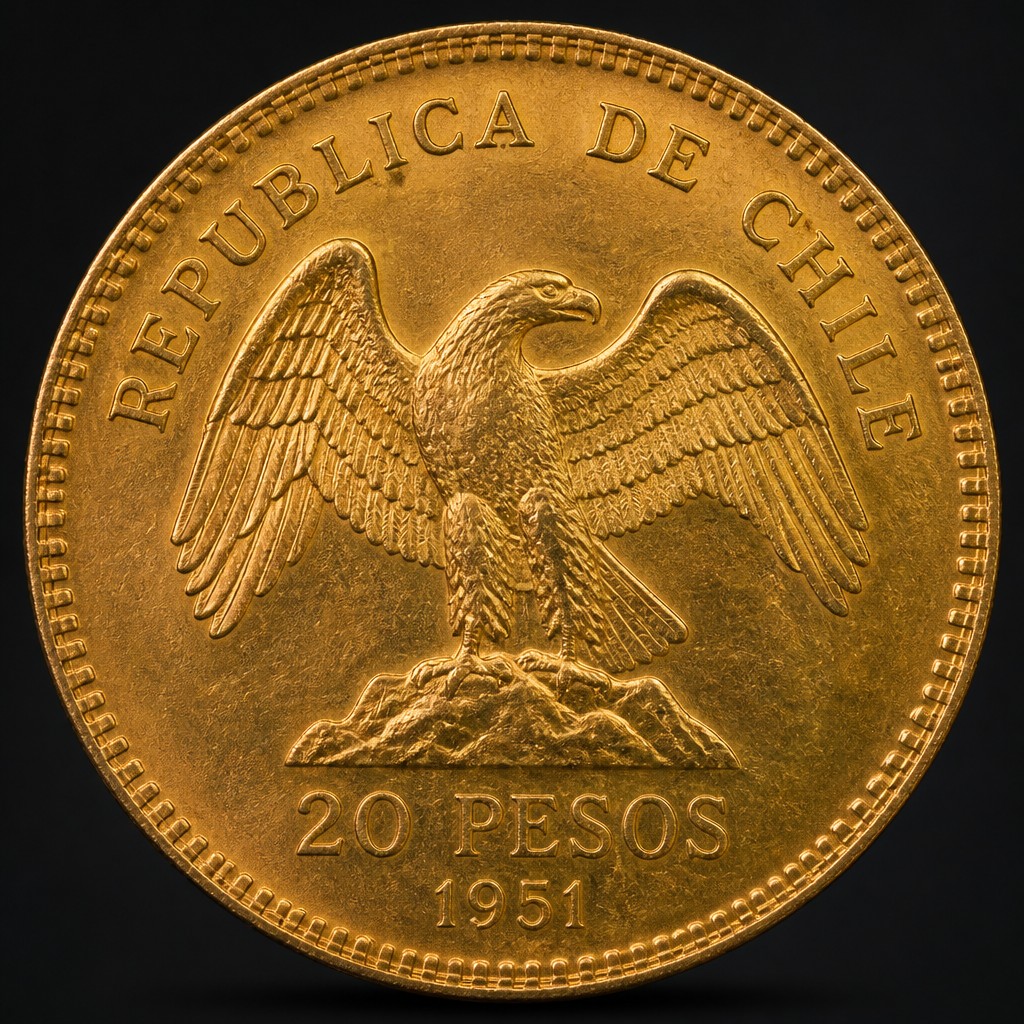
Chilean 20 Pesos Gold
The smallest of Chile's regular gold coin denominations, issued both in an earlier 19th-century gold peso series and later as part of the 1926 condor-themed gold reform.
Latin American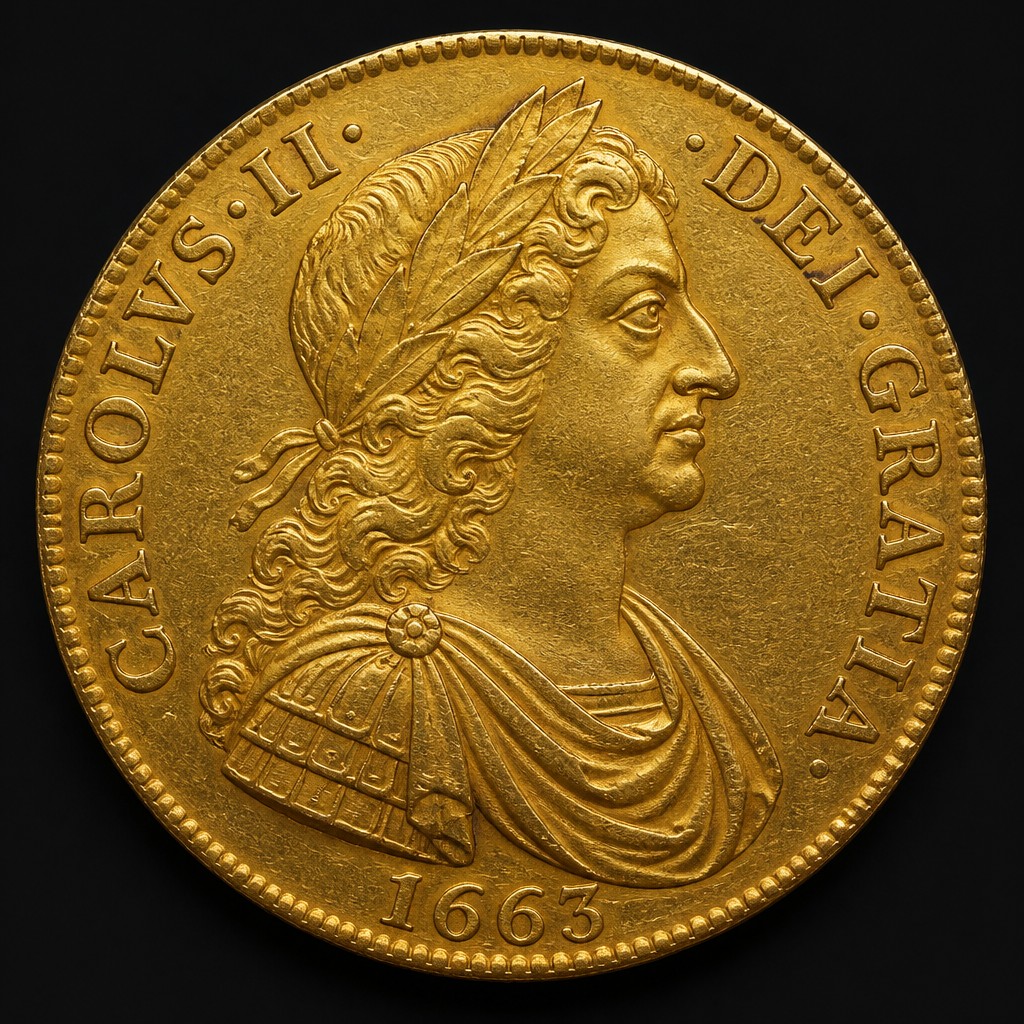
British Guinea
England's premier gold coin for over 150 years, named for the West African region that supplied much of its gold and eventually valued at 21 shillings.
British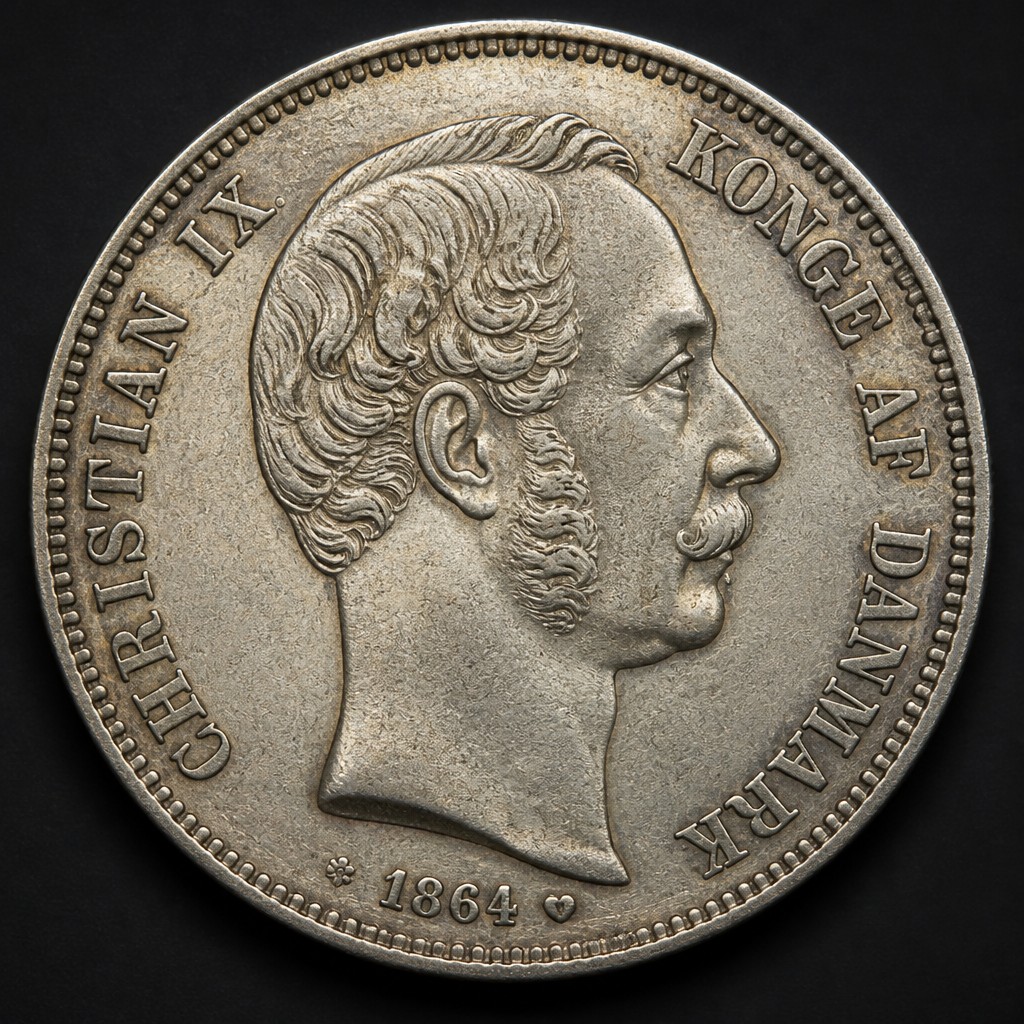
Danish Speciedaler
Denmark's large silver 'species dollar,' the principal high-value coin of the Danish monetary system before the krone replaced it in 1873–75.
European