
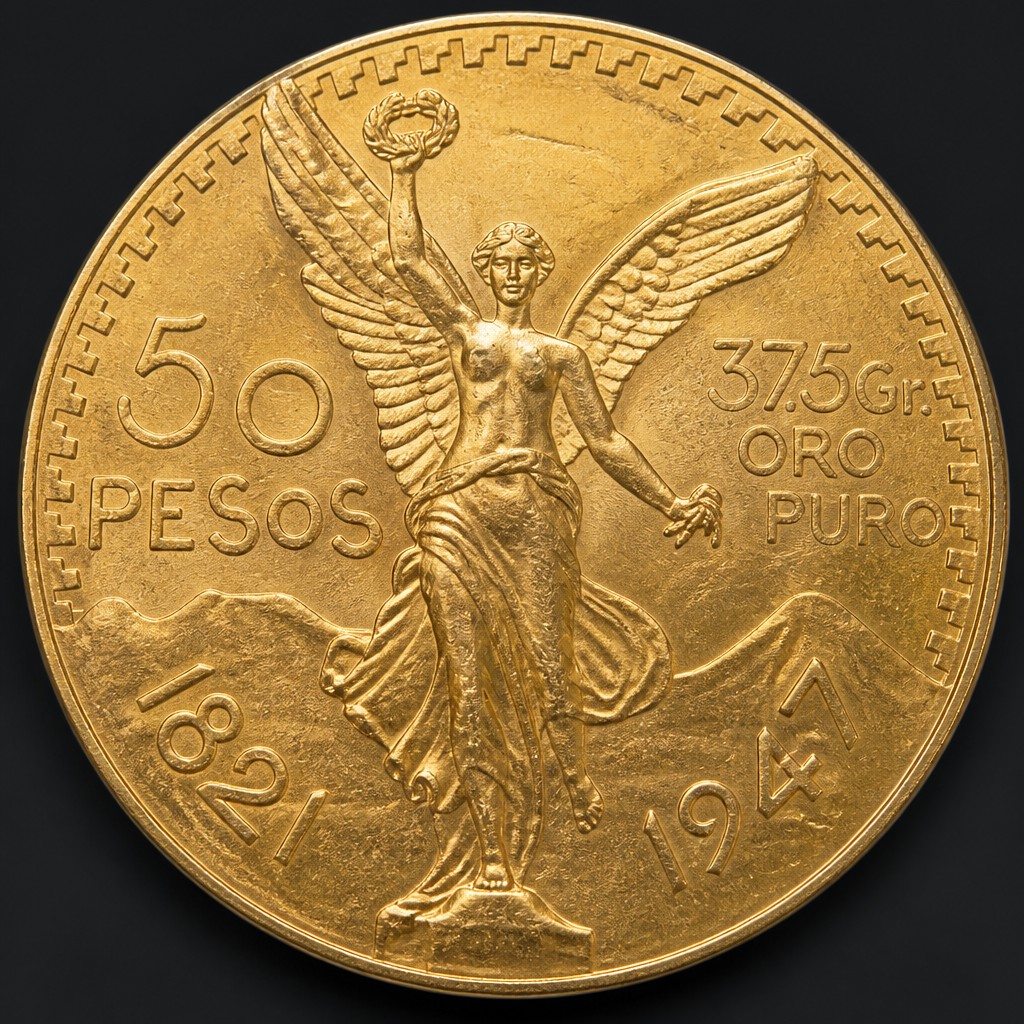
Mexican Gold Centenario (50 Pesos)
Mexico's iconic gold coin, first struck in 1921 to mark a century of independence, depicting the Angel of Independence and still produced today as bullion.
- Country
- Mexico
- Denomination
- 50 Pesos
- Metal
- Gold, .900 fine (1.2057 troy oz gold content)
Got a coin like this?
Identify any coin from a photo, free.
Overview
The Mexican Gold Centenario, officially the 50 Pesos gold coin, is one of the most recognizable bullion coins in the world, prized for its large size, classic design, and historical roots in Mexico's independence centennial. It contains just over 1.2 troy ounces of gold, making it noticeably larger and heavier than most other national bullion coins.
Originally struck for circulation and later reissued purely as a bullion product, the Centenario remains one of the most widely traded gold coins internationally, especially popular in Mexico, Latin America, and among collectors of classic 20th-century gold coinage.
All Centenarios currently sold as bullion, regardless of when they were actually struck, carry the date 1947, since Mexico has continued producing restrikes using that fixed date for decades.
History & Background
The coin was first issued in 1921 to commemorate the 100th anniversary of Mexican independence from Spain, featuring the same Angel of Independence design found atop Mexico City's famous independence monument. After the initial commemorative issue, Mexico continued minting the 50 Pesos gold coin for circulation and export through the 1930s and into the 1940s as part of its standard gold coinage.
Following the end of original-date production, the Casa de Moneda de México began striking restrikes of the coin using the fixed date of 1947 to supply ongoing demand for gold bullion, a practice that continues into the present day. This makes the 1947-dated Centenario the version most commonly encountered by modern buyers, even though it may have been struck decades after that date.
How to Identify
The obverse of the Centenario depicts the Winged Victory figure, commonly called the Angel of Independence, standing before the Iztaccíhuatl and Popocatépetl volcanoes with the date 1921 (or the fixed restrike date of 1947) below and the years "1810-1921" flanking to commemorate the independence centennial. The reverse displays Mexico's coat of arms, an eagle perched on a cactus grasping a serpent, encircled by the words "ESTADOS UNIDOS MEXICANOS" and the denomination "50 PESOS."
The coin is struck in .900 fine gold with a total weight of 41.6 grams, yielding 1.2057 troy ounces of pure gold content, making it noticeably larger than typical one-ounce bullion coins. Its large diameter and weight, combined with the iconic angel-and-eagle design, make it easy to distinguish from Mexico's smaller fractional gold coins, such as the 20 Pesos or 10 Pesos pieces, which use a similar design theme at reduced size.
Value & Collectibility
As a widely traded bullion coin, the Centenario's value is closely tied to the spot price of gold for its 1.2057 ounce content, with common 1947-dated restrikes trading at a modest premium reflecting strong liquidity and worldwide recognition. Because most examples in the market are restrikes rather than coins actually struck in 1921, true 1921-dated originals in top condition can carry a significant numismatic premium over bullion value.
Condition has limited impact on value for common restrikes since they are bought and sold mainly as gold bullion, but well-preserved original 1921 pieces and any documented early-date circulation issues are valued by collectors beyond metal content. Overall, buyers should expect pricing driven primarily by the gold market for typical examples.
Frequently asked questions
Why do most Centenarios say 1947 even when recently struck?
Mexico has continued producing restrikes of the coin using the fixed 1947 date for many decades to supply ongoing bullion demand.
How much gold does a Centenario contain?
It contains 1.2057 troy ounces of pure gold within a .900 fine, 41.6 gram coin.
What does the design commemorate?
It originally marked the 100th anniversary of Mexican independence from Spain in 1921, shown by the angel figure and the dates 1810-1921.
Are original 1921 Centenarios worth more than restrikes?
Yes, genuine 1921-dated originals typically carry a numismatic premium above the coin's gold bullion value.
Other coins you may enjoy
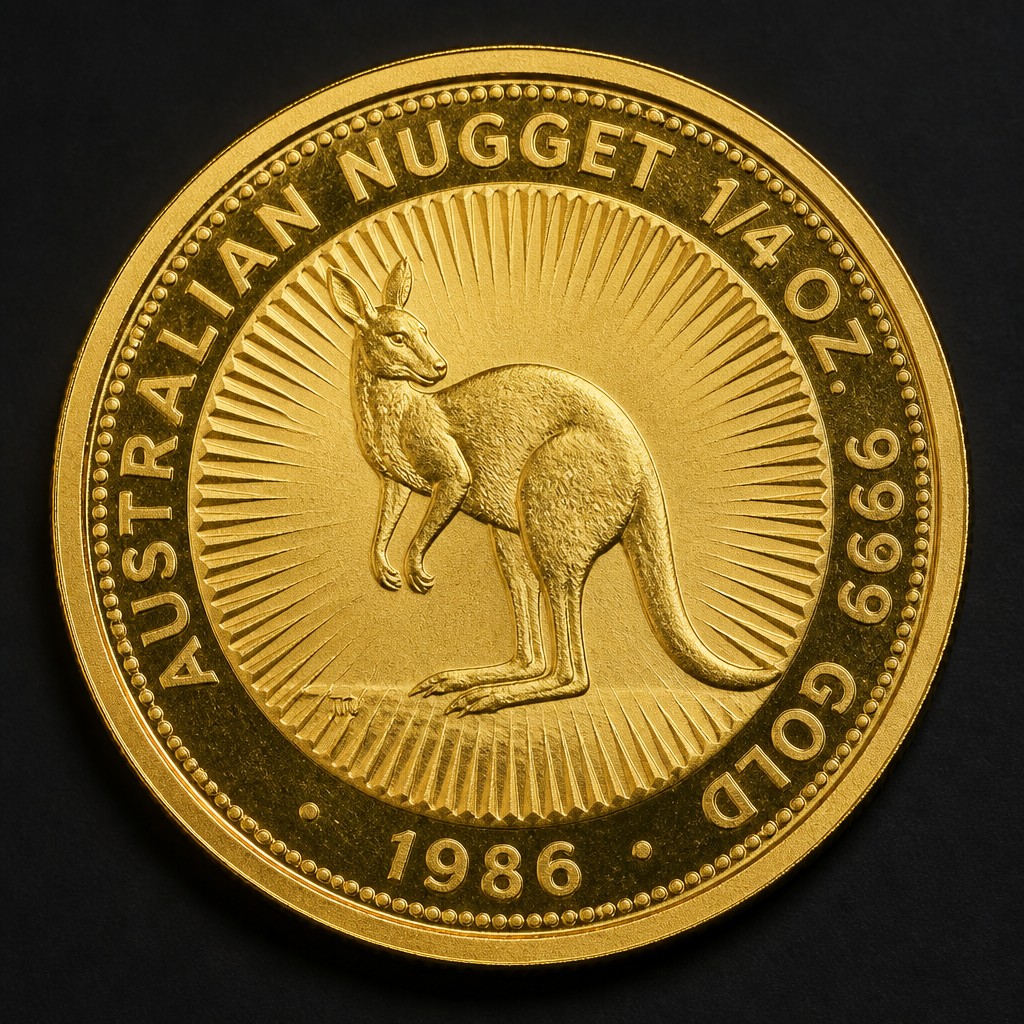
Australian Kangaroo Gold Nugget
1986-present
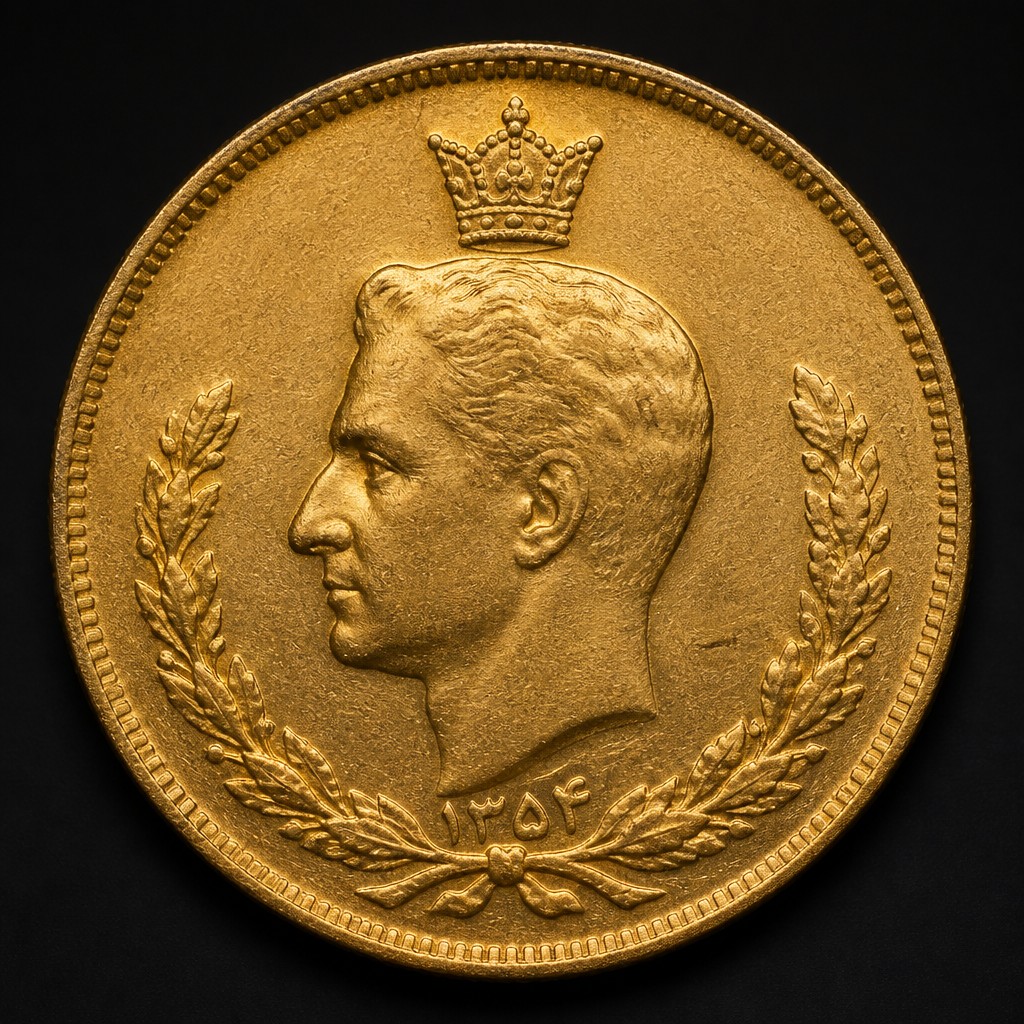
Iranian Pahlavi Gold Coin
1925–1979
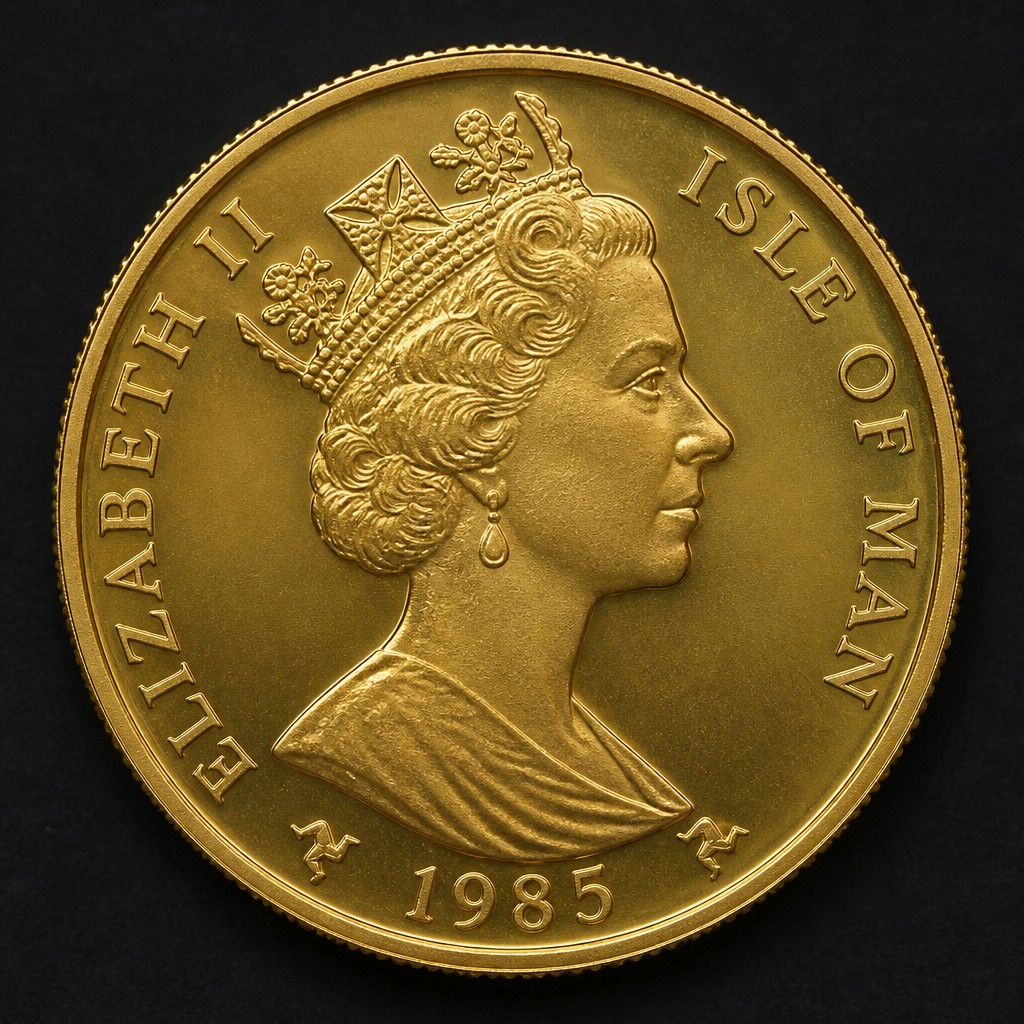
Isle of Man Angel Gold Coin
1984–present
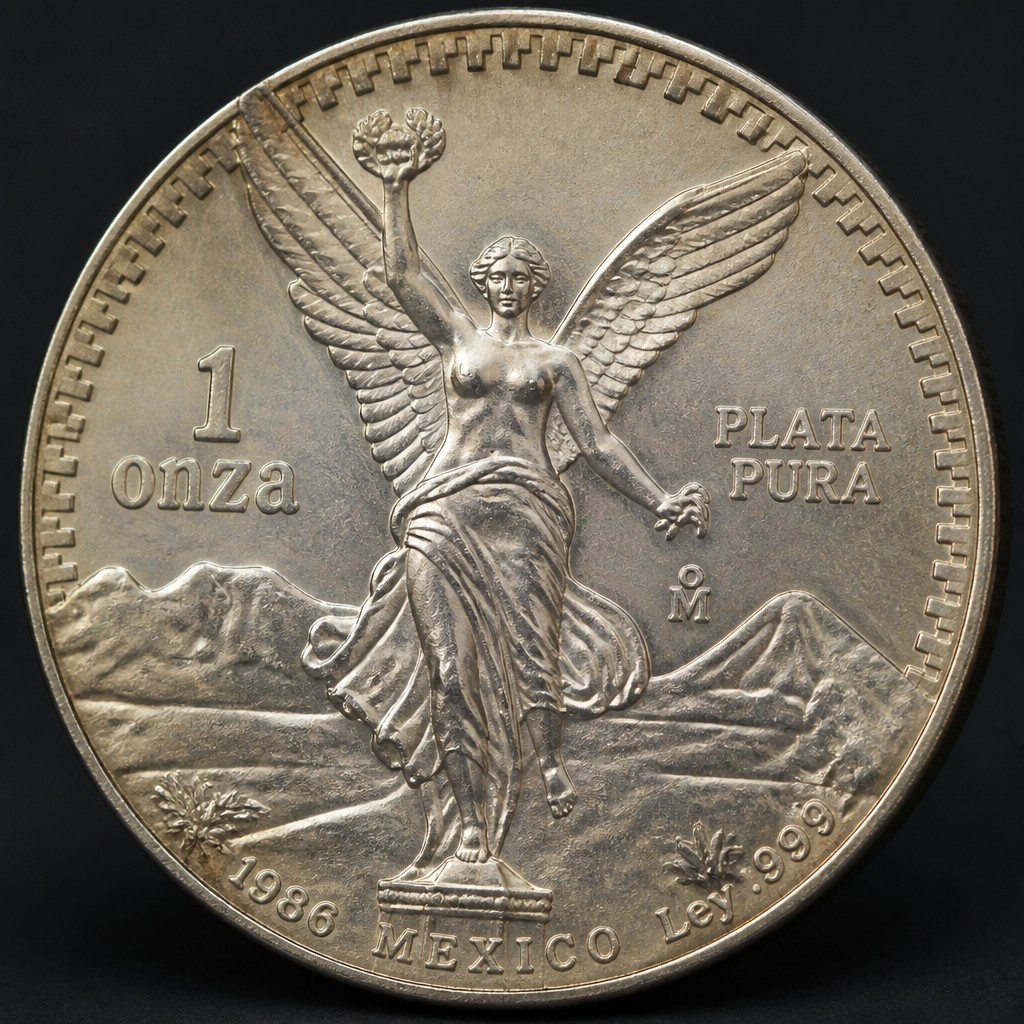
Mexican Libertad
1981-present (gold); 1982-present (silver)
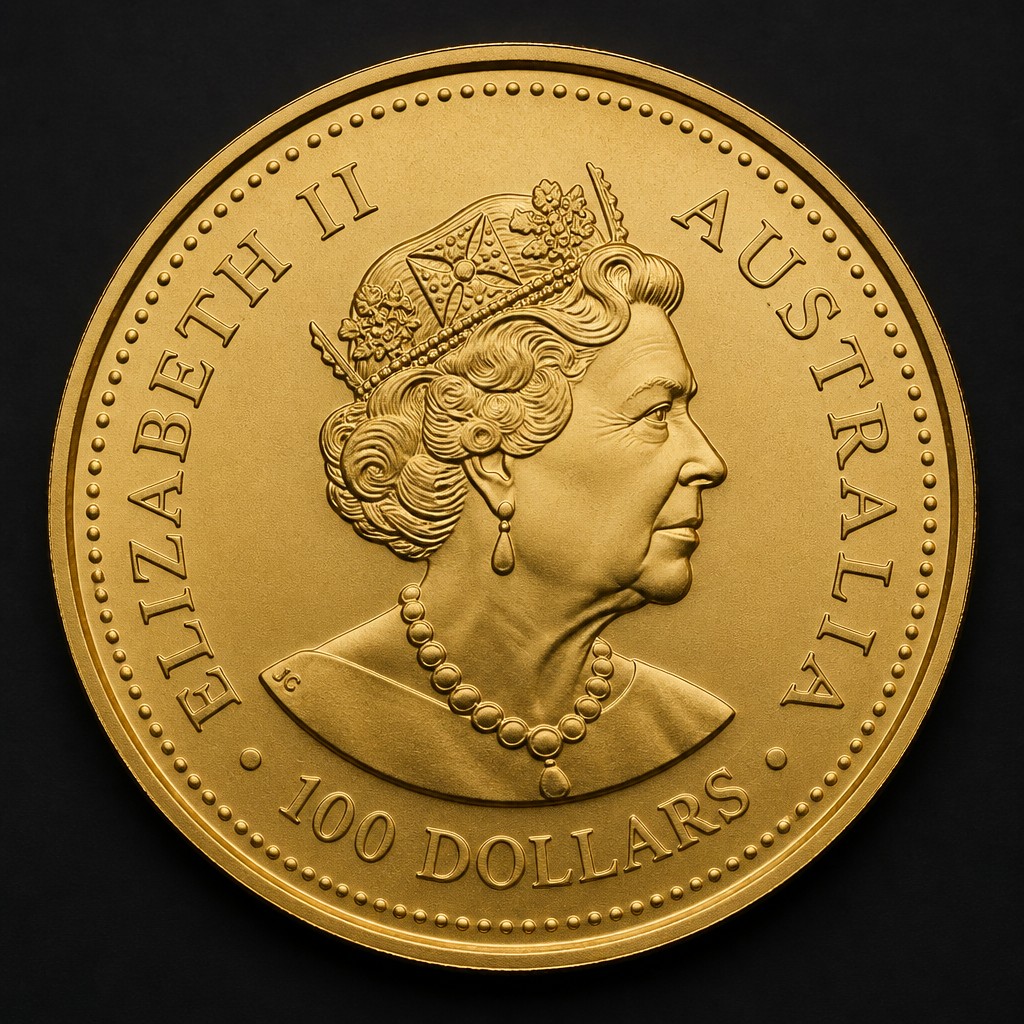
Australian Lunar Series (Perth Mint)
1996–present
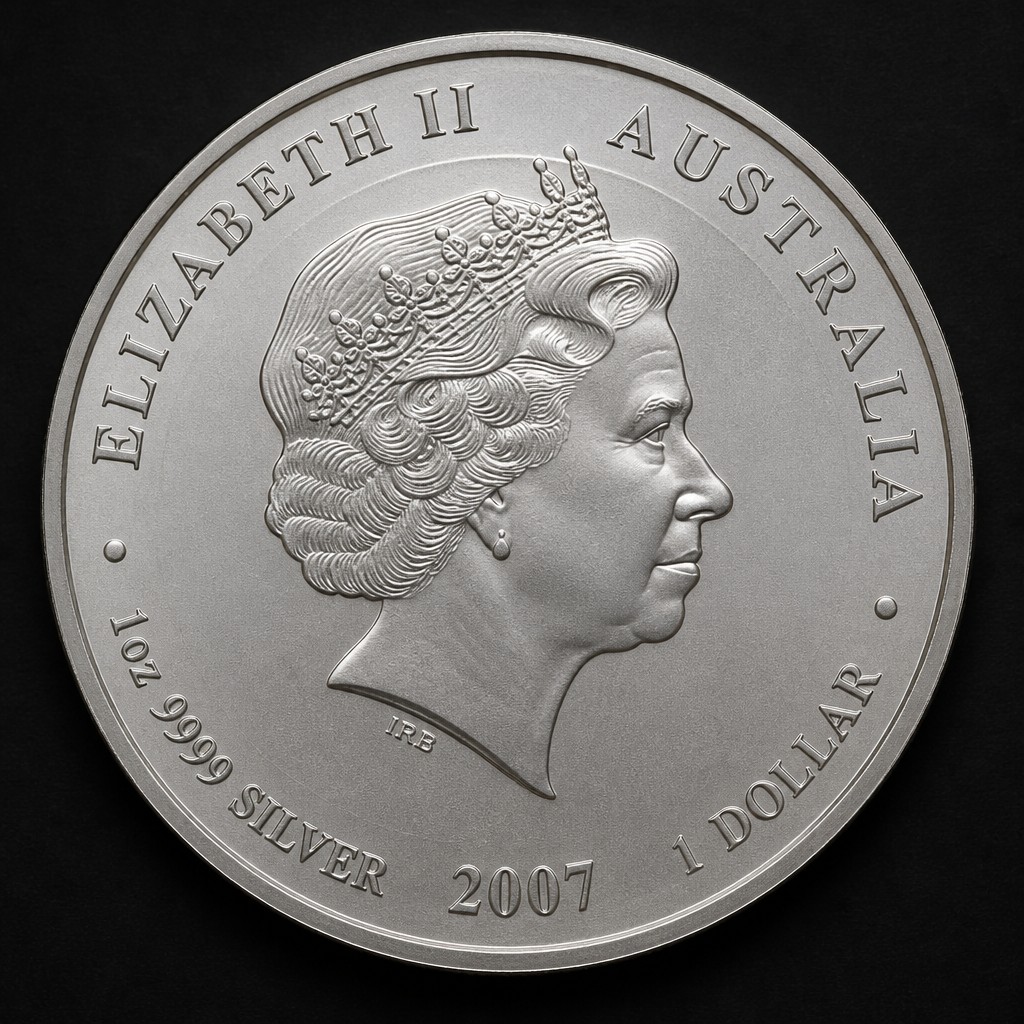
Australian Koala (Perth Mint)
1990-present (gold); 2007-present (silver)
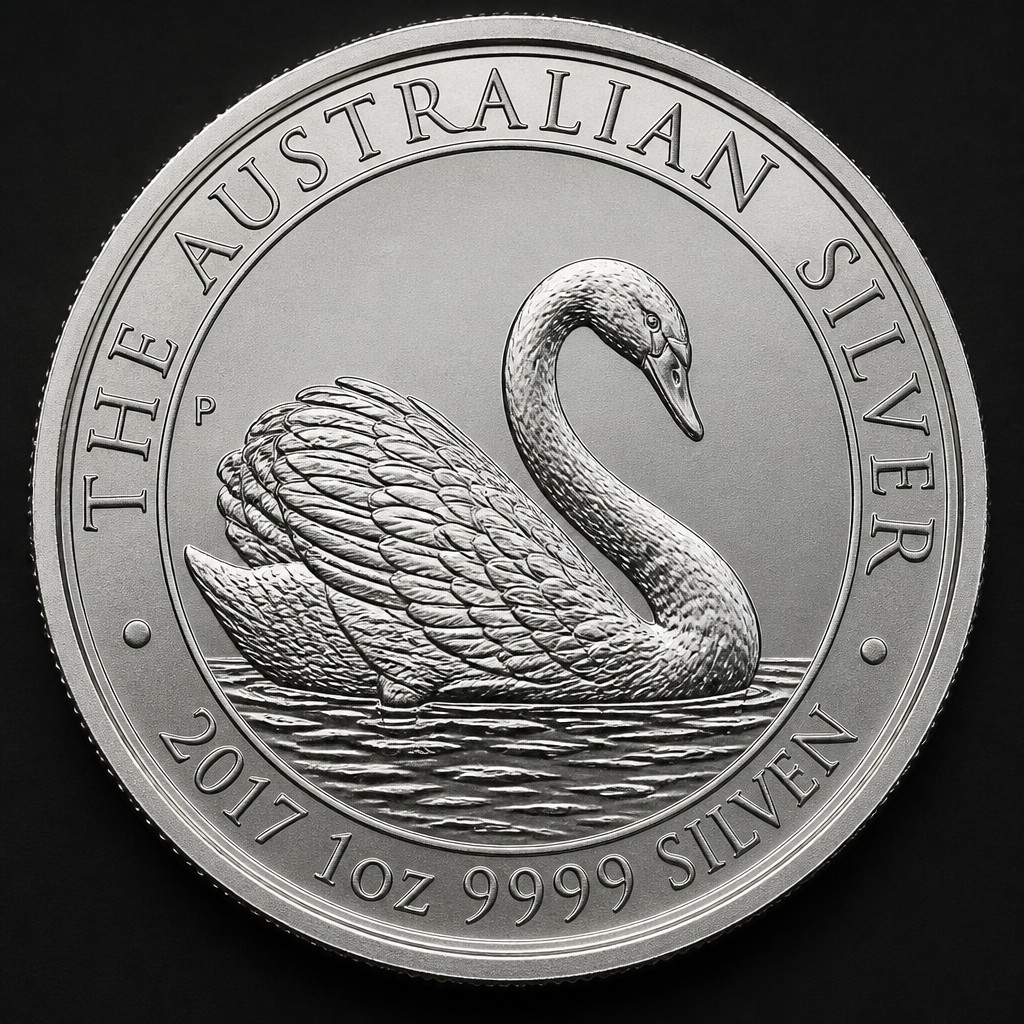
Perth Mint Silver Swan
2017–present
Australian Platinum Koala
1988–present
New Zealand Mint Silver Kiwi
2006–present
British Silver Landmarks of Britain
2020s–present
American Palladium Eagle
2017–present
Niue Silver Owl (Athenian)
2010s–present