
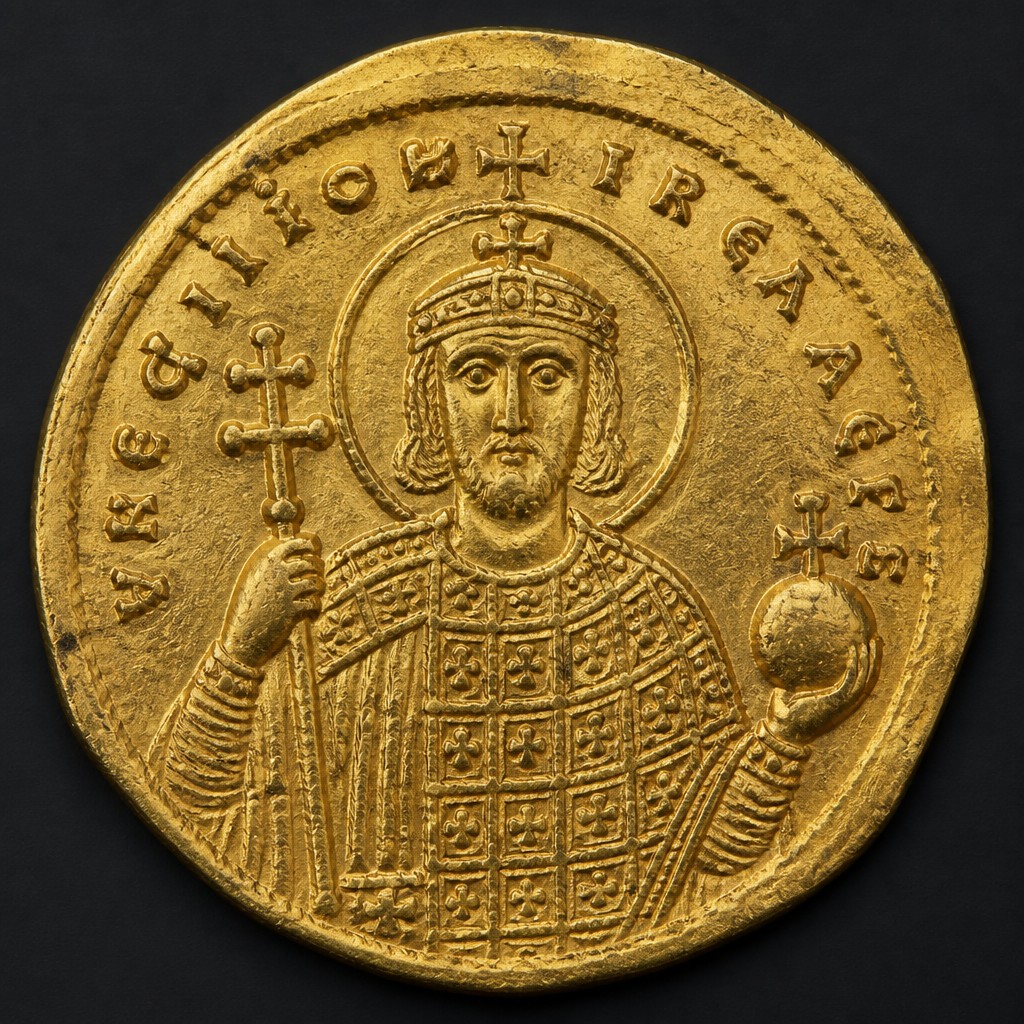
Byzantine Gold Histamenon Nomisma
A distinctive concave (cup-shaped) Byzantine gold coin introduced in the 10th century as the full-weight companion to the flat tetarteron nomisma.
- Country
- Byzantine Empire
- Denomination
- Histamenon Nomisma
- Metal
- Gold (progressively debased through the 11th century)
Got a coin like this?
Identify any coin from a photo, free.
Overview
The histamenon nomisma is one of the more visually distinctive coins in Byzantine numismatics because of its scyphate, or dish-shaped, flan, a technical innovation that set it apart from the traditionally flat solidus it descended from. It represents a key transitional stage in the empire's gold coinage during the middle Byzantine period.
Collectors value the series for its striking religious iconography, often featuring Christ Pantocrator or the Virgin Mary, and for the way its declining gold content over the 11th century provides a tangible numismatic record of the empire's mounting fiscal troubles before the Komnenian reforms.
History & Background
The histamenon nomisma emerged around the 960s under Emperor Nikephoros II Phokas, who introduced a lighter, reduced-weight gold coin called the tetarteron alongside a full-weight nomisma that came to be struck with a concave shape, likely to distinguish the two denominations at a glance and possibly to aid stacking or striking technique.
Over the following century, as Byzantine emperors faced military pressures and fiscal strain, the gold content of the histamenon nomisma was steadily reduced, a process that accelerated dramatically in the mid-to-late 11th century under emperors such as Michael VII Doukas and Nikephoros III Botaneiates, whose coins could contain only a fraction of the original gold content.
This debasement culminated in the coinage reform of Alexios I Komnenos around 1092, which discontinued the histamenon nomisma entirely in favor of a new, more reliable gold coin, the hyperpyron.
How to Identify
The most immediately recognizable feature of the histamenon nomisma is its concave, bowl-like shape, distinguishing it from the flat solidi of earlier centuries. Obverse designs frequently show a bust of Christ Pantocrator holding a Gospel book, or the Virgin Mary, while the reverse typically depicts the reigning emperor (or emperors, in periods of co-rule) standing or holding religious regalia such as a labarum or patriarchal cross.
Legends are in Latin or Latin-derived abbreviations even at this late date, often invoking Christ as "King of Kings" (IC XC NI KA) alongside the emperor's name and titles. The coin's diameter is similar to the earlier solidus, but the dished shape and, in later examples, visibly paler color from gold debasement help identify it.
Distinguishing a histamenon from a solidus mainly comes down to date and shape: solidi are flat and predate this coin, while the histamenon and its lighter companion, the flat tetarteron nomisma, circulated together starting in the later 10th century.
Value & Collectibility
Common histamenon nomismata from the 11th century, particularly from prolific reigns, are reasonably obtainable and often trade in the low hundreds of dollars in decent condition. Because gold content declined sharply over the century, well-preserved examples of heavily debased late types can sometimes be less expensive than their earlier, purer counterparts despite being historically important.
Exceptional pieces with sharp strikes, popular emperors, or rare co-emperor combinations command a premium, while pieces showing dramatic visible debasement are often collected specifically to illustrate this monetary history. Values are sensitive to strike quality, since these coins were often poorly centered on their curved flans.
Frequently asked questions
Why is this coin concave instead of flat?
Byzantine mints began striking full-weight gold nomismata with a dish-like, scyphate shape in the later 10th century, likely to visually and physically distinguish it from the lighter, flat tetarteron nomisma issued alongside it.
What does "histamenon" mean?
The term relates to the coin's role as the standard-weight nomisma, as opposed to the reduced-weight tetarteron introduced at the same time.
How does this coin show declining Byzantine finances?
Its gold purity dropped substantially over the 11th century as successive emperors debased the coinage to cope with military and fiscal crises, a trend reversed only by Alexios I's later reform.
What replaced the histamenon nomisma?
It was discontinued around 1092 when Alexios I Komnenos introduced the hyperpyron as a new, purer gold coin.
Are these coins hard to find well-struck?
Yes, the concave shape made even striking difficult, so well-centered examples with full legends are more desirable to collectors.
Other coins you may enjoy
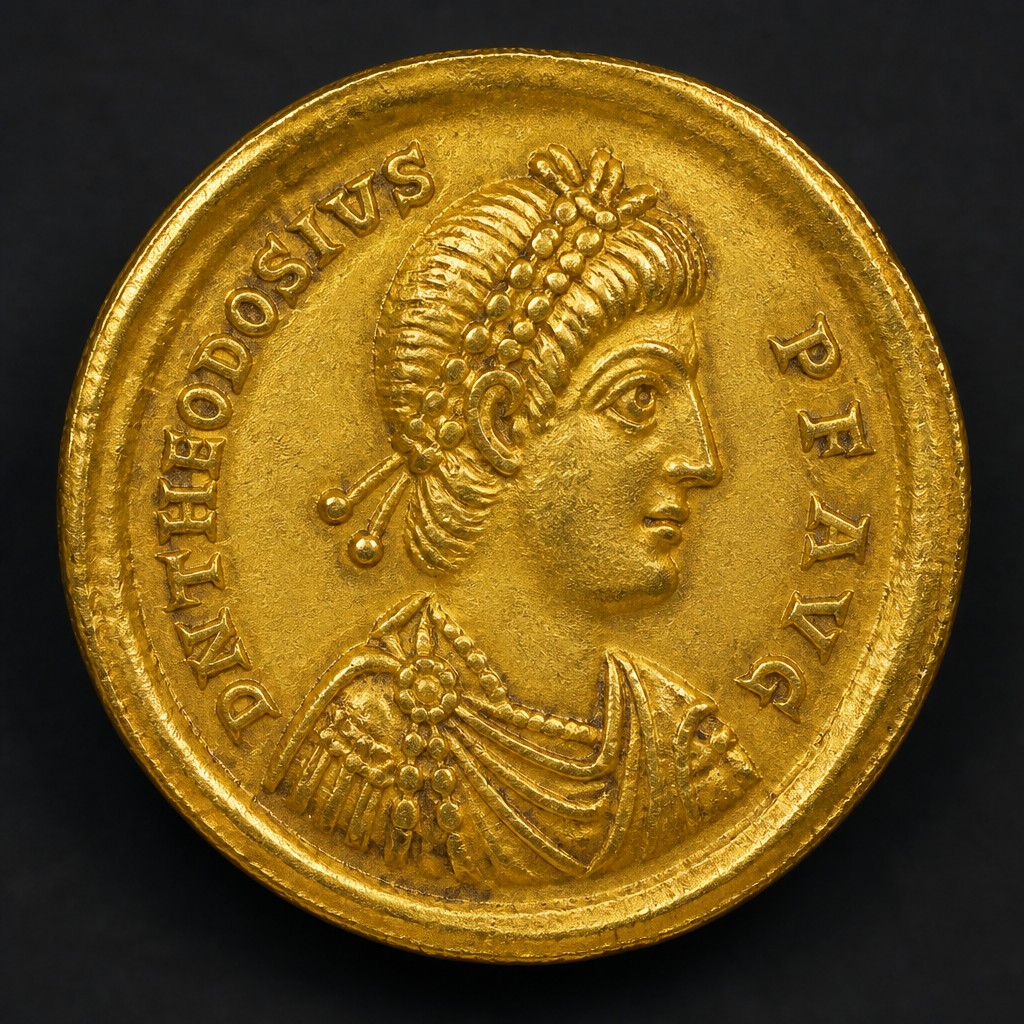
Theodosius I Solidus
379–395 AD
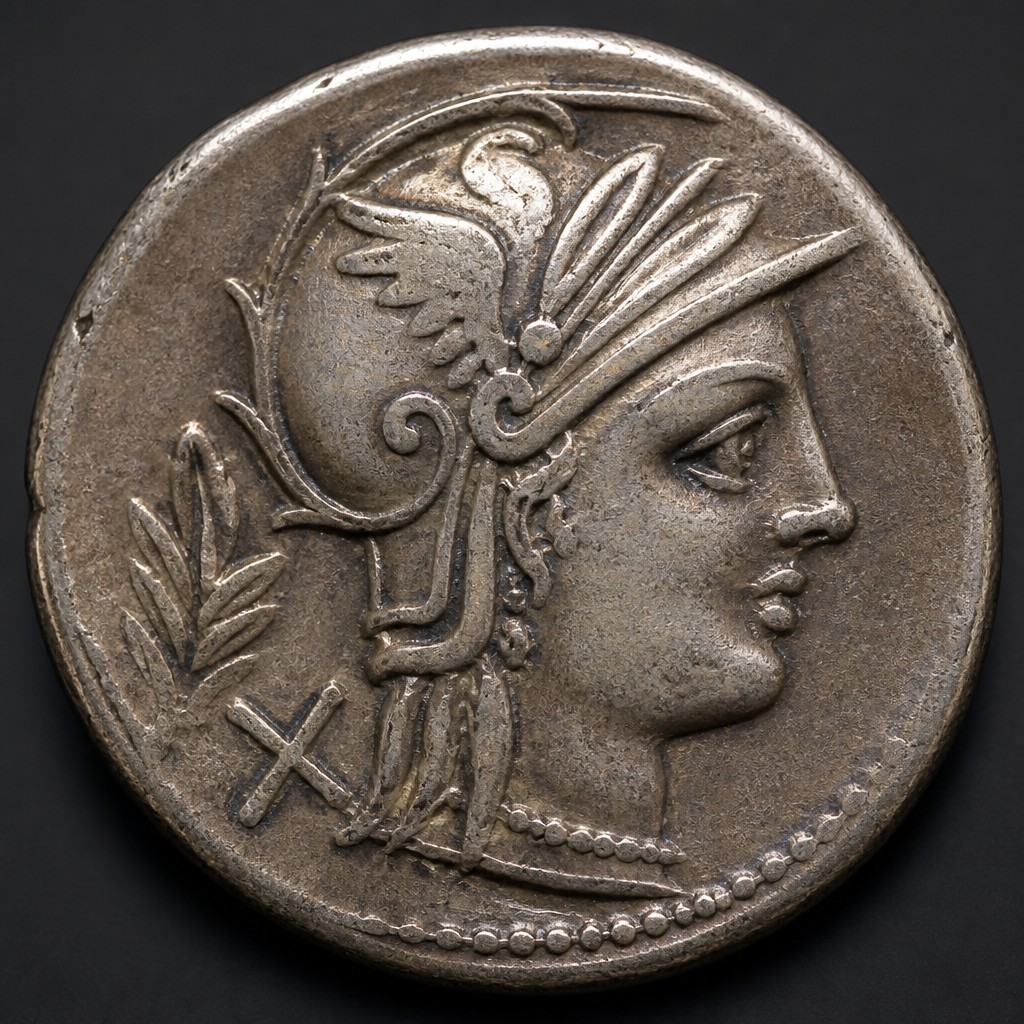
Republican Victoriatus
c. 211–170 BC
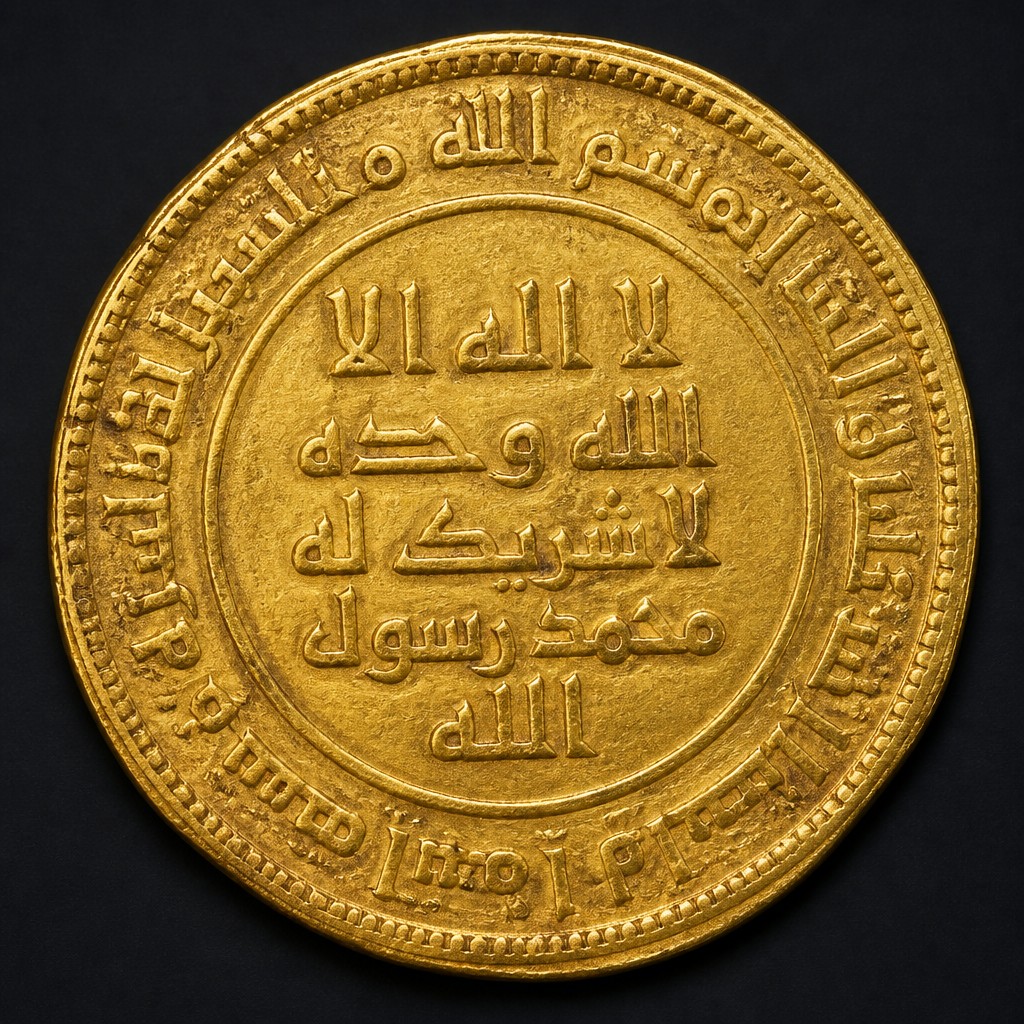
Islamic Gold Dinar (Umayyad)
c. 696–750 AD
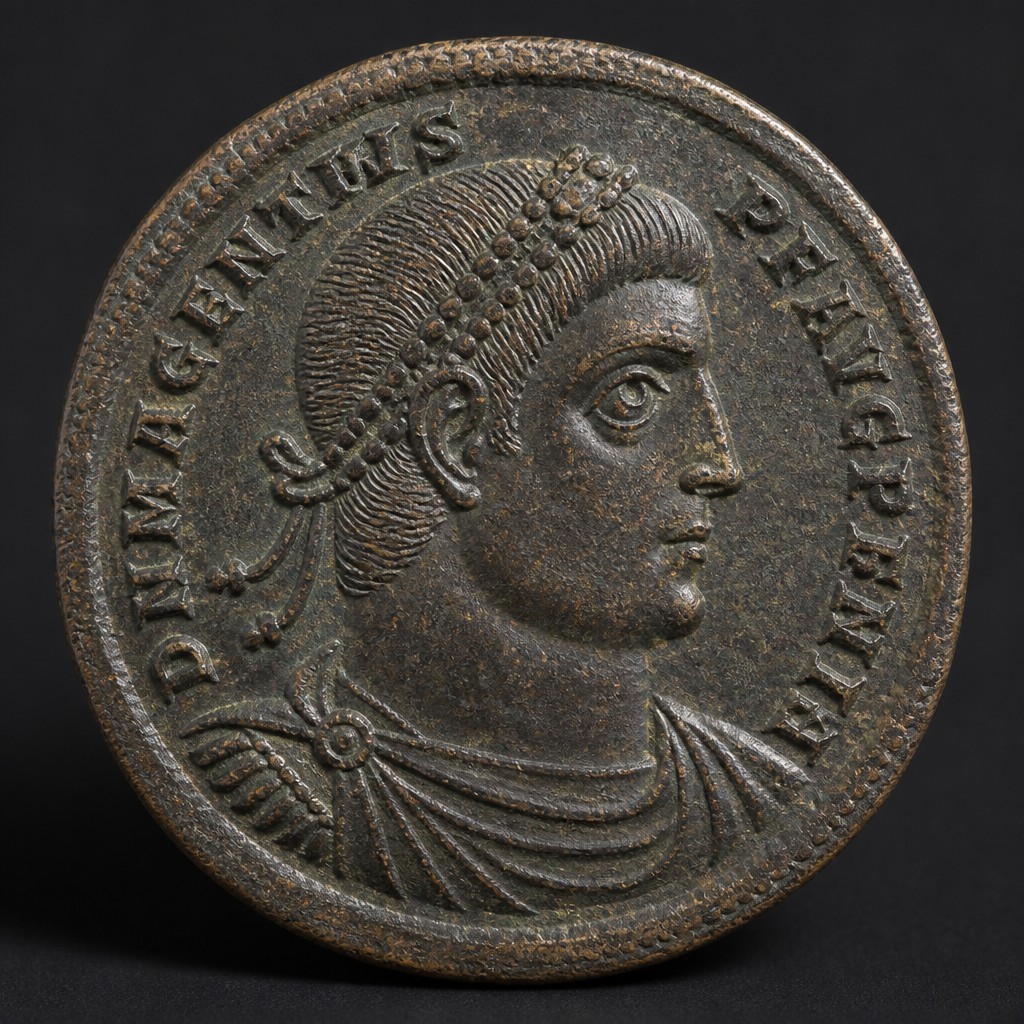
Magnentius Double Centenionalis
350–353 AD
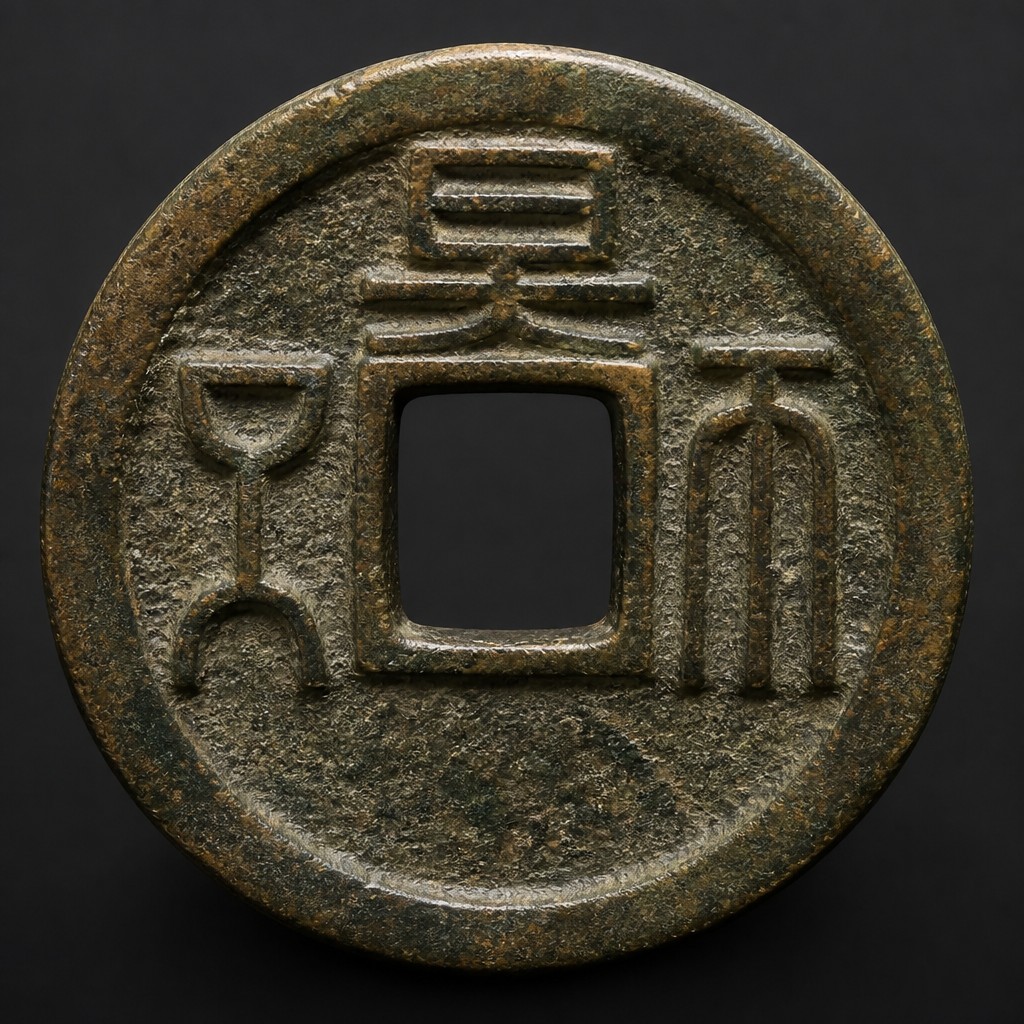
Chinese Wu Zhu Cash
118 BC – 618 AD
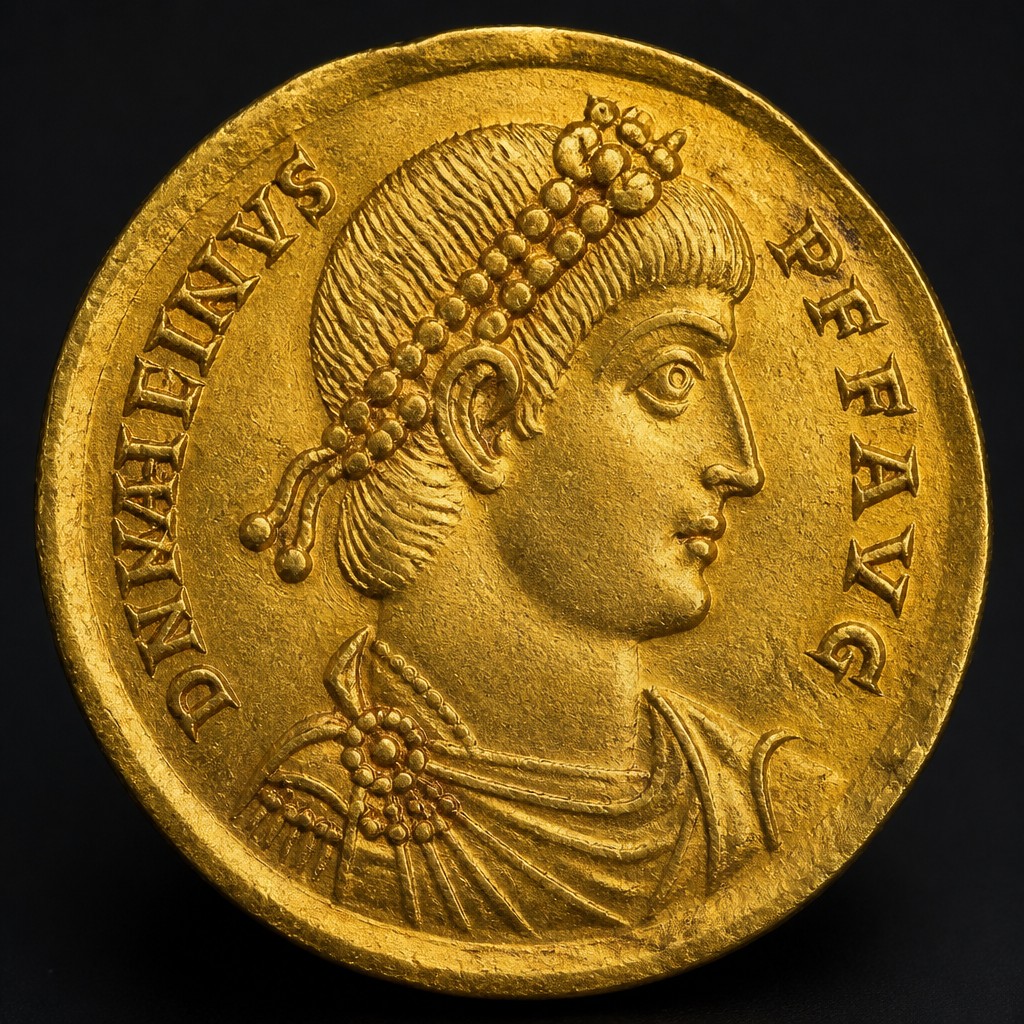
Valentinian I Solidus
364–375 AD
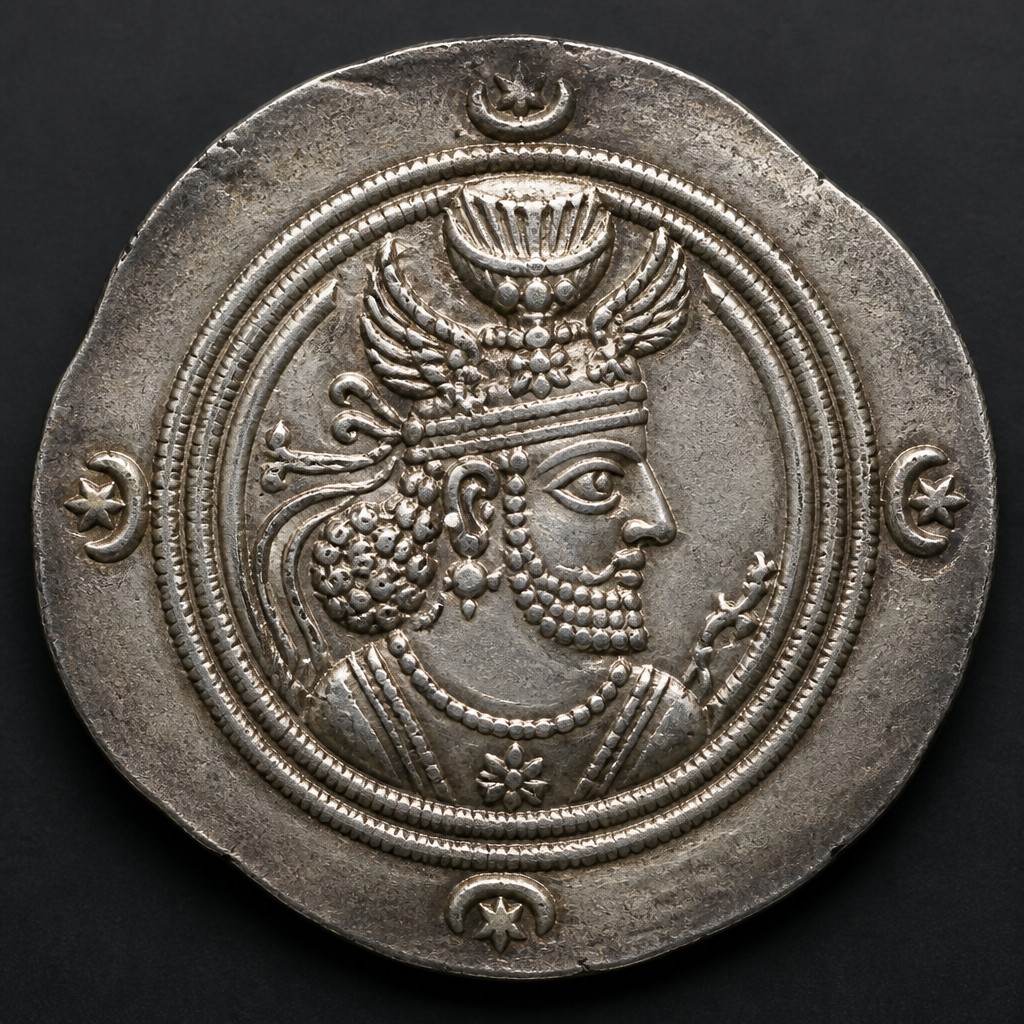
Sassanian Silver Drachm
c. 224–651 AD
Chinese Ban Liang Cash
c. 221–118 BC
Gupta Empire Gold Dinar
c. 320–550 AD
Byzantine Gold Tremissis
c. 4th–7th century AD
Byzantine Follis
498–c. 11th century AD
Celtic Gold Stater
c. 3rd century BC – 1st century AD