
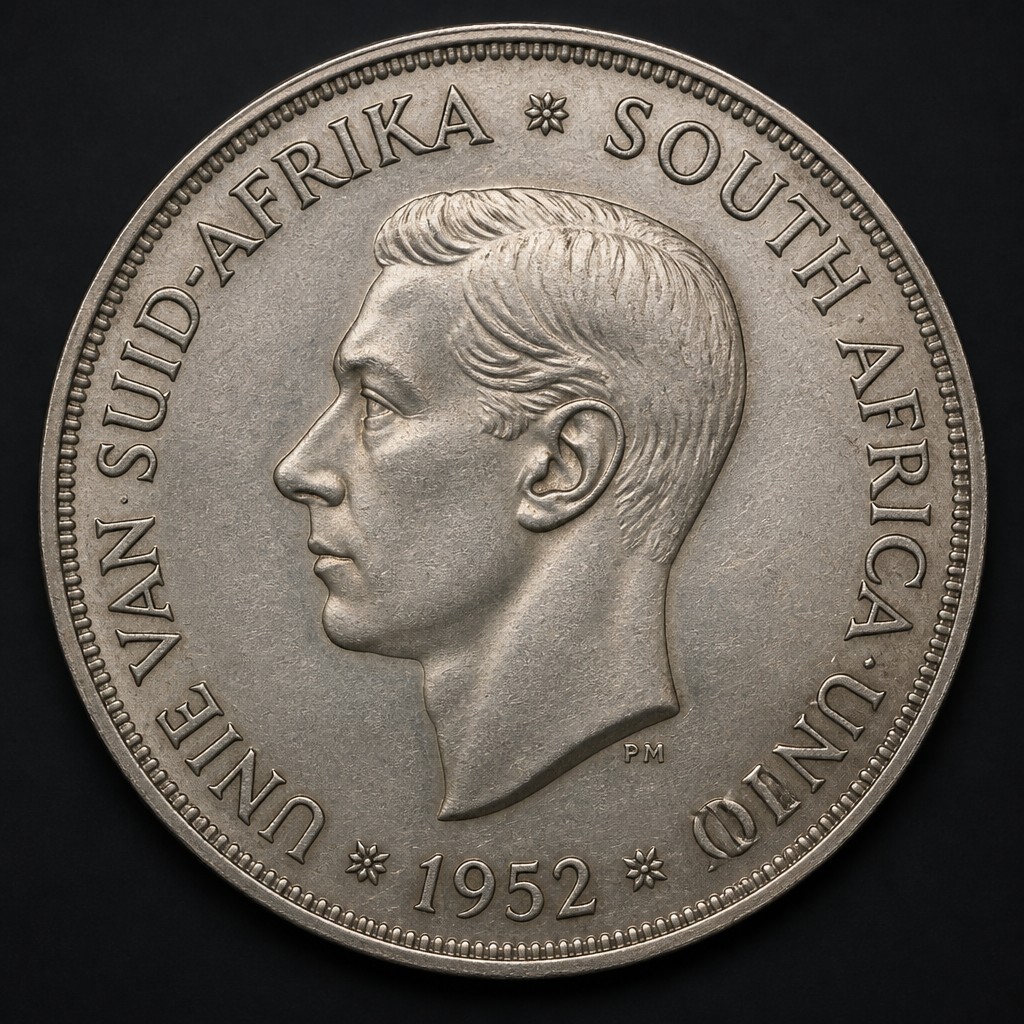
South African Union Silver Crown (5 Shillings)
Large silver crown of the Union of South Africa, struck periodically from the late 1940s, featuring a springbok reverse and occasional special commemorative designs.
- Country
- Union of South Africa
- Denomination
- Five Shillings (Crown)
- Metal
- 80% silver (later debased and reissued in cupronickel)
Got a coin like this?
Identify any coin from a photo, free.
Overview
The Union of South Africa's five-shilling crown was among the largest coins issued for circulation and commemorative purposes during the mid-20th century, struck in silver with a springbok antelope reverse designed by South African sculptor Coert Steynberg. The springbok, a national symbol, gave the coin its enduring popular nickname.
Beyond the standard springbok design, the denomination was also used for special commemorative issues, most notably marking the 1947 Royal Family visit to South Africa and the 1952 tercentenary of Jan van Riebeeck's landing at the Cape, both of which are more actively collected than the regular-type crowns.
As South Africa's political status shifted from a British dominion to a republic in 1961, the crown denomination and its designs were eventually phased out in favor of the new decimal rand and cents system.
History & Background
The Union of South Africa, formed in 1910 as a self-governing dominion within the British Empire, issued its own coinage that combined British monetary denominations with distinctly South African design themes. The five-shilling crown was introduced as the pinnacle denomination of this system, struck periodically rather than every year.
Special editions were struck to mark major national events, including the 1947 tour of South Africa by King George VI and the Royal Family, and the 1952 celebration of the 300th anniversary of Jan van Riebeeck's arrival at the Cape of Good Hope, an event central to South African colonial history.
Production of the crown, along with the rest of the Union's pound-shilling-pence coinage, ended as South Africa transitioned to a decimal rand-based currency in 1961, coinciding with the country becoming a republic outside the Commonwealth.
How to Identify
Obverse: the reigning monarch's portrait (George VI or Elizabeth II depending on date) with South Africa referenced in the legend. Reverse: typically a leaping springbok antelope with the denomination and date, though commemorative years substitute unique artwork tied to the event being marked.
The coin is large, comparable in size to other Commonwealth crowns (around 38mm), and is struck in silver for most issues of this era. Legends often appear in both English and Afrikaans, reflecting South Africa's bilingual coinage practices at the time.
Collectors distinguish specific years by the reverse artwork, checking for the standard springbok design versus the special Royal Visit or Van Riebeeck commemorative reverses, which are visually distinct and more sought after.
Value & Collectibility
Standard-design springbok crowns are generally valued based on silver content and condition, with well-preserved uncirculated examples commanding stronger prices than worn coins. The special commemorative issues, particularly the 1947 Royal Visit and 1952 Van Riebeeck tercentenary crowns, tend to carry higher premiums due to their historical significance and collector demand.
Proof or specimen strikes of any year within the series are notably more valuable than standard circulation strikes, reflecting their lower mintages and higher production quality.
As with most large silver commemoratives, condition, strike sharpness, and lack of cleaning or handling marks significantly affect achievable prices.
Frequently asked questions
What animal appears on the standard reverse?
A springbok antelope, South Africa's national animal symbol, on most standard-issue crowns.
What made 1947 and 1952 special years for this coin?
1947 marked a Royal Family visit to South Africa, and 1952 commemorated the 300th anniversary of Jan van Riebeeck's landing at the Cape, both marked with unique commemorative crown designs.
What language appears on the coin besides English?
Afrikaans, reflecting South Africa's bilingual coinage tradition during the Union era.
When did South Africa stop using this denomination?
It ended with the shift to decimal rand currency in 1961, when South Africa also became a republic.
Other coins you may enjoy
Egyptian Qirsh (Muhammad Ali Era)
Early-to-mid 19th century (c. 1805–1848)
Moroccan Rial (Alawi Dynasty Coinage)
18th–19th century (pre-protectorate era)
South African Sixpence (Union)
1923-1960
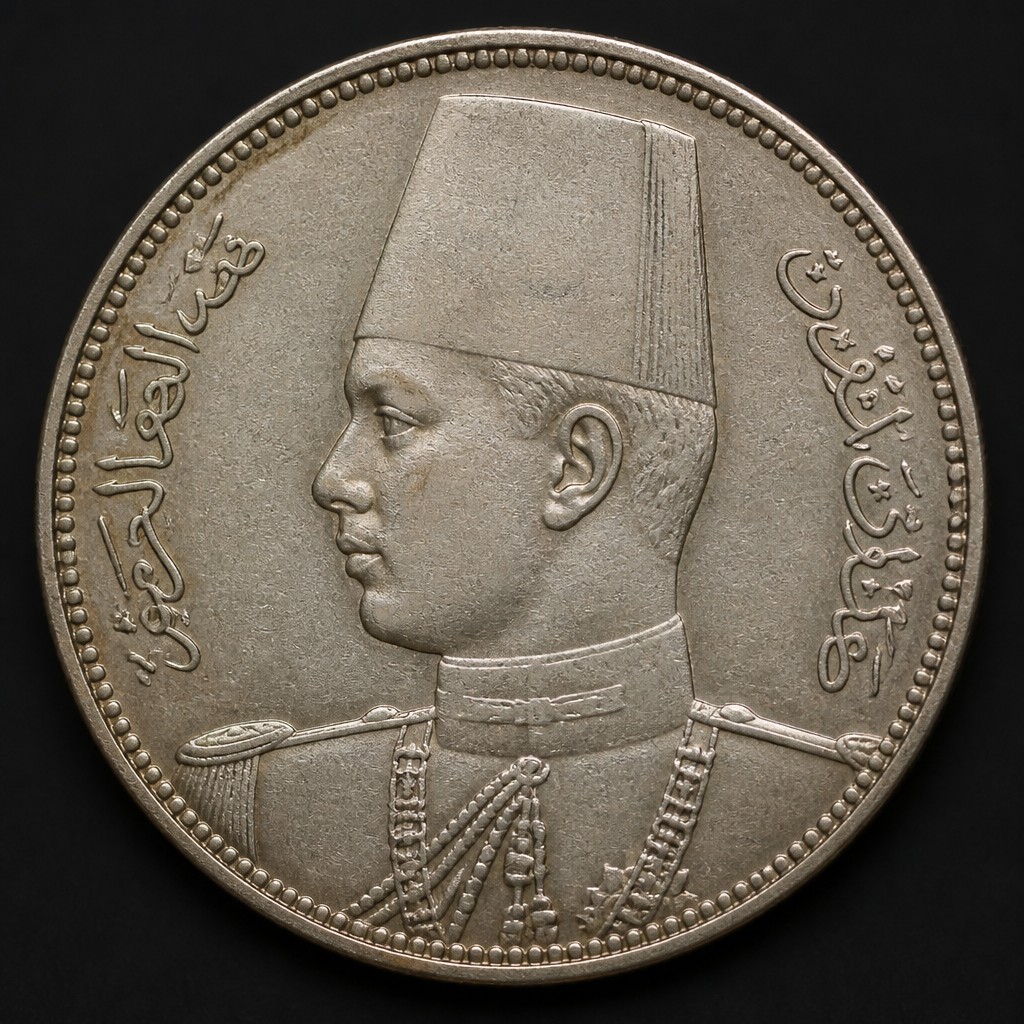
Egyptian Farouk 5 Piastres
1937-1952
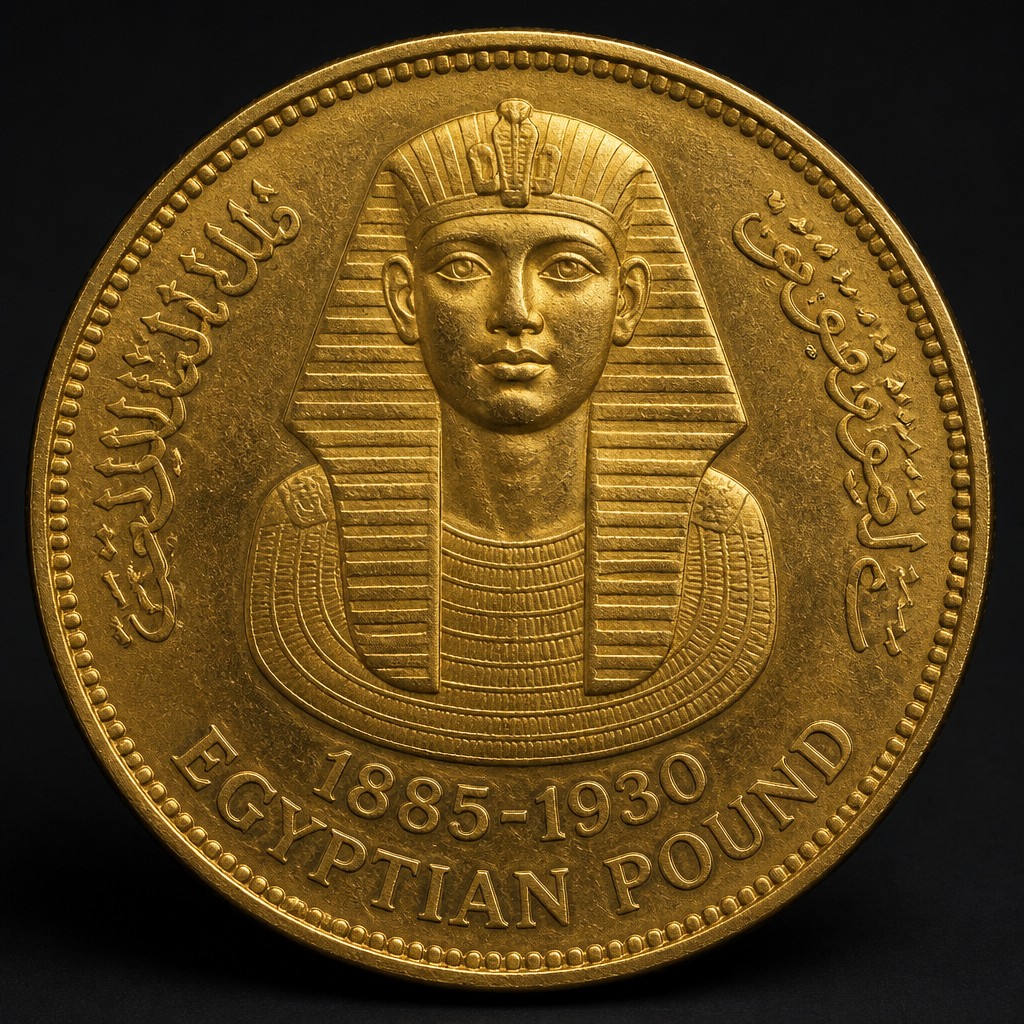
Egyptian Pound (gold)
1885–1930
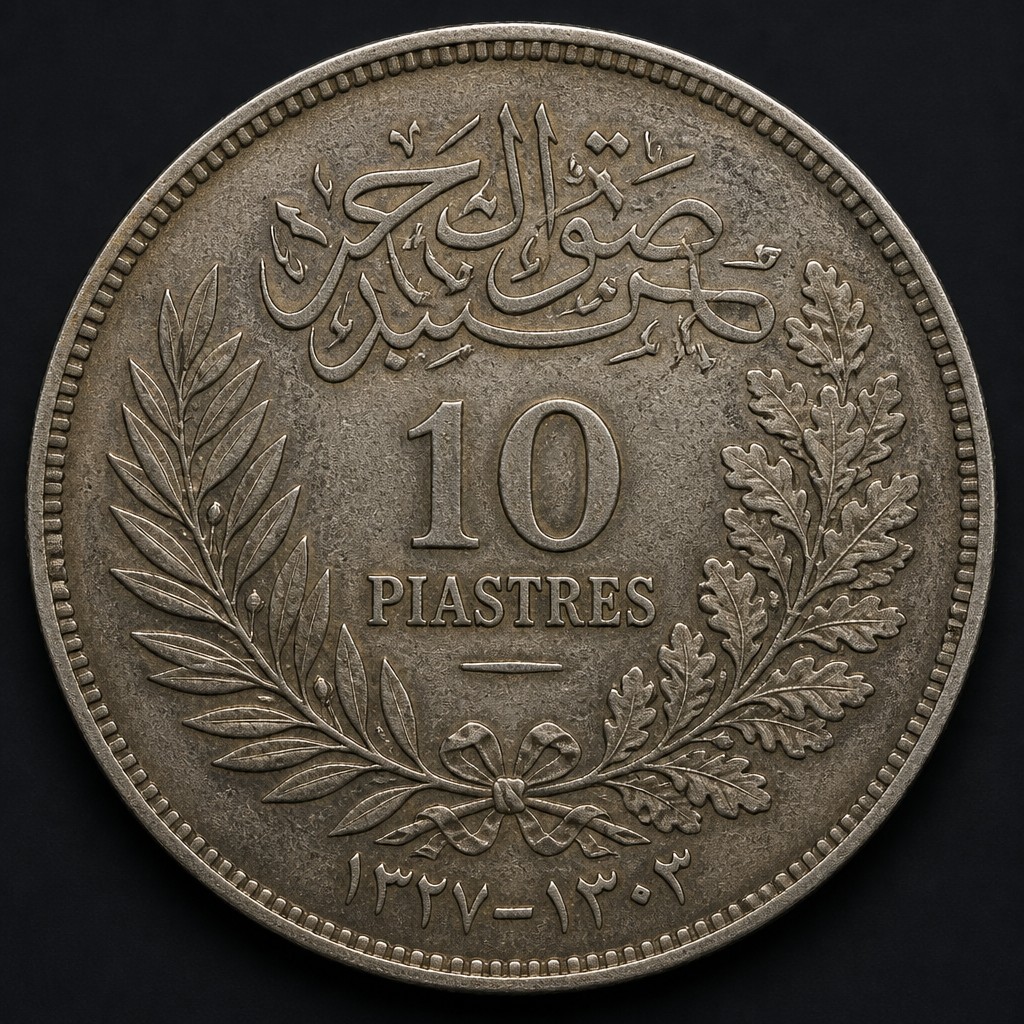
Egyptian 10 Piastres (silver)
1885–1939
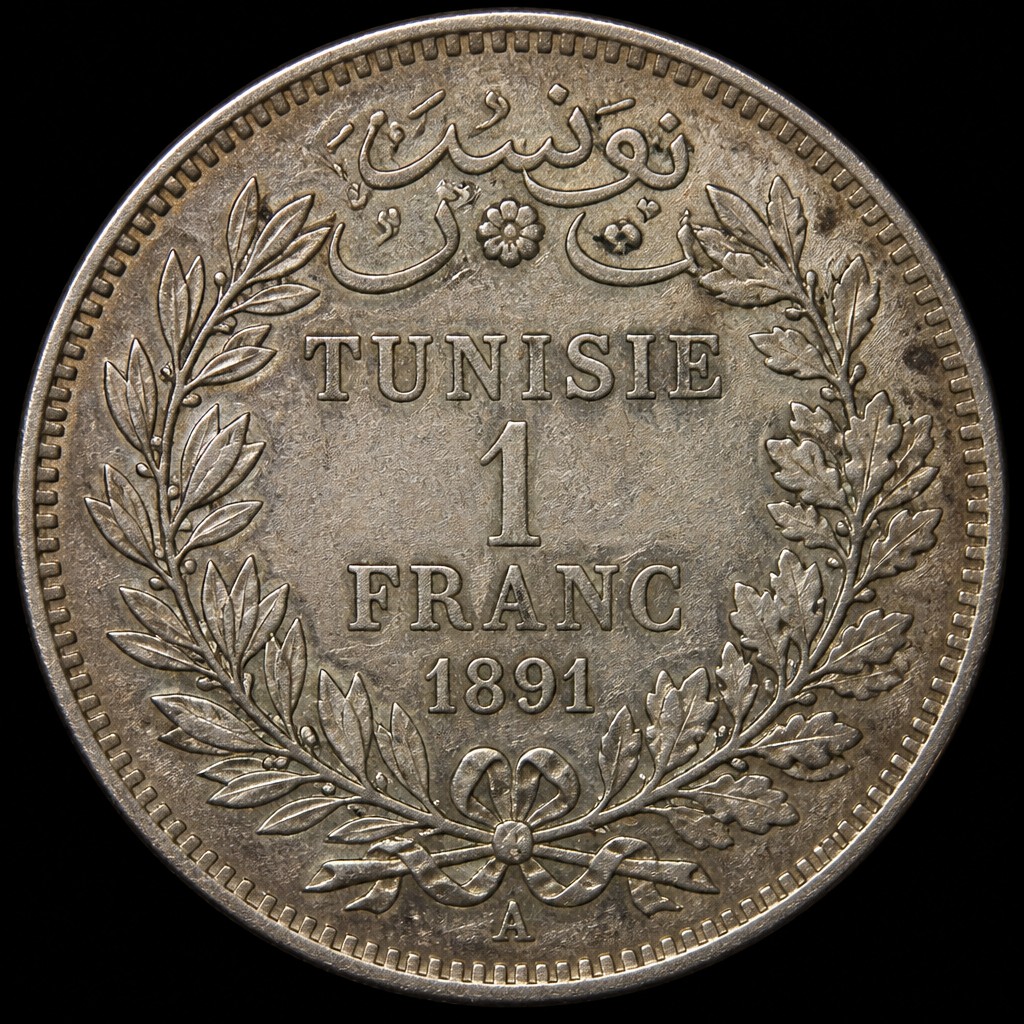
Tunisian Franc (Beylik Era)
Late 19th–early 20th century (c. 1891–1957 transition)
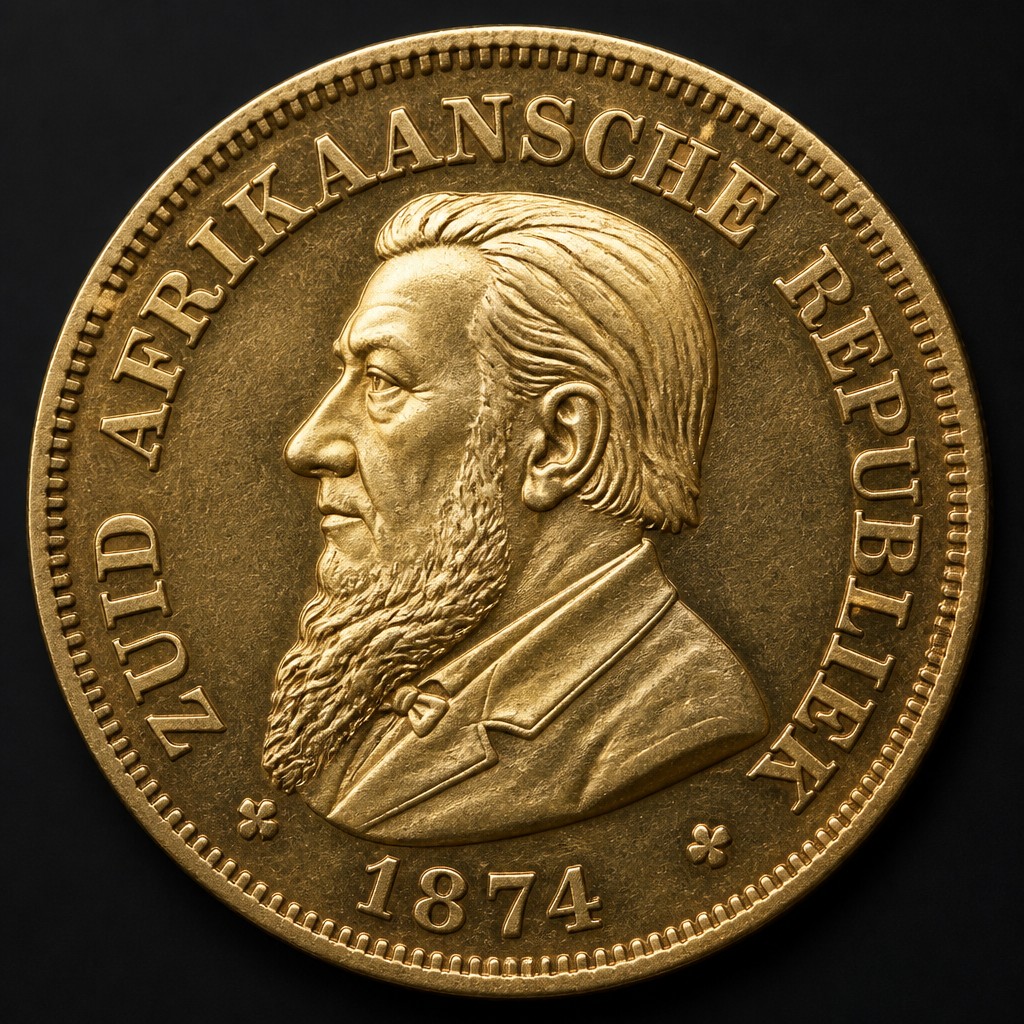
South African Republic Burgers Pond
1874
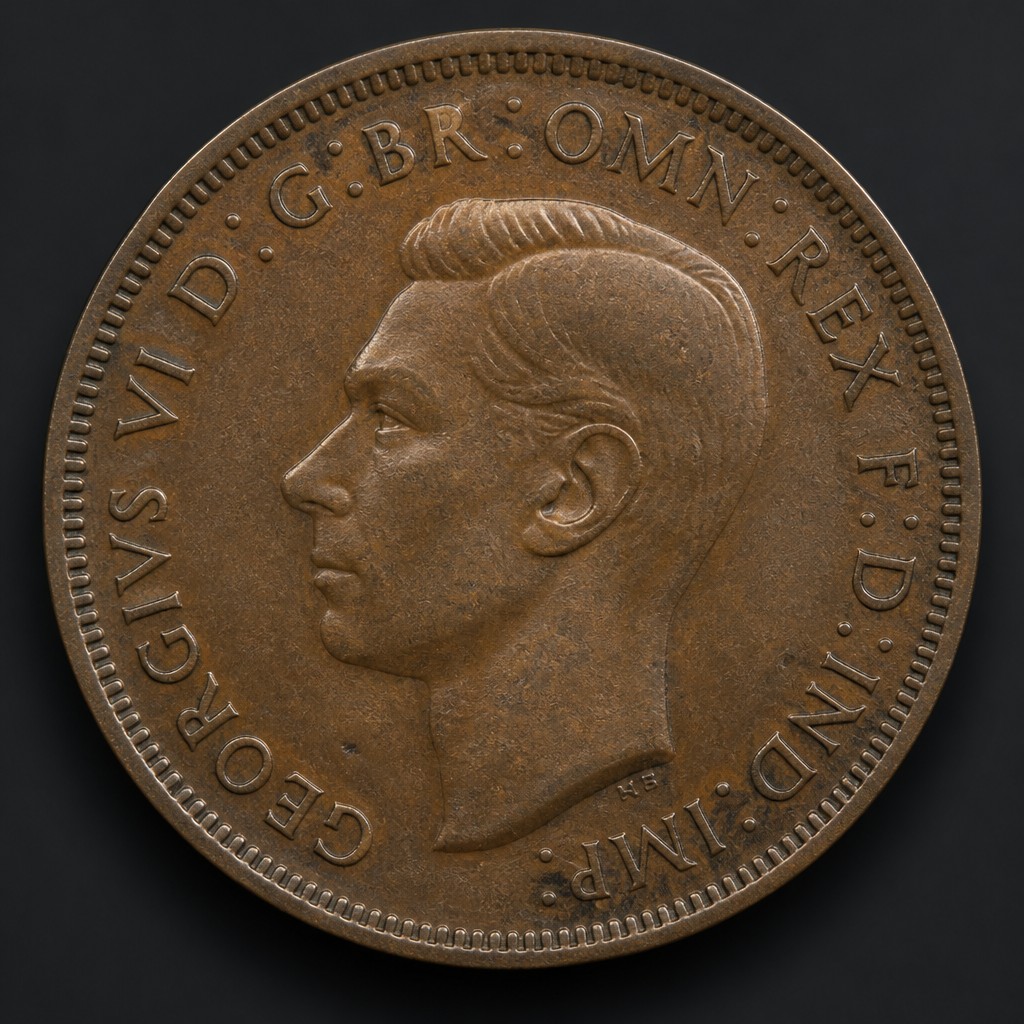
New Zealand Penny (KGVI)
1937-1952
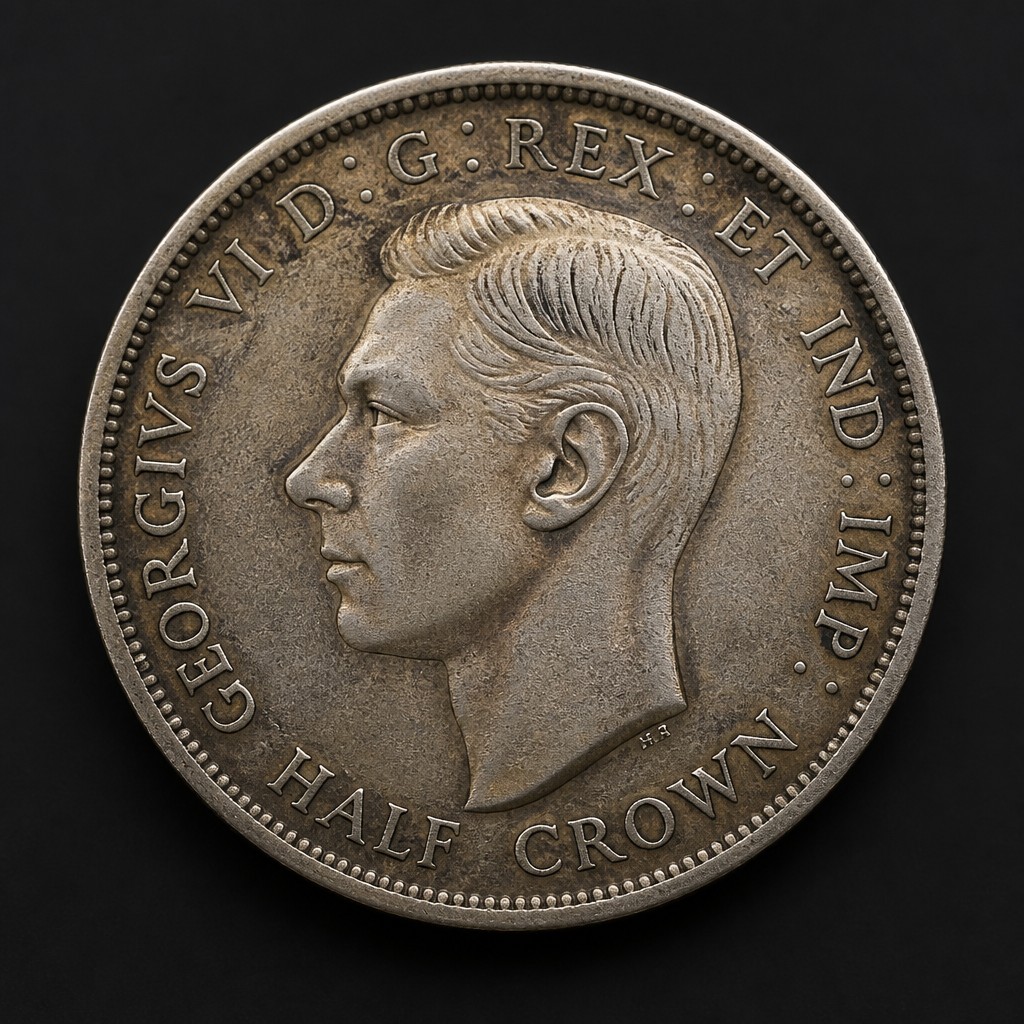
New Zealand Half Crown (pre-decimal)
1933-1965
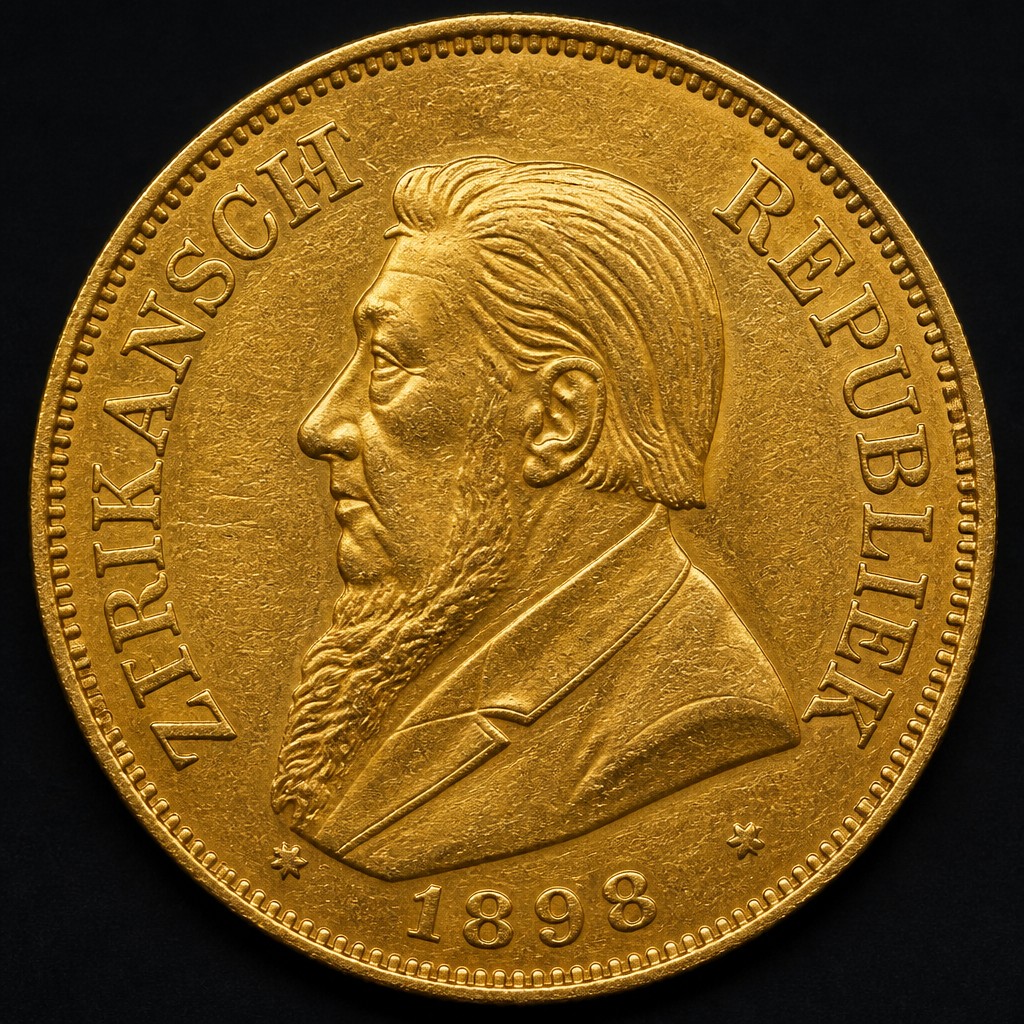
South African ZAR Kruger Pond
1892-1900
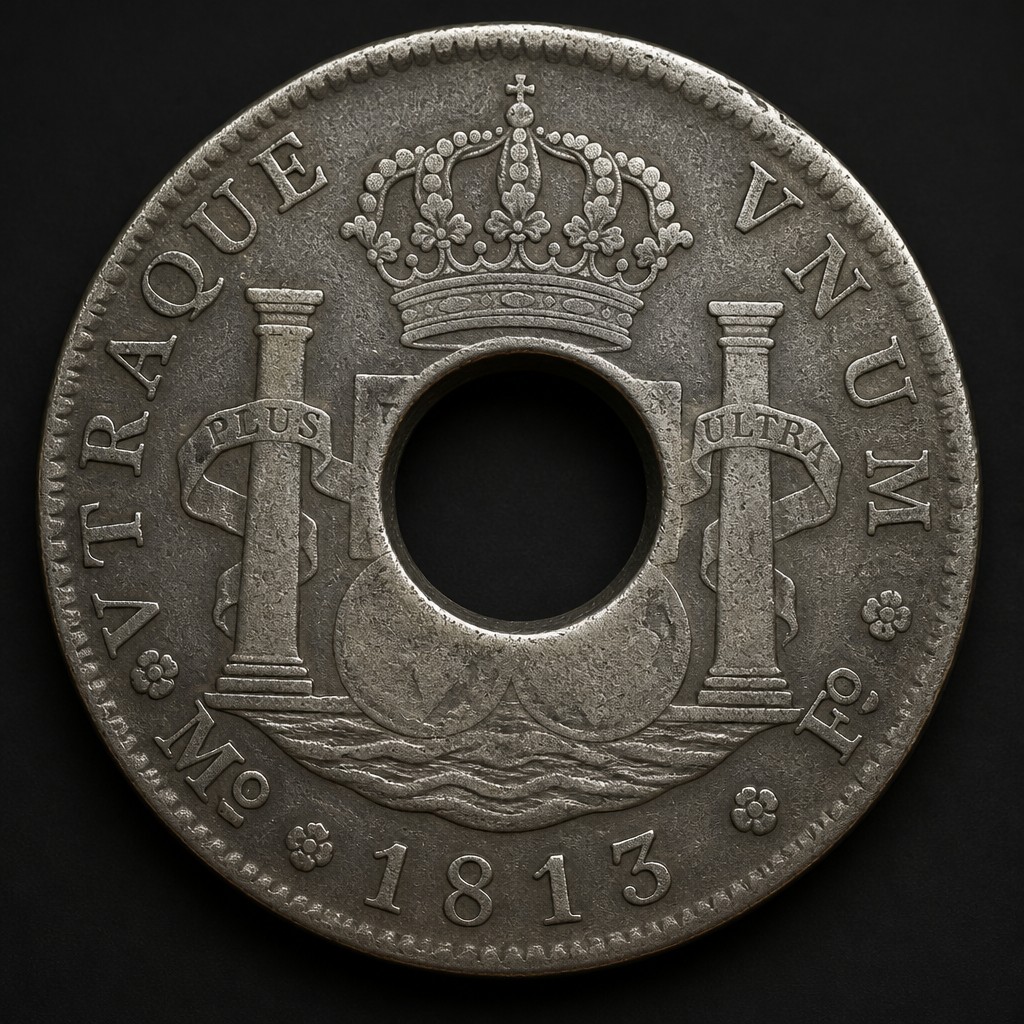
Australian Holey Dollar and Dump
1813