
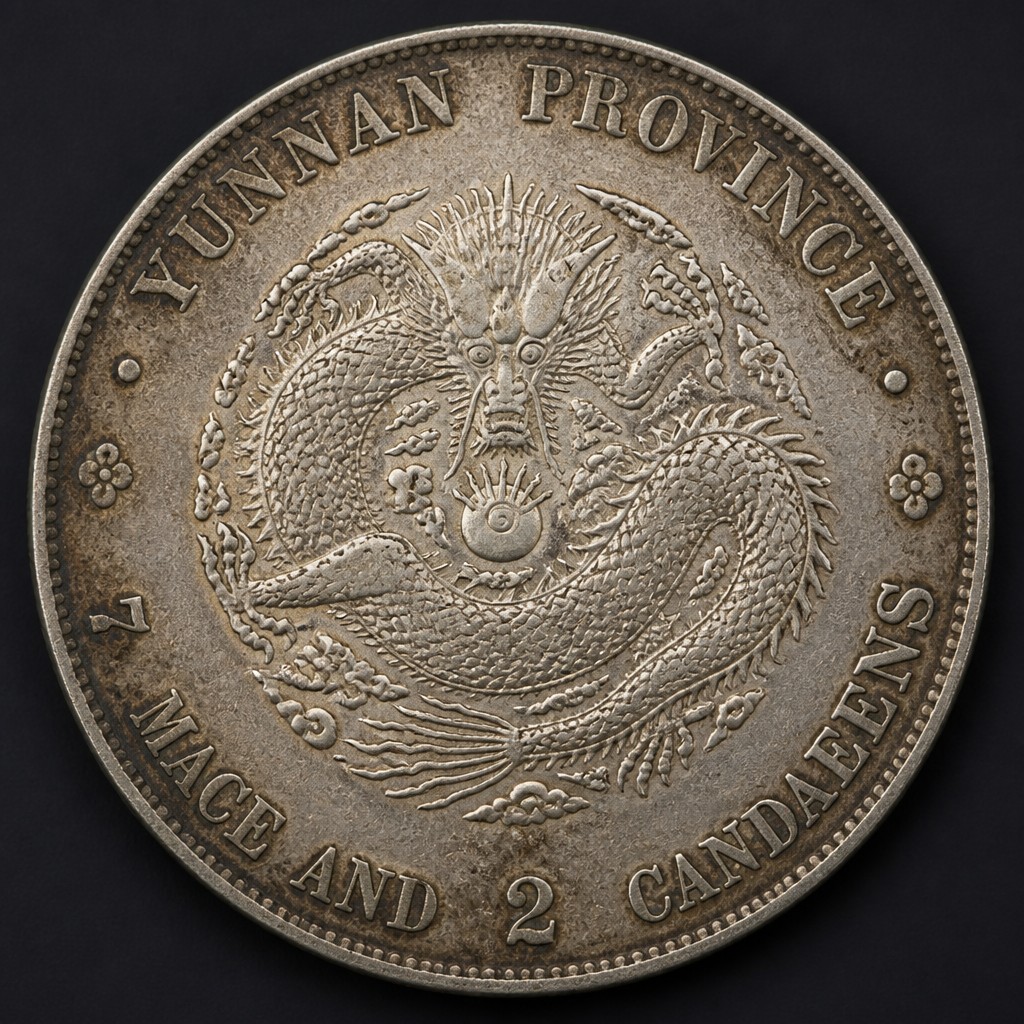
Chinese Yunnan Province Dragon Dollar
A silver dragon dollar struck by China's remote southwestern Yunnan province, notable for its distinctive coiled dragon design and unusually long production continuing well into the Republic era.
- Country
- China (Yunnan Province)
- Denomination
- 1 Dollar (7 Mace 2 Candareens / One Yuan)
- Metal
- Silver
Got a coin like this?
Identify any coin from a photo, free.
Overview
The Yunnan Province Dragon Dollar is a silver dollar-sized coin struck by the provincial mint of Yunnan in southwestern China, part of the broader wave of Chinese provincial silver dollar coinage that began in the late Qing dynasty. Unlike many other Chinese provinces that stopped issuing their own distinctive dragon dollars after the fall of the Qing in 1911–1912, Yunnan continued producing silver coinage with its own regional designs well into the Republic period, giving the series unusual longevity and variety.
Yunnan's relative geographic isolation and its role as a center of local silver production contributed to its continued independent coinage activity even as China's currency system evolved elsewhere, making its dragon and later Republic-era dollars a distinctive regional chapter within Chinese numismatics.
Collectors are particularly drawn to the artistic variety within the Yunnan series, which includes several visually distinct dragon and other symbolic designs across its long production run.
History & Background
Provincial mints across late Qing China began striking Western-style silver dollar coins from the late nineteenth century onward, each often featuring a coiled or facing dragon design along with the issuing province's name, as part of efforts to modernize China's fragmented currency system. Yunnan, a mountainous and relatively remote province in China's southwest with its own significant silver mining tradition, established its own provincial mint at the capital Kunming and began striking dragon dollars in this broader context.
Unlike most other provinces, whose dragon dollar coinage effectively ended with the fall of the Qing dynasty in 1911–1912, Yunnan's mint continued producing silver coinage well into the Republic of China era, adapting its designs over time while maintaining a distinctly regional character. This continuity reflects Yunnan's semi-autonomous political and economic position during much of the early twentieth century, a period of considerable regional warlord influence across China.
How to Identify
The obverse of Yunnan dragon dollars typically bears Chinese characters identifying the province and denomination, often phrased as "7 Mace and 2 Candareens" (a traditional weight-based currency expression equivalent to one dollar), sometimes alongside floral or other regional motifs depending on the specific issue year. The reverse generally features a coiled or facing dragon design, though Yunnan's dragon dollar designs are known for notable stylistic variation compared to more standardized dragon dollars from other provinces.
The coin is silver, similar in size and weight to other Chinese dollar-sized coins of the era (roughly 26–27 grams and about 39 mm in diameter), with a reeded or patterned edge depending on the specific type. Some later Yunnan issues from the Republic era depart from the dragon motif in favor of other regional symbols, reflecting the changing political context after 1911.
Collectors distinguish Yunnan dragon dollars from those of other provinces primarily by the province name inscribed in Chinese characters and by the specific artistic rendering of the dragon, which varies noticeably from the more common Imperial dragon dollar types associated with provinces such as Kwangtung or Hupeh.
Value & Collectibility
Values for Yunnan dragon dollars vary considerably depending on the specific type, date, and condition, since the province issued a range of distinct designs over an unusually long production period compared to most other Chinese provincial mints. Common, more frequently encountered types are relatively affordable, while scarcer or particularly well-preserved varieties can command significantly higher prices among specialist collectors of Chinese silver dollars.
As with most Chinese dragon dollar coinage, strike quality, luster, and freedom from cleaning or chopmarks (small stamped merchant marks once used to verify silver content) significantly affect desirability and price. Certain rarer die varieties within the Yunnan series are particularly prized by specialists and can bring notably higher premiums.
Given the complexity of Chinese provincial dollar attribution, collectors should consult dedicated references on Chinese silver dollar coinage to correctly identify the specific Yunnan type and assess its relative rarity before estimating value.
Frequently asked questions
Why did Yunnan keep issuing dragon dollars after other provinces stopped?
Yunnan's relative geographic isolation and significant regional autonomy during the early Republic era allowed its provincial mint to continue independent silver coinage longer than most other Chinese provinces.
What does '7 Mace and 2 Candareens' mean?
It is a traditional Chinese weight-based currency expression equivalent to one silver dollar, commonly inscribed on Chinese provincial dragon dollar coinage of this era.
What is a chopmark and does it affect value?
A chopmark is a small stamped mark once applied by merchants to verify a coin's silver content during circulation; chopmarked coins are generally valued somewhat lower by collectors than unmarked examples.
Are all Yunnan dollars from the Qing dynasty?
No, Yunnan continued minting silver dollars with evolving designs well into the Republic of China era after the Qing dynasty ended in 1911–1912.
How can I tell a Yunnan dollar from other Chinese provincial dollars?
Look for the Chinese characters identifying Yunnan province specifically, along with the distinctive artistic style of its dragon or other regional design elements.
Other coins you may enjoy
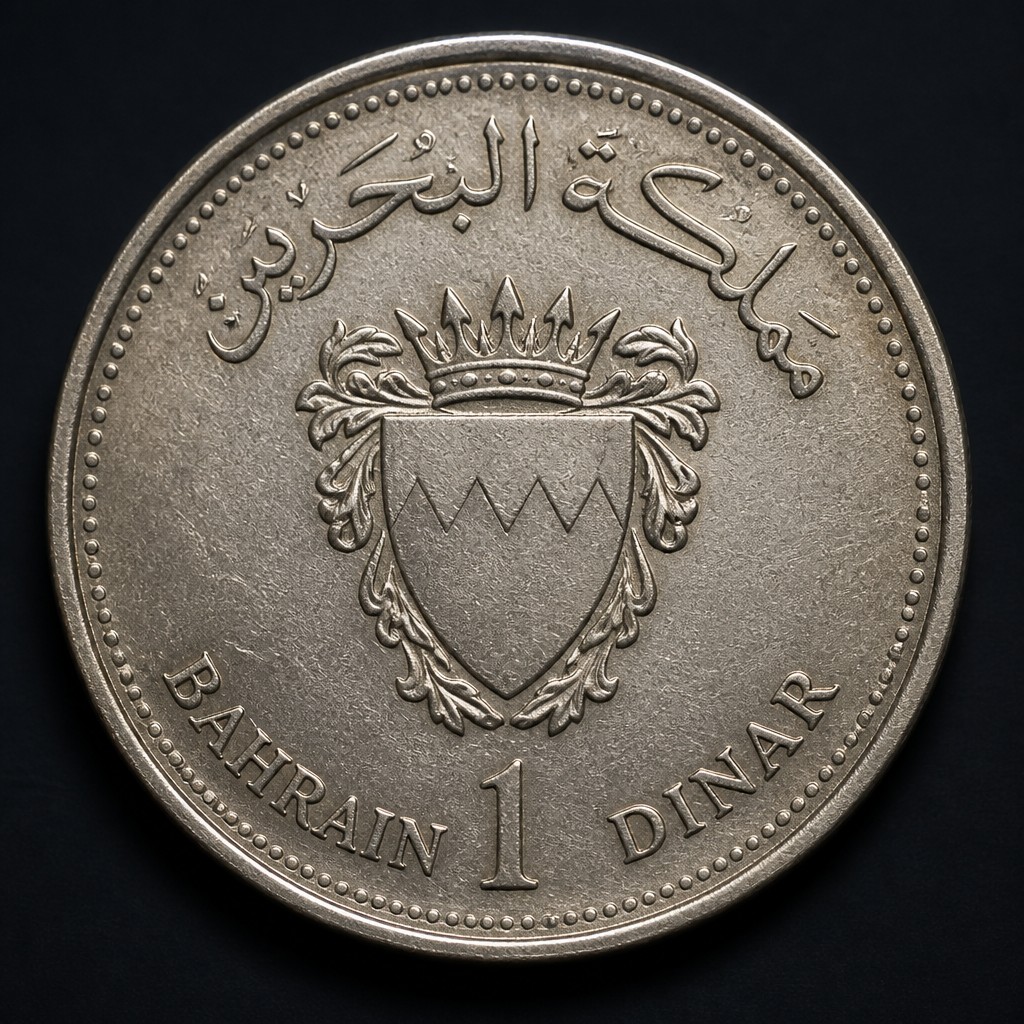
Bahraini Dinar
1965–present
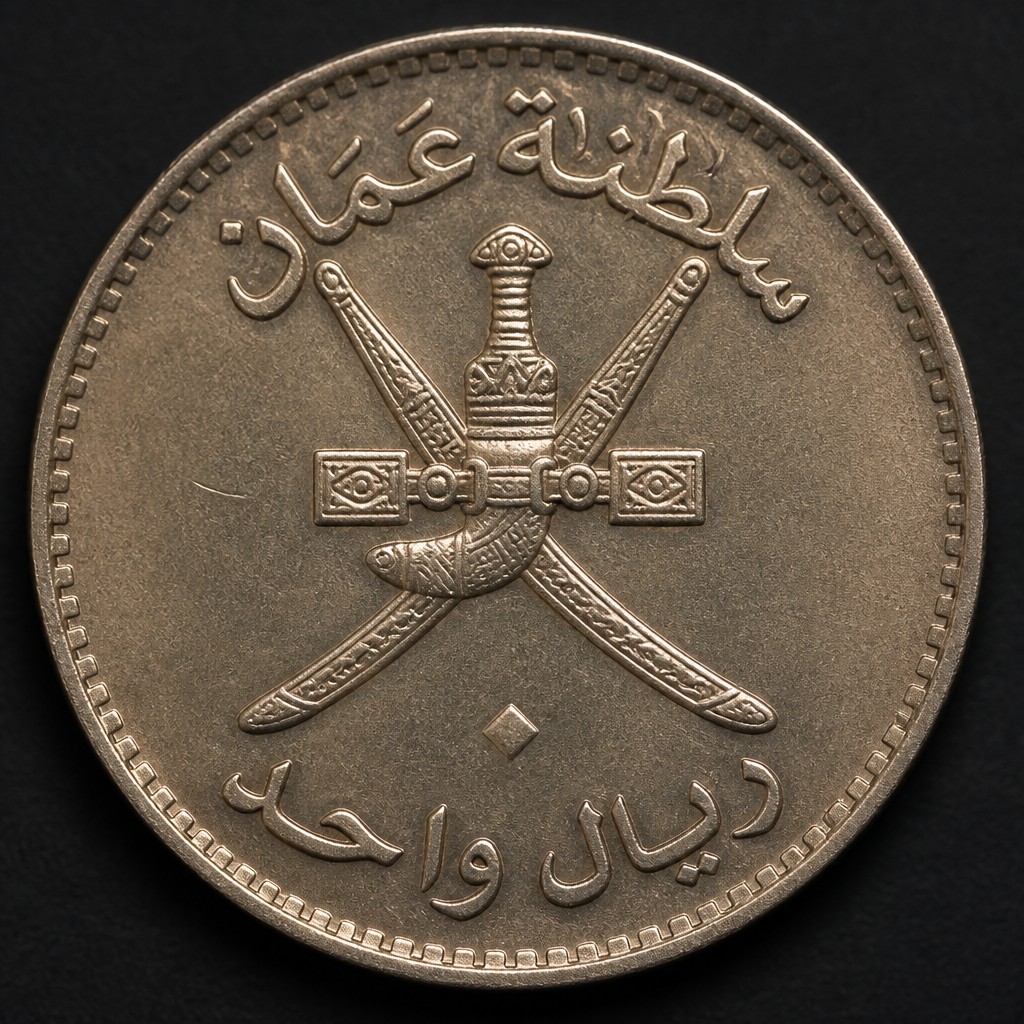
Omani Rial (Baisa Coinage)
1970–present
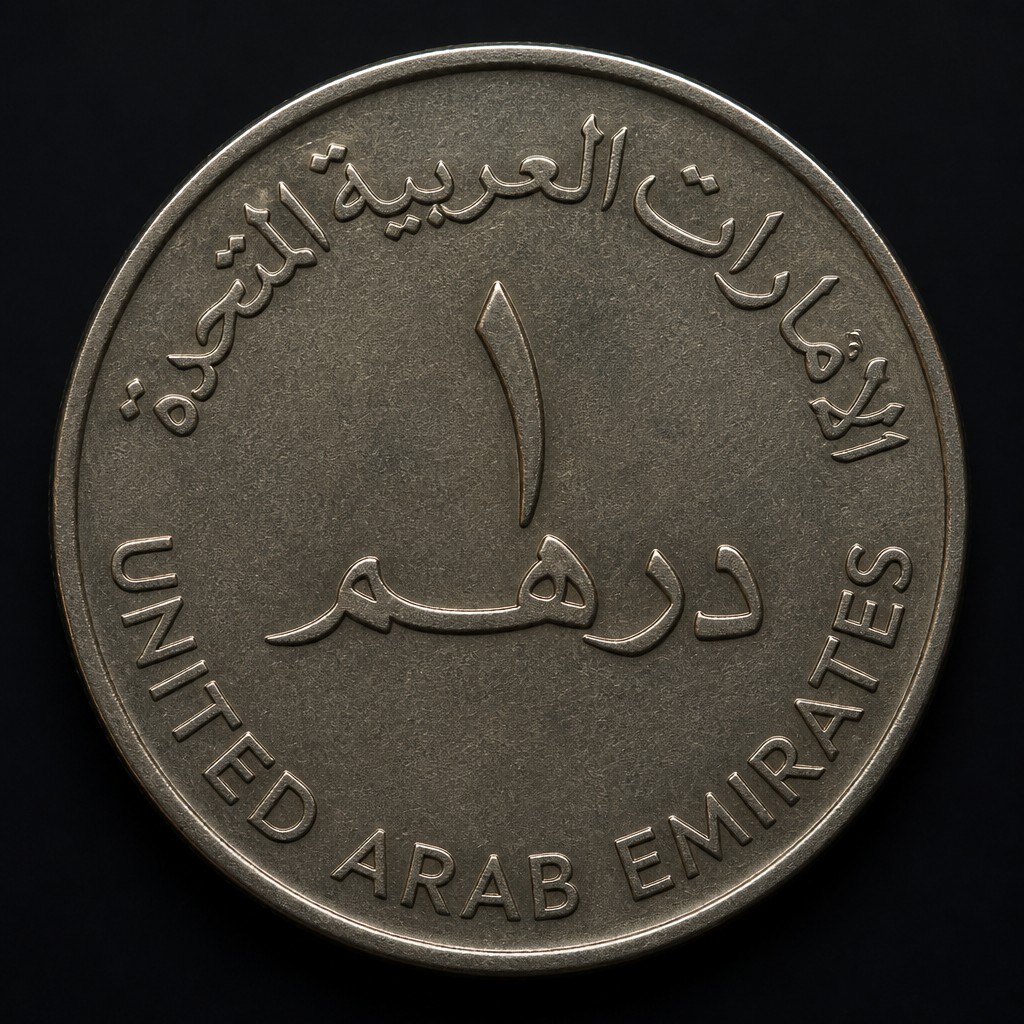
United Arab Emirates Dirham
1973–present
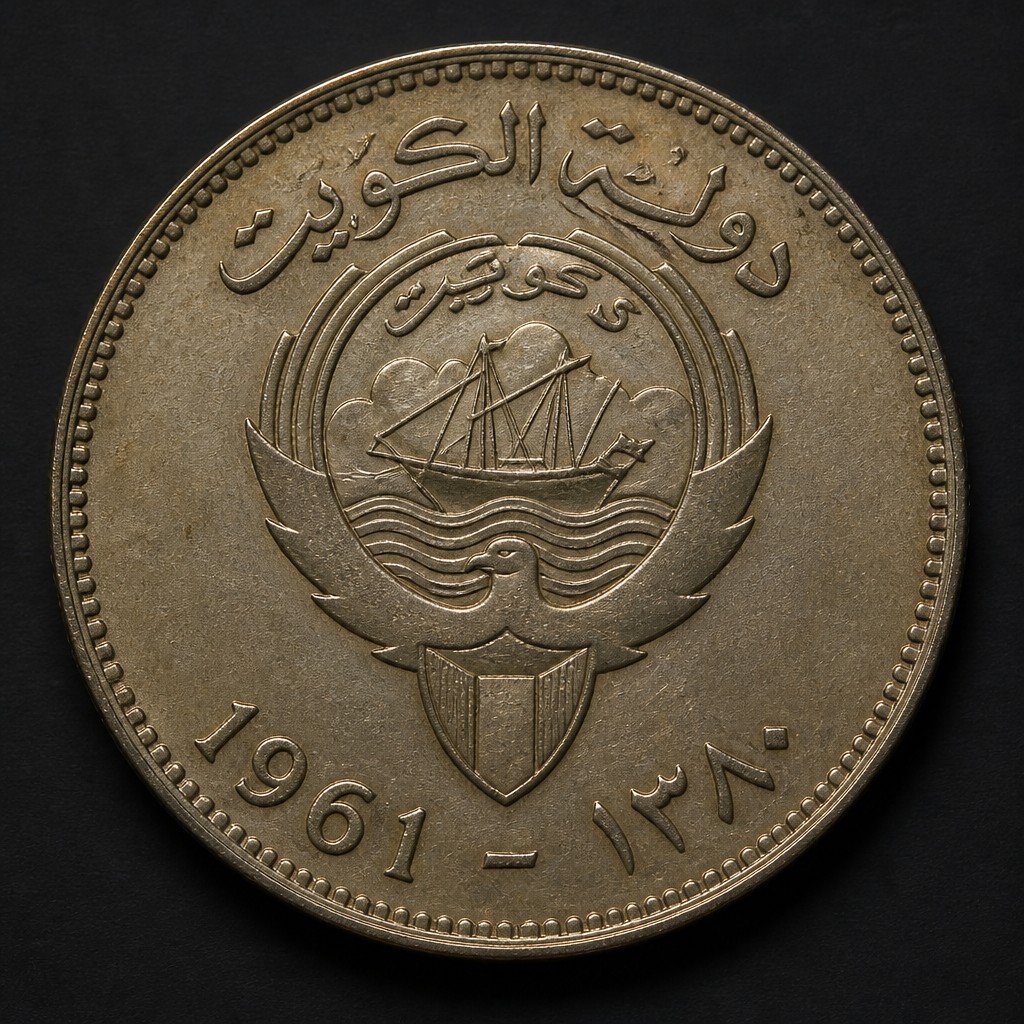
Kuwaiti Fils
1961–present
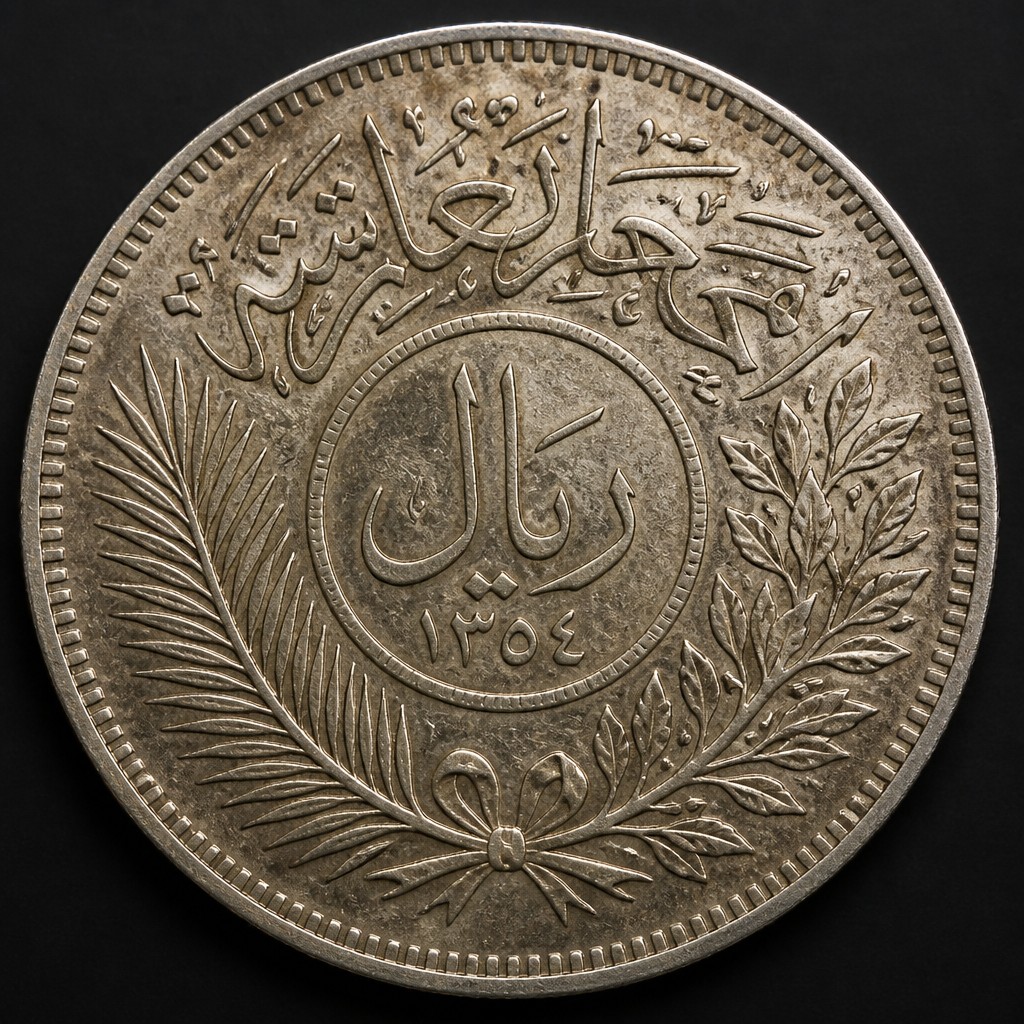
Saudi Arabian Riyal (silver)
1935 (Kingdom-wide standardization) and related issues
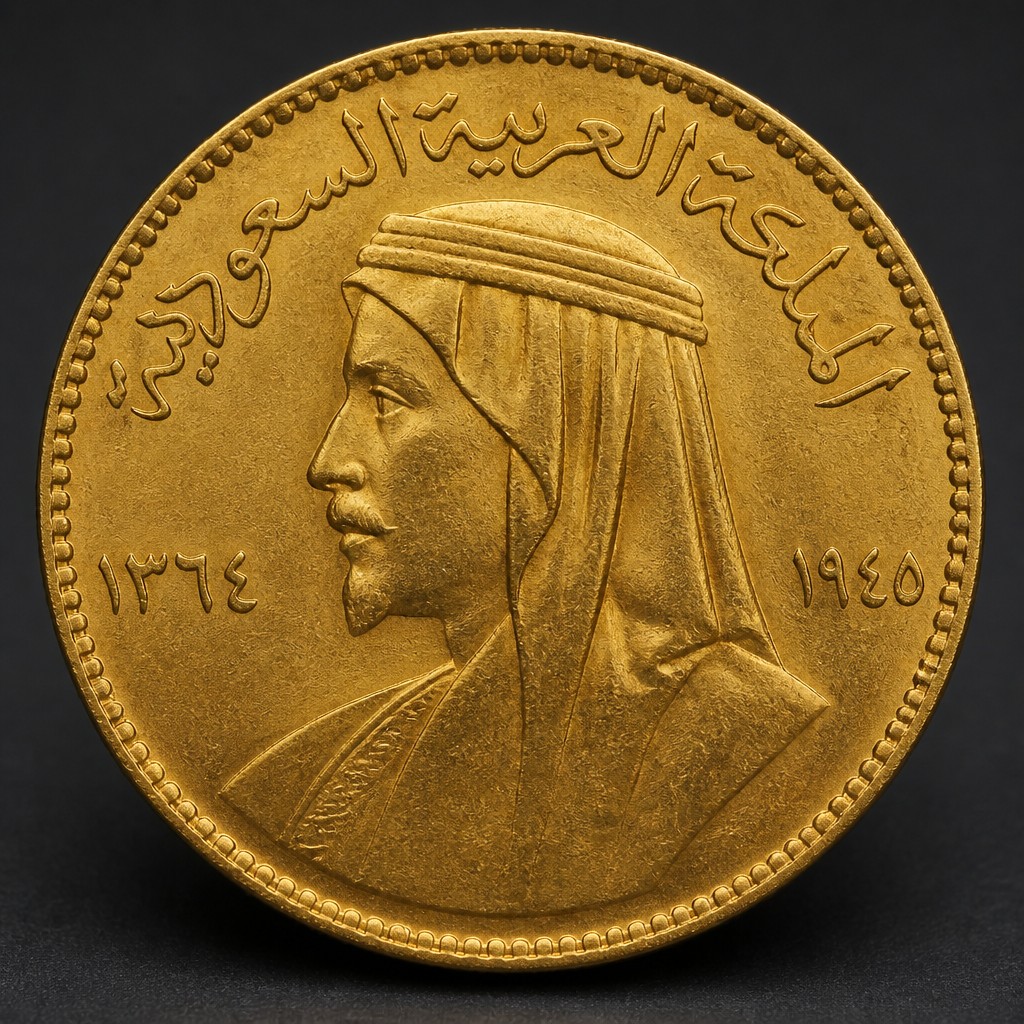
Saudi Arabian Gold Guinea (Sovereign)
1945 and later issues
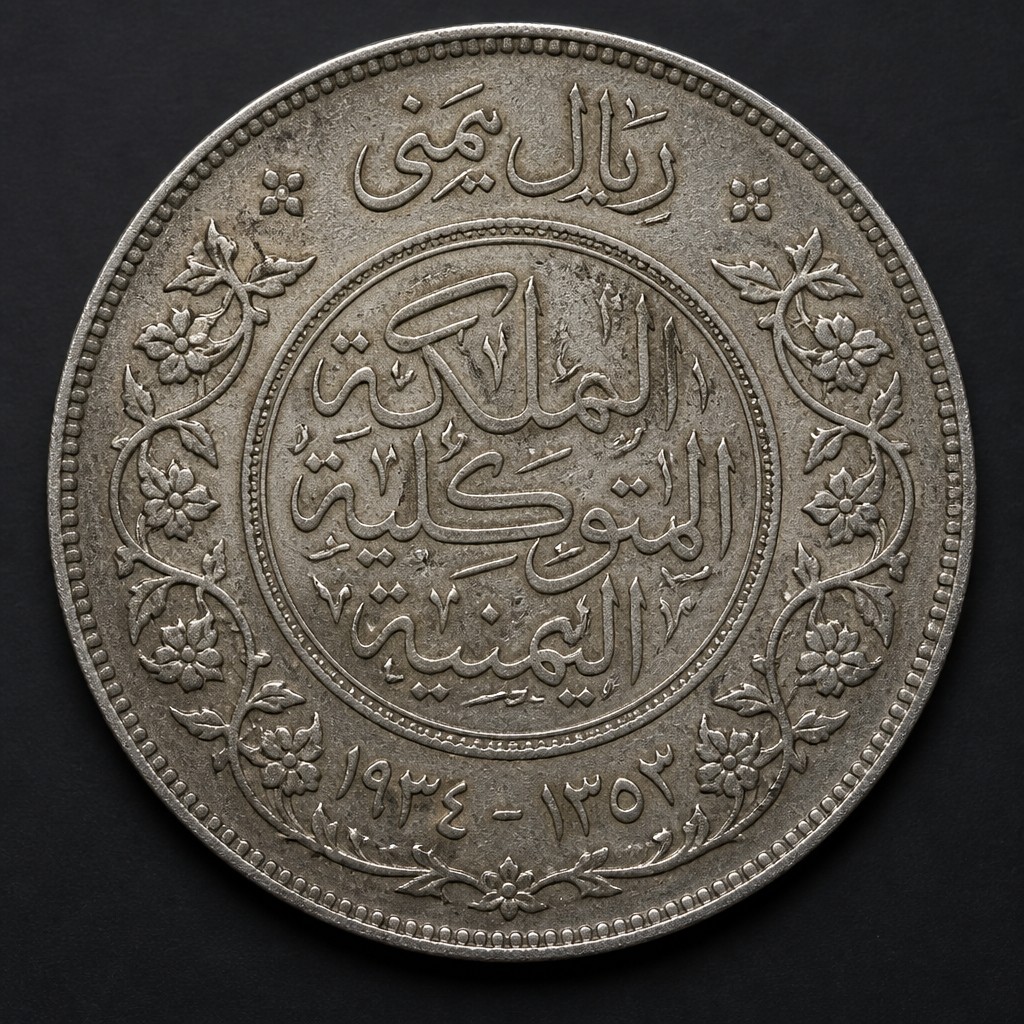
Yemeni Riyal (Ahmadi/Imadi Kingdom Coinage)
Early-to-mid 20th century
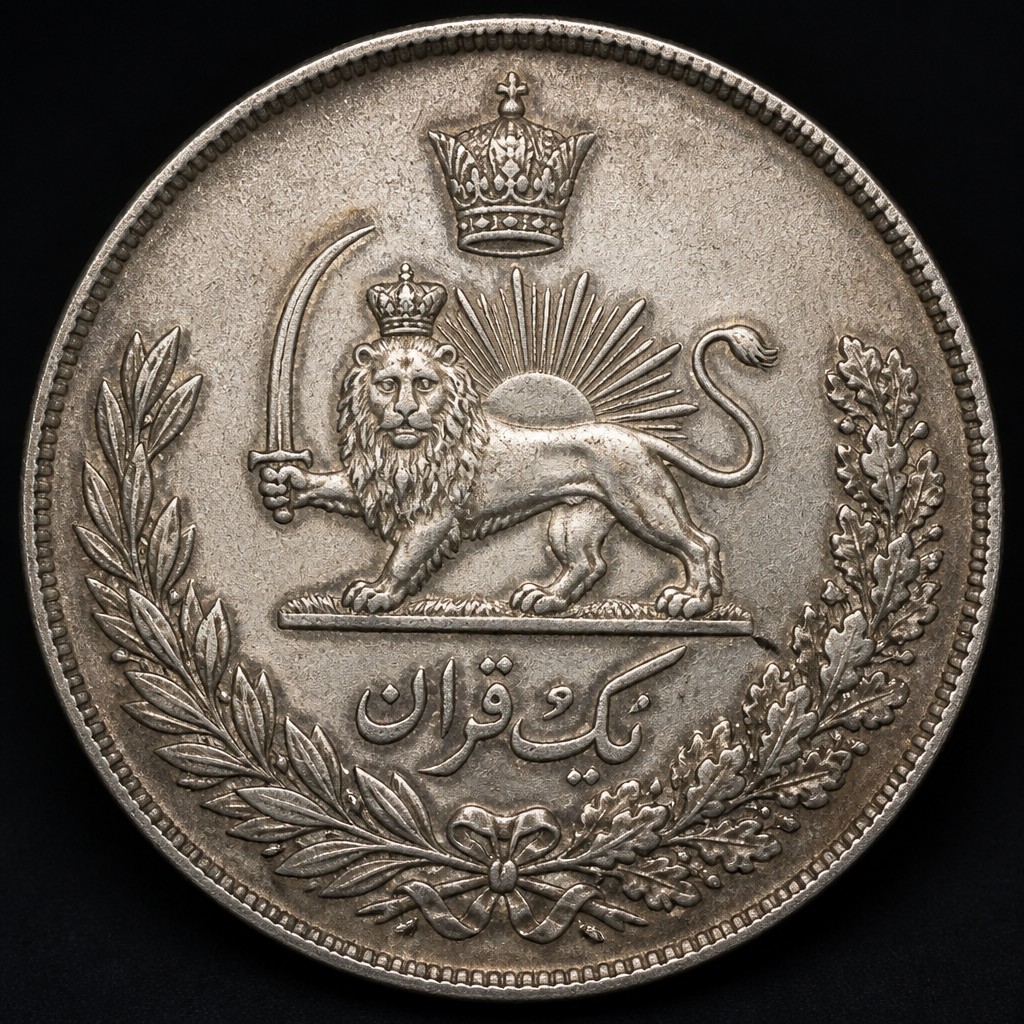
Persian Kran (Qajar silver)
Mid-19th century–1925
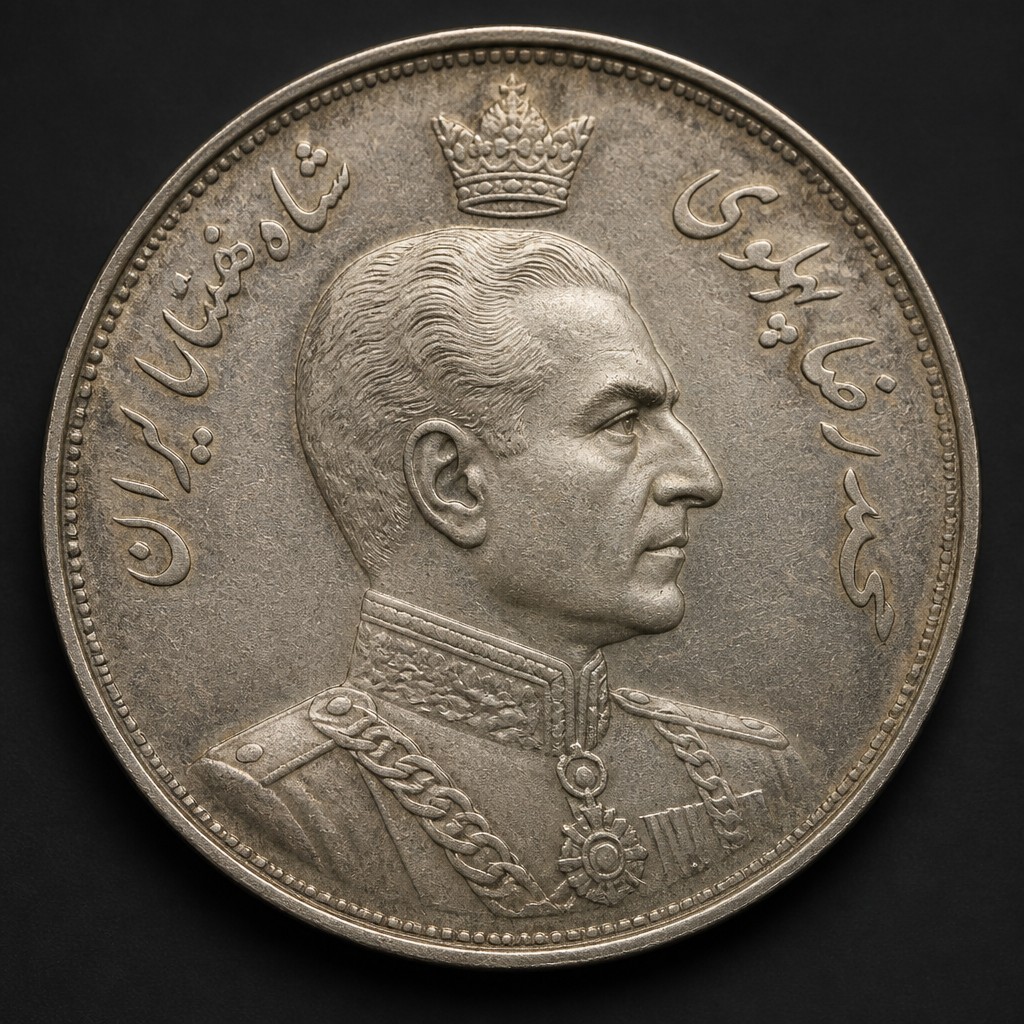
Iranian Rial
1932–present
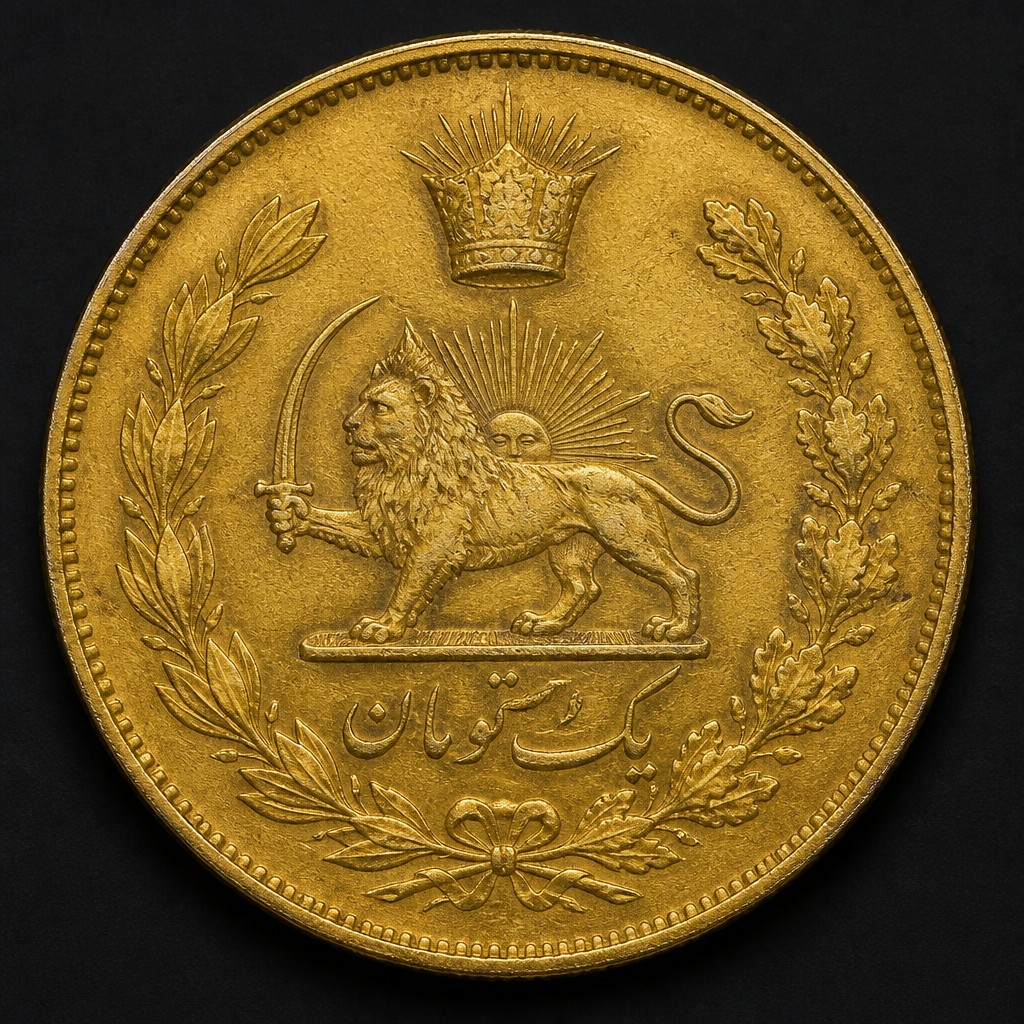
Persian Gold Toman (Qajar)
1796–1925
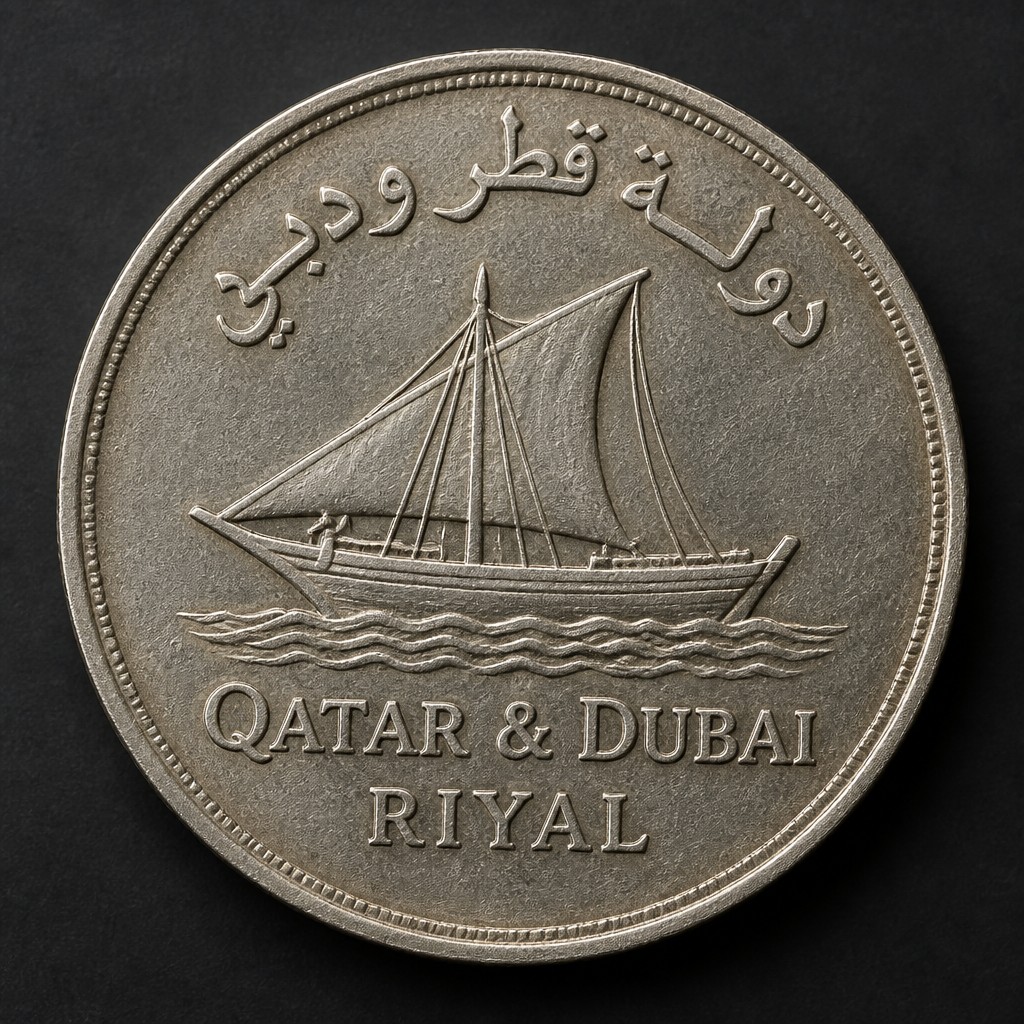
Qatar and Dubai Riyal
1966–1973
British India Rupee (Silver)
1835–1947