
Coin Encyclopedia
Search and identify coins from around the world — with country, denomination, metal, mint, history, and how to tell them apart.
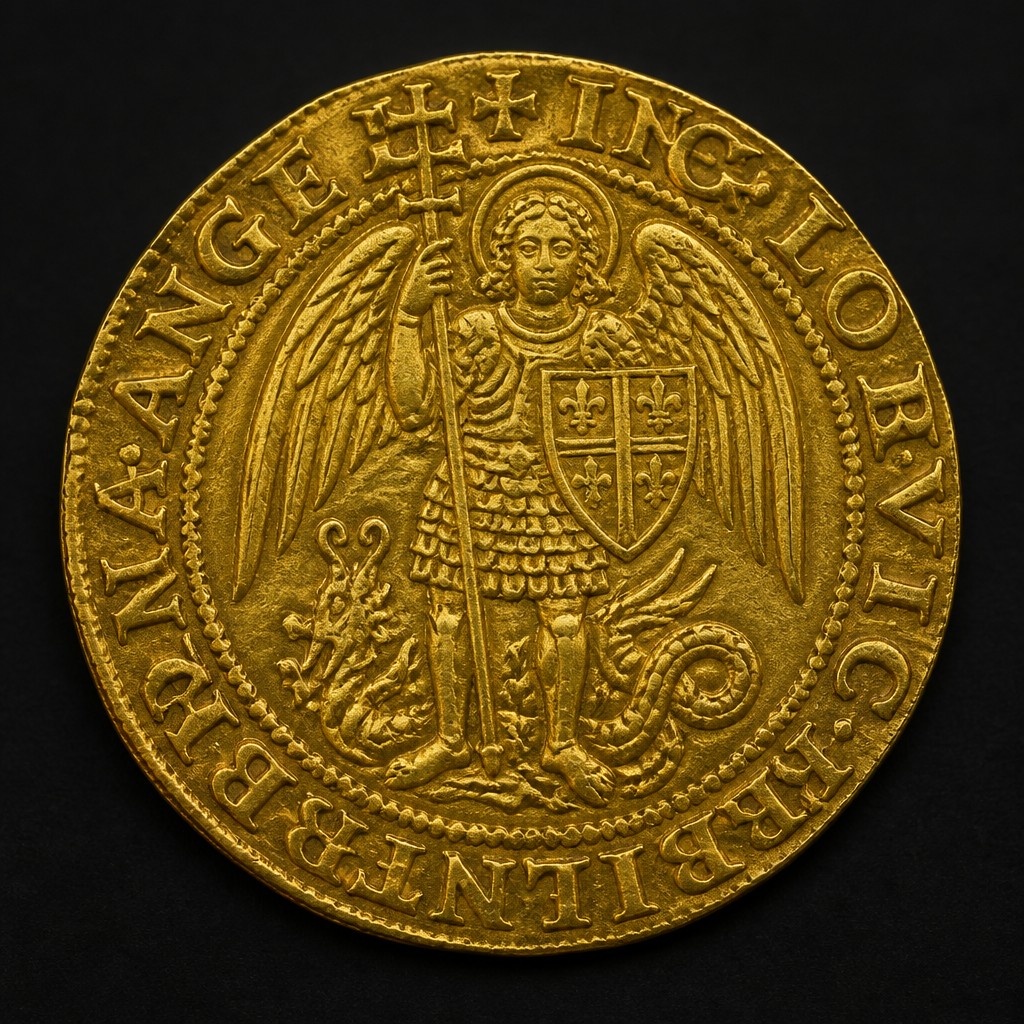
English Angel
A gold coin depicting the Archangel Michael slaying a dragon, issued for nearly two centuries and later famous for its use as a royal 'touch-piece' for the healing ceremony of the King's Evil.
British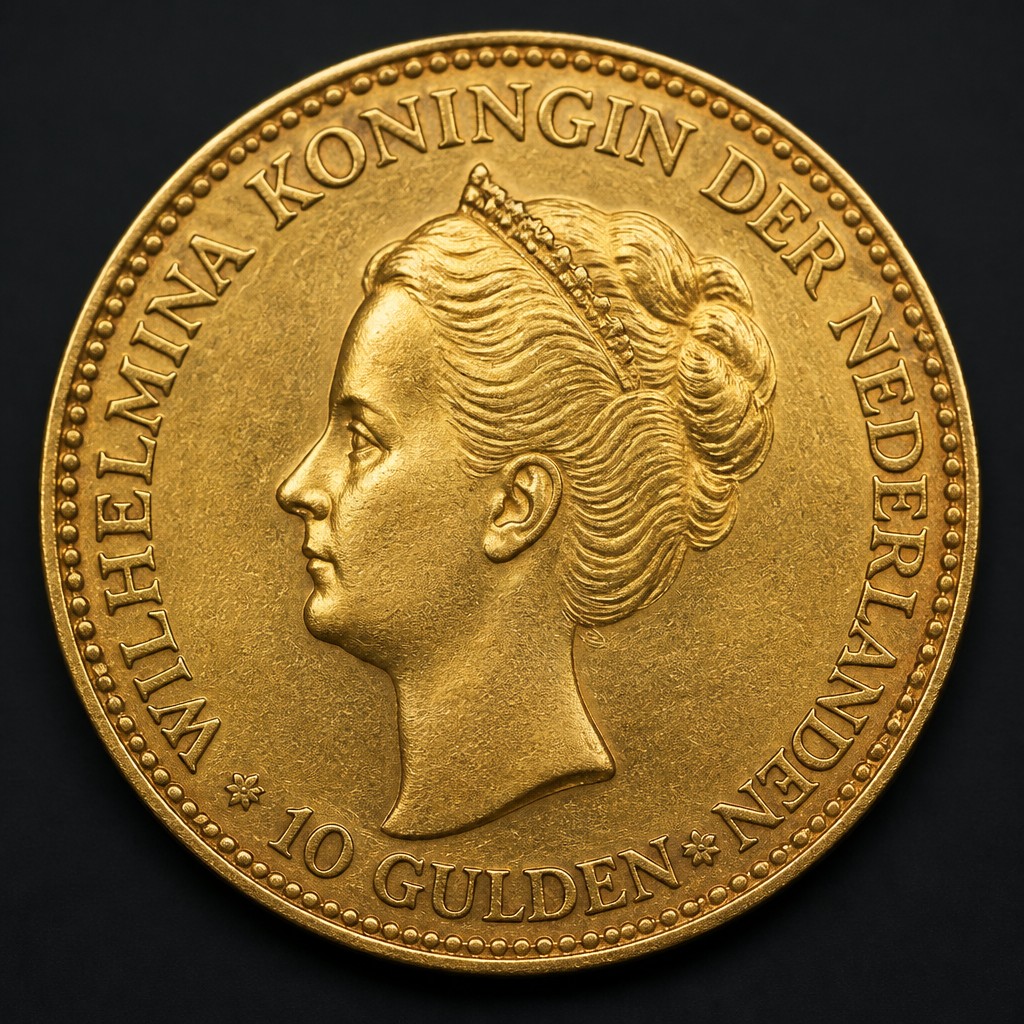
Netherlands 10 Gulden Gold (Wilhelmina)
The gold 10 Gulden coin featuring Queen Wilhelmina was the Netherlands' standard gold circulation and reserve coin in the early 20th century, later restruck as a recognized gold bullion piece.
European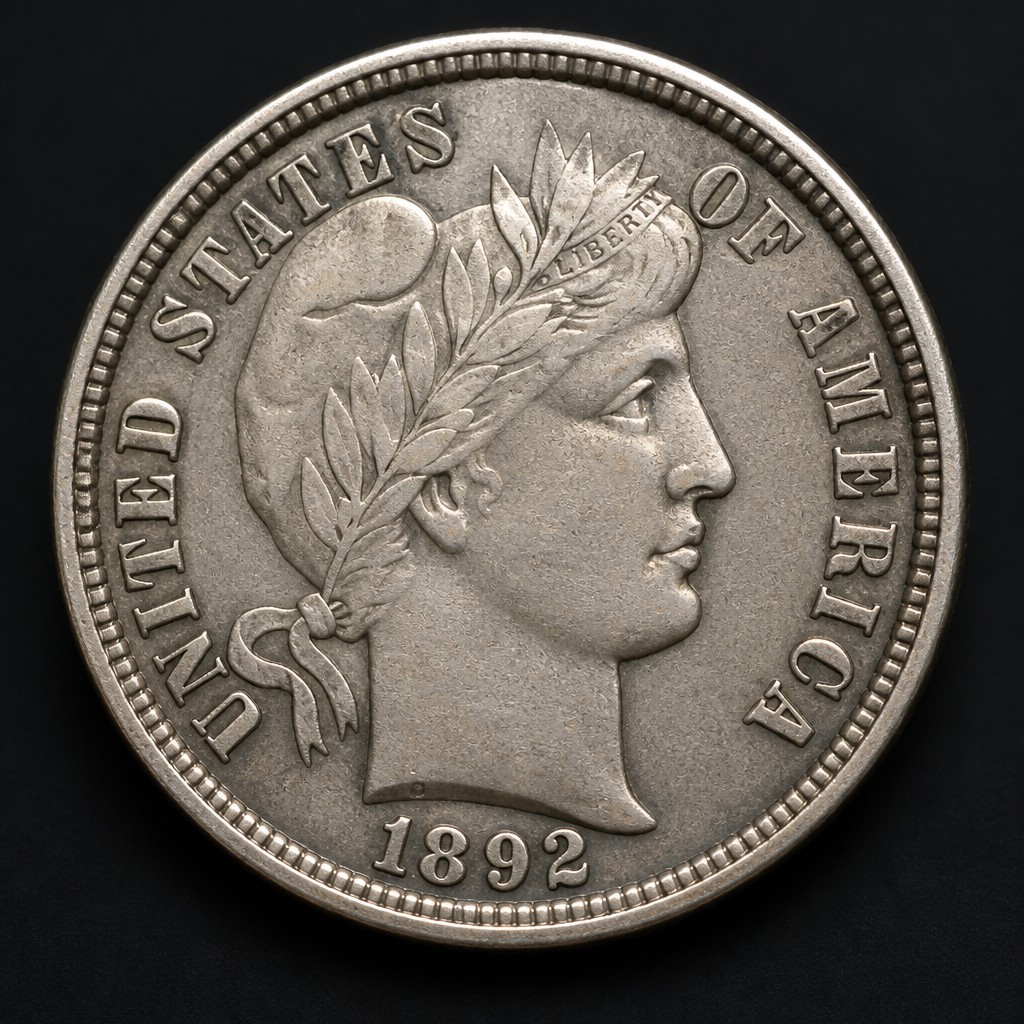
Barber Dime
A late-19th and early-20th century silver dime designed by Charles E. Barber, featuring a classical Liberty head, part of a matching set with the Barber quarter and half dollar.
United States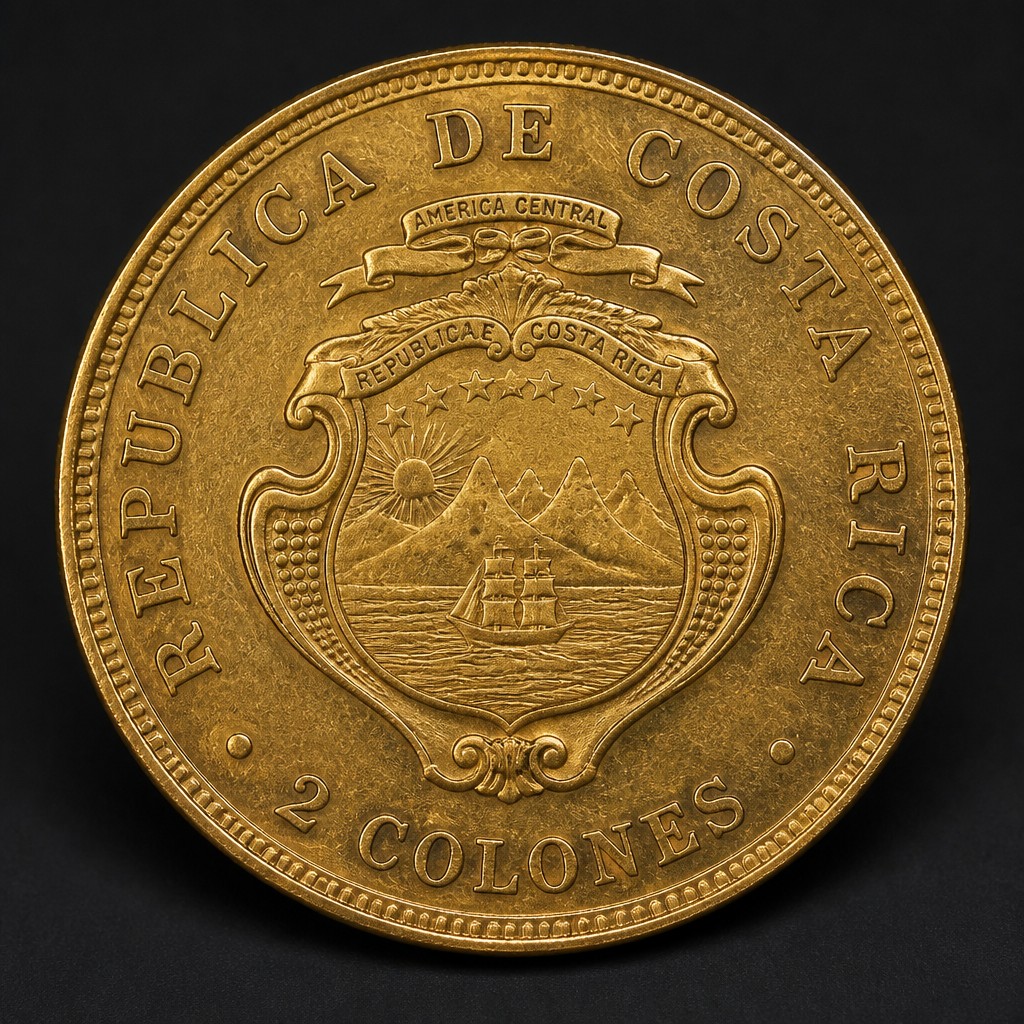
Costa Rica 2 Colones Gold
A small gold denomination from Costa Rica's early colon-era coinage, part of a family of gold coins (2, 5, 10, and 20 colones) struck around the turn of the twentieth century.
Latin American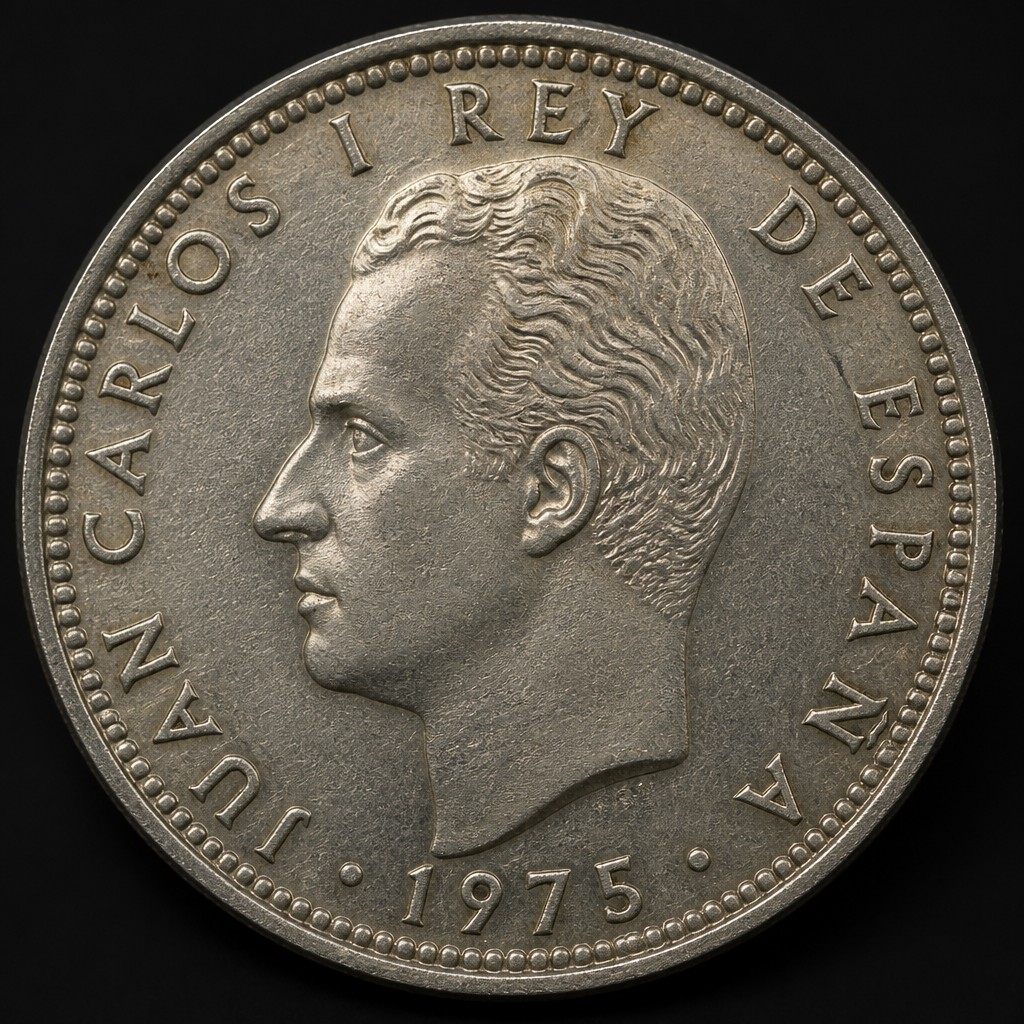
Spanish Peseta
The peseta was Spain's national currency for over 130 years, evolving from silver coinage under a provisional 19th-century government to copper-nickel coins used until the euro replaced it in 2002.
European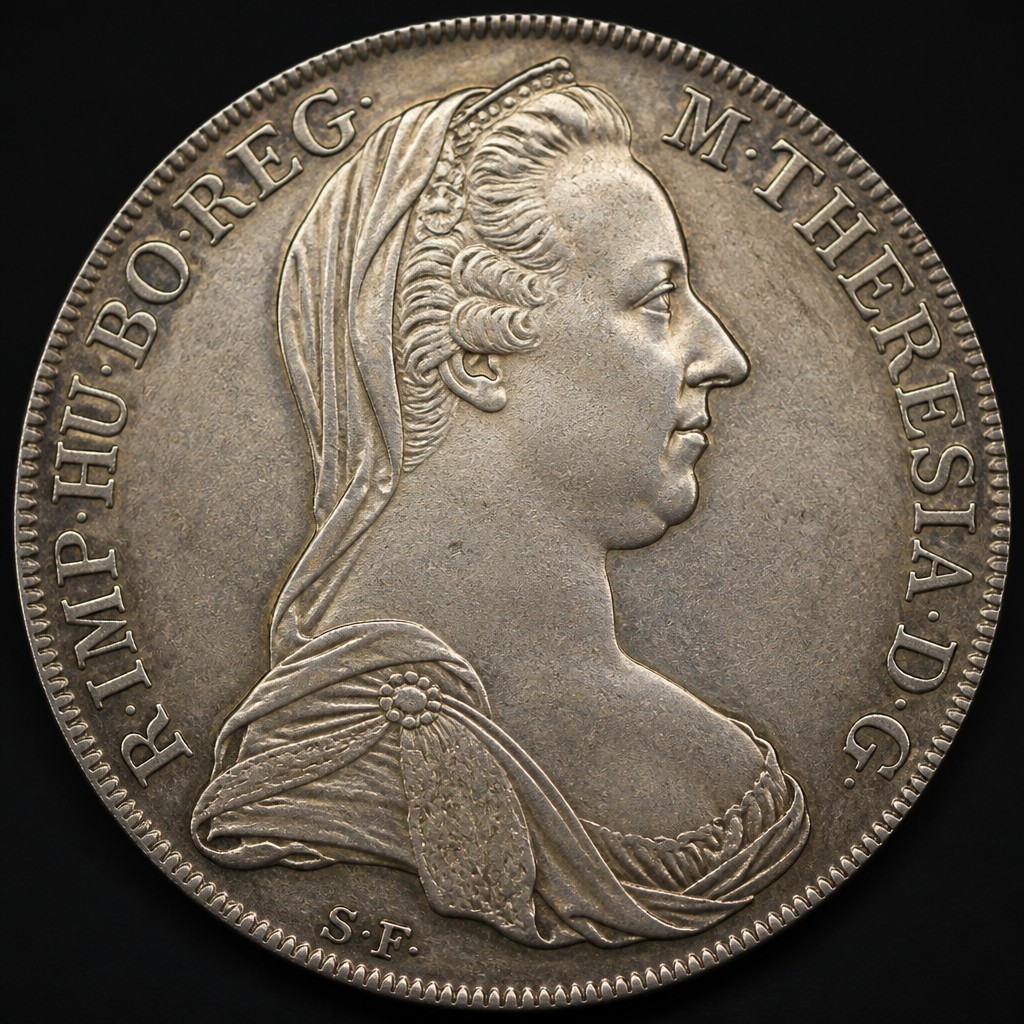
Austrian Levantine Thaler (Maria Theresa Thaler)
A famous silver trade coin bearing the portrait of Empress Maria Theresa, perpetually dated 1780 and restruck for centuries as a trusted trade currency across the Middle East, Arabia, and East Africa.
European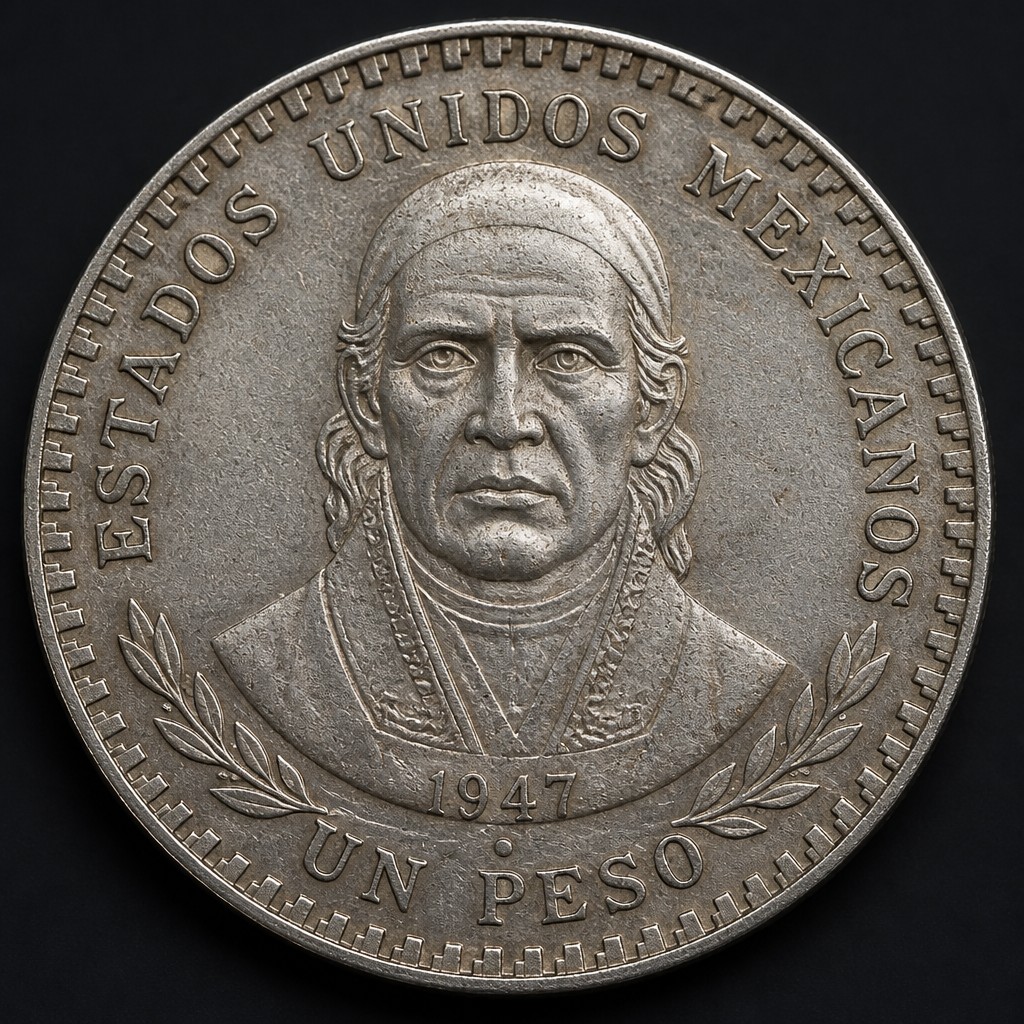
Mexican Estados Unidos 1 Peso 'Morelos'
A mid-twentieth-century Mexican silver peso portraying independence hero José María Morelos, struck in fifty-percent silver for just a few years after World War II.
Latin American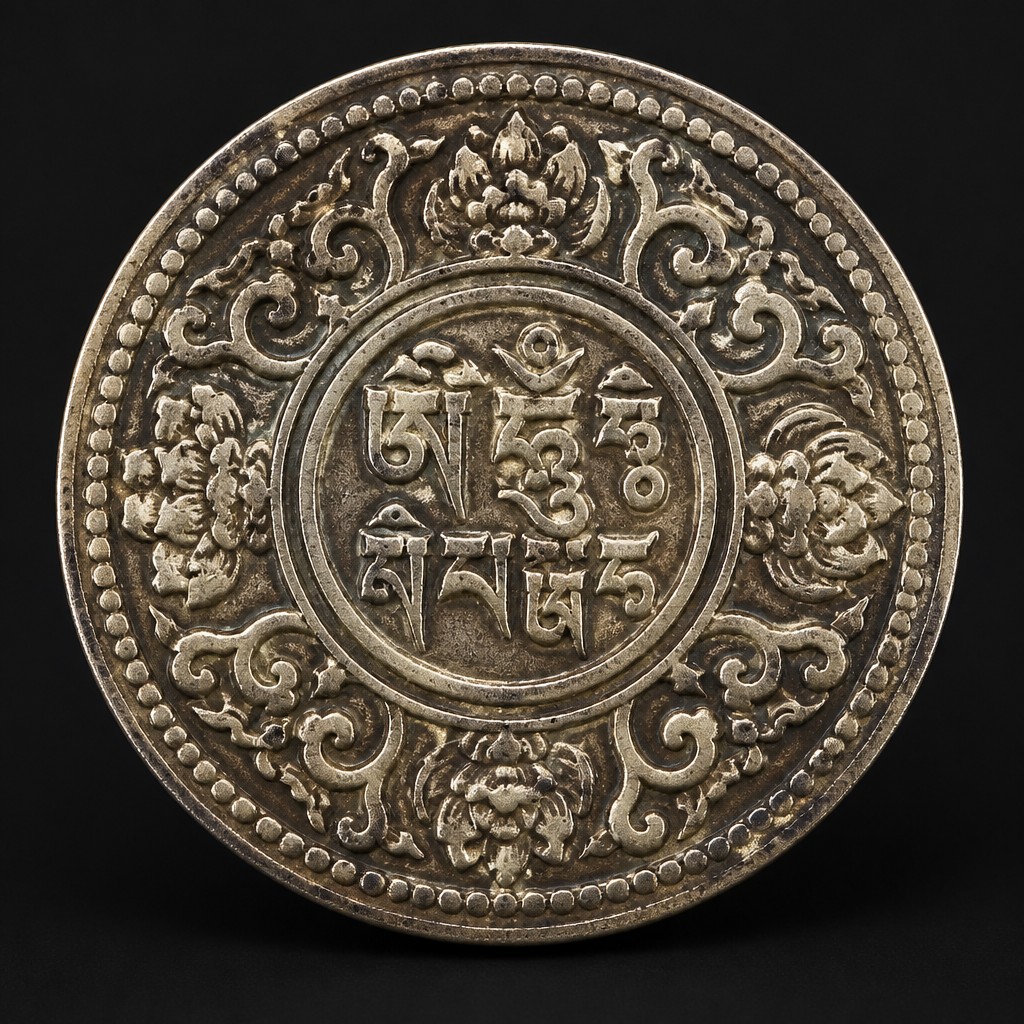
Tibetan Silver Tangka
The traditional silver coin denomination of Tibet, issued in many distinct types over roughly three centuries, from early Nepalese-struck coinage to native Tibetan and Sino-Tibetan issues.
Asian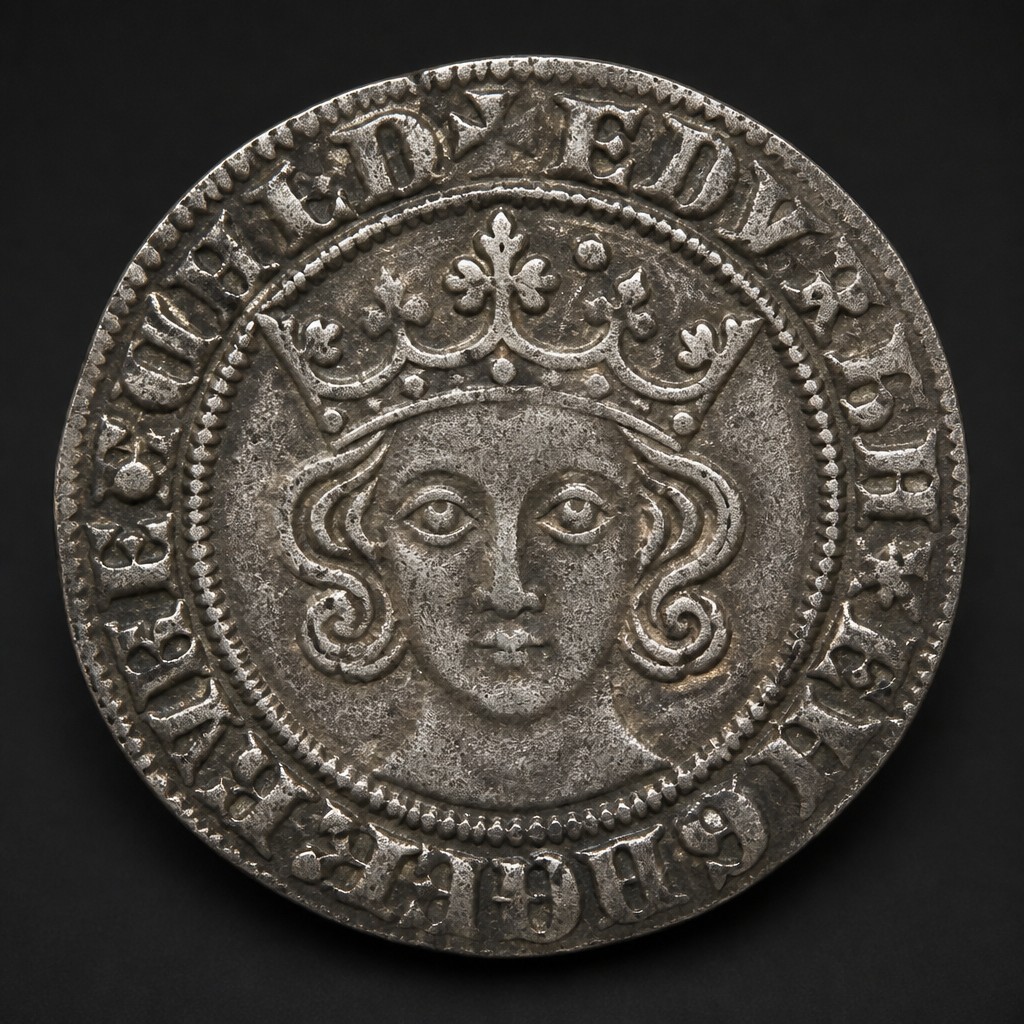
Half Groat
A small hammered silver coin worth half the value of the groat, or two pence, struck across three centuries of English coinage from the reign of Edward III through the Stuart era.
British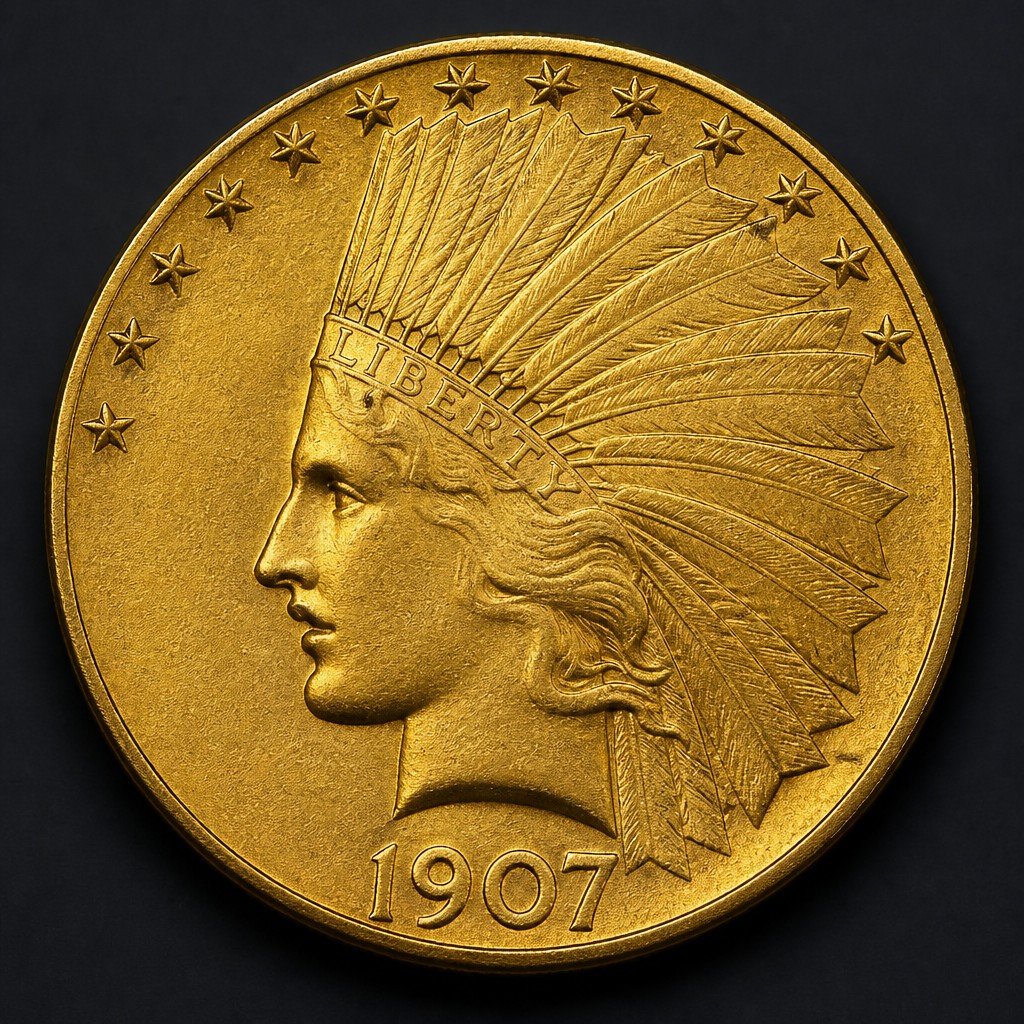
Indian Head Gold Eagle ($10)
A striking early 20th-century $10 gold coin designed under President Theodore Roosevelt's coinage renaissance, featuring an incuse (recessed) design and a Native American-style Liberty portrait.
United States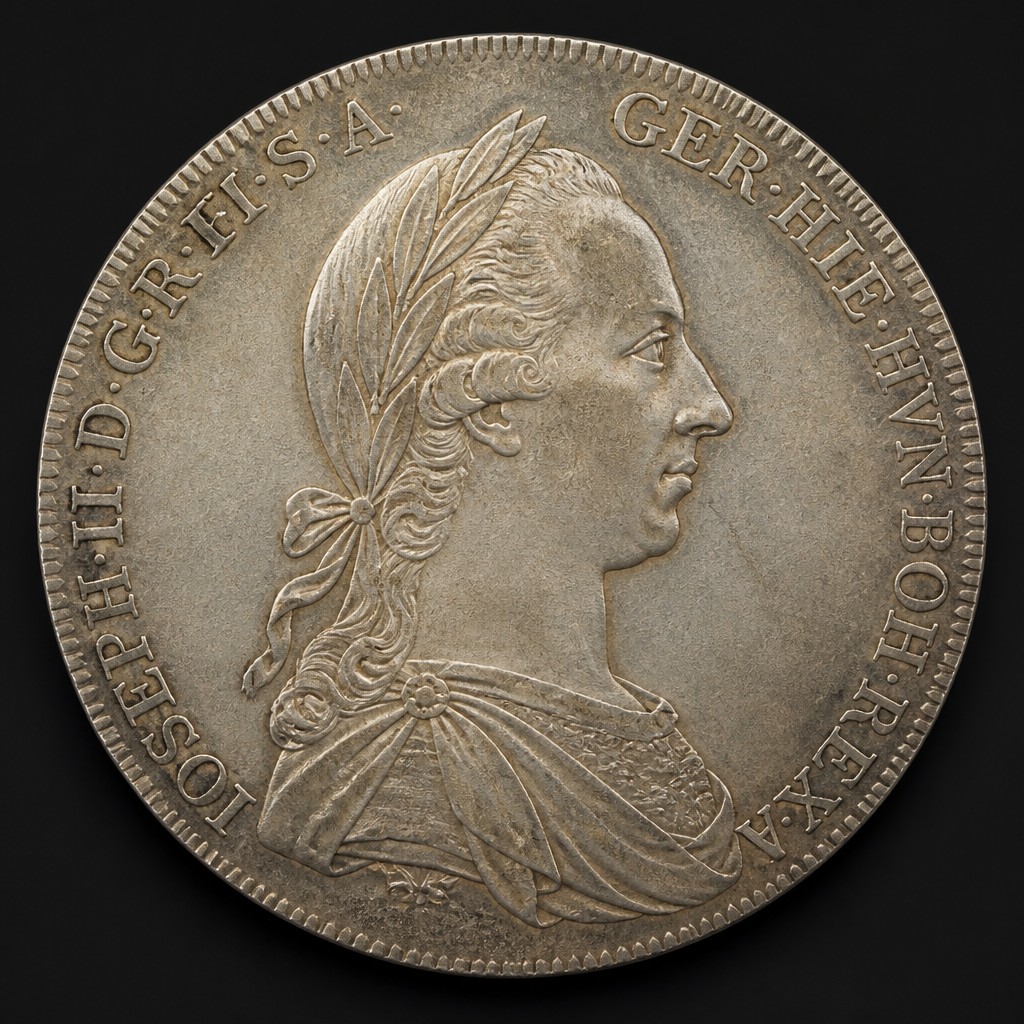
Austrian Thaler (Joseph II)
A silver thaler bearing the portrait of Holy Roman Emperor Joseph II, struck in the late 18th century and, like the more famous Maria Theresa thaler, later restruck for use in Levant and African trade.
European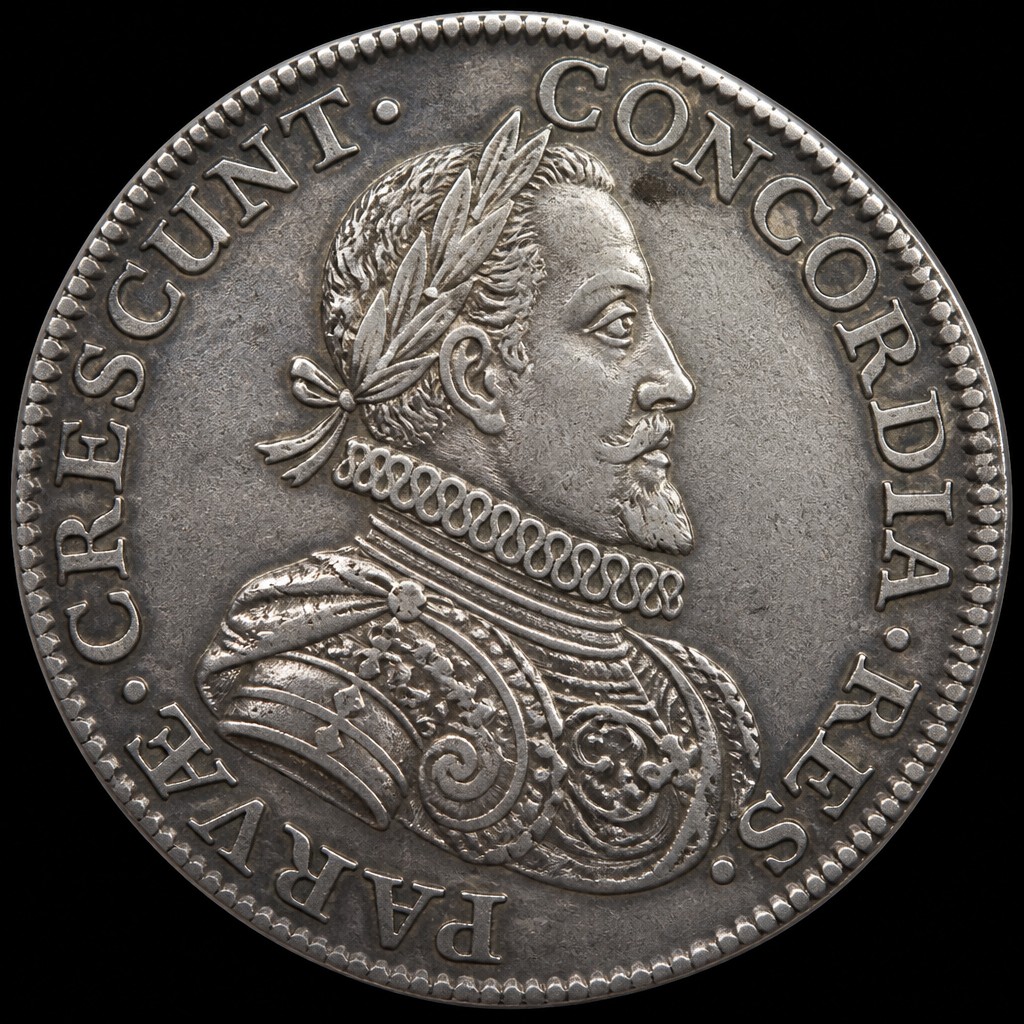
Netherlands Rijksdaalder
A historic large silver crown-sized coin of the Low Countries, the rijksdaalder became a trusted trade coin across Europe for centuries and lent its name to the modern Dutch 2½-guilder piece.
European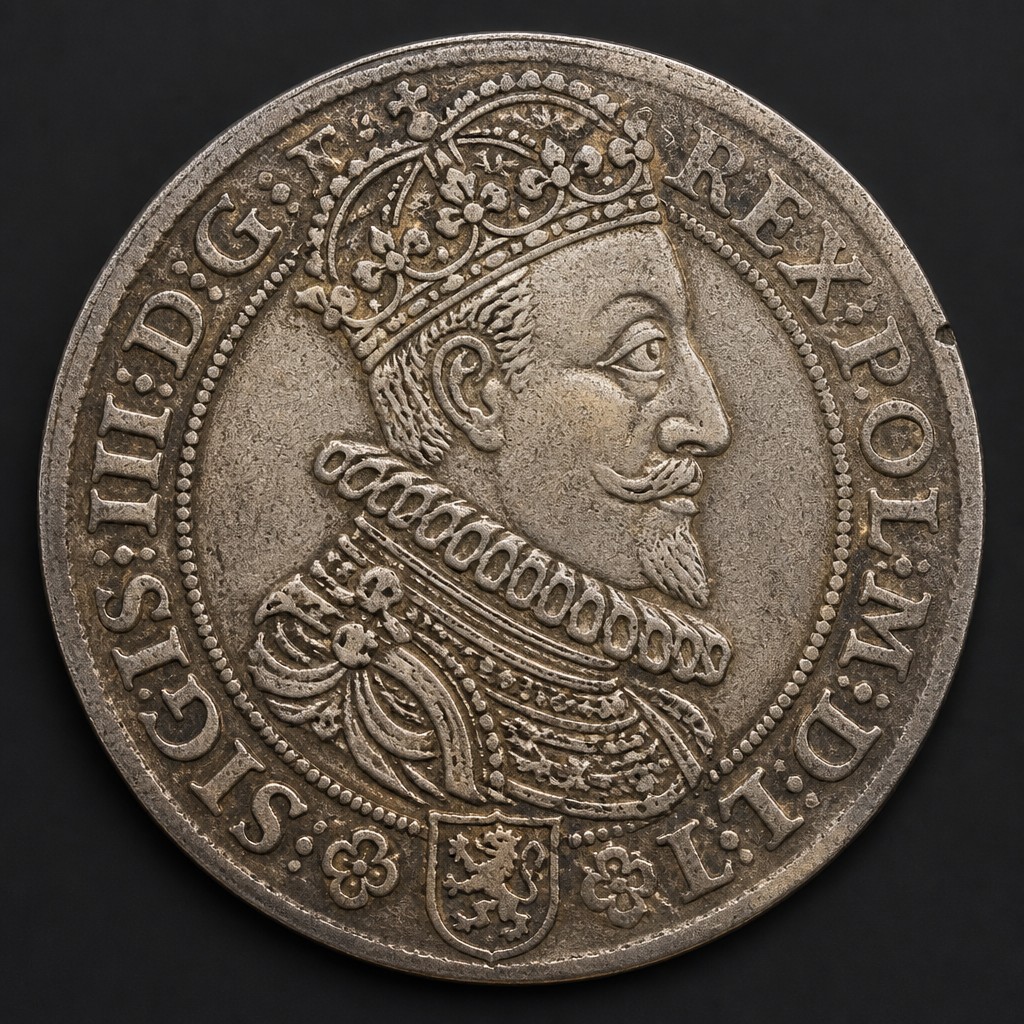
Polish-Lithuanian Thaler
The large silver trade coin of the Polish-Lithuanian Commonwealth, struck under successive kings from the 16th through 18th centuries, bearing royal portraits paired with the combined Polish eagle and Lithuanian Vytis arms.
European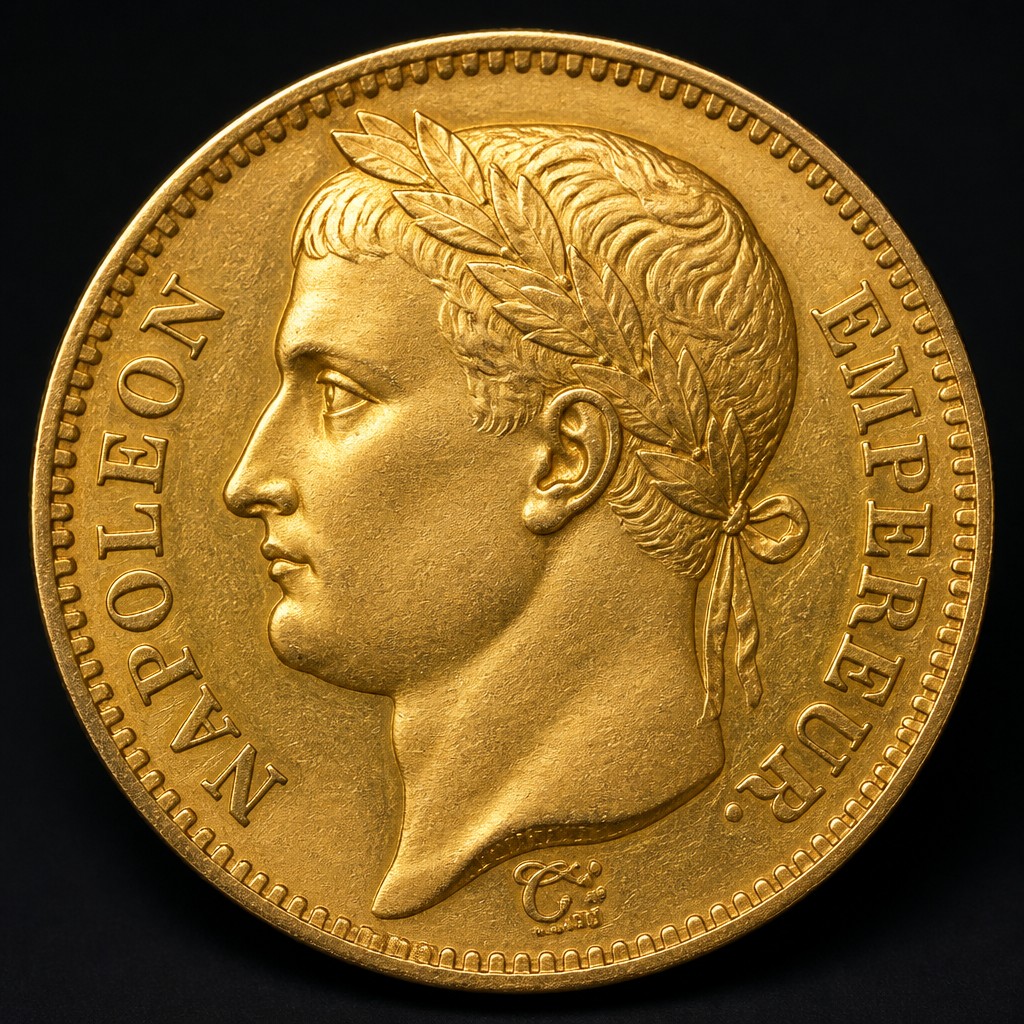
French Napoleon 20 Francs Gold
France's standard 19th-century gold coin, first struck under Napoleon I and continued under later rulers and the Republic, giving rise to the enduring nickname "Napoleon" for any 20-franc gold coin.
European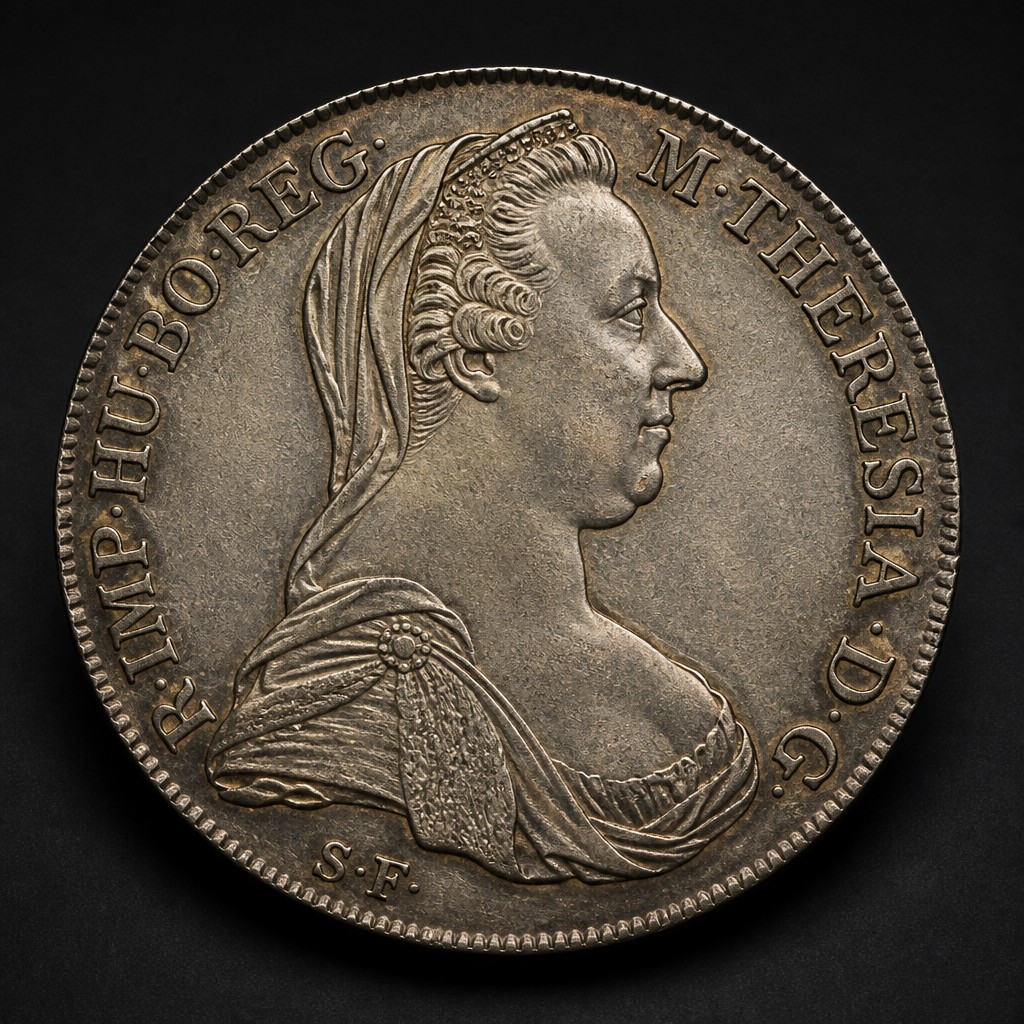
Maria Theresa Thaler
An Austrian silver trade coin dated 1780 that has been restruck continuously for over two centuries, remaining a trusted currency across parts of Africa and the Middle East long after its original issue.
European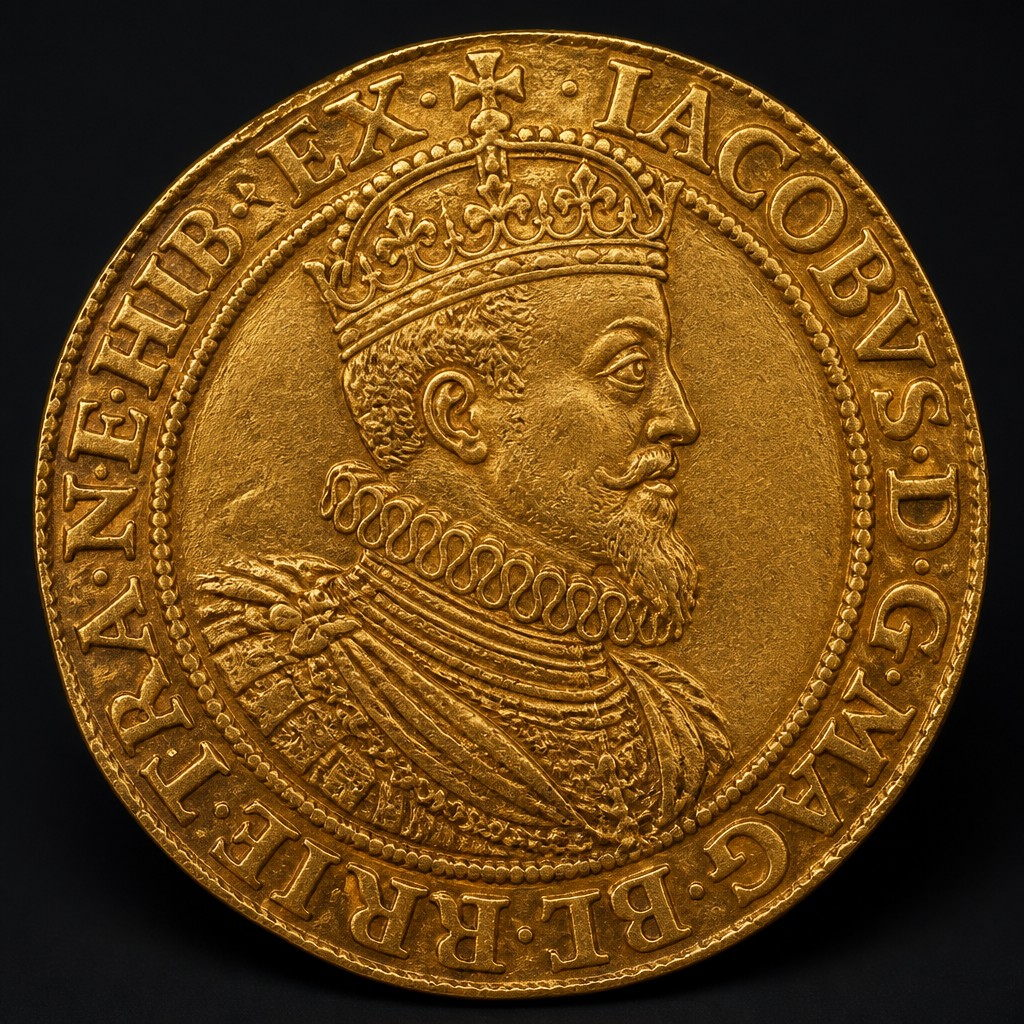
Half Crown Gold
A small gold coin worth half a gold crown, struck from the reign of Henry VIII through the English Civil War, distinct from the far more familiar silver half crown that circulated for centuries afterward.
British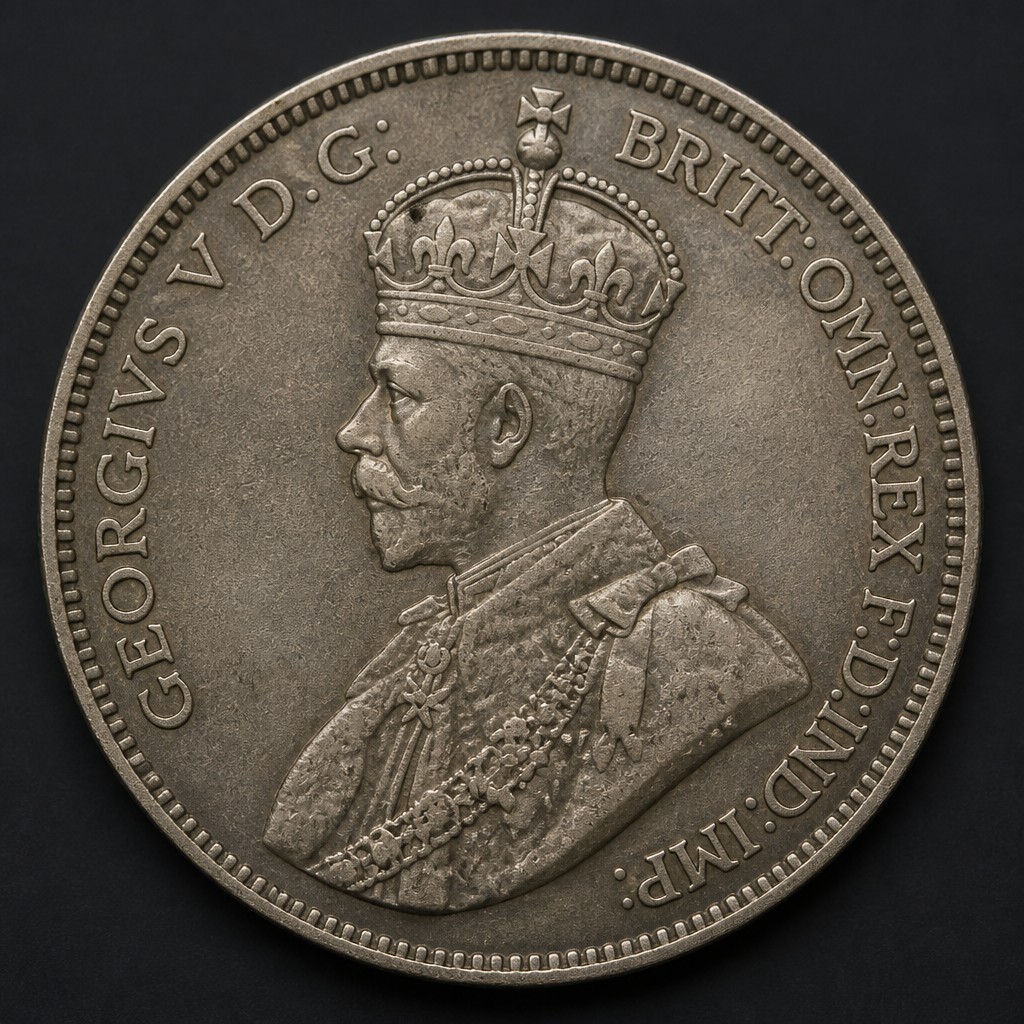
Australian Florin (pre-decimal)
Pre-decimal Australian silver florin worth two shillings, minted from 1910 until decimalization replaced it with the 20-cent coin in 1966.
Africa & Oceania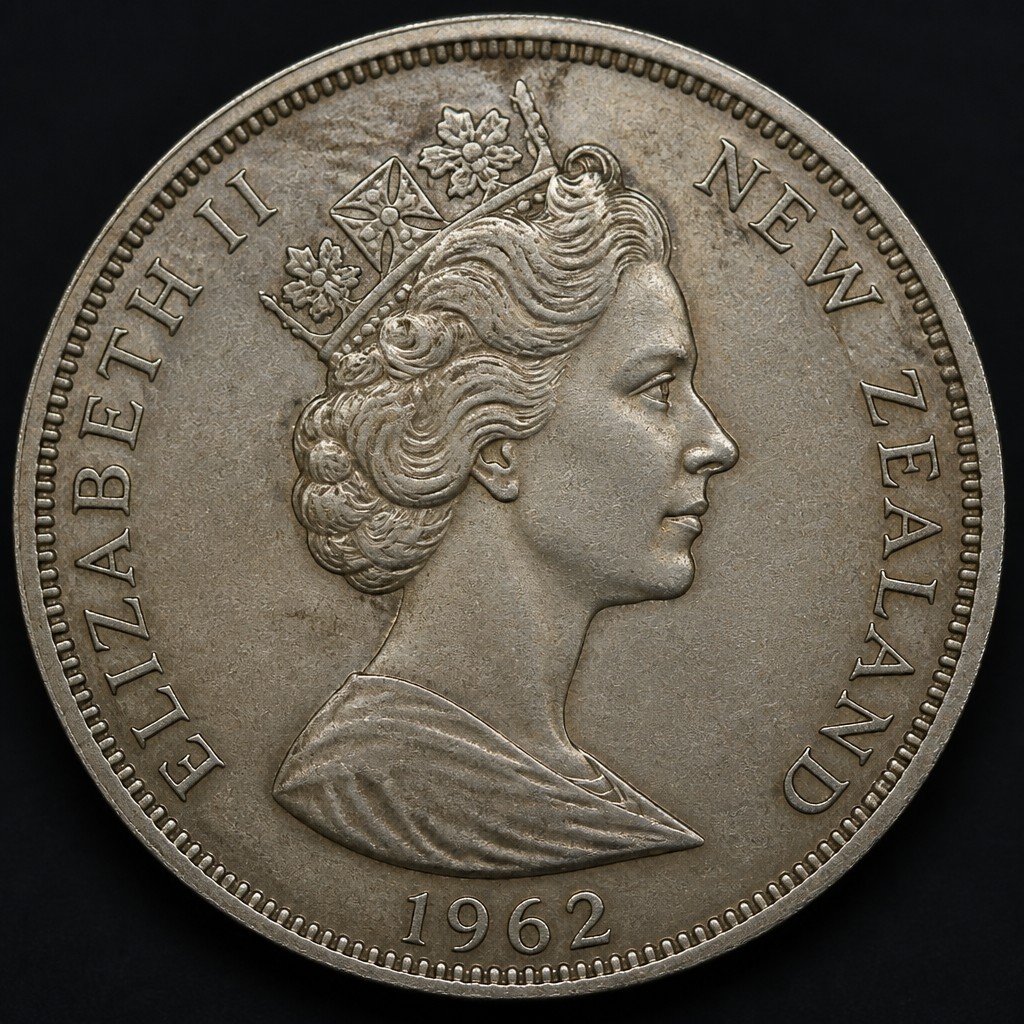
New Zealand Florin (pre-decimal)
New Zealand's pre-decimal florin, famous for its kiwi-bird reverse design, circulated from 1933 until decimalization replaced it with the 20-cent coin in 1967.
Africa & Oceania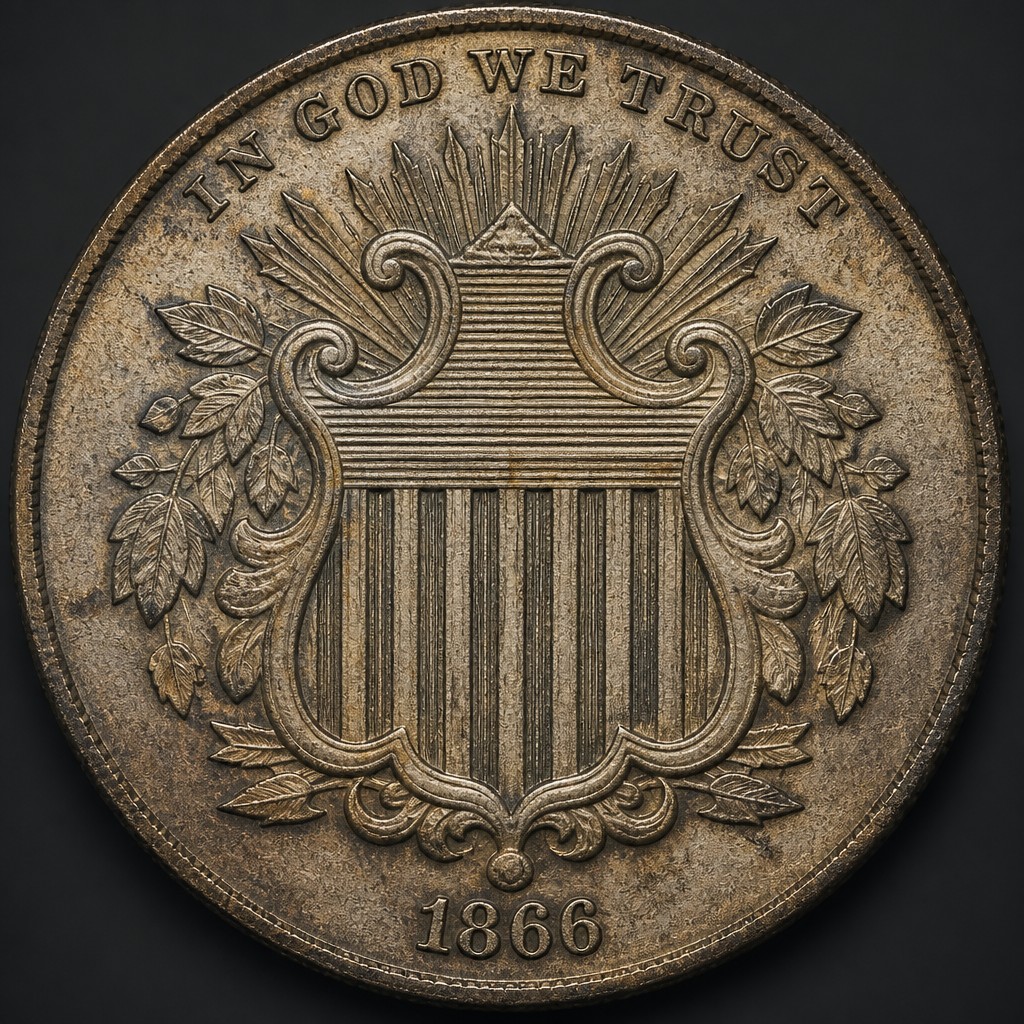
1866 Shield Nickel With Rays
The first-year Shield Nickel design featuring thirteen rays between the reverse stars, marking the debut of the United States' first copper-nickel five-cent coin.
United States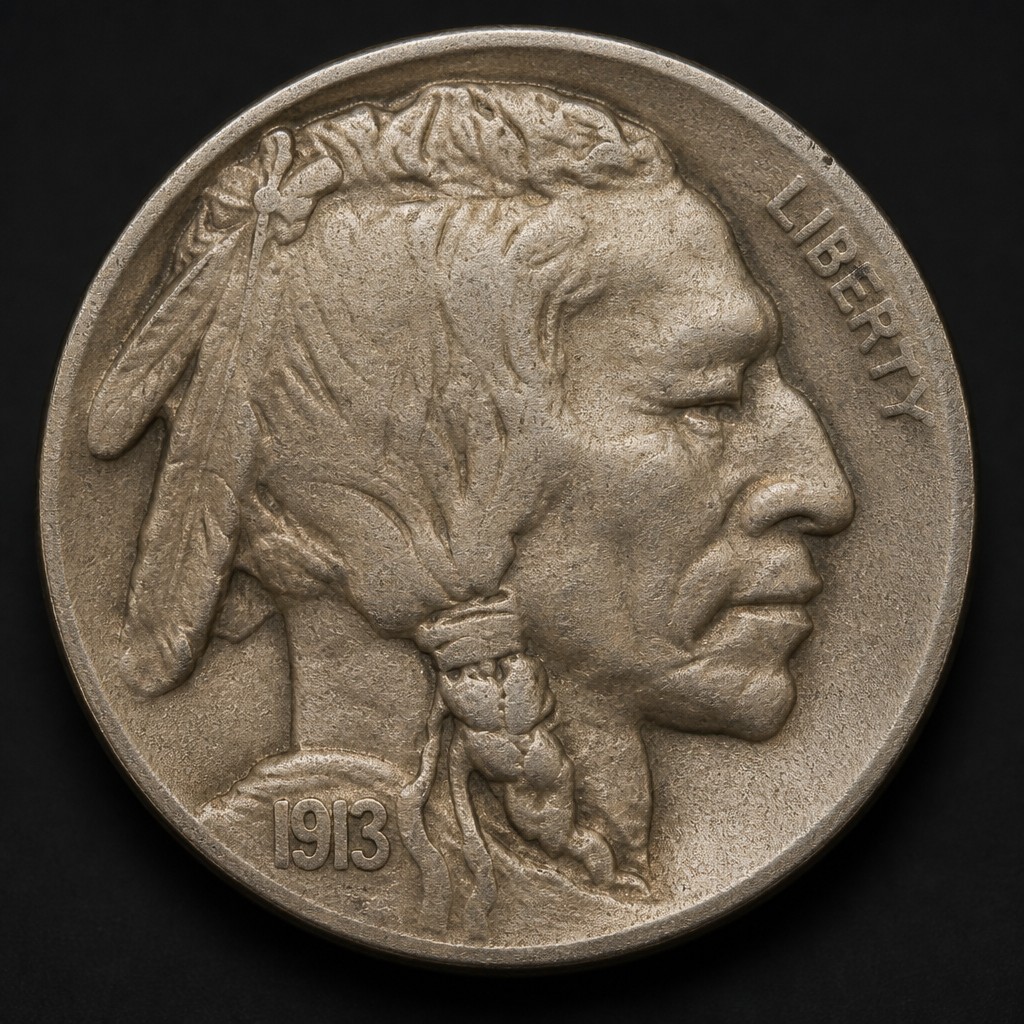
Buffalo Nickel
Beloved American five-cent coin featuring a Native American portrait and an American bison, designed by James Earle Fraser and celebrated for its distinctly American imagery.
United States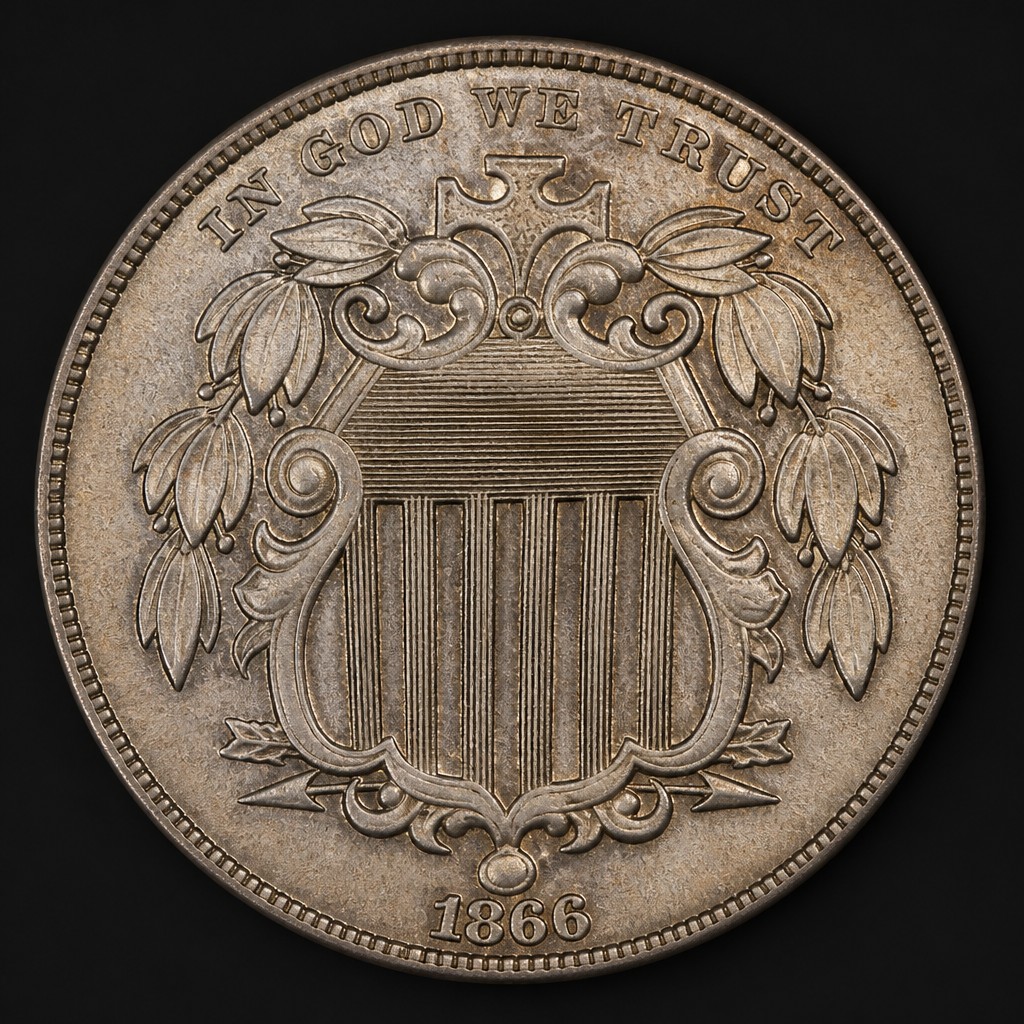
Shield Nickel
The first copper-nickel five-cent coin, the Shield Nickel features a national shield on the obverse and was issued from 1866 to 1883, including rare rays and proof-only dates.
United States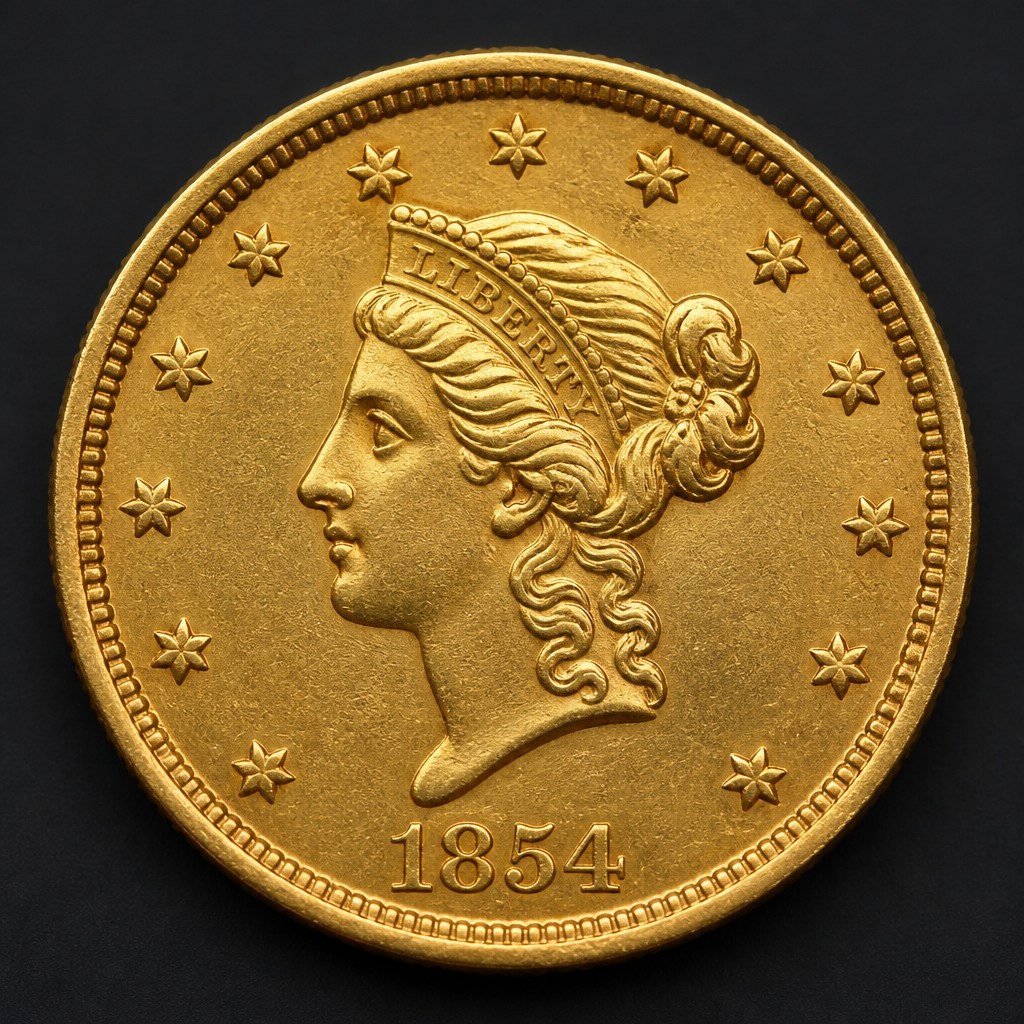
Three-Dollar Gold Piece
An unusual and short-lived gold denomination created partly to simplify buying sheets of three-cent postage stamps, now a favorite oddity among gold coin collectors.
United States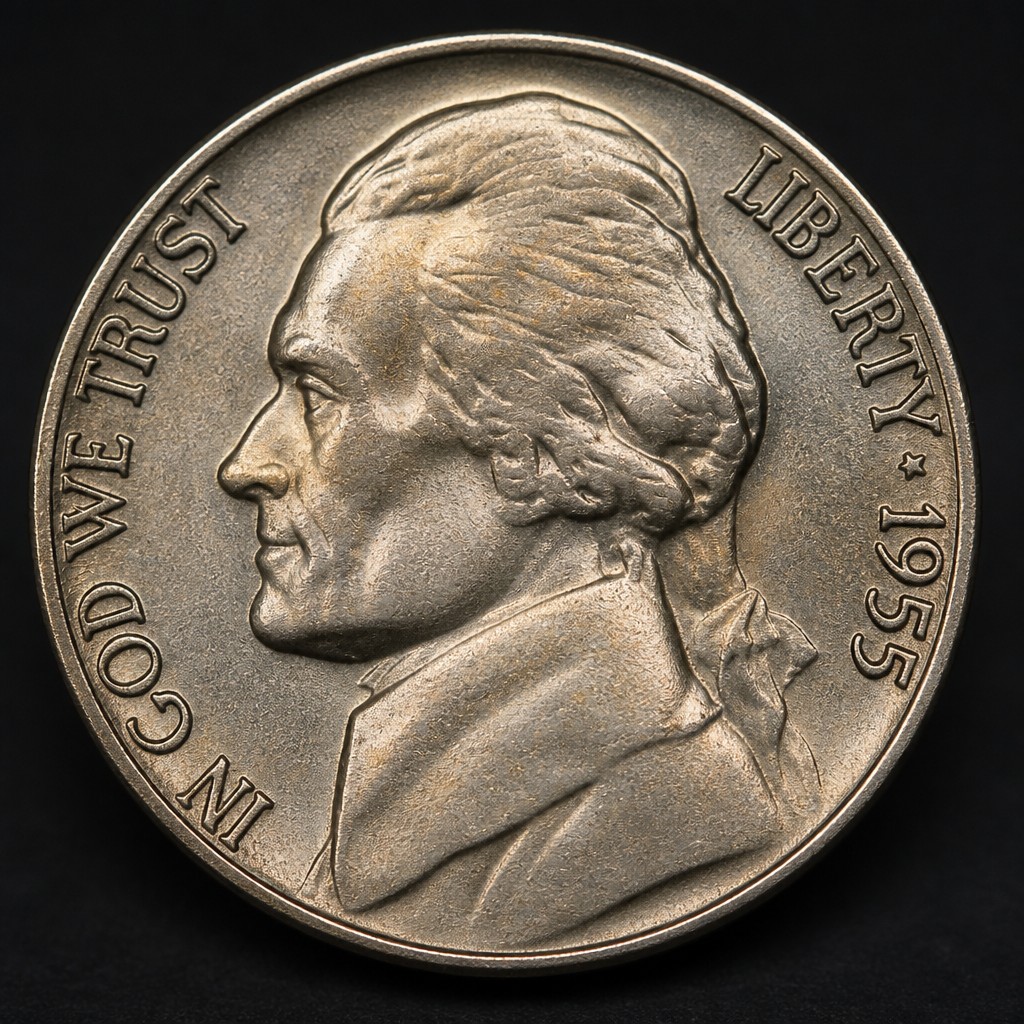
1955 Jefferson Nickel Poor Man's Doubled Die
A minor doubled-die variety on the 1955 Jefferson Nickel's date, nicknamed the 'Poor Man's Doubled Die' as a more affordable alternative to the famous 1955 doubled-die Lincoln Cent.
Errors & Varieties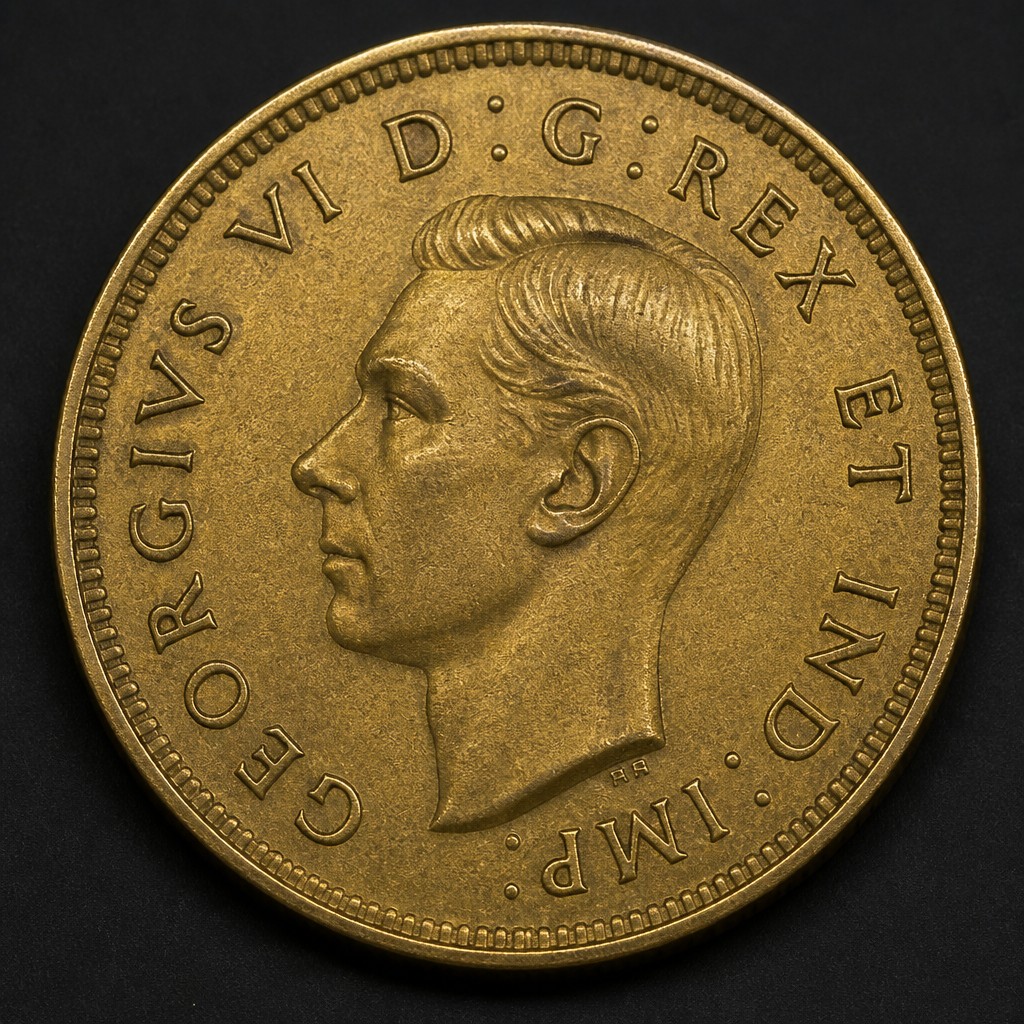
1943 'V' Victory Nickel (tombac)
A wartime Canadian five-cent coin struck in golden tombac with a bold V for Victory and a Morse code message around its edge, issued when nickel metal was diverted to the war effort.
Canadian