
Coin Encyclopedia
Search and identify coins from around the world — with country, denomination, metal, mint, history, and how to tell them apart.
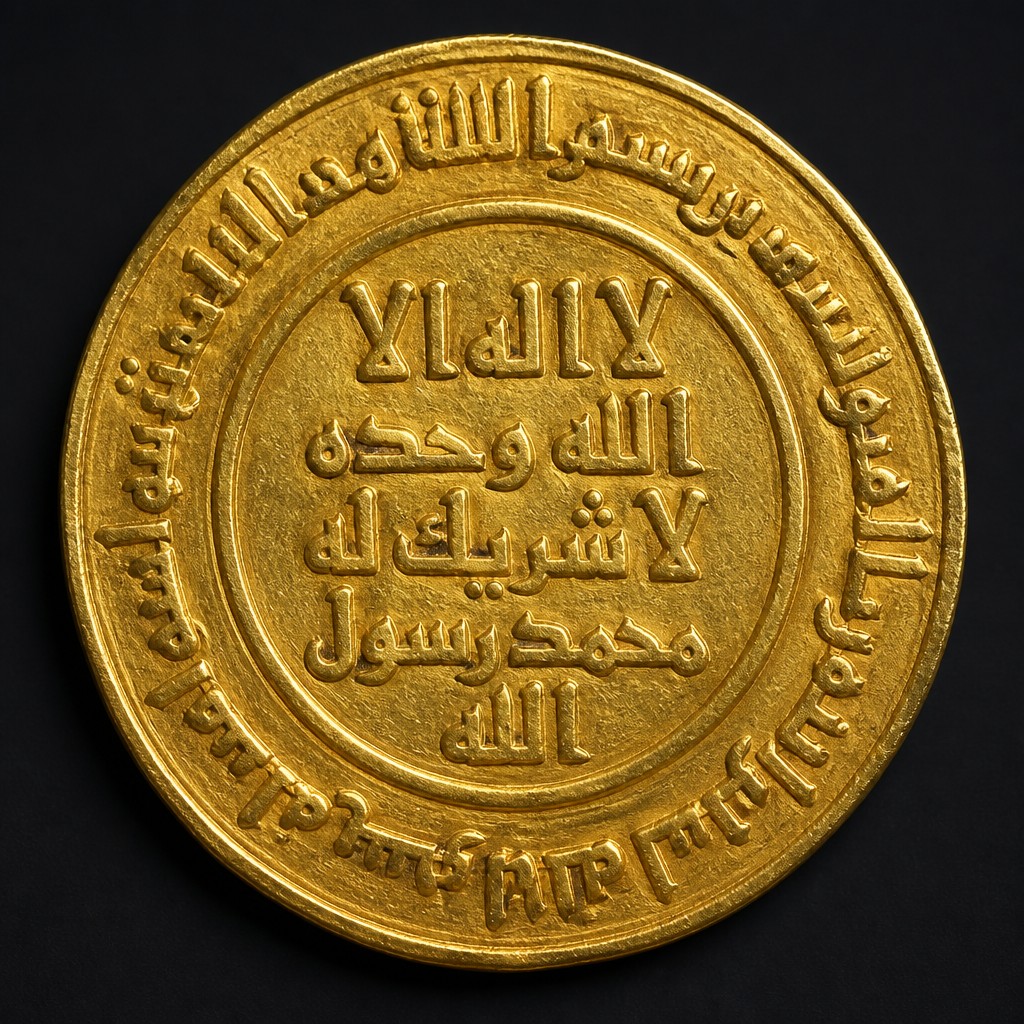
Abbasid Gold Dinar
The standard gold coin of the Abbasid Caliphate centered on Baghdad, inscribed entirely in Arabic script and struck for roughly five centuries across a vast Islamic empire.
World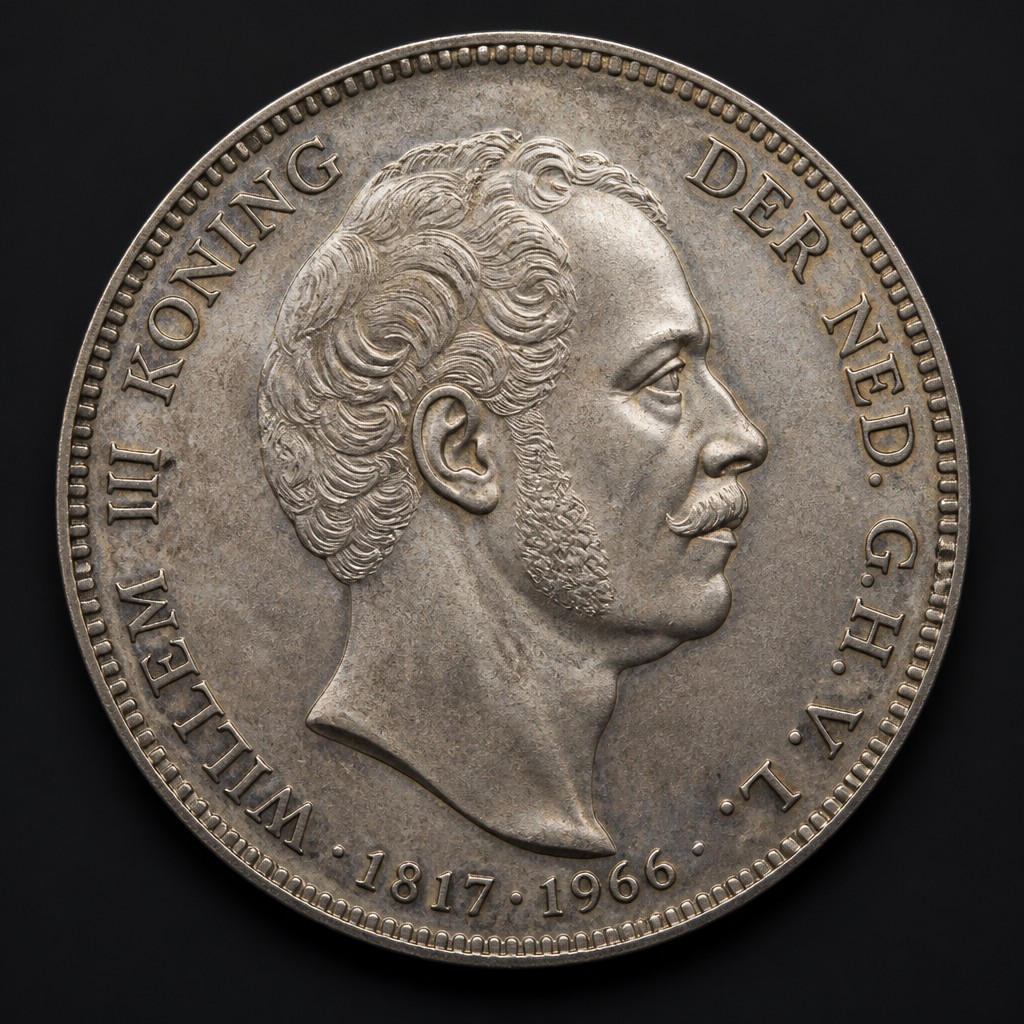
Netherlands 2½ Gulden
The largest regularly circulating silver coin of the Kingdom of the Netherlands, popularly nicknamed "rijksdaalder," featuring the reigning monarch's portrait across more than a century of Dutch coinage.
European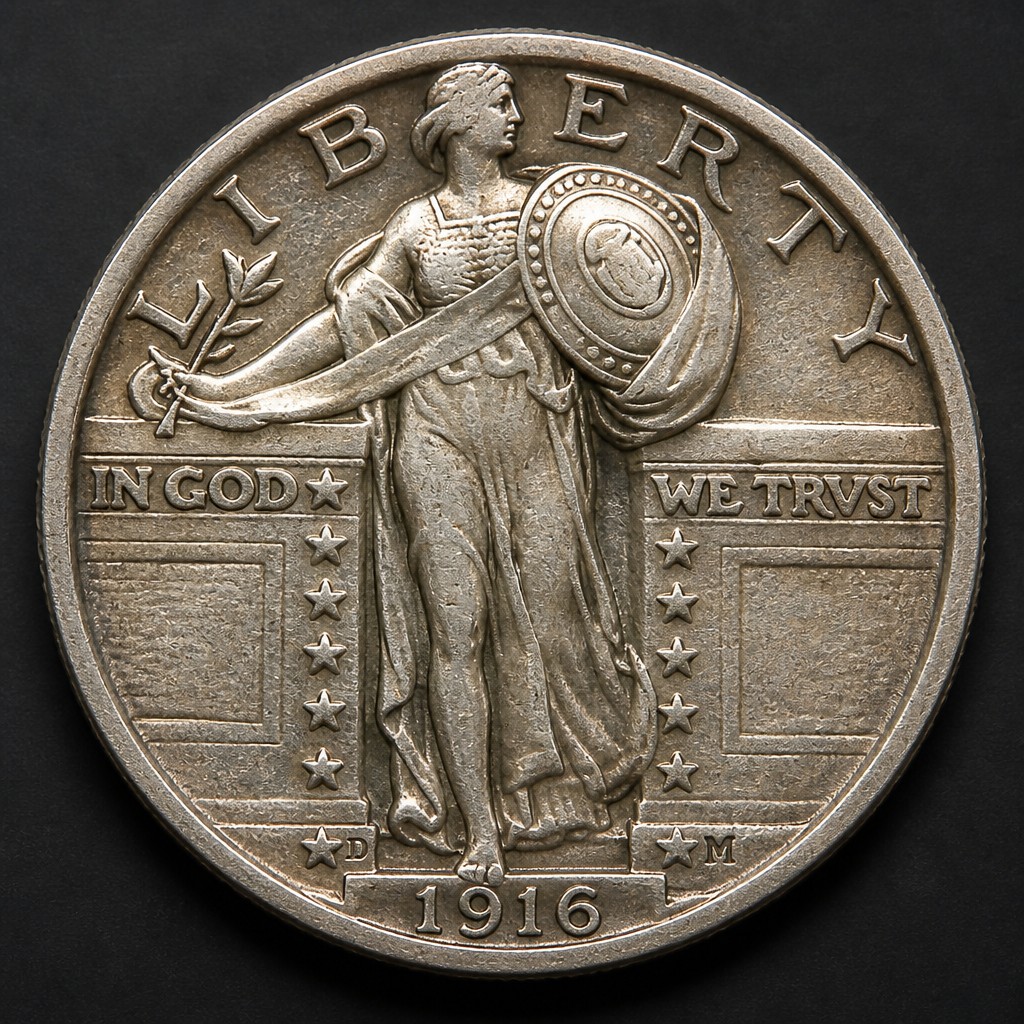
Standing Liberty Quarter
An early 20th-century silver quarter featuring a striding figure of Liberty, prized for its artistic Type I 'bare breast' design and later modified Type II version.
United States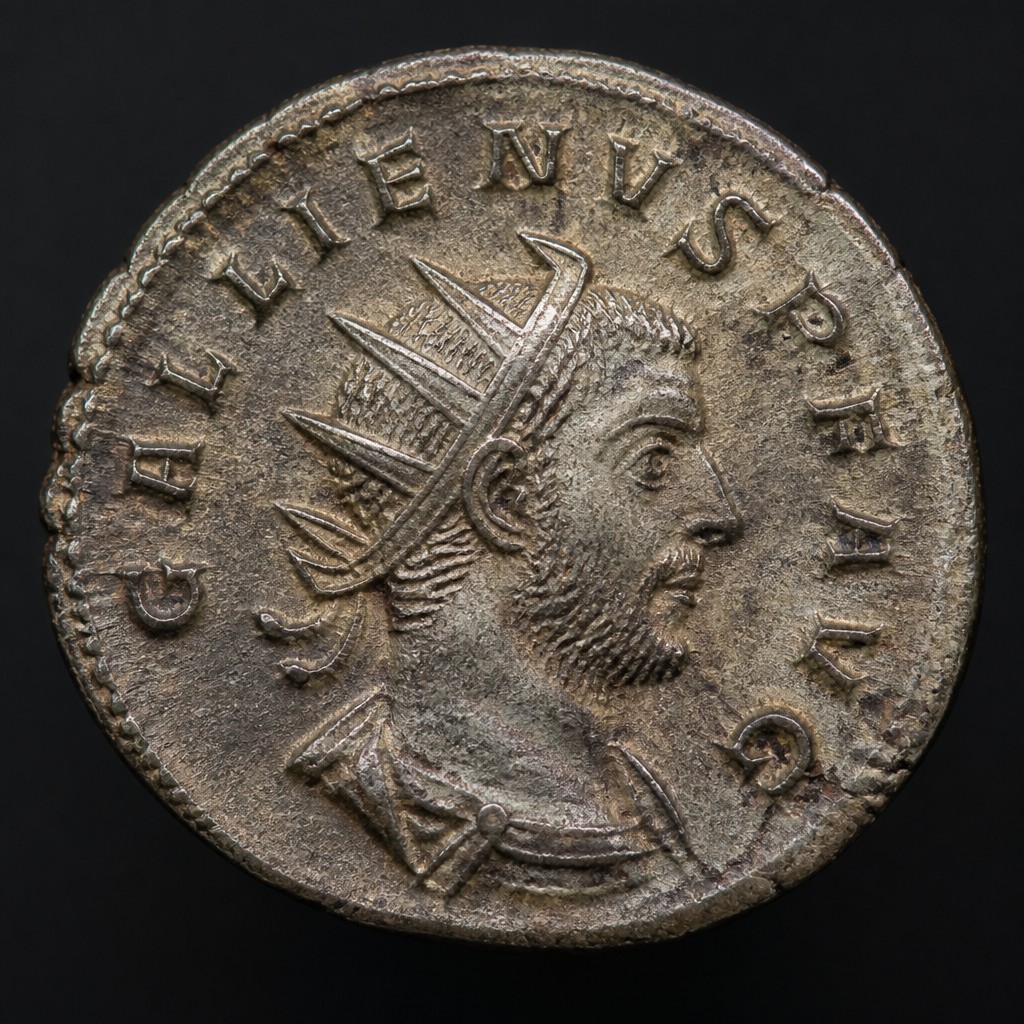
Gallienus Antoninianus
Radiate coin of Gallienus, who ruled through the depths of the Crisis of the Third Century and is especially known for a colorful late-reign series of animal and mythological reverse types.
Ancient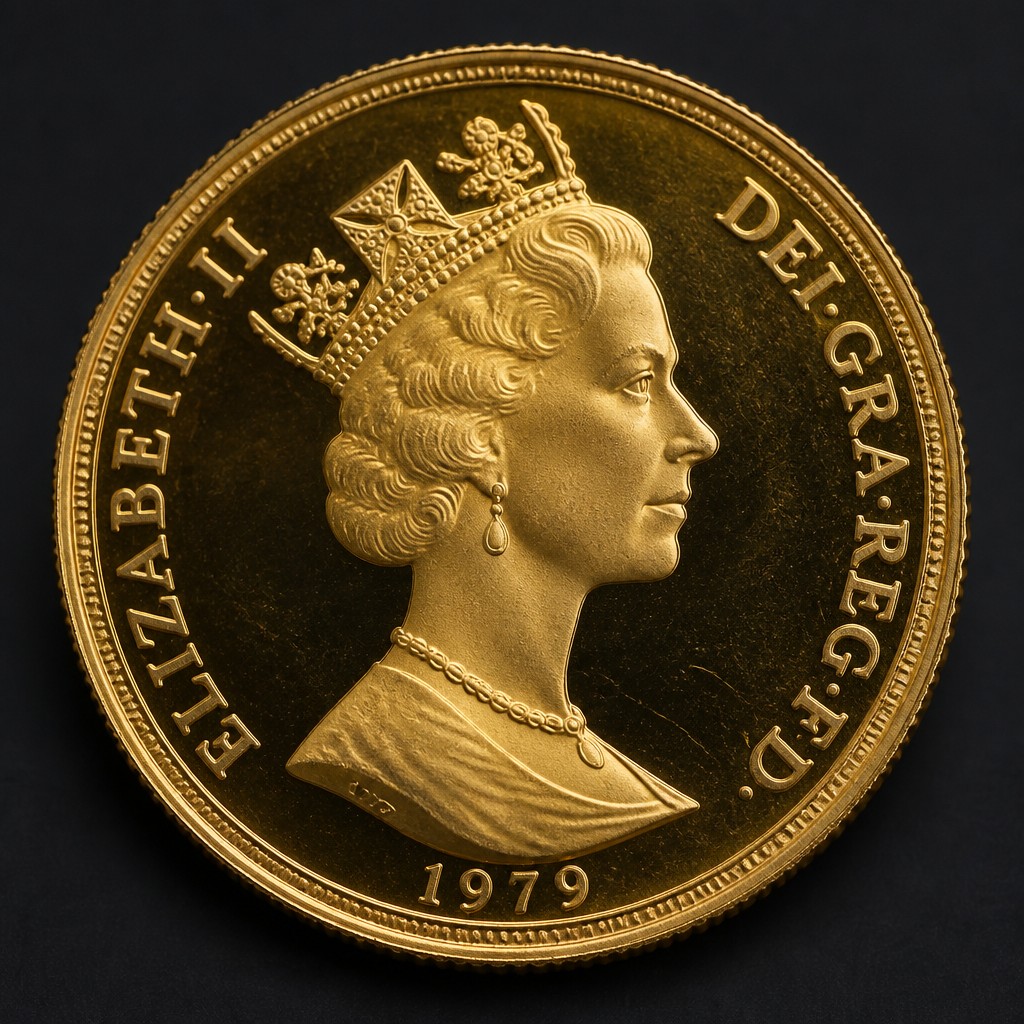
British Sovereign (modern proof)
Contemporary proof-quality gold sovereign struck by the Royal Mint, continuing Benedetto Pistrucci's St George and the dragon reverse design used since the early 19th century.
British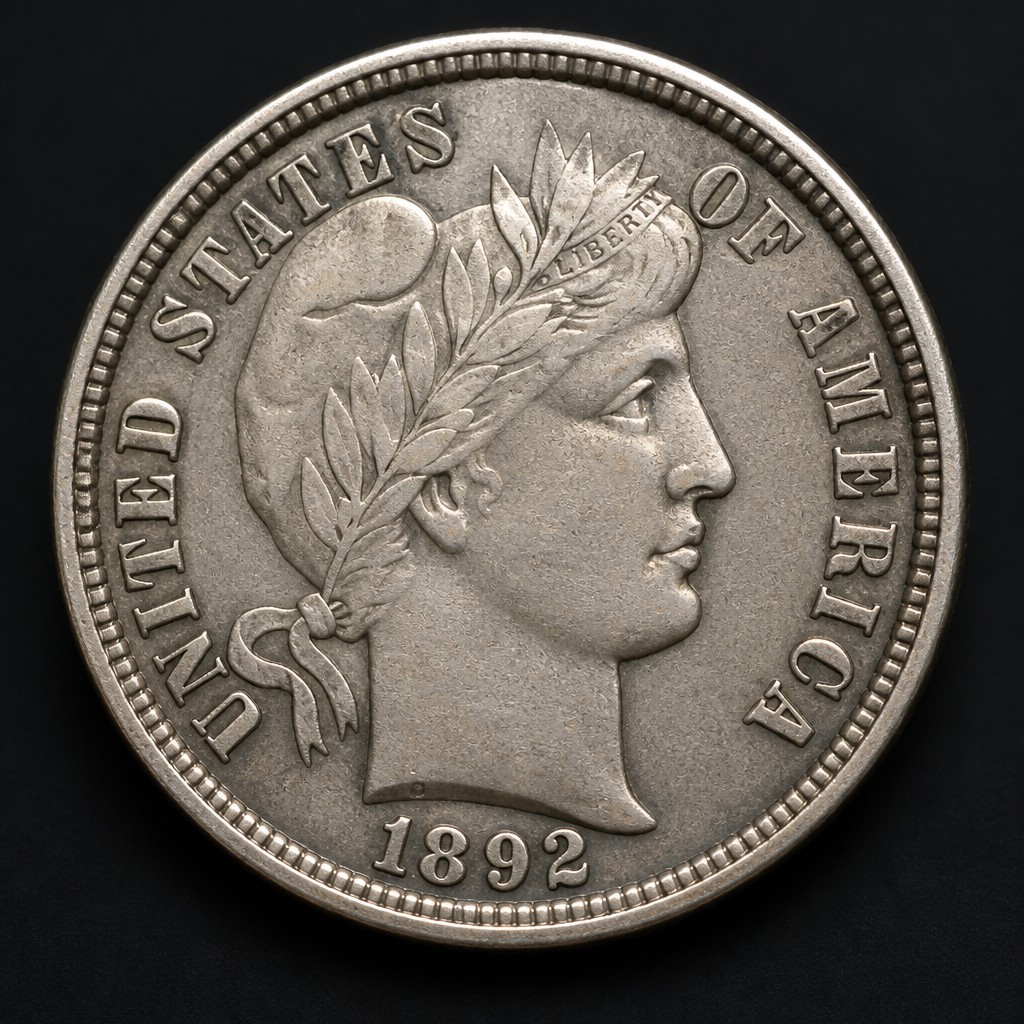
Barber Dime
A late-19th and early-20th century silver dime designed by Charles E. Barber, featuring a classical Liberty head, part of a matching set with the Barber quarter and half dollar.
United States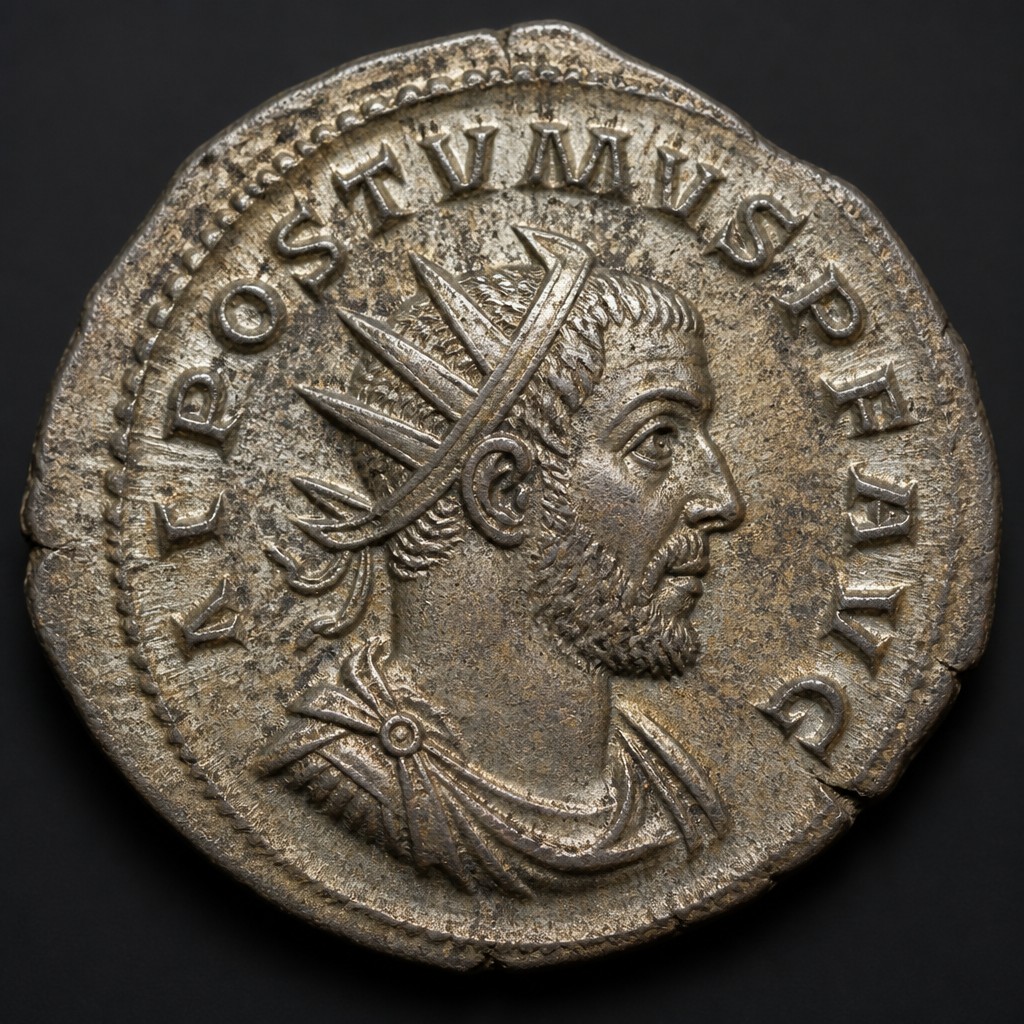
Postumus Antoninianus
Radiate coin of Postumus, the general who broke away from Rome to found the separatist Gallic Empire covering Gaul, Britain, Germania, and Hispania during the Crisis of the Third Century.
Ancient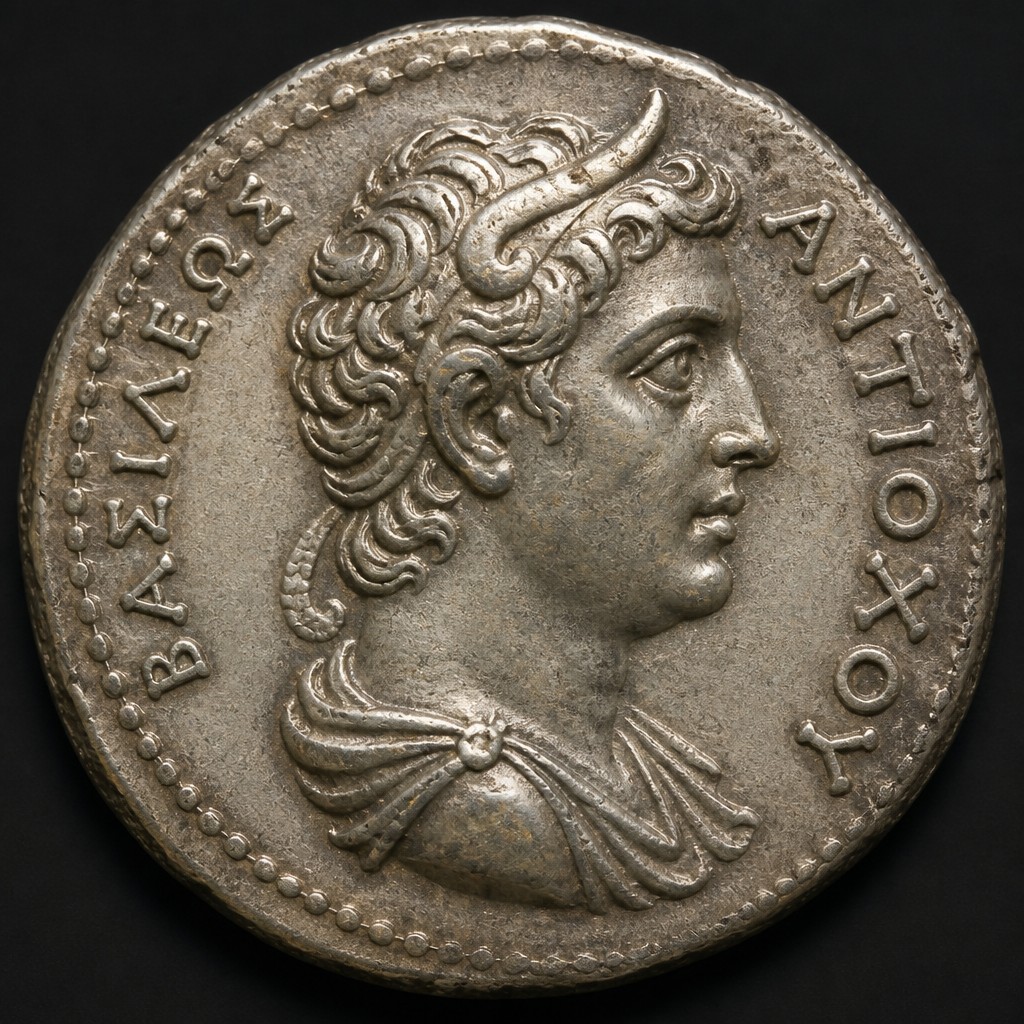
Bactrian Silver Tetradrachm
Large silver coin of the Greco-Bactrian kings of Central Asia, celebrated for producing some of the finest realistic royal portraiture in all of ancient coinage.
Ancient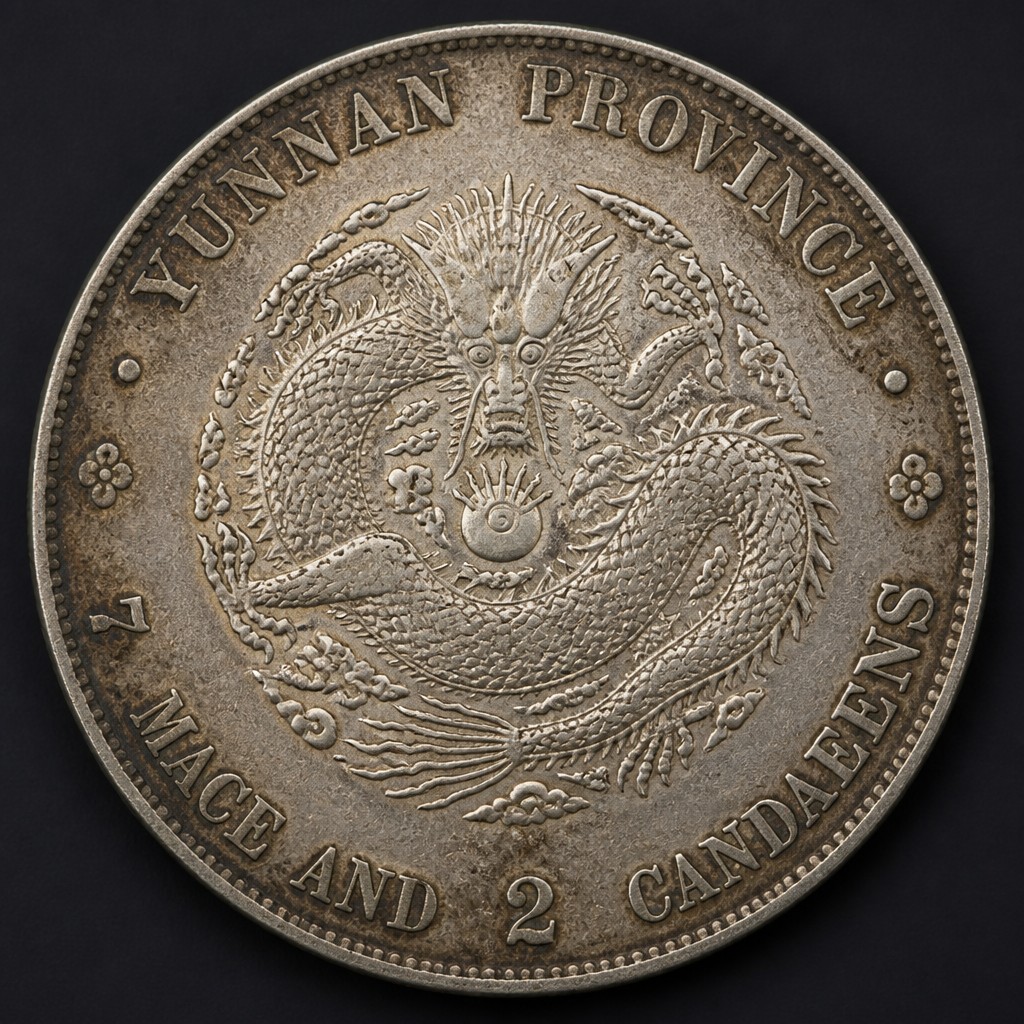
Chinese Yunnan Province Dragon Dollar
A silver dragon dollar struck by China's remote southwestern Yunnan province, notable for its distinctive coiled dragon design and unusually long production continuing well into the Republic era.
Asian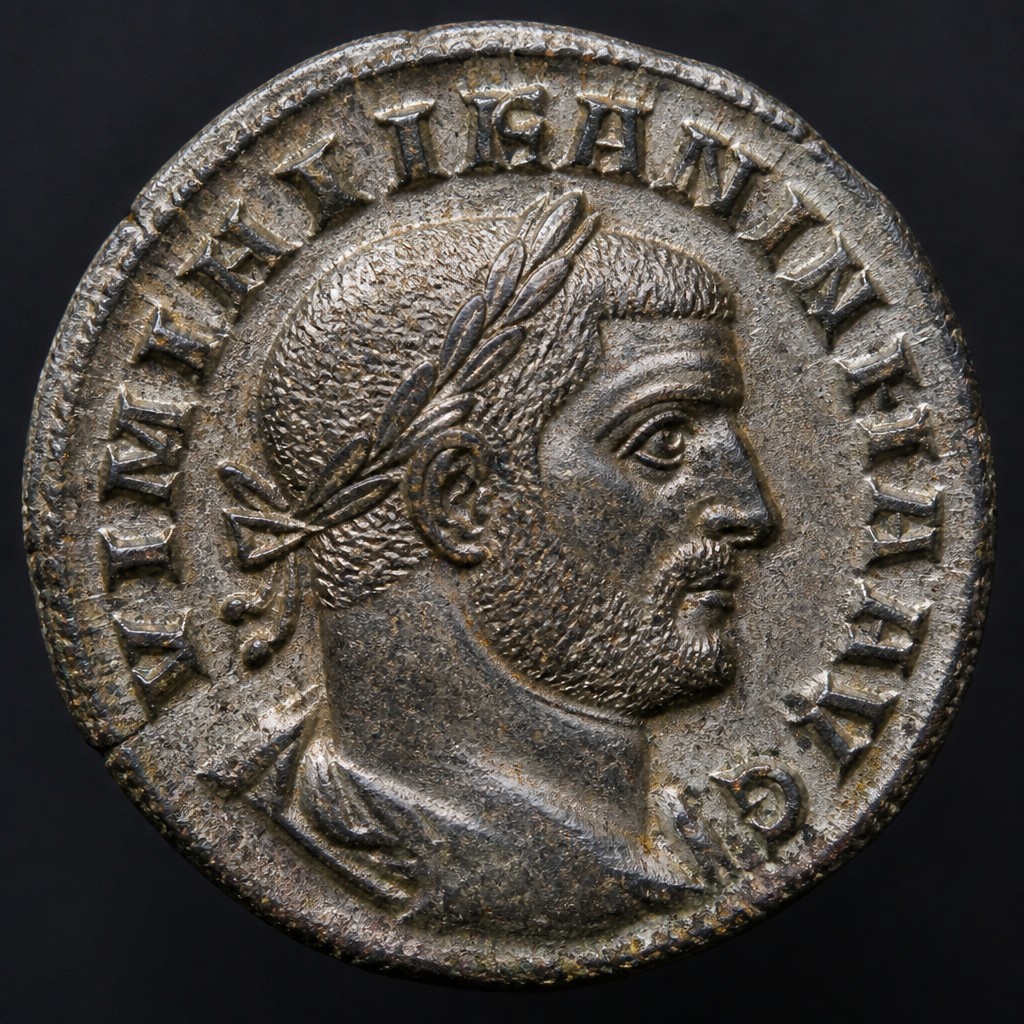
Maximian Follis
Large bronze follis of Maximian, co-Augustus with Diocletian who ruled the western half of the empire as part of the Tetrarchy and shared the same reformed coinage design.
Ancient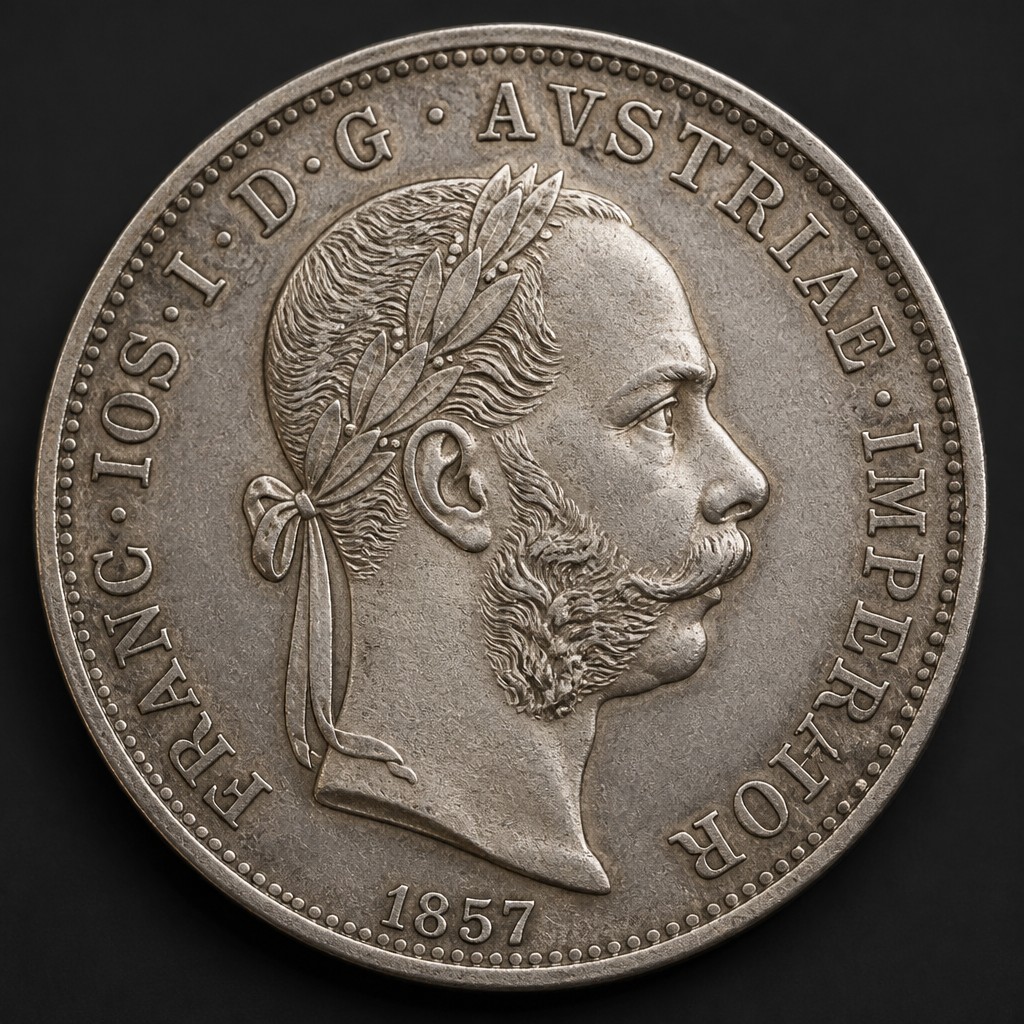
Austrian Florin (Gulden)
The main silver coin of Austria-Hungary in the second half of the 19th century, used until the krone replaced it in the 1892 monetary reform.
European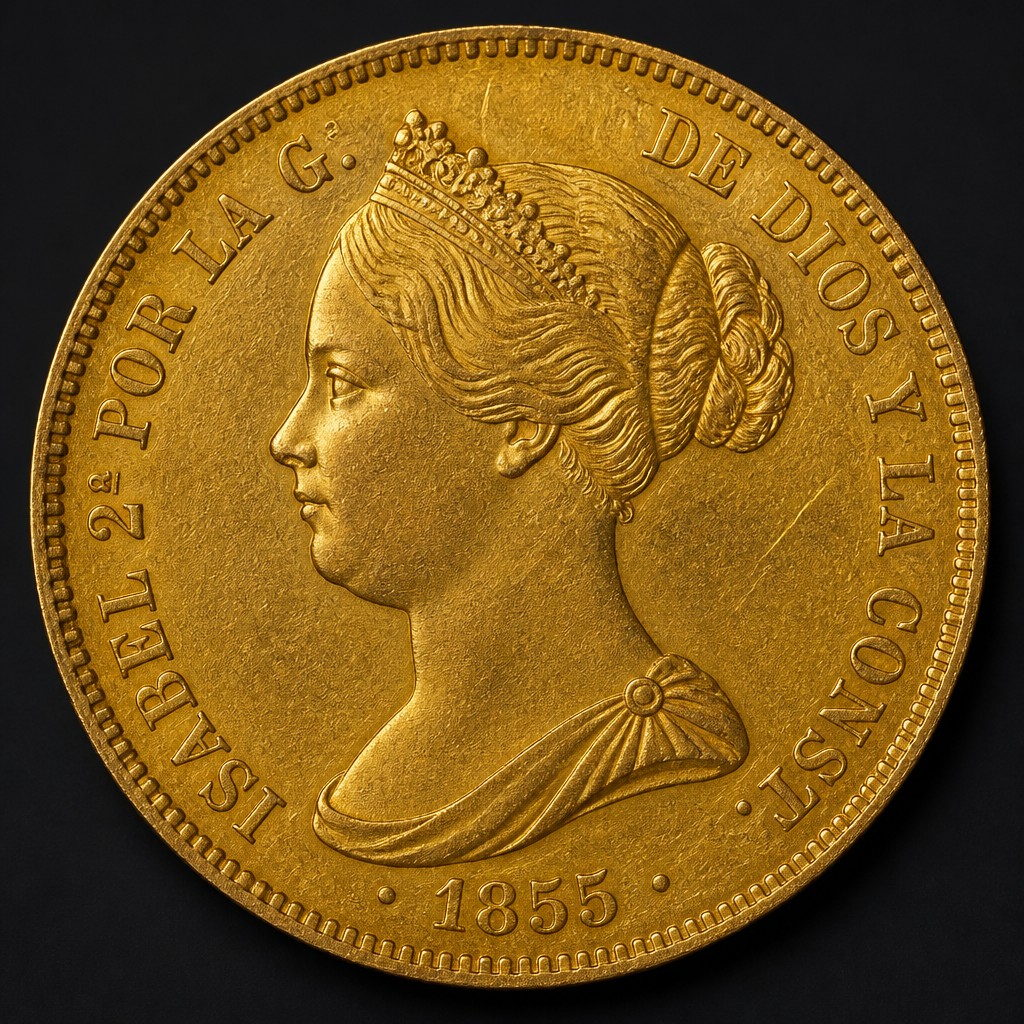
Spanish 100 Reales Gold (Isabel II)
A mid-19th-century Spanish gold coin struck under Queen Isabel II, part of Spain's pre-peseta reales-based monetary system.
European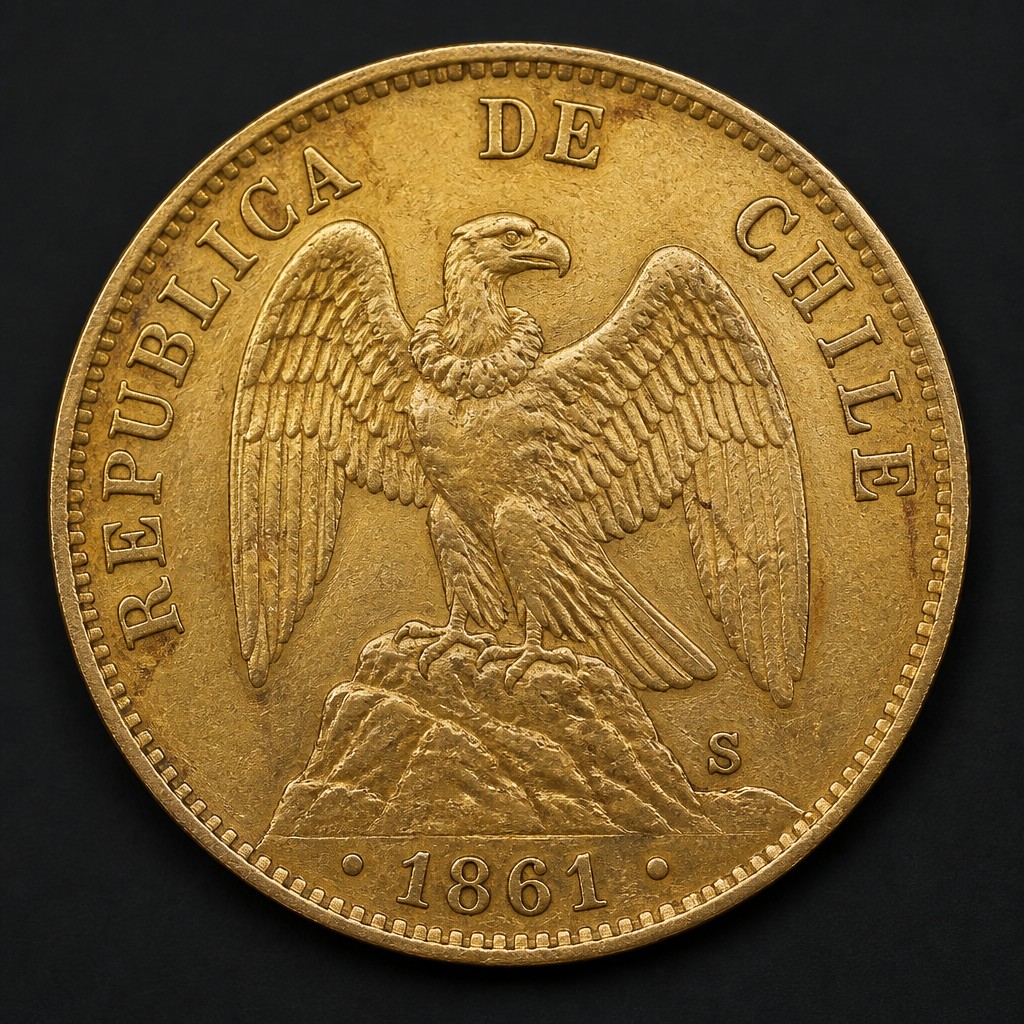
Chile Peso (Condor)
Chilean coinage featuring the Andean condor perched or in flight, first seen on 19th-century gold pesos and later on the everyday circulating peso coin.
Latin American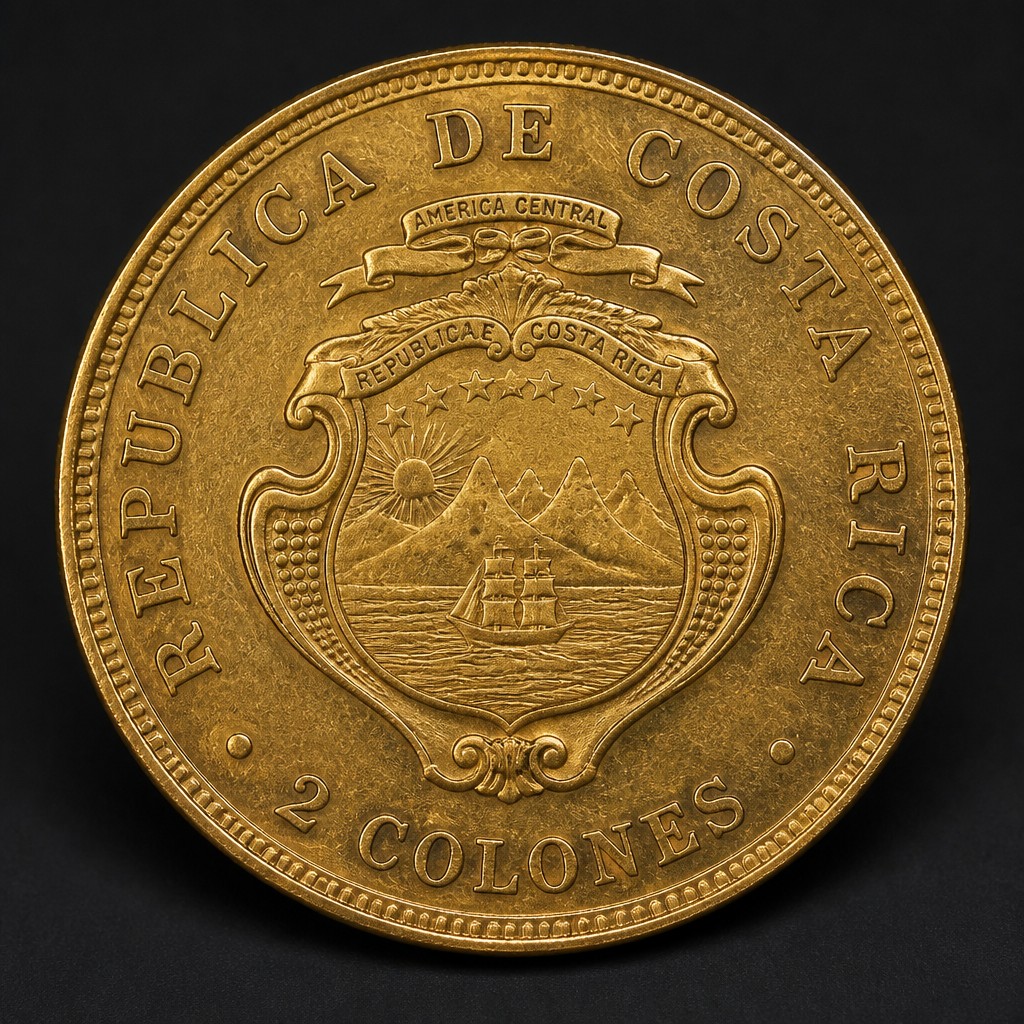
Costa Rica 2 Colones Gold
A small gold denomination from Costa Rica's early colon-era coinage, part of a family of gold coins (2, 5, 10, and 20 colones) struck around the turn of the twentieth century.
Latin American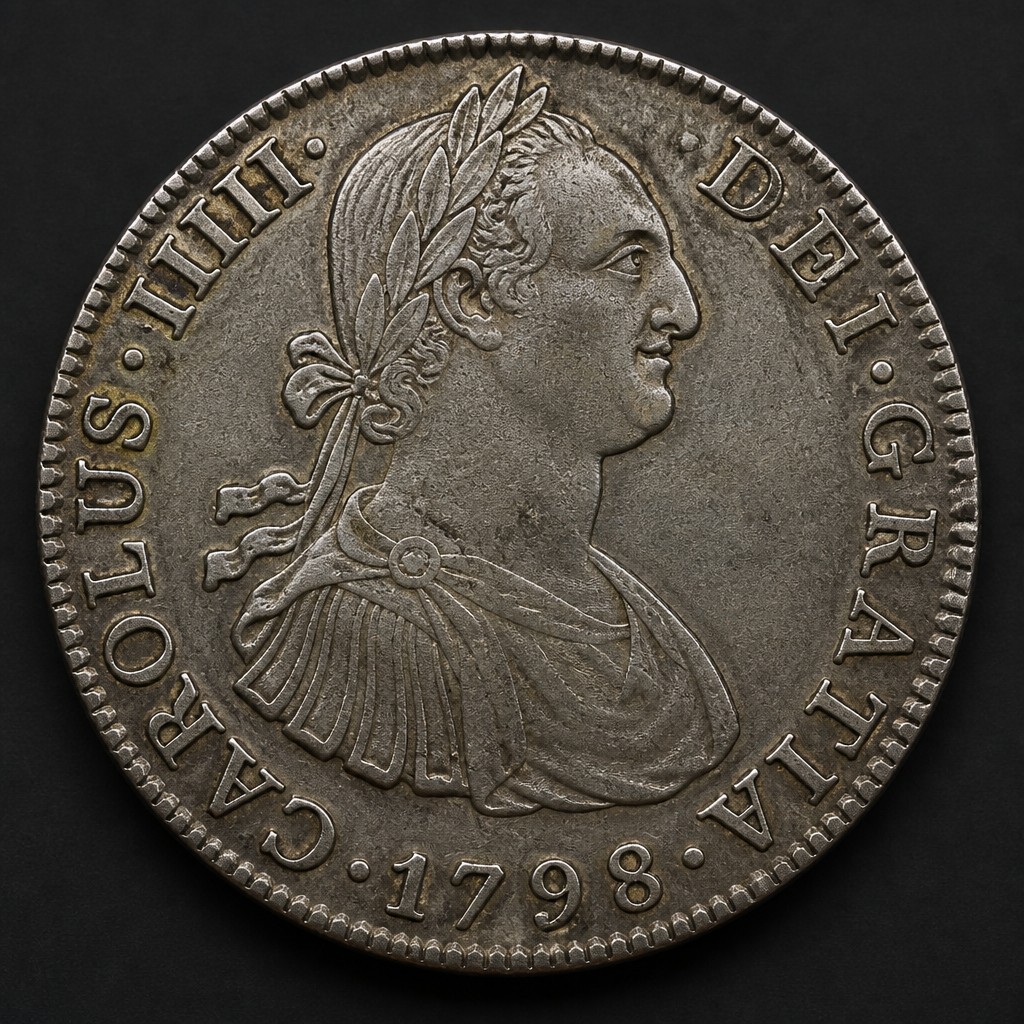
Spanish 4 Reales
A mid-value denomination of Spain's traditional real-based coinage, struck for centuries in both Spain and its American colonies.
European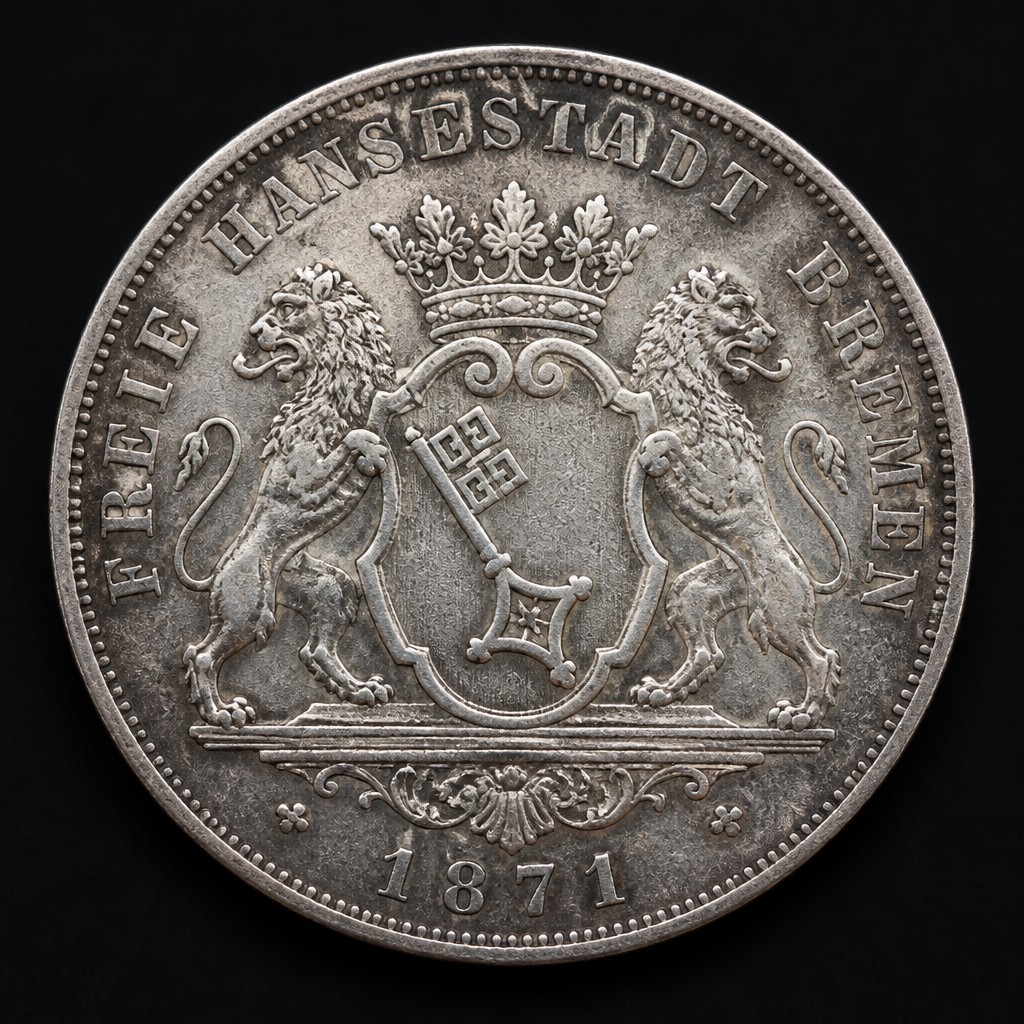
Bremen Thaler
A silver thaler of the free Hanseatic city of Bremen, typically featuring the city's key emblem, issued for centuries as an independent trading city's own coinage.
European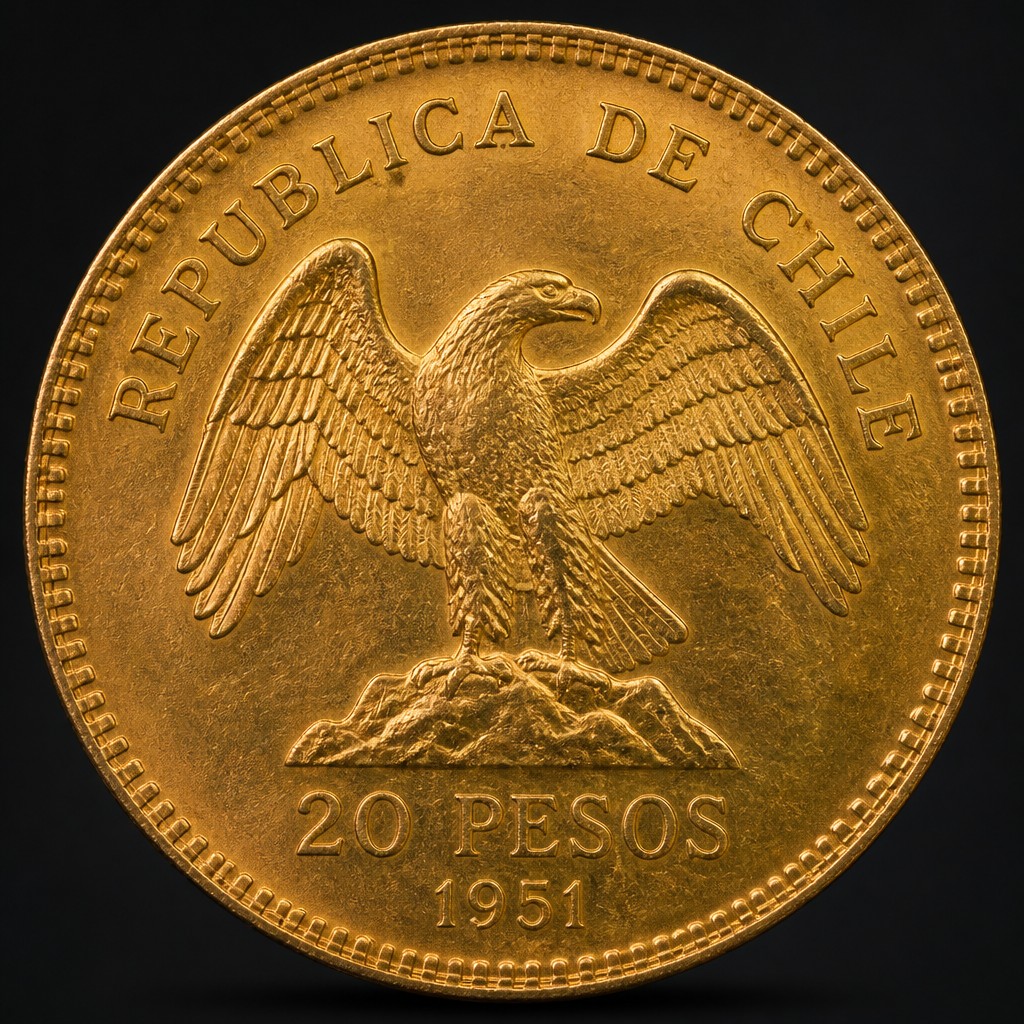
Chilean 20 Pesos Gold
The smallest of Chile's regular gold coin denominations, issued both in an earlier 19th-century gold peso series and later as part of the 1926 condor-themed gold reform.
Latin American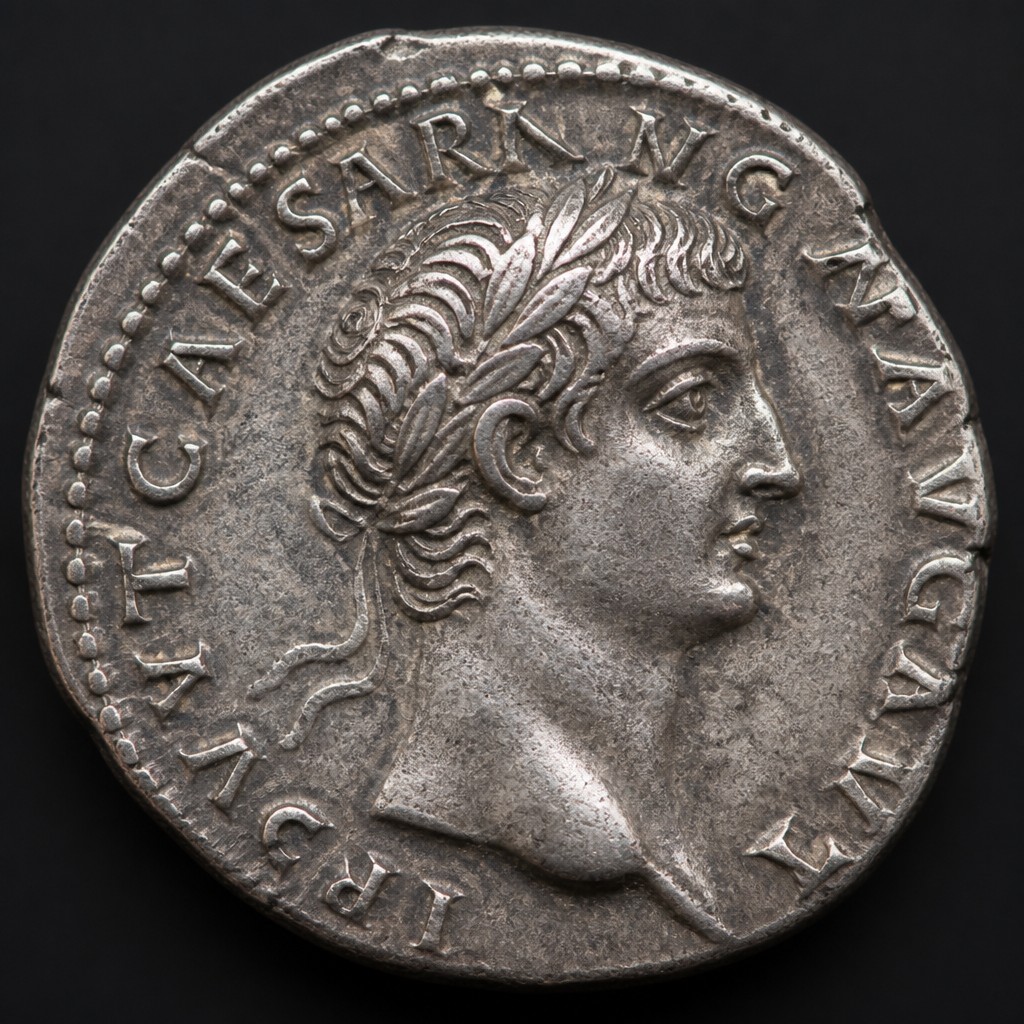
Roman Denarius
The workhorse silver coin of ancient Rome for over four centuries, used across the Republic and Empire and one of the most widely collected categories of ancient coinage today.
Ancient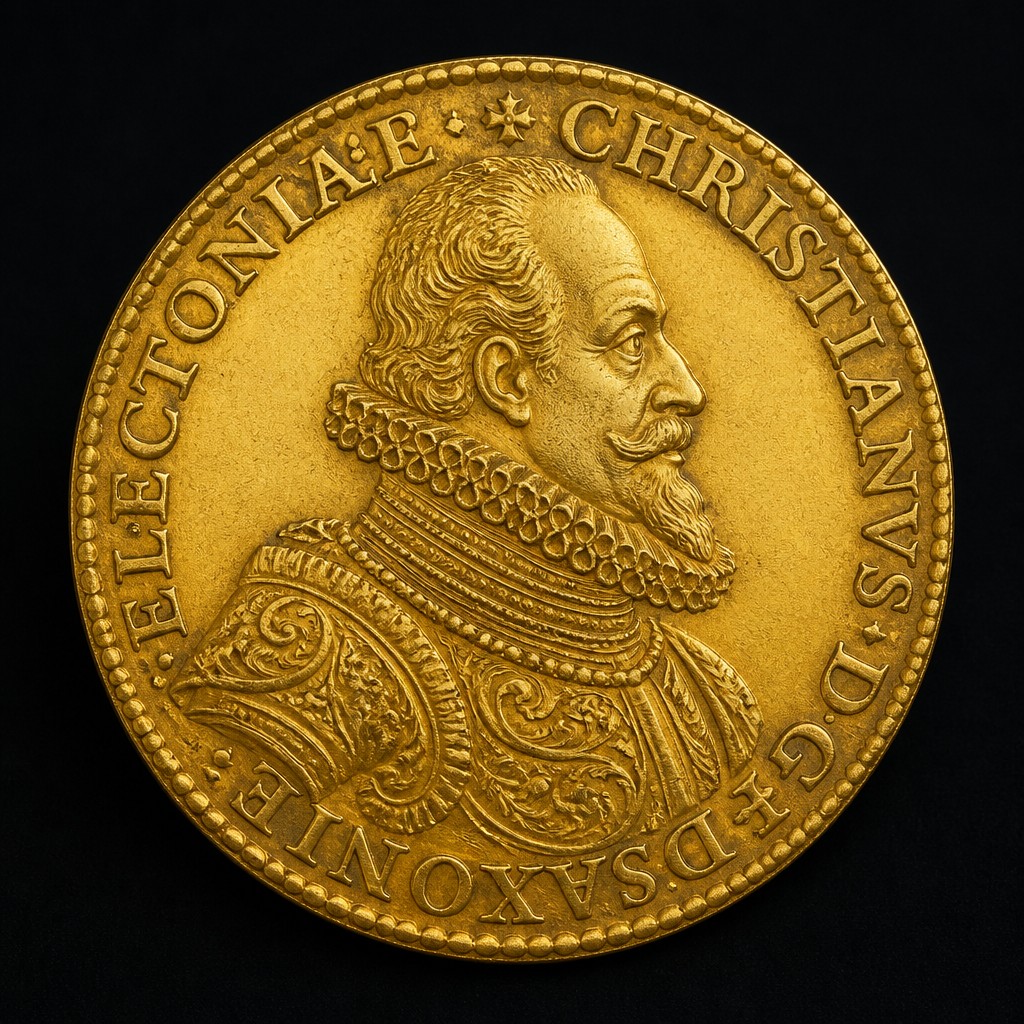
German Saxony Ducat
A high-purity gold trade coin struck for centuries by the rulers of Saxony, one of the most important German states before national unification.
European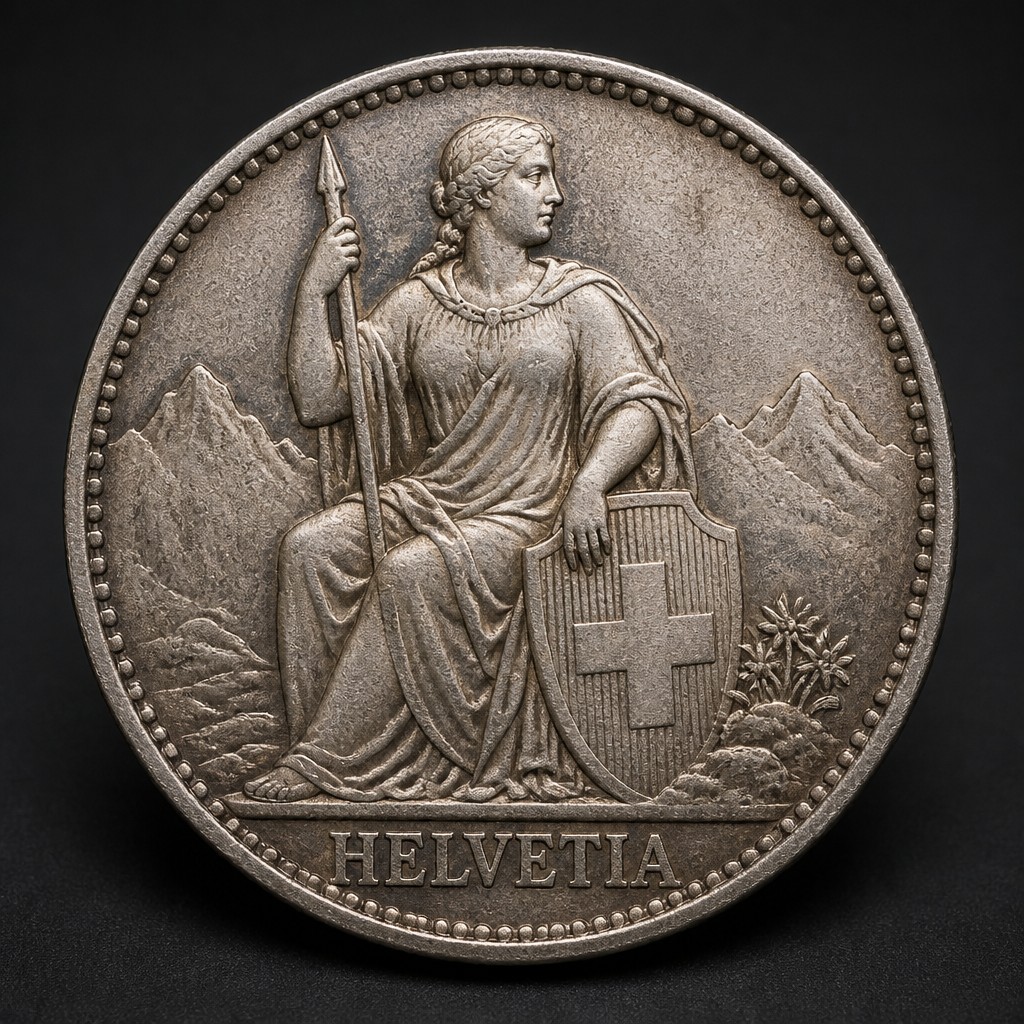
Swiss Franc (Helvetia Seated)
Switzerland's classic 19th-century silver coinage depicting a seated figure of Helvetia, the female personification of the Swiss nation.
European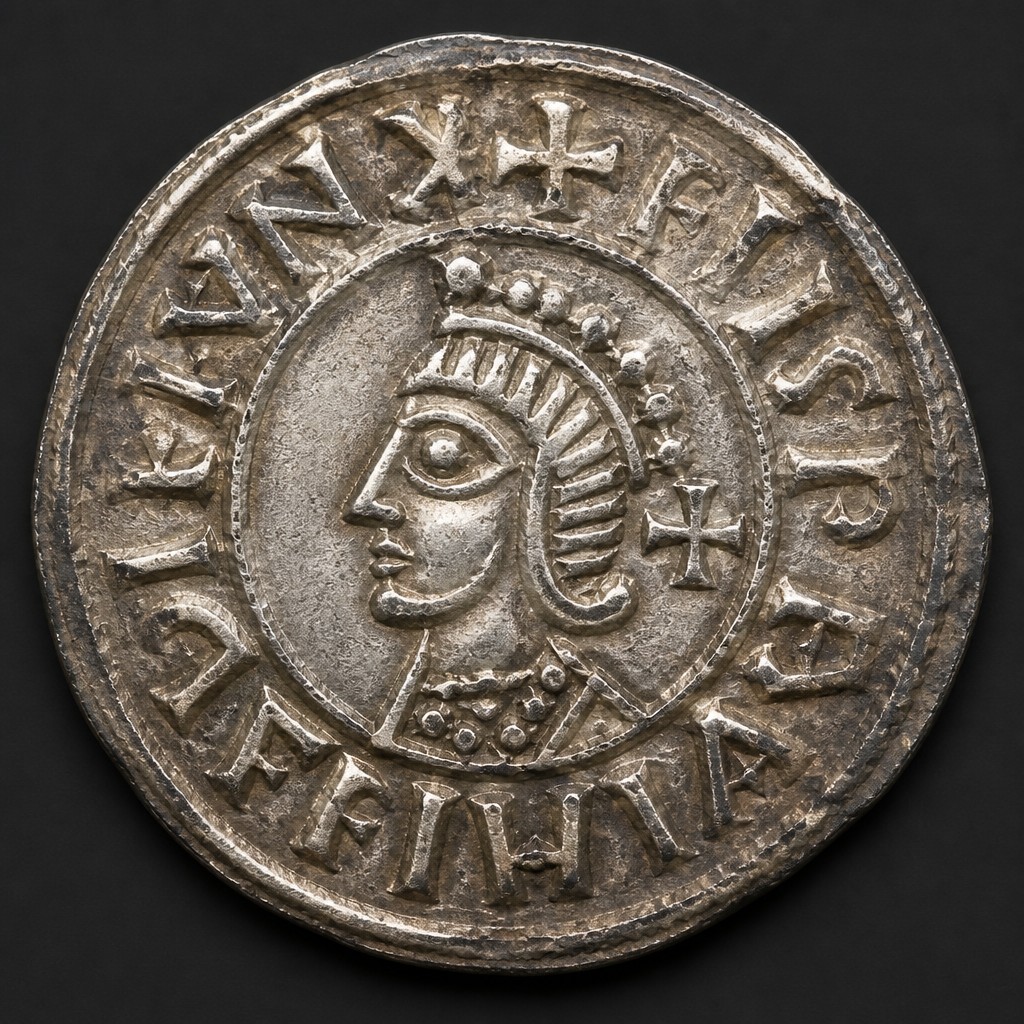
Anglo-Saxon Silver Penny
The standard silver coin of Anglo-Saxon England from the 8th century to the Norman Conquest, naming the issuing king and the moneyer who struck it.
British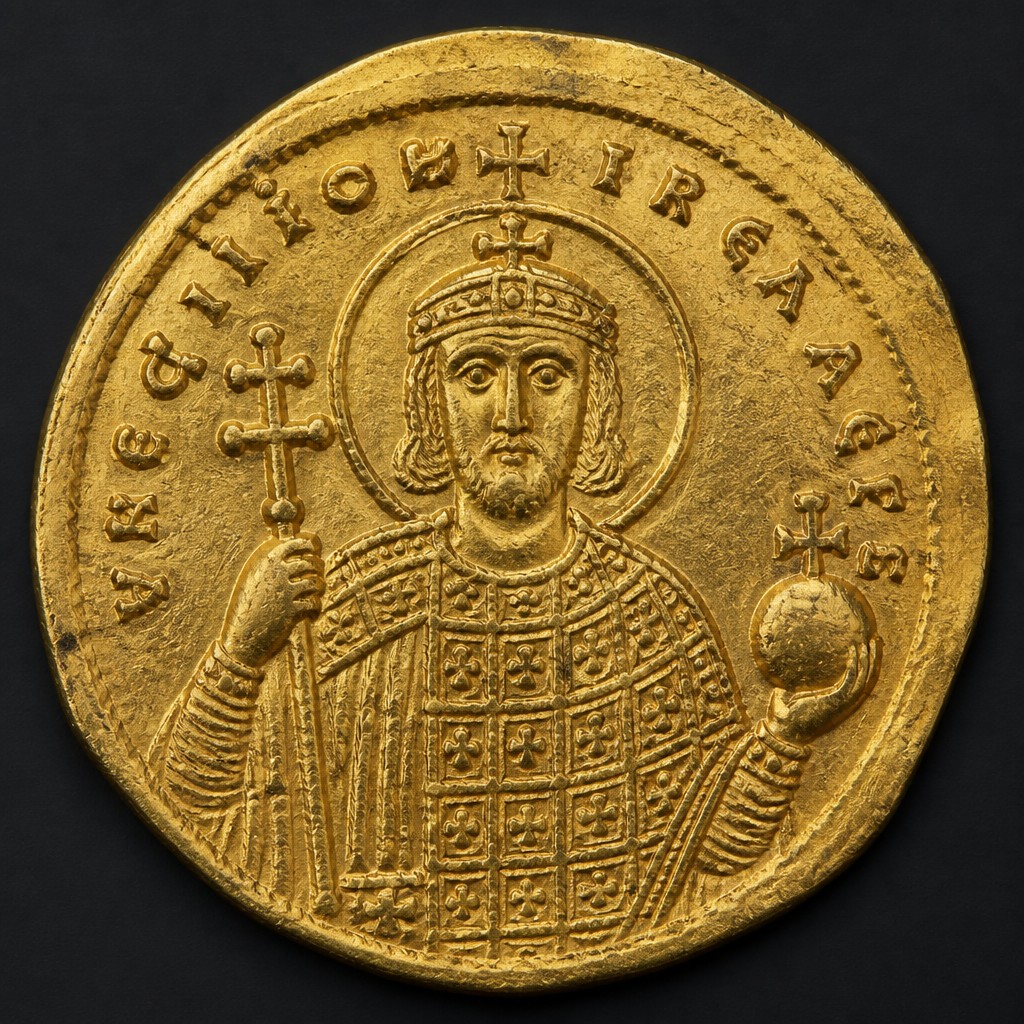
Byzantine Gold Histamenon Nomisma
A distinctive concave (cup-shaped) Byzantine gold coin introduced in the 10th century as the full-weight companion to the flat tetarteron nomisma.
Ancient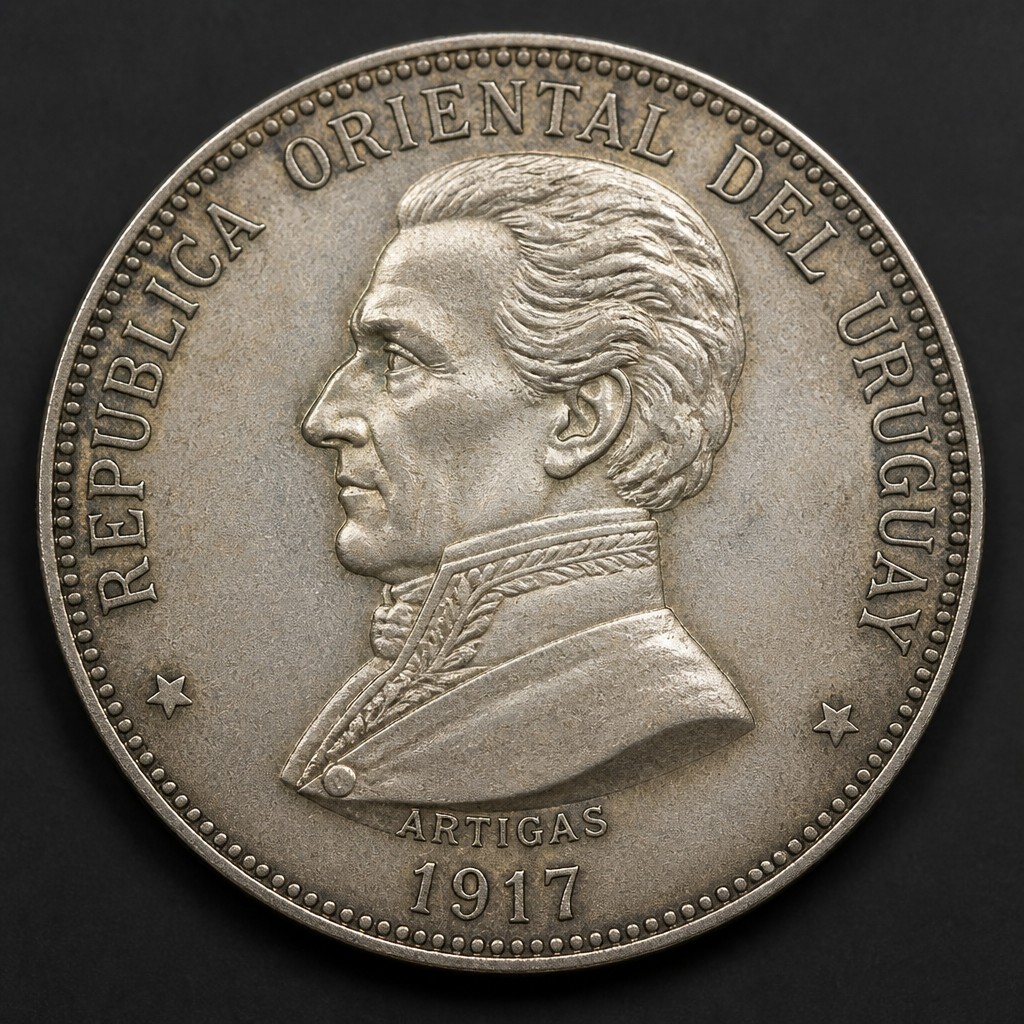
Uruguay Peso Silver 'Artigas'
A silver Uruguayan peso honoring national founding hero Jose Gervasio Artigas, struck in the early twentieth century as part of Uruguay's circulating coinage.
Latin American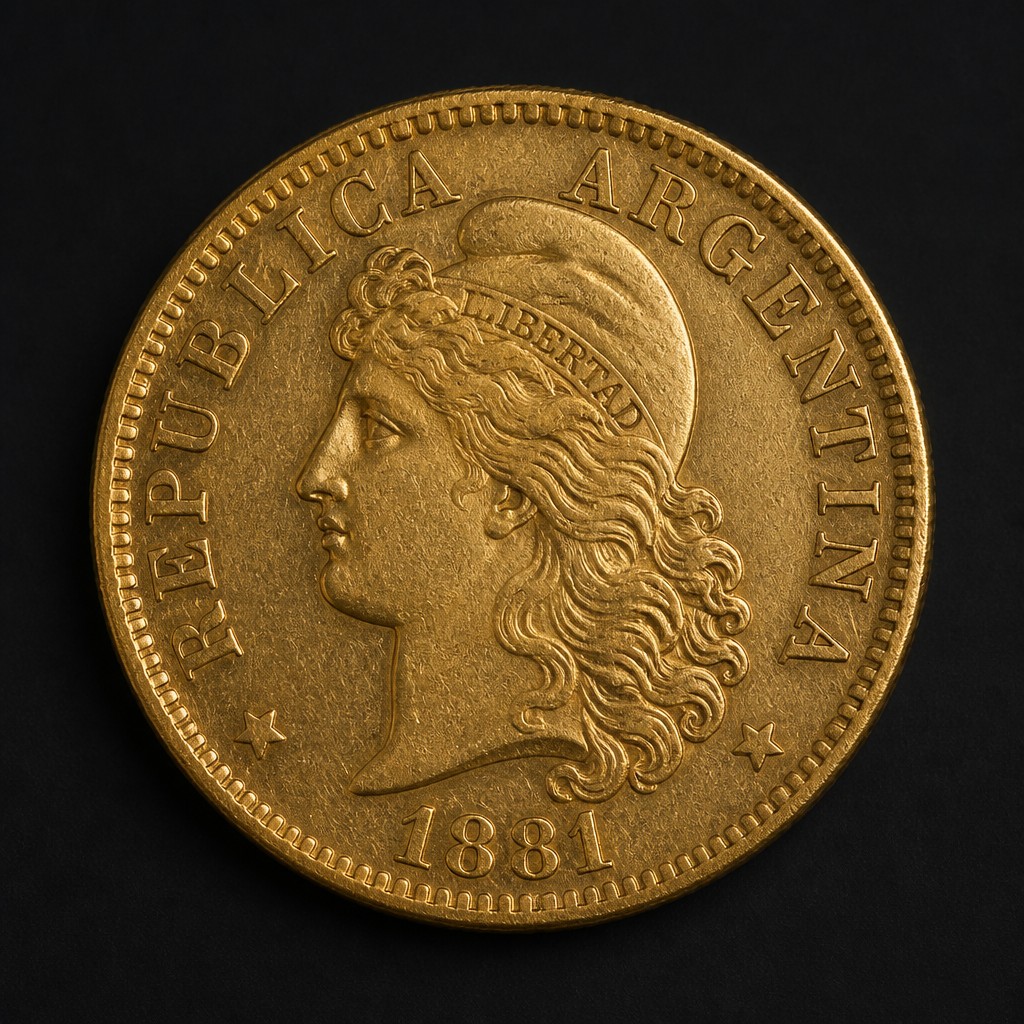
Argentine Argentino Gold (5 Pesos)
Argentina's principal 19th-century gold coin, worth 5 pesos oro and called an "Argentino," struck to Latin Monetary Union weight standards for use in international trade.
Latin American