
Coin Encyclopedia
Search and identify coins from around the world — with country, denomination, metal, mint, history, and how to tell them apart.
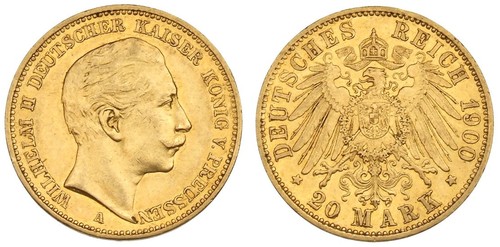
German 20 Mark Gold
German Empire gold 20 mark of Prussia, with Kaiser Wilhelm I's bust and the imperial eagle; a small .900 gold coin from the pre-WWI Goldmark era.
Bullion/gold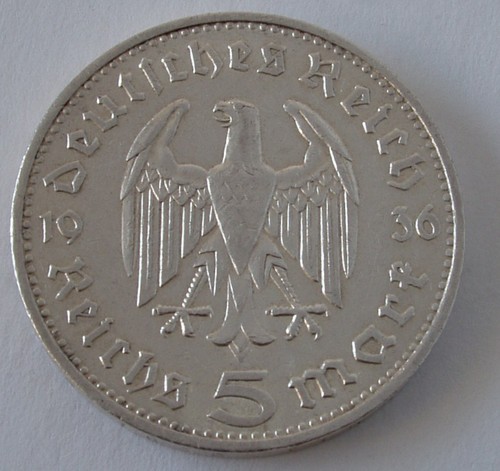
German 5 Reichsmark (Hindenburg)
German silver 5 Reichsmark of the Third Reich, pairing a portrait of Paul von Hindenburg with an eagle-and-swastika reverse; dated 1936.
Circulation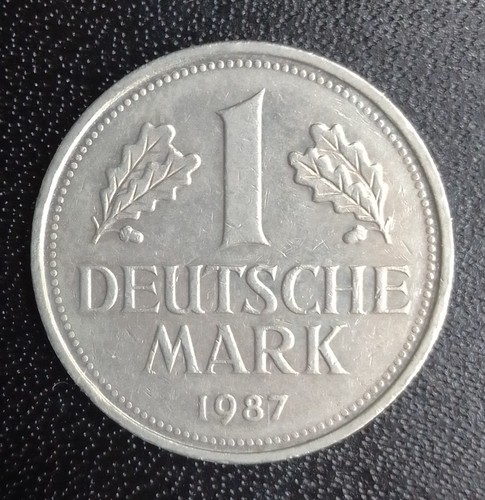
German 1 Deutsche Mark
The workhorse 1-Mark coin of West Germany and reunified Germany, showing a large numeral 1 framed by oak leaves and the words DEUTSCHE MARK.
Circulation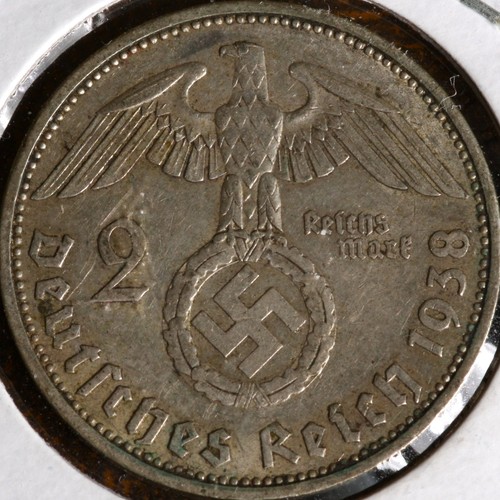
German 2 Reichsmark (Hindenburg)
Third Reich silver 2 Reichsmark showing an eagle over a swastika shield and, on the other side, Paul von Hindenburg with the value and date.
Circulation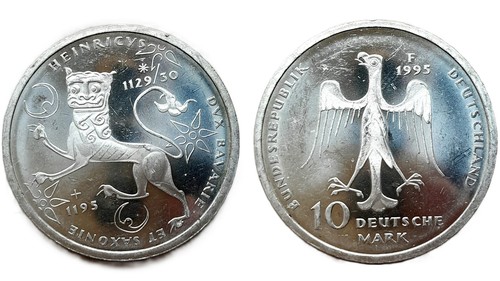
German 10 Deutsche Mark Commemorative
A West/unified German silver 10 Deutsche Mark commemorative; this 1995 issue honors Heinrich der Loewe (Henry the Lion) with the Federal Eagle reverse.
Commemorative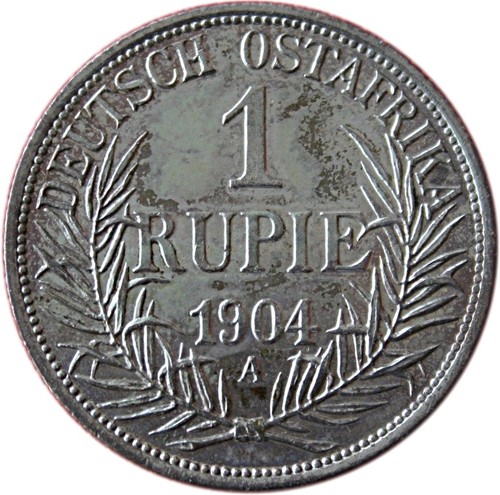
German East Africa 1 Rupie
A silver colonial rupee of German East Africa bearing the imperial eagle shield and the legend DEUTSCH OSTAFRIKA, struck for the German protectorate.
World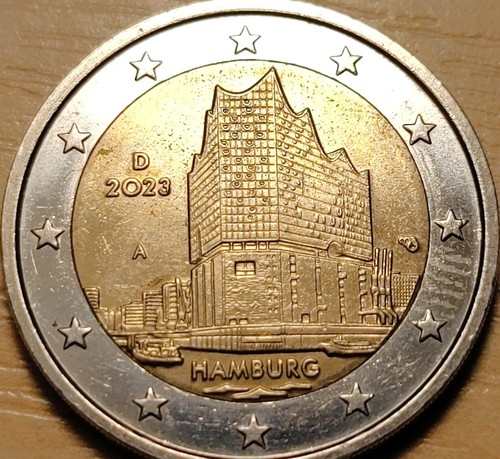
Germany 2 Euro Elbphilharmonie Commemorative
A 2017 German bi-metallic 2 euro commemorative for Hamburg, showing the Elbphilharmonie concert hall with the common European reverse.
Commemorative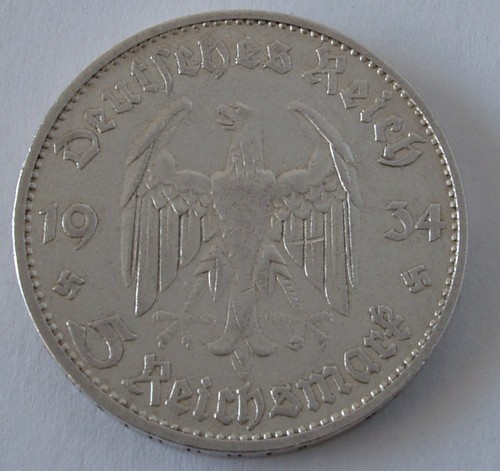
German 5 Reichsmark Garrison Church Commemorative
A 1934 German silver 5 Reichsmark commemorative with a spread-winged Reichsadler and 'Deutsches Reich' on the obverse and the Potsdam Garrison Church reverse.
Commemorative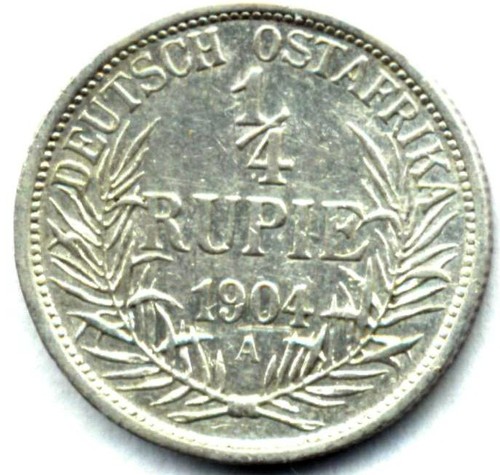
German East Africa 1/4 Rupie
A small colonial silver coin of German East Africa, inscribed DEUTSCH OSTAFRIKA and 1/4 RUPIE within a wreath, paired with the imperial eagle.
World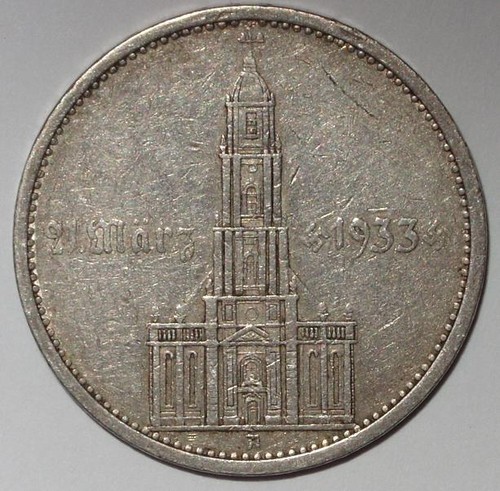
German 2 Reichsmark Garrison Church Commemorative
A 1933 German silver 2 Reichsmark commemorative showing the Potsdam Garrison Church tower, issued to mark the "Day of Potsdam."
Commemorative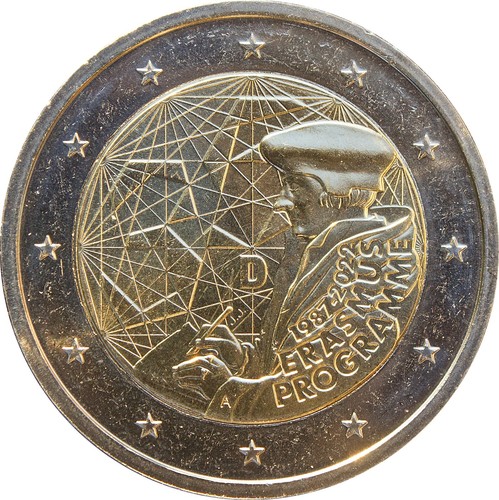
Germany 2 Euro Erasmus Programme Commemorative
A German 2 Euro commemorative dated 2022 marking the Erasmus Programme, its obverse showing a student figure with a globe and the reverse the ring of European stars.
Commemorative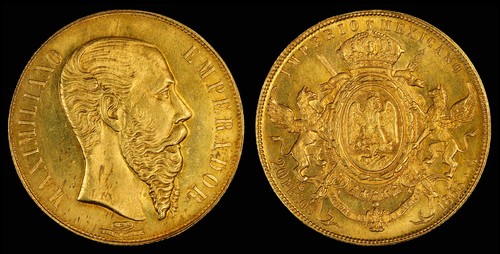
Empire 20 Pesos
A gold 20 pesos of the Second Mexican Empire, showing a bearded imperial portrait, the legend IMPERIO MEXICANO, and a crowned heraldic coat of arms.
Circulation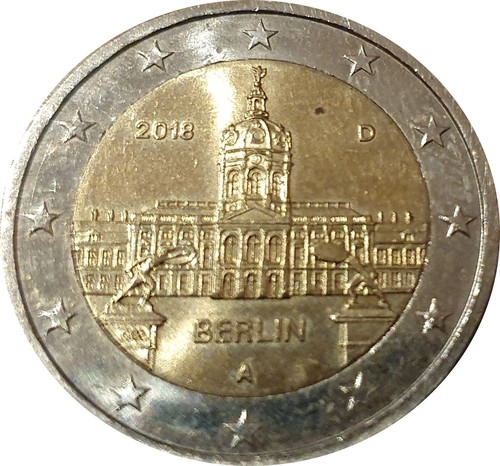
Germany 2 Euro Berlin 2018 Commemorative
Germany's 2018 bi-metallic 2 euro from the Federal States series honouring Berlin, showing a monumental Berlin building paired with the shared European reverse.
Commemorative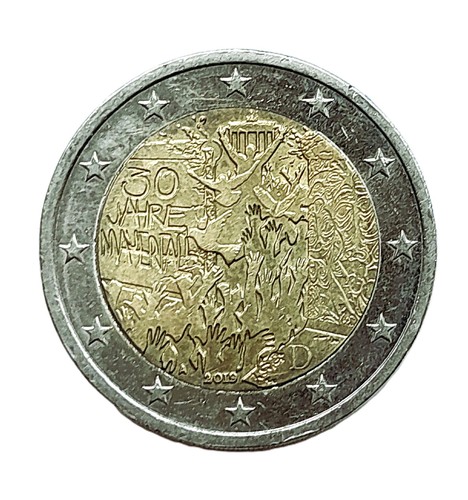
Germany 2 Euro Fall of the Berlin Wall Commemorative
A 2019 German bi-metallic 2 euro marking 30 years since the fall of the Berlin Wall, with a ring of twelve European Union stars.
Commemorative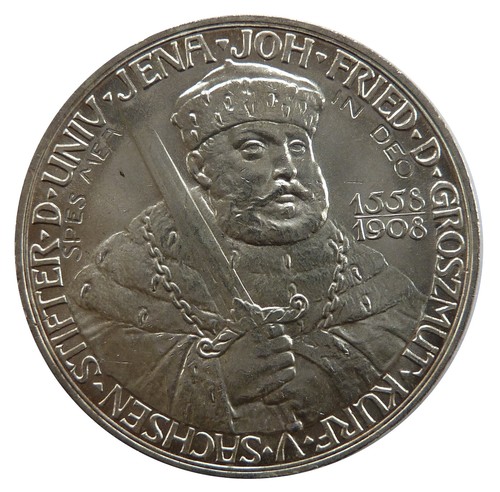
Sachsen-Weimar-Eisenach 5 Mark Commemorative
An 1908 German Empire 5 Mark silver commemorative of Saxe-Weimar-Eisenach marking the University of Jena's jubilee, with the founder's capped portrait.
Commemorative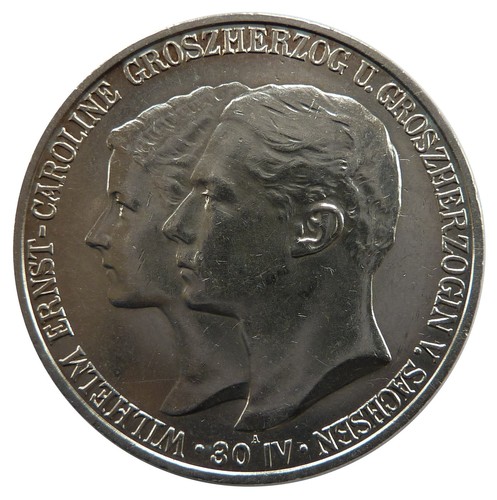
Sachsen-Weimar-Eisenach 5 Mark Wedding Commemorative
A silver German Empire 5 Mark of Sachsen-Weimar-Eisenach struck to mark a grand-ducal wedding, showing conjoined bride-and-groom profile busts.
Commemorative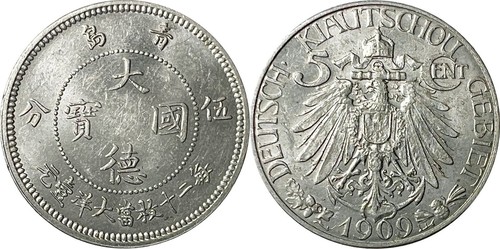
Kiautschou 5 Cents
A 1909 nickel 5 Cent coin of the German-leased Kiautschou Bay territory in China, pairing Chinese characters with the German imperial eagle.
Colonial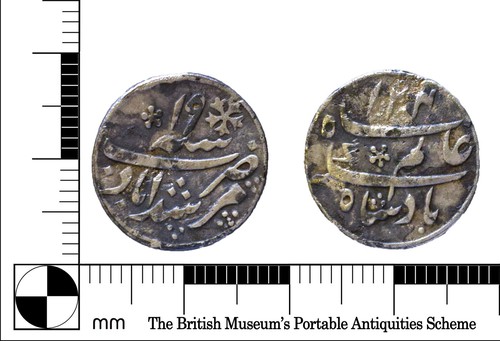
Mughal Islamic Rupee
A hand-struck silver rupee of the Mughal Empire, filled edge to edge with Persian and Arabic script naming the emperor, mint, and regnal year.
Islamic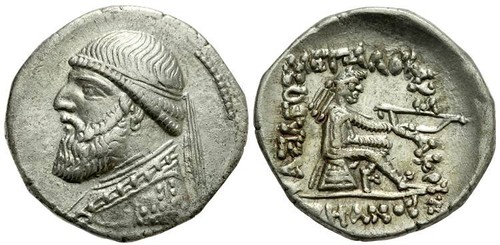
Parthian Drachm
Silver drachm of the Parthian (Arsacid) Empire, pairing a bearded royal profile with a seated archer holding a bow, struck in the era of Mithradates II.
Ancient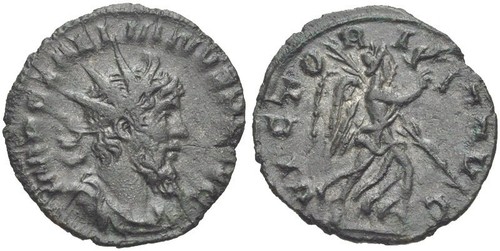
Antoninianus of Laelianus
Rare billon antoninianus of the short-lived Gallic usurper Laelianus, showing his radiate-crowned bust and a Roman deity or personified virtue.
Ancient Coins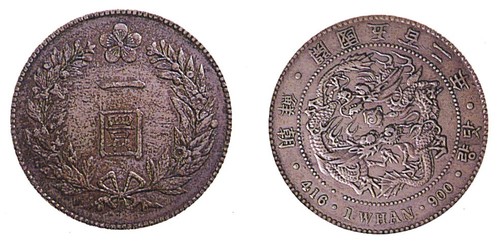
1 Hwan
A late-Joseon Korean bronze coin of one hwan, carrying a chrysanthemum-and-cartouche obverse and a traditional dragon motif with East Asian characters on the reverse.
Historic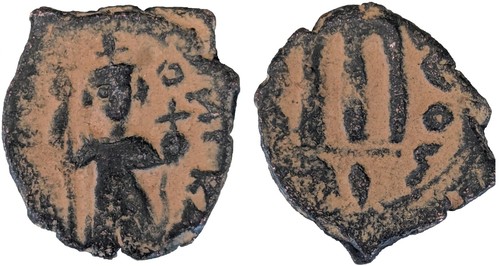
Byzantine Follis
Large bronze follis of the Byzantine Empire, this example under Constans II (from 641 AD), with an imperial portrait and a big M value mark topped by a cross.
Medieval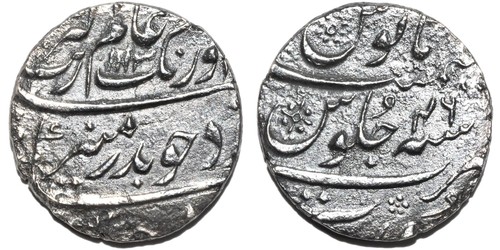
Mughal Rupee (Akbar)
A hand-struck Mughal silver rupee of Emperor Akbar dated AH 1003 (AD 1594), covered on both faces with flowing Persian calligraphy and ornamental borders.
Historic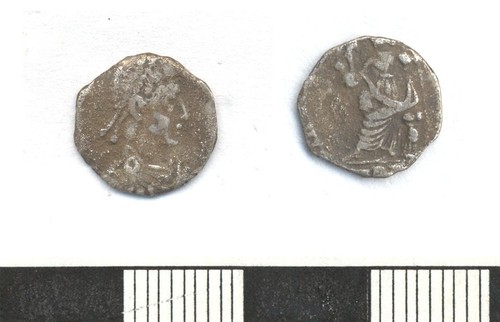
Roman Siliqua
Small late-Roman silver coin of the 4th century AD, with an emperor's portrait facing right and a standing robed figure on the reverse.
Ancient