
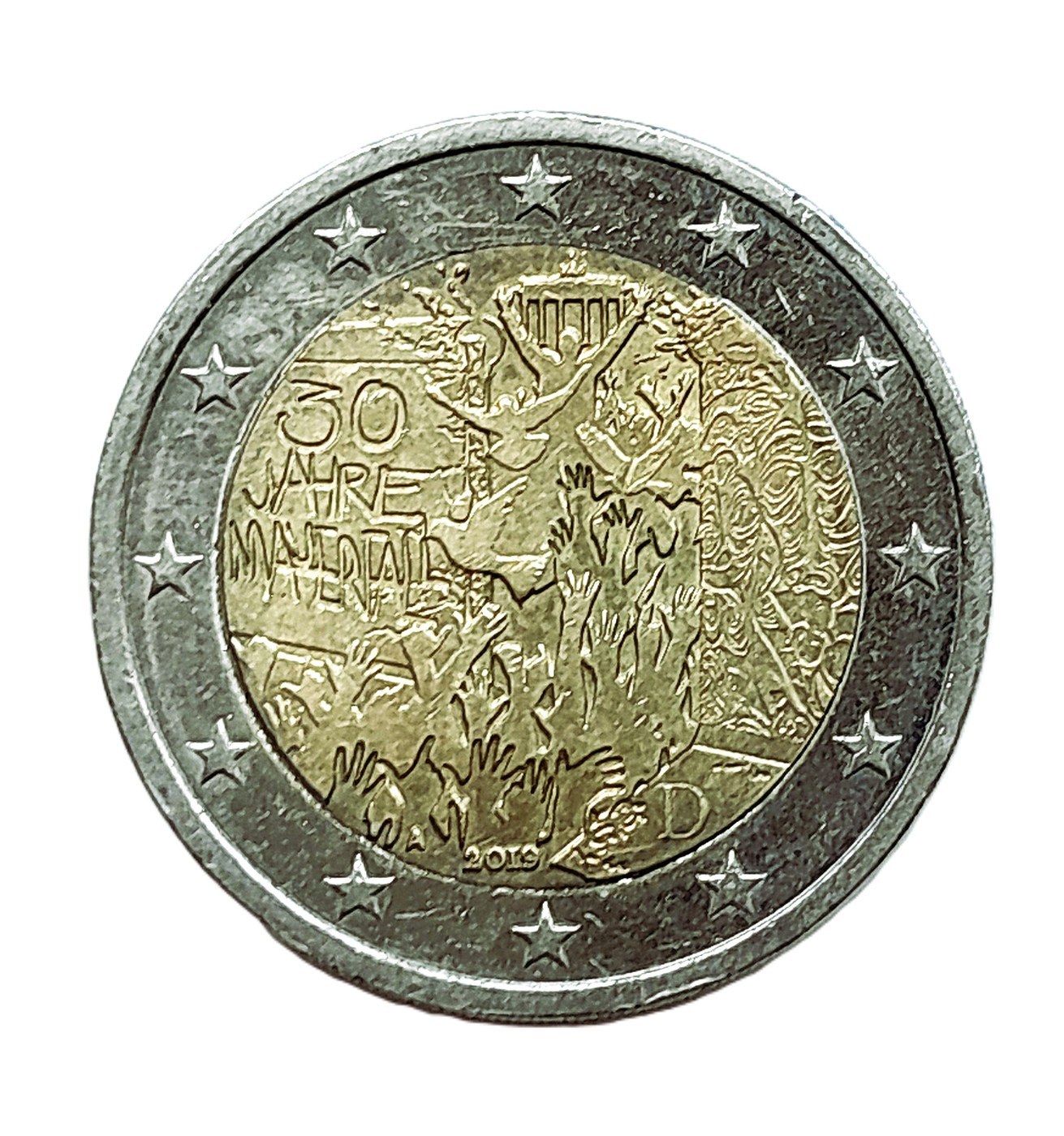
Germany 2 Euro Fall of the Berlin Wall Commemorative
A 2019 German bi-metallic 2 euro marking 30 years since the fall of the Berlin Wall, with a ring of twelve European Union stars.
- Country
- Germany
- Denomination
- 2 Euro
- Metal
- Bi-metallic
Got a coin like this?
Identify any coin from a photo, free.
Overview
This is a German 2 euro commemorative coin issued in 2019 to mark the 30th anniversary of the fall of the Berlin Wall on 9 November 1989 (30 Jahre Mauerfall). Like all circulating 2 euro pieces, it is bi-metallic, with a pale outer ring around a golden-toned centre, and its national side carries a commemorative Berlin Wall design encircled by a ring of twelve European Union stars.
Because it is a legal-tender commemorative rather than a collector-only medal, it was struck for circulation across the eurozone and shares the standard 2 euro shape, size, and common European reverse. It is Germany's national-theme 2 euro issue for 2019 and remains a widely available, affordable modern commemorative.
History & Background
The Berlin Wall, built in 1961, divided the city and became the defining symbol of the Cold War partition of Germany and Europe. Its fall on 9 November 1989 opened the way to German reunification the following year and is remembered as one of the pivotal events of the late twentieth century.
In 2019, Germany marked the 30th anniversary of the wall's fall with this circulating 2 euro commemorative, one of the several themed 2 euro coins that eurozone countries are permitted to issue each year alongside their standard designs. German euro coins are struck at the country's five mints, identified by the mint letters A (Berlin), D (Munich), F (Stuttgart), G (Karlsruhe), and J (Hamburg).
Such 2 euro commemoratives are produced in large numbers for general circulation, so this issue served both as everyday money and as a national commemoration, and it can still be found in change and in collector holdings across Europe.
How to Identify
National (commemorative) side: the fall-of-the-Berlin-Wall design with the commemorative legend referencing the anniversary, the year 2019, a small mint letter (A, D, F, G, or J) indicating which German mint struck it, and the letter D for Deutschland. A ring of twelve European Union stars runs around the outer edge.
Common European side: the standard “2” and map of Europe design shared by every 2 euro coin, also encircled by the twelve EU stars. This side is not unique to the issue and should not by itself be used to identify the coin.
Physical clues: a bi-metallic coin about 25.75 mm across and roughly 8.5 g, with a cupronickel-coloured outer ring and a golden-toned centre. The edge carries the standard German 2 euro lettering. The combination of the Berlin Wall design, the 2019 date, and a German mint letter confirms the type.
Value & Collectibility
As a circulating commemorative struck in large numbers, this coin is common and generally trades at or a little above its 2 euro face value in worn or ordinary uncirculated condition. Everyday examples pulled from change are worth essentially face value to a small collector premium.
Higher premiums attach to specially packaged versions — mint-issued BU rolls, sets, or proof strikes — and to top-grade certified examples. Some collectors also seek a complete run of all five mint marks (A, D, F, G, J), which can add modest interest to individual pieces.
For a specific figure, compare recent sales of the same 2019 German issue in the same finish, mint mark, and grade, since packaging and condition drive most of the difference.
Frequently asked questions
What does this coin commemorate?
It marks the 30th anniversary of the fall of the Berlin Wall on 9 November 1989 (30 Jahre Mauerfall), a key step toward German reunification, and is dated 2019.
What is it worth?
It is a 2 euro legal-tender commemorative struck for circulation, so ordinary examples are worth about face value to a small premium; mint-packaged BU and proof versions bring more.
What country issued it?
Germany issued it in 2019, struck across its five mints, which are marked by the letters A (Berlin), D (Munich), F (Stuttgart), G (Karlsruhe), and J (Hamburg).
Why are there stars around the edge?
The twelve stars are the standard European Union emblem found on 2 euro coins, appearing on both the national commemorative side and the common European side.
Is it made of silver or gold?
No. It is an ordinary bi-metallic circulation coin — a cupronickel-coloured outer ring around a golden-toned nickel-brass centre — not a precious-metal issue.
Germany 2 Euro Fall of the Berlin Wall Commemorative guides
In-depth guides for identifying, valuing, and collecting Germany 2 Euro Fall of the Berlin Wall Commemorative.
Other coins you may enjoy
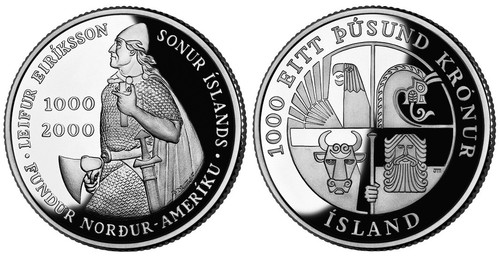
Leif Erikson Commemorative 1000 Króna
2000
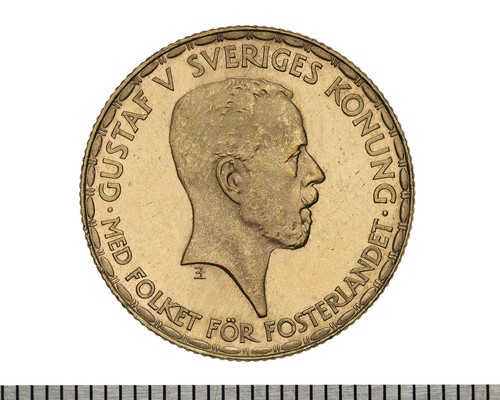
Swedish Gold Commemorative
Early 20th century
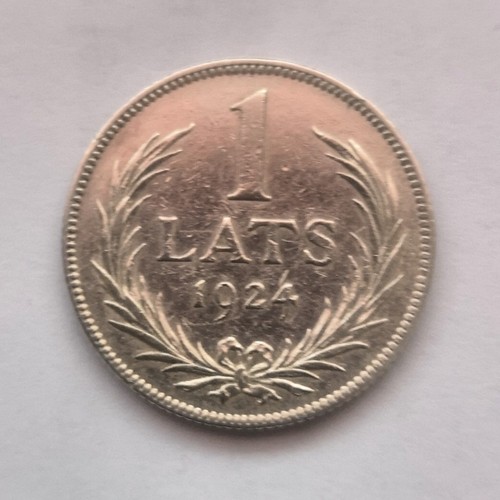
1 Lats (Christmas Bells)
2012
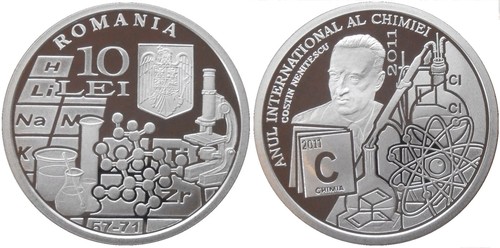
Romania International Year of Chemistry Commemorative
2011
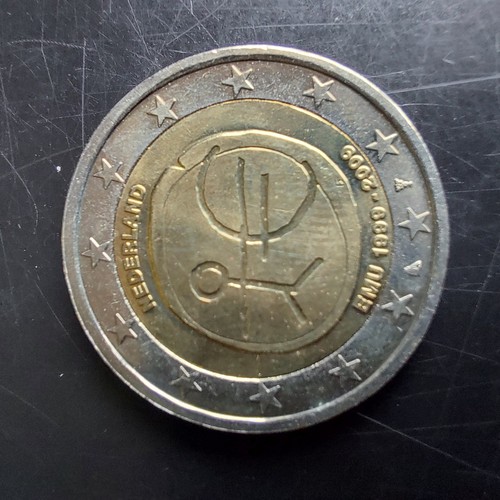
1 Euro (10 Years EMU)
1999-2009
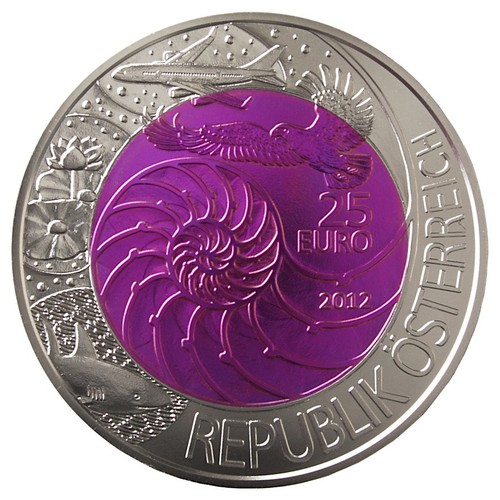
25 Euro (Bionik)
2012
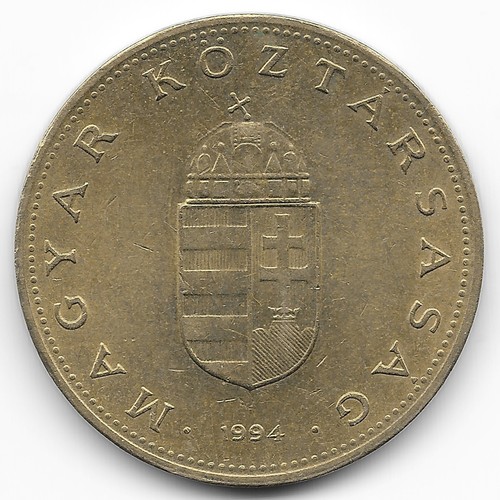
100 Forint (Commemorative)
commemorative issue
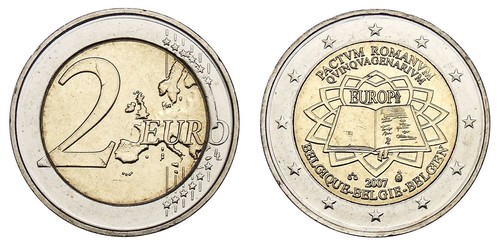
2 Euro (150 Years PSP)
2018
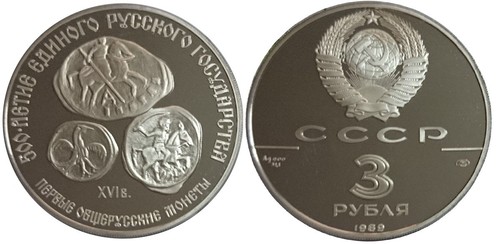
3 Roubles (First All-Russian Coins)
1982
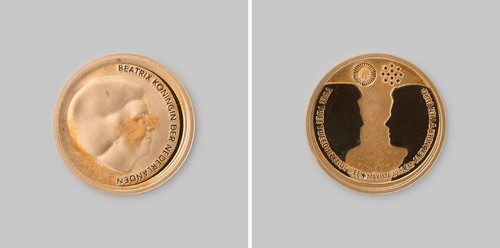
10 Euro (Royal Marriage)
2002
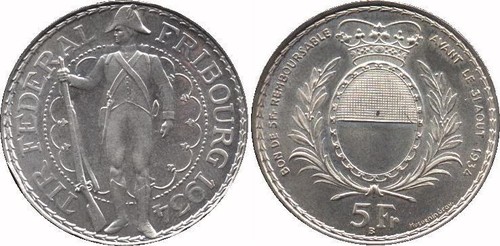
Swiss Shooting Thaler
1934
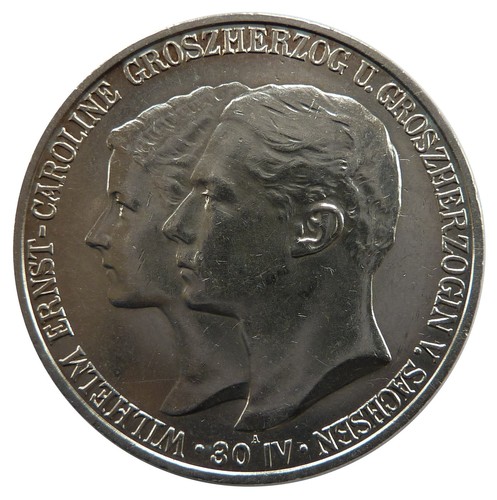
Sachsen-Weimar-Eisenach 5 Mark Wedding Commemorative
1903-1910