
Coin Encyclopedia
Search and identify coins from around the world — with country, denomination, metal, mint, history, and how to tell them apart.
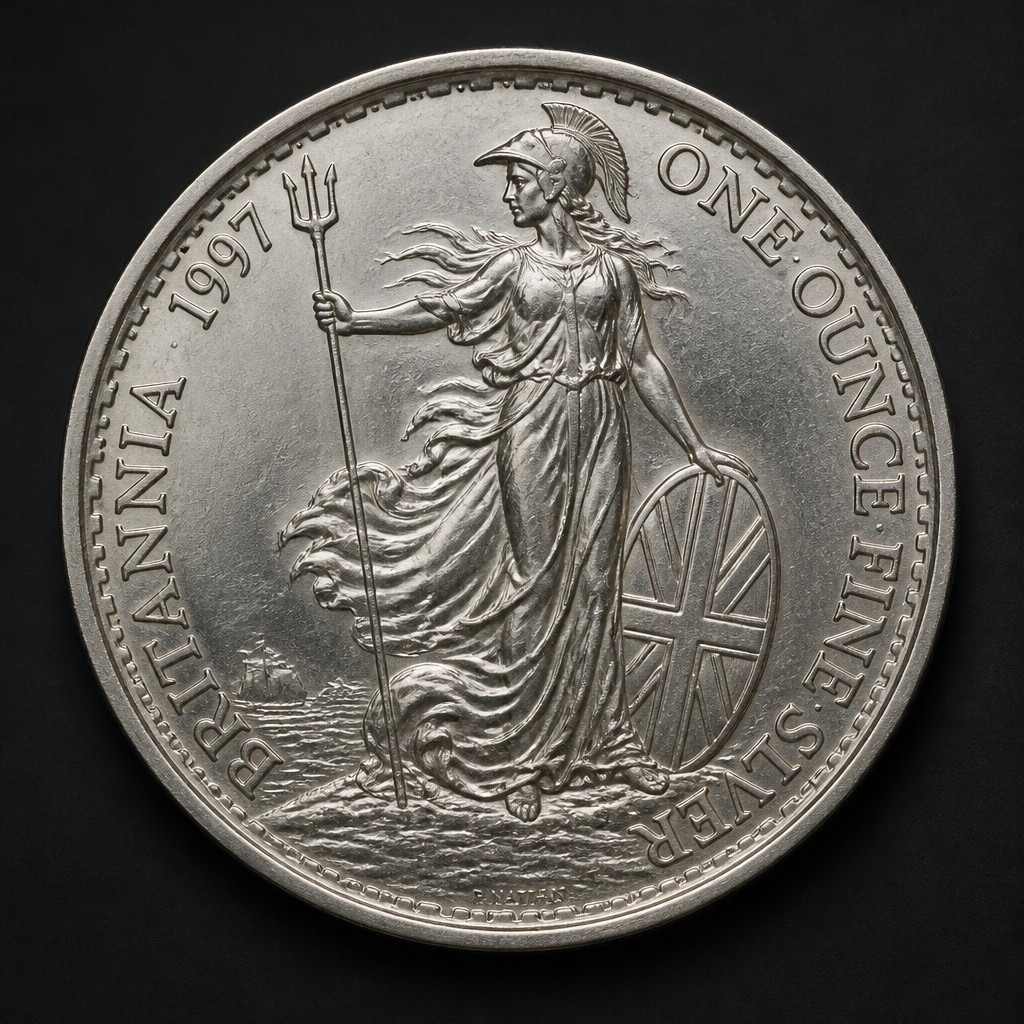
British Silver Britannia
The Royal Mint's one-ounce silver bullion coin, launched in 1997 as a silver companion to the Gold Britannia, featuring the same classical Britannia design.
Bullion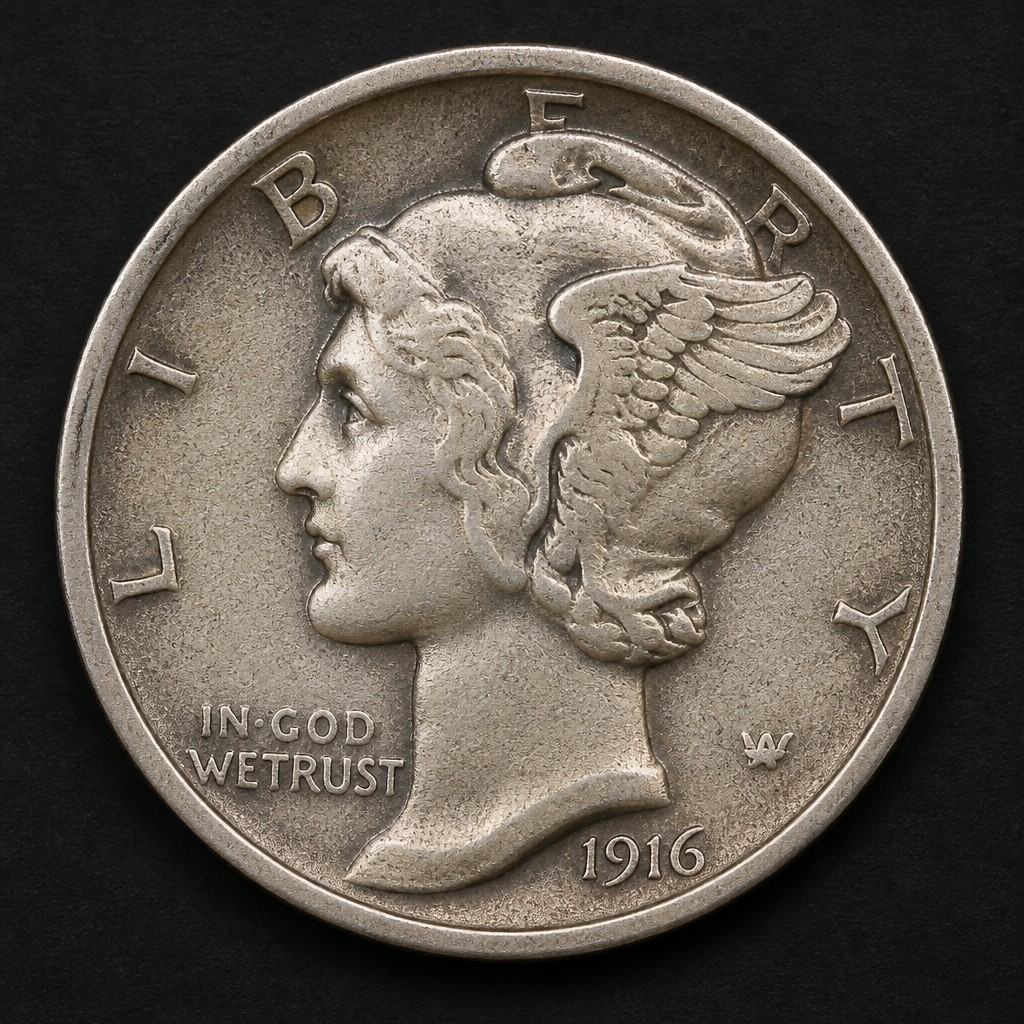
Mercury Dime
Popular U.S. dime nicknamed for its winged Liberty head, mistaken by many for the Roman god Mercury, designed by Adolph A. Weinman and struck from 1916 to 1945.
United States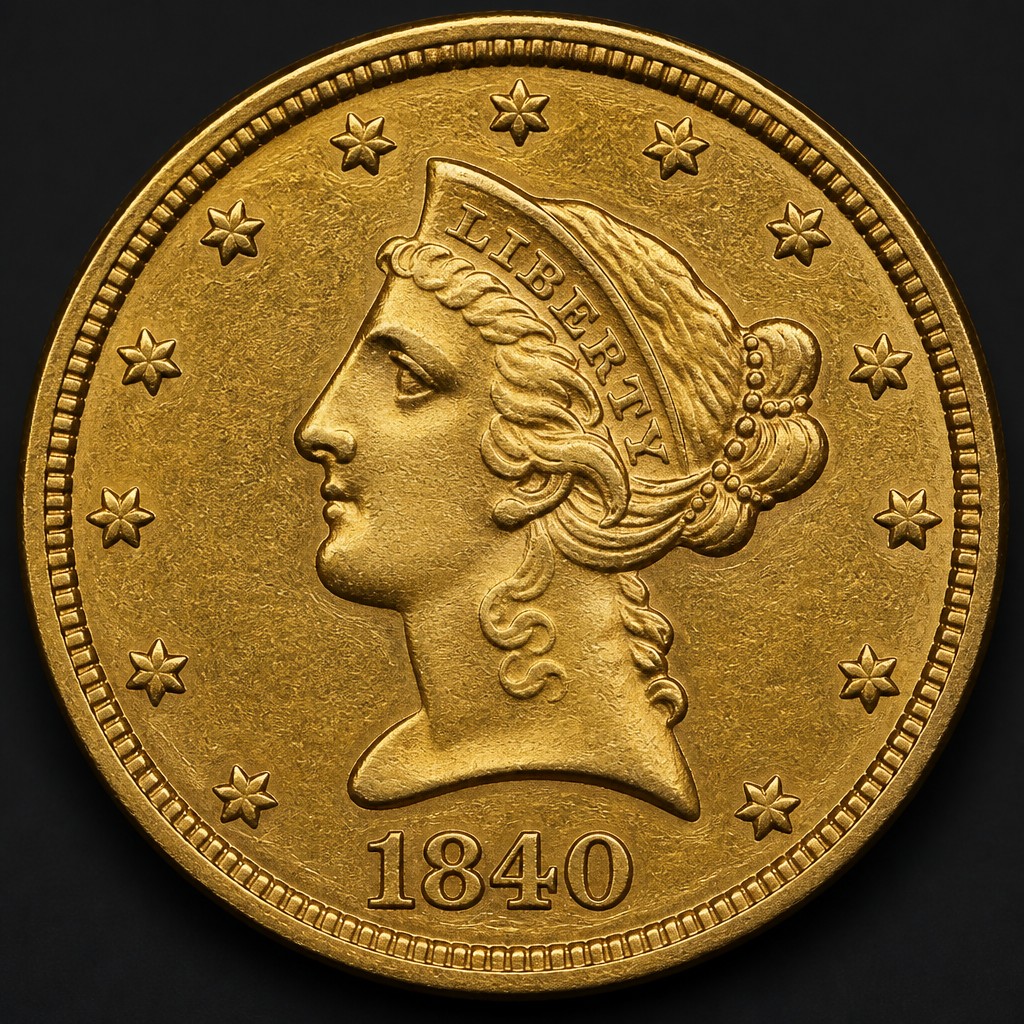
Liberty Head Quarter Eagle ($2.50)
A small 19th-century gold coin featuring Christian Gobrecht's Coronet Head design, minted across many branch facilities during America's gold rush era.
United States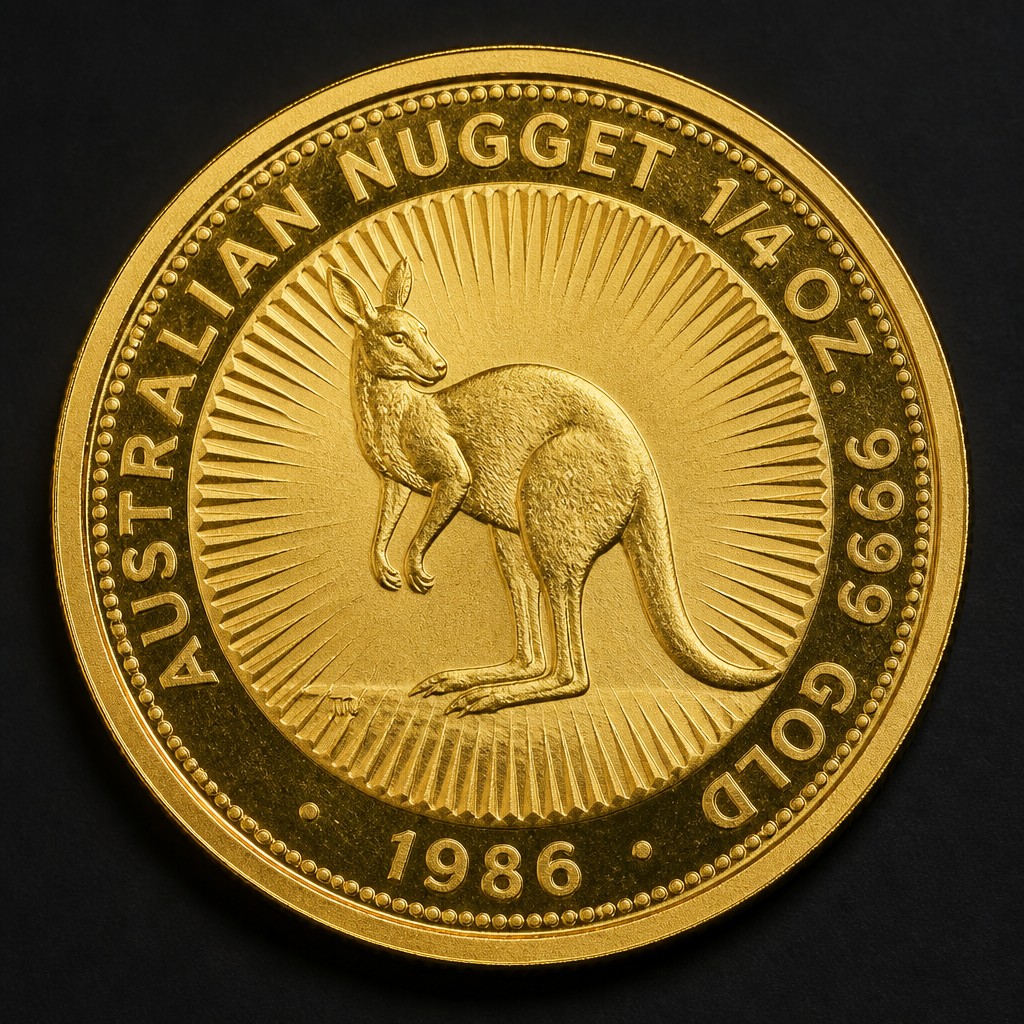
Australian Kangaroo Gold Nugget
Modern Australian gold bullion coin from the Perth Mint, launched in 1986 with changing nugget designs before adopting an annually updated kangaroo reverse.
Bullion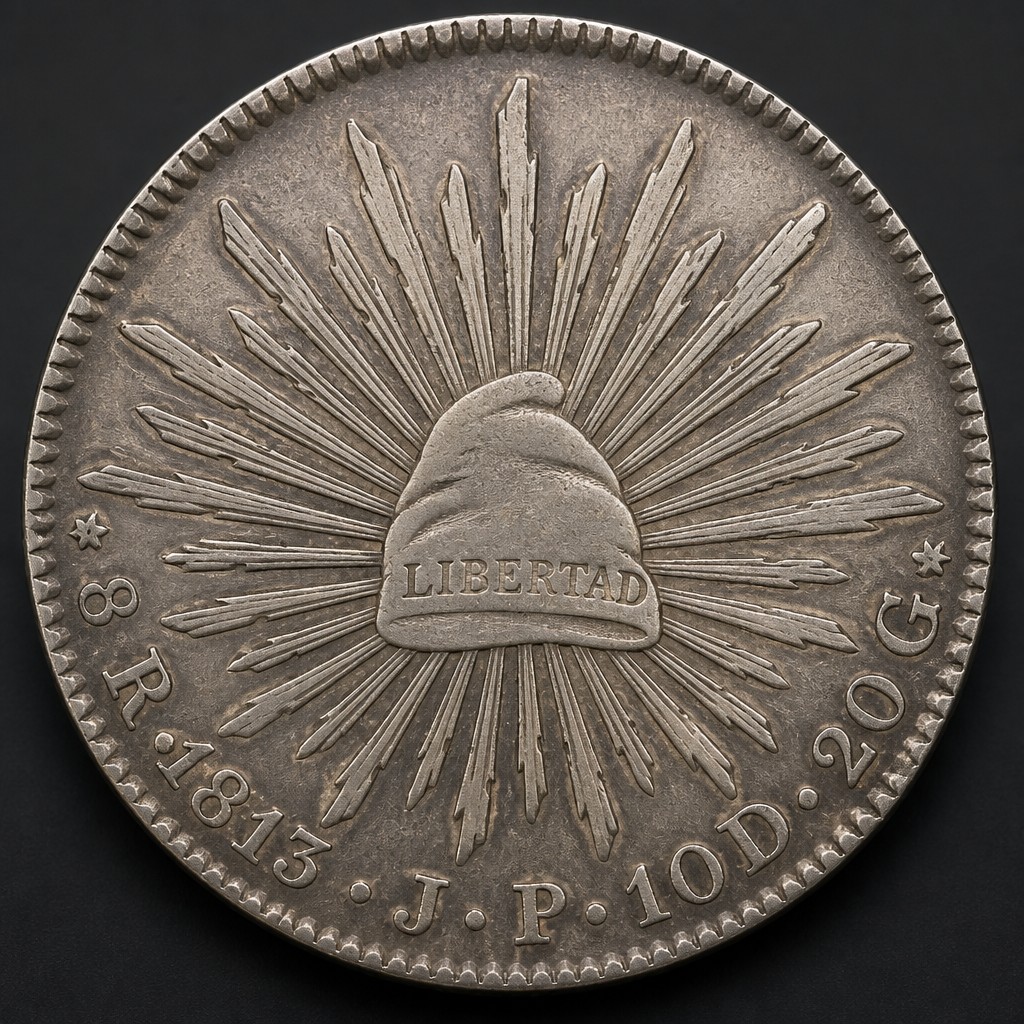
Argentina 8 Reales
Silver 8 reales struck after Argentina's 1810 independence movement, replacing the Spanish king's portrait with the revolutionary Sun of May and clasped hands design.
Latin American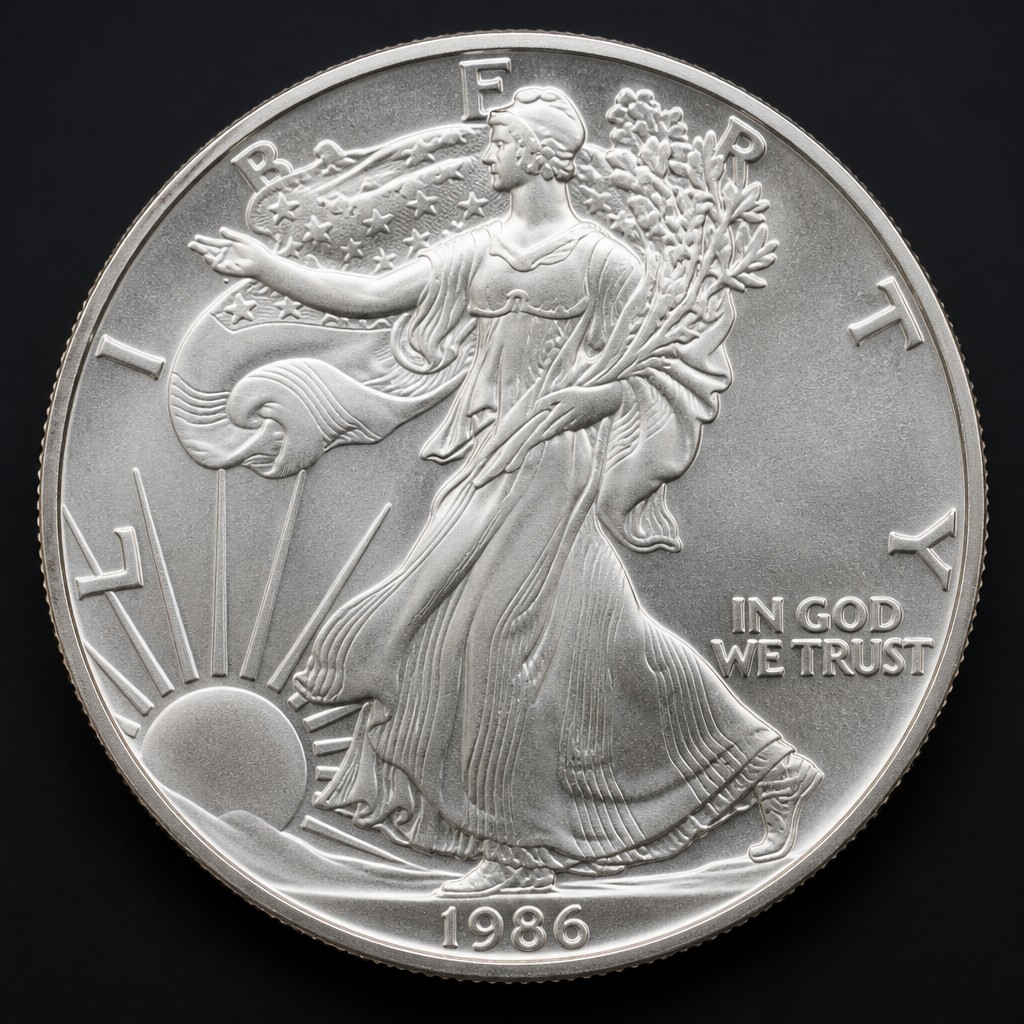
American Silver Eagle
The official one-ounce silver bullion coin of the United States, first struck in 1986, pairing Adolph Weinman's Walking Liberty design with a modern heraldic eagle.
Bullion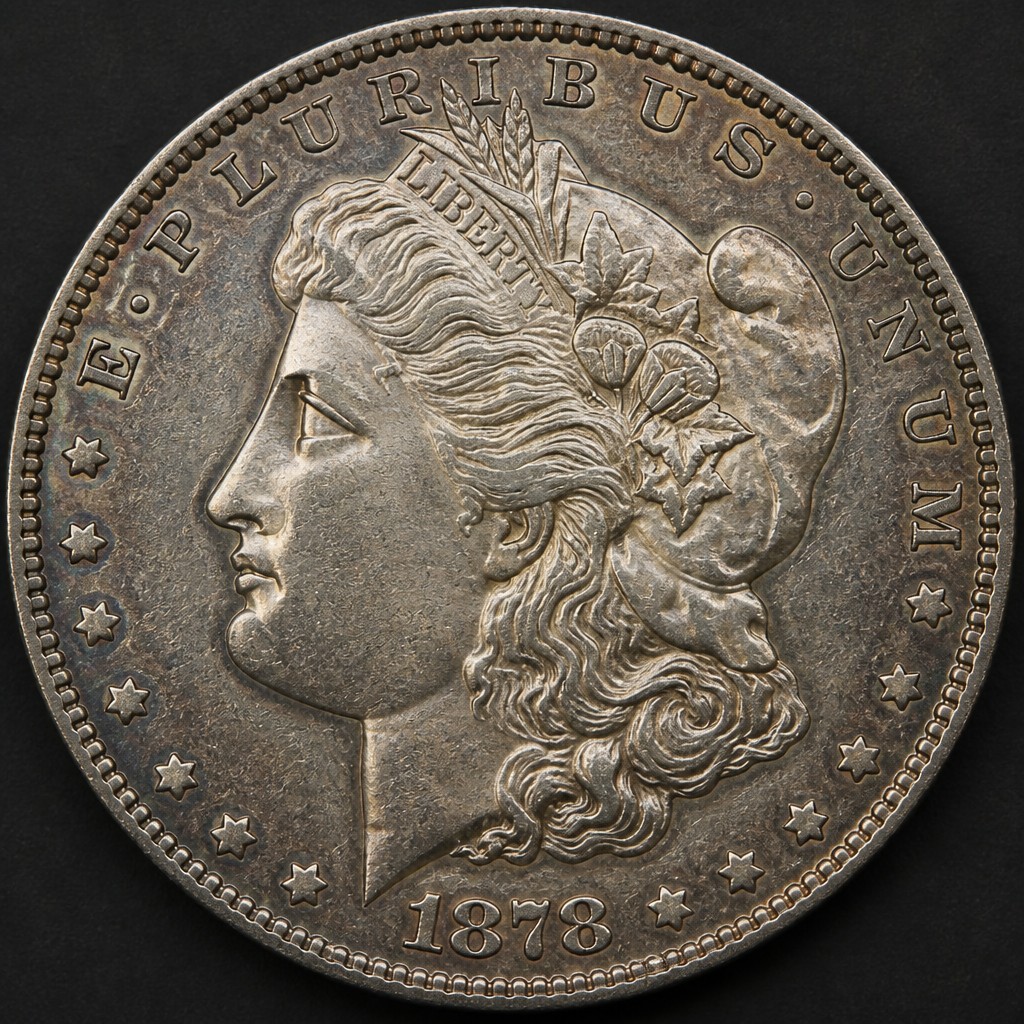
US Morgan Dollar
Classic American silver dollar struck from 1878 to 1921, named for designer George T. Morgan and known for its detailed Liberty head and eagle reverse.
United States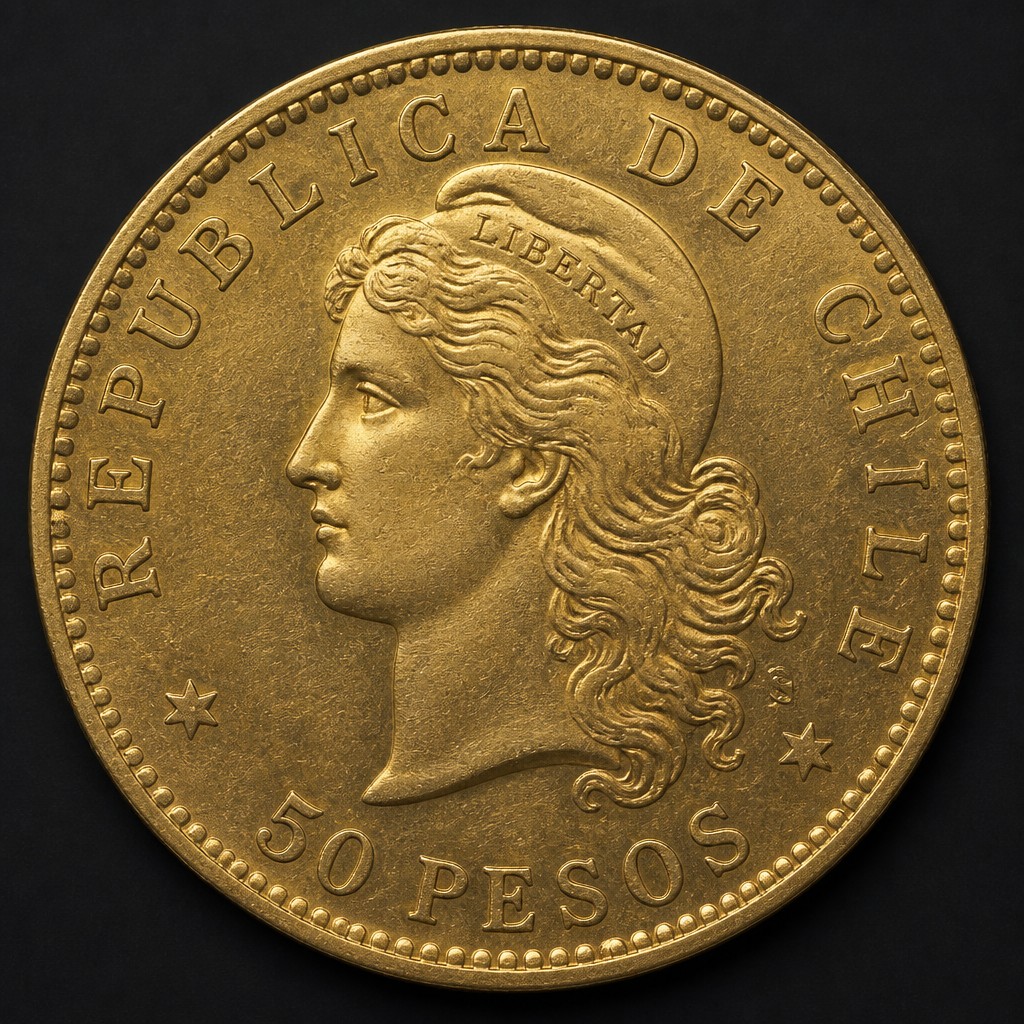
Chilean 50 Pesos Gold
A mid-sized Chilean gold coin issued as part of the 1926 gold standard reform, sharing the condor design theme with its larger and smaller companion denominations.
Latin American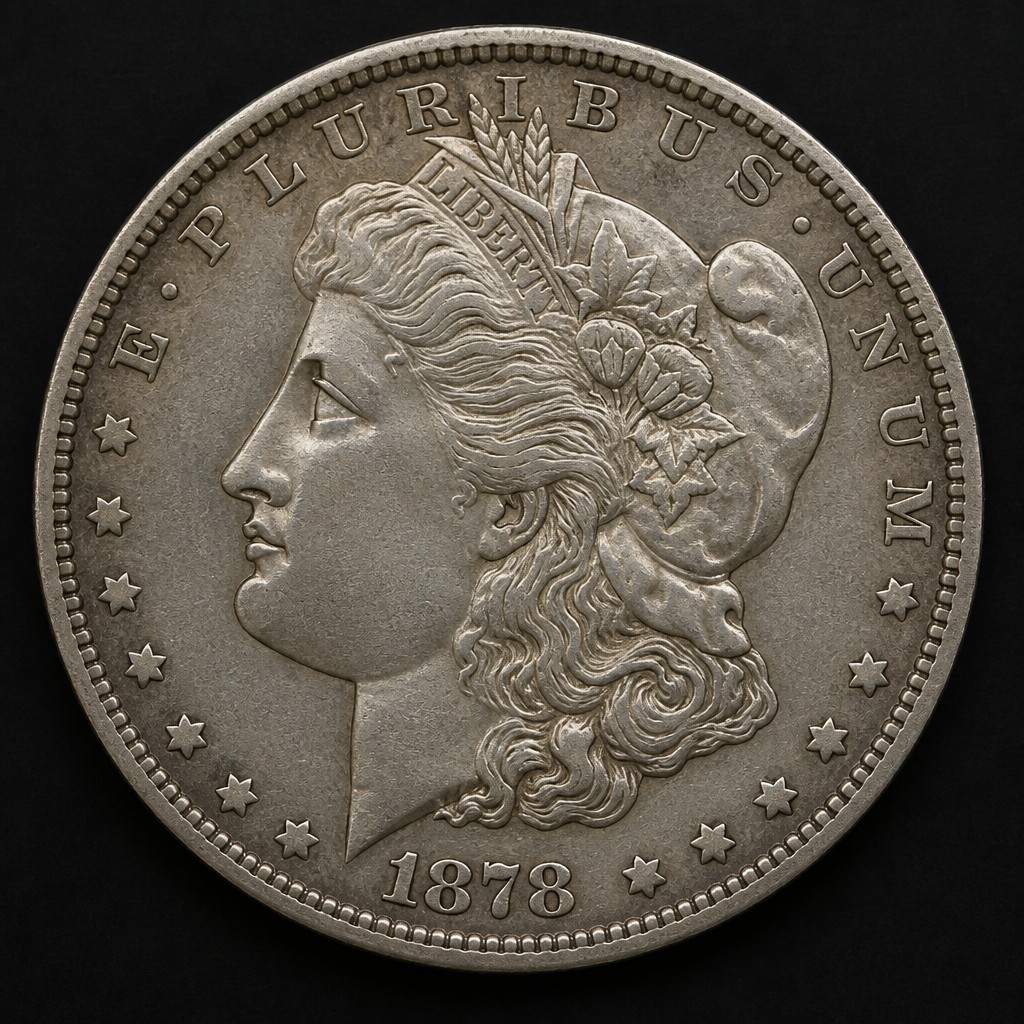
Morgan Silver Dollar
Iconic American silver dollar struck from 1878 to 1921, named for its designer George T. Morgan and beloved for its bold Liberty portrait and eagle reverse.
United States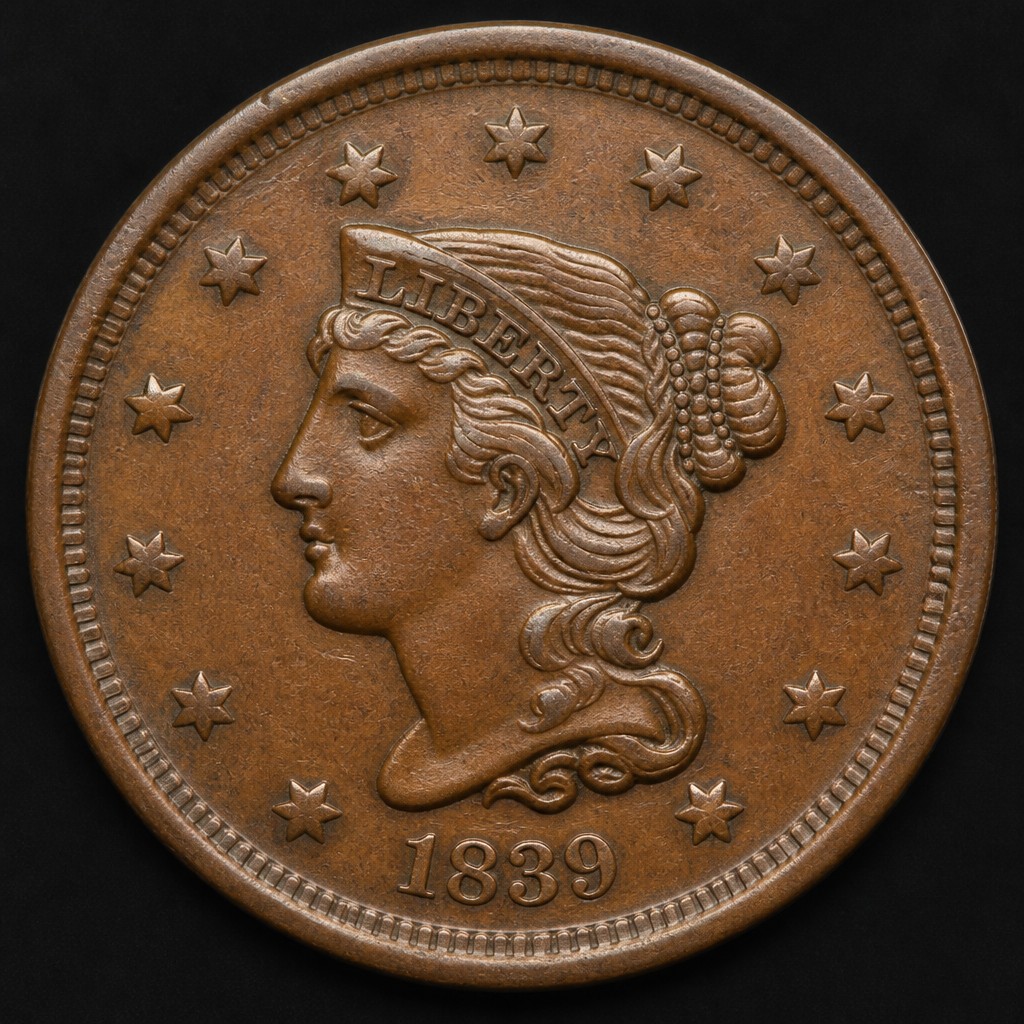
Braided Hair Large Cent
The final large cent design, showing Liberty with braided hair, produced until the bulky copper cent was replaced by the small Flying Eagle cent in 1857.
United States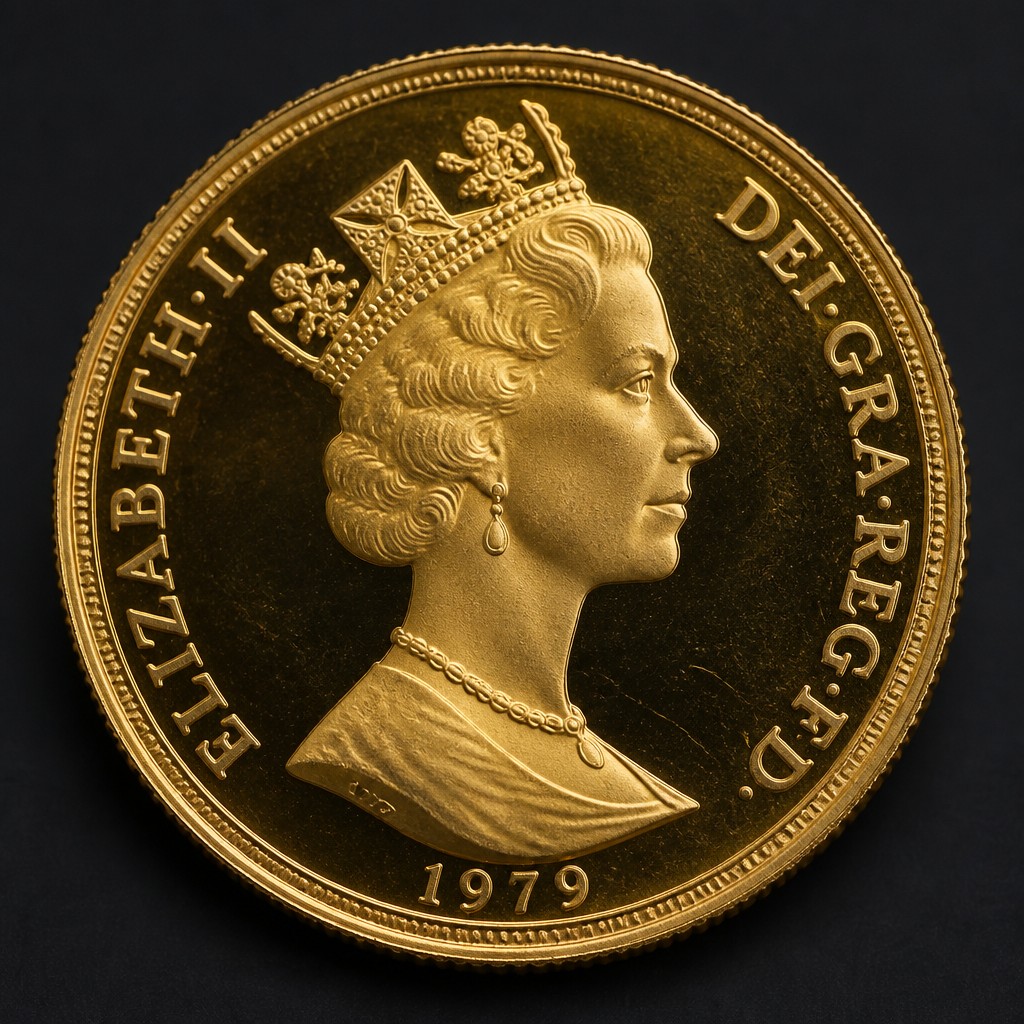
British Sovereign (modern proof)
Contemporary proof-quality gold sovereign struck by the Royal Mint, continuing Benedetto Pistrucci's St George and the dragon reverse design used since the early 19th century.
British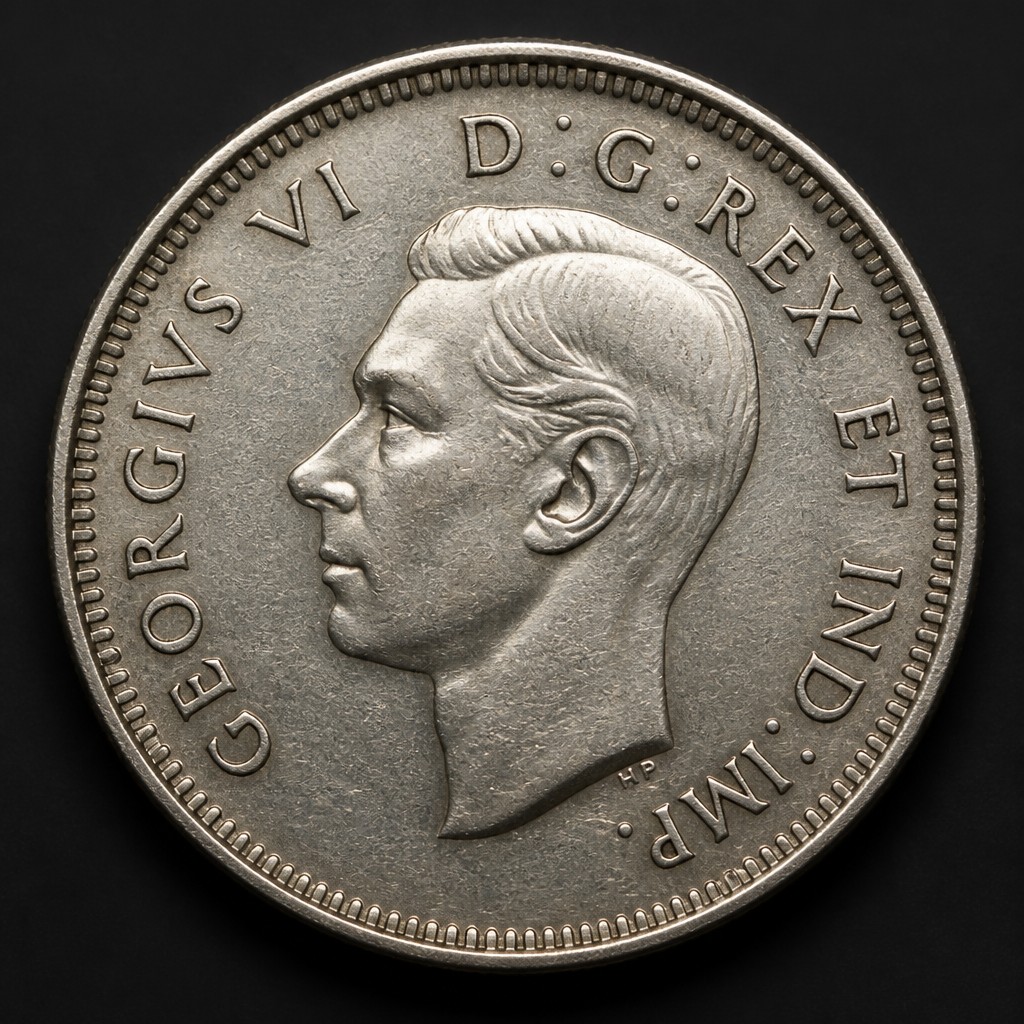
Caribou Twenty-Five Cents (quarter)
Canada's long-running 25-cent piece featuring a caribou head on the reverse, designed by Emanuel Hahn and struck continuously (with special anniversary exceptions) since 1937.
Canadian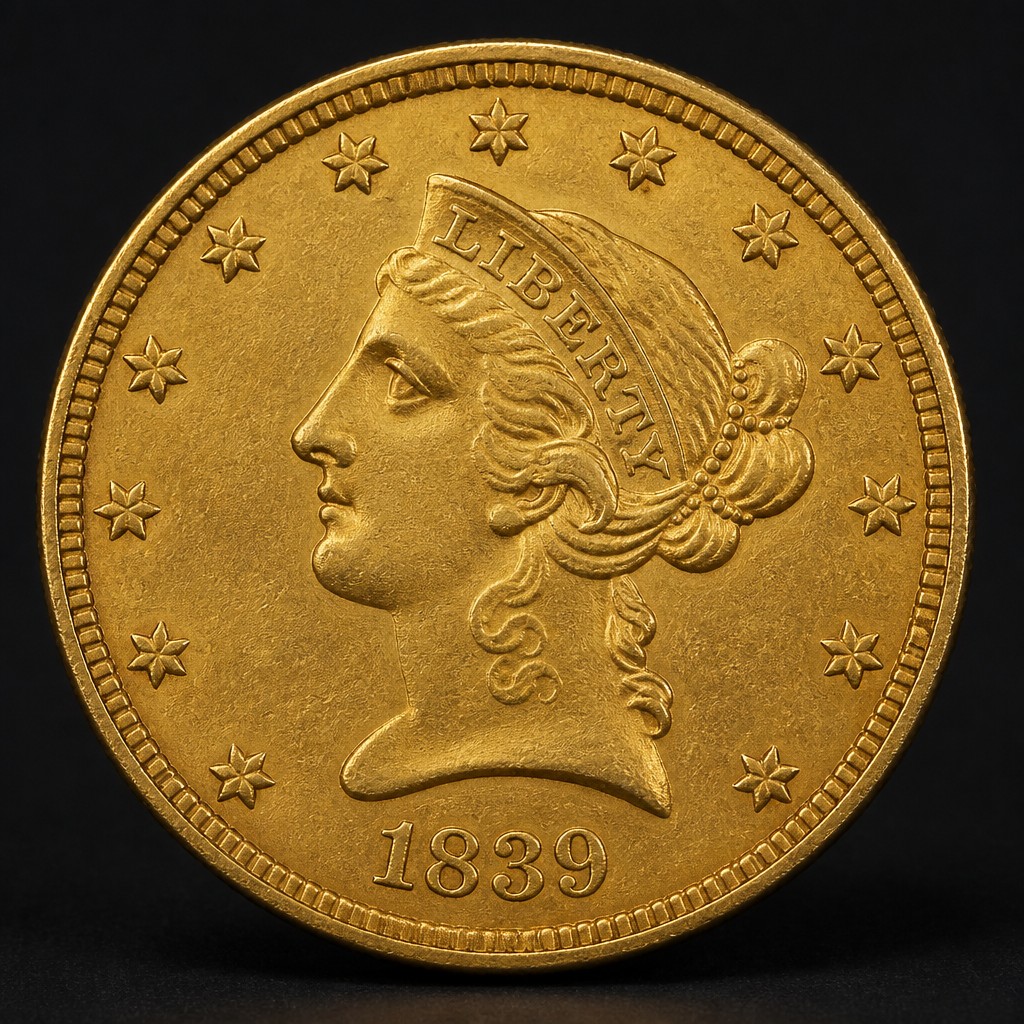
Liberty Head Half Eagle ($5)
A widely produced 19th-century gold five-dollar coin bearing Christian Gobrecht's Coronet Head design, struck across nearly every major American branch mint of the era.
United States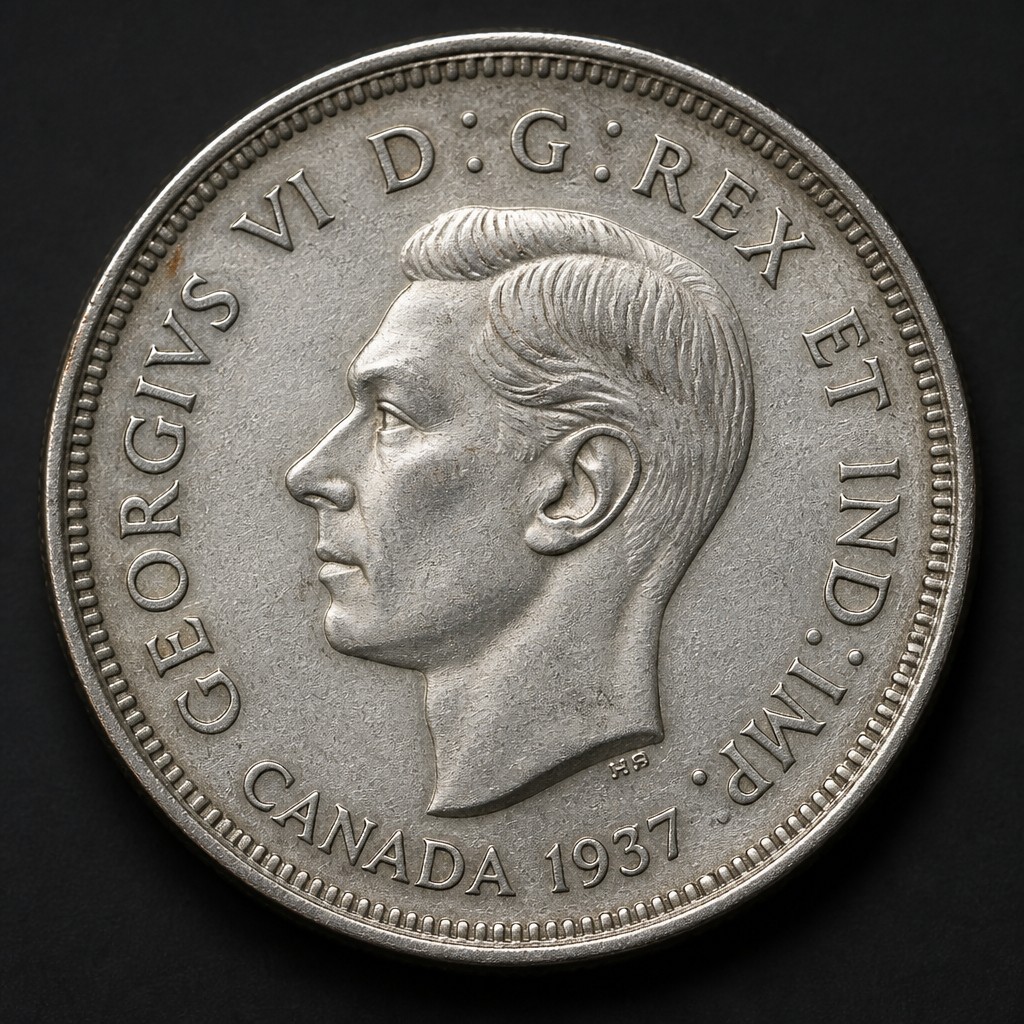
Bluenose Ten Cents (dime)
Canada's iconic ten-cent coin featuring the famous racing and fishing schooner Bluenose, a design introduced in 1937 that remains in use on the modern dime today.
Canadian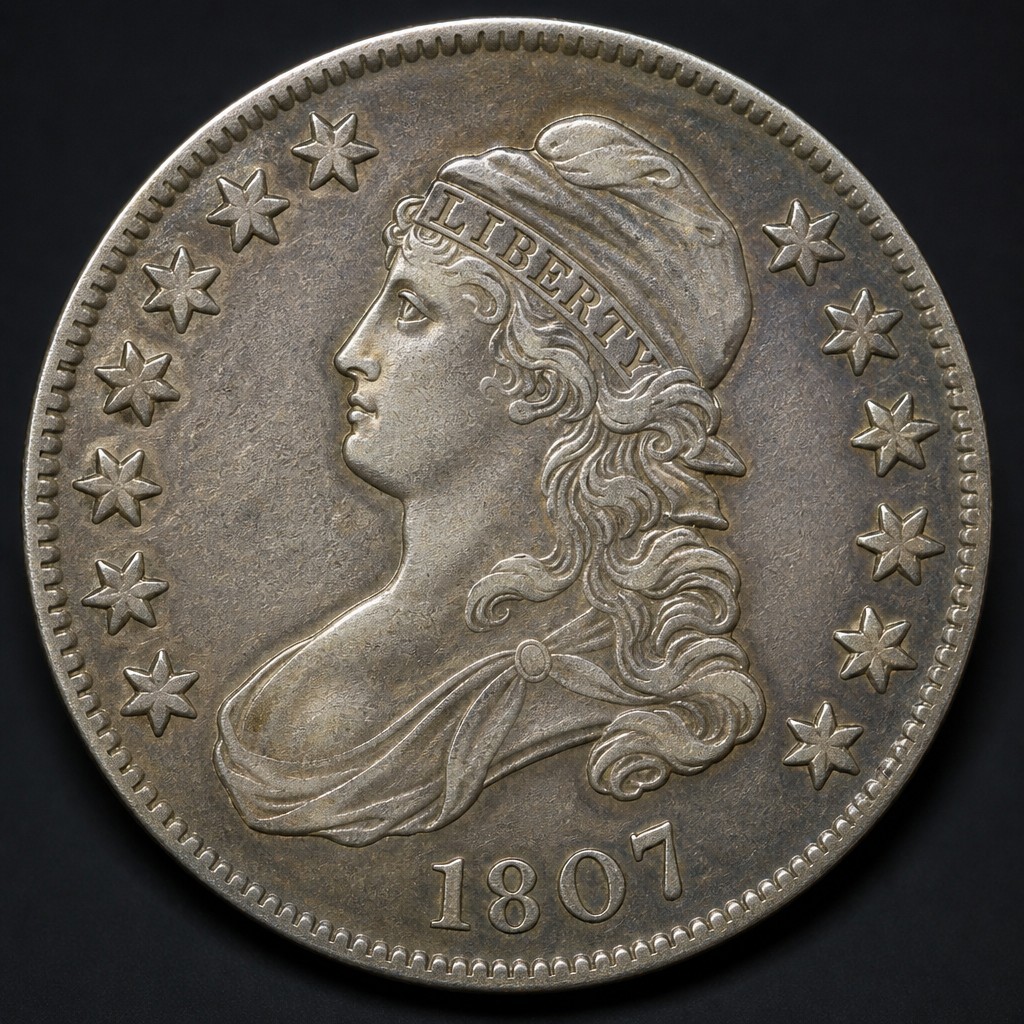
Capped Bust Half Dollar
A silver half dollar (1807-1839) designed by John Reich, showing Liberty in a cap and drapery, minted in large numbers and popular with type and variety collectors.
United States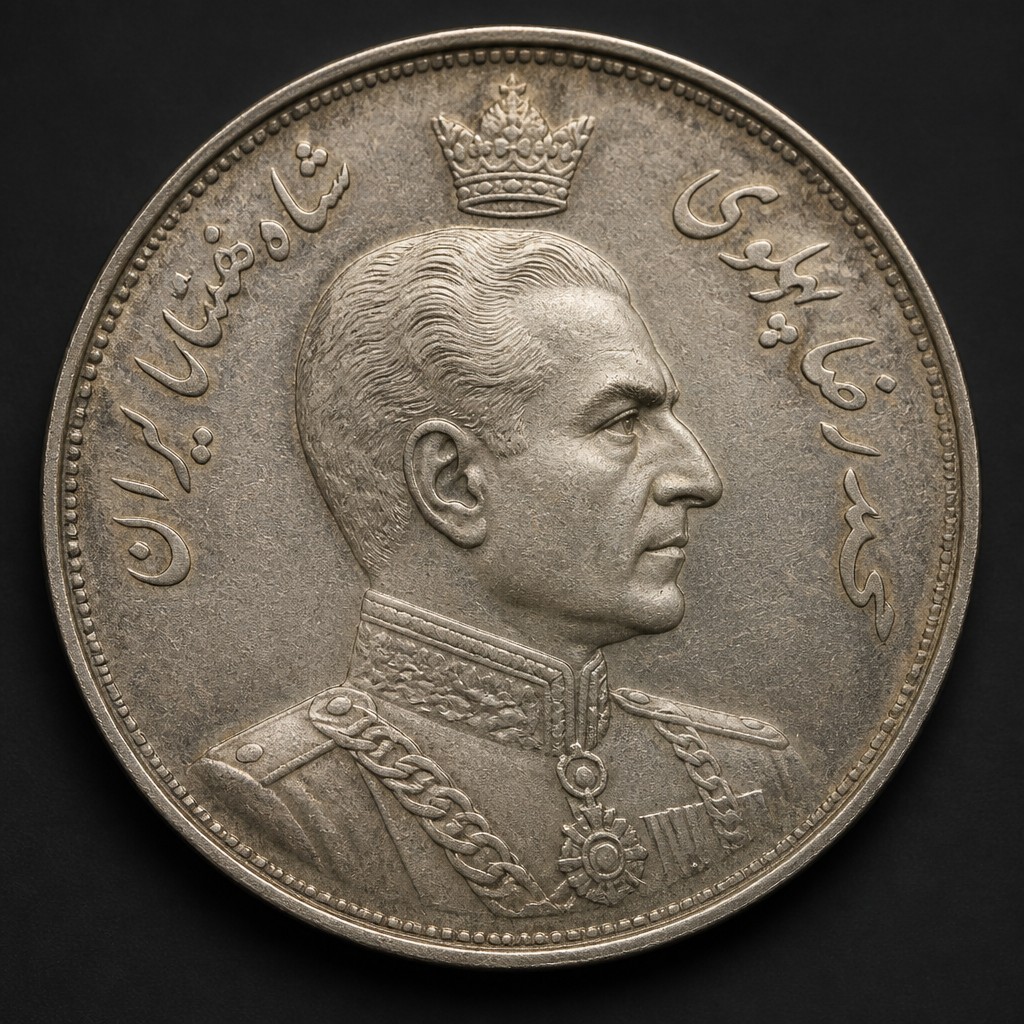
Iranian Rial
Iran's official currency unit since 1932, replacing the earlier qiran/kran, struck across the Pahlavi monarchy and the Islamic Republic in changing metals and designs.
Asian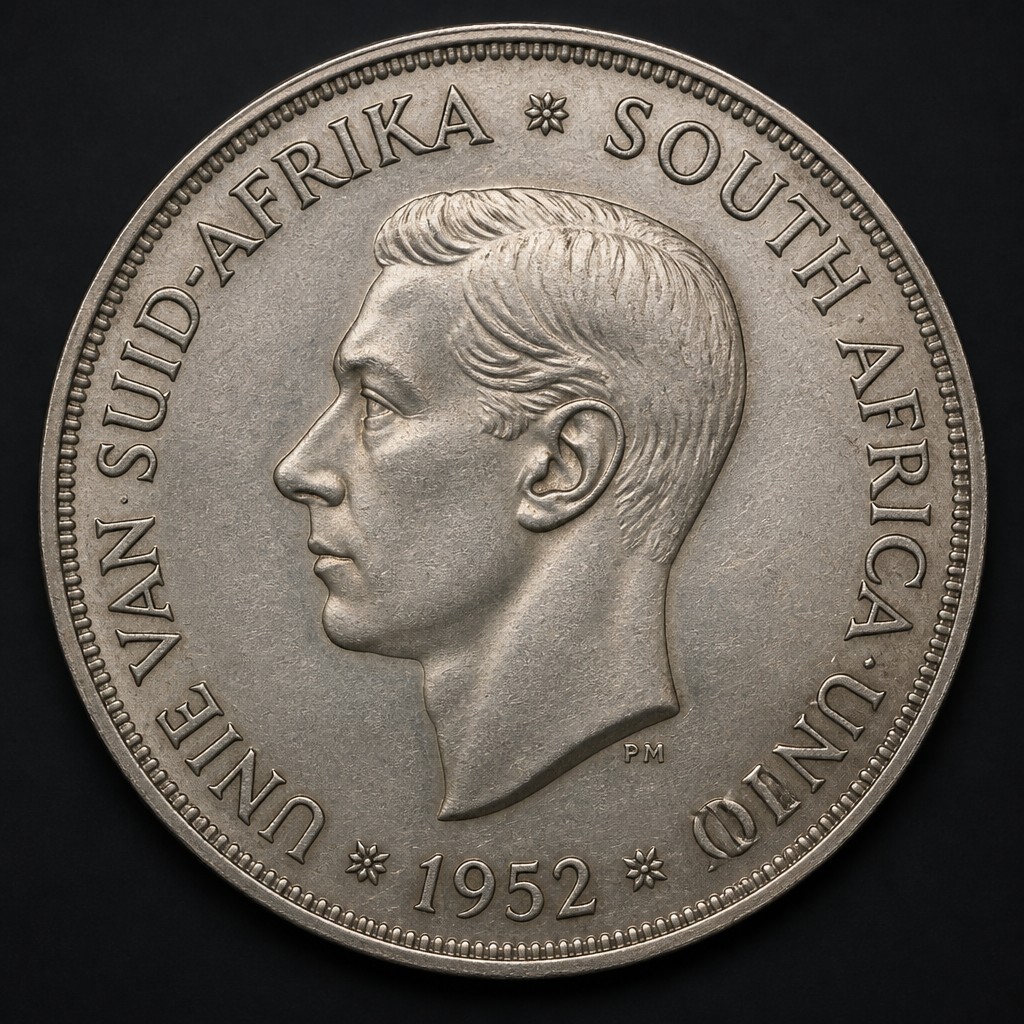
South African Union Silver Crown (5 Shillings)
Large silver crown of the Union of South Africa, struck periodically from the late 1940s, featuring a springbok reverse and occasional special commemorative designs.
Africa & Oceania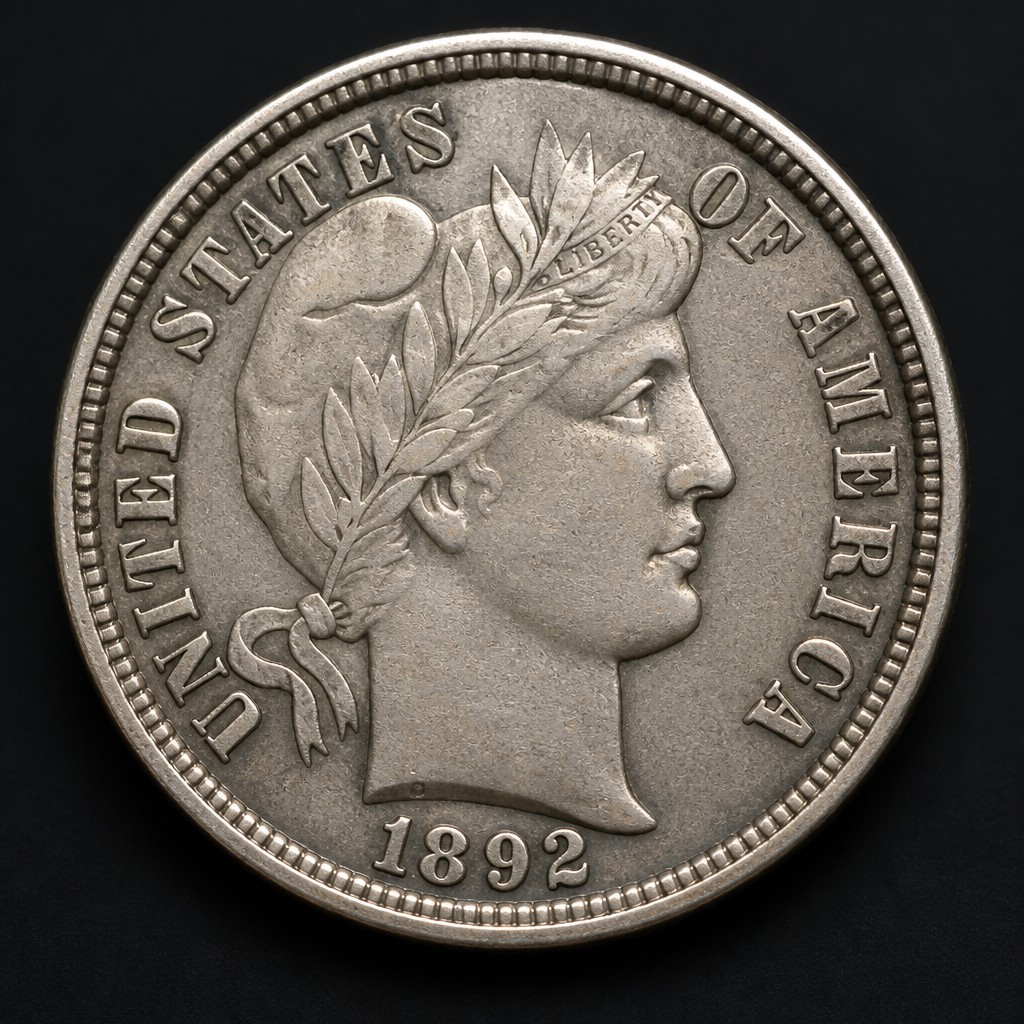
Barber Dime
A late-19th and early-20th century silver dime designed by Charles E. Barber, featuring a classical Liberty head, part of a matching set with the Barber quarter and half dollar.
United States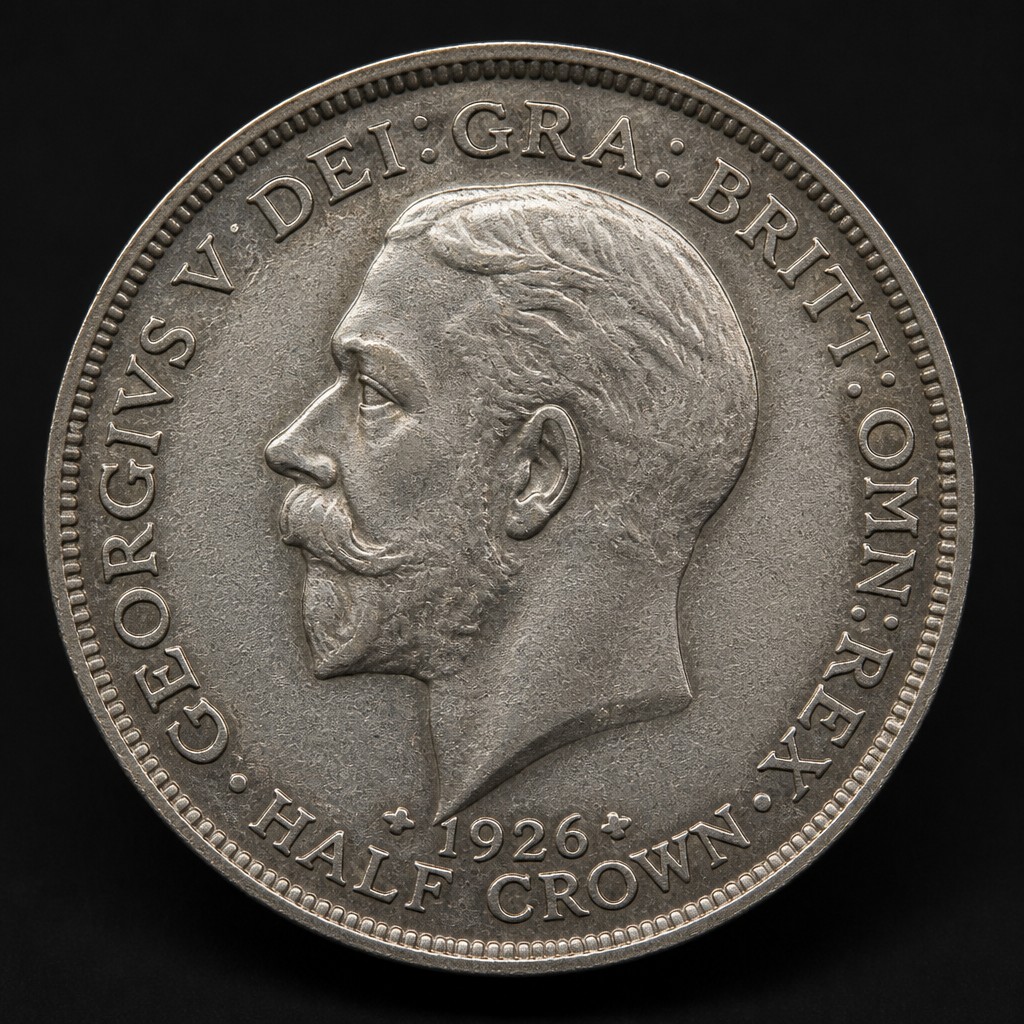
Half Crown
A long-lived British coin worth one-eighth of a pound, struck from the Tudor era until decimalisation in 1970, valued today mainly for its portraits and design variety.
British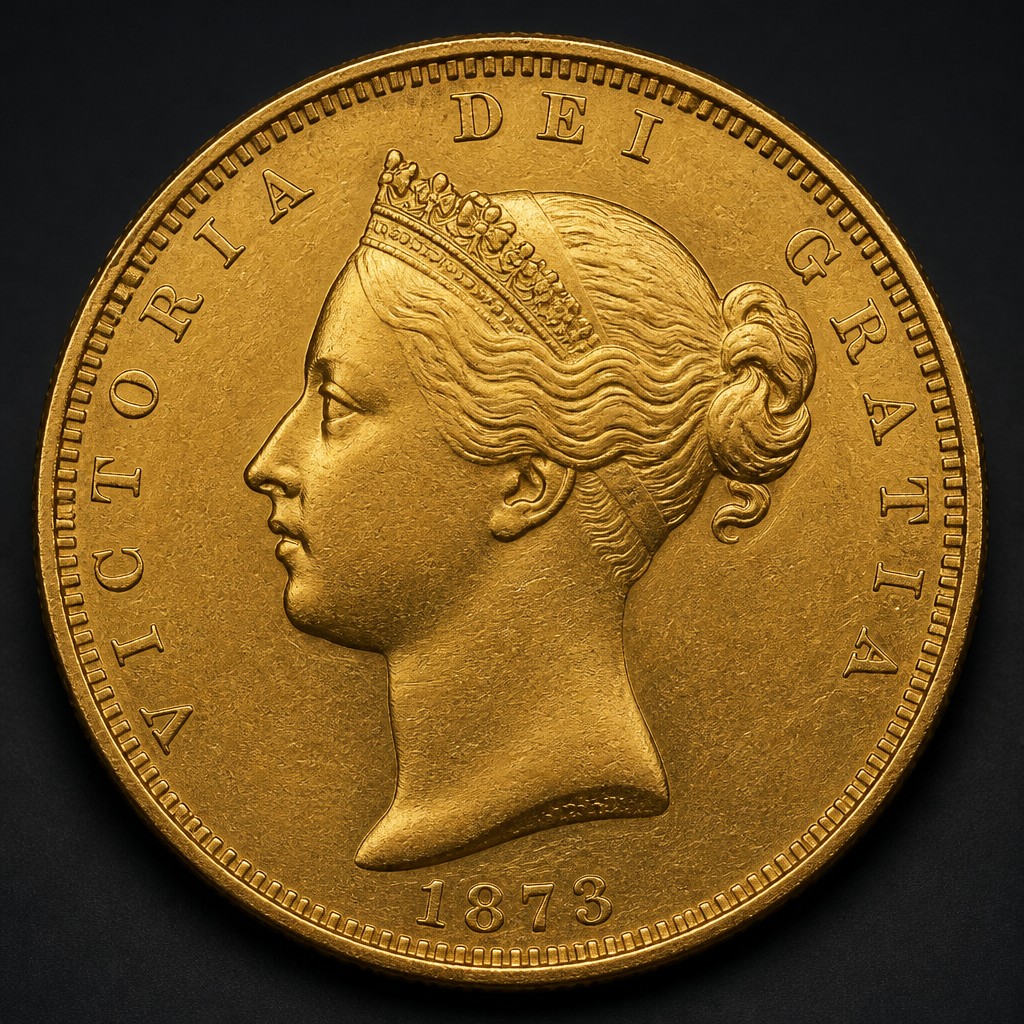
Gold Sovereign
Iconic British gold pound coin, revived in 1817 with Benedict Pistrucci's celebrated St George and the Dragon design, struck for centuries in London and branch mints worldwide.
British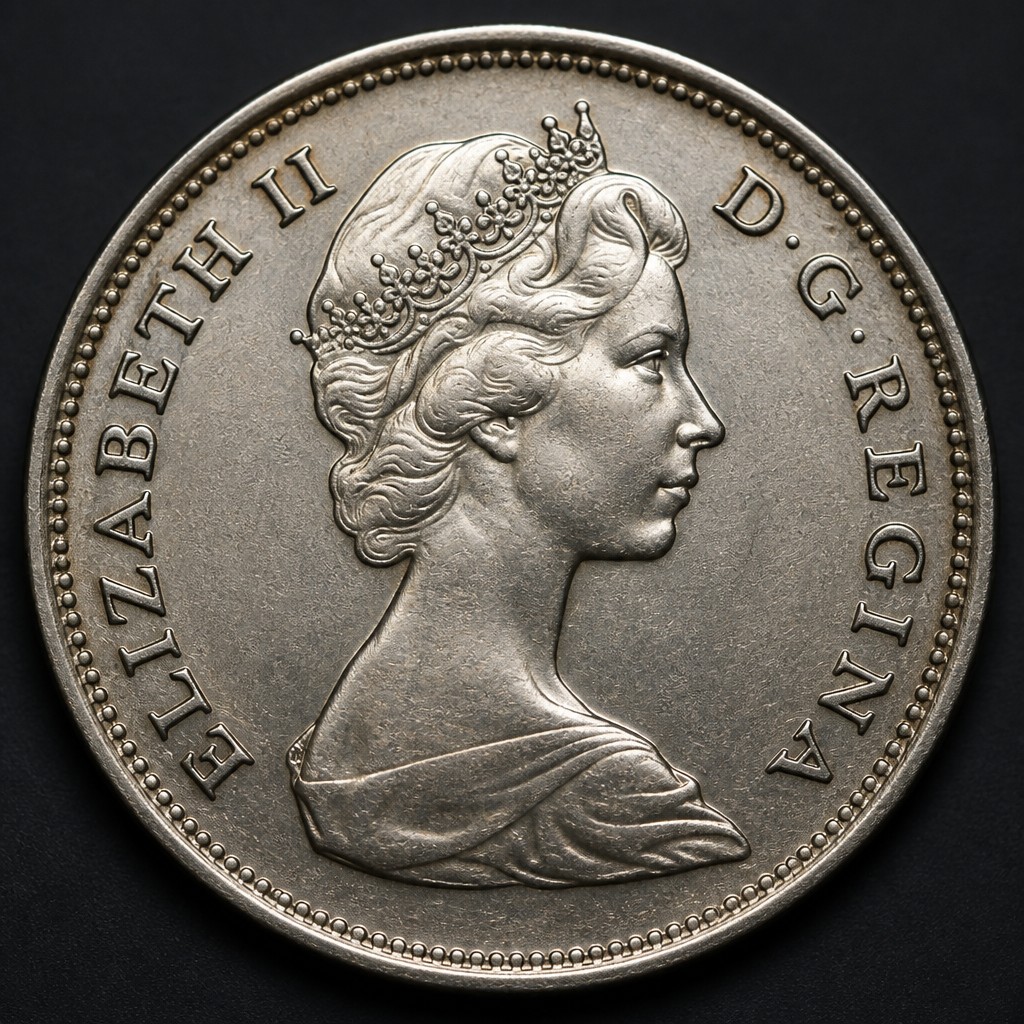
Beaver Five Cents (Elizabeth II)
The long-running Canadian five-cent coin under Queen Elizabeth II, continuing the classic beaver-on-a-rock design first introduced in 1922 across changing metal compositions.
Canadian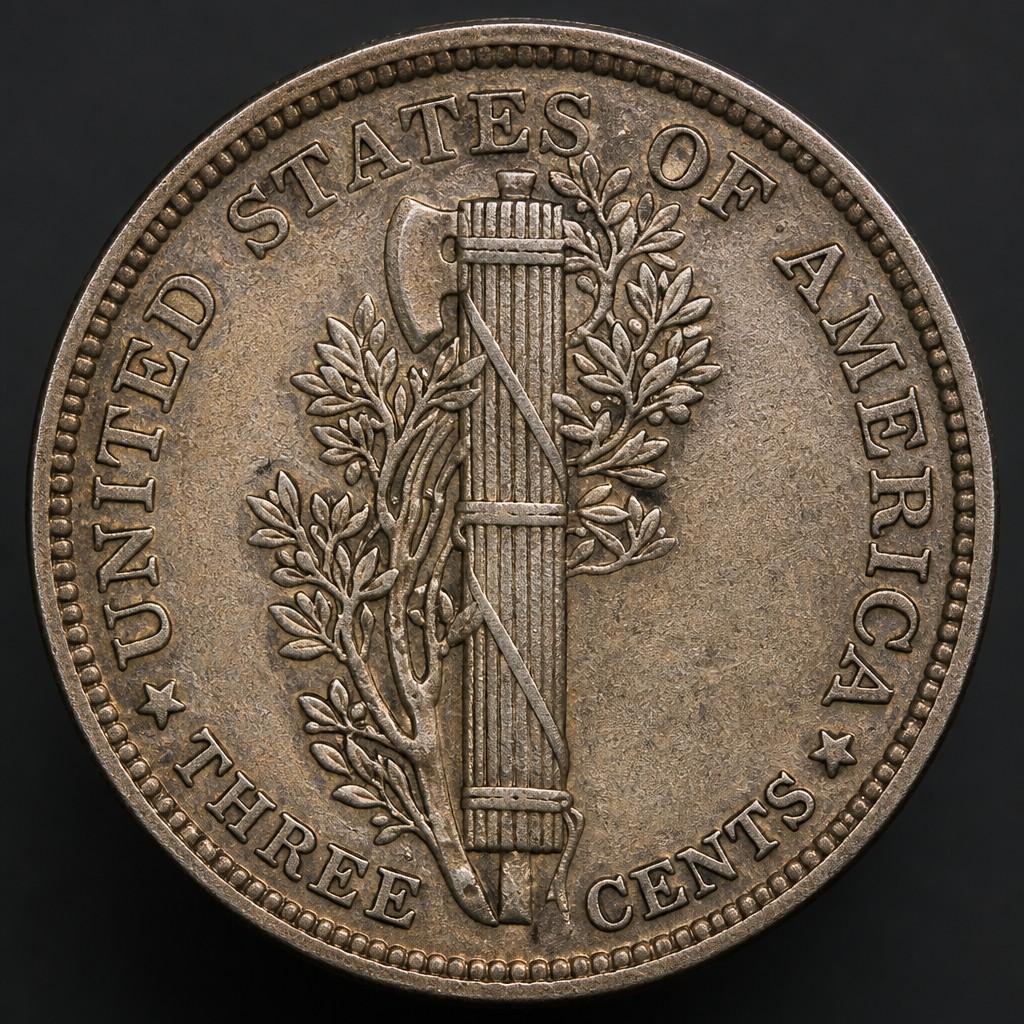
Fasces Three-Cent Nickel
A nickname sometimes applied to the copper-nickel Three-Cent Piece of 1865-1889, whose reverse wreath-and-numeral design is occasionally likened to classical fasces imagery from early pattern experiments.
United States