
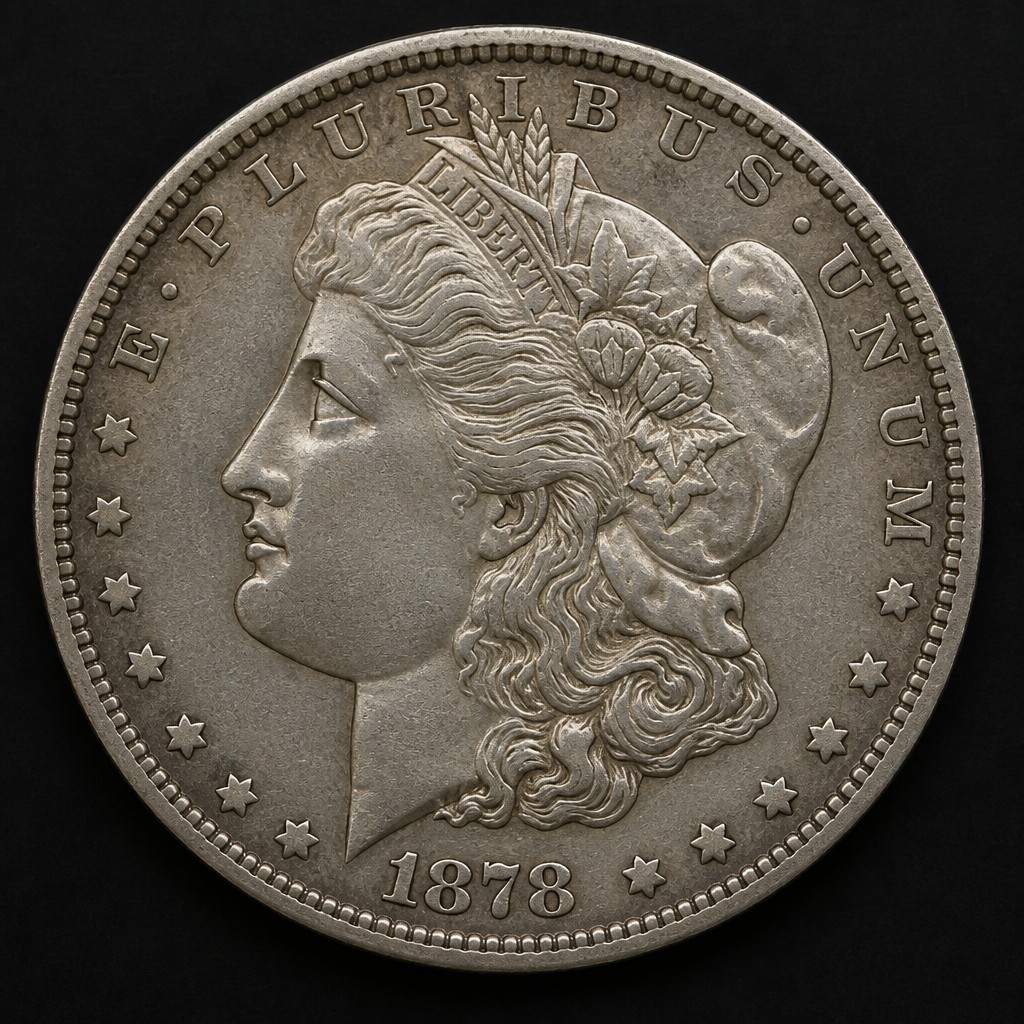
Morgan Silver Dollar
Iconic American silver dollar struck from 1878 to 1921, named for its designer George T. Morgan and beloved for its bold Liberty portrait and eagle reverse.
- Country
- United States
- Denomination
- One Dollar
- Metal
- 90% Silver, 10% Copper
Got a coin like this?
Identify any coin from a photo, free.
Overview
The Morgan Silver Dollar is one of the most widely collected United States coins, struck in large quantities from 1878 through 1904 and again for a single year in 1921. It contains 90% silver and was minted primarily to use silver from western mines under federal purchase acts.
Its popularity comes from a combination of history, availability in high grades thanks to long-hidden Treasury hoards, and an attractive, classic design. It is often a first coin for new collectors of pre-1933 U.S. silver.
History & Background
The coin was authorized by the Bland-Allison Act of 1878, which required the U.S. Treasury to purchase large amounts of domestic silver and strike it into dollar coins, largely as a political response to silver mining interests in the West. It was designed by United States Mint engraver George T. Morgan, whose initial "M" appears on the coin.
Production continued in massive numbers through 1904, after which silver dollar coinage paused. A final year of production occurred in 1921 after the Pittman Act required the melting and eventual replacement of large numbers of earlier Morgan dollars. Many Morgan dollars sat unused in Treasury and bank vaults for decades, including the famous GSA hoard of Carson City coins sold by the government starting in the 1970s.
How to Identify
The obverse features a left-facing profile of Liberty wearing a cap adorned with wheat, cotton, and other agricultural motifs, surrounded by the legend "E PLURIBUS UNUM" and thirteen stars, with the date below. The reverse depicts an eagle with wings outstretched holding an olive branch and arrows, encircled by a wreath and the legend "UNITED STATES OF AMERICA" and "ONE DOLLAR."
The coin measures about 38.1 mm in diameter and weighs 26.73 grams, with a reeded edge. Mint marks (O, CC, S, D) appear below the wreath on the reverse; coins without a mint mark were struck in Philadelphia. Collectors distinguish Morgan dollars from the later Peace dollar primarily by the different Liberty design and the eagle's pose.
Value & Collectibility
Common-date Morgan dollars in circulated grades are affordable and widely available, often trading close to their silver bullion value with a modest premium. Uncirculated examples, especially those with strong luster and sharp strikes, command higher premiums, and certain dates and mint marks are true key dates.
The 1893-S is the most famous rarity in the series and can bring tens of thousands of dollars even in worn condition, while other scarce issues like the 1889-CC, 1893-CC, and 1895 (a proof-only date) are also highly prized. Prooflike and deep-mirror-prooflike examples of otherwise common dates can also carry significant premiums due to their exceptional visual appeal.
Frequently asked questions
What is a Morgan Silver Dollar made of?
It is 90% silver and 10% copper, weighing 26.73 grams.
Why are so many Morgan dollars available in high grade?
Large quantities sat unused in bank and Treasury vaults for decades, including a famous hoard of Carson City coins sold by the government starting in the 1970s, preserving many in original condition.
What is the rarest Morgan dollar?
The 1893-S is generally considered the key date and most valuable regular-issue Morgan dollar, with the 1895 proof-only issue also highly sought after.
Where can I find the mint mark?
On the reverse, just above the "DO" in "DOLLAR," below the wreath.
Other coins you may enjoy
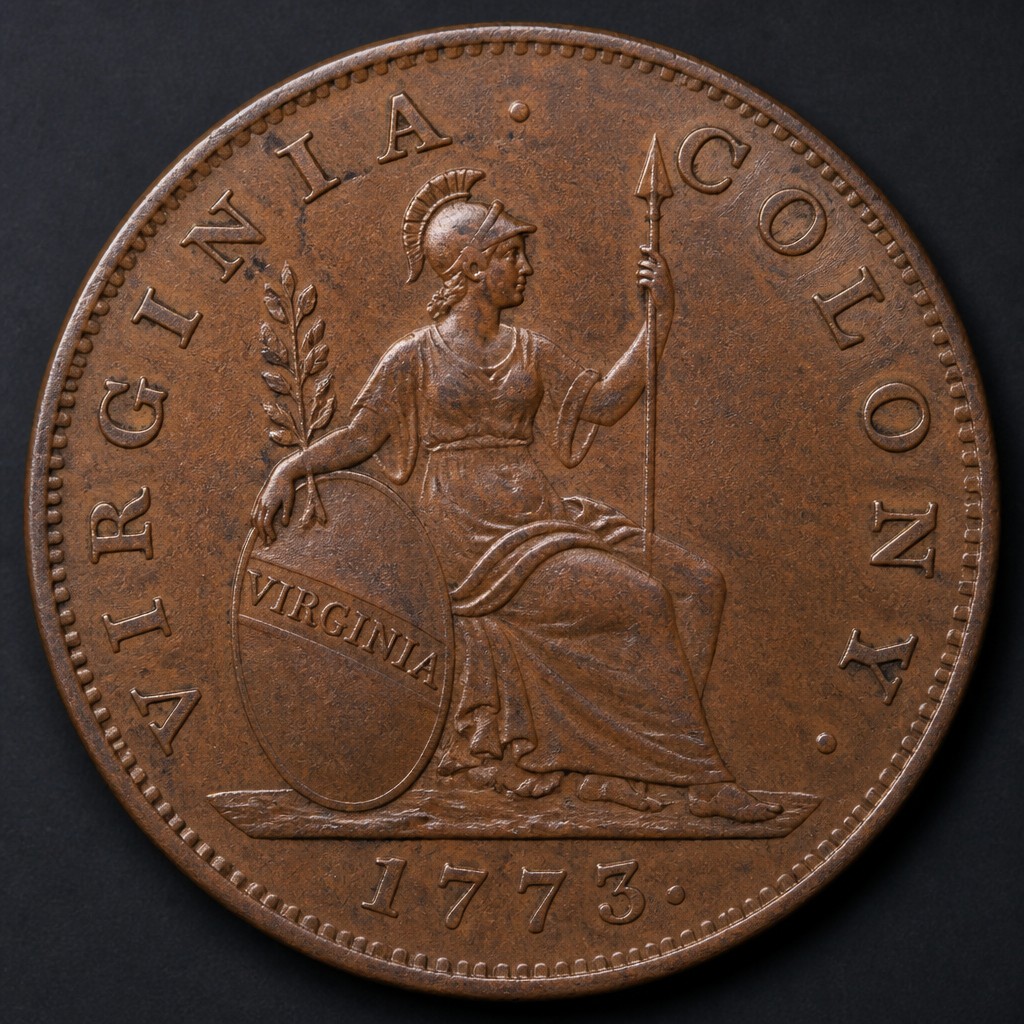
Virginia Halfpenny
1773
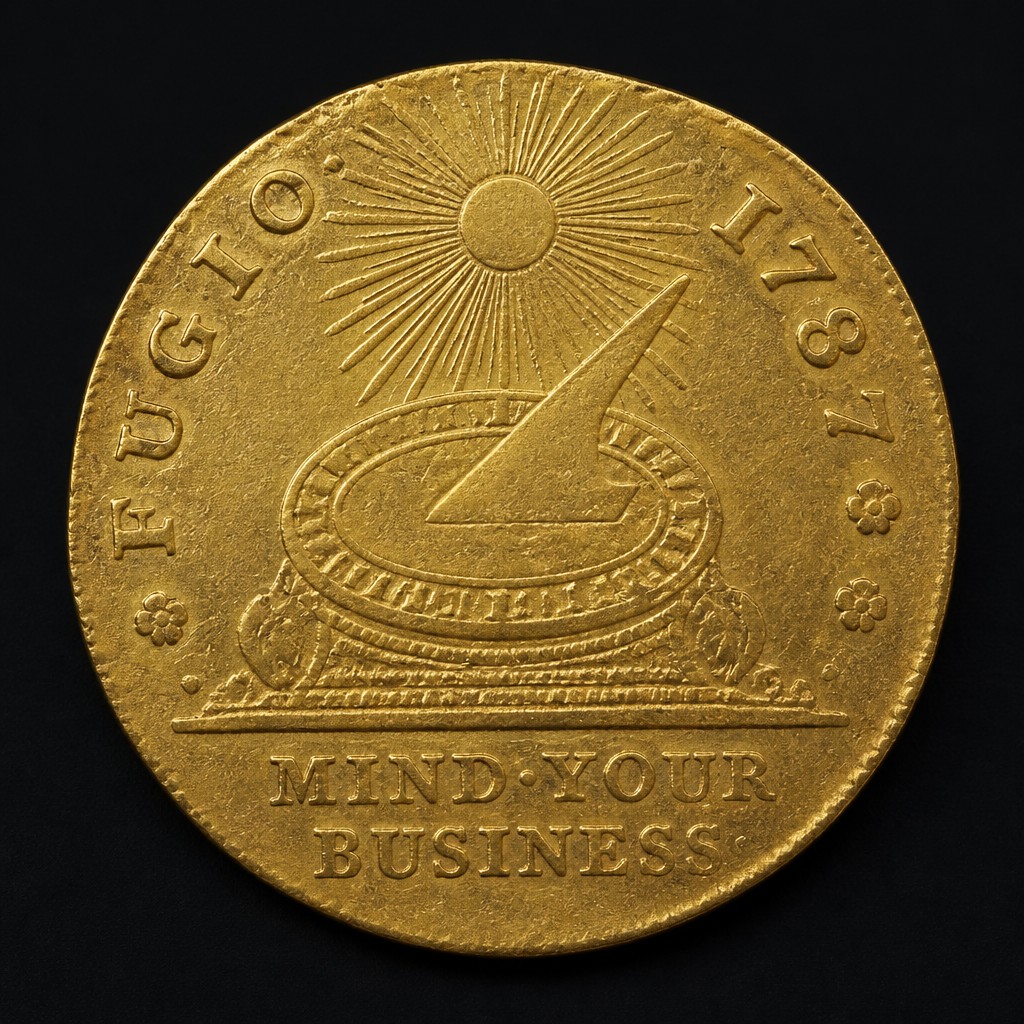
Brasher Doubloon
1787
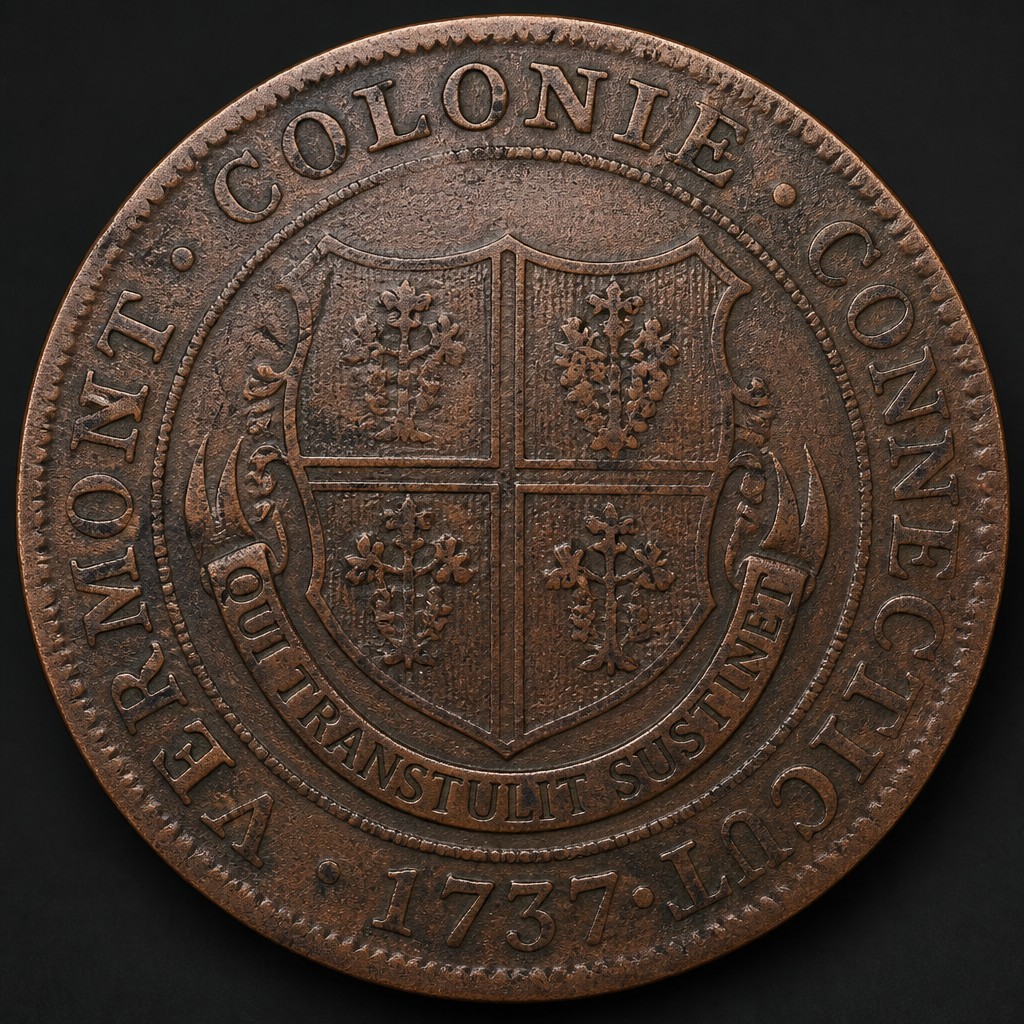
Higley Copper
1737–1739
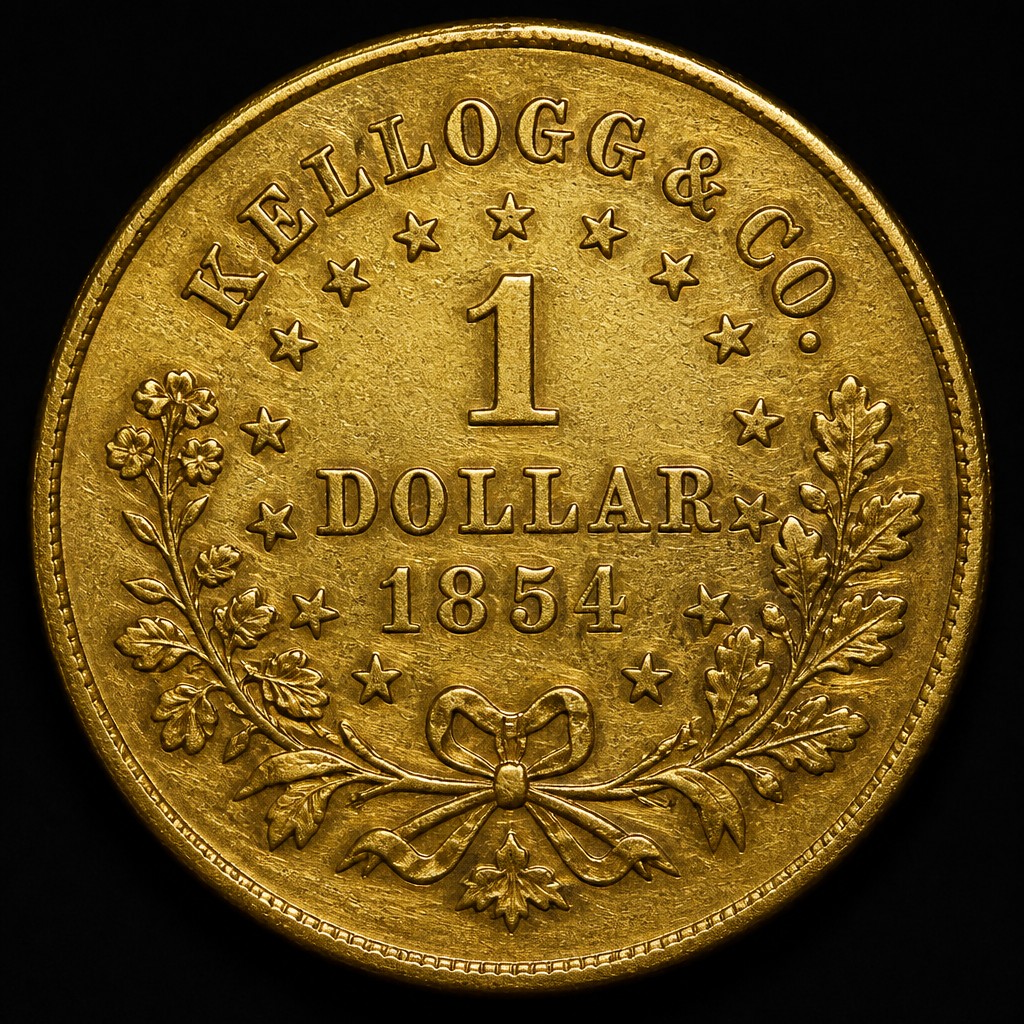
Kellogg & Co. Gold Piece
1854–1855
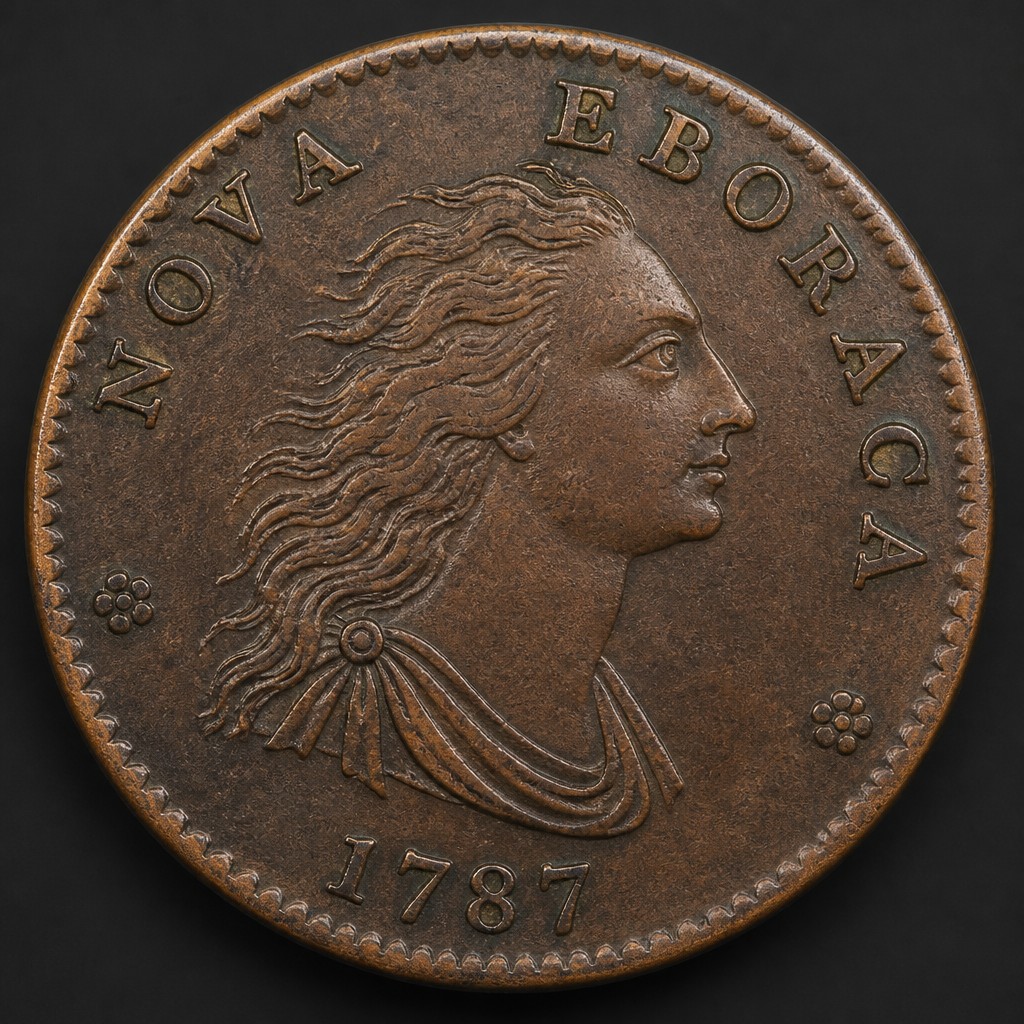
Nova Eborac Copper
1787
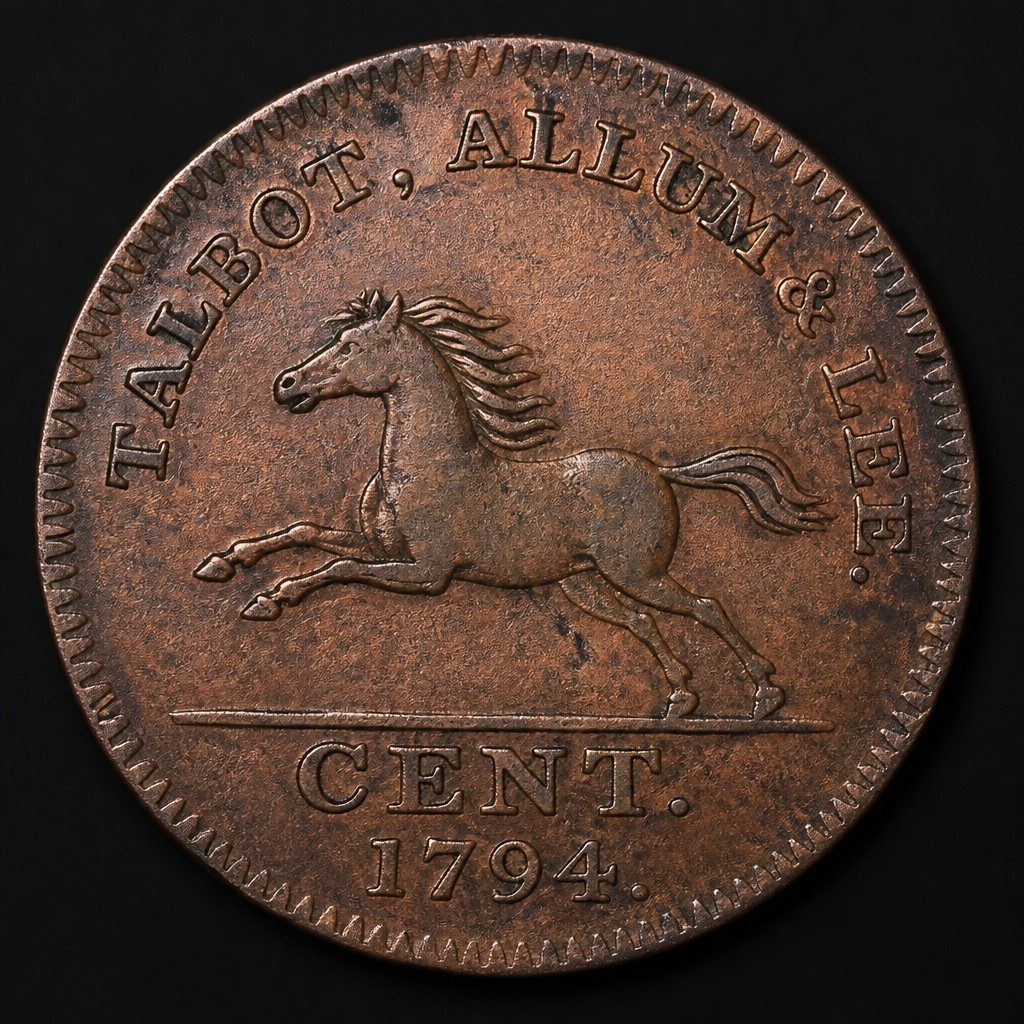
Talbot, Allum & Lee Cent
1794–1795
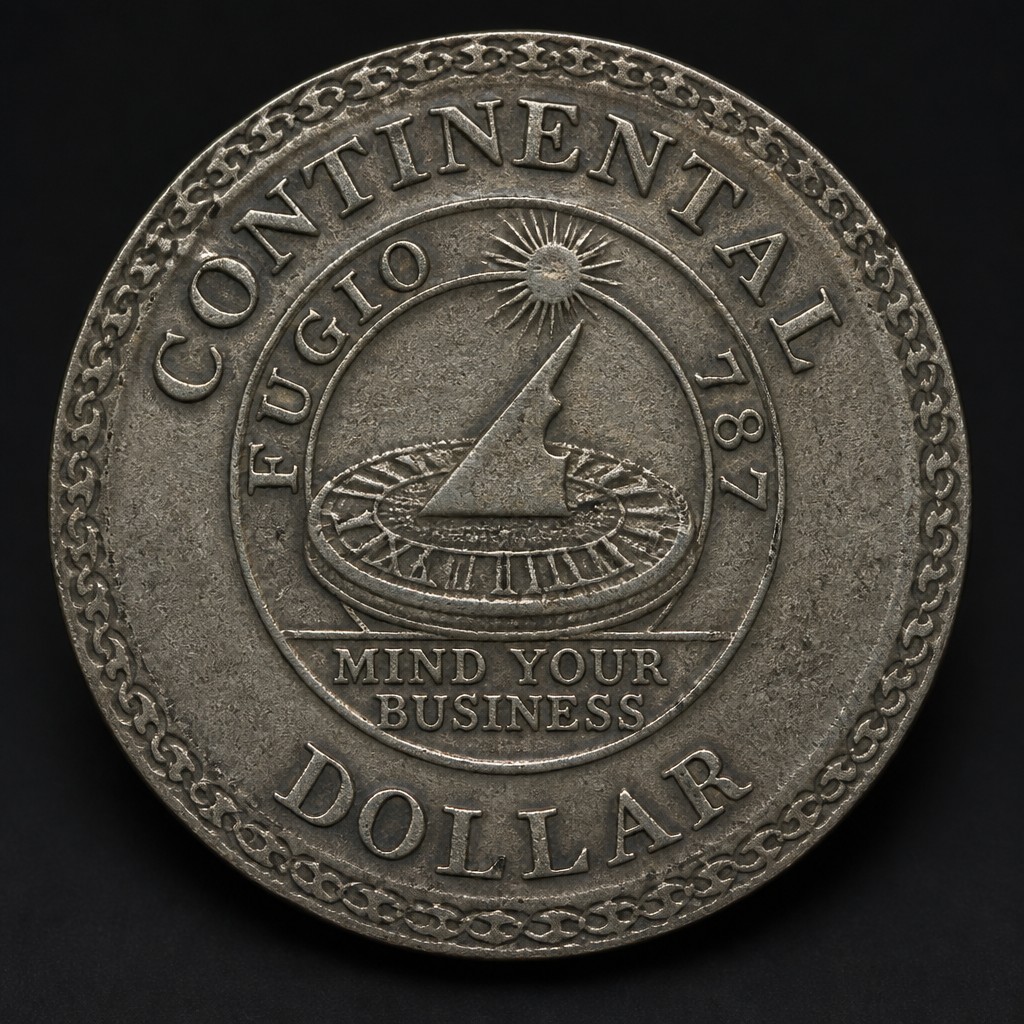
Continental Dollar
1776
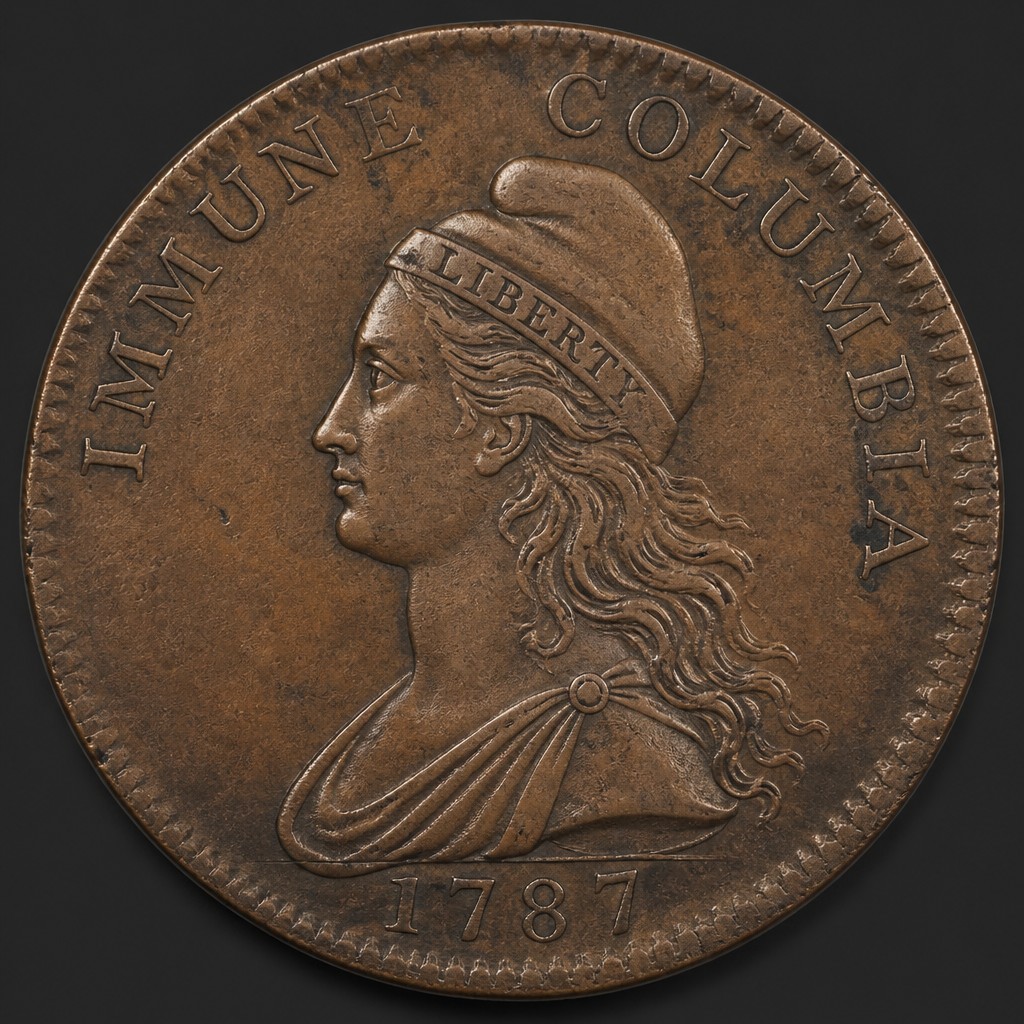
Immune Columbia Copper
circa 1785–1787
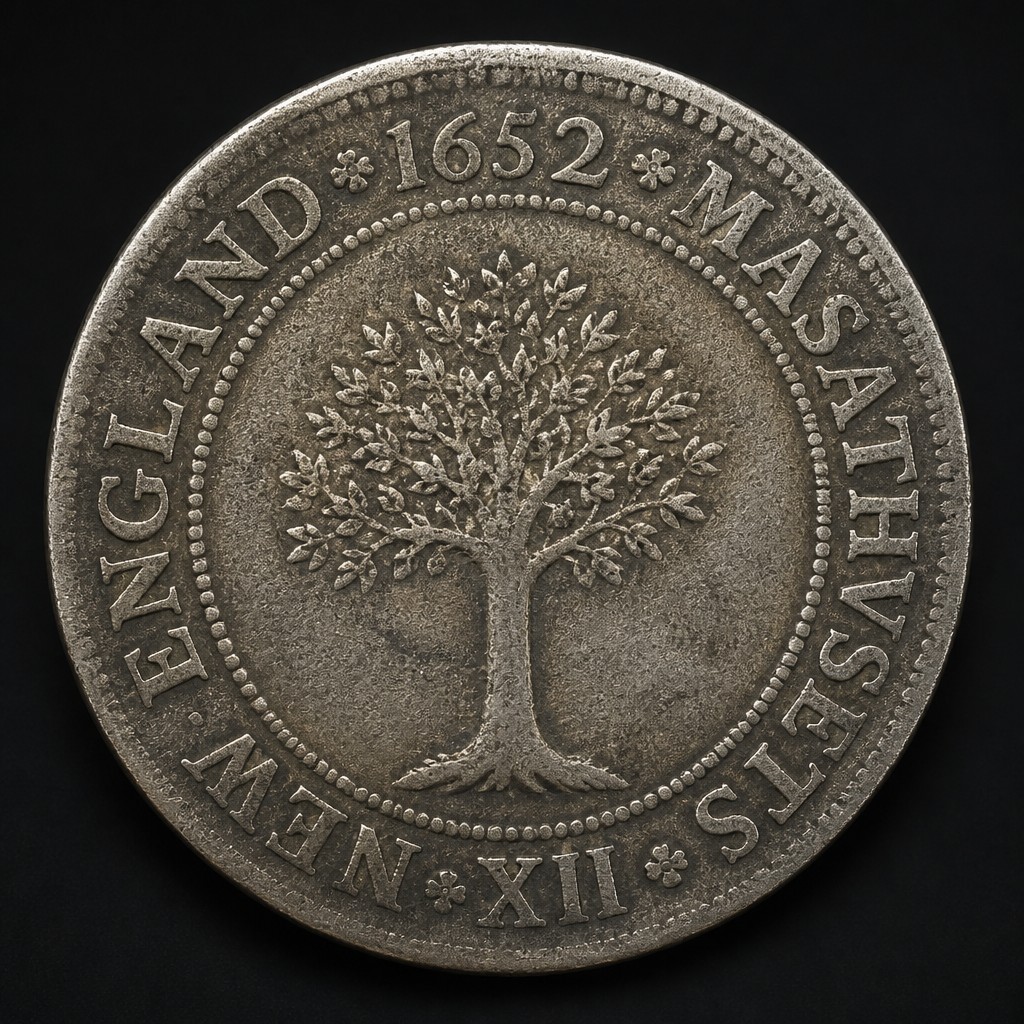
Massachusetts Oak Tree Shilling
Dated 1652, struck circa 1660–1667
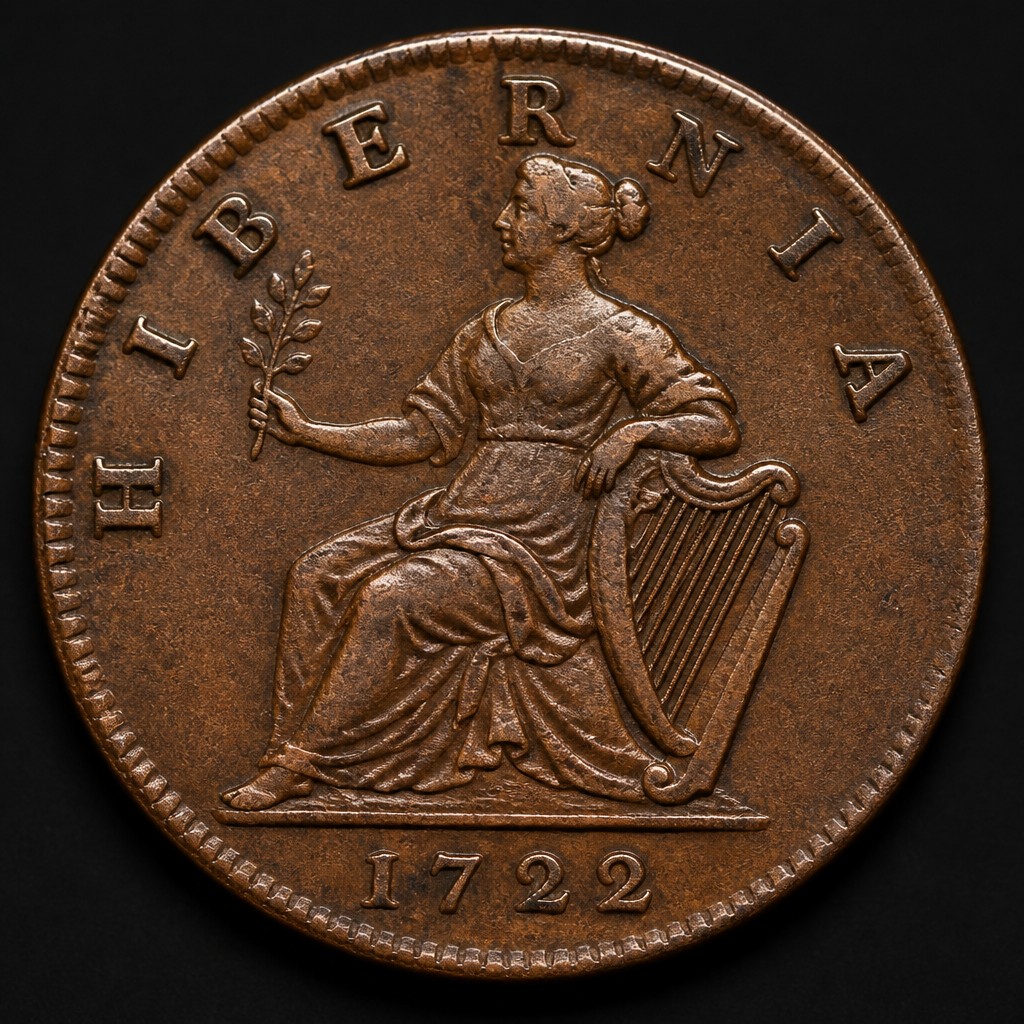
Wood's Hibernia Halfpenny
1722–1724
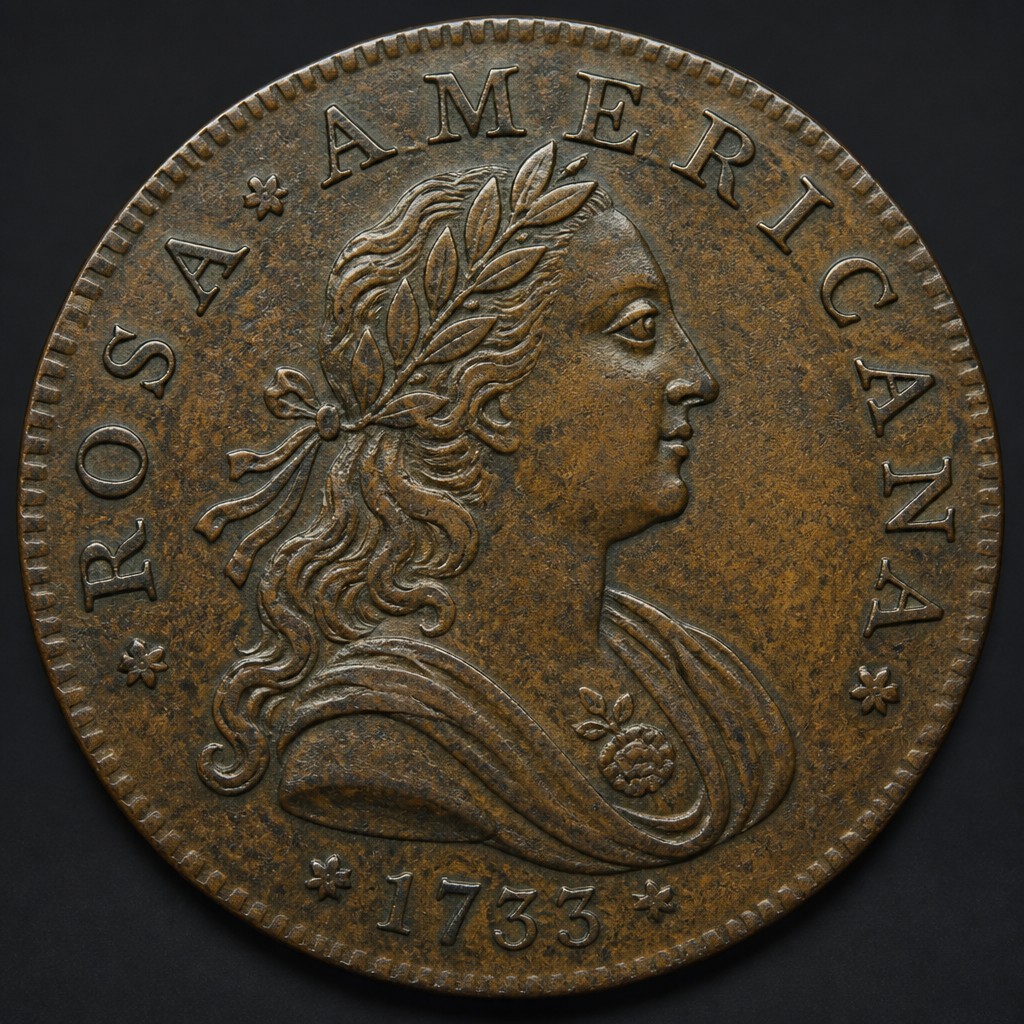
Rosa Americana Coinage
1722–1724 (with pattern issues dated 1733)
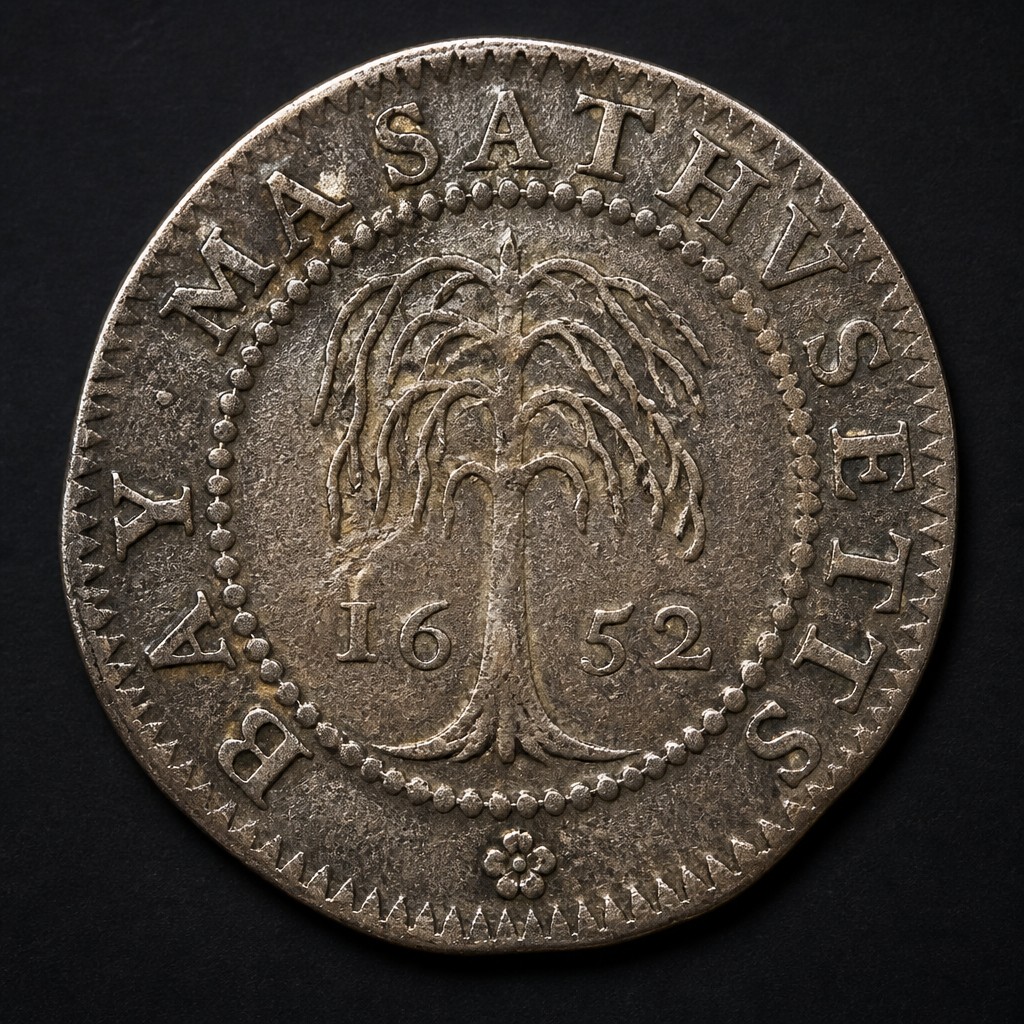
Massachusetts Willow Tree Shilling
Dated 1652, struck circa 1653–1660