
Coin Encyclopedia
Search and identify coins from around the world — with country, denomination, metal, mint, history, and how to tell them apart.
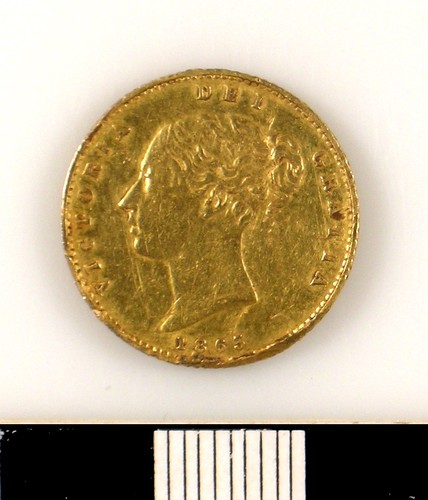
British Half Sovereign
A small 22-carat British gold coin worth ten shillings; the pictured example shows Queen Victoria's left-facing Young Head portrait, dated 1863.
British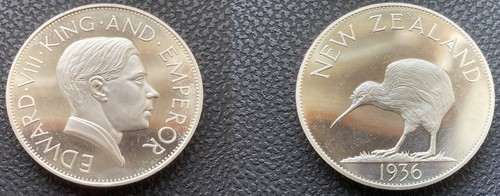
Edward VIII New Zealand Crown
A 1936-dated crown-sized piece pairing an Edward VIII profile with a New Zealand kiwi; a fantasy/novelty issue, not an officially circulated coin.
World Coins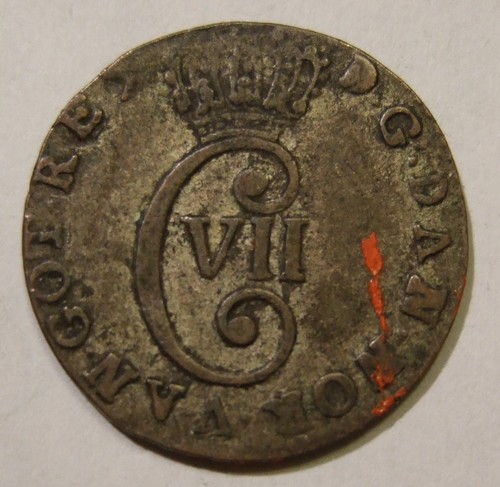
4 Skilling
A Danish copper 4 skilling of 1783, with a crown above a numeral on one face and an ornamental circular pattern framing the date on the other.
Early Modern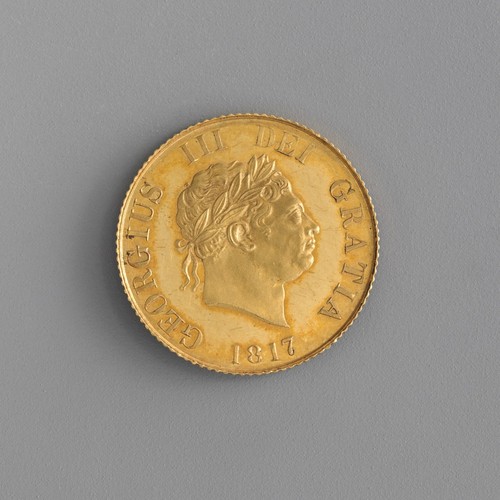
Half Sovereign of George III
British 22-carat gold half sovereign of George III, introduced in 1817 with a laureate bust and a crowned shield of arms; face value ten shillings.
Milled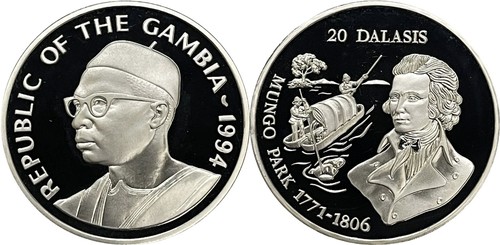
Gambia 20 Dalasis (Mungo Park Commemorative)
A 1994 silver 20 dalasis crown from The Gambia honoring Scottish explorer Mungo Park, shown with a sailing ship on the reverse.
World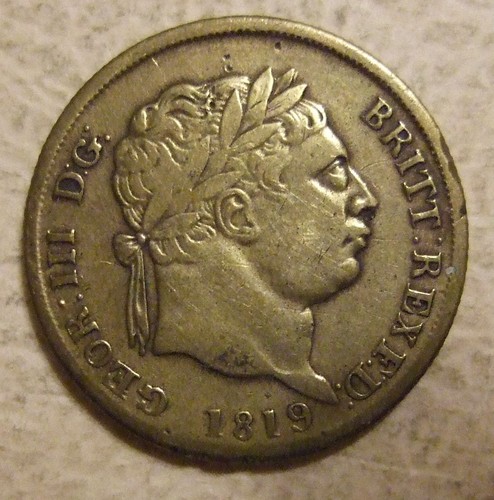
Shilling of George III
A milled silver shilling of George III from the Great Recoinage, with his laureate bust facing right and a crowned quartered royal shield within the Garter.
Milled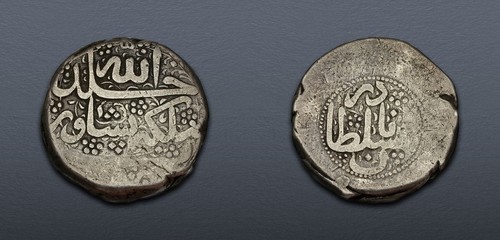
Double Rupi
A large Afsharid silver coin of Nader Shah, the double rupi, dated AH 1151 and covered in flowing Persian calligraphy and ornamental scrollwork.
Historic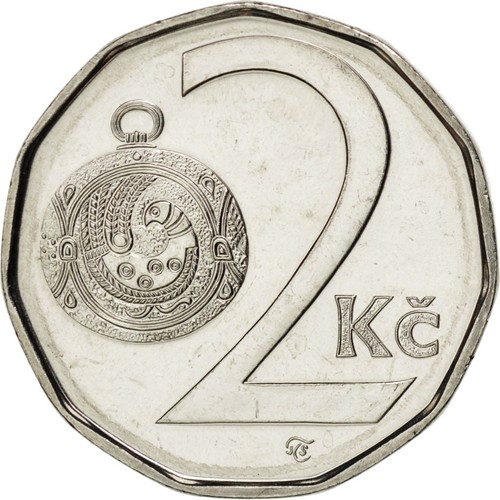
2 Koruny
A circulating Czech Republic coin introduced in 1993, known by its eleven-sided shape, the Czech heraldic lion, and a Great Moravian jewel motif beside 2 Kč.
Modern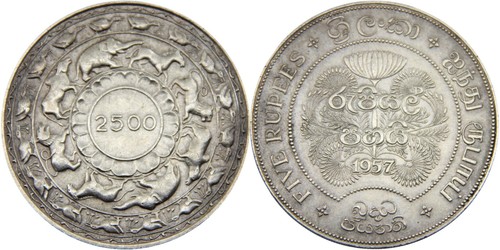
Ceylon 5 Rupees Buddhism Anniversary
Ceylon's 1957 silver five rupees marking 2,500 years of Buddhism, with an ornate 2500 device amid mythological creatures and a scrolled RUPEES reverse.
South Asia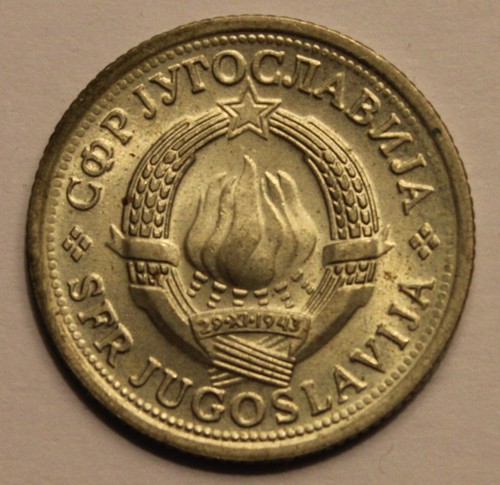
1 Dinar
A base-metal 1 dinar of Socialist Yugoslavia, dated 1978, with a star and SFRJ legend on one side and the socialist state emblem of flaming torches on the other.
Modern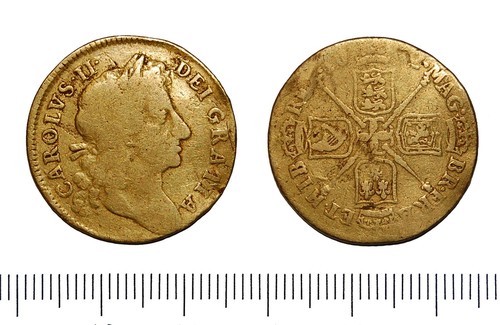
Gold Guinea
English gold coin of the Guinea denomination; the example shown bears the right-facing bust of Charles II with a crowned cruciform shield reverse dated 1668.
World Coins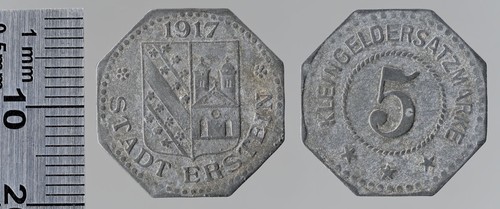
Erstein Notgeld 5 Pfennigs
A World War I emergency small-change coin issued by the town of Erstein in 1917, with the civic coat of arms on one side and a large 5 on the other.
Token/notgeld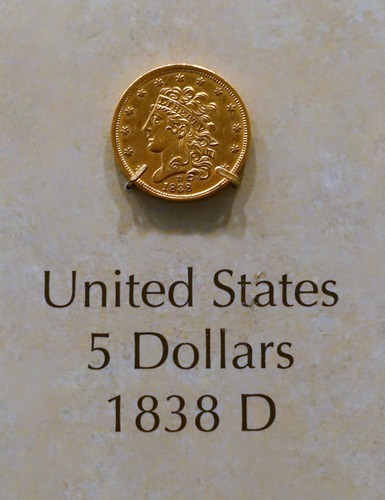
Liberty Head Half Eagle
United States $5 gold coin with a left-facing Liberty head ringed by stars and a spread-winged eagle reverse; the pictured piece is dated 1838.
United States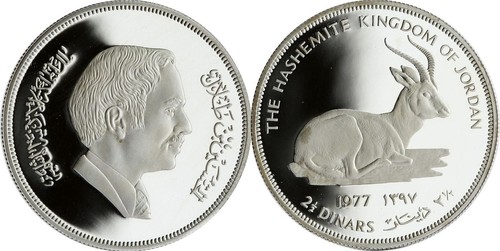
Jordanian 2½ Dinars
A crown-sized 1977 silver commemorative of the Hashemite Kingdom of Jordan, pairing King Hussein's portrait with a standing gazelle from the wildlife-conservation coin theme.
World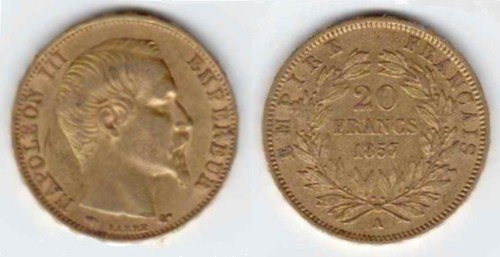
20 Francs Napoleon
A small 21 mm French gold coin bearing Napoleon III's profile and a wreathed 20 FRANCS reverse — the classic gold Napoleon, here dated 1857.
Bullion
Gold Sovereign
The British gold sovereign: a one-pound gold coin. This 1817 George III example shows a laureate bust and a crowned heraldic shield of the royal arms.
World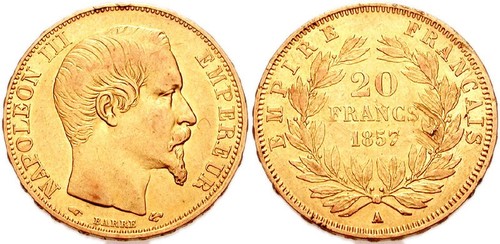
Napoleon III 20 Francs
French gold 20 francs of Emperor Napoleon III, showing his bare head facing right and a wreathed value on the reverse; example dated 1857.
World Coins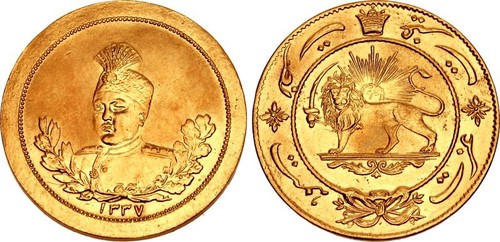
Qajar 5 Tomans Commemorative
A late Qajar gold 5 Tomans of Persia showing Ahmad Shah Qajar in a laurel wreath and the national Lion emblem, dated 1299.
Persia / Iran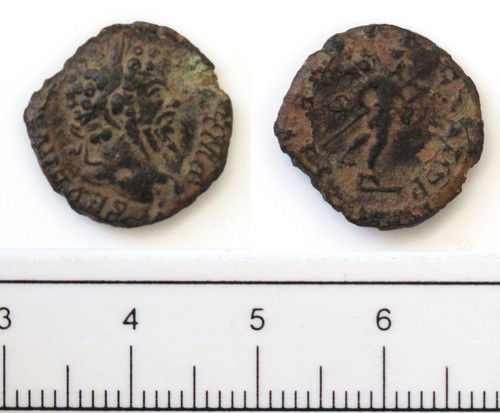
Denarius of Septimius Severus
Silver denarius of the Roman emperor Septimius Severus (193–211 AD), showing his laureate head and a standing reverse figure.
Ancient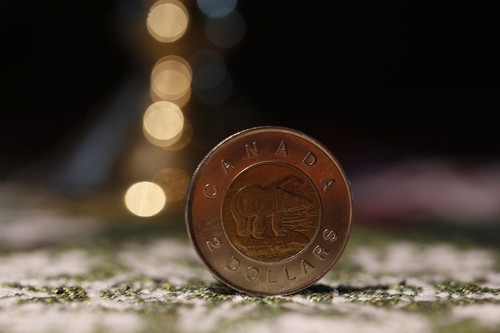
Canadian Two Dollar (Toonie)
Canada's bimetallic $2 coin, introduced in 1996 with a polar bear design; universally nicknamed the 'toonie' after the loonie dollar.
Canadian & Provincial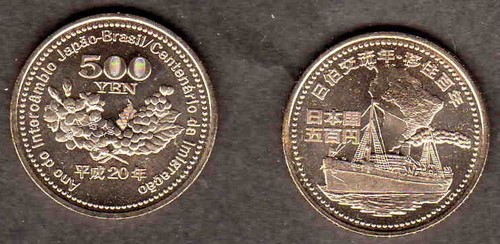
500 Yen Japanese Immigration Commemorative
A 2008 Japanese 500 yen commemorative marking 100 years of Japanese immigration to Brazil, with two figures on one side and a ship on the other.
Commemorative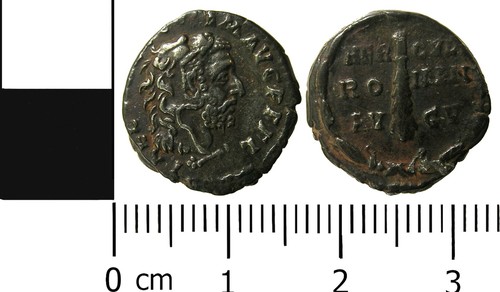
Denarius of Commodus
A silver denarius of the Roman emperor Commodus (180–192 AD), with his laureate bearded portrait and a standing deity or personification on the reverse.
Ancient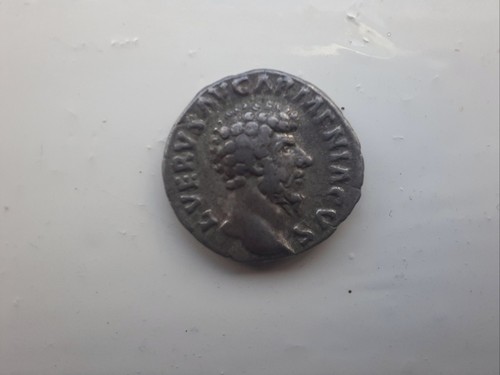
Denarius of Lucius Verus
A silver Roman denarius of the emperor Lucius Verus (161–169 AD), showing his curly-haired, bearded portrait facing right with a Latin legend.
Ancient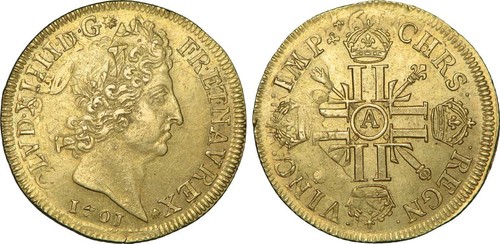
Double Louis d'Or
A large gold coin of Louis XIV dated 1701: the king's laureate profile and 'LUDOVICUS MAGNUS' obverse, an ornate cross of arms reverse.
Royal