
Coin Encyclopedia
Search and identify coins from around the world — with country, denomination, metal, mint, history, and how to tell them apart.
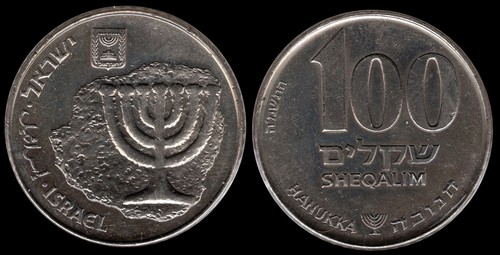
Israel 100 Sheqalim Hanukka Commemorative
A 1985 Israeli silver commemorative for the festival of Hanukka, its obverse dominated by a menorah and festive lamp motif.
World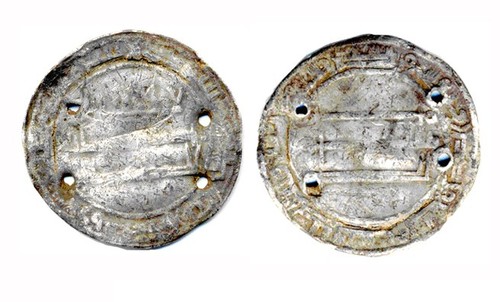
Imitation Abbasid Dirham
A thin, broad silver coin that copies an Abbasid dirham but was struck in northern Europe, with blundered pseudo-Kufic script and a piercing for wear.
Islamic (Medieval)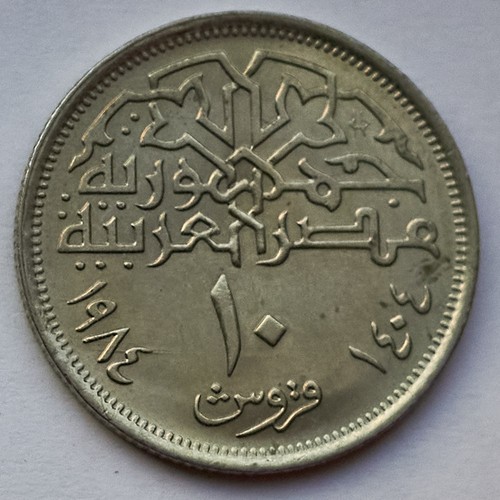
Egyptian 10 Piastres Commemorative
A cupro-nickel Egyptian 10 piastres commemorative dated 1984, showing a domed mosque on one face and Arabic legends throughout.
World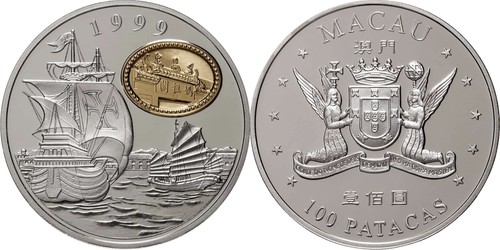
Macao 100 Patacas Return to China Commemorative
A 1999 Macao 100 patacas commemorative marking the return to China: a Portuguese ship with a gold center on one side, the Macao coat of arms on the other.
Commemorative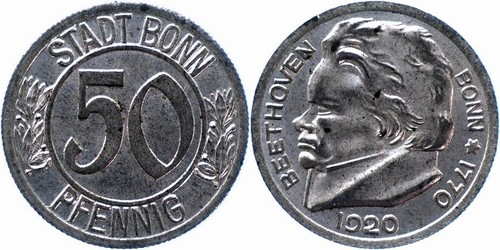
Bonn Notgeld 50 Pfennig
A German emergency-money (Notgeld) 50 Pfennig of the city of Bonn, dated 1920, with the civic arms on the obverse and a Beethoven profile on the reverse.
Token/notgeld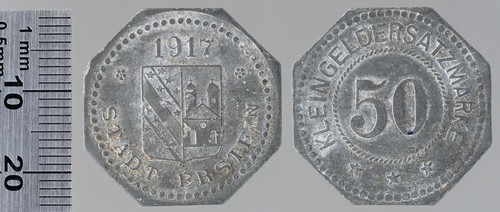
Erstein Notgeld 50 Pfennigs
A 1917 German emergency-money token for 50 Pfennigs from Erstein in Alsace, with the town coat of arms on the obverse and a large 50 on the reverse.
Token/notgeld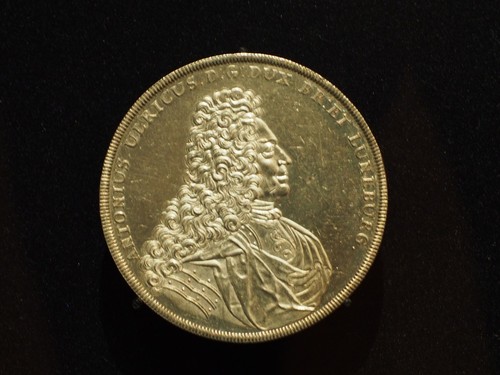
Schaummünze Gold Thaler
A 17th-century German gold Schaummünze in thaler form, its obverse showing a bearded profile portrait of Anton Ulrich flanked by two standing figures.
Medal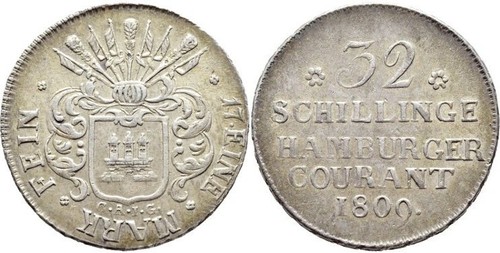
Hamburg 32 Schilling
A 1800 silver 32 Schilling of the Free City of Hamburg, with the city coat of arms and a 'HAMBURGER COURANT' reverse.
German States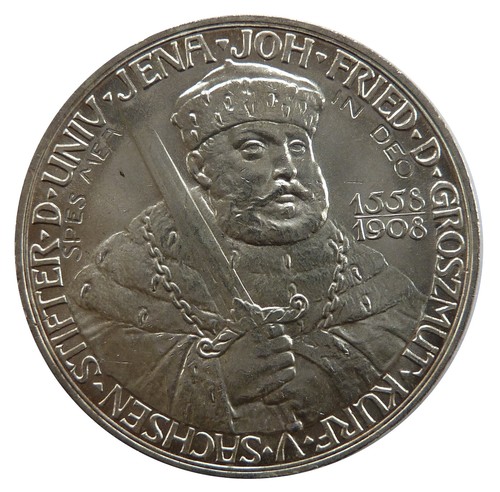
Sachsen-Weimar-Eisenach 5 Mark Commemorative
An 1908 German Empire 5 Mark silver commemorative of Saxe-Weimar-Eisenach marking the University of Jena's jubilee, with the founder's capped portrait.
Commemorative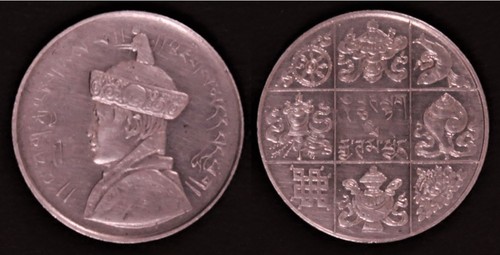
India Half Rupee (Copper)
Copper coin bearing a lion design with the English legend 'HALF RUPEE INDIA' and the date 1947, dated to the year of Indian independence.
Modern India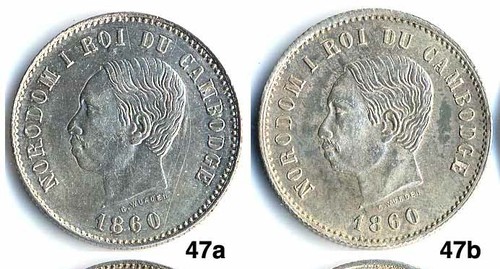
Cambodia Two Francs
A crown-sized Cambodian Two Francs of King Norodom I, its obverse a royal profile and DEUX FRANCS reverse over a crowned coat of arms; dated 1860 but long restruck.
Southeast Asia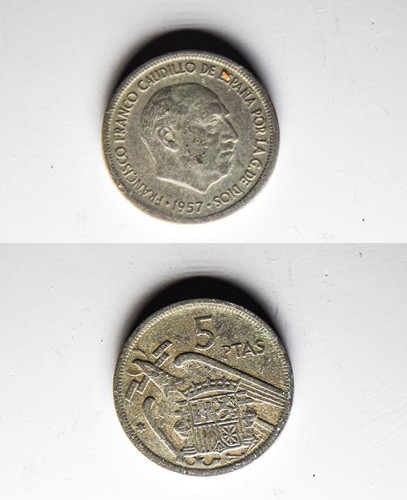
25 Pesetas (Franco)
Spain's common Franco-era 25 pesetas, a silvery copper-nickel coin bearing the national coat of arms and the value 25; dated 1957 but struck into the 1970s.
Modern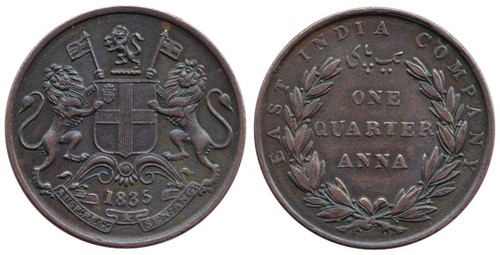
East India Company Quarter Anna
Large copper 1/4 anna of the East India Company dated 1835, with a heraldic lion-and-shield obverse and a laurel-wreath reverse.
British India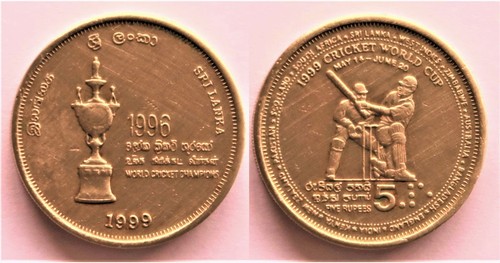
Sri Lanka 5 Rupees
Sri Lanka's 1999 copper-nickel five rupees marking the Cricket World Cup, showing the tournament trophy on one face and a batsman at the crease on the other.
South Asia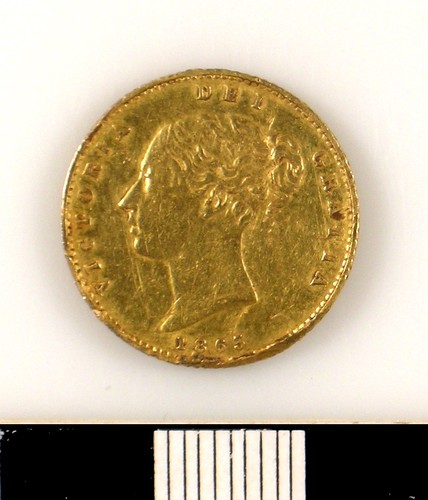
British Half Sovereign
A small 22-carat British gold coin worth ten shillings; the pictured example shows Queen Victoria's left-facing Young Head portrait, dated 1863.
British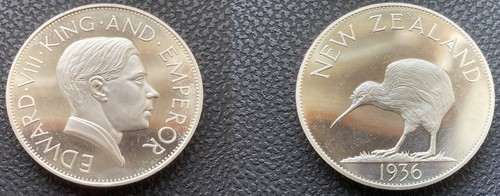
Edward VIII New Zealand Crown
A 1936-dated crown-sized piece pairing an Edward VIII profile with a New Zealand kiwi; a fantasy/novelty issue, not an officially circulated coin.
World Coins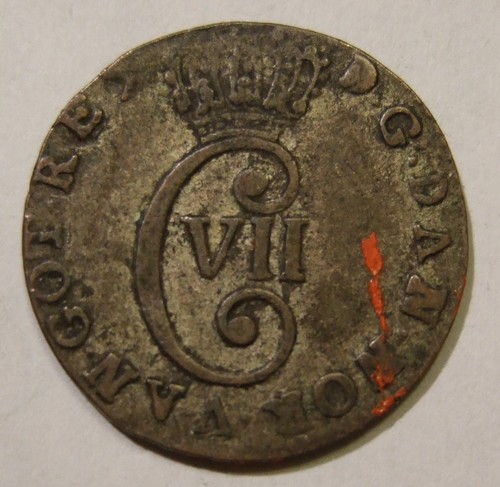
4 Skilling
A Danish copper 4 skilling of 1783, with a crown above a numeral on one face and an ornamental circular pattern framing the date on the other.
Early Modern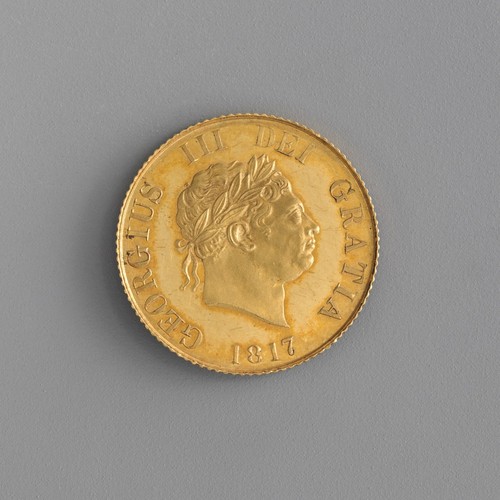
Half Sovereign of George III
British 22-carat gold half sovereign of George III, introduced in 1817 with a laureate bust and a crowned shield of arms; face value ten shillings.
Milled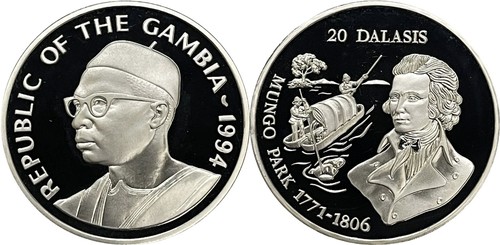
Gambia 20 Dalasis (Mungo Park Commemorative)
A 1994 silver 20 dalasis crown from The Gambia honoring Scottish explorer Mungo Park, shown with a sailing ship on the reverse.
World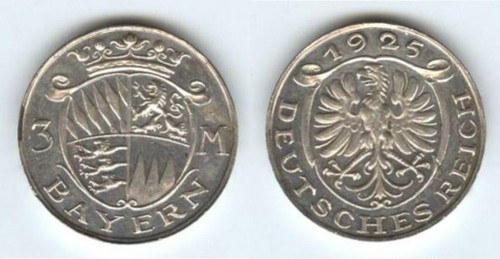
Bavaria 3 Mark
A silver 3 Mark tied to Bavaria, pairing the crowned Bavarian shield with its rampant lion against a German imperial eagle, dated 1925.
Circulation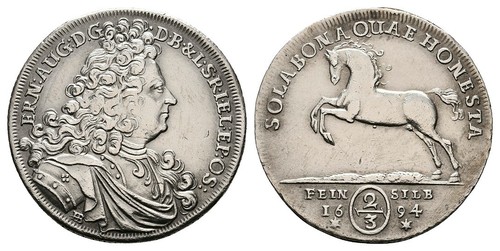
Hanover 2/3 Thaler
A large German States silver 2/3 Thaler of Brunswick-Luneburg (Hanover) dated 1694, with an ornate coat of arms and the leaping Saxon horse reverse.
German States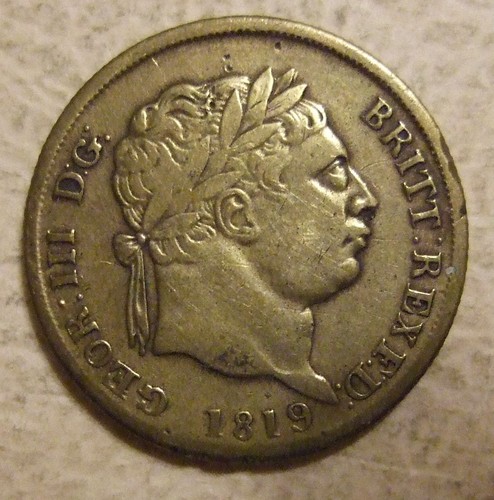
Shilling of George III
A milled silver shilling of George III from the Great Recoinage, with his laureate bust facing right and a crowned quartered royal shield within the Garter.
Milled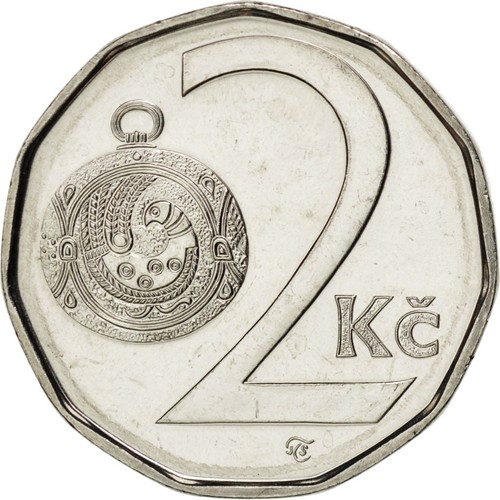
2 Koruny
A circulating Czech Republic coin introduced in 1993, known by its eleven-sided shape, the Czech heraldic lion, and a Great Moravian jewel motif beside 2 Kč.
Modern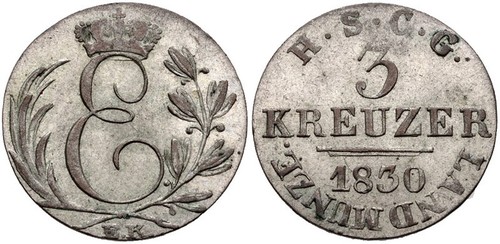
Gotha 3 Kreuzer
A small silver 3 Kreuzer of the German state of Gotha, dated 1830, with an ornate armorial obverse and a laurel-wreath value reverse.
German States