
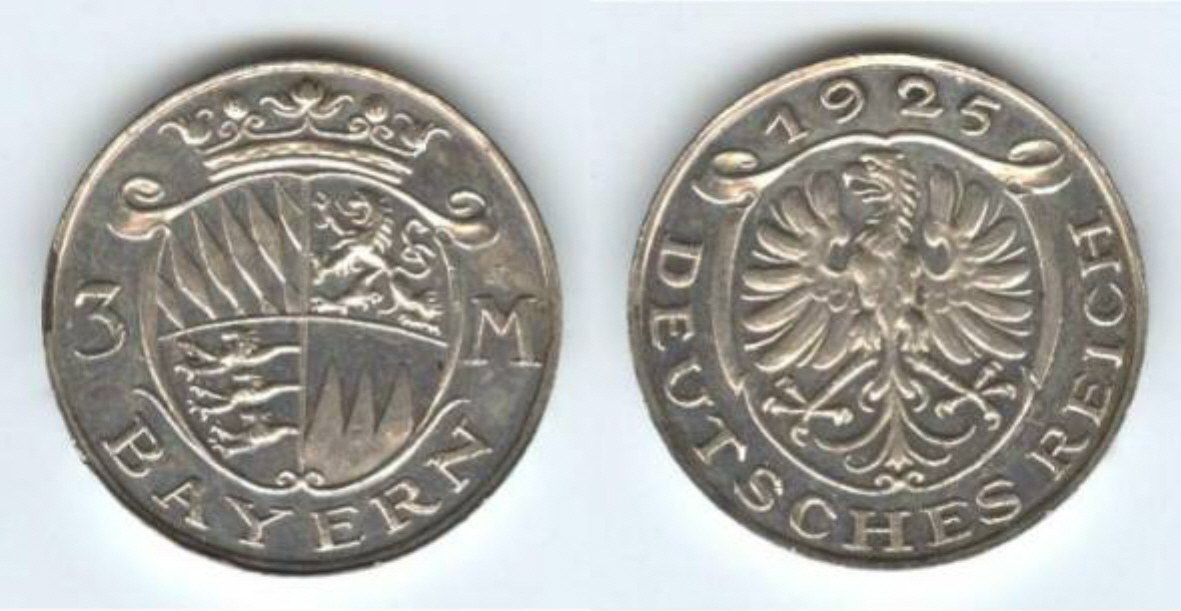
Bavaria 3 Mark
A silver 3 Mark tied to Bavaria, pairing the crowned Bavarian shield with its rampant lion against a German imperial eagle, dated 1925.
- Country
- Germany (Bavaria)
- Denomination
- 3 Mark
- Metal
- Silver
Got a coin like this?
Identify any coin from a photo, free.
Overview
The Bavaria 3 Mark is a silver three-Mark coin linked to Bavaria within the wider German monetary system. The example shown is dated 1925 and combines two emblems: the crowned Bavarian coat of arms with its rampant lion on the obverse and a German eagle with outstretched wings on the reverse.
The pairing tells a story of dual identity. The Bavarian shield and lion mark the coin as belonging to Bavaria, one of the historic German states, while the national eagle signals its place in Germany's shared Mark currency. The 3 Mark denomination sits above the smaller silver and base-metal coins but below the largest silver pieces.
As a silver coin carrying a specific state's arms alongside a national eagle, it is collected today as a German silver type. Because the 1925 date falls at the boundary between the pre-1918 imperial state-coinage tradition and the later Weimar-era national issues, collectors should confirm the exact type before attributing it.
History & Background
Under the German Empire, the Mark was introduced in the 1870s as a unified national currency, but the individual states retained the right to place their own rulers and arms on the larger silver coins. Bavaria, as one of the most important German kingdoms, struck 2, 3, and 5 Mark silver pieces bearing Bavarian devices while sharing the reverse German imperial eagle used across the whole empire. This is the tradition to which the Bavarian shield-and-eagle design belongs.
After 1918 the monarchies fell and Germany became a republic. National coinage was reorganised, and from the mid-1920s the country issued Reichsmark silver coins for the whole country rather than separate coins for each former kingdom. A 3 Mark or 3 Reichsmark piece dated 1925 therefore sits in this later, republican period, when heraldic and commemorative designs replaced the old royal portraits.
Because the coin shown pairs a state coat of arms with a national eagle and carries the 1925 date, its exact status is best confirmed against catalogued types. The safest reading is that it is a silver German 3 Mark of the mid-1920s using Bavarian heraldry; the specific issue, mint, and whether it is a circulating coin, commemorative, or later replica should be verified from the legends and edge before firm attribution.
How to Identify
Obverse: the Bavarian coat of arms — a shield charged with a rampant lion and set beneath an ornate crown, often flanked by supporters or ornament. This crowned lion shield is the defining Bavarian emblem and immediately ties the coin to Bavaria rather than another German state.
Reverse: a German eagle with outstretched wings, the national emblem, typically surrounded by a legend and the denomination and date. The presence of the value 3 Mark together with the date 1925 confirms the denomination and year; read the surrounding legend to establish whether it names the German Reich or a Bavarian authority.
Physical clues: a mid-sized silver coin, larger and heavier than the 1 and 2 Mark pieces but smaller than a 5 Mark. Expect a reeded (milled) edge, a diameter in the region of a large silver coin, and the pale grey tone of circulated silver. Weigh and measure any candidate and match it to published figures for the German 3 Mark, since size and weight are strong confirmations of the type.
Value & Collectibility
Value depends heavily on condition, exact type, and demand. Well-worn circulated German silver 3 Mark coins are widely collected and generally affordable, while sharp, lightly worn, or scarce-date and scarce-mint examples command clear premiums. Popular commemorative reverses can add appeal beyond the plain silver content.
The coin contains a meaningful amount of silver, so its metal value forms a base under common pieces, but for better examples numismatic factors — grade, eye appeal, mint mark, and specific type — dominate pricing. Because 1920s German silver was widely reproduced and also faked, an authenticated genuine example is worth substantially more than an unverified one.
Exact prices vary with the specific date, mint, variety, and grade, and the market shifts over time. Treat any single figure as approximate: compare recent sales of the same type in similar condition, and obtain third-party grading or a specialist opinion for higher-value pieces.
Frequently asked questions
What is shown on the Bavaria 3 Mark?
The obverse shows the crowned Bavarian coat of arms with its rampant lion, and the reverse shows a German eagle with outstretched wings along with the denomination and the 1925 date.
Why does it carry both a Bavarian shield and a German eagle?
The Bavarian arms mark the coin's regional identity while the national eagle marks it as part of Germany's shared Mark currency. German silver coinage long paired state emblems with the national eagle.
What metal is it made of?
It is silver. The 3 Mark was one of the mid-value silver denominations in the German system, larger than the 1 and 2 Mark coins but smaller than the 5 Mark.
Is a 1925 date unusual for this design?
The state-arms-plus-eagle style is rooted in the pre-1918 imperial coinage, while 1925 falls in the later republican period. Confirm the exact type from the legends, since the date sits at the boundary of two coinage eras.
Is the Bavaria 3 Mark rare?
It depends on the exact issue. Common types in worn condition are affordable, while scarce dates, mints, or high grades are far scarcer and worth more. Values are driven mainly by type and condition.
Bavaria 3 Mark guides
In-depth guides for identifying, valuing, and collecting Bavaria 3 Mark.
Other coins you may enjoy
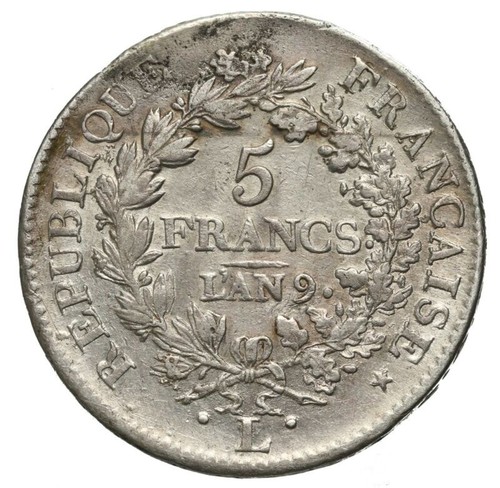
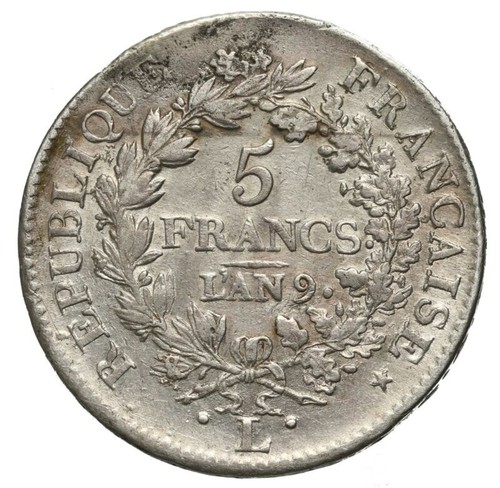
5 Francs (First Republic)
L'an 9 (1800–1801)
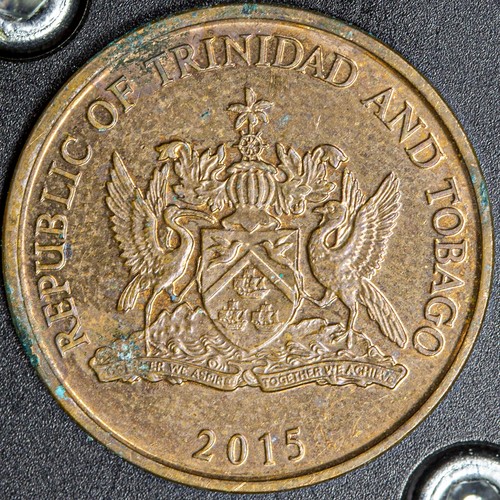
Trinidad and Tobago Dollar
2015
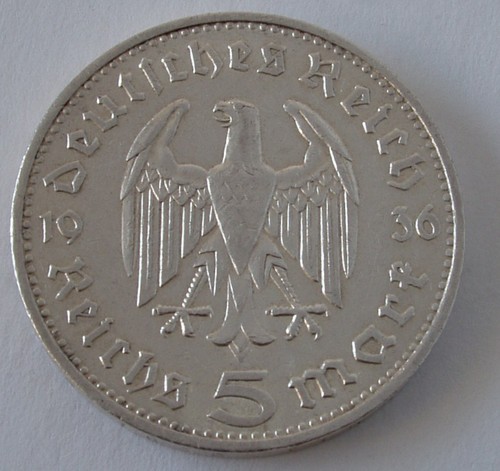
German 5 Reichsmark (Hindenburg)
1935–1936 (Hindenburg type with swastika)
5 Francs Semeuse
1960–1969
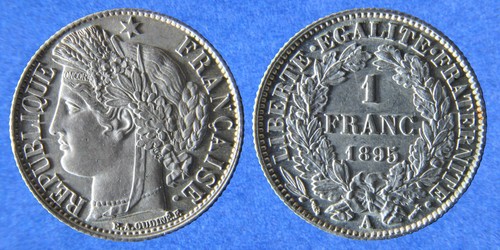
French Cérès 1 Franc
1849–1895
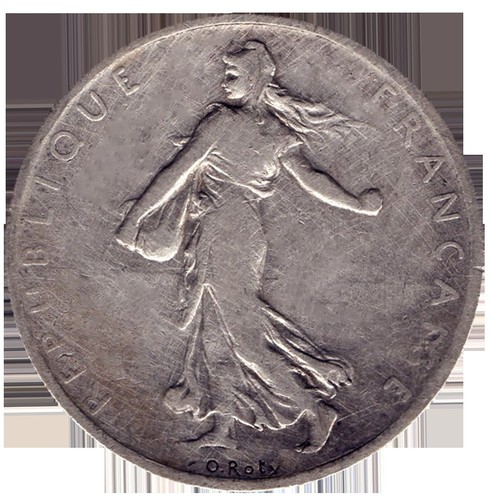
French Semeuse 2 Francs
1898–1920 (silver issues; pictured example dated 1899)
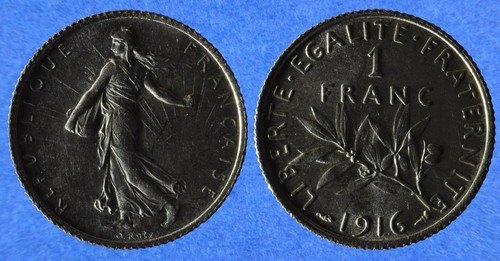
French Semeuse 1 Franc
1898–1920 (silver Semeuse 1 franc type)
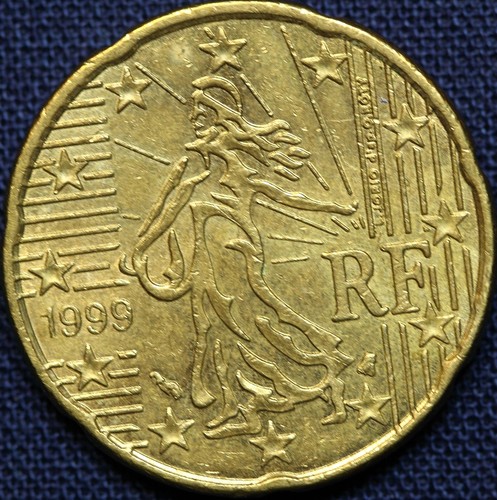
France 50 Cent Euro
1999–present
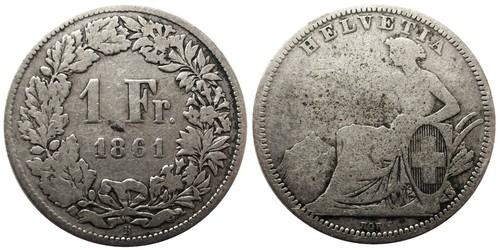
Swiss 1 Franc
1861
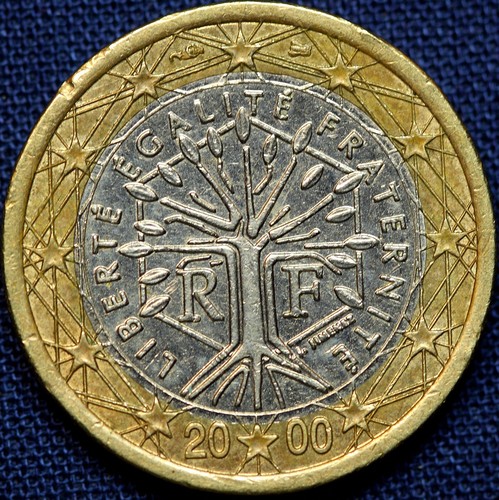
France 20 Centimes
1962–2001 (Fifth Republic, Marianne / Lagriffoul type)
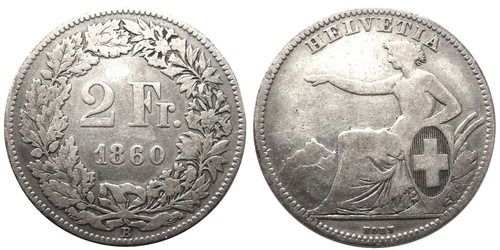
Swiss 2 Francs
1860
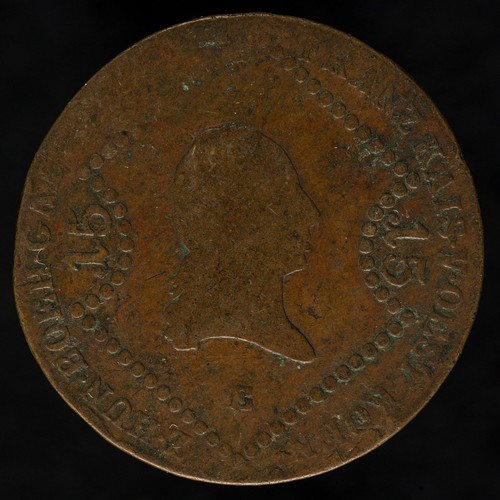
Austria-Hungary 15 Kreuzer
1807