
Coin Encyclopedia
Search and identify coins from around the world — with country, denomination, metal, mint, history, and how to tell them apart.
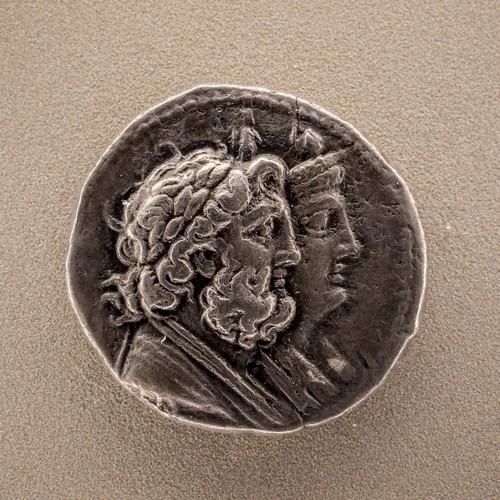
Gold Tetradrachm of Ptolemy II and Arsinoe II
Ptolemaic gold of Egypt, c. 260-240 BC, with paired busts of Ptolemy II and Arsinoe II on one side and Ptolemy I and Berenike I on the other.
Ancient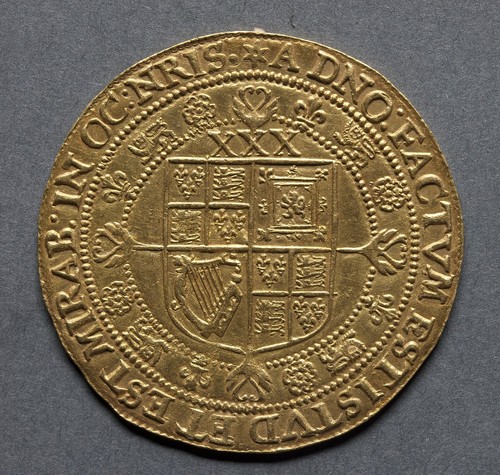
Edward IV Ryal
English medieval gold coin of Edward IV showing the king armored in a ship with a shield, and a radiant rose-on-sun design on the reverse.
Medieval Coins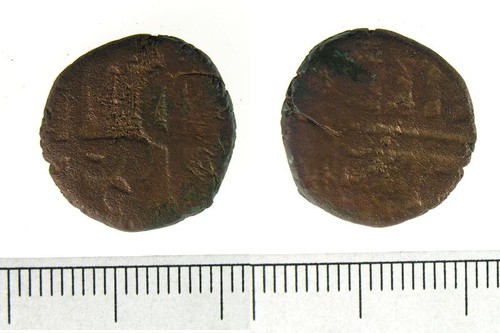
Indian Paisa
A hand-struck copper paisa from early 19th-century India, its legends worn smooth by age and circulation. A humble base-metal coin of everyday commerce.
Princely & Presidency States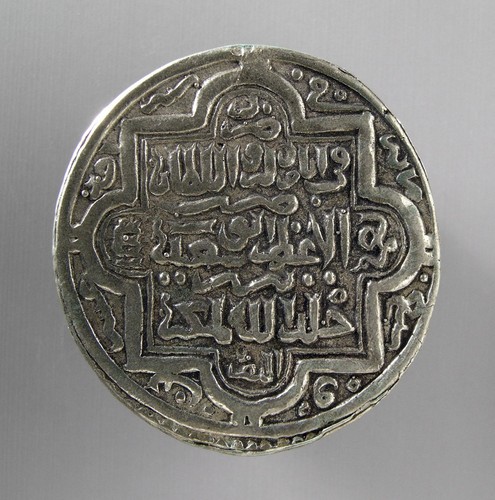
Ilkhanid Dirham
A hand-struck silver dirham of the Mongol Ilkhanate, covered in Arabic and Persian inscriptions arranged in a quatrefoil cartouche and concentric bands.
Islamic (Medieval)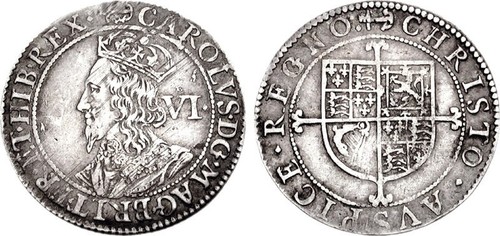
Charles I Sixpence
A hammered Stuart silver sixpence of Charles I, showing his crowned profile bust and a shield of arms, struck during the troubled decade of the English Civil War.
Hammered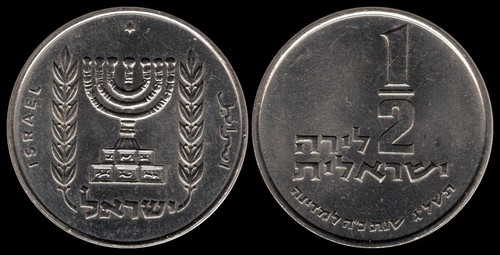
Israel Half Lira (25th Anniversary)
A silver Israeli half lira dated 1973, the year the young state marked 25 years of independence, carrying a menorah-and-sprigs emblem and a Hebrew value.
World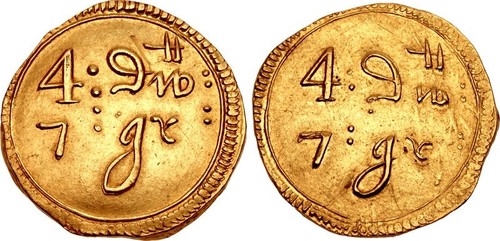
Irish Pistole
A rare hammered gold emergency coin of 1640s Ireland, marked with its weight in pennyweights and grains rather than a portrait, and rated as a pistole.
Hammered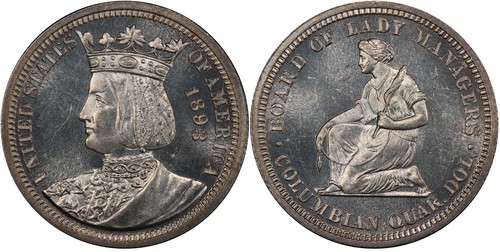
Isabella Quarter
The 1893 Isabella Quarter is the only U.S. commemorative quarter dollar, made for the Columbian Exposition's Board of Lady Managers.
Classic Commemorative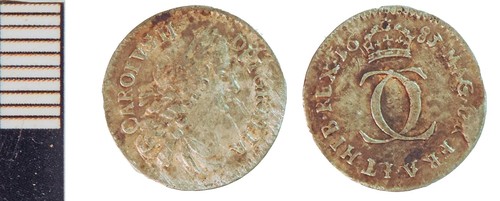
Charles II Twopence
A small milled twopence of Charles II, showing the king's profile bust on the obverse and a crowned mark of value on the reverse.
Milled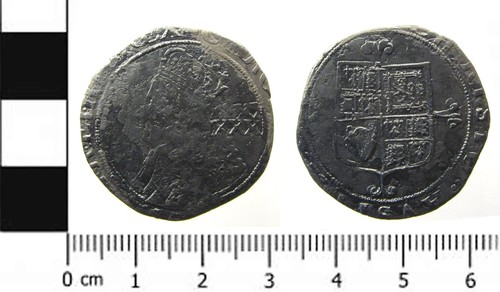
Charles II Half Crown
A milled silver half crown of Charles II, showing his laureate bust facing right and crowned royal-arms shields on the reverse.
Milled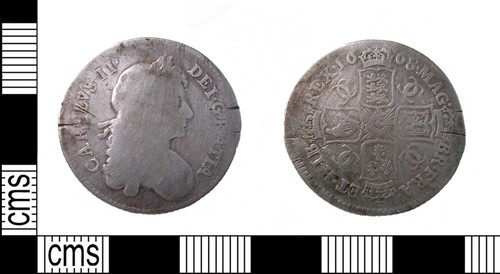
Charles II Shilling
A machine-struck Stuart silver shilling of Charles II, with his laureate bust facing right and a reverse of crowned shields bearing the royal arms.
Milled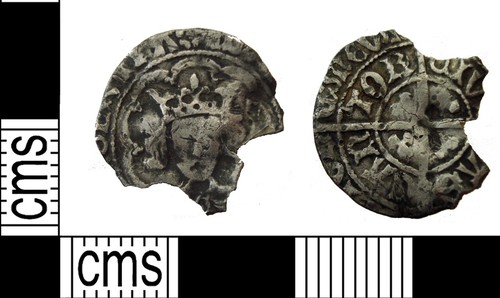
Edward IV Half Groat
Hammered silver half groat (twopence) of Edward IV, with a crowned royal bust and a long-cross reverse, struck at English mints between 1461 and 1483.
Medieval Coins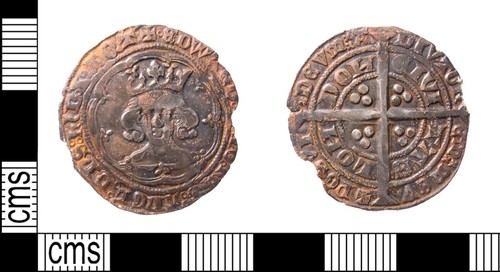
Edward III Groat
Hammered silver fourpence of King Edward III, showing a crowned bust of the king and a long cross with pellets in the quarters.
Medieval Coins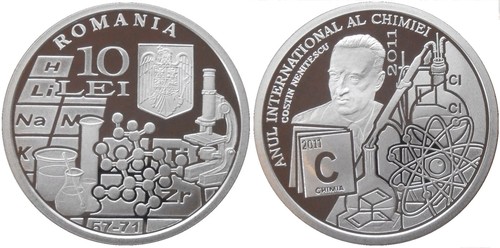
Romania International Year of Chemistry Commemorative
Romanian silver 10 lei commemorative dated 2011, issued for the International Year of Chemistry with molecular, laboratory and scientist imagery.
Commemorative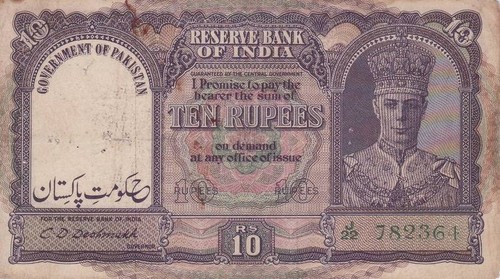
India 10 Rupees
A silver-era Indian coin carrying the profile of King George VI, struck during the final years of British India and the transition to the Republic.
Circulation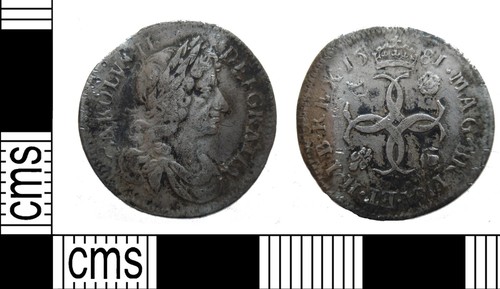
Charles II Fourpence
A small milled sterling silver fourpence of Charles II, with his laureate bust and a crowned cipher of interlinked C's flanked by the national emblems.
Milled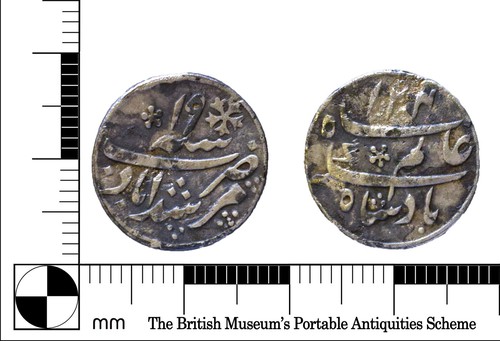
Mughal Islamic Rupee
A hand-struck silver rupee of the Mughal Empire, filled edge to edge with Persian and Arabic script naming the emperor, mint, and regnal year.
Islamic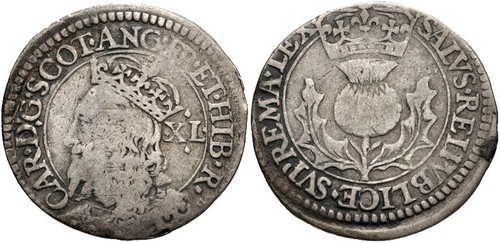
Charles I Forty Pence
A hammered silver forty-pence piece of Charles I, showing his crowned armored bust and a crowned heraldic shield with the motto PRO REGE ET LEGE.
Hammered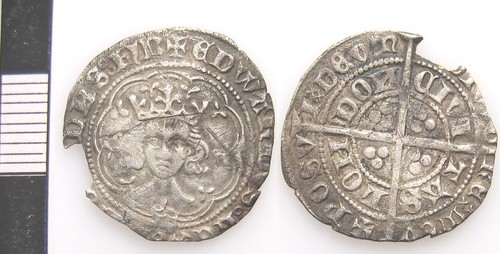
Edward III Half Groat
Hammered silver English half groat of Edward III showing a crowned facing bust and a long voided cross with pellets on the reverse.
Medieval Coins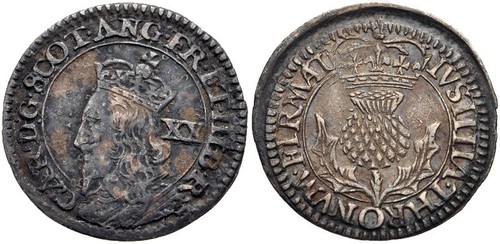
Charles I Twenty Pence
A small hammered silver twenty-pence coin of Charles I, showing his crowned profile and a heraldic reverse with rose and thistle badges.
Hammered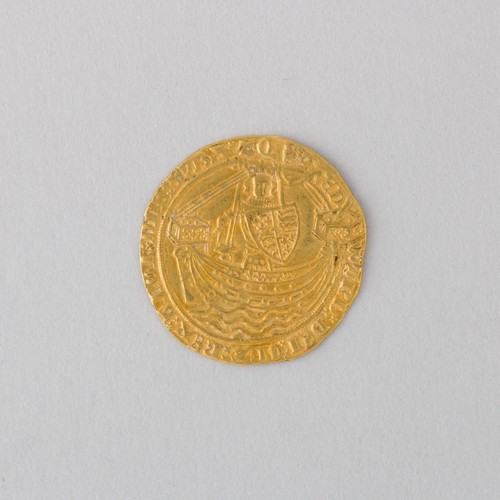
Edward III Noble
Large medieval English gold coin of King Edward III, showing the crowned king standing in a ship and an ornate floral cross on the reverse.
Medieval Coins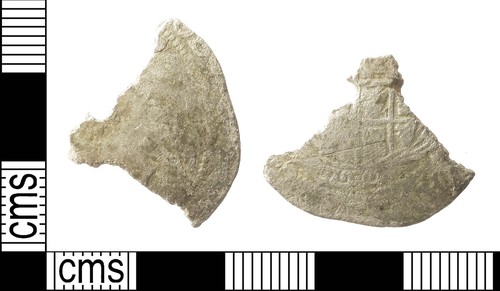
Charles I Half Crown
A large hammered silver half crown of Charles I, showing the king in portrait facing left and a crowned royal shield on the reverse.
Hammered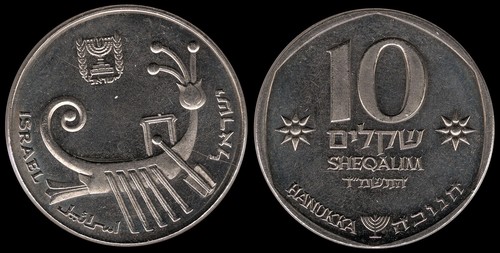
Israel 10 Sheqalim Hanukka Commemorative
A silver Bank of Israel commemorative from the annual Hanukka series, showing a historic Hanukka lamp with stars, dated 1983 and valued at 10 Sheqalim.
World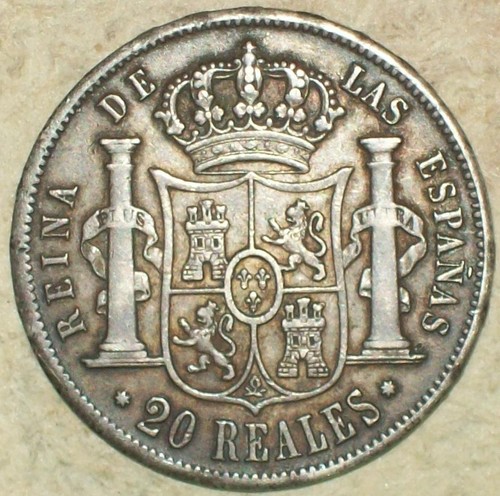
20 Reales (Isabel II)
Crown-sized Spanish silver 20 Reales of Queen Isabel II, with her crowned right-facing profile and a crowned pillared shield, dated 1854.
Modern