
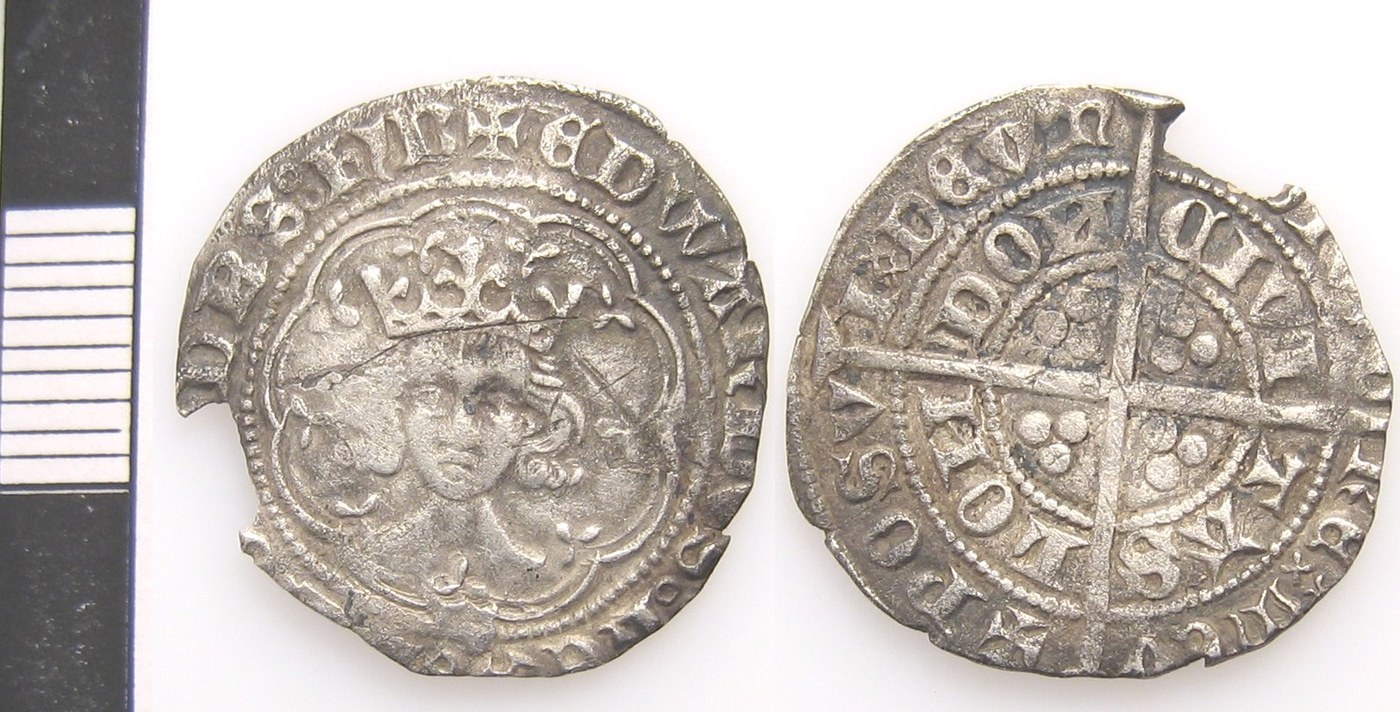
Edward III Half Groat
Hammered silver English half groat of Edward III showing a crowned facing bust and a long voided cross with pellets on the reverse.
- Country
- England
- Denomination
- Half Groat
- Metal
- Silver
Got a coin like this?
Identify any coin from a photo, free.
Overview
The Edward III Half Groat is a hammered silver coin of medieval England worth two pence, struck during the long reign of King Edward III (1327-1377). The example shown carries the classic design of the type: a crowned royal bust facing the viewer on the obverse, and a long cross reaching to the coin's edge with groups of pellets in its quarters on the reverse.
Worth half of the larger groat (fourpence), the half groat was part of the reformed English silver coinage that Edward III expanded to include larger denominations alongside the traditional penny. It is a small, thin, irregularly round coin struck by hand from hammered dies, and surviving pieces are among the more approachable medieval English coins for collectors.
History & Background
Edward III reigned from 1327 to 1377, and during his rule English coinage underwent major reform. For much of the medieval period the silver penny had been the largest coin in regular use, but Edward III's coinage introduced and firmly established larger silver denominations, including the groat (fourpence) and its half, the half groat (twopence), giving everyday commerce more practical units of value.
These coins were struck by hand, with a blank silver disc placed between two engraved dies and struck with a hammer, so no two pieces are exactly alike. Most were produced at the London mint, with some issues from other centers such as York. Because Edward III's reign spanned several distinct coinage phases, half groats of the period vary in bust style, lettering, and legends, reflecting changing mint practice over five decades.
How to Identify
Look for a small, thin hammered silver coin showing a crowned, forward-facing head within a beaded or linear circle, surrounded by a Latin legend naming the king. The reverse shows a long cross whose arms extend to the rim, dividing the field into quarters, each filled with a group of pellets, with a legend often naming the mint (frequently London).
The half groat sits between the penny and the groat in size, so diameter and weight help place it: it is larger than a penny but smaller than the fourpenny groat. Surfaces are typically uneven, legends may be weakly struck or partly off-flan, and the metal is good silver. Genuine pieces show hand-struck irregularities rather than the sharp, uniform detail of machine-made coins.
Value & Collectibility
As a hammered medieval coin struck across a long reign, the Edward III half groat survives in modest numbers, and value depends heavily on condition, strike quality, legibility, and the specific coinage phase. Well-worn or partly off-center examples with unclear legends are the most affordable, while coins with a full, sharp portrait, complete legends, and good silver surfaces command higher prices.
Scarcer sub-types, particular mints, and unusually well-preserved pieces bring premiums, and problem coins (bent, cracked, pierced, or clipped) sell for less. Because bust styles and legends changed through Edward III's reign, precise attribution can affect value. Treat any single figure as approximate and compare against recent sales of similar hammered half groats.
Frequently asked questions
What is a half groat worth in old money?
A half groat was worth two pence (twopence) in the medieval English system, exactly half of a groat, which was worth fourpence.
Who is shown on the coin?
The crowned facing bust represents King Edward III of England, who reigned from 1327 to 1377. The Latin legend around the edge names the king.
Is it made of real silver?
Yes. Edward III half groats were struck in good silver. They are small and thin because their value came from the silver content of a hand-struck coin.
Why does the coin look uneven and off-center?
It was made by hammering a silver blank between two hand-engraved dies. This hand process makes every coin slightly irregular, with legends that can be weak or partly off the edge.
What does the cross on the back mean?
The long cross with pellets is a standard medieval English reverse. The cross reaching to the rim also helped discourage clipping of silver from the coin's edge.
Edward III Half Groat guides
In-depth guides for identifying, valuing, and collecting Edward III Half Groat.
Other coins you may enjoy
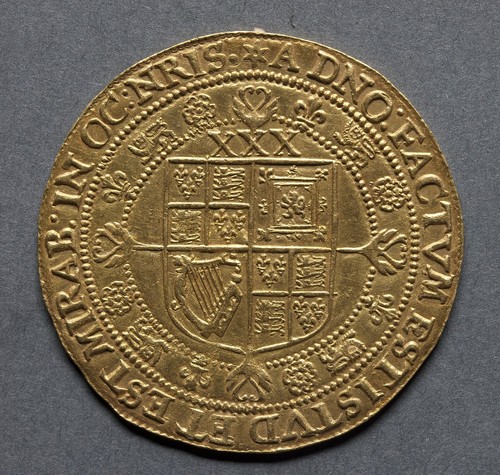
Edward IV Ryal
c. 1465-1470
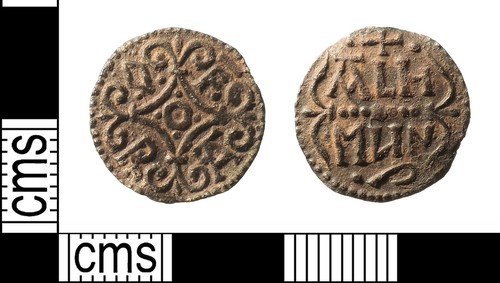
Penny of Offa
c. 757-796 (8th century)
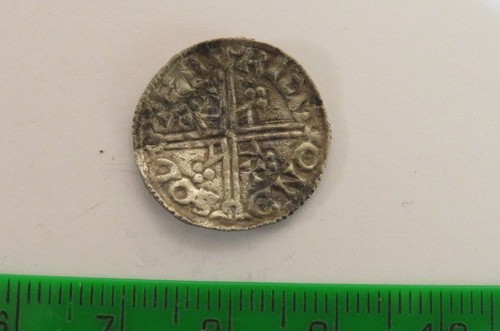
Medieval Penny
c. 8th-15th century
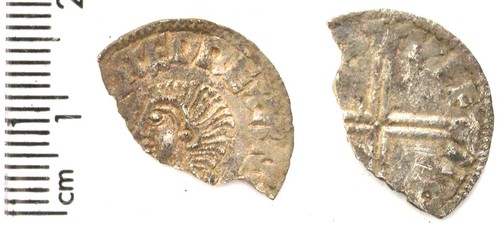
Penny of Aethelred II
978-1013
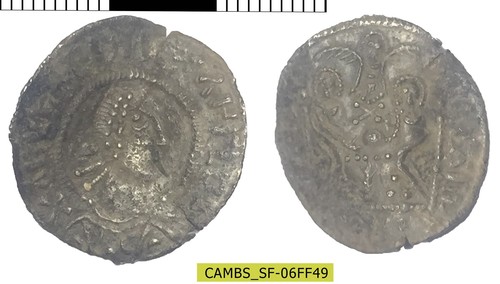
Penny of Alfred the Great
c. 871-899 (late 9th century)
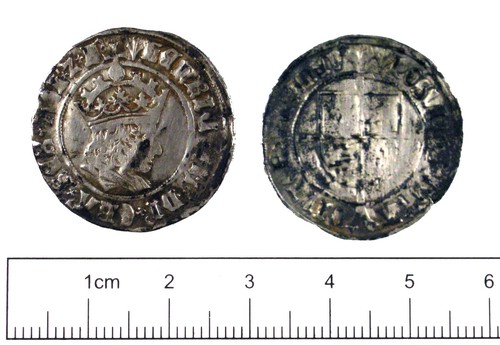
Henry VII Groat
1485-1509
Edward V Angel
1483
Edward IV Half Groat
1461-1483
Penny of Cnut
1024-1030
Henry VII Sovereign
1485-1509
Long Cross Penny
1247-1279 (13th century)
Anglo-Saxon Styca
8th-9th century