
Coin Encyclopedia
Search and identify coins from around the world — with country, denomination, metal, mint, history, and how to tell them apart.
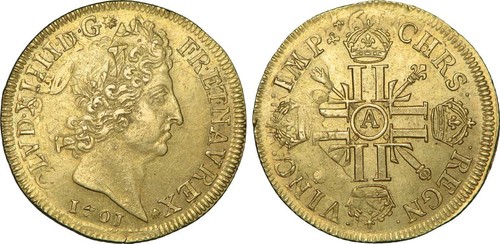
Double Louis d'Or
A large gold coin of Louis XIV dated 1701: the king's laureate profile and 'LUDOVICUS MAGNUS' obverse, an ornate cross of arms reverse.
Royal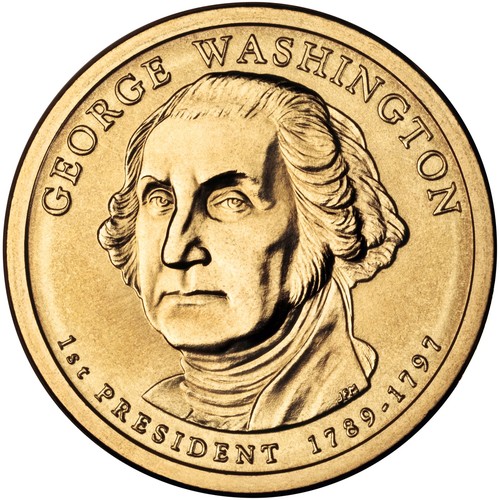
George Washington Presidential Dollar
The 2007 golden dollar honoring George Washington, first coin in the U.S. Presidential $1 series, with a left-facing portrait and Statue of Liberty reverse.
Dollar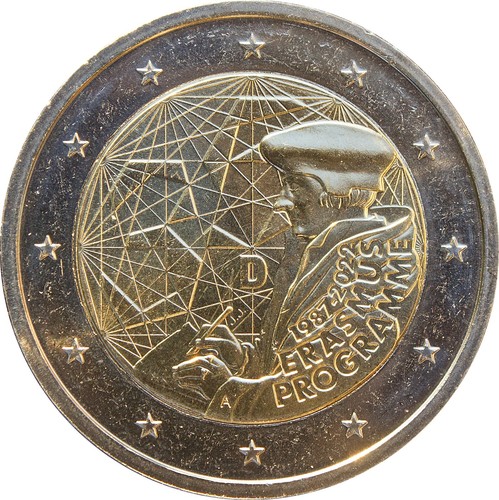
Germany 2 Euro Erasmus Programme Commemorative
A German 2 Euro commemorative dated 2022 marking the Erasmus Programme, its obverse showing a student figure with a globe and the reverse the ring of European stars.
Commemorative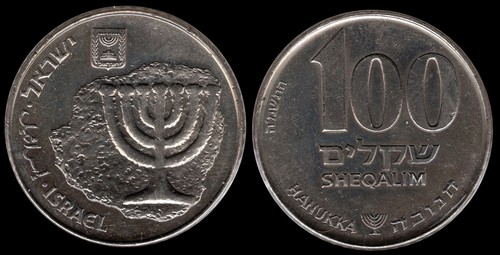
Israel 100 Sheqalim Hanukka Commemorative
A 1985 Israeli silver commemorative for the festival of Hanukka, its obverse dominated by a menorah and festive lamp motif.
World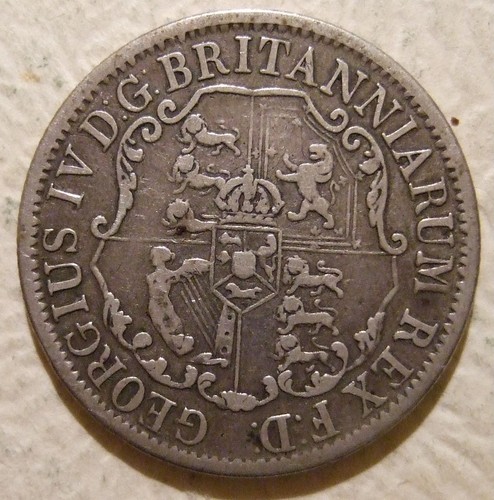
George IV One Quarter Spanish Dollar
An 1822 British colonial silver coin valued at one quarter of a Spanish dollar, part of the George IV "Anchor Money" issued for colonies in the Americas.
Colonial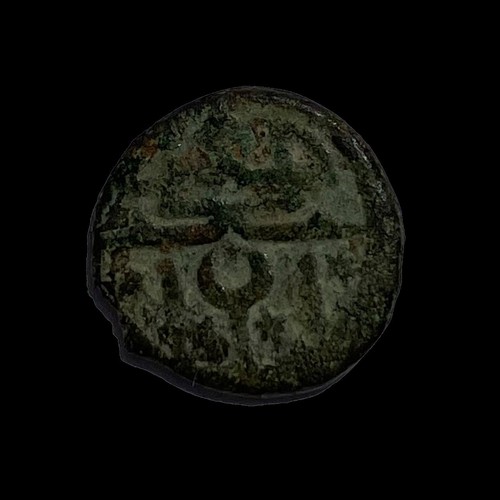
Ottoman Manghir
The manghir was the small copper coin of the Ottoman Empire, used for everyday change; this example bears a tughra and dates to the reign of Murad II.
Medieval Islamic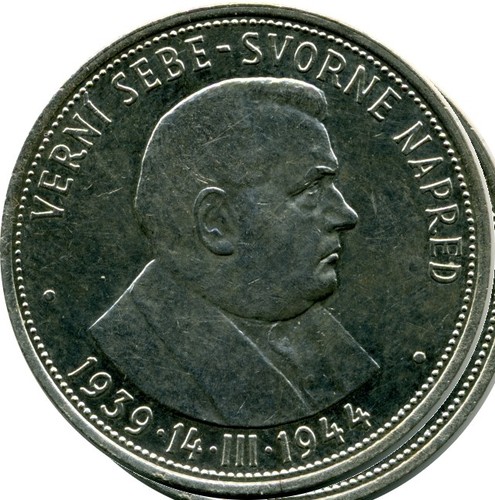
50 Korun
A 1944 silver 50 korun of the wartime Slovak State, showing the profile of Jozef Tiso and a shield with a double cross, struck for the state's fifth anniversary.
Modern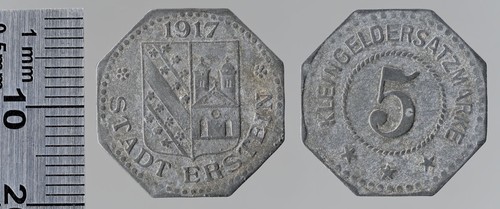
Erstein Notgeld 5 Pfennigs
A World War I emergency small-change coin issued by the town of Erstein in 1917, with the civic coat of arms on one side and a large 5 on the other.
Token/notgeld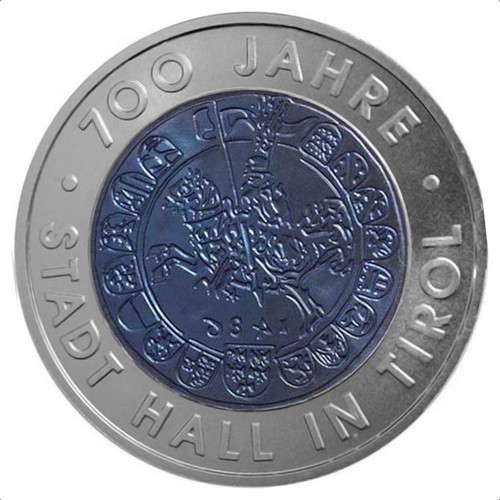
Austria 25 Euro Silver-Niobium Commemorative
Bi-metallic 25 Euro of the Austrian Mint with a silver outer ring and a colored niobium core; the 2003 first issue honored the town of Hall in Tirol.
Commemorative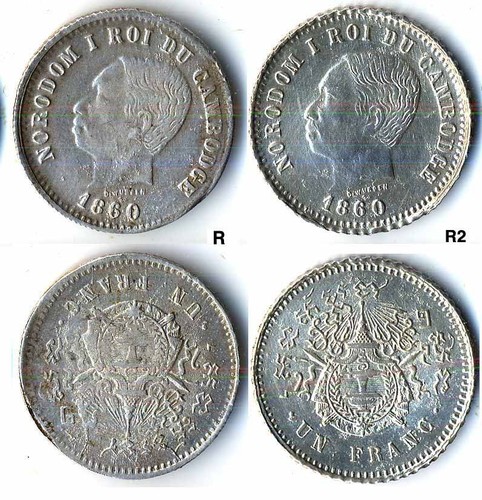
Cambodia One Franc
A mid-20th-century one-franc coin of the Kingdom of Cambodia, its obverse bearing a royal Norodom profile and its reverse a heraldic coat of arms.
Southeast Asia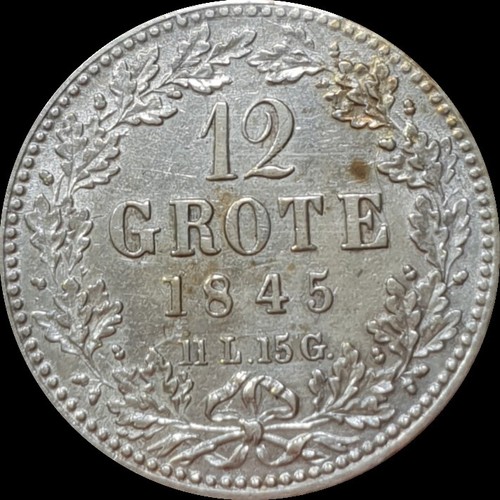
Bremen 12 Grote Thaler
A silver 12 Grote coin of the Free Hanseatic City of Bremen dated 1845, with an ornamental civic coat of arms and an allegorical reverse.
German States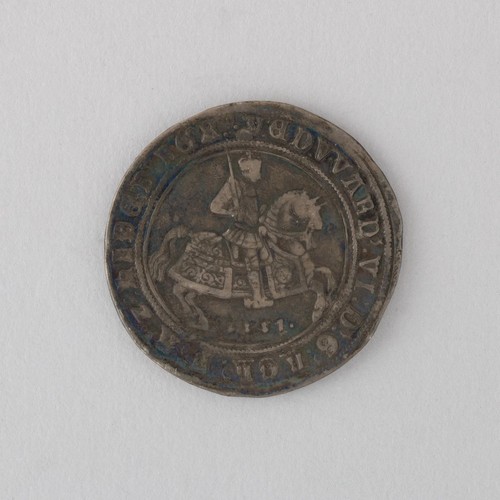
Edward VI Crown
Hammered English silver crown of Edward VI (1547-1553), the first English crown coin and among the earliest English coins to carry a date.
Hammered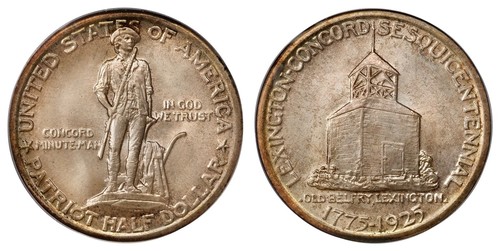
Lexington-Concord Sesquicentennial Half Dollar
A 1925 U.S. silver commemorative half dollar marking the 150th anniversary of the battles of Lexington and Concord, showing the Concord Minuteman and the Old Belfry.
Classic Commemorative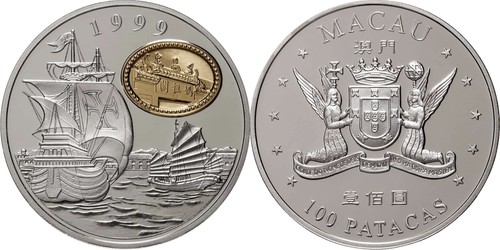
Macao 100 Patacas Return to China Commemorative
A 1999 Macao 100 patacas commemorative marking the return to China: a Portuguese ship with a gold center on one side, the Macao coat of arms on the other.
Commemorative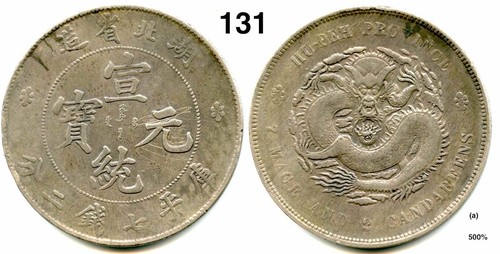
Xuantong Yuanbao 7 Mace 2 Candareens
A late Qing silver dollar-size coin of the Xuantong era (1909-1911), reading 宣統元寶 on the obverse with a Chinese dragon on the reverse.
Circulation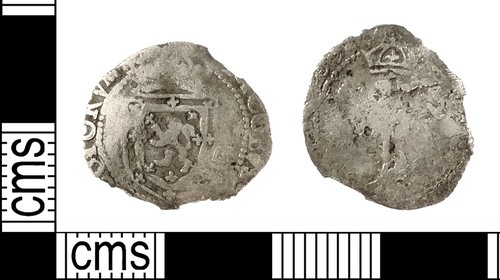
Eighth Thistle Merk
A small hammered silver Scottish coin of James VI, showing a crowned heraldic shield of arms on one side and a crowned thistle on the other.
Hammered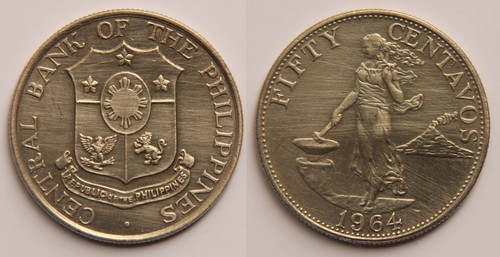
Philippines 50 Centavos
A 1960s Philippine 50-centavos coin in copper-nickel, its obverse showing an allegorical woman with a torch and its reverse the national coat of arms.
Southeast Asia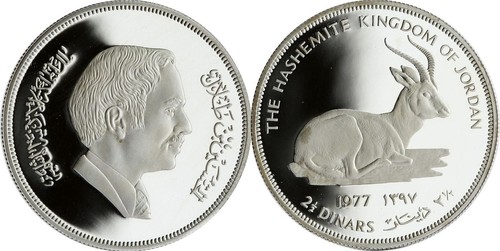
Jordanian 2½ Dinars
A crown-sized 1977 silver commemorative of the Hashemite Kingdom of Jordan, pairing King Hussein's portrait with a standing gazelle from the wildlife-conservation coin theme.
World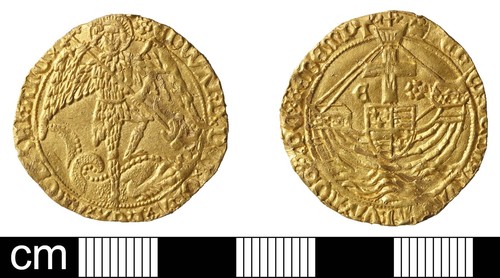
Edward IV Angel
Medieval English gold coin showing Saint Michael the Archangel slaying a dragon-demon, with a heraldic cross-and-shield reverse.
Medieval Coins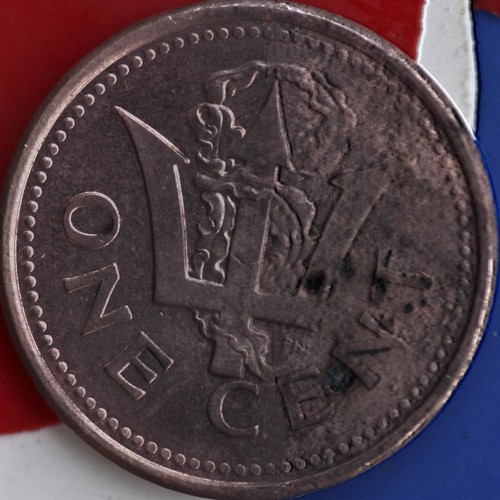
Barbados 1 Cent
A modern copper-colored Barbados one cent: the national coat of arms on the obverse and the value on the reverse, the smallest coin of the Barbadian dollar.
Circulation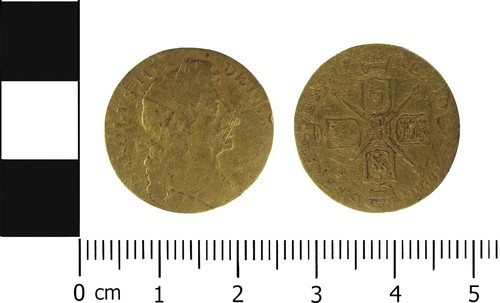
Charles II Half Guinea
A small milled gold coin of Charles II showing the king's laureate profile and a cruciform arrangement of crowned shields on the reverse.
Milled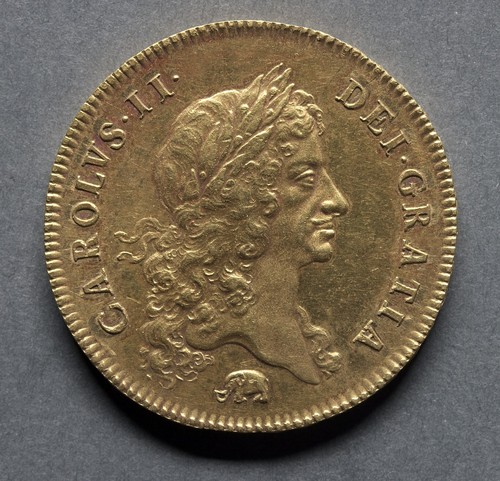
Charles II Five Guineas
The largest English gold coin of Charles II's reign, showing his laureate profile and a cruciform arrangement of crowned shields on the reverse.
Milled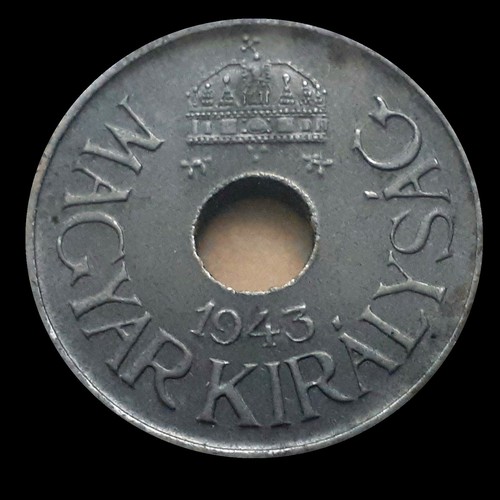
20 Fillér
An early 20th-century Hungarian 20 fillér, a small base-metal coin showing the crowned Hungarian coat of arms and the FILLÉR minor denomination.
Modern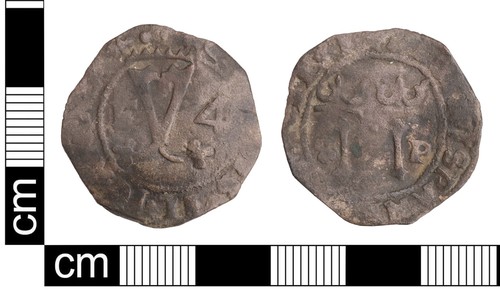
4 Maravedis
A copper Spanish coin struck in the names of Carlos and Joanna, worth four maravedis (one cuarto), carrying the crowned royal arms and Pillars of Hercules.
Circulation