
Coin Encyclopedia
Search and identify coins from around the world — with country, denomination, metal, mint, history, and how to tell them apart.
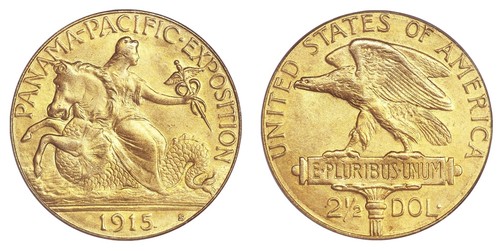
Panama-Pacific Exposition Quarter Eagle
A 1915 gold $2.50 commemorative for San Francisco's Panama-Pacific Exposition, showing Columbia astride a hippocamp and an eagle on the reverse.
Classic Commemorative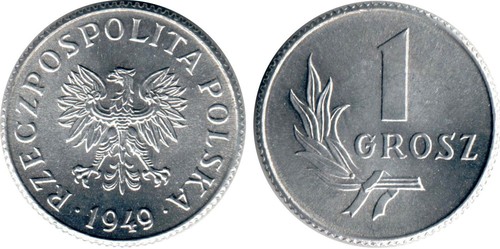
1 Grosz
A small 1949 Polish one-grosz coin bearing the crownless national eagle and RZECZPOSPOLITA POLSKA, with the value 1 GROSZ framed by grain on the reverse.
Modern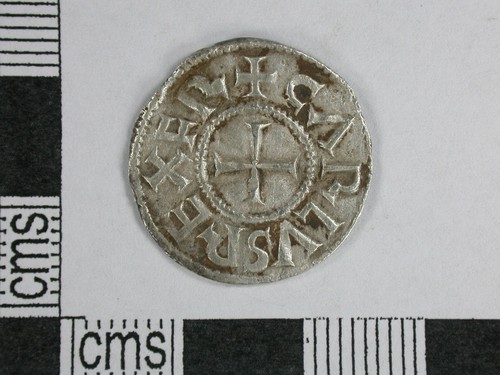
Denier of Charlemagne
A hand-struck silver denier of Charlemagne, king of the Franks: a central cross ringed by the CARLVS REX FR legend, with a royal monogram design on the reverse.
Medieval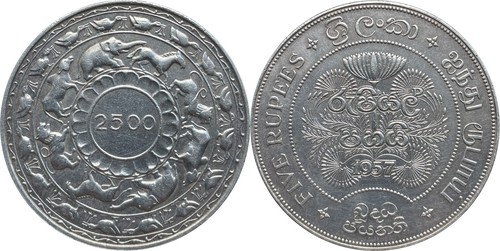
Ceylon 5 Rupees
A 1957 Ceylon silver 5 Rupees marking 2500 years of Buddhism, with a large 2500 on one side and RUPEES CEYLON with the 1957 date on the other.
Commemorative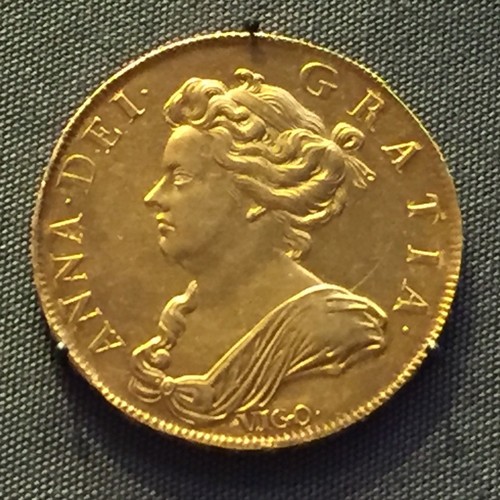
Five Guineas of Anne
Queen Anne's largest gold coin, the celebrated 1703 issue struck with VIGO below the bust from gold captured at the Battle of Vigo Bay.
Milled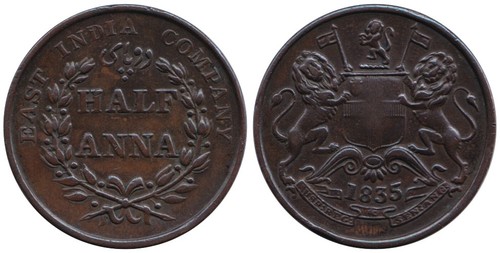
East India Company Half Anna
Large copper Half Anna of the East India Company, dated 1835, with laurel-wreath legend and the Company's heraldic lion-and-shield arms.
British India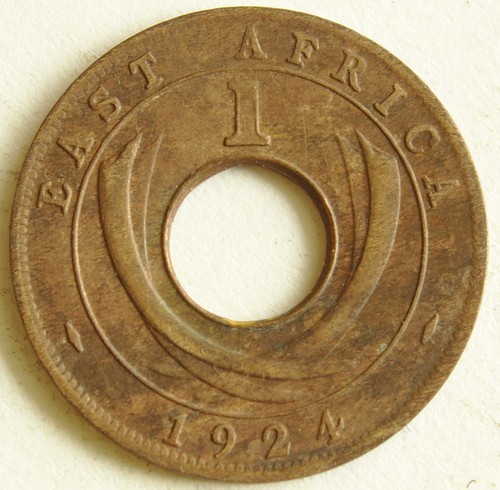
East African 1 Cent
A small holed copper 1 Cent of British East Africa dated 1924, with a crown and decorative rings on one face and the value framing the central hole on the other.
World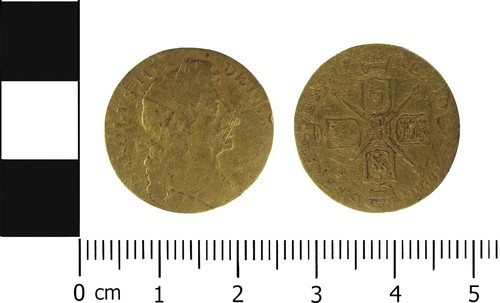
Charles II Half Guinea
A small milled gold coin of Charles II showing the king's laureate profile and a cruciform arrangement of crowned shields on the reverse.
Milled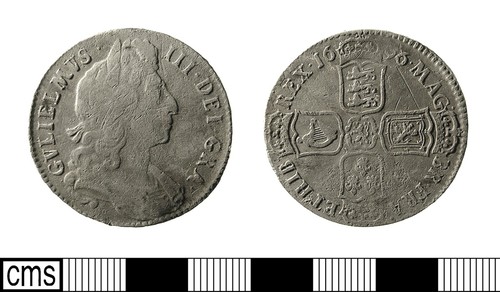
Halfcrown of William III
A silver two-shilling-and-sixpence coin of William III showing his laureate profile facing right and crowned cruciform shields of arms, dated 1696.
Milled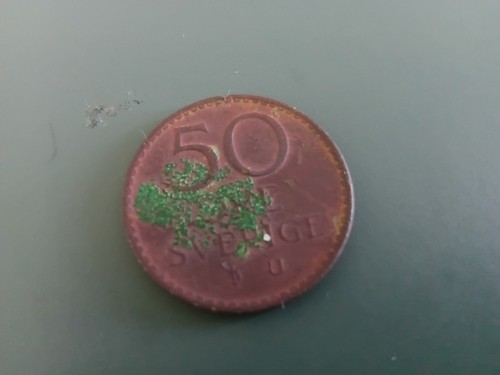
50 Öre (Silver)
A small Swedish silver 50 ore of the Oscar II era, dated 1898, with the value and date in a laurel wreath on one side and the crowned Swedish arms on the other.
Modern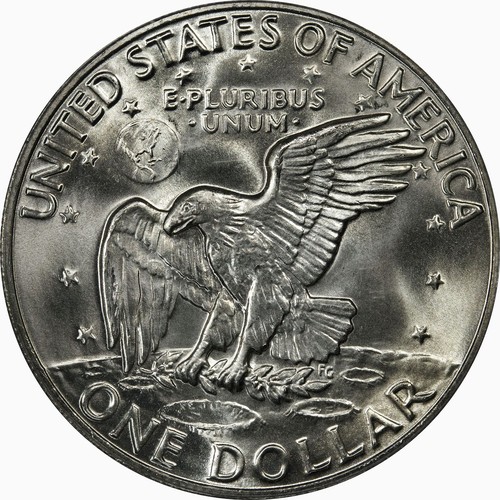
Eisenhower Dollar
Large U.S. dollar coin struck 1971–1978 with Eisenhower's profile and an eagle landing on the Moon, most circulation issues in copper-nickel clad.
Dollar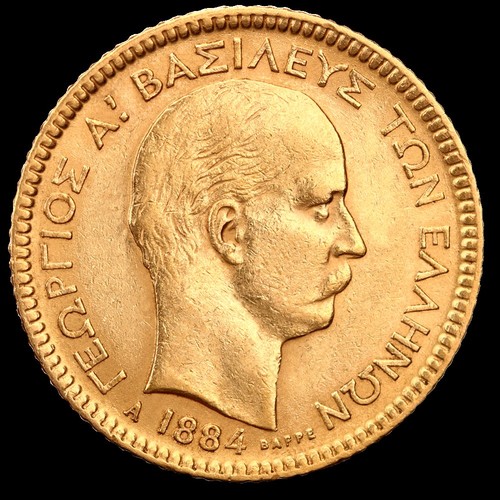
20 Drachmai
Greece's 1884 gold 20 Drachmai of King George I: a small Latin Monetary Union gold coin with the king's portrait and the crowned royal arms.
Modern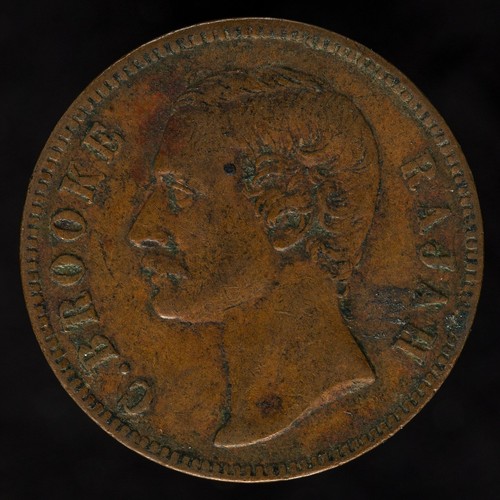
Sarawak One Cent
A large copper cent of the Brooke Rajahs of Sarawak, showing the Rajah's portrait on the obverse and SARAWAK ONE CENT with a wreath and the year 1870.
Colonial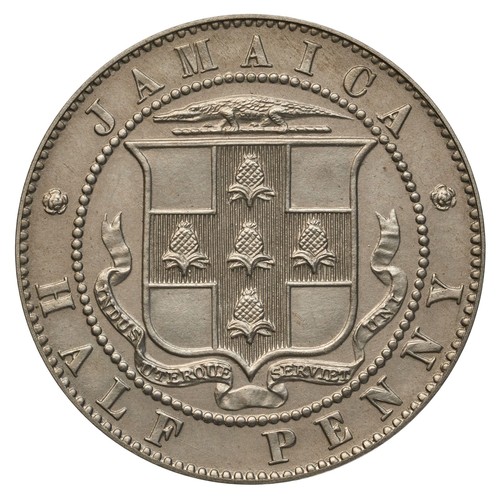
Bermuda Half Penny
A colonial-era copper-nickel half penny tied to Bermuda, showing a lion-crested coat of arms with pineapples and a Latin motto, dated 1909.
Colonial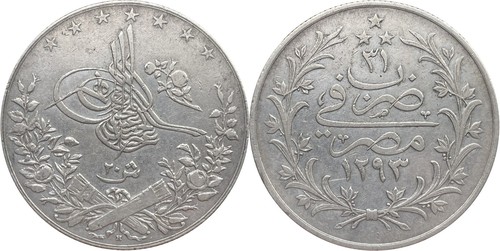
Egypt 20 Qirsh
The 20 qirsh was Egypt's largest silver coin under the Khedivate, bearing the Ottoman sultan's tughra; this example dates to 1905.
World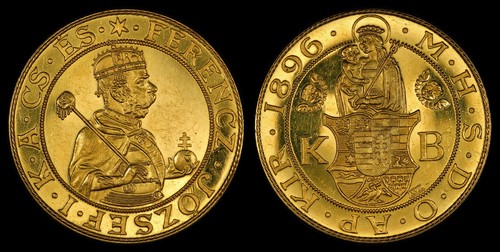
Hungarian 9 Ducats
A large gold multiple-ducat piece of Hungary dated 1896, showing a bearded crowned figure with sword and shield and the crowned Hungarian arms.
Bullion/gold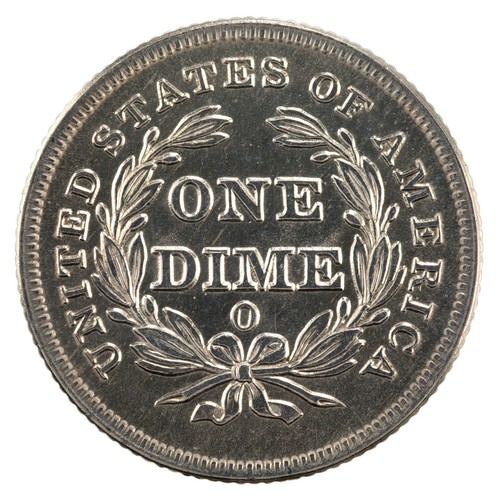
Seated Liberty Dime
A U.S. silver ten-cent coin showing Liberty seated with a pole and shield; the early No Stars type has a plain obverse and a laurel-wreath ONE DIME reverse.
Dime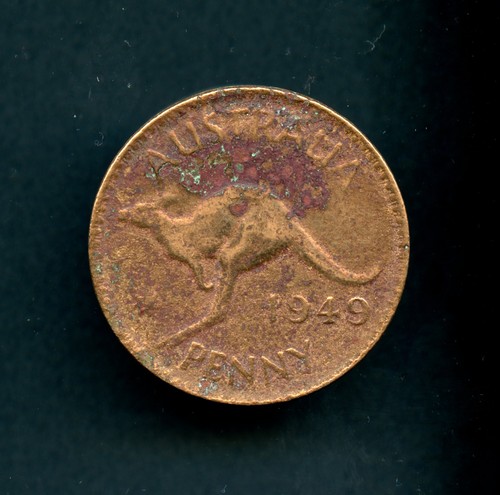
Australian Penny
Large bronze pre-decimal Australian penny with a leaping kangaroo, AUSTRALIA and PENNY on one side and a monarch's bust on the other.
World Coins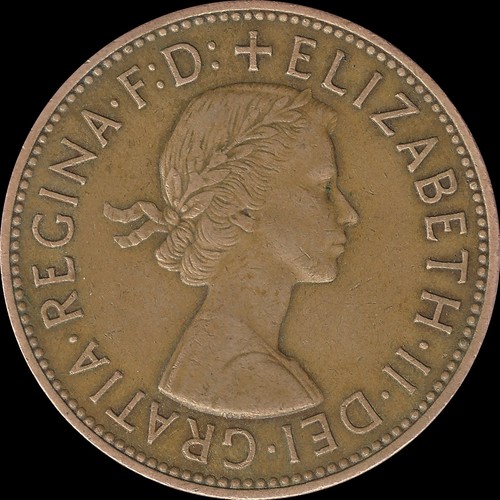
British Penny
Large bronze pre-decimal British penny showing King George VI in profile, struck for circulation in the 1930s through early 1950s.
World Coins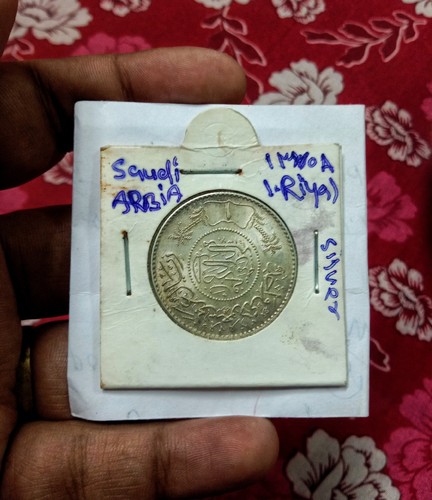
Saudi Arabian Silver Riyal
A large, portrait-free silver coin of King Abdul Aziz ibn Saud, covered in Arabic legends and a state seal — a cornerstone of early Saudi coinage.
World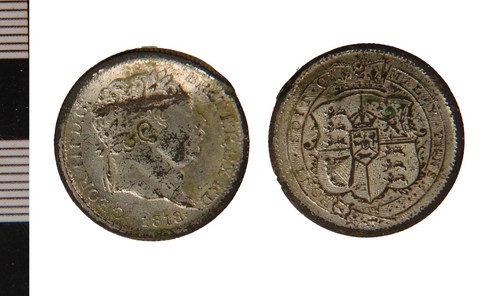
British Bank Token
Copper token of the late George III period bearing the king's left-facing bust and a quartered royal-arms reverse, dated 1819.
British Isles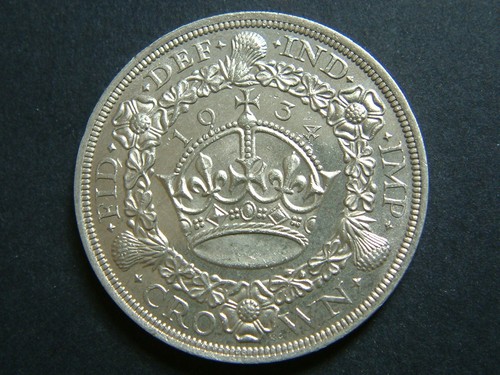
British Crown
A large George V silver crown of the 1927–1936 'wreath' type, showing the king's profile and a royal crown framed by an ornamental wreath.
British Isles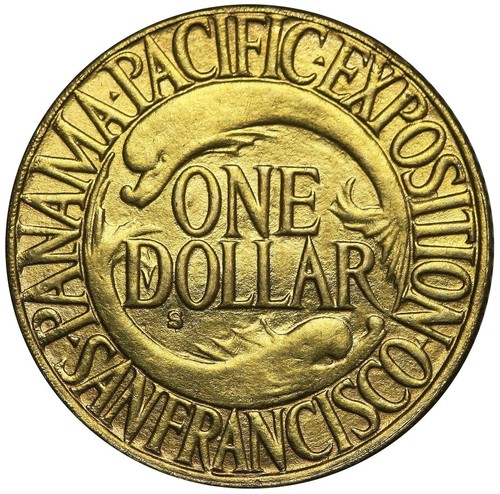
Panama-Pacific Exposition Dollar
An 1915 U.S. gold dollar struck for the Panama-Pacific International Exposition, showing a canal laborer and two dolphins encircling the denomination.
Classic Commemorative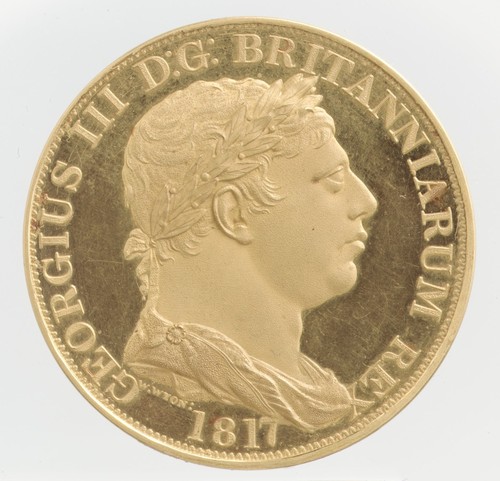
Crown of George III (Incorrupta)
A milled crown of George III dated 1817, named for its INCORRUPTA reverse legend, showing a laureate draped bust and crowned royal arms.
Milled