
Coin Encyclopedia
Search and identify coins from around the world — with country, denomination, metal, mint, history, and how to tell them apart.
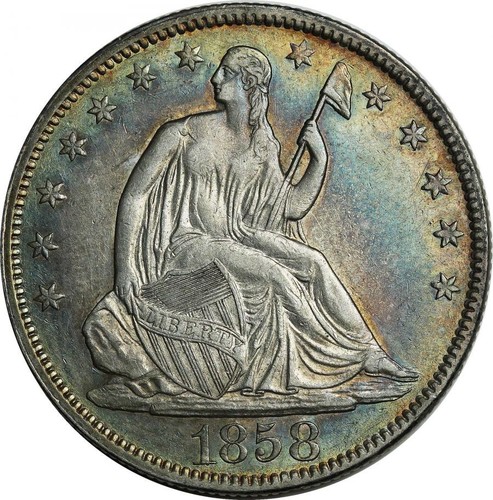
Seated Liberty Half Dollar
U.S. 90% silver fifty-cent piece struck 1839–1891, with a seated figure of Liberty by Christian Gobrecht and a heraldic eagle reverse.
Half Dollar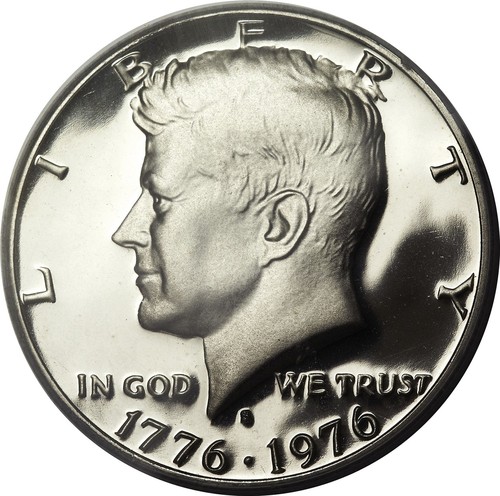
Kennedy Half Dollar Bicentennial
U.S. fifty-cent piece issued for the 1976 Bicentennial, pairing the Kennedy portrait with a Liberty Bell reverse and the dual date 1776-1976.
Half Dollar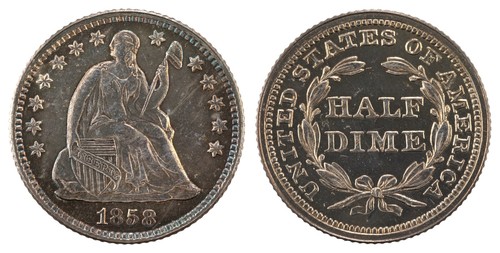
Seated Liberty Half Dime
A tiny 90% silver five-cent piece showing Liberty seated with a shield and Liberty pole; the reverse wreath frames HALF DIME. First struck 1837.
Half Dime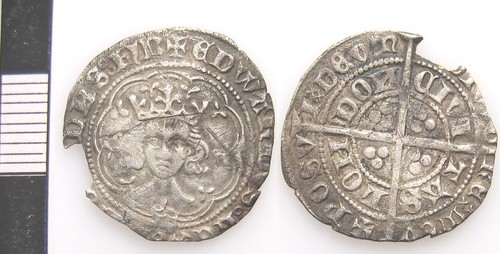
Edward III Half Groat
Hammered silver English half groat of Edward III showing a crowned facing bust and a long voided cross with pellets on the reverse.
Medieval Coins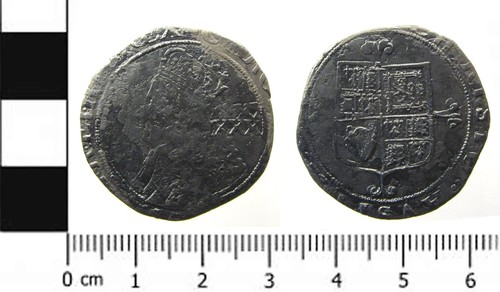
Charles II Half Crown
A milled silver half crown of Charles II, showing his laureate bust facing right and crowned royal-arms shields on the reverse.
Milled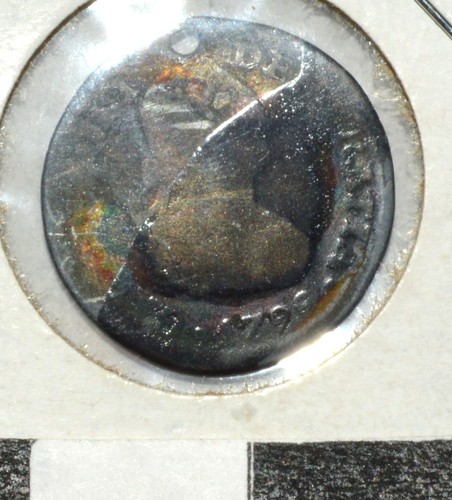
Spanish Colonial Half Real
The smallest milled silver coin of Spain's American empire: a tiny 1/2 real with a royal bust and the crowned arms between pillars.
Colonial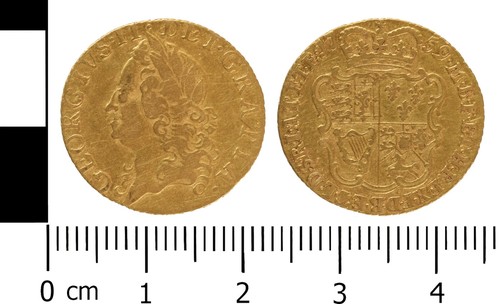
Half Guinea of George II
A small British gold coin of the reign of George II, worth half a guinea, with the king's left-facing bust and a crowned heraldic shield reverse.
Milled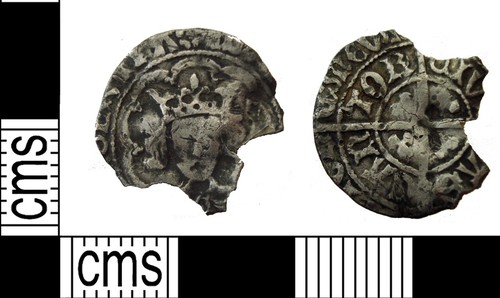
Edward IV Half Groat
Hammered silver half groat (twopence) of Edward IV, with a crowned royal bust and a long-cross reverse, struck at English mints between 1461 and 1483.
Medieval Coins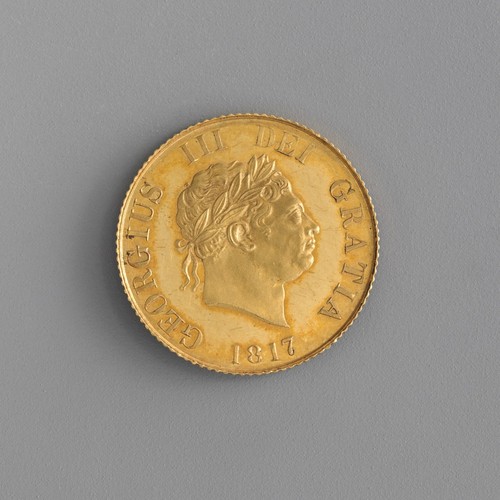
Half Sovereign of George III
British 22-carat gold half sovereign of George III, introduced in 1817 with a laureate bust and a crowned shield of arms; face value ten shillings.
Milled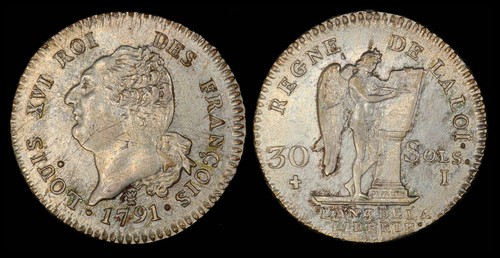
30 Sols (Half Ecu)
A French Revolutionary silver 30 sols of 1791: profile of Louis XVI as 'Roi des Francais' obverse, standing Liberty reverse dated 'L'An 4 de la Liberte'.
Revolutionary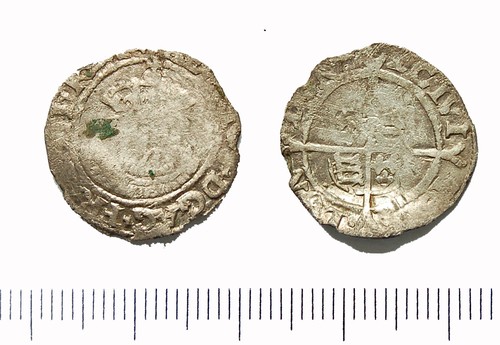
Edward VI Half Groat
Small hammered silver twopence of Edward VI (1547-1553), with a left-facing royal profile and a cross-and-shield reverse.
Hammered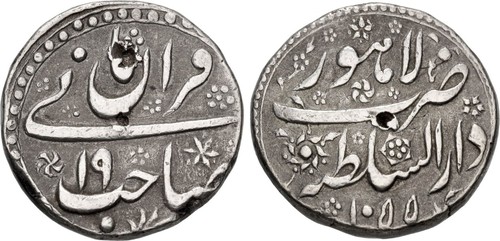
Shah Jahan Half Rupee
Silver half rupee of Mughal emperor Shah Jahan, dated AH 1055, carrying Persian-script inscriptions and ornamental borders instead of any portrait.
Mughal India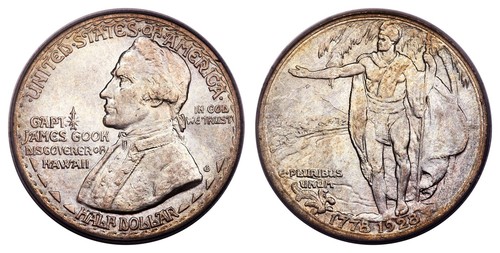
Hawaiian Sesquicentennial Half Dollar
A scarce 1928 U.S. silver commemorative half dollar marking 150 years since Captain James Cook's arrival in the Hawaiian Islands.
Classic Commemorative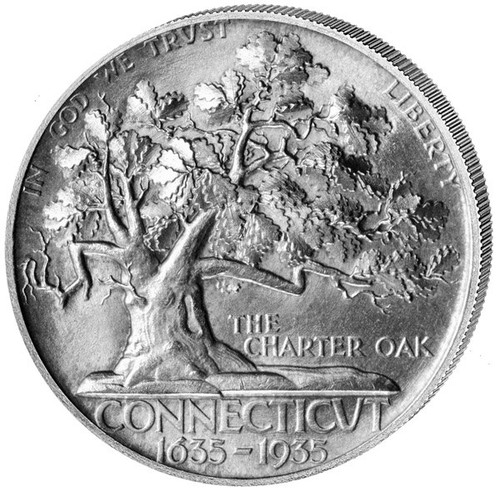
Connecticut Tercentennial Half Dollar
A 1935 U.S. silver half dollar marking 300 years of Connecticut, with a standing eagle on the obverse and the storied Charter Oak on the reverse.
Classic Commemorative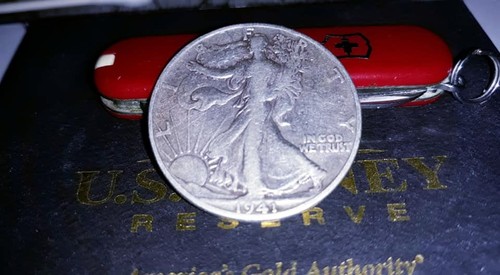
Walking Liberty Half Dollar
A classic U.S. silver half dollar struck 1916–1947, showing Liberty striding toward the sunrise on the obverse and a perched eagle on the reverse.
Half Dollar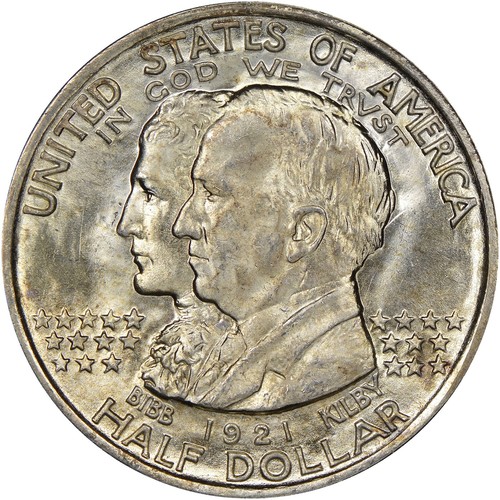
Alabama Centennial Half Dollar
A 1921 U.S. silver half dollar marking a century of Alabama statehood, with jugate governor busts and a state eagle; issued in plain and scarcer 2×2 varieties.
Classic Commemorative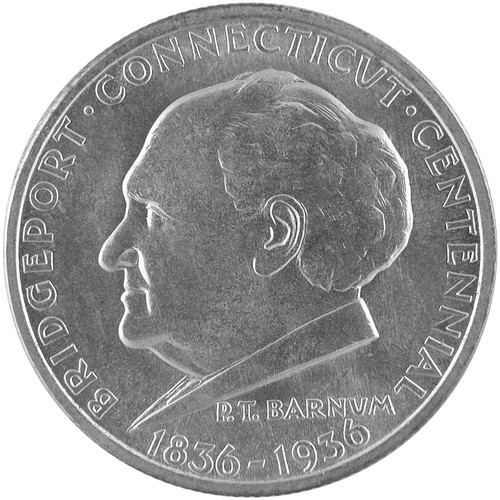
Bridgeport Centennial Half Dollar
A 1936 U.S. silver commemorative half dollar for Bridgeport, Connecticut's centennial, with a P.T. Barnum portrait and a bold Art Deco eagle.
Classic Commemorative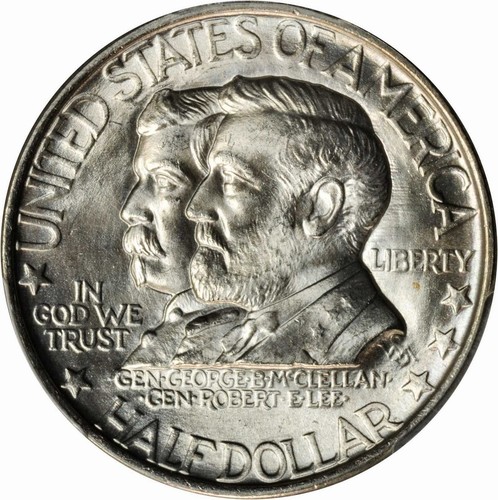
Battle of Antietam Half Dollar
A 1937 U.S. silver half dollar marking 75 years since the Civil War Battle of Antietam, with jugate busts of Lee and McClellan and Burnside Bridge on the reverse.
Classic Commemorative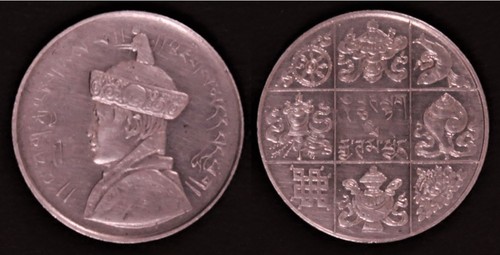
India Half Rupee (Copper)
Copper coin bearing a lion design with the English legend 'HALF RUPEE INDIA' and the date 1947, dated to the year of Indian independence.
Modern India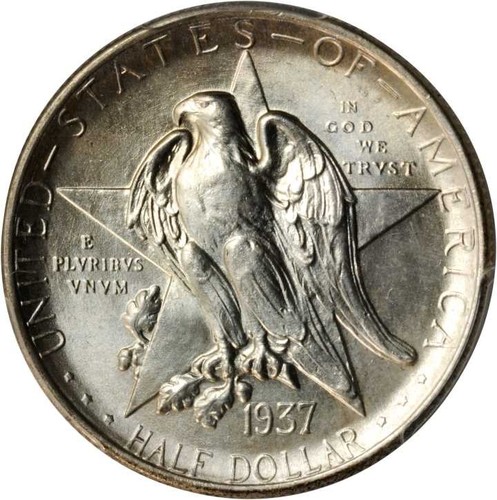
Texas Centennial Half Dollar
A U.S. silver commemorative half dollar (1934–1938) marking a century of Texas independence, with a spread-winged eagle over a large star on the obverse.
Classic Commemorative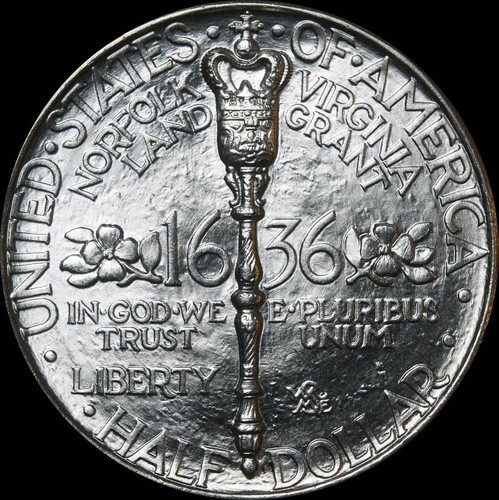
Norfolk Bicentennial Half Dollar
A 1936 U.S. silver half dollar honoring Norfolk, Virginia, with the city's Royal Mace on the reverse and dates 1636-1936; a low-mintage classic commemorative.
Classic Commemorative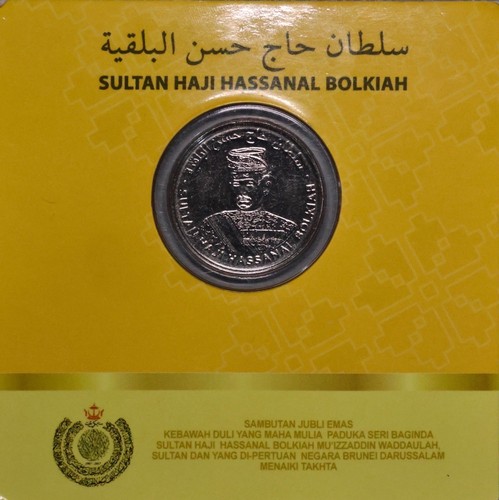
Brunei Golden Jubilee 50 Cents
A copper-nickel 50-cent coin from Brunei's 2017 Golden Jubilee, showing a palm-leaf design with Arabic text and a reverse with the value and a floral motif.
Southeast Asia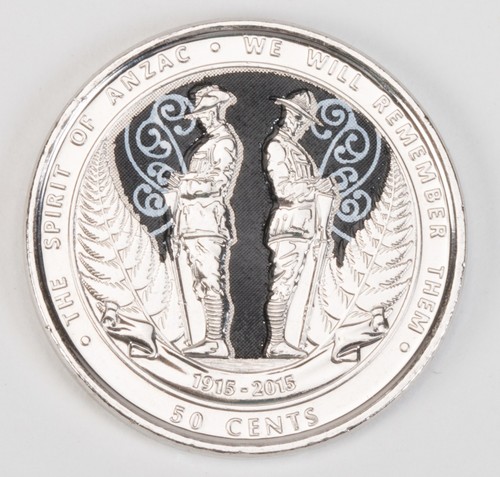
Spirit of ANZAC Commemorative 50 Cents
A 2015 Australian silver-finish 50-cent commemorative marking the centenary of ANZAC, with soldier imagery and 1915-2015 dating.
Commemoratives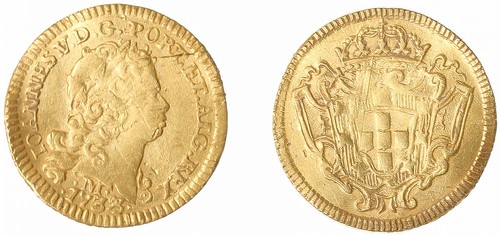
Half Escudo (800 Reis) of Joao V
A small Portuguese gold coin of King Joao V, valued at half an escudo (800 reis), with his laureate bust and a crowned Portuguese shield.
Colonial