
Coin Encyclopedia
Search and identify coins from around the world — with country, denomination, metal, mint, history, and how to tell them apart.
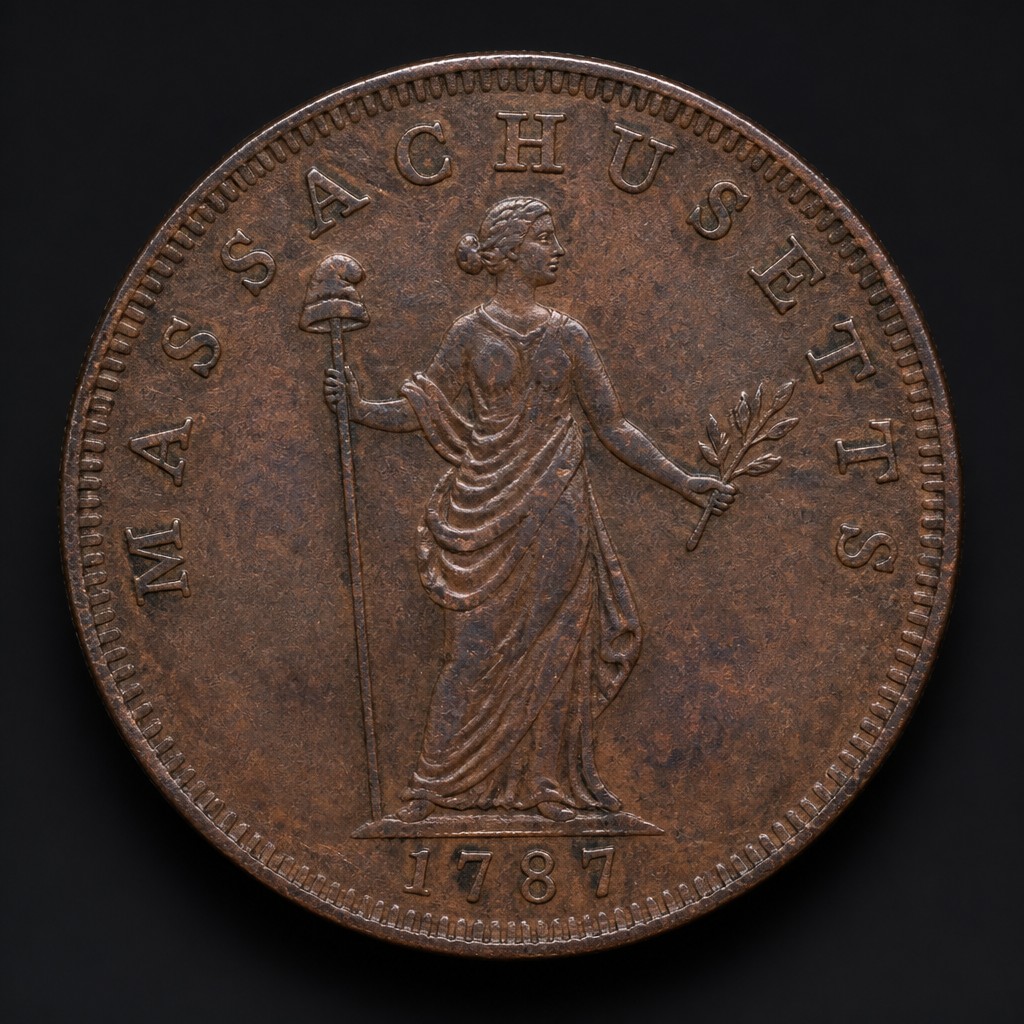
Massachusetts Cent (1787-1788)
State-issued copper coinage struck by the Commonwealth of Massachusetts in 1787 and 1788, notable as the first official U.S. coinage to use the denomination 'cent'.
United States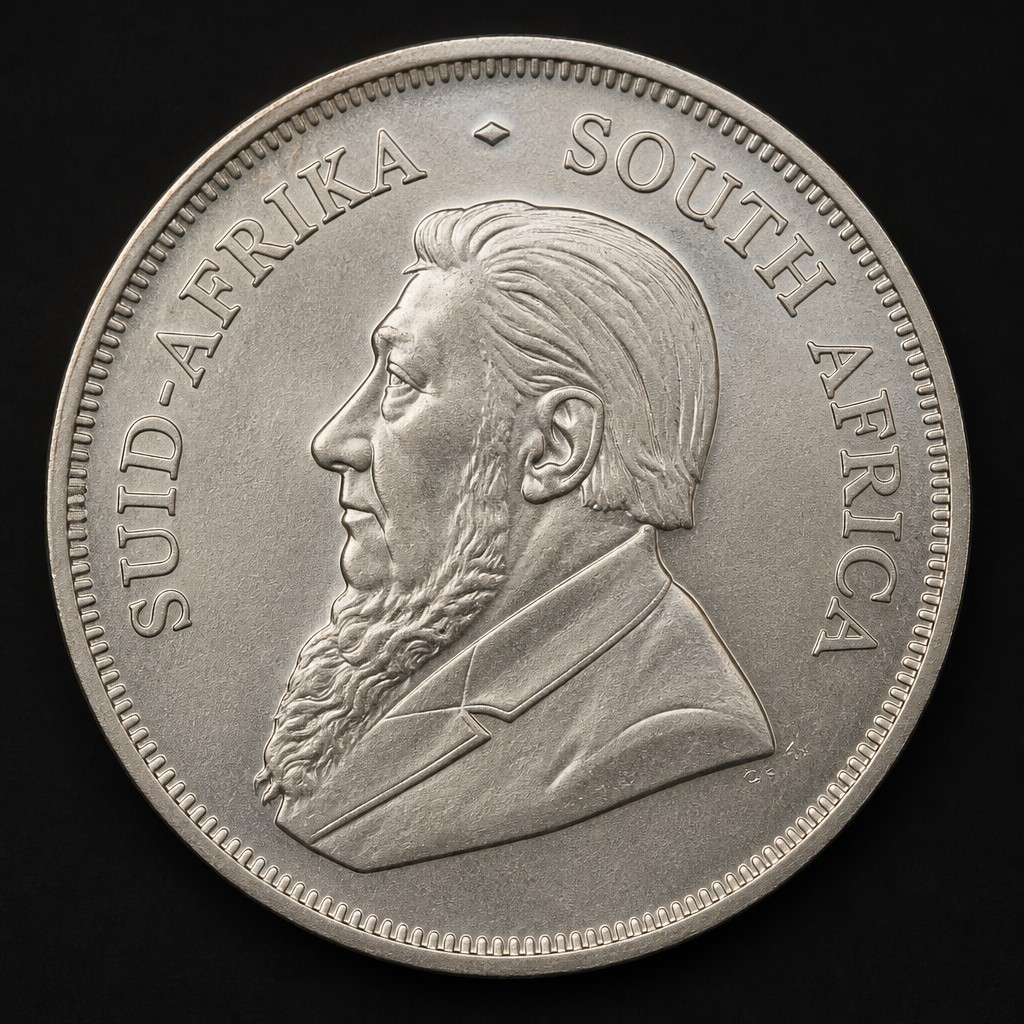
South African Silver Krugerrand
The silver version of the world-famous Krugerrand, launched in 2017 to mark the gold coin's 50th anniversary, using the same Kruger and springbok design.
Bullion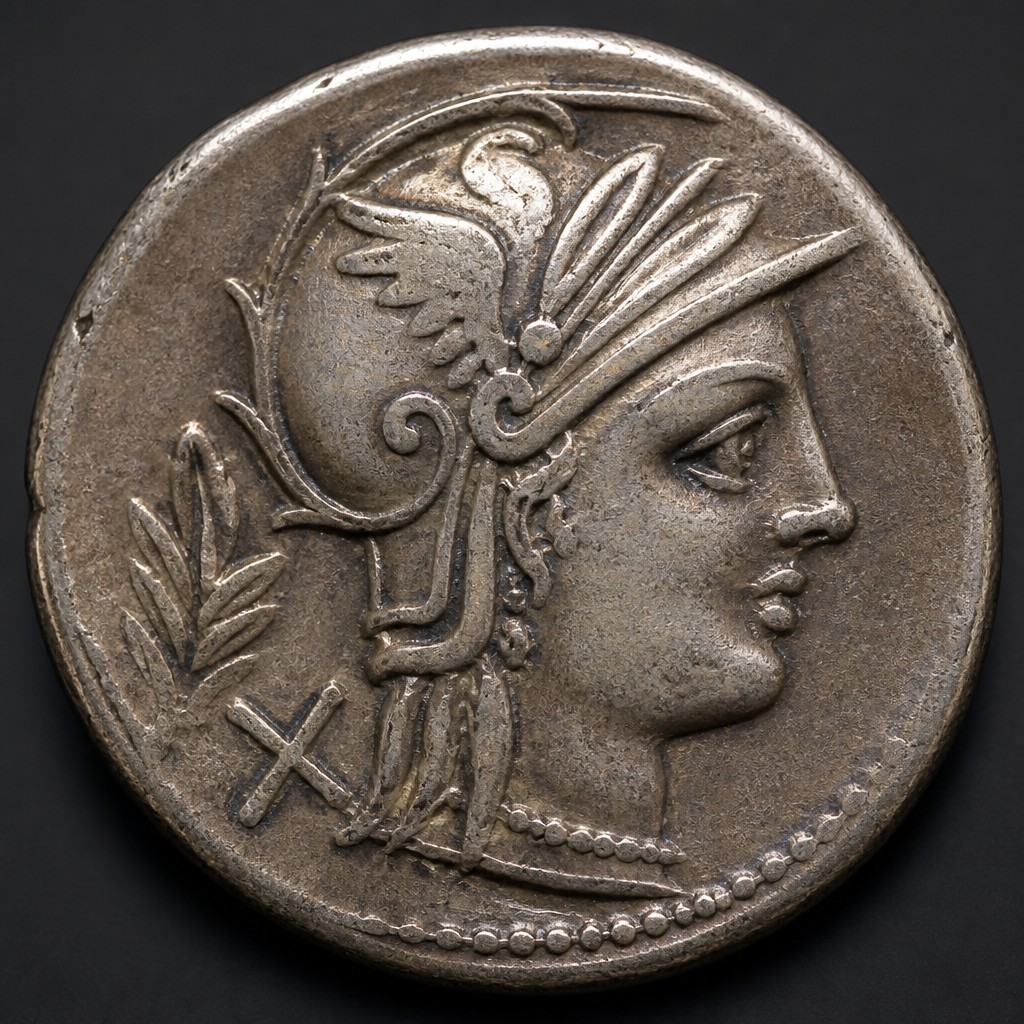
Republican Victoriatus
A lighter-weight Roman Republican silver coin depicting Jupiter and a Victory crowning a trophy, used largely for trade with the Greek-influenced south.
Ancient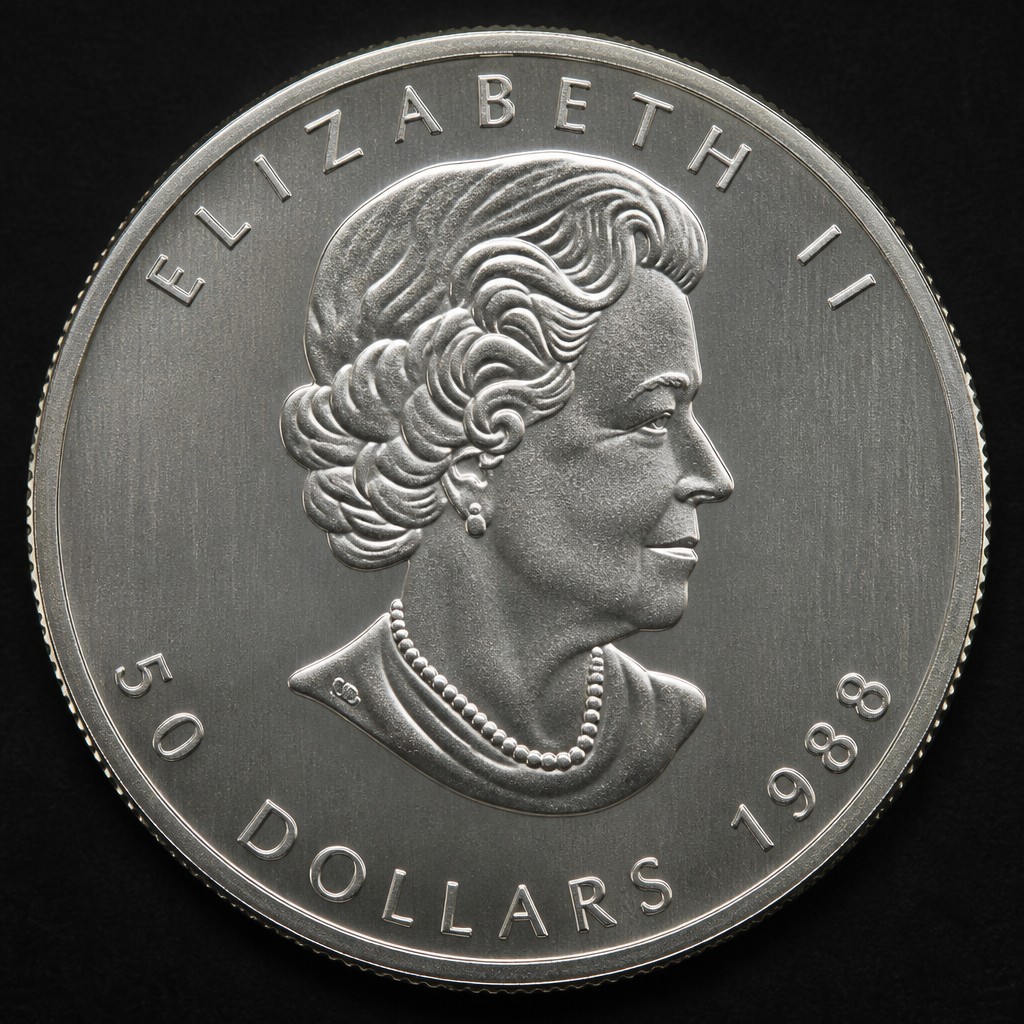
Canadian Platinum Maple Leaf
The Royal Canadian Mint's platinum bullion coin, launched in 1988 with the same maple leaf design used across Canada's precious metal coin lines.
Bullion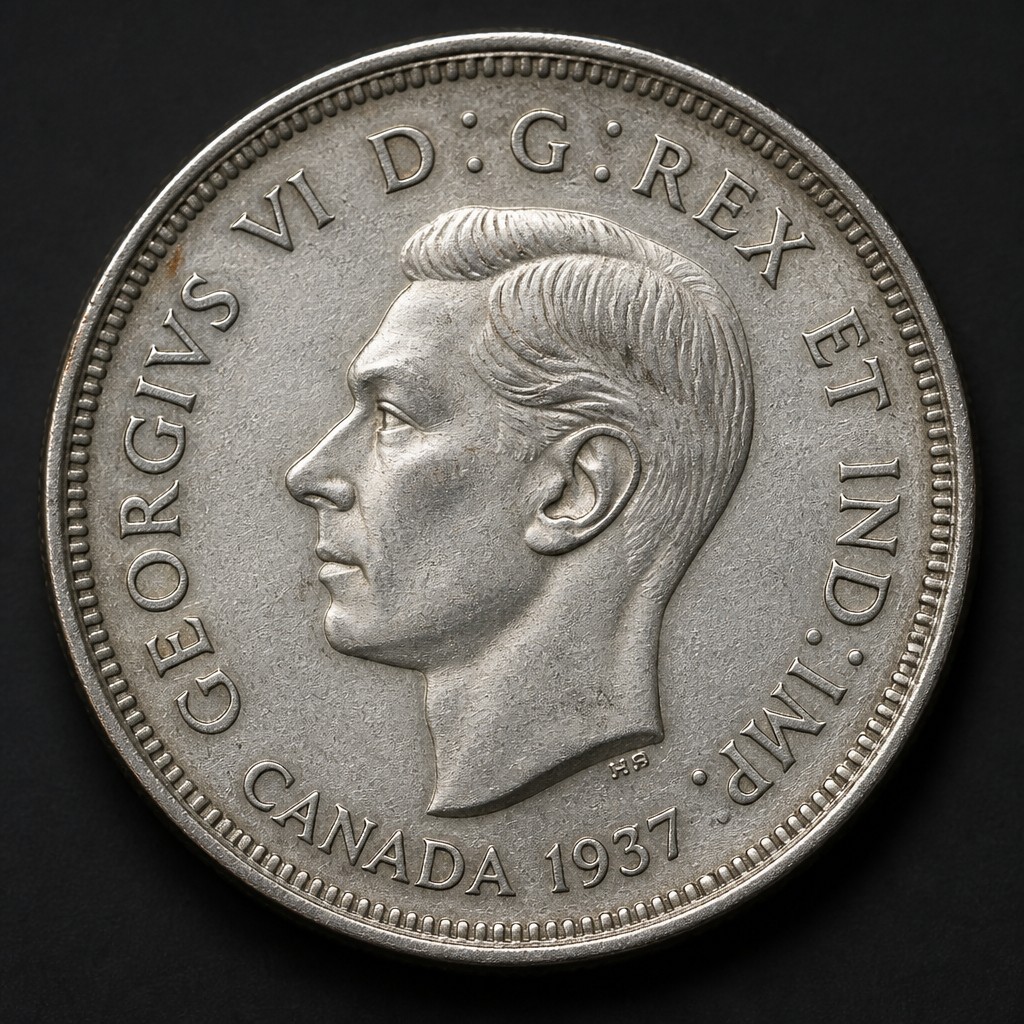
Bluenose Ten Cents (dime)
Canada's iconic ten-cent coin featuring the famous racing and fishing schooner Bluenose, a design introduced in 1937 that remains in use on the modern dime today.
Canadian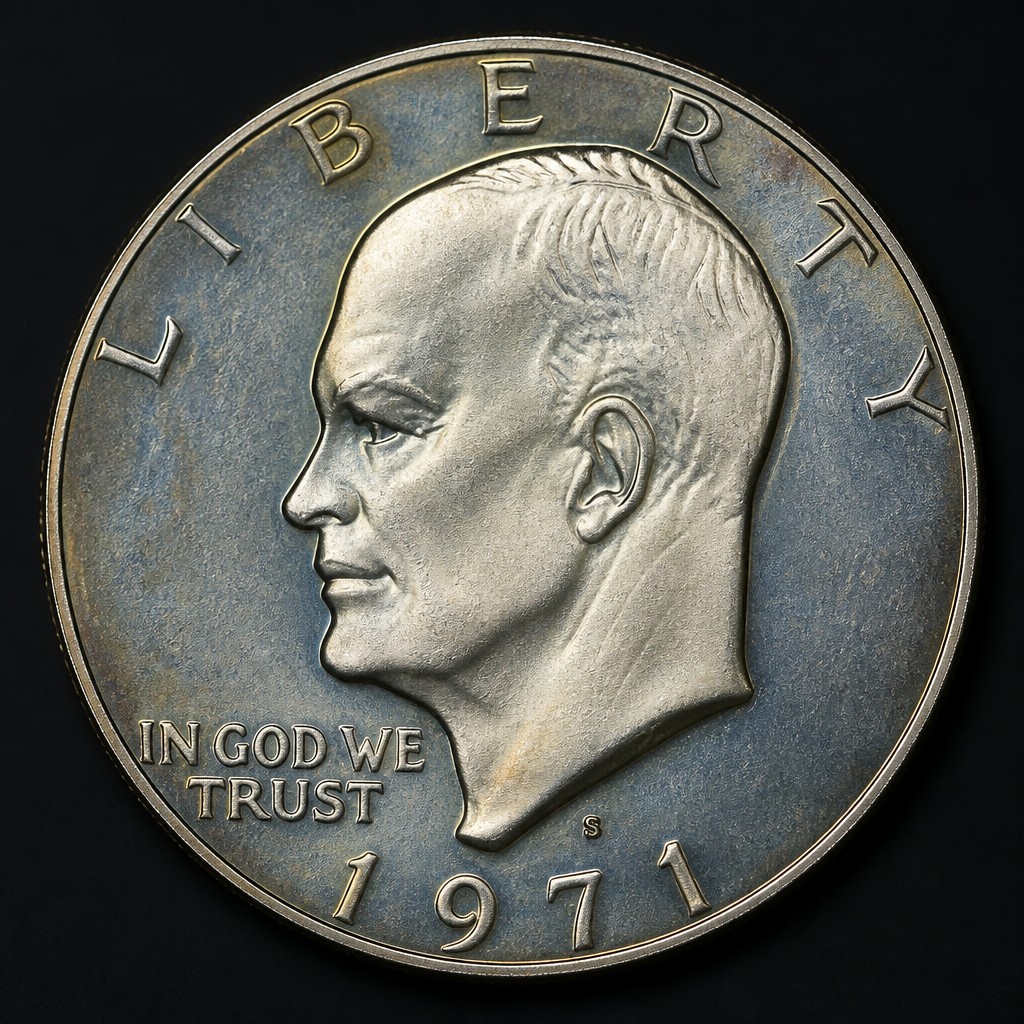
1971-S Eisenhower Silver Dollar (Blue Ike)
A 40% silver uncirculated Eisenhower dollar from San Francisco, nicknamed the Blue Ike for the blue-tinted envelope the U.S. Mint used to package it for collectors.
United States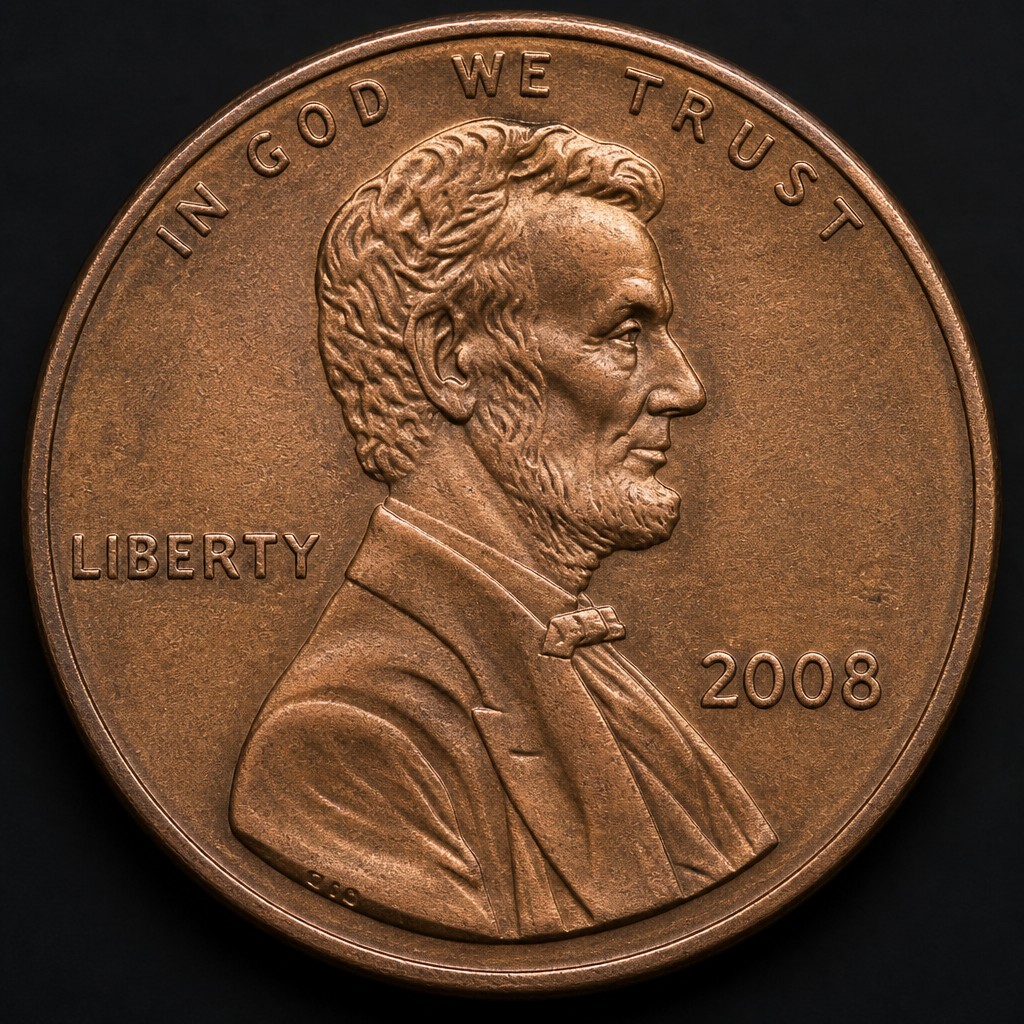
Lincoln Memorial Cent
The long-running Lincoln cent reverse featuring the Lincoln Memorial, used for half a century and one of the most commonly encountered coins in American pockets and collections.
United States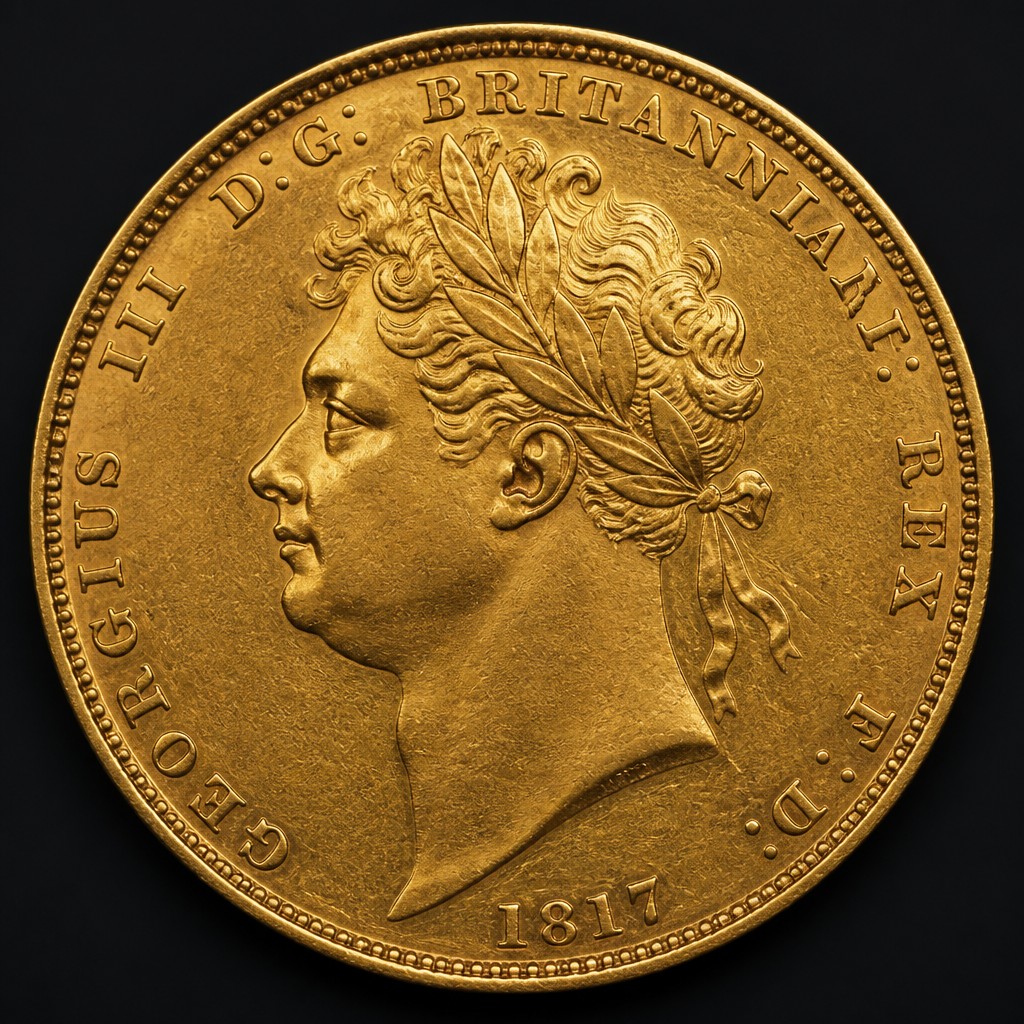
St George Sovereign (Pistrucci)
The modern gold sovereign's iconic reverse showing St George slaying the dragon, engraved by Benedetto Pistrucci in 1817 and still used on British sovereigns to this day.
British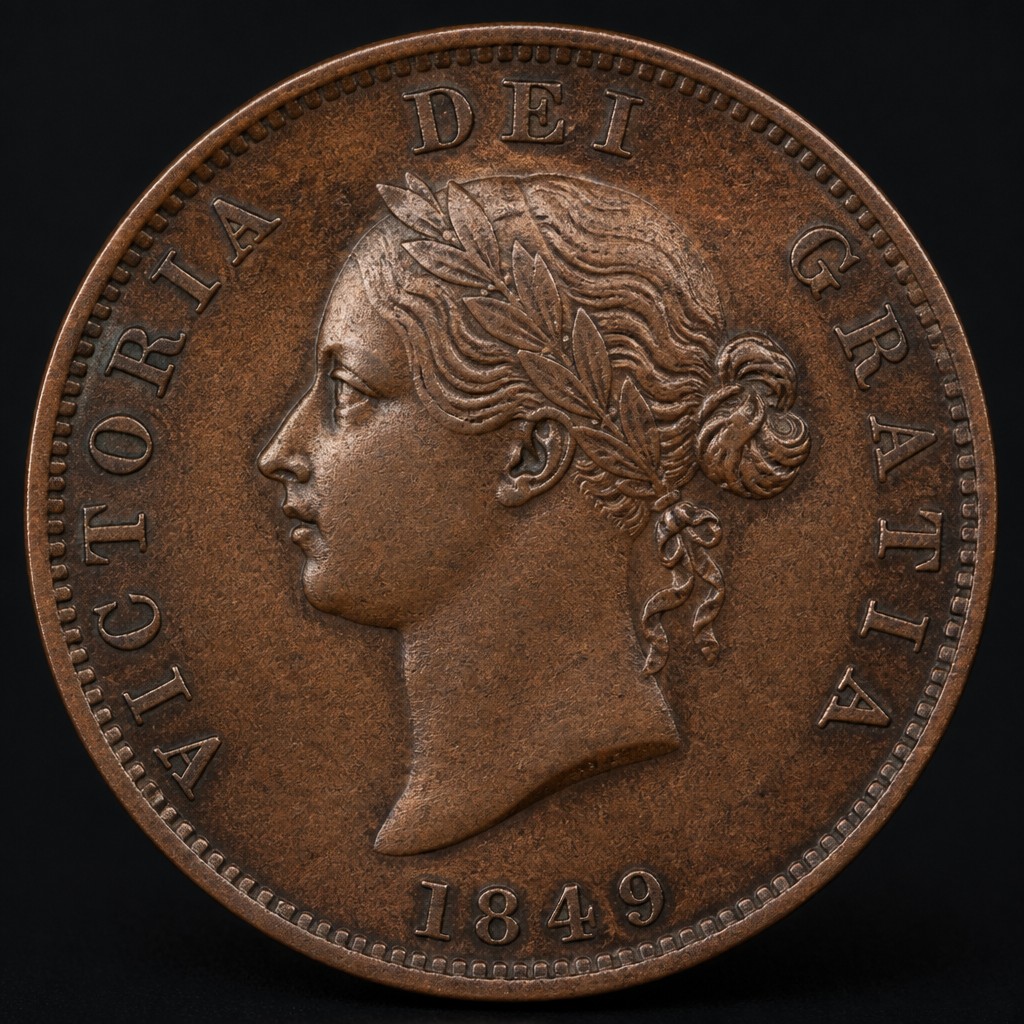
Half Farthing
A tiny copper coin worth one-eighth of a penny, struck mainly for use in colonial Ceylon during the reigns of George IV, William IV, and Victoria.
British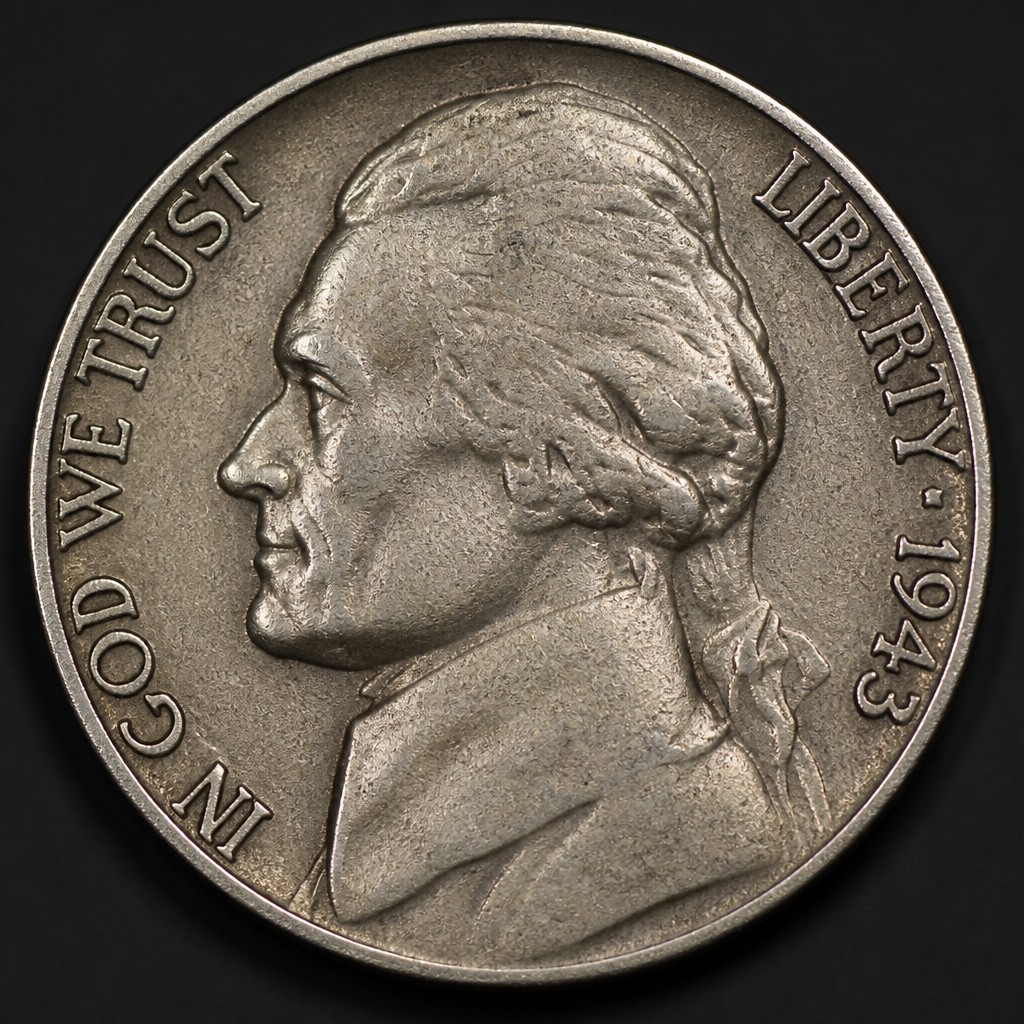
War Nickel (Silver 1942-1945 Jefferson Nickel)
A special wartime Jefferson Nickel alloy struck without nickel metal to conserve it for military use, identifiable by a large mintmark placed above Monticello's dome.
United States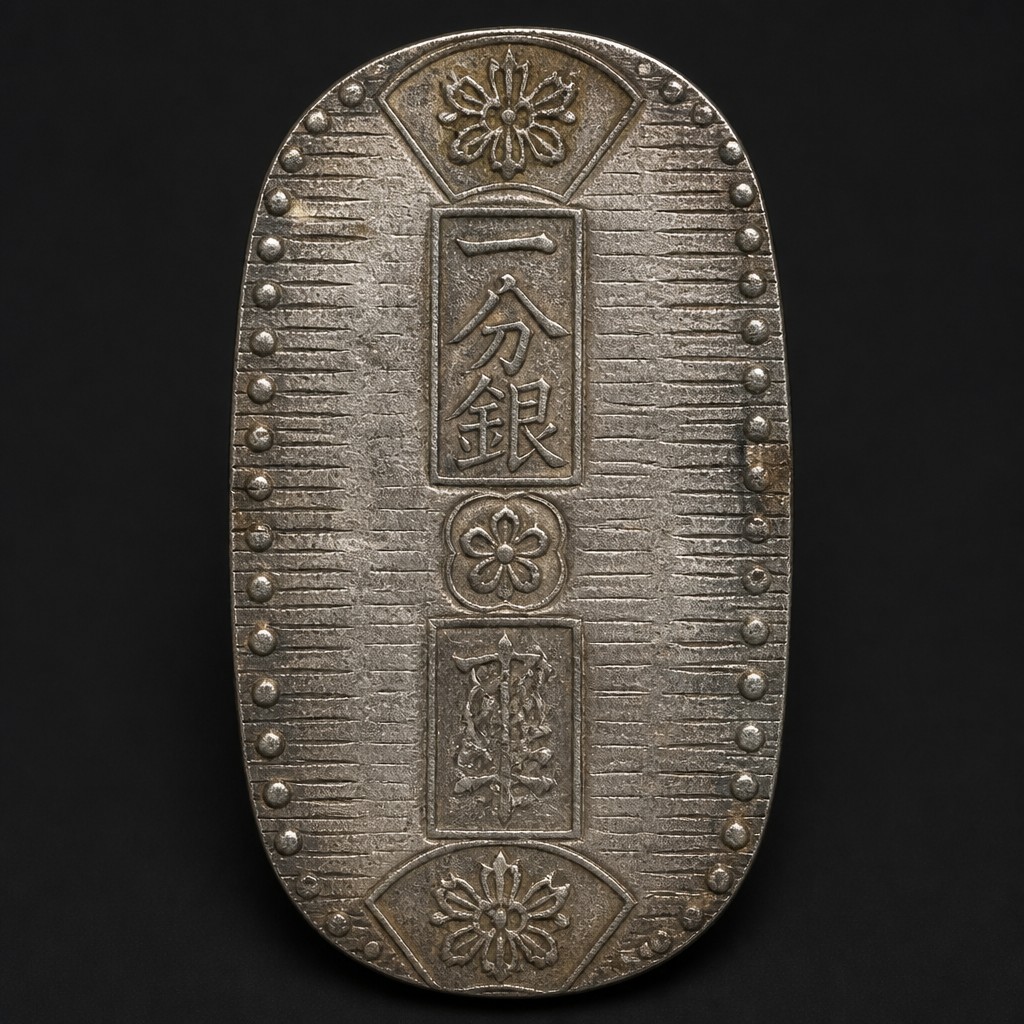
Japanese Bu / Ichibu-gin (silver bar coin)
Rectangular silver bar-shaped coin used as fixed-value currency in Tokugawa Japan, valued as a fraction of the gold ryo rather than by weight.
Asian
1873-CC Seated Liberty Dime (No Arrows)
An extraordinarily rare Carson City dime struck without the arrows-at-date design used later in 1873, famously known by a single surviving example.
United States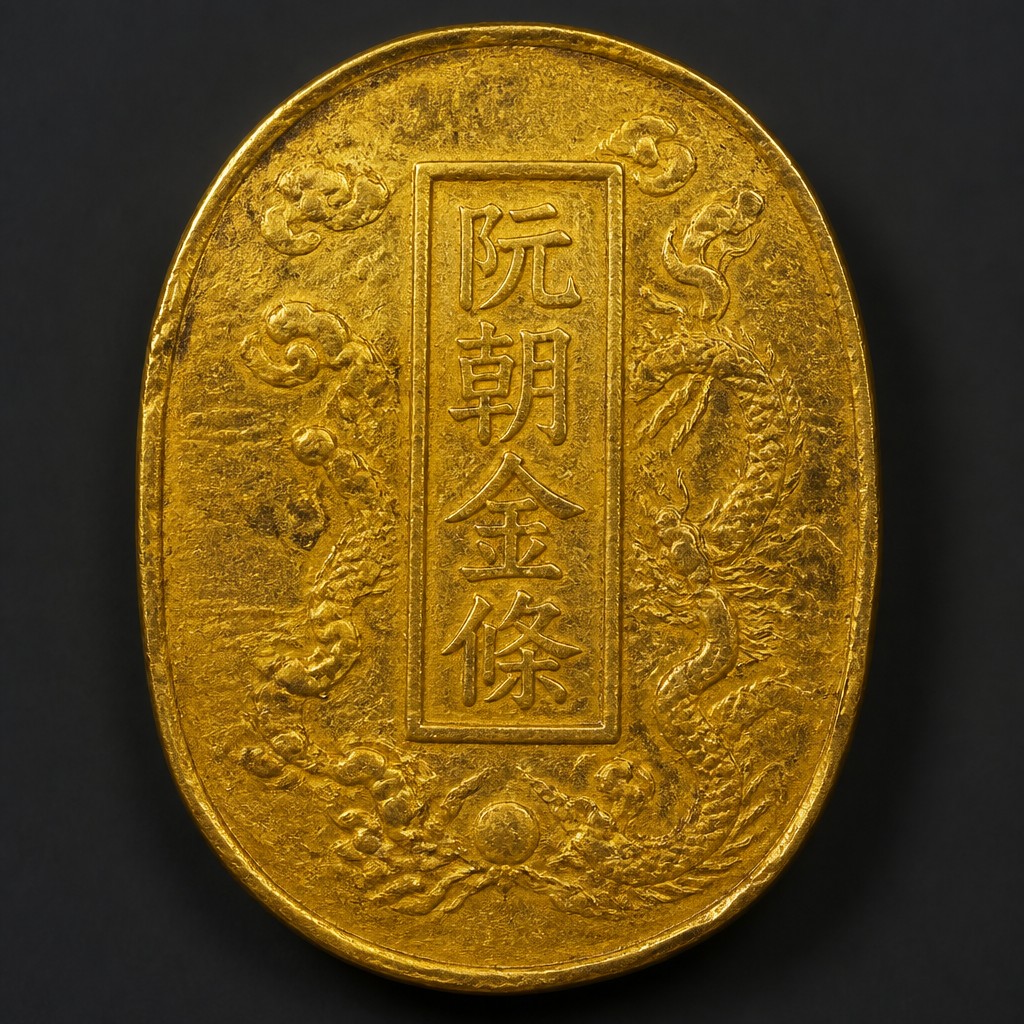
Nguyen Dynasty Gold Bar (Vietnam)
Imperial Vietnamese gold ingot from the Nguyen Dynasty, used for treasury reserves, tribute, and high-value transactions rather than everyday commerce.
Asian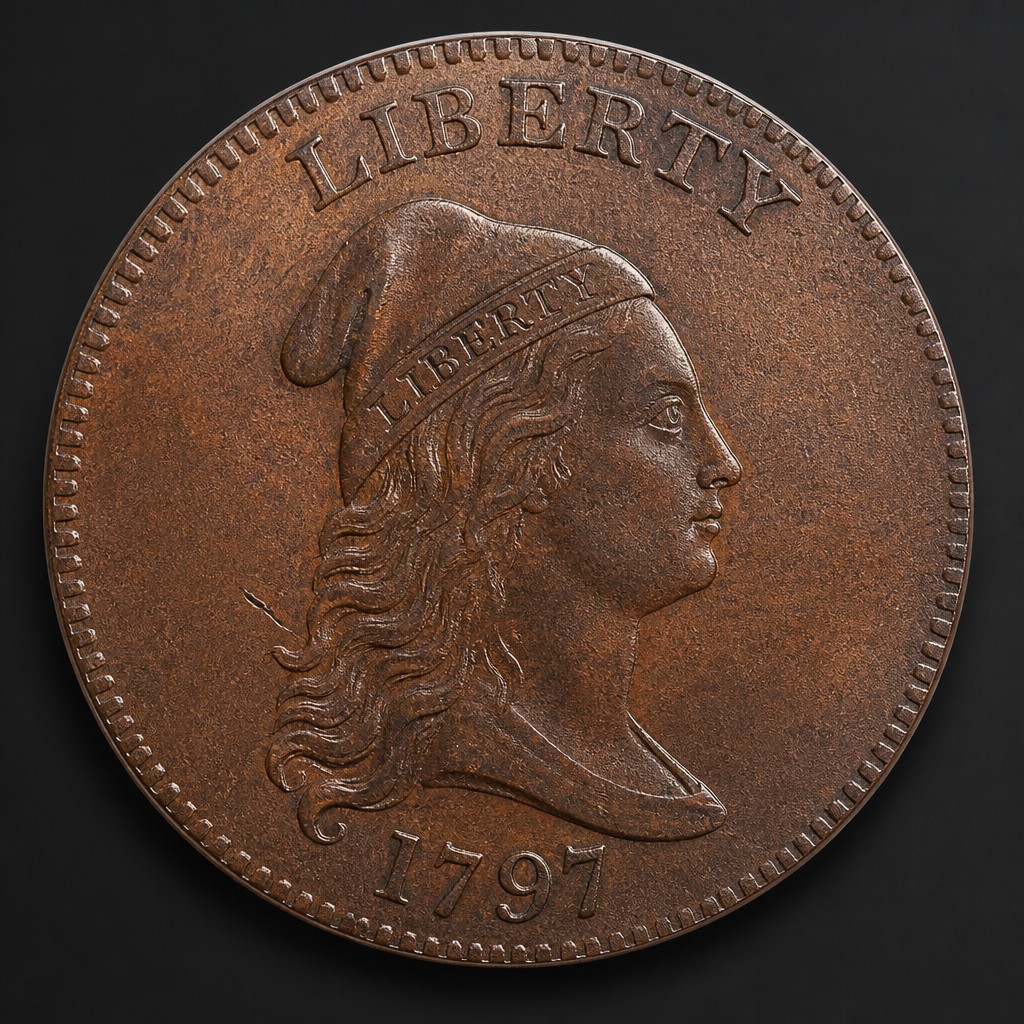
Liberty Cap Half Cent
The first design used on the U.S. half cent, struck from 1793 to 1797, showing Liberty wearing a soft cap on the obverse and a wreath on the reverse.
United States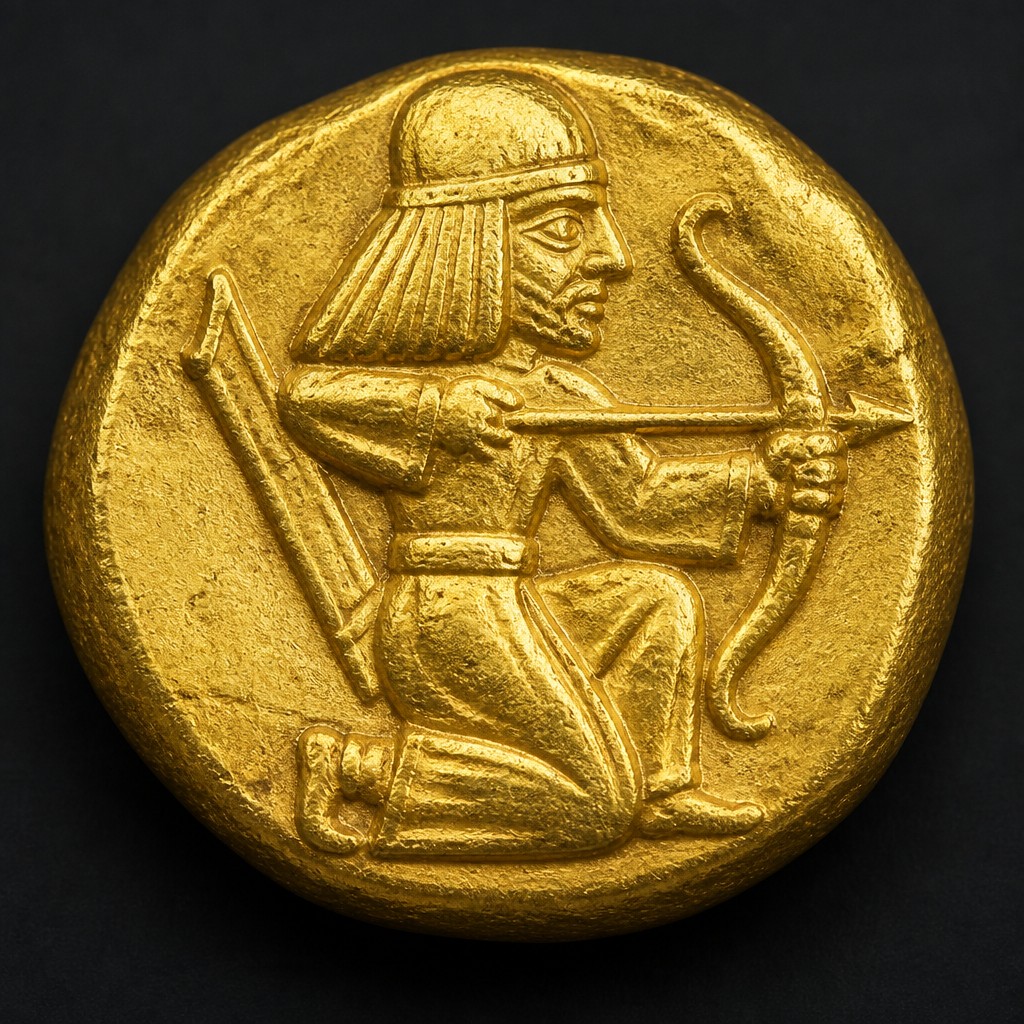
Persian Gold Daric
The standard gold coin of the Achaemenid Persian Empire, depicting the Persian Great King as a running or kneeling archer, used widely to pay soldiers and mercenaries.
Ancient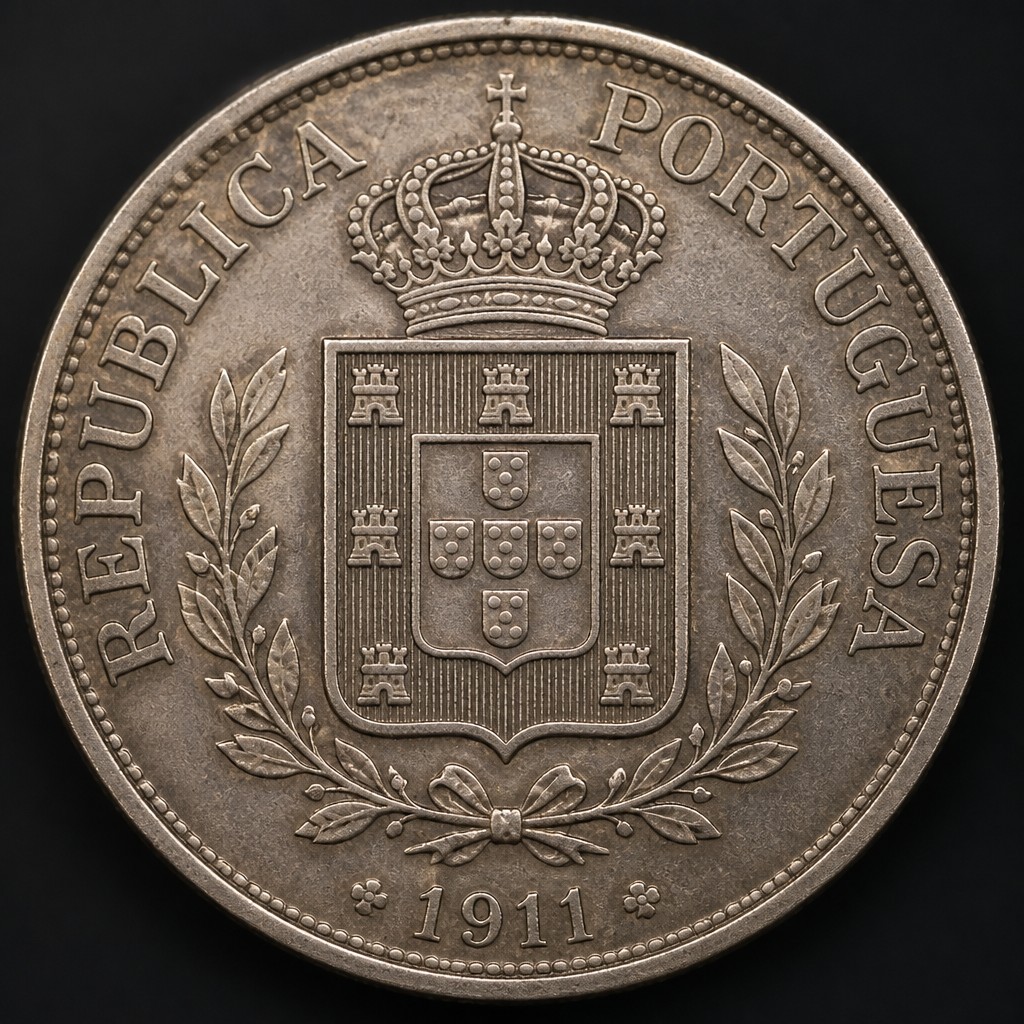
Portuguese Real
Portugal's centuries-old pre-decimal currency unit, used from the medieval era until the 1911 introduction of the escudo, also struck for Brazil and other colonies.
European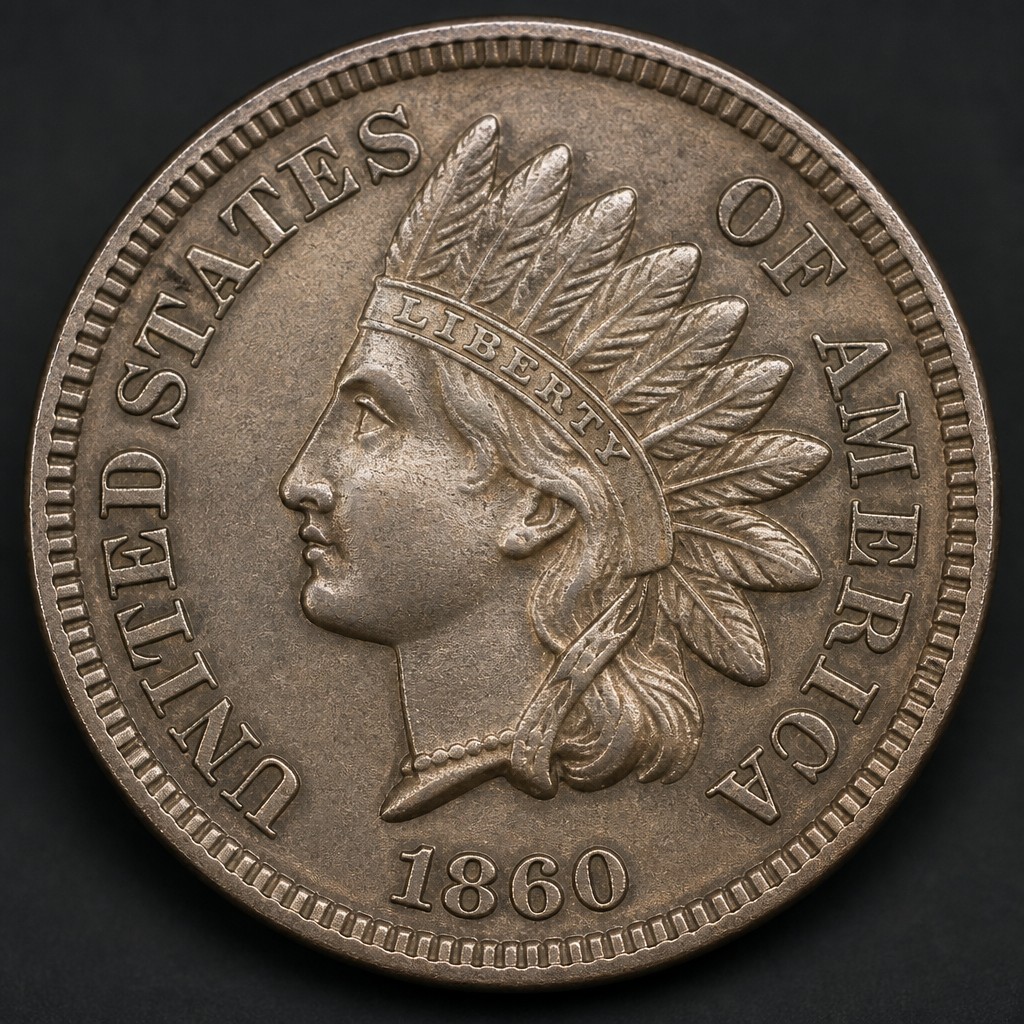
1860 Indian Head Cent (Oak Wreath)
The redesigned Indian Head cent introducing the oak wreath and shield reverse that would remain in use, with only a metal change in 1864, through the end of the series in 1909.
United States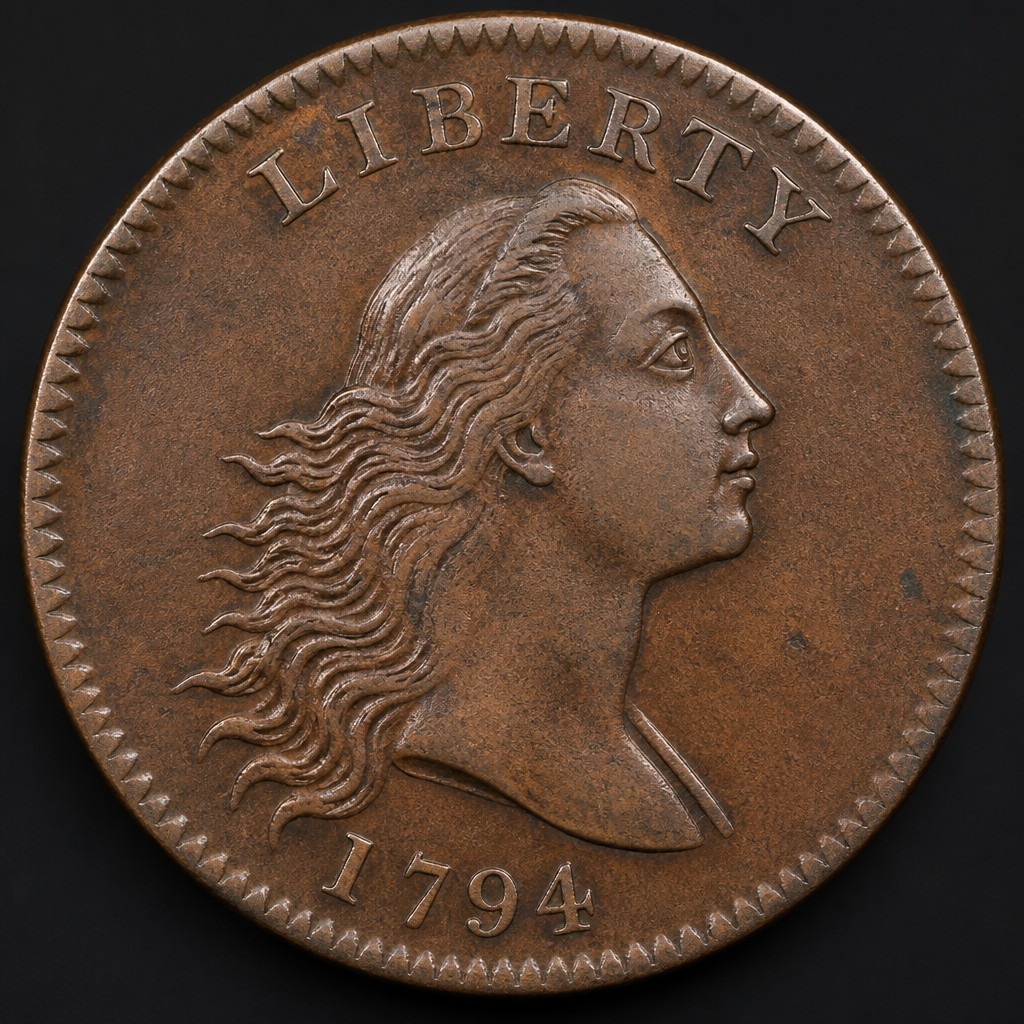
1794 Flowing Hair Cent
An early United States large copper cent from the first years of the Mint, associated with the Flowing Hair Liberty portrait used on the nation's earliest coinage.
United States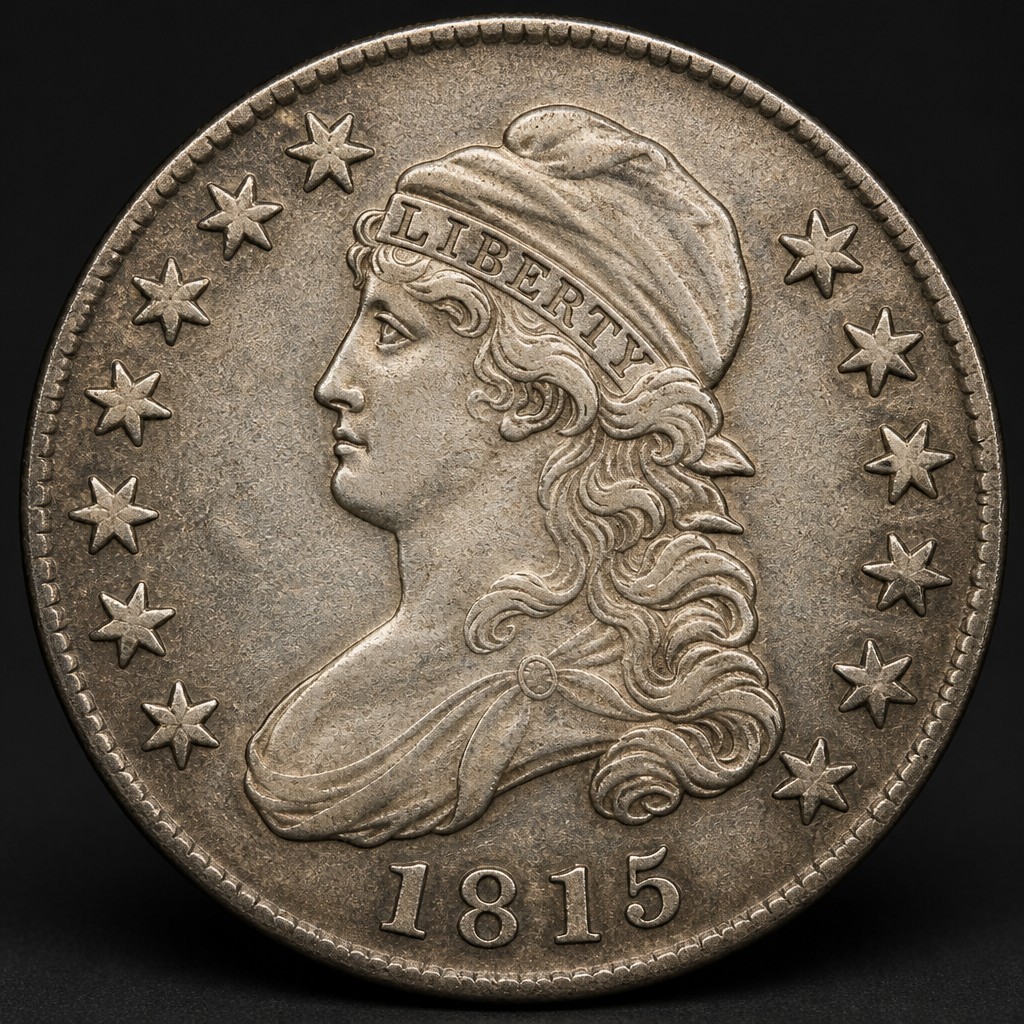
1815 Capped Bust Quarter
The first quarter struck since 1807, the 1815 issue introduced John Reich's Capped Bust design in the large-diameter format used through 1828.
United States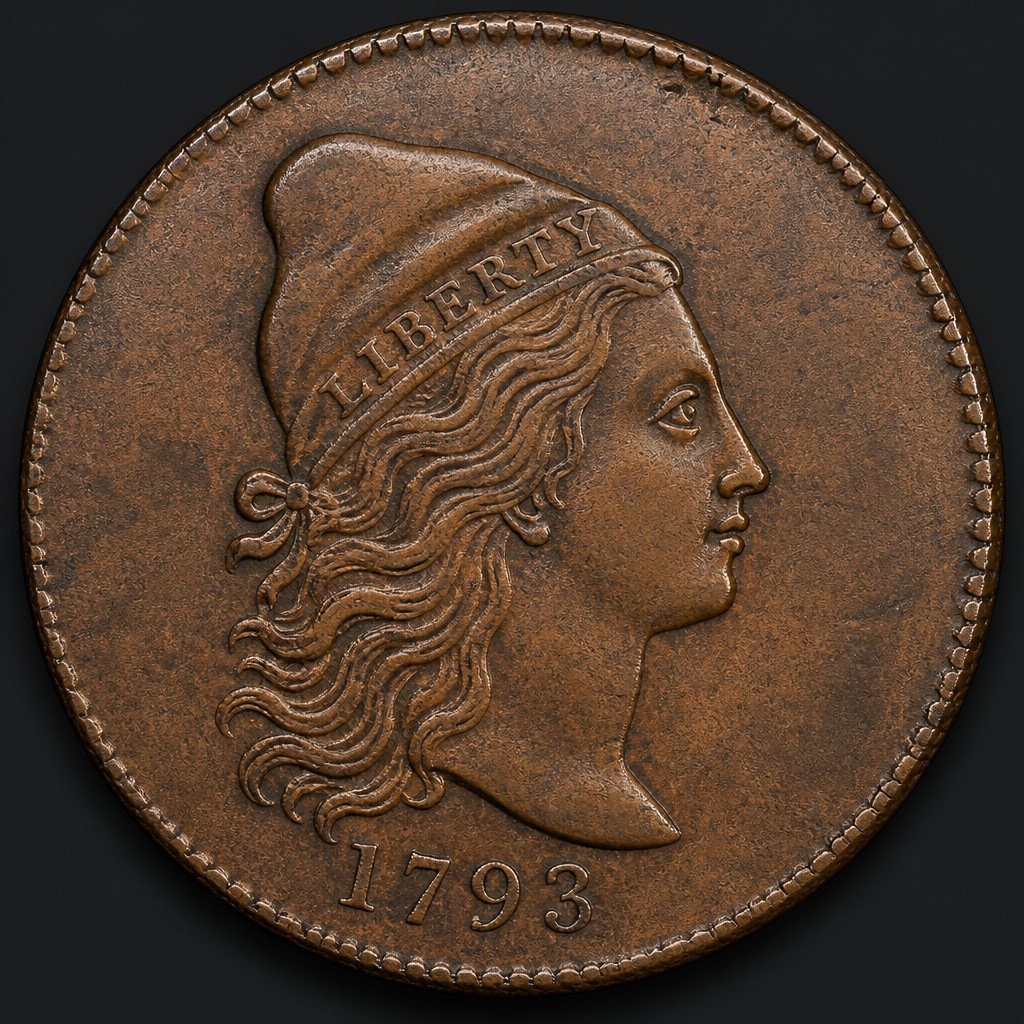
Liberty Cap Large Cent
An early United States copper cent showing Liberty with a pole and pileus (liberty cap) over her shoulder, the third cent design used in the Mint's first years.
United States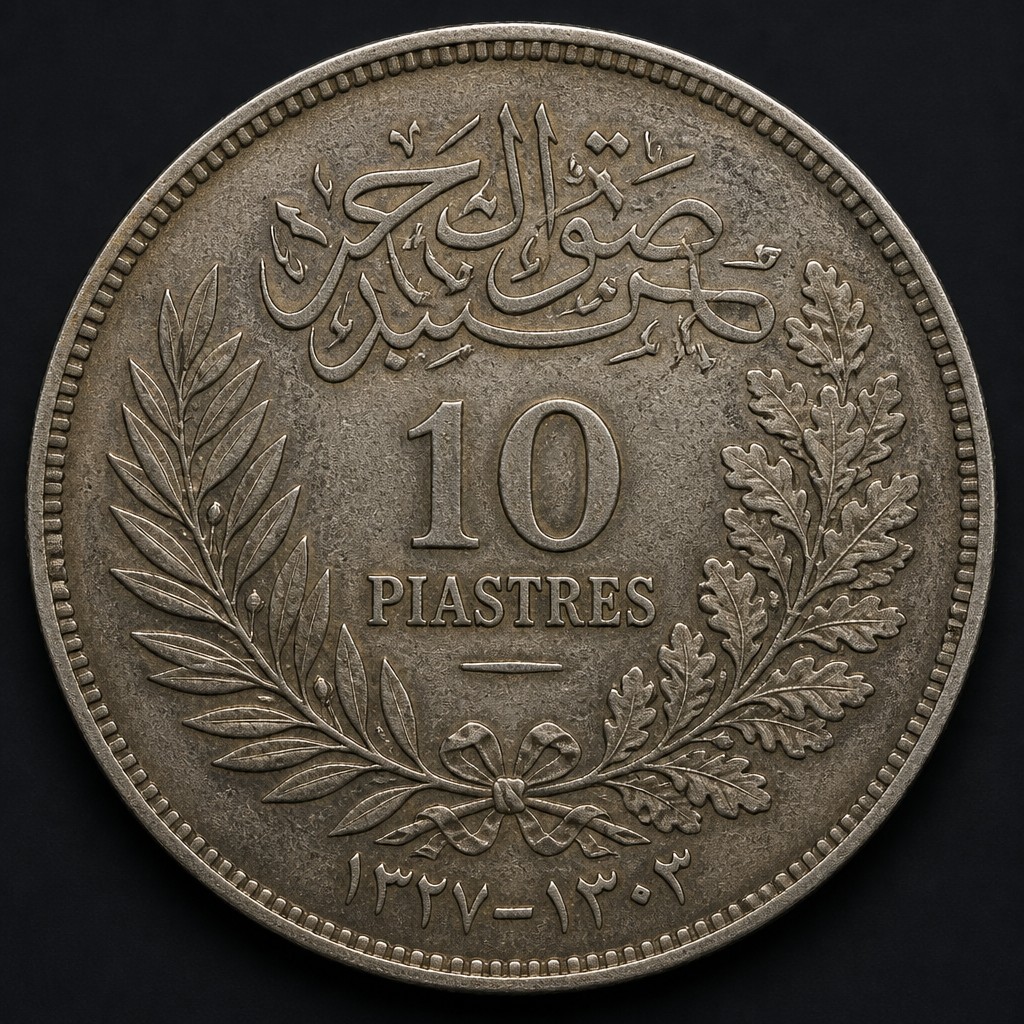
Egyptian 10 Piastres (silver)
A workhorse silver coin of Khedival, Sultanate, and Kingdom-era Egypt, one-tenth of a pound and commonly found in worn circulated grades from decades of daily use.
Africa & Oceania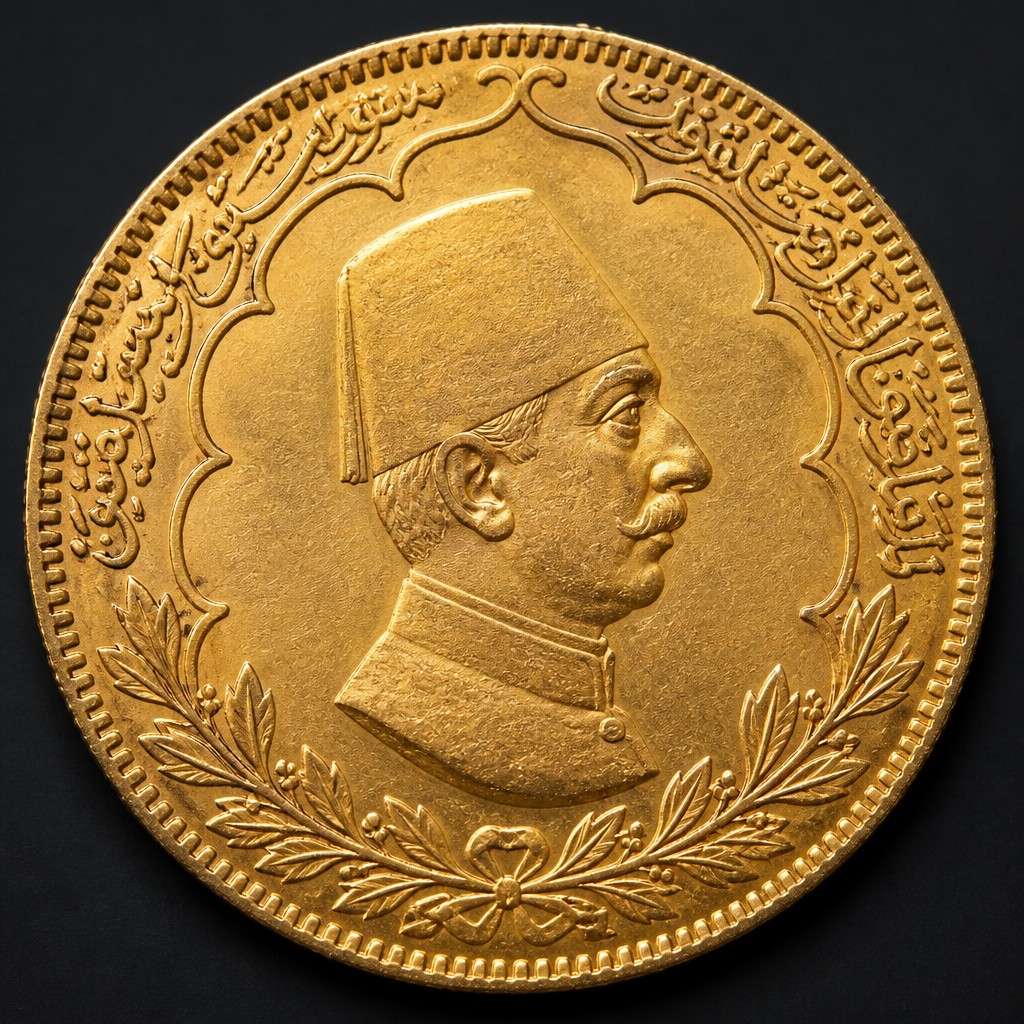
Ottoman Gold 500 Kurus (Abdulhamid II)
A substantial gold coin struck under Sultan Abdulhamid II, equal to five Ottoman lira, bearing his tughra and used both for circulation and as a store of wealth.
World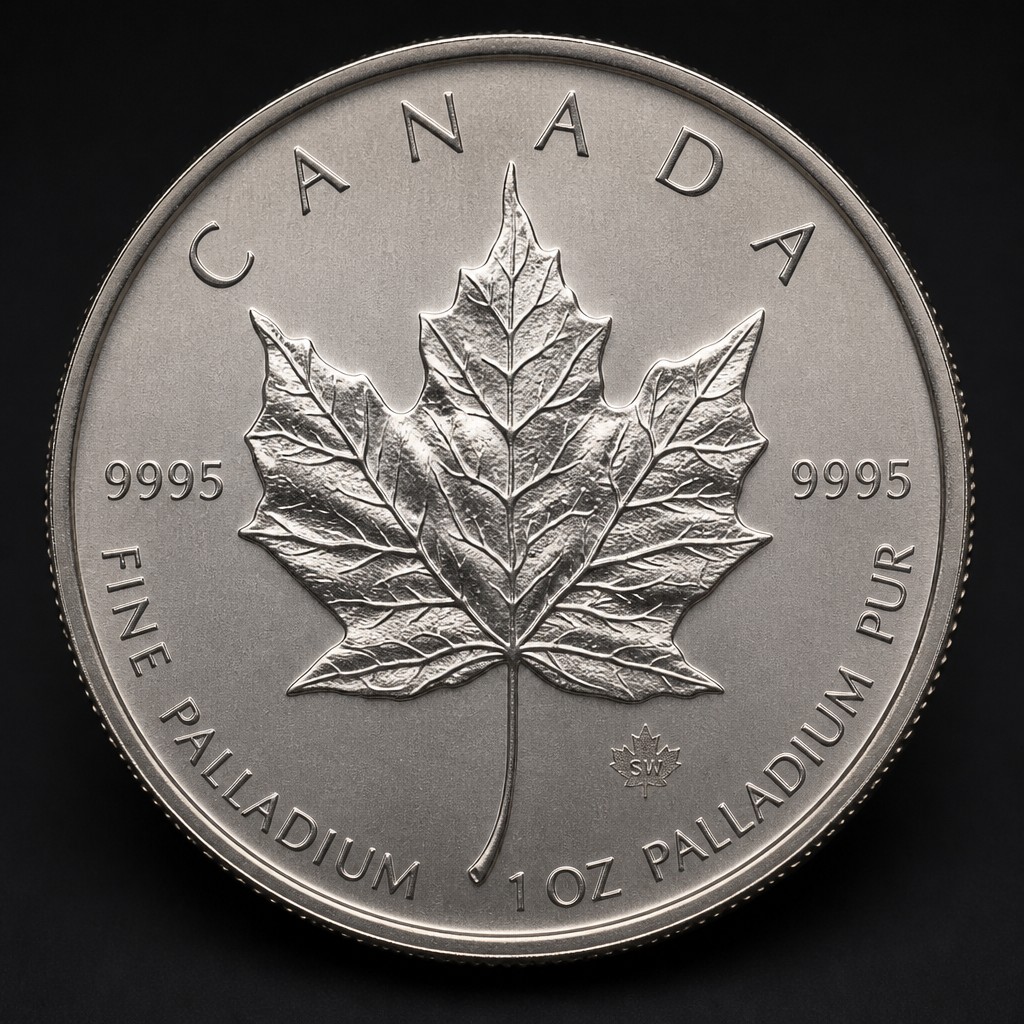
Canadian Palladium Maple Leaf
The Royal Canadian Mint's palladium bullion coin, sharing the Maple Leaf design used across Canada's precious metal series, produced intermittently since 2005.
Bullion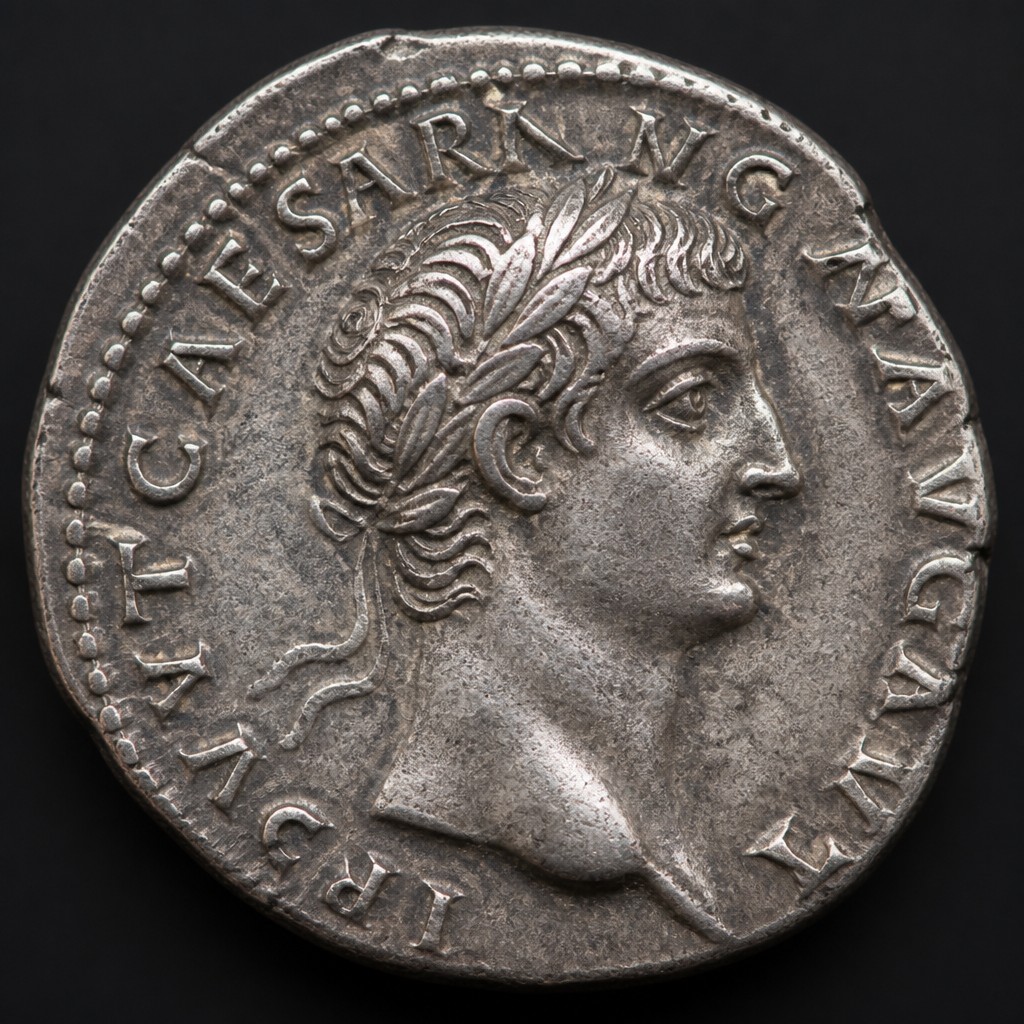
Roman Denarius
The workhorse silver coin of ancient Rome for over four centuries, used across the Republic and Empire and one of the most widely collected categories of ancient coinage today.
Ancient