
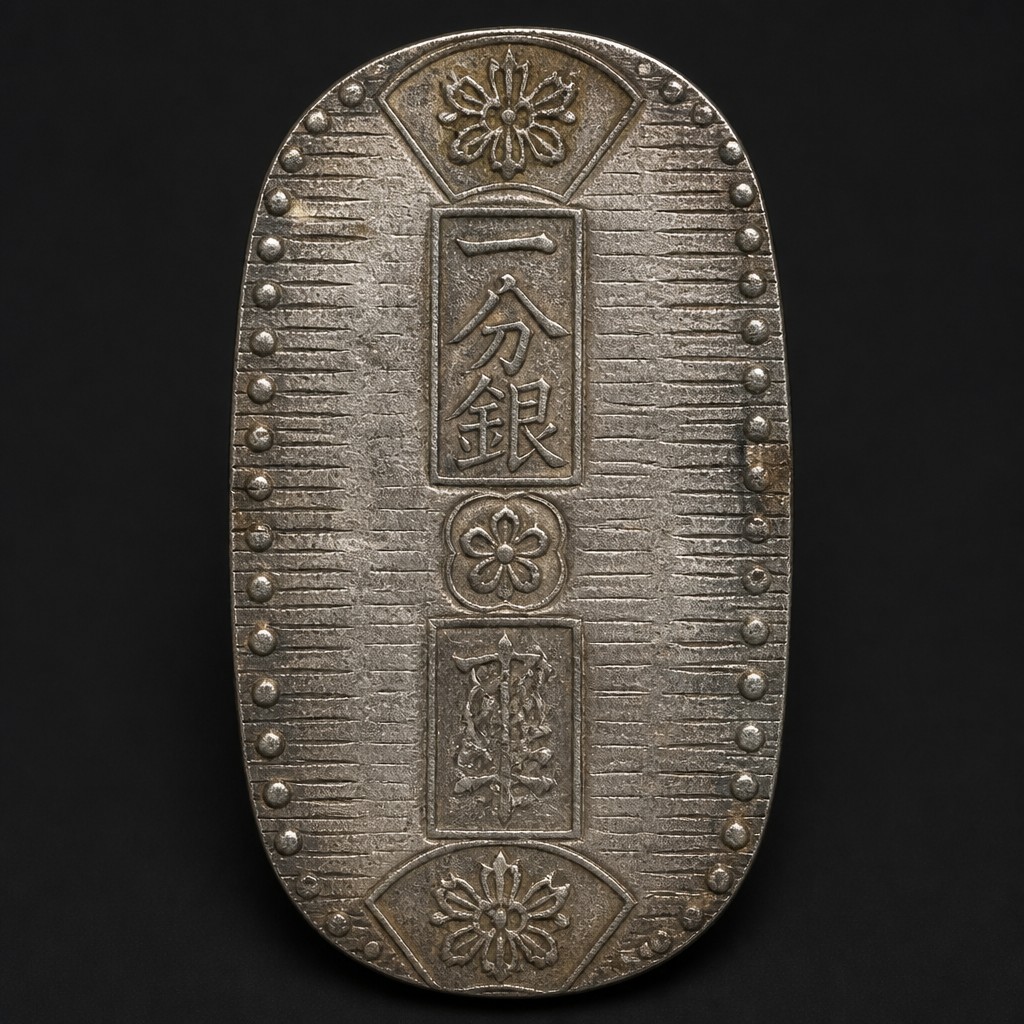
Japanese Bu / Ichibu-gin (silver bar coin)
Rectangular silver bar-shaped coin used as fixed-value currency in Tokugawa Japan, valued as a fraction of the gold ryo rather than by weight.
- Country
- Japan (Edo Period)
- Denomination
- 1 Bu (1/4 Ryo)
- Metal
- Silver
Got a coin like this?
Identify any coin from a photo, free.
Overview
The Ichibu-gin, commonly called simply the silver Bu, is a distinctive rectangular, bar-like coin used during Japan's Edo period under the Tokugawa shogunate. Unlike earlier Japanese silver currency, which circulated by weight, the Ichibu-gin was a fixed-denomination coin valued at one-quarter of a gold ryo, integrating silver into Japan's gold-based monetary hierarchy.
Several versions of the Ichibu-gin were issued over the Edo period as the shogunate periodically revised the coinage to address economic pressures, debasement, and the need to manage the relative value of gold, silver, and copper currencies used simultaneously across Japan.
The coin's unusual rectangular shape, stamped with official marks including the paulownia crest, distinguishes it sharply from the round coinage more familiar from other cultures, and it remains a favorite among collectors of Japanese numismatics for its unusual form and role in a complex trimetallic monetary system.
History & Background
Japan's Tokugawa shogunate, established in the early seventeenth century, developed a distinctive trimetallic currency system using gold coins (ryo and its fractions), silver coins, and copper or bronze cash coins, each historically valued differently across regions. To standardize the silver currency and integrate it more directly with the gold-based system used in eastern Japan, the shogunate introduced fixed-value silver denominations such as the Ichibu-gin, rather than relying purely on weight-based silver pieces like chogin and mameita-gin.
Over the roughly two and a half centuries of Tokugawa rule, the shogunate issued several distinct types of Ichibu-gin, often coinciding with broader currency reforms undertaken to address fiscal pressures, debase or restore metal content, or respond to the increasing presence of foreign traders in the final years of the shogunate.
Production of the Ichibu-gin continued into the Bakumatsu period, the turbulent final years of shogunate rule, with later issues sometimes struck at a different silver standard in response to pressure from foreign trade treaties, before the coin was ultimately phased out following the Meiji Restoration and Japan's adoption of a modern decimal currency system.
How to Identify
The Ichibu-gin is rectangular rather than round, typically small enough to fit easily in the palm, with a stamped design on both faces rather than an image in the Western sense. The obverse generally bears the paulownia (kiri) crest associated with the shogunate along with characters indicating the denomination, "Bu," while the reverse carries additional inscriptions, sometimes including issuing office marks or artisan signatures unique to the specific historical type.
Different issues of the Ichibu-gin can be distinguished by their exact dimensions, silver fineness, and the specific style and placement of the stamped characters, since the shogunate periodically revised the coin's specifications. Specialist references catalog these types by era name, such as Genbun, Bunsei, Ansei, or Meiji Ichibu-gin, each with recognized differences useful for identification.
Because the coin was hand-stamped on cut and shaped silver blanks rather than struck from dies in the Western sense, individual examples can show some variation in stamp placement and strike quality, which is normal for the type rather than necessarily a sign of a problem.
Value & Collectibility
Common types of Ichibu-gin, particularly later and more heavily produced issues, are generally affordable and can be found for modest prices in worn or typical circulated condition. Earlier or scarcer types, and pieces in exceptional condition with sharp stamped details, command higher premiums among specialists in Japanese numismatics.
Value is driven primarily by the specific historical type, the coin's silver fineness and completeness of the stamped design, and overall preservation, since the coin's soft metal and small size make it prone to wear and edge damage. Typical examples of common types often trade in the tens of dollars, while rare types or exceptional condition pieces can reach considerably higher prices at auction or through specialist dealers.
Frequently asked questions
Why is the coin rectangular instead of round?
Japanese Edo-period silver and gold coinage often took a rectangular or oval bar shape rather than the round form common in most other currencies, a distinctive feature of the era's currency system.
What does 'Bu' mean as a denomination?
The Bu was a fixed-value silver denomination equal to one-quarter of a gold ryo within the Tokugawa currency system.
Is Ichibu-gin the same as chogin?
No, chogin was a weight-based silver currency valued by scale, while Ichibu-gin was a fixed-denomination coin valued the same regardless of minor weight variation.
When did this type of coin stop being used?
Production and circulation ended around the time of the Meiji Restoration in the late 1860s, when Japan transitioned to a modern decimal currency system.
Other coins you may enjoy
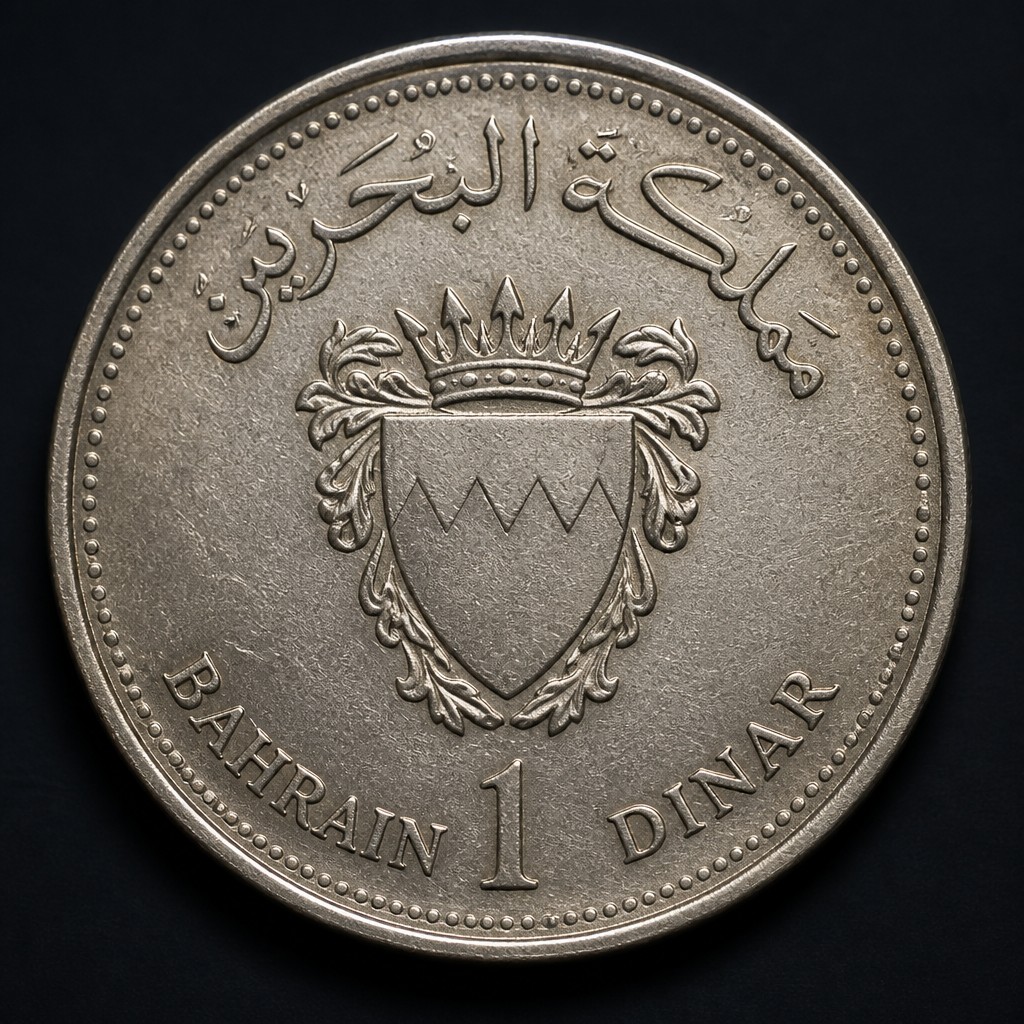
Bahraini Dinar
1965–present
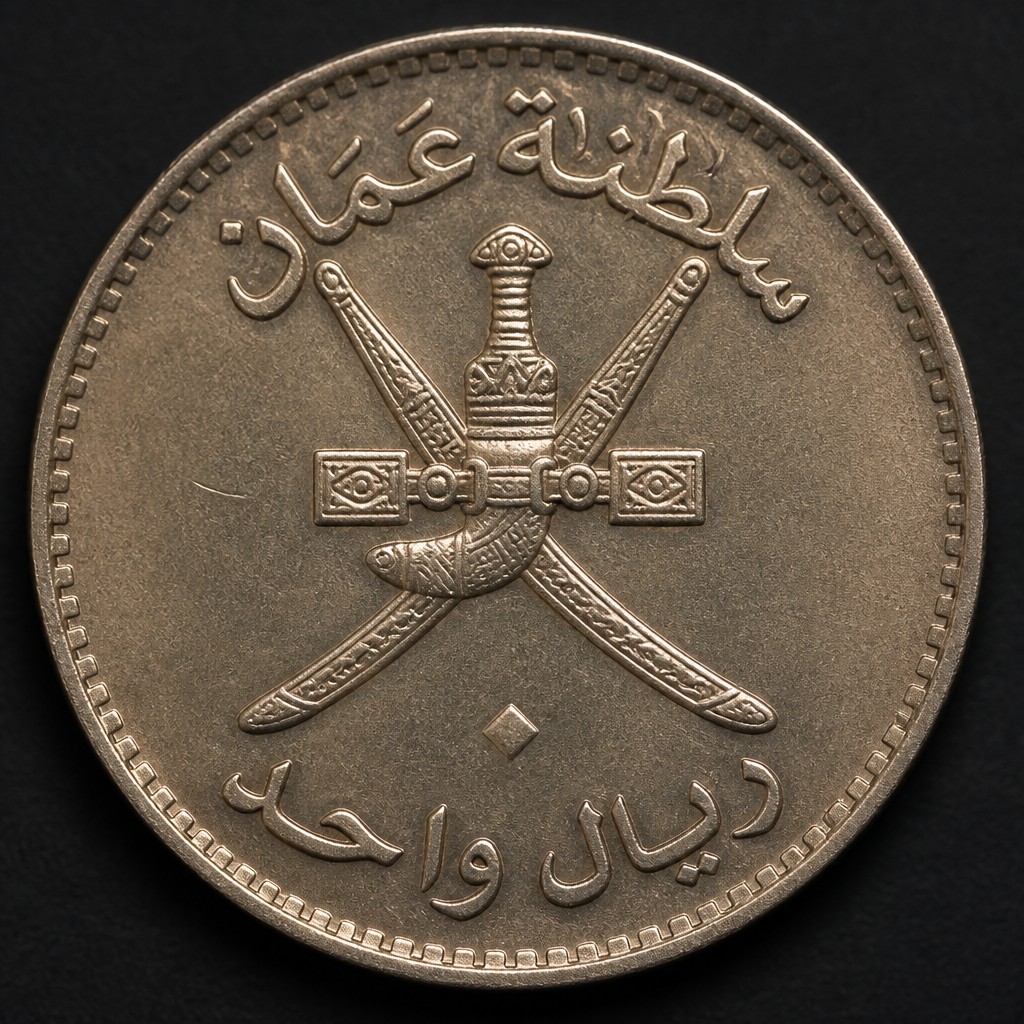
Omani Rial (Baisa Coinage)
1970–present
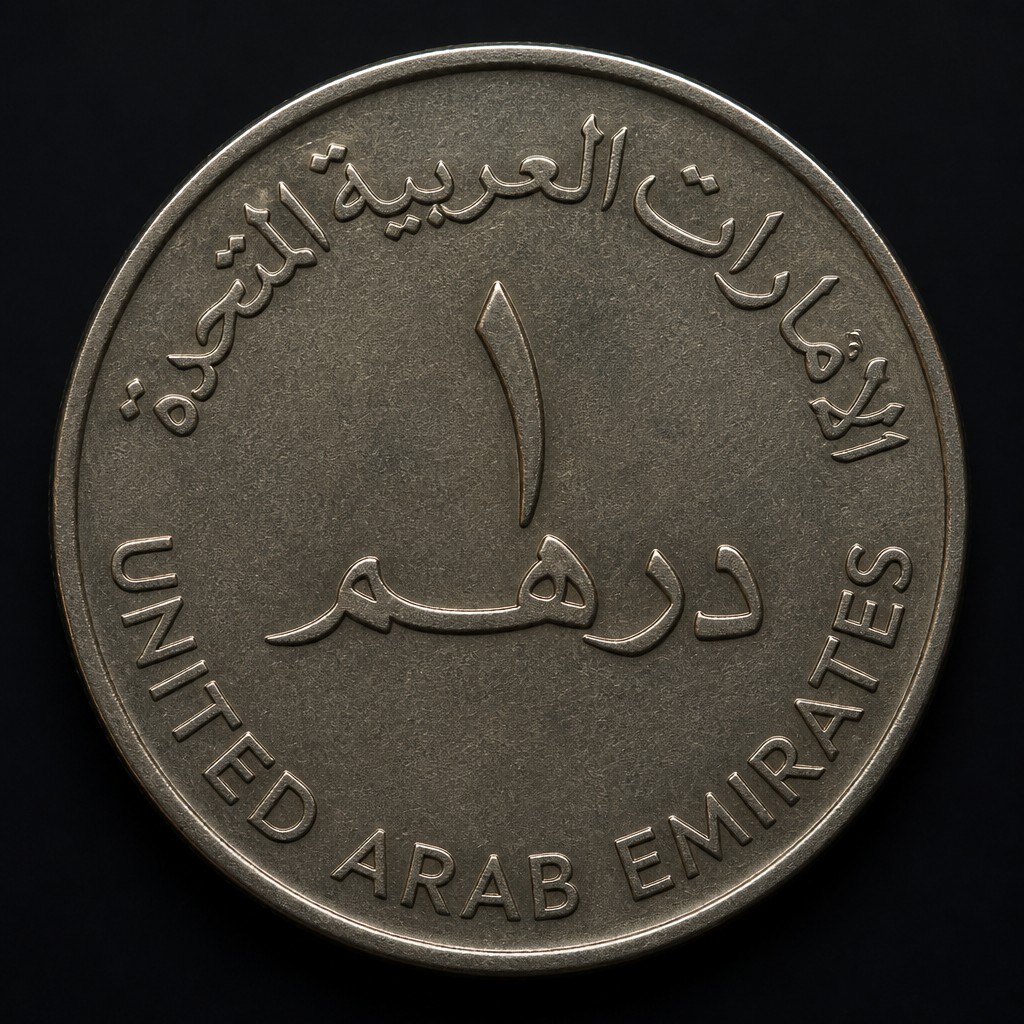
United Arab Emirates Dirham
1973–present
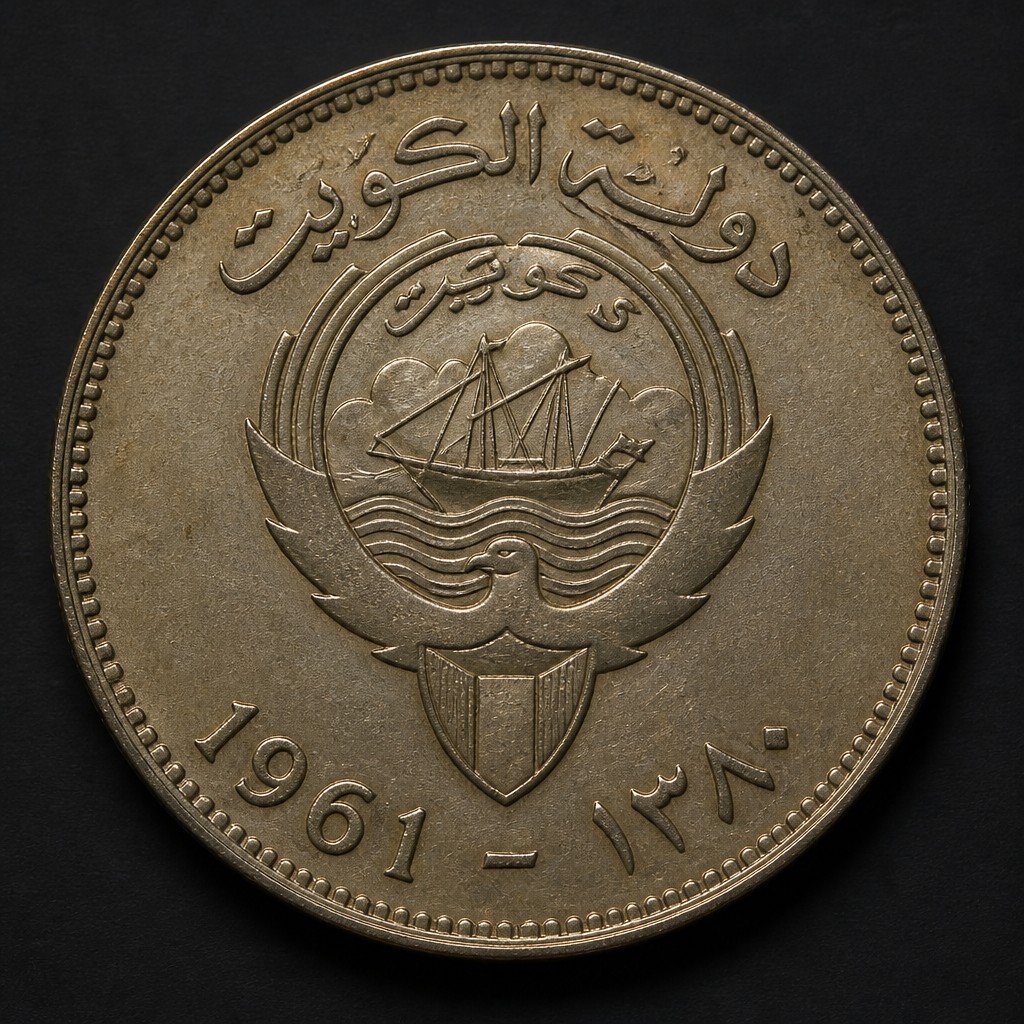
Kuwaiti Fils
1961–present
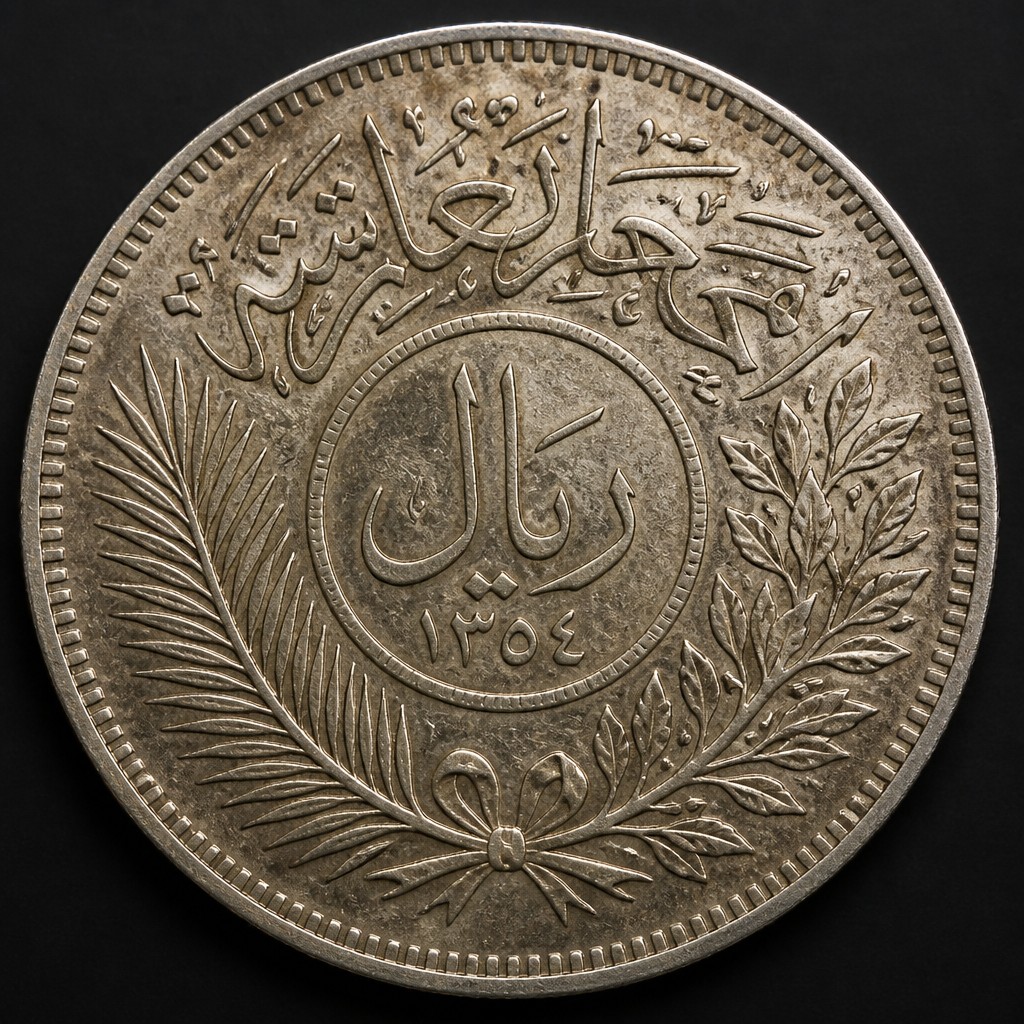
Saudi Arabian Riyal (silver)
1935 (Kingdom-wide standardization) and related issues
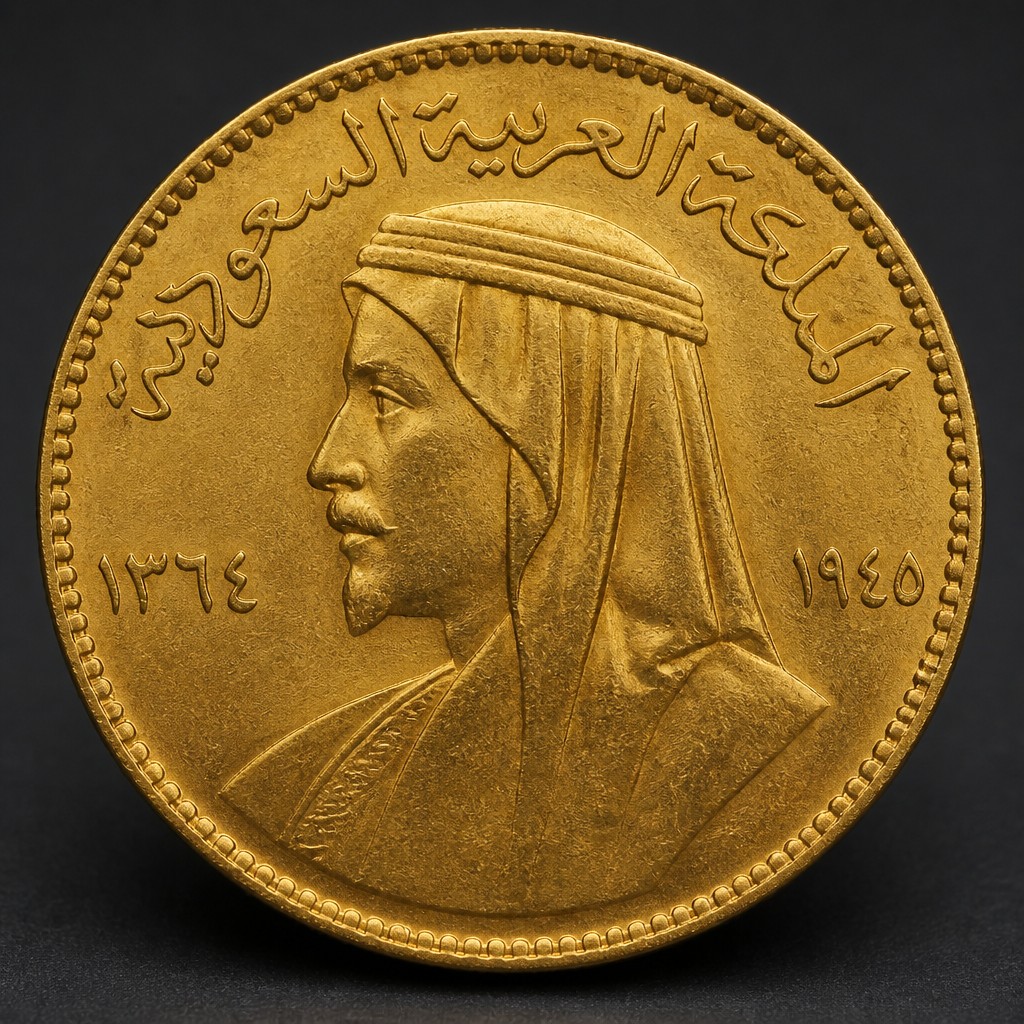
Saudi Arabian Gold Guinea (Sovereign)
1945 and later issues
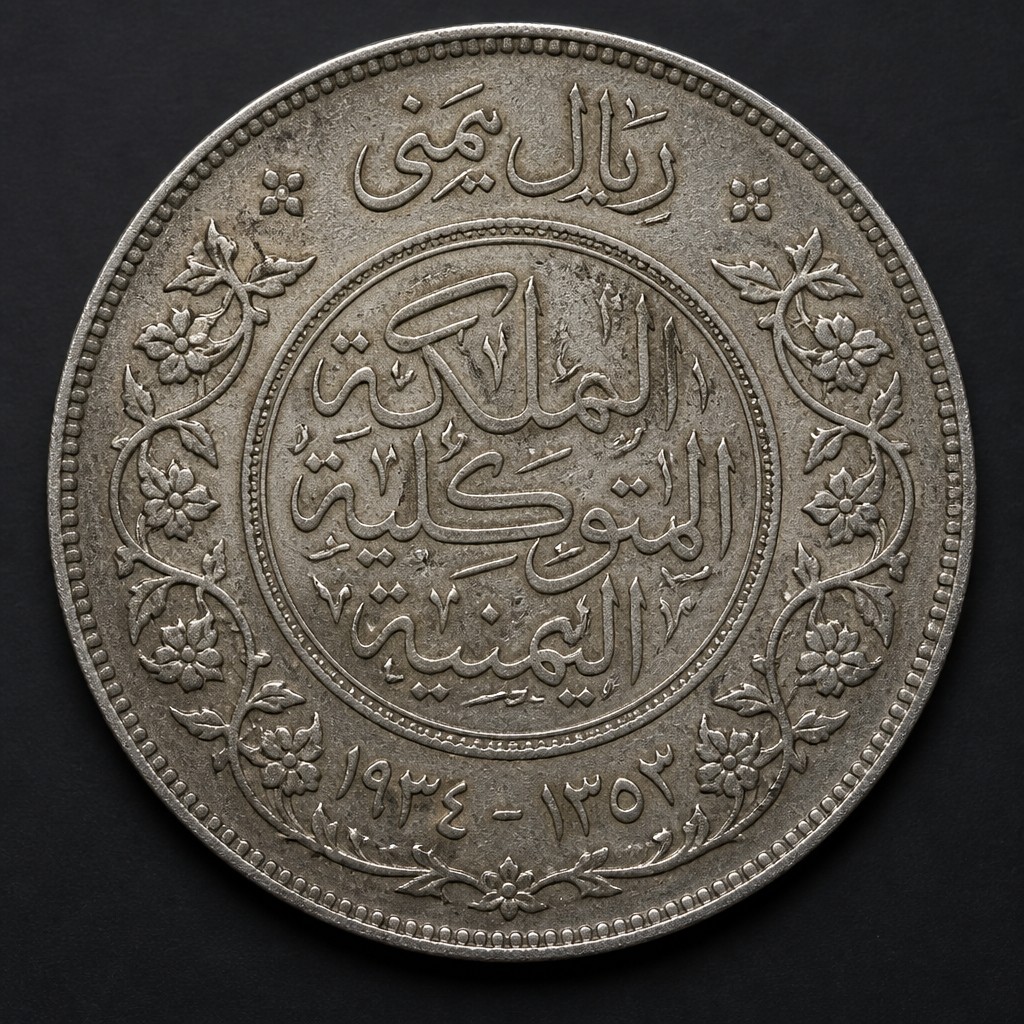
Yemeni Riyal (Ahmadi/Imadi Kingdom Coinage)
Early-to-mid 20th century
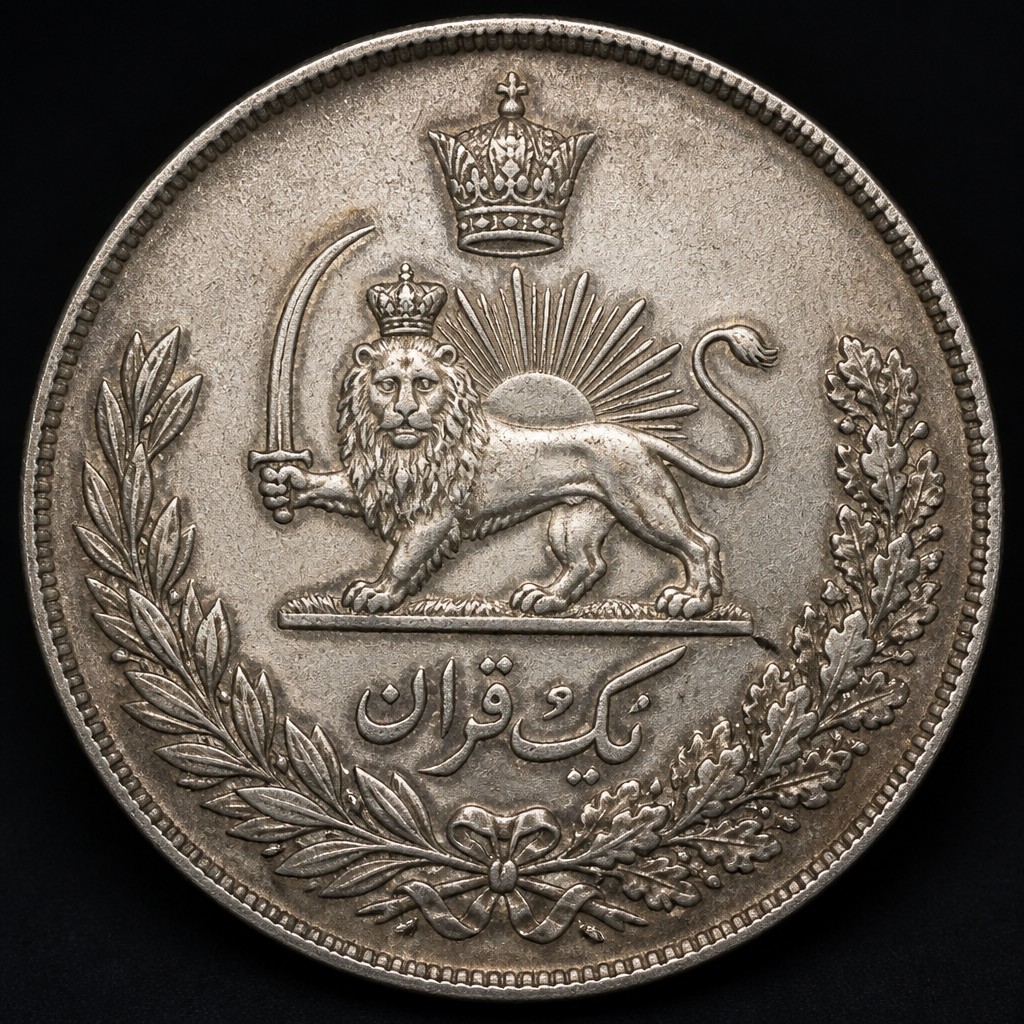
Persian Kran (Qajar silver)
Mid-19th century–1925
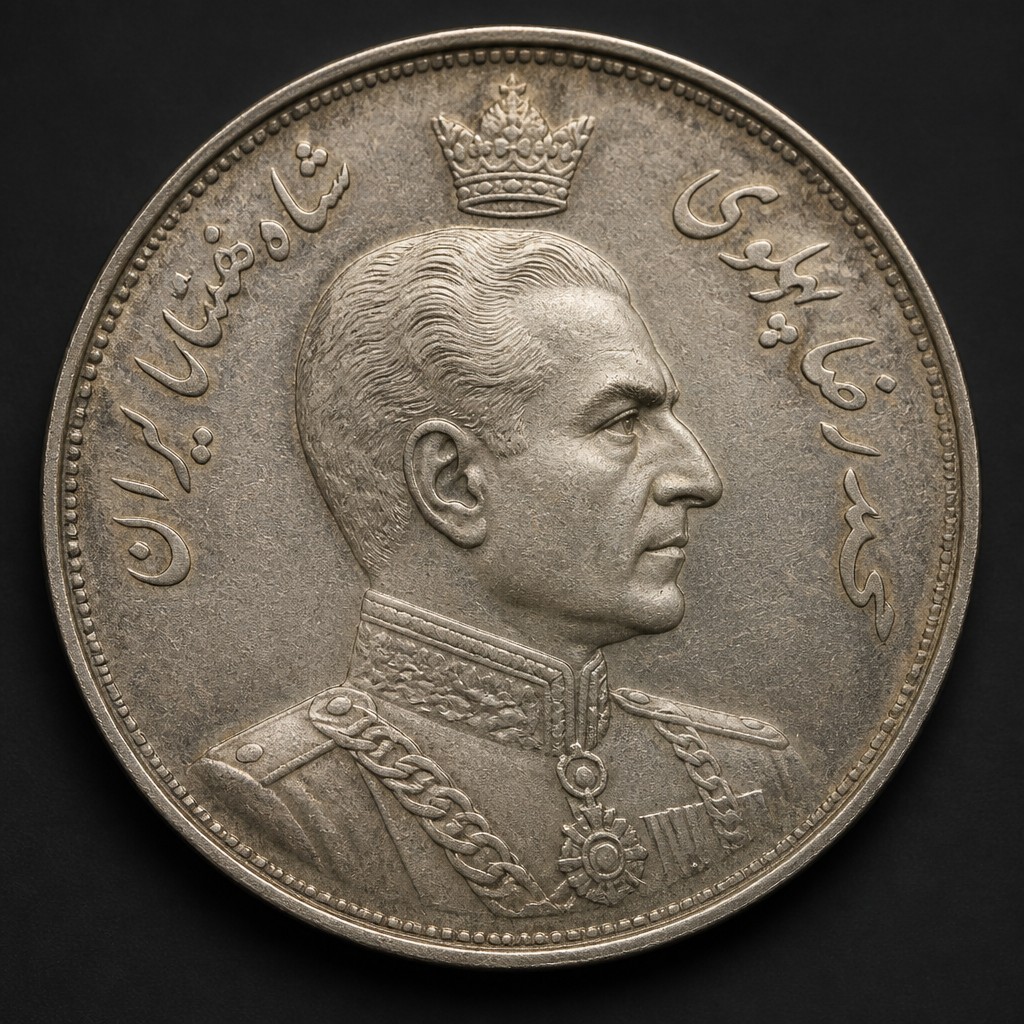
Iranian Rial
1932–present
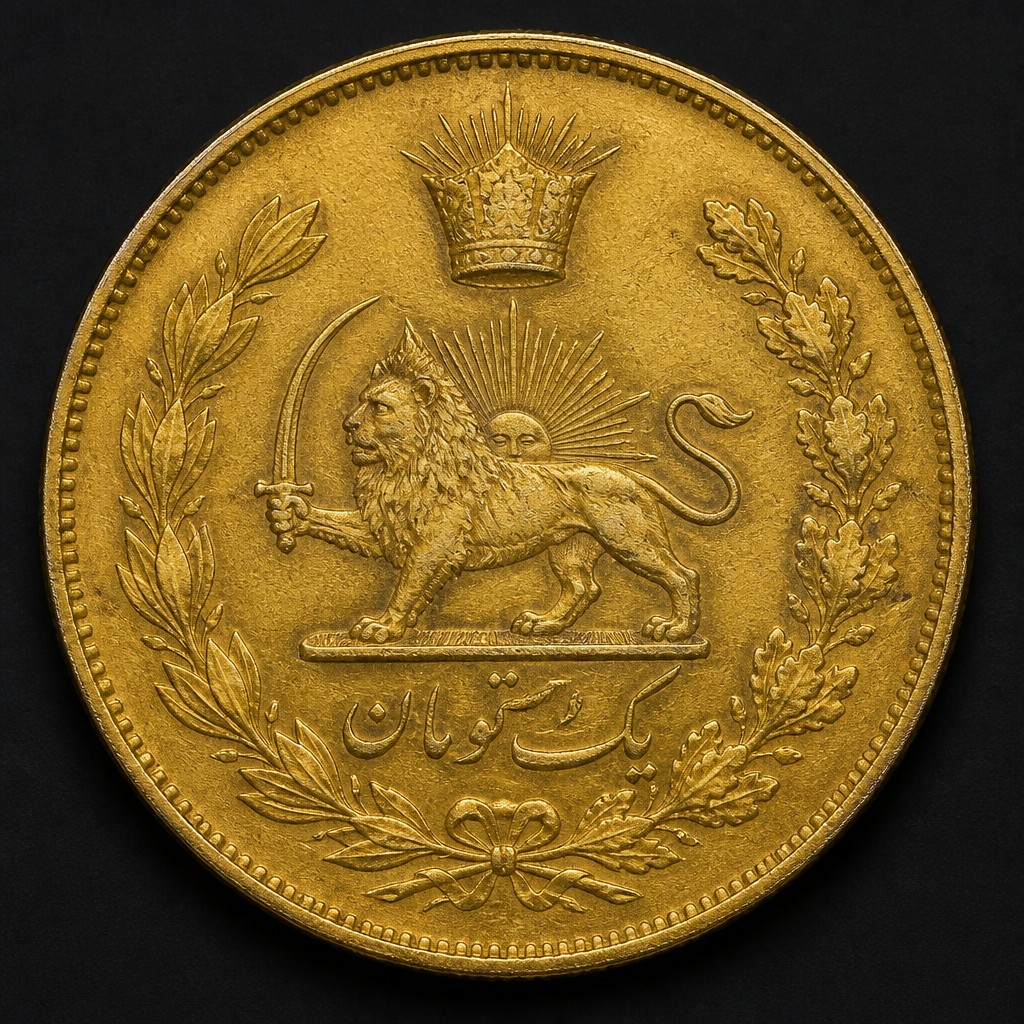
Persian Gold Toman (Qajar)
1796–1925
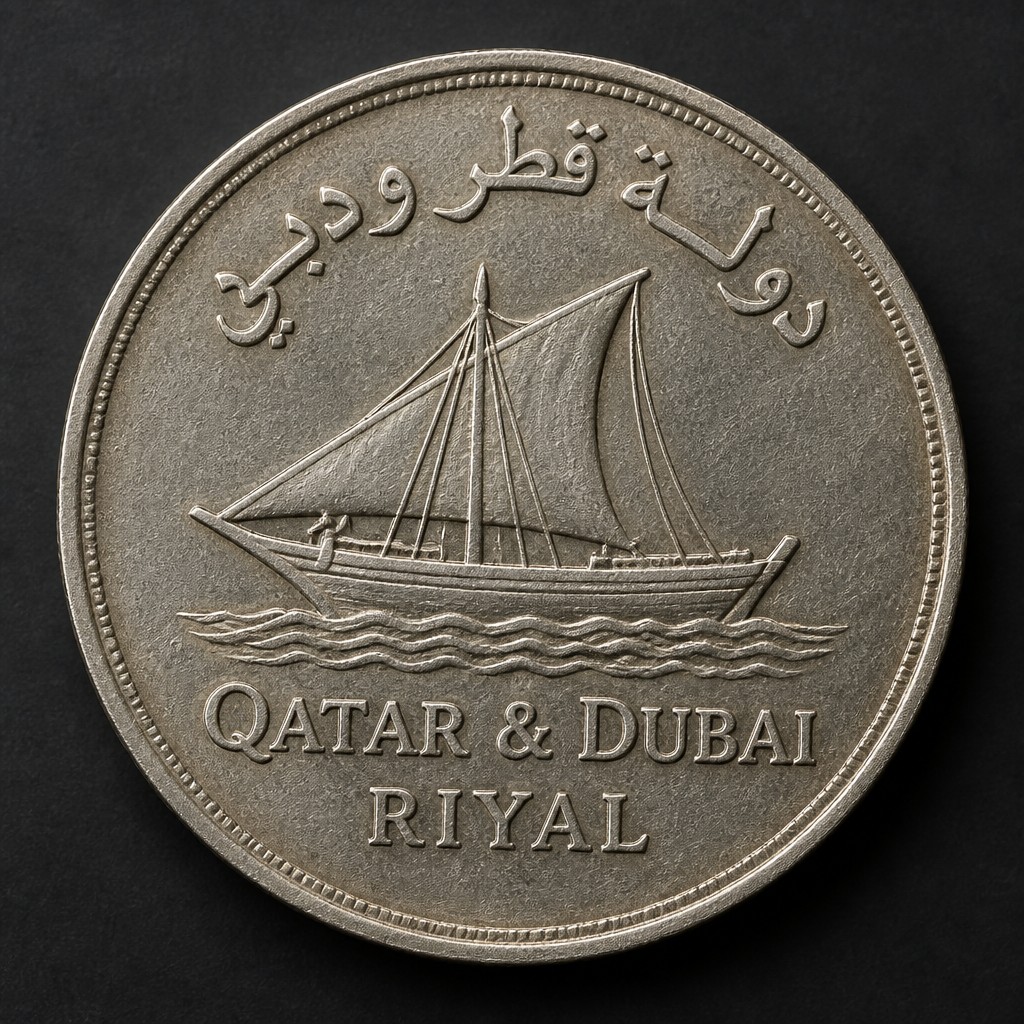
Qatar and Dubai Riyal
1966–1973
British India Rupee (Silver)
1835–1947