
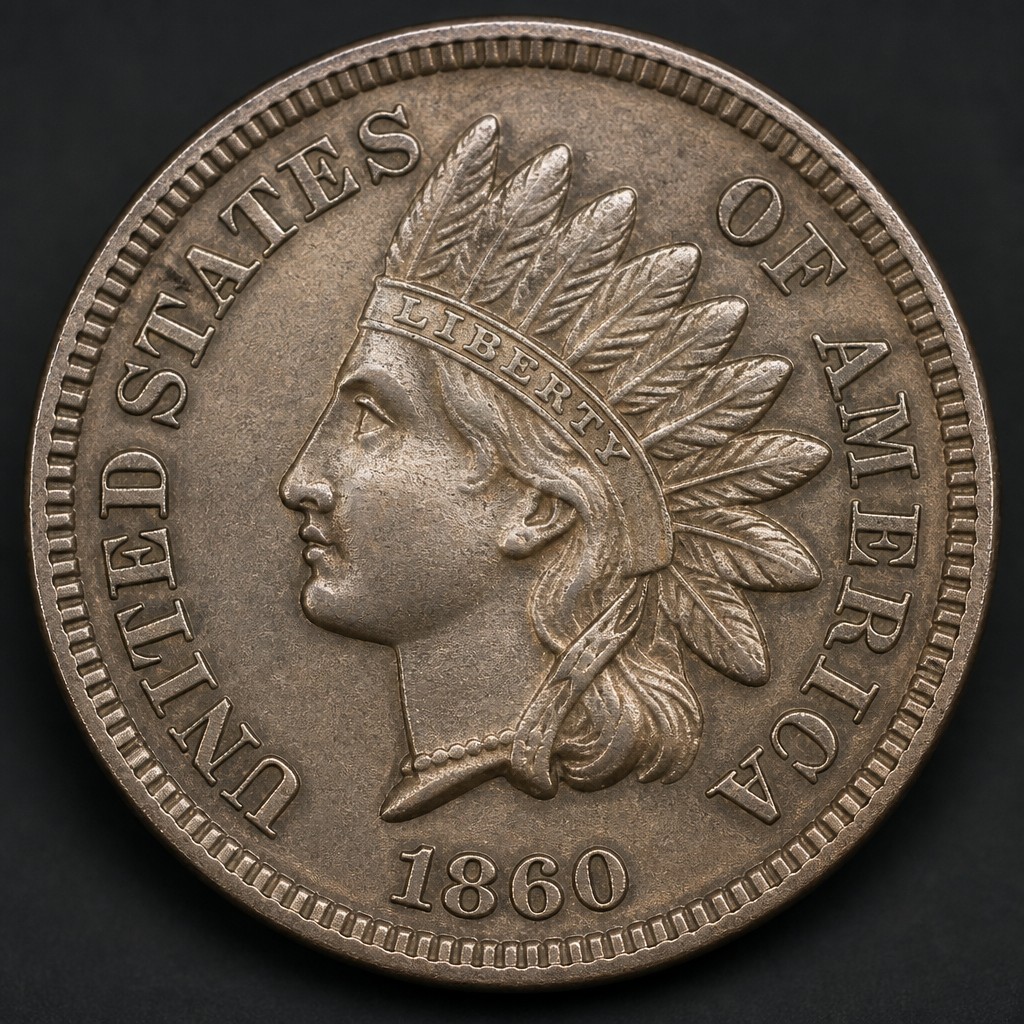
1860 Indian Head Cent (Oak Wreath)
The redesigned Indian Head cent introducing the oak wreath and shield reverse that would remain in use, with only a metal change in 1864, through the end of the series in 1909.
- Country
- United States
- Denomination
- One Cent
- Metal
- Copper-Nickel (88% Copper, 12% Nickel)
Got a coin like this?
Identify any coin from a photo, free.
Overview
The 1860 Indian Head Cent introduced a revised reverse design featuring a heavier oak wreath topped by a shield, replacing the simpler laurel wreath used only in 1859. This new reverse design proved durable, remaining essentially unchanged for the rest of the Indian Head cent's run through 1909, surviving even the later switch from copper-nickel to bronze in 1864.
Collectors regard 1860 as an important transitional date, still struck in the earlier pale copper-nickel alloy but bearing the reverse design most associated with the series overall, making it a key type coin for collectors who want the oak wreath design in its original copper-nickel composition.
History & Background
Following the single-year use of the laurel wreath reverse in 1859, the Mint's engraving staff revised the reverse for 1860, adding a shield at the top of a fuller oak wreath, a change likely intended to give the coin's reverse more visual weight and a more finished appearance. The obverse Liberty head and headdress design continued unchanged from Longacre's original 1859 work.
The oak wreath and shield reverse proved successful and was retained through the rest of the copper-nickel period (1860-1864) and then carried over into the bronze cents struck from mid-1864 through 1909, making it by far the most familiar reverse of the Indian Head cent to collectors and the public alike.
How to Identify
The obverse remains the familiar Liberty head in a feathered headdress with the date below, unchanged from 1859. The reverse is now distinguished by an oak wreath encircling 'ONE CENT,' with a small shield added at the top center, above where the wreath's ribbon ties are shown, a feature absent from the 1859 laurel wreath design.
Like the 1859 issue, 1860 cents are struck in a copper-nickel alloy, giving them a pale, yellowish-gray appearance rather than the warmer bronze tone of cents from mid-1864 onward. All 1860 cents were struck at the Philadelphia mint with no mintmark.
A subtle variety exists within 1860 itself: an early 'Pointed Bust' style, where Liberty's bust truncation comes to a point, was used briefly before being changed to a more rounded 'Rounded Bust' style used for the balance of the year and afterward.
Value & Collectibility
The 1860 cent is generally available in circulated grades at reasonable prices, making it accessible for collectors building a type set of the copper-nickel Indian Head series. The scarcer Pointed Bust variety from early in the year commands a meaningful premium over the more common Rounded Bust variety.
As with other copper-nickel Indian Head cents, well-struck, problem-free examples in higher grades are notably scarcer than the type's overall availability might suggest, since the alloy is prone to unattractive toning and spotting if not carefully preserved.
Frequently asked questions
What changed in the 1860 cent's design?
The reverse was updated to a fuller oak wreath with a shield added at the top, replacing the plain laurel wreath used only in 1859.
How long was the oak wreath and shield reverse used?
It remained in use for the rest of the Indian Head cent series, through 1909, surviving the later switch to bronze in 1864.
What is the Pointed Bust variety?
An early 1860 die variety where Liberty's bust truncation comes to a point, later changed to a more common rounded style within the same year.
What metal is the 1860 cent made of?
A copper-nickel alloy, the same used for cents from 1857 through mid-1864, giving it a pale color distinct from later bronze issues.
Other coins you may enjoy
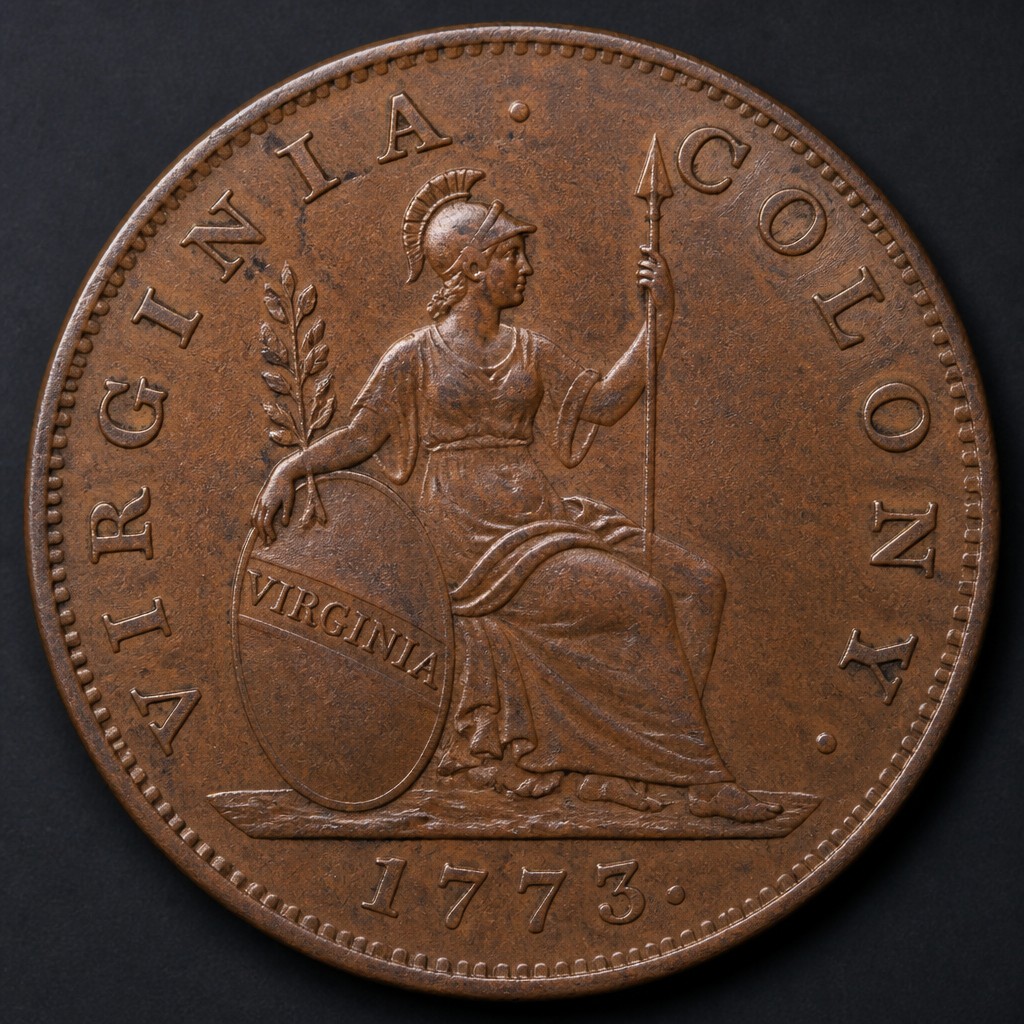
Virginia Halfpenny
1773
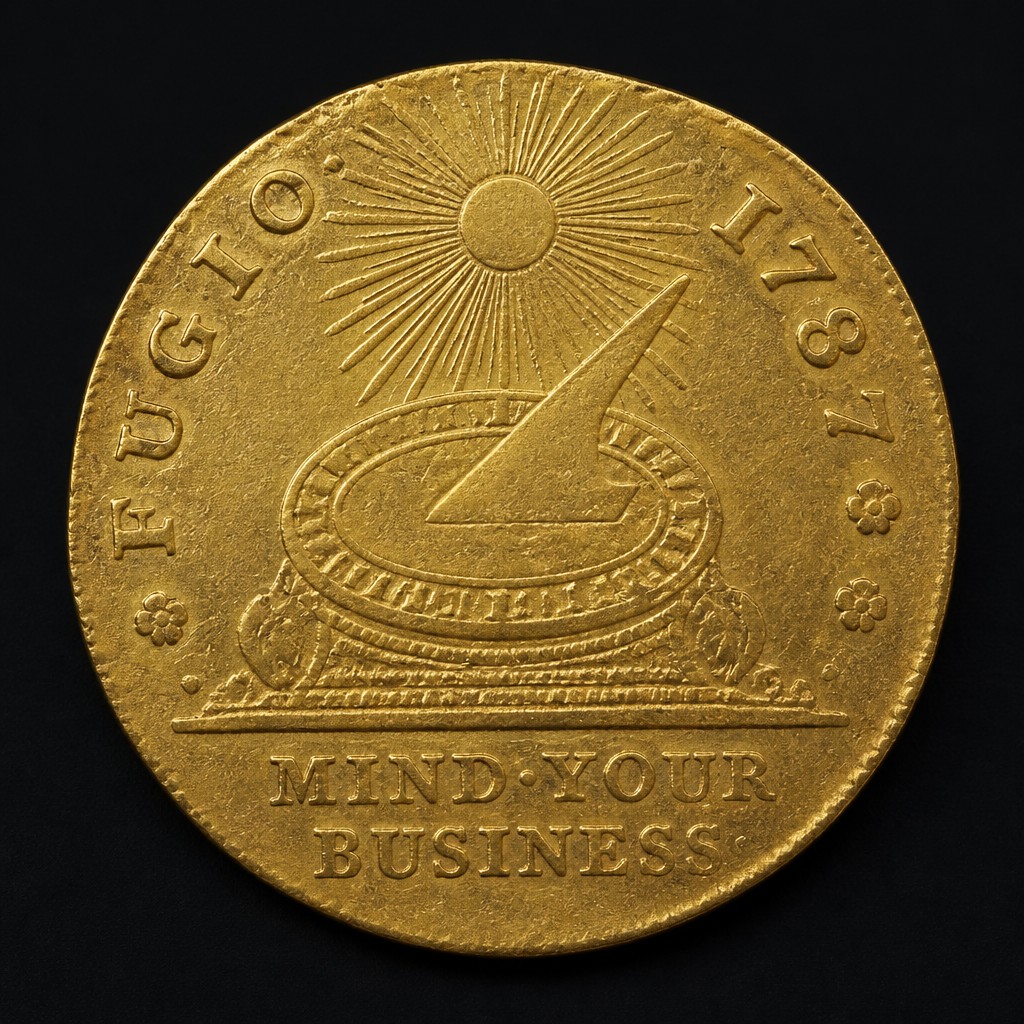
Brasher Doubloon
1787
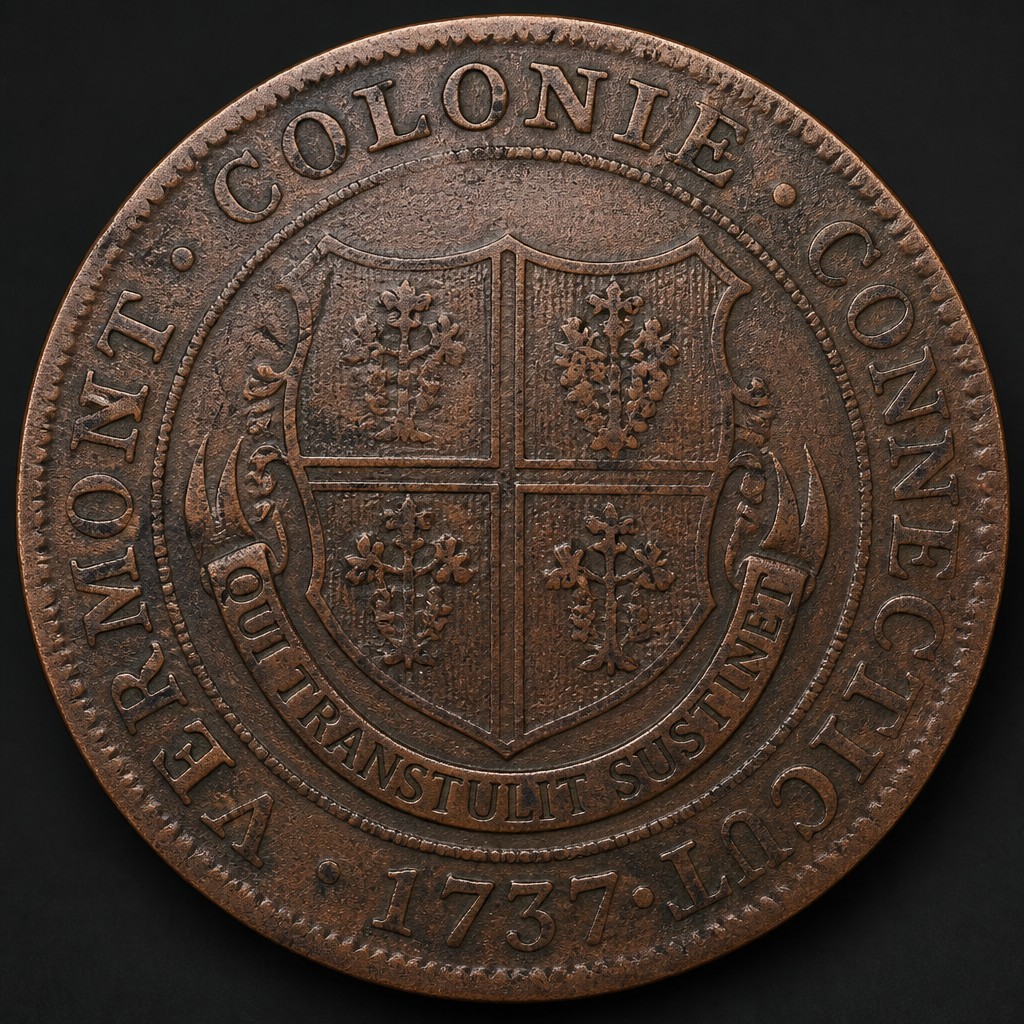
Higley Copper
1737–1739
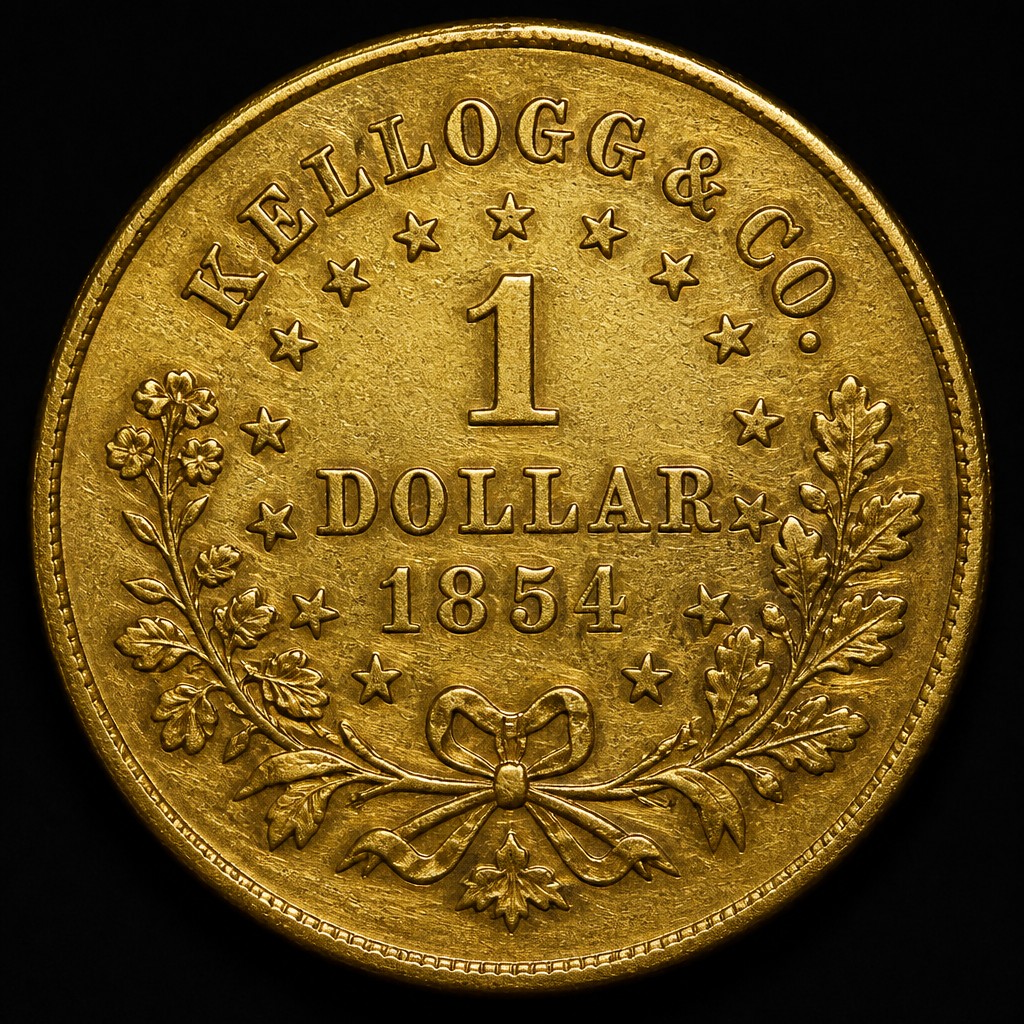
Kellogg & Co. Gold Piece
1854–1855
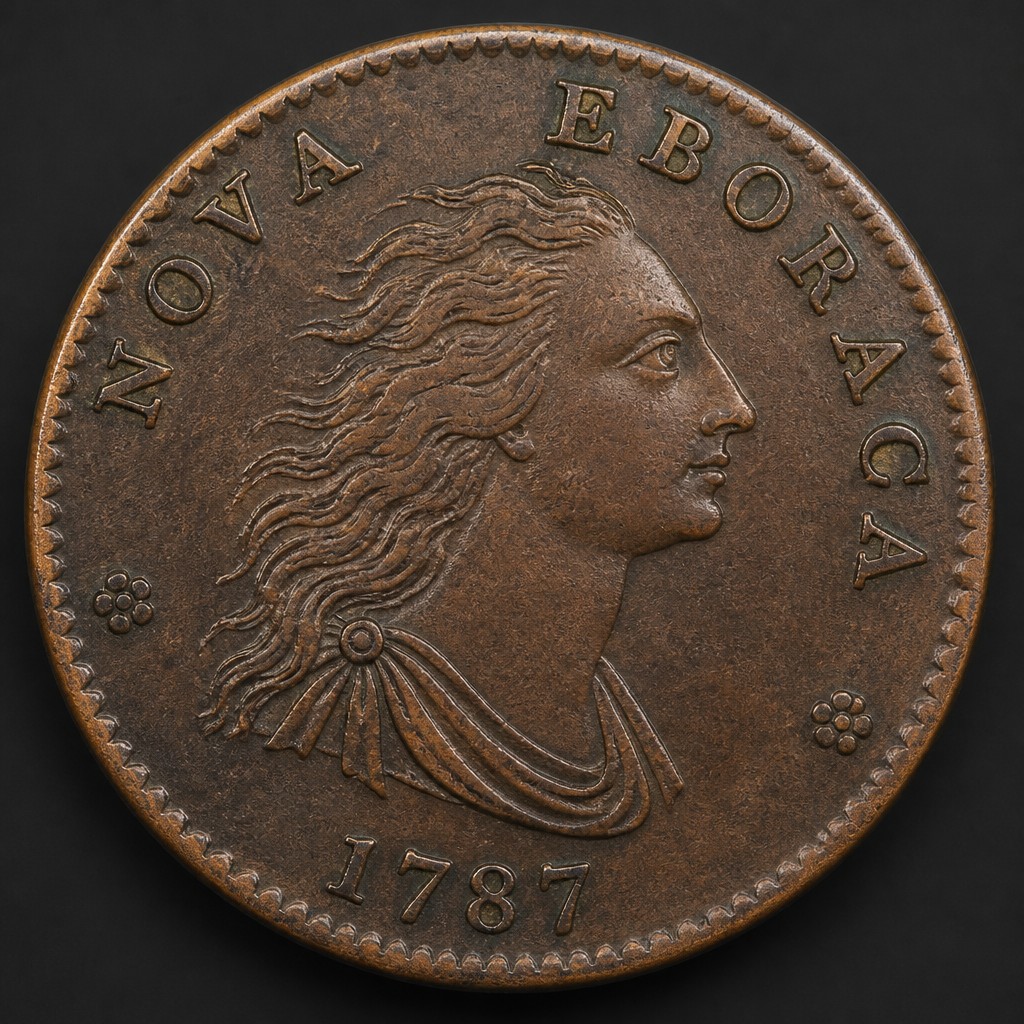
Nova Eborac Copper
1787
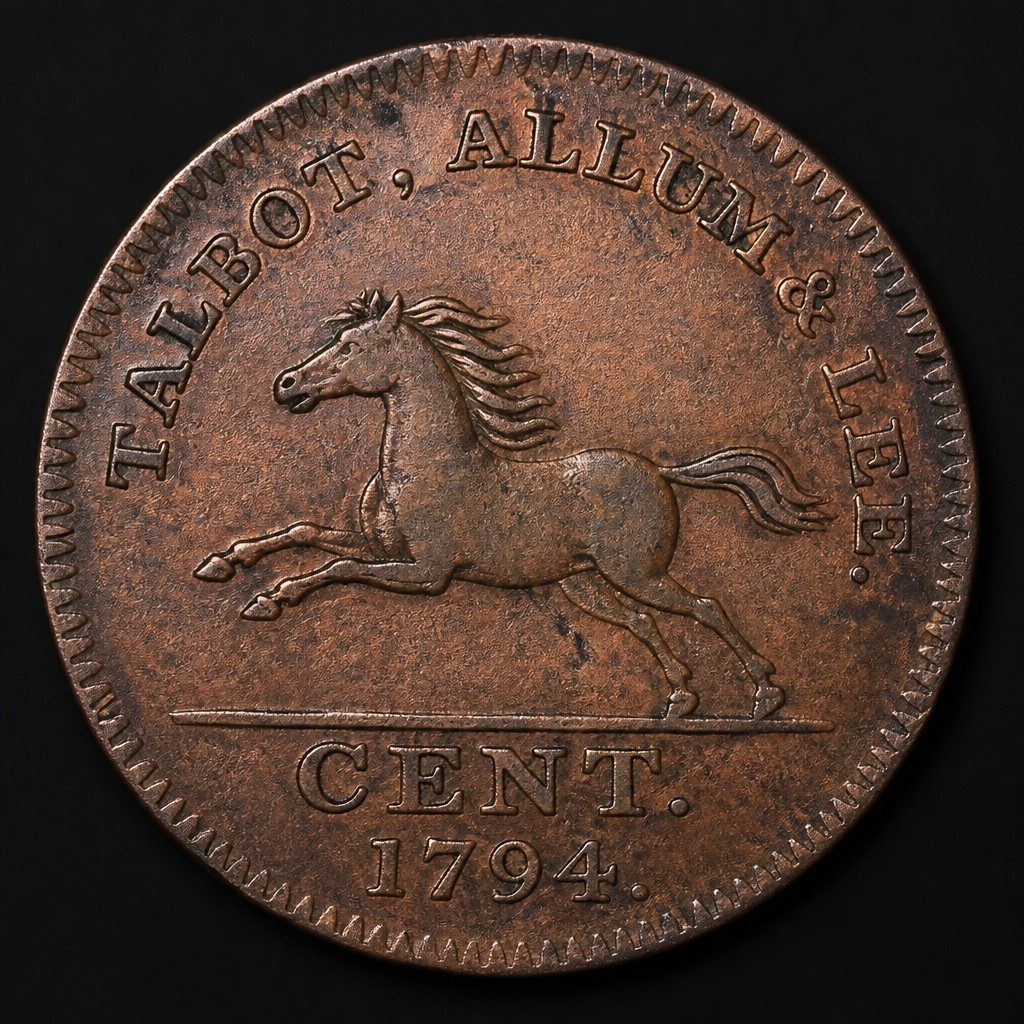
Talbot, Allum & Lee Cent
1794–1795
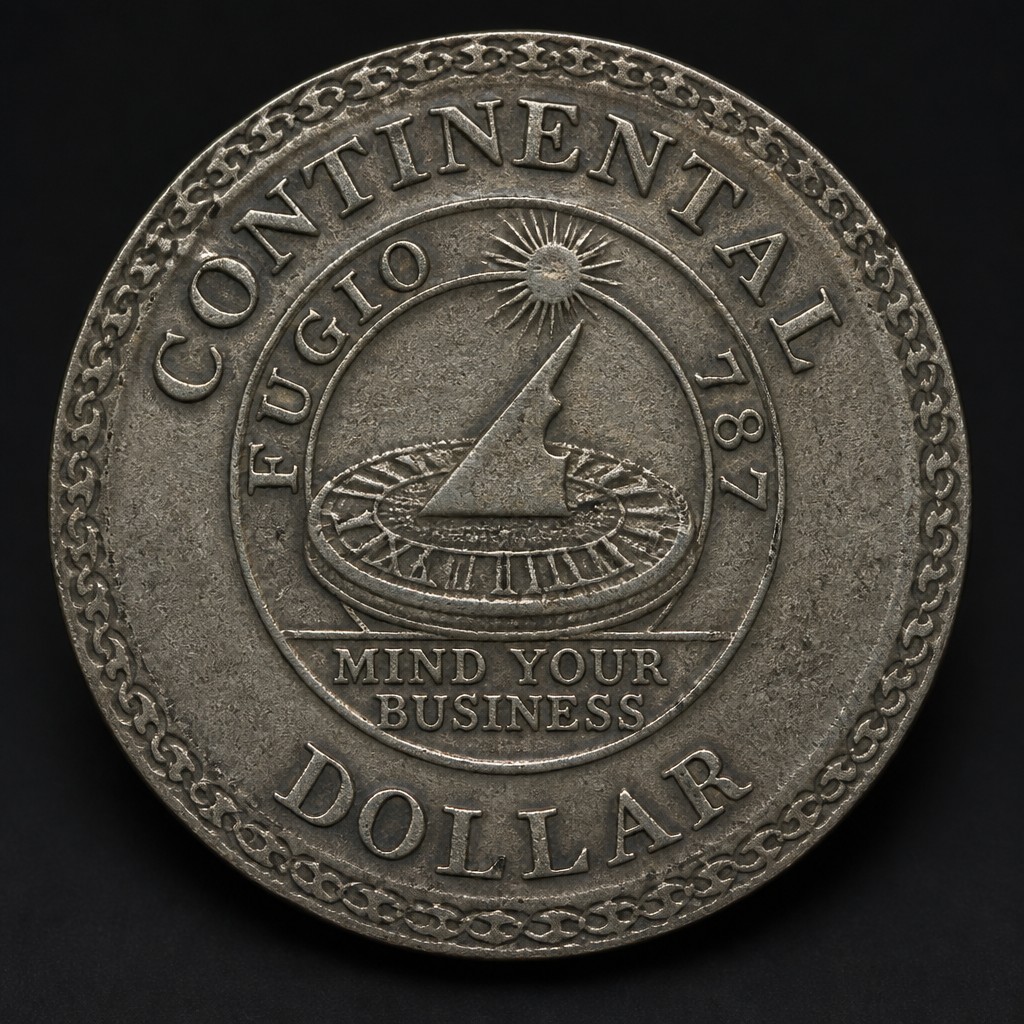
Continental Dollar
1776
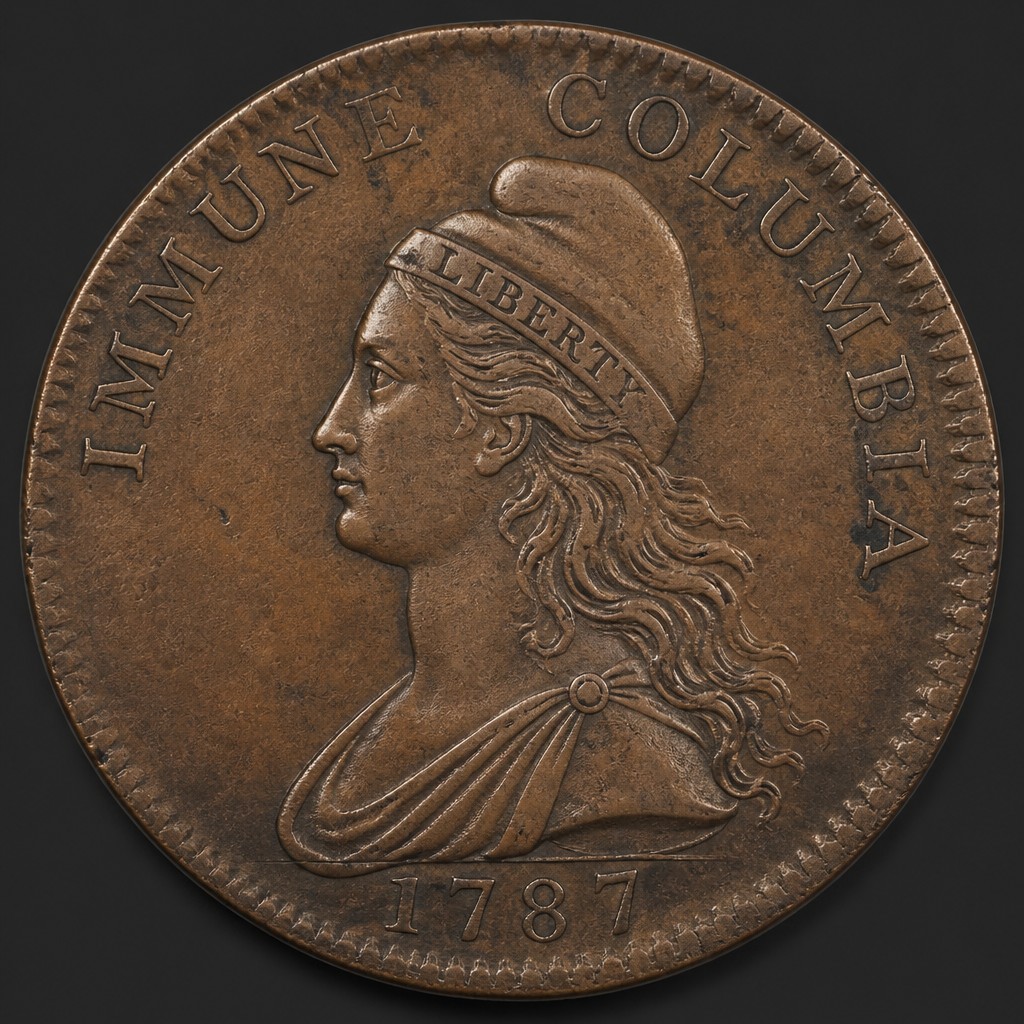
Immune Columbia Copper
circa 1785–1787
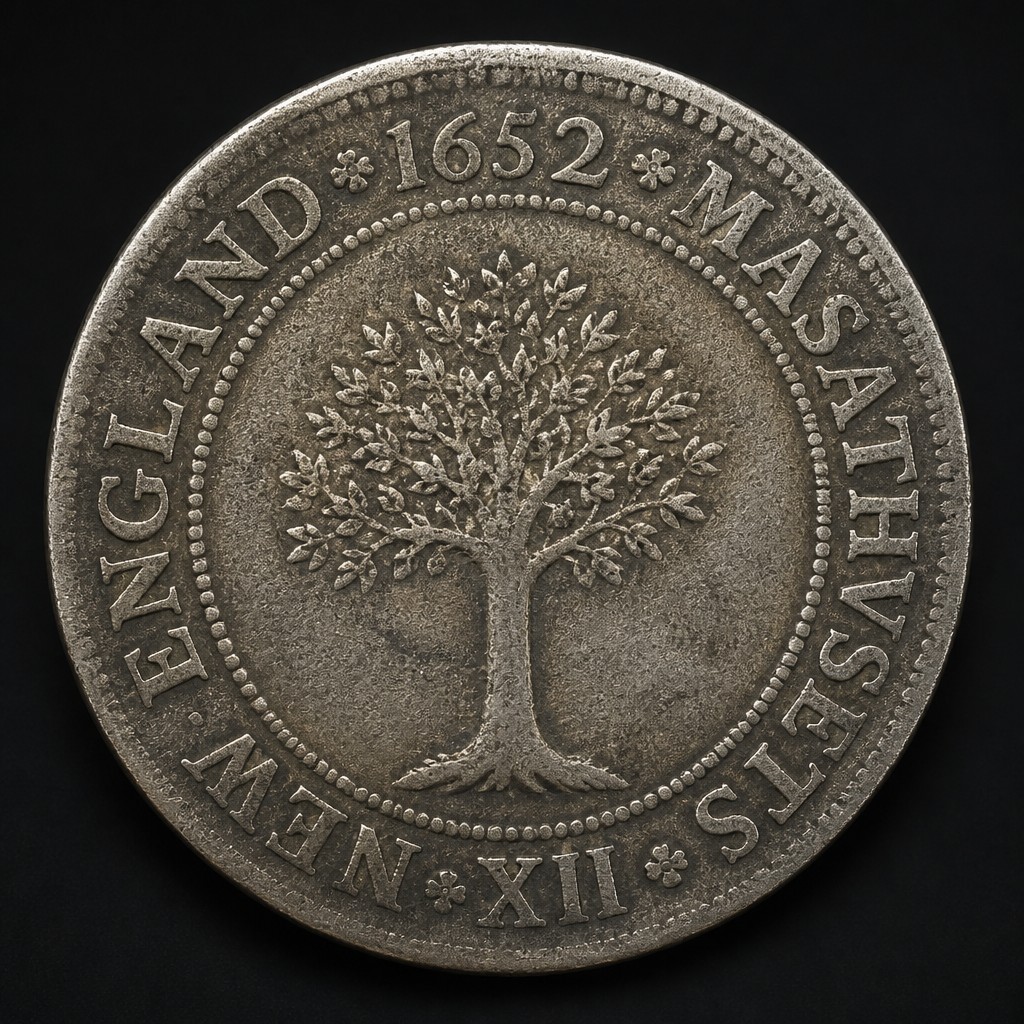
Massachusetts Oak Tree Shilling
Dated 1652, struck circa 1660–1667
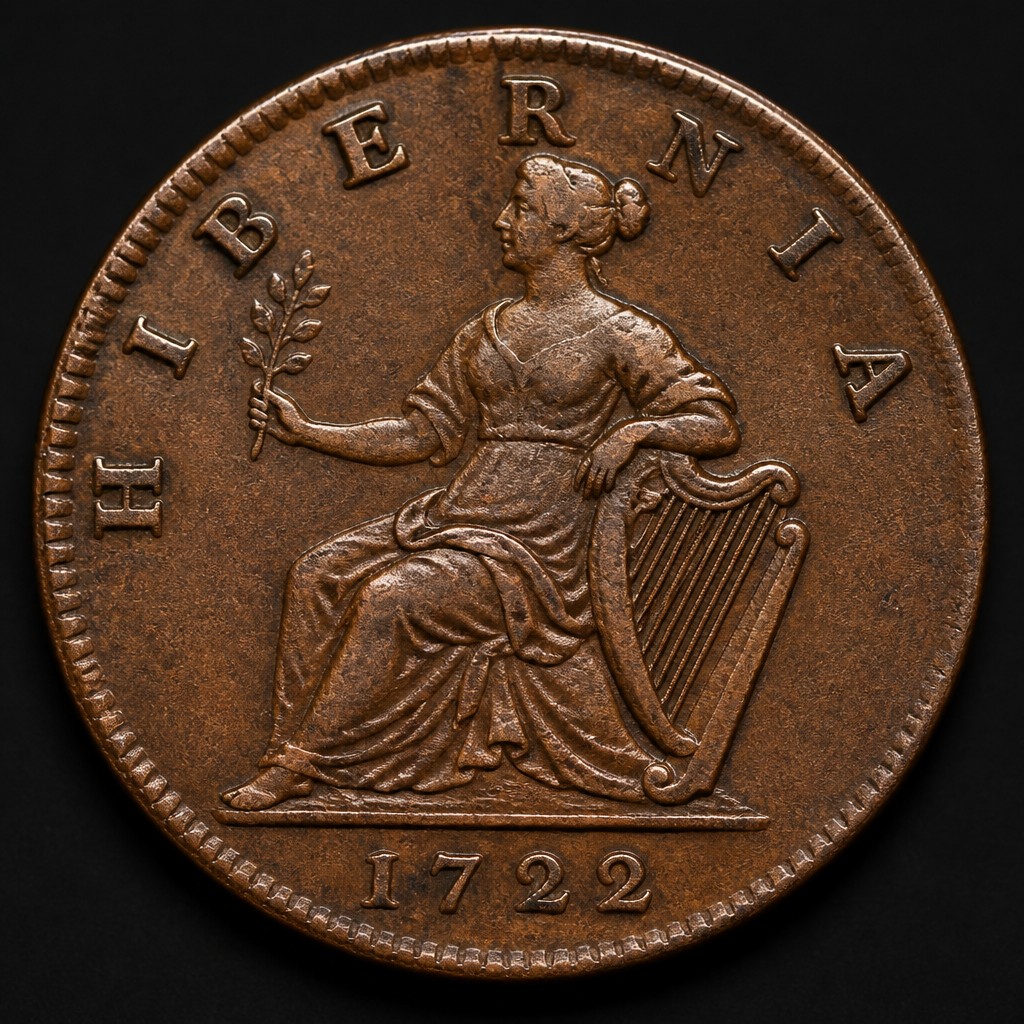
Wood's Hibernia Halfpenny
1722–1724
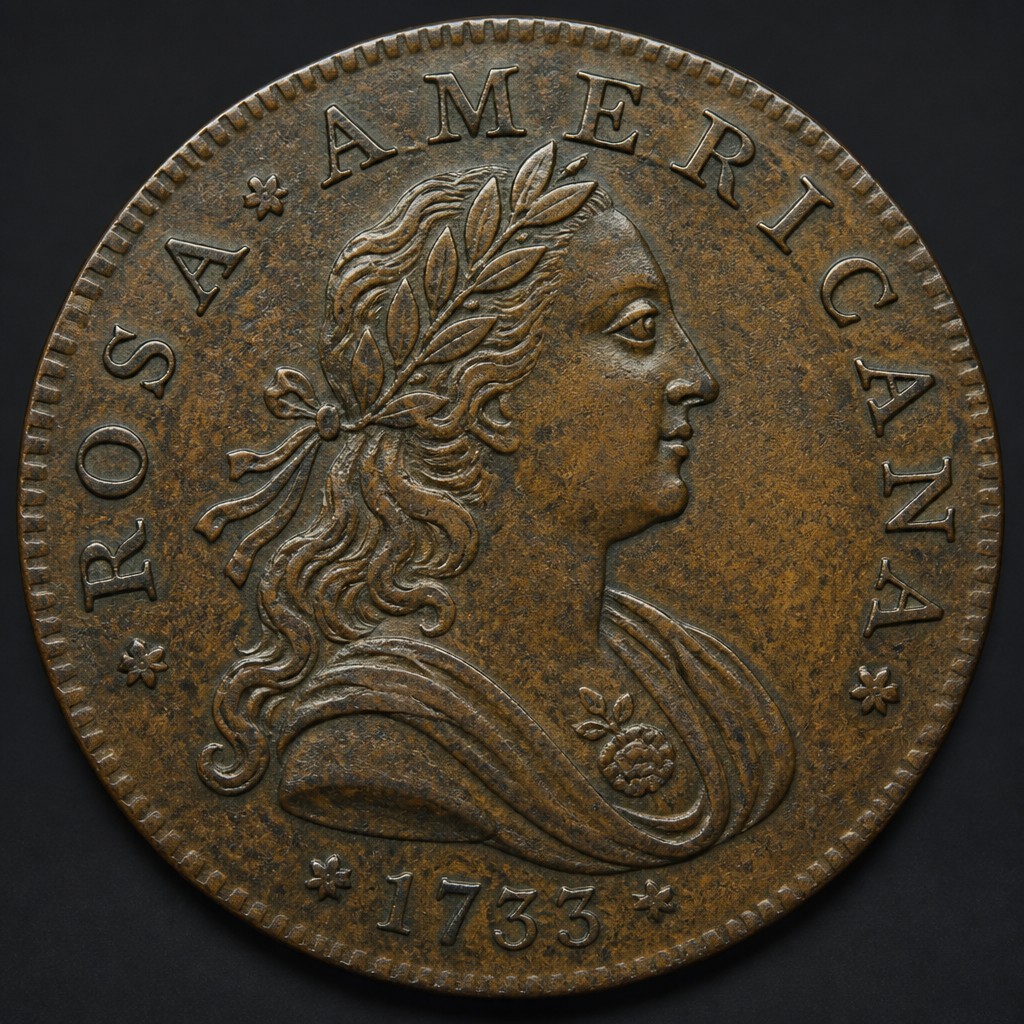
Rosa Americana Coinage
1722–1724 (with pattern issues dated 1733)
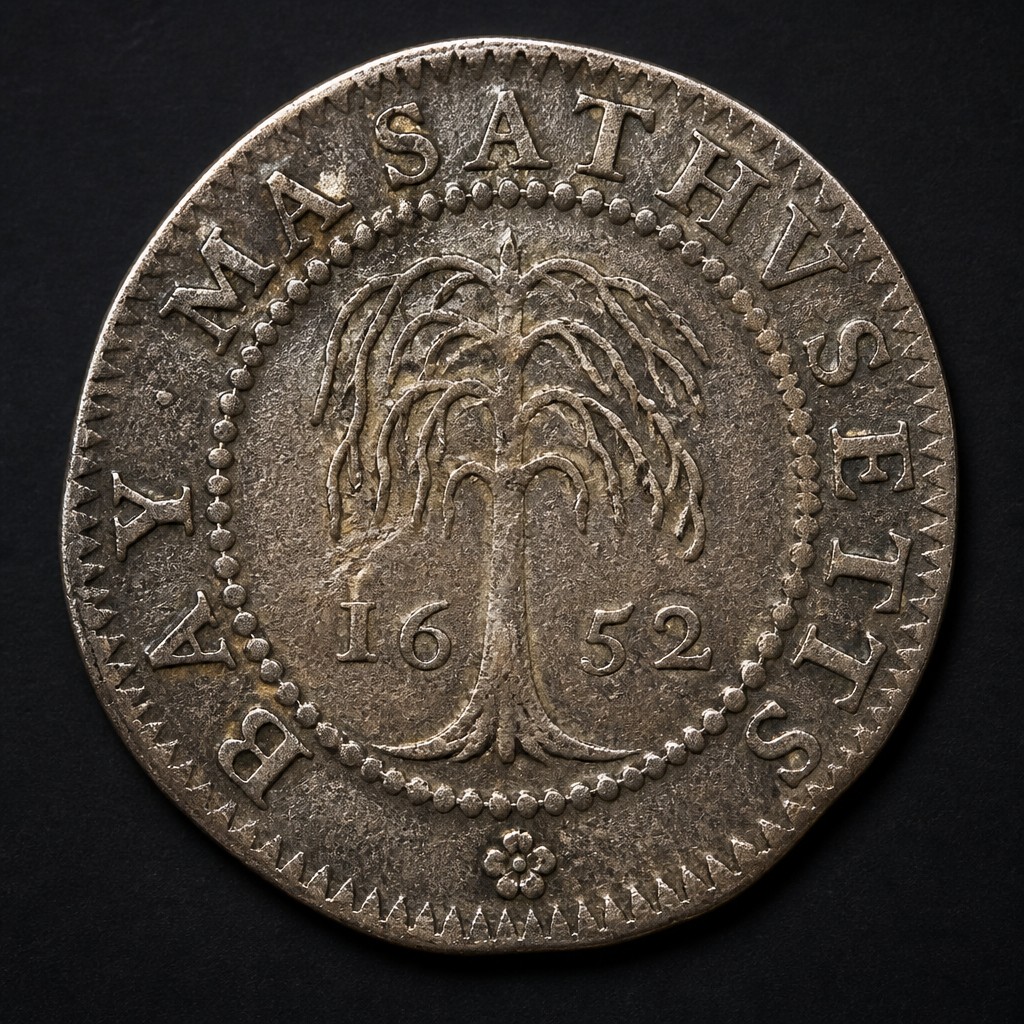
Massachusetts Willow Tree Shilling
Dated 1652, struck circa 1653–1660