
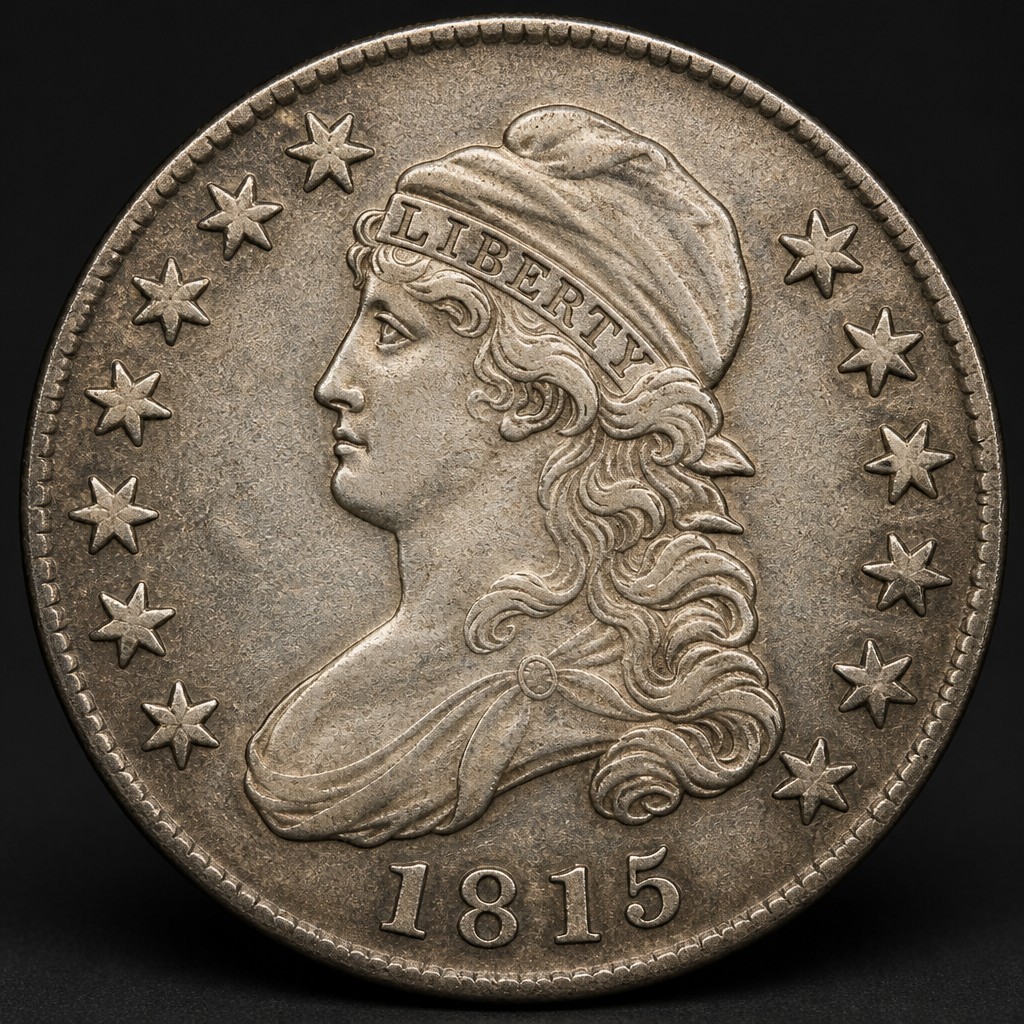
1815 Capped Bust Quarter
The first quarter struck since 1807, the 1815 issue introduced John Reich's Capped Bust design in the large-diameter format used through 1828.
- Country
- United States
- Denomination
- Quarter Dollar
- Metal
- Silver (approx. 89.2% fine, pre-1837 standard)
Got a coin like this?
Identify any coin from a photo, free.
Overview
The 1815 quarter reintroduced the quarter dollar denomination after an eight-year hiatus following the last Draped Bust quarters of 1807. It debuted engraver John Reich's Capped Bust design, already used on other U.S. silver denominations, in the large-diameter format that would continue through 1828 before a smaller diameter was adopted in 1831.
As the first-year issue of a new design and a comparatively low-mintage date, the 1815 quarter is an important coin for collectors assembling a type set of early American silver or a date set of Capped Bust quarters.
History & Background
Quarter dollar production had been sporadic in the Mint's early decades, driven largely by the availability of silver bullion deposits rather than any set schedule. After the last Draped Bust quarters were struck in 1807, no further quarters were coined until 1815, reflecting renewed demand and bullion supply during the War of 1812 era and its aftermath.
Engraver John Reich's Capped Bust design, featuring Liberty wearing a soft cap inscribed LIBERTY, had already been introduced on other denominations and was now applied to the quarter, replacing the Draped Bust motif used since the 1790s.
The 1815 issue had a modest mintage for the era, and as an early nineteenth-century coin it saw significant circulation wear before many examples were eventually removed from circulation, melted, or lost.
How to Identify
The obverse shows Liberty facing left, wearing a floppy cap inscribed LIBERTY, with stars arranged around the border and the date 1815 below.
The reverse depicts an eagle with a shield on its breast, arrows and an olive branch held in its talons, a ribbon reading E PLURIBUS UNUM above, UNITED STATES OF AMERICA around the border, and "25 C." below the eagle. The coin has a large diameter of roughly 27mm, larger than the reduced-size Capped Bust quarters struck after 1831, and a reeded edge.
Because the large-size Capped Bust type ran from 1815 through 1828 with only minor date-to-date changes, collectors identify the 1815 by its date and by comparing star counts and minor die details noted in specialized references; there is no mintmark, as quarters of this period were struck only in Philadelphia.
Value & Collectibility
The 1815 quarter is scarce due to its relatively low mintage and age, commanding solid four-figure prices even in well-worn, problem-free condition. As a first-year type coin for the Capped Bust design, it holds particular appeal for collectors seeking a key transitional issue.
Higher-grade or well-struck mint-state examples are considerably rarer and more expensive, and, as with all coins of this era, originality of surfaces and absence of cleaning or damage strongly influence value.
Frequently asked questions
Why is 1815 significant for quarters?
It is the first year of the Capped Bust design on the quarter denomination, following an eight-year gap in quarter production since 1807.
What size is the 1815 quarter compared to later Capped Bust quarters?
It belongs to the large-diameter type struck from 1815 to 1828, before the Mint reduced the quarter's diameter starting in 1831.
Was the 1815 quarter struck anywhere besides Philadelphia?
No, all U.S. quarters of this era were struck exclusively at the Philadelphia Mint.
Is the 1815 quarter a key date?
It is not the rarest date of the series, but its relatively low mintage and first-year status make it an important and sought-after issue.
Other coins you may enjoy
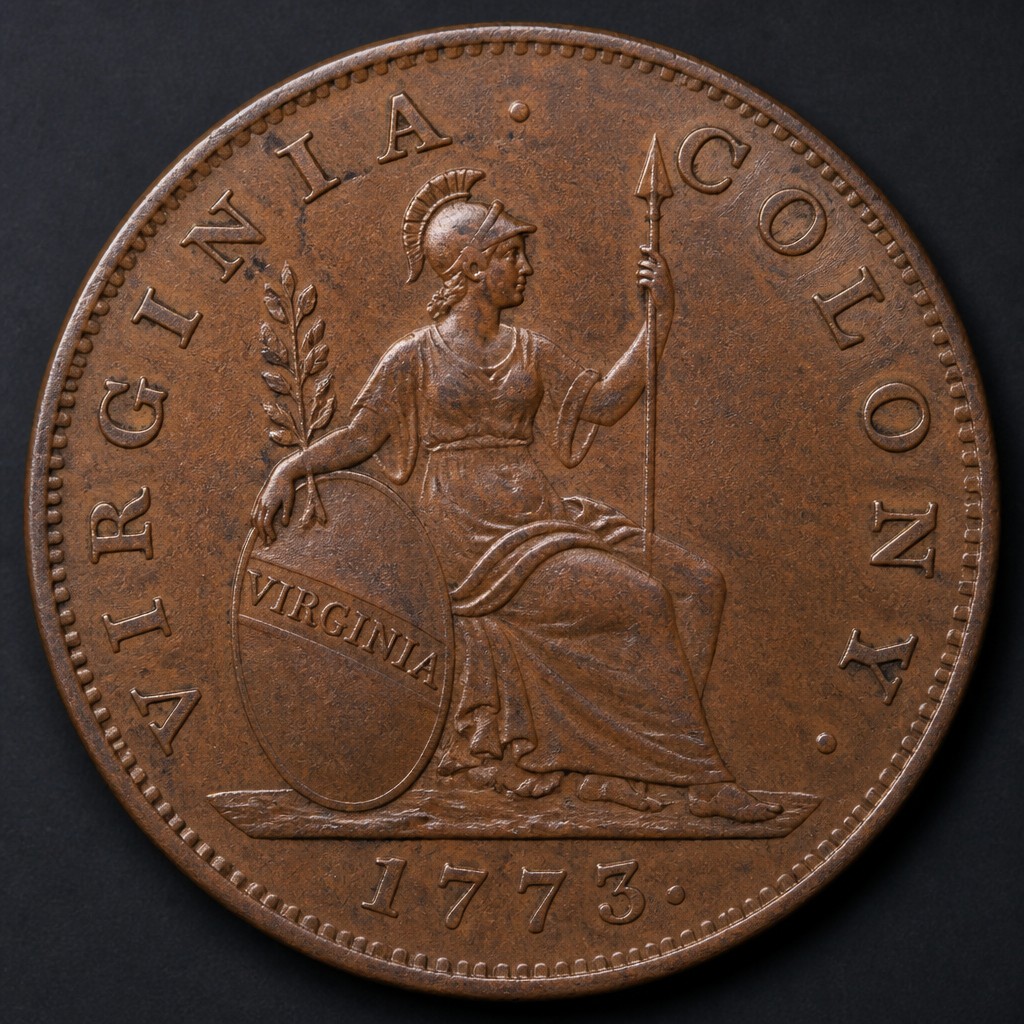
Virginia Halfpenny
1773
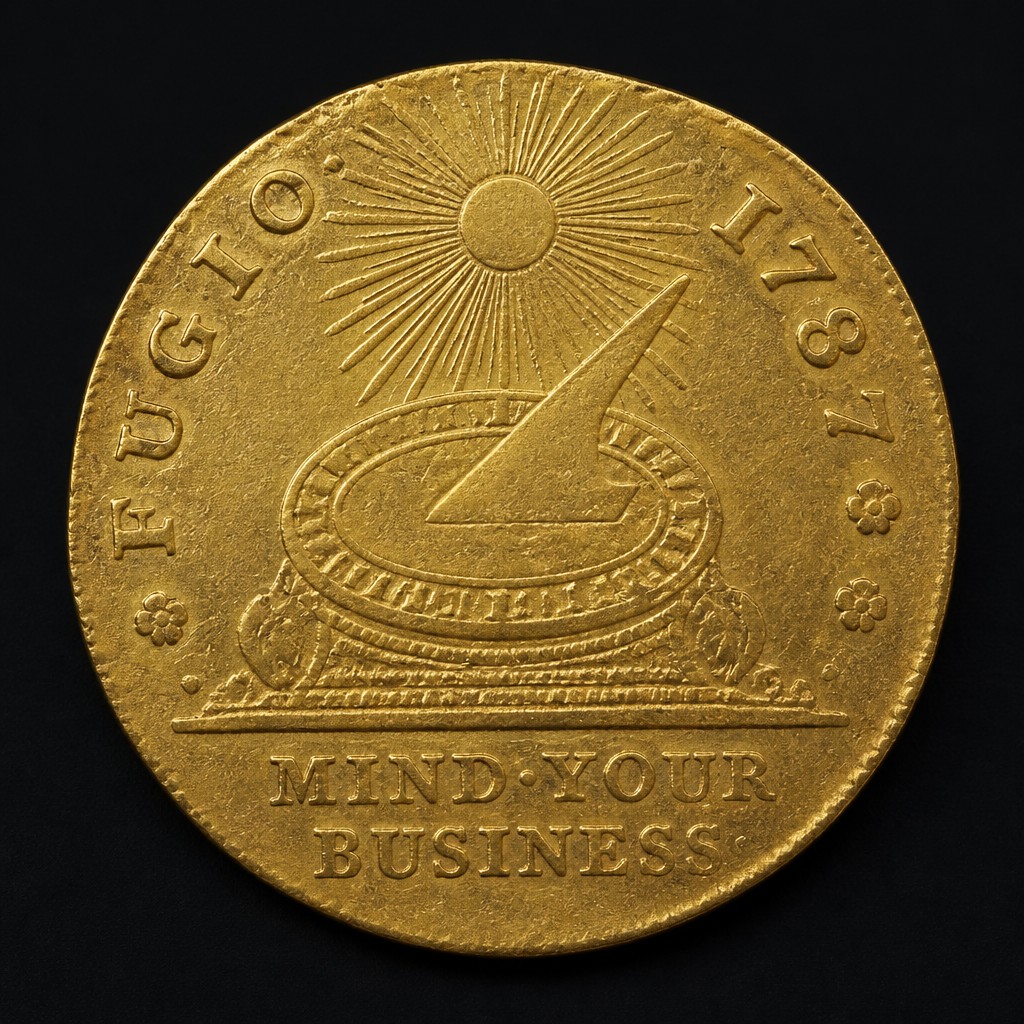
Brasher Doubloon
1787
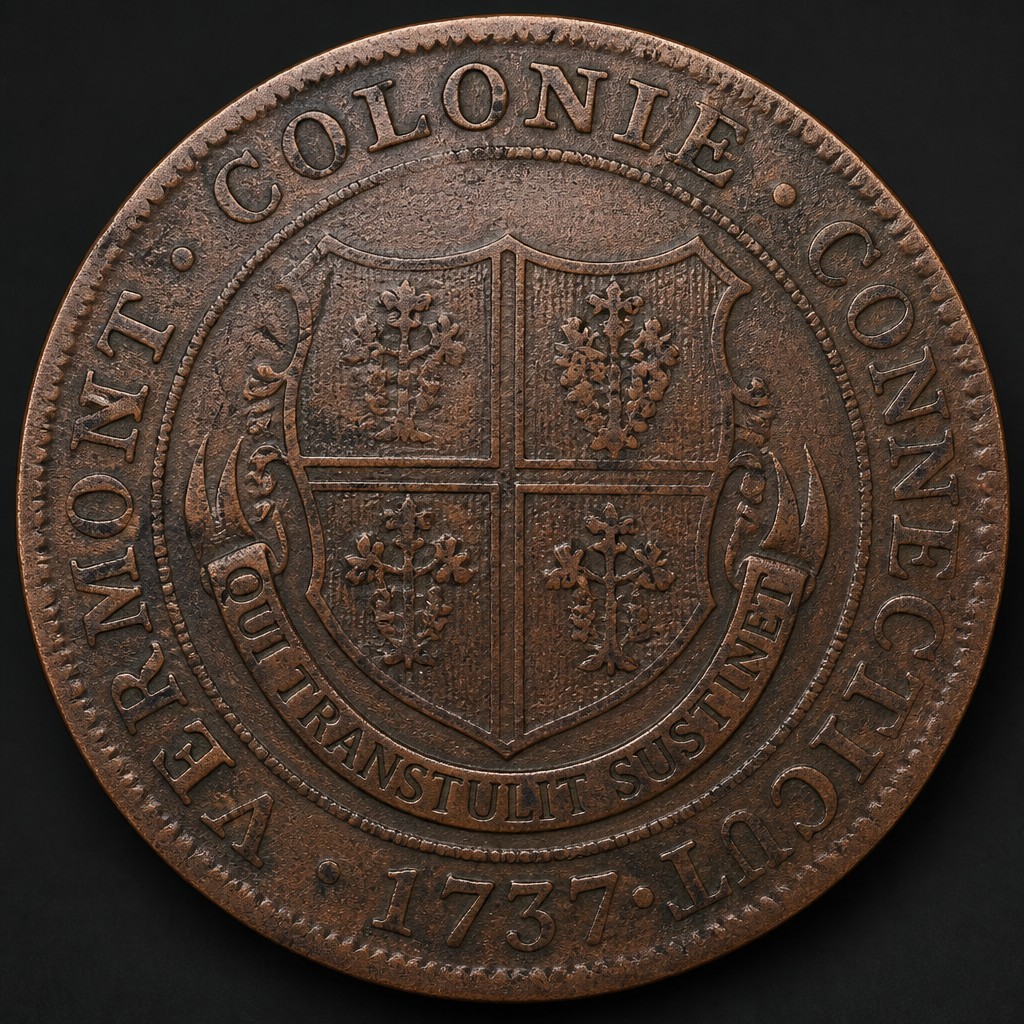
Higley Copper
1737–1739
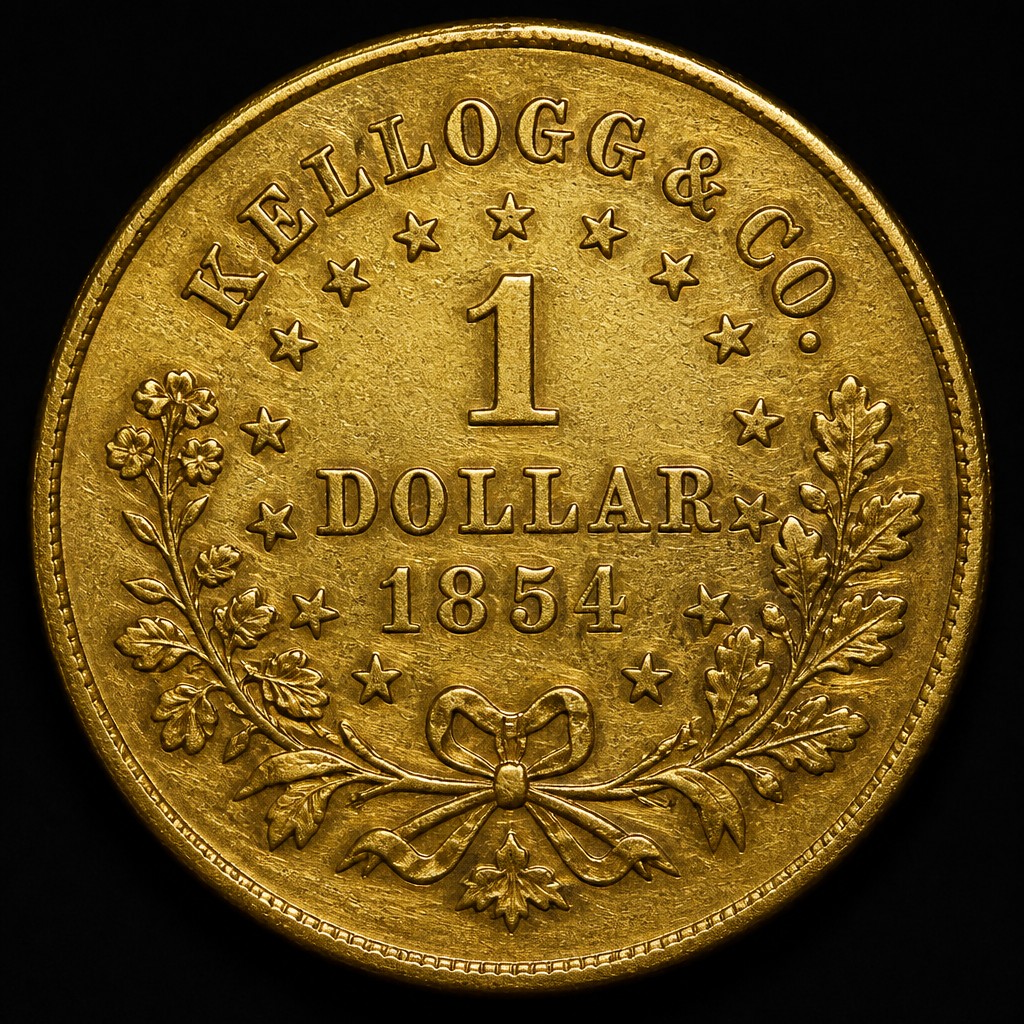
Kellogg & Co. Gold Piece
1854–1855
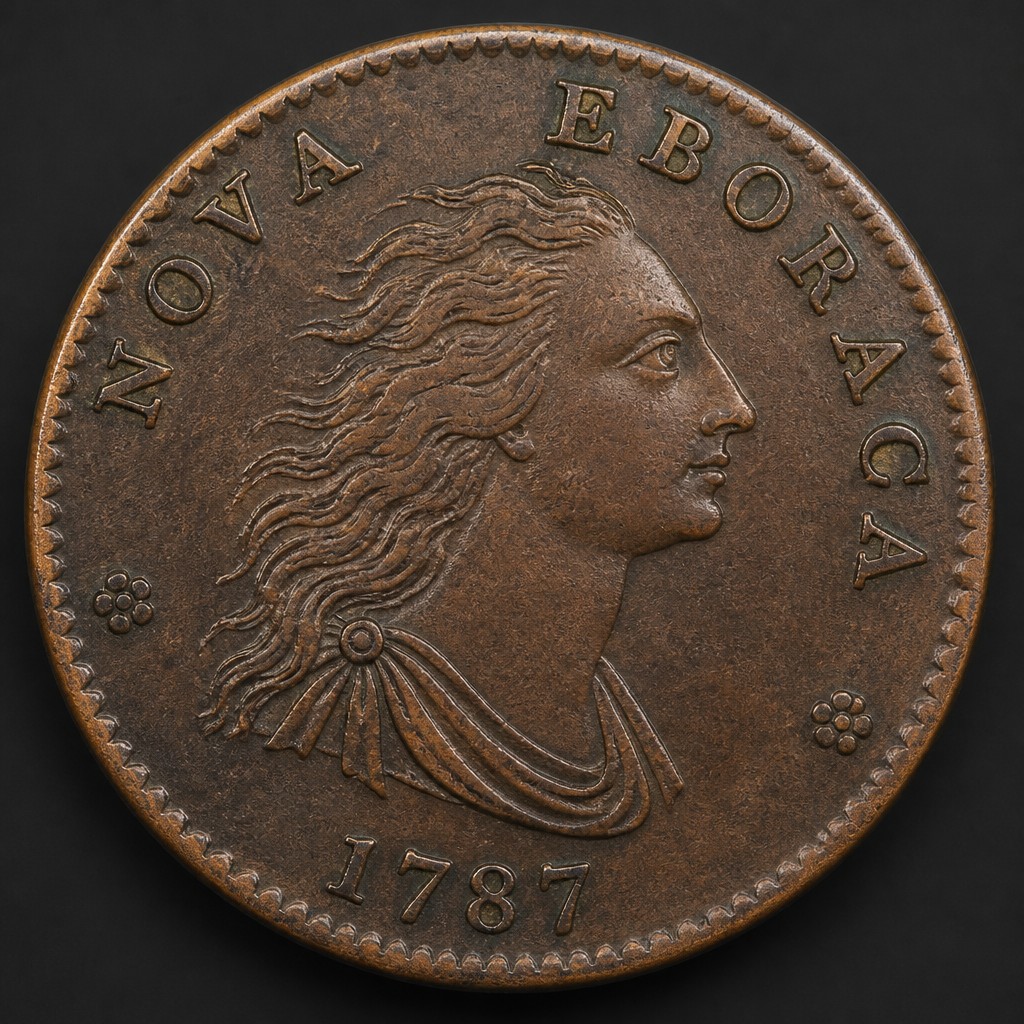
Nova Eborac Copper
1787
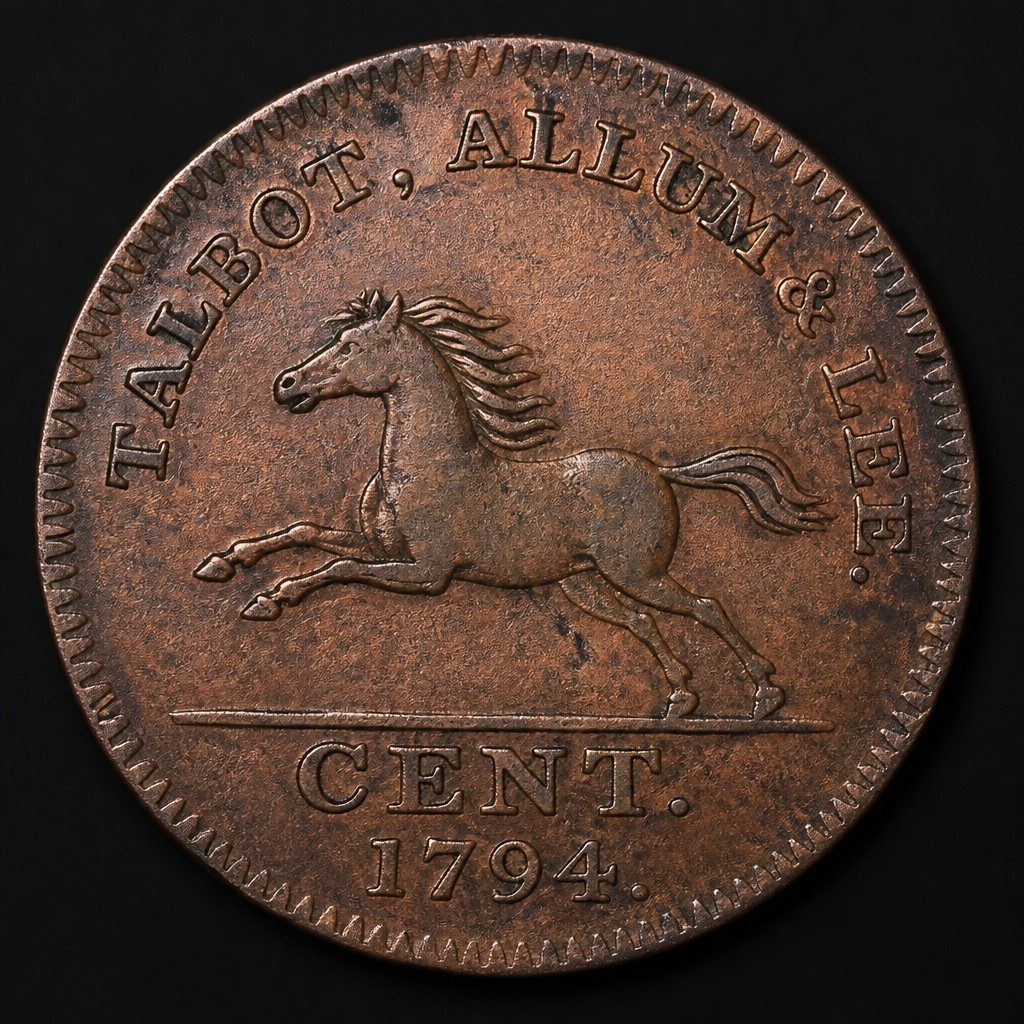
Talbot, Allum & Lee Cent
1794–1795
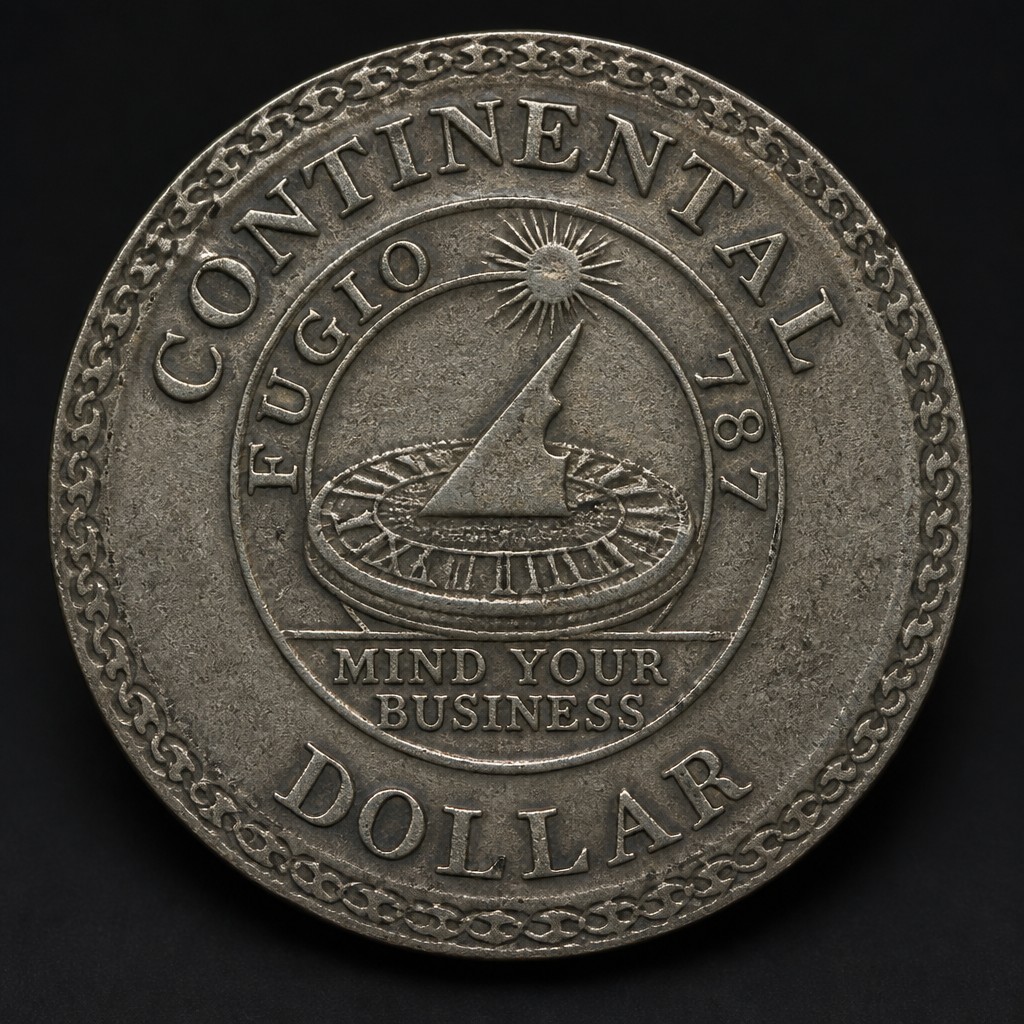
Continental Dollar
1776
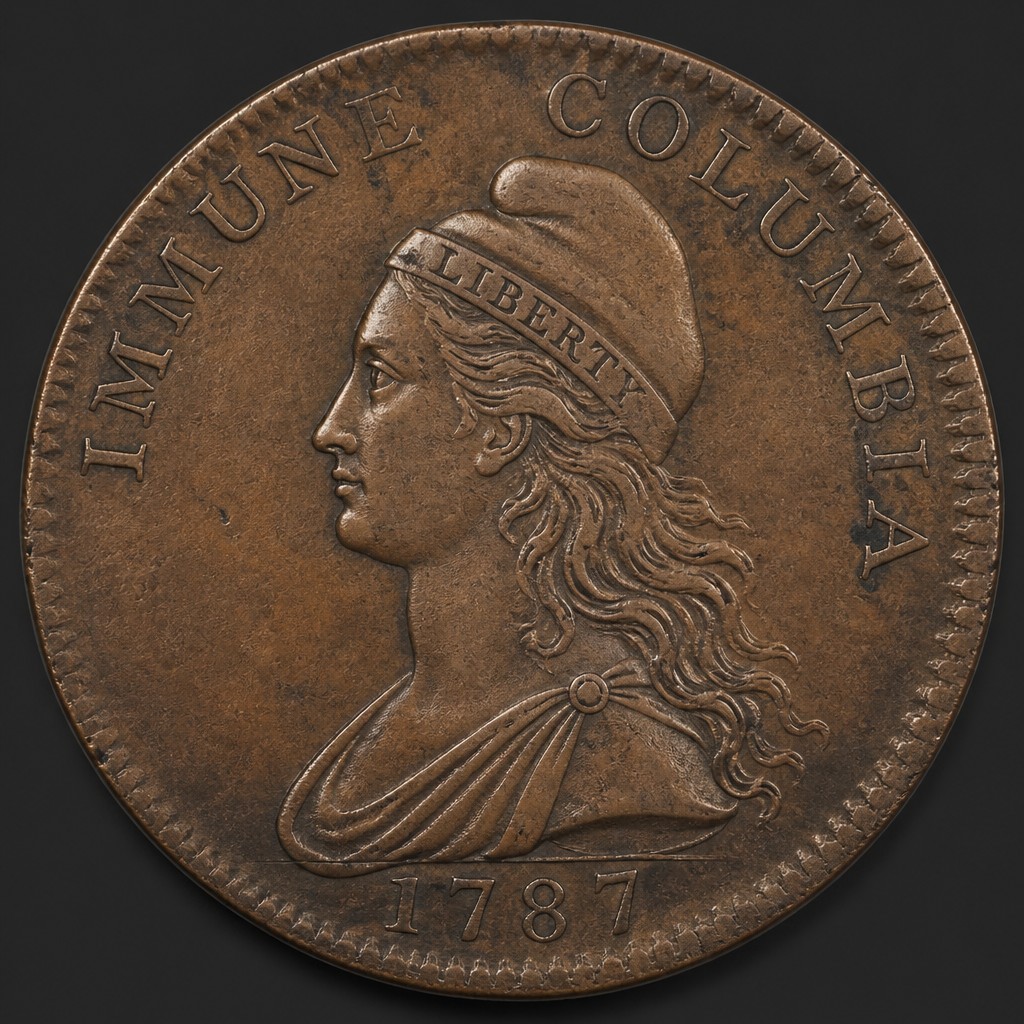
Immune Columbia Copper
circa 1785–1787
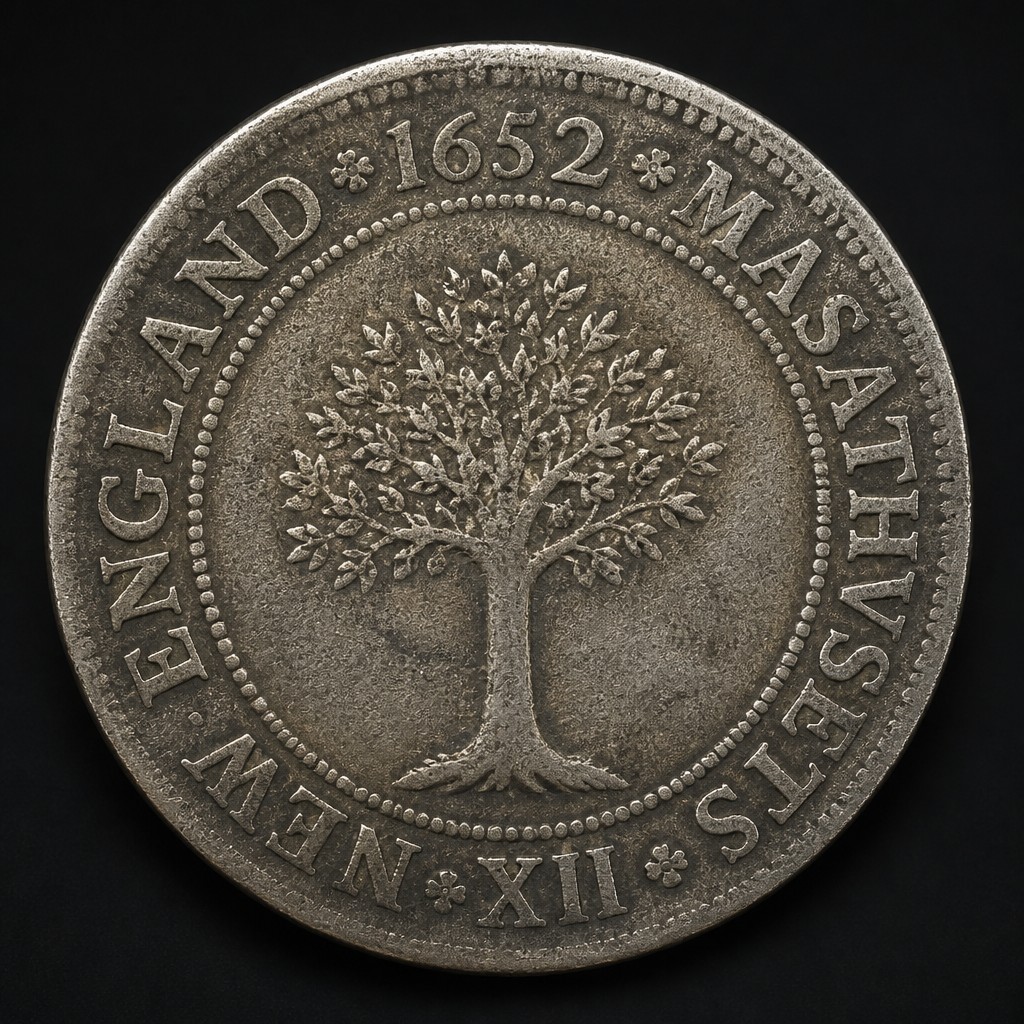
Massachusetts Oak Tree Shilling
Dated 1652, struck circa 1660–1667
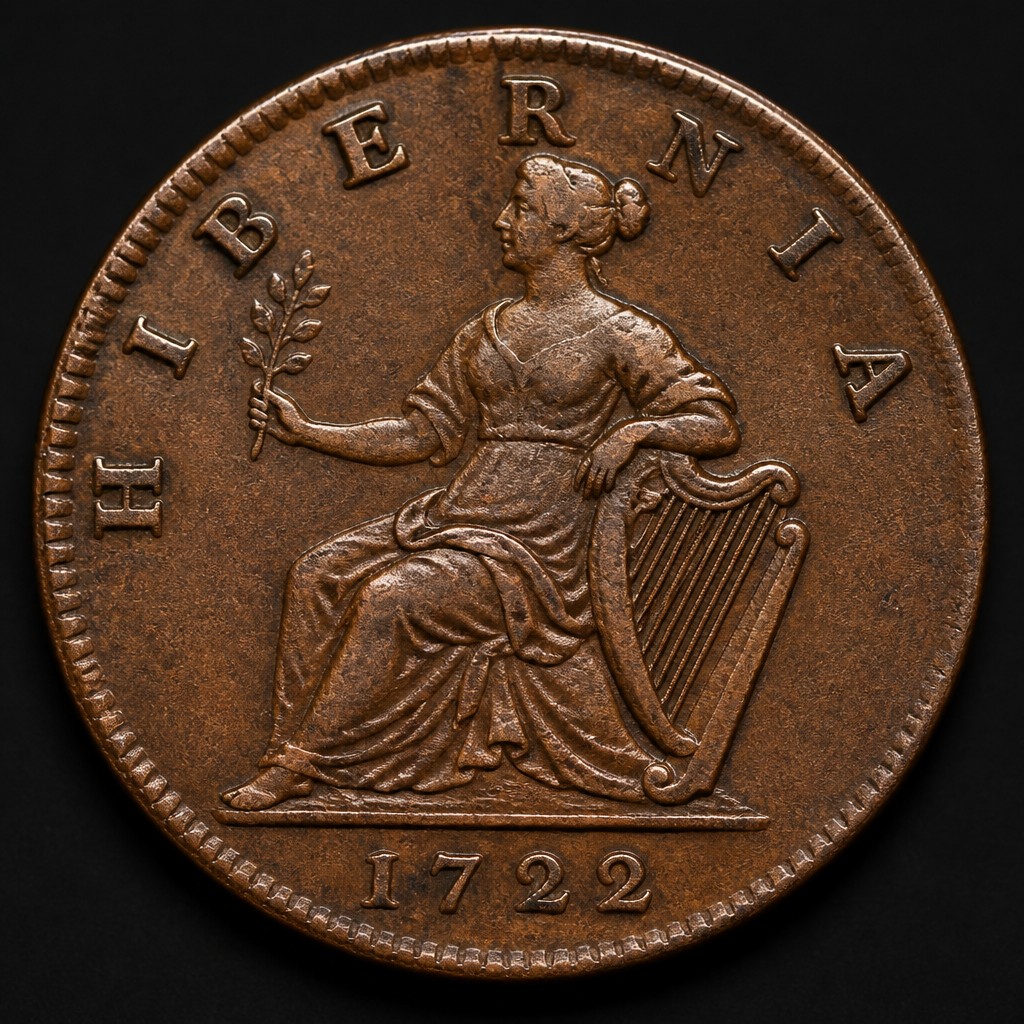
Wood's Hibernia Halfpenny
1722–1724
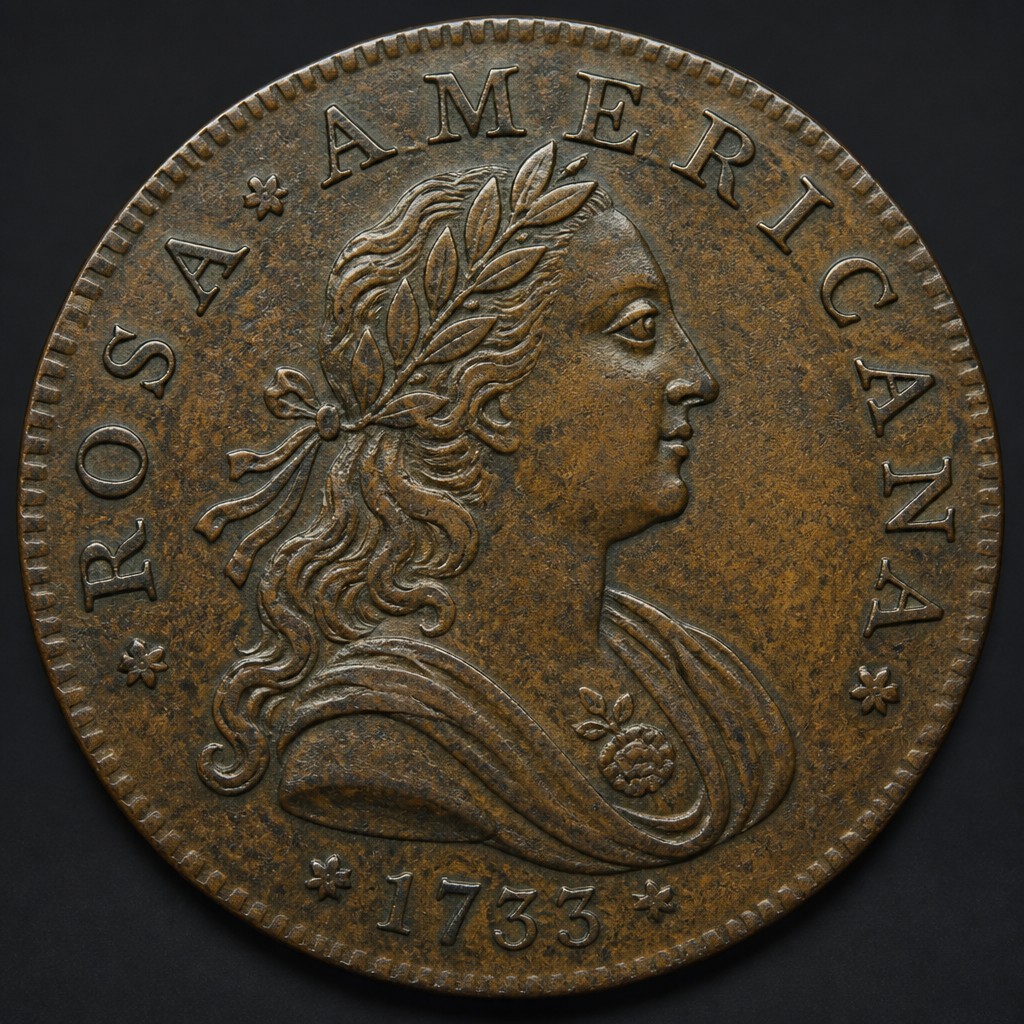
Rosa Americana Coinage
1722–1724 (with pattern issues dated 1733)
Massachusetts Willow Tree Shilling
Dated 1652, struck circa 1653–1660