
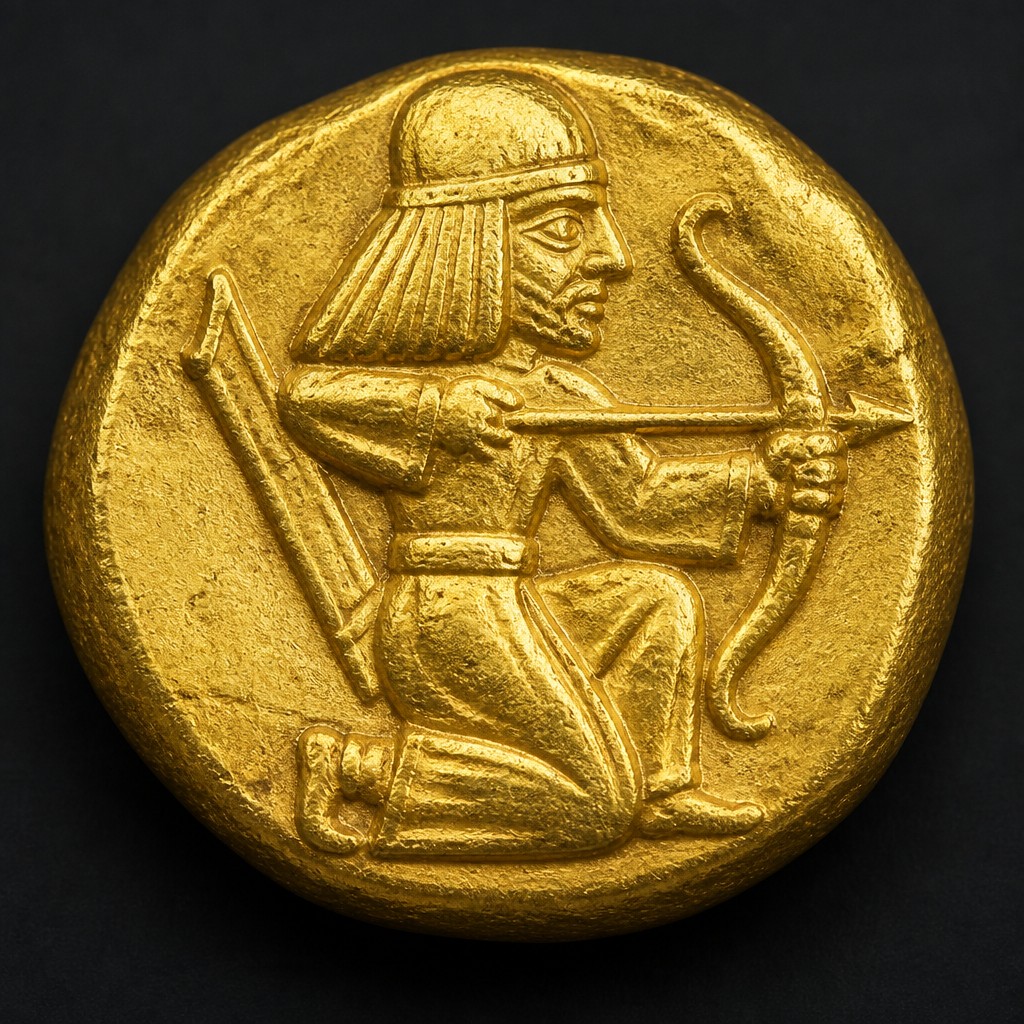
Persian Gold Daric
The standard gold coin of the Achaemenid Persian Empire, depicting the Persian Great King as a running or kneeling archer, used widely to pay soldiers and mercenaries.
- Country
- Achaemenid Persia
- Denomination
- Daric
- Metal
- Gold (near pure)
Got a coin like this?
Identify any coin from a photo, free.
Overview
The Persian Daric was the principal gold coin of the vast Achaemenid Persian Empire, one of the ancient world's most powerful and wealthy states. Its distinctive image of a royal archer made it instantly recognizable across the Mediterranean and Near East, where it circulated extensively, especially as payment for Greek mercenaries.
For collectors of ancient coins, the daric is a tangible connection to the Persian Empire at its height under rulers such as Darius I and Xerxes I, and to the broader story of Greek-Persian conflict and exchange during the Classical era.
History & Background
The daric was introduced under the Achaemenid Persian Empire, traditionally associated with King Darius I (reigned 522–486 BC), whose name is often linked to the coin's title, though the exact etymology remains debated among scholars. The coin formed the gold half of a bimetallic system alongside the silver siglos, continuing monetary traditions established earlier by the Lydians.
Darics were struck primarily at Sardis, the former Lydian capital that became a key Achaemenid administrative and mint center, and circulated heavily in the western regions of the empire where interaction with the Greek world was greatest. Persian gold famously financed mercenary armies and political influence throughout the Greek city-states, with the phrase describing Persian gold "archers" swaying Greek politics becoming a byword for Persian financial influence in Greek affairs. Production continued until the fall of the Achaemenid Empire to Alexander the Great around 330 BC.
How to Identify
The obverse of the daric shows the Persian Great King, often identified as a generic royal figure rather than a specific individual, depicted kneeling or running while holding a bow and spear or arrow, wearing a crenellated crown and royal robe. The reverse consists of a simple incuse (punched) rectangular or irregular depression, without pictorial design, reflecting the coin's relatively early place in the development of two-sided coin imagery.
Darics were struck in a nearly pure gold alloy and weighed close to 8.4 grams, a standard that remained highly consistent throughout the coin's production, making them reliable in trade. Unlike Greek city-state coinage, darics carry no city name or ethnic identifier, since they represented the authority of the Persian king rather than an individual city.
Collectors distinguish the daric from contemporary Greek coinage primarily by its royal archer motif and blank incuse reverse, and from the related silver siglos (which shares the same archer design) by its gold composition and different weight standard.
Value & Collectibility
Genuine darics are significant ancient gold coins and are valued both for their gold content and their strong historical association with the Achaemenid Persian Empire and its interactions with the Greek world. Well-preserved, clearly struck examples command solid prices reflecting this dual appeal.
Because the design remained fairly consistent over a long production period, value is driven more by strike quality, weight, and overall preservation than by rare date varieties, since the coins are not individually dated in the modern sense. As with other ancient gold coinage, buyers generally seek pieces with reputable authentication and provenance.
Frequently asked questions
Why does the coin show an archer?
The archer represents the Persian Great King in a martial pose, symbolizing royal authority and military power, and became the enduring emblem of Achaemenid gold coinage.
Where does the name 'daric' come from?
It is traditionally linked to King Darius I of Persia, though scholars have also proposed other possible origins for the term.
What is the difference between a daric and a siglos?
The daric is the gold denomination and the siglos the silver denomination of the same Achaemenid Persian bimetallic system, both sharing the archer design.
Did darics circulate outside Persia?
Yes, they circulated widely across the Greek world and Near East, notably used to pay Greek mercenary soldiers and to fund Persian political influence in Greek city-states.
Other coins you may enjoy
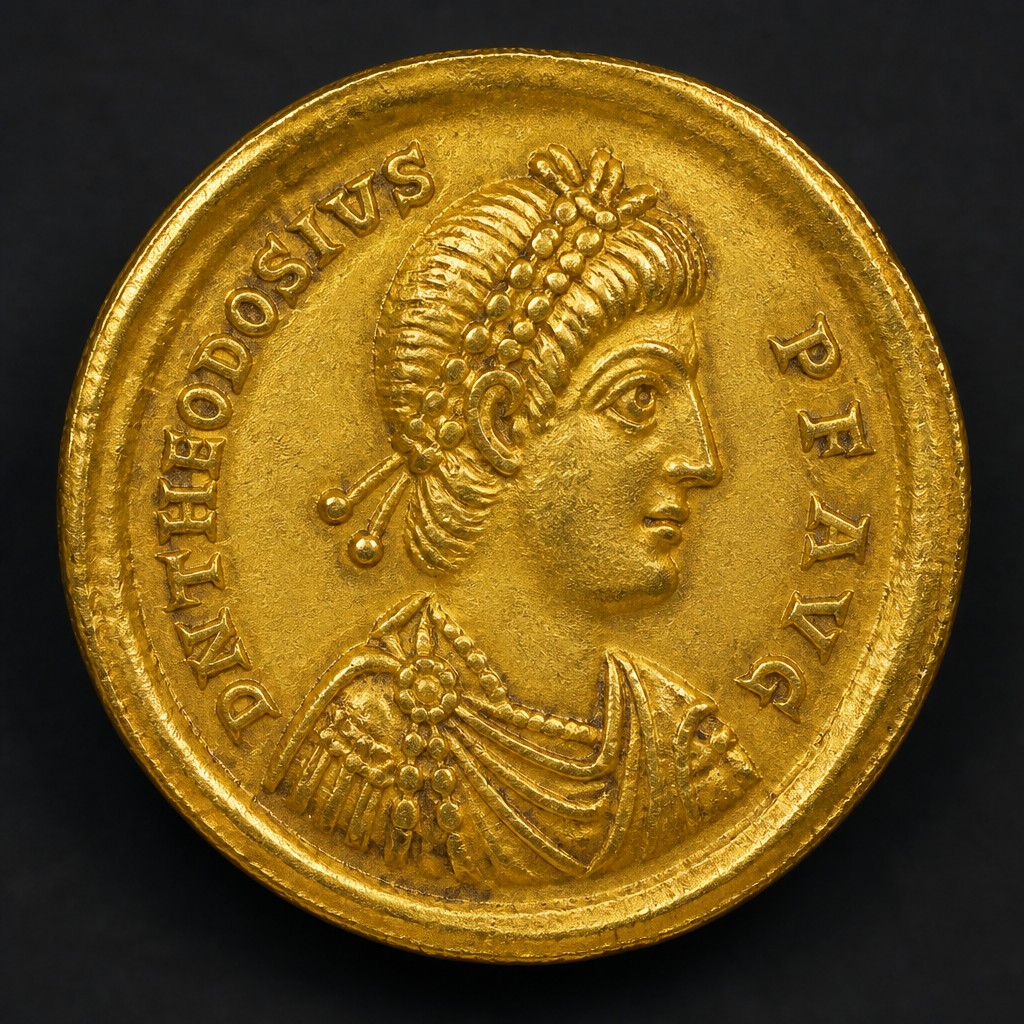
Theodosius I Solidus
379–395 AD
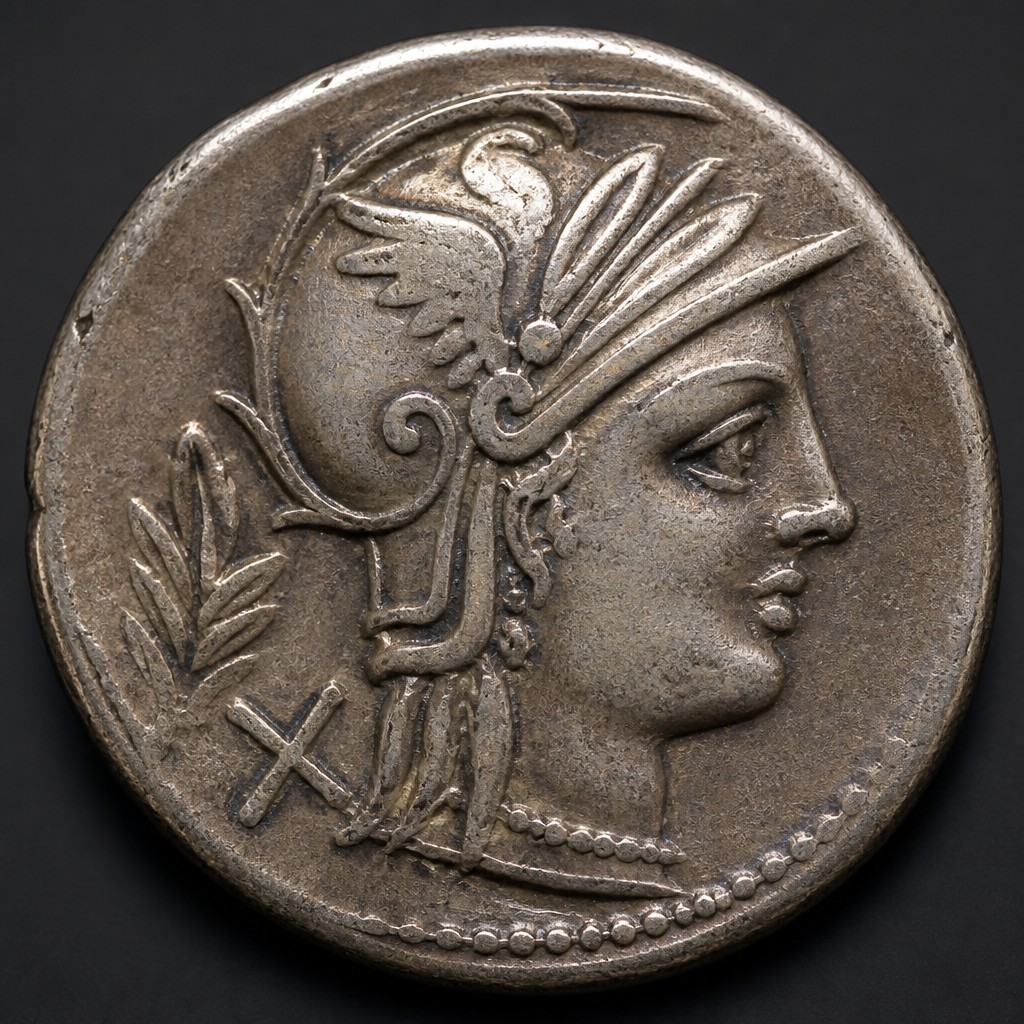
Republican Victoriatus
c. 211–170 BC
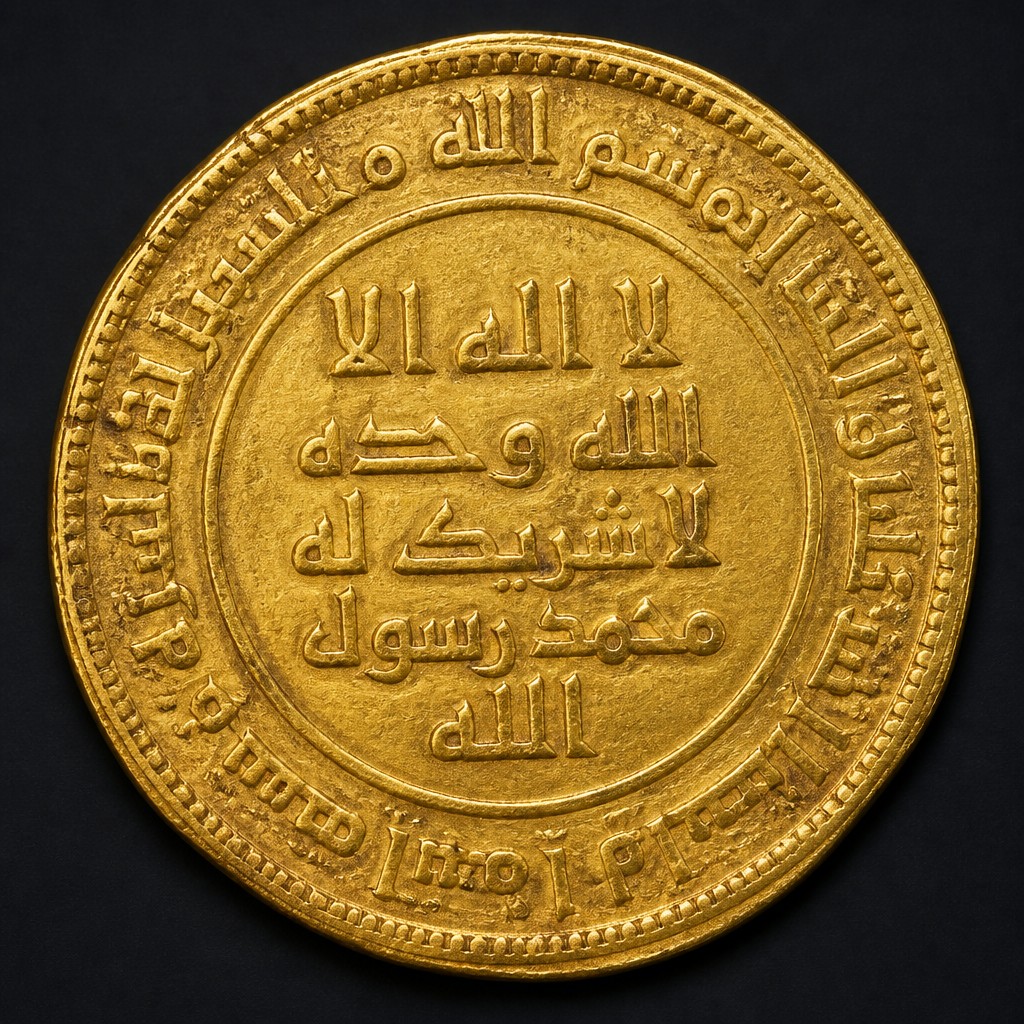
Islamic Gold Dinar (Umayyad)
c. 696–750 AD
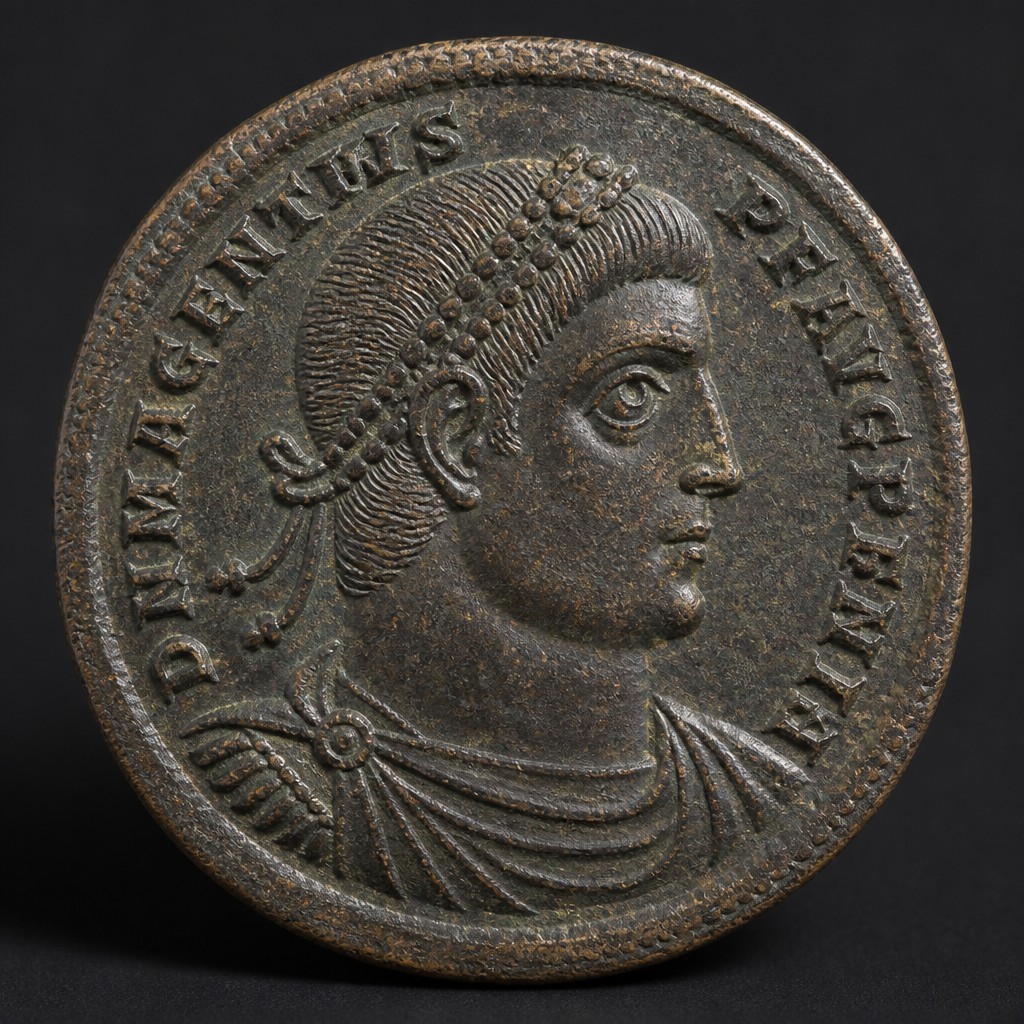
Magnentius Double Centenionalis
350–353 AD
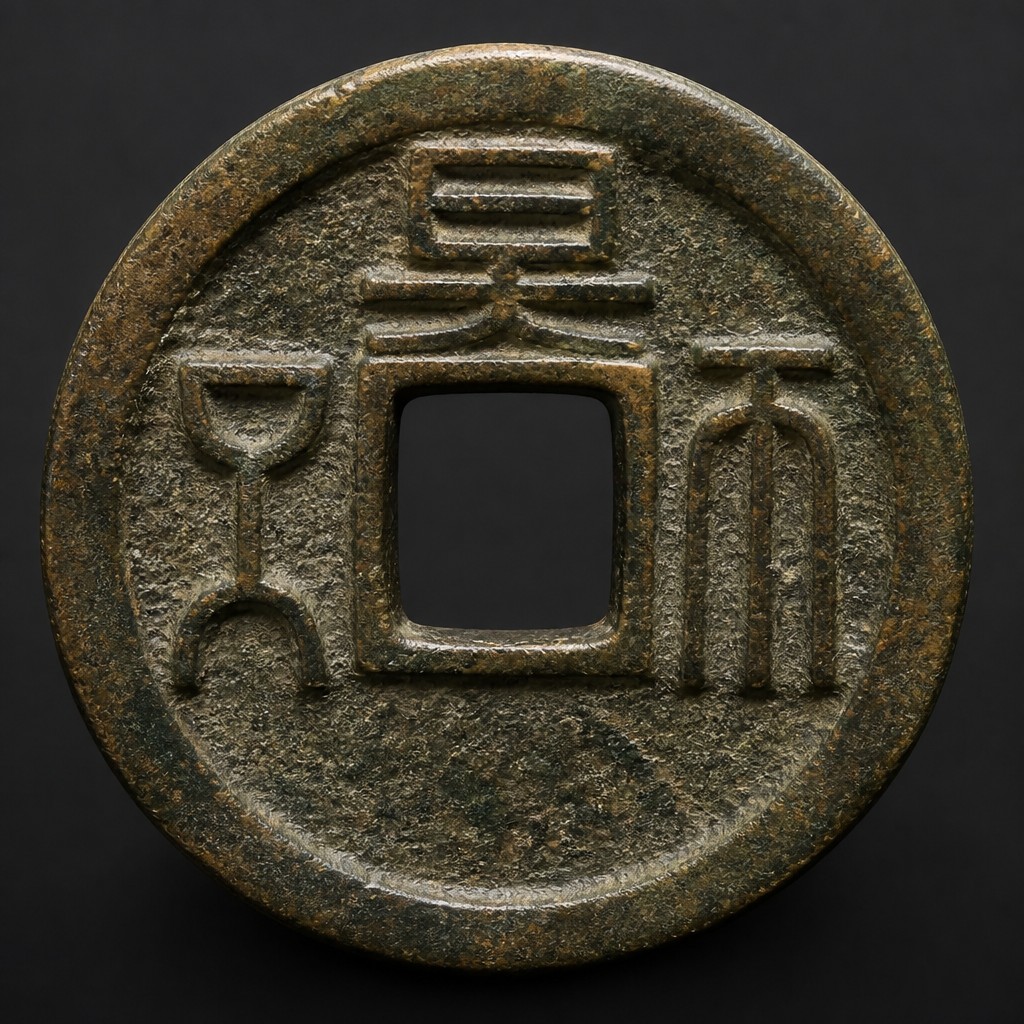
Chinese Wu Zhu Cash
118 BC – 618 AD
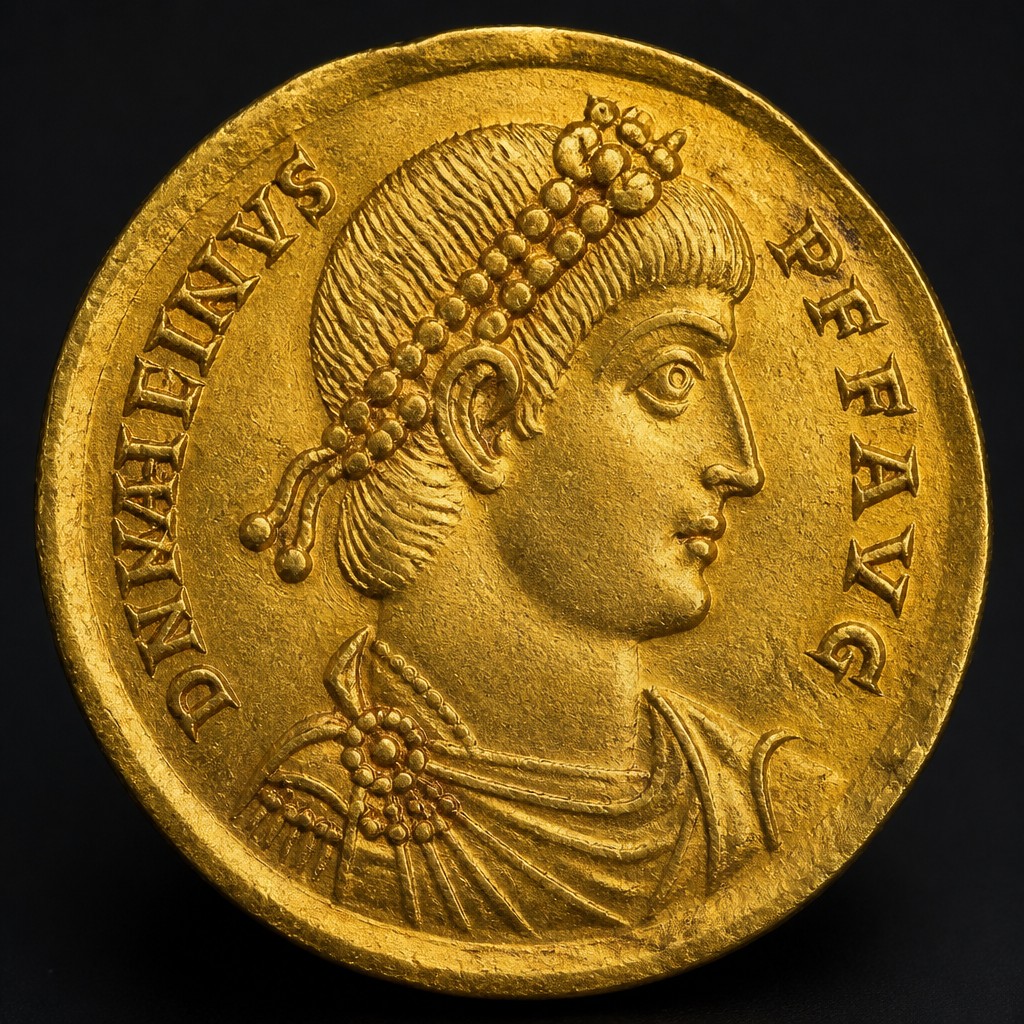
Valentinian I Solidus
364–375 AD
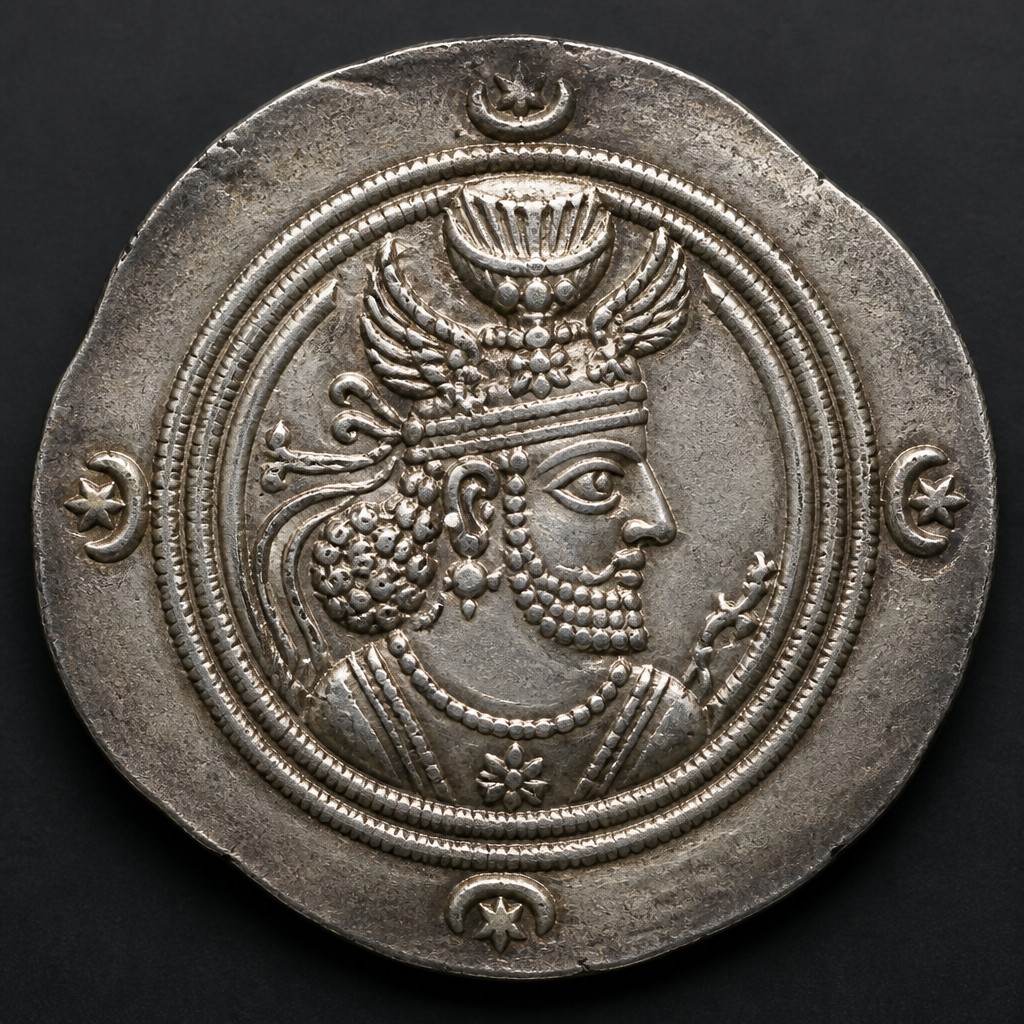
Sassanian Silver Drachm
c. 224–651 AD
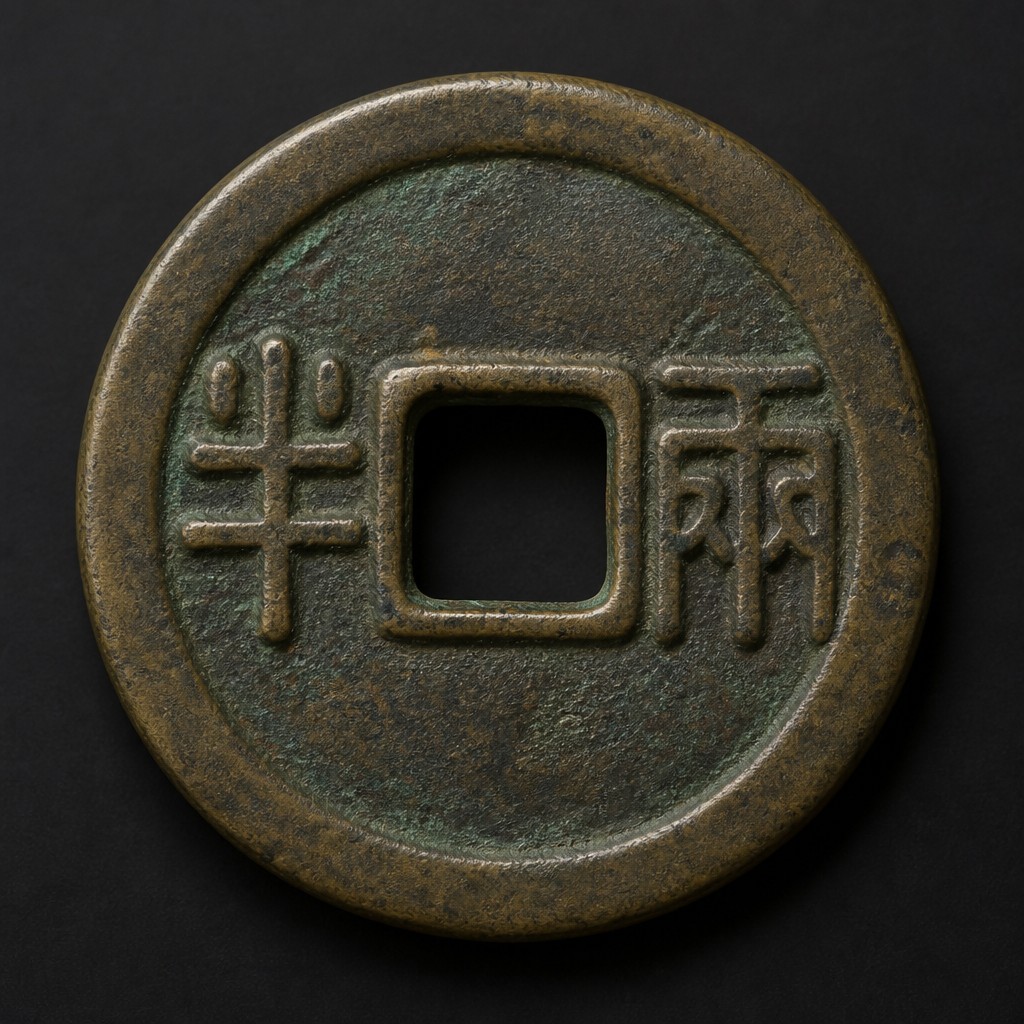
Chinese Ban Liang Cash
c. 221–118 BC
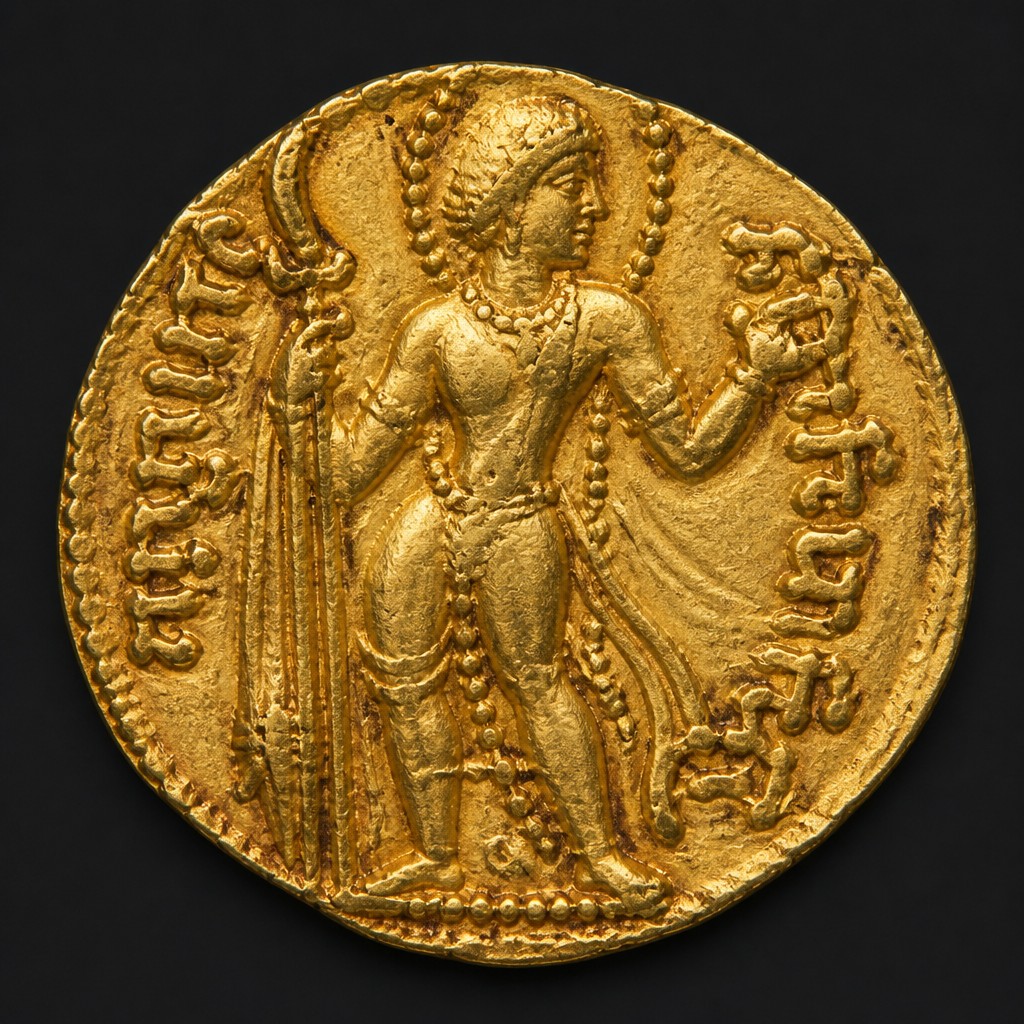
Gupta Empire Gold Dinar
c. 320–550 AD
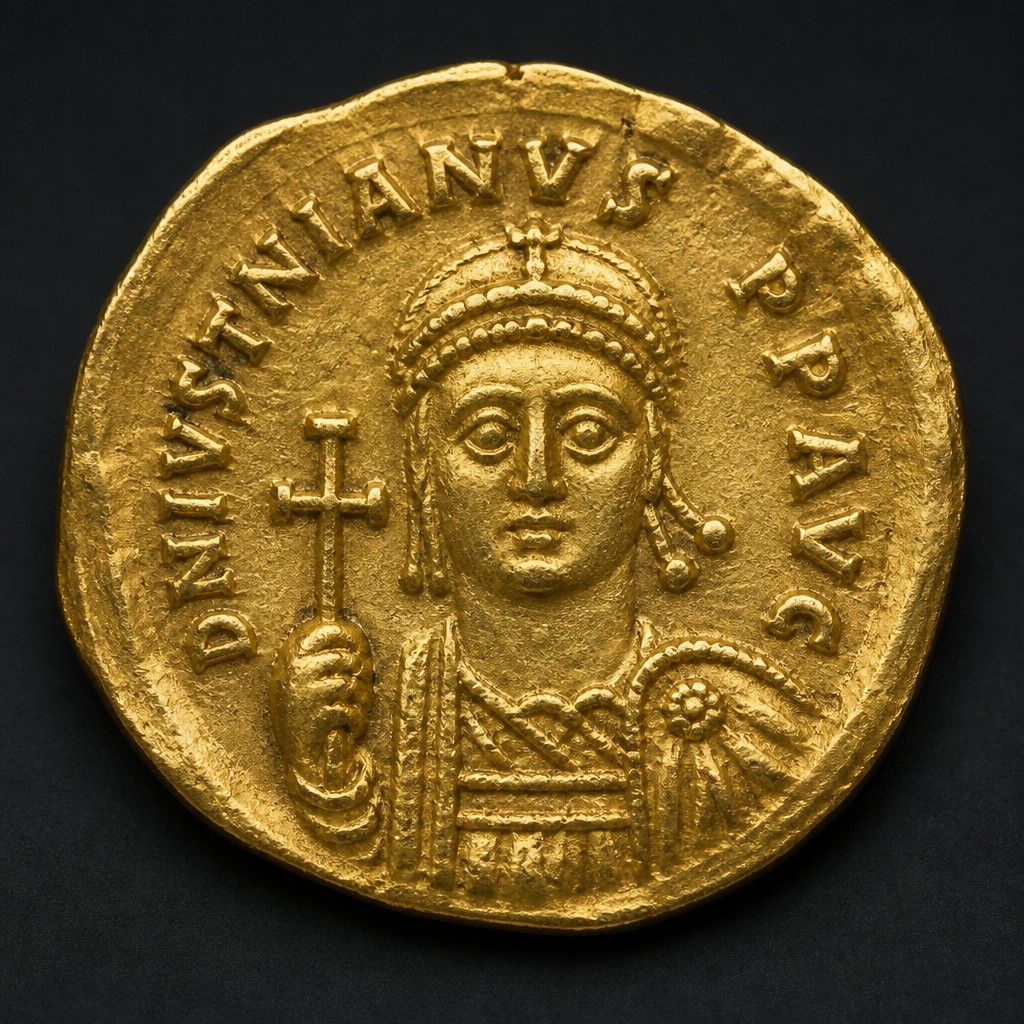
Byzantine Gold Tremissis
c. 4th–7th century AD
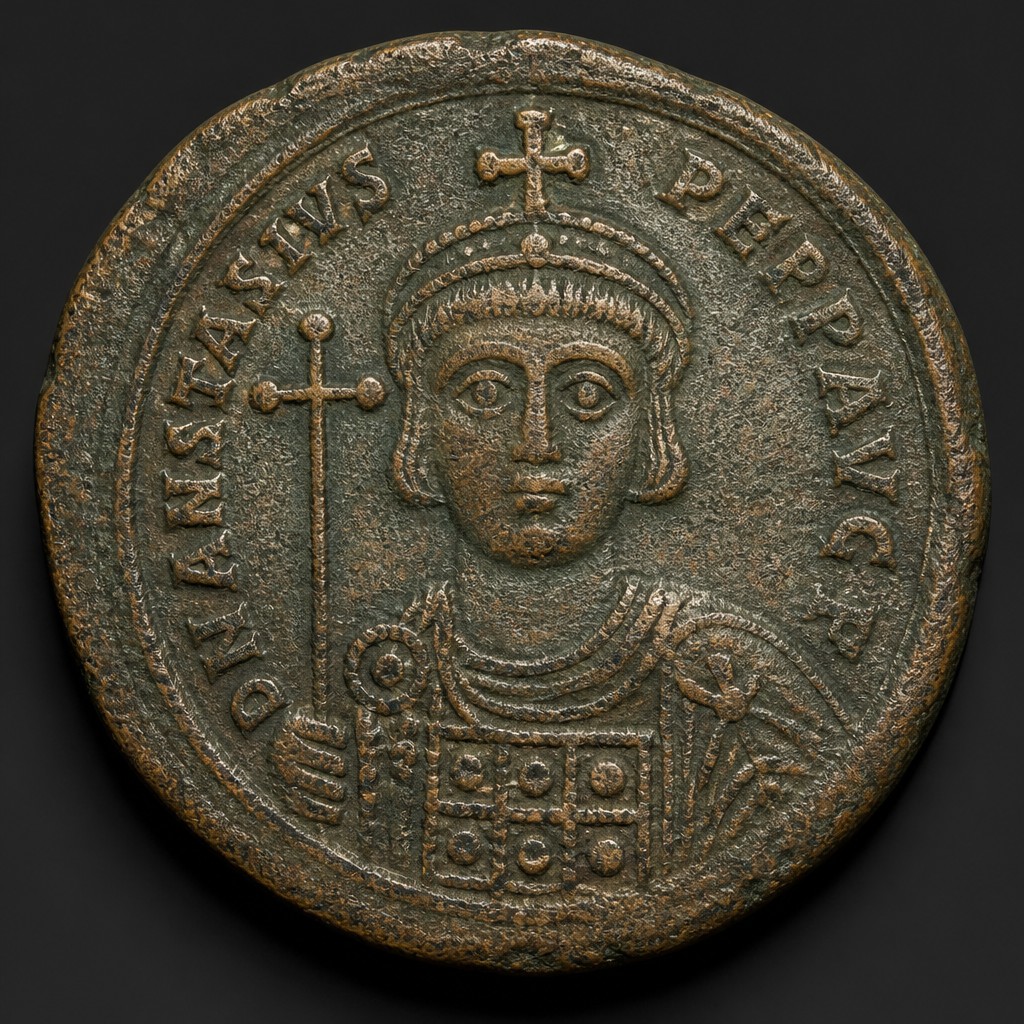
Byzantine Follis
498–c. 11th century AD
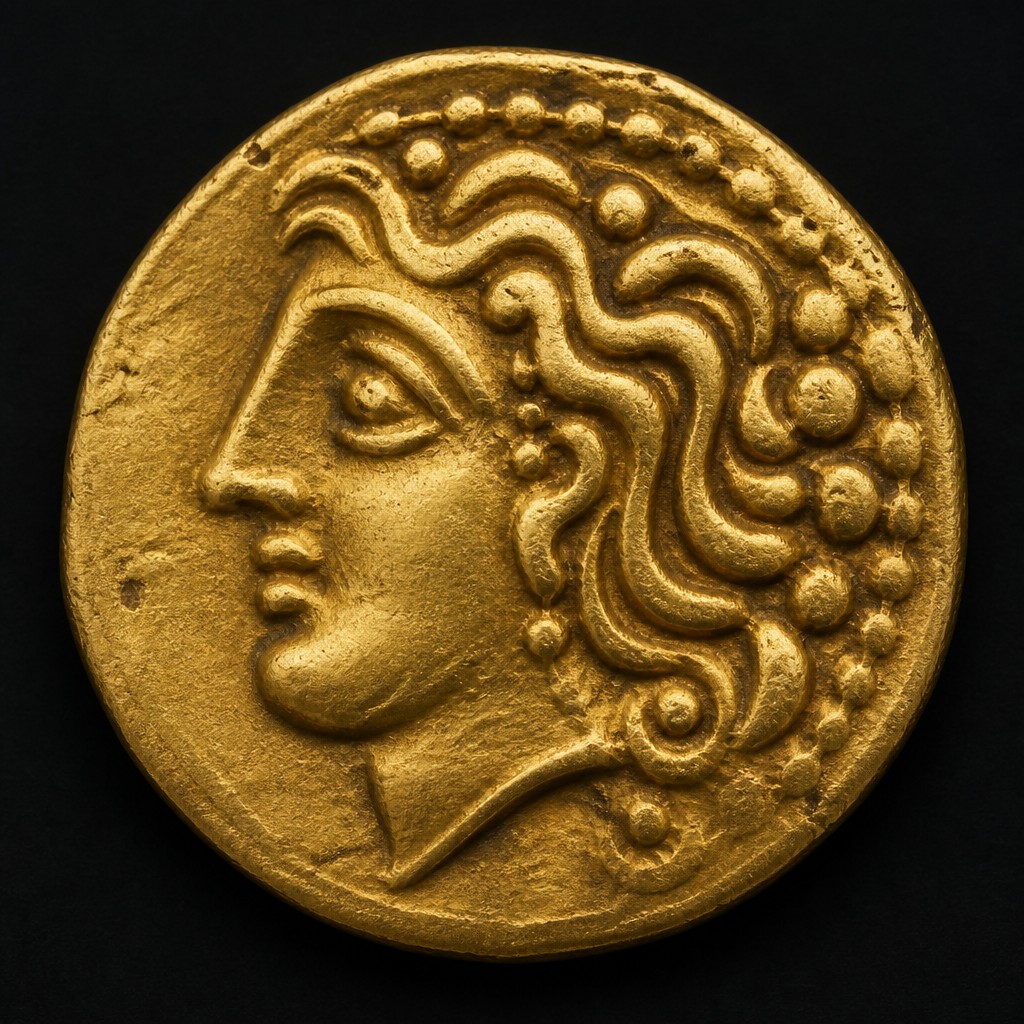
Celtic Gold Stater
c. 3rd century BC – 1st century AD