
Coin Encyclopedia
Search and identify coins from around the world — with country, denomination, metal, mint, history, and how to tell them apart.
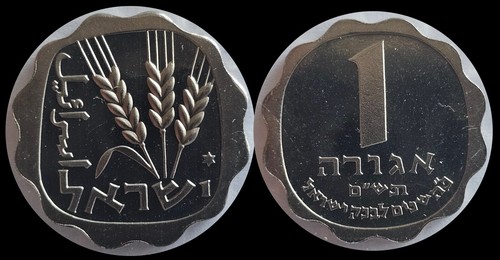
Israel 1 Agora (Bank of Israel 25th Anniversary)
A small 1980 aluminum-bronze 1 Agora of Israel, tied to the Bank of Israel's 25th anniversary, with grain ears on one face and the value 1 with Hebrew legend on the other.
World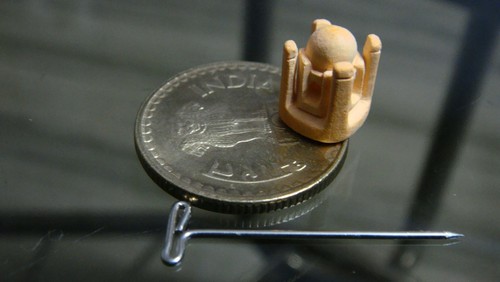
India 1 Rupee Commemorative
Copper-nickel Republic of India one rupee showing the Ashoka Lion Capital emblem, with the value and Devanagari legends on the reverse, from the late 20th century.
Modern India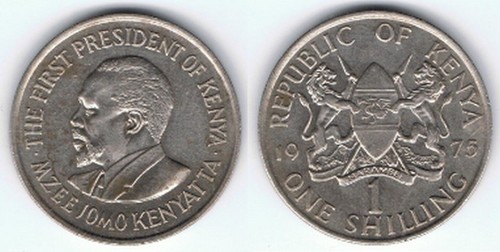
Kenya 1 Shilling
A circulating one-shilling coin of the Republic of Kenya bearing President Jomo Kenyatta on the obverse and the Kenyan coat of arms on the reverse.
World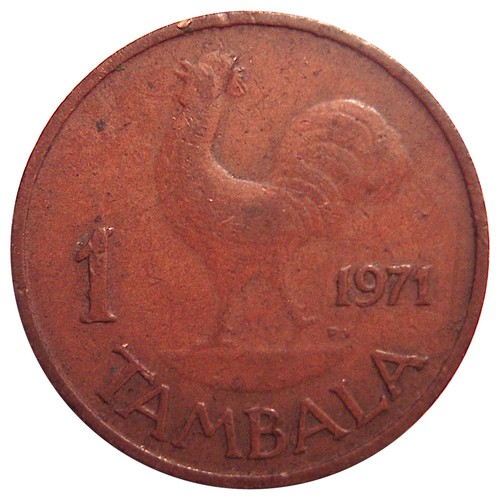
Malawi 1 Tambala
Malawi's small copper-bronze 1 tambala of 1971, showing President Hastings Kamuzu Banda on the obverse and a standing cockerel on the reverse.
World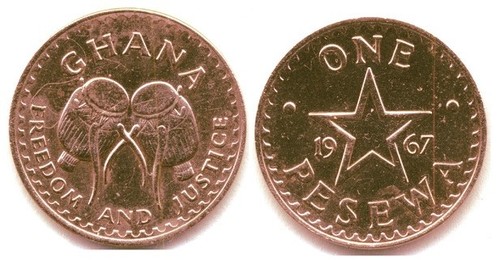
Ghana 1 Pesewa
A small copper-colored 1 pesewa coin of Ghana dated 1967, showing twin eagle heads and 'FREEDOM AND JUSTICE' on one side and a star on the other.
World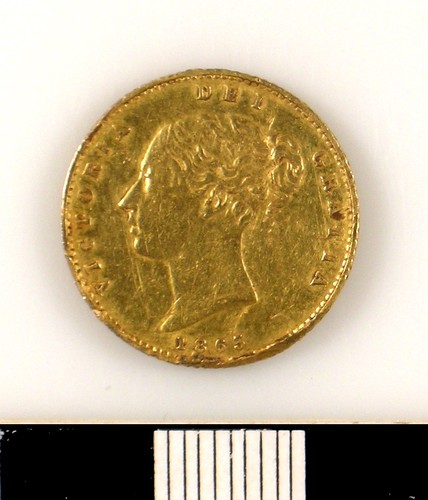
British Half Sovereign
A small 22-carat British gold coin worth ten shillings; the pictured example shows Queen Victoria's left-facing Young Head portrait, dated 1863.
British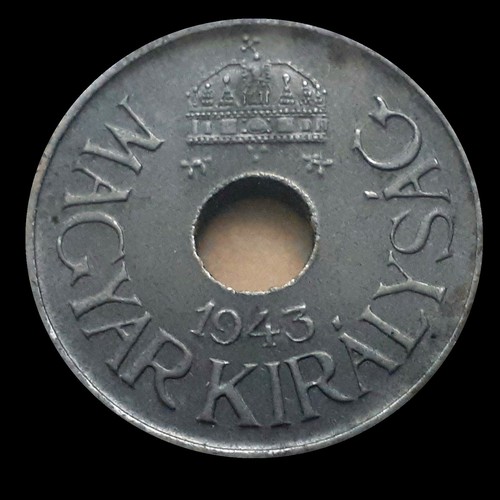
20 Fillér
An early 20th-century Hungarian 20 fillér, a small base-metal coin showing the crowned Hungarian coat of arms and the FILLÉR minor denomination.
Modern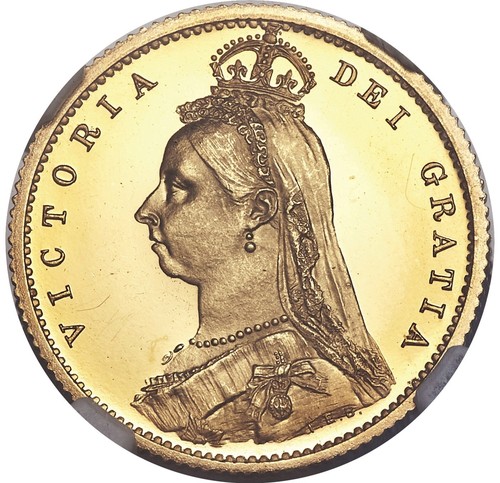
Half Sovereign
A small British 22-carat gold coin worth ten shillings; this example shows Queen Victoria's veiled, crowned Jubilee Head portrait and is dated 1887.
World Coins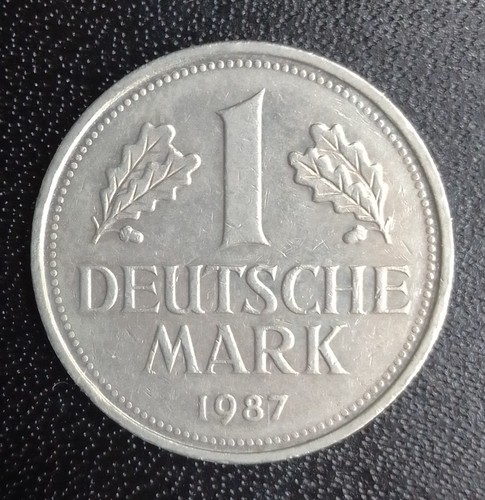
German 1 Deutsche Mark
The workhorse 1-Mark coin of West Germany and reunified Germany, showing a large numeral 1 framed by oak leaves and the words DEUTSCHE MARK.
Circulation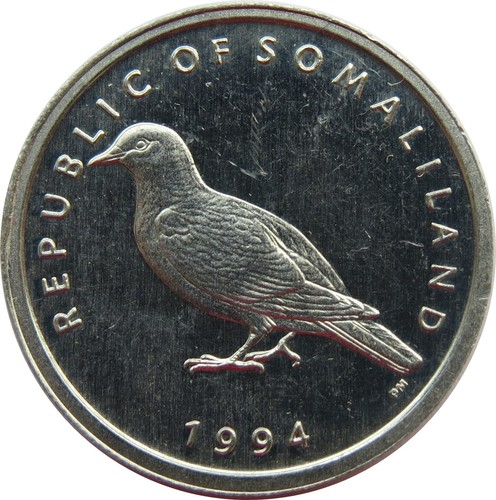
Somaliland 1 Shilling
An early circulation coin of the self-declared Republic of Somaliland, its reverse showing a dove above the country's name and the value.
World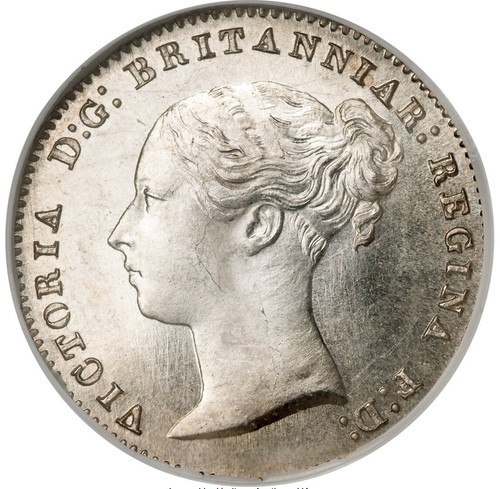
British Silver Threepence
Tiny sterling-silver threepence of Queen Victoria; the young-head type shown here dates to 1858 and is one of Britain's smallest circulating coins.
British Isles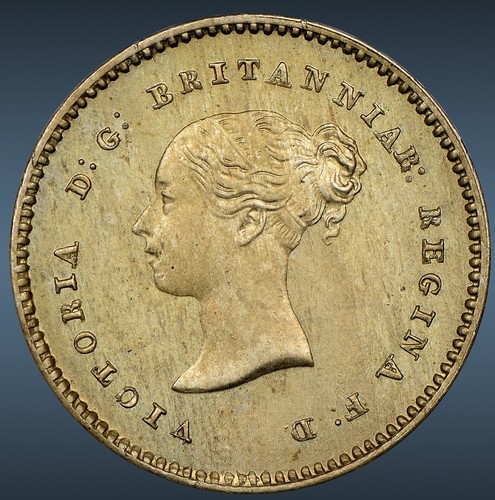
Quarter Farthing
Tiny copper coin of Queen Victoria worth one-sixteenth of a penny, struck for use in Ceylon; the smallest-value British denomination ever made.
British Isles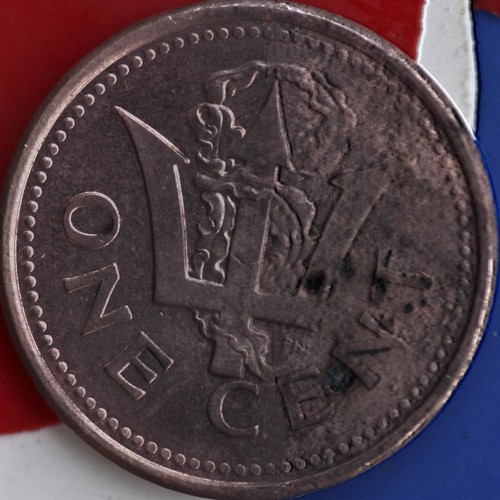
Barbados 1 Cent
A modern copper-colored Barbados one cent: the national coat of arms on the obverse and the value on the reverse, the smallest coin of the Barbadian dollar.
Circulation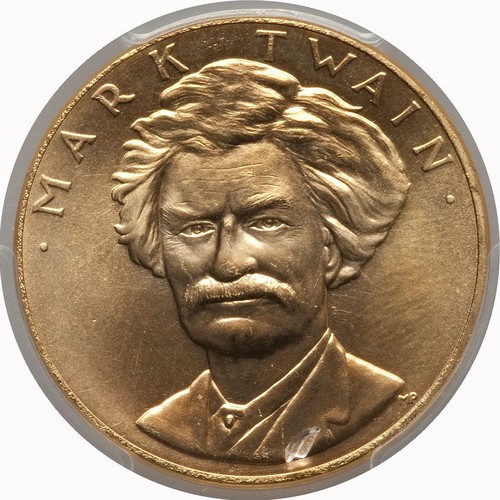
American Arts Commemorative Series Gold Medallion
A U.S. Treasury gold bullion medallion series (1980–1984) honoring American artists; the photographed 1981 one-ounce piece features author Mark Twain.
Bullion Medallion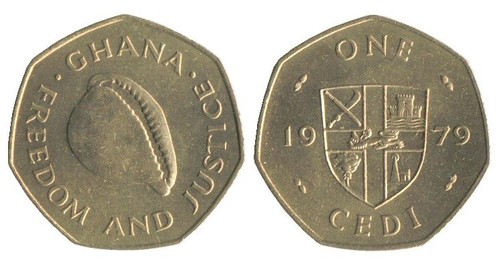
Ghana 1 Cedi
A golden-brass Ghanaian coin dated 1979, showing a cocoa pod with FREEDOM AND JUSTICE on one face and the national coat of arms on the other.
World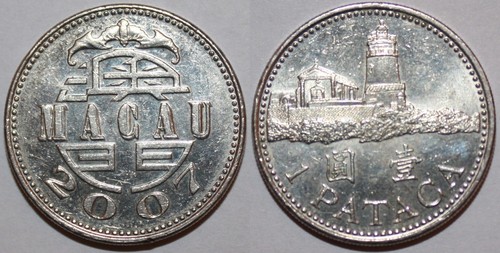
Macao 1 Pataca
A silver-colored 1 Pataca circulation coin of Macao dated 2007, showing Chinese characters and denomination on one face and a lighthouse-and-harbor scene on the other.
Circulation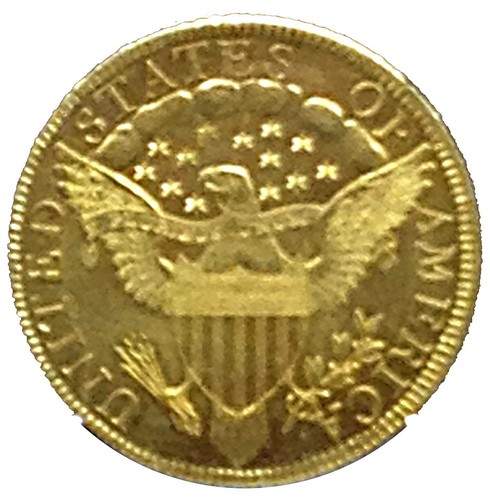
Draped Bust Dollar
Early U.S. silver dollar struck 1795–1804, with a draped bust of Liberty and, from 1798, a heraldic eagle reverse.
Dollar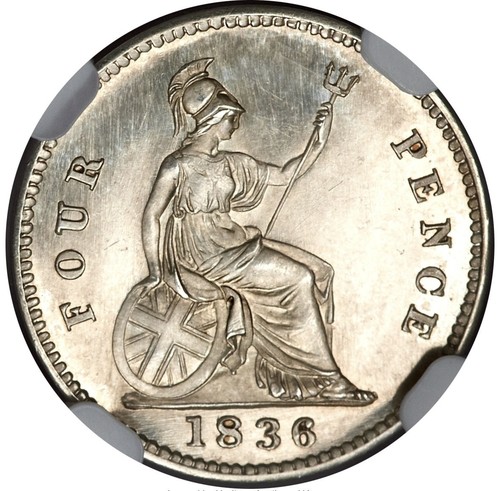
Groat of William IV
A small silver fourpenny piece of William IV (1836–1837), with a seated Britannia reverse; the coin that revived the modern British groat.
Milled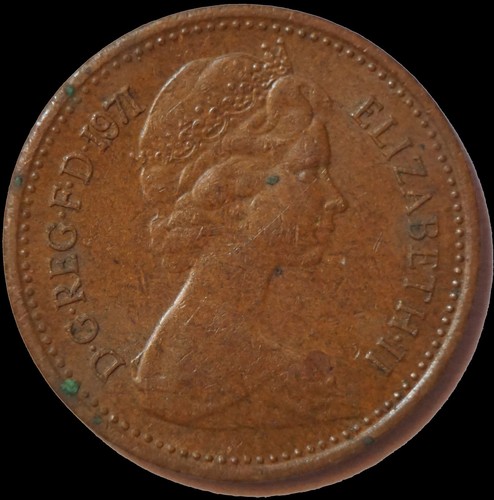
British Decimal Half Penny
The smallest UK decimal coin, a tiny bronze half-penny introduced with decimalisation in 1971, bearing a crown reverse and the Machin portrait of Elizabeth II.
British Isles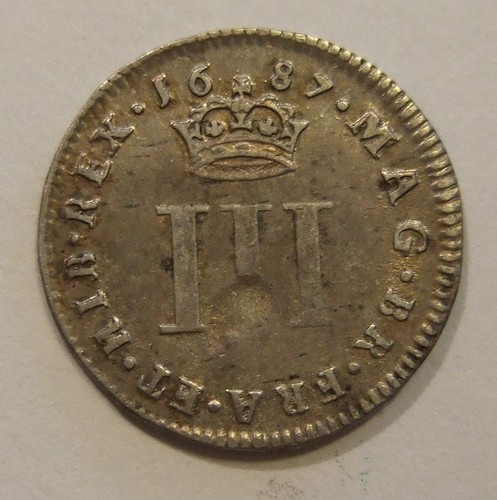
Maundy Three Pence
A tiny sterling-silver threepence tied to Britain's Royal Maundy tradition; the photographed 1687 coin shows James II's bust and a crowned Roman numeral III.
Maundy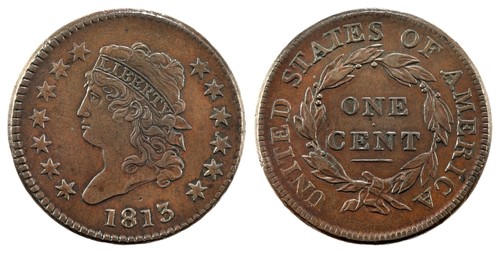
Classic Head Large Cent
A pure-copper U.S. large cent struck 1808–1814, showing John Reich's classical left-facing Liberty ringed by stars over a wreath reverse.
Large Cent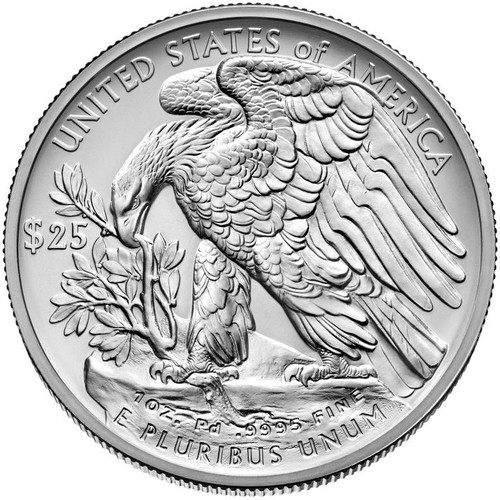
American Palladium Eagle
The U.S. Mint's one-ounce .9995 fine palladium bullion coin, launched in 2017 with classic Weinman Mercury dime and eagle designs.
Bullion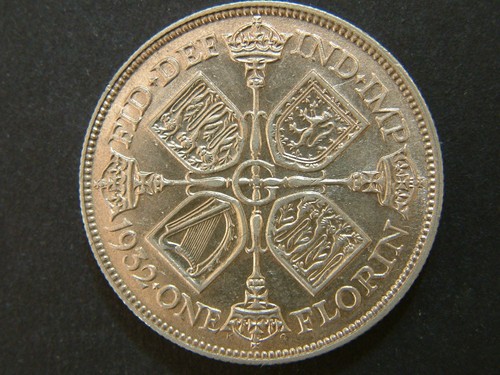
British Florin
A Victorian silver two-shilling florin with a crowned, veiled Victoria and a heraldic crowned-shields reverse; the pictured coin is dated 1890.
World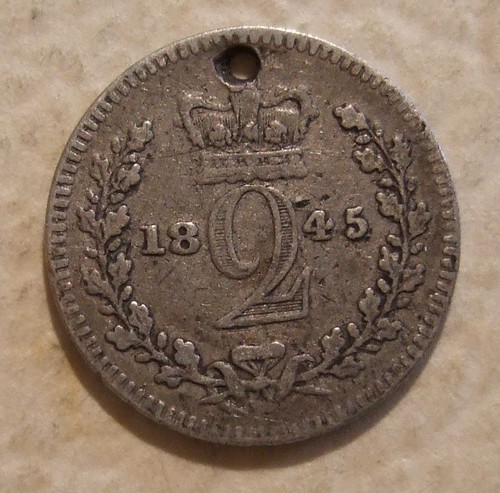
Victoria Maundy Twopence
A tiny sterling-silver ceremonial coin from a Royal Maundy set. This 1845 example shows Victoria's young head and a crowned 2 in a wreath.
British Isles