
Coin Encyclopedia
Search and identify coins from around the world — with country, denomination, metal, mint, history, and how to tell them apart.
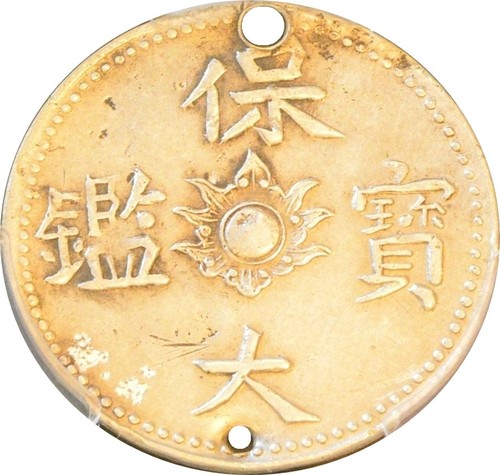
Vietnam 2 Tien - Bao Dai
A gold 2 Tien of Vietnam's last emperor, Bao Dai (1926-1945), its face bearing a radiant sun motif and Chinese-Vietnamese court inscriptions.
Southeast Asia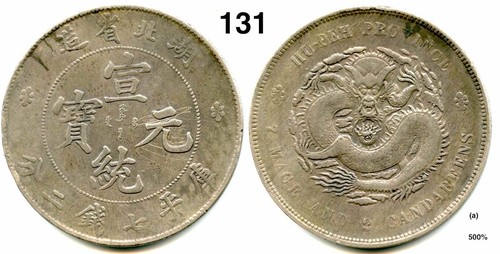
Xuantong Yuanbao 7 Mace 2 Candareens
A late Qing silver dollar-size coin of the Xuantong era (1909-1911), reading 宣統元寶 on the obverse with a Chinese dragon on the reverse.
Circulation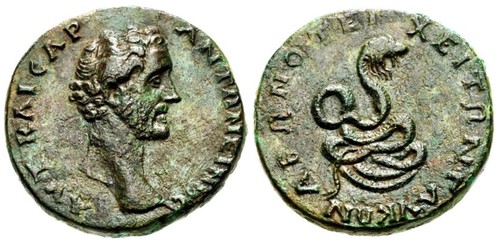
Glycon Bronze Coin
Roman provincial bronze of the 2nd century AD showing the snake-god Glycon: a bearded serpent head on one side and a coiled snake on the other.
Ancient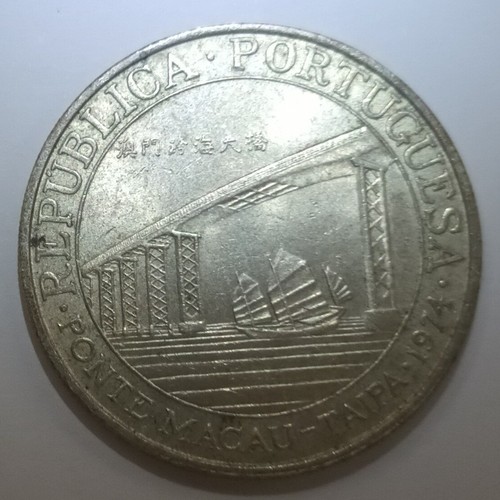
Macao Silver Coin (1974)
A 1974 Macau silver coin marking the Macau-Taipa Bridge: a spanning bridge with a Chinese junk below, ringed by REPUBLICA PORTUGUESA and PONTE MACAU-TAIPA.
Circulation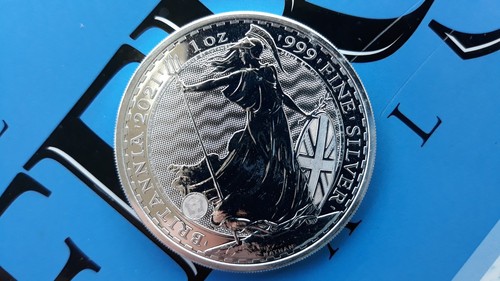
British Britannia Silver Coin
A modern UK bullion coin in fine silver, carrying a face value of 2 Pounds and the classic seated figure of Britannia with shield and trident.
Bullion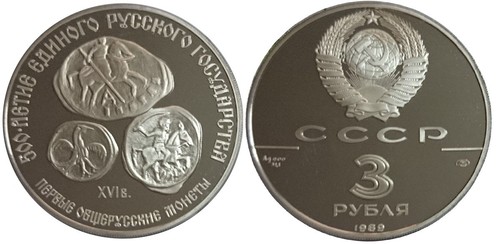
3 Roubles (First All-Russian Coins)
Soviet 1982 commemorative 3 Roubles honoring the first all-Russian coins, showing three historical 18th-century Russian coins with the state emblem reverse.
Commemorative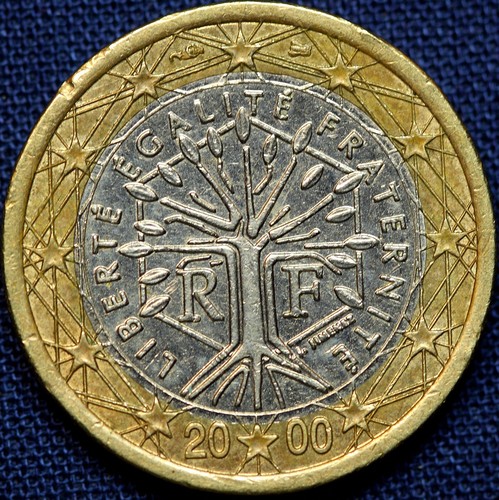
France 20 Centimes
A small gold-colored French Fifth Republic coin showing Marianne in profile, worth one-fifth of a franc, struck for four decades before the euro.
Circulation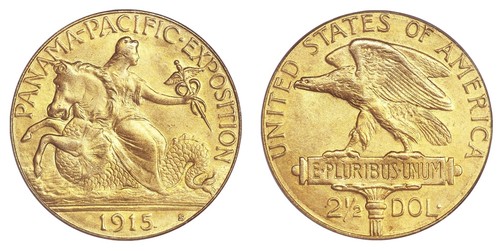
Panama-Pacific Exposition Quarter Eagle
A 1915 gold $2.50 commemorative for San Francisco's Panama-Pacific Exposition, showing Columbia astride a hippocamp and an eagle on the reverse.
Classic Commemorative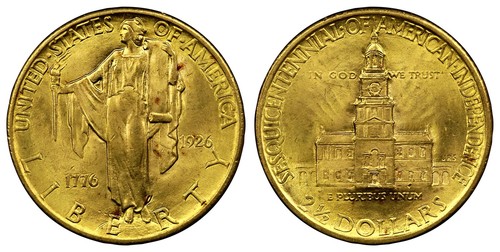
Sesquicentennial of American Independence Quarter Eagle
A 1926 U.S. commemorative $2.50 gold coin marking 150 years of American independence, with Liberty holding a torch and scroll and Independence Hall on the reverse.
Classic Commemorative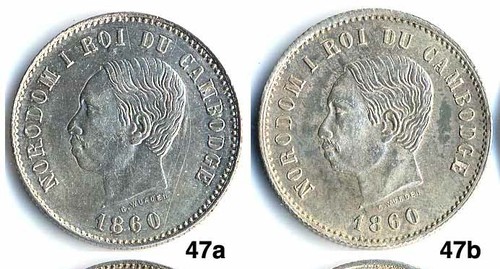
Cambodia Two Francs
A crown-sized Cambodian Two Francs of King Norodom I, its obverse a royal profile and DEUX FRANCS reverse over a crowned coat of arms; dated 1860 but long restruck.
Southeast Asia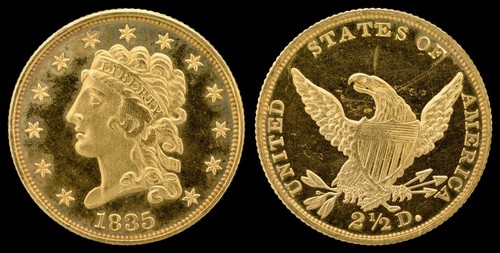
Classic Head Quarter Eagle
U.S. $2.50 gold coin struck 1834–1839, with a band-bound Liberty head obverse and a shield-breasted eagle reverse marked "2½ D."
Quarter Eagle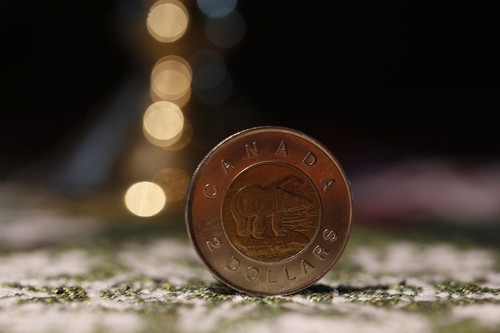
Canadian Two Dollar (Toonie)
Canada's bimetallic $2 coin, introduced in 1996 with a polar bear design; universally nicknamed the 'toonie' after the loonie dollar.
Canadian & Provincial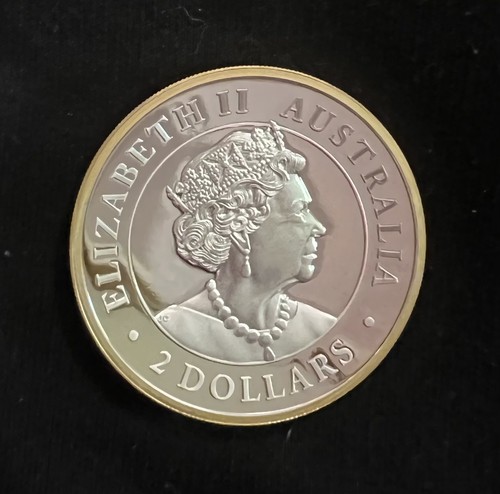
Australian Kookaburra
Perth Mint silver bullion coin with a changing kookaburra reverse and a Queen Elizabeth II obverse; this 2 Dollars piece is a 2 oz .999 fine silver coin dated 2012.
Bullion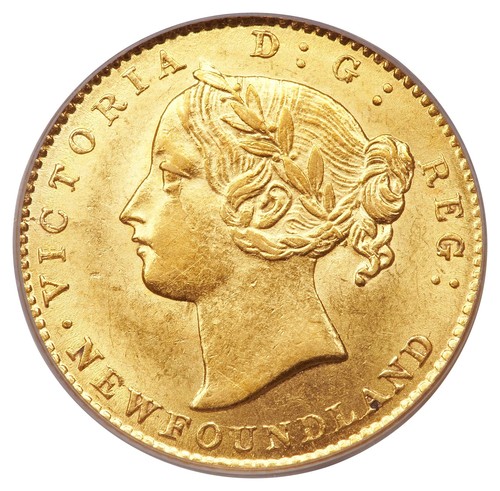
Newfoundland Two Dollars
Small gold two-dollar coin of the colony of Newfoundland; the only circulating coin ever denominated in dollars, cents, and pence together.
Canadian & Provincial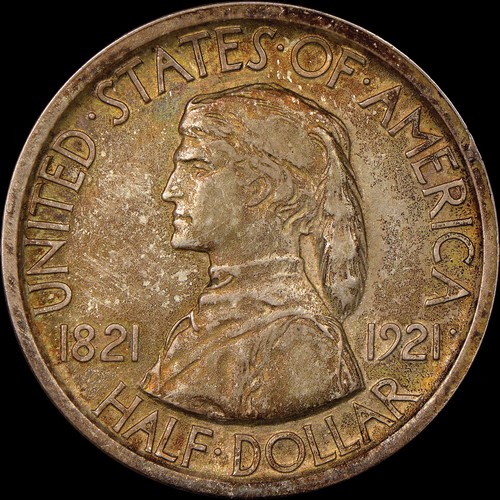
Missouri Centennial Half Dollar
A 1921 U.S. silver commemorative half dollar marking 100 years of Missouri statehood, with a coonskin-capped frontiersman facing left and a frontier-scene reverse.
Classic Commemorative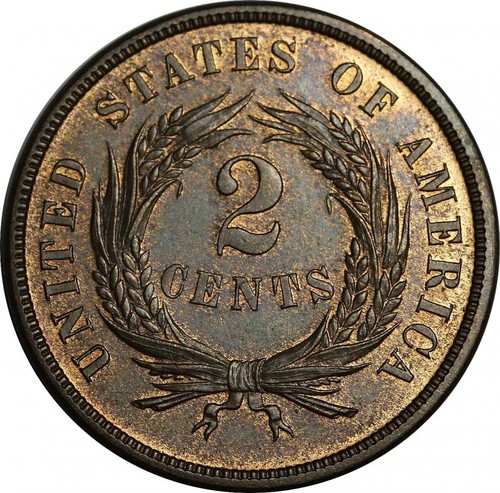
Two Cent Piece
America's only two-cent coin, struck in bronze from 1864 to 1873, and the first U.S. coin to carry the motto "IN GOD WE TRUST."
Two Cent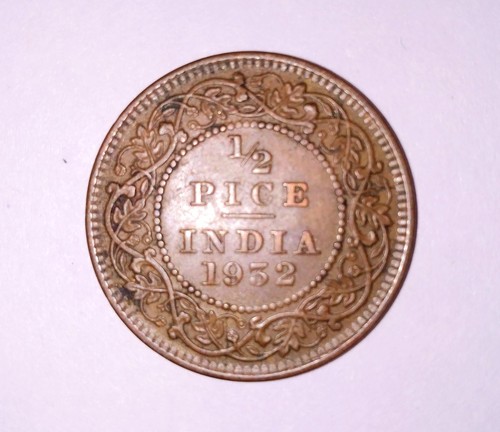
India Half Pice
A small copper half pice from India carrying a crowned obverse with the word INDIA; the pice is a sub-unit of the old pre-decimal Indian coinage system.
Modern India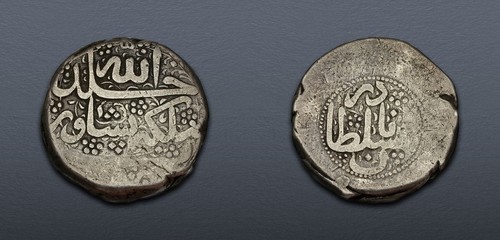
Double Rupi
A large Afsharid silver coin of Nader Shah, the double rupi, dated AH 1151 and covered in flowing Persian calligraphy and ornamental scrollwork.
Historic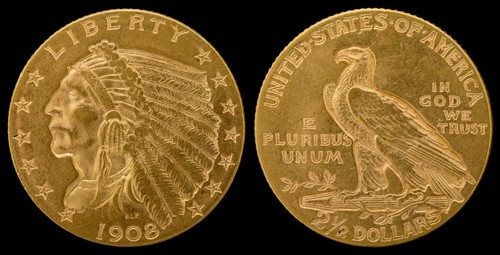
Indian Head Quarter Eagle
U.S. $2.50 gold coin of 1908–1929 with a sunken (incuse) design: an Indian in a feathered war bonnet on the obverse and a standing eagle reverse.
Quarter Eagle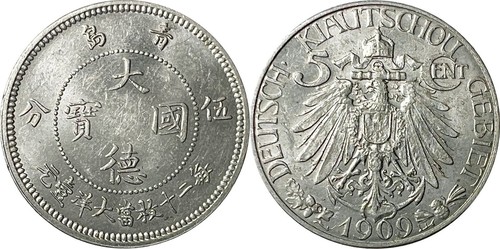
Kiautschou 5 Cents
A 1909 nickel 5 Cent coin of the German-leased Kiautschou Bay territory in China, pairing Chinese characters with the German imperial eagle.
Colonial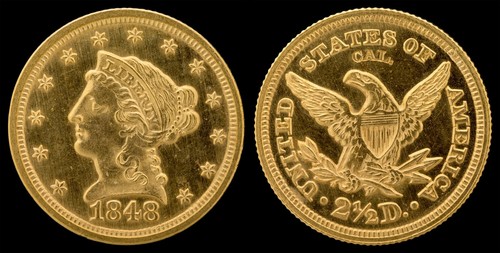
Liberty Head Quarter Eagle
U.S. $2.50 gold coin struck 1840–1907, with a coronet-crowned Liberty head obverse and a shield-breasted eagle reverse marked "2½ D."
Quarter Eagle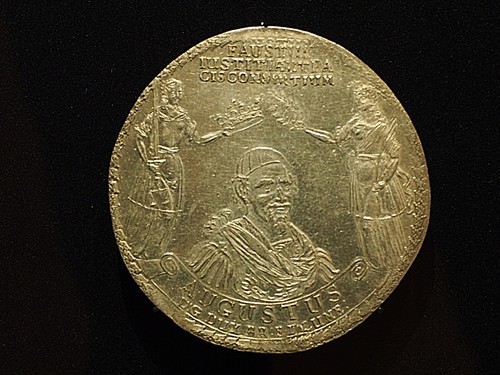
Schaummünze 4 Thaler
A silver Schaummünze struck to a 4-Thaler weight, dated 1666, with elaborate heraldic and figural imagery referencing August der Jüngere.
Medal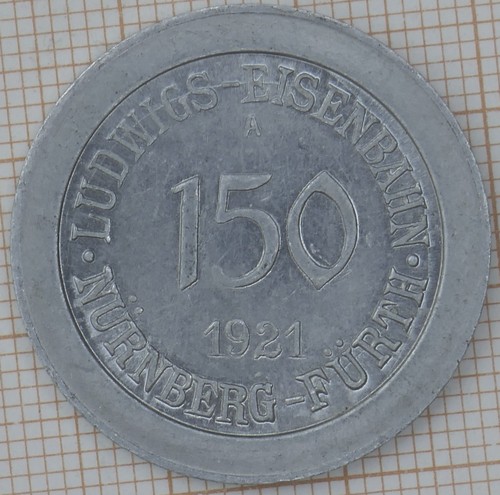
Ludwigs-Eisenbahn Nürnberg-Fürth 150 Pfennig
A 1921 German emergency-money 150 Pfennig piece from Nürnberg-Fürth, struck in zinc-iron and showing an ornamental Kunstbrunnen fountain monument.
Token/notgeld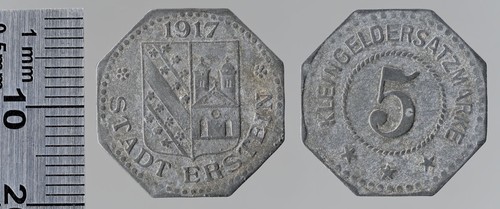
Erstein Notgeld 5 Pfennigs
A World War I emergency small-change coin issued by the town of Erstein in 1917, with the civic coat of arms on one side and a large 5 on the other.
Token/notgeld