
Coin Encyclopedia
Search and identify coins from around the world — with country, denomination, metal, mint, history, and how to tell them apart.
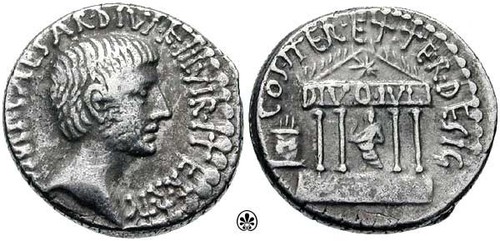
Denarius of Cordius
Roman Republican silver denarius struck by the moneyer Manius Cordius Rufus, with a right-facing head on the obverse and a standing figure and CORDIVS legend on the reverse.
Ancient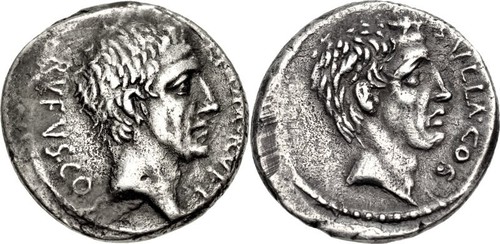
Denarius of the Pompeia Family
Silver Roman Republican denarius of the Pompeia family, with a male portrait head and a Victory driving a chariot on the reverse.
Ancient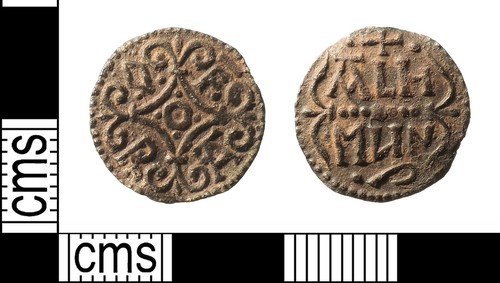
Penny of Offa
Thin silver penny of King Offa of Mercia, showing a portrait or name inscription and a cross with geometric ornament on the reverse.
Medieval Coins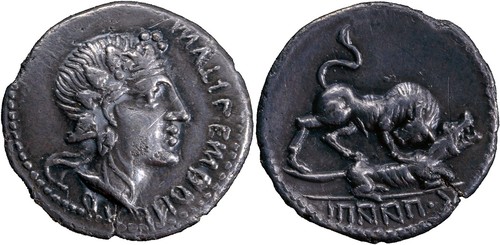
Denarius of C. Papius Mutilus
Silver denarius bearing the name C PAPIUS MUTILUS, a Social War-era Italic type of c. 90 BC with a portrait bust and a horseman or chariot reverse.
Ancient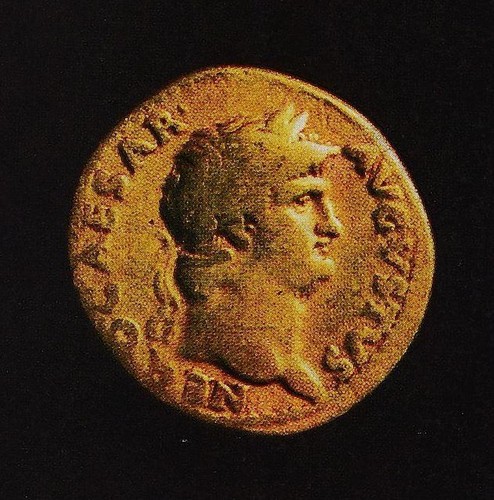
Aureus of Nero
Roman imperial gold aureus of Emperor Nero (54-68 AD), showing his curly-haired portrait facing right with a Latin imperial legend.
Ancient Coins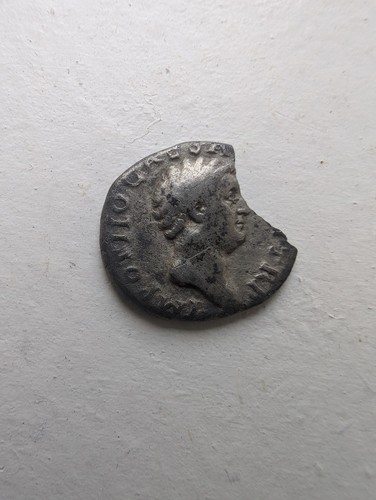
Denarius of Otho
Silver denarius of the emperor Otho, struck at Rome during his brief AD 69 reign, showing his bare head right with the legend IMP OTHO CAESAR.
Ancient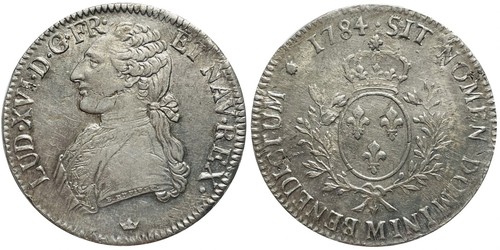
Ecu of Louis XVI
A large French silver ecu of Louis XVI dated 1784: left-facing royal bust obverse, crowned arms of France and Navarre framed by laurel on the reverse.
Royal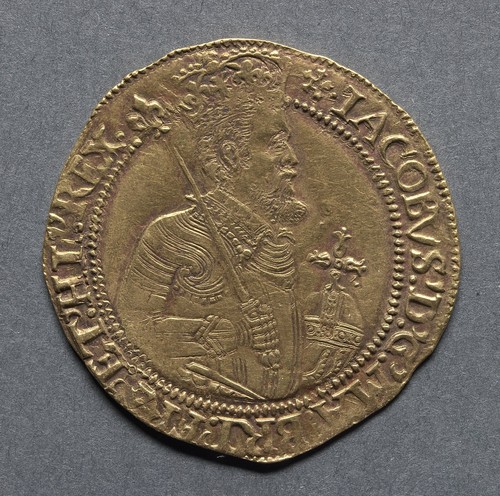
Unite of James I
A hammered gold pound coin of James I, named to celebrate the union of England and Scotland under one crown.
Hammered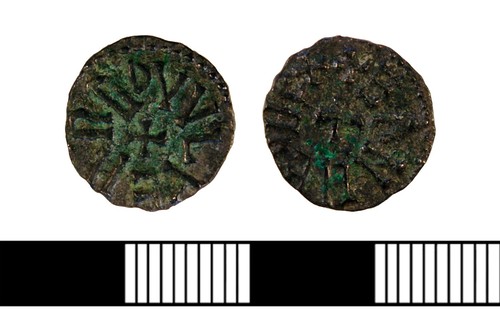
Styca of Eanred
Small base-metal coin of King Eanred of Northumbria, with a cross and legend on one face and a central symbolic motif on the other.
Medieval Coins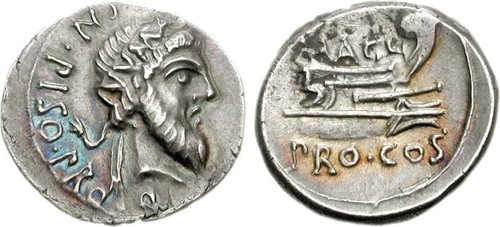
Denarius of Cn. Pompeius Magnus
Silver Roman Republican denarius of the Pompeian party (46–45 BC), with a bearded portrait of Pompey the Great and a galley reverse reading PRO COS.
Ancient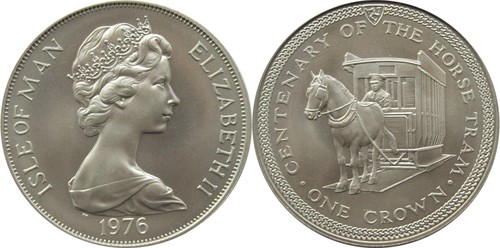
Isle of Man Crown
A 1976 Isle of Man cupronickel crown marking the centenary of the Douglas horse trams, showing a horse-drawn tram beneath an archway on the reverse.
Commemorative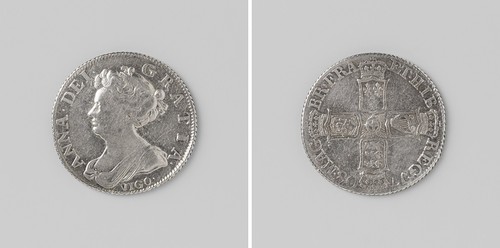
Shilling of Anne
A machine-struck silver shilling of Queen Anne, with her draped bust facing right and a reverse of crowned shields bearing the royal arms in a cross.
Milled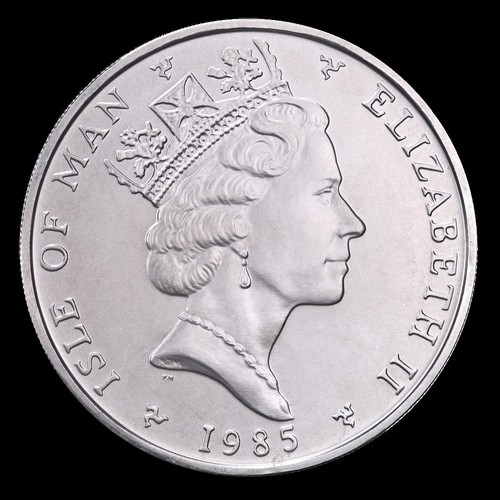
Isle of Man Noble
The Isle of Man Noble: the world's first platinum bullion coin, pairing a crowned Queen Elizabeth II with a Viking longship reverse.
Bullion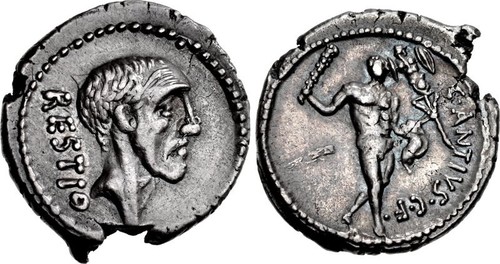
Denarius of C. Antius Restio
Silver Roman Republican denarius struck at Rome in 47 BC by the moneyer C. Antius Restio, pairing an ancestor's portrait with a striding figure and trophy.
Ancient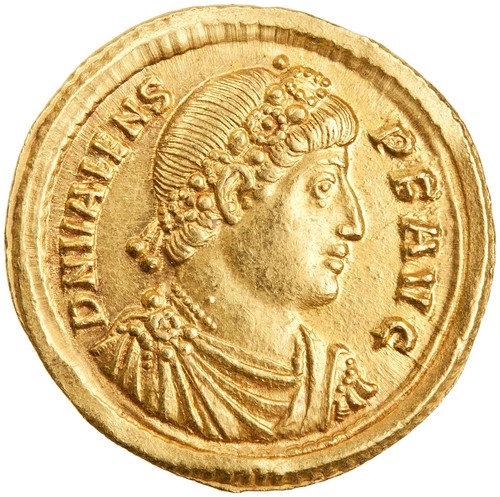
Solidus of Valens
A late Roman gold solidus struck for Valens, eastern emperor from AD 364 to 378, showing his diademed profile facing right.
Ancient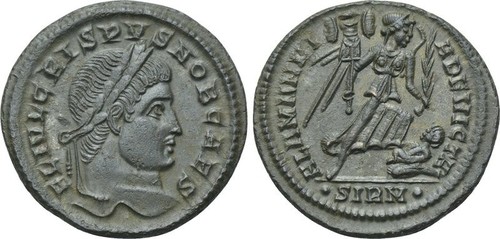
Follis of Crispus
A small bronze follis of Crispus, eldest son of Constantine the Great, with his diademed bust and a winged Victory reverse (317-326 AD).
Ancient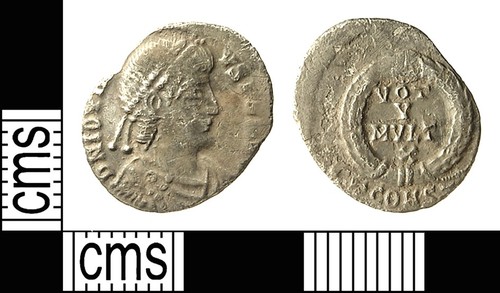
Siliqua of Jovian
Small late-Roman silver siliqua of Emperor Jovian (AD 363–364), with his right-facing portrait and a Victory or standing deity reverse.
Ancient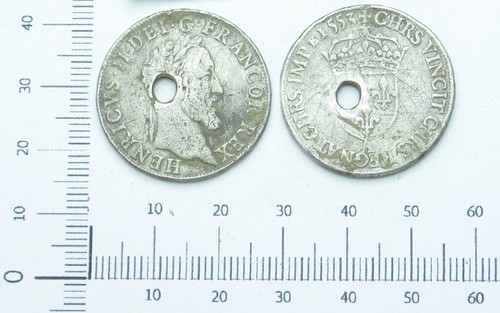
Teston of Henri II
A French Renaissance silver teston of Henri II (1547-1559): the king's realistic profile bust right, a crowned fleur-de-lis coat of arms on the reverse.
Renaissance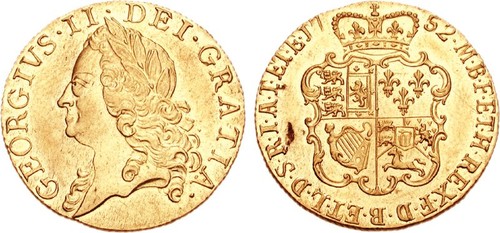
Guinea of George II
A milled gold guinea of Great Britain struck during the reign of George II, with a left-facing royal bust and a crowned heraldic shield reverse.
Milled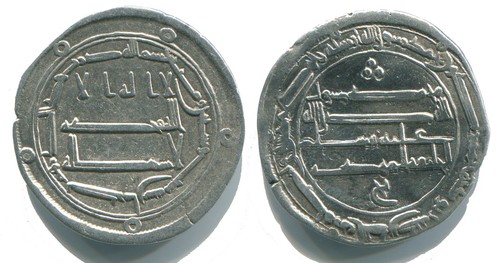
Dirham of al-Mahdi
A silver Abbasid dirham struck under Caliph al-Mahdi in AH 166 (783 CE), its faces filled with linear Kufic Arabic legends declaring the Islamic faith.
Islamic (Medieval)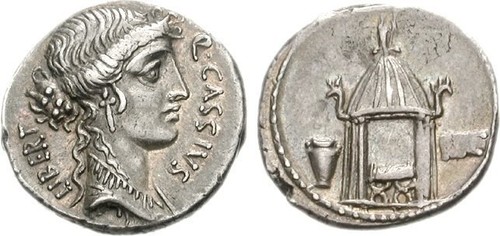
Denarius of Cassius Longinus
Silver denarius struck in 42 BC by Gaius Cassius Longinus, one of Caesar's assassins, to pay his legions before the Battle of Philippi.
Ancient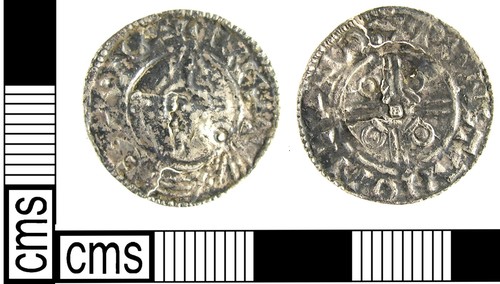
Penny of Cnut
Anglo-Saxon silver penny of King Cnut (Canute), showing a diademed bust facing left with a cross-and-pellets reverse, struck c.1024-1030.
Medieval Coins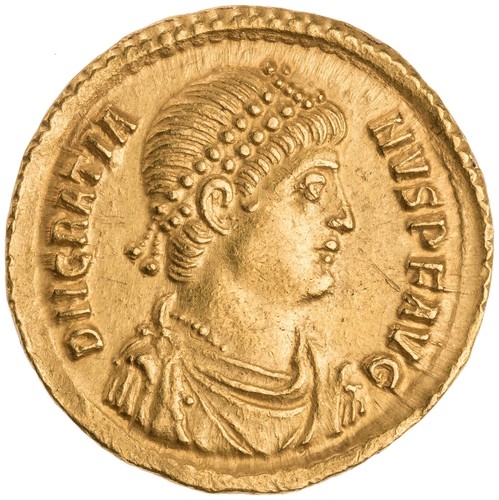
Solidus of Gratian
Late Roman gold solidus of Emperor Gratian (r. 367–383 CE), showing his curly-haired, diademed, draped and cuirassed portrait.
Ancient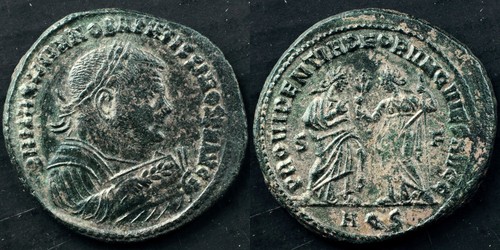
Follis of Maximian
A large silvered-bronze follis of the emperor Maximian, introduced with Diocletian's coin reform of the Tetrarchy around AD 294.
Ancient