
Coin Encyclopedia
Search and identify coins from around the world — with country, denomination, metal, mint, history, and how to tell them apart.
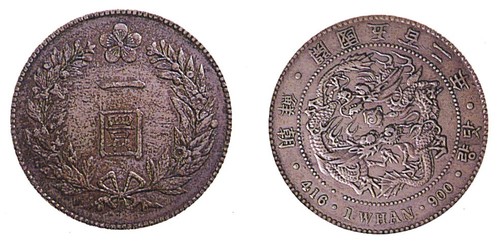
1 Hwan
A late-Joseon Korean bronze coin of one hwan, carrying a chrysanthemum-and-cartouche obverse and a traditional dragon motif with East Asian characters on the reverse.
Historic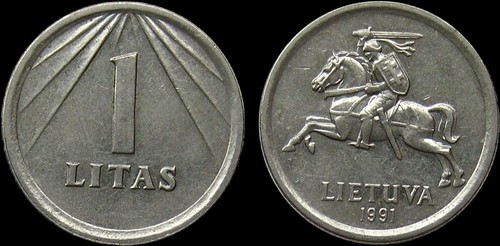
1 Litas
A 1991 Lithuanian one-litas coin from the first coinage after restored independence, showing the value with a radiating pattern and the Vytis knight of the national arms.
Modern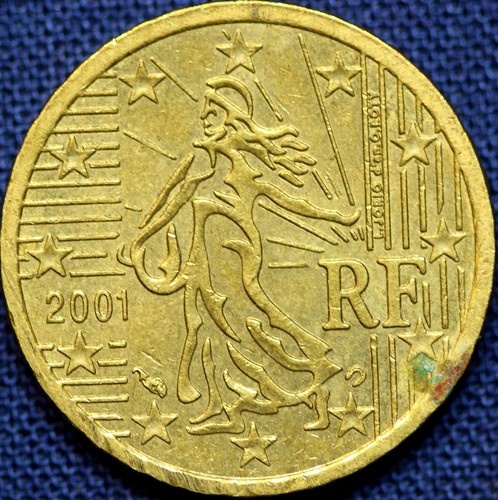
France 10 Cent Euro
France's gold-coloured 10 euro cent: the striding Sower for the French Republic on one side, a European map and the value 10 on the other.
Circulation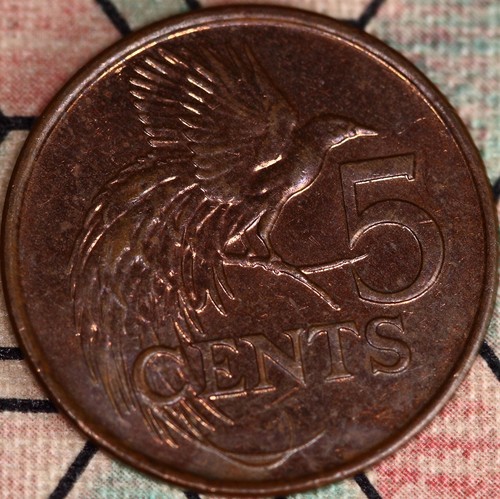
Trinidad and Tobago 5 Cents
A bronze five-cent coin of Trinidad and Tobago showing a perched bird — the Greater Bird of Paradise, often mistaken for a parrot — with FIVE CENTS on the reverse.
Circulation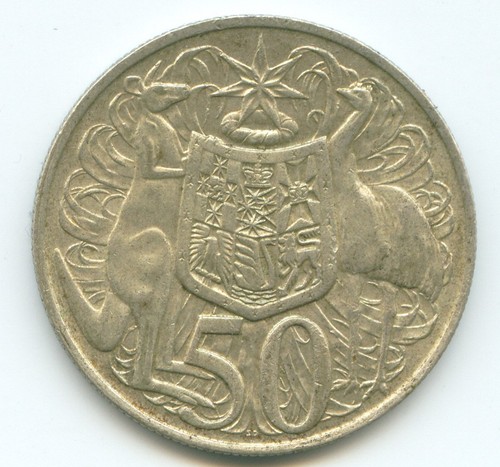
Australian Fifty Cents
Australia's 50 cent coin bearing the national coat of arms. The 1966 round issue shown here was struck in silver; later 12-sided coins are cupronickel.
Australian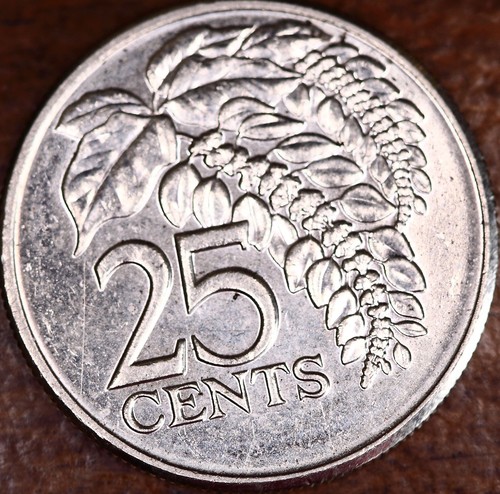
Trinidad and Tobago 25 Cents
A copper-nickel 25-cent coin of Trinidad and Tobago: a leafy national-flower plant design on one face and the value TWENTY FIVE CENTS on the other.
Circulation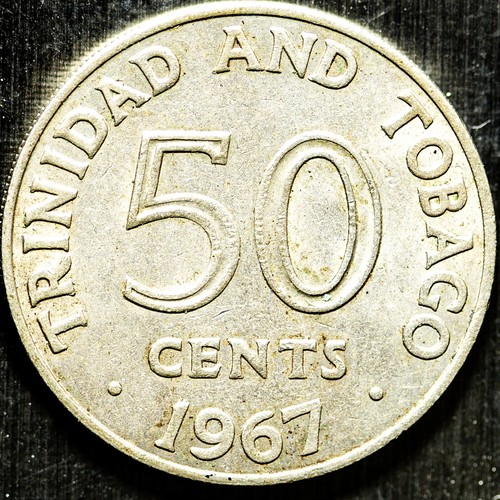
Trinidad and Tobago 50 Cents
A large copper-nickel Caribbean circulation coin; the 1967 example carries the national coat of arms and country name on the obverse and the 50-cent value on the reverse.
Circulation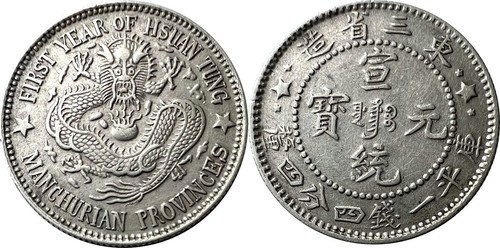
Xuantong Yuanbao 20 Cents
A small late-Qing silver 20-cent coin with a Western-style dragon, the English legend FIRST YEAR OF HSUAN TUNG, and Chinese characters reading Xuantong Yuanbao.
Circulation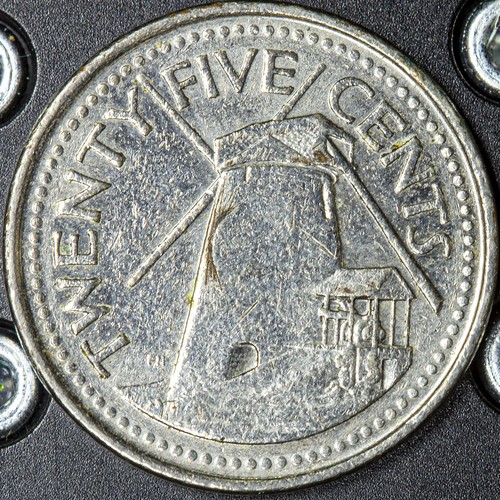
Barbados 25 Cents
A copper-nickel Caribbean circulation coin of Barbados; the 1998 example shows the national coat of arms on the obverse and the 25-cent value on the reverse.
Circulation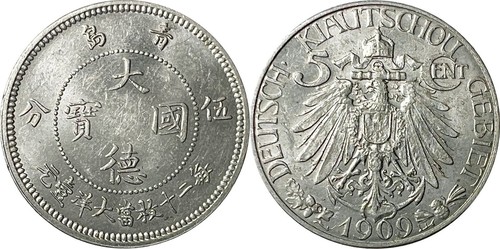
Kiautschou 5 Cents
A 1909 nickel 5 Cent coin of the German-leased Kiautschou Bay territory in China, pairing Chinese characters with the German imperial eagle.
Colonial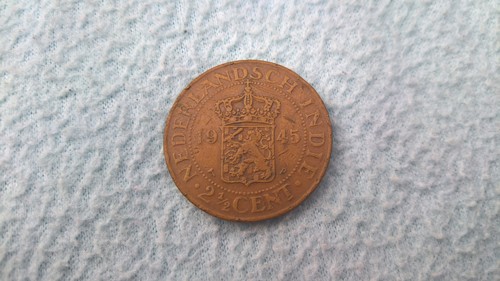
Netherlands East Indies 2 Cent
A wartime 1945 bronze 2-cent coin of the Dutch colony of the Netherlands East Indies, showing the crowned Netherlands shield and an ornate colonial reverse.
Southeast Asia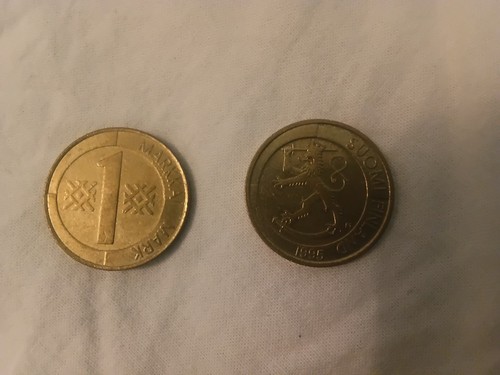
1 Markka
Finland's bimetallic one-markka coin (1993–2001), with a crowned heraldic lion on one face and a large numeral 1 on the other.
World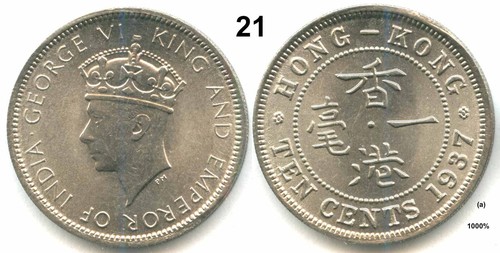
Hong Kong 10 Cents
A small silver 10-cent coin of British Hong Kong showing the crowned profile of King Edward VII, with 'HONG-KONG TEN CENTS' and Chinese characters on the reverse.
Circulation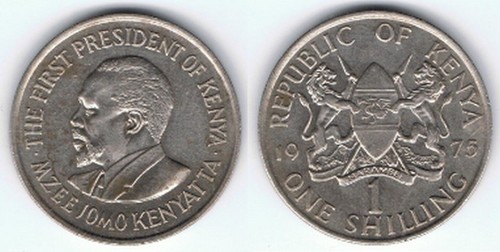
Kenya 1 Shilling
A circulating one-shilling coin of the Republic of Kenya bearing President Jomo Kenyatta on the obverse and the Kenyan coat of arms on the reverse.
World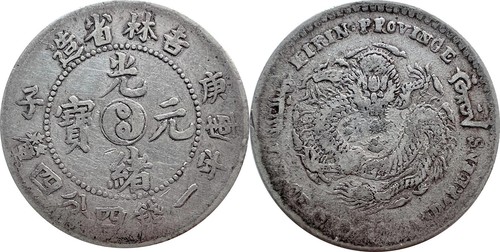
Guangxu Yuanbao 20 Cents
A machine-struck Qing silver 20 cents of the Guangxu era, with a coiled dragon on one face and a yin-yang (taiji) symbol on the other.
Circulation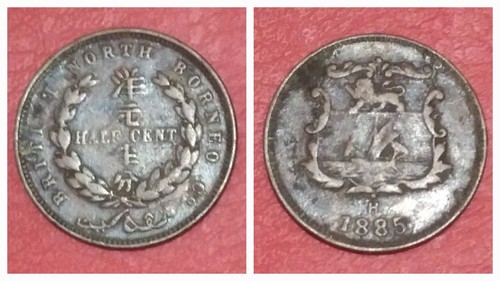
British North Borneo Half Cent
An 1885 copper half cent of British North Borneo: a bust in a laurel wreath on the obverse and the company arms with a heraldic supporter on the reverse.
Colonial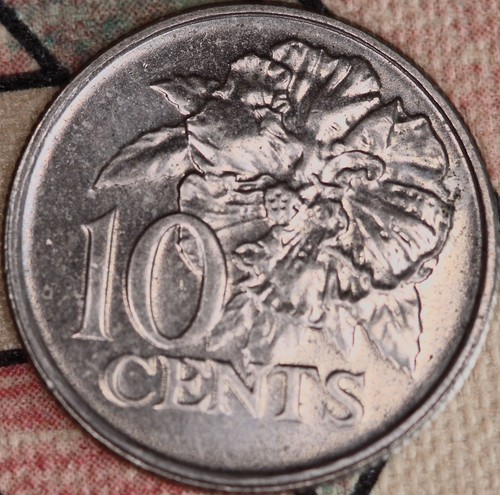
Trinidad and Tobago 10 Cents
A copper-nickel 10-cent coin of Trinidad and Tobago: the national coat of arms on the obverse and the denomination on the reverse.
Circulation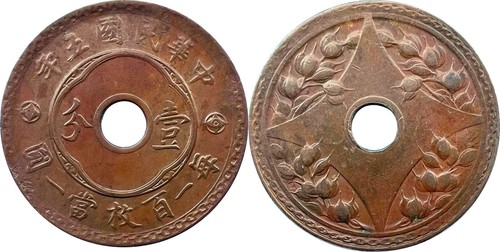
Republic 1 Fen
A holed copper 1 fen of Republican China, showing a numeral 1 with Chinese characters on one side and flowering plum blossoms on the other, around a central square-ish hole.
Circulation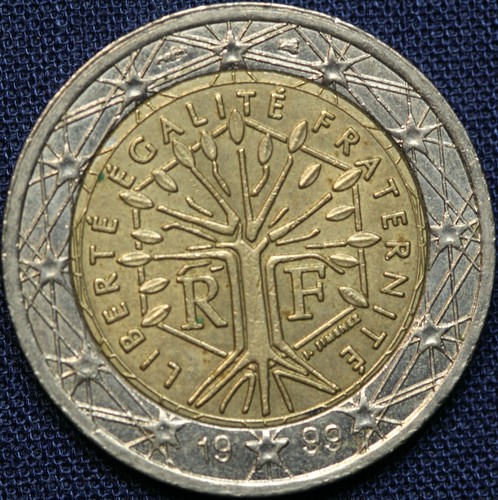
France 1 Euro
France's bimetallic 1 euro coin, with a stylized leafy tree inside a hexagon on the national side and the euro value with a map of Europe on the common side.
Euro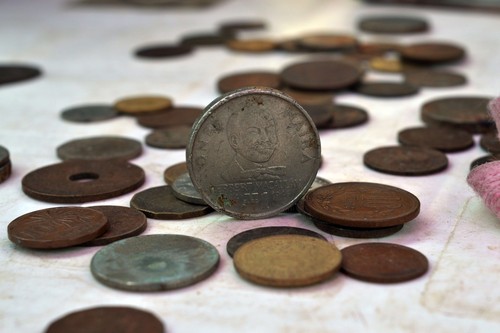
Nigeria 1 Naira
Nigeria's copper-nickel 1 Naira showing the nationalist Herbert Macaulay on the obverse and the national coat of arms on the reverse.
World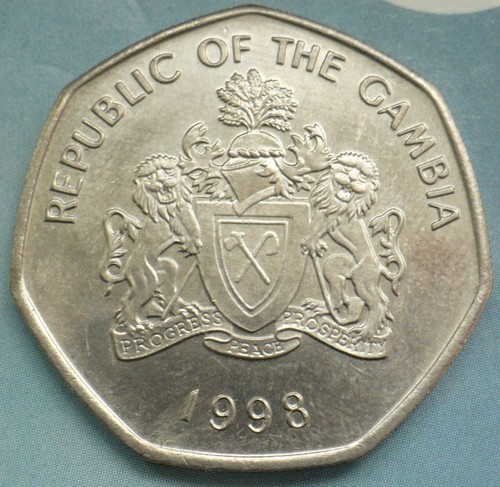
Gambia 1 Dalasi
A distinctive octagonal copper-nickel coin of The Gambia, showing the national coat of arms and the bold value 1 Dalasi dated 1998.
World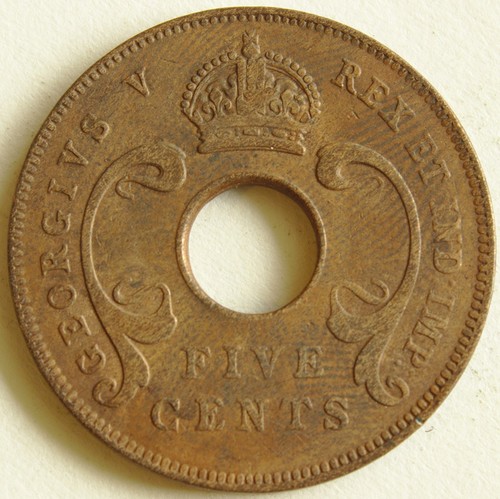
East African 5 Cents
A holed copper-nickel colonial coin with a crown above scrollwork and EAST AFRICA lettering, issued by the East African Currency Board.
World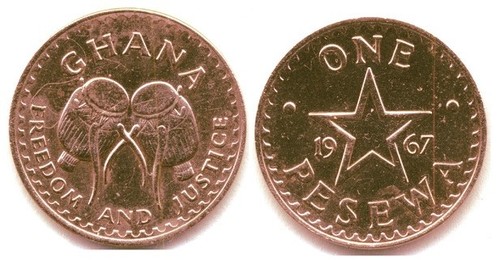
Ghana 1 Pesewa
A small copper-colored 1 pesewa coin of Ghana dated 1967, showing twin eagle heads and 'FREEDOM AND JUSTICE' on one side and a star on the other.
World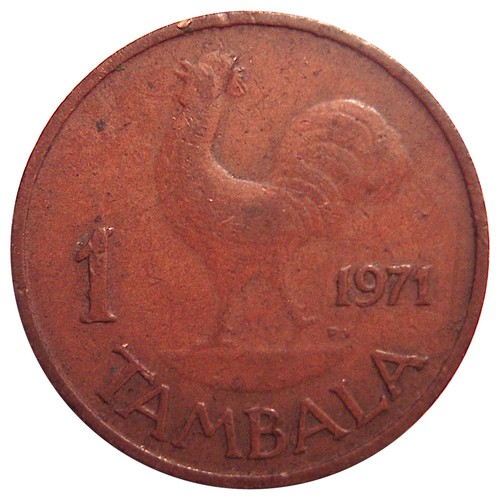
Malawi 1 Tambala
Malawi's small copper-bronze 1 tambala of 1971, showing President Hastings Kamuzu Banda on the obverse and a standing cockerel on the reverse.
World