
Coin Encyclopedia
Search and identify coins from around the world — with country, denomination, metal, mint, history, and how to tell them apart.
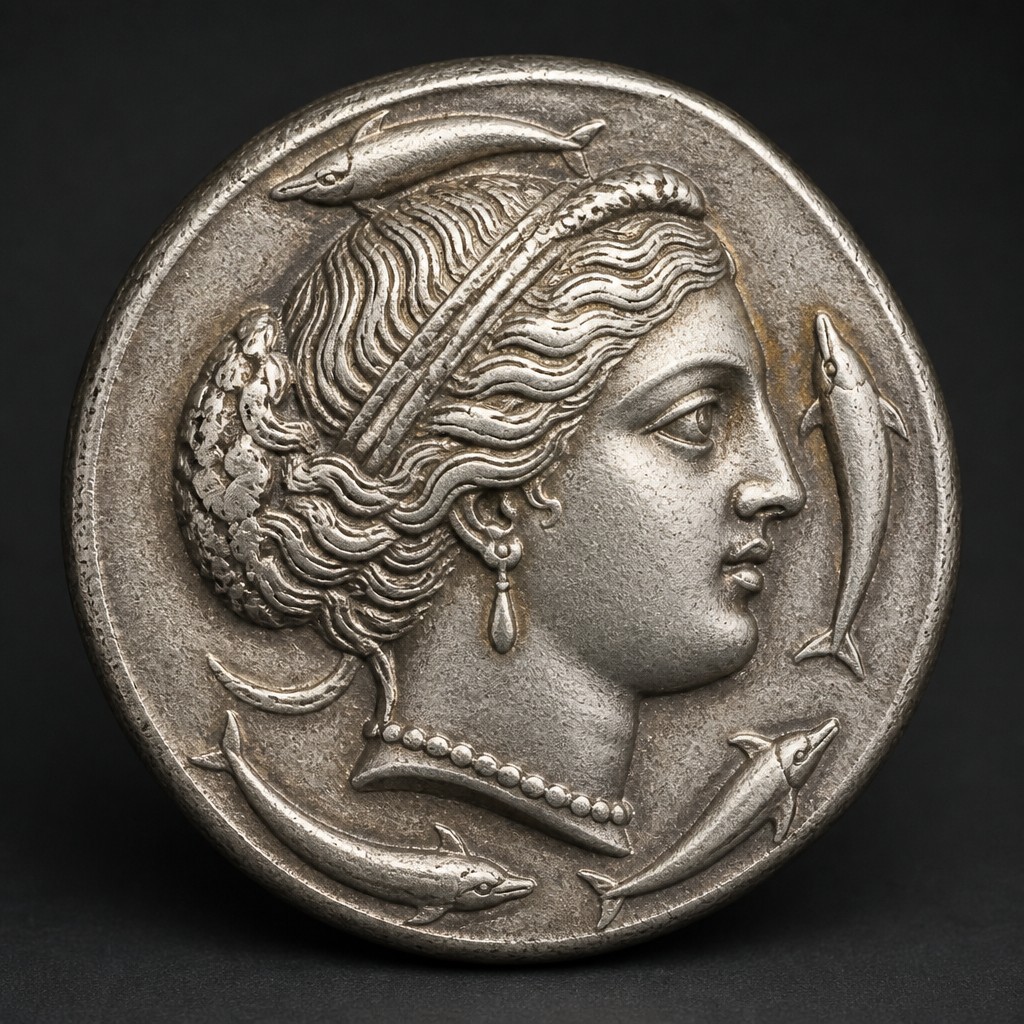
Syracuse Arethusa Tetradrachm
A classic silver tetradrachm from ancient Syracuse depicting the nymph Arethusa surrounded by dolphins, one of the most admired coin types of the Greek world.
Ancient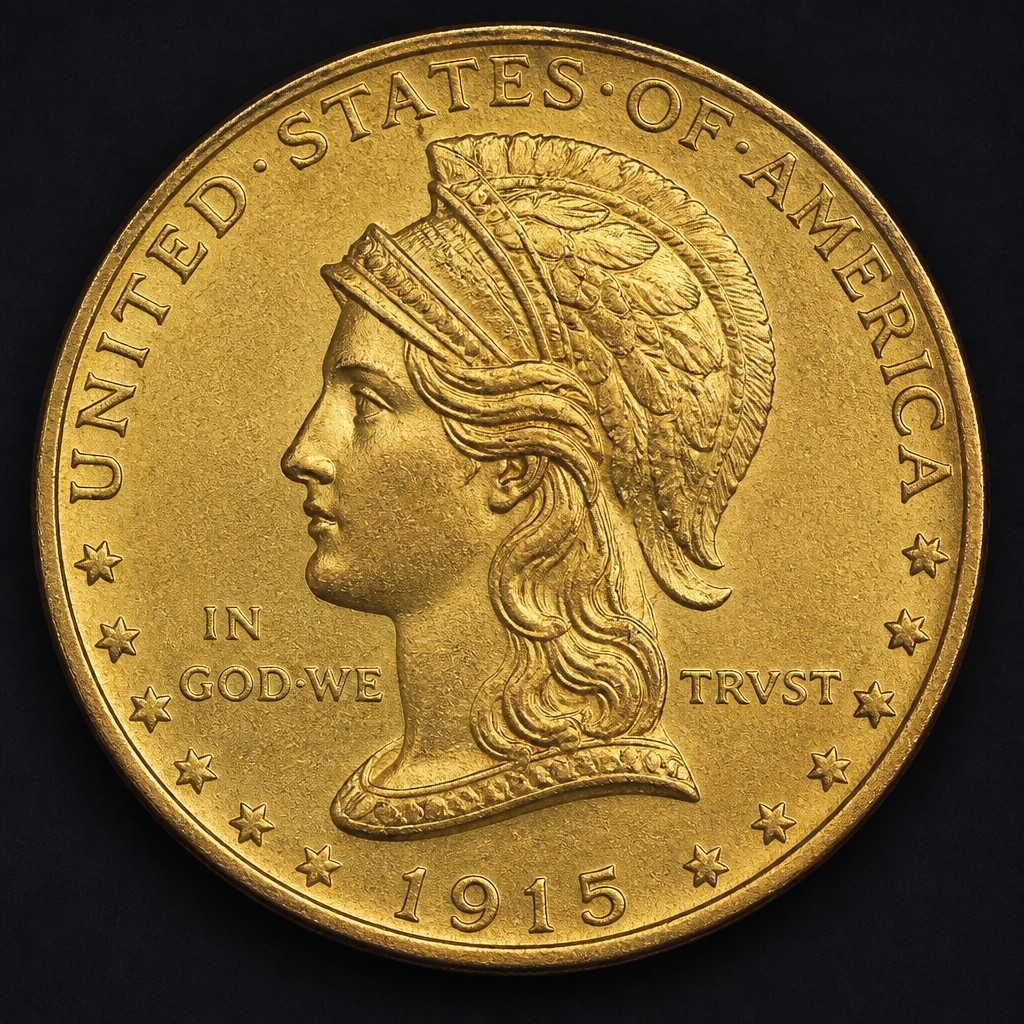
Panama-Pacific Quarter Eagle Commemorative
A 1915 commemorative gold coin honoring the Panama-Pacific Exposition, showing Liberty riding a hippocampus (sea horse), symbolizing the Panama Canal's linking of the Atlantic and Pacific Oceans.
Commemorative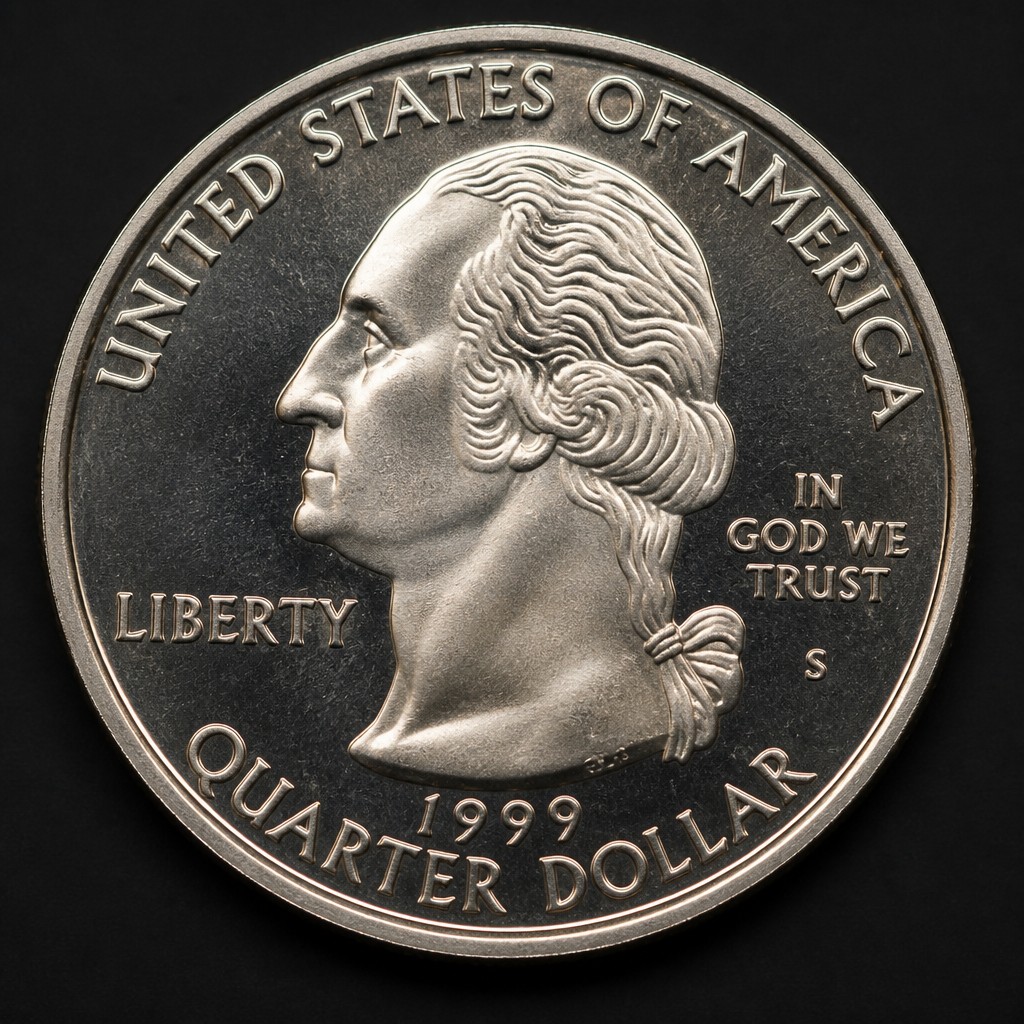
1999 Delaware State Quarter
The debut coin of the U.S. Mint's 50 State Quarters Program, honoring Delaware as the first state to ratify the Constitution, featuring Caesar Rodney's historic ride.
Commemorative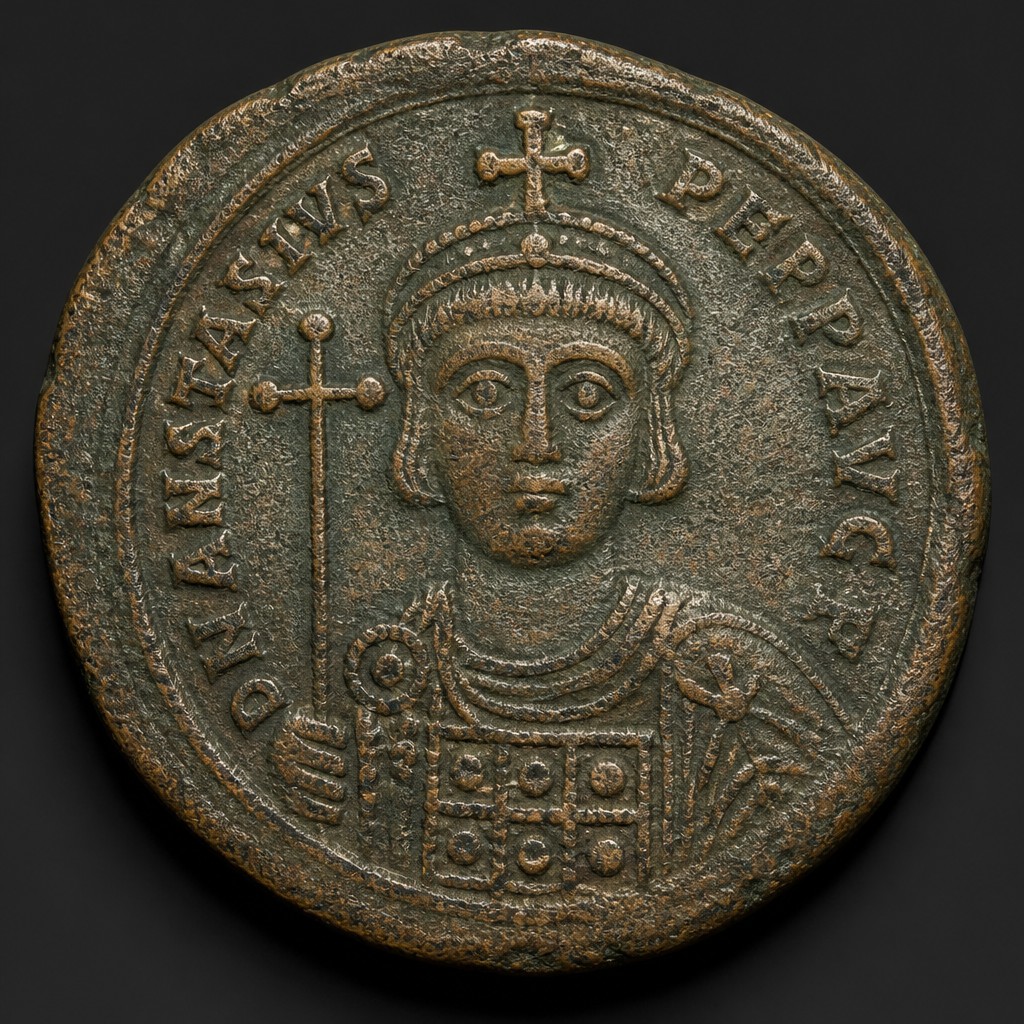
Byzantine Follis
The large bronze workhorse coin of everyday Byzantine commerce, reformed by Emperor Anastasius I in 498 AD with a prominent Greek numeral denoting its value of 40 nummi.
Ancient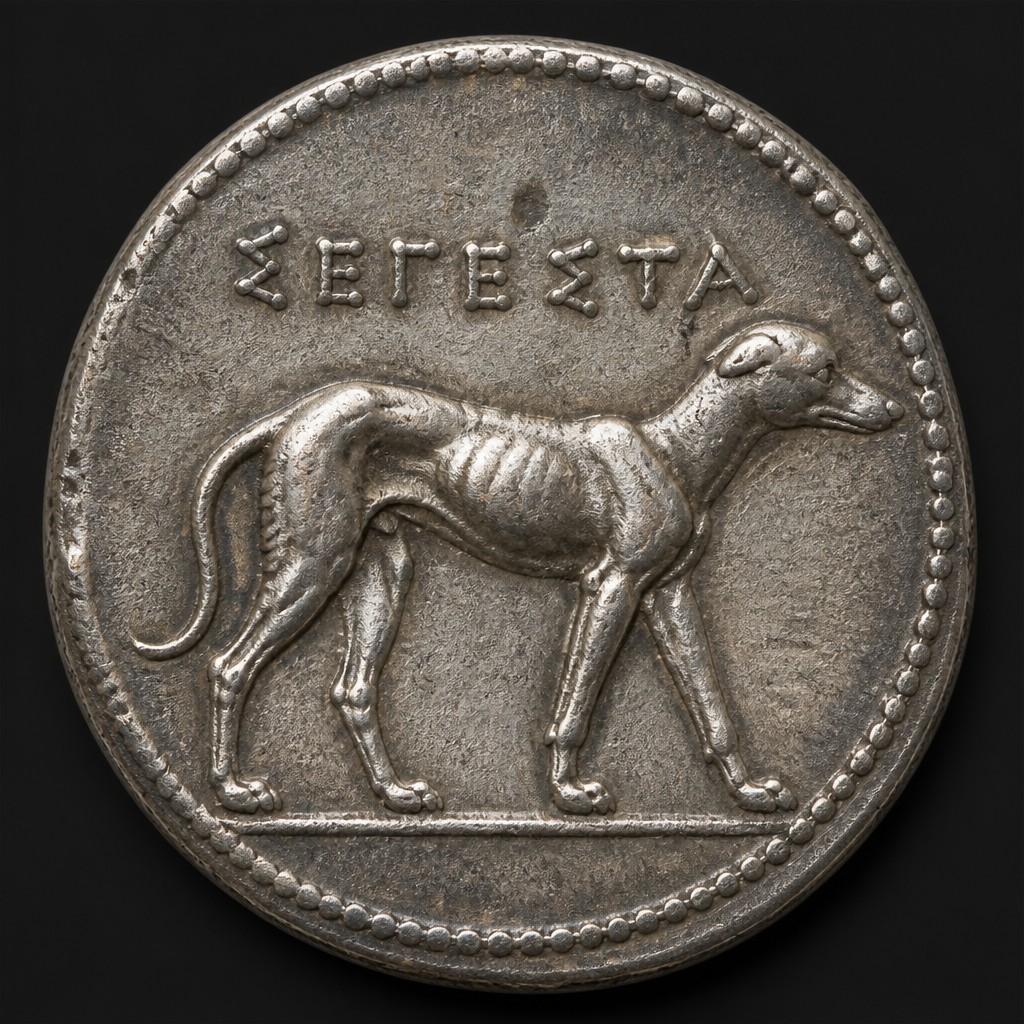
Segesta Hound Tetradrachm
Silver coin of Segesta in western Sicily, an Elymian city whose coinage features a hunting hound, linked to local legend of the river god Krimisos.
Ancient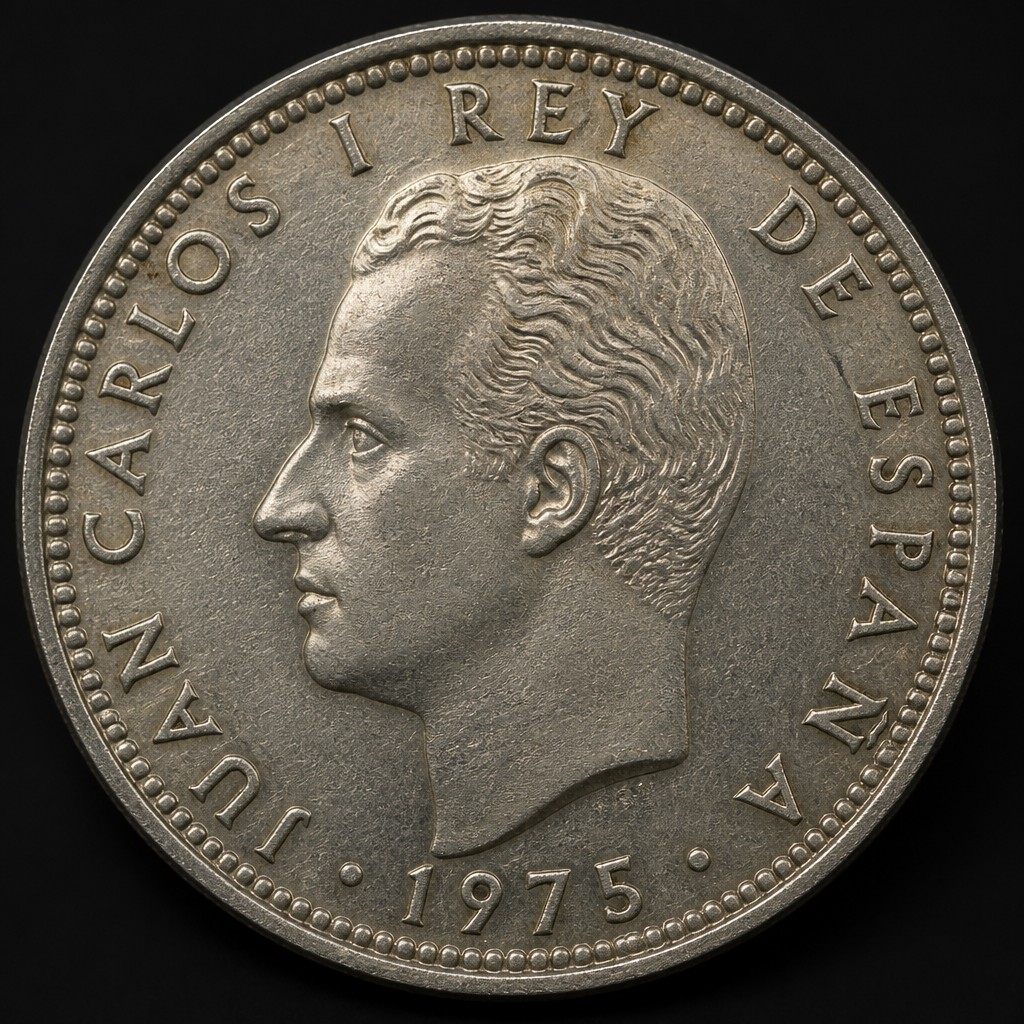
Spanish Peseta
The peseta was Spain's national currency for over 130 years, evolving from silver coinage under a provisional 19th-century government to copper-nickel coins used until the euro replaced it in 2002.
European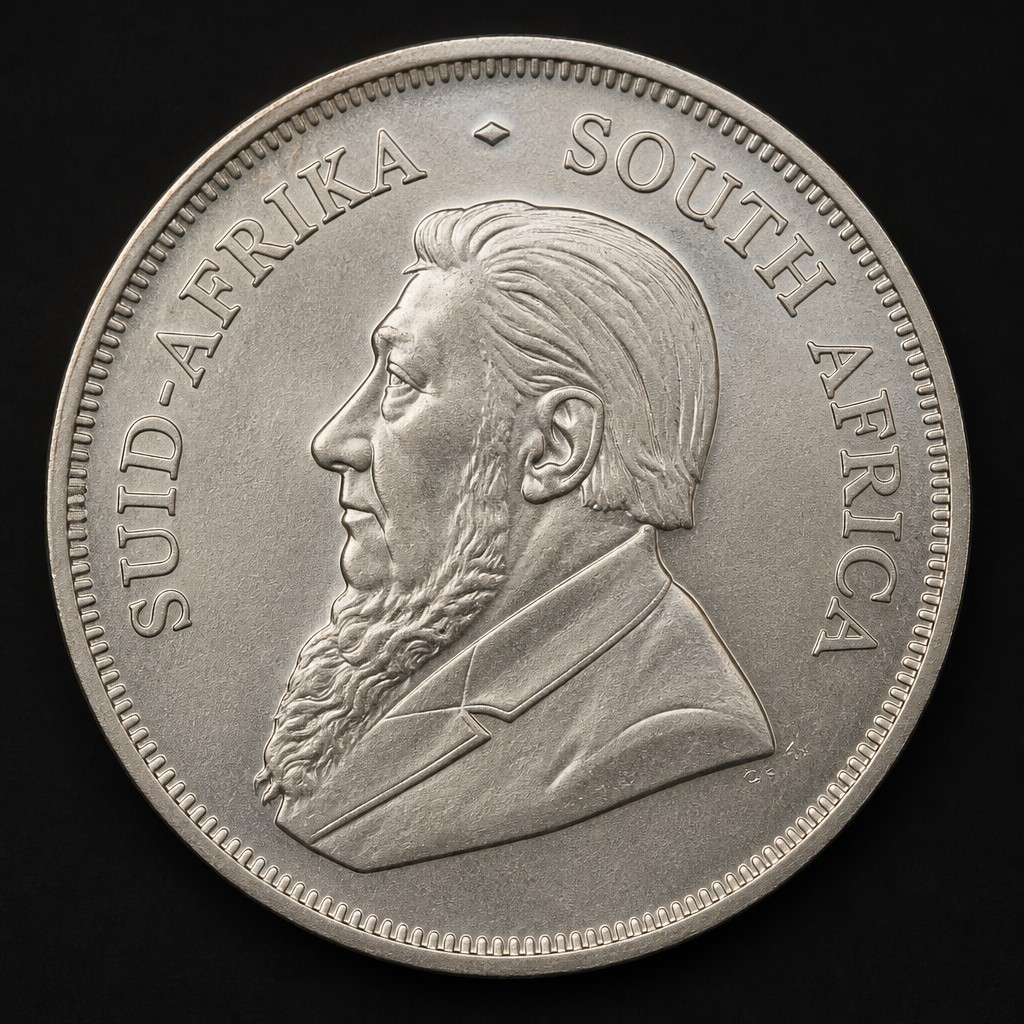
South African Silver Krugerrand
The silver version of the world-famous Krugerrand, launched in 2017 to mark the gold coin's 50th anniversary, using the same Kruger and springbok design.
Bullion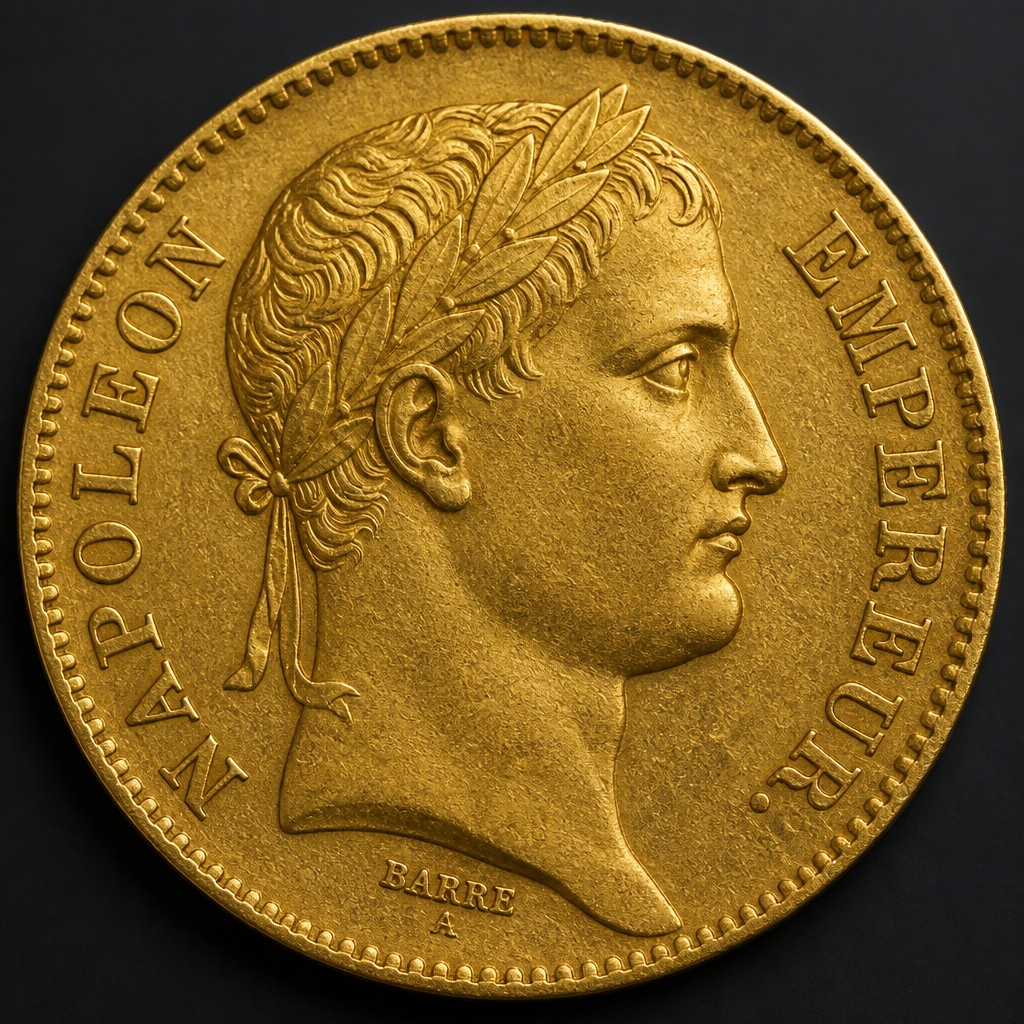
Napoleon 20 Franc Gold Coin
A historic French gold coin first struck under Napoleon Bonaparte in 1803, later issued under successive French governments and long used as a benchmark gold coin across Europe.
European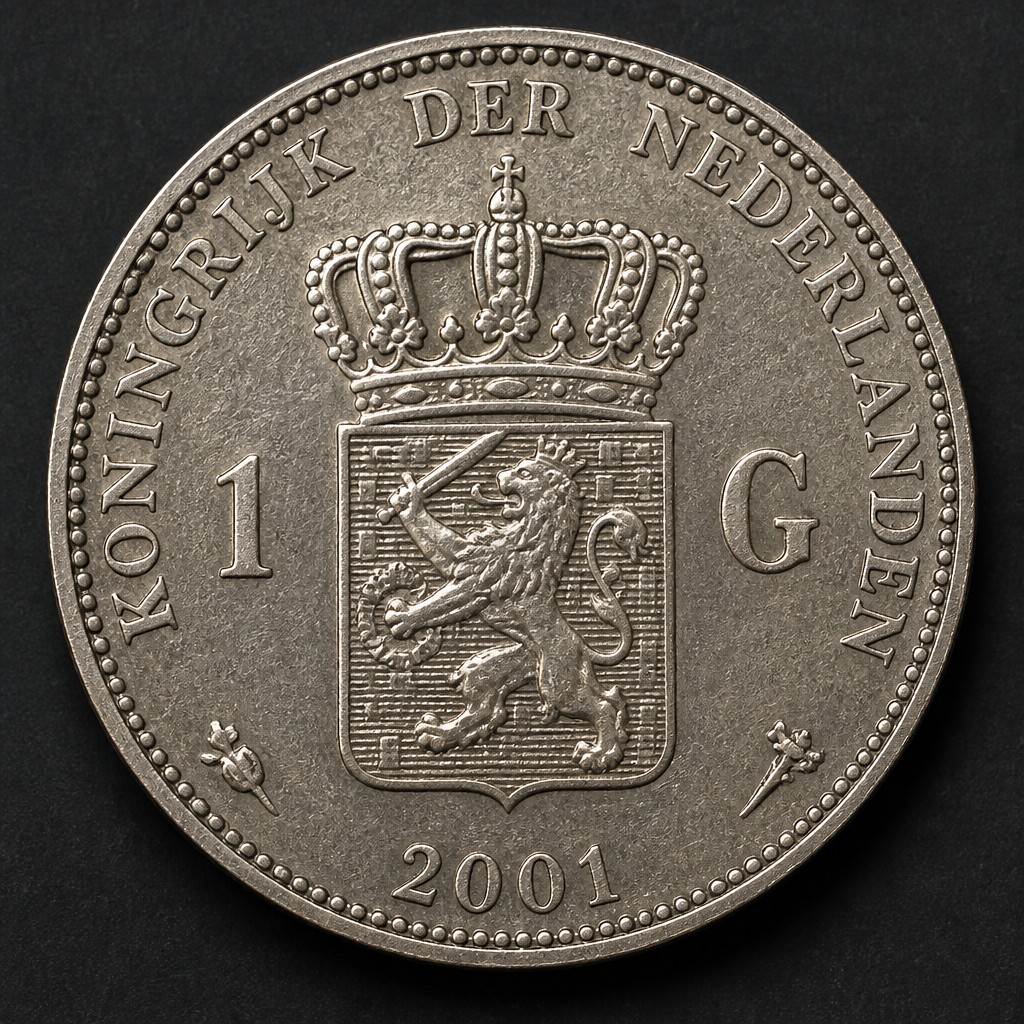
Netherlands Rijksdaalder Gulden
The 2.5 guilder coin of the Kingdom of the Netherlands, carrying forward the historic rijksdaalder name through the monarchy era until the euro's adoption.
European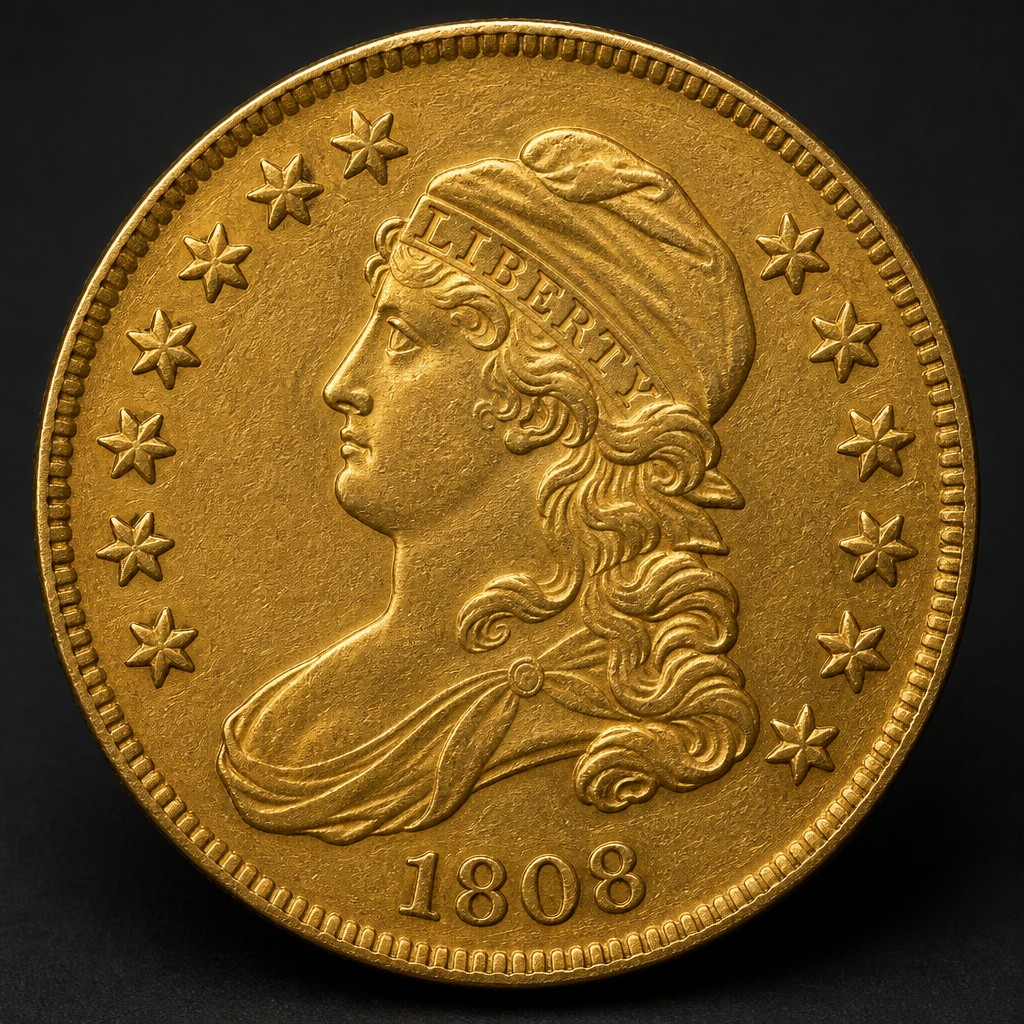
Capped Bust Quarter Eagle
An umbrella term for the earliest U.S. $2.50 gold coins (1796-1834), whose Liberty-in-a-cap portrait evolved through several sub-types, including the famous single-year 1808 issue.
United States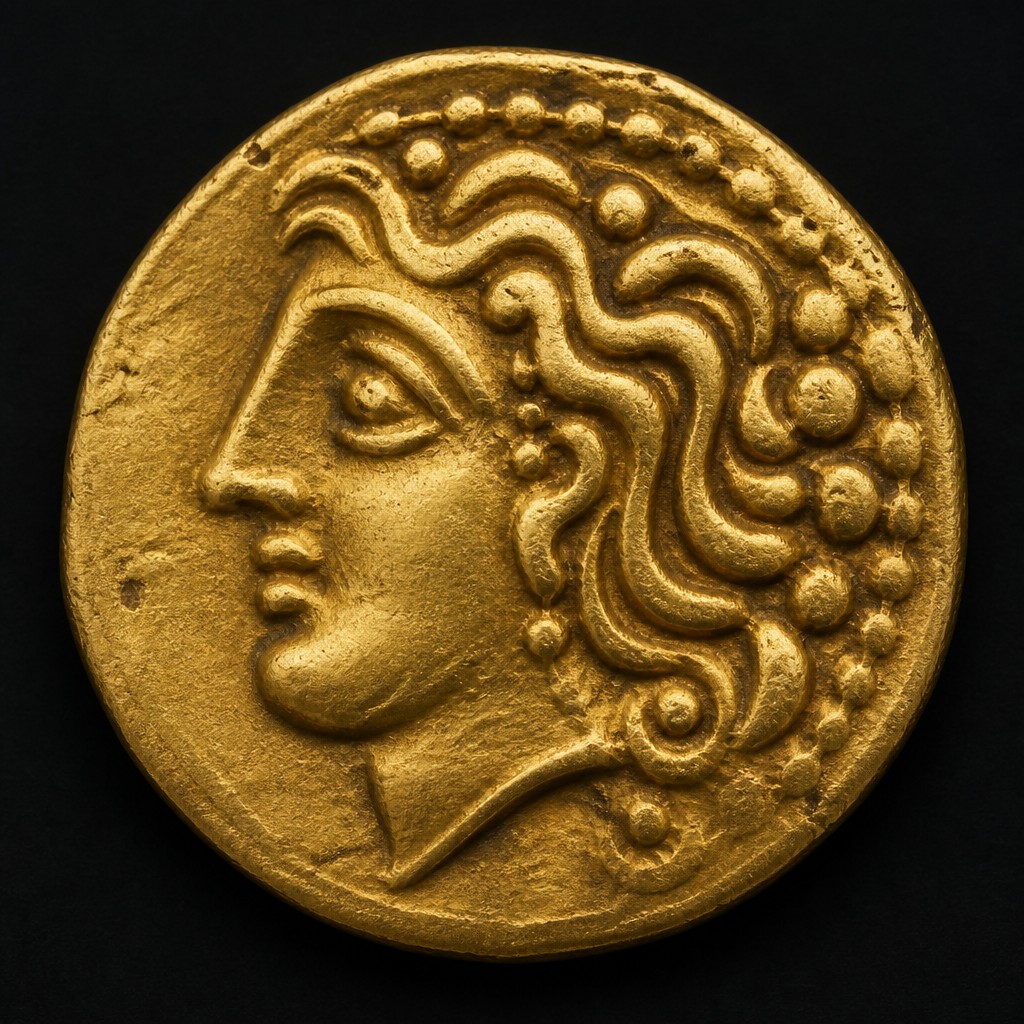
Celtic Gold Stater
Iron Age gold coins struck by Celtic tribes across Gaul and Britain, evolving from close imitations of Macedonian staters into strikingly abstract, stylized designs.
Ancient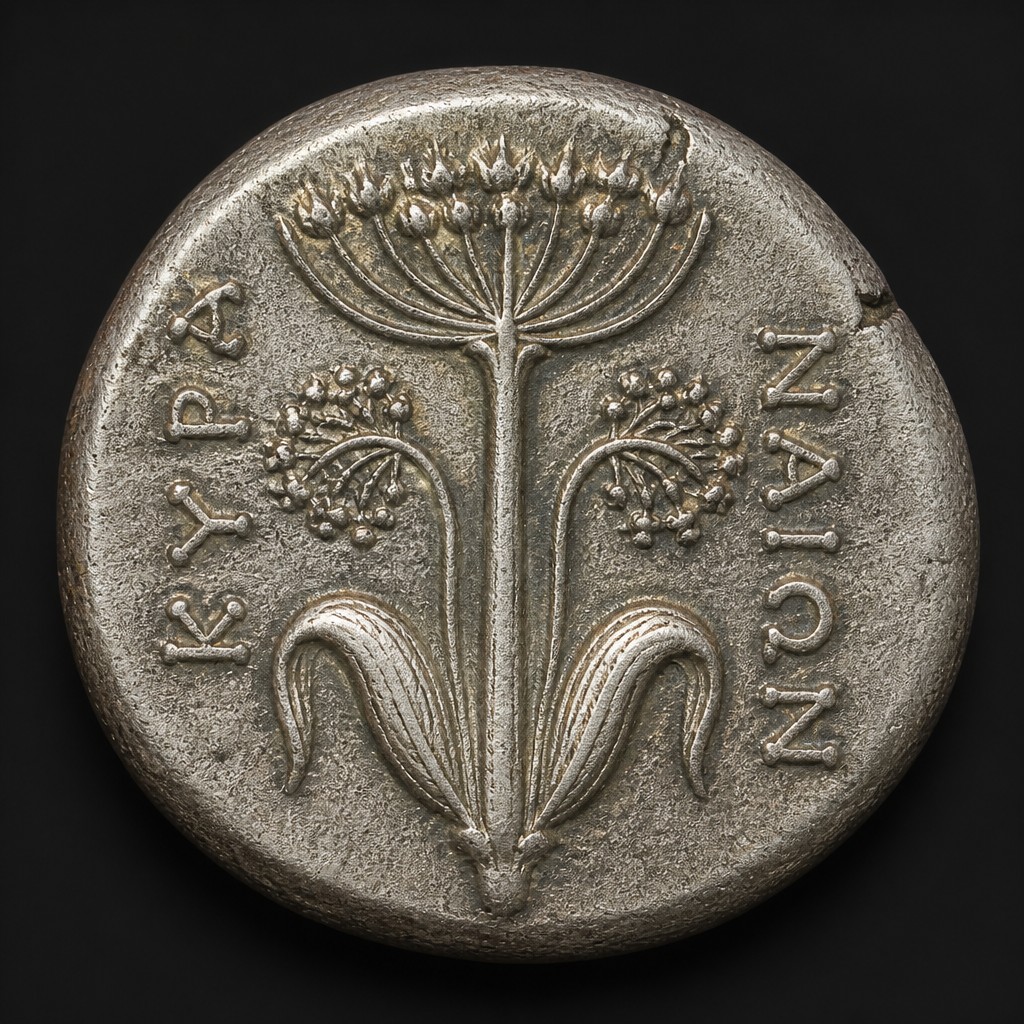
Kyrene Silphium Tetradrachm
A silver tetradrachm from the North African Greek city of Kyrene featuring the now-extinct silphium plant, the source of the city's legendary wealth as a prized ancient medicinal herb.
Ancient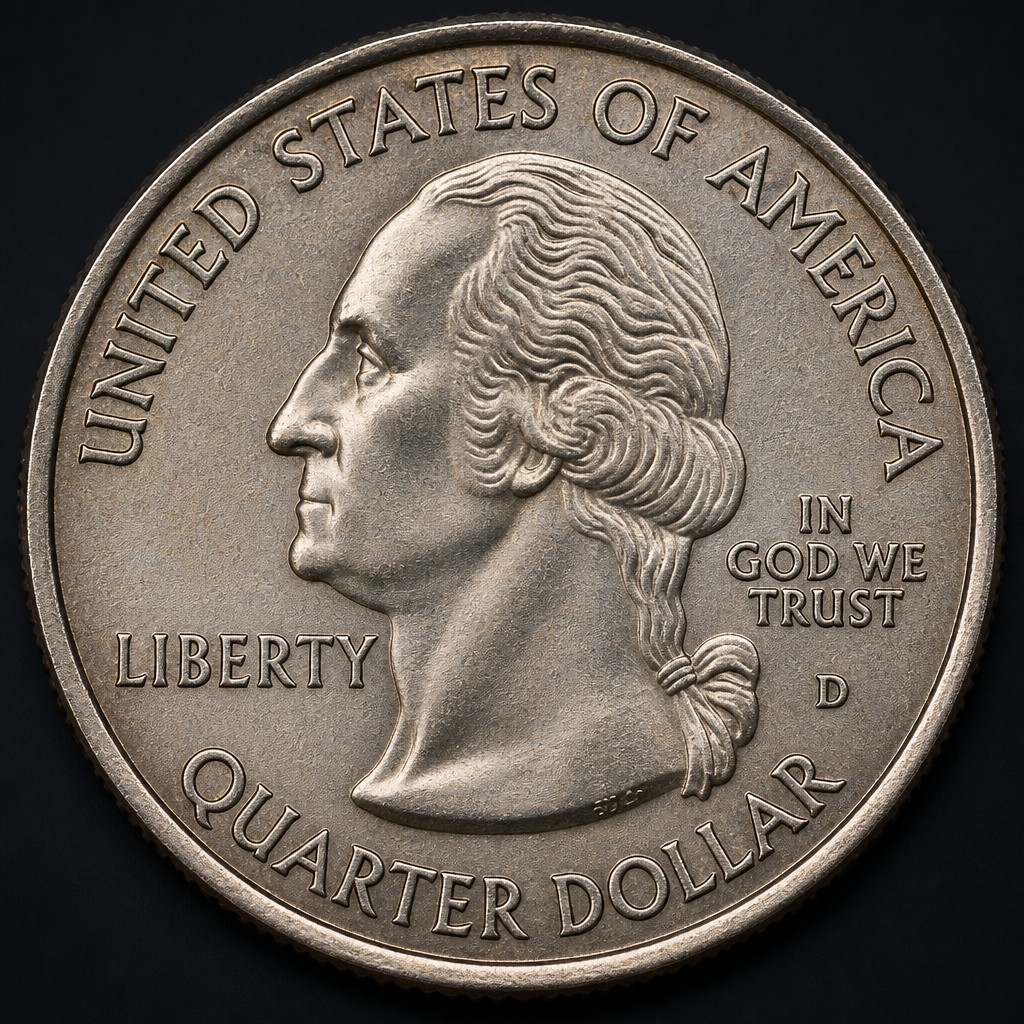
2004-D Wisconsin State Quarter Extra Leaf
A famous 50 State Quarters error showing an extra corn leaf on the Wisconsin quarter's reverse, found in two forms known as Extra Leaf High and Extra Leaf Low.
Errors & Varieties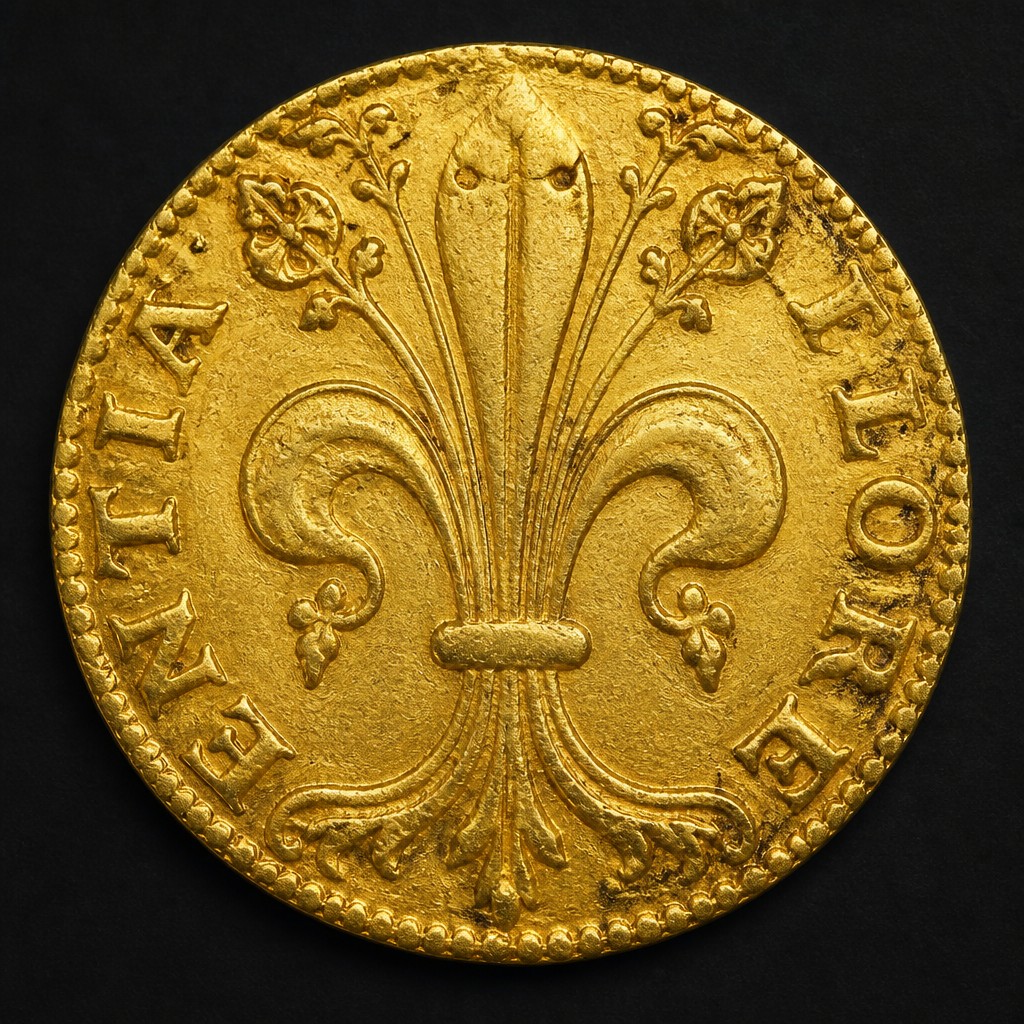
Florentine Florin
Introduced in 1252, the gold florin of Florence became medieval Europe's leading trade coin, its lily emblem and fixed gold standard copied by dozens of other mints.
European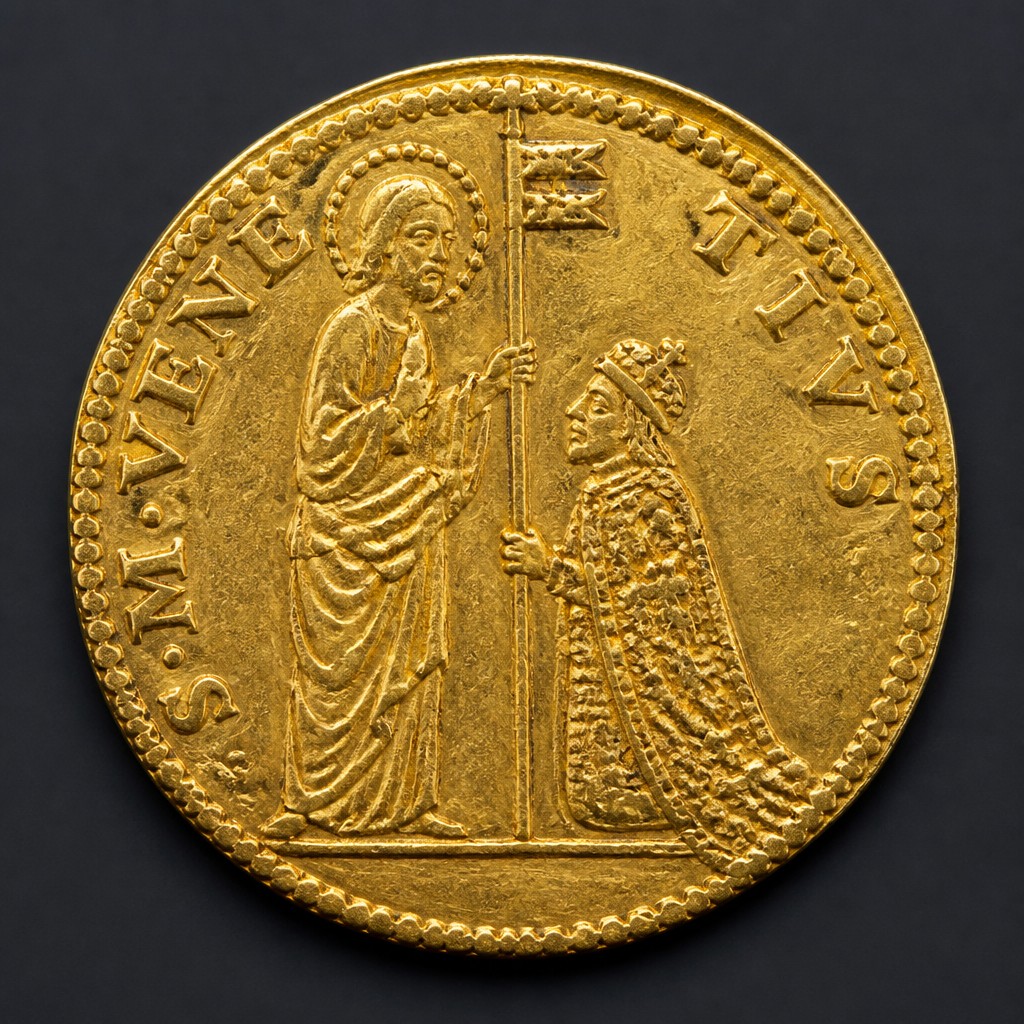
Venetian Gold Ducat
First struck in 1284, the Venetian gold ducat became medieval Europe's most trusted trade coin, prized for centuries for its unwavering weight and purity.
European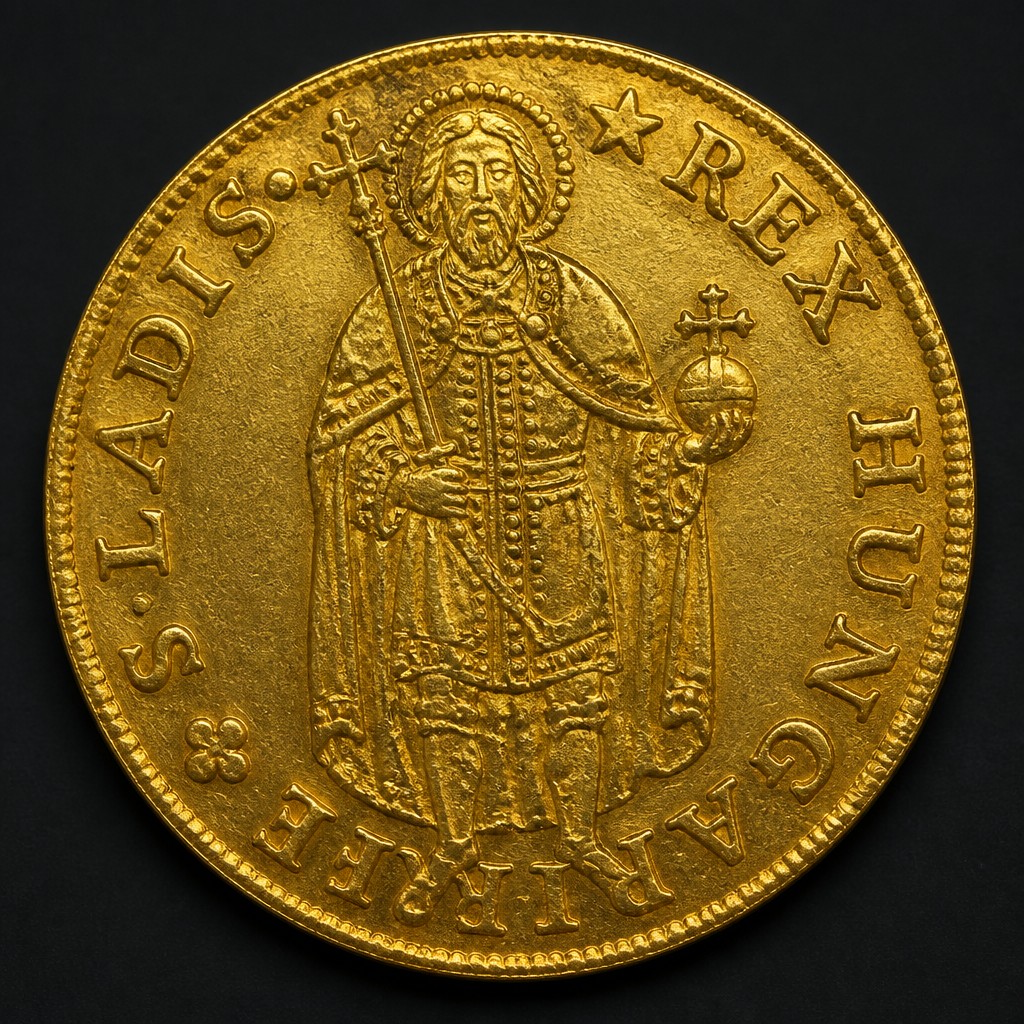
Hungarian Ducat
A remarkably long-lived gold coin of the Kingdom of Hungary, showing St. Ladislaus and the Madonna and Child, prized for centuries as one of Europe's most trusted trade coins.
European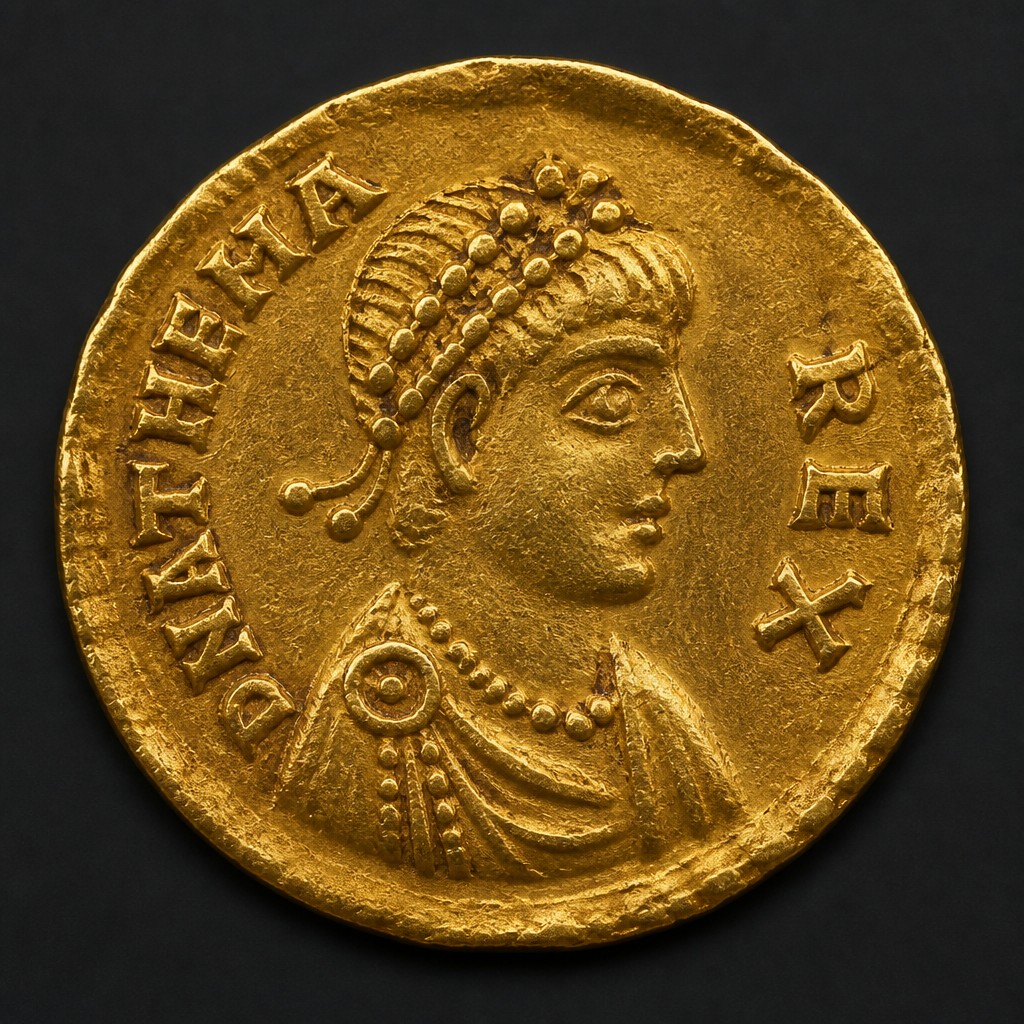
Visigothic Gold Tremissis
Small gold coin of the Visigothic kings of Spain, evolving from crude imitations of Roman/Byzantine coinage into the first distinctly national royal coinage of post-Roman Western Europe.
European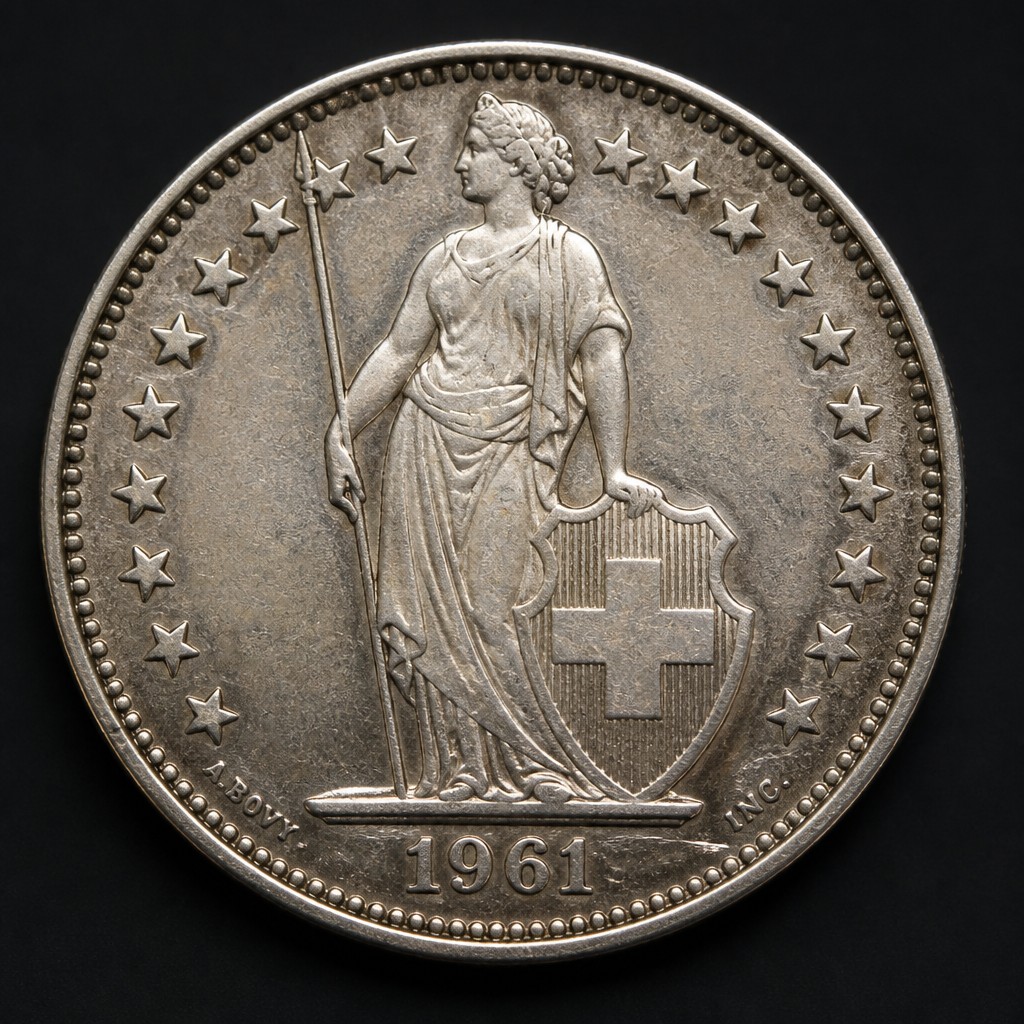
Swiss 5 Francs Silver
The Swiss 5 Francs was Switzerland's largest circulating silver coin for over a century, featuring the standing figure of Helvetia, and remains a favorite among collectors of European silver crowns.
European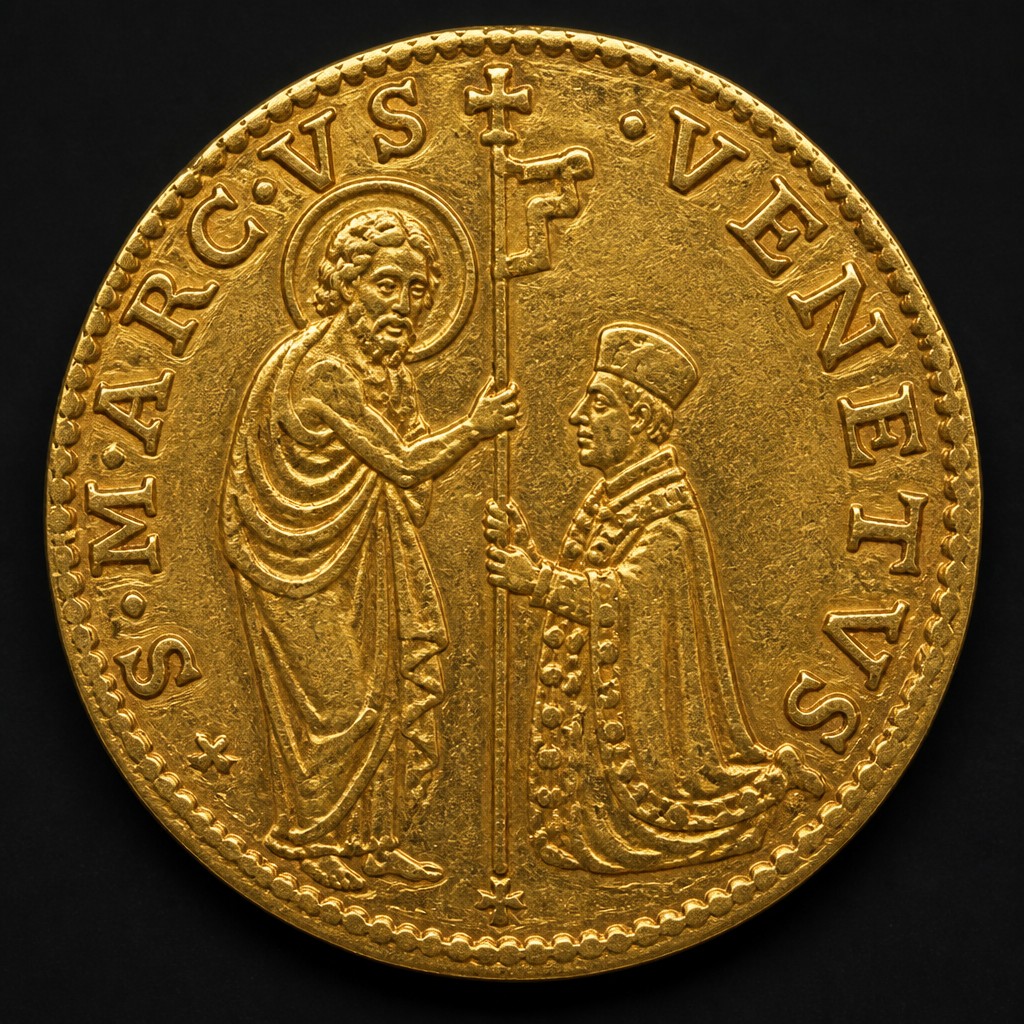
Venetian Ducat
Gold coin first struck by the Republic of Venice in 1284, prized for its remarkably consistent weight and purity, which made it a dominant trade coin across medieval and Renaissance Europe.
European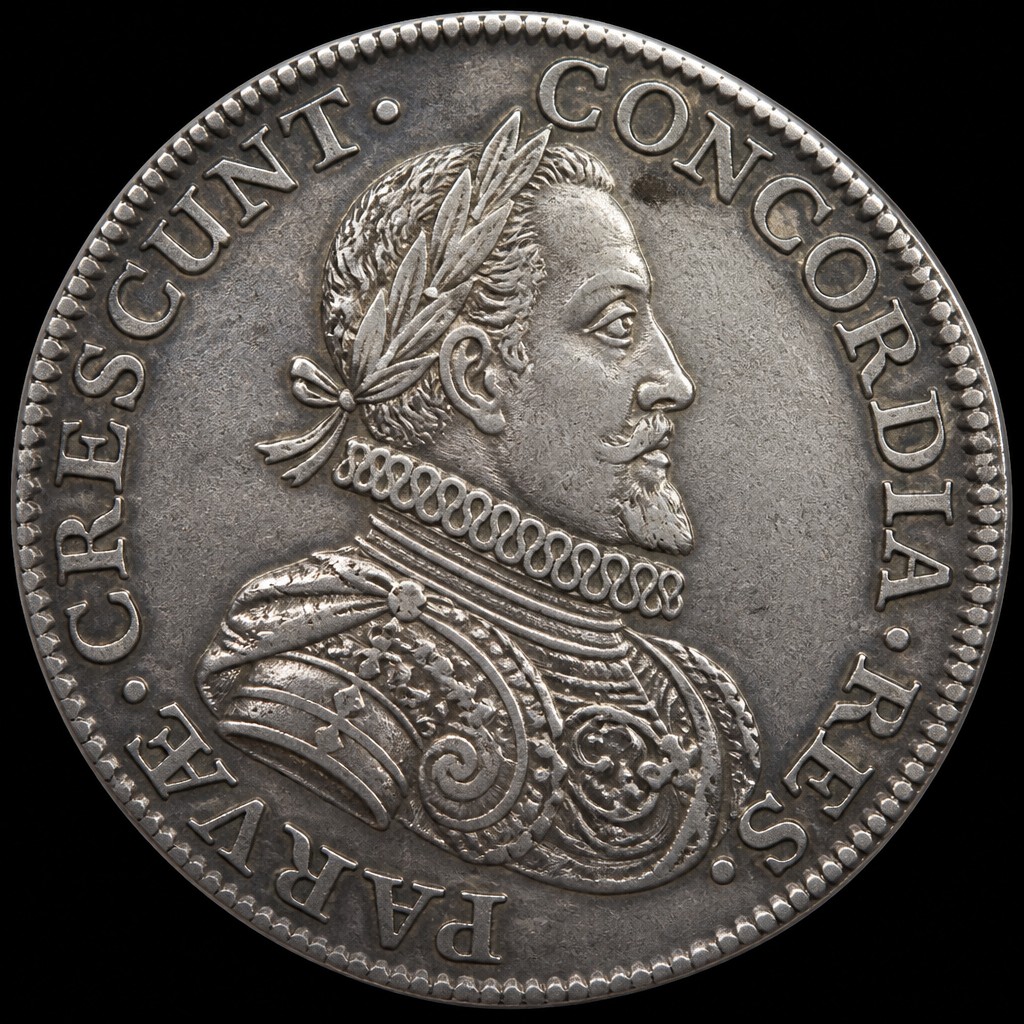
Netherlands Rijksdaalder
A historic large silver crown-sized coin of the Low Countries, the rijksdaalder became a trusted trade coin across Europe for centuries and lent its name to the modern Dutch 2½-guilder piece.
European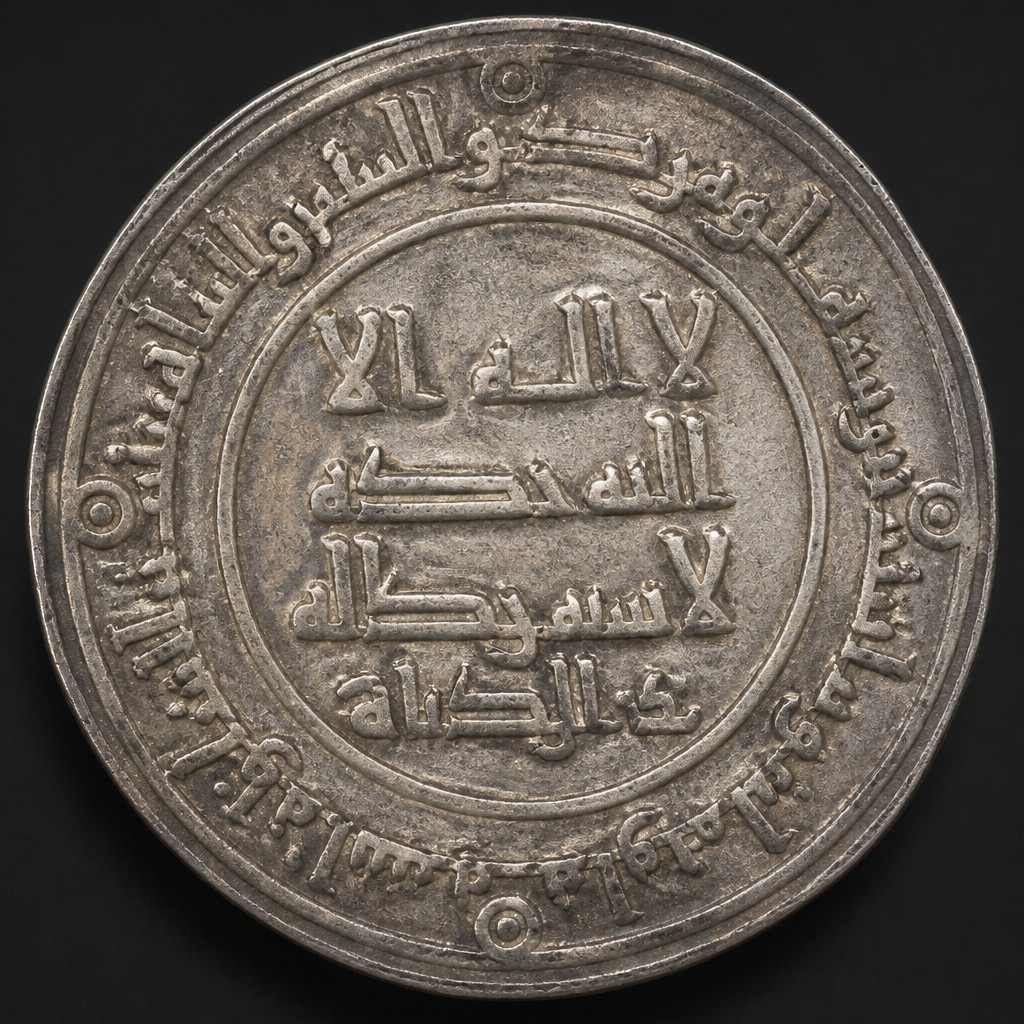
Islamic Silver Dirham (Abbasid)
The standard silver coin of the Abbasid Caliphate, continuing the text-only Kufic script tradition and widely used across a vast medieval trade network stretching from Europe to Central Asia.
Ancient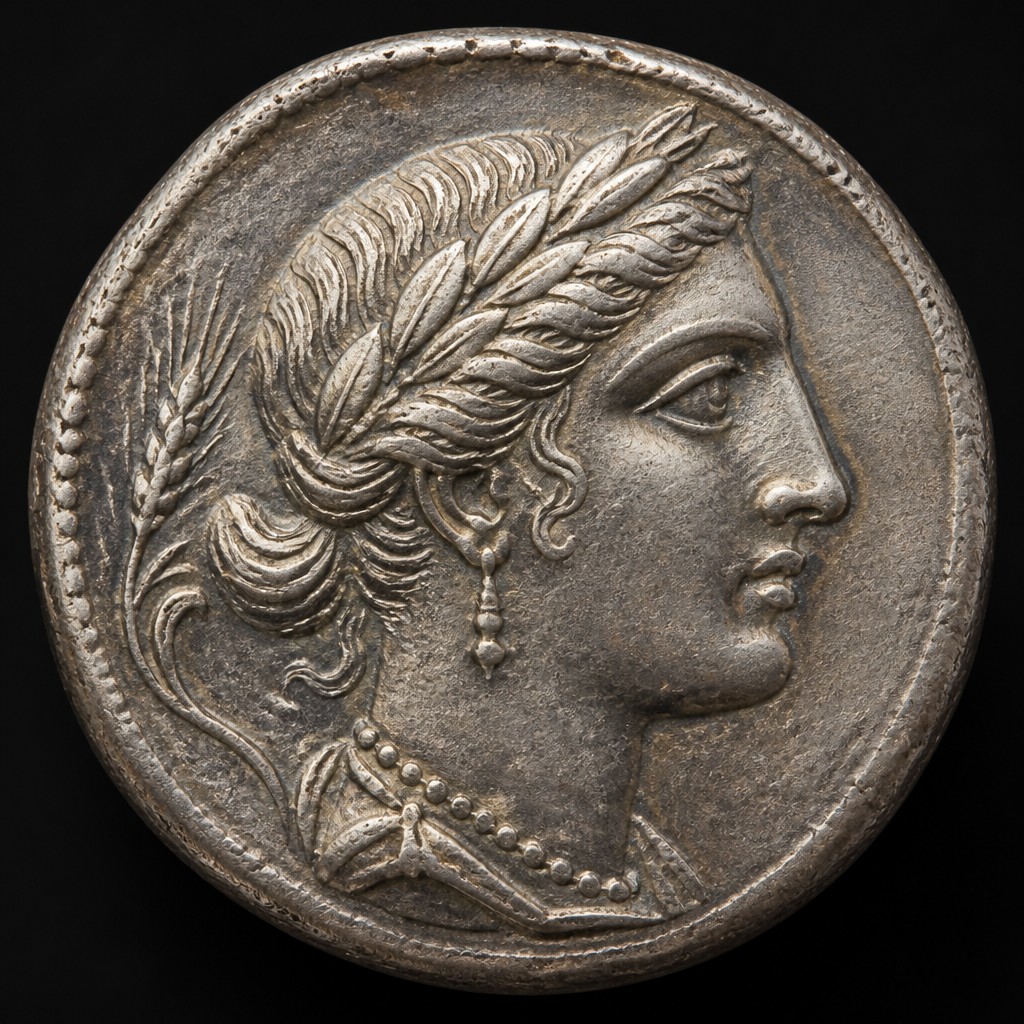
Panormus Siculo-Punic Tetradrachm
A silver tetradrachm struck at Panormus under Carthaginian control in Sicily, blending Greek artistic style with Punic legends, a hallmark of the distinctive Siculo-Punic coinage series.
Ancient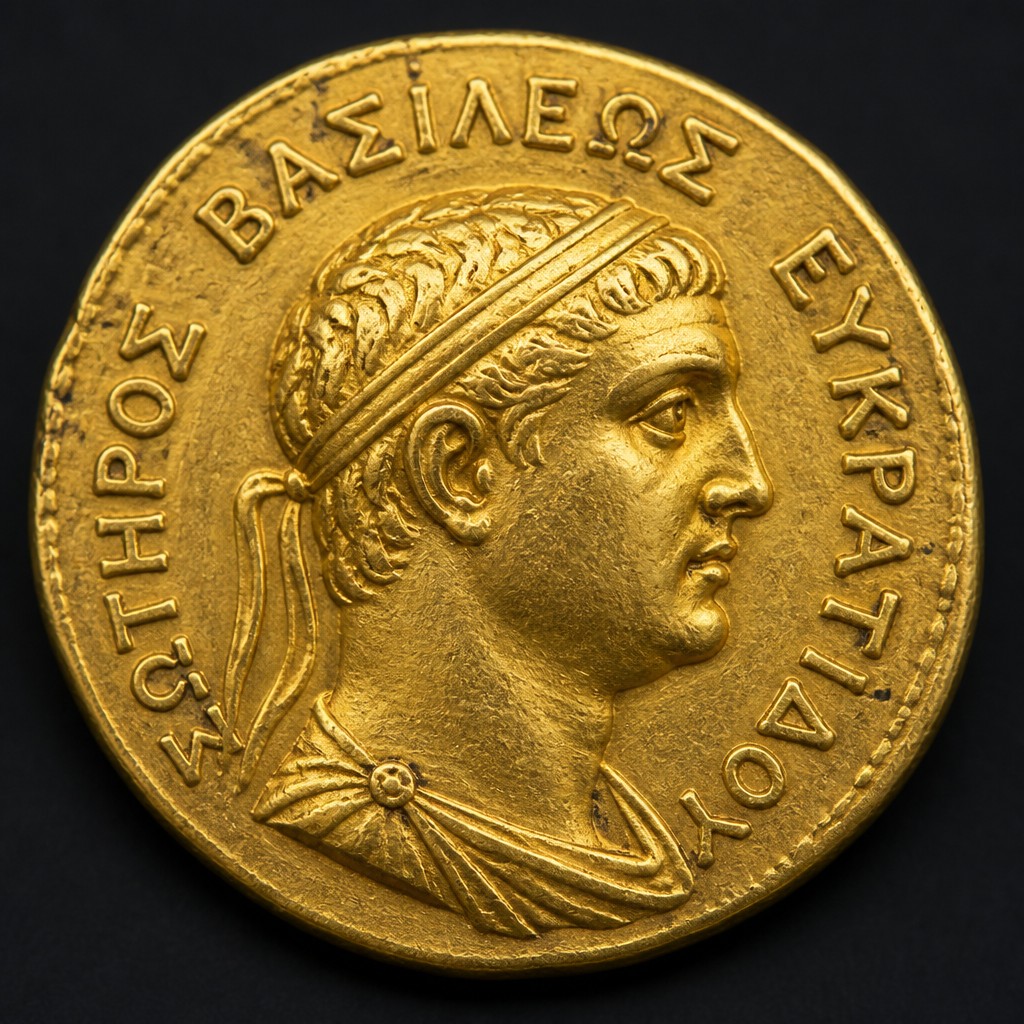
Eukratides I Gold Stater (Baktria)
A gold stater of Eukratides I, the powerful Greco-Bactrian king best known for issuing the largest gold coin surviving from antiquity, depicting the divine twins Dioskouroi on horseback.
Ancient