
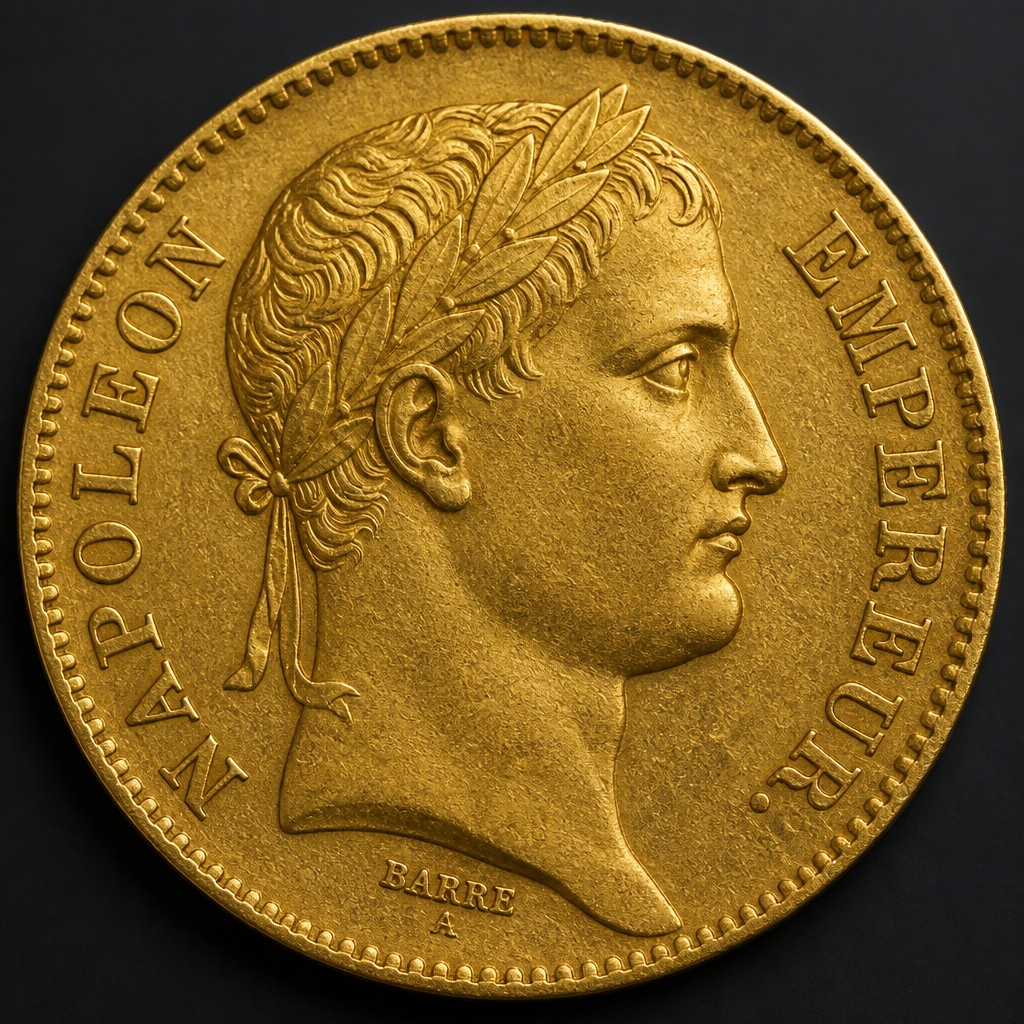
Napoleon 20 Franc Gold Coin
A historic French gold coin first struck under Napoleon Bonaparte in 1803, later issued under successive French governments and long used as a benchmark gold coin across Europe.
- Country
- France
- Denomination
- 20 Francs
- Metal
- 90% Gold (.900 fine, approx. 0.1867 troy oz gold content)
Got a coin like this?
Identify any coin from a photo, free.
Overview
The 20 Franc Napoleon is one of the most historically significant gold coins of continental Europe, first struck under Napoleon Bonaparte as part of France's Franc Germinal monetary reform. Though named for Napoleon, coins carrying this basic weight and fineness were struck under several subsequent French rulers and governments, all sharing the same 0.1867 troy ounce gold content.
Collectors and gold investors alike prize the coin both as an affordable slice of Napoleonic-era history and as a compact, widely recognized gold bullion piece that circulated across much of 19th-century Europe.
History & Background
Napoleon Bonaparte, as First Consul and later Emperor, introduced the Franc Germinal system in 1803, establishing a stable gold and silver franc that remained the backbone of French coinage for over a century. The 20 Franc gold piece, quickly nicknamed the "Napoleon," became the workhorse gold coin of France and, through French commercial and military influence, of much of Europe.
Subsequent French governments — the Bourbon Restoration under Louis XVIII and Charles X, the July Monarchy under Louis-Philippe, the Second Republic, and the Second Empire under Napoleon III — continued striking 20 Franc gold coins to the same weight and fineness standard, each bearing the portrait of the reigning head of state. The design standardized further under the Latin Monetary Union of 1865, which fixed the same gold franc standard across France, Belgium, Italy, Switzerland, and Greece.
Production of the classic 20 Franc gold coin largely ended with the outbreak of World War I in 1914, though France later struck commemorative restrikes (dated 1907 but minted decades later) purely for the bullion market.
How to Identify
The obverse typically bears the portrait of the ruling head of state at the time of striking — Napoleon Bonaparte as First Consul or Emperor, Louis XVIII, Charles X, Louis-Philippe, or Napoleon III — with the ruler's name and title. The reverse generally shows the denomination "20 FRANCS," the date, and often a wreath or shield design, varying by issuing government.
The coin measures roughly 21 mm in diameter and weighs 6.45 grams in .900 fine gold, yielding approximately 0.1867 troy ounces of pure gold — a standard shared with the later Rooster type and the Swiss Vreneli. Mint marks and small privy marks (such as a mint director's or engraver's symbol) appear near the date and can help identify the specific mint and period of striking.
Because many different portraits were used across the decades, collectors distinguish specific types primarily by the obverse ruler's portrait and the coin's date range rather than by a single unified design.
Value & Collectibility
Common-date 20 Franc gold coins, of whichever ruler, generally trade close to their gold melt value plus a modest numismatic premium, since huge quantities were struck across the 19th century. Because of this, the coin is often used as an accessible, low-premium way to hold small amounts of physical gold.
Certain rare dates, low-mintage mint combinations, and coins in exceptional uncirculated condition can carry meaningfully higher premiums, particularly for the earliest Napoleon Bonaparte issues (1803–1815) and unusual transitional-period strikes. As with most historic gold coinage, value is driven by a combination of gold content, rarity of the specific date and mint, and condition.
Frequently asked questions
Was the 20 Franc gold coin only issued under Napoleon?
No, while it originated under Napoleon Bonaparte in 1803, the same denomination and standard continued under later French rulers including Louis XVIII, Charles X, Louis-Philippe, and Napoleon III.
How much gold does it contain?
Each coin contains approximately 0.1867 troy ounces of pure gold, being 90% fine and weighing 6.45 grams total.
How do I tell which ruler's portrait is on my coin?
Compare the obverse portrait and inscribed name to reference images; each French head of state used a distinct portrait and title during their reign.
Why are these coins still common today?
Large quantities were struck across more than a century, and many were later restruck or hoarded, making the type widely available on the bullion and coin market today.
Other coins you may enjoy
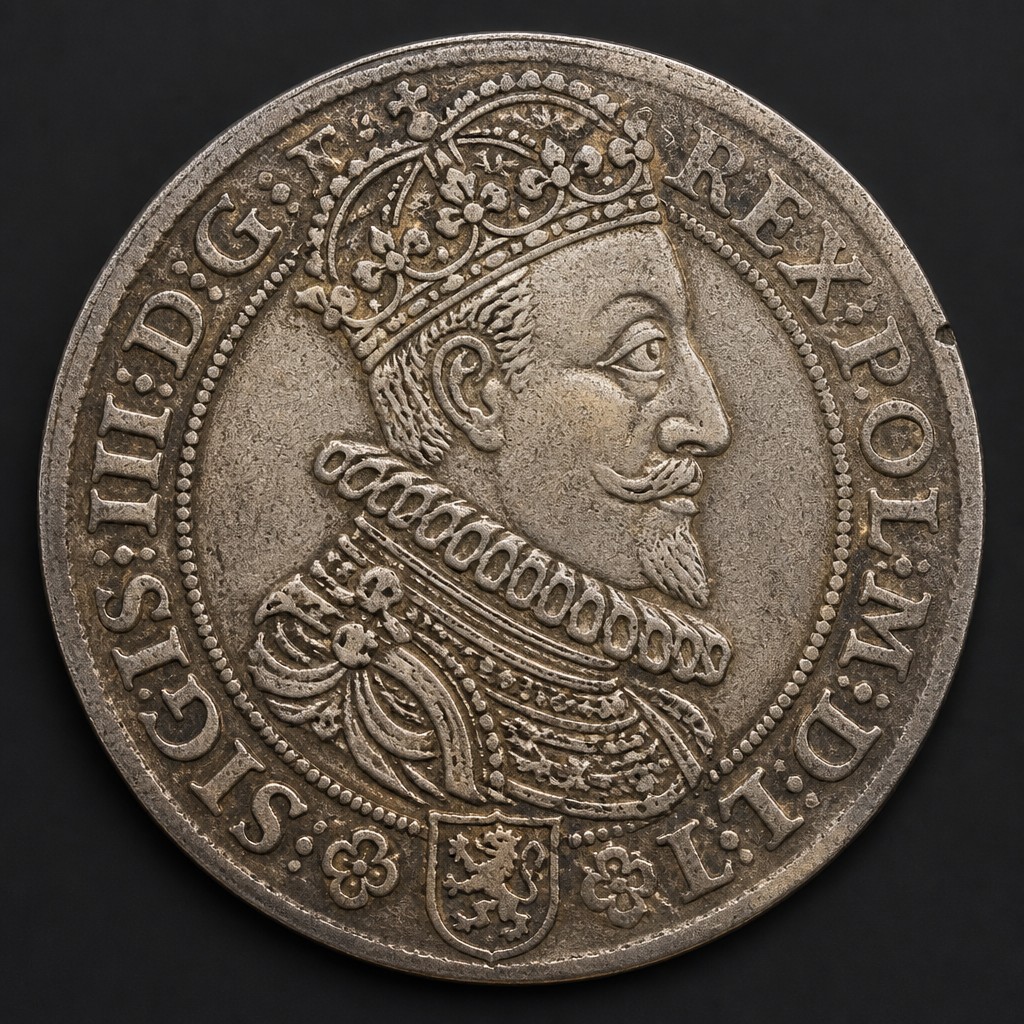
Polish-Lithuanian Thaler
circa 16th–18th century
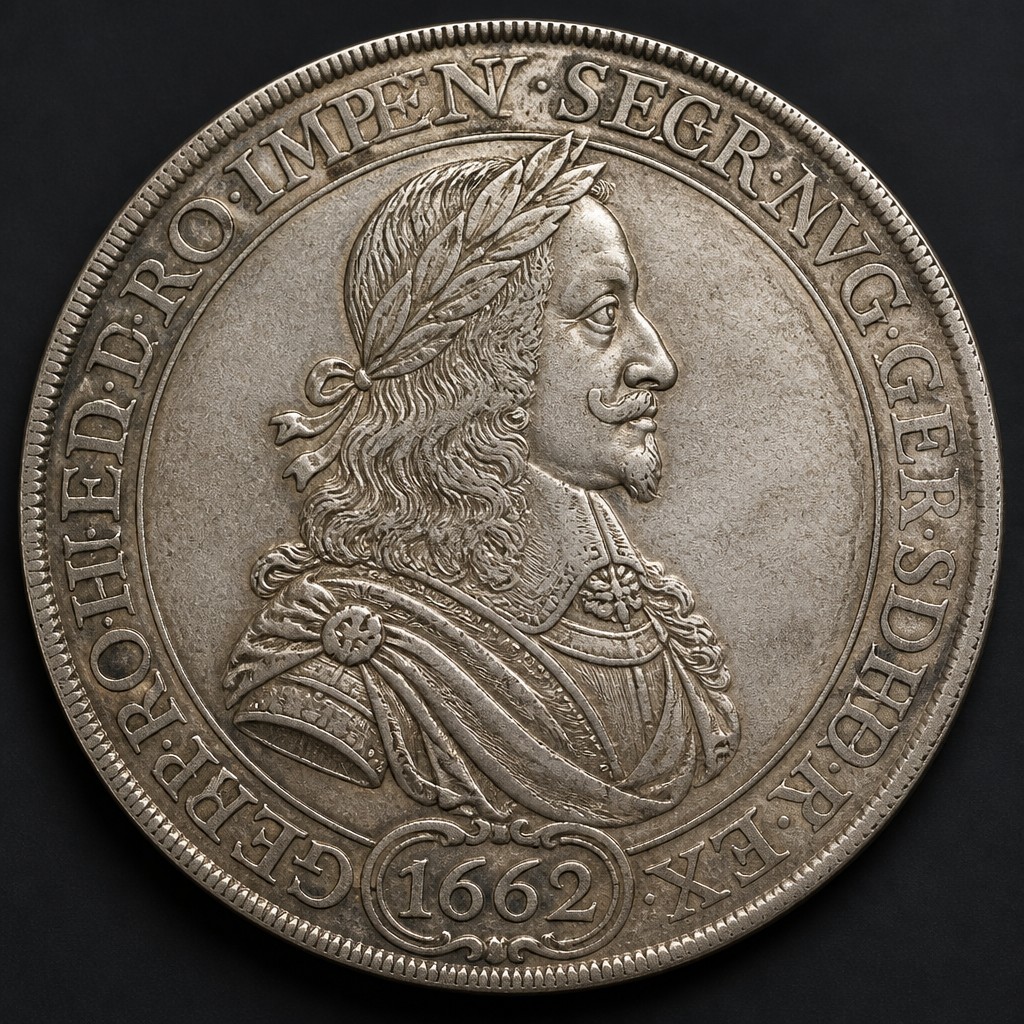
Reichsthaler
circa 1566–early 19th century
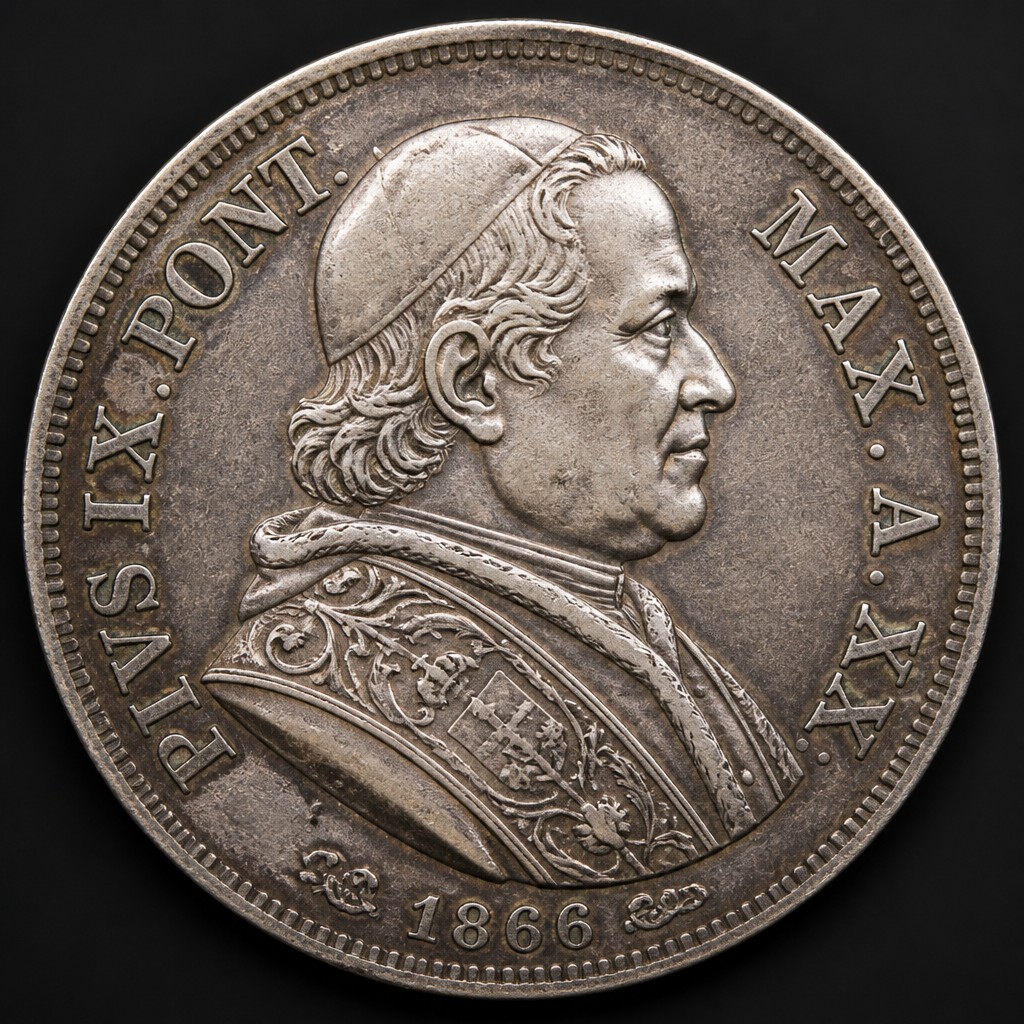
Papal States Scudo
16th century–1866
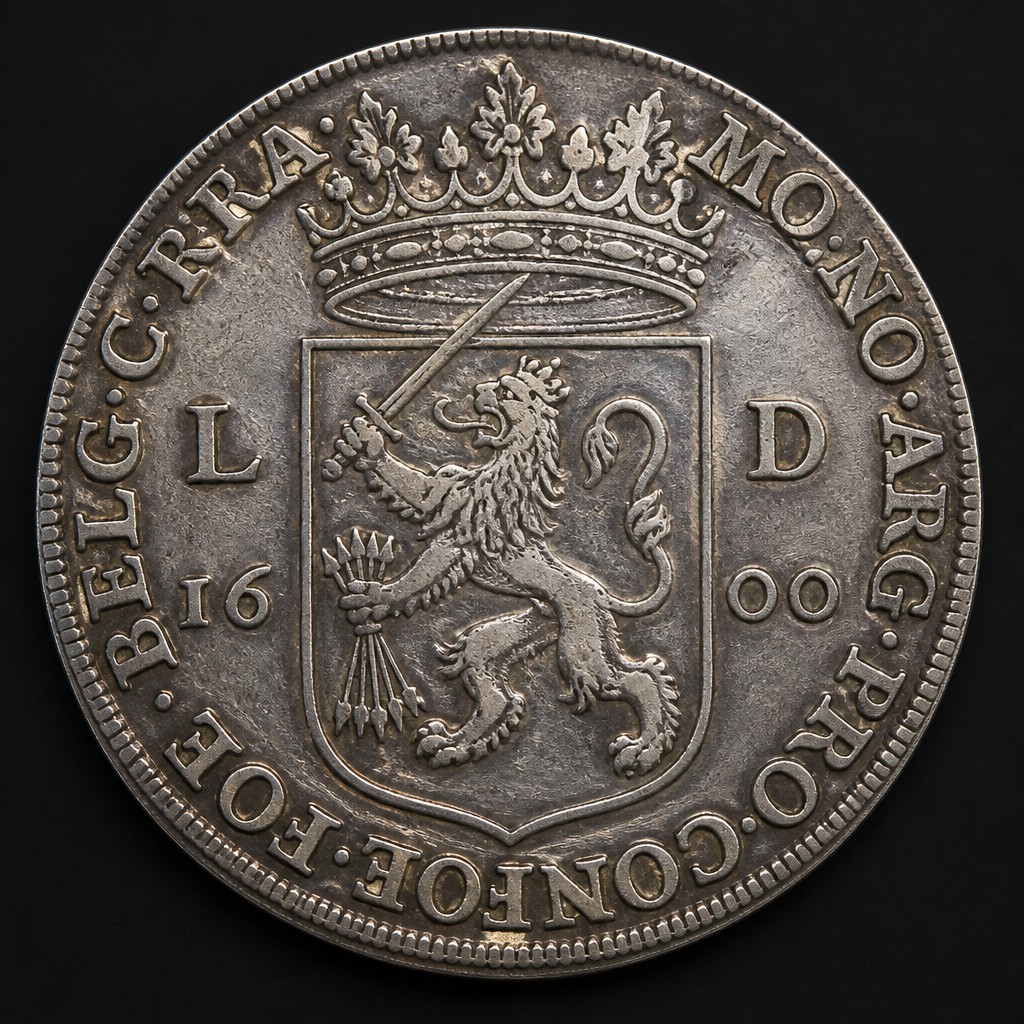
Netherlands Lion Daalder (Leeuwendaalder)
1575–1713
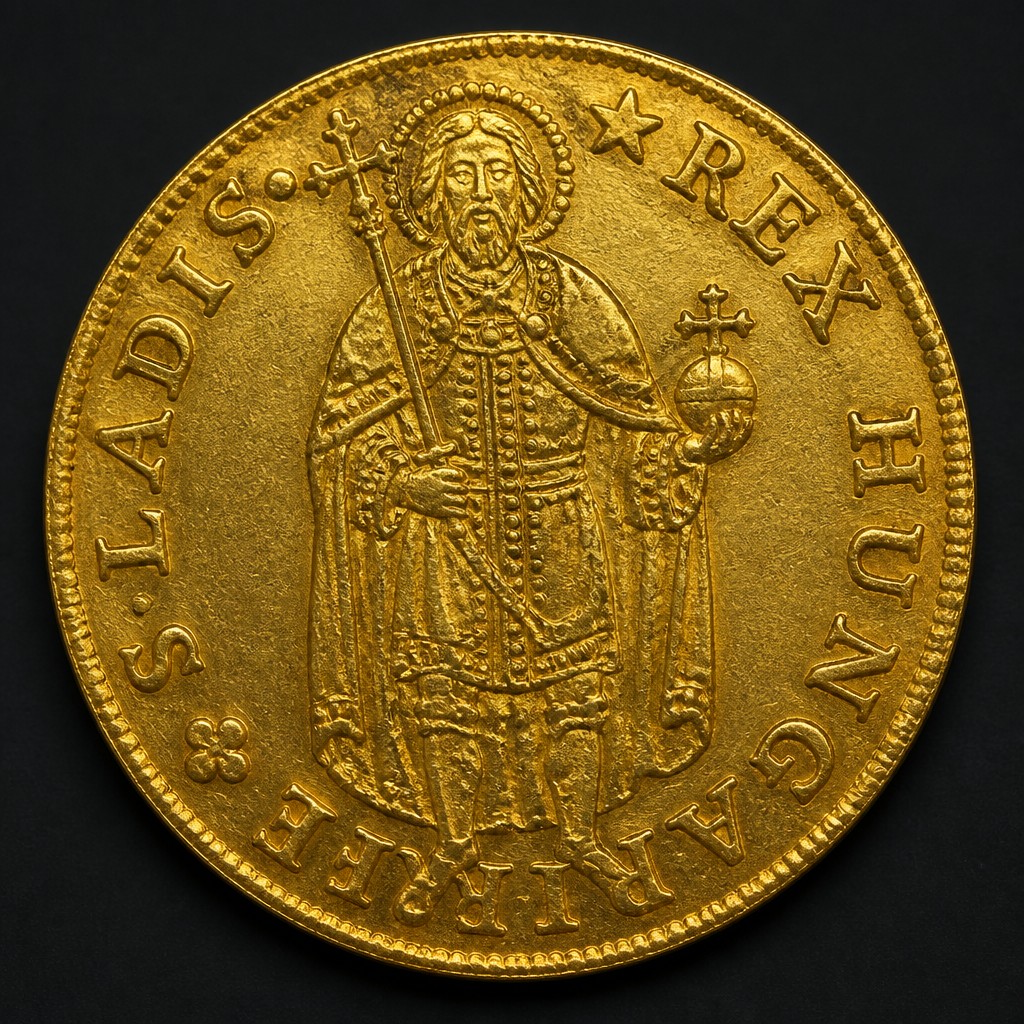
Hungarian Ducat
c. 1325–1918
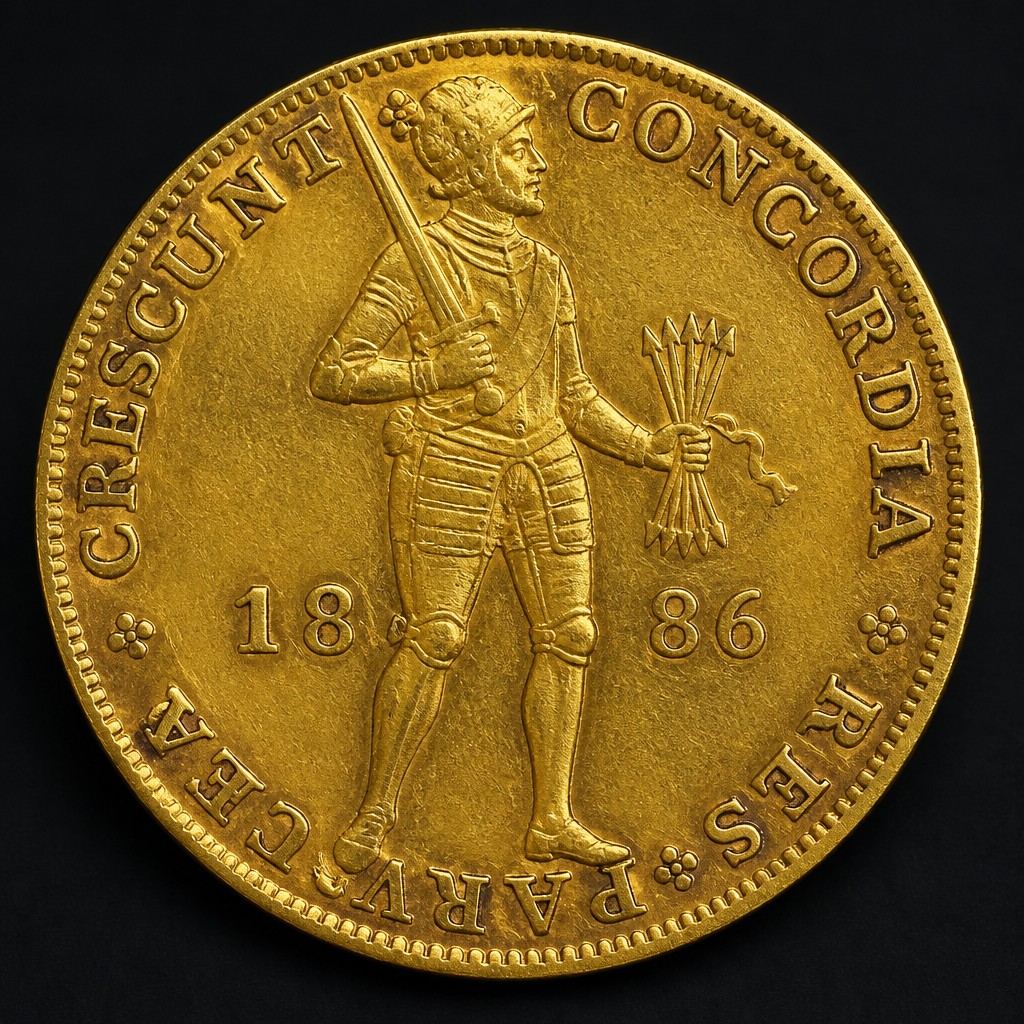
Dutch Ducat
c. 1586–present (classic type standardized after 1817)
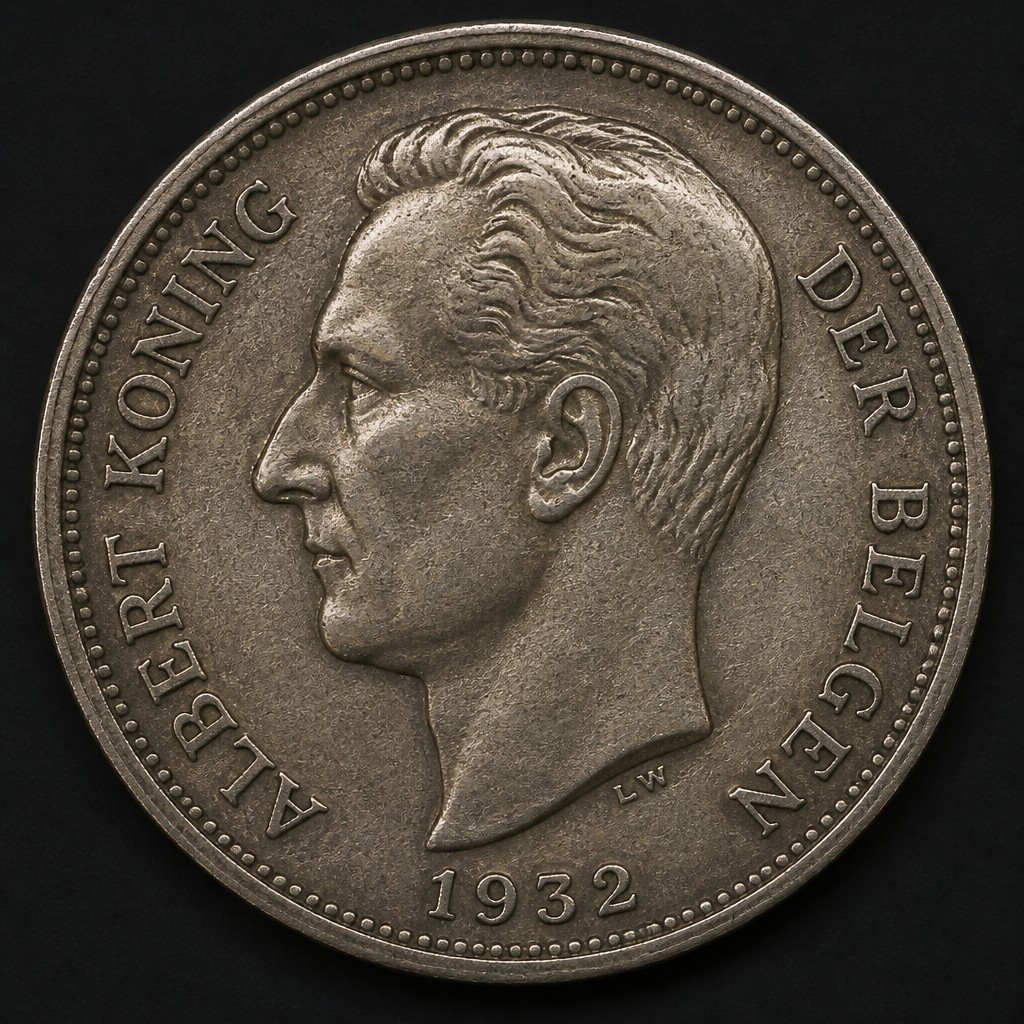
Belgian Franc
1832–2002
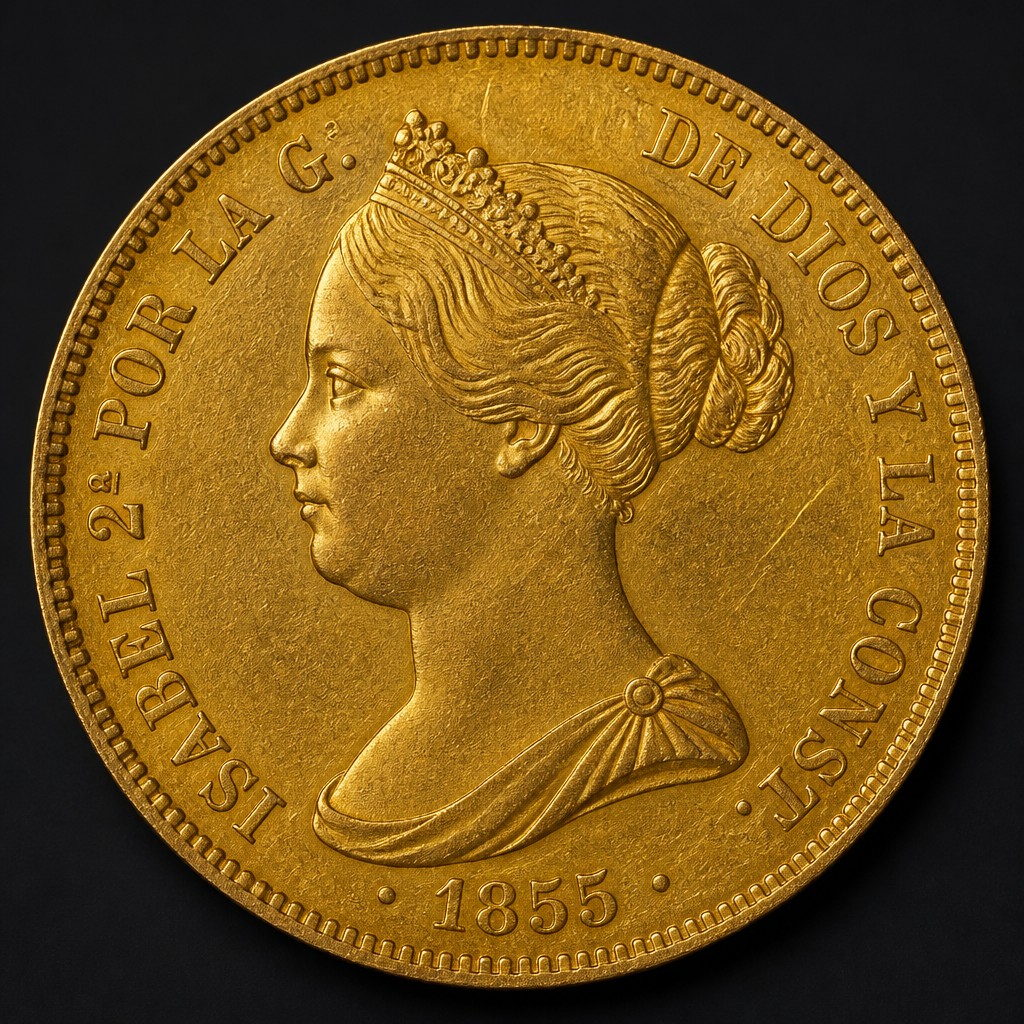
Spanish 100 Reales Gold (Isabel II)
1850s–1868
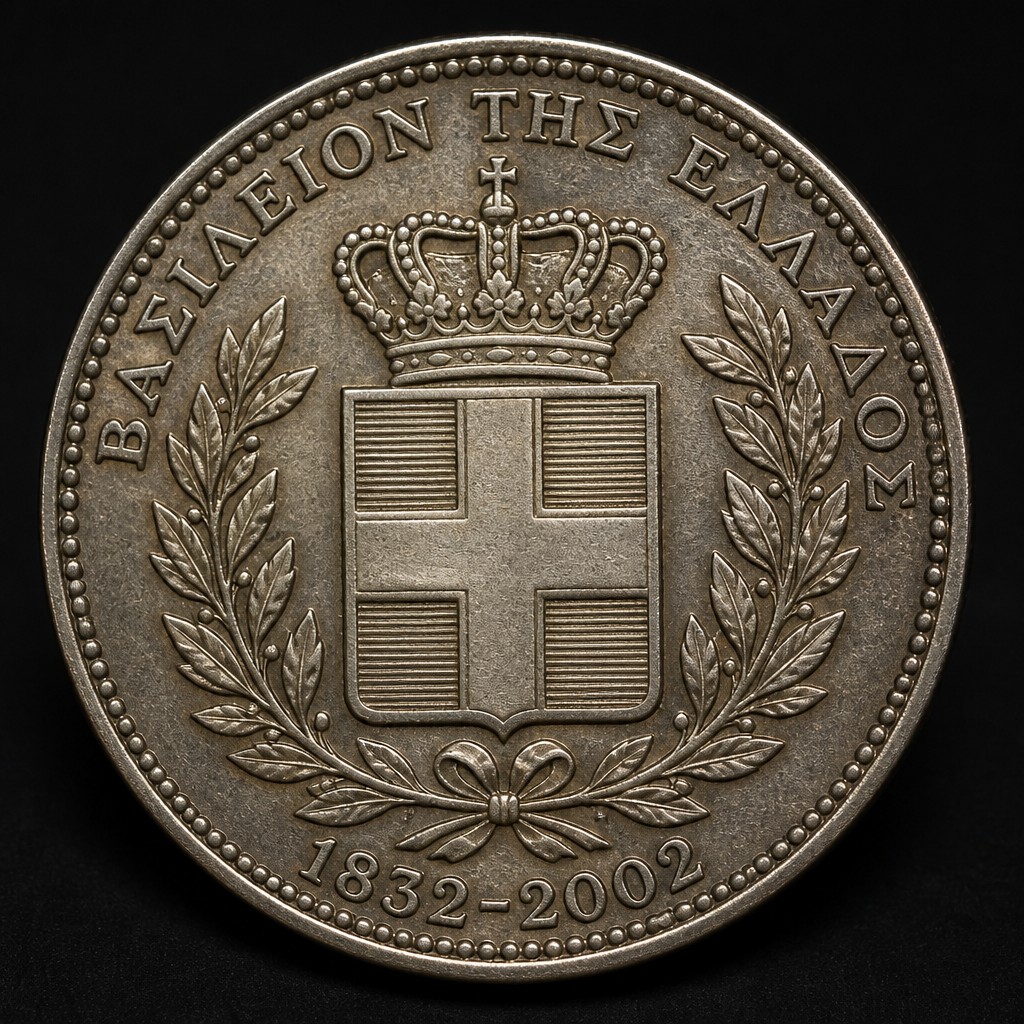
Greek Drachma
1832–2002
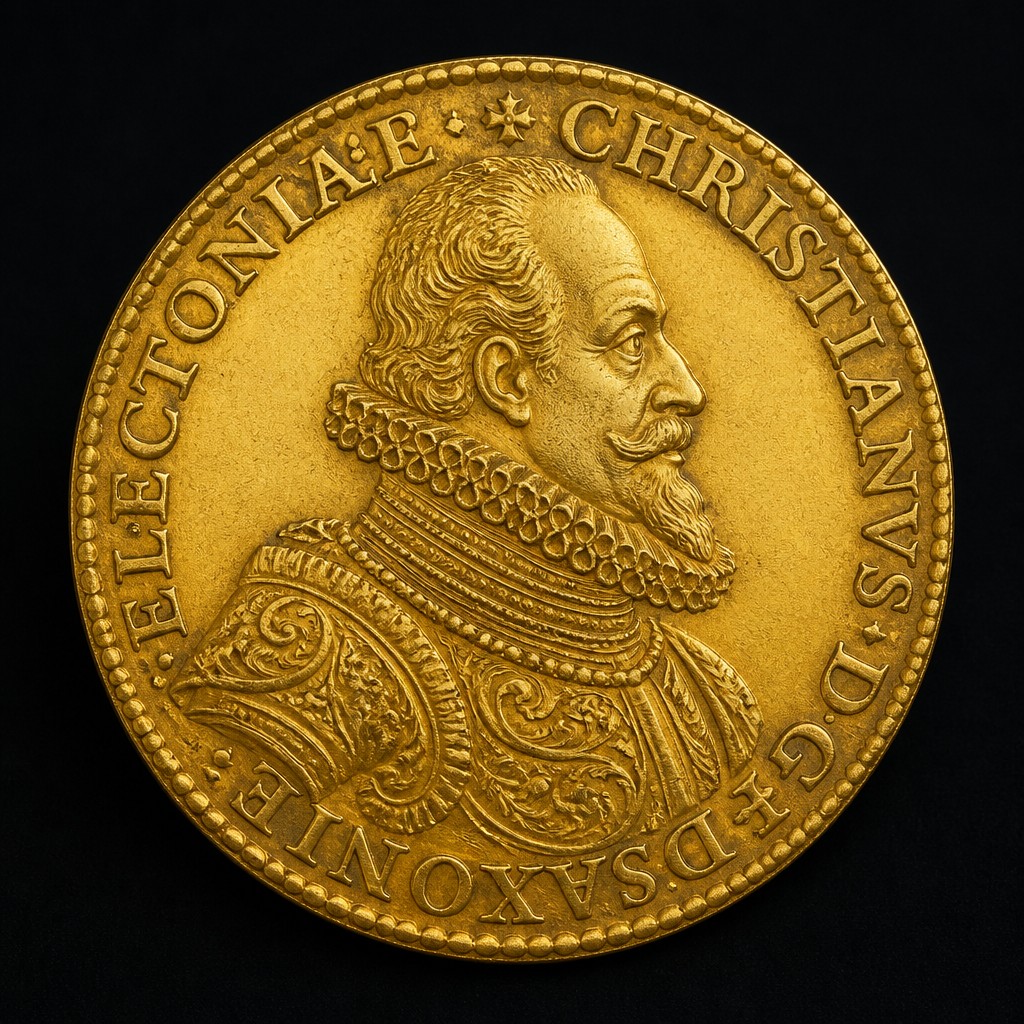
German Saxony Ducat
16th century–19th century
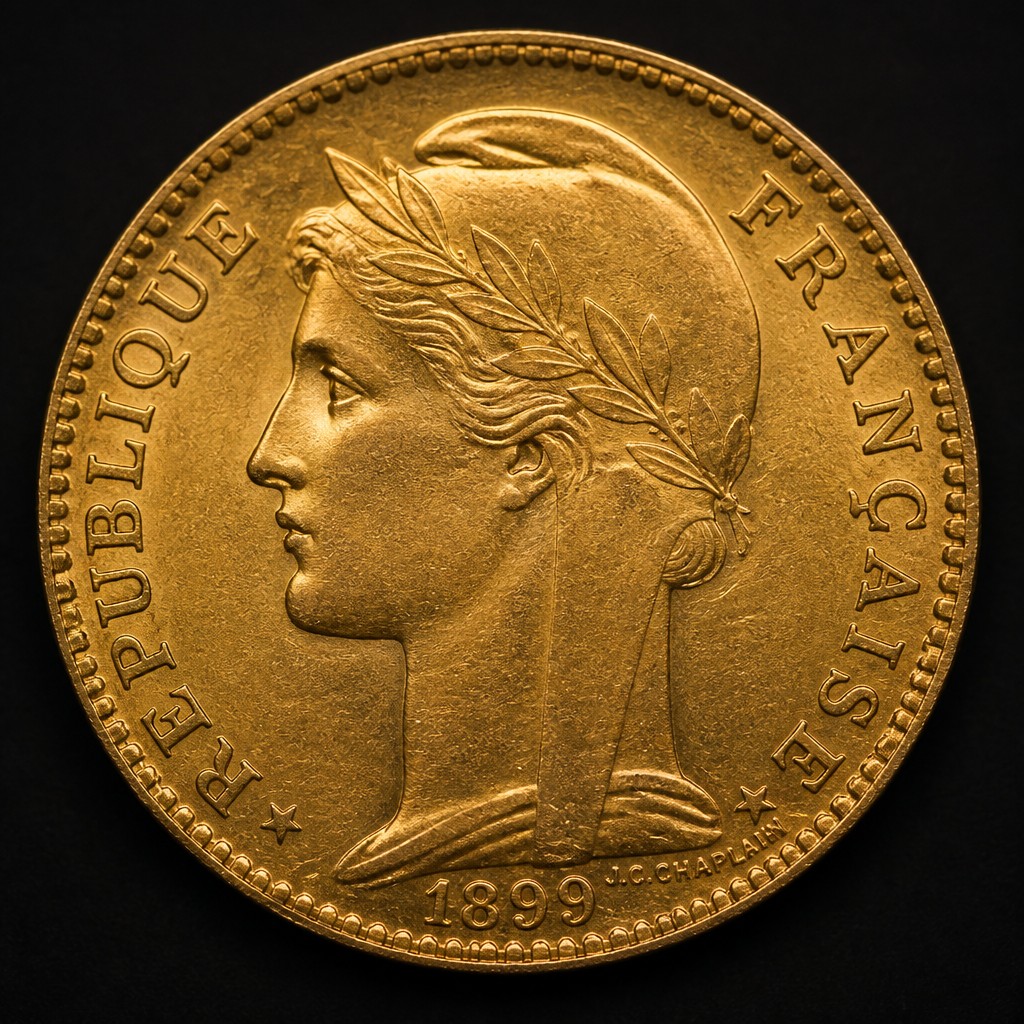
French 10 Francs Gold (Napoleon Rooster)
1899–1914
Netherlands 5 Gulden Gold
1826–1912 (intermittent)