
Coin Encyclopedia
Search and identify coins from around the world — with country, denomination, metal, mint, history, and how to tell them apart.
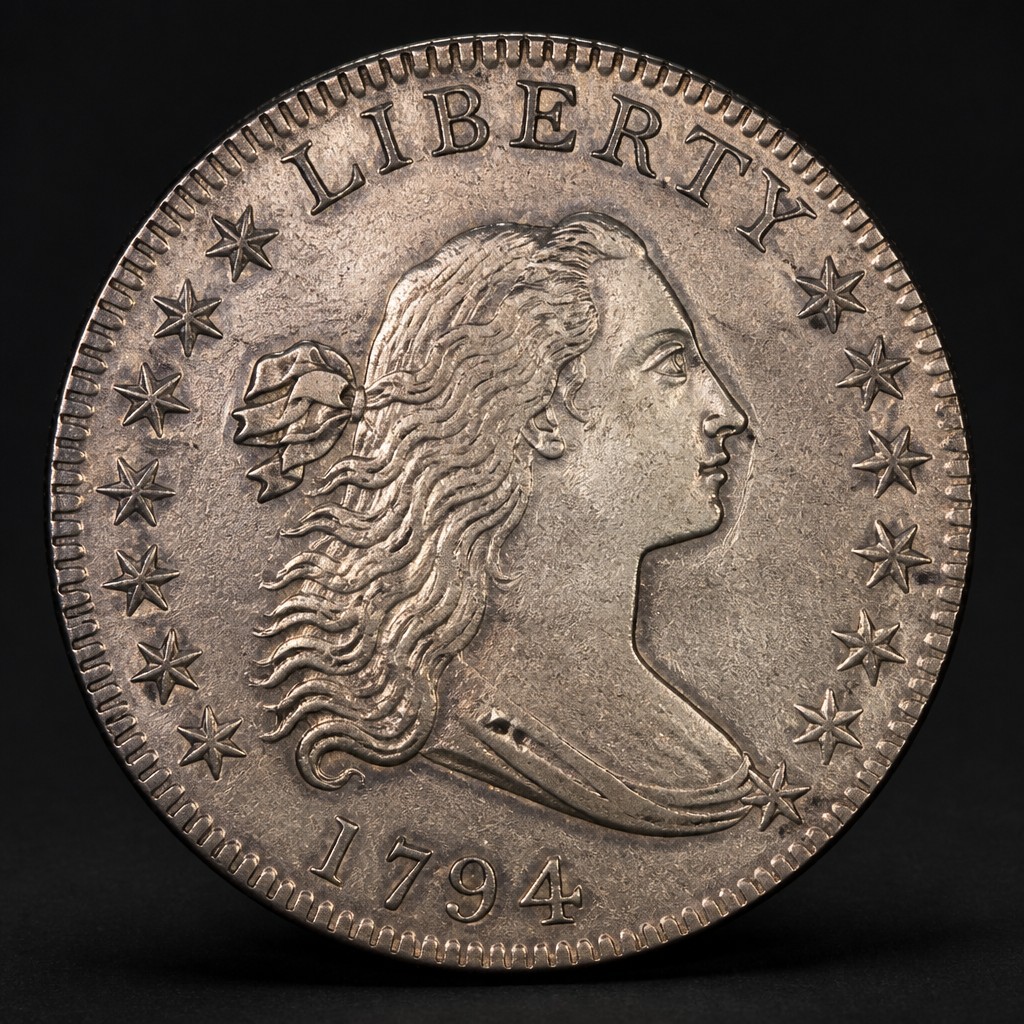
Flowing Hair Half Dime
One of the earliest United States silver coins, the Flowing Hair Half Dime was struck only in 1794 and 1795 and is a landmark rarity for early American coinage collectors.
United States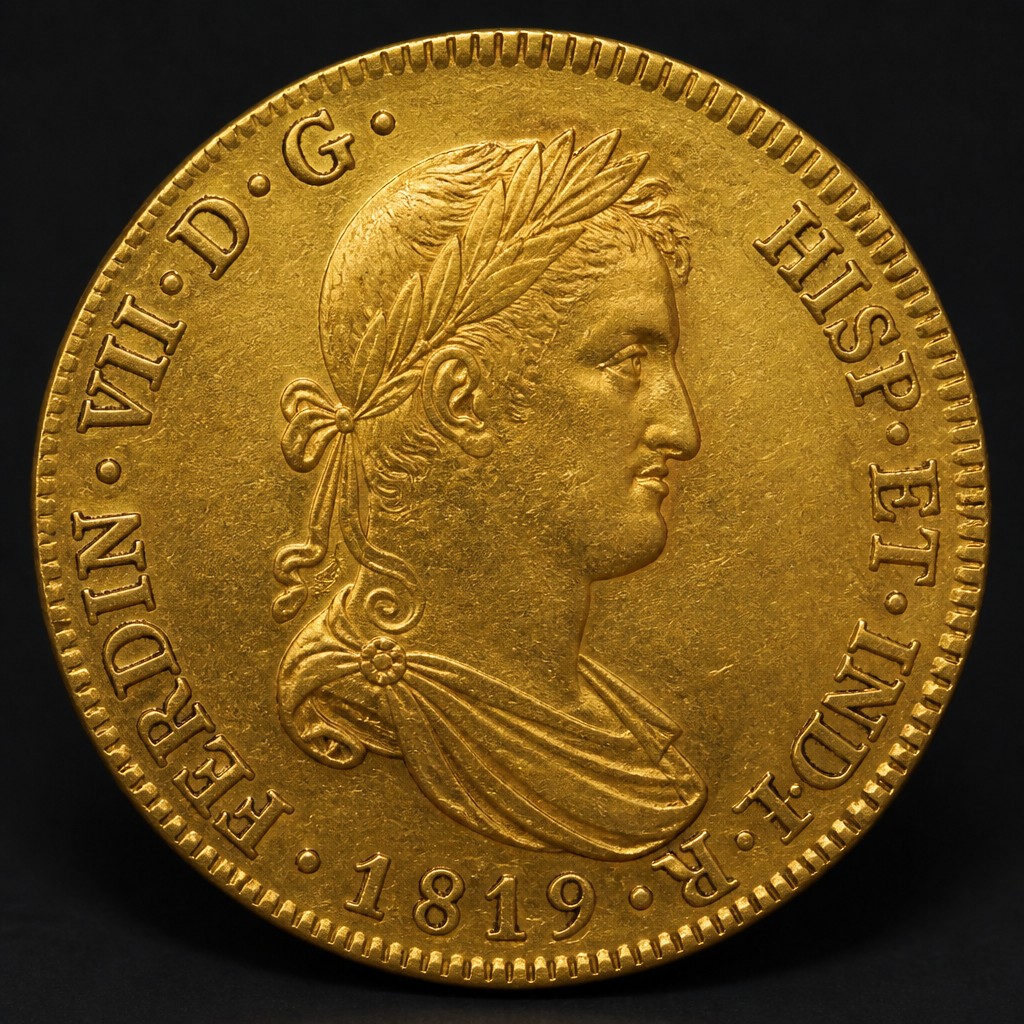
Colombian 8 Escudos Gold (Popayán)
A large colonial gold doubloon struck at the historic Popayán mint in present-day Colombia, prized by collectors as one of the classic Spanish colonial gold coins of South America.
Latin American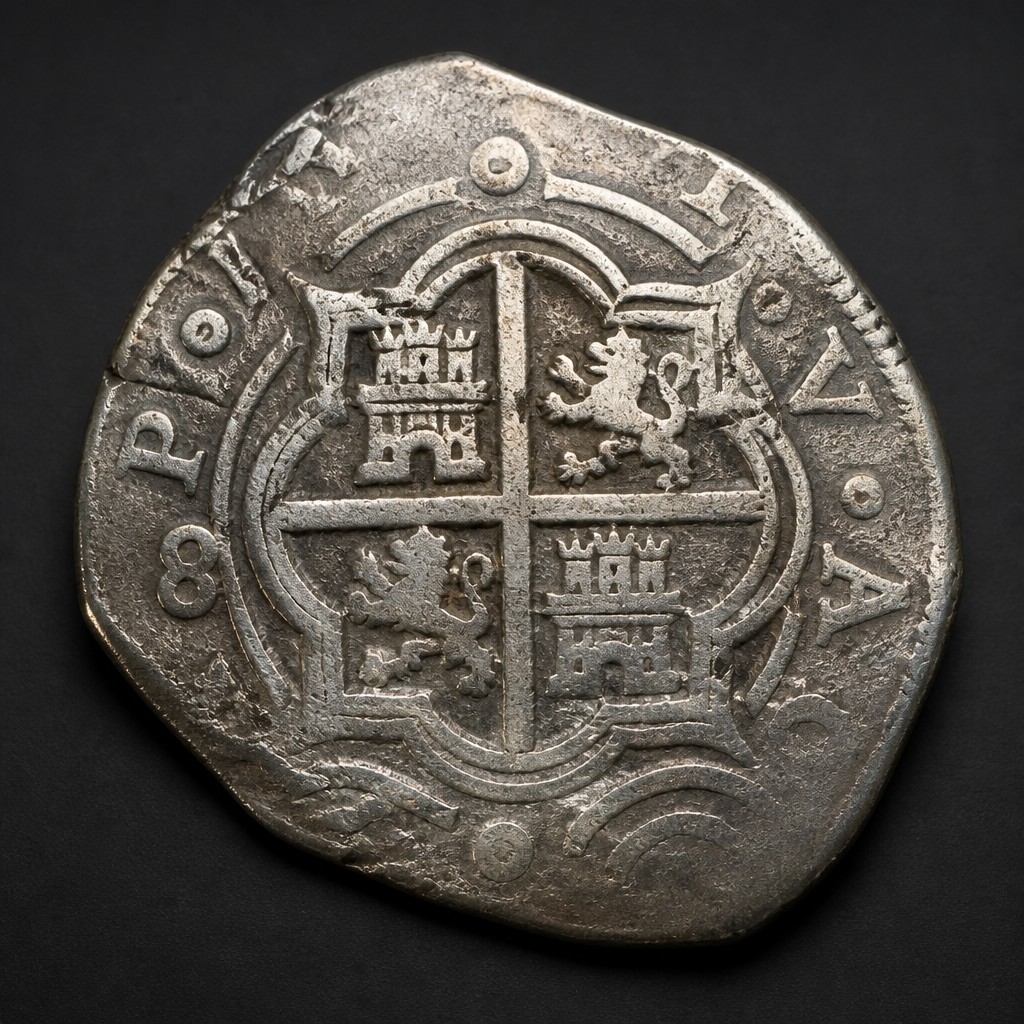
Spanish Colonial Cob (Macuquina)
Crude, irregularly shaped hand-struck coins produced at Spanish colonial mints in the Americas for over two centuries, forming the basis of the famous 'pieces of eight' that circulated worldwide.
Latin American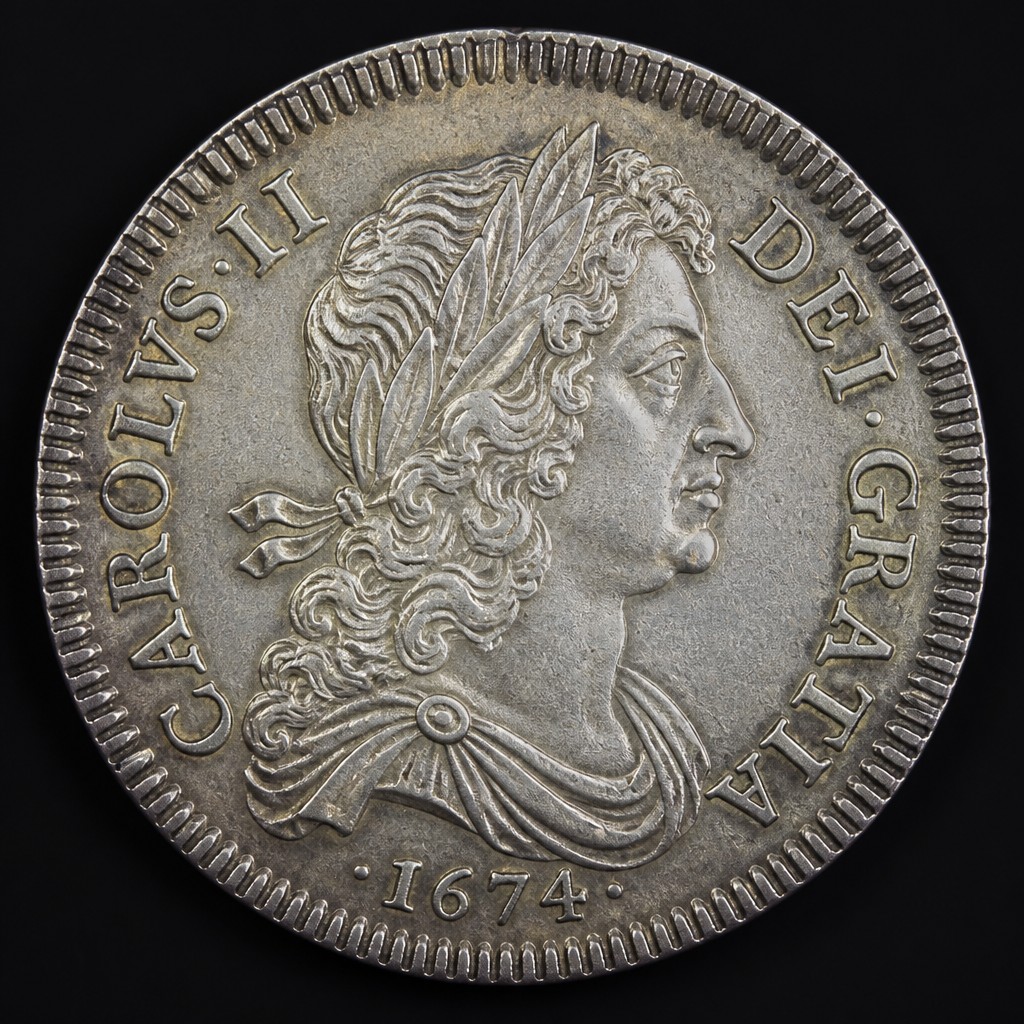
Maundy Fourpence
The largest of the four Royal Maundy coins, a small silver fourpence descended in value from the medieval groat, struck annually for the monarch's ceremonial Maundy Thursday alms distribution.
British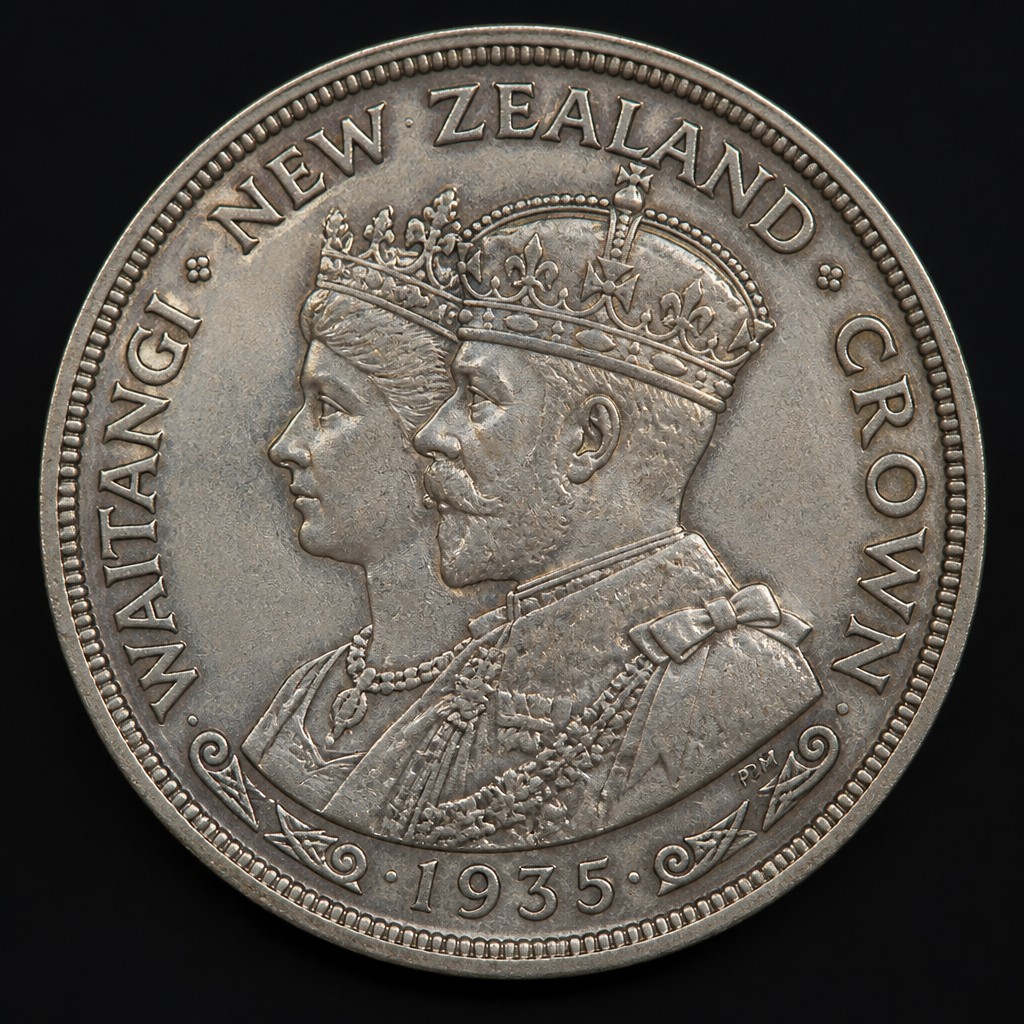
New Zealand Waitangi Crown (1935)
Rare 1935 New Zealand silver crown depicting the meeting between Governor Hobson and Maori chiefs, one of the most valuable coins in British Commonwealth crown collecting.
Africa & Oceania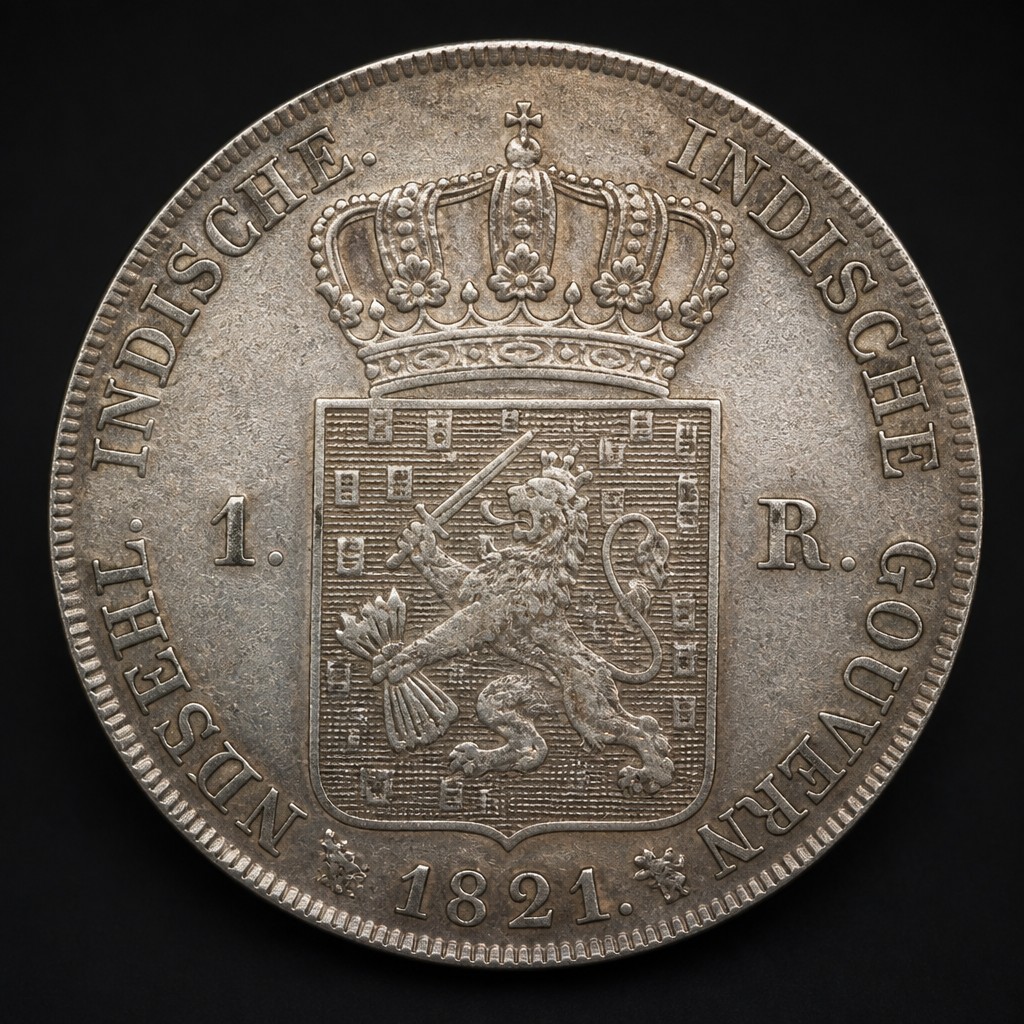
Netherlands East Indies Java Rupee
A Dutch colonial silver rupee struck specifically for the island of Java, issued to standardize local currency amid the many foreign trade coins circulating in the Dutch East Indies.
Asian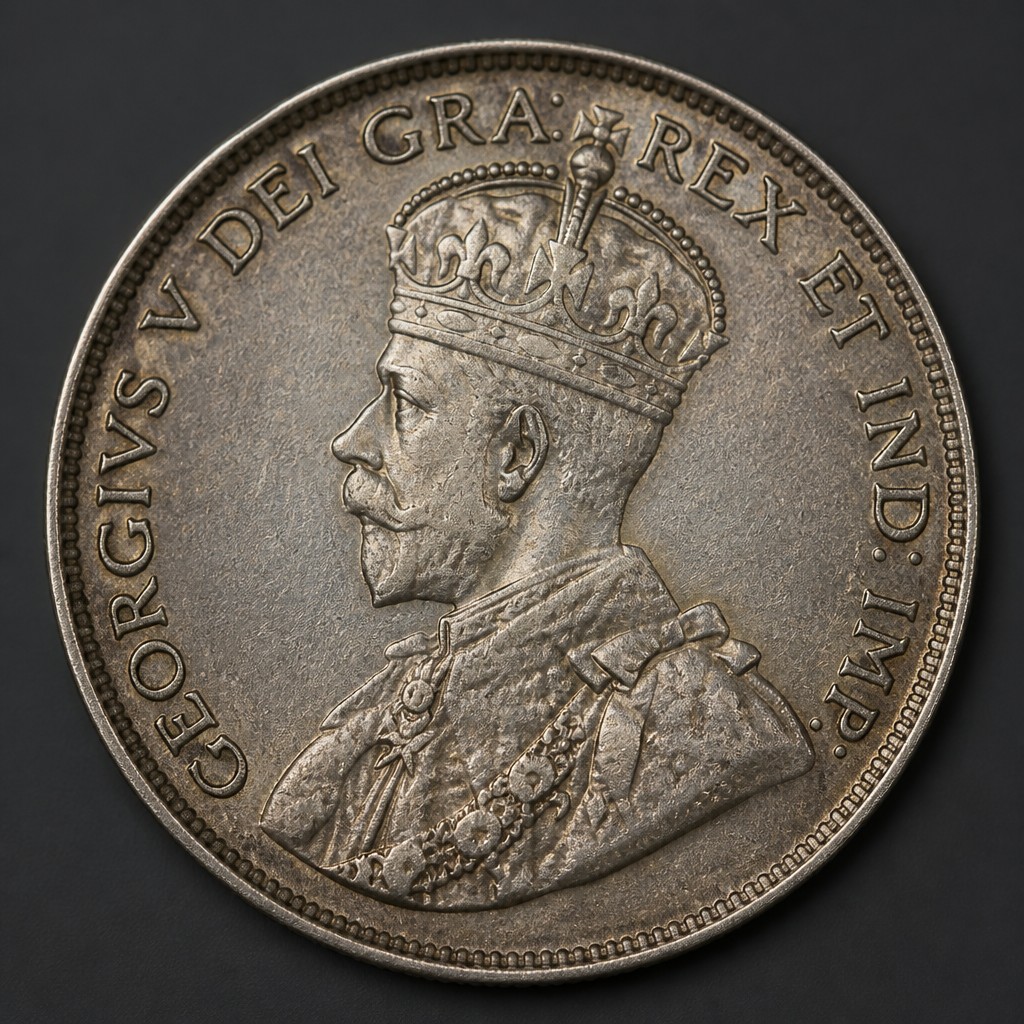
George V Five Cents (silver)
The last era of Canadian silver five-cent coins, struck under King George V until nickel replaced silver in 1922, including the legendary rarity of the 1921 date.
Canadian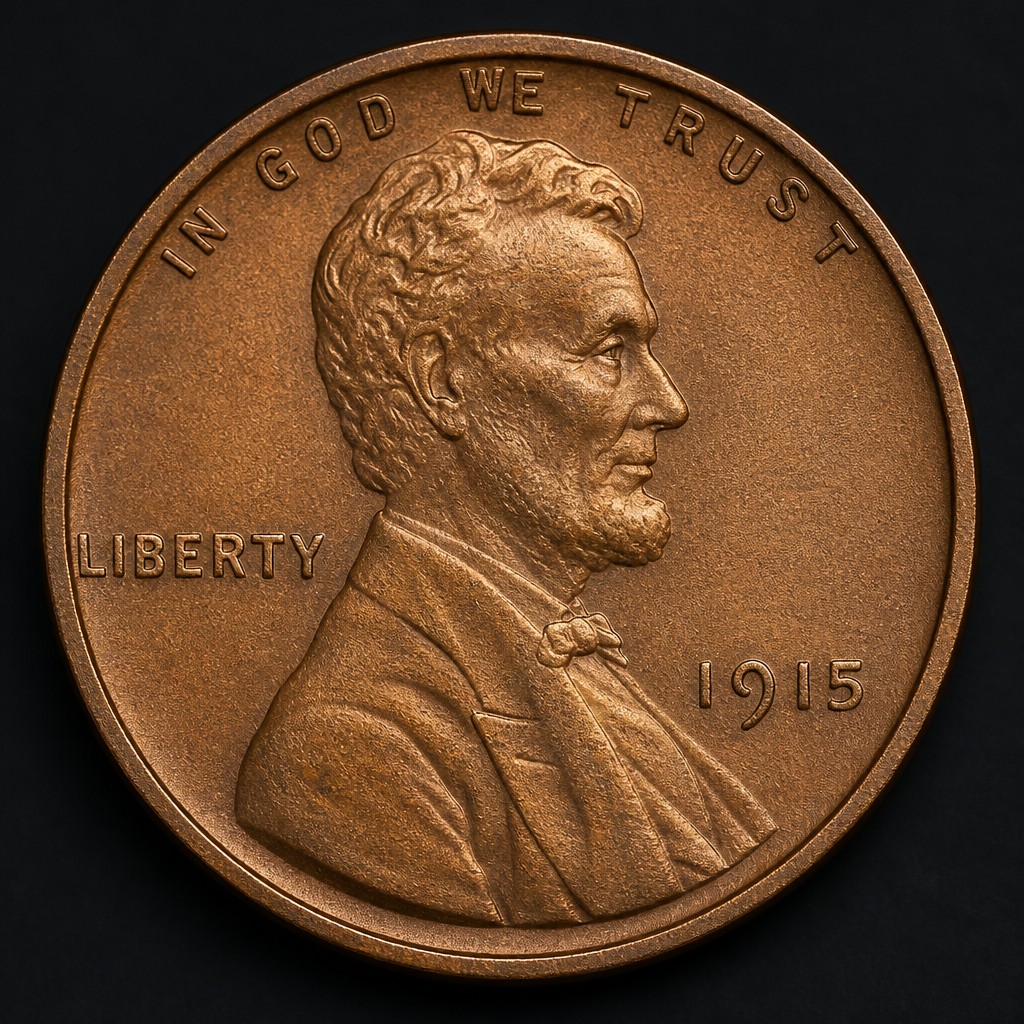
Matte Proof Lincoln Cent
A special proof finish used on Lincoln cents from 1909 to 1916, featuring a fine, sandy, non-reflective surface instead of the mirror-like brilliance of earlier proof coins.
United States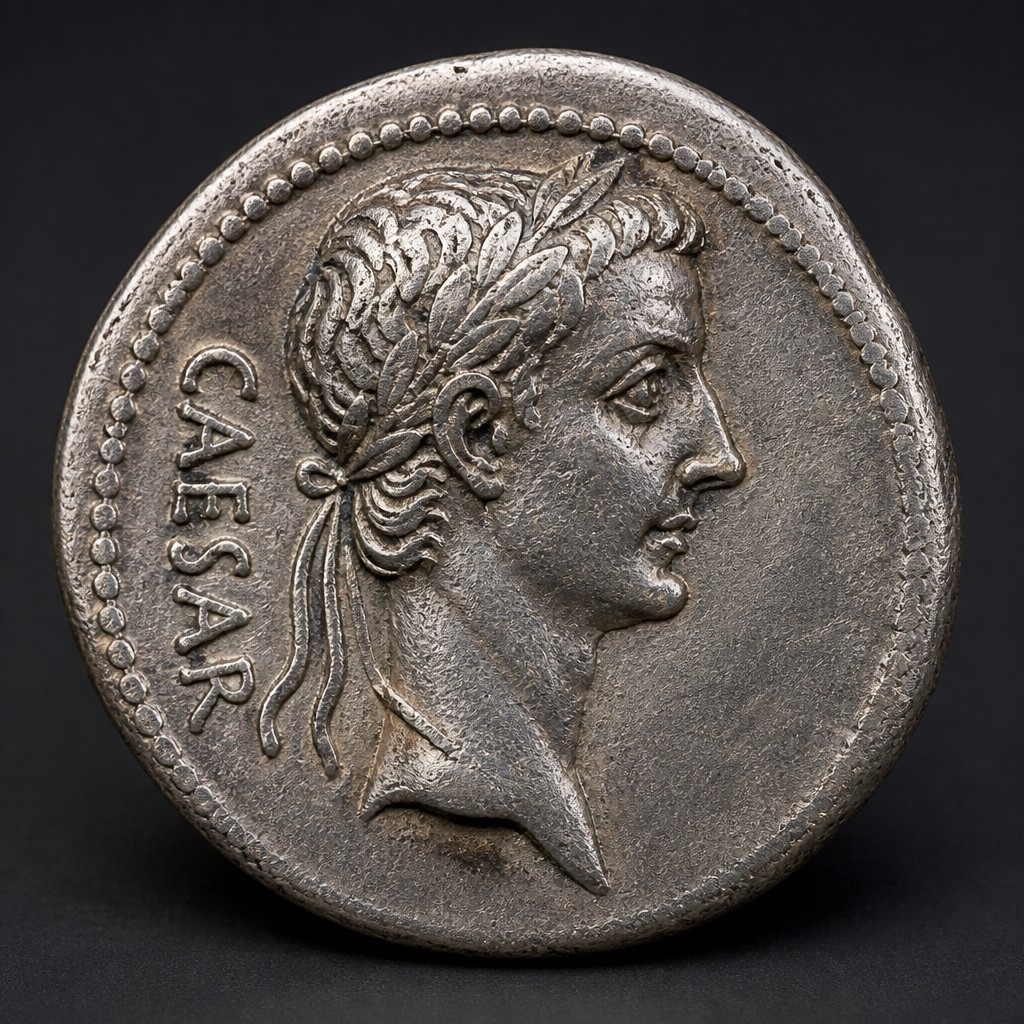
Julius Caesar Elephant Denarius
One of the most widely recognized ancient Roman coins, struck under Julius Caesar's authority and depicting an elephant trampling a serpent, likely a symbolic image tied to Caesar's political struggles.
Ancient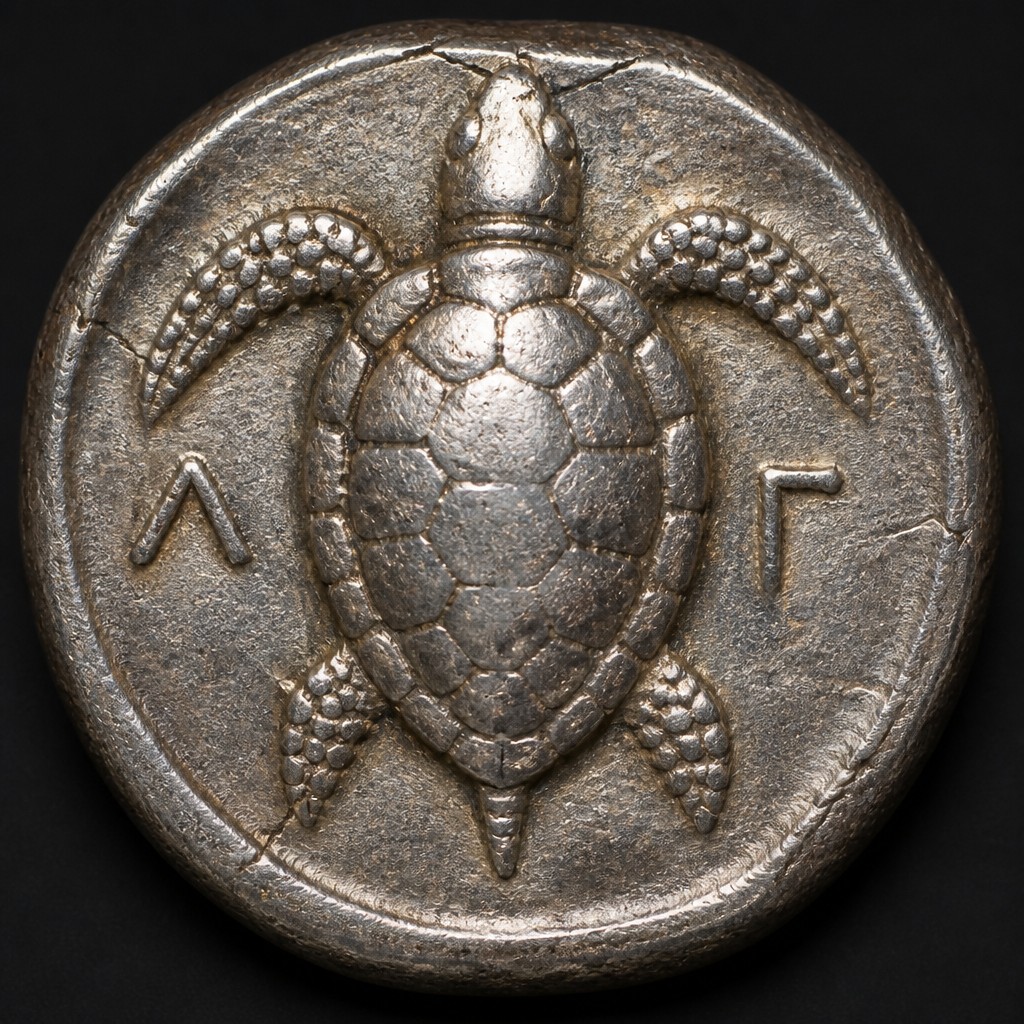
Aegina Sea Turtle Stater
One of the earliest widely circulated Greek silver coins, struck by the island city-state of Aegina, featuring a sea turtle and later a land tortoise, and nicknamed simply 'turtles' by ancient traders.
Ancient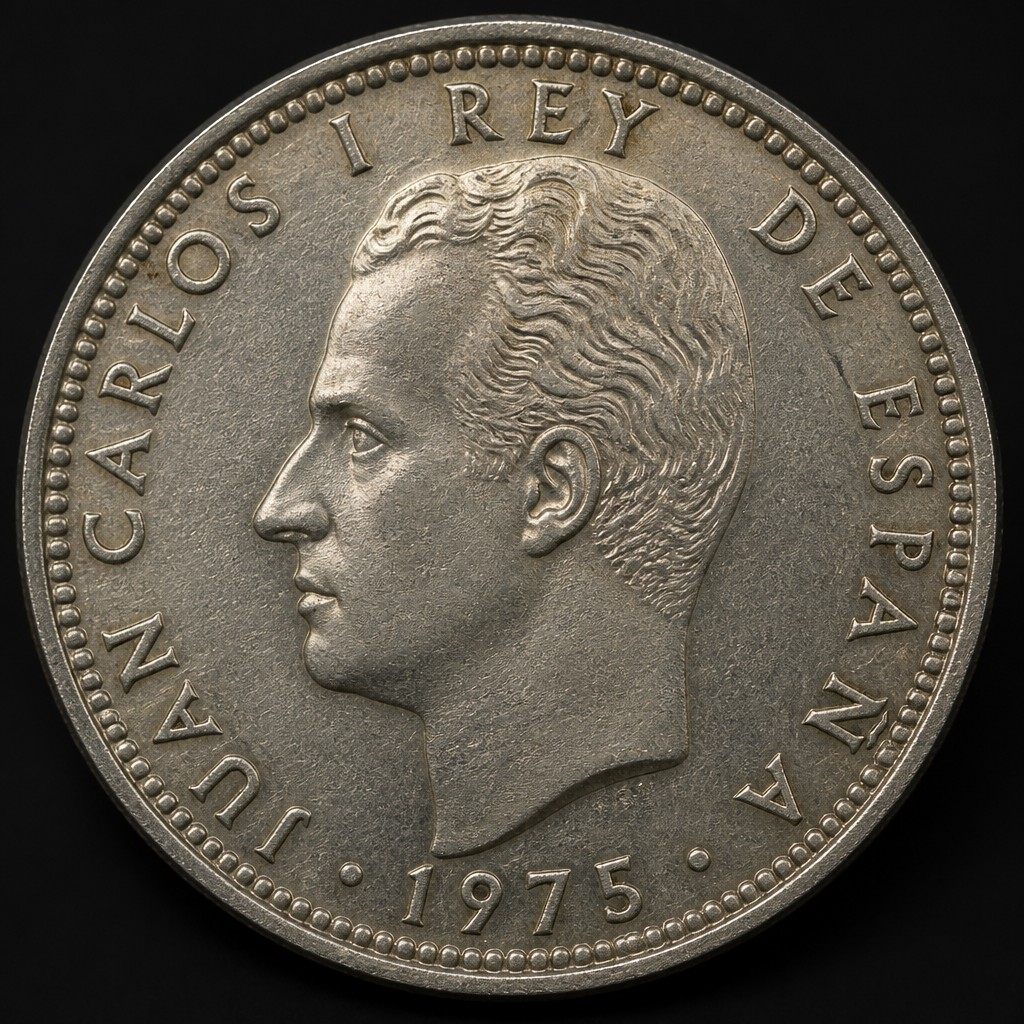
Spanish Peseta
The peseta was Spain's national currency for over 130 years, evolving from silver coinage under a provisional 19th-century government to copper-nickel coins used until the euro replaced it in 2002.
European
1936 Dot Cent
One of Canada's rarest coins: a 1936-dated cent quietly struck in 1937 with a tiny raised dot below the date after King Edward VIII's abdication delayed new George VI dies.
Canadian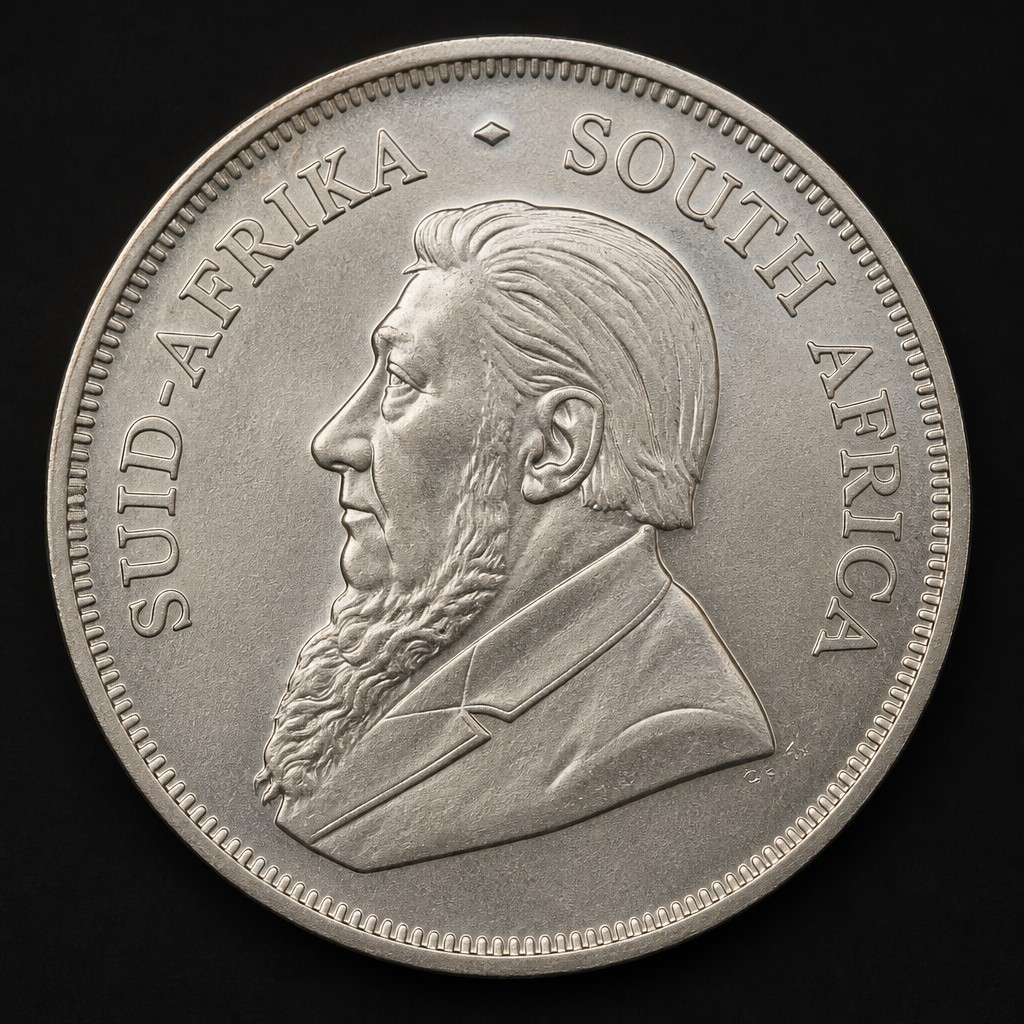
South African Silver Krugerrand
The silver version of the world-famous Krugerrand, launched in 2017 to mark the gold coin's 50th anniversary, using the same Kruger and springbok design.
Bullion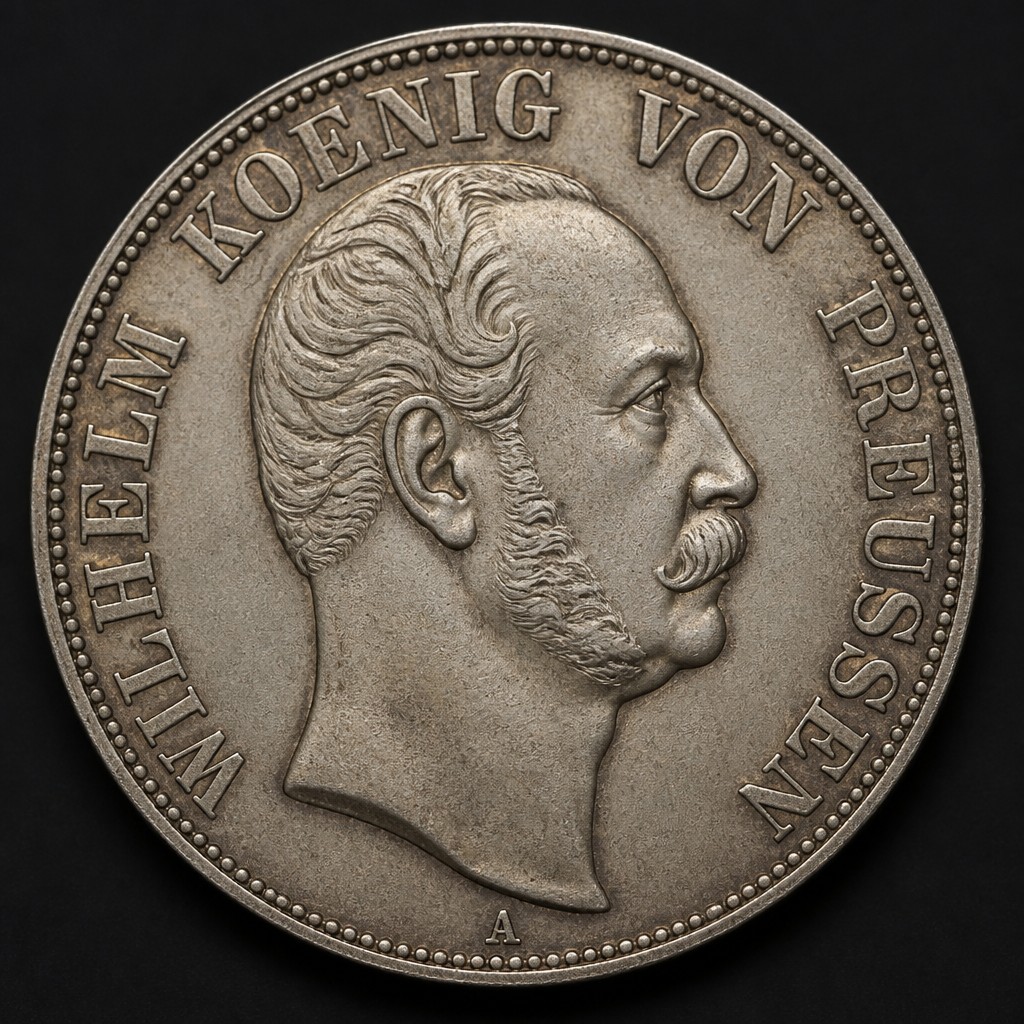
Prussian Vereinsthaler
A standardized silver thaler struck by the Kingdom of Prussia under the 1857 Vienna Monetary Treaty, unifying weight and fineness across many German and Austrian states before German unification.
European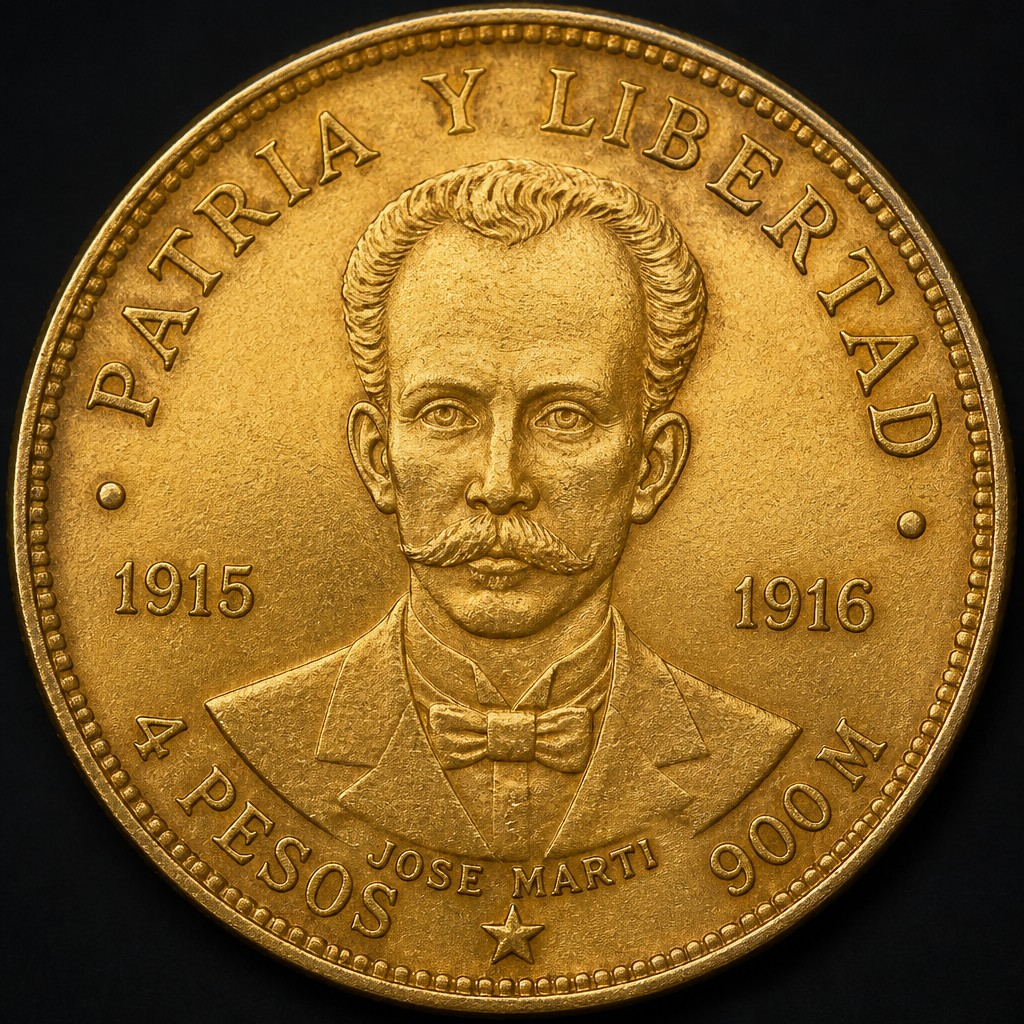
Cuba 4 Pesos Gold Jose Marti
A small gold denomination from Cuba's early republican-era gold coinage, part of a 1915–1916 series (1 through 20 pesos) struck to circulate on par with US gold currency.
Latin American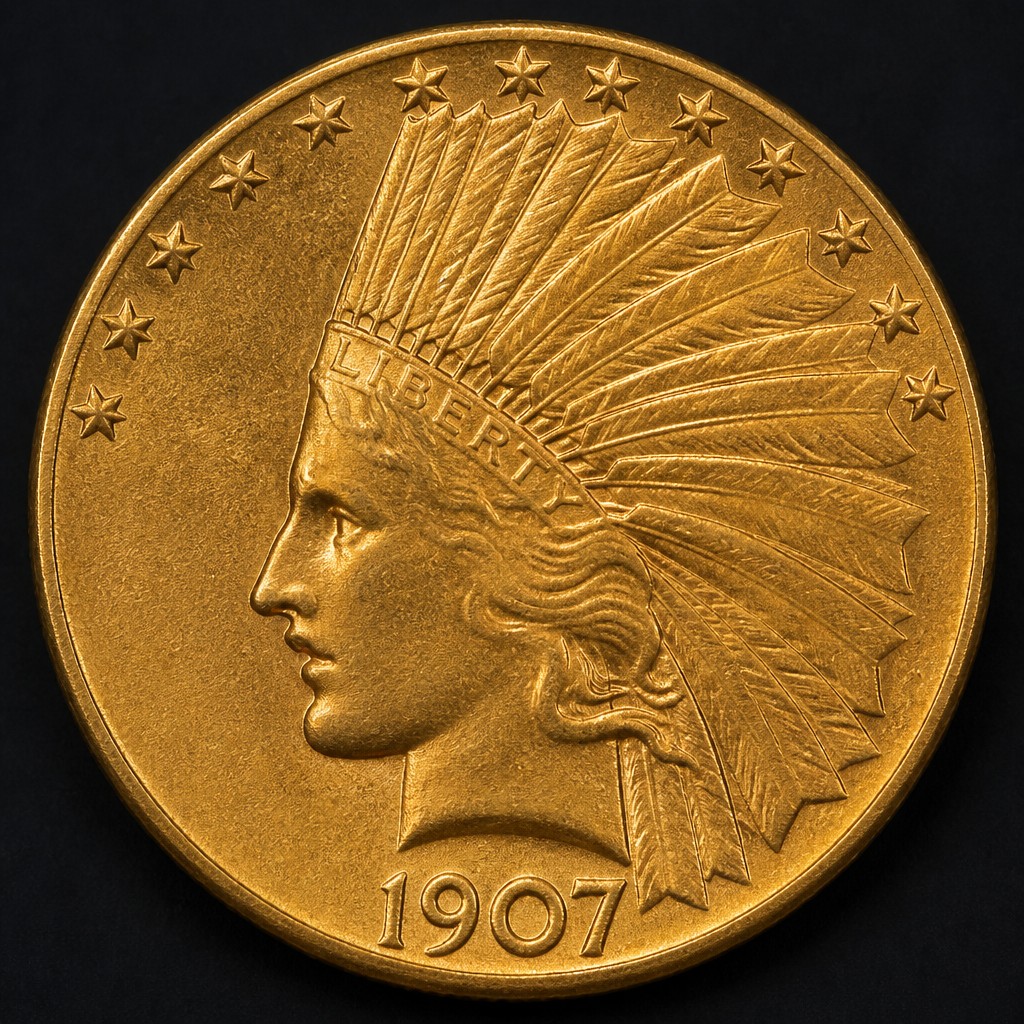
Indian Head Eagle ($10)
A striking early 20th-century gold eagle designed by Augustus Saint-Gaudens as part of President Theodore Roosevelt's push to beautify American coinage.
United States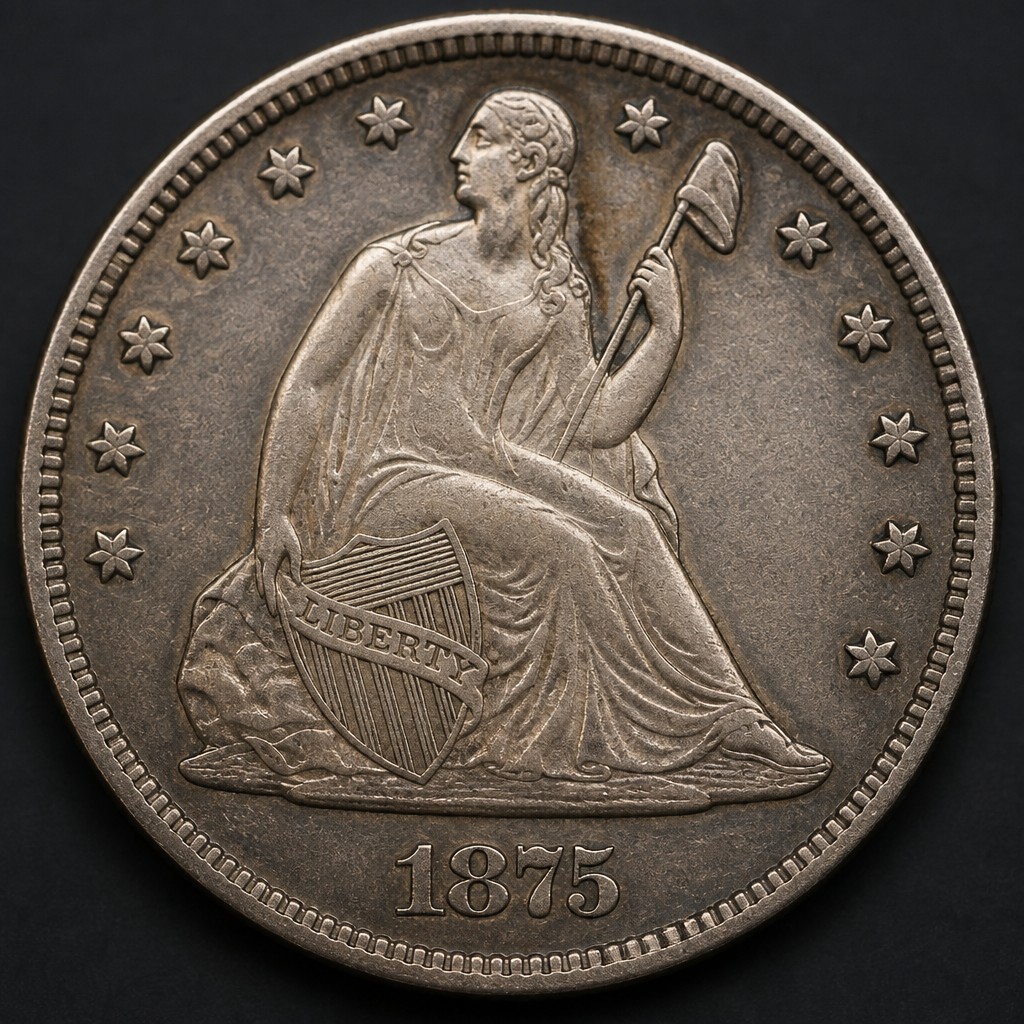
1875-S Twenty-Cent Piece
The most commonly encountered date in the short-lived US twenty-cent piece series, struck in large numbers at San Francisco in the coin's debut year.
United States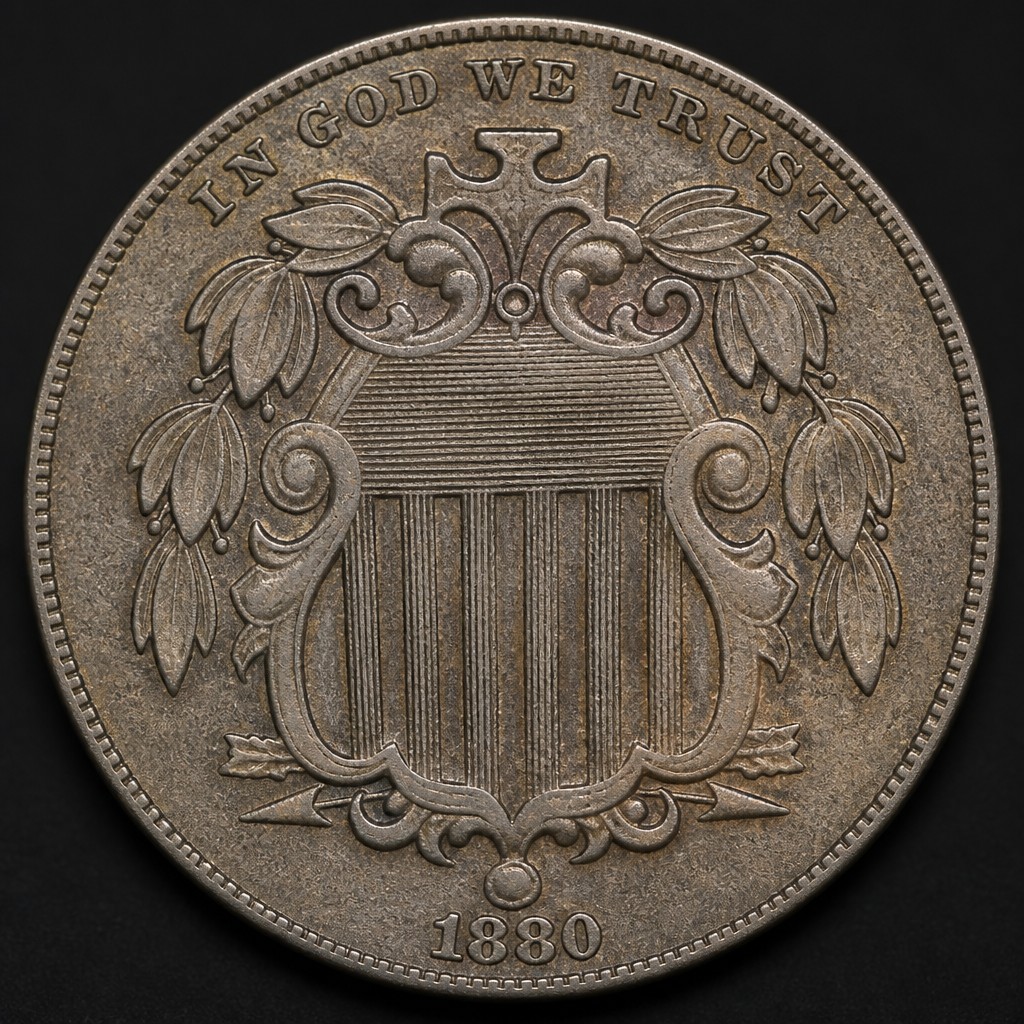
1880 Shield Nickel
A major key date of the Shield Nickel series with an extremely low business-strike mintage, making genuine circulated examples much scarcer than the coin's proofs.
United States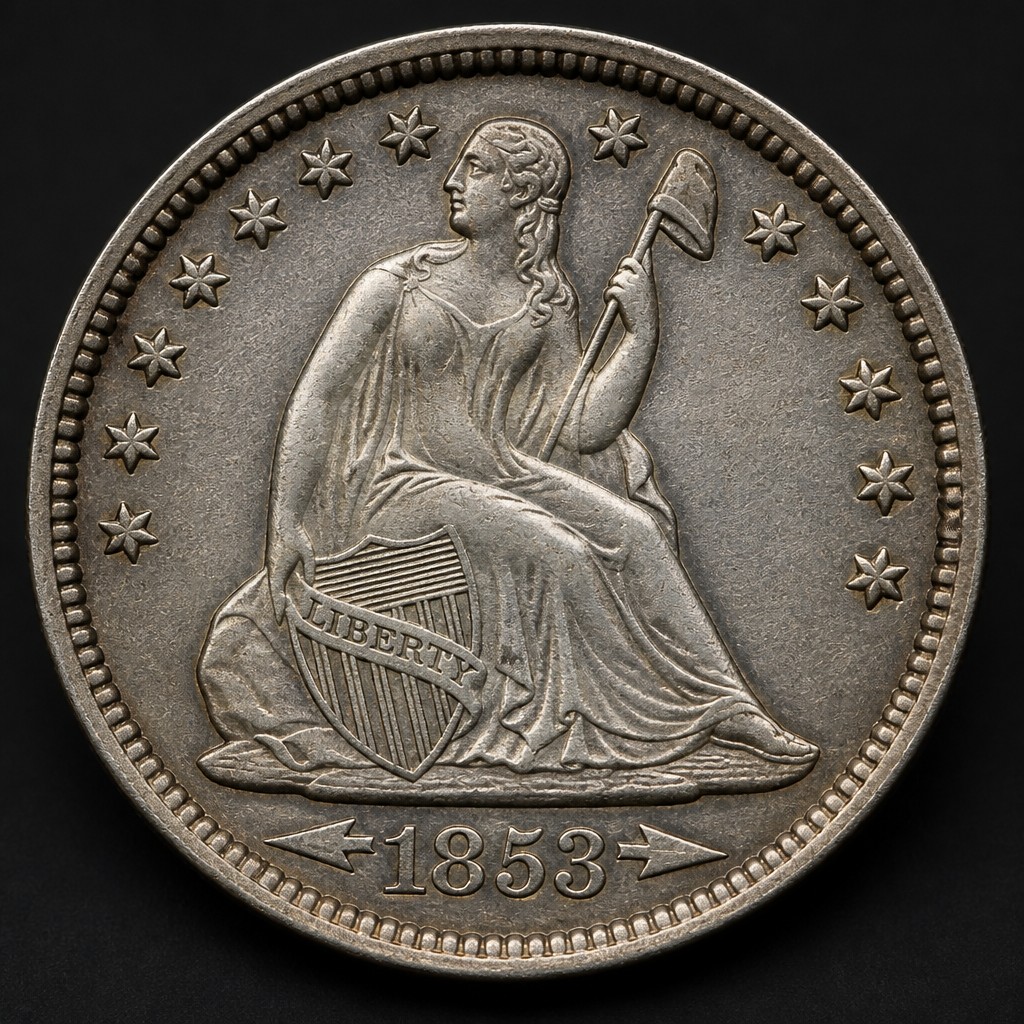
1853 Seated Liberty Quarter (Arrows and Rays)
A popular one-year Seated Liberty type marked by arrows at the date and rays around the eagle, signaling a reduction in the coin's silver weight mandated by the Coinage Act of 1853.
United States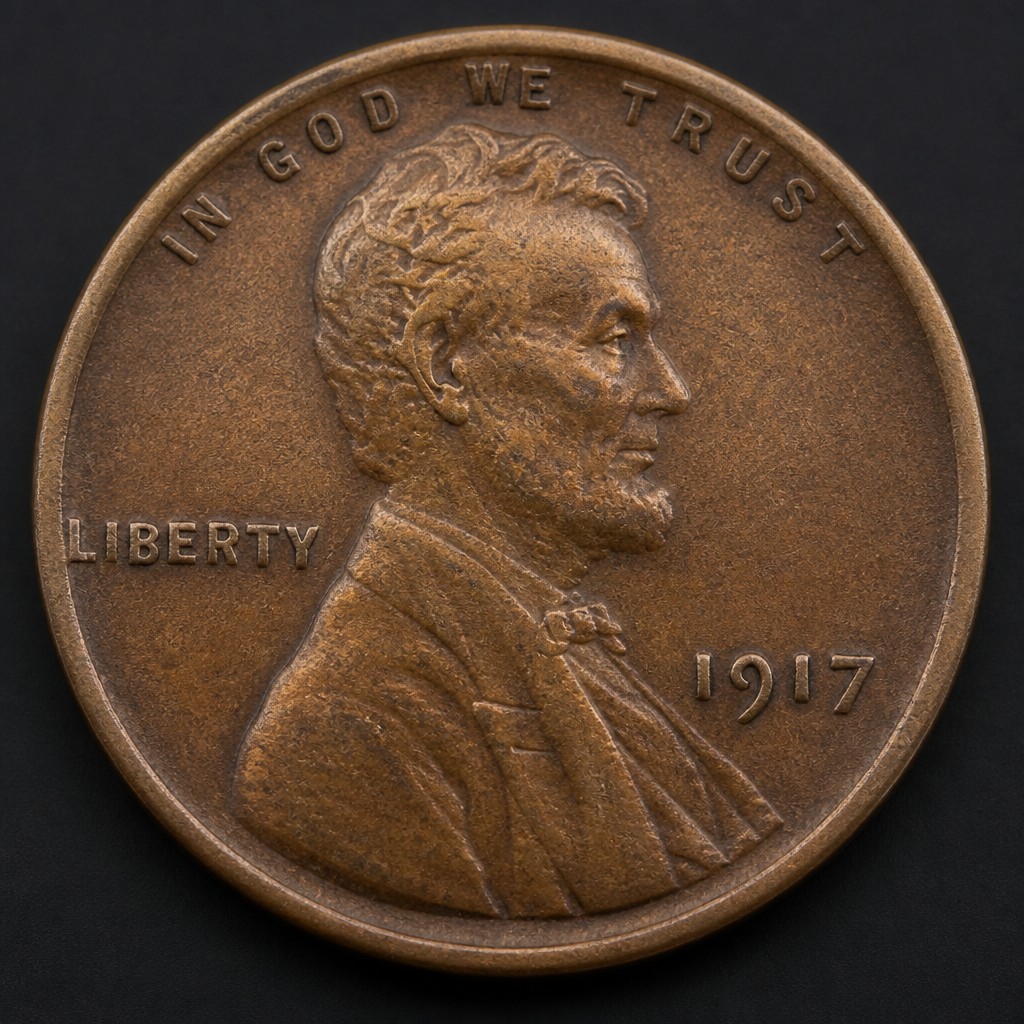
1917 Doubled Die Obverse Lincoln Cent
One of the earliest known doubled die varieties in the Lincoln cent series, showing visible doubling in the date and lettering on an early 20th-century wheat cent.
Errors & Varieties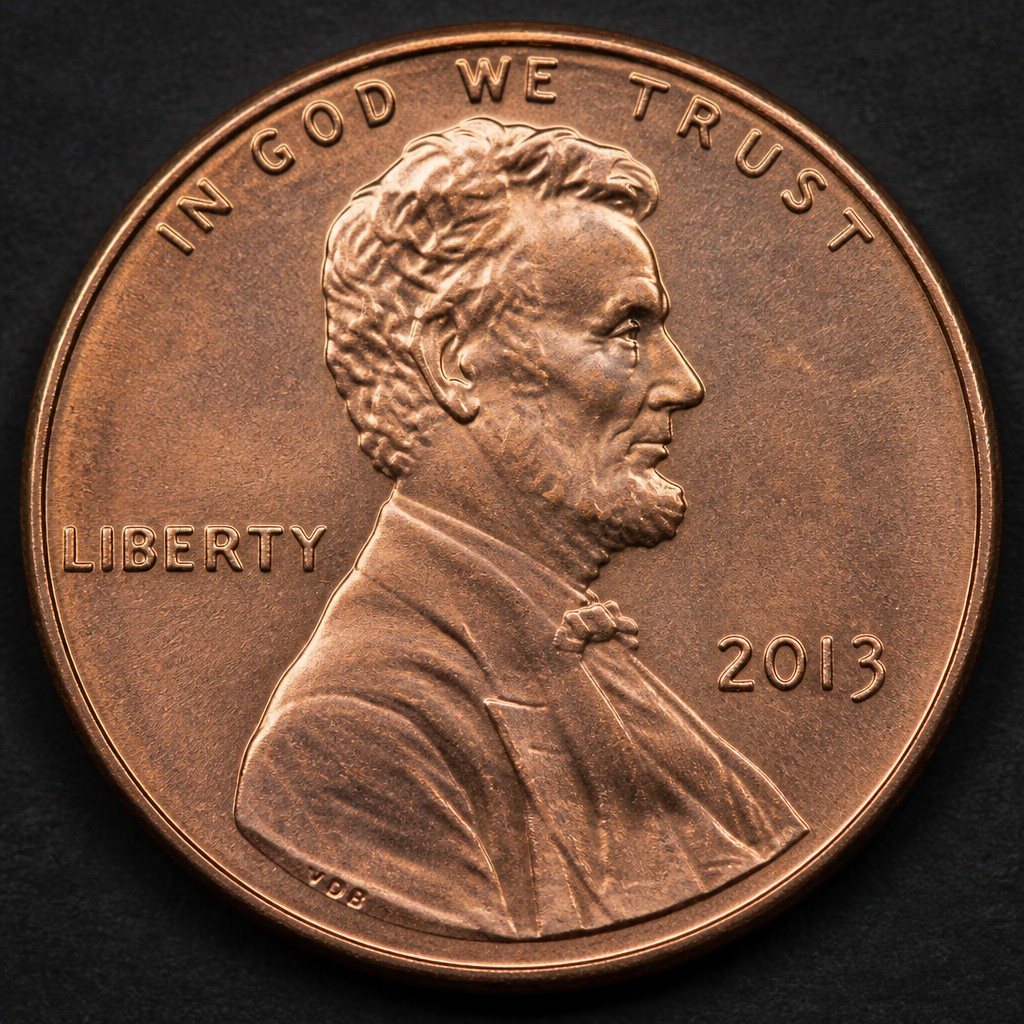
Lincoln Shield Cent
The current Lincoln cent reverse, introduced in 2010, depicts a Union shield replacing the earlier Lincoln Memorial design as the fourth reverse in the cent's history.
United States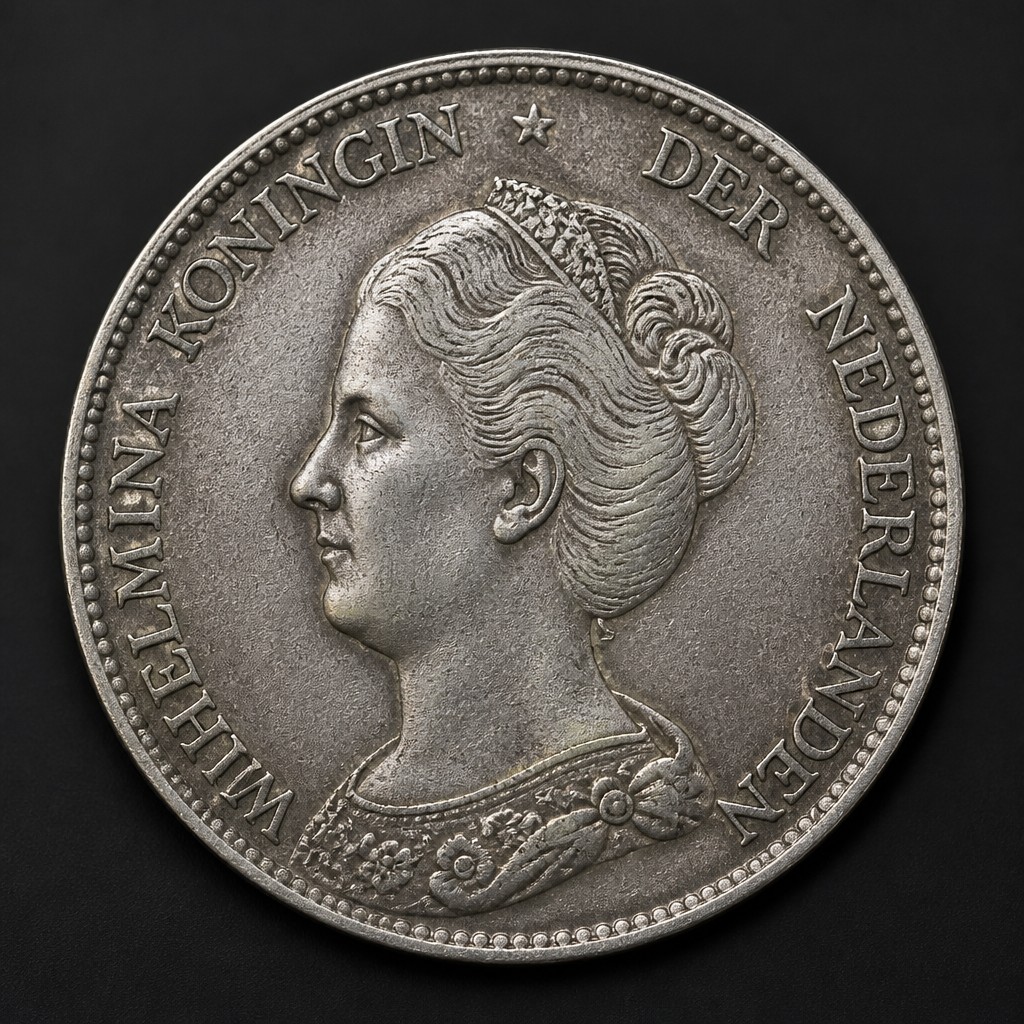
Dutch Guilder (Gulden)
The guilder was the standard currency of the Netherlands for more than three centuries, struck in silver and later copper-nickel before being replaced by the euro in 2002.
European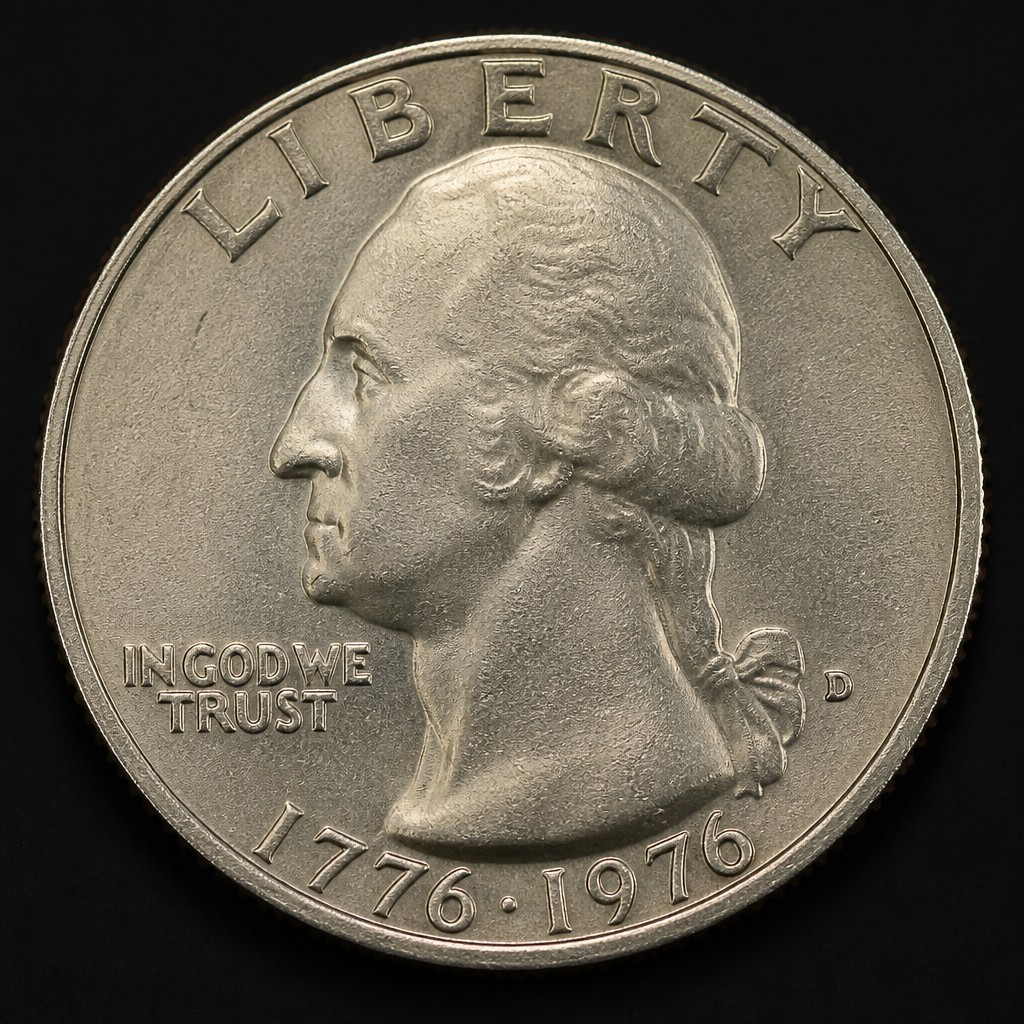
US Bicentennial Quarter (1976)
A special dual-dated quarter struck to celebrate the 200th anniversary of American independence, featuring a colonial drummer boy on the reverse in place of the usual eagle.
United States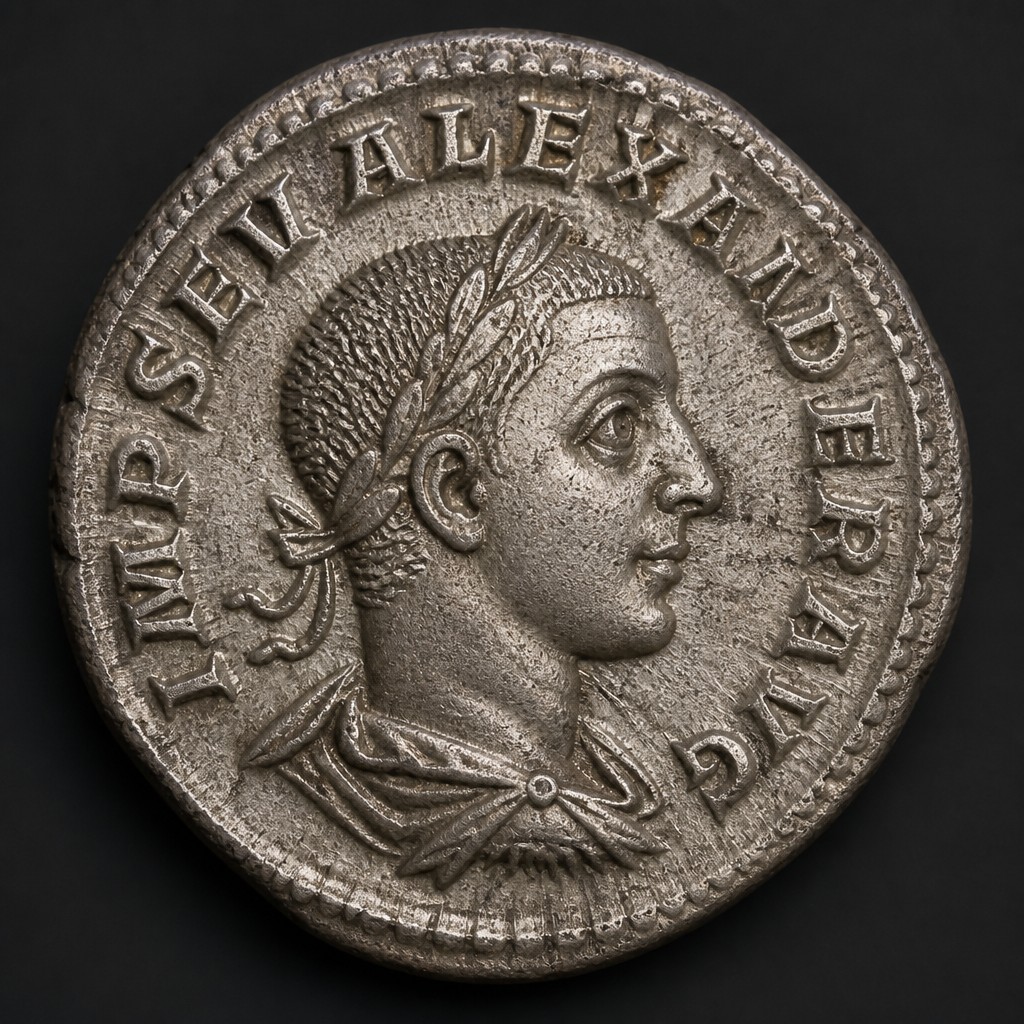
Severus Alexander Denarius
Silver denarius of the teenage emperor Severus Alexander, last ruler of the Severan dynasty, whose reign closed with growing military unrest before his murder in 235 AD.
Ancient