
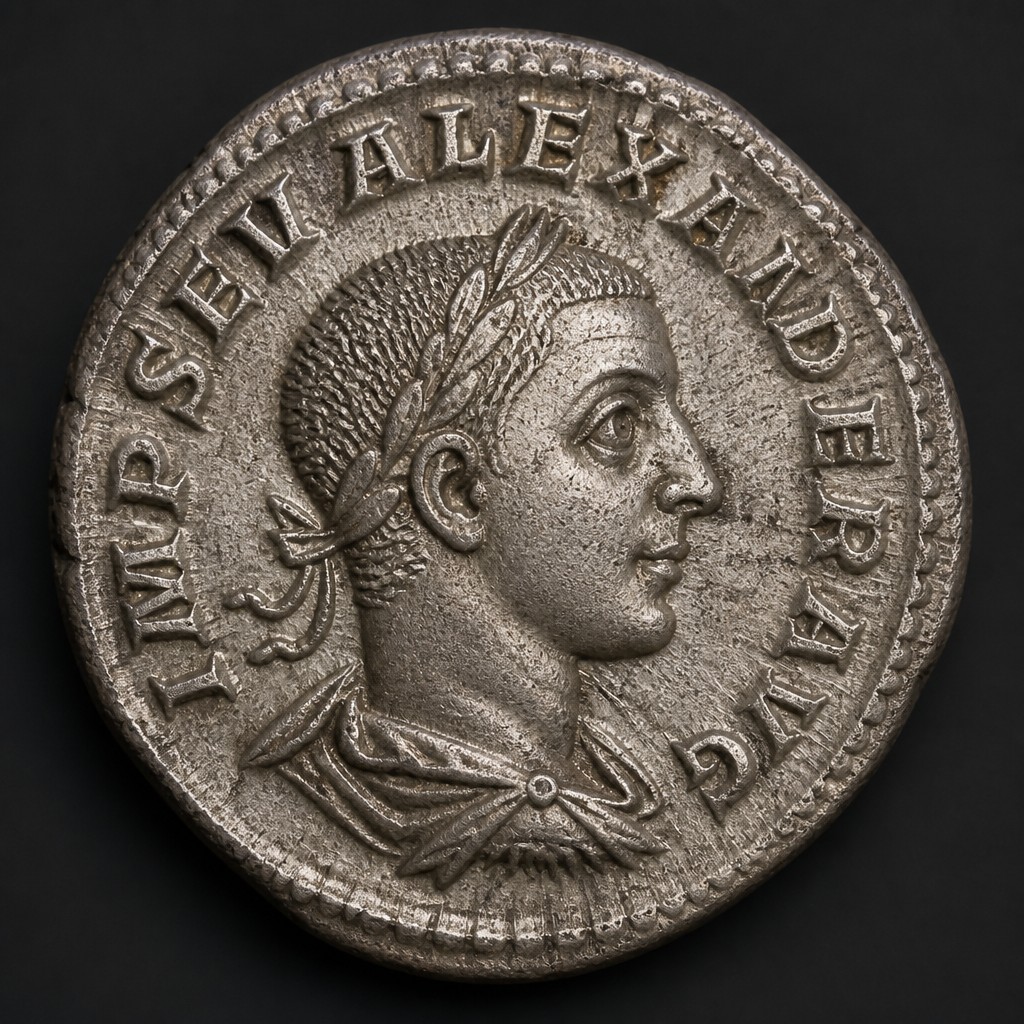
Severus Alexander Denarius
Silver denarius of the teenage emperor Severus Alexander, last ruler of the Severan dynasty, whose reign closed with growing military unrest before his murder in 235 AD.
- Country
- Ancient Rome
- Denomination
- Denarius
- Metal
- Debased Silver (roughly 40-50%)
Got a coin like this?
Identify any coin from a photo, free.
Overview
The Severus Alexander denarius represents one of the final substantial issues of Rome's classic silver denomination before the antoninianus came to dominate the coinage. Struck under a boy-emperor who came to the throne at about age thirteen under the guidance of his mother Julia Mamaea, the coins reflect an administration trying to project stability and traditional Roman virtues during an increasingly unstable era.
Collectors value these denarii both as an accessible entry point into Severan-dynasty coinage and as a marker of the twilight of the denarius as Rome's principal silver coin, since the antoninianus soon eclipsed it after Alexander's death.
History & Background
Severus Alexander (Marcus Aurelius Severus Alexander) became emperor in 222 AD after the assassination of his cousin Elagabalus, whose excesses had scandalized Rome. Alexander's rule, heavily influenced by his mother Julia Mamaea and grandmother Julia Maesa, emphasized a return to conservative, senate-friendly governance and sound administration.
His reign faced mounting pressure on the frontiers, including a costly war with the resurgent Sassanid Persian Empire under Ardashir I and growing unrest along the Rhine and Danube. Ultimately, dissatisfaction among the legions over Alexander's perceived weakness and reliance on his mother led to his assassination near Mainz in 235 AD, an event historians mark as the opening of the turbulent Crisis of the Third Century.
How to Identify
The obverse typically shows a laureate, draped bust of the young emperor facing right, with a legend reading IMP SEV ALEXANDER AVG or variations such as IMP CAES M AVR SEV ALEXAND AVG. As the emperor aged over his thirteen-year reign, the portrait style shifts subtly from youthful to more mature features.
Reverse types are highly varied and include personifications such as Pax, Providentia, Salus, Annona, Mars, and Jupiter, often holding attributes like a scepter, cornucopia, or globe, accompanied by identifying legends (PAX AVGVSTI, PROVIDENTIA AVG, and similar). Many reverses also carry PM TR P COS III P P style titulature recording tribunician and consular years, which numismatists use to date individual issues precisely.
The coin is small, roughly 18-20mm, and by this period the silver content has noticeably declined from earlier denarii, giving many surviving examples a duller, greyish tone compared to the brighter, higher-silver denarii of the Antonine era. Collectors distinguish it from contemporary antoniniani by the plain laureate (not radiate) crown on the obverse portrait.
Value & Collectibility
Severus Alexander denarii are relatively common and affordable, making them a popular starting point for collectors of Roman imperial silver. Typical circulated examples in average grade often trade in the range of roughly $30 to $100, with well-centered, sharply struck, or high-grade pieces commanding more.
Value is driven primarily by strike quality, centering, portrait detail, and reverse type; scarcer reverse personifications or issues tied to specific historical events (such as those referencing his Persian campaign) can bring a premium over the most common Pax or Salus types.
Frequently asked questions
Is the Severus Alexander denarius rare?
No, it is one of the more common third-century denarii, since large quantities survive from his thirteen-year reign.
How can I tell it apart from a Caracalla or Elagabalus denarius?
Compare the obverse legend and portrait style; Alexander's youthful, later maturing bust and specific titulature (SEV ALEXANDER) distinguish it from predecessors.
Is it made of real silver?
Yes, but the silver content had been progressively debased and is noticeably lower than early Roman denarii from the first and second centuries.
Why did the denarius decline after this reign?
Economic pressures and debasement led Rome to rely increasingly on the antoninianus, a nominally double-value coin, which largely replaced the denarius after Alexander's death.
Other coins you may enjoy
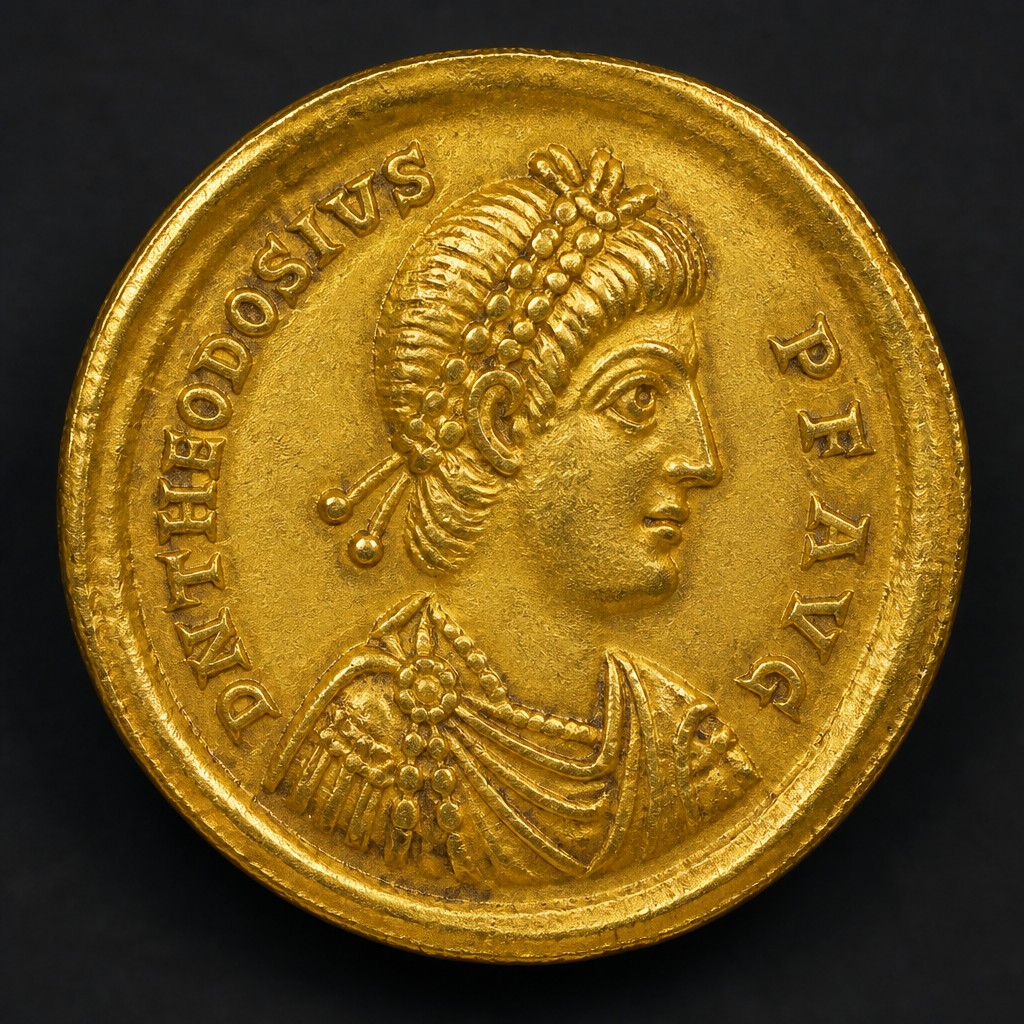
Theodosius I Solidus
379–395 AD
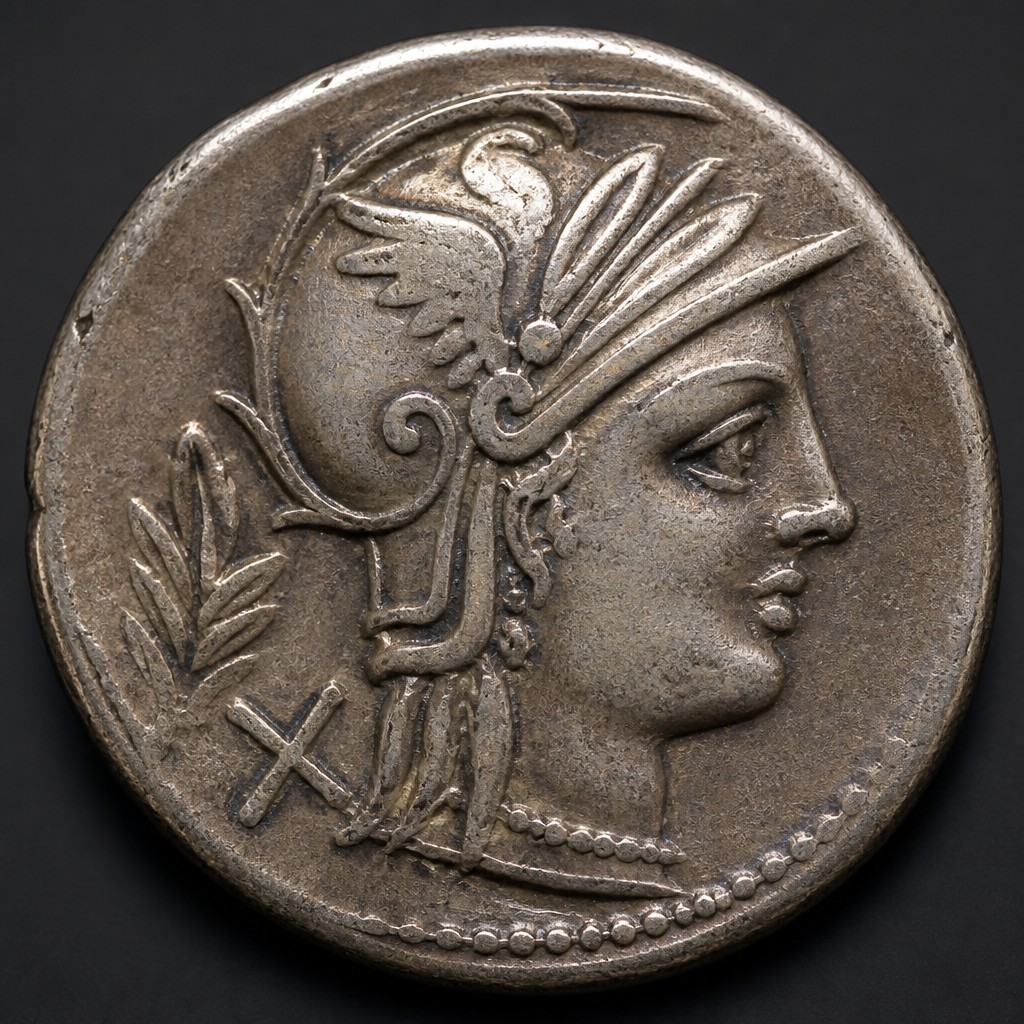
Republican Victoriatus
c. 211–170 BC
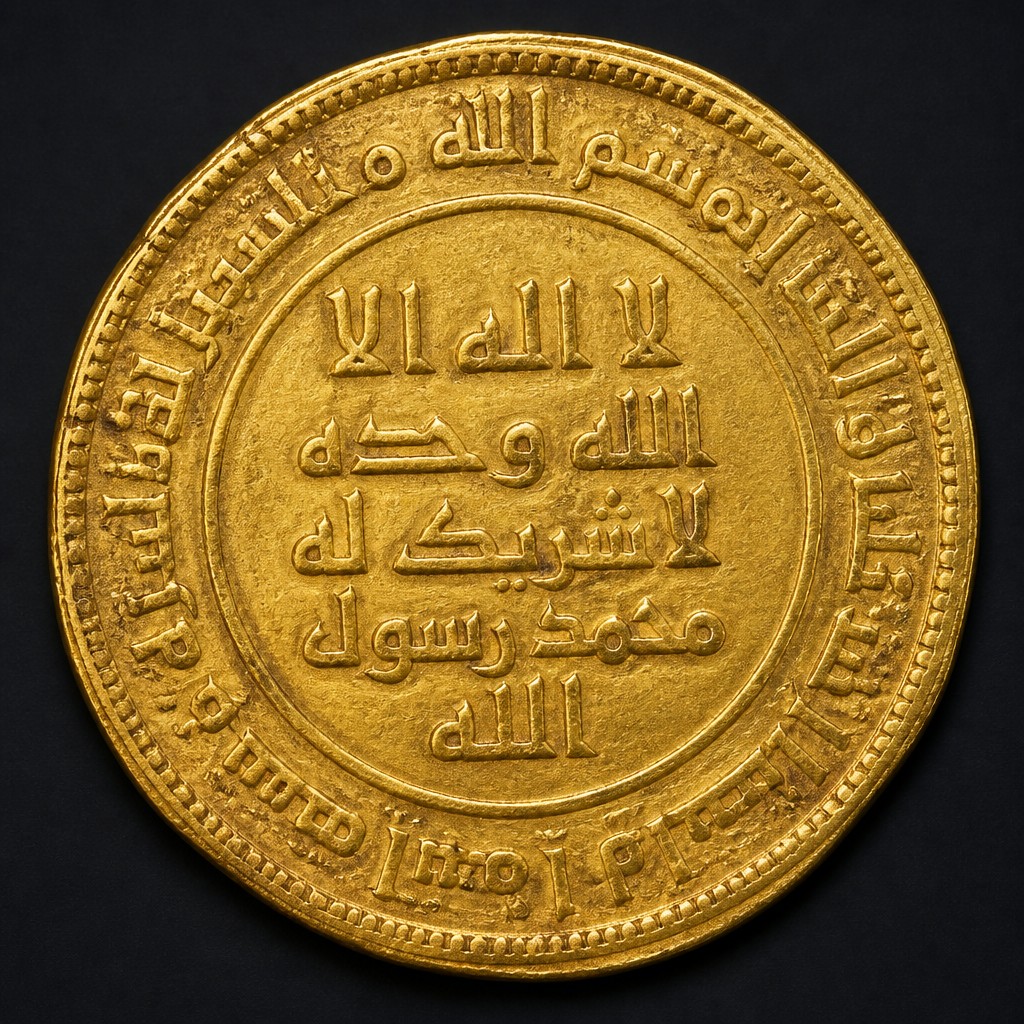
Islamic Gold Dinar (Umayyad)
c. 696–750 AD
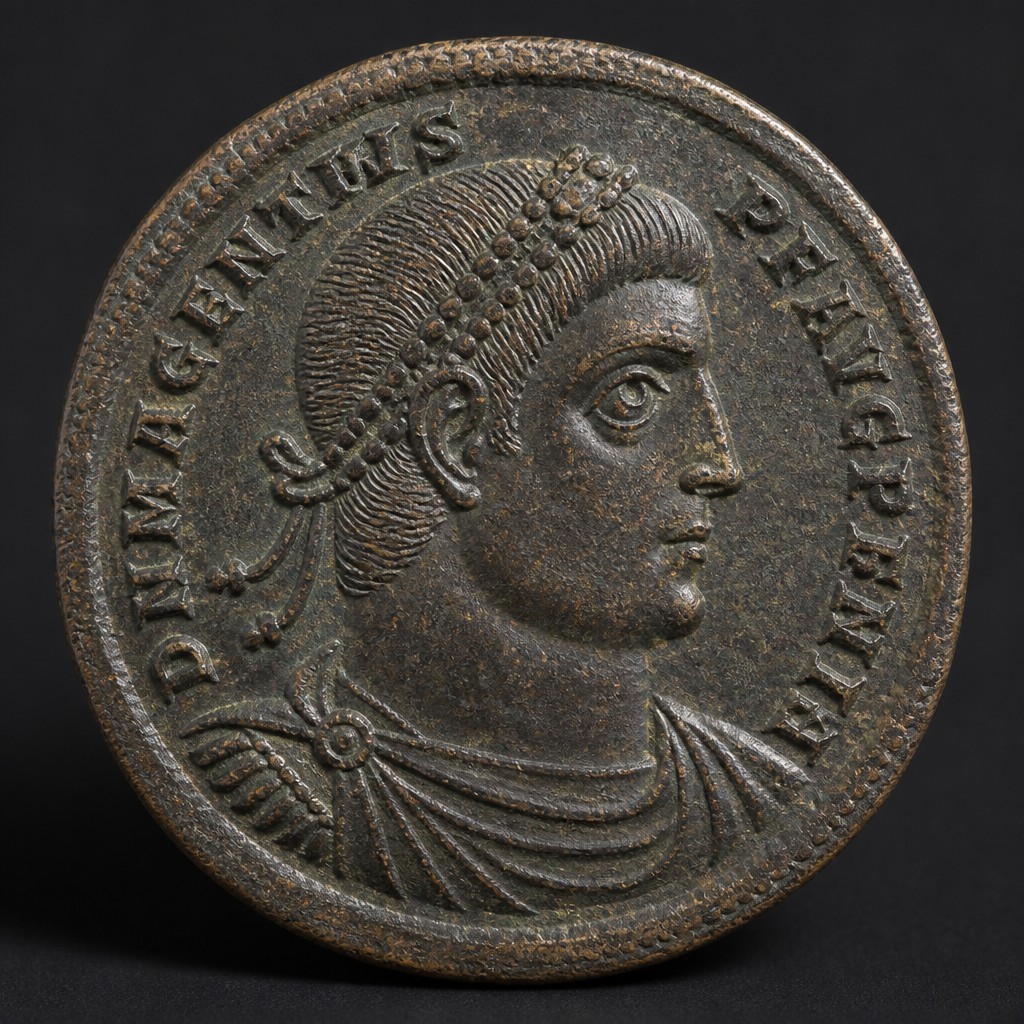
Magnentius Double Centenionalis
350–353 AD
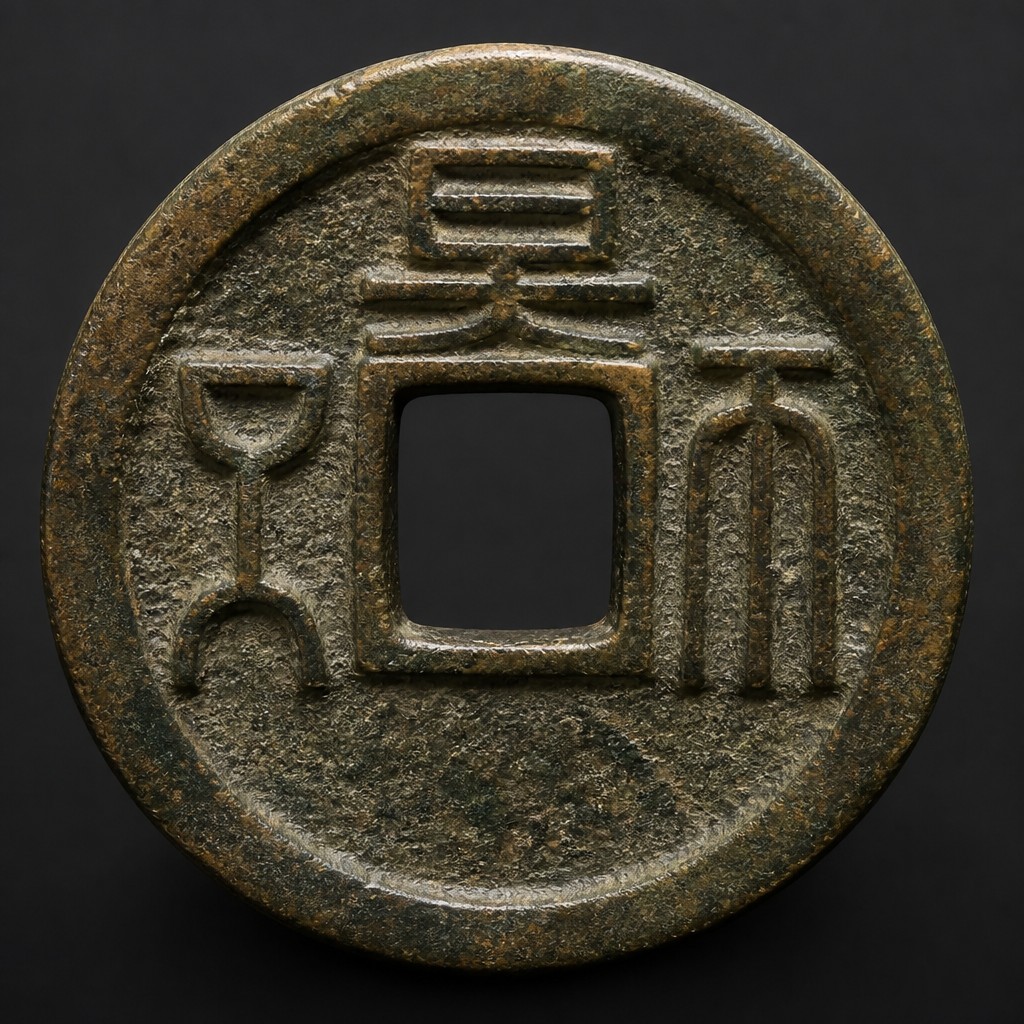
Chinese Wu Zhu Cash
118 BC – 618 AD
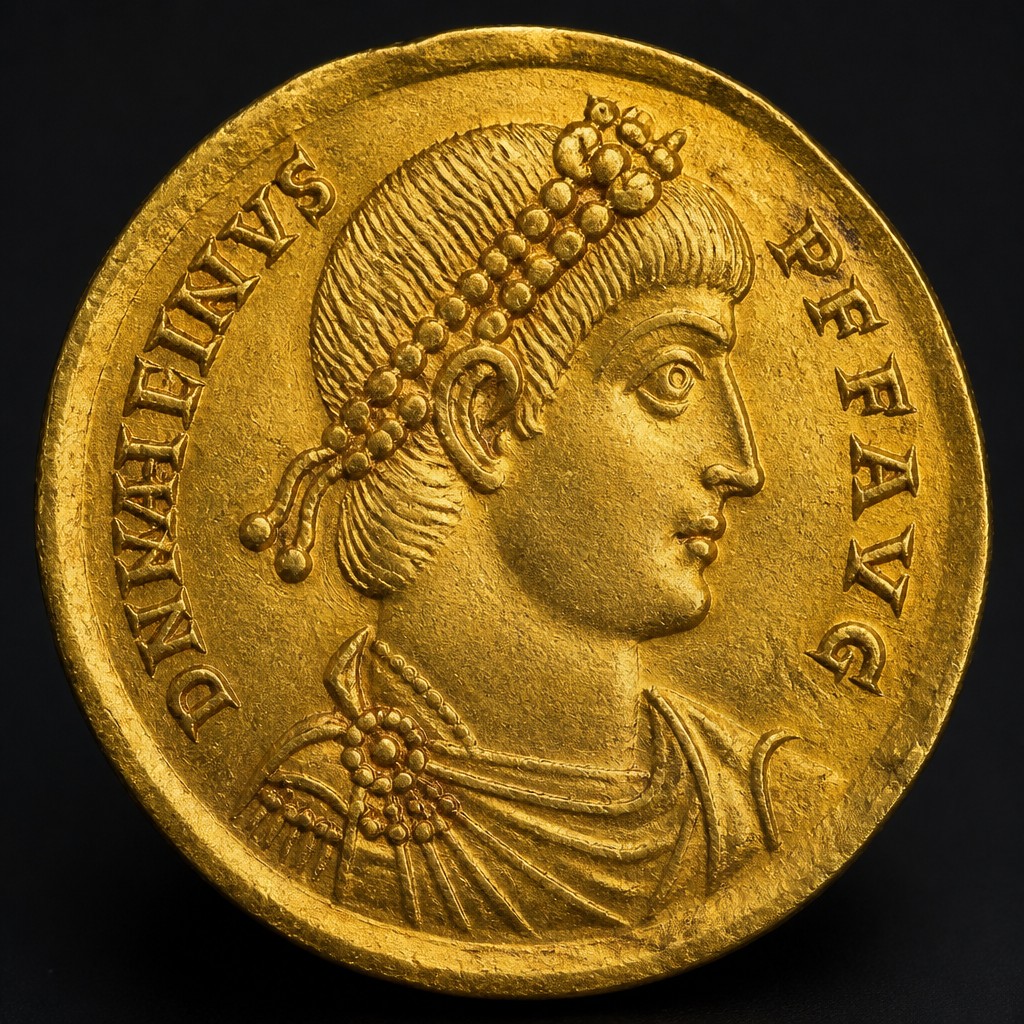
Valentinian I Solidus
364–375 AD
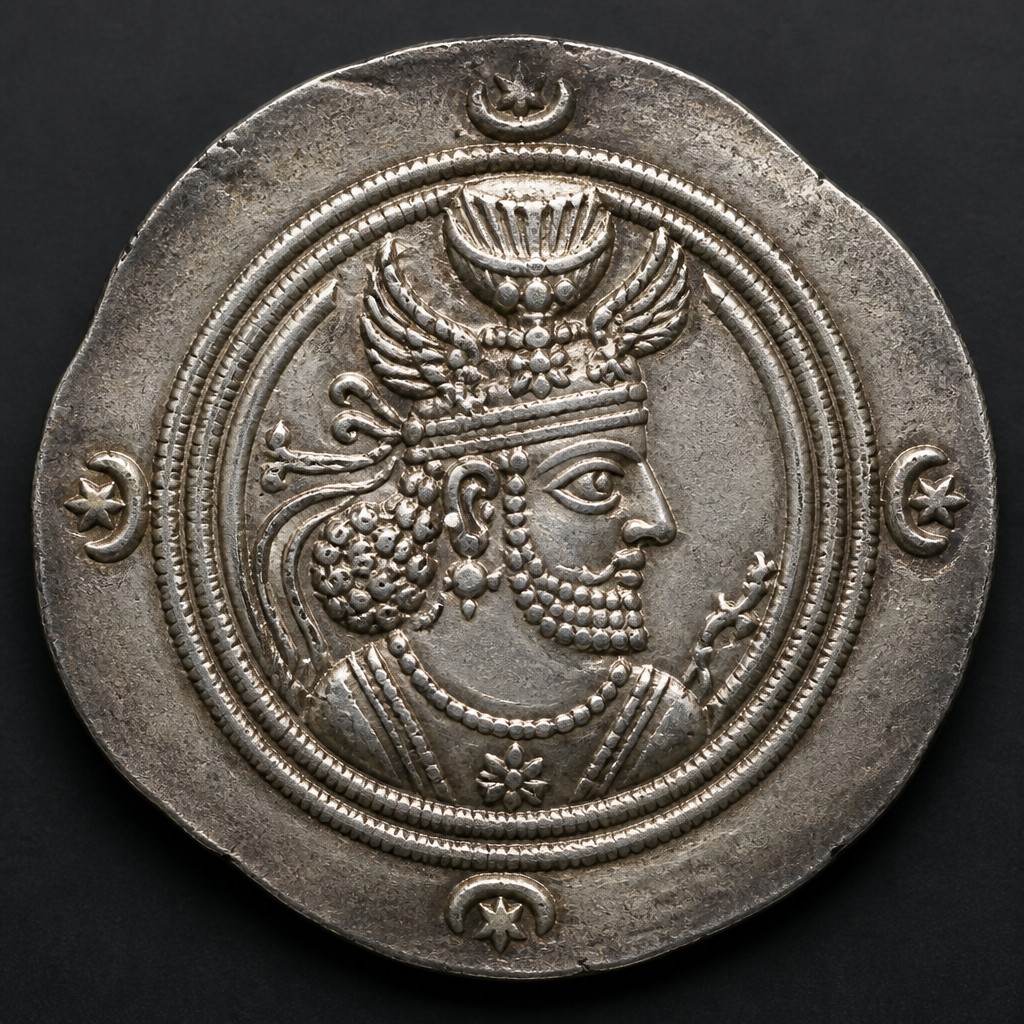
Sassanian Silver Drachm
c. 224–651 AD
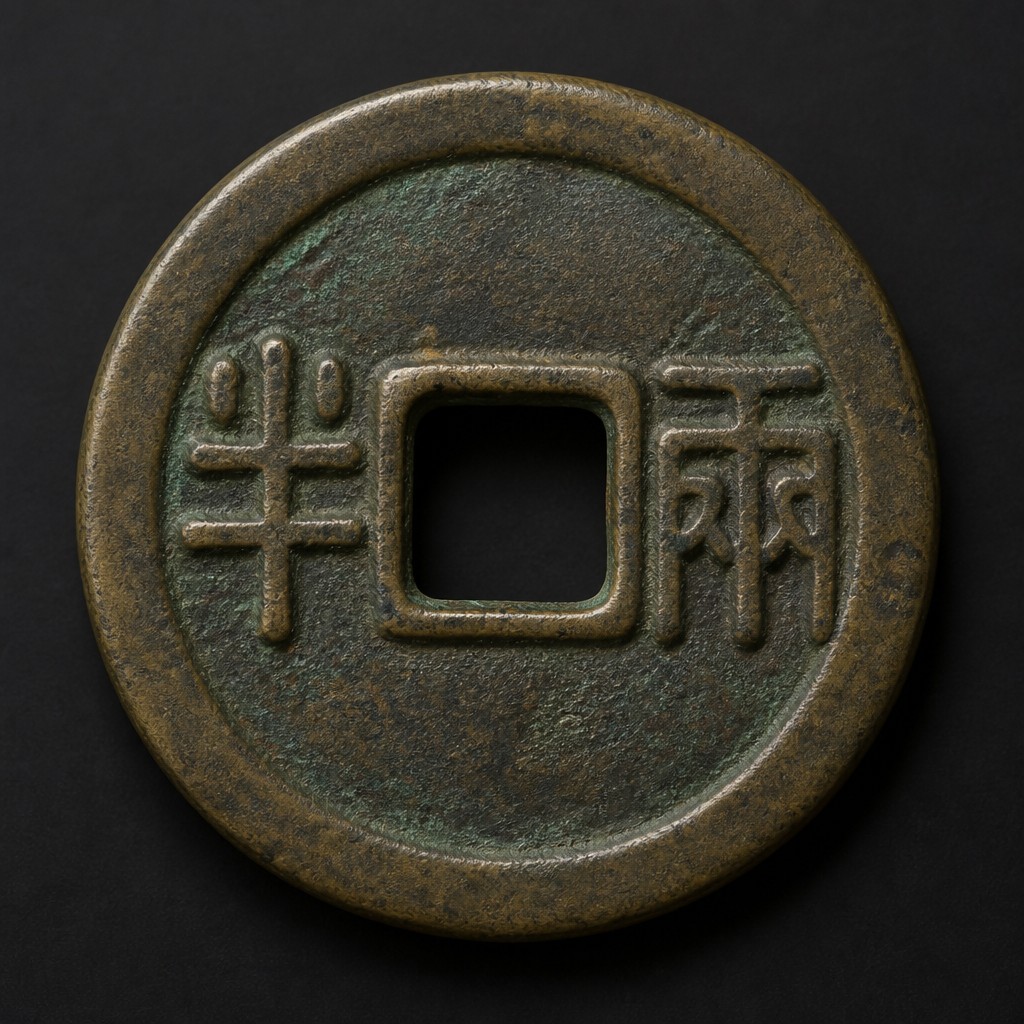
Chinese Ban Liang Cash
c. 221–118 BC
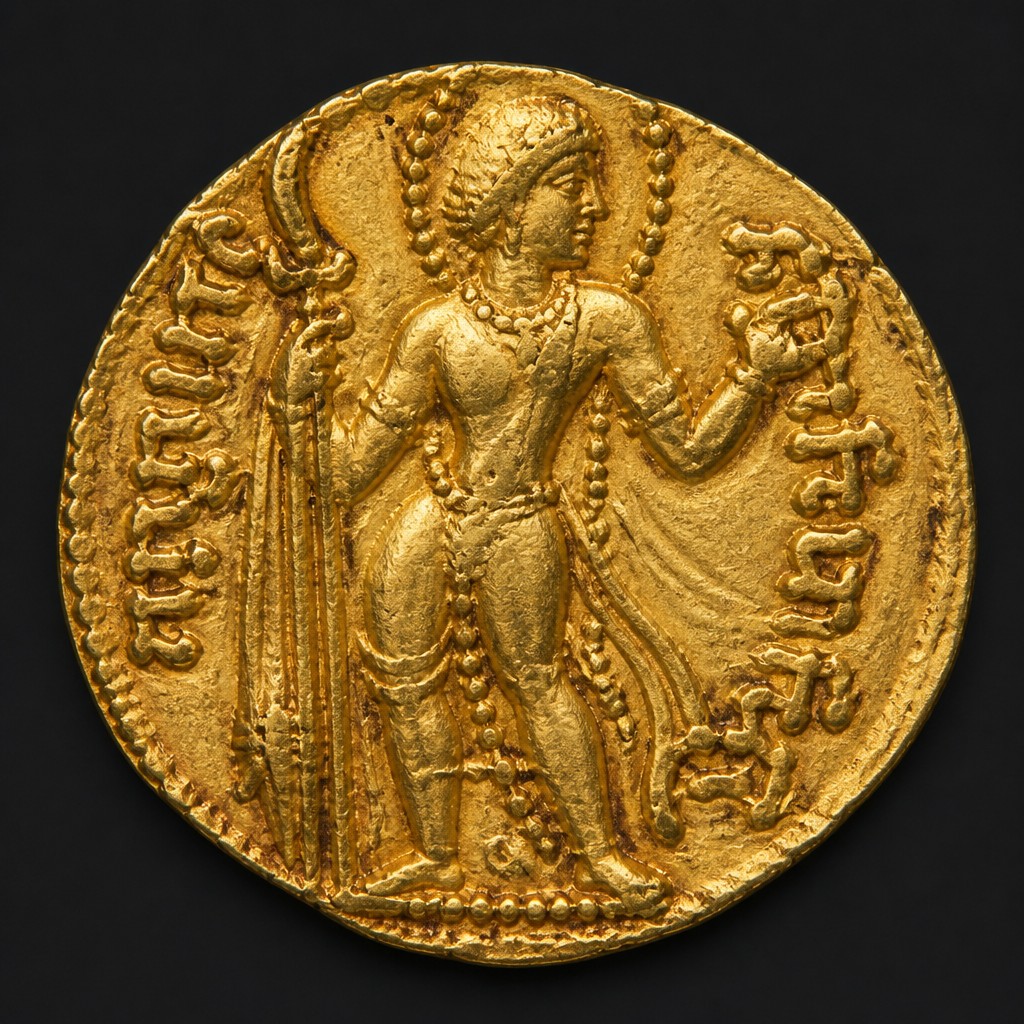
Gupta Empire Gold Dinar
c. 320–550 AD
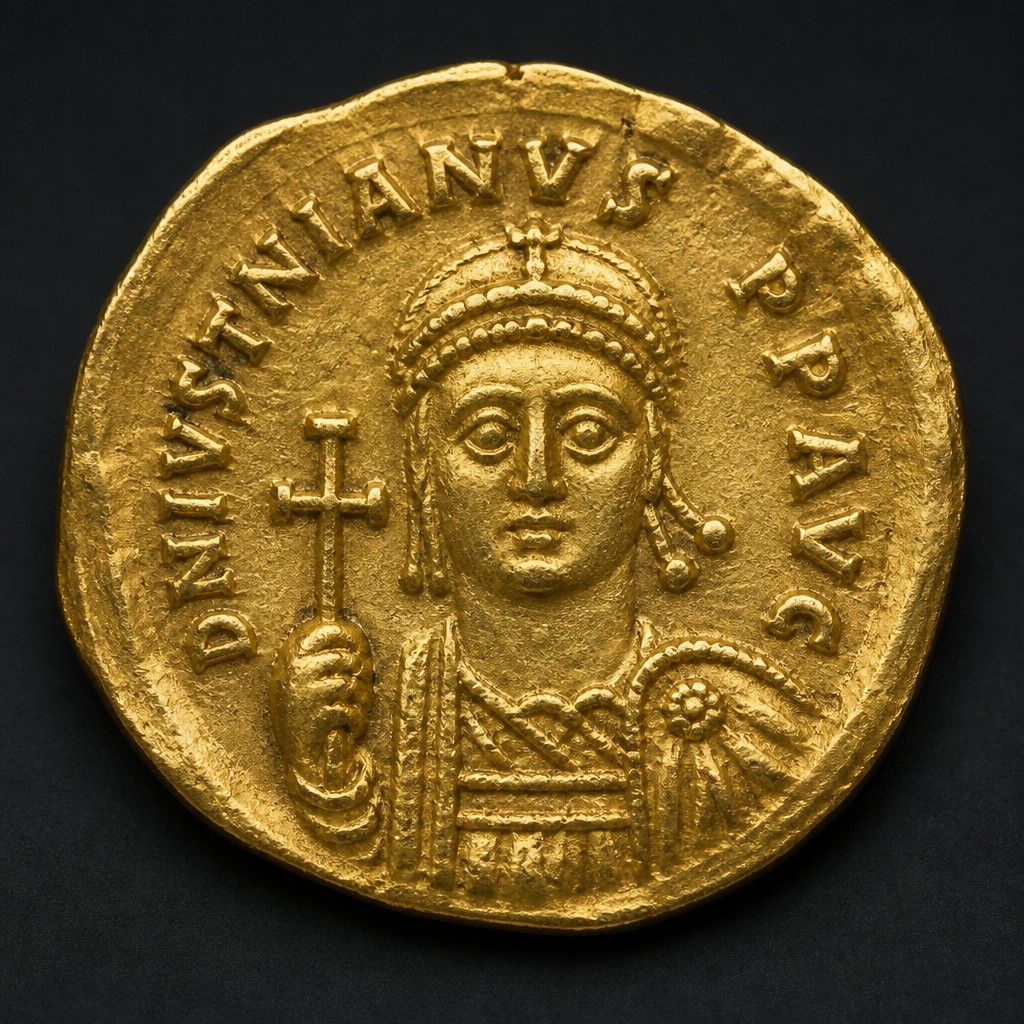
Byzantine Gold Tremissis
c. 4th–7th century AD
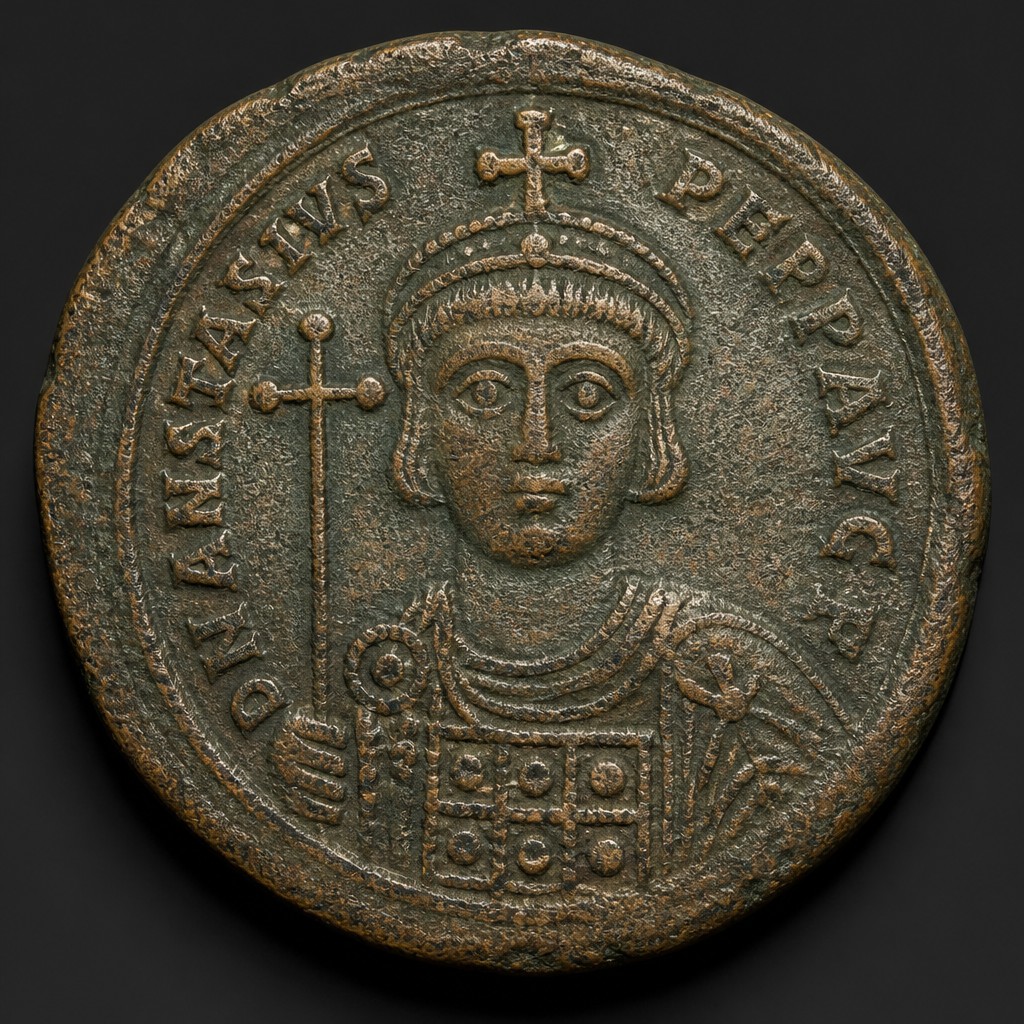
Byzantine Follis
498–c. 11th century AD
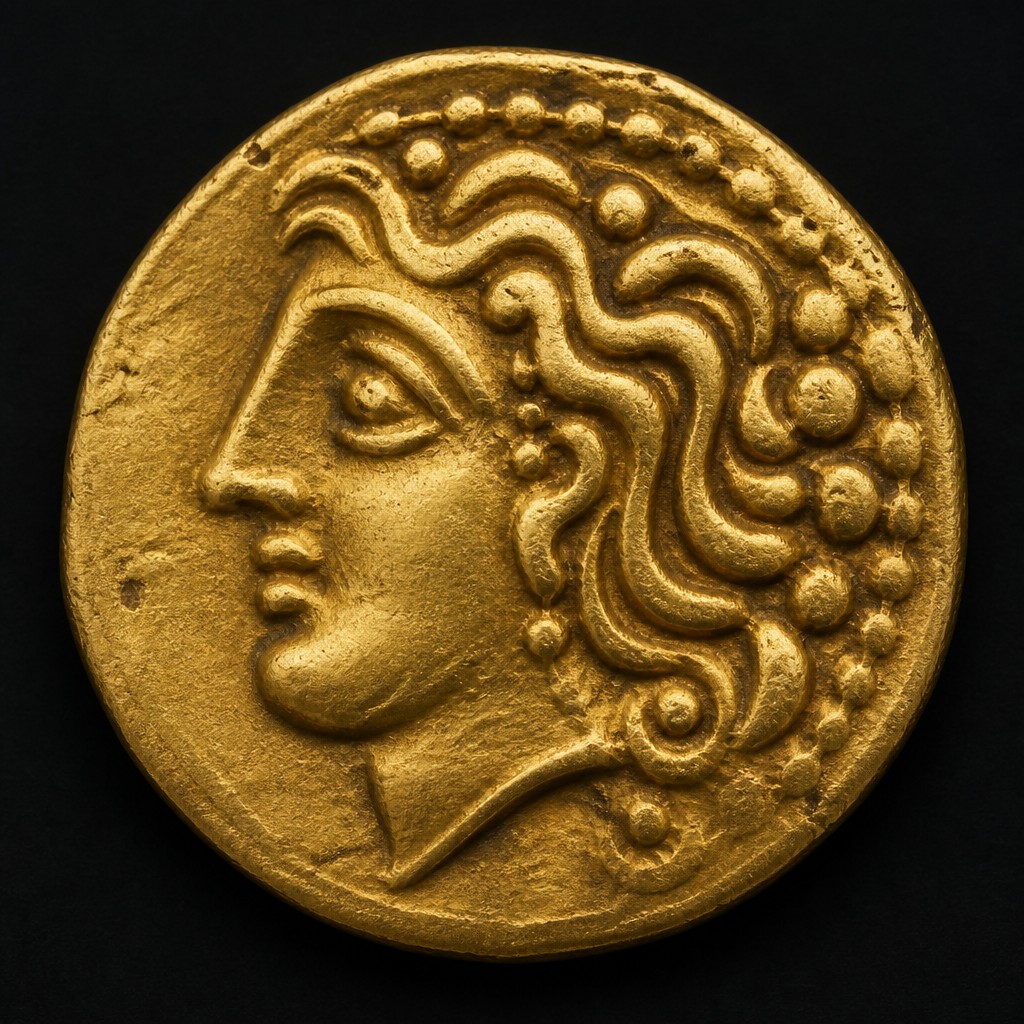
Celtic Gold Stater
c. 3rd century BC – 1st century AD