
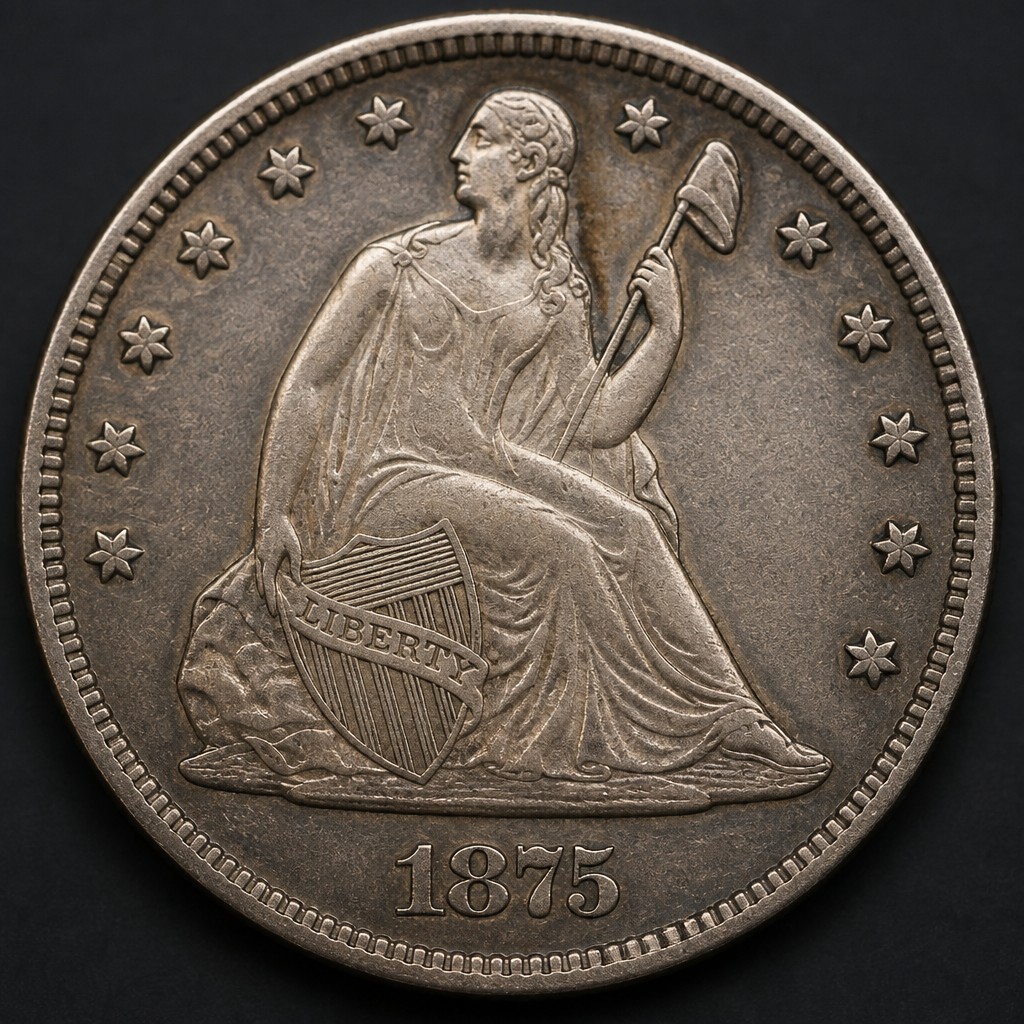
1875-S Twenty-Cent Piece
The most commonly encountered date in the short-lived US twenty-cent piece series, struck in large numbers at San Francisco in the coin's debut year.
- Country
- United States
- Denomination
- Twenty Cents
- Metal
- 90% Silver, 10% Copper
Got a coin like this?
Identify any coin from a photo, free.
Overview
The 1875-S is by far the most available date and mintmark in the twenty-cent piece series, making it the standard 'type coin' choice for collectors who want a single representative example of this unusual denomination without pursuing the full, more expensive set.
Despite being the most common issue of the series, it remains historically interesting as part of a denomination that failed commercially within just a few years due to confusion with the quarter dollar.
History & Background
Congress created the twenty-cent piece in 1875 hoping to fill a gap between the dime and quarter, especially for use in the Western United States. San Francisco struck a substantially larger quantity than the other mints in that first year, reflecting the coin's initial, short-lived intended role in West Coast commerce.
The experiment failed almost immediately, as the public frequently mistook the new coin for a quarter due to their similar size and design. Congress discontinued circulation strikes after just two years, with the final two years of the series struck only in proof for collectors before the denomination was abolished entirely.
How to Identify
The obverse depicts Liberty seated on a rock, holding a shield inscribed LIBERTY and a liberty-cap-topped pole, with stars around the border and the date at the bottom. The reverse shows an eagle grasping arrows and an olive branch, with UNITED STATES OF AMERICA around the rim and TWENTY CENTS beneath the eagle.
The 'S' mintmark is located on the reverse below the eagle. A plain, unreeded edge distinguishes the twenty-cent piece from the reeded-edge quarter dollar, and its slightly smaller diameter is also a useful clue when comparing the two side by side.
Value & Collectibility
Because of its comparatively large mintage, the 1875-S is the most affordable and readily available coin in the series, with well-worn to moderately circulated examples priced within reach of most collectors. Choice and gem mint-state examples still command solid premiums, since even common-date twenty-cent pieces are scarce in top condition compared to more heavily saved coins of later eras.
Its affordability and availability have made it the standard choice for type collectors wanting one representative twenty-cent piece for a broader US type set.
Frequently asked questions
Why is the 1875-S considered the 'type coin' of the series?
Its comparatively large mintage makes it the most affordable and available example for collectors who want just one twenty-cent piece for a type set.
What is the edge of a twenty-cent piece like?
It has a plain, smooth edge, unlike the reeded edge of the similarly sized quarter dollar.
Why did the twenty-cent piece fail?
It was too easily confused with the quarter dollar in daily transactions, leading to public rejection and quick discontinuation.
Is the 1875-S rare in high grade?
Not rare, but still scarce and commands a real premium in choice or gem mint state compared to circulated grades.
Other coins you may enjoy
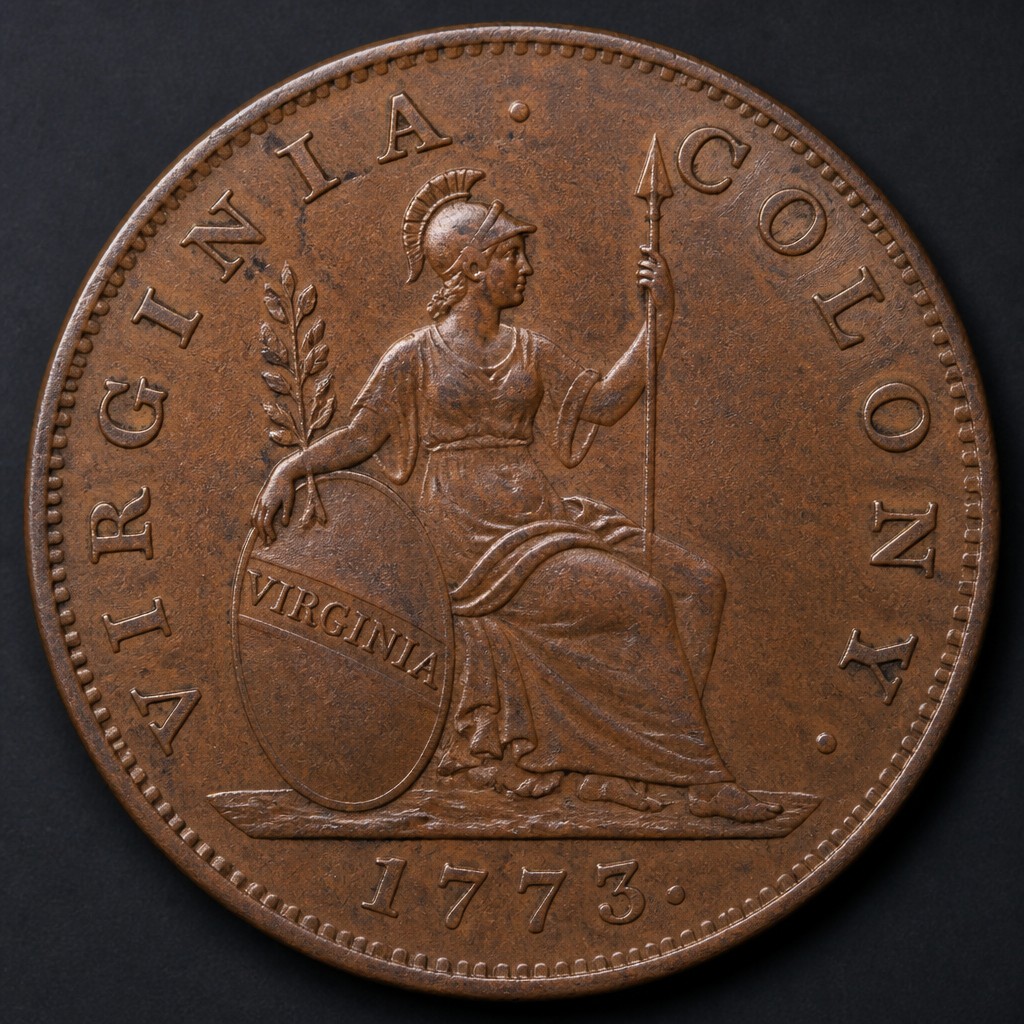
Virginia Halfpenny
1773
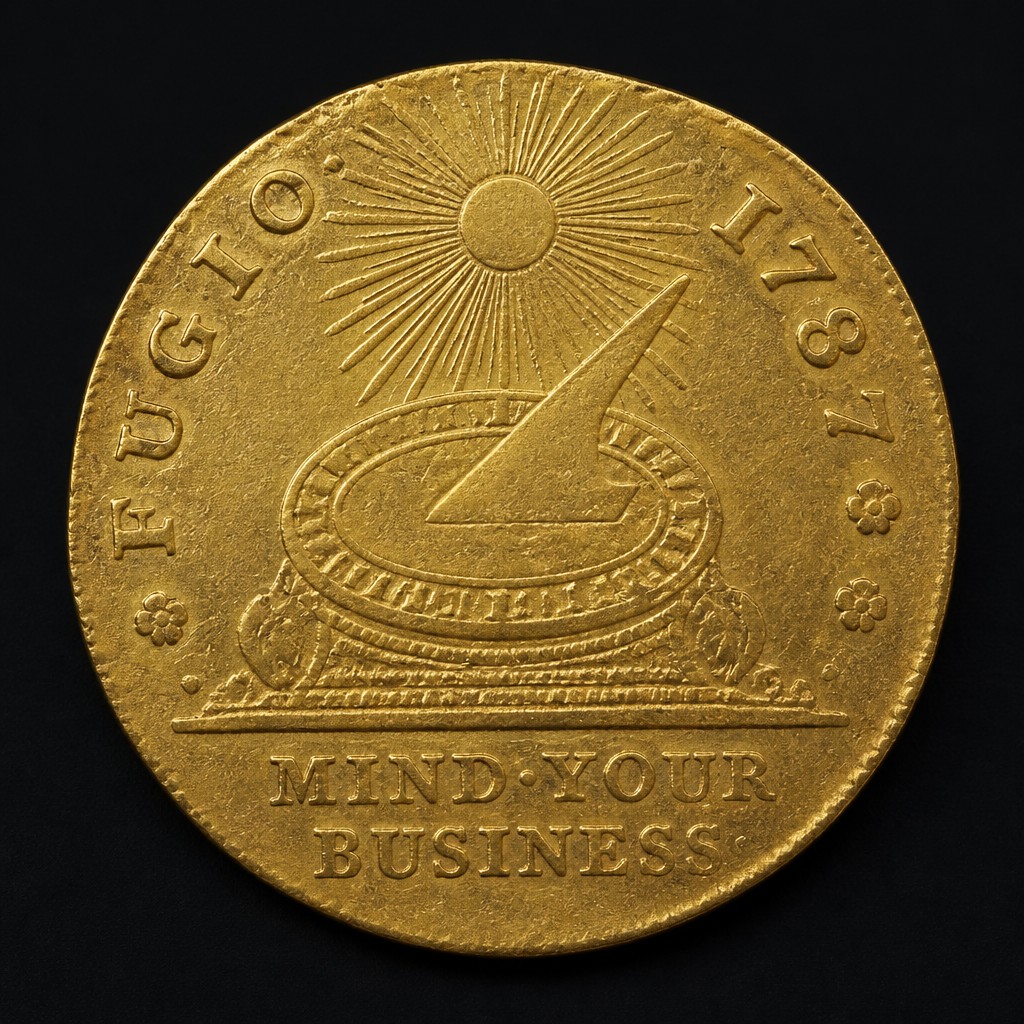
Brasher Doubloon
1787
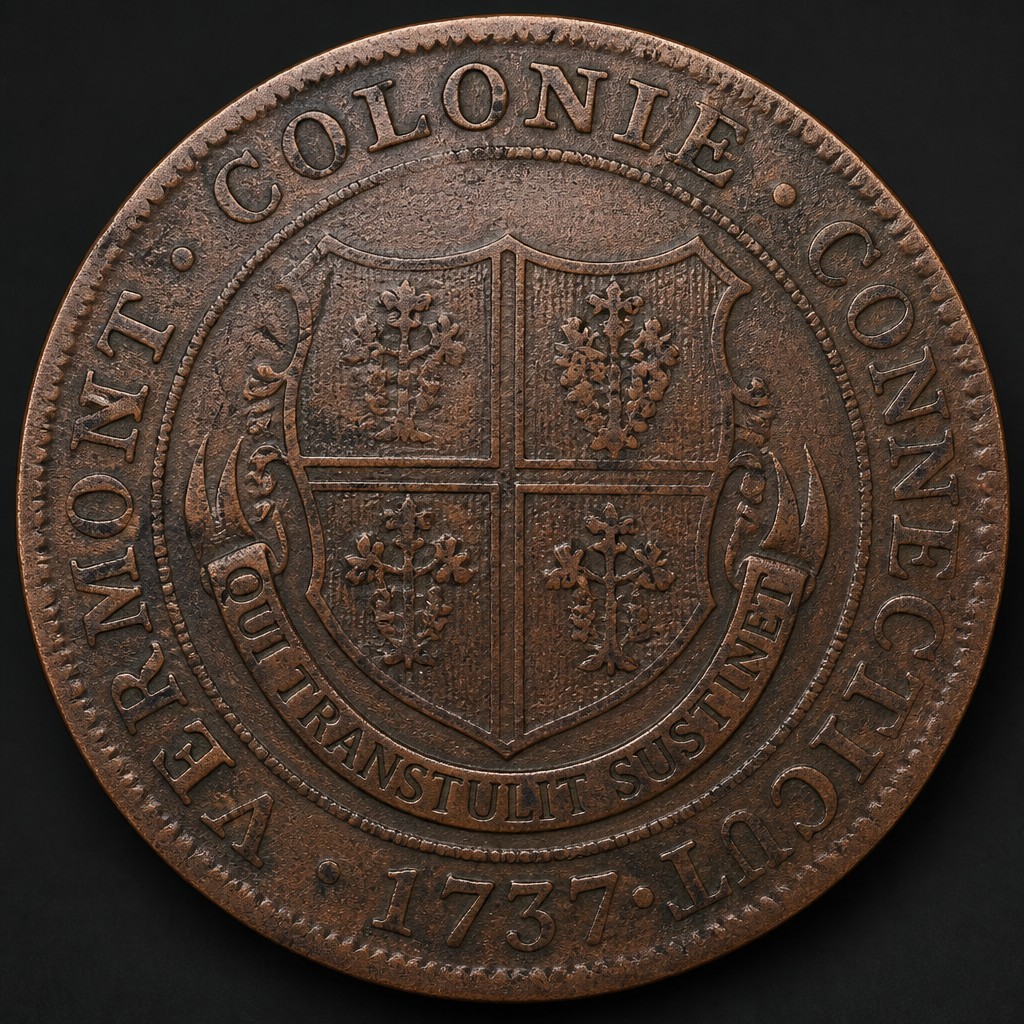
Higley Copper
1737–1739
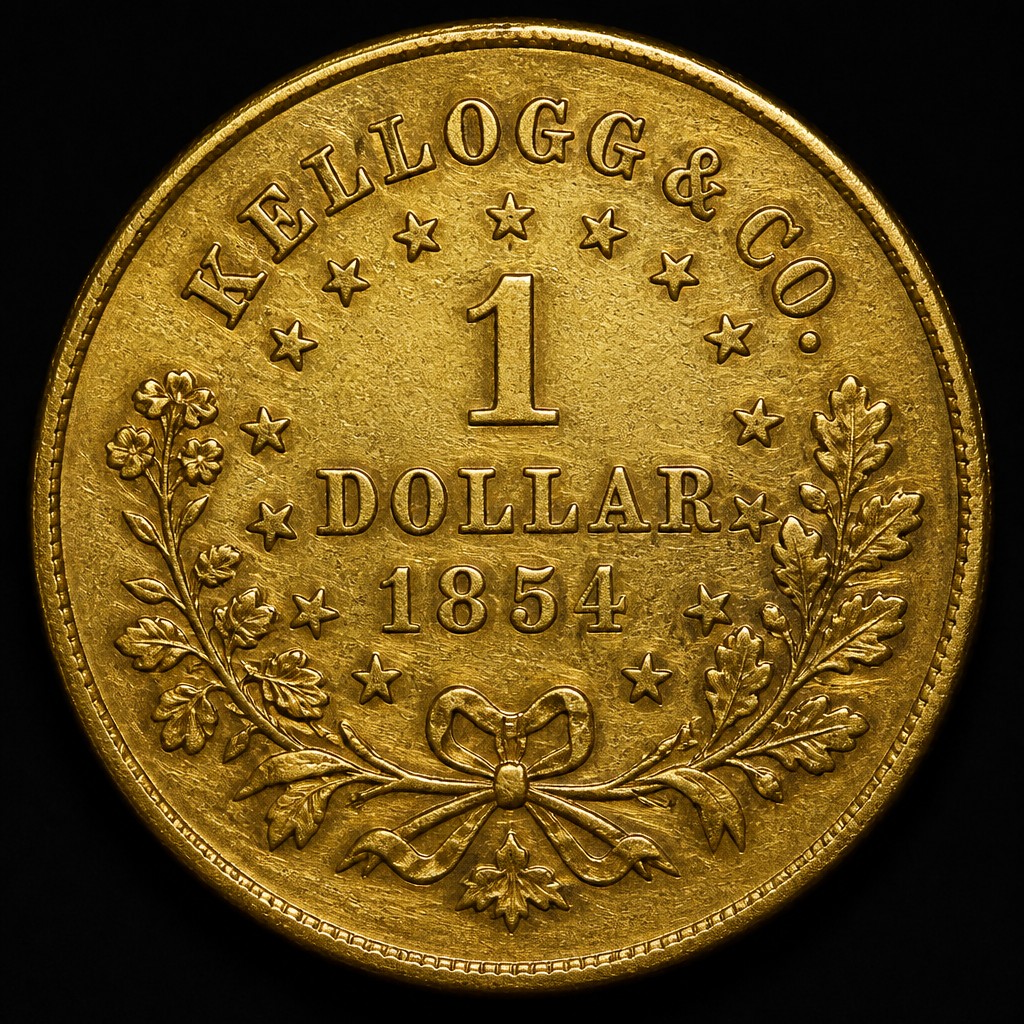
Kellogg & Co. Gold Piece
1854–1855
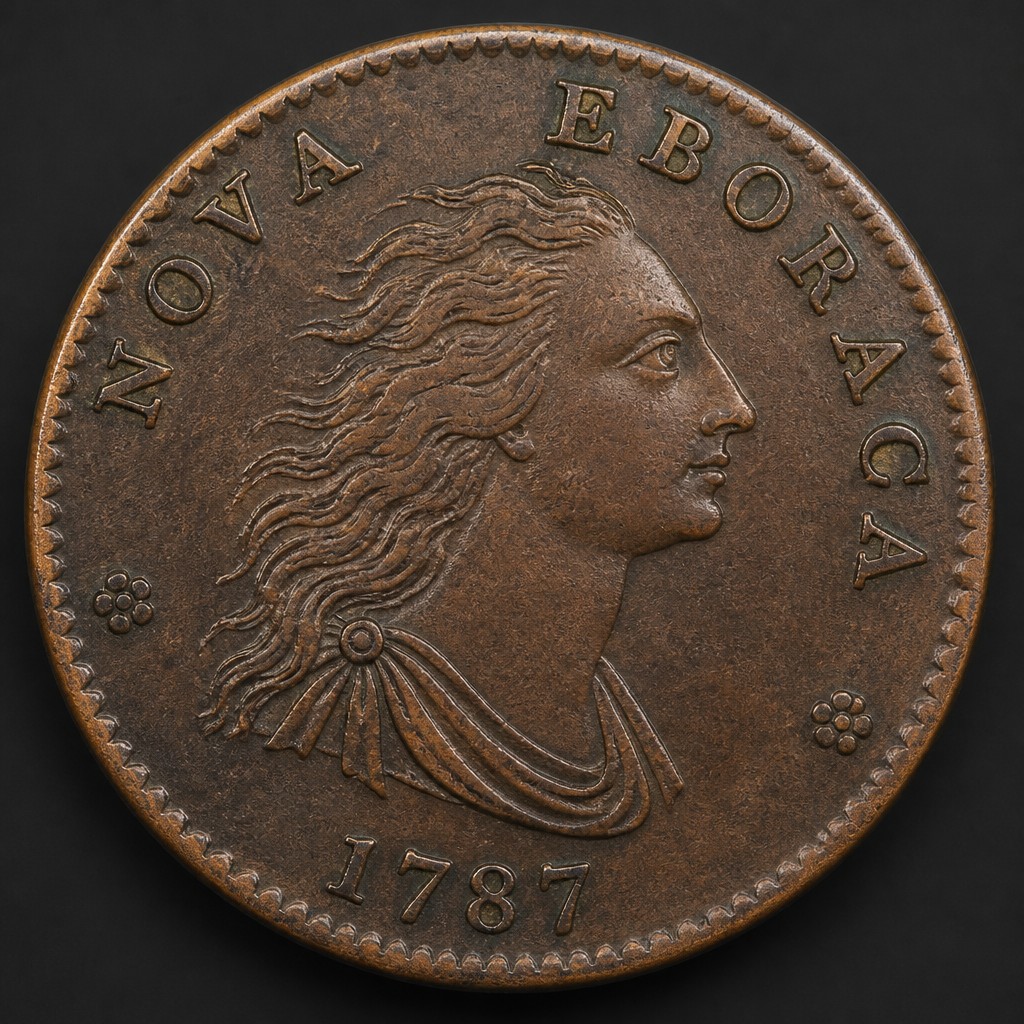
Nova Eborac Copper
1787
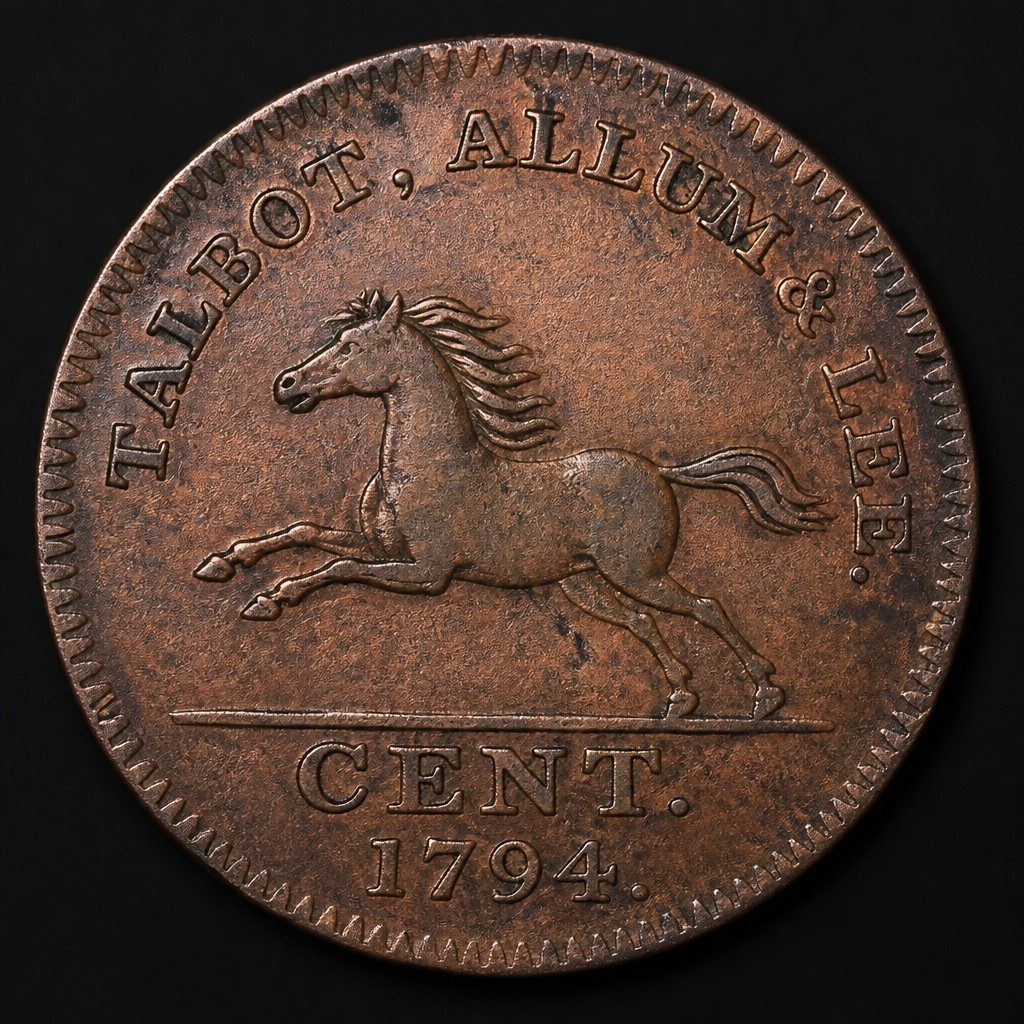
Talbot, Allum & Lee Cent
1794–1795
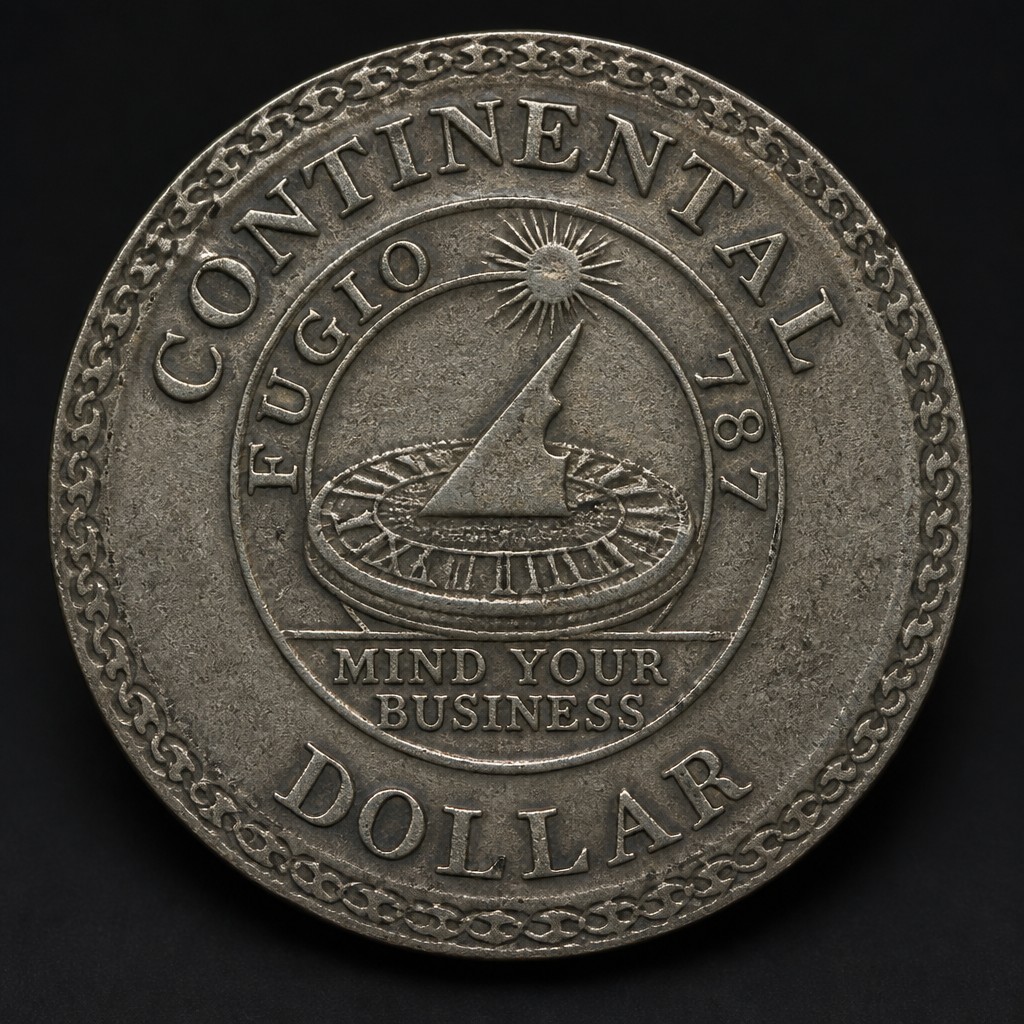
Continental Dollar
1776
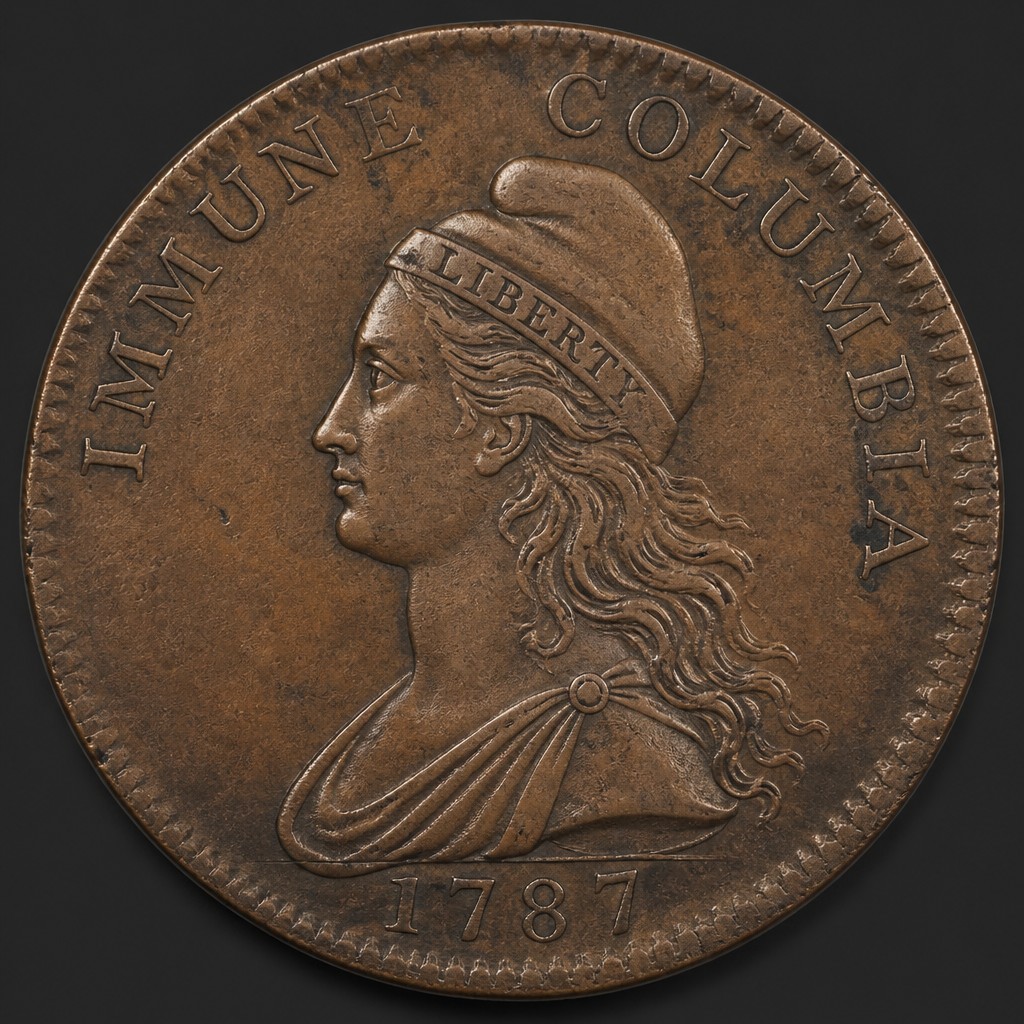
Immune Columbia Copper
circa 1785–1787
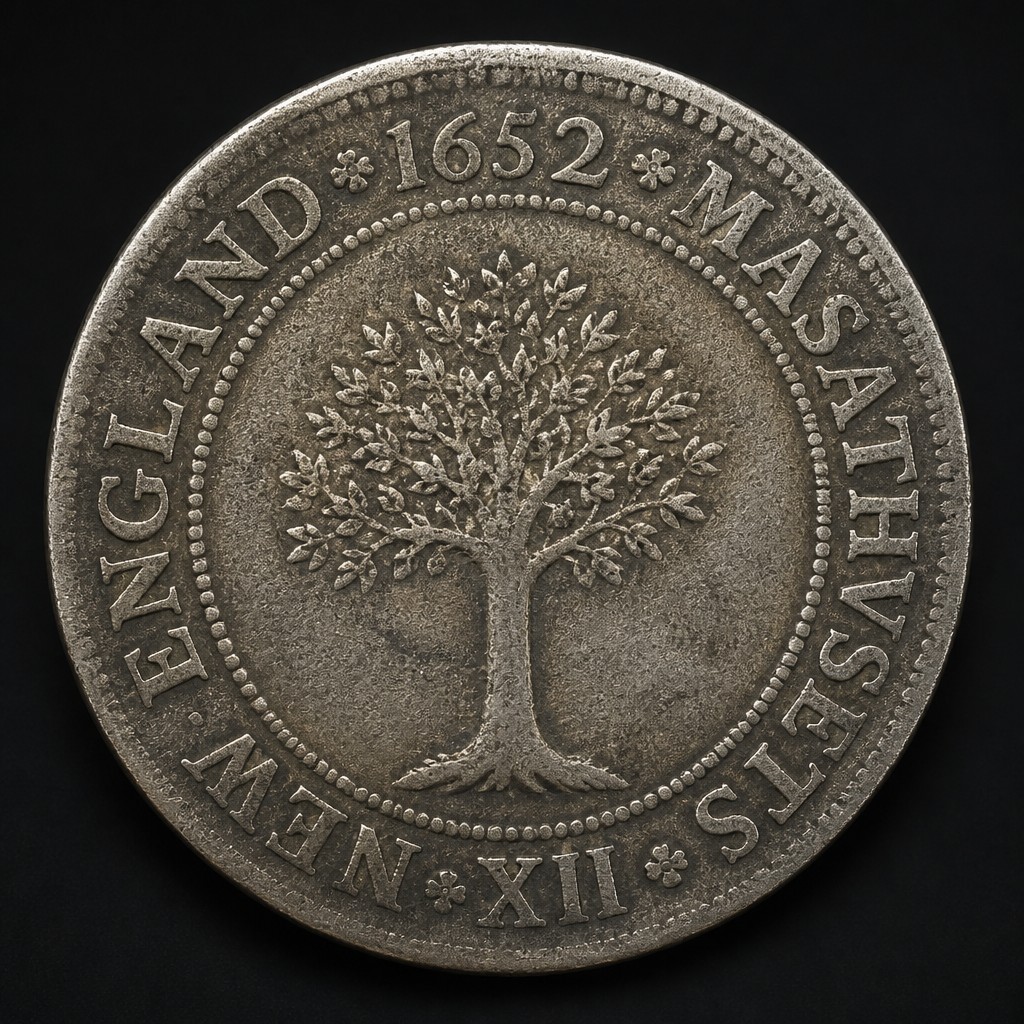
Massachusetts Oak Tree Shilling
Dated 1652, struck circa 1660–1667
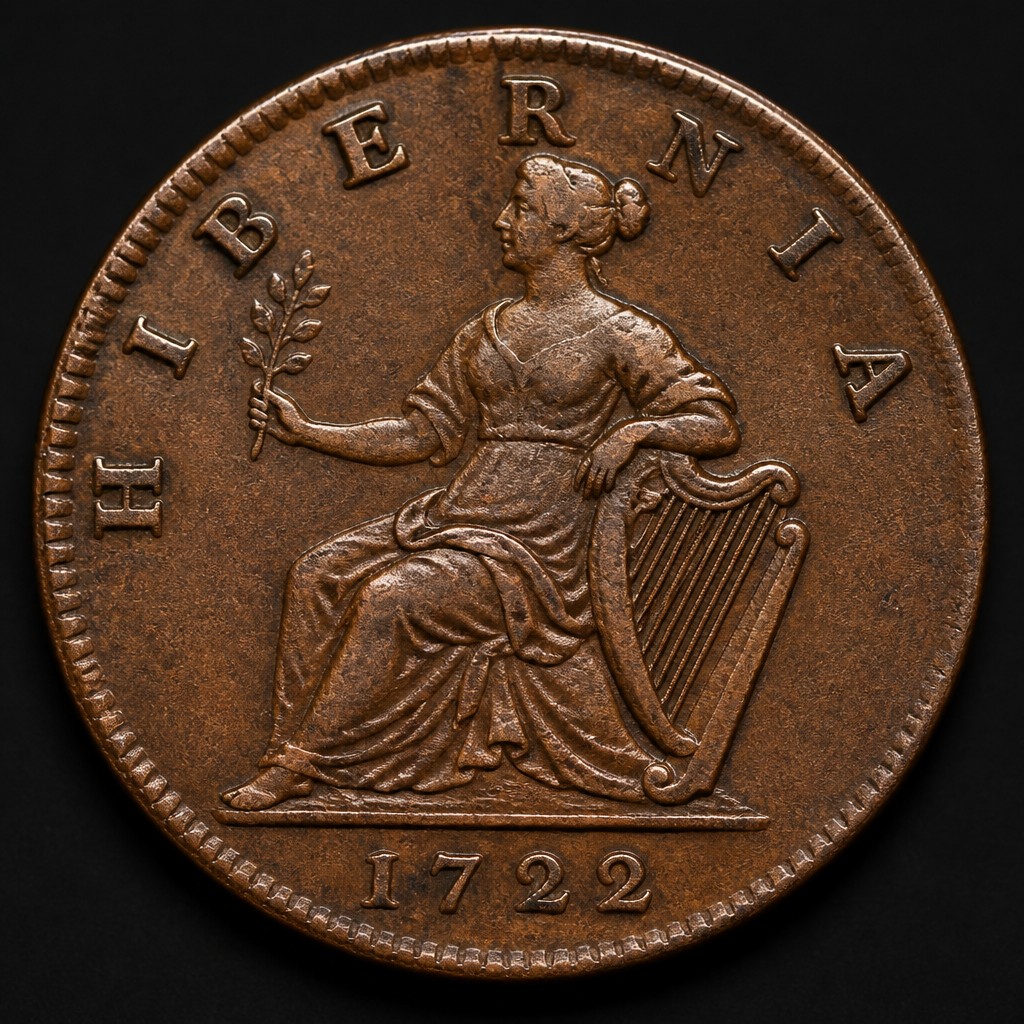
Wood's Hibernia Halfpenny
1722–1724
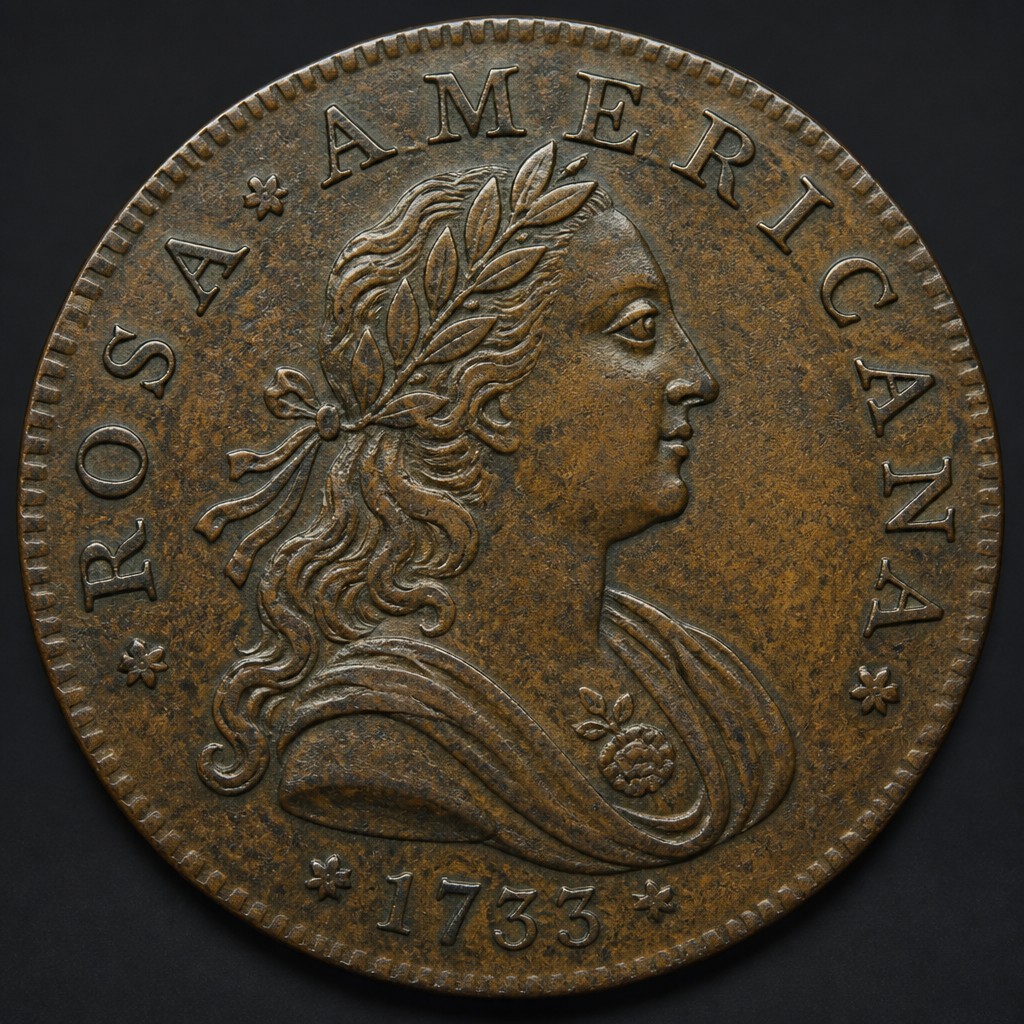
Rosa Americana Coinage
1722–1724 (with pattern issues dated 1733)
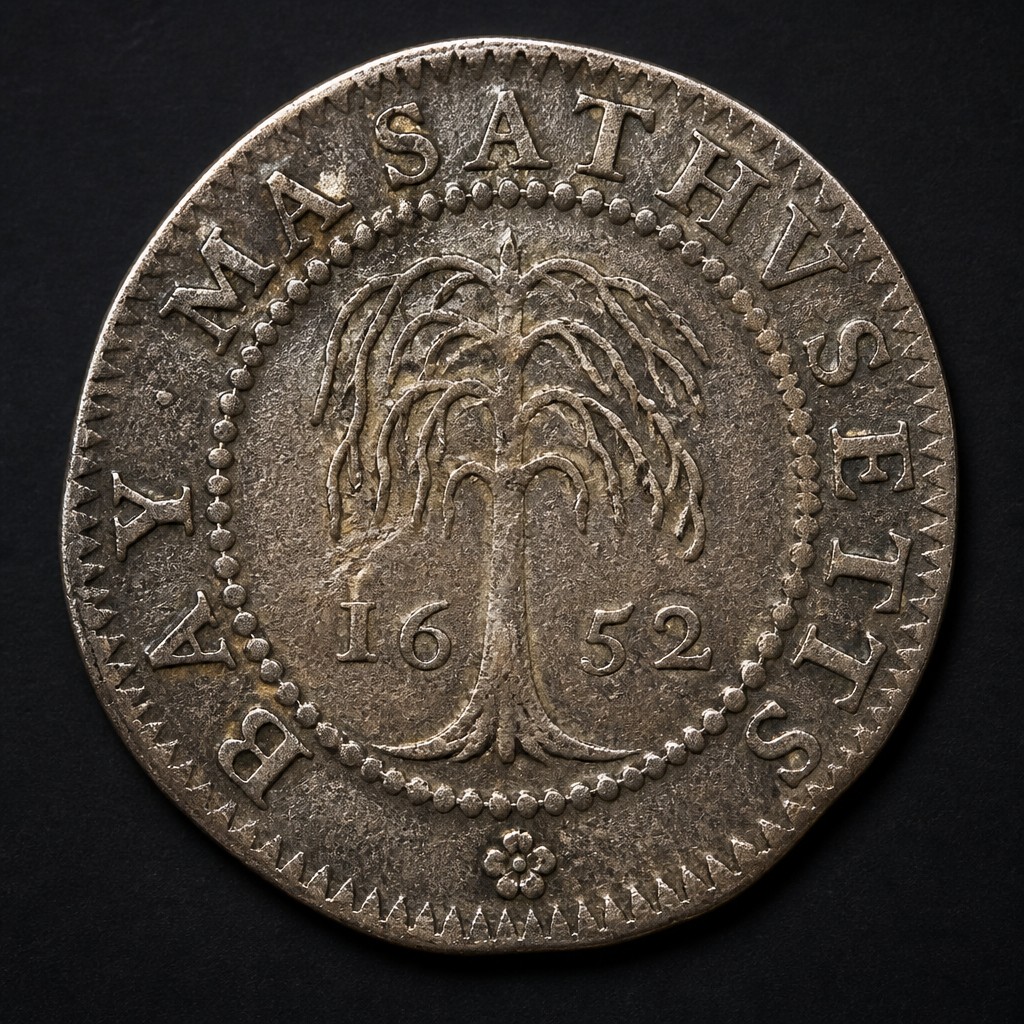
Massachusetts Willow Tree Shilling
Dated 1652, struck circa 1653–1660