
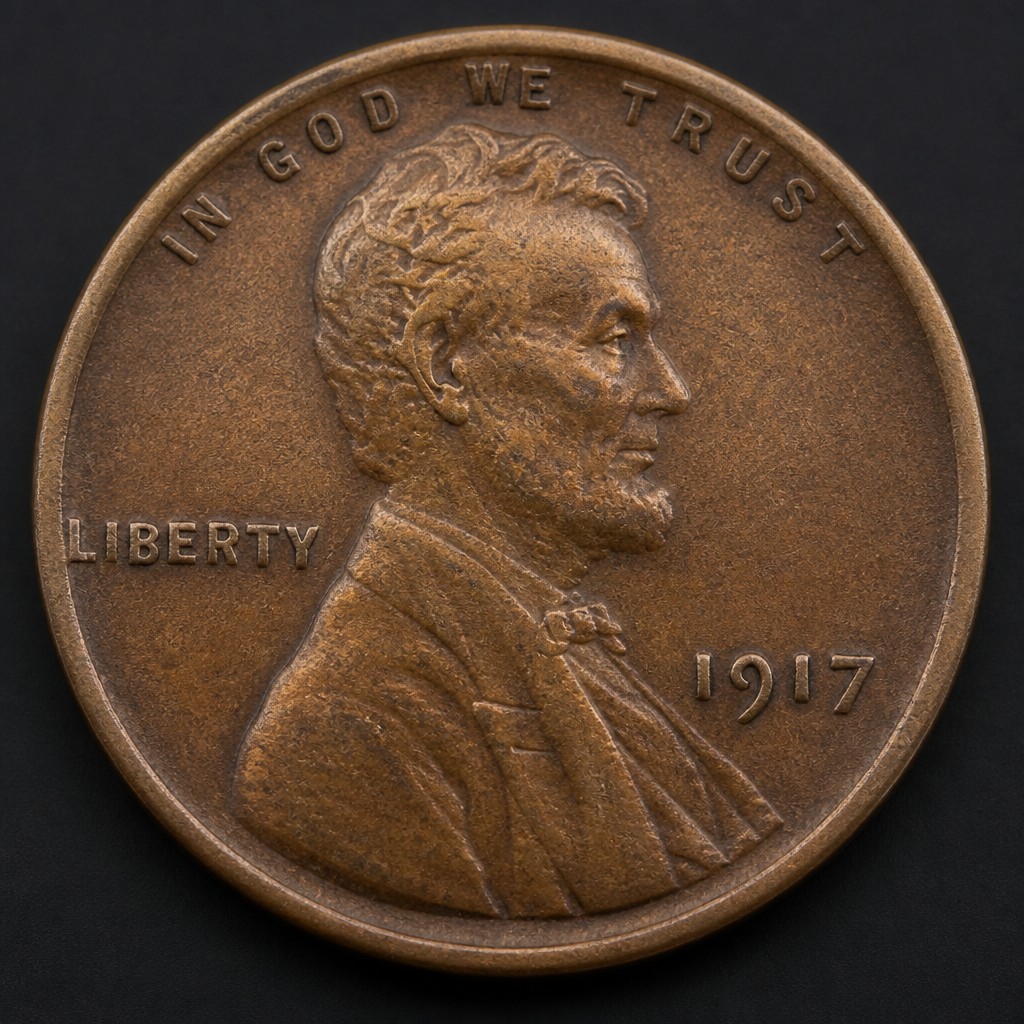
1917 Doubled Die Obverse Lincoln Cent
One of the earliest known doubled die varieties in the Lincoln cent series, showing visible doubling in the date and lettering on an early 20th-century wheat cent.
- Country
- United States
- Denomination
- 1 cent
- Metal
- Bronze (95% copper, 5% tin/zinc)
Got a coin like this?
Identify any coin from a photo, free.
Overview
The 1917 Doubled Die Obverse is among the oldest recognized doubled die errors in the Lincoln cent series, predating better-known 20th-century doubled dies by decades. It reflects the same basic hubbing misalignment issue that would later produce far more famous examples like the 1955 and 1972 doubled dies, showing that such errors occurred sporadically throughout the series' history rather than only in a handful of celebrated years.
Because it comes from an early era of coin production and collecting, the 1917 doubled die is scarcer and less documented in mainstream awareness than mid-century doubled dies, appealing mainly to specialists in early Lincoln cent varieties.
Its age also means most surviving examples show significant wear, as coins from this period saw heavy circulation before being pulled aside by variety-conscious collectors decades later.
History & Background
The Lincoln wheat cent, introduced in 1909 from Victor David Brenner's design, continued to use traditional die-making techniques through the early 20th century, techniques susceptible to the same hubbing misalignments that create doubled dies. In 1917, one or more Philadelphia obverse dies received a doubled hubbing, leaving visible doubling in the date and legend on coins struck from that die.
Unlike modern doubled dies that are often identified quickly through hobby publications, errors from this early period were typically discovered only much later, as 20th-century variety collectors and researchers began systematically studying older Lincoln cents for die varieties using magnification and reference photography.
Today the 1917 doubled die obverse is documented in specialized variety references and is sought after primarily by collectors focused on early Lincoln cent die varieties rather than casual collectors.
How to Identify
The obverse shows the standard Brenner portrait of Lincoln with LIBERTY, IN GOD WE TRUST, and the 1917 date, while the reverse carries the wheat ears design with ONE CENT and UNITED STATES OF AMERICA, typical of cents from this era.
Doubling on this variety is generally visible in the date numerals and portions of the legend, though the strength of doubling can vary and often requires magnification to appreciate fully compared to later, bolder doubled dies. Collectors should examine the coin closely under a loupe, focusing on the date and the lettering nearest the rim.
Because the coin is nearly identical in overall design to any other 1917 wheat cent, confirming the variety typically requires comparison against published attribution photos in specialized doubled die references, as casual inspection alone can miss the doubling.
Value & Collectibility
As an early and relatively obscure doubled die, the 1917 DDO commands a premium over a normal 1917 cent, with values generally ranging from modest sums in worn grades up to several hundred dollars or more for well-preserved, clearly doubled examples. Values are sensitive to both grade and the visibility of doubling.
Because it is less broadly known than mid-century doubled dies, its market is narrower and more dependent on variety specialists, meaning prices can vary more between sales than for widely recognized doubled dies.
Frequently asked questions
Is the 1917 doubled die well known among collectors?
It is recognized in specialized variety references but is far less famous than later doubled dies like the 1955 or 1972 examples.
Where does the doubling appear on this coin?
It is generally visible in the date and portions of the obverse legend, though the strength can vary by die state.
How rare is the 1917 doubled die cent?
It is considered scarce, particularly in higher grades, since most surviving examples circulated heavily before being identified.
How can I confirm I have this variety?
Compare the date and lettering under magnification to published reference photos of the attributed doubled die in specialized cent variety guides.
Other coins you may enjoy
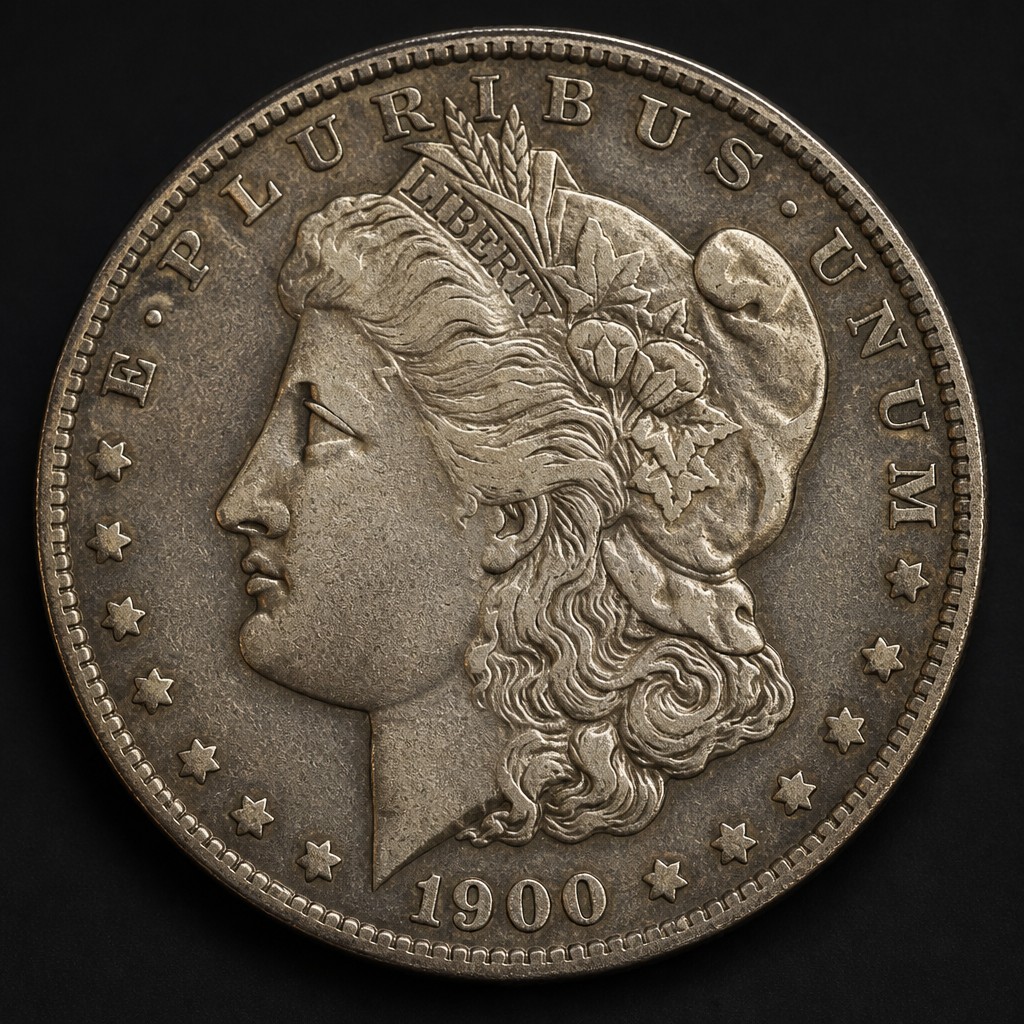
1900-O/CC Morgan Dollar
1900
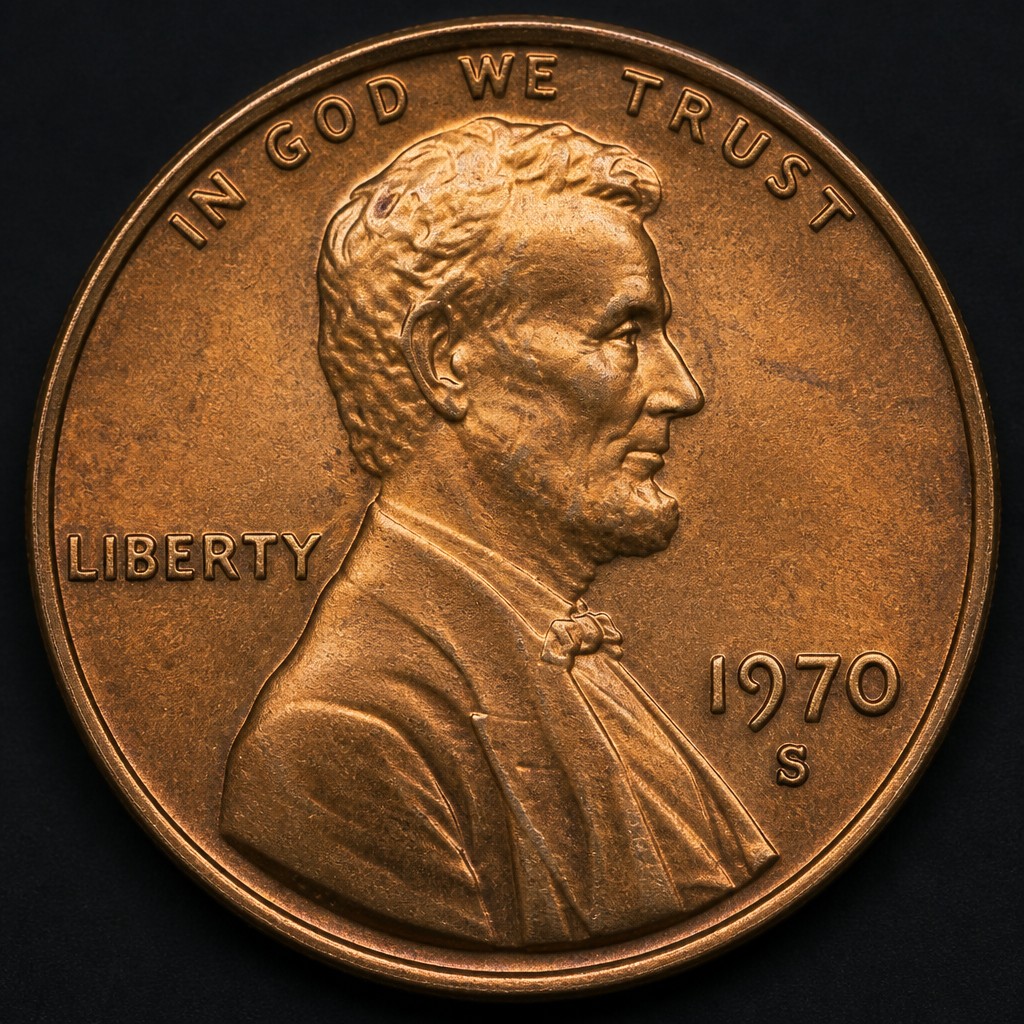
1970-S Small Date Lincoln Cent
1970
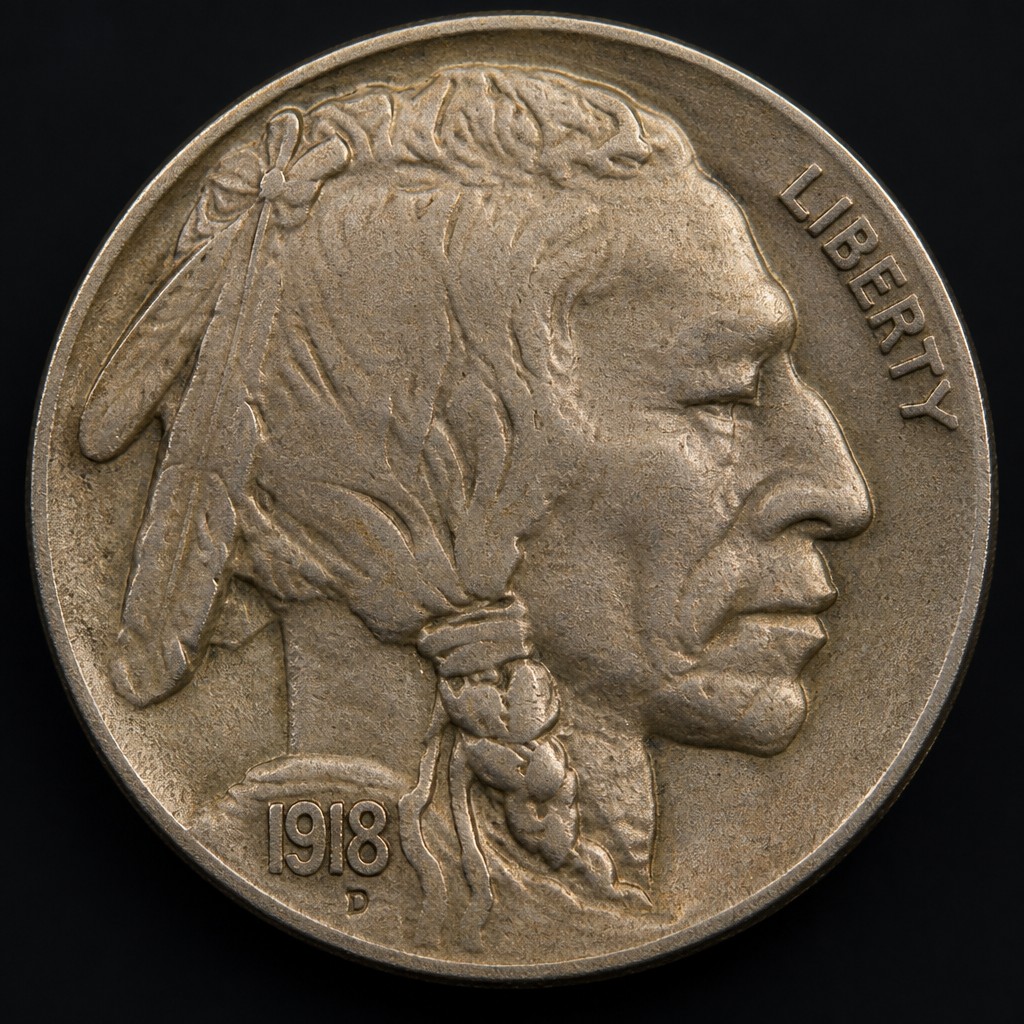
1918/7-D Buffalo Nickel
1918
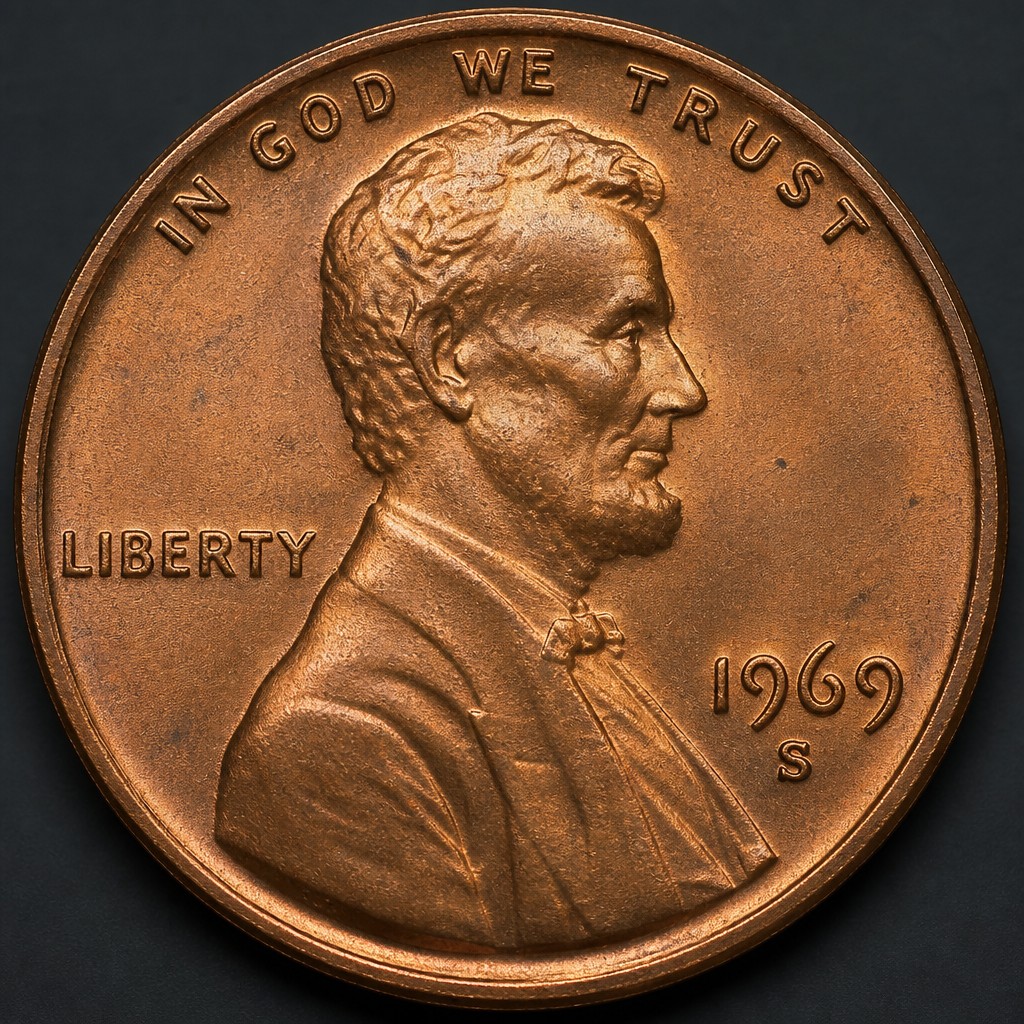
1969-S Doubled Die Obverse Lincoln Cent
1969
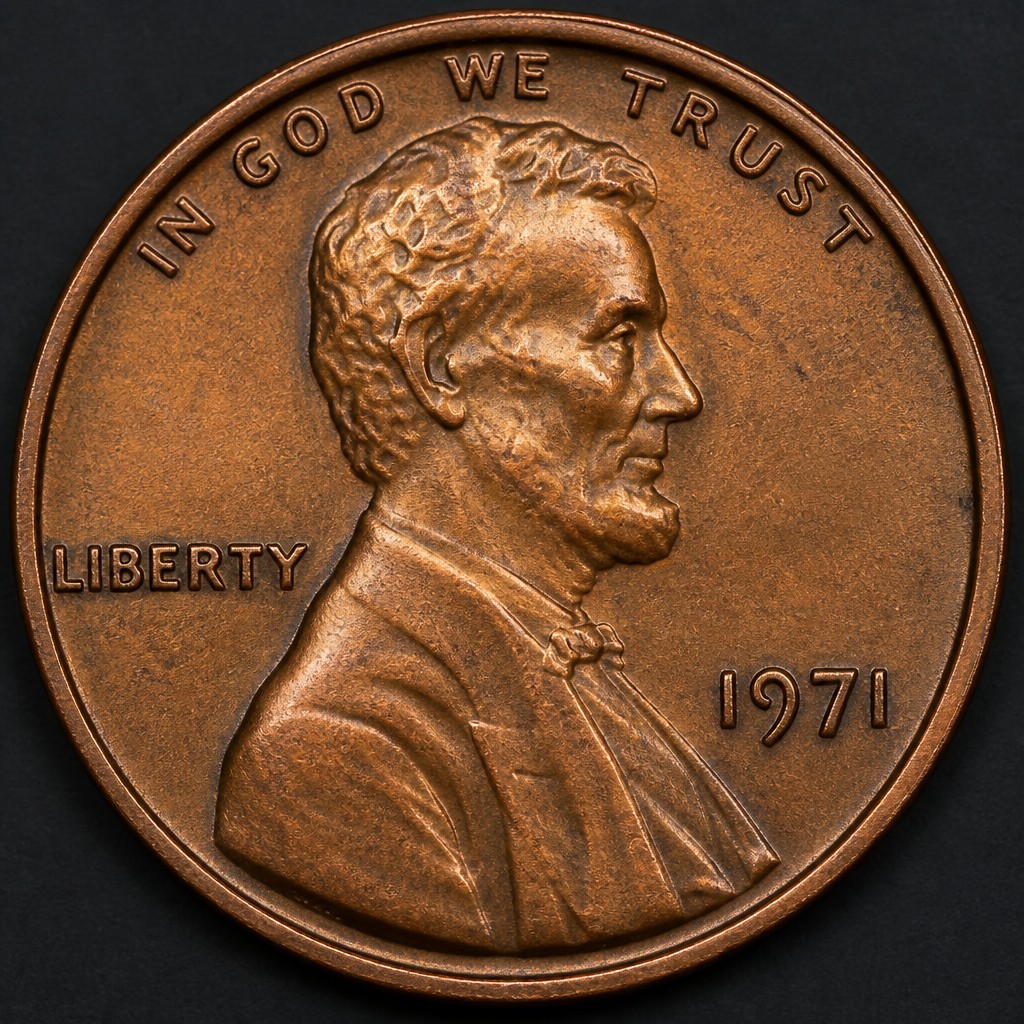
1971 Doubled Die Obverse Lincoln Cent
1971
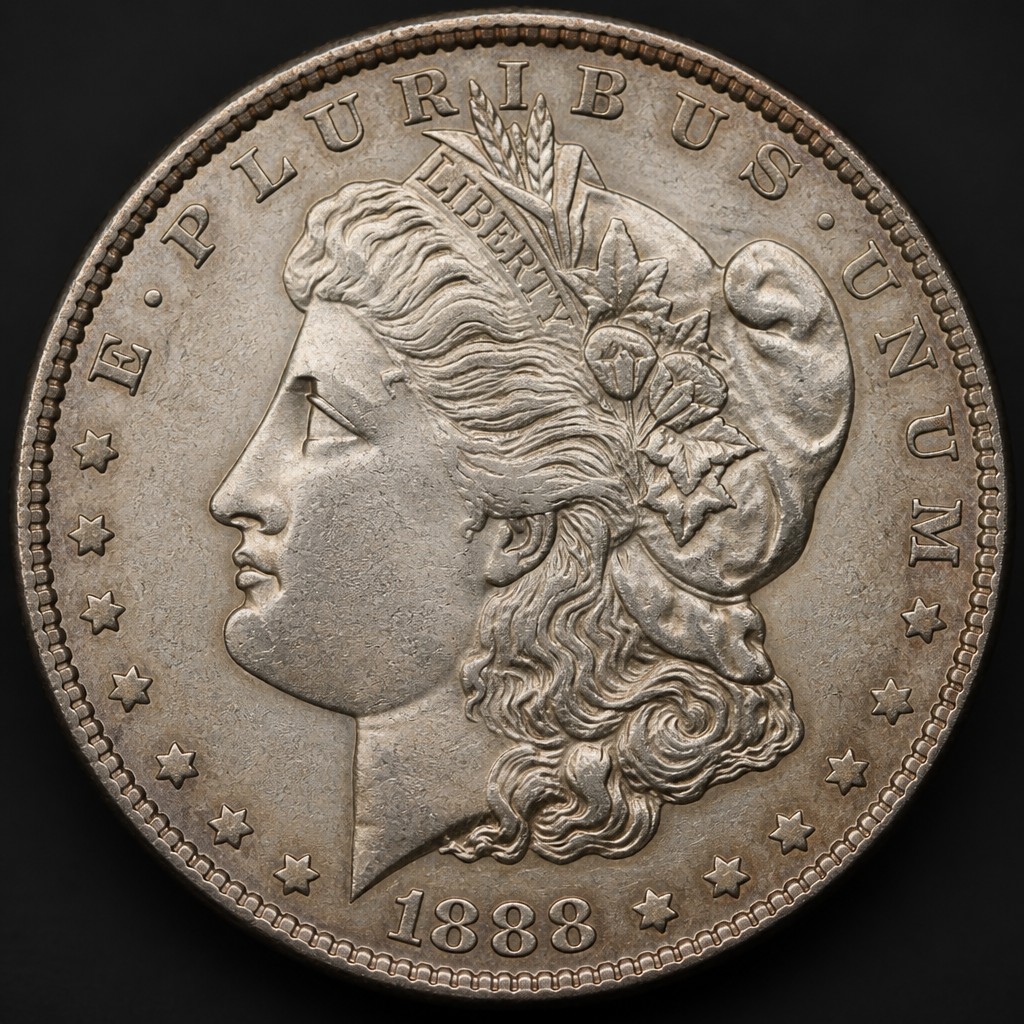
1888/7 Morgan Dollar Overdate
1888
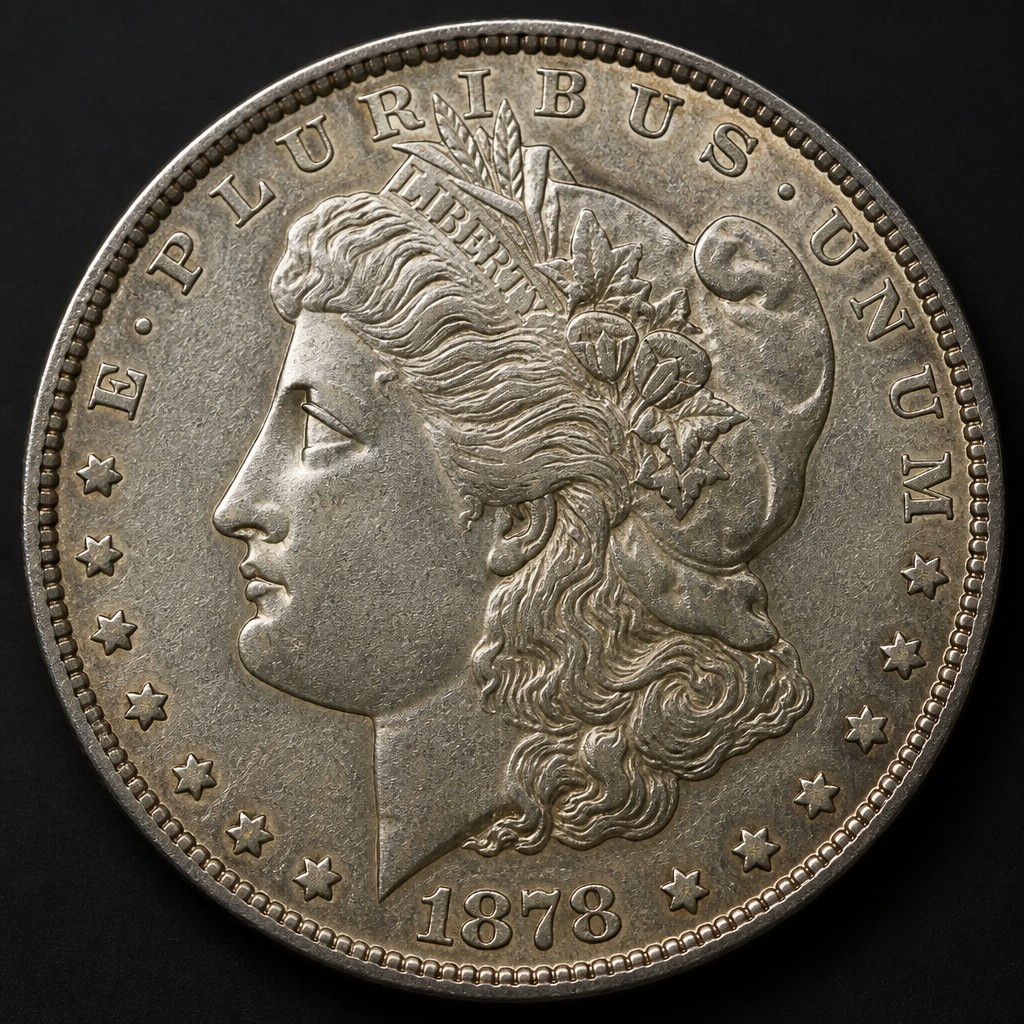
1878 7/8 Tail Feathers Morgan Dollar
1878
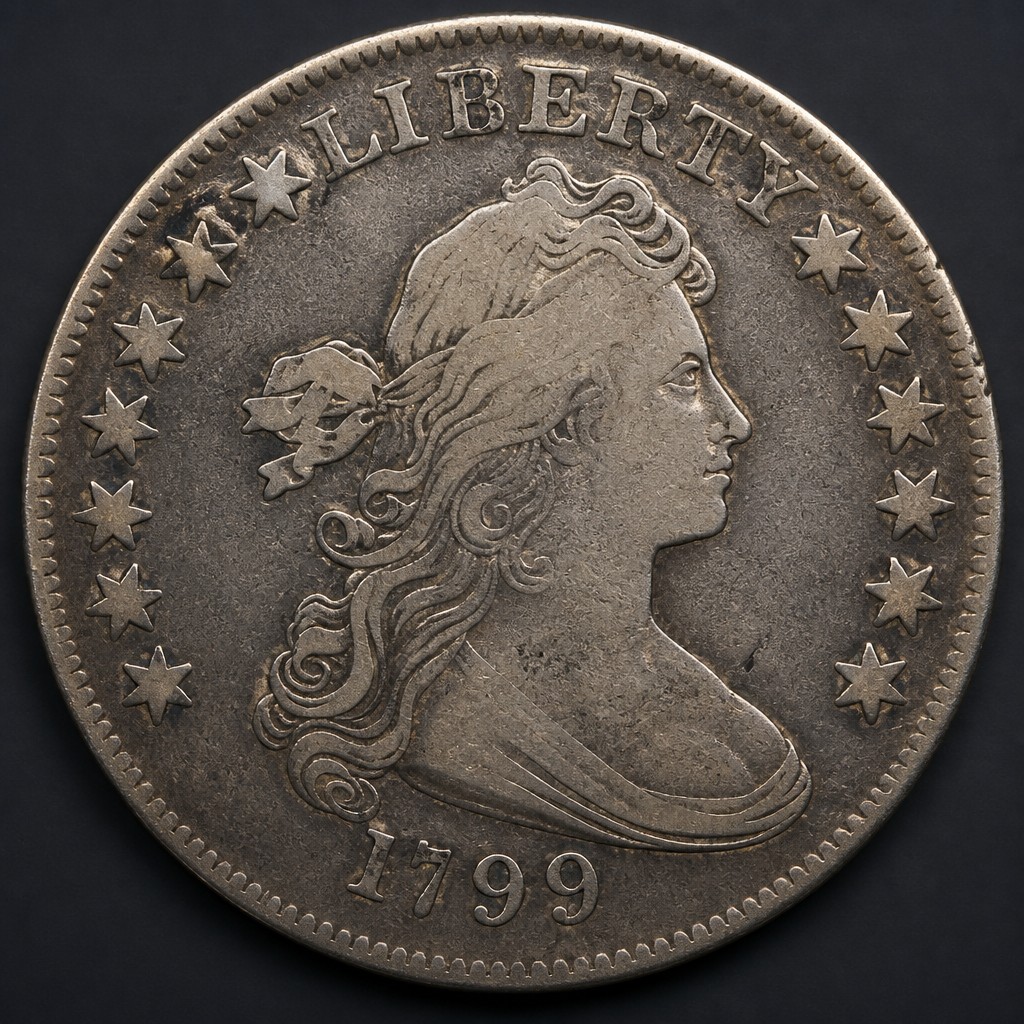
1799/8 Draped Bust Silver Dollar Overdate
1799 (die dated over 1798)
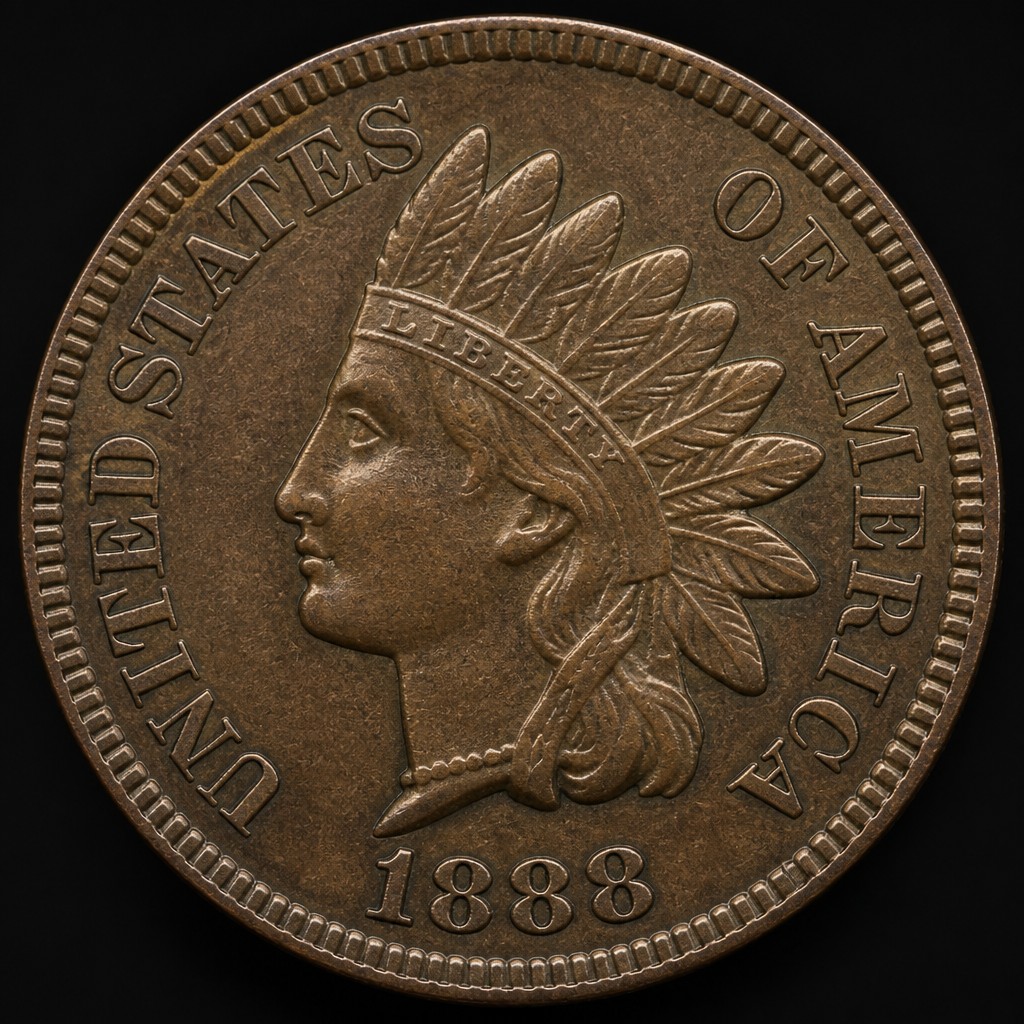
1888/7 Indian Head Cent Overdate
1888
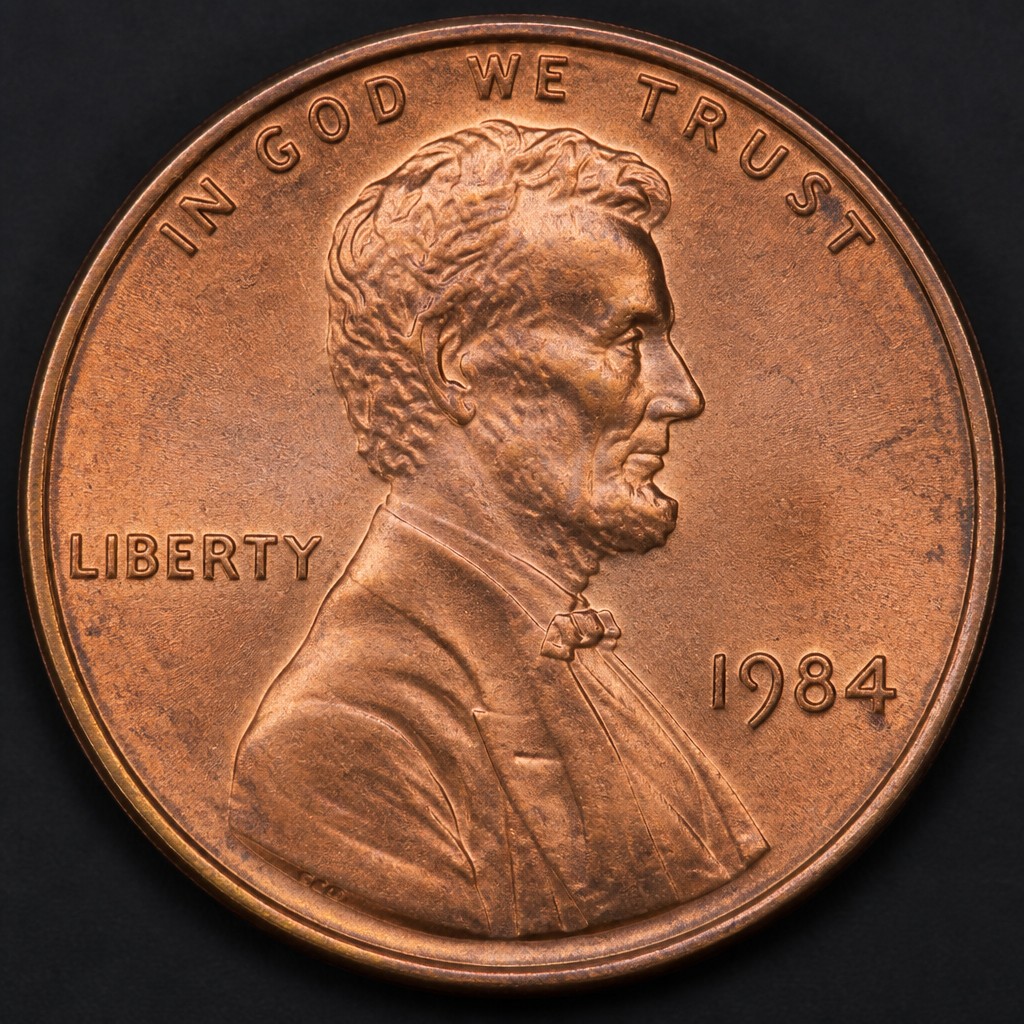
1984 Doubled Ear Lincoln Cent
1984
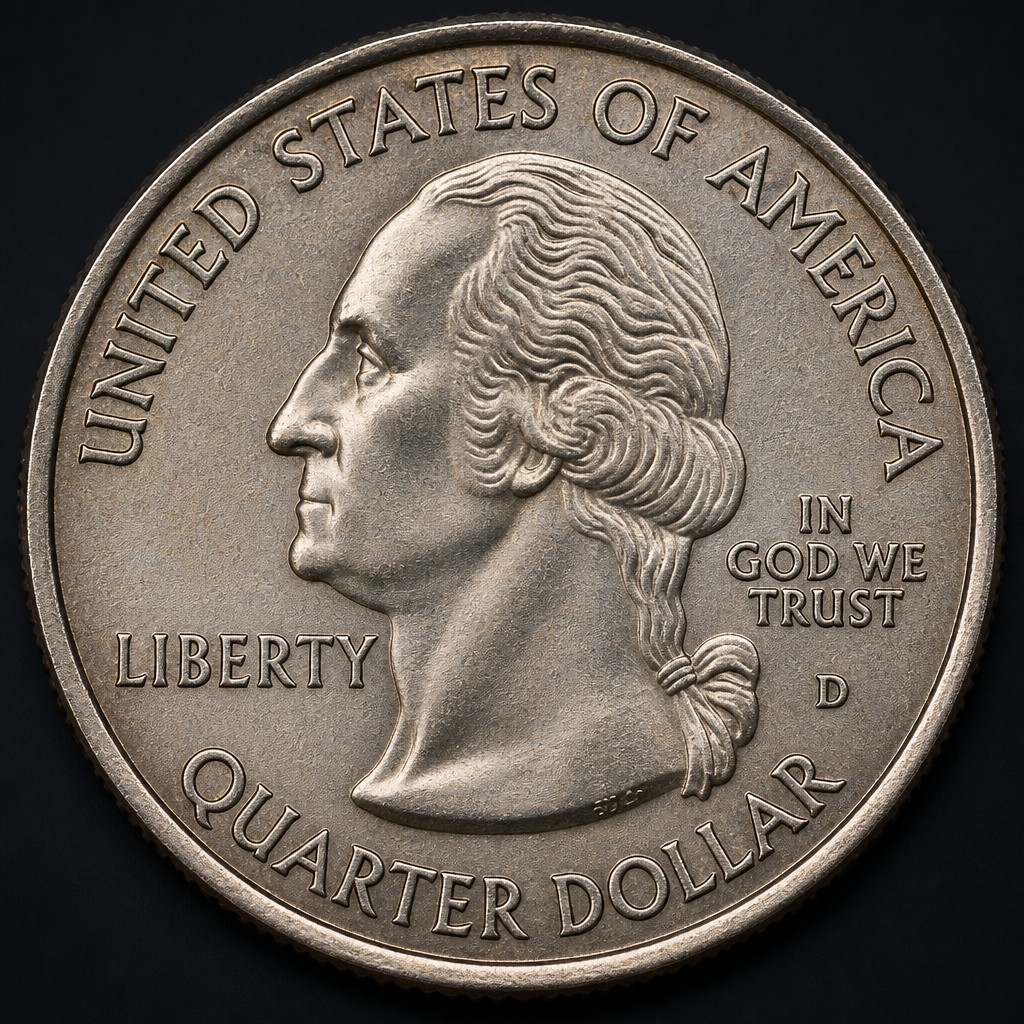
2004-D Wisconsin State Quarter Extra Leaf
2004
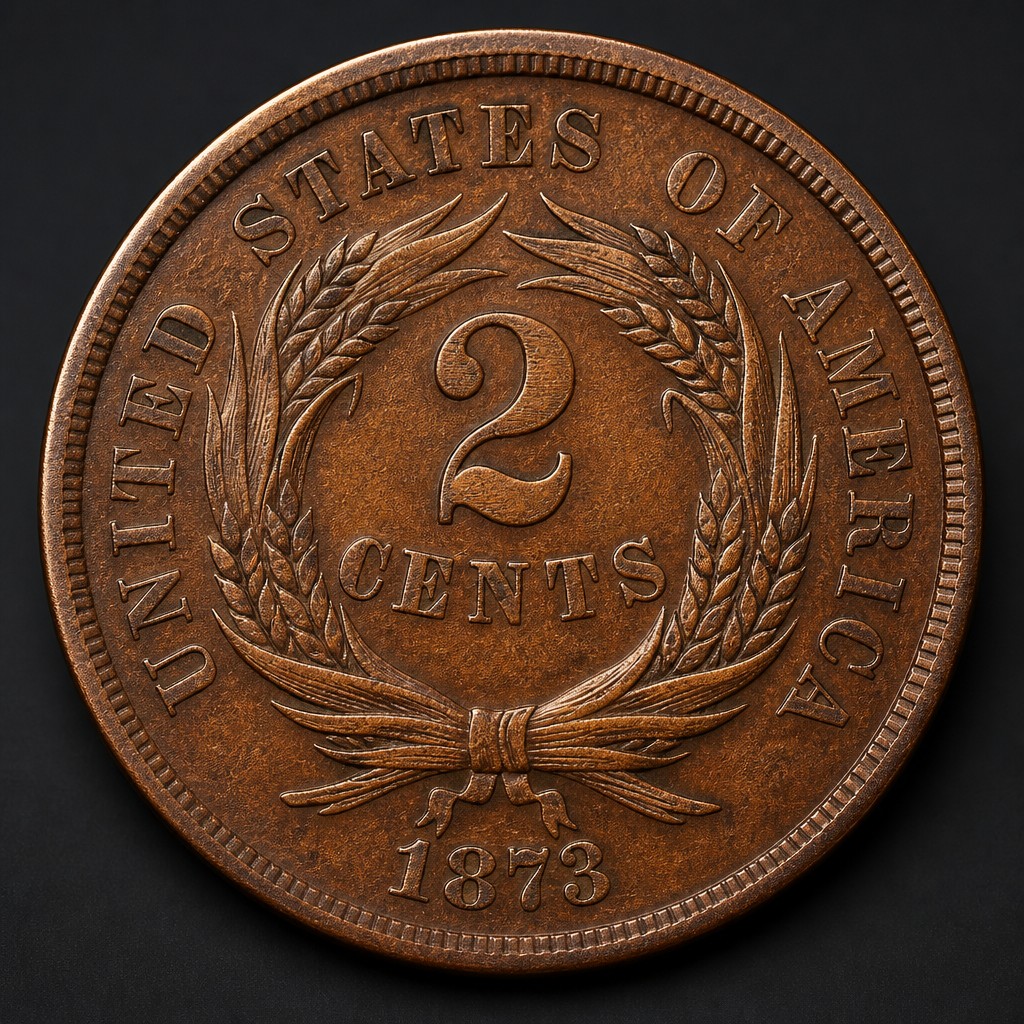
1873 Doubled Die Two-Cent Piece
1873