
Coin Encyclopedia
Search and identify coins from around the world — with country, denomination, metal, mint, history, and how to tell them apart.
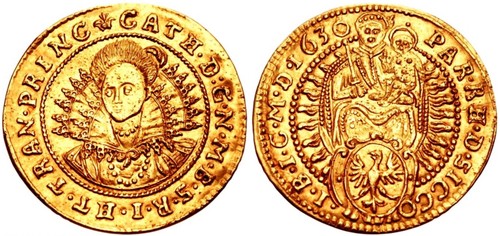
Transylvanian Ducat of Catherine of Brandenburg
Gold ducat dated 1630 of Catherine of Brandenburg, ruling Princess of Transylvania, with her portrait and a double-headed eagle and shield reverse.
Medieval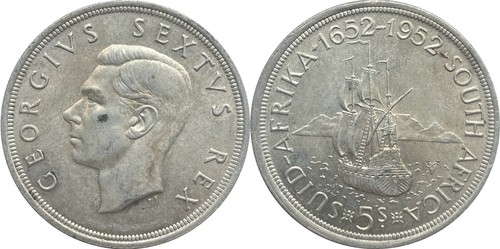
South Africa 5 Shillings
A large 1952 South African silver crown marking Cape Town's 300th anniversary, with King George VI and a sailing-ship reverse.
Circulation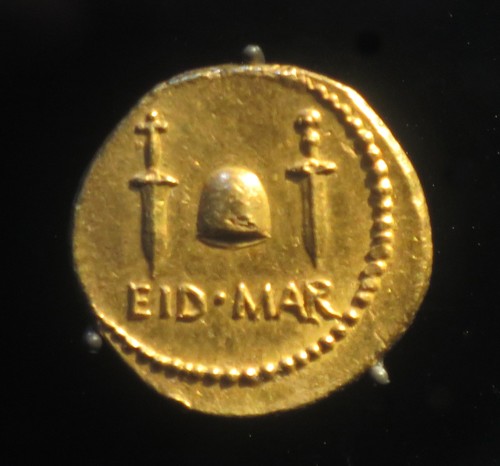
Brutus Aureus
The gold aureus of Marcus Junius Brutus, struck 42 BC, whose reverse celebrates Caesar's assassination with EID MAR, a cap of liberty, and two daggers.
Ancient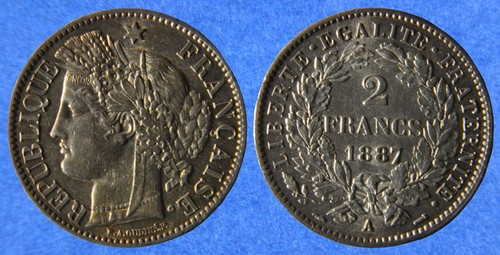
French Cérès 2 Francs
A French Third Republic silver 2 francs showing the goddess Cérès in a liberty cap, with the value 2 FRANCS in a wreath on the reverse.
Circulation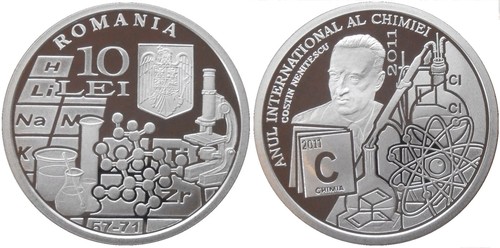
Romania International Year of Chemistry Commemorative
Romanian silver 10 lei commemorative dated 2011, issued for the International Year of Chemistry with molecular, laboratory and scientist imagery.
Commemorative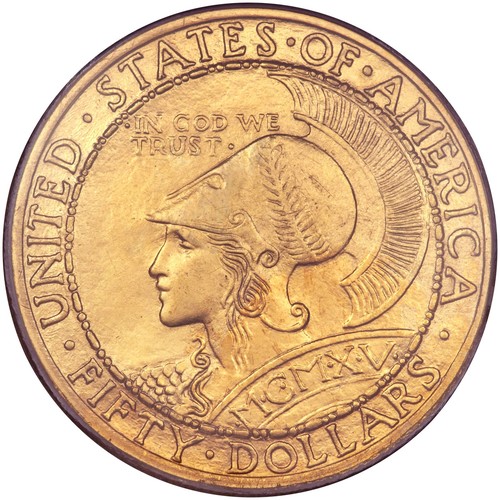
Panama-Pacific Exposition $50 (Octagonal)
An eight-sided $50 gold commemorative struck for San Francisco's 1915 world's fair, showing Minerva and her owl — the largest U.S. coin of its era.
Classic Commemorative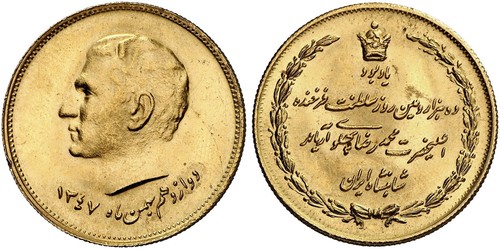
Pahlavi Reign Gold Medal
A gold medal of Pahlavi-era Iran, its obverse a left-facing royal portrait and its reverse the Lion and Sun beneath a crown, dated 1971.
Persia / Iran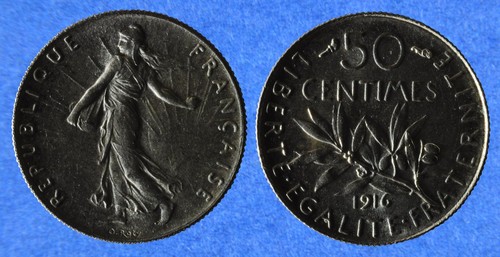
French Semeuse 50 Centimes
A small French silver coin showing the striding Semeuse (Sower) with a liberty cap; the reverse frames the value 50 CENTIMES in an oak-and-olive wreath.
Circulation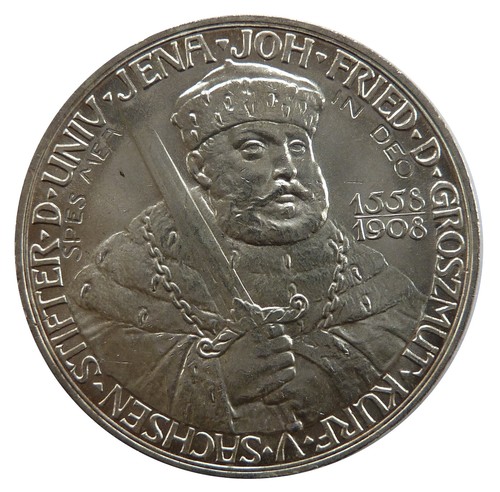
Sachsen-Weimar-Eisenach 5 Mark Commemorative
An 1908 German Empire 5 Mark silver commemorative of Saxe-Weimar-Eisenach marking the University of Jena's jubilee, with the founder's capped portrait.
Commemorative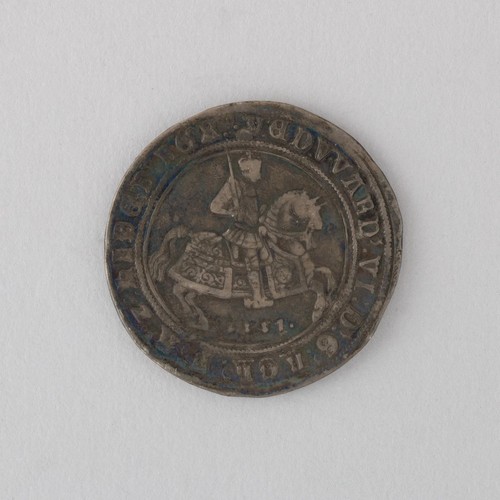
Edward VI Crown
Hammered English silver crown of Edward VI (1547-1553), the first English crown coin and among the earliest English coins to carry a date.
Hammered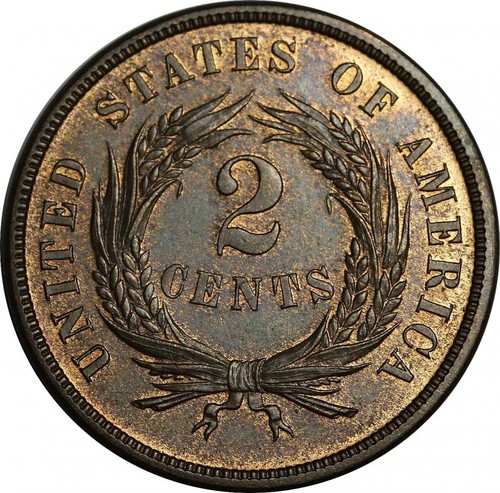
Two Cent Piece
America's only two-cent coin, struck in bronze from 1864 to 1873, and the first U.S. coin to carry the motto "IN GOD WE TRUST."
Two Cent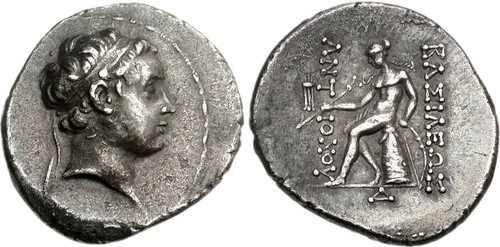
Antiochos the Child Tetradrachm
Silver Seleucid tetradrachm, c. 175 BC, with a young diademed head and a martial reverse figure with spear and shield.
Ancient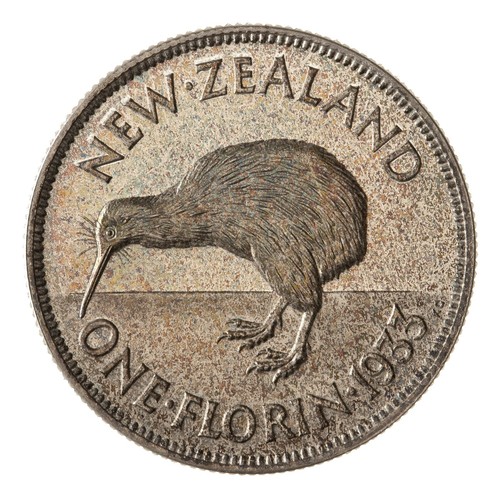
New Zealand Florin
New Zealand's silver two-shilling coin; this 1933 first-year example shows a kiwi and the legend NEW ZEALAND ONE FLORIN.
New Zealand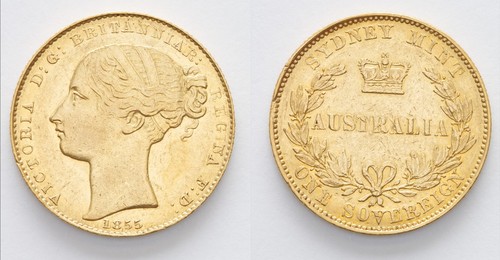
Australian Sovereign
22-carat gold sovereign struck at Australian branch mints; the 1855 Sydney Mint issue was the country's first gold coin.
Australian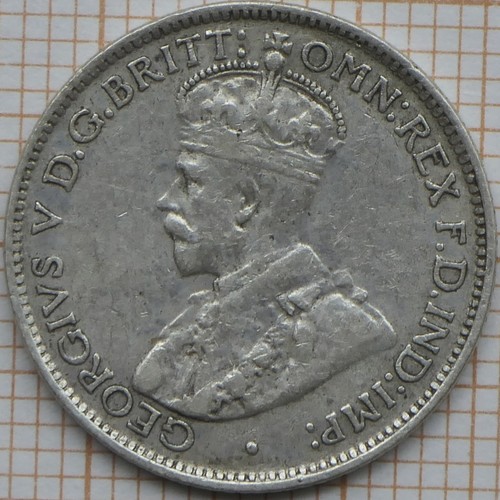
Australian Sixpence
Small silver sixpence of the Commonwealth of Australia; this 1935 piece carries the crowned bust of King George V.
Australian
Mary I Groat
Hammered silver fourpence of Mary I (1553-1558), with her crowned bust left and the royal arms over a cross on the reverse.
Hammered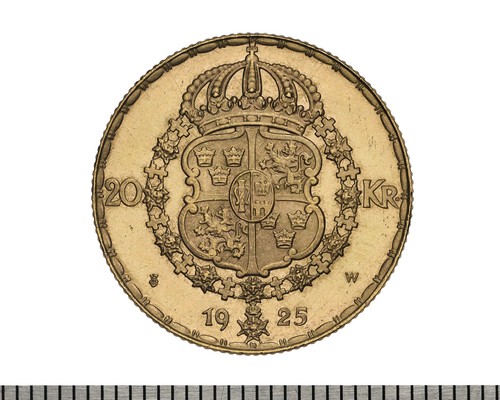
20 Kronor
Gold 20 kronor of Sweden showing the crowned national arms with three coronets, reverse marked 20 KR and dated 1925.
World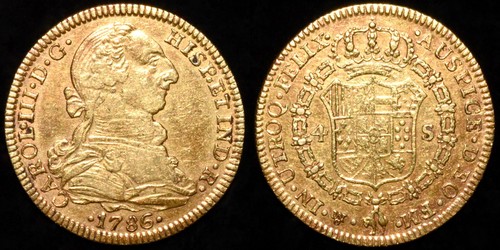
4 Escudos
Spanish Bourbon gold 4 Escudos of the 1780s, with an armored royal bust facing right and a crowned coat of arms on the reverse.
Early Modern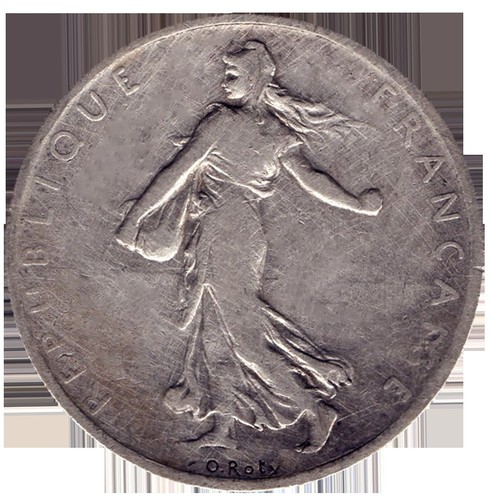
French Semeuse 2 Francs
French Third Republic silver 2 francs showing Roty's striding Sower (Semeuse); the pictured example is dated 1899.
Circulation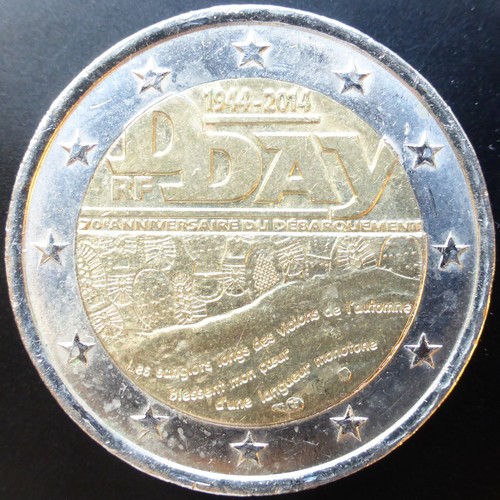
France 2 Euro D-Day Anniversary Commemorative
A 2014 French bi-metallic 2 euro commemorating the 70th anniversary of the D-Day landings, dated 1944-2014 with a ring of EU stars.
Commemorative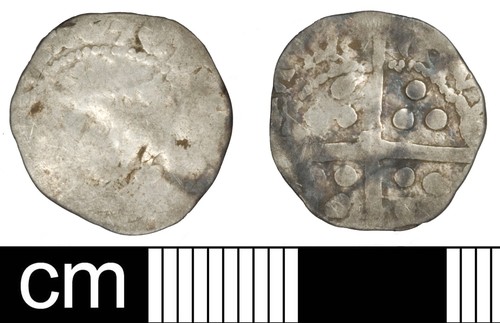
Medieval Penny of Edward III
A hammered silver penny of Edward III (1327–1377): a crowned facing royal bust on one side and a long cross with pellets on the other.
British Isles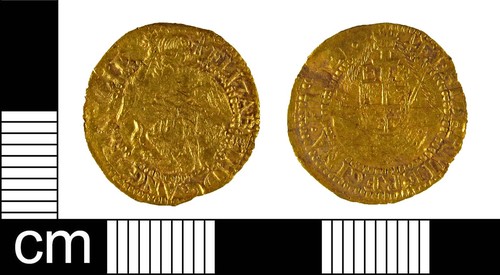
Quarter Angel of Elizabeth I
A small Elizabethan gold coin of the early 1580s showing a crowned portrait of the queen and a cross set with heraldic shields.
Hammered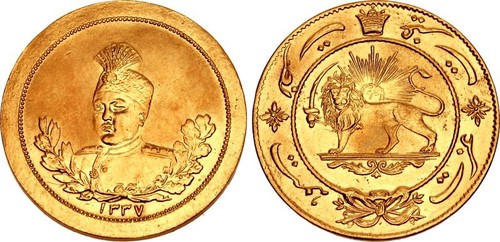
Qajar 5 Tomans Commemorative
A late Qajar gold 5 Tomans of Persia showing Ahmad Shah Qajar in a laurel wreath and the national Lion emblem, dated 1299.
Persia / Iran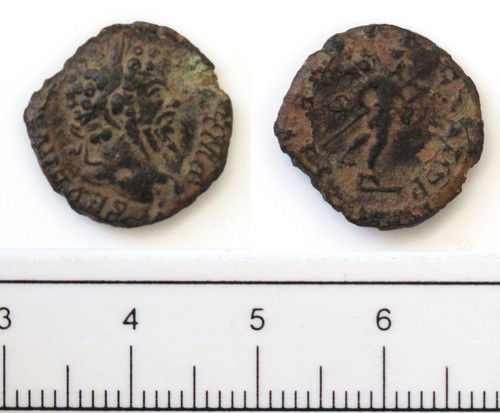
Denarius of Septimius Severus
Silver denarius of the Roman emperor Septimius Severus (193–211 AD), showing his laureate head and a standing reverse figure.
Ancient