
Coin Encyclopedia
Search and identify coins from around the world — with country, denomination, metal, mint, history, and how to tell them apart.
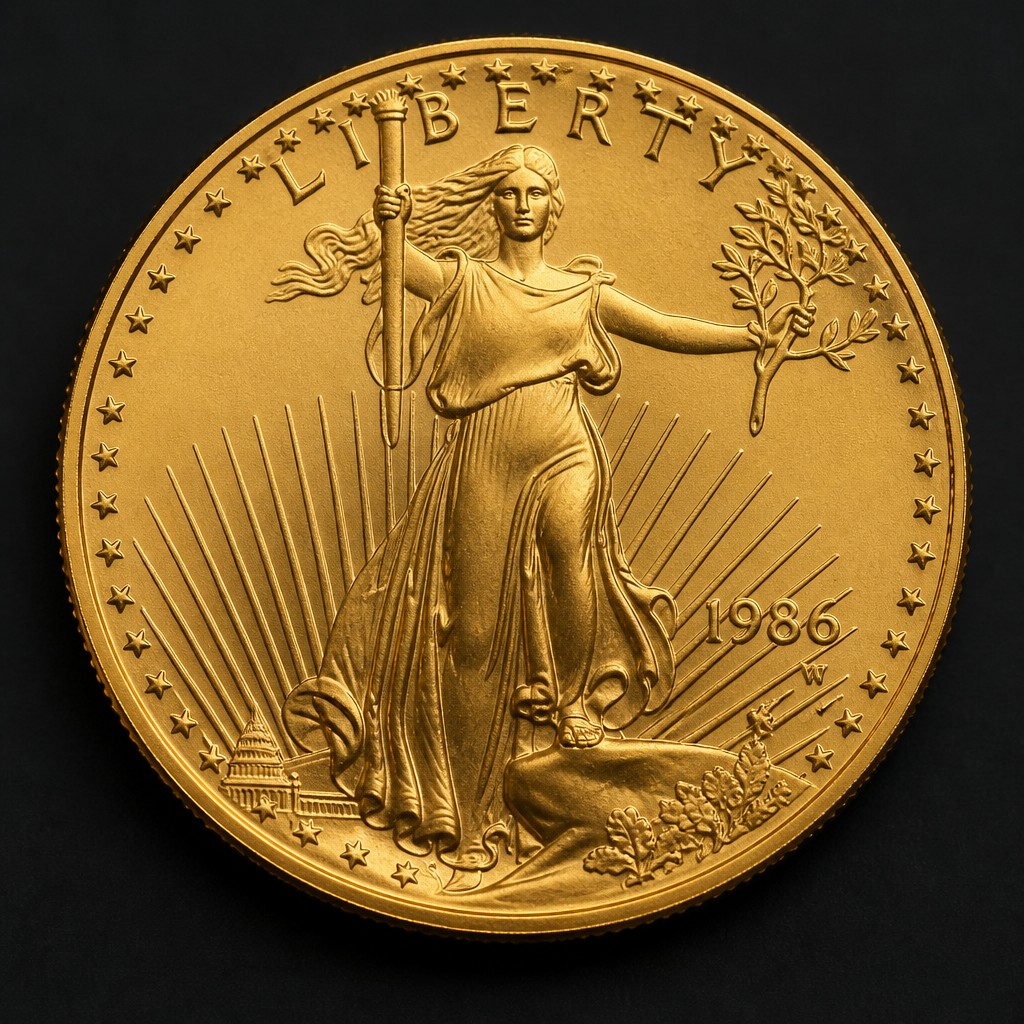
American Gold Eagle
The official U.S. gold bullion coin series since 1986, pairing Augustus Saint-Gaudens' famous Liberty design with a family-of-eagles reverse, issued in four sizes.
Bullion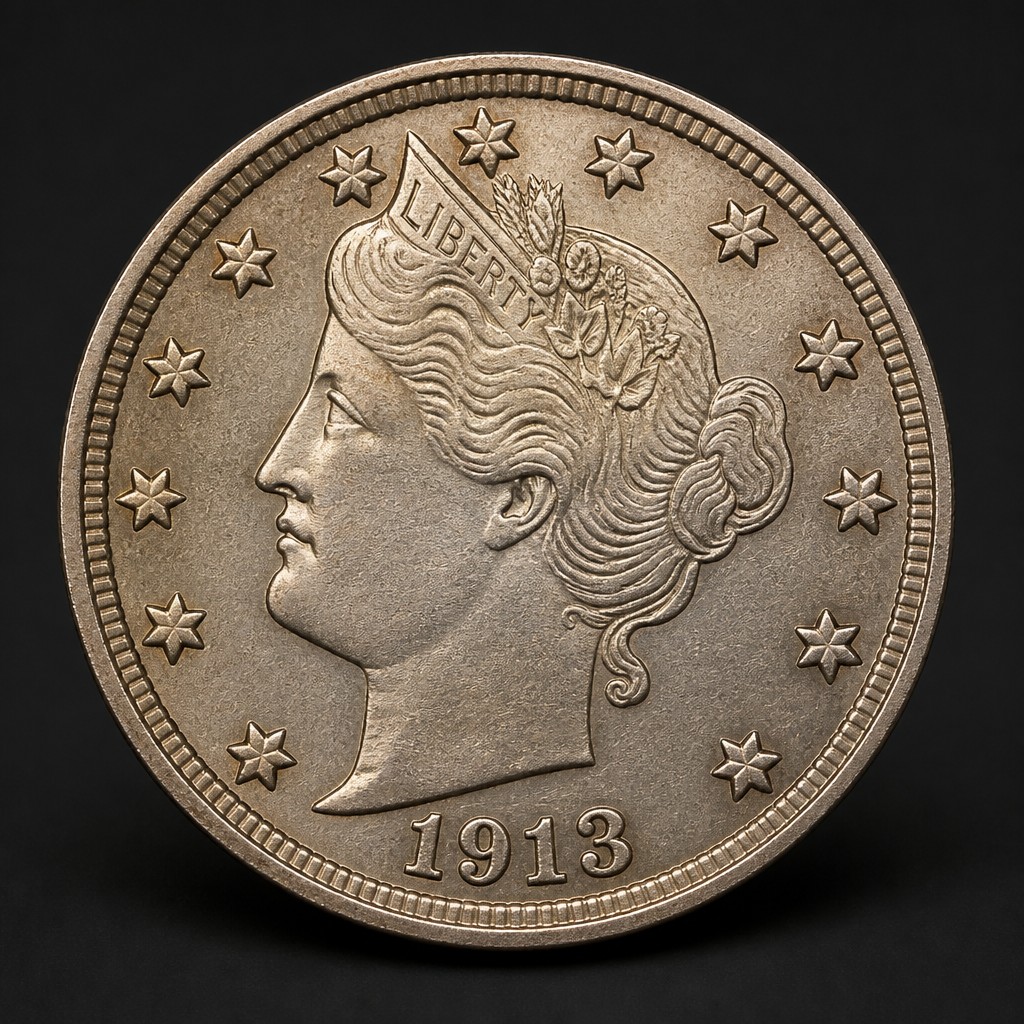
1913 Liberty Head Nickel
One of the most famous rarities in American numismatics: only five examples exist of a Liberty Head nickel dated 1913, a year in which the design was officially replaced by the Buffalo nickel.
United States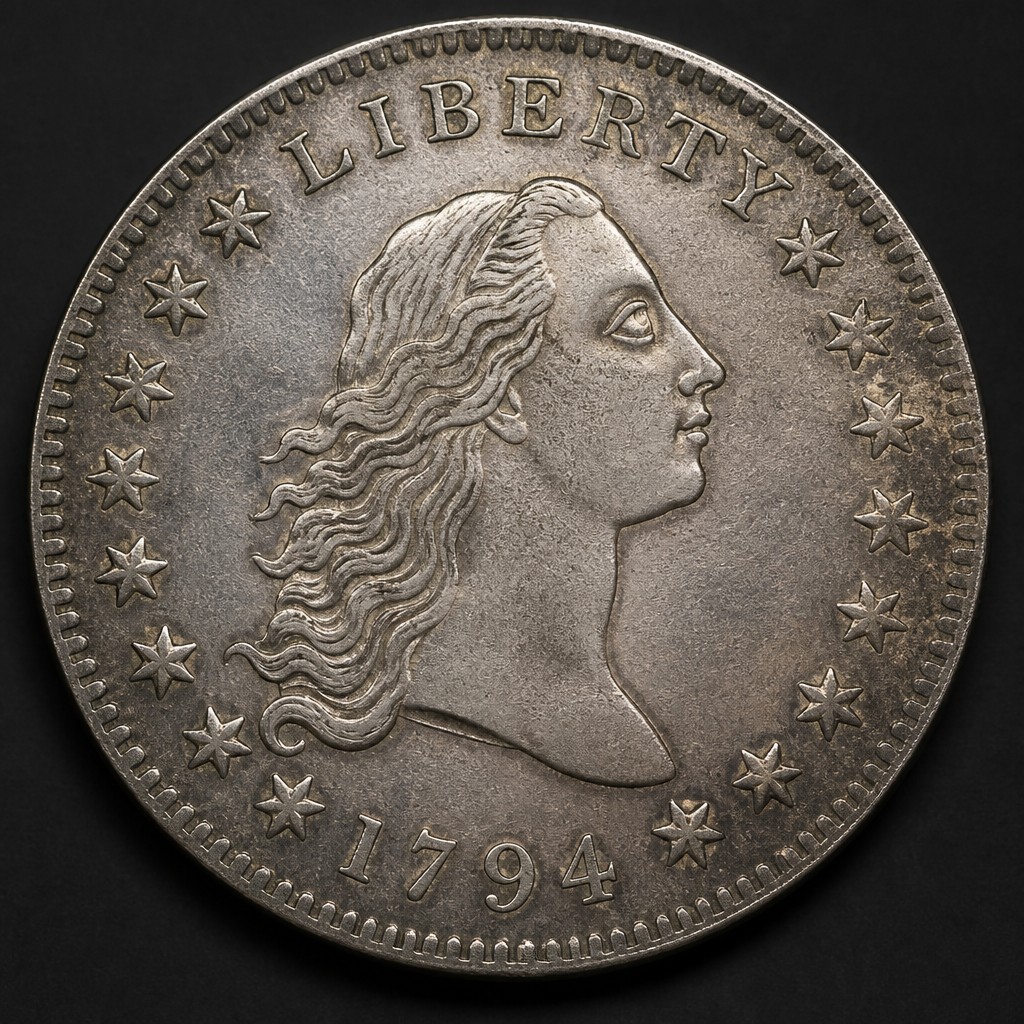
Flowing Hair Dollar
The first silver dollar struck by the United States Mint, issued in 1794-1795 with a flowing-haired Liberty and small eagle reverse; the 1794 date is among the rarest and most valuable U.S. coins.
United States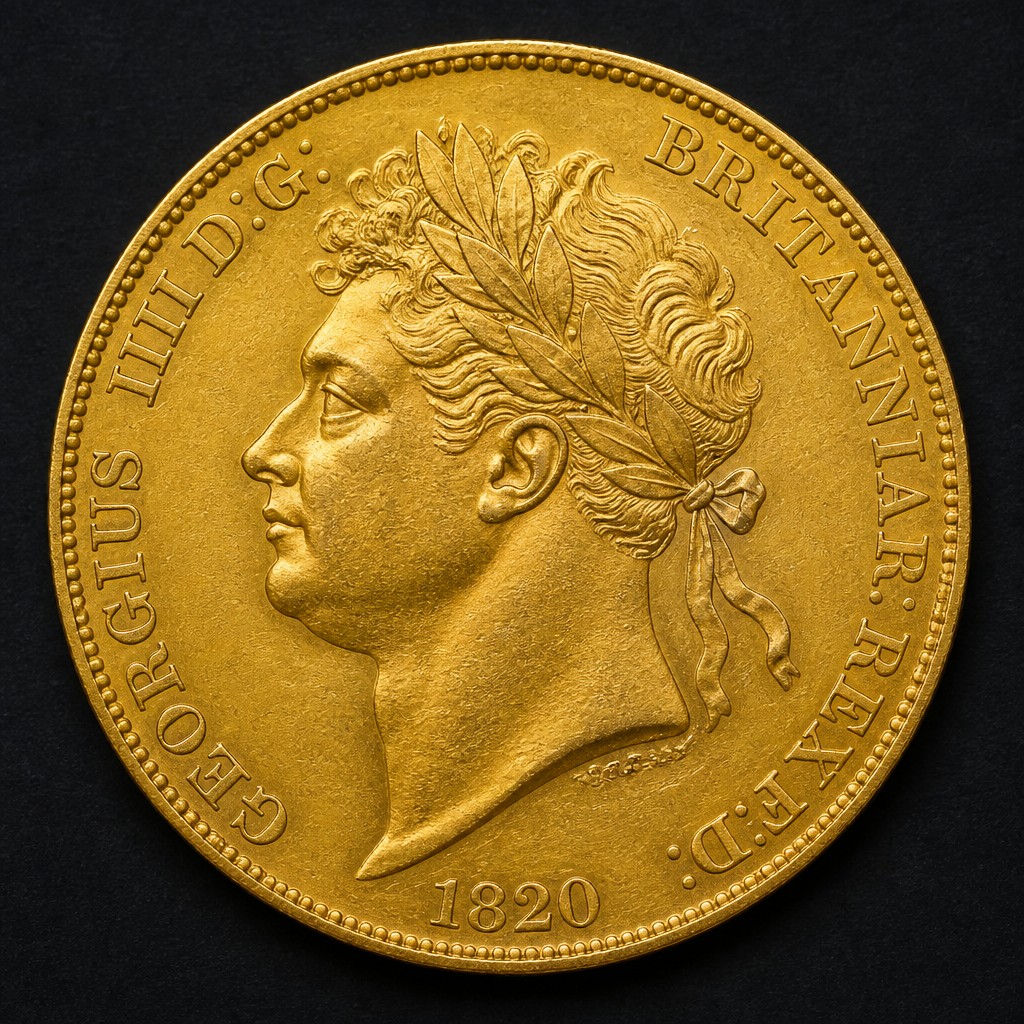
Five Pound Gold (Quintuple Sovereign)
The largest standard gold coin in the British sovereign family, worth five pounds and equal to five sovereigns, struck intermittently since 1820 for commemorative and collector purposes.
British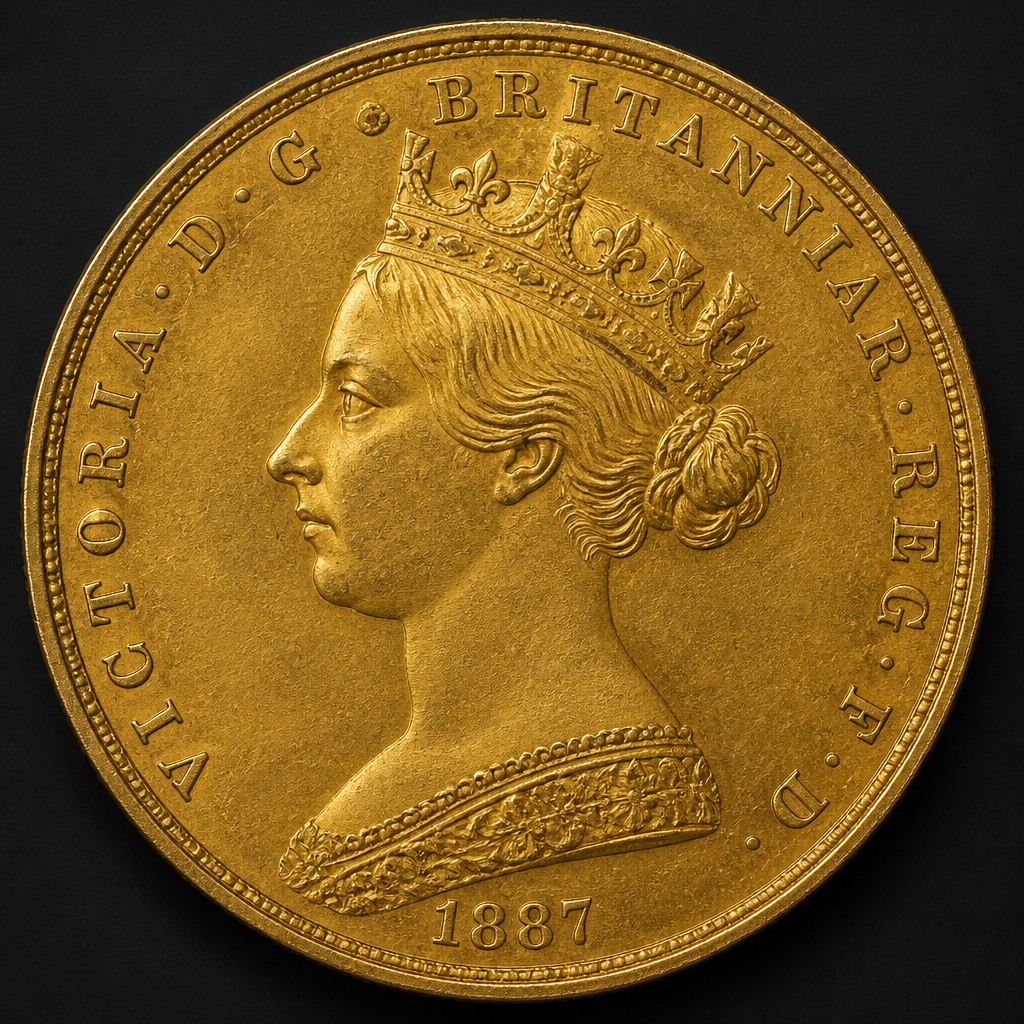
Double Sovereign
A British gold coin worth two pounds, twice the value of the standard sovereign, struck intermittently since the nineteenth century for commemorative and bullion purposes.
British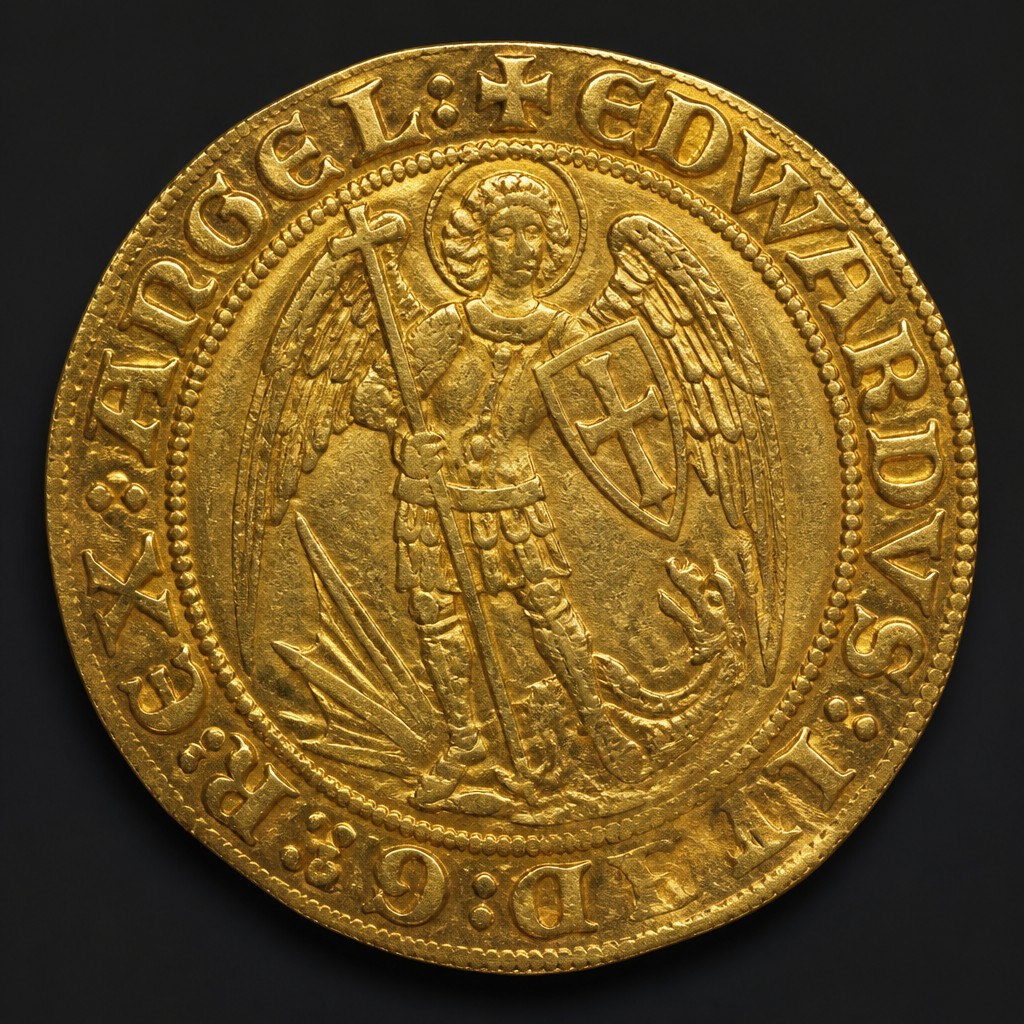
Angel
An English gold coin depicting the Archangel Michael slaying a dragon, introduced in 1465 and famously used as a ceremonial 'touch piece' in royal healing rituals.
British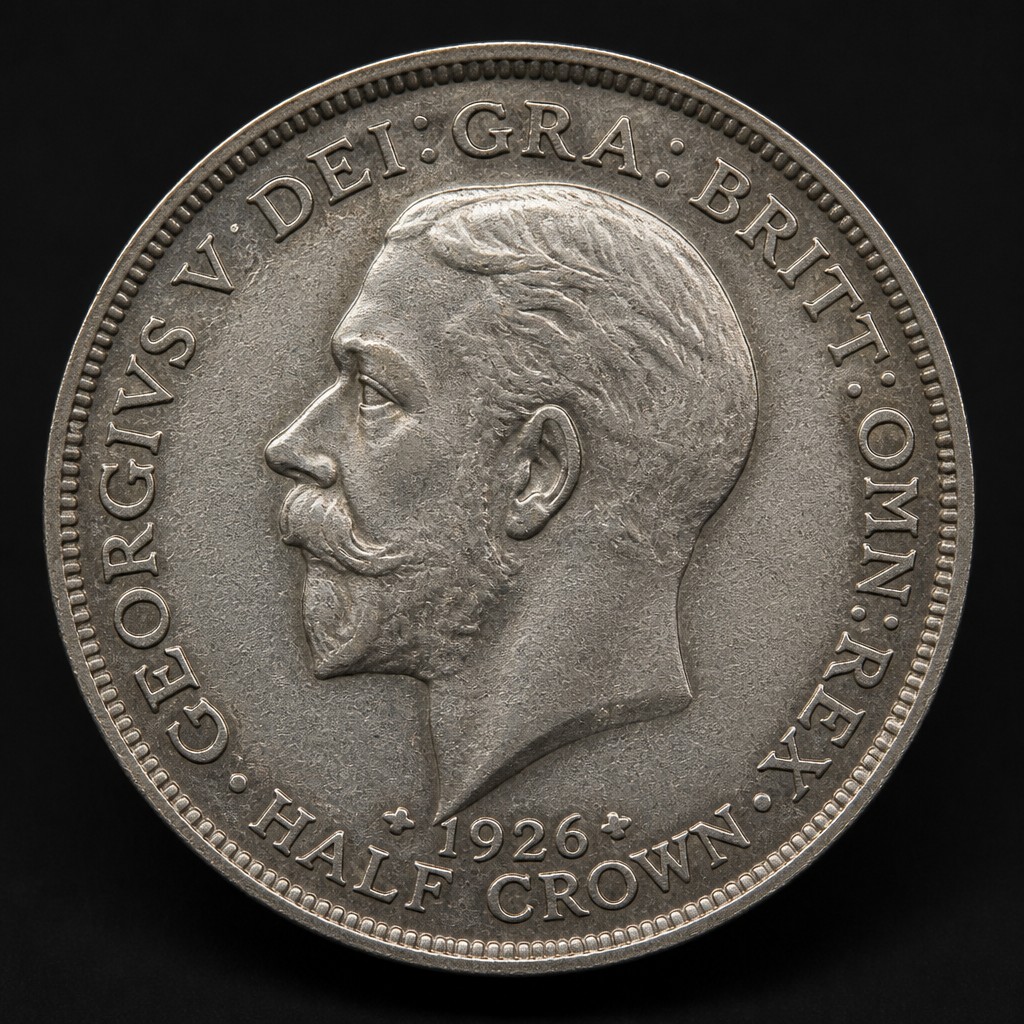
Half Crown
A long-lived British coin worth one-eighth of a pound, struck from the Tudor era until decimalisation in 1970, valued today mainly for its portraits and design variety.
British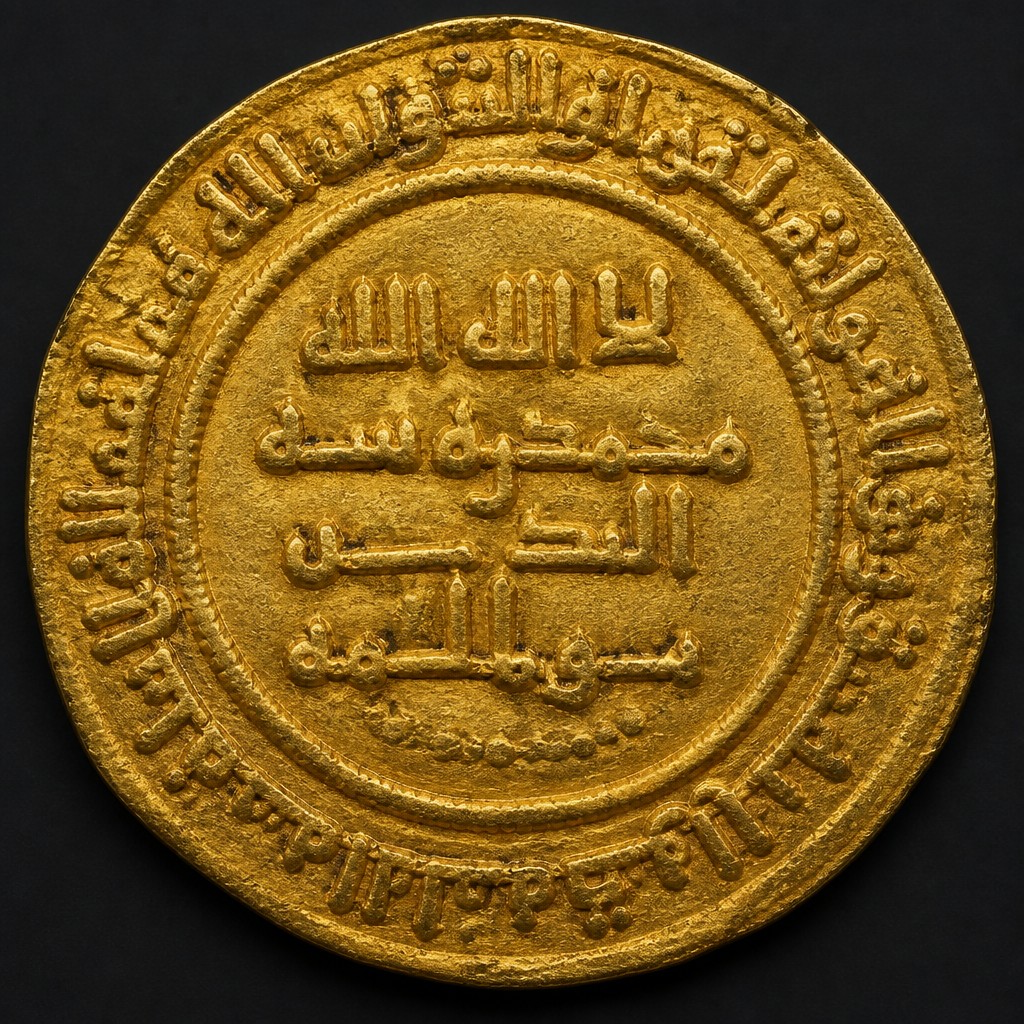
Ayyubid Dinar of Saladin
A gold dinar struck under Salah al-Din (Saladin), founder of the Ayyubid dynasty famed for recapturing Jerusalem, continuing the Islamic tradition of purely inscriptional coinage.
World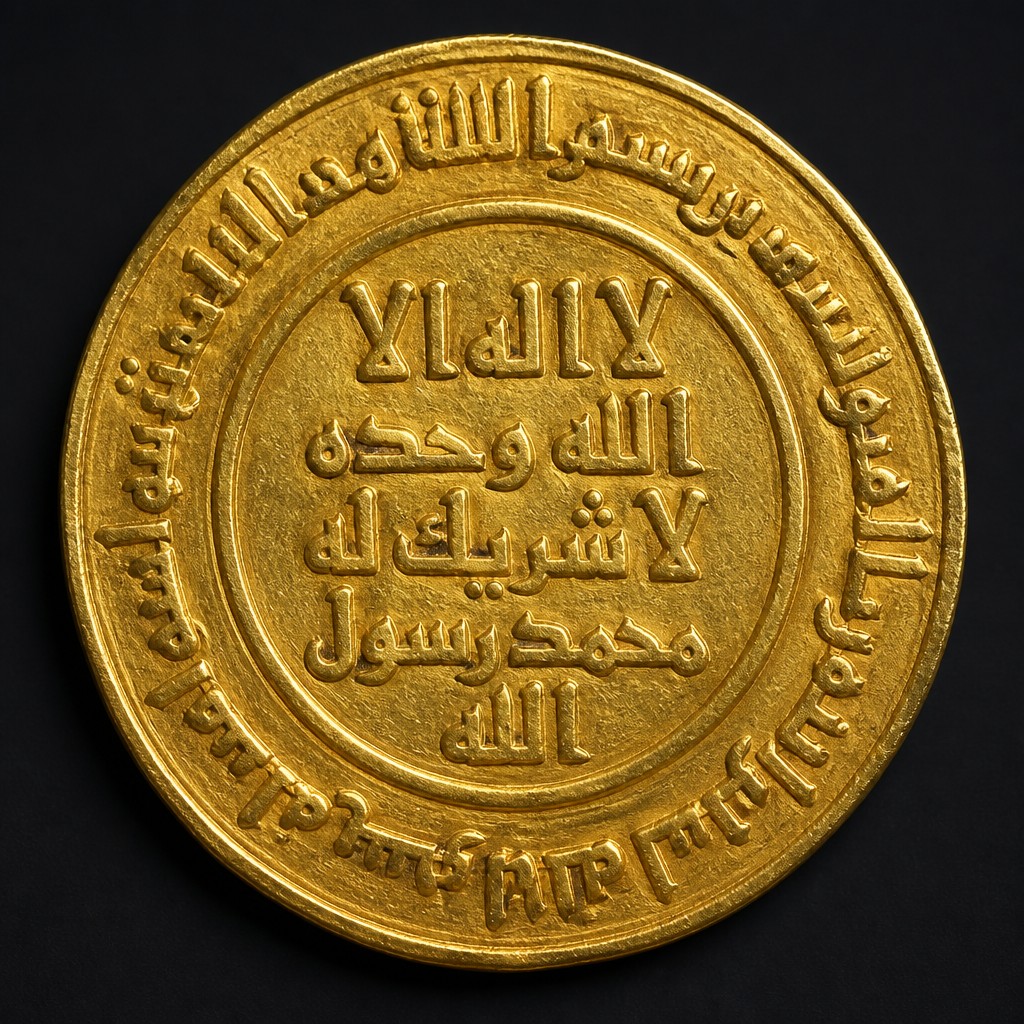
Abbasid Gold Dinar
The standard gold coin of the Abbasid Caliphate centered on Baghdad, inscribed entirely in Arabic script and struck for roughly five centuries across a vast Islamic empire.
World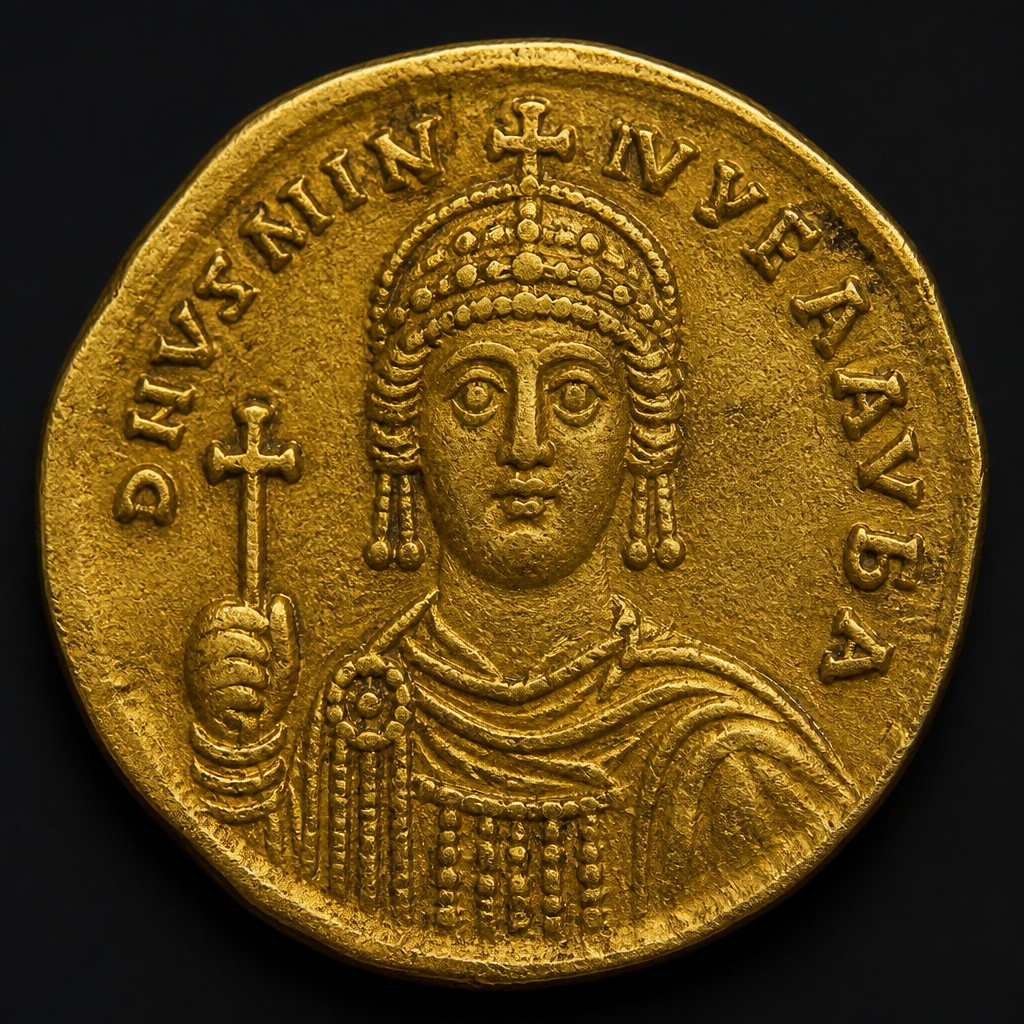
Byzantine Gold Semissis
A scarce half-value gold fraction of the Byzantine solidus, struck in smaller numbers than the tremissis and often associated with ceremonial or donative purposes.
Ancient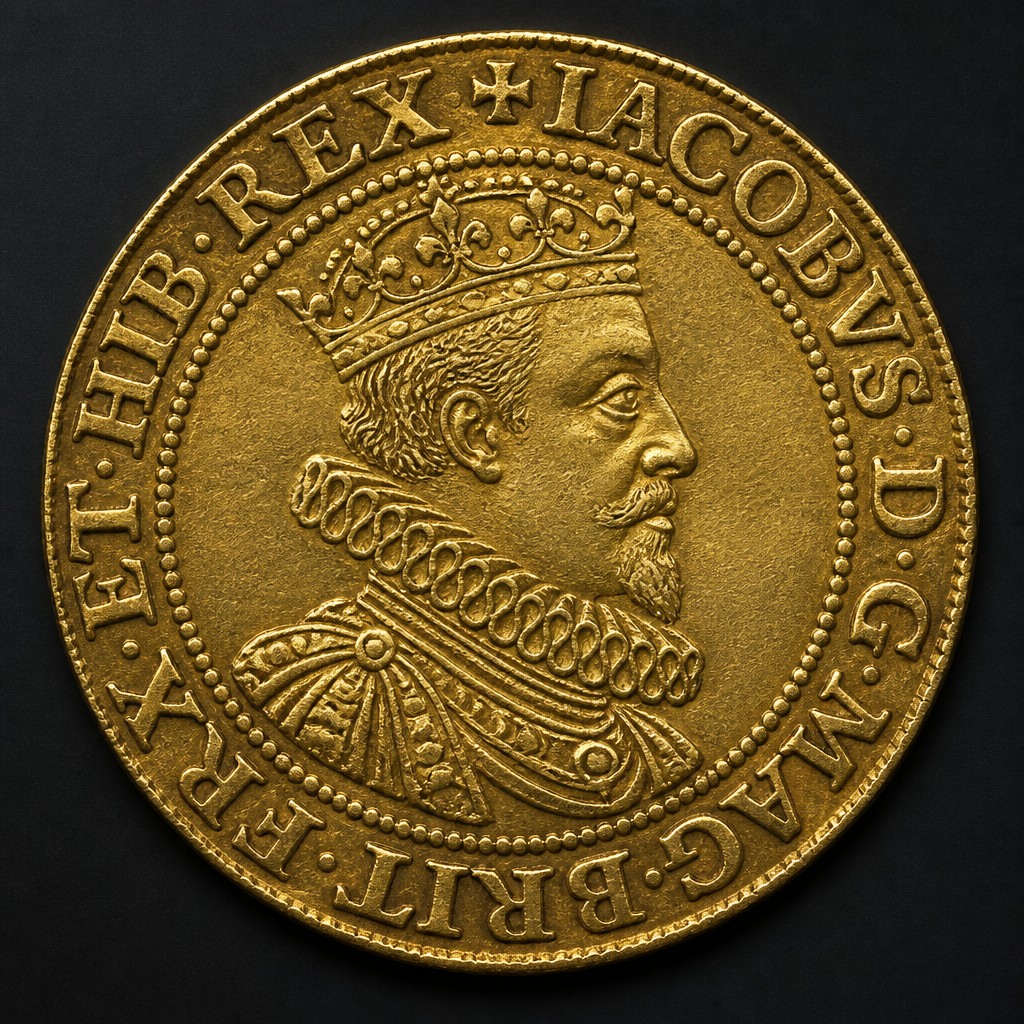
Unite
A gold twenty-shilling coin introduced by James I in 1604 to celebrate the union of the English and Scottish crowns, its name literally symbolizing the joining of the two kingdoms.
British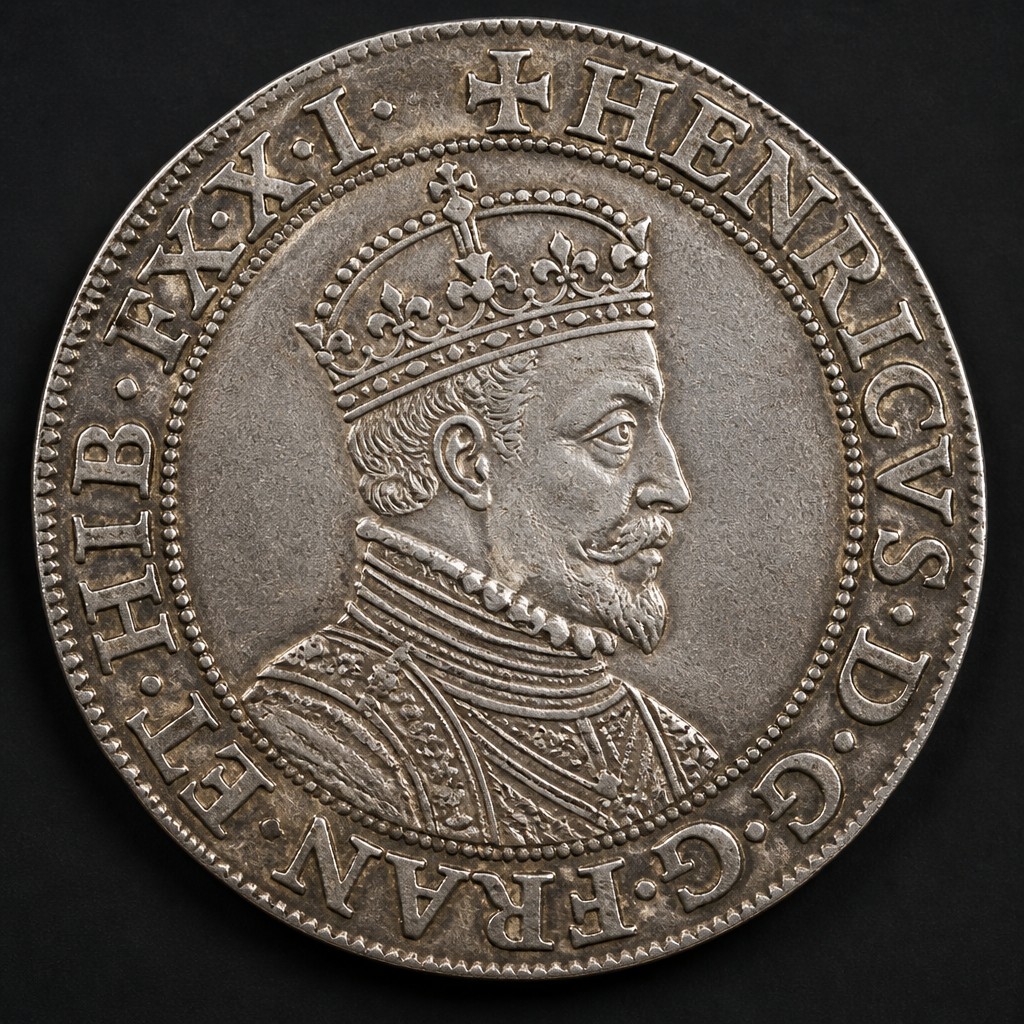
Testoon
The earliest English coin to carry a realistic royal portrait, introduced under Henry VII around 1487 as the forerunner of the shilling, later continued and debased under Henry VIII.
British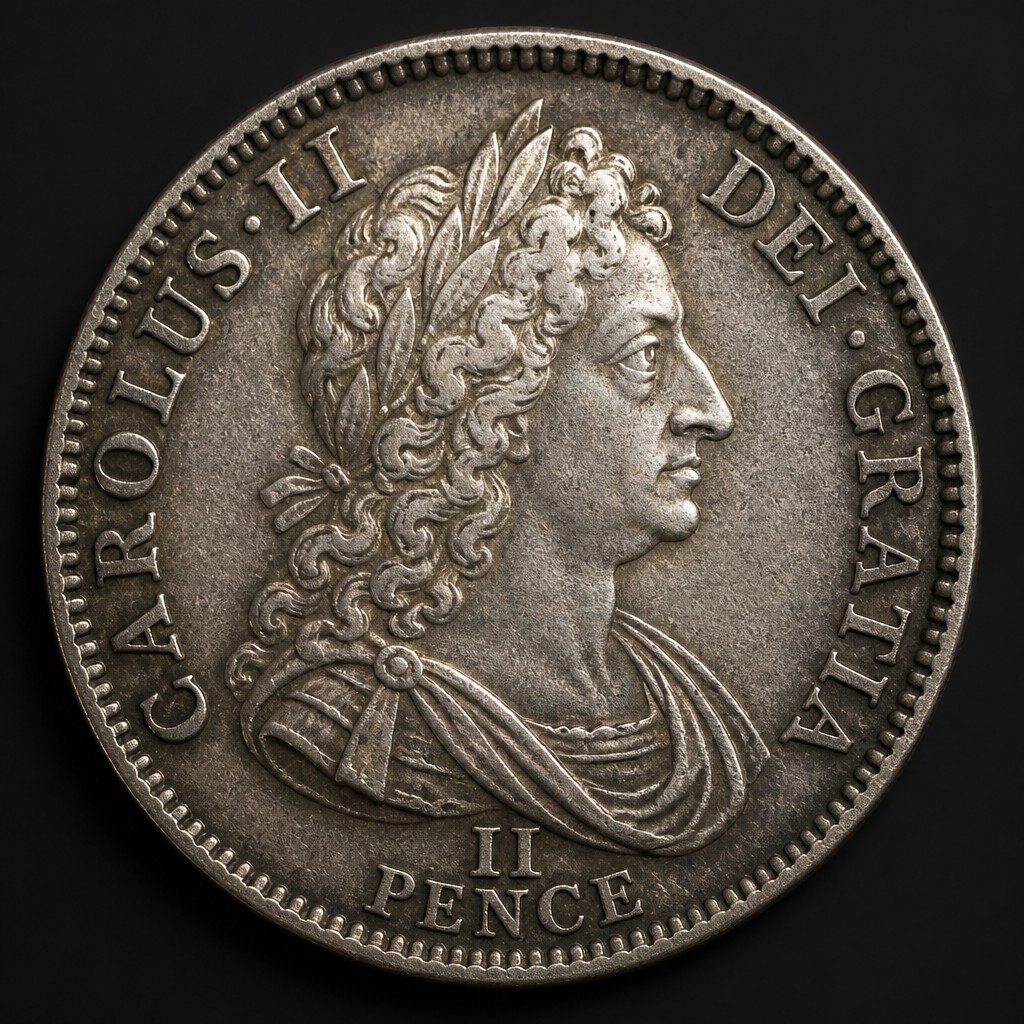
Maundy Twopence
A small silver twopence struck each year as part of the Royal Maundy set, historically descended from the medieval silver half groat and still distributed in the annual royal alms ceremony.
British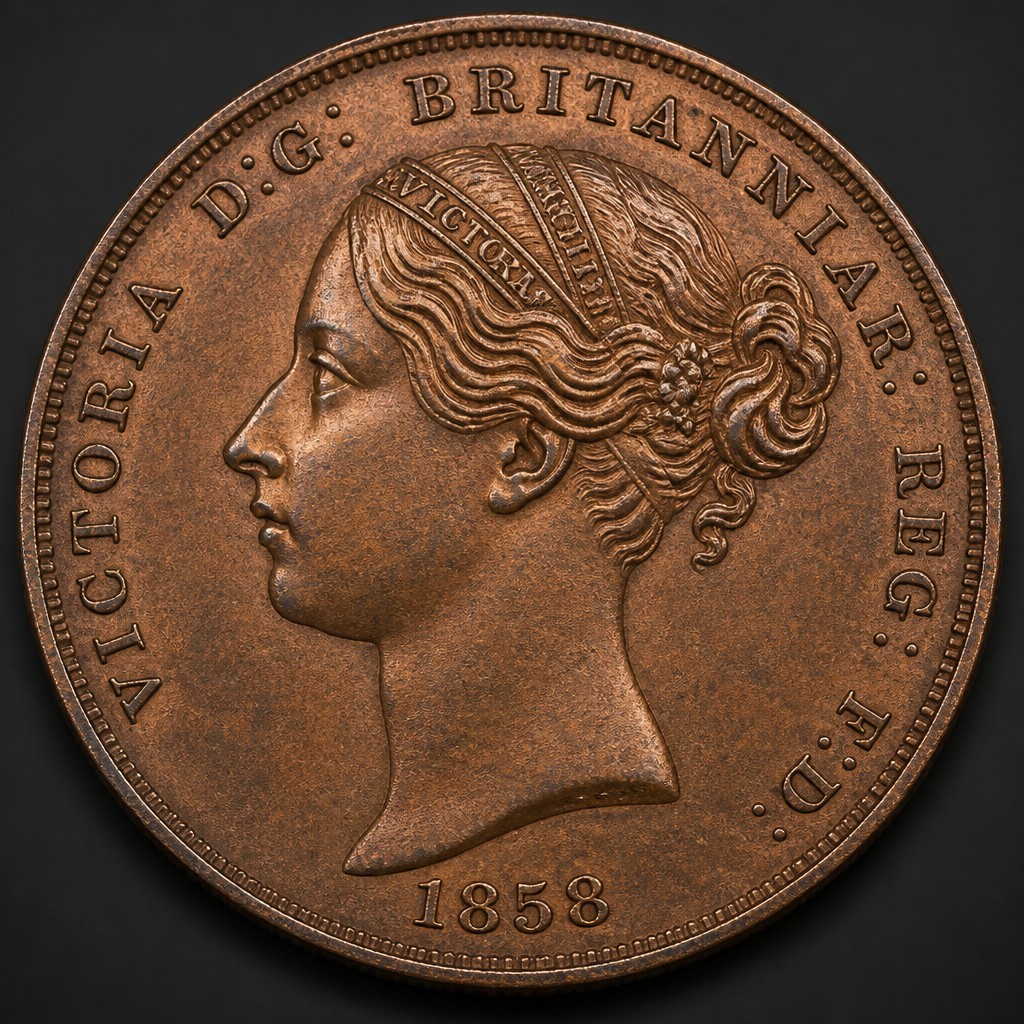
Quarter Farthing
The smallest fractional denomination in British coinage, worth one-sixteenth of a penny, struck primarily for use in colonial Ceylon during Victoria's reign.
British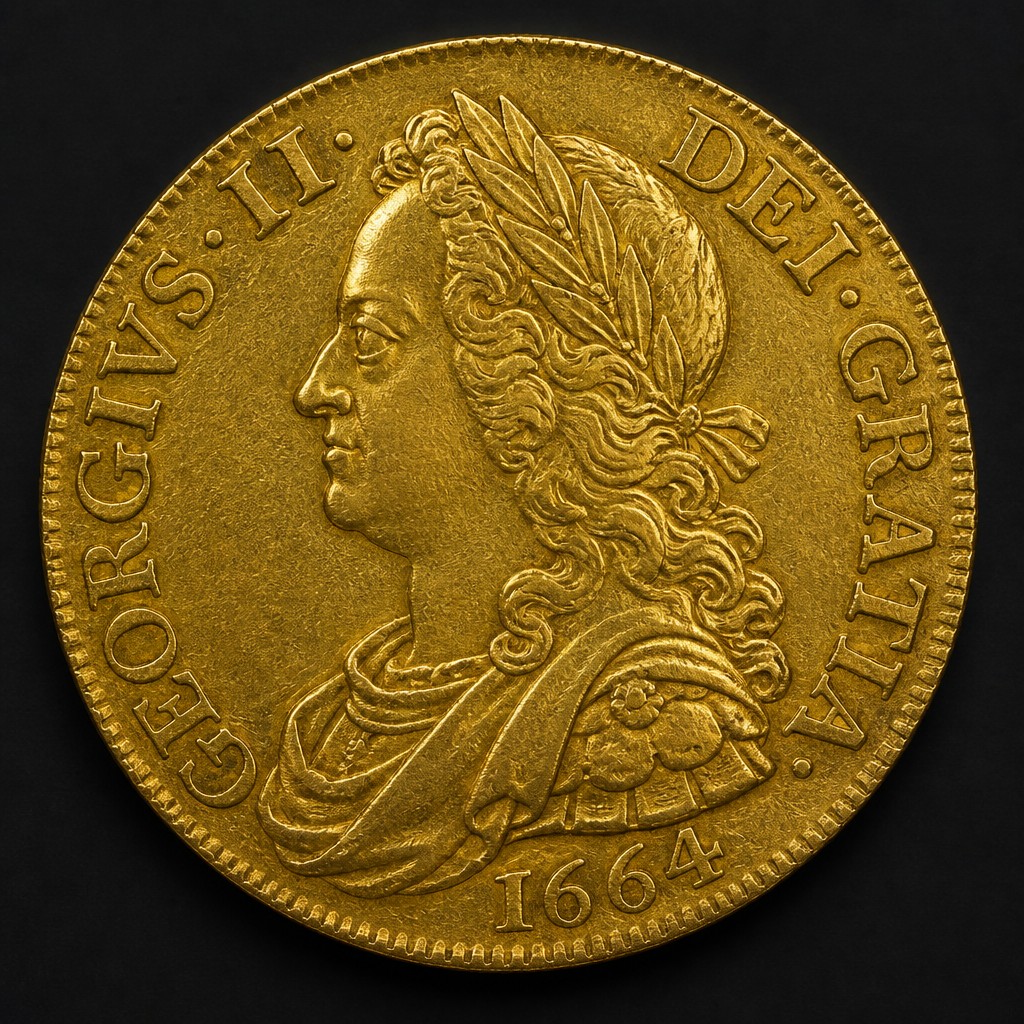
Two Guinea (Double Guinea)
A substantial gold coin worth two guineas, struck intermittently from the reign of Charles II through George II as part of England and Great Britain's early guinea coinage system.
British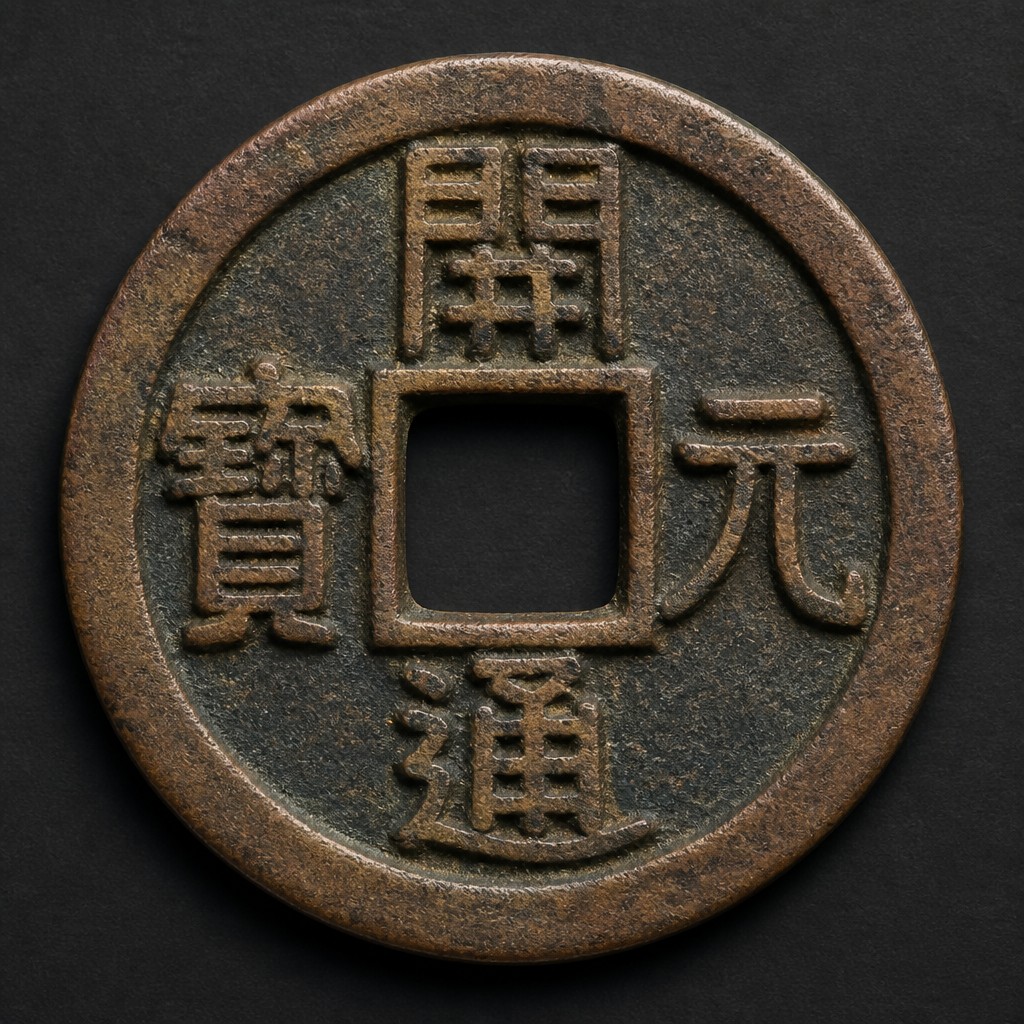
Kai Yuan Tong Bao Cash
A landmark Tang dynasty cash coin whose four-character reign-title inscription became the standard template for Chinese, and much of East Asian, coinage for the next 1,300 years.
Ancient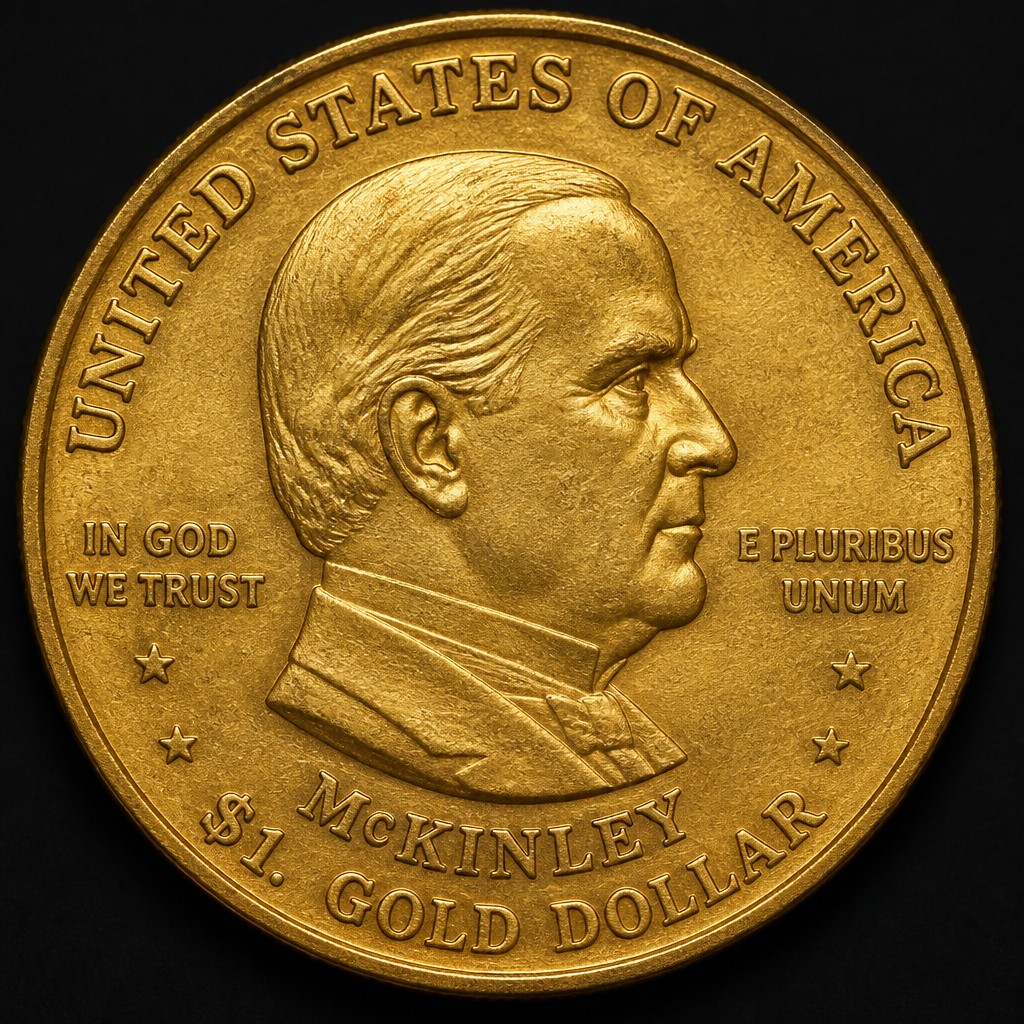
McKinley Memorial Gold Dollar
A small commemorative gold dollar honoring assassinated President William McKinley, sold to raise funds for a memorial building in his Ohio birthplace.
Commemorative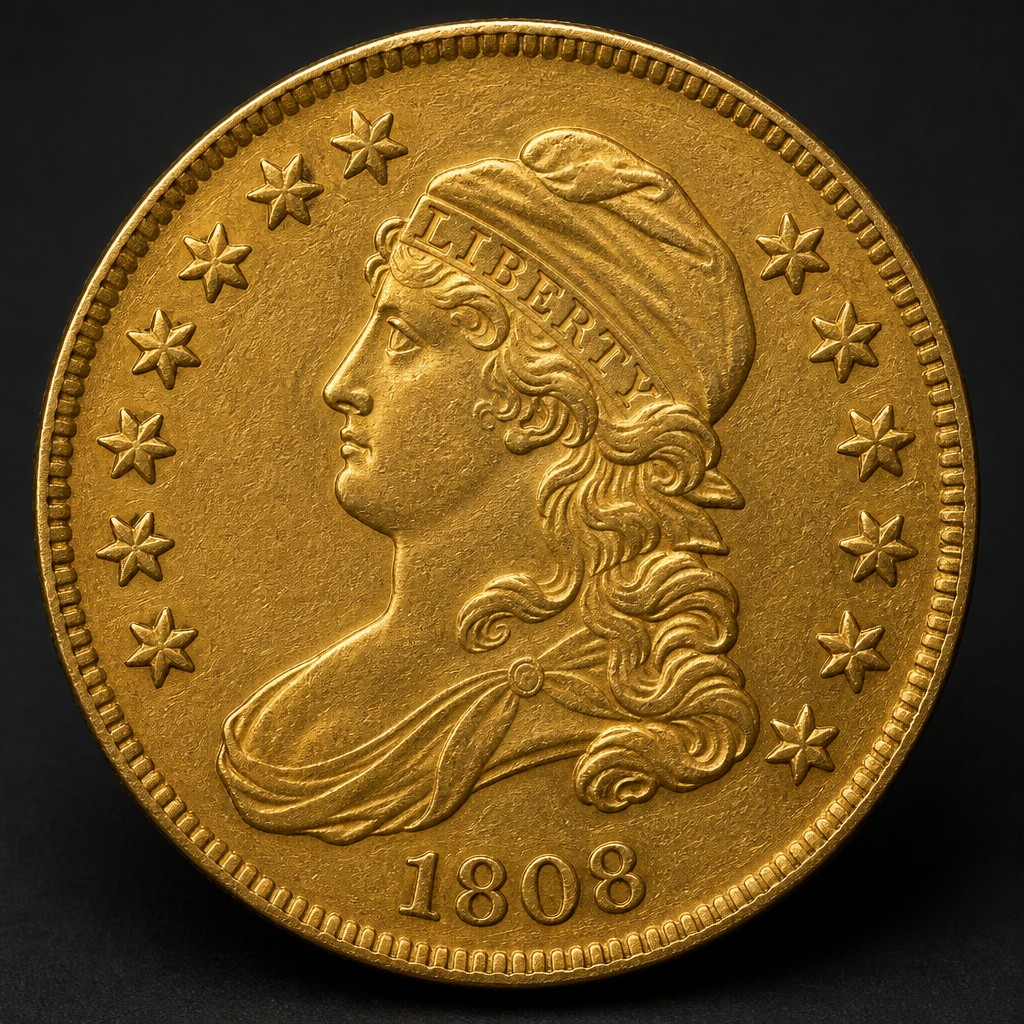
Capped Bust Quarter Eagle
An umbrella term for the earliest U.S. $2.50 gold coins (1796-1834), whose Liberty-in-a-cap portrait evolved through several sub-types, including the famous single-year 1808 issue.
United States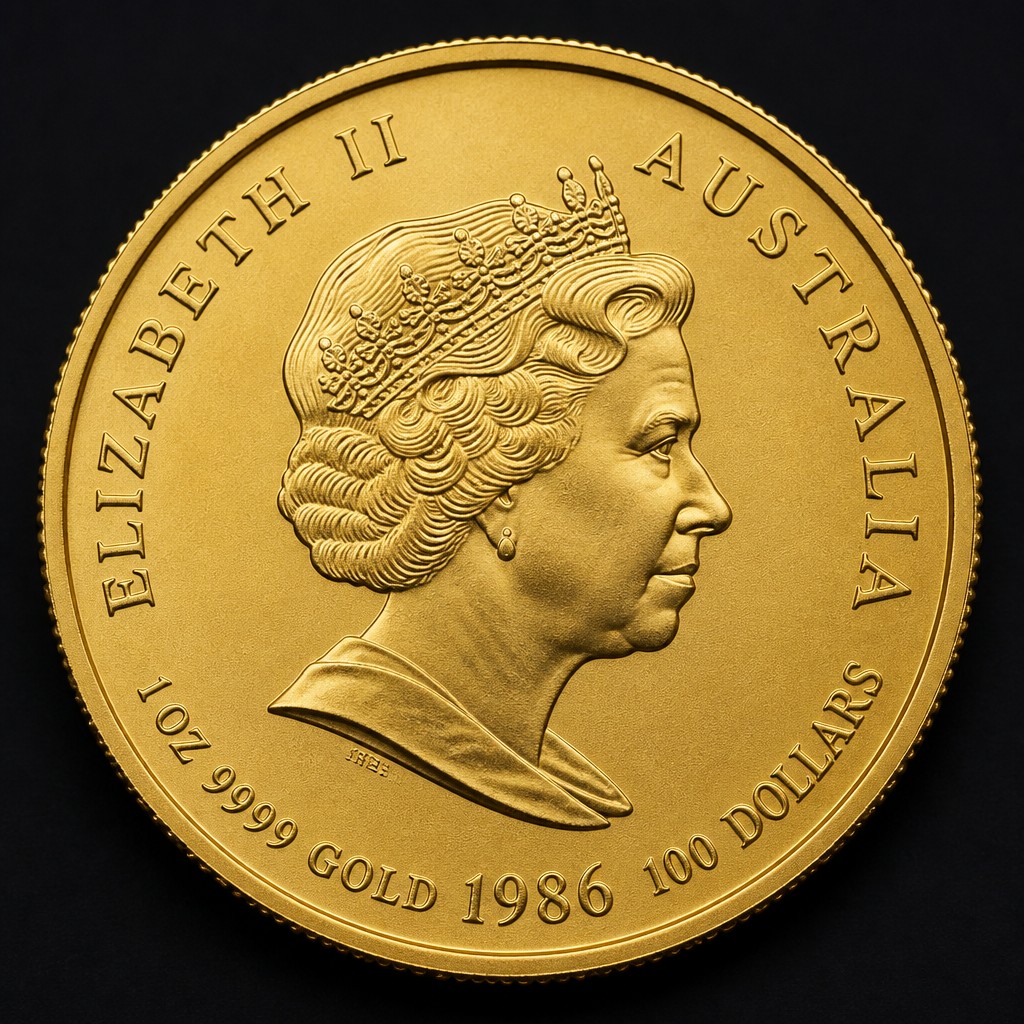
Australian Gold Nugget (Kangaroo)
Australia's premier gold bullion coin, originally depicting real gold nuggets before switching to an annually changing kangaroo design, struck in .9999 fine gold.
Bullion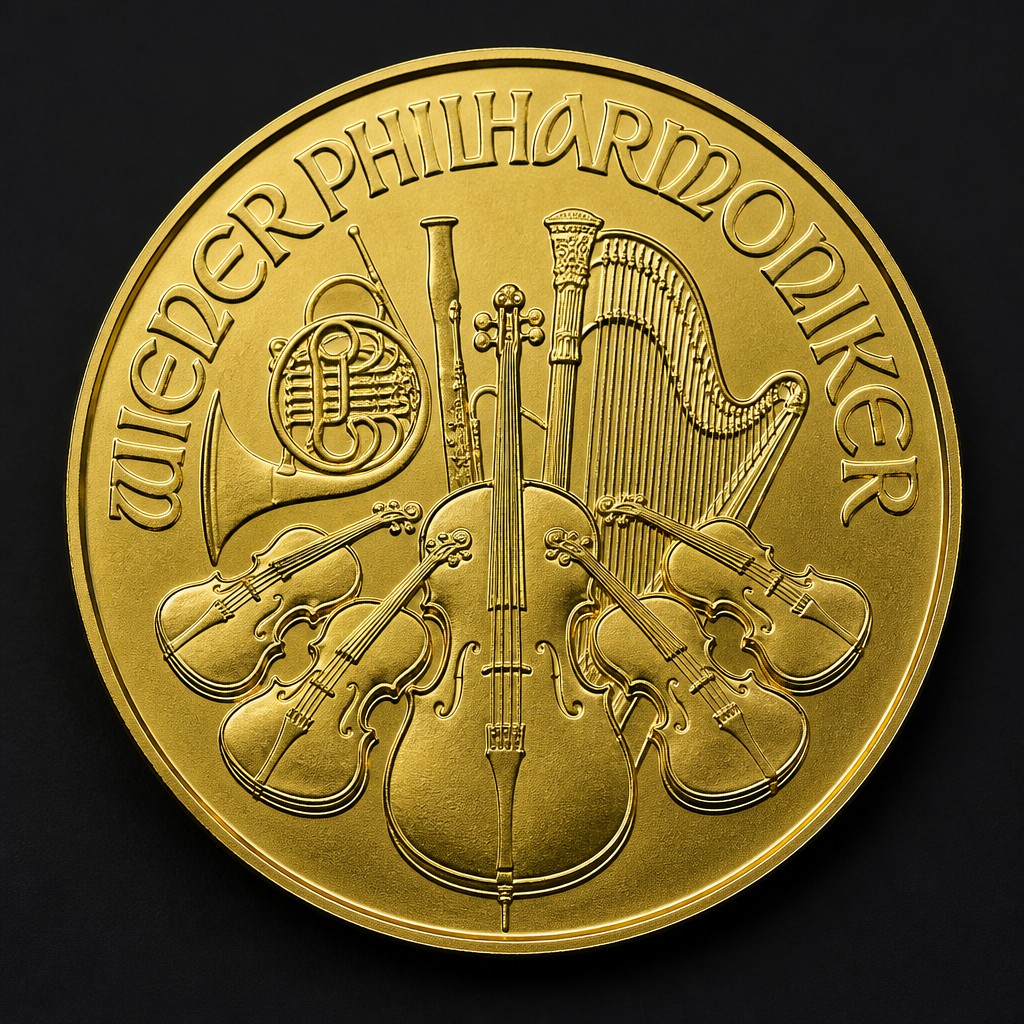
Vienna Philharmonic
Austria's celebrated bullion coin family built around a shared musical design honoring the Vienna Philharmonic Orchestra, issued in gold, silver, and platinum.
Bullion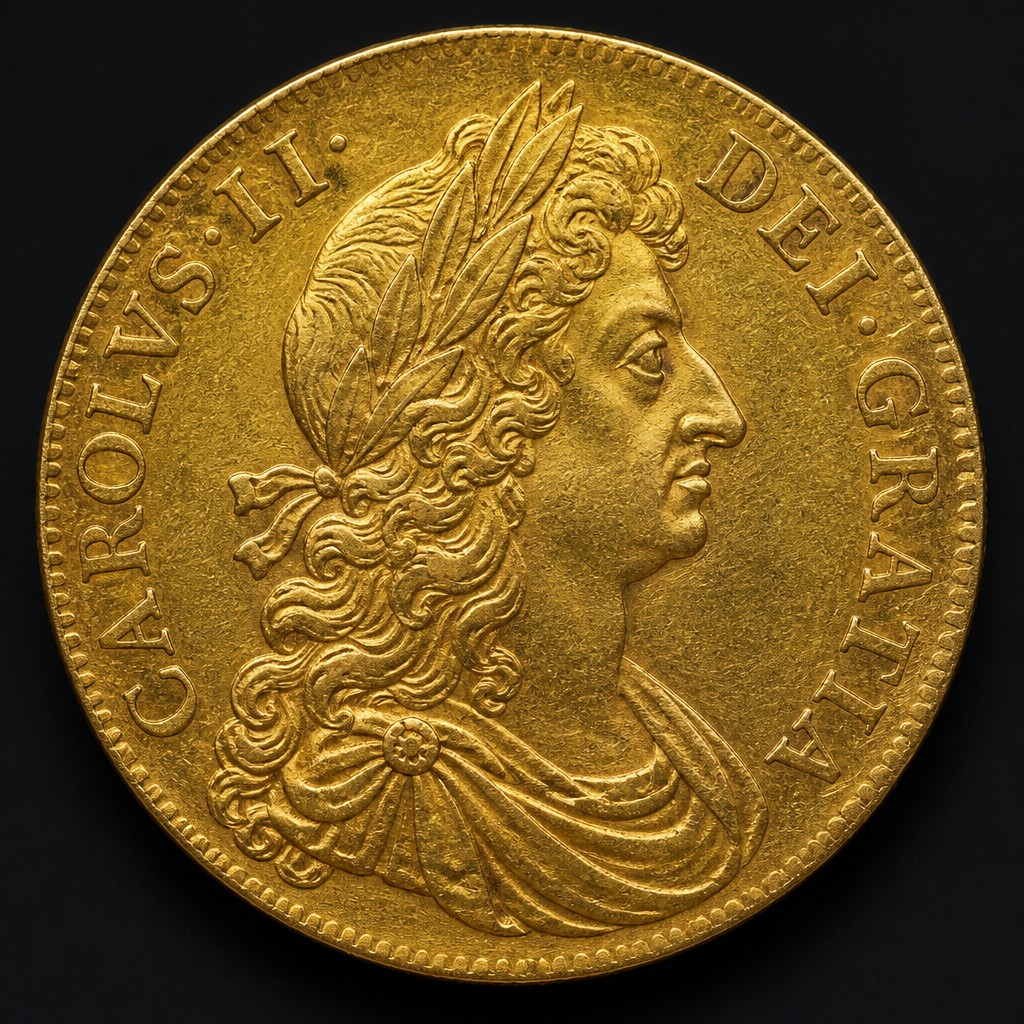
British Gold Guinea
Struck from 1663 to 1814 and named for the West African gold used in its earliest issues, the guinea was Britain's leading gold coin and gave its name to a unit of value still referenced today.
British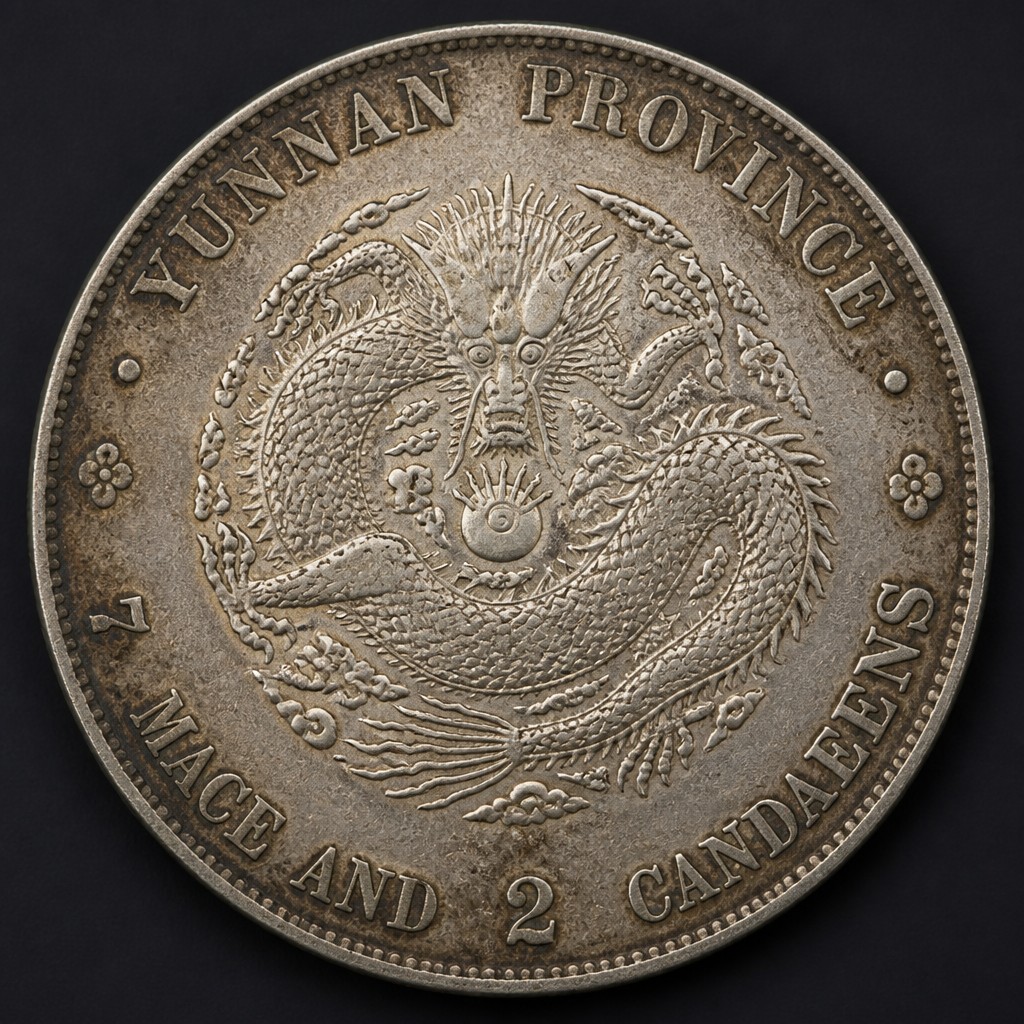
Chinese Yunnan Province Dragon Dollar
A silver dragon dollar struck by China's remote southwestern Yunnan province, notable for its distinctive coiled dragon design and unusually long production continuing well into the Republic era.
Asian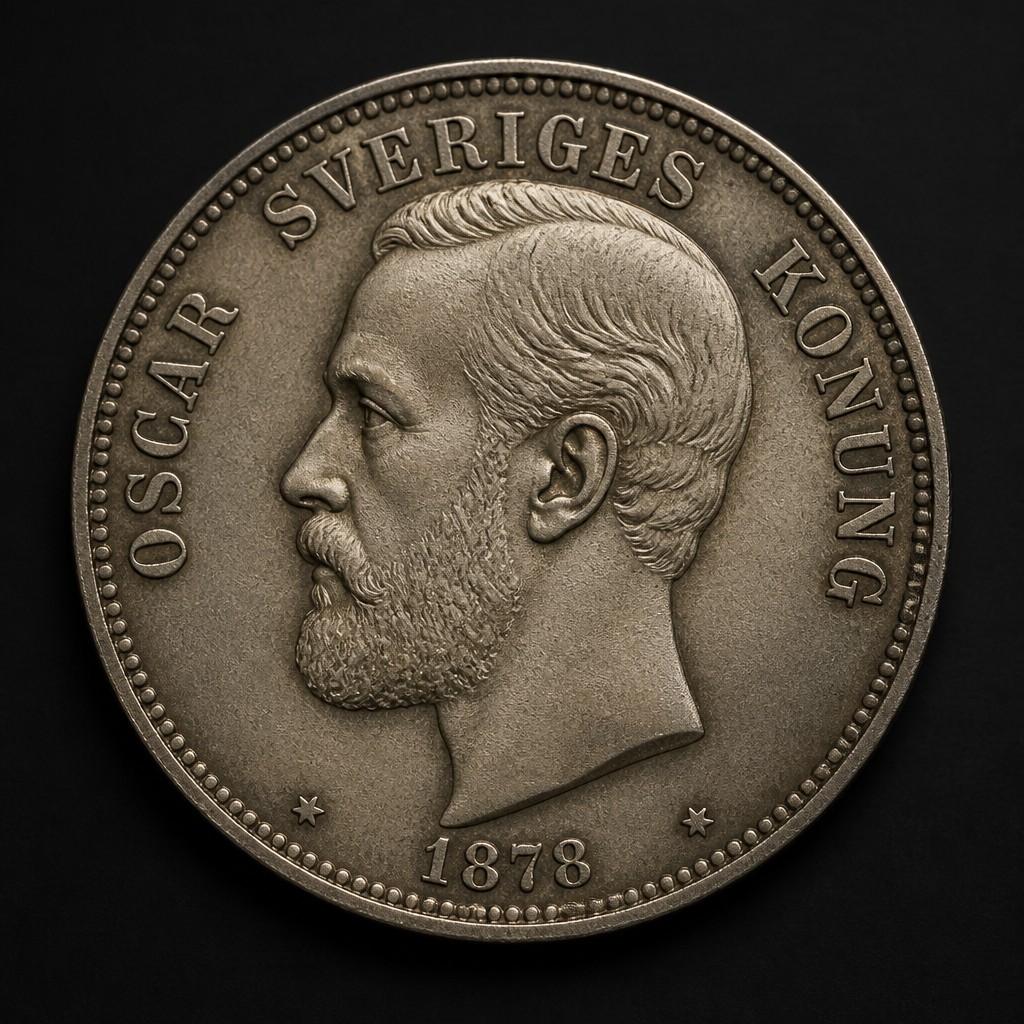
Swedish Krona
The krona has been Sweden's national currency since 1873, originally struck in silver as part of the Scandinavian Monetary Union and today issued in base metals bearing the reigning monarch's portrait.
European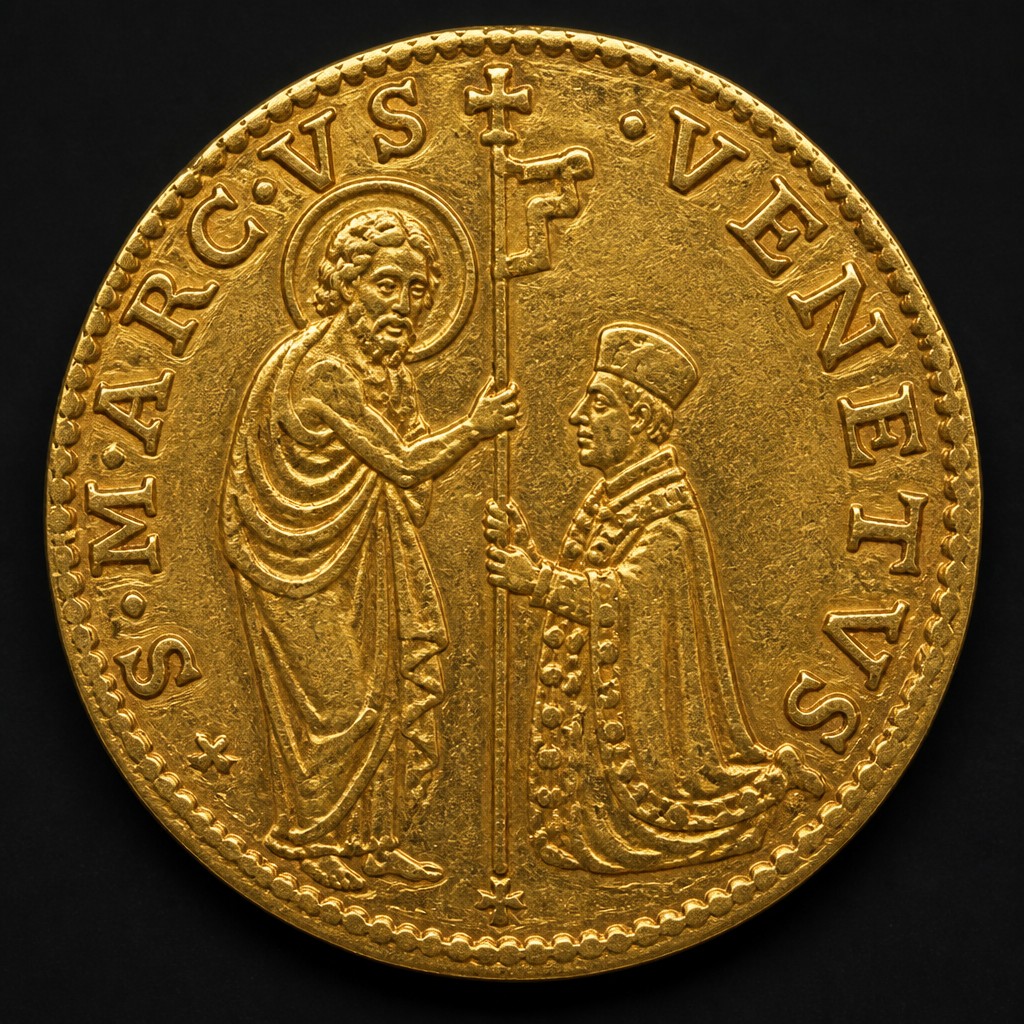
Venetian Ducat
Gold coin first struck by the Republic of Venice in 1284, prized for its remarkably consistent weight and purity, which made it a dominant trade coin across medieval and Renaissance Europe.
European