
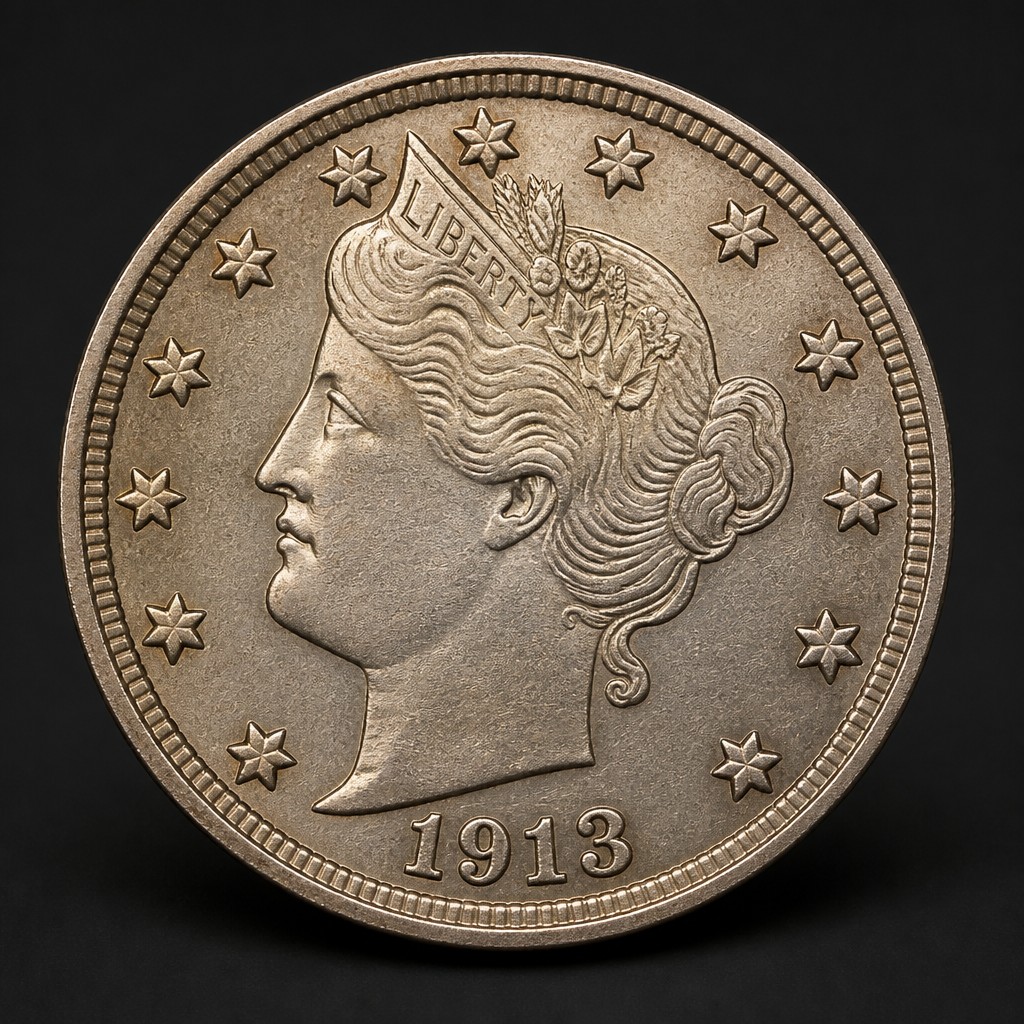
1913 Liberty Head Nickel
One of the most famous rarities in American numismatics: only five examples exist of a Liberty Head nickel dated 1913, a year in which the design was officially replaced by the Buffalo nickel.
- Country
- United States
- Denomination
- Five Cents
- Metal
- Copper-Nickel
Got a coin like this?
Identify any coin from a photo, free.
Overview
The 1913 Liberty Head nickel is among the most legendary rarities in United States coinage, with only five specimens known to exist. Its mystique stems not just from its extreme scarcity but from the unusual circumstances of its creation: the Mint had officially discontinued the Liberty Head nickel design in favor of the new Buffalo nickel before 1913 production began, meaning these coins were never authorized for regular issue.
Because of its rarity, dramatic backstory, and decades of colorful ownership history, the coin has become a fixture of numismatic folklore, and each of the five known examples is individually tracked and has its own well-documented provenance.
History & Background
The Liberty Head ("V") nickel design, in production since 1883, was officially replaced by the Buffalo nickel beginning in 1913. Despite this, five nickels dated 1913 bearing the old Liberty Head design surfaced years later, apparently struck clandestinely, likely by a Mint employee, since no authorization exists for their production and they do not appear in official records.
The coins first came to public attention in the 1920s when collector and former Mint employee Samuel Brown, who had worked at the Philadelphia Mint in 1913, advertised offering to buy examples and then, notably, revealed he already possessed all five, fueling long-standing suspicion that he had made them himself or otherwise obtained them improperly. The coins subsequently changed hands among prominent collectors and dealers throughout the 20th century.
One of the five, sometimes called the "Walton specimen" after collector George Walton, was believed lost or fake for decades after Walton's death in a car accident before being authenticated and reunited with the other four in the early 2000s, adding another celebrated chapter to the coin's history.
How to Identify
The obverse shows Liberty's head facing left wearing a coronet inscribed LIBERTY, with stars around the border and the date below, matching the general design used on Liberty Head nickels from 1883 through 1912. The reverse features a large Roman numeral V within a wreath, encircled by UNITED STATES OF AMERICA and CENTS.
Because only five genuine examples exist and each is individually documented and tracked by collectors, institutions, and grading services, there is essentially no possibility of an undiscovered genuine specimen turning up in ordinary circulation or an estate; any coin claimed to be an undocumented sixth example would face extraordinary skepticism and require exhaustive authentication.
Value & Collectibility
As one of the rarest and most famous coins in American numismatics, examples of the 1913 Liberty Head nickel have sold at auction for well over $1 million, with the finest known specimen having achieved a price exceeding $4 million in a private and later public sale, among the highest prices ever paid for a U.S. coin. Because all five specimens are known and tracked, prices are driven by condition differences among that small population and by the strength of each coin's provenance and public sale history.
Frequently asked questions
How many 1913 Liberty Head nickels exist?
Only five are known to exist, and all five have been identified, authenticated, and tracked by collectors and institutions.
Why is this coin considered unauthorized?
The Liberty Head design was officially discontinued before 1913 production began, replaced by the Buffalo nickel, so no legitimate authority ever approved striking 1913-dated Liberty Head nickels.
Could I find a genuine 1913 Liberty Head nickel in a coin jar?
Extremely unlikely; all five known examples are accounted for and held by known collectors or institutions, so an undiscovered genuine example would be a numismatic sensation requiring rigorous authentication.
What is the 'Walton specimen'?
It is one of the five known 1913 Liberty Head nickels, once believed lost or counterfeit after its owner George Walton's death, later authenticated and reunited with the other four examples.
Other coins you may enjoy
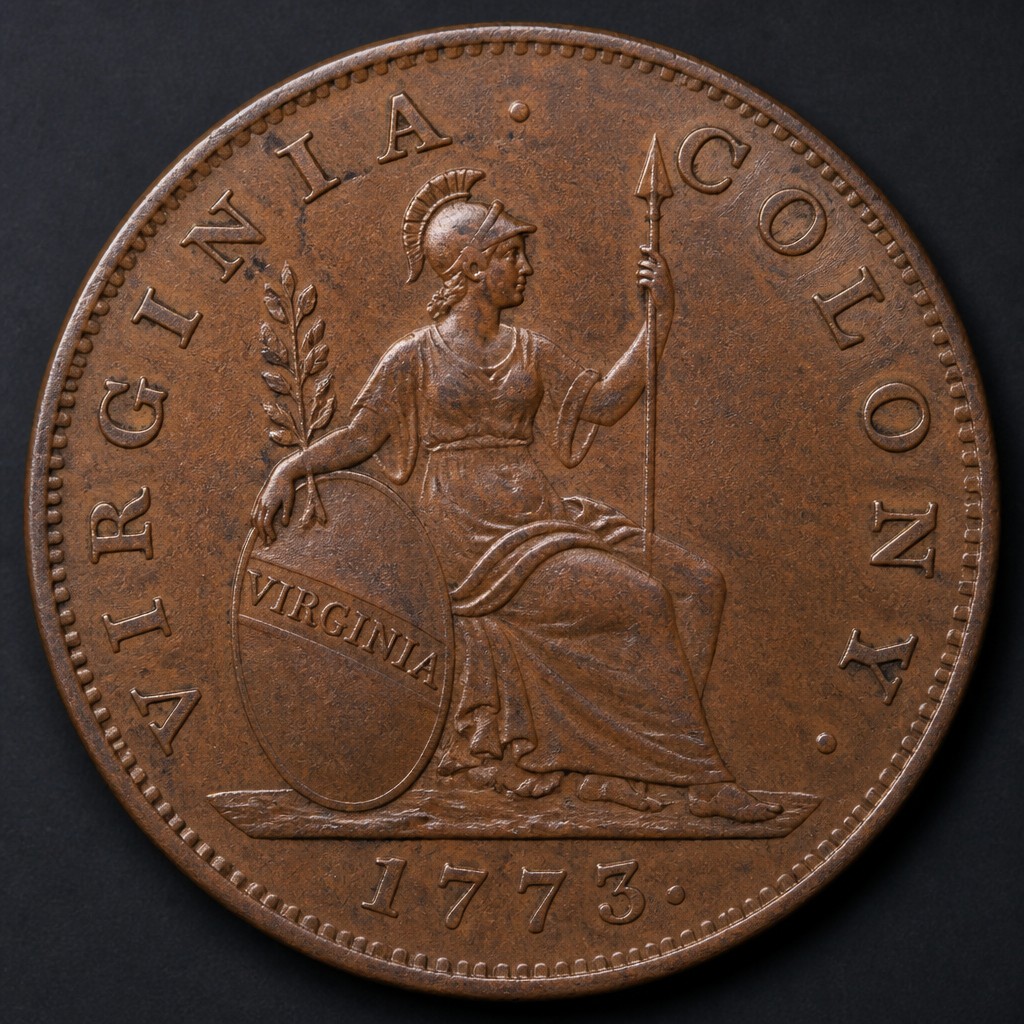
Virginia Halfpenny
1773
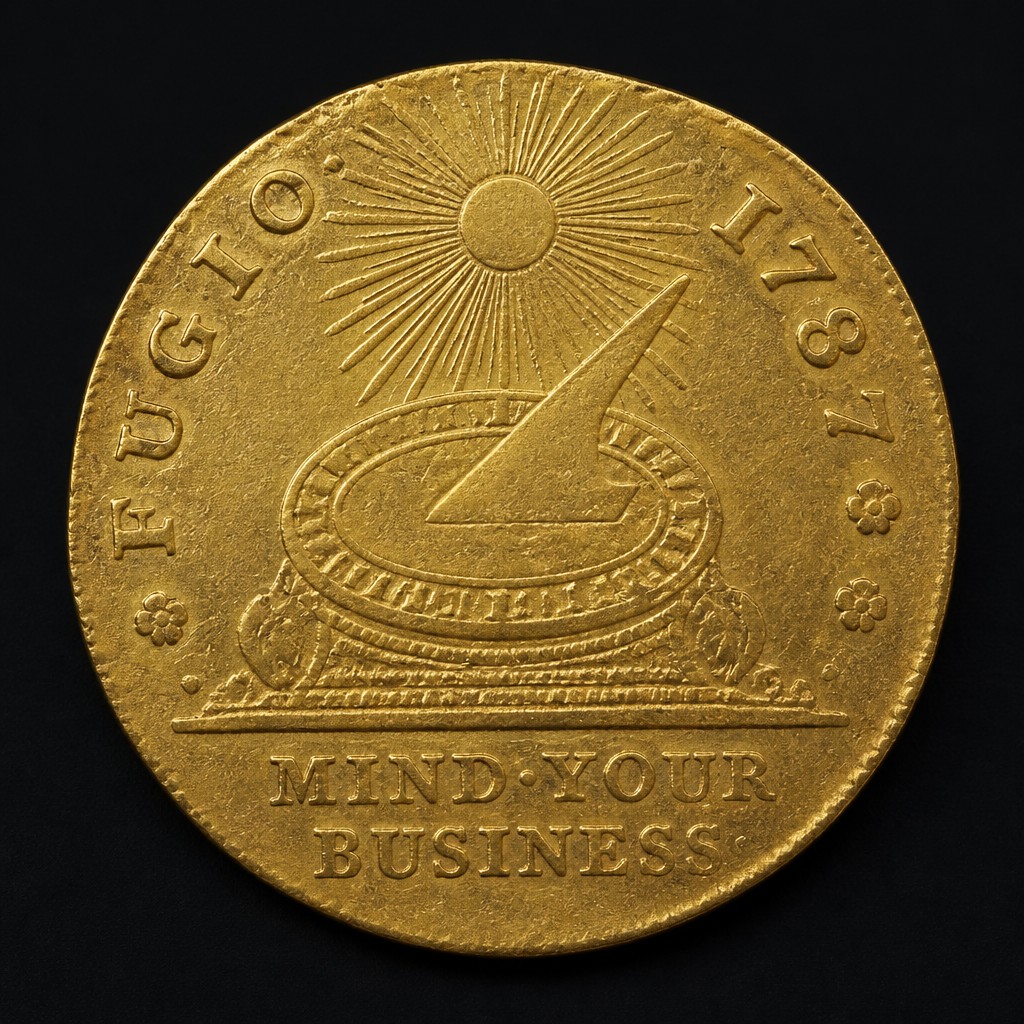
Brasher Doubloon
1787
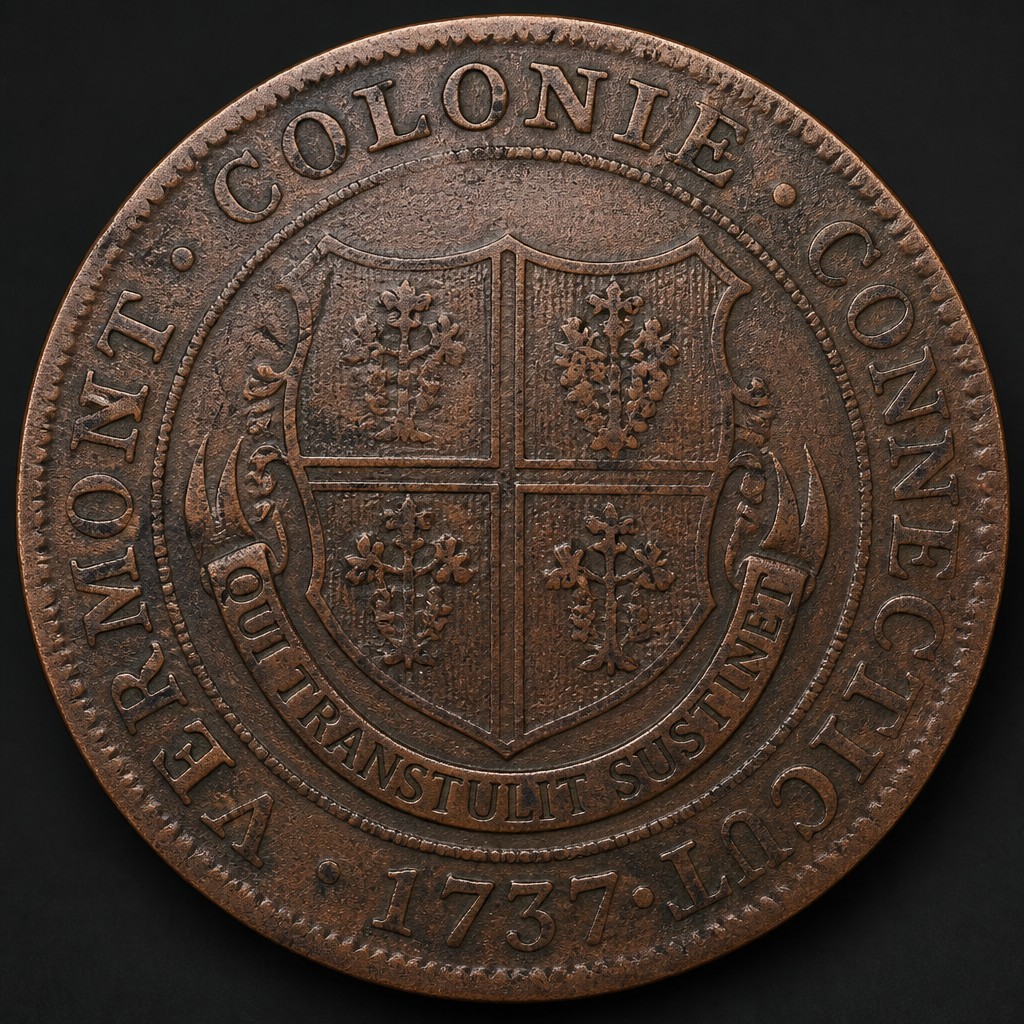
Higley Copper
1737–1739
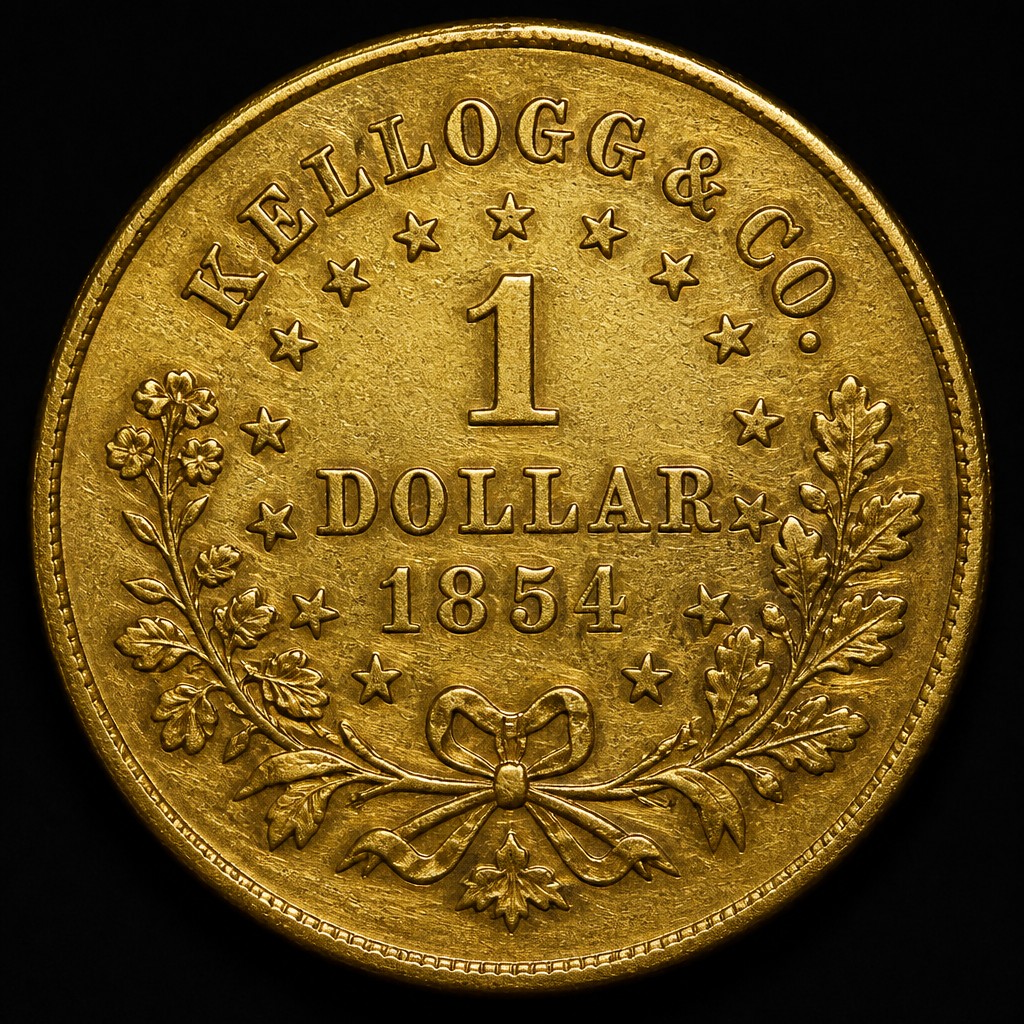
Kellogg & Co. Gold Piece
1854–1855
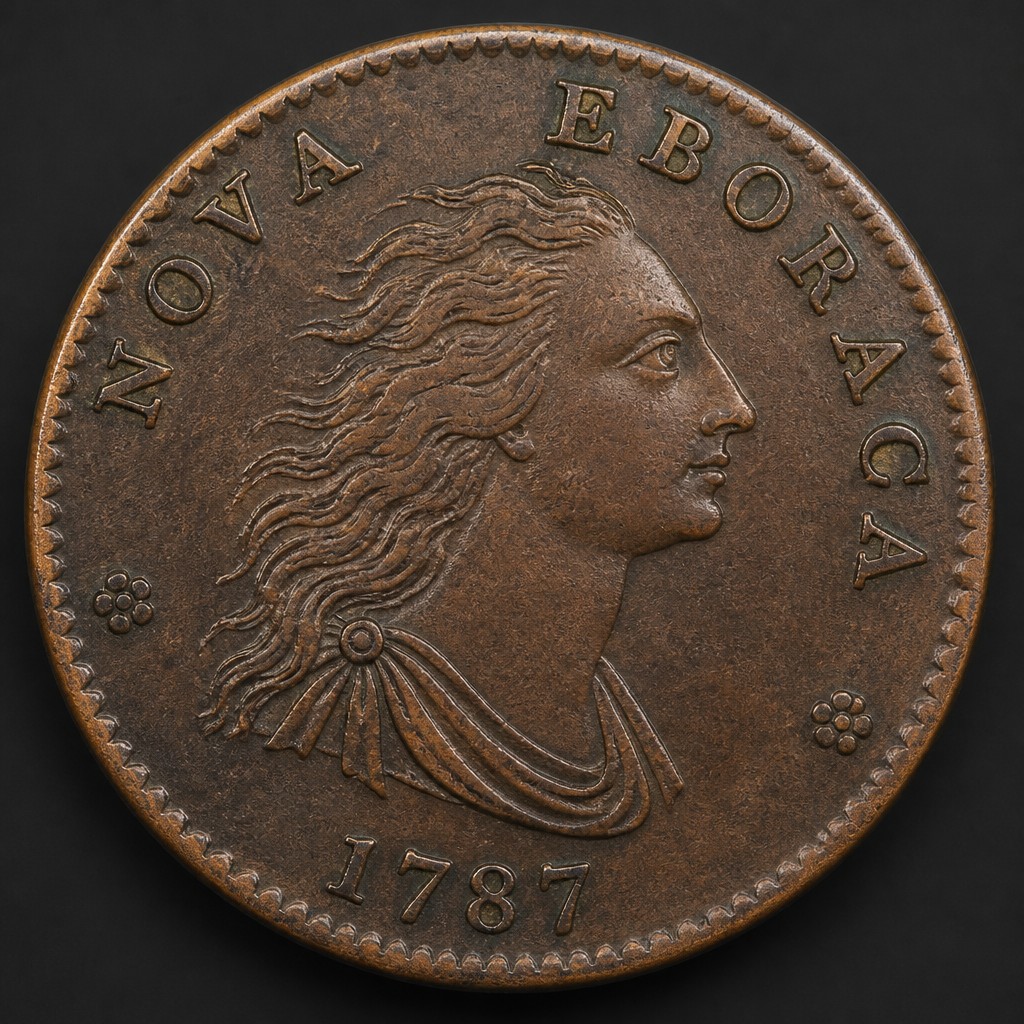
Nova Eborac Copper
1787
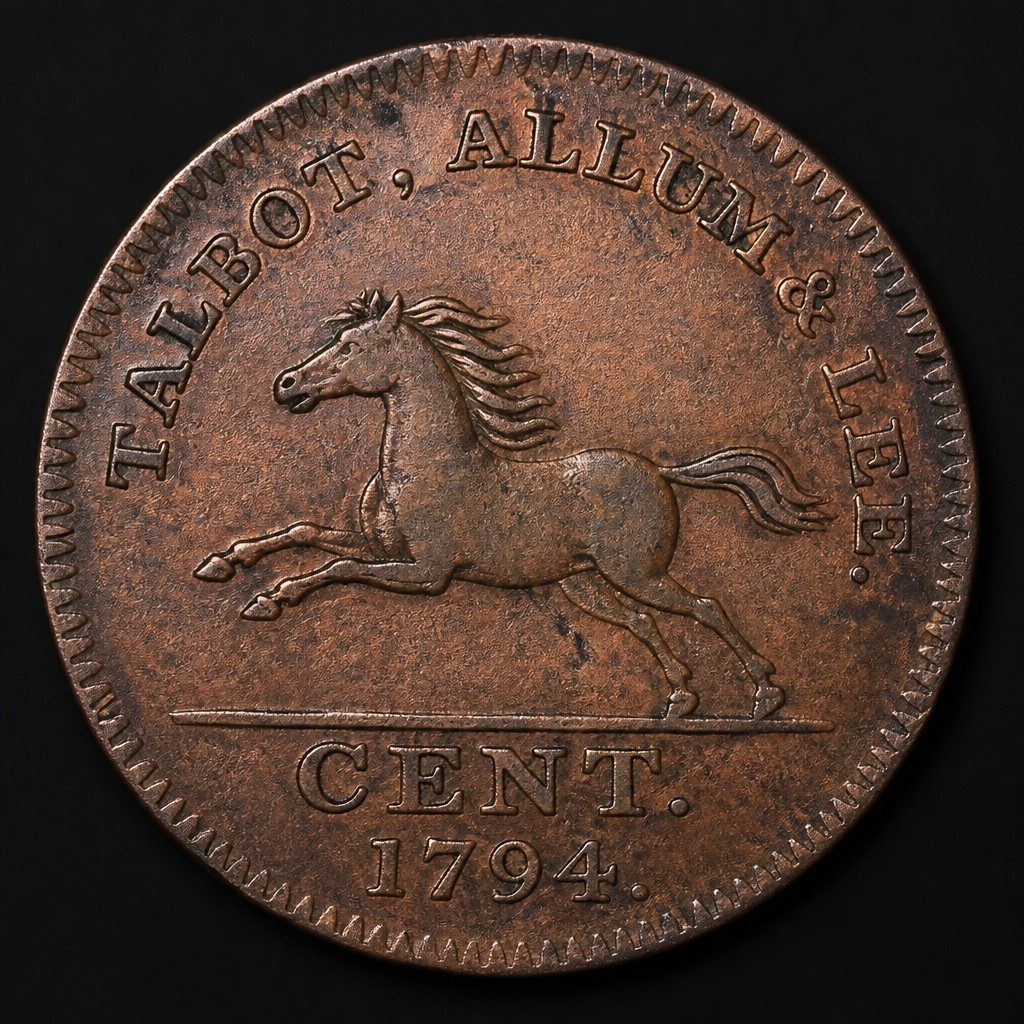
Talbot, Allum & Lee Cent
1794–1795
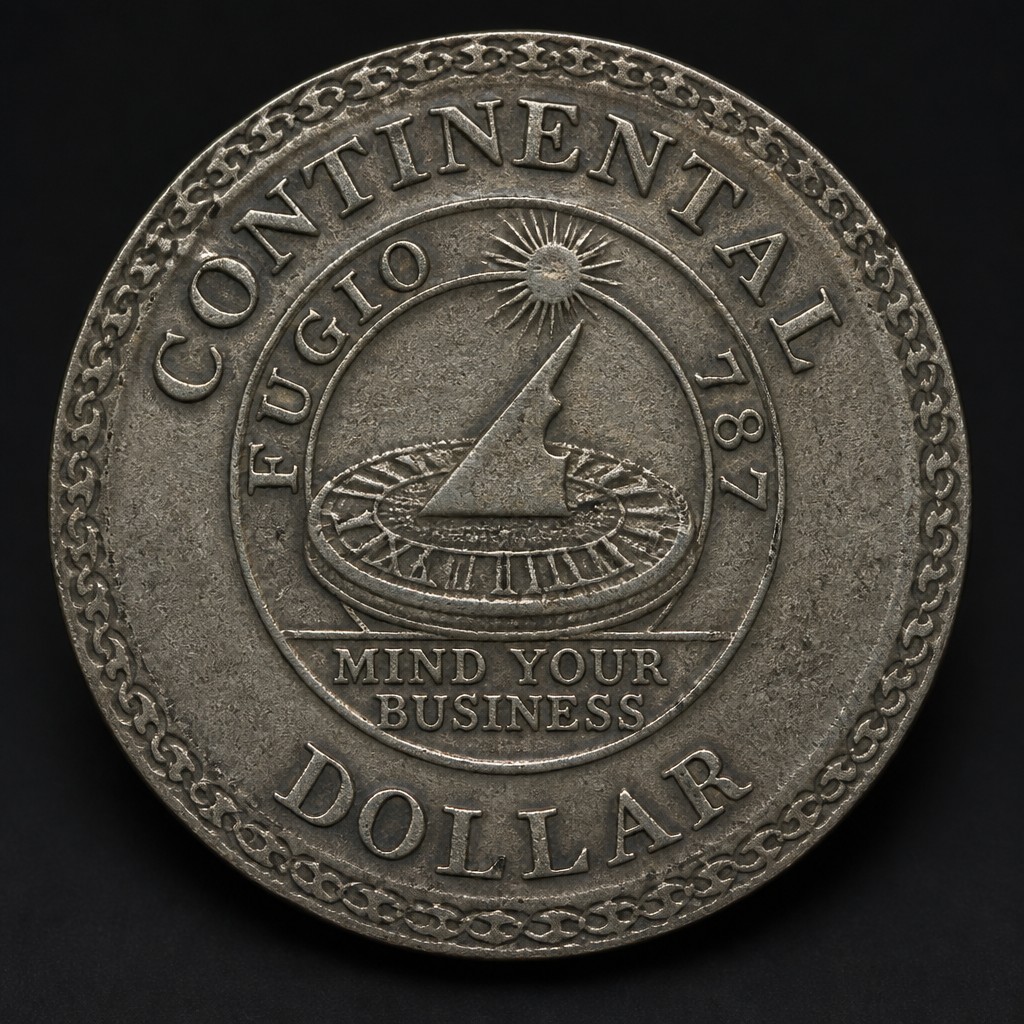
Continental Dollar
1776
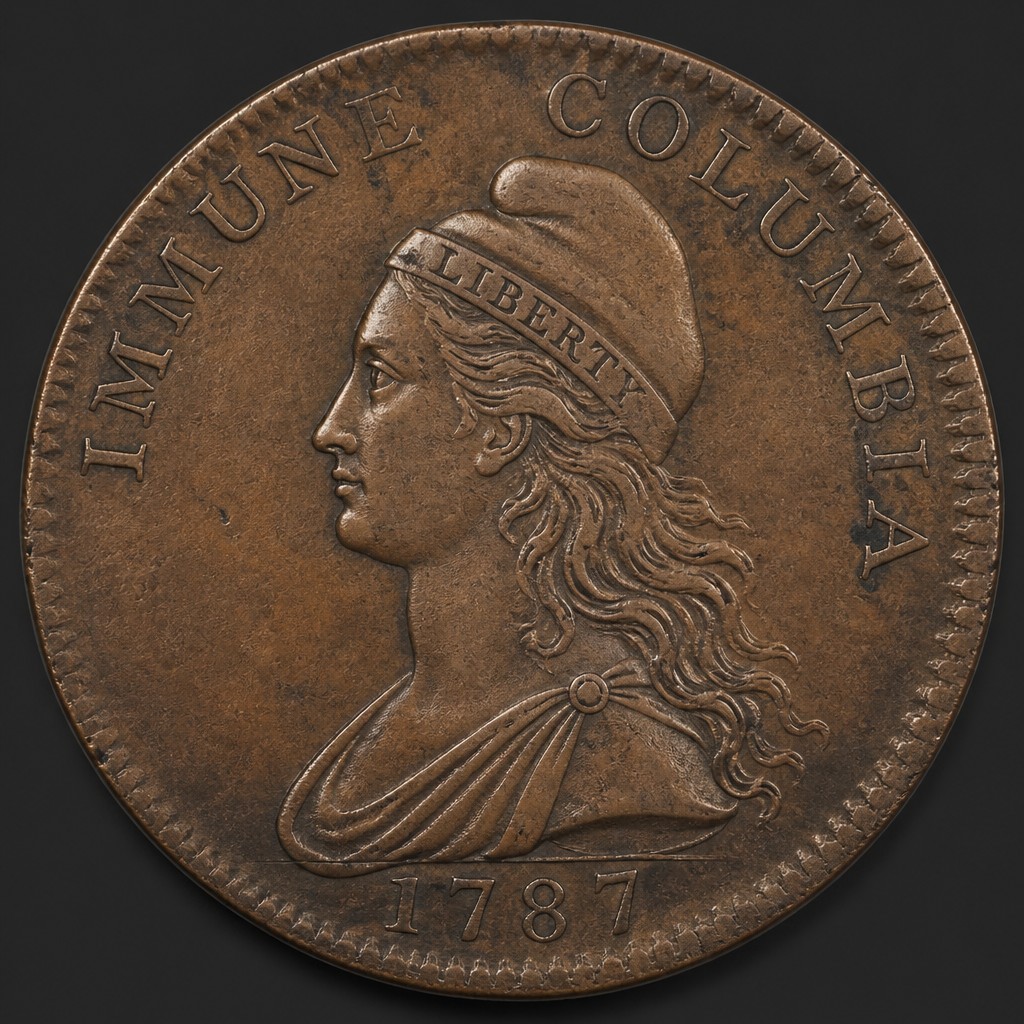
Immune Columbia Copper
circa 1785–1787
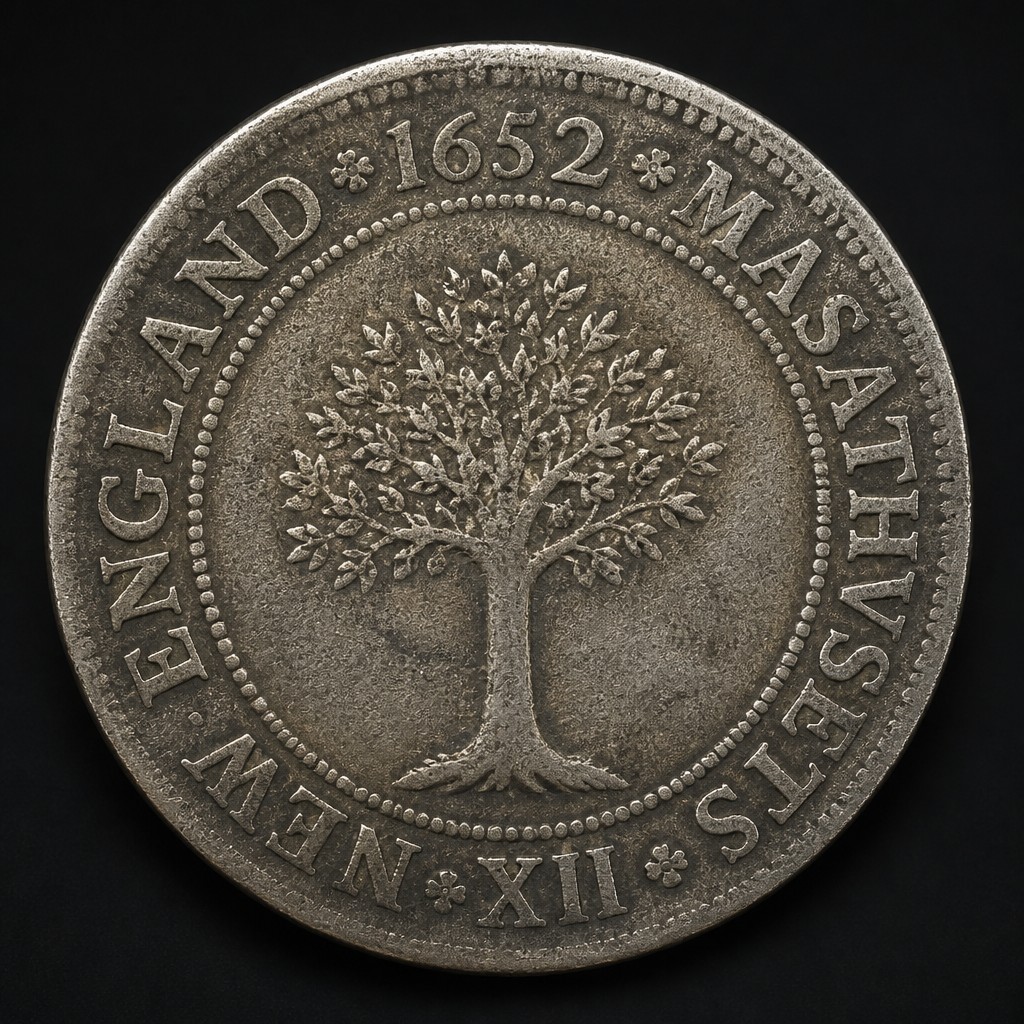
Massachusetts Oak Tree Shilling
Dated 1652, struck circa 1660–1667
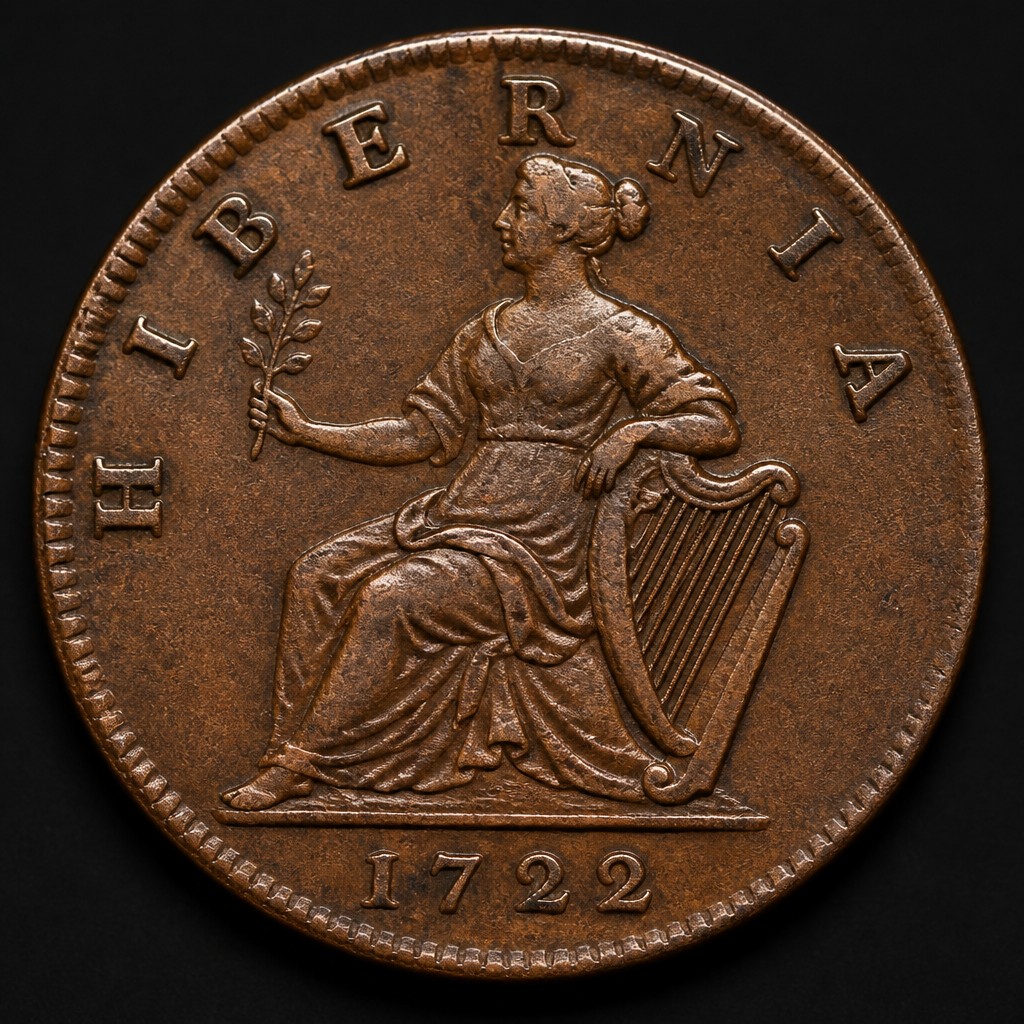
Wood's Hibernia Halfpenny
1722–1724
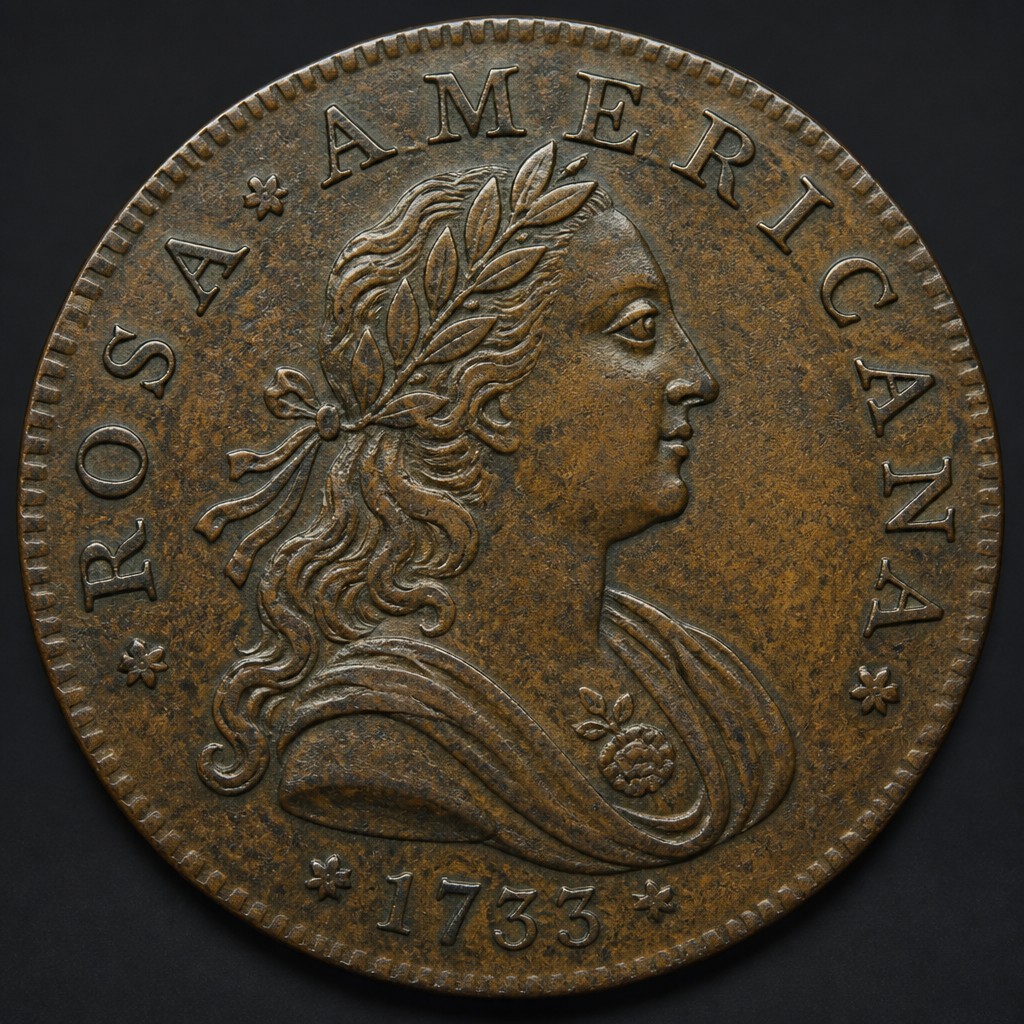
Rosa Americana Coinage
1722–1724 (with pattern issues dated 1733)
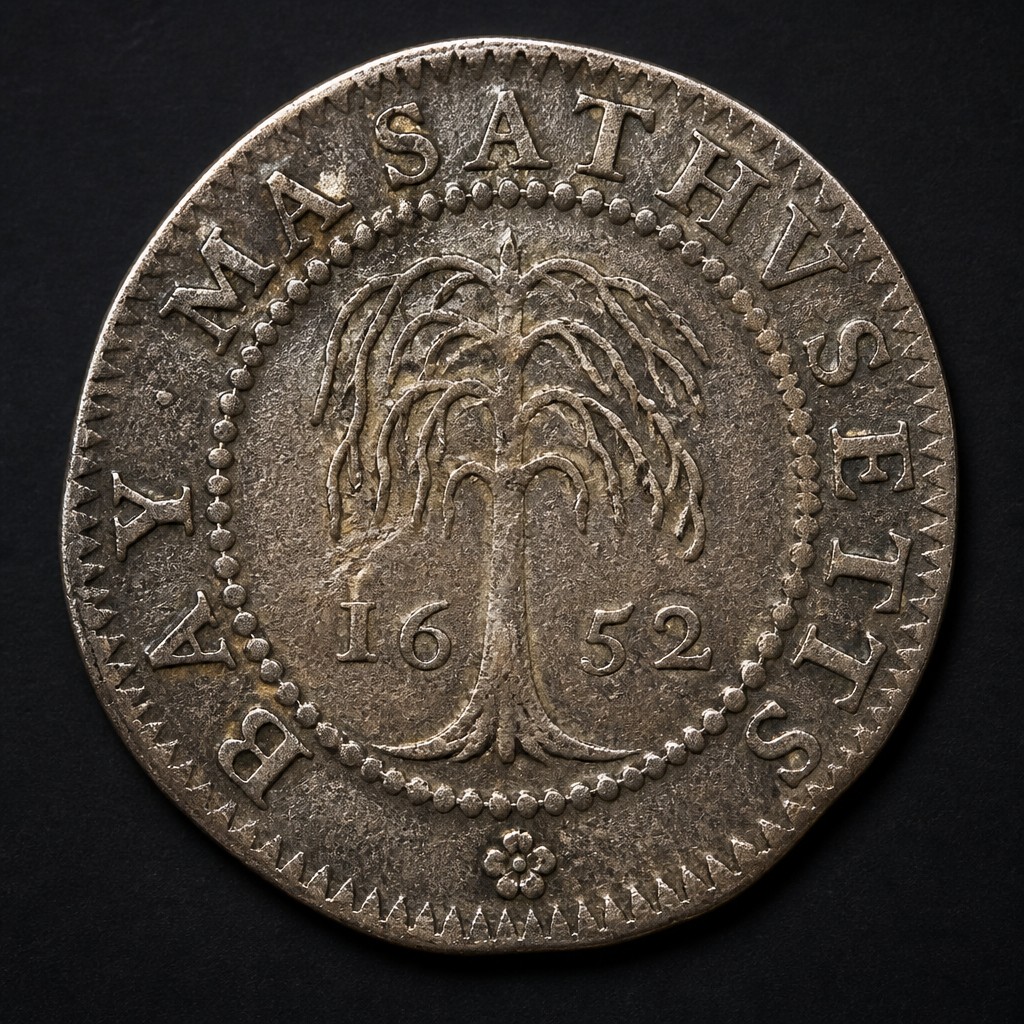
Massachusetts Willow Tree Shilling
Dated 1652, struck circa 1653–1660