
Coin Encyclopedia
Search and identify coins from around the world — with country, denomination, metal, mint, history, and how to tell them apart.
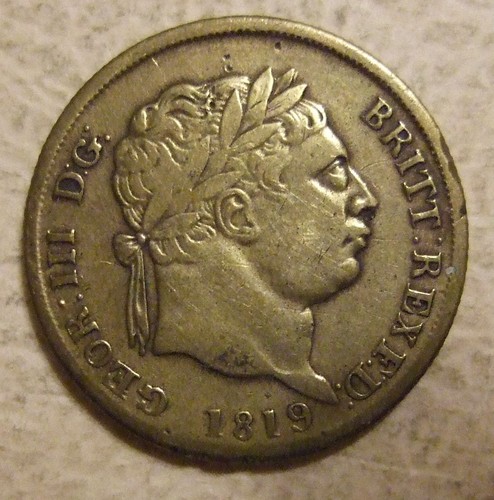
Shilling of George III
A milled silver shilling of George III from the Great Recoinage, with his laureate bust facing right and a crowned quartered royal shield within the Garter.
Milled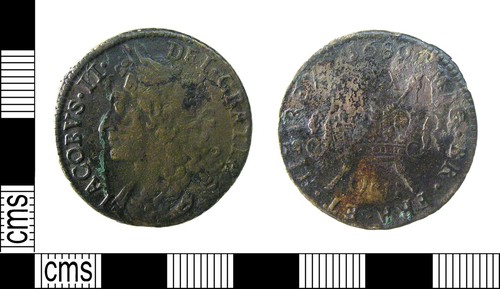
Irish Gun Money Shilling
A base-metal Irish emergency shilling struck for James II in 1689-1690, with his laureate bust and a crowned reverse dated by month, here October 1689.
Emergency Coinage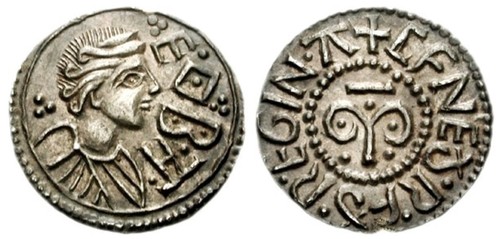
Penny of Cynethryth
Anglo-Saxon silver penny of Cynethryth, queen of Mercia and wife of Offa, and the only Anglo-Saxon queen named on her own coinage.
Medieval Coins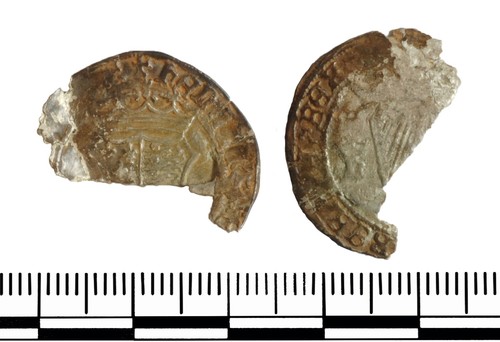
Irish Groat of Henry VIII
A hand-hammered silver fourpence struck for Ireland under Henry VIII, famed for introducing the crowned harp to Irish coinage.
Hammered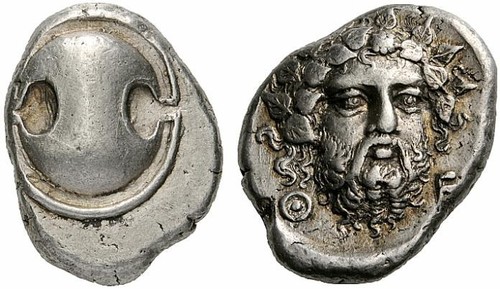
Thebes Stater
Silver stater of Thebes with the Boeotian shield and a bearded head of Dionysos, struck as federal coinage of the Boeotian League, c. 395-338 BC.
Ancient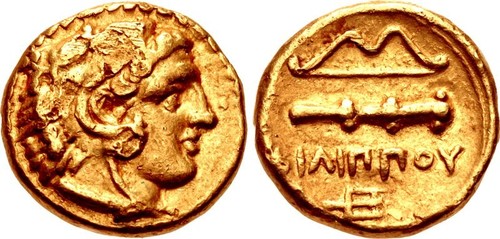
Alexander the Great Gold Quarter Stater
A small gold fraction of the Alexander the Great coinage, showing the head of Heracles and an eagle perched on a thunderbolt, the attributes of Zeus.
Ancient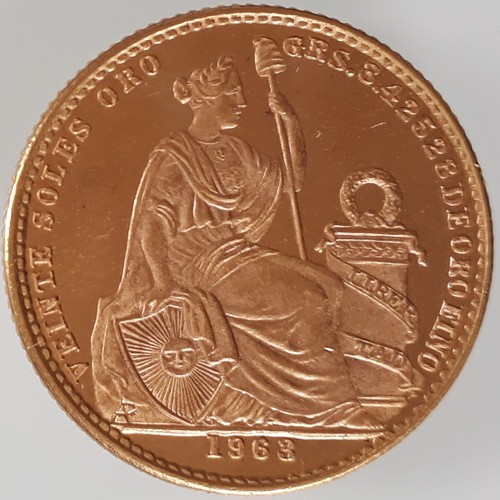
20 Soles de Oro
A Peruvian gold 20 soles de oro showing a seated Liberty with crown, torch and radiant sun, part of Peru's mid-20th-century gold coinage.
Circulation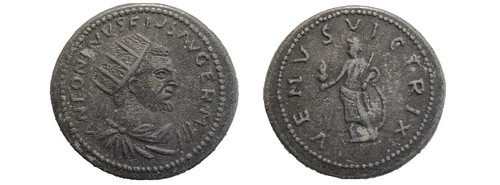
Antoninianus of Caracalla
The antoninianus introduced by Caracalla around AD 215, a radiate-crowned double denarius in debased silver that reshaped Roman coinage.
Ancient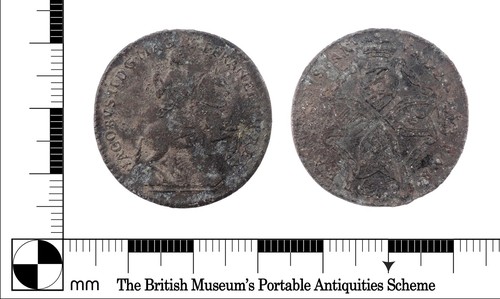
American Plantations Token
A 1688 tin token struck under James II for England's American colonies, valued at 1/24 of a Spanish real — the first regal-authorized coinage for British America.
Colonial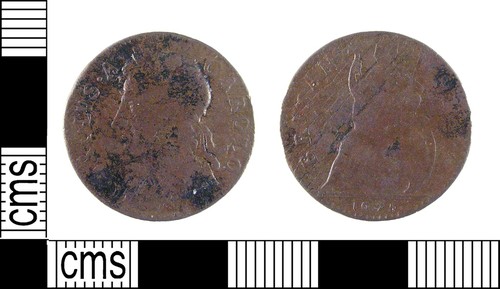
Charles II Halfpenny
A milled copper halfpenny of Charles II showing his laureate bust and a seated Britannia, part of the first regal copper coinage of England, dated 1675.
Milled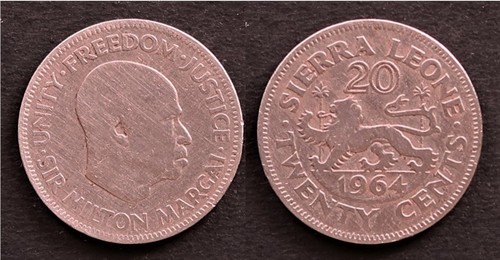
Sierra Leone 20 Cents
A 1964 Sierra Leone 20 cents from the country's first decimal coinage, showing a portrait profile on one side and the national coat of arms with its lion on the other.
World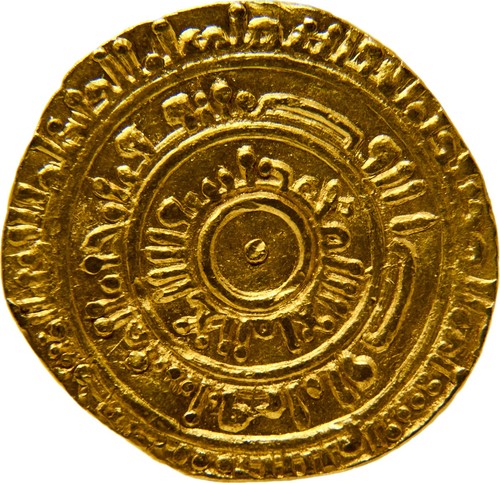
Fatimid Dinar of Imam Nizar
An 11th-century Fatimid gold dinar with concentric circular Kufic inscriptions naming the ruler and Shi'a invocations, a hallmark of Fatimid coinage.
Islamic (Medieval)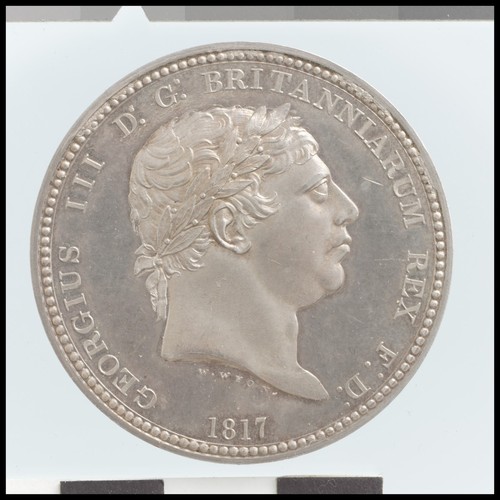
Three Graces Pattern Crown
A celebrated 1817 silver pattern crown of George III, engraved by William Wyon and never issued for circulation — a prized masterpiece of British coinage.
Pattern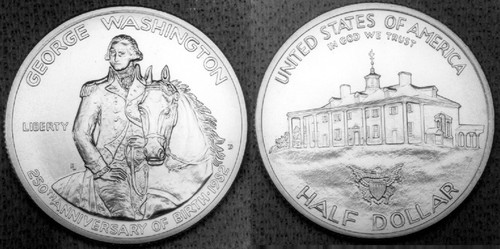
George Washington 250th Anniversary Half Dollar
A 1982 U.S. silver half dollar honoring the 250th anniversary of George Washington's birth; it revived both the commemorative program and 90% silver coinage.
Modern Commemorative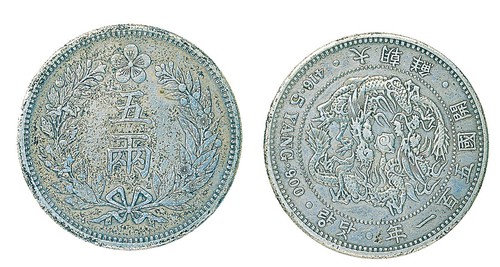
5 Yang
A late-Joseon Korean 5 Yang in bronze: a floral, chrysanthemum-and-taegeuk obverse paired with a coiled dragon and ornamental characters on the reverse.
Historic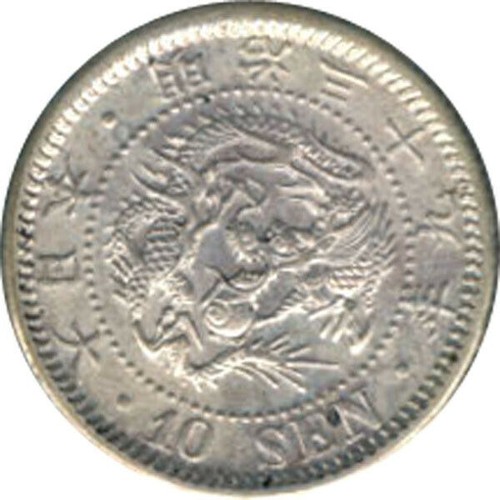
10 Sen
A small Meiji-era Japanese silver 10 Sen: a coiled dragon and characters on one face, a rayed sunburst framed by branches on the other.
Circulation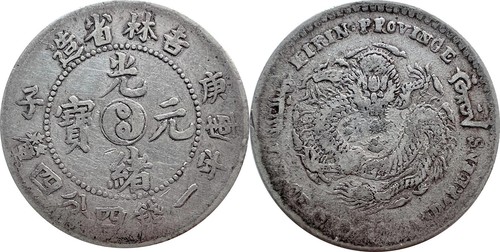
Guangxu Yuanbao 20 Cents
A machine-struck Qing silver 20 cents of the Guangxu era, with a coiled dragon on one face and a yin-yang (taiji) symbol on the other.
Circulation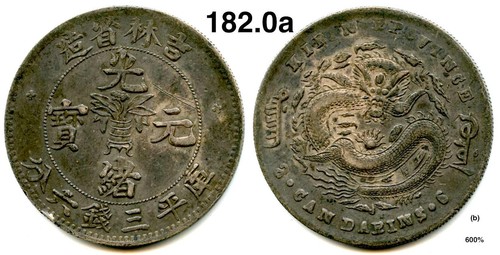
Guangxu Yuanbao 50 Cents
A Qing-dynasty silver half-dollar bearing the legend Guangxu Yuanbao and a coiled dragon, struck by Chinese provincial mints during the Guangxu Emperor's reign.
Circulation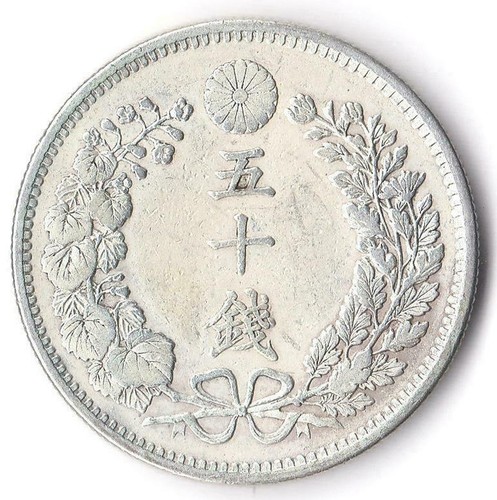
50 Sen (Dragon Type)
A Meiji-era Japanese silver 50 sen: a coiled dragon on one face, a sunburst-and-wreath value design on the other, dated Meiji 4 (1871).
Circulation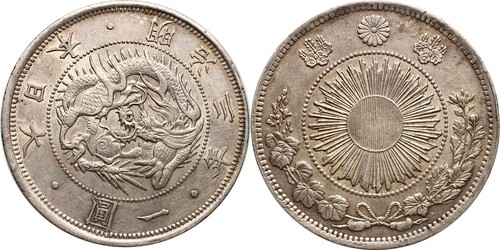
1 Yen (Silver)
An early Meiji silver 1 Yen struck in Meiji 3 (1870), showing a coiled dragon with a radiant sun on one side and a wreathed imperial crest on the other.
Circulation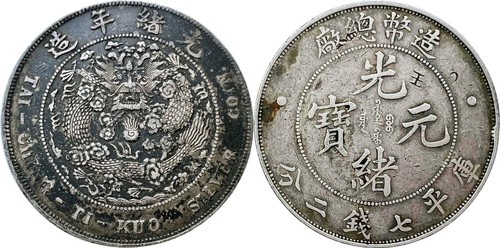
Guangxu Yuanbao 7 Mace 2 Candareens
A silver Chinese dragon dollar of the Guangxu era, marked Guangxu Yuanbao and valued at 7 Mace 2 Candareens, with a coiled dragon on one face and Chinese legends on the other.
Circulation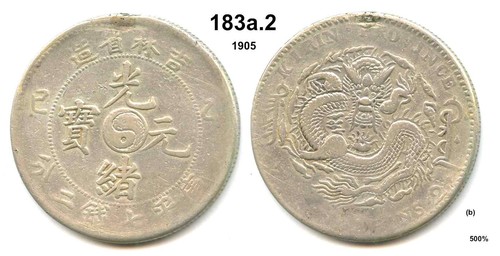
Guangxu Yuanbao Dollar
A crown-sized silver dragon dollar of Qing China inscribed 光緒元寶 (Guangxu Yuanbao), with a coiled dragon reverse and a provincial mint inscription; this piece dated 1905.
Circulation