
Coin Encyclopedia
Search and identify coins from around the world — with country, denomination, metal, mint, history, and how to tell them apart.
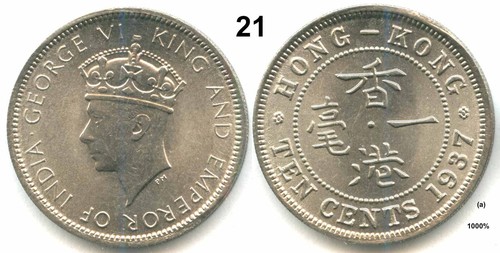
Hong Kong 10 Cents
A small silver 10-cent coin of British Hong Kong showing the crowned profile of King Edward VII, with 'HONG-KONG TEN CENTS' and Chinese characters on the reverse.
Circulation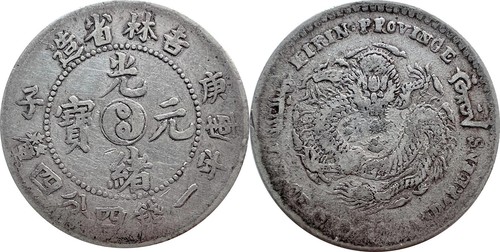
Guangxu Yuanbao 20 Cents
A machine-struck Qing silver 20 cents of the Guangxu era, with a coiled dragon on one face and a yin-yang (taiji) symbol on the other.
Circulation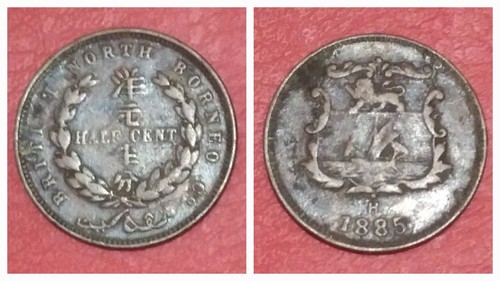
British North Borneo Half Cent
An 1885 copper half cent of British North Borneo: a bust in a laurel wreath on the obverse and the company arms with a heraldic supporter on the reverse.
Colonial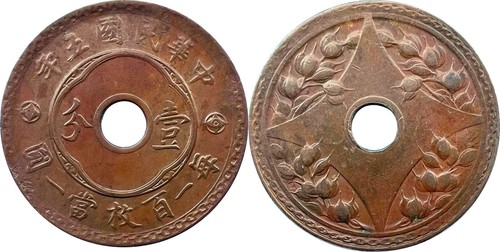
Republic 1 Fen
A holed copper 1 fen of Republican China, showing a numeral 1 with Chinese characters on one side and flowering plum blossoms on the other, around a central square-ish hole.
Circulation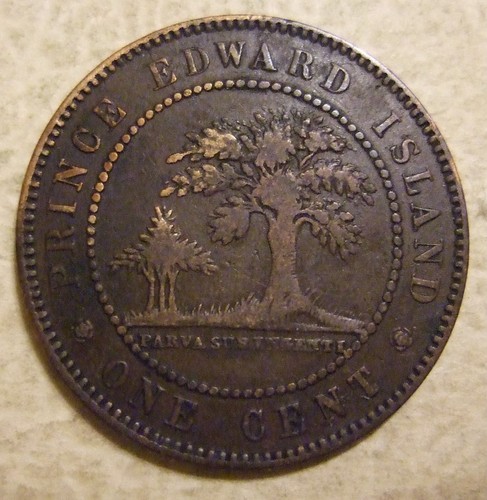
Prince Edward Island One Cent
Bronze one-cent coin struck in 1871 for the colony of Prince Edward Island, with Queen Victoria on the obverse and the island's name and date on the reverse.
Canadian & Provincial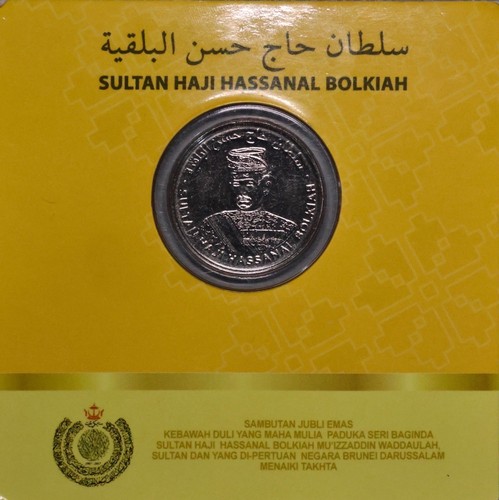
Brunei Golden Jubilee 50 Cents
A copper-nickel 50-cent coin from Brunei's 2017 Golden Jubilee, showing a palm-leaf design with Arabic text and a reverse with the value and a floral motif.
Southeast Asia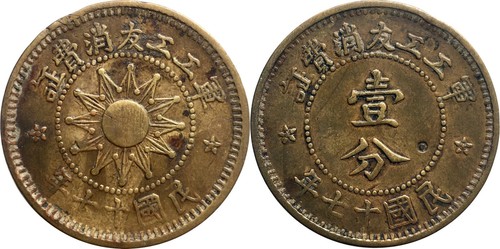
Shansi Arsenal 1 Fen
A holed copper 1 Fen struck by the Shansi Arsenal in 1928, with Chinese inscriptions and numeral '1' around a central square hole.
Circulation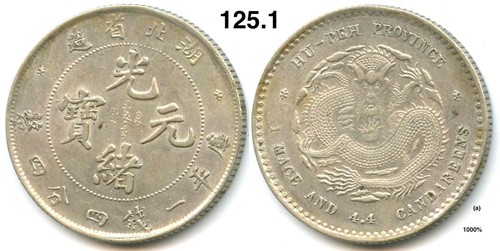
Guangxu Yuanbao 1 Mace 4.4 Candareens
A small silver dragon coin of Qing China from the Guangxu era, its face reading 1 Mace 4.4 Candareens and its back showing a coiled Chinese dragon.
Circulation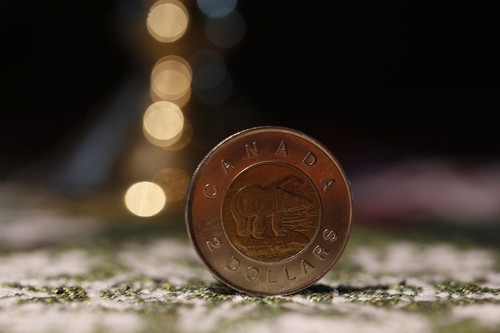
Canadian Two Dollar (Toonie)
Canada's bimetallic $2 coin, introduced in 1996 with a polar bear design; universally nicknamed the 'toonie' after the loonie dollar.
Canadian & Provincial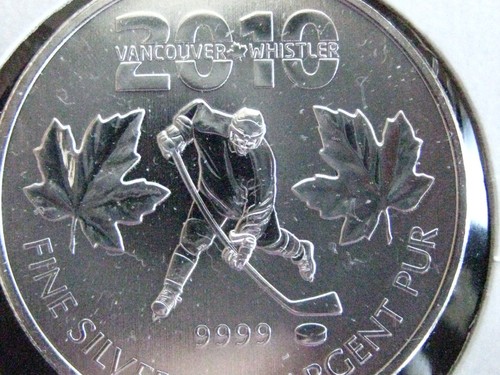
Olympic Hockey Commemorative Dollar
Silver-colored commemorative dollar for the 2010 Vancouver Winter Olympics, showing an ice hockey player, maple leaves, and the Olympic rings.
Canadian & Provincial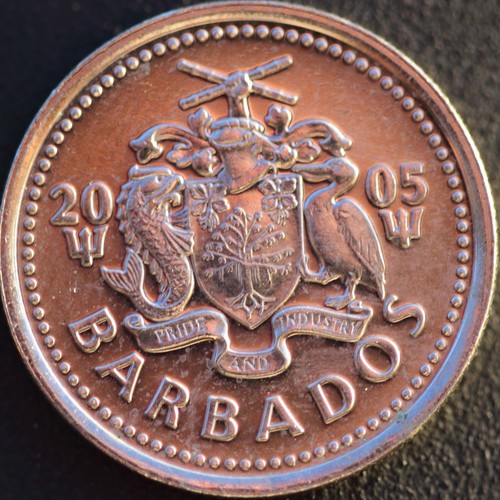
Barbados 10 Cents
A small copper-nickel Barbadian 10-cent coin showing the national coat of arms on one side and the value and country name on the other.
Circulation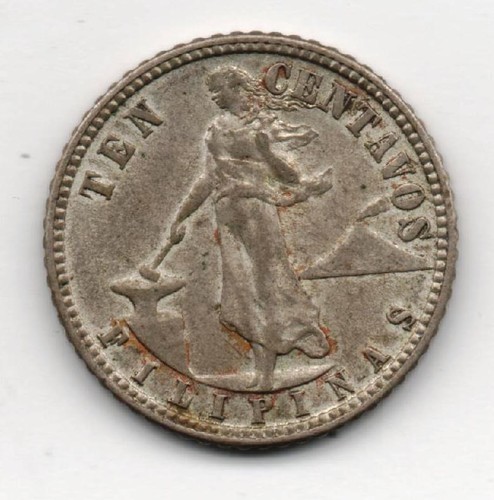
Philippines 10 Centavos
A small silver 10 centavos of the American-era Philippines: a standing Liberty figure and Mayon volcano on one side, the U.S. eagle and shield on the other.
Southeast Asia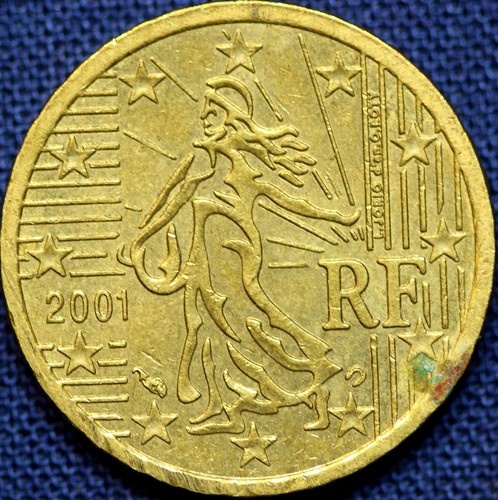
France 10 Cent Euro
France's gold-coloured 10 euro cent: the striding Sower for the French Republic on one side, a European map and the value 10 on the other.
Circulation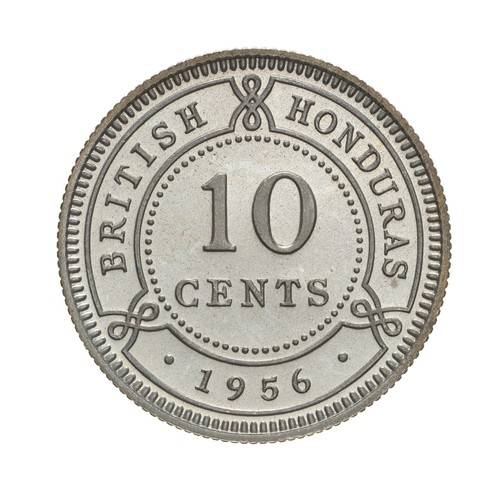
British Honduras 10 Cents
A silver-colored colonial 10 cents of British Honduras, with the Queen's portrait on the obverse and a plain 10 CENTS legend around BRITISH HONDURAS and the date.
Colonial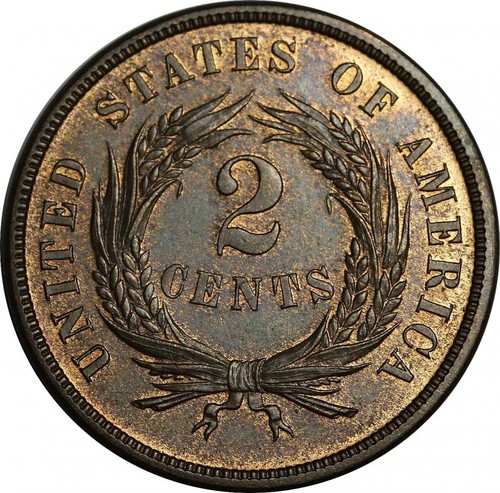
Two Cent Piece
America's only two-cent coin, struck in bronze from 1864 to 1873, and the first U.S. coin to carry the motto "IN GOD WE TRUST."
Two Cent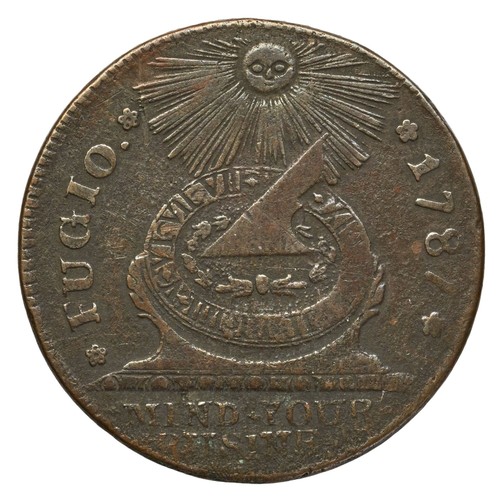
Fugio Cent
1787 copper cent, among the first coins issued under the United States, with a sundial and sun on the obverse and thirteen linked rings on the reverse.
Colonial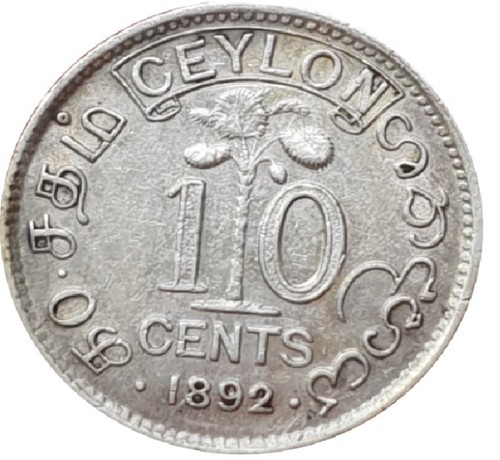
Ceylon 10 Cents (Cupronickel)
A wartime 1944 British Ceylon ten-cent piece in cupronickel, its obverse bearing the uniformed left-facing bust of King George VI and the legend GEORGE VI KING.
South Asia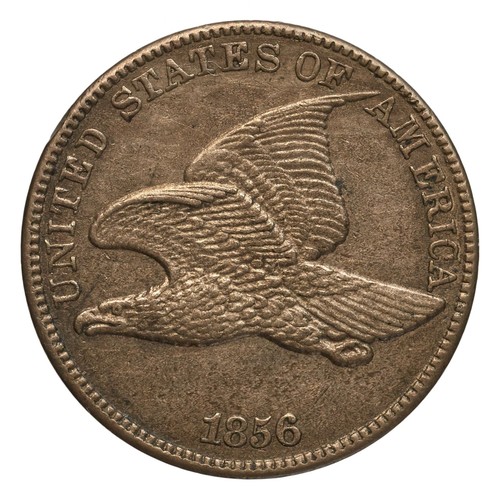
Flying Eagle Cent
America's first small cent, showing an eagle in flight on the obverse and an agricultural wreath on the reverse; struck 1856–1858 in copper-nickel.
Small Cent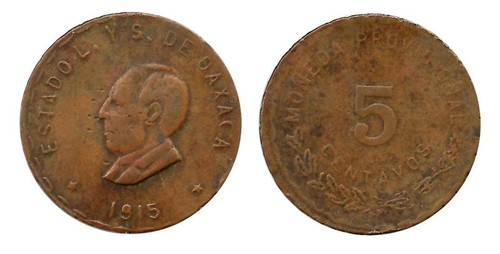
Oaxaca 5 Centavos
A copper 5-centavos struck by the sovereign State of Oaxaca during the Mexican Revolution, with a profile bust on the obverse and the numeral 5 in a wreath on the reverse.
Revolutionary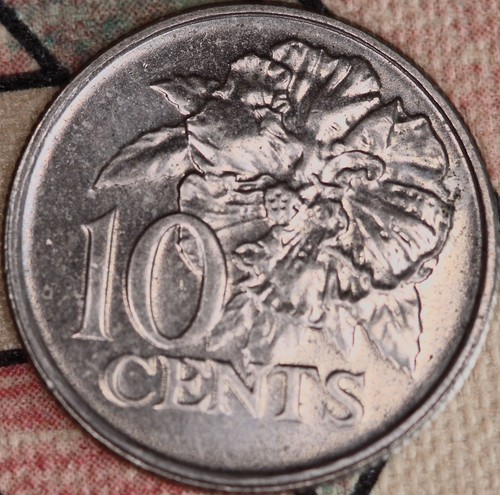
Trinidad and Tobago 10 Cents
A copper-nickel 10-cent coin of Trinidad and Tobago: the national coat of arms on the obverse and the denomination on the reverse.
Circulation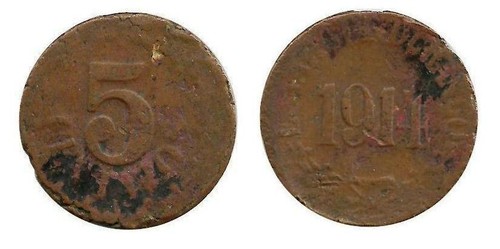
Durango 5 Centavos
A copper 5 centavos struck in the State of Durango during the Mexican Revolution, showing a large numeral 5 and the Mexican national eagle, dated 1914.
Revolutionary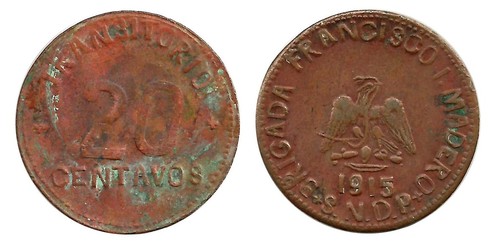
Puebla 20 Centavos
A copper 20 centavos struck in the State of Puebla during the Mexican Revolution, showing a profile bust and the numeral 20 with the national eagle, dated 1915.
Revolutionary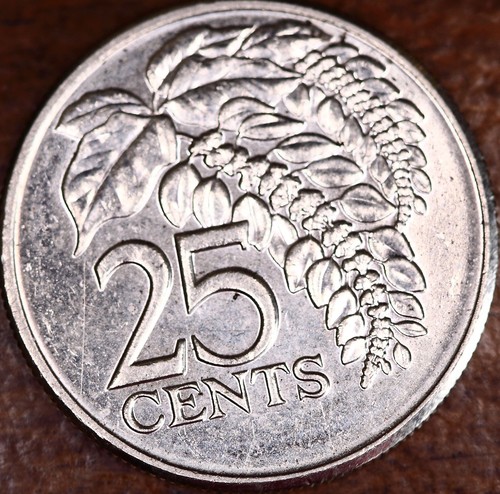
Trinidad and Tobago 25 Cents
A copper-nickel 25-cent coin of Trinidad and Tobago: a leafy national-flower plant design on one face and the value TWENTY FIVE CENTS on the other.
Circulation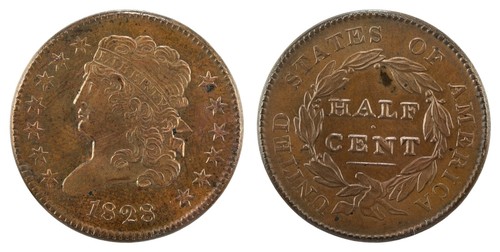
Classic Head Half Cent
A small U.S. copper half cent of 1809–1836 showing Liberty in a beaded headband ringed by stars, with a plain wreath and HALF CENT on the reverse.
Half Cent