
Coin Encyclopedia
Search and identify coins from around the world — with country, denomination, metal, mint, history, and how to tell them apart.
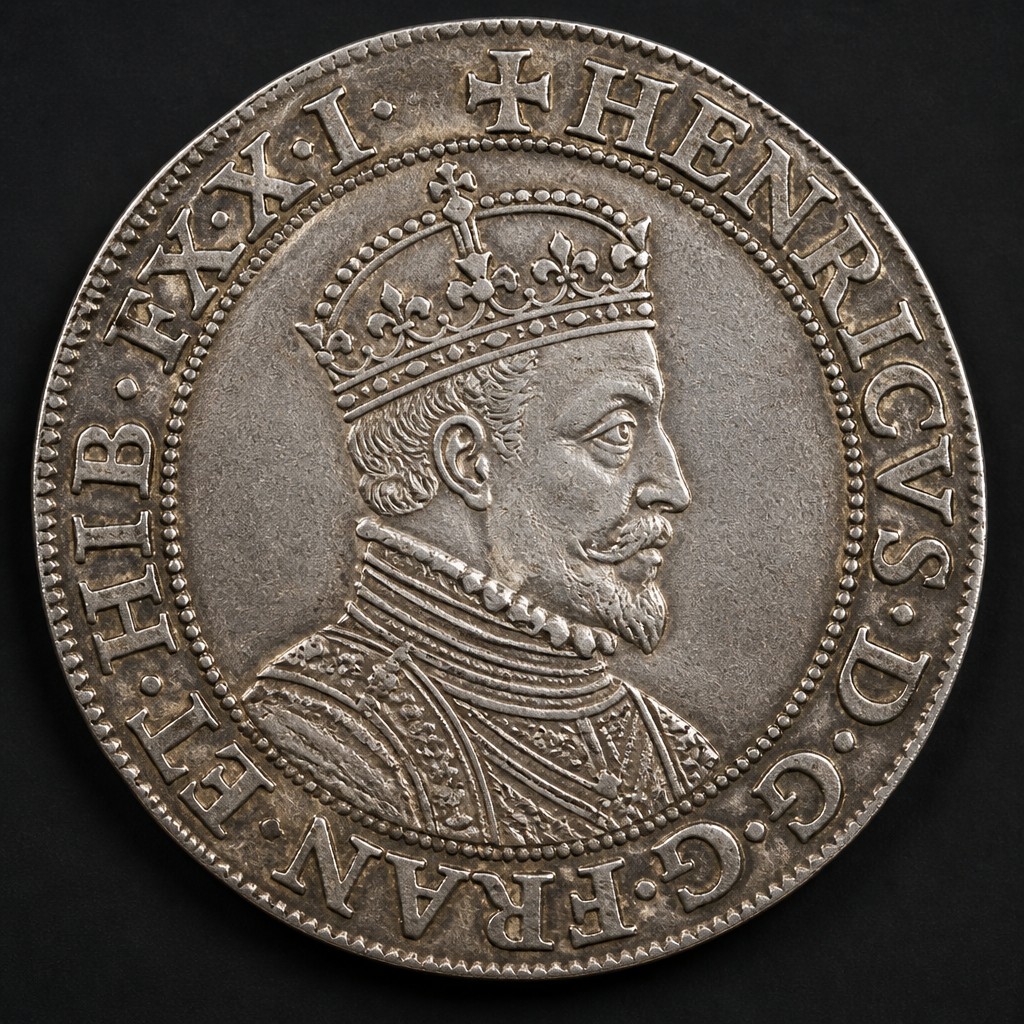
Testoon
The earliest English coin to carry a realistic royal portrait, introduced under Henry VII around 1487 as the forerunner of the shilling, later continued and debased under Henry VIII.
British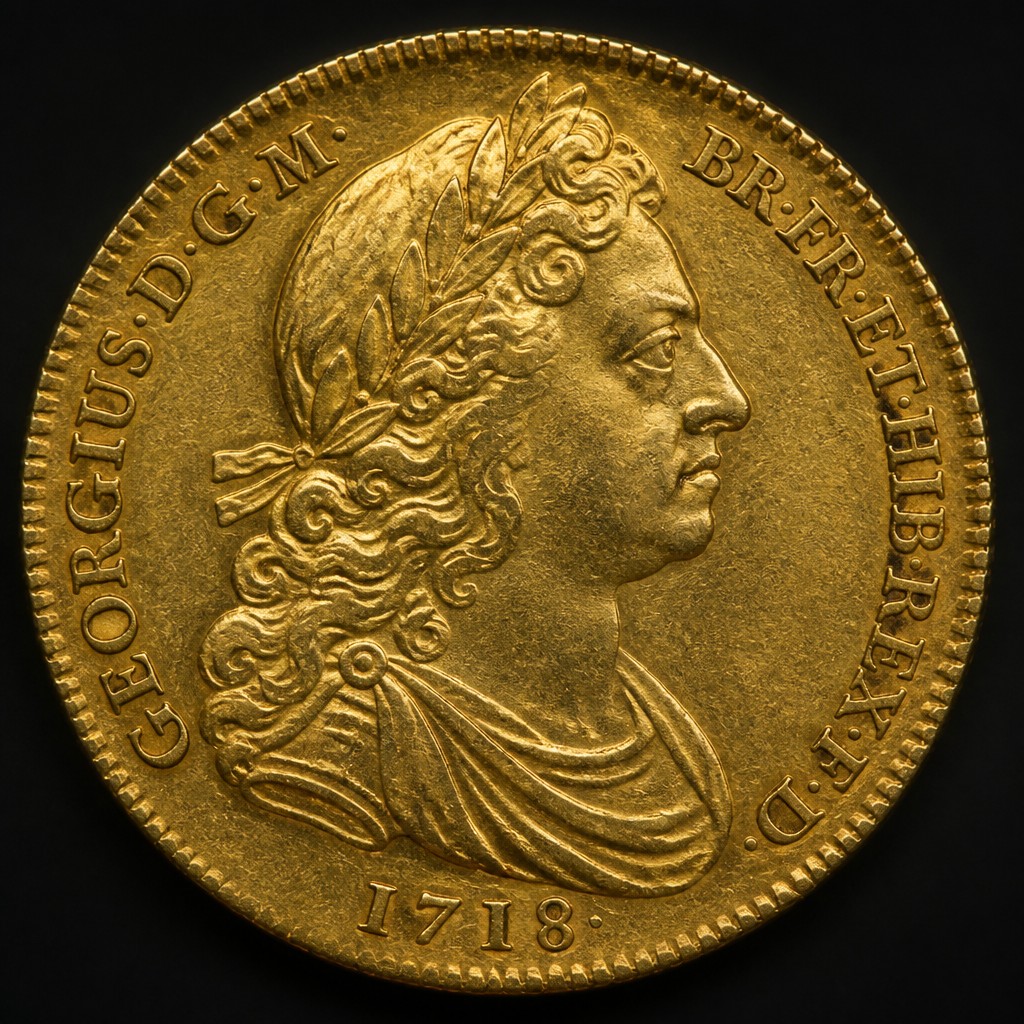
Quarter Guinea
A rarely issued small gold coin worth one-quarter of a guinea, struck only in 1718 under George I and again briefly in 1762 under George III.
British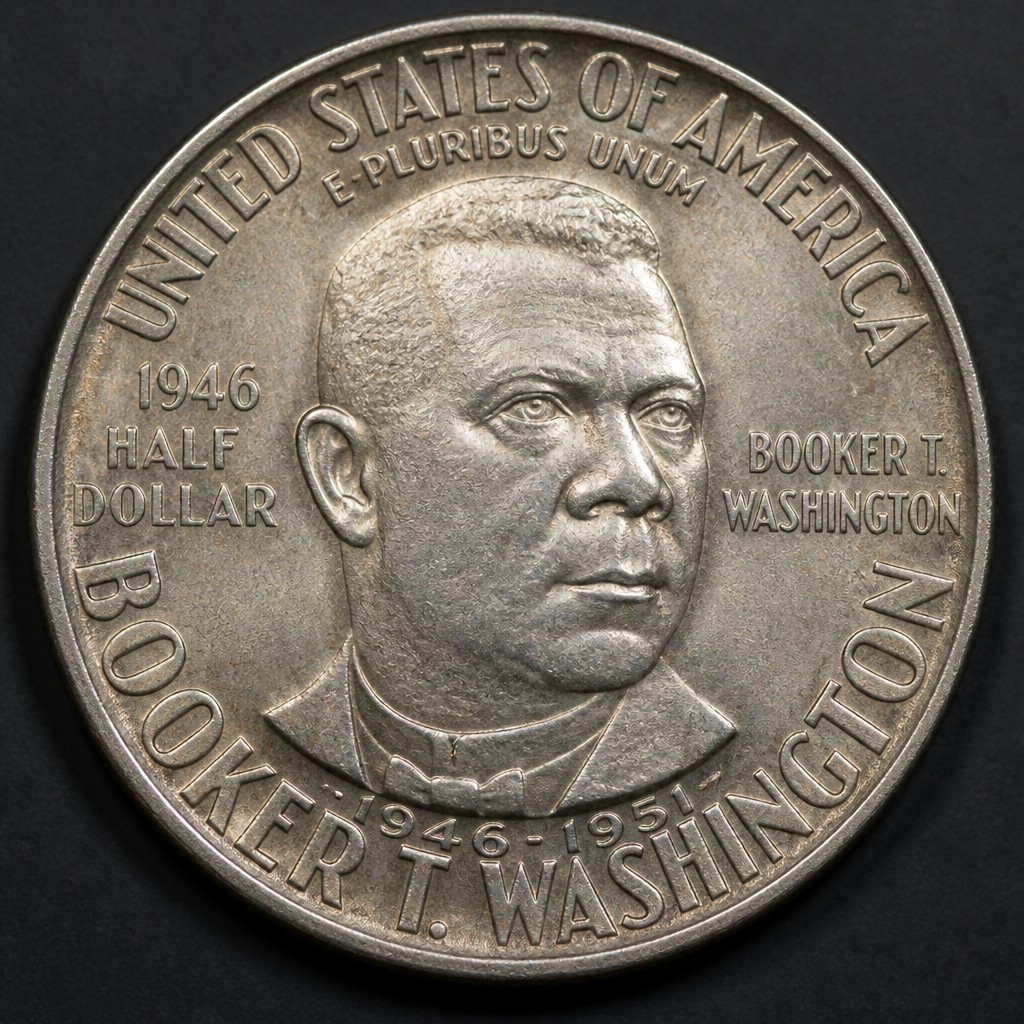
Booker T. Washington Memorial Half Dollar
A commemorative half dollar honoring educator Booker T. Washington, notable as the first U.S. coin designed by an African American sculptor and the first to depict a Black American.
Commemorative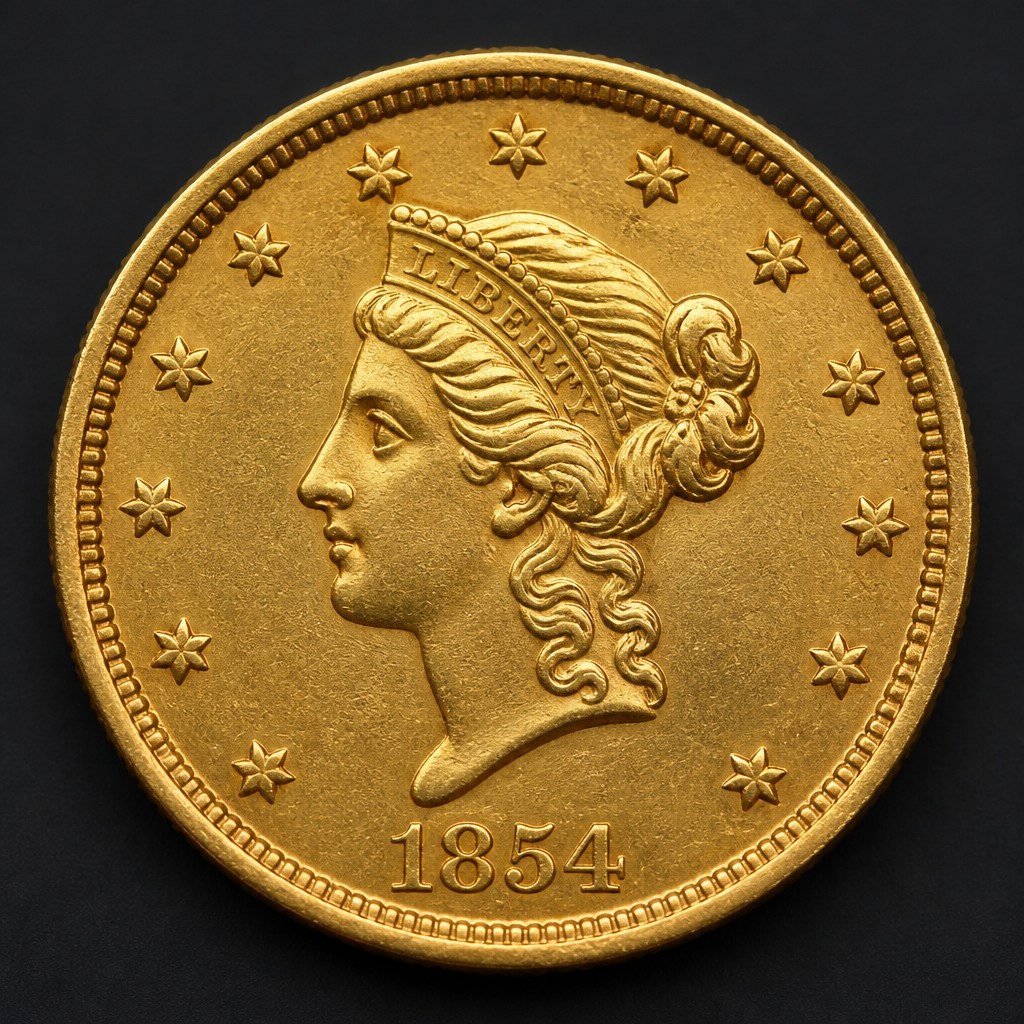
Three-Dollar Gold Piece
An unusual and short-lived gold denomination created partly to simplify buying sheets of three-cent postage stamps, now a favorite oddity among gold coin collectors.
United States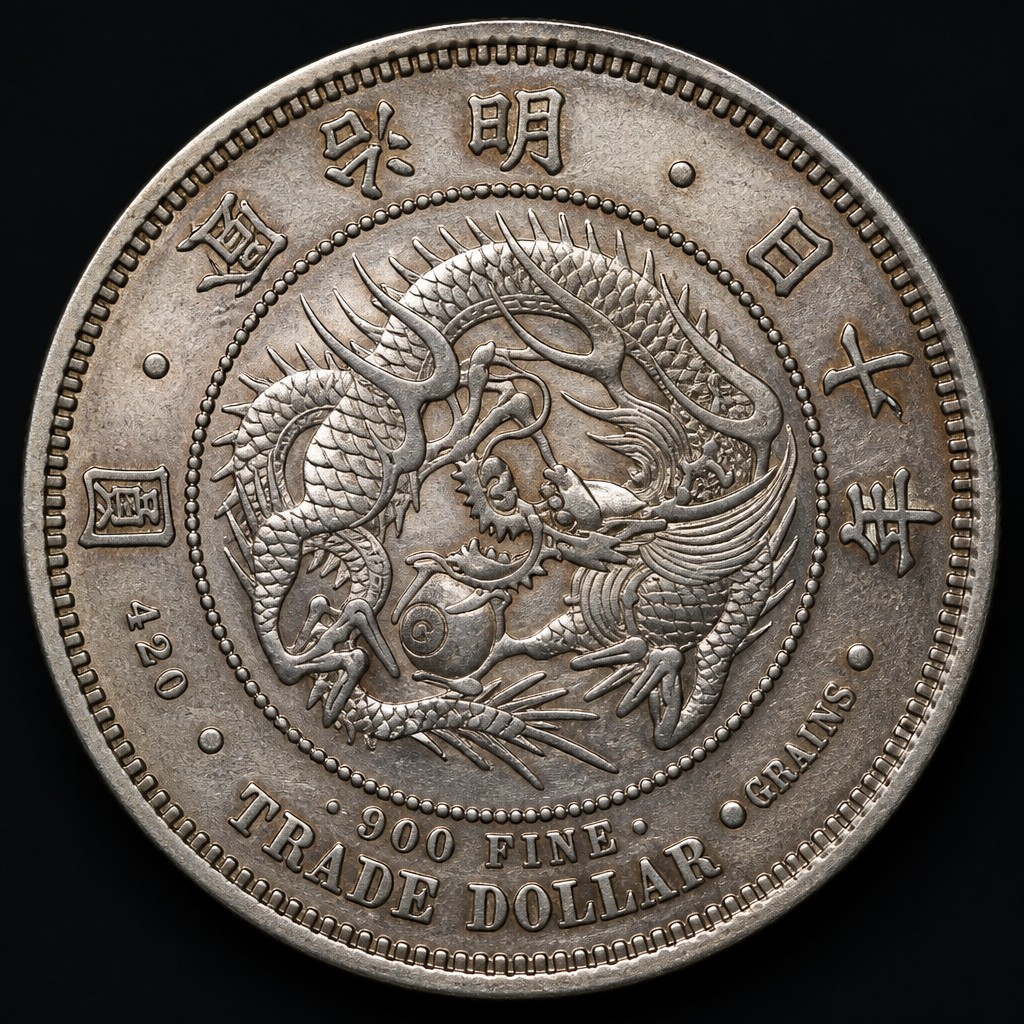
Japanese Trade Dollar
A short-lived Meiji-era silver coin struck to the same weight and fineness as the Mexican and U.S. Trade Dollars so Japan could compete in East Asian commerce.
Asian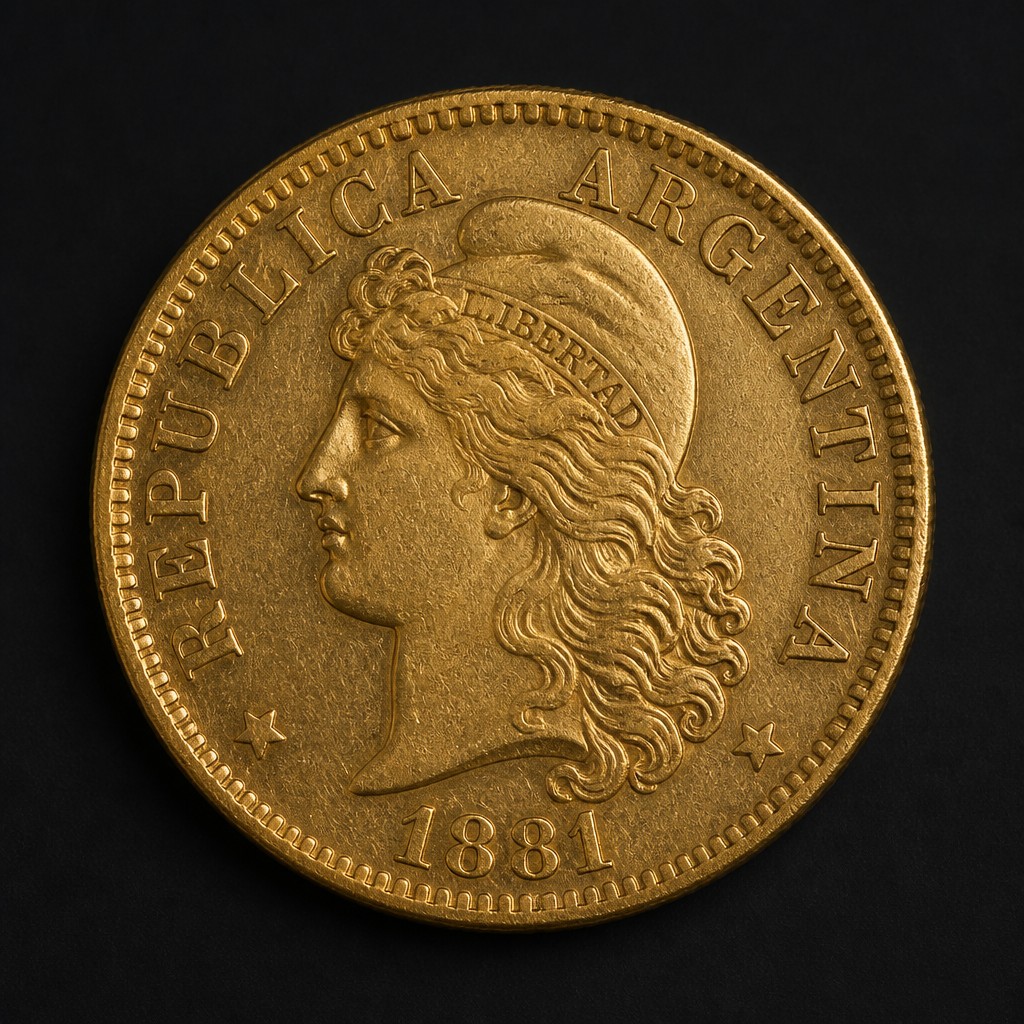
Argentine Argentino Gold (5 Pesos)
Argentina's principal 19th-century gold coin, worth 5 pesos oro and called an "Argentino," struck to Latin Monetary Union weight standards for use in international trade.
Latin American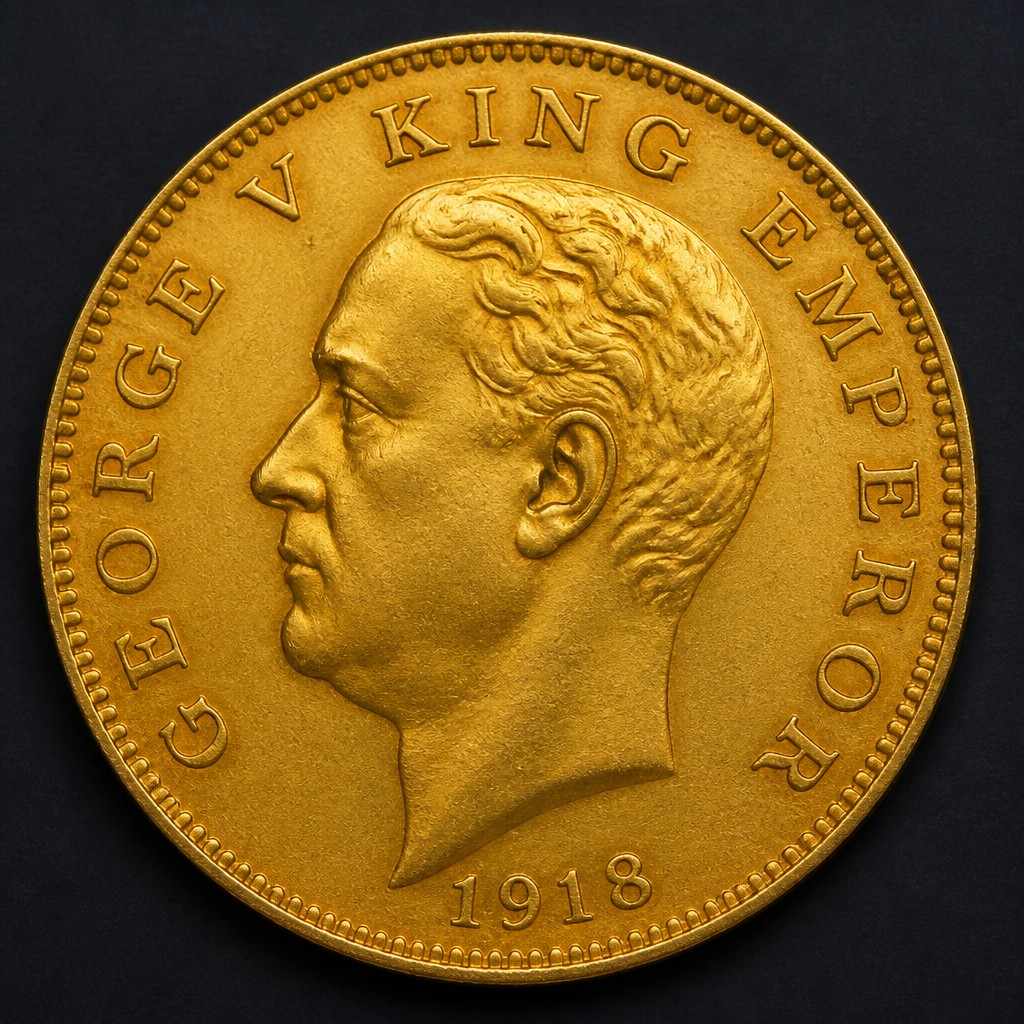
British India Gold Mohur (East India Company)
High-value gold coin issued by the East India Company and later the British Crown in India, used for major transactions and prized today for its gold content and classic portraiture.
Asian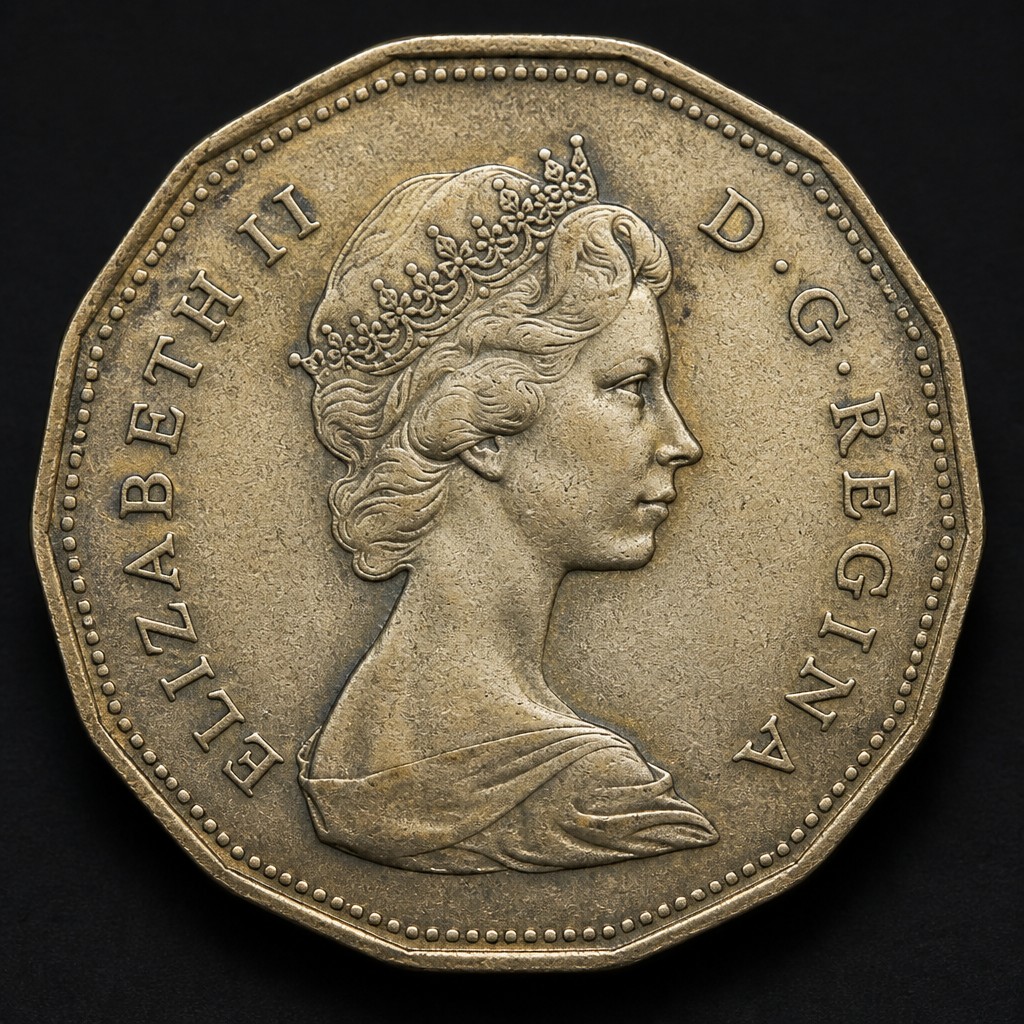
Threepence
A small British coin worth three pence, issued first as a tiny silver piece and later as the distinctive 12-sided brass 'threepenny bit' beloved for its unusual shape.
British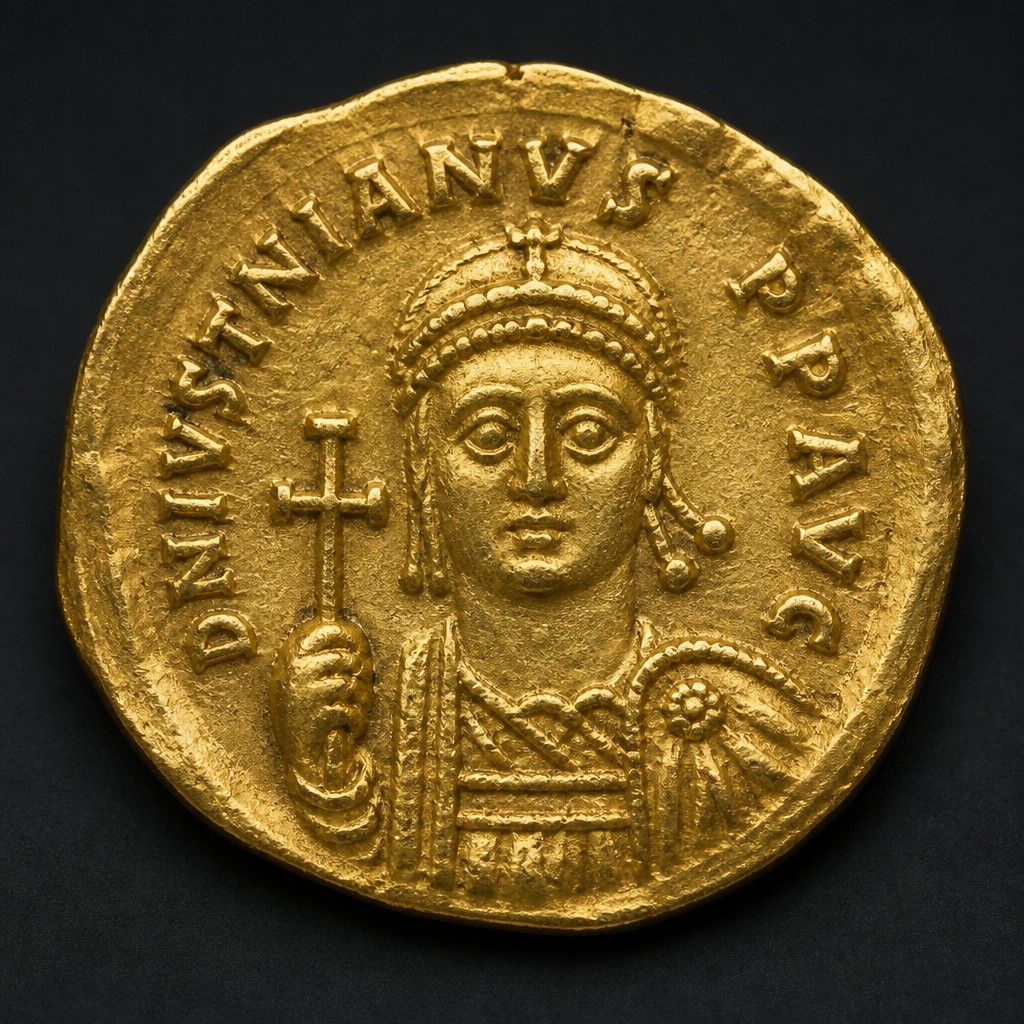
Byzantine Gold Tremissis
A small gold fractional coin worth one-third of a solidus, widely struck across the early Byzantine world and imitated by Germanic successor kingdoms in the former Western Roman Empire.
Ancient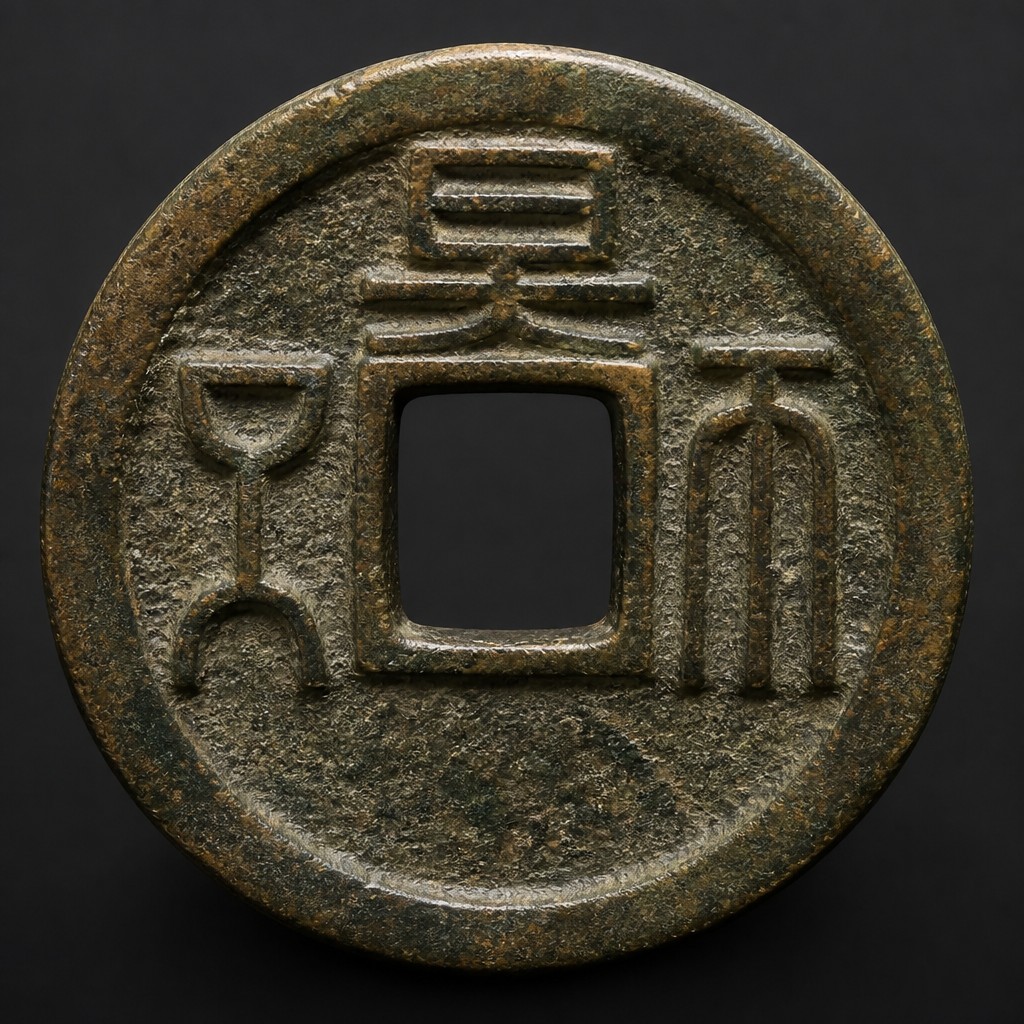
Chinese Wu Zhu Cash
One of history's longest-running coin types, cast continuously for over seven centuries across multiple Chinese dynasties after its introduction under Emperor Wu of Han.
Ancient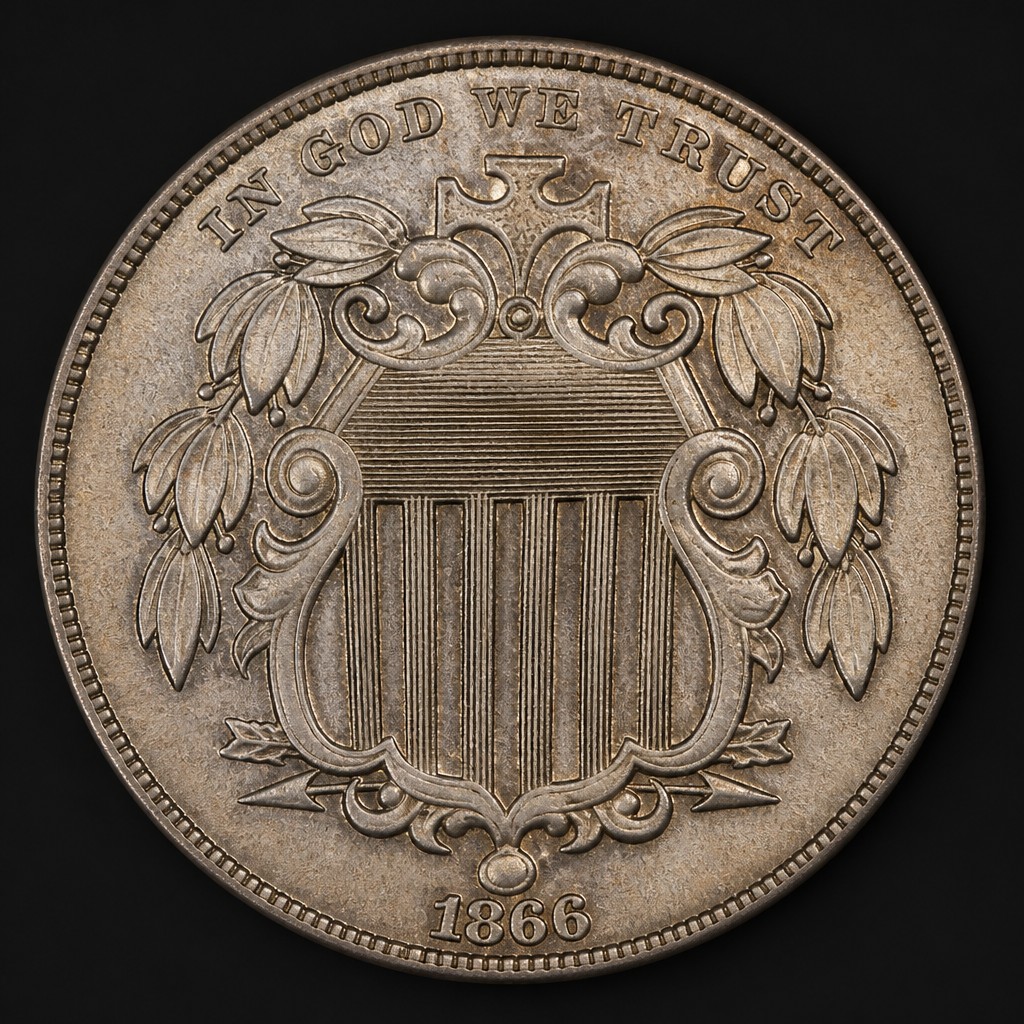
Shield Nickel
The first copper-nickel five-cent coin, the Shield Nickel features a national shield on the obverse and was issued from 1866 to 1883, including rare rays and proof-only dates.
United States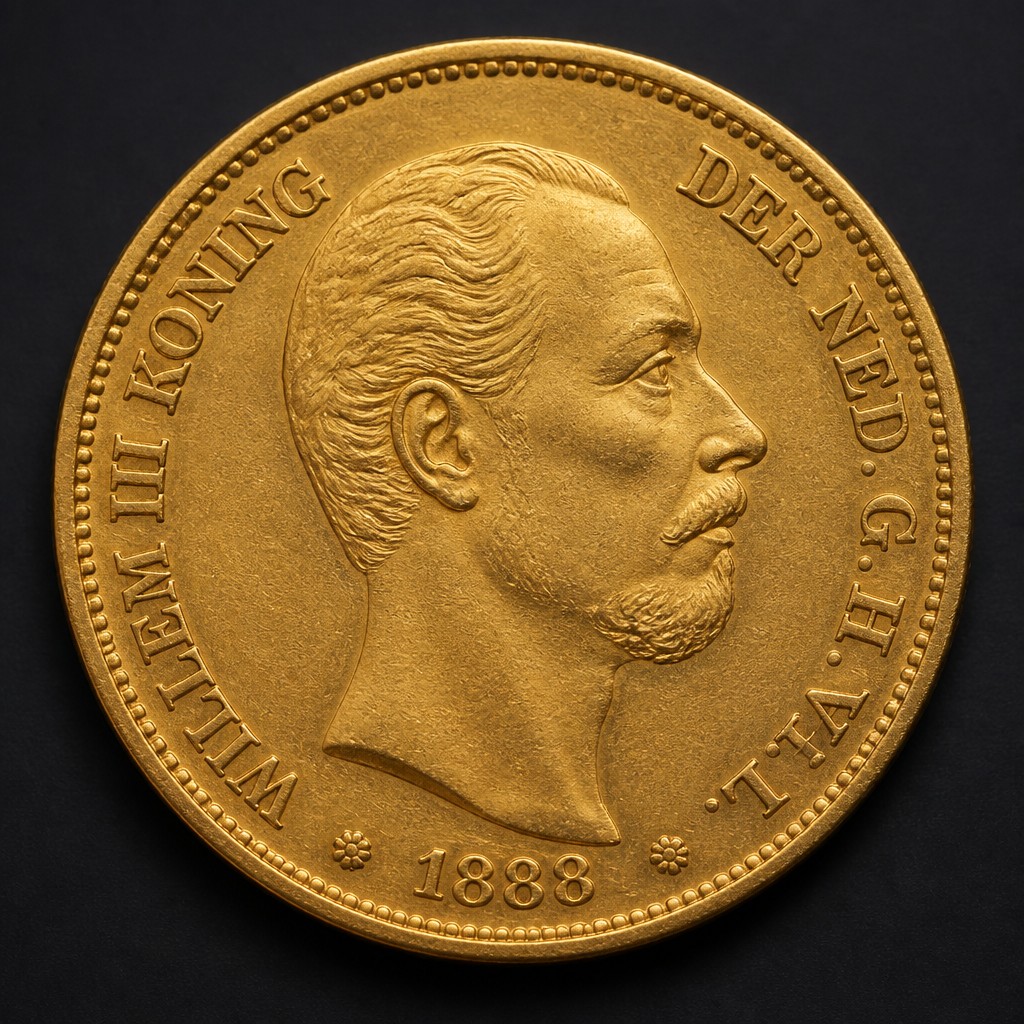
Netherlands 5 Gulden Gold
A gold 5 gulden coin struck intermittently by the Kingdom of the Netherlands, first under King William I in the 1820s and later as a rare 1912 commemorative under Queen Wilhelmina.
European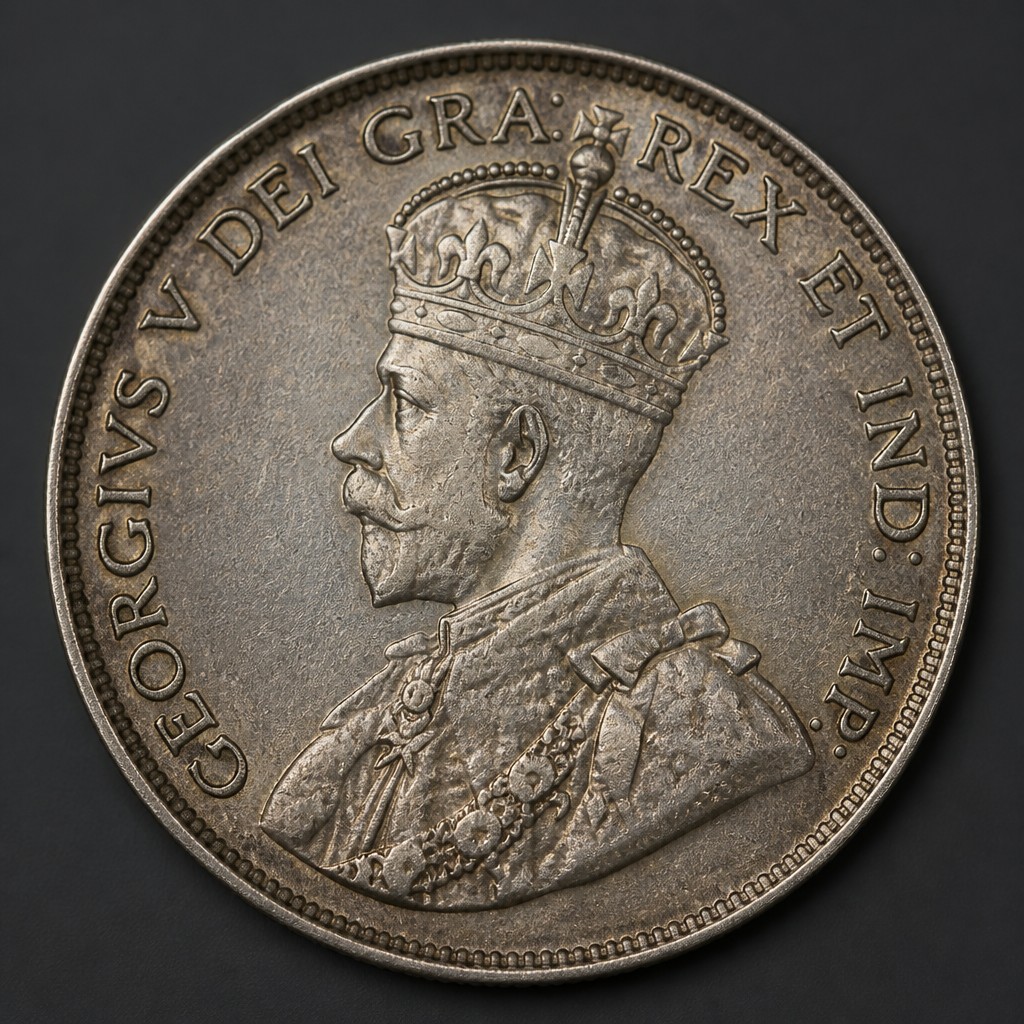
George V Five Cents (silver)
The last era of Canadian silver five-cent coins, struck under King George V until nickel replaced silver in 1922, including the legendary rarity of the 1921 date.
Canadian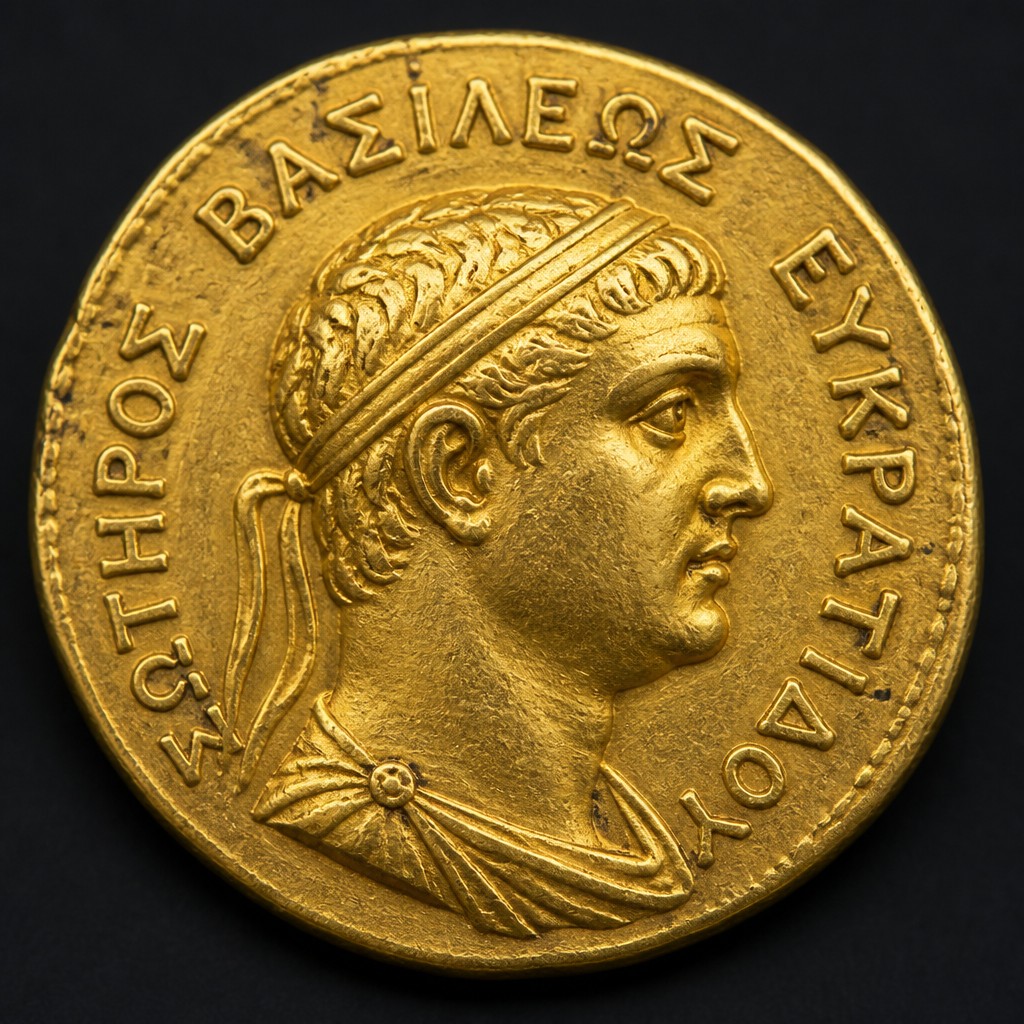
Eukratides I Gold Stater (Baktria)
A gold stater of Eukratides I, the powerful Greco-Bactrian king best known for issuing the largest gold coin surviving from antiquity, depicting the divine twins Dioskouroi on horseback.
Ancient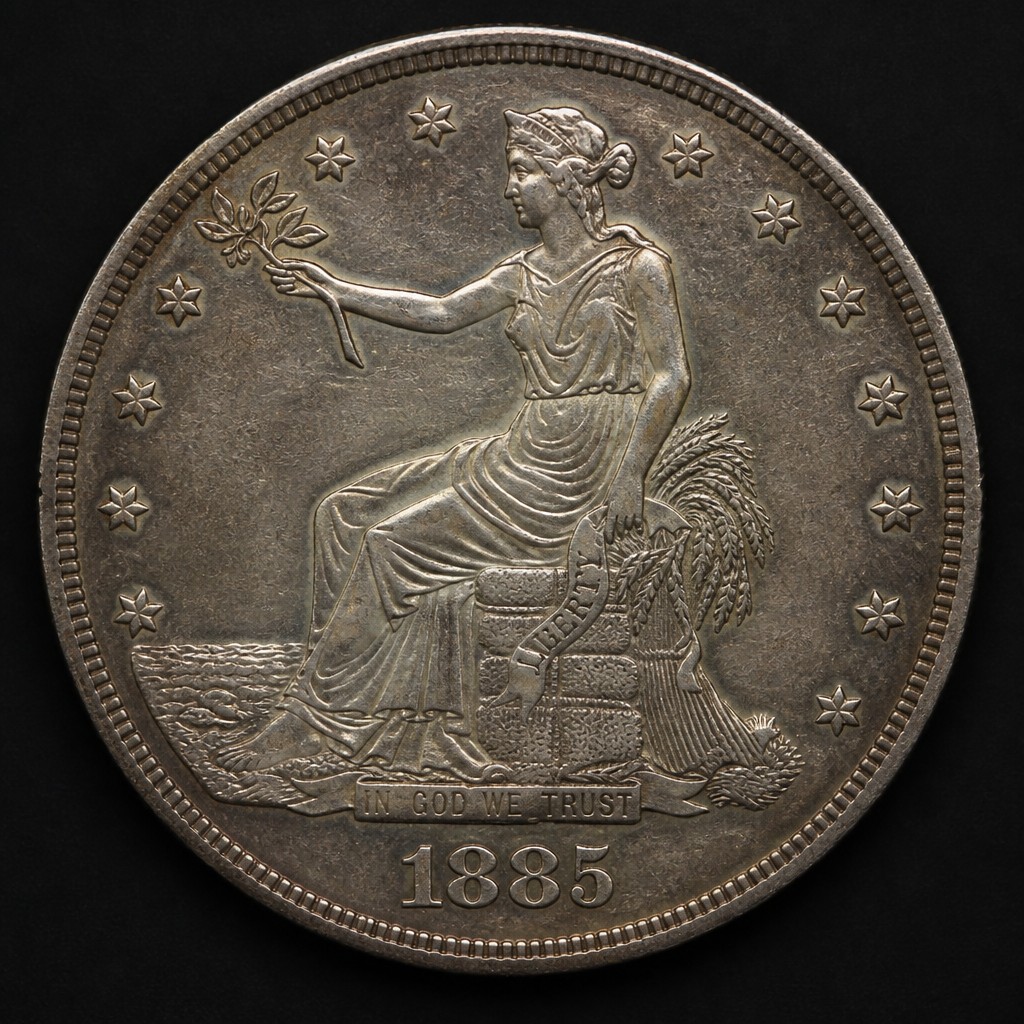
1885 Trade Dollar
One of the rarest official United States coins, a proof-only issue struck years after the Trade dollar series had officially ended, with only a handful of examples known.
United States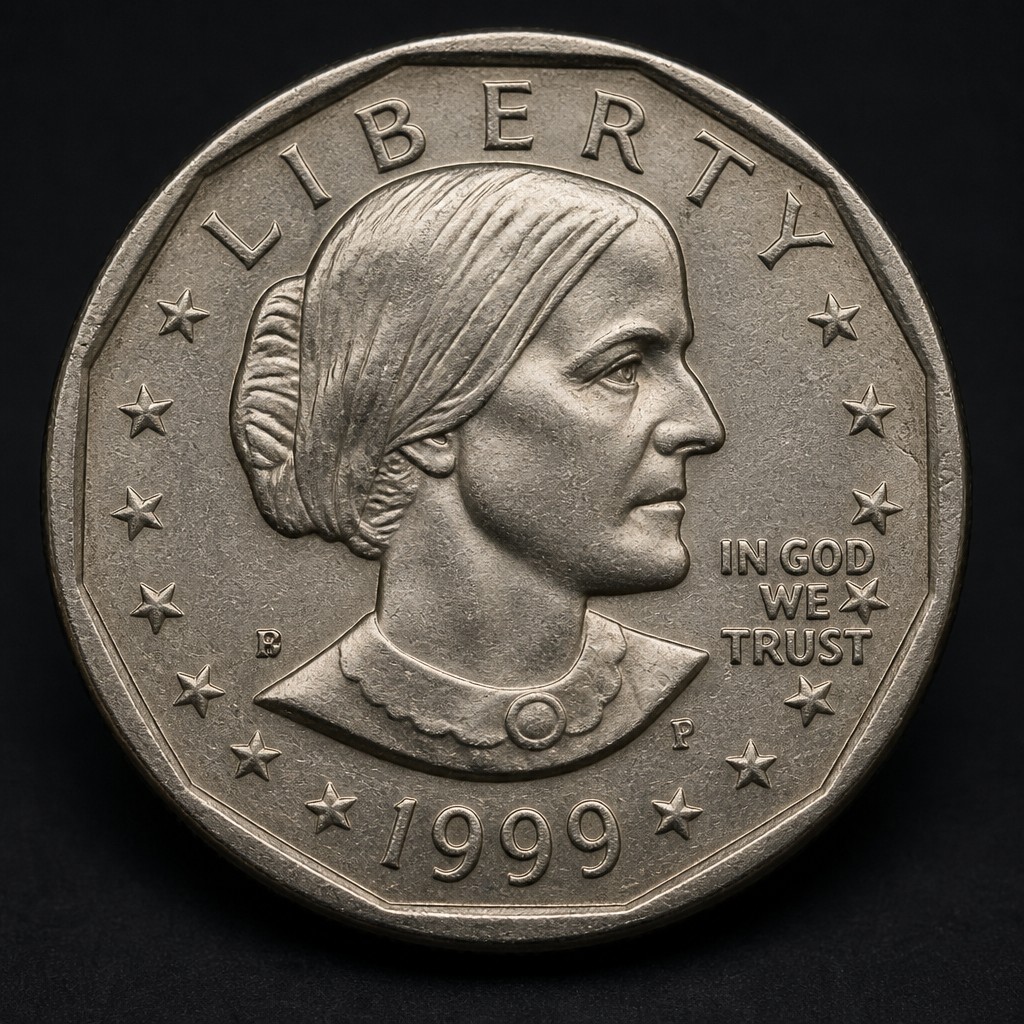
1999 Susan B. Anthony Dollar
A one-year revival of the Susan B. Anthony dollar, struck in 1999 to meet demand for dollar coins in vending and transit use before the Sacagawea dollar's launch the following year.
United States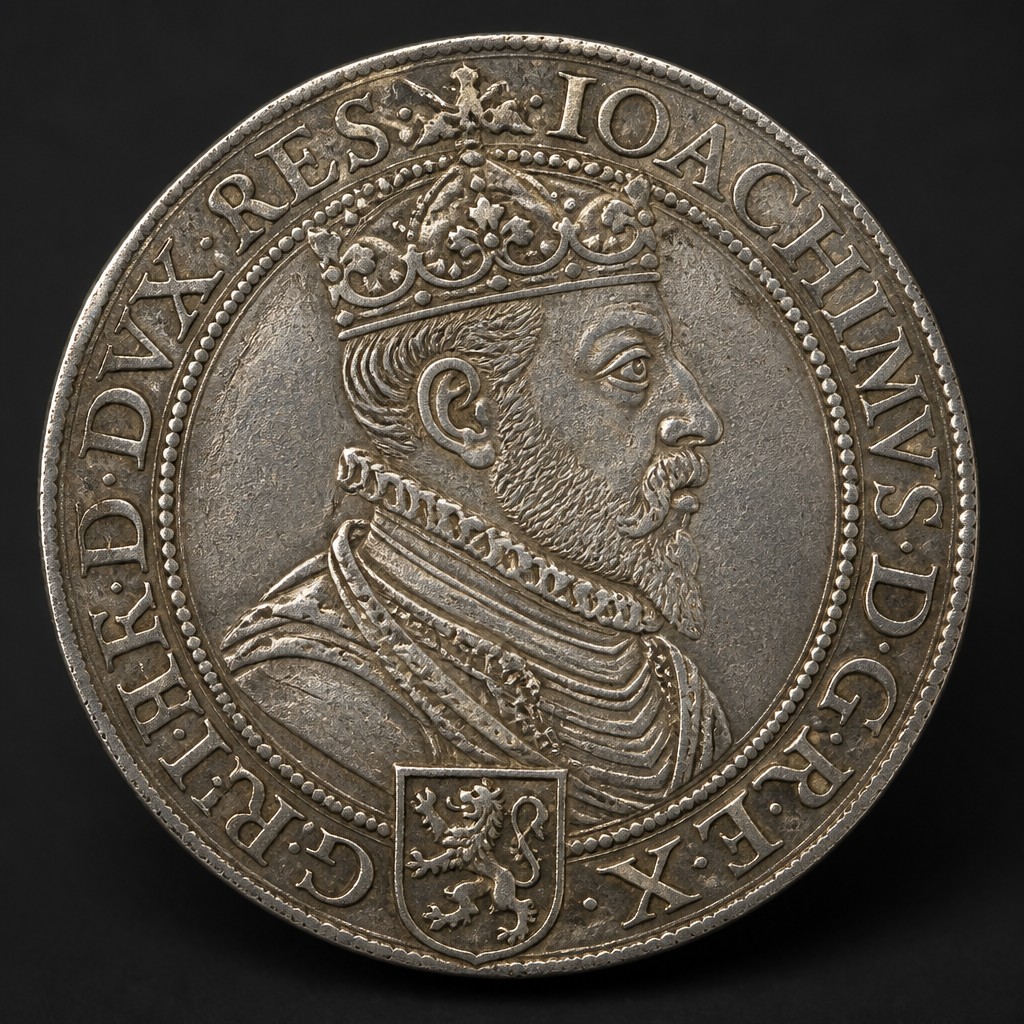
Joachimsthaler
Struck beginning in 1520 in the Bohemian silver-mining town of Joachimsthal, this large silver coin gave its name, shortened to 'thaler' and later 'dollar,' to countless currencies around the world.
European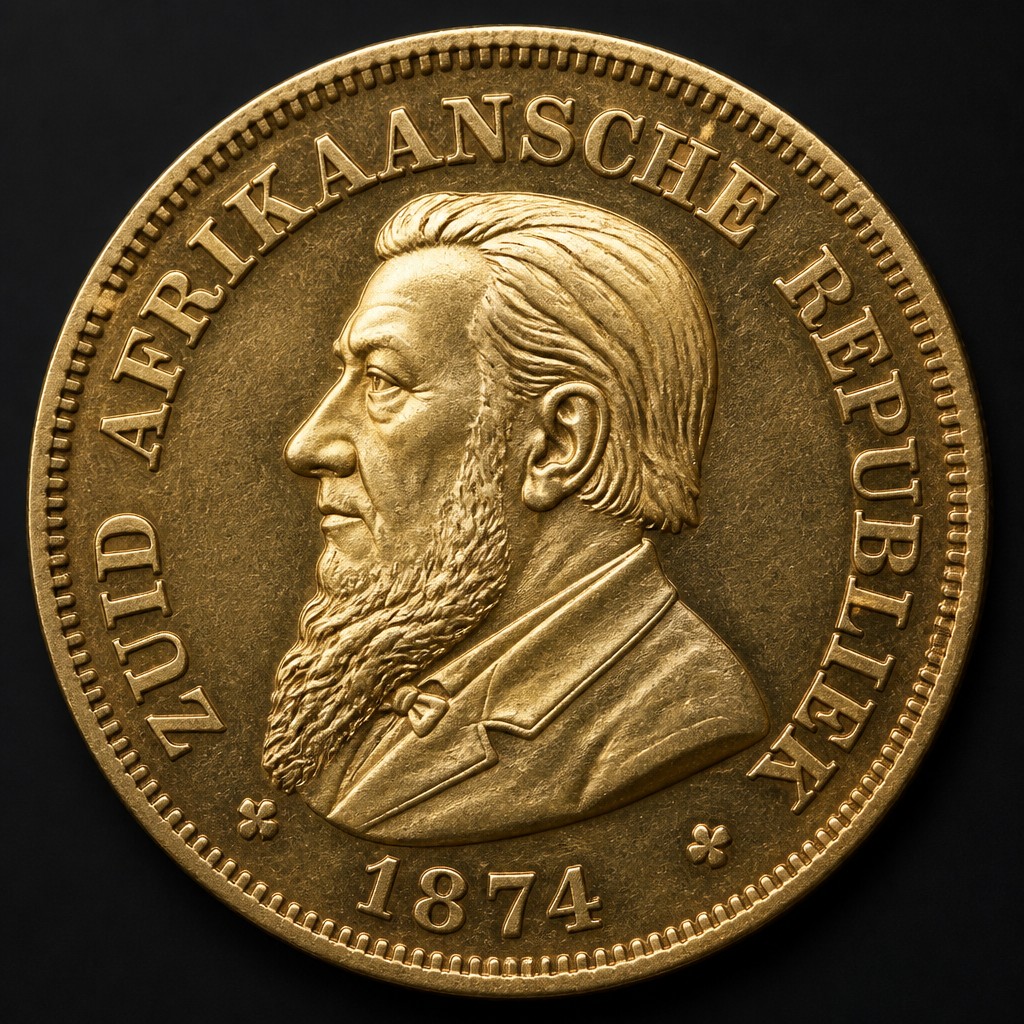
South African Republic Burgers Pond
The first coin struck for an independent South African state, issued in 1874 under President Thomas Burgers of the Transvaal, famous for its 'coarse beard' and 'fine beard' portrait varieties.
Africa & Oceania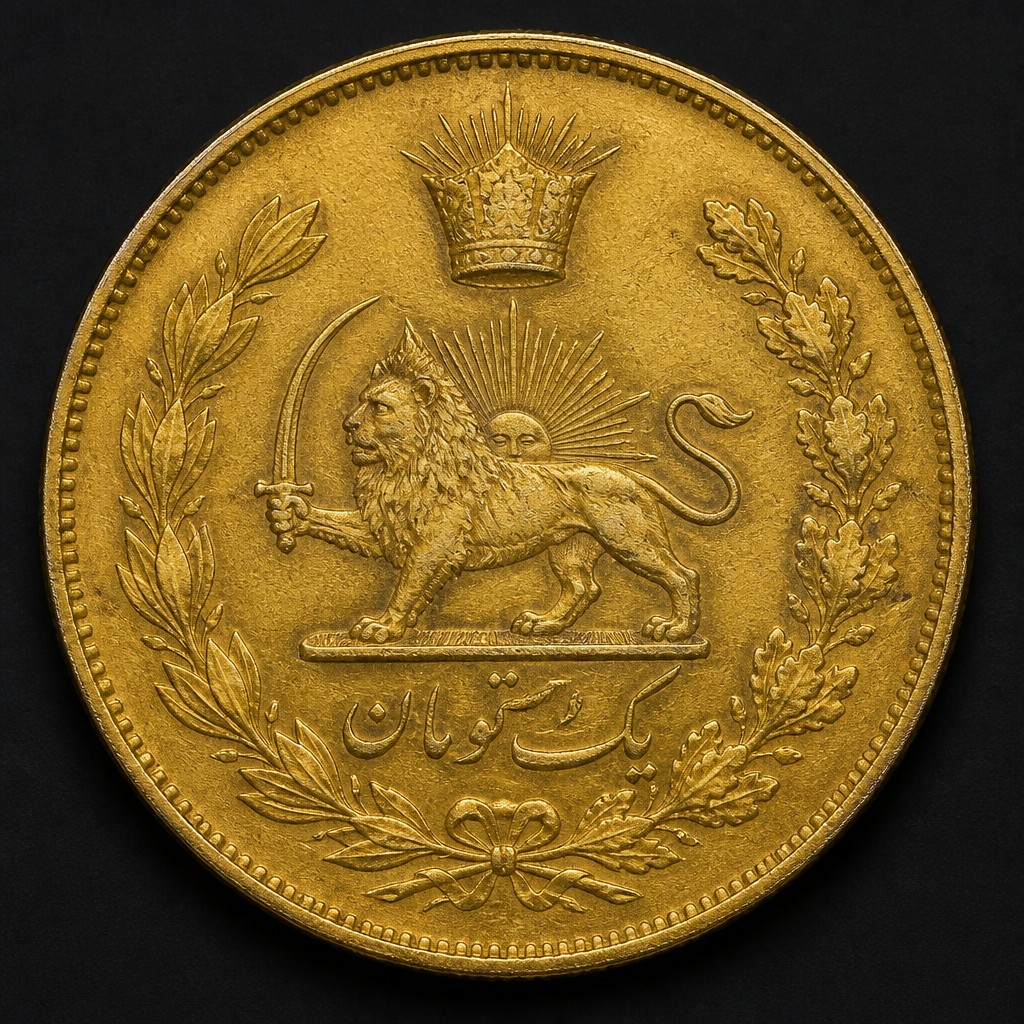
Persian Gold Toman (Qajar)
The principal gold coin of Qajar Persia, valued at ten silver kran, struck under a succession of shahs from the late 18th century until the dynasty's end in 1925.
Asian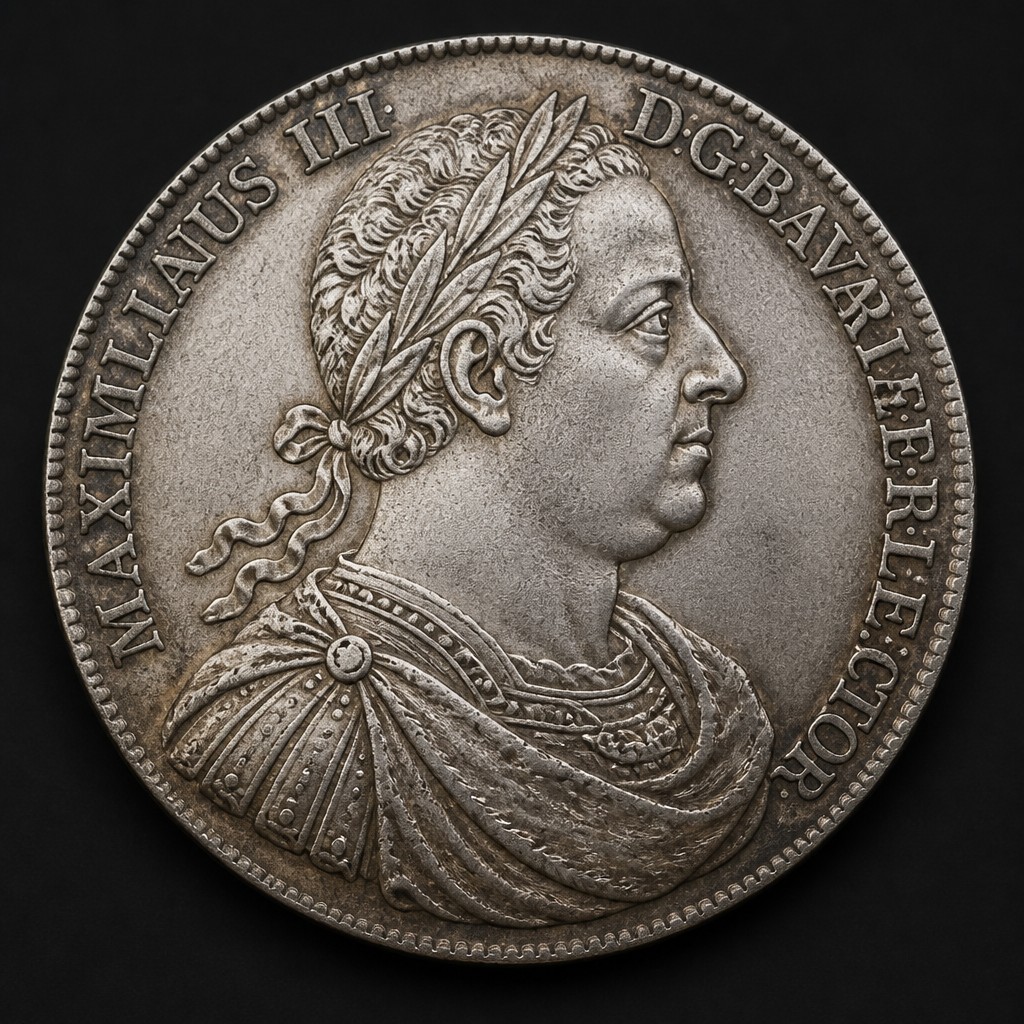
Bavaria Thaler
The historic large silver coin of Bavaria, struck across centuries by its electors and kings, capturing the state's political and artistic history until Germany's currency unification in the 1870s.
European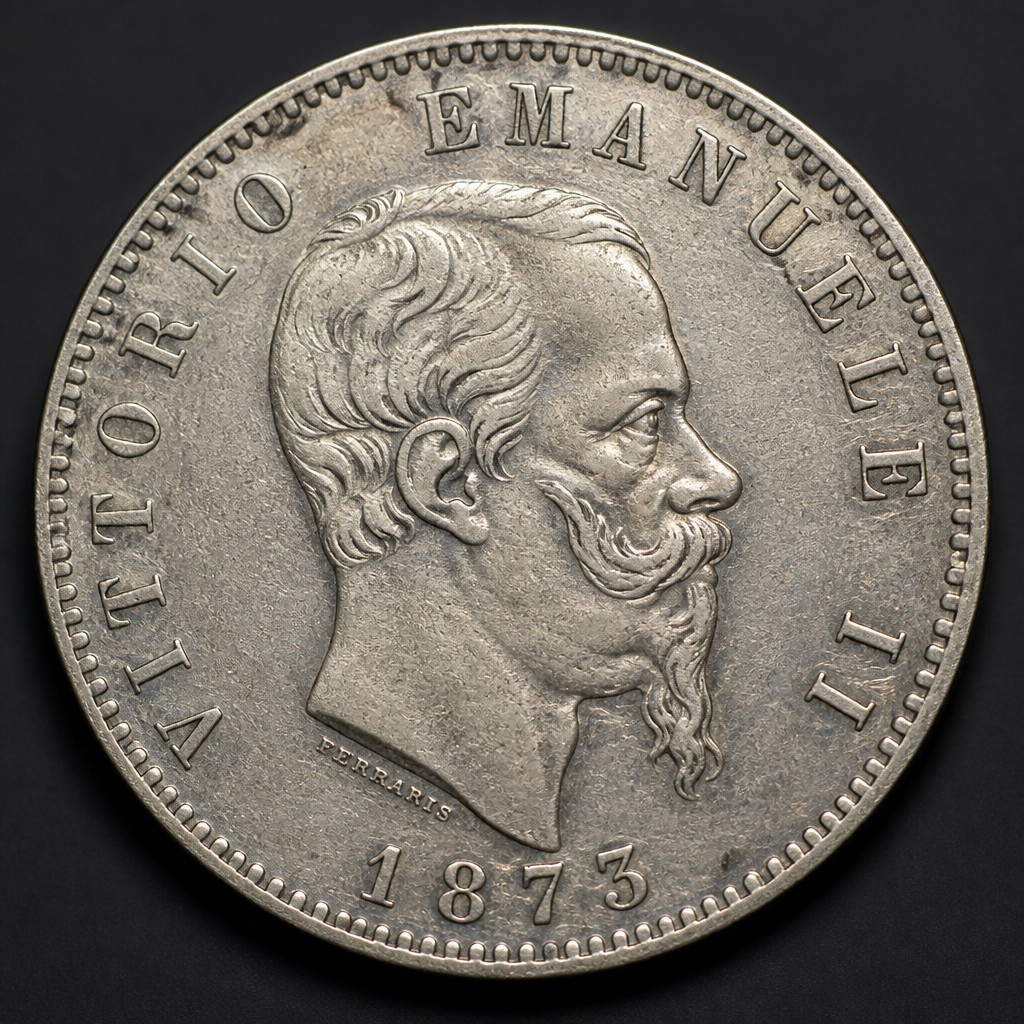
Italian 5 Lire Silver
The silver 5 Lire was the largest circulating silver coin of the newly unified Kingdom of Italy, featuring the portraits of its early kings and the national eagle, and remains a favorite of Italian collectors.
European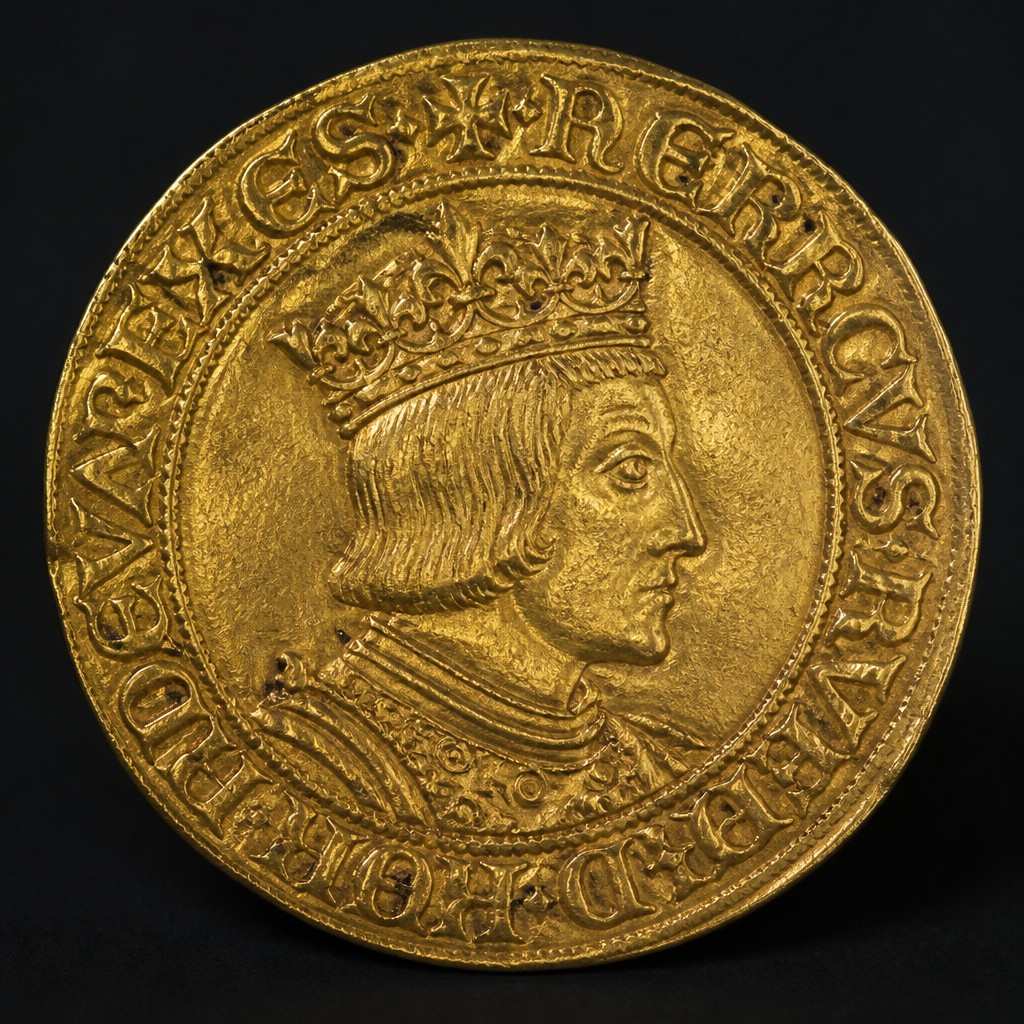
English Sovereign of Henry VII
The first English sovereign, introduced by Henry VII in 1489 as a large, prestigious gold coin showing the king enthroned in majesty, meant to project royal power after the Wars of the Roses.
British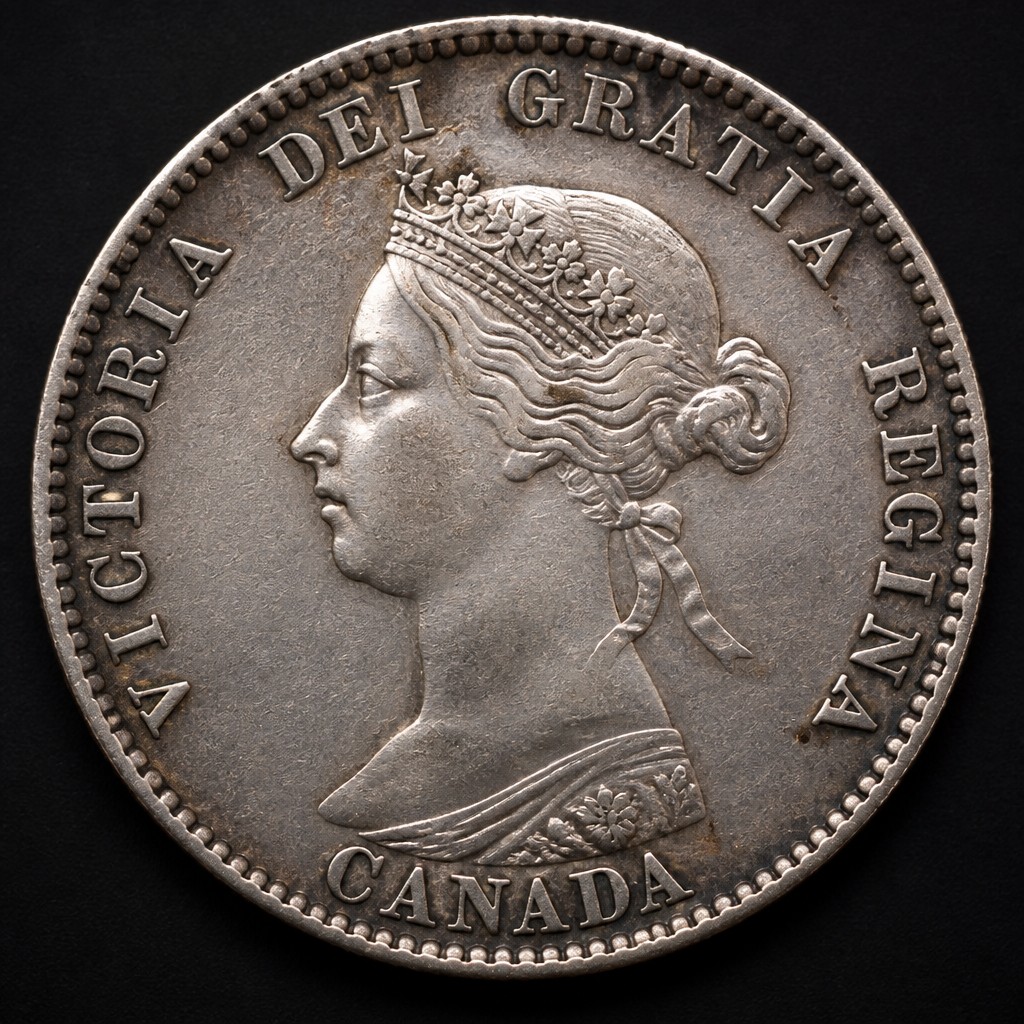
Victoria Ten Cents (dime)
Canada's early silver ten-cent coin issued under Queen Victoria, struck intermittently from the introduction of decimal currency in 1858 through the end of her reign in 1901.
Canadian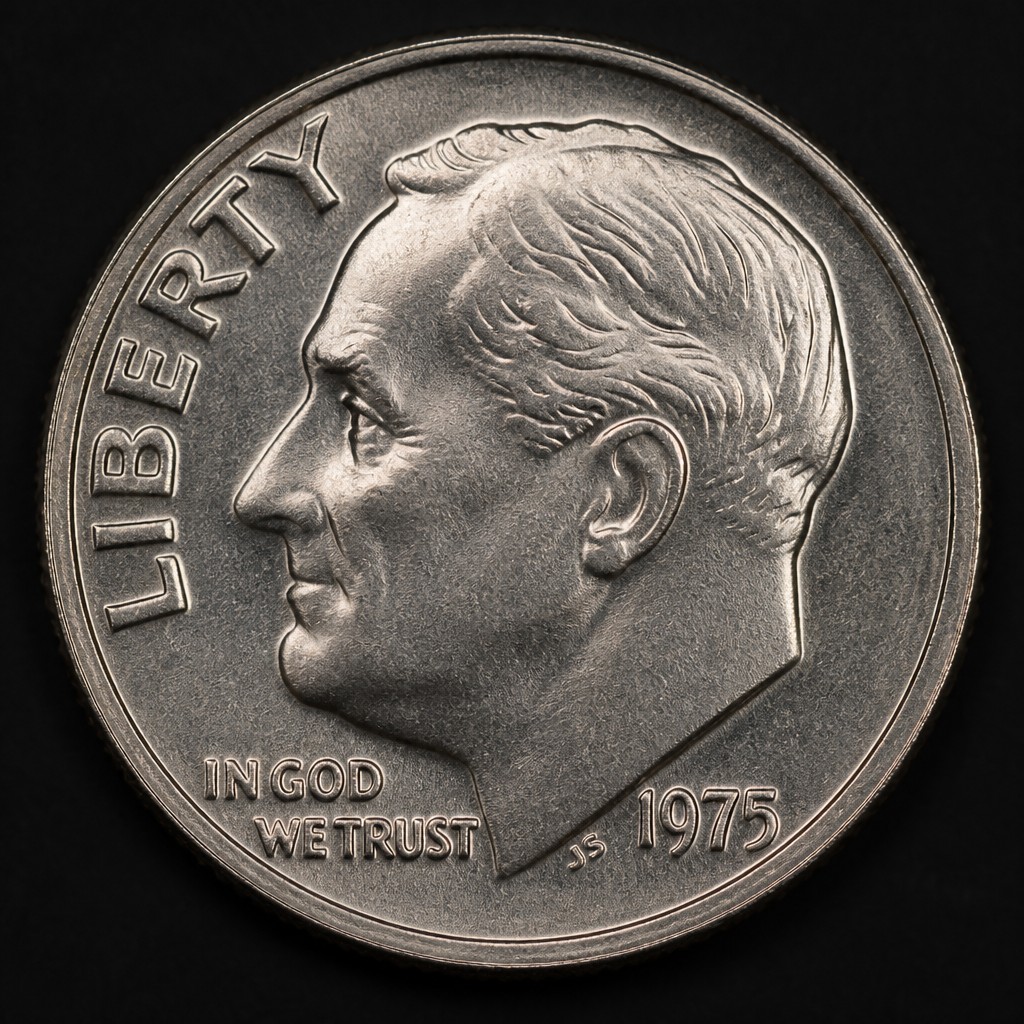
1975 No S Proof Roosevelt Dime
One of the rarest and most valuable modern US coin errors: a 1975 proof dime struck without its San Francisco 'S' mintmark, with only a handful of examples known.
Errors & Varieties